


2505 Results
Form:
books
books
Actions:
Price:
$37.99
(available in store)
Summary:
In "The effluent eye," Rosemary J. Jolly argues for the decolonization of human rights, attributing their failure not simply to state and institutional malfeasance but to the very concept of human rights as anthropocentric-and, therefore, fatally shortsighted. In an engaging mix of literary and cultural criticism, Indigenous and Black critique, and substantive forays into(...)
$37.99
(available in store)
Summary:
In "The effluent eye," Rosemary J. Jolly argues for the decolonization of human rights, attributing their failure not simply to state and institutional malfeasance but to the very concept of human rights as anthropocentric-and, therefore, fatally shortsighted. In an engaging mix of literary and cultural criticism, Indigenous and Black critique, and substantive forays into(...)
Title:
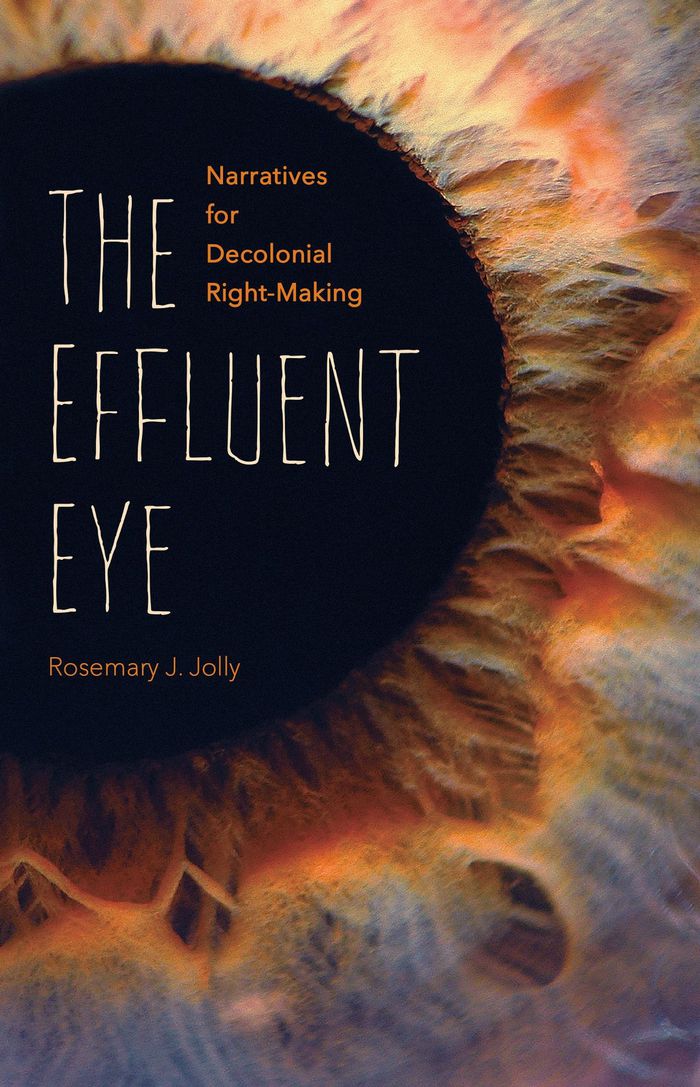
The effluent eye: Narratives for decolonial right-making
Actions:
Price:
$37.99
(available in store)
Summary:
In "The effluent eye," Rosemary J. Jolly argues for the decolonization of human rights, attributing their failure not simply to state and institutional malfeasance but to the very concept of human rights as anthropocentric-and, therefore, fatally shortsighted. In an engaging mix of literary and cultural criticism, Indigenous and Black critique, and substantive forays into the medical humanities, Jolly proposes right-making in the demise of human rights. Using what she calls an "effluent eye," Jolly draws on "Fifth Wave" structural public health to confront the concept of human rights-one of the most powerful and widely entrenched liberal ideas. She builds on Indigenous sovereignty work from authors such as Robin Wall Kimmerer, Leanne Betasamosake Simpson, and Mark Rifkin as well as the littoral development in Black studies from Christine Sharpe, Saidiya Hartman, and Tiffany Lethabo King to engage decolonial thinking on a range of urgent topics such as pandemic history and grief; gender-based violence and sexual assault; and the connections between colonial capitalism and substance abuse, the Anthropocene, and climate change. Combining witnessed experience with an array of decolonial texts, Jolly argues for an effluent form of reading that begins with the understanding that the granting of "rights" to individuals is meaningless in a world compromised by pollution, poverty, and successive pandemics.
The effluent eye: Narratives for decolonial right-making
Actions:
Price:
$37.99
(available in store)
Summary:
In "The effluent eye," Rosemary J. Jolly argues for the decolonization of human rights, attributing their failure not simply to state and institutional malfeasance but to the very concept of human rights as anthropocentric-and, therefore, fatally shortsighted. In an engaging mix of literary and cultural criticism, Indigenous and Black critique, and substantive forays into the medical humanities, Jolly proposes right-making in the demise of human rights. Using what she calls an "effluent eye," Jolly draws on "Fifth Wave" structural public health to confront the concept of human rights-one of the most powerful and widely entrenched liberal ideas. She builds on Indigenous sovereignty work from authors such as Robin Wall Kimmerer, Leanne Betasamosake Simpson, and Mark Rifkin as well as the littoral development in Black studies from Christine Sharpe, Saidiya Hartman, and Tiffany Lethabo King to engage decolonial thinking on a range of urgent topics such as pandemic history and grief; gender-based violence and sexual assault; and the connections between colonial capitalism and substance abuse, the Anthropocene, and climate change. Combining witnessed experience with an array of decolonial texts, Jolly argues for an effluent form of reading that begins with the understanding that the granting of "rights" to individuals is meaningless in a world compromised by pollution, poverty, and successive pandemics.
Form:
books
books
Publication:
January 2024
January 2024
Subject:
Critical Theory
Critical Theory
Form:
books
books
Actions:
Price:
$49.95
(available in store)
Summary:
If you were asked to close your eyes and envision where you are happiest, would you picture somewhere inside a building? North Americans are inside buildings for more than 90% of the day. Meanwhile, the indoors are stifling us, sometimes even killing us. Buildings, and the materials that make them up, expose us to materials linked to negative health impacts. The(...)
$49.95
(available in store)
Summary:
If you were asked to close your eyes and envision where you are happiest, would you picture somewhere inside a building? North Americans are inside buildings for more than 90% of the day. Meanwhile, the indoors are stifling us, sometimes even killing us. Buildings, and the materials that make them up, expose us to materials linked to negative health impacts. The(...)
Title:
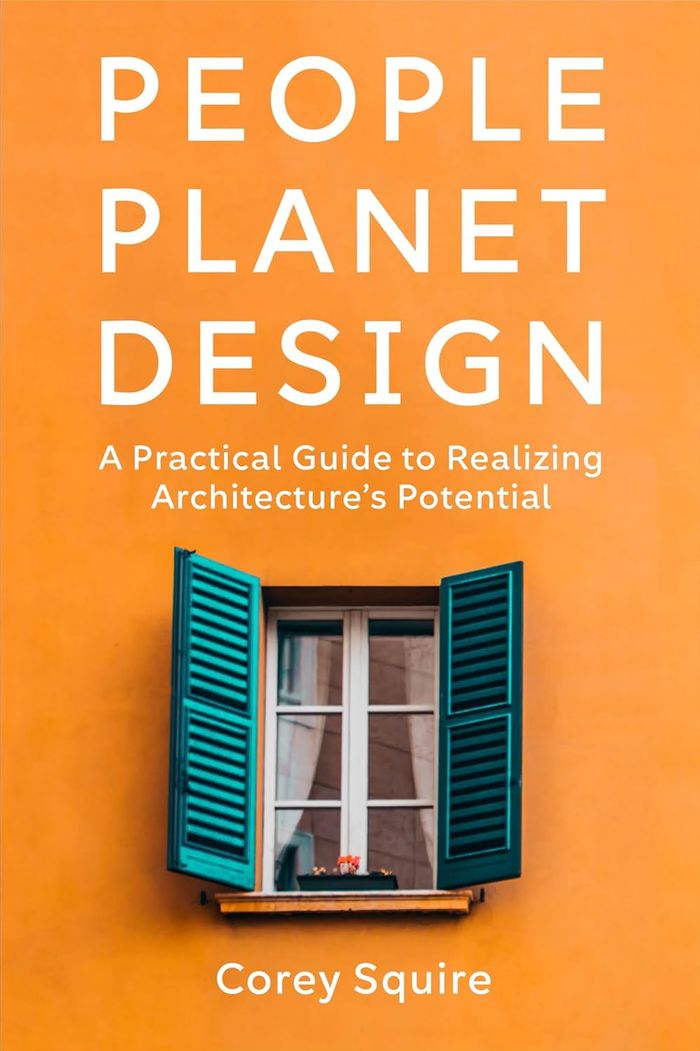
People, planet, design: A practical guide to realizing architecture's potential
Actions:
Price:
$49.95
(available in store)
Summary:
If you were asked to close your eyes and envision where you are happiest, would you picture somewhere inside a building? North Americans are inside buildings for more than 90% of the day. Meanwhile, the indoors are stifling us, sometimes even killing us. Buildings, and the materials that make them up, expose us to materials linked to negative health impacts. The construction and operation of buildings is responsible for 40% of climate-changing carbon emissions. In the US, the design choices made by the typical architecture firm employee each year can reduce emissions by about 300 times that of an average American. But the promise of sustainable architecture will not be realized if sustainability remains a secondary consideration for architects. What if great design were defined by its ability to cool the planet, heal communities, enhance ecological functioning, and advance justice? In "People, planet, design," architect Corey Squire builds the case, provides the data, and lays out the practical tools for a transformative human-centered architecture. This approach integrates beauty and delight with an awareness of how every design choice impacts the community, the planet, and the people who will use the building. Outcome-focused with a deep dive into practical design strategies, the book showcases ten building systems that embody design excellence.
People, planet, design: A practical guide to realizing architecture's potential
Actions:
Price:
$49.95
(available in store)
Summary:
If you were asked to close your eyes and envision where you are happiest, would you picture somewhere inside a building? North Americans are inside buildings for more than 90% of the day. Meanwhile, the indoors are stifling us, sometimes even killing us. Buildings, and the materials that make them up, expose us to materials linked to negative health impacts. The construction and operation of buildings is responsible for 40% of climate-changing carbon emissions. In the US, the design choices made by the typical architecture firm employee each year can reduce emissions by about 300 times that of an average American. But the promise of sustainable architecture will not be realized if sustainability remains a secondary consideration for architects. What if great design were defined by its ability to cool the planet, heal communities, enhance ecological functioning, and advance justice? In "People, planet, design," architect Corey Squire builds the case, provides the data, and lays out the practical tools for a transformative human-centered architecture. This approach integrates beauty and delight with an awareness of how every design choice impacts the community, the planet, and the people who will use the building. Outcome-focused with a deep dive into practical design strategies, the book showcases ten building systems that embody design excellence.
Form:
books
books
Publication:
November 2023
November 2023
Subject:
Green Architecture
Green Architecture
Form:
books
books
Actions:
Price:
$52.95
(available to order)
Summary:
Cities are at once among humanity’s crowning achievements and core drivers of the climate crisis. Their dependence on the outside world for vital resources is causing global temperatures to rise and wildlife habitats to shrink. But we have the opportunity to make cities more sustainable by transforming the built environment. Dickson D. Despommier proposes a plan for(...)
$52.95
(available to order)
Summary:
Cities are at once among humanity’s crowning achievements and core drivers of the climate crisis. Their dependence on the outside world for vital resources is causing global temperatures to rise and wildlife habitats to shrink. But we have the opportunity to make cities more sustainable by transforming the built environment. Dickson D. Despommier proposes a plan for(...)
Title:
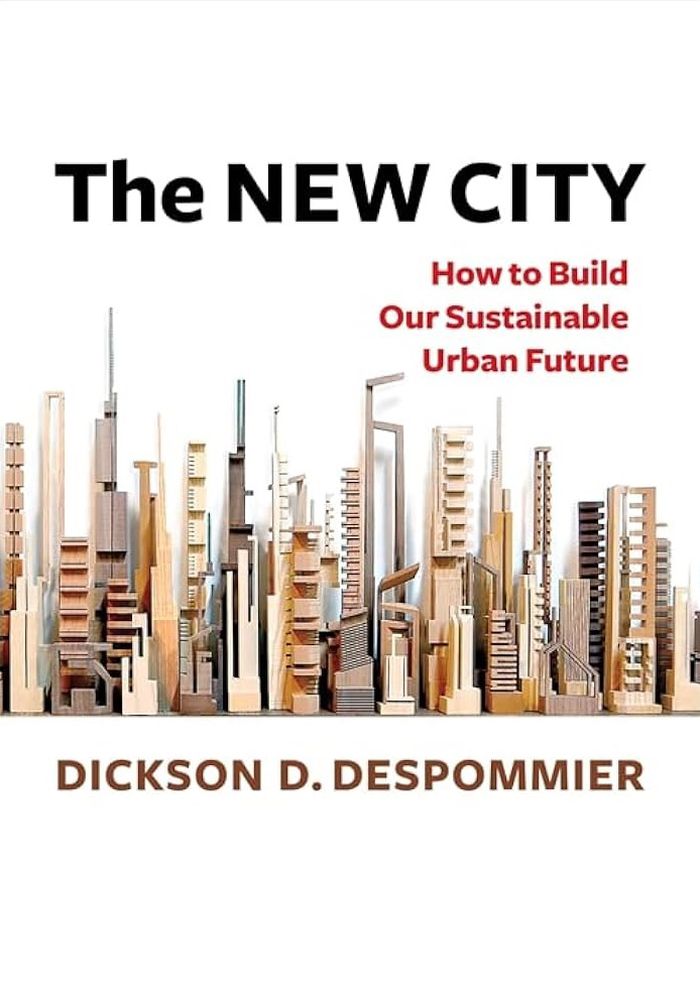
The new city: How to build our sustainable urban future
Actions:
Price:
$52.95
(available to order)
Summary:
Cities are at once among humanity’s crowning achievements and core drivers of the climate crisis. Their dependence on the outside world for vital resources is causing global temperatures to rise and wildlife habitats to shrink. But we have the opportunity to make cities more sustainable by transforming the built environment. Dickson D. Despommier proposes a plan for creating a new, self-sustaining urban landscape. He argues that we can find solutions through the concept of biomimicry: emulating successful strategies found in nature. A better city is possible if we heed the lessons that forests and trees teach about how to store carbon, grow food, collect rainwater, and convert sunlight into energy. Touring established and leading-edge technologies, ''The new city'' provides a blueprint for tomorrow’s urban environment. Cities built from wood will be more resilient and less destructive than concrete and steel construction; they will also encourage reforestation, boosting carbon sequestration. Vertical farms inside city limits will supply residents with a reliable, healthy food supply. Buildings will harvest moisture from the rain and air to secure a clean water supply. Renewable energy, including not only wind, solar, and geothermal but also clear photovoltaic window glass and nonpolluting hydrogen fuel cells, will power a cleaner city.
The new city: How to build our sustainable urban future
Actions:
Price:
$52.95
(available to order)
Summary:
Cities are at once among humanity’s crowning achievements and core drivers of the climate crisis. Their dependence on the outside world for vital resources is causing global temperatures to rise and wildlife habitats to shrink. But we have the opportunity to make cities more sustainable by transforming the built environment. Dickson D. Despommier proposes a plan for creating a new, self-sustaining urban landscape. He argues that we can find solutions through the concept of biomimicry: emulating successful strategies found in nature. A better city is possible if we heed the lessons that forests and trees teach about how to store carbon, grow food, collect rainwater, and convert sunlight into energy. Touring established and leading-edge technologies, ''The new city'' provides a blueprint for tomorrow’s urban environment. Cities built from wood will be more resilient and less destructive than concrete and steel construction; they will also encourage reforestation, boosting carbon sequestration. Vertical farms inside city limits will supply residents with a reliable, healthy food supply. Buildings will harvest moisture from the rain and air to secure a clean water supply. Renewable energy, including not only wind, solar, and geothermal but also clear photovoltaic window glass and nonpolluting hydrogen fuel cells, will power a cleaner city.
Form:
books
books
Publication:
September 2023
September 2023
Subject:
Urban Theory
Urban Theory
Form:
books
books
Price:
$58.95
(available in store)
Summary:
This book brings the history of the geosciences and world cosmologies together, exploring many traditions, including Chinese, Pacific, Islamic, South and Southeast Asian conceptions of the earth’s origin and makeup. Together the chapters ask: How have different ideas about the sacred, animate, and earthly changed modern environmental sciences? How have different world(...)
$58.95
(available in store)
Summary:
This book brings the history of the geosciences and world cosmologies together, exploring many traditions, including Chinese, Pacific, Islamic, South and Southeast Asian conceptions of the earth’s origin and makeup. Together the chapters ask: How have different ideas about the sacred, animate, and earthly changed modern environmental sciences? How have different world(...)
Subject:
Environment and environmental theory
Environment and environmental theory
Publication:
November 2023
November 2023
Title:
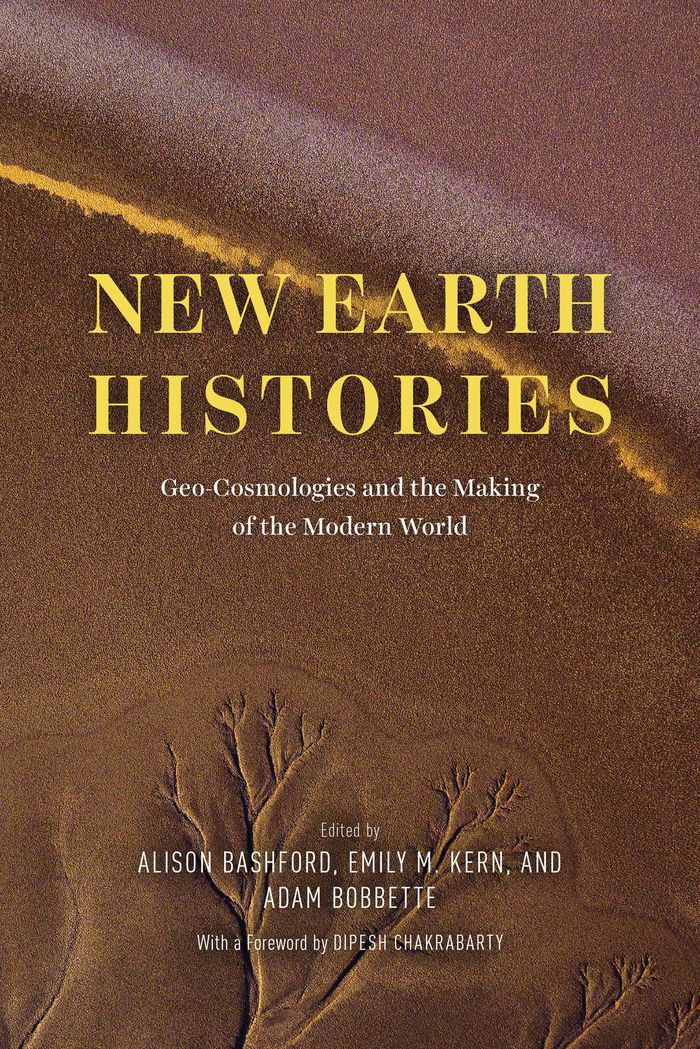
New earth histories: Geo-cosmologies and the making of the modern world
Actions:
Price:
$58.95
(available in store)
Summary:
This book brings the history of the geosciences and world cosmologies together, exploring many traditions, including Chinese, Pacific, Islamic, South and Southeast Asian conceptions of the earth’s origin and makeup. Together the chapters ask: How have different ideas about the sacred, animate, and earthly changed modern environmental sciences? How have different world traditions understood human and geological origins? How does the inclusion of multiple cosmologies change the meaning of the Anthropocene and the global climate crisis? By carefully examining these questions, ''New earth histories'' sets an ambitious agenda for how we think about the earth. The chapters consider debates about the age and structure of the earth, how humans and earth systems interact, and how empire has been conceived in multiple traditions. The methods the authors deploy are diverse—from cultural history and visual and material studies to ethnography, geography, and Indigenous studies—and the effect is to highlight how earth knowledge emerged from historically specific situations. ''New earth histories'' provides both a framework for studying science at a global scale and fascinating examples to educate as well as inspire future work. Essential reading for students and scholars of earth science history, environmental humanities, history of science and religion, and science and empire.
New earth histories: Geo-cosmologies and the making of the modern world
Actions:
Price:
$58.95
(available in store)
Summary:
This book brings the history of the geosciences and world cosmologies together, exploring many traditions, including Chinese, Pacific, Islamic, South and Southeast Asian conceptions of the earth’s origin and makeup. Together the chapters ask: How have different ideas about the sacred, animate, and earthly changed modern environmental sciences? How have different world traditions understood human and geological origins? How does the inclusion of multiple cosmologies change the meaning of the Anthropocene and the global climate crisis? By carefully examining these questions, ''New earth histories'' sets an ambitious agenda for how we think about the earth. The chapters consider debates about the age and structure of the earth, how humans and earth systems interact, and how empire has been conceived in multiple traditions. The methods the authors deploy are diverse—from cultural history and visual and material studies to ethnography, geography, and Indigenous studies—and the effect is to highlight how earth knowledge emerged from historically specific situations. ''New earth histories'' provides both a framework for studying science at a global scale and fascinating examples to educate as well as inspire future work. Essential reading for students and scholars of earth science history, environmental humanities, history of science and religion, and science and empire.
Form:
books
books
Publication:
November 2023
November 2023
Subject:
Environment and environmental theory
Environment and environmental theory
Form:
books
books
Title:
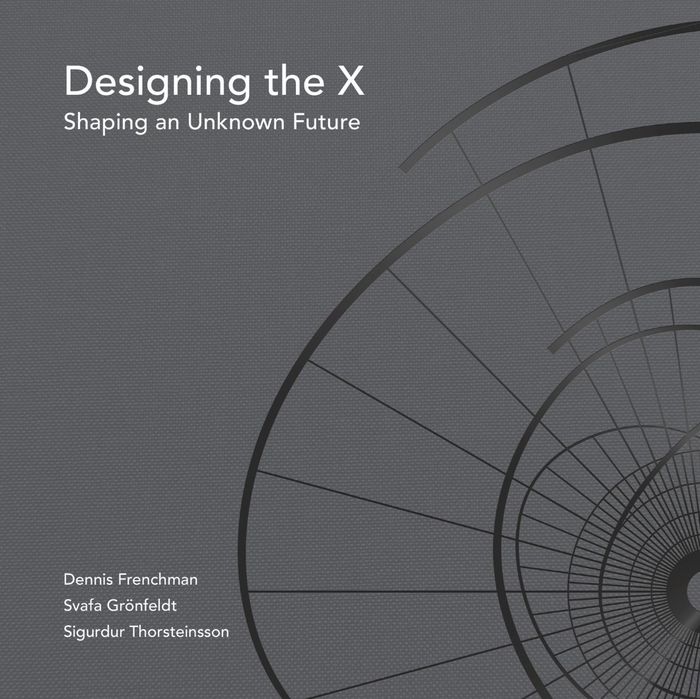
Designing the X
Designing the X
Actions:
Price:
$53.95
(available in store)
Summary:
As the pace of global change accelerates—ecologically, socially, and technologically—our traditional ways of understanding and responding to change fall short. We now live in an era of supercomplexity, where challenges like climate instability, migration, technological disruption, resource depletion, and systemic inequality converge and defy conventional(...)
$53.95
(available in store)
Summary:
As the pace of global change accelerates—ecologically, socially, and technologically—our traditional ways of understanding and responding to change fall short. We now live in an era of supercomplexity, where challenges like climate instability, migration, technological disruption, resource depletion, and systemic inequality converge and defy conventional(...)
Title:
Designing the X
Actions:
Price:
$53.95
(available in store)
Summary:
As the pace of global change accelerates—ecologically, socially, and technologically—our traditional ways of understanding and responding to change fall short. We now live in an era of supercomplexity, where challenges like climate instability, migration, technological disruption, resource depletion, and systemic inequality converge and defy conventional solutions. ''Designing the X'' meets this moment with a bold and timely proposition: when data, science, and analysis alone are insufficient to move us forward, we must turn to design as a powerful mode of reasoning through synthesis, where intuition meets insight and imagination drives action. Design enables us to move with complexity, not against it, and to shape futures beyond the limits of the present. Grounded in praxis and research—including 67 interviews with designers, technologists and scientists, innovators and entrepreneurs, urbanists, and educators— ''Designing the X'' makes a compelling case for design as an essential partner to science and technology: integrative, inventive, and profoundly human. The “X” stands for what’s missing in today’s analytic methods: the leap from parts to greater wholes, from current conditions to future potential. This book is for anyone seeking agency in an age of accelerating change. It’s a compass for those ready to imagine—and design—the future we cannot yet see.
Designing the X
Actions:
Price:
$53.95
(available in store)
Summary:
As the pace of global change accelerates—ecologically, socially, and technologically—our traditional ways of understanding and responding to change fall short. We now live in an era of supercomplexity, where challenges like climate instability, migration, technological disruption, resource depletion, and systemic inequality converge and defy conventional solutions. ''Designing the X'' meets this moment with a bold and timely proposition: when data, science, and analysis alone are insufficient to move us forward, we must turn to design as a powerful mode of reasoning through synthesis, where intuition meets insight and imagination drives action. Design enables us to move with complexity, not against it, and to shape futures beyond the limits of the present. Grounded in praxis and research—including 67 interviews with designers, technologists and scientists, innovators and entrepreneurs, urbanists, and educators— ''Designing the X'' makes a compelling case for design as an essential partner to science and technology: integrative, inventive, and profoundly human. The “X” stands for what’s missing in today’s analytic methods: the leap from parts to greater wholes, from current conditions to future potential. This book is for anyone seeking agency in an age of accelerating change. It’s a compass for those ready to imagine—and design—the future we cannot yet see.
Form:
books
books
Publication:
October 2025
October 2025
Subject:
Design Theory
Design Theory
Form:
books
books
Title:
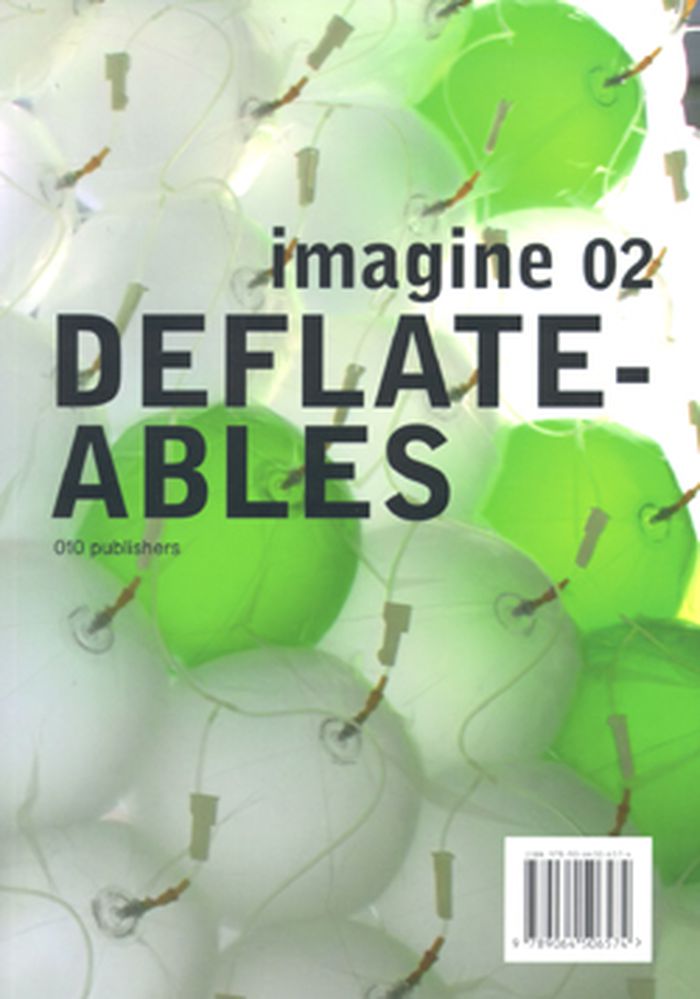
Imagine 02 Deflateables
Imagine 02 Deflateables
Actions:
Price:
$43.50
(available to order)
Summary:
Pneumatic structures have been thoroughly investigated and developed during the 1960s. However, the energy crisis and aesthetic developments stopped the process of employing these structures as a mainstream construction method. Deflateables concentrates on the very limited knowledge of vacuum constructions and develops a range of aesthetic, technical and functional design(...)
$43.50
(available to order)
Summary:
Pneumatic structures have been thoroughly investigated and developed during the 1960s. However, the energy crisis and aesthetic developments stopped the process of employing these structures as a mainstream construction method. Deflateables concentrates on the very limited knowledge of vacuum constructions and develops a range of aesthetic, technical and functional design(...)
Subject:
Engineering Structures
Engineering Structures
Publication:
October 2007, Rotterdam
October 2007, Rotterdam
Title:
Imagine 02 Deflateables
Actions:
Price:
$43.50
(available to order)
Summary:
Pneumatic structures have been thoroughly investigated and developed during the 1960s. However, the energy crisis and aesthetic developments stopped the process of employing these structures as a mainstream construction method. Deflateables concentrates on the very limited knowledge of vacuum constructions and develops a range of aesthetic, technical and functional design possibilities. Until today, there has been a very limited number of designs developed and realized using pressurized constructions – despite the fact that this technology could lead to positive aspects: the air pressure of the earth can be used as a stabilizing and form-giving parameter, creating a specific and inspiring shape. In addition, the very nature of this technology offers varying degrees of thermal and acoustic insulation. Exploiting the possibilities of extremely light and, at the same time, energetically active constructions, deflateables are one of the promising fields of architectural and design developments. The chance to create structures that can move and react to requests such as user and climate requirements as well as formative demands, lifts this topic onto the level of a realistic and usable technology for as yet unknown design possibilities. Two volumes of the Imagine series are planned annually. Façades and Deflateables will appear in May 2008. Performance Driven Envelopes and Rapids will appear at the beginning of 2009.
Imagine 02 Deflateables
Actions:
Price:
$43.50
(available to order)
Summary:
Pneumatic structures have been thoroughly investigated and developed during the 1960s. However, the energy crisis and aesthetic developments stopped the process of employing these structures as a mainstream construction method. Deflateables concentrates on the very limited knowledge of vacuum constructions and develops a range of aesthetic, technical and functional design possibilities. Until today, there has been a very limited number of designs developed and realized using pressurized constructions – despite the fact that this technology could lead to positive aspects: the air pressure of the earth can be used as a stabilizing and form-giving parameter, creating a specific and inspiring shape. In addition, the very nature of this technology offers varying degrees of thermal and acoustic insulation. Exploiting the possibilities of extremely light and, at the same time, energetically active constructions, deflateables are one of the promising fields of architectural and design developments. The chance to create structures that can move and react to requests such as user and climate requirements as well as formative demands, lifts this topic onto the level of a realistic and usable technology for as yet unknown design possibilities. Two volumes of the Imagine series are planned annually. Façades and Deflateables will appear in May 2008. Performance Driven Envelopes and Rapids will appear at the beginning of 2009.
Form:
books
books
Publication:
October 2007, Rotterdam
October 2007, Rotterdam
Subject:
Engineering Structures
Engineering Structures
Form:
books
books
Actions:
Price:
$94.50
(available to order)
Summary:
This researched and illustrated study catalogs all of Latrobe's domestic commissions, offering an authoritative treatment of the concepts, designs, and unique interior and exterior features of his houses. Benjamin Henry Latrobe, an English émigré and the first professional architect of international stature to practice in the United States, invented an American house(...)
$94.50
(available to order)
Summary:
This researched and illustrated study catalogs all of Latrobe's domestic commissions, offering an authoritative treatment of the concepts, designs, and unique interior and exterior features of his houses. Benjamin Henry Latrobe, an English émigré and the first professional architect of international stature to practice in the United States, invented an American house(...)
Subject:
Architecture Monographs
Architecture Monographs
Publication:
March 2006, Baltimore
March 2006, Baltimore
Title:
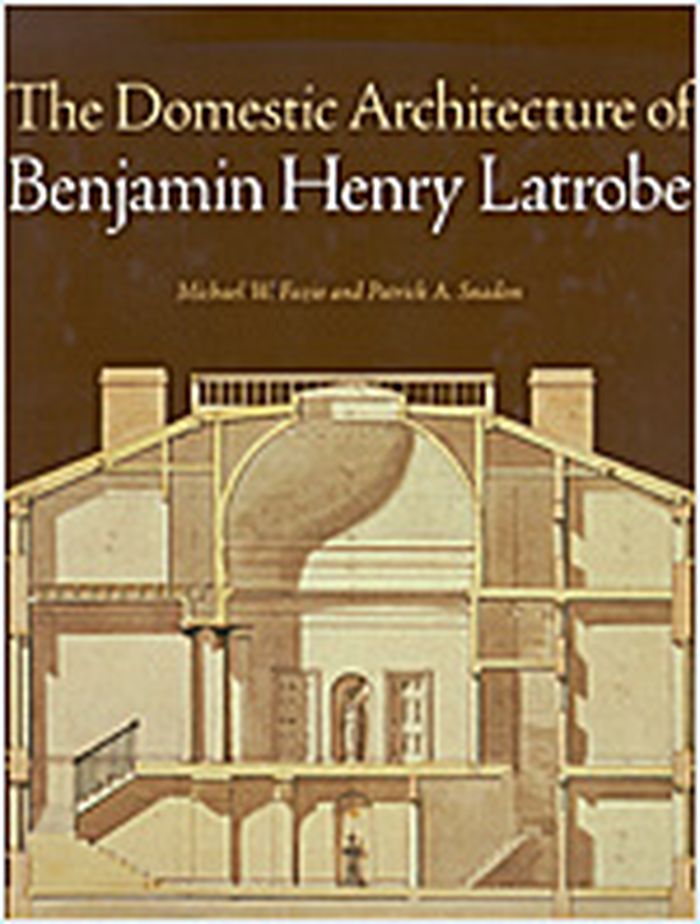
The domestic architecture of Benjamin Henry Latrobe
Actions:
Price:
$94.50
(available to order)
Summary:
This researched and illustrated study catalogs all of Latrobe's domestic commissions, offering an authoritative treatment of the concepts, designs, and unique interior and exterior features of his houses. Benjamin Henry Latrobe, an English émigré and the first professional architect of international stature to practice in the United States, invented an American house type for the new democratic republic. Calling upon his diverse education and travel experiences in Europe and his training with eminent architects and engineers in London, Latrobe responded to American manners and climate by producing what he called his "rational house," an application of Enlightenment thinking to the design of a proper living environment for the citizens of the world's most recent democracy. Establishing a new benchmark in Latrobe studies, Michael W. Fazio and Patrick A. Snadon extend their analysis to Latrobe's training and career in England and Europe, his principles of design, and his methods of architectural practice. The authors trace the evolution of his design thinking through analytical essays on all of his major domestic commissions and conclude with a summary discussion of his position within the international architectural scene, his design theories, the integration of interior design and engineering into his architectural practice, and the preservation of his houses.
The domestic architecture of Benjamin Henry Latrobe
Actions:
Price:
$94.50
(available to order)
Summary:
This researched and illustrated study catalogs all of Latrobe's domestic commissions, offering an authoritative treatment of the concepts, designs, and unique interior and exterior features of his houses. Benjamin Henry Latrobe, an English émigré and the first professional architect of international stature to practice in the United States, invented an American house type for the new democratic republic. Calling upon his diverse education and travel experiences in Europe and his training with eminent architects and engineers in London, Latrobe responded to American manners and climate by producing what he called his "rational house," an application of Enlightenment thinking to the design of a proper living environment for the citizens of the world's most recent democracy. Establishing a new benchmark in Latrobe studies, Michael W. Fazio and Patrick A. Snadon extend their analysis to Latrobe's training and career in England and Europe, his principles of design, and his methods of architectural practice. The authors trace the evolution of his design thinking through analytical essays on all of his major domestic commissions and conclude with a summary discussion of his position within the international architectural scene, his design theories, the integration of interior design and engineering into his architectural practice, and the preservation of his houses.
Form:
books
books
Publication:
March 2006, Baltimore
March 2006, Baltimore
Subject:
Architecture Monographs
Architecture Monographs
Form:
books
books
Price:
$54.00
(available in store)
Summary:
To think through soil is to engage with some of the most critical issues of our time. In addition to its agricultural role in feeding eight billion people, soil has become the primary agent of carbon storage in global climate models, and it is crucial for biodiversity, flood control, and freshwater resources. Perhaps no other material is asked to do so much for the human(...)
$54.00
(available in store)
Summary:
To think through soil is to engage with some of the most critical issues of our time. In addition to its agricultural role in feeding eight billion people, soil has become the primary agent of carbon storage in global climate models, and it is crucial for biodiversity, flood control, and freshwater resources. Perhaps no other material is asked to do so much for the human(...)
Subject:
Architecture ecologies
Architecture ecologies
Publication:
June 2025
June 2025
Title:
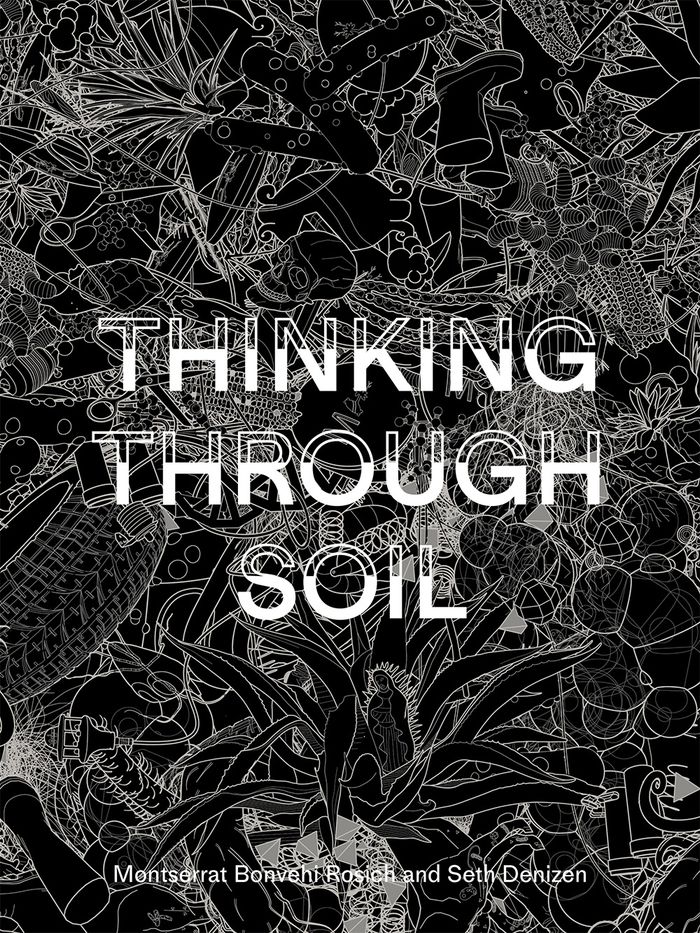
Thinking through soil: Wastewater agriculture in the Mezquital Valley
Actions:
Price:
$54.00
(available in store)
Summary:
To think through soil is to engage with some of the most critical issues of our time. In addition to its agricultural role in feeding eight billion people, soil has become the primary agent of carbon storage in global climate models, and it is crucial for biodiversity, flood control, and freshwater resources. Perhaps no other material is asked to do so much for the human environment, and yet our basic conceptual model of what soil is and how it works remains surprisingly vague. In cities, soil occupies a blurry category whose boundaries are both empirically uncertain and politically contested. Soil functions as a nexus for environmental processes through which the planet’s most fundamental material transformations occur, but conjuring what it actually is serves as a useful exercise in reframing environmental thought, design thinking, and city and regional planning toward a healthier, more ethical, and more sustainable future. Through a sustained analysis of the world’s largest wastewater agricultural system, located in the Mexico City–Mezquital hydrological region, ''Thinking Through Soil'' imagines what a better environmental future might look like in central Mexico. More broadly, this case study offers a new image of soil that captures its shifting identity, explains its profound importance to rural and urban life, and argues for its capacity to save our planet.
Thinking through soil: Wastewater agriculture in the Mezquital Valley
Actions:
Price:
$54.00
(available in store)
Summary:
To think through soil is to engage with some of the most critical issues of our time. In addition to its agricultural role in feeding eight billion people, soil has become the primary agent of carbon storage in global climate models, and it is crucial for biodiversity, flood control, and freshwater resources. Perhaps no other material is asked to do so much for the human environment, and yet our basic conceptual model of what soil is and how it works remains surprisingly vague. In cities, soil occupies a blurry category whose boundaries are both empirically uncertain and politically contested. Soil functions as a nexus for environmental processes through which the planet’s most fundamental material transformations occur, but conjuring what it actually is serves as a useful exercise in reframing environmental thought, design thinking, and city and regional planning toward a healthier, more ethical, and more sustainable future. Through a sustained analysis of the world’s largest wastewater agricultural system, located in the Mexico City–Mezquital hydrological region, ''Thinking Through Soil'' imagines what a better environmental future might look like in central Mexico. More broadly, this case study offers a new image of soil that captures its shifting identity, explains its profound importance to rural and urban life, and argues for its capacity to save our planet.
Form:
books
books
Publication:
June 2025
June 2025
Subject:
Architecture ecologies
Architecture ecologies
Form:
books
books

Title:
Gabriel Orozco
Gabriel Orozco
Actions:
Price:
$108.00
(available to order)
Summary:
The work of Gabriel Orozco is an exemplary adventure of ideas and objects. Always generously implicating the spectator, Orozco draws on a large material repertoire to produce quiet shifts in commonplace scenarios. This book, published to coincide with Orozco's exhibition at the Museo del Palacio de Bellas Artes in Mexico City, is the first substantial monograph on the(...)
$108.00
(available to order)
Summary:
The work of Gabriel Orozco is an exemplary adventure of ideas and objects. Always generously implicating the spectator, Orozco draws on a large material repertoire to produce quiet shifts in commonplace scenarios. This book, published to coincide with Orozco's exhibition at the Museo del Palacio de Bellas Artes in Mexico City, is the first substantial monograph on the(...)
Subject:
Contemporary Art Monographs
Contemporary Art Monographs
Publication:
April 2007, Mexico
April 2007, Mexico
Title:
Gabriel Orozco
Actions:
Price:
$108.00
(available to order)
Summary:
The work of Gabriel Orozco is an exemplary adventure of ideas and objects. Always generously implicating the spectator, Orozco draws on a large material repertoire to produce quiet shifts in commonplace scenarios. This book, published to coincide with Orozco's exhibition at the Museo del Palacio de Bellas Artes in Mexico City, is the first substantial monograph on the artist, and testifies to the range of his investigations, from tiny adjustments in everyday locations (such as breath on a piano or reflections in a puddle) to more recent preoccupations with spherical forms in collage and paint. In an extensive interview with Briony Fer, the artist explains some of the conceptual premises of his art. Benjamin H.D. Buchloh situates Orozco s various sculptural practices within twentieth-century precedents and the climate of postwar consumerism and assesses them as manifestations of a shift in object-subject relations. And Yves-Alain Bois explores Orozco's recent "return" to painting, considering the structural logic of his canvases, in which Orozco deploys self-imposed rules to plot compositions (or "diagrams," as he describes them). With insightful texts and hundreds of illustrations, this big, bold, 360-page book is the definitive work to date on one of the most influential contemporary artists.
Gabriel Orozco
Actions:
Price:
$108.00
(available to order)
Summary:
The work of Gabriel Orozco is an exemplary adventure of ideas and objects. Always generously implicating the spectator, Orozco draws on a large material repertoire to produce quiet shifts in commonplace scenarios. This book, published to coincide with Orozco's exhibition at the Museo del Palacio de Bellas Artes in Mexico City, is the first substantial monograph on the artist, and testifies to the range of his investigations, from tiny adjustments in everyday locations (such as breath on a piano or reflections in a puddle) to more recent preoccupations with spherical forms in collage and paint. In an extensive interview with Briony Fer, the artist explains some of the conceptual premises of his art. Benjamin H.D. Buchloh situates Orozco s various sculptural practices within twentieth-century precedents and the climate of postwar consumerism and assesses them as manifestations of a shift in object-subject relations. And Yves-Alain Bois explores Orozco's recent "return" to painting, considering the structural logic of his canvases, in which Orozco deploys self-imposed rules to plot compositions (or "diagrams," as he describes them). With insightful texts and hundreds of illustrations, this big, bold, 360-page book is the definitive work to date on one of the most influential contemporary artists.
Form:
books
books
Publication:
April 2007, Mexico
April 2007, Mexico
Subject:
Contemporary Art Monographs
Contemporary Art Monographs
Form:
books
books
Actions:
Price:
$47.95
(available to order)
Summary:
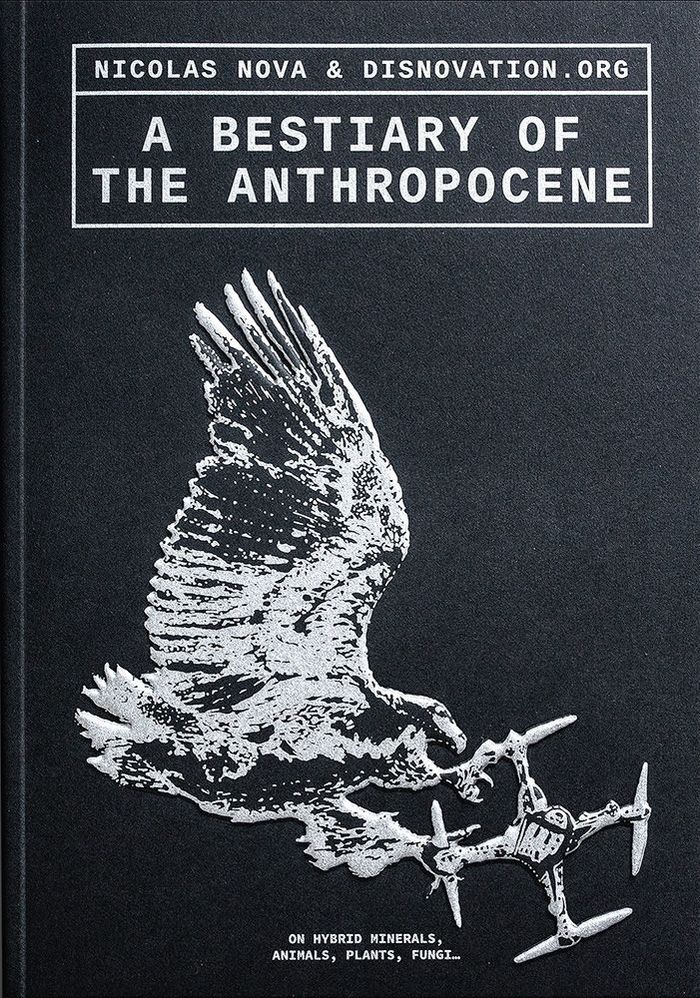
Plastiglomerates, surveillance robot dogs, fordite, artificial grass, antenna trees, COVID-19, decapitated mountains, drone-fighting eagles, standardized bananas: all of these specimens—some more familiar than others—are examples of the hybridity that shapes the current landscapes of science, technology and everyday life. Inspired by medieval bestiaries and the(...)
$47.95
(available to order)
Summary:
Plastiglomerates, surveillance robot dogs, fordite, artificial grass, antenna trees, COVID-19, decapitated mountains, drone-fighting eagles, standardized bananas: all of these specimens—some more familiar than others—are examples of the hybridity that shapes the current landscapes of science, technology and everyday life. Inspired by medieval bestiaries and the(...)
Title:
A bestiary of the Anthropocene. Hybrid plants, animals, minerals, fungi, and other specimens
Actions:
Price:
$47.95
(available to order)
Summary:
Plastiglomerates, surveillance robot dogs, fordite, artificial grass, antenna trees, COVID-19, decapitated mountains, drone-fighting eagles, standardized bananas: all of these specimens—some more familiar than others—are examples of the hybridity that shapes the current landscapes of science, technology and everyday life. Inspired by medieval bestiaries and the increasingly visible effects of climate change on the planet, French researcher Nicolas Nova & art collective DISNOVATION.ORG provide an ethnographic guide to the ''post-natural'' era in which we live, highlighting the amalgamations of nature and artifice that already co-exist in the 21st century. A sort of field handbook, ''A bestiary of the Anthropocene'' aims to help us orient ourselves within the technosphere and the biosphere. What happens when technologies and their unintended consequences become so ubiquitous that it is difficult to define what is “natural” or not? What does it mean to live in a hybrid environment made of organic and synthetic matter? In order to answer such questions, Nova & DISNOVATION.ORG bring their own research together with contributions from collectives such as the Center for Genomic Gastronomy and Aliens in Green as well as text by scholars and researchers from around the world. Polish graphic designer Maria Roszkowska provides illustrations.
A bestiary of the Anthropocene. Hybrid plants, animals, minerals, fungi, and other specimens
Actions:
Price:
$47.95
(available to order)
Summary:
Plastiglomerates, surveillance robot dogs, fordite, artificial grass, antenna trees, COVID-19, decapitated mountains, drone-fighting eagles, standardized bananas: all of these specimens—some more familiar than others—are examples of the hybridity that shapes the current landscapes of science, technology and everyday life. Inspired by medieval bestiaries and the increasingly visible effects of climate change on the planet, French researcher Nicolas Nova & art collective DISNOVATION.ORG provide an ethnographic guide to the ''post-natural'' era in which we live, highlighting the amalgamations of nature and artifice that already co-exist in the 21st century. A sort of field handbook, ''A bestiary of the Anthropocene'' aims to help us orient ourselves within the technosphere and the biosphere. What happens when technologies and their unintended consequences become so ubiquitous that it is difficult to define what is “natural” or not? What does it mean to live in a hybrid environment made of organic and synthetic matter? In order to answer such questions, Nova & DISNOVATION.ORG bring their own research together with contributions from collectives such as the Center for Genomic Gastronomy and Aliens in Green as well as text by scholars and researchers from around the world. Polish graphic designer Maria Roszkowska provides illustrations.
Form:
books
books
Publication:
May 2021
May 2021
Subject:
Environment and environmental theory
Environment and environmental theory


