


2576 Results
Form:
books
books

Title:
The great transformation
The great transformation
Actions:
Price:
$33.95
(available to order)
Summary:
Odd Arne Westad and Chen Jian chronicle how an impoverished and terrorized China experienced radical political changes in the long 1970s and how ordinary people broke free from the beliefs that had shaped their lives during Mao’s Cultural Revolution. These changes, and the unprecedented and sustained economic growth that followed, transformed China and the world. In(...)
$33.95
(available to order)
Summary:
Odd Arne Westad and Chen Jian chronicle how an impoverished and terrorized China experienced radical political changes in the long 1970s and how ordinary people broke free from the beliefs that had shaped their lives during Mao’s Cultural Revolution. These changes, and the unprecedented and sustained economic growth that followed, transformed China and the world. In(...)
Title:
The great transformation
Actions:
Price:
$33.95
(available to order)
Summary:
Odd Arne Westad and Chen Jian chronicle how an impoverished and terrorized China experienced radical political changes in the long 1970s and how ordinary people broke free from the beliefs that had shaped their lives during Mao’s Cultural Revolution. These changes, and the unprecedented and sustained economic growth that followed, transformed China and the world. In this rigorous account, Westad and Chen construct a panorama of catastrophe and progress in China. They chronicle China’s gradual opening to the world—the interplay of power in an era of aged and ailing leadership, the people’s rebellion against the earlier government system, and the roles of unlikely characters: overseas Chinese capitalists, American engineers, Japanese professors, and German designers. This is a story of revolutionary change that neither foreigners nor the Chinese themselves could have predicted.
The great transformation
Actions:
Price:
$33.95
(available to order)
Summary:
Odd Arne Westad and Chen Jian chronicle how an impoverished and terrorized China experienced radical political changes in the long 1970s and how ordinary people broke free from the beliefs that had shaped their lives during Mao’s Cultural Revolution. These changes, and the unprecedented and sustained economic growth that followed, transformed China and the world. In this rigorous account, Westad and Chen construct a panorama of catastrophe and progress in China. They chronicle China’s gradual opening to the world—the interplay of power in an era of aged and ailing leadership, the people’s rebellion against the earlier government system, and the roles of unlikely characters: overseas Chinese capitalists, American engineers, Japanese professors, and German designers. This is a story of revolutionary change that neither foreigners nor the Chinese themselves could have predicted.
Form:
books
books
Publication:
November 2025
November 2025
Subject:
Current Exhibitions
Current Exhibitions
Form:
books
books
Actions:
Price:
$59.95
(available in store)
Summary:
Following the Second World War, Montreal earned a reputation as a North American hotbed of eroticism due to its red-light district, nightclub scene, and pornography industry. Although this erotic environment had a significant presence in the art and media of the period, the topic has been neglected by scholars. "The pornographic delicatessen" offers an important(...)
$59.95
(available in store)
Summary:
Following the Second World War, Montreal earned a reputation as a North American hotbed of eroticism due to its red-light district, nightclub scene, and pornography industry. Although this erotic environment had a significant presence in the art and media of the period, the topic has been neglected by scholars. "The pornographic delicatessen" offers an important(...)
Title:
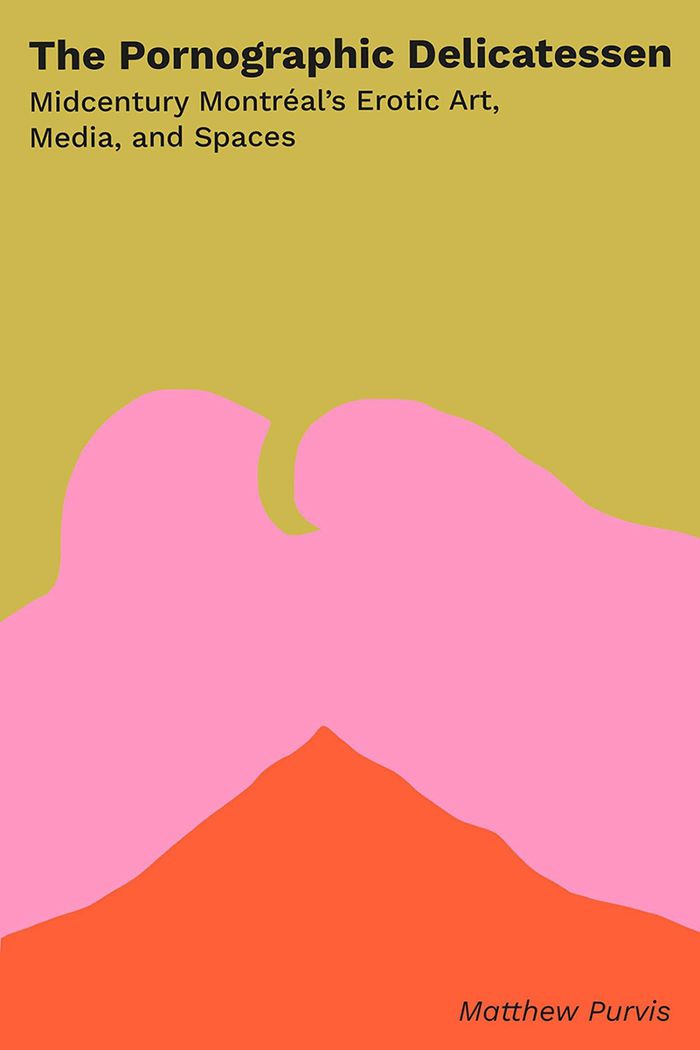
The pornographic delicatessen: Midcentury Montreal's erotic art, media, and spaces
Actions:
Price:
$59.95
(available in store)
Summary:
Following the Second World War, Montreal earned a reputation as a North American hotbed of eroticism due to its red-light district, nightclub scene, and pornography industry. Although this erotic environment had a significant presence in the art and media of the period, the topic has been neglected by scholars. "The pornographic delicatessen" offers an important examination of the development of erotic art and design in the city’s postwar and Quiet Revolution era. Matthew Purvis surveys a range of erotic materials to rediscover nearly forgotten artworks in a period that expanded definitions of what could be considered art. He stresses the confluence of visual art and film, magazines, and journalism during the period as formal models passed from surrealism and automatism into the evolution of a Quebec-specific variation of Pop Art called "ti-pop."
The pornographic delicatessen: Midcentury Montreal's erotic art, media, and spaces
Actions:
Price:
$59.95
(available in store)
Summary:
Following the Second World War, Montreal earned a reputation as a North American hotbed of eroticism due to its red-light district, nightclub scene, and pornography industry. Although this erotic environment had a significant presence in the art and media of the period, the topic has been neglected by scholars. "The pornographic delicatessen" offers an important examination of the development of erotic art and design in the city’s postwar and Quiet Revolution era. Matthew Purvis surveys a range of erotic materials to rediscover nearly forgotten artworks in a period that expanded definitions of what could be considered art. He stresses the confluence of visual art and film, magazines, and journalism during the period as formal models passed from surrealism and automatism into the evolution of a Quebec-specific variation of Pop Art called "ti-pop."
Form:
books
books
Publication:
December 2025
December 2025
Subject:
Architecture de Montréal
Architecture de Montréal
Form:
books
books
Actions:
Price:
$27.95
(available to order)
Summary:
The Guerilla Art Kit shows how small artistic acts can start a revolution. Keri Smith, noted author of Living Out Loud and the blog Wish Jar Journal, uses her unique drawing and handwriting style to help anyone find and release their inner artist or activist. This visually exciting activity book—full of step-by-step exercises, cut-out projects, sticker ideas, and more—has(...)
$27.95
(available to order)
Summary:
The Guerilla Art Kit shows how small artistic acts can start a revolution. Keri Smith, noted author of Living Out Loud and the blog Wish Jar Journal, uses her unique drawing and handwriting style to help anyone find and release their inner artist or activist. This visually exciting activity book—full of step-by-step exercises, cut-out projects, sticker ideas, and more—has(...)
Title:
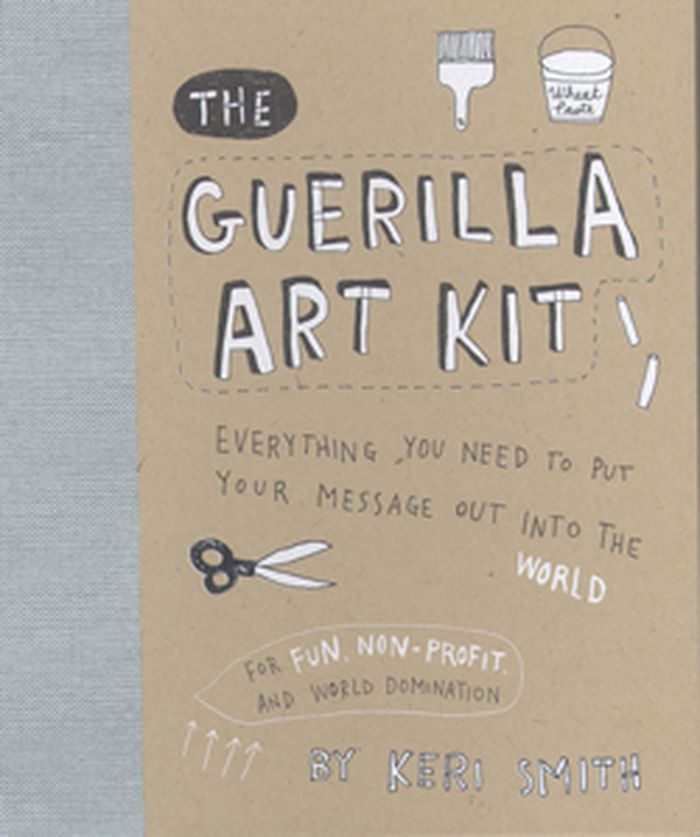
The Guerilla Kit. Everything you need to put your message out into the world
Actions:
Price:
$27.95
(available to order)
Summary:
The Guerilla Art Kit shows how small artistic acts can start a revolution. Keri Smith, noted author of Living Out Loud and the blog Wish Jar Journal, uses her unique drawing and handwriting style to help anyone find and release their inner artist or activist. This visually exciting activity book—full of step-by-step exercises, cut-out projects, sticker ideas, and more—has both fun assignments and handy tips to help you unleash your creative energy into the streets, where you can really make an impact. From the quick exercises—leaving books for strangers to find, chalking quotes on the sidewalk—to the more involved—making a "wish tree," guerilla gardening, or making your own stencils—The Guerilla Art Kit contains everything you need to put your message out into the world.
The Guerilla Kit. Everything you need to put your message out into the world
Actions:
Price:
$27.95
(available to order)
Summary:
The Guerilla Art Kit shows how small artistic acts can start a revolution. Keri Smith, noted author of Living Out Loud and the blog Wish Jar Journal, uses her unique drawing and handwriting style to help anyone find and release their inner artist or activist. This visually exciting activity book—full of step-by-step exercises, cut-out projects, sticker ideas, and more—has both fun assignments and handy tips to help you unleash your creative energy into the streets, where you can really make an impact. From the quick exercises—leaving books for strangers to find, chalking quotes on the sidewalk—to the more involved—making a "wish tree," guerilla gardening, or making your own stencils—The Guerilla Art Kit contains everything you need to put your message out into the world.
Form:
books
books
Publication:
July 2007, New York
July 2007, New York
Subject:
activity books
activity books
Form:
journals and magazines
journals and magazines
Actions:
Price:
$45.50
(available to order)
Summary:
New modes of practice are now emerging in architecture. Rural Studio, Exyzt, Muf, Assemble and many more have led the way by challenging conventional ideas of ‘The Architect' and reclaiming the notion of architecture as something public that should work ultimately towards the collective good. This quiet revolution is born out of a crisis in the profession and a wider(...)
$45.50
(available to order)
Summary:
New modes of practice are now emerging in architecture. Rural Studio, Exyzt, Muf, Assemble and many more have led the way by challenging conventional ideas of ‘The Architect' and reclaiming the notion of architecture as something public that should work ultimately towards the collective good. This quiet revolution is born out of a crisis in the profession and a wider(...)
Title:
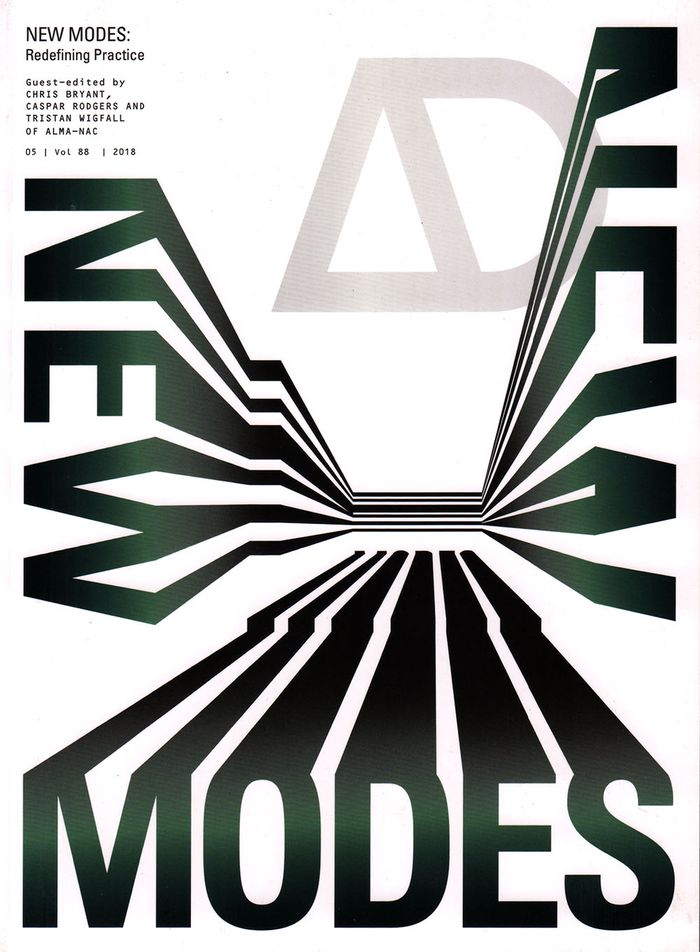
AD new modes: redefining practice
Actions:
Price:
$45.50
(available to order)
Summary:
New modes of practice are now emerging in architecture. Rural Studio, Exyzt, Muf, Assemble and many more have led the way by challenging conventional ideas of ‘The Architect' and reclaiming the notion of architecture as something public that should work ultimately towards the collective good. This quiet revolution is born out of a crisis in the profession and a wider vacuum in the political, environmental and economic situation. On the one hand, architecture as a profession has seen its influence diminish rapidly over the last 50 years through privatisation and the dominance of finance, while on the other hand it has also lacked collective courage and readiness to evolve. Without necessarily being aware of each other, studios around the world are now redefining the profession of architecture as something more proactive, self-aware and political.
AD new modes: redefining practice
Actions:
Price:
$45.50
(available to order)
Summary:
New modes of practice are now emerging in architecture. Rural Studio, Exyzt, Muf, Assemble and many more have led the way by challenging conventional ideas of ‘The Architect' and reclaiming the notion of architecture as something public that should work ultimately towards the collective good. This quiet revolution is born out of a crisis in the profession and a wider vacuum in the political, environmental and economic situation. On the one hand, architecture as a profession has seen its influence diminish rapidly over the last 50 years through privatisation and the dominance of finance, while on the other hand it has also lacked collective courage and readiness to evolve. Without necessarily being aware of each other, studios around the world are now redefining the profession of architecture as something more proactive, self-aware and political.
Form:
journals and magazines
journals and magazines
Publication:
February 2019
February 2019
Subject:
Magazines
Magazines
Form:
books
books
Actions:
Price:
$69.95
(available in store)
Summary:
This volume offers a welcome and long-awaited intervention for the field by shining a spotlight on constructions of race and their impact on architecture and theory in Europe and North America and across various global contexts since the eighteenth century. Challenging us to write race back into architectural history, contributors confront how racial thinking has(...)
$69.95
(available in store)
Summary:
This volume offers a welcome and long-awaited intervention for the field by shining a spotlight on constructions of race and their impact on architecture and theory in Europe and North America and across various global contexts since the eighteenth century. Challenging us to write race back into architectural history, contributors confront how racial thinking has(...)
Subject:
Architectural Theory
Architectural Theory
Publication:
July 2020
July 2020
Title:
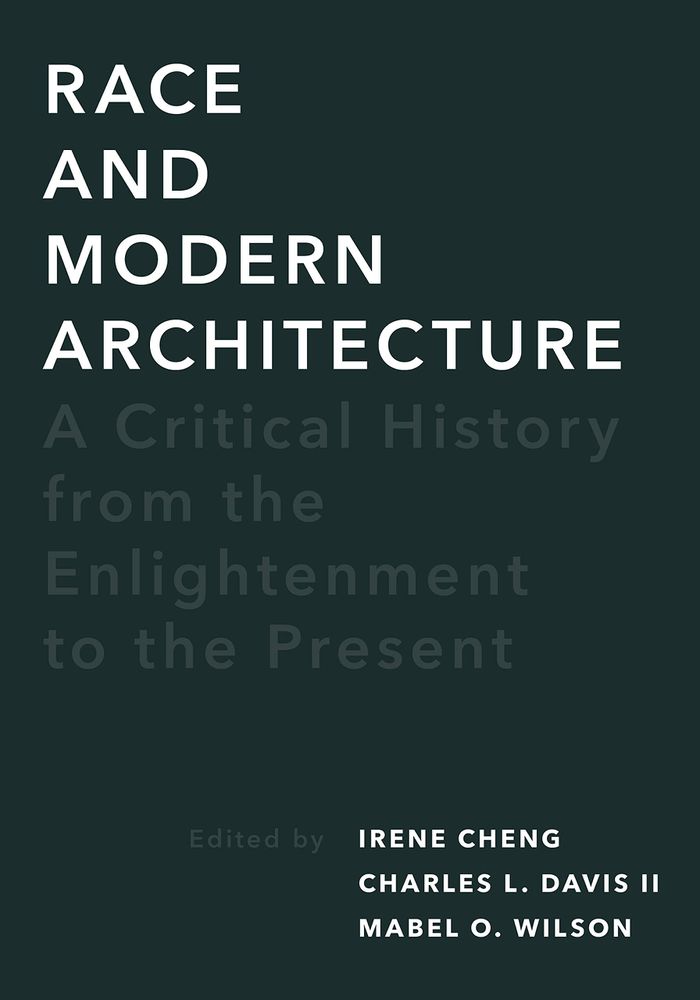
Race and modern architecture: a critical history from Enlightenment to the present
Actions:
Price:
$69.95
(available in store)
Summary:
This volume offers a welcome and long-awaited intervention for the field by shining a spotlight on constructions of race and their impact on architecture and theory in Europe and North America and across various global contexts since the eighteenth century. Challenging us to write race back into architectural history, contributors confront how racial thinking has intimately shaped some of the key concepts of modern architecture and culture over time, including freedom, revolution, character, national and indigenous style, progress, hybridity, climate, representation, and radicalism. By analyzing how architecture has intersected with histories of slavery, colonialism, and inequality — from eighteenth-century neoclassical governmental buildings to present-day housing projects for immigrants — 'Race and Modern Architecture' challenges, complicates, and revises the standard association of modern architecture with a universal project of emancipation and progress.
Race and modern architecture: a critical history from Enlightenment to the present
Actions:
Price:
$69.95
(available in store)
Summary:
This volume offers a welcome and long-awaited intervention for the field by shining a spotlight on constructions of race and their impact on architecture and theory in Europe and North America and across various global contexts since the eighteenth century. Challenging us to write race back into architectural history, contributors confront how racial thinking has intimately shaped some of the key concepts of modern architecture and culture over time, including freedom, revolution, character, national and indigenous style, progress, hybridity, climate, representation, and radicalism. By analyzing how architecture has intersected with histories of slavery, colonialism, and inequality — from eighteenth-century neoclassical governmental buildings to present-day housing projects for immigrants — 'Race and Modern Architecture' challenges, complicates, and revises the standard association of modern architecture with a universal project of emancipation and progress.
Form:
books
books
Publication:
July 2020
July 2020
Subject:
Architectural Theory
Architectural Theory
Form:
books
books
Actions:
Price:
$54.95
(available to order)
Summary:
The architecture of Umberto Riva (1928-2021) has, over the span 60 years, distinguished itself by its stimulating complexity. This monograph analyzes, for the first time in a chronologically extended form, his work in the field of interiors and exhibitions; fundamental areas of investigation for the Milanese architect. In domestic spaces in contact with nature, in city(...)
$54.95
(available to order)
Summary:
The architecture of Umberto Riva (1928-2021) has, over the span 60 years, distinguished itself by its stimulating complexity. This monograph analyzes, for the first time in a chronologically extended form, his work in the field of interiors and exhibitions; fundamental areas of investigation for the Milanese architect. In domestic spaces in contact with nature, in city(...)
Title:
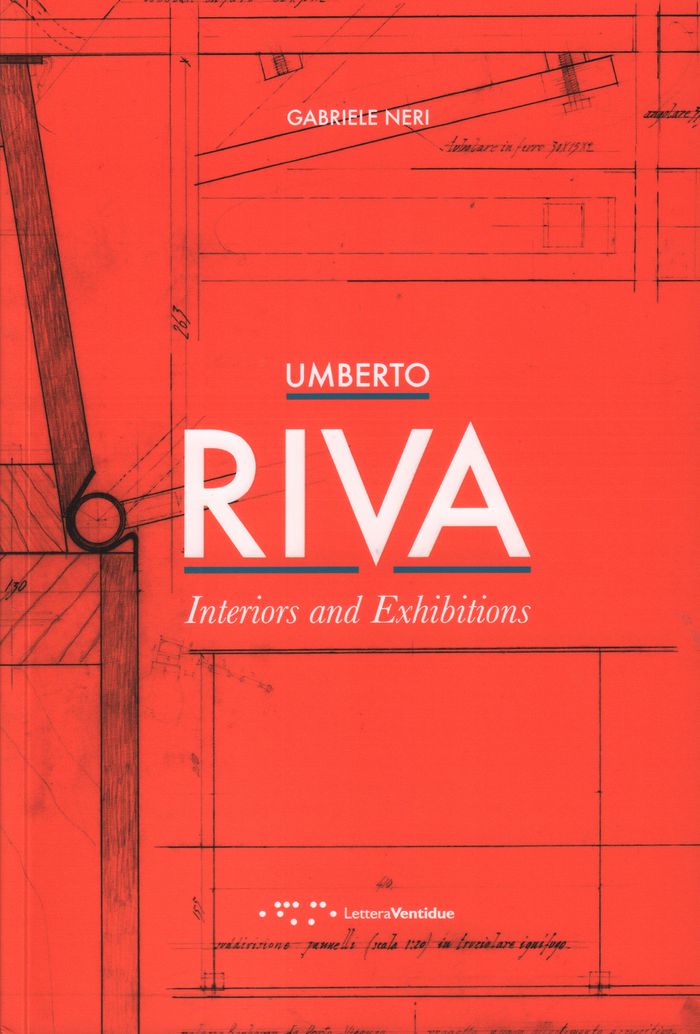
Umberto Riva: Interiors and exhibitions
Actions:
Price:
$54.95
(available to order)
Summary:
The architecture of Umberto Riva (1928-2021) has, over the span 60 years, distinguished itself by its stimulating complexity. This monograph analyzes, for the first time in a chronologically extended form, his work in the field of interiors and exhibitions; fundamental areas of investigation for the Milanese architect. In domestic spaces in contact with nature, in city apartments or in public places, the restless and radical character of Riva's work emerges, in which the search for form brings with it a more intimate reflection on living. In the field of displays, the architect instead stages a complex relationship between the works on display, the curatorial narrative and the museum space, proving to be one of the best heirs and a continuation of the Italian museological revolution of the twentieth century.
Umberto Riva: Interiors and exhibitions
Actions:
Price:
$54.95
(available to order)
Summary:
The architecture of Umberto Riva (1928-2021) has, over the span 60 years, distinguished itself by its stimulating complexity. This monograph analyzes, for the first time in a chronologically extended form, his work in the field of interiors and exhibitions; fundamental areas of investigation for the Milanese architect. In domestic spaces in contact with nature, in city apartments or in public places, the restless and radical character of Riva's work emerges, in which the search for form brings with it a more intimate reflection on living. In the field of displays, the architect instead stages a complex relationship between the works on display, the curatorial narrative and the museum space, proving to be one of the best heirs and a continuation of the Italian museological revolution of the twentieth century.
Form:
books
books
Publication:
October 2021
October 2021
Subject:
Architecture Monographs
Architecture Monographs
Form:
books
books
Price:
$57.50
(available to order)
Summary:
The career of the architect Andrea Palladio (1508-1580) is underpinned by a dramatic increase in prosperity on the Venetian "terraferma" in both town and country, a boom due in large measure to a little-studied revolution in manufacturing. This book brings to light for the first time the architecture of these early industries, especially the production of textiles, mining(...)
$57.50
(available to order)
Summary:
The career of the architect Andrea Palladio (1508-1580) is underpinned by a dramatic increase in prosperity on the Venetian "terraferma" in both town and country, a boom due in large measure to a little-studied revolution in manufacturing. This book brings to light for the first time the architecture of these early industries, especially the production of textiles, mining(...)
Title:
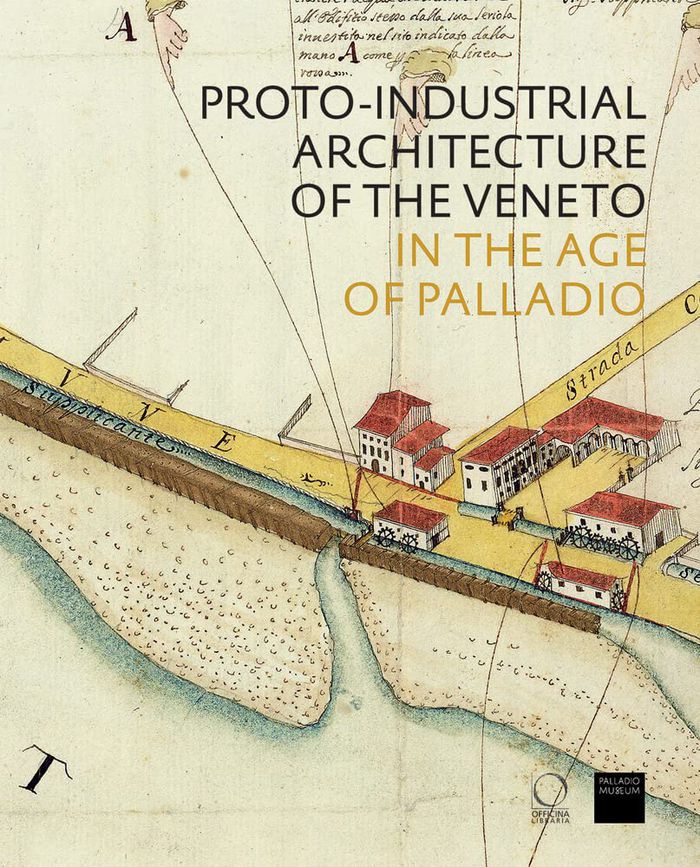
The proto-industrial architecture of the Veneto in the age of Palladio
Actions:
Price:
$57.50
(available to order)
Summary:
The career of the architect Andrea Palladio (1508-1580) is underpinned by a dramatic increase in prosperity on the Venetian "terraferma" in both town and country, a boom due in large measure to a little-studied revolution in manufacturing. This book brings to light for the first time the architecture of these early industries, especially the production of textiles, mining and metalworking, paper manufacture, ceramics, sawmilling and leather-tanning. The huge surge in patent applications to the Venetian Senate in the period highlights the parallel technological improvements in both efficiency and quality. Former proto-industrial buildings across the Veneto, studied at first-hand, reveal the efficiency of hydraulic power and smooth-running mechanical processes. Water-power, a clean, renewable energy source, and structures made of natural, traditional materials, have much to teach today’s civilization.
The proto-industrial architecture of the Veneto in the age of Palladio
Actions:
Price:
$57.50
(available to order)
Summary:
The career of the architect Andrea Palladio (1508-1580) is underpinned by a dramatic increase in prosperity on the Venetian "terraferma" in both town and country, a boom due in large measure to a little-studied revolution in manufacturing. This book brings to light for the first time the architecture of these early industries, especially the production of textiles, mining and metalworking, paper manufacture, ceramics, sawmilling and leather-tanning. The huge surge in patent applications to the Venetian Senate in the period highlights the parallel technological improvements in both efficiency and quality. Former proto-industrial buildings across the Veneto, studied at first-hand, reveal the efficiency of hydraulic power and smooth-running mechanical processes. Water-power, a clean, renewable energy source, and structures made of natural, traditional materials, have much to teach today’s civilization.
Form:
books
books
Publication:
December 2022
December 2022
Subject:
Architectural Theory
Architectural Theory
Form:
books
books
Title:
Commonwealth
Commonwealth
Actions:
Price:
$39.95
(available to order)
Summary:
Drawing on scenarios from around the globe and elucidating the themes that unite them, Hardt and Negri focus on the logic of institutions and the models of governance adequate to our understanding of a global commonwealth. They argue for the idea of the “common” to replace the opposition of private and public and the politics predicated on that opposition. Ultimately,(...)
$39.95
(available to order)
Summary:
Drawing on scenarios from around the globe and elucidating the themes that unite them, Hardt and Negri focus on the logic of institutions and the models of governance adequate to our understanding of a global commonwealth. They argue for the idea of the “common” to replace the opposition of private and public and the politics predicated on that opposition. Ultimately,(...)
Title:
Commonwealth
Actions:
Price:
$39.95
(available to order)
Summary:
Drawing on scenarios from around the globe and elucidating the themes that unite them, Hardt and Negri focus on the logic of institutions and the models of governance adequate to our understanding of a global commonwealth. They argue for the idea of the “common” to replace the opposition of private and public and the politics predicated on that opposition. Ultimately, they articulate the theoretical bases for what they call “governing the revolution.” Though this book functions as an extension and a completion of a sustained line of Hardt and Negri’s thought, it also stands alone and is entirely accessible to readers who are not familiar with the previous works. It is certain to appeal to, challenge, and enrich the thinking of anyone interested in questions of politics and globalization.
Commonwealth
Actions:
Price:
$39.95
(available to order)
Summary:
Drawing on scenarios from around the globe and elucidating the themes that unite them, Hardt and Negri focus on the logic of institutions and the models of governance adequate to our understanding of a global commonwealth. They argue for the idea of the “common” to replace the opposition of private and public and the politics predicated on that opposition. Ultimately, they articulate the theoretical bases for what they call “governing the revolution.” Though this book functions as an extension and a completion of a sustained line of Hardt and Negri’s thought, it also stands alone and is entirely accessible to readers who are not familiar with the previous works. It is certain to appeal to, challenge, and enrich the thinking of anyone interested in questions of politics and globalization.
Form:
books
books
Publication:
October 2009
October 2009
Subject:
Critical Theory
Critical Theory
Form:
books
books
Actions:
Price:
$34.95
(available to order)
Summary:
The twentieth century in Europe was an urban century: it was shaped by life in, and the view from, the street. Women were not liberated in legislatures, but liberated themselves in factories, homes, nightclubs, and shops. Lenin, Hitler, and Mussolini made themselves powerful by making cities ungovernable with riots rampaging through streets, bars occupied one-by-one. New(...)
$34.95
(available to order)
Summary:
The twentieth century in Europe was an urban century: it was shaped by life in, and the view from, the street. Women were not liberated in legislatures, but liberated themselves in factories, homes, nightclubs, and shops. Lenin, Hitler, and Mussolini made themselves powerful by making cities ungovernable with riots rampaging through streets, bars occupied one-by-one. New(...)
Title:
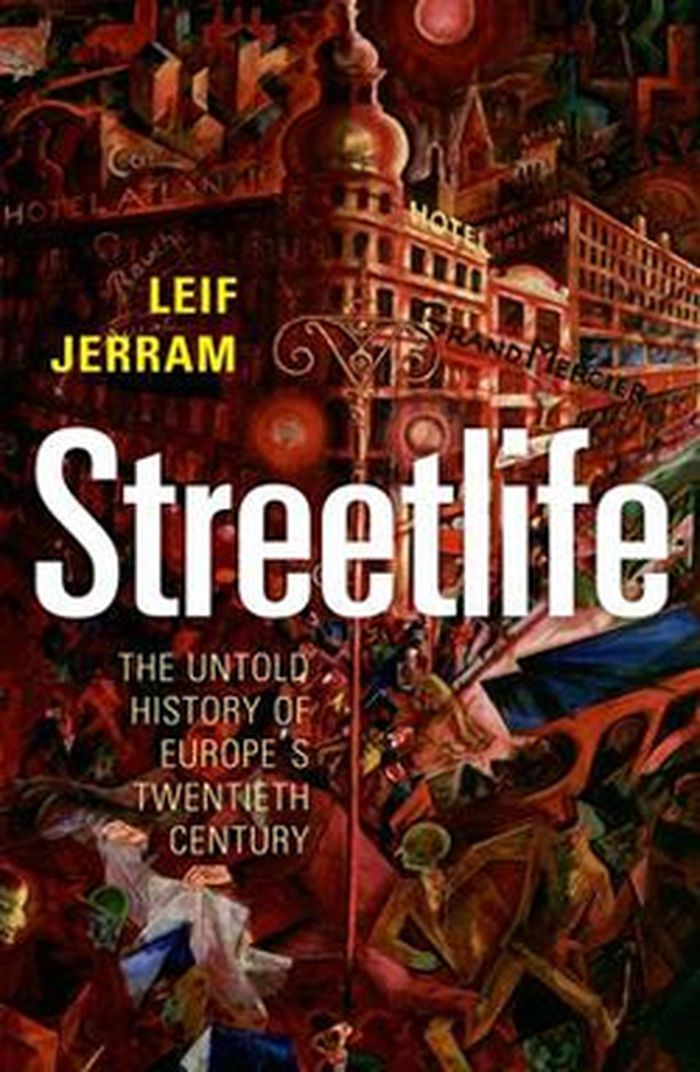
Streetlife: The untold story of Europe's twentieth century
Actions:
Price:
$34.95
(available to order)
Summary:
The twentieth century in Europe was an urban century: it was shaped by life in, and the view from, the street. Women were not liberated in legislatures, but liberated themselves in factories, homes, nightclubs, and shops. Lenin, Hitler, and Mussolini made themselves powerful by making cities ungovernable with riots rampaging through streets, bars occupied one-by-one. New forms of privacy and isolation were not simply a by-product of prosperity, but because people planned new ways of living, new forms of housing in suburbs and estates across the continent. In Streetlife, Leif Jerram presents a totally new history of the twentieth century, with the city at its heart, showing how everything distinctive about the century, from revolution and dictatorship to sexual liberation, was fundamentally shaped by the great urban centres which defined it.
Streetlife: The untold story of Europe's twentieth century
Actions:
Price:
$34.95
(available to order)
Summary:
The twentieth century in Europe was an urban century: it was shaped by life in, and the view from, the street. Women were not liberated in legislatures, but liberated themselves in factories, homes, nightclubs, and shops. Lenin, Hitler, and Mussolini made themselves powerful by making cities ungovernable with riots rampaging through streets, bars occupied one-by-one. New forms of privacy and isolation were not simply a by-product of prosperity, but because people planned new ways of living, new forms of housing in suburbs and estates across the continent. In Streetlife, Leif Jerram presents a totally new history of the twentieth century, with the city at its heart, showing how everything distinctive about the century, from revolution and dictatorship to sexual liberation, was fundamentally shaped by the great urban centres which defined it.
Form:
books
books
Publication:
March 2011
March 2011
Subject:
Urban Theory
Urban Theory
Form:
books
books
Actions:
Price:
$66.95
(available to order)
Summary:
Inside The Rainbow reprints for the first time in English a unique compendium of Soviet picture books from the 1920 and 1930s. In the dark and dangerous world of revolutionary Petrograd, a group of Russian poets and artists came together to create a new kind of book for children. They dreamed of endless possibilities in a new world where children and grown-ups alike would(...)
$66.95
(available to order)
Summary:
Inside The Rainbow reprints for the first time in English a unique compendium of Soviet picture books from the 1920 and 1930s. In the dark and dangerous world of revolutionary Petrograd, a group of Russian poets and artists came together to create a new kind of book for children. They dreamed of endless possibilities in a new world where children and grown-ups alike would(...)
Title:
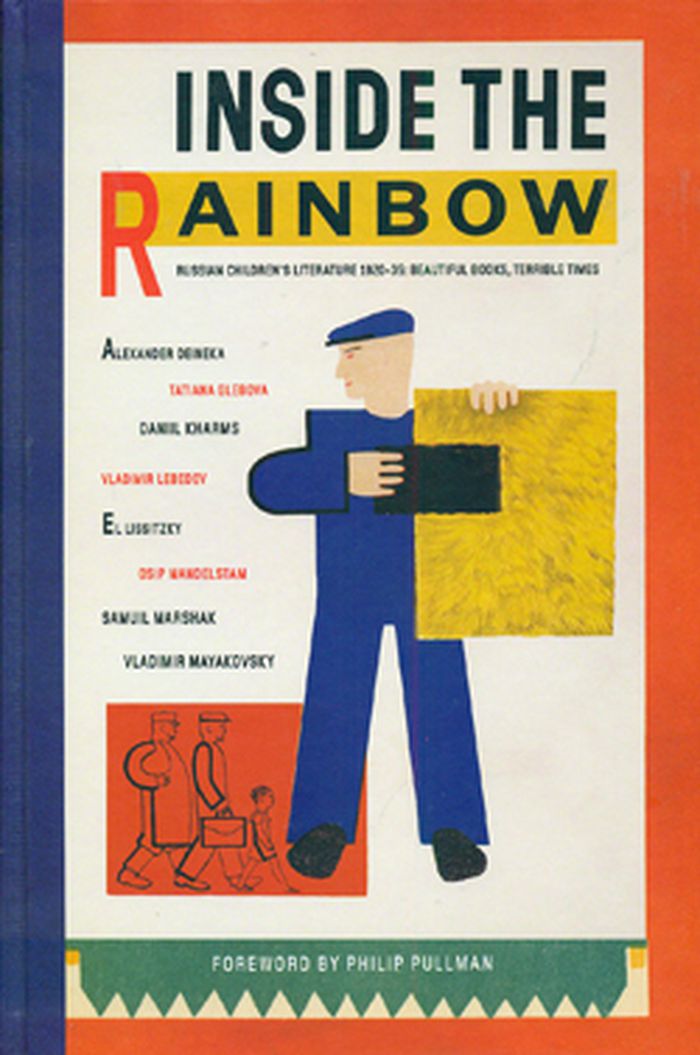
Inside the rainbow: Russian children's literature 1920-35
Actions:
Price:
$66.95
(available to order)
Summary:
Inside The Rainbow reprints for the first time in English a unique compendium of Soviet picture books from the 1920 and 1930s. In the dark and dangerous world of revolutionary Petrograd, a group of Russian poets and artists came together to create a new kind of book for children. They dreamed of endless possibilities in a new world where children and grown-ups alike would be free from the bitterness of ignorance. For a time, when children's publications still escaped the scourge of state censorship, their books became a last haven for learning, poetic irony, burlesque and laughter. In this book 250 examples of illustration and design are complemented by some translations of poems and stories as well as texts from the victims, criminals and witnesses to the Russian revolution.
Inside the rainbow: Russian children's literature 1920-35
Actions:
Price:
$66.95
(available to order)
Summary:
Inside The Rainbow reprints for the first time in English a unique compendium of Soviet picture books from the 1920 and 1930s. In the dark and dangerous world of revolutionary Petrograd, a group of Russian poets and artists came together to create a new kind of book for children. They dreamed of endless possibilities in a new world where children and grown-ups alike would be free from the bitterness of ignorance. For a time, when children's publications still escaped the scourge of state censorship, their books became a last haven for learning, poetic irony, burlesque and laughter. In this book 250 examples of illustration and design are complemented by some translations of poems and stories as well as texts from the victims, criminals and witnesses to the Russian revolution.
Form:
books
books
Publication:
August 2013
August 2013
Subject:
Illustration
Illustration


