


2692 Results
Form:
books
books
Price:
$43.95
(available to order)
Summary:
In 1949, Beijing still retained nearly all of its time-honoured character and magnificence. But when Chairman Mao rejected the proposal to build a new capital for the People's Republic of China and decided to stay in the ancient city, he initiated a long struggle to transform Beijing into a shining beacon of socialism. So began the remaking of the city into a modern(...)
$43.95
(available to order)
Summary:
In 1949, Beijing still retained nearly all of its time-honoured character and magnificence. But when Chairman Mao rejected the proposal to build a new capital for the People's Republic of China and decided to stay in the ancient city, he initiated a long struggle to transform Beijing into a shining beacon of socialism. So began the remaking of the city into a modern(...)
Title:
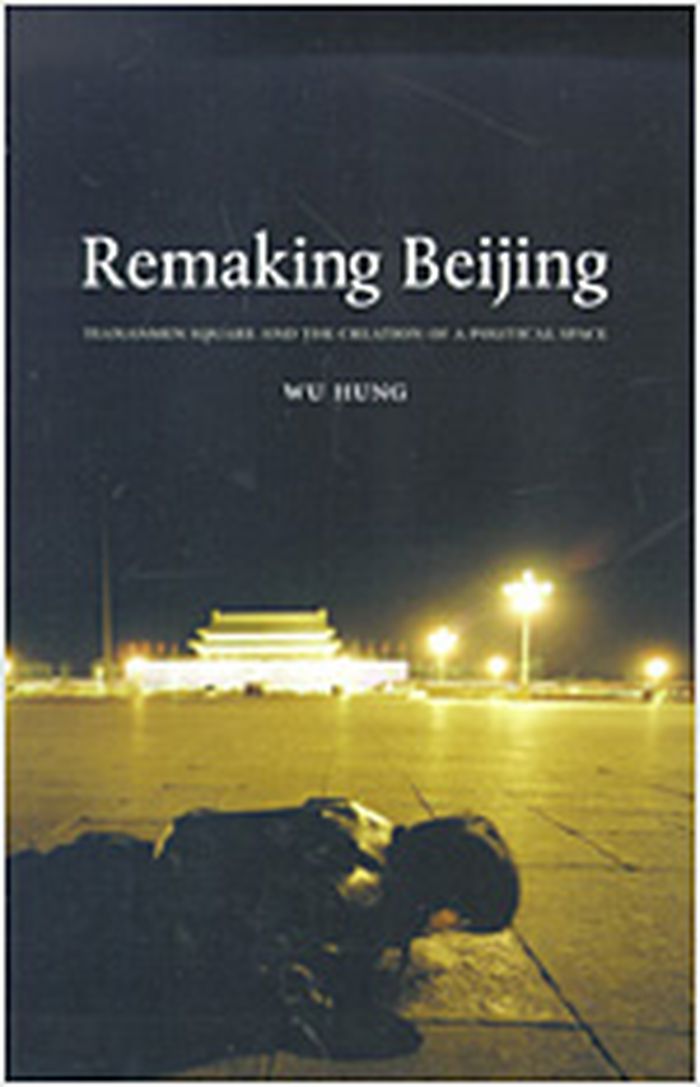
Remaking Beijing : Tiananmen Square and the creation of a political space
Actions:
Price:
$43.95
(available to order)
Summary:
In 1949, Beijing still retained nearly all of its time-honoured character and magnificence. But when Chairman Mao rejected the proposal to build a new capital for the People's Republic of China and decided to stay in the ancient city, he initiated a long struggle to transform Beijing into a shining beacon of socialism. So began the remaking of the city into a modern metropolis rife with monuments, public squares, exhibition halls, and government offices. Wu Hung grew up in Beijing and experienced much of the city's makeover firsthand. In this lavishly illustrated work, he offers a vivid, often personal account of the struggle over Beijing's reinvention, drawing particular attention to Tiananmen Square - the most sacred space in the People's Republic of China. "Remaking Beijing" considers the square's transformation from a restricted imperial domain into a public arena for political expression, from an epic symbol of socialism into a holy relic of the Maoist regime, and from an official and monumental complex into a site for unofficial and antigovernment demonstrations. Wu Hung also explores how Tiananmen Square has become a touchstone for official art in modern China - as the site for Mao's monumental portrait, as the location of museums narrating revolutionary history, and as the grounds for extravagant National Day parades celebrating the revolutionary masses. He then shows how in recent years the square has inspired artists working without state sponsorship to create paintings, photographs, and even performances that reflect the spirit of the 1989 uprisings and pose a forceful challenge to official artworks and the socio-political system that supports them.
Remaking Beijing : Tiananmen Square and the creation of a political space
Actions:
Price:
$43.95
(available to order)
Summary:
In 1949, Beijing still retained nearly all of its time-honoured character and magnificence. But when Chairman Mao rejected the proposal to build a new capital for the People's Republic of China and decided to stay in the ancient city, he initiated a long struggle to transform Beijing into a shining beacon of socialism. So began the remaking of the city into a modern metropolis rife with monuments, public squares, exhibition halls, and government offices. Wu Hung grew up in Beijing and experienced much of the city's makeover firsthand. In this lavishly illustrated work, he offers a vivid, often personal account of the struggle over Beijing's reinvention, drawing particular attention to Tiananmen Square - the most sacred space in the People's Republic of China. "Remaking Beijing" considers the square's transformation from a restricted imperial domain into a public arena for political expression, from an epic symbol of socialism into a holy relic of the Maoist regime, and from an official and monumental complex into a site for unofficial and antigovernment demonstrations. Wu Hung also explores how Tiananmen Square has become a touchstone for official art in modern China - as the site for Mao's monumental portrait, as the location of museums narrating revolutionary history, and as the grounds for extravagant National Day parades celebrating the revolutionary masses. He then shows how in recent years the square has inspired artists working without state sponsorship to create paintings, photographs, and even performances that reflect the spirit of the 1989 uprisings and pose a forceful challenge to official artworks and the socio-political system that supports them.
Form:
books
books
Publication:
May 2005, Chicago
May 2005, Chicago
Subject:
Urban Theory
Urban Theory
Form:
books
books
Title:
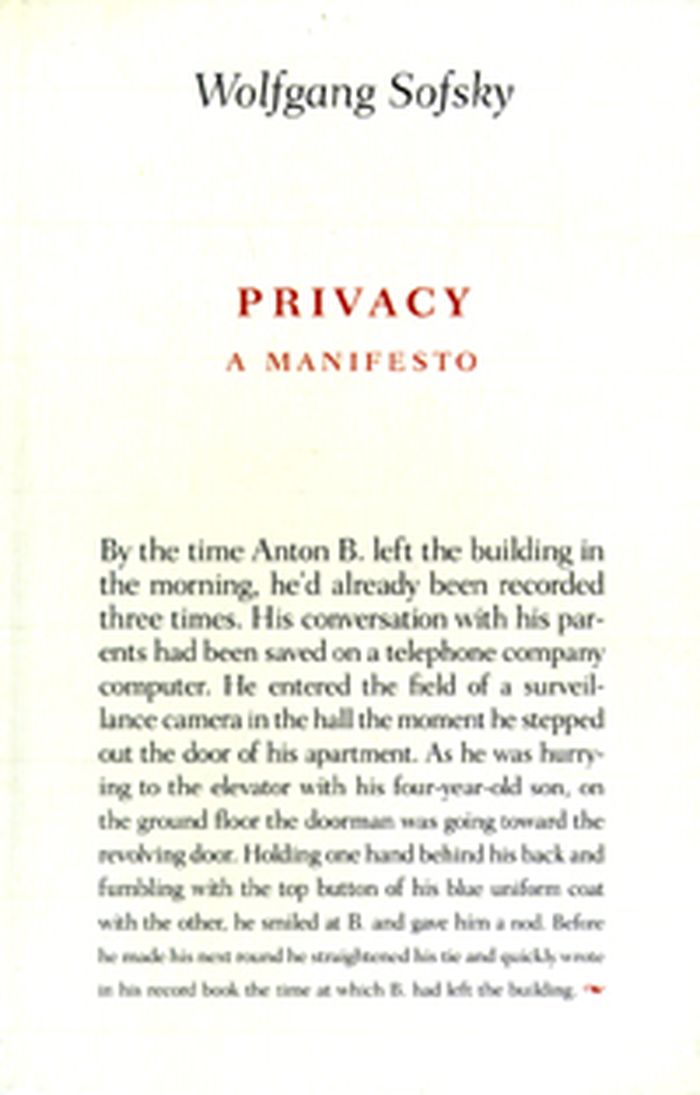
Privacy a manifesto
Privacy a manifesto
Actions:
Price:
$24.95
(available to order)
Summary:
What ever happened to privacy? The simple right to be left alone? Surveillance cameras track our movements. Governments monitor our phone calls, e-mails, and Internet habits. Insurance companies know what drugs we take. Banks and credit agencies keep tabs on our smallest purchases. And new technologies - which gather, store, and share information as never before - have(...)
$24.95
(available to order)
Summary:
What ever happened to privacy? The simple right to be left alone? Surveillance cameras track our movements. Governments monitor our phone calls, e-mails, and Internet habits. Insurance companies know what drugs we take. Banks and credit agencies keep tabs on our smallest purchases. And new technologies - which gather, store, and share information as never before - have(...)
Title:
Privacy a manifesto
Actions:
Price:
$24.95
(available to order)
Summary:
What ever happened to privacy? The simple right to be left alone? Surveillance cameras track our movements. Governments monitor our phone calls, e-mails, and Internet habits. Insurance companies know what drugs we take. Banks and credit agencies keep tabs on our smallest purchases. And new technologies - which gather, store, and share information as never before - have made all of this possible. But, as the acclaimed social thinker Wolfgang Sofsky shows in this brief and powerful defense of privacy, neither technology nor fears of terrorism deserve all the blame. Rather, through indifference and the desire for attention, we have been accomplices in the loss of our privacy. When we aren't resigning ourselves to privacy's disappearance as the inevitable price of living in a new age, we are eagerly embracing opportunities to divulge personal information to people we know - and, increasingly, to people we don't. Dramatically demonstrating how much privacy we have already surrendered, Sofsky describes a day in the life of an average modern citizen - in other words, a person under almost constant scrutiny. He also briefly traces the changing status of privacy from ancient Rome to today, explains how liberty and freedom of thought depend on privacy, and points to some of the places where privacy is under greatest threat, from health to personal space. Privacy is a timely and compelling reminder of just how important privacy is - and just how devastating its loss would be.
Privacy a manifesto
Actions:
Price:
$24.95
(available to order)
Summary:
What ever happened to privacy? The simple right to be left alone? Surveillance cameras track our movements. Governments monitor our phone calls, e-mails, and Internet habits. Insurance companies know what drugs we take. Banks and credit agencies keep tabs on our smallest purchases. And new technologies - which gather, store, and share information as never before - have made all of this possible. But, as the acclaimed social thinker Wolfgang Sofsky shows in this brief and powerful defense of privacy, neither technology nor fears of terrorism deserve all the blame. Rather, through indifference and the desire for attention, we have been accomplices in the loss of our privacy. When we aren't resigning ourselves to privacy's disappearance as the inevitable price of living in a new age, we are eagerly embracing opportunities to divulge personal information to people we know - and, increasingly, to people we don't. Dramatically demonstrating how much privacy we have already surrendered, Sofsky describes a day in the life of an average modern citizen - in other words, a person under almost constant scrutiny. He also briefly traces the changing status of privacy from ancient Rome to today, explains how liberty and freedom of thought depend on privacy, and points to some of the places where privacy is under greatest threat, from health to personal space. Privacy is a timely and compelling reminder of just how important privacy is - and just how devastating its loss would be.
Form:
books
books
Publication:
October 2008, Princeton, Oxford
October 2008, Princeton, Oxford
Subject:
Critical Theory
Critical Theory
Form:
books
books
Actions:
Price:
$37.99
(available to order)
Summary:
How, in a turbulent century, was Le Corbusier able to reinvent himself at least five times? How was he able to become the Picasso (or Duchamp) of architecture? How was he able to produce work in a regional Art Nouveau mode, then become a leader of the Modern Movement and International Style, then switch to primitive materials and Brutalism before pre-empting(...)
$37.99
(available to order)
Summary:
How, in a turbulent century, was Le Corbusier able to reinvent himself at least five times? How was he able to become the Picasso (or Duchamp) of architecture? How was he able to produce work in a regional Art Nouveau mode, then become a leader of the Modern Movement and International Style, then switch to primitive materials and Brutalism before pre-empting(...)
Title:
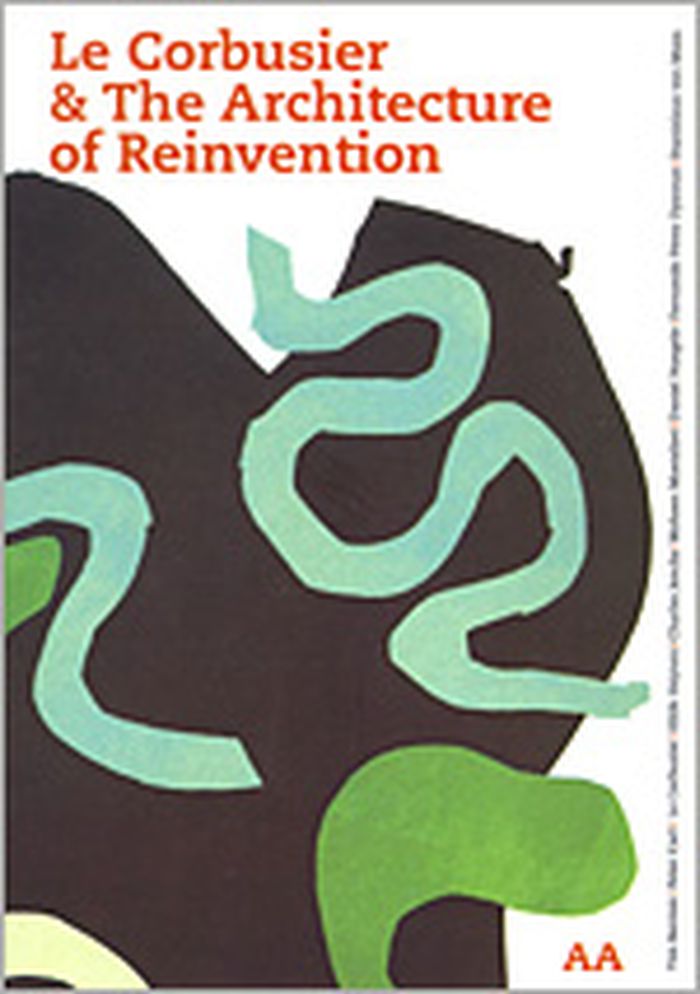
Architecture landscape urbanisme 9 : Le Corbusier & the architecture of reinvention
Actions:
Price:
$37.99
(available to order)
Summary:
How, in a turbulent century, was Le Corbusier able to reinvent himself at least five times? How was he able to become the Picasso (or Duchamp) of architecture? How was he able to produce work in a regional Art Nouveau mode, then become a leader of the Modern Movement and International Style, then switch to primitive materials and Brutalism before pre-empting Post-Modernism through Ronchamp and Chandigarh, and pre-empting High-Tech and Complexity Architecture through the Centre Le Corbusier and the Philips Pavilion? How?’ These transformations were helped along by the way Le Corbusier was able to cross ideas from one medium to another. A work of architecture could be considered as a written text, a drawing, a model, a photograph, a sculpture, a painting or a detailed set of plans. Each medium challenged, clarified and refined the idea from different viewpoints. Each medium made use of different neurons, of different parts of his mind. The result? Continuous creation from different perspectives, a continual reinvention of architecture. This book brings together leading scholars to explore Le Corbusier’s tactics of self-reinvention, his relationship to the artistic avant-garde and his work as a multimedia practitioner. It also contains an English-language edition of Le Corbusier's 'Poème de l’Angle Droit', complete with beautiful colour lithographs. Authors include Tim Benton, Peter Carl, Hilde Heynen, Charles Jencks, Mohsen Mostafavi, Daniel Naegele, Fernando Pérez Oyarzun, and Stanislaus von Moos.
Architecture landscape urbanisme 9 : Le Corbusier & the architecture of reinvention
Actions:
Price:
$37.99
(available to order)
Summary:
How, in a turbulent century, was Le Corbusier able to reinvent himself at least five times? How was he able to become the Picasso (or Duchamp) of architecture? How was he able to produce work in a regional Art Nouveau mode, then become a leader of the Modern Movement and International Style, then switch to primitive materials and Brutalism before pre-empting Post-Modernism through Ronchamp and Chandigarh, and pre-empting High-Tech and Complexity Architecture through the Centre Le Corbusier and the Philips Pavilion? How?’ These transformations were helped along by the way Le Corbusier was able to cross ideas from one medium to another. A work of architecture could be considered as a written text, a drawing, a model, a photograph, a sculpture, a painting or a detailed set of plans. Each medium challenged, clarified and refined the idea from different viewpoints. Each medium made use of different neurons, of different parts of his mind. The result? Continuous creation from different perspectives, a continual reinvention of architecture. This book brings together leading scholars to explore Le Corbusier’s tactics of self-reinvention, his relationship to the artistic avant-garde and his work as a multimedia practitioner. It also contains an English-language edition of Le Corbusier's 'Poème de l’Angle Droit', complete with beautiful colour lithographs. Authors include Tim Benton, Peter Carl, Hilde Heynen, Charles Jencks, Mohsen Mostafavi, Daniel Naegele, Fernando Pérez Oyarzun, and Stanislaus von Moos.
Form:
books
books
Publication:
March 2003, London
March 2003, London
Subject:
Architecture Monographs
Architecture Monographs
Form:
books
books
Actions:
Price:
$54.50
(available to order)
Summary:
What does the Western city at the end of the twentieth century look like? How did the modern metropolis of congestion and density turn into a posturban or even postsuburban cityscape? What are edge cities and technoburbs? How has the social composition of cities changed in the postwar era? What do gated communities tell us about social fragmentation? Is public space in(...)
$54.50
(available to order)
Summary:
What does the Western city at the end of the twentieth century look like? How did the modern metropolis of congestion and density turn into a posturban or even postsuburban cityscape? What are edge cities and technoburbs? How has the social composition of cities changed in the postwar era? What do gated communities tell us about social fragmentation? Is public space in(...)
Publication:
January 1900, Rotterdam
January 1900, Rotterdam
Title:
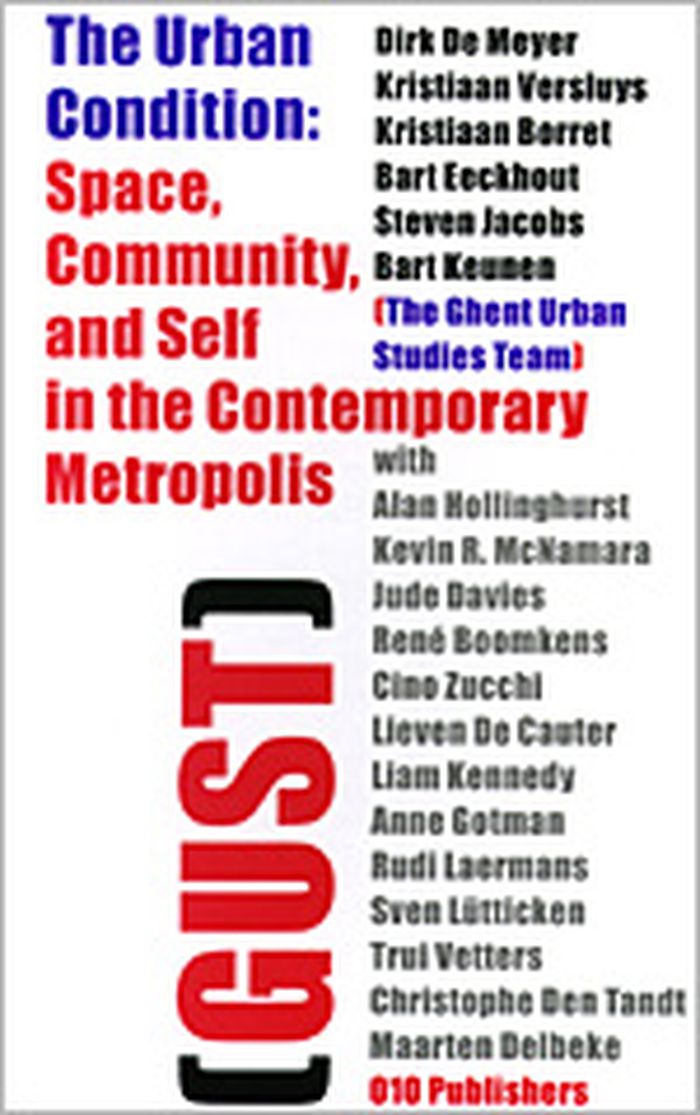
The urban condition : space, community, and self in the contemporary metropolis
Actions:
Price:
$54.50
(available to order)
Summary:
What does the Western city at the end of the twentieth century look like? How did the modern metropolis of congestion and density turn into a posturban or even postsuburban cityscape? What are edge cities and technoburbs? How has the social composition of cities changed in the postwar era? What do gated communities tell us about social fragmentation? Is public space in the contemporary city being privatized and militarized? How can the urban self still be defined? What role does consumer aestheticism have to play in this? These and many more questions are addressed by this uniquely conceived multidisciplinary study. "The Urban Condition" seeks to interfere in current debates over the future and interpretation of our urban landscapes by reuniting studies of the city as a physical and material phenomenon and as a cultural and mental (arte)fact. The Ghent Urban Studies Team responsible for the writing and editing of this volume is directed by Kristiaan Versluys and Dirk De Meyer at the University of Ghent, Belgium. It is an interdisciplinary research team of young academics that further consists of Kristiaan Borret, Bart Eeckhout, Steven Jacobs, and Bart Keunen. The collective expertise of GUST ranges from architectural theory, urban planning, and art history to philosophy, literary criticism and cultural theory.
The urban condition : space, community, and self in the contemporary metropolis
Actions:
Price:
$54.50
(available to order)
Summary:
What does the Western city at the end of the twentieth century look like? How did the modern metropolis of congestion and density turn into a posturban or even postsuburban cityscape? What are edge cities and technoburbs? How has the social composition of cities changed in the postwar era? What do gated communities tell us about social fragmentation? Is public space in the contemporary city being privatized and militarized? How can the urban self still be defined? What role does consumer aestheticism have to play in this? These and many more questions are addressed by this uniquely conceived multidisciplinary study. "The Urban Condition" seeks to interfere in current debates over the future and interpretation of our urban landscapes by reuniting studies of the city as a physical and material phenomenon and as a cultural and mental (arte)fact. The Ghent Urban Studies Team responsible for the writing and editing of this volume is directed by Kristiaan Versluys and Dirk De Meyer at the University of Ghent, Belgium. It is an interdisciplinary research team of young academics that further consists of Kristiaan Borret, Bart Eeckhout, Steven Jacobs, and Bart Keunen. The collective expertise of GUST ranges from architectural theory, urban planning, and art history to philosophy, literary criticism and cultural theory.
Form:
books
books
Publication:
January 1900, Rotterdam
January 1900, Rotterdam
Form:
books
books
Price:
$55.50
(available to order)
Summary:
"The boiled frog syndrome" presents compelling evidence to show that the source of the majority of the Western diseases of civilisation that have multiplied over the past 100 years, ranging from cancers to debilitating sicknesses and allergies, can be traced to the modern built environment, our increasing exposure to electromagnetic radiation and the indiscriminate use of(...)
$55.50
(available to order)
Summary:
"The boiled frog syndrome" presents compelling evidence to show that the source of the majority of the Western diseases of civilisation that have multiplied over the past 100 years, ranging from cancers to debilitating sicknesses and allergies, can be traced to the modern built environment, our increasing exposure to electromagnetic radiation and the indiscriminate use of(...)
Title:
The boiled frog syndrome : your health and the built environment
Actions:
Price:
$55.50
(available to order)
Summary:
"The boiled frog syndrome" presents compelling evidence to show that the source of the majority of the Western diseases of civilisation that have multiplied over the past 100 years, ranging from cancers to debilitating sicknesses and allergies, can be traced to the modern built environment, our increasing exposure to electromagnetic radiation and the indiscriminate use of untested advanced technology. It is also due, in part, to the 20th century's repudiation of perennial wisdom. Our physical, mental and spiritual wellbeing will depend on our endeavours to bring about fundamental changes to combat the hazards. But how can this be done? And what can we - the so-called ordinary people - do about it? The text explores how our subtle energy sensitivities respond to the external environment and suggests the steps we can take to ensure our homes and workplaces are safe and conducive to our continued good health. For this it draws on common sense and the author's personal experience as a practising architect and consultant. It is also based on the wisdom and teachings of the past, gleaned from those who knew how to create a healthy, harmonious environment. This book provides the reader with the 'ammunition' to challenge the attitudes of the practitioners and their teaching institutions who are engaged in the built environment.
The boiled frog syndrome : your health and the built environment
Actions:
Price:
$55.50
(available to order)
Summary:
"The boiled frog syndrome" presents compelling evidence to show that the source of the majority of the Western diseases of civilisation that have multiplied over the past 100 years, ranging from cancers to debilitating sicknesses and allergies, can be traced to the modern built environment, our increasing exposure to electromagnetic radiation and the indiscriminate use of untested advanced technology. It is also due, in part, to the 20th century's repudiation of perennial wisdom. Our physical, mental and spiritual wellbeing will depend on our endeavours to bring about fundamental changes to combat the hazards. But how can this be done? And what can we - the so-called ordinary people - do about it? The text explores how our subtle energy sensitivities respond to the external environment and suggests the steps we can take to ensure our homes and workplaces are safe and conducive to our continued good health. For this it draws on common sense and the author's personal experience as a practising architect and consultant. It is also based on the wisdom and teachings of the past, gleaned from those who knew how to create a healthy, harmonious environment. This book provides the reader with the 'ammunition' to challenge the attitudes of the practitioners and their teaching institutions who are engaged in the built environment.
Form:
books
books
Publication:
June 2002, Chichester
June 2002, Chichester
Subject:
Green Architecture
Green Architecture
Form:
books
books
Price:
$85.00
(available to order)
Summary:
The city in the twenty-first century faces major challenges, including social and economic stratification, wasteful consumption of resources, transportation congestion, and environmental degradation. More than half of the world’s population lives in cities and major metropolitan areas, and in the next two decades the number of city dwellers is estimated to reach five(...)
$85.00
(available to order)
Summary:
The city in the twenty-first century faces major challenges, including social and economic stratification, wasteful consumption of resources, transportation congestion, and environmental degradation. More than half of the world’s population lives in cities and major metropolitan areas, and in the next two decades the number of city dwellers is estimated to reach five(...)
Title:
Sustainable urbanism and beyond: rethinking cities for the future
Actions:
Price:
$85.00
(available to order)
Summary:
The city in the twenty-first century faces major challenges, including social and economic stratification, wasteful consumption of resources, transportation congestion, and environmental degradation. More than half of the world’s population lives in cities and major metropolitan areas, and in the next two decades the number of city dwellers is estimated to reach five billion. This puts enormous pressures on transportation systems, housing stock, and infrastructure such as energy, waste, and water, which directly influences the emissions of greenhouse gases. As the long emergency awaits us, urgent questions remain: How will our cities survive? How can we combat and reconcile urban growth with sustainable use of resources for future generations to thrive? Where and how urbanism comes into the picture and what “sustainable” urban forms can do in light of these events are some of the issues Sustainable Urbanism and Beyond explores. With more than sixty essays, including contributions by Andrés Duany, Saskia Sassen, Peter Newman, Douglas Farr, Henry Cisneros, Peter Hall, Sharon Zukin, Peter Eisenman, and others, this book is a unique perspective on architecture, urban planning, environmental and urban design, exploring ways for raising quality of life and the standard of living in a new modern era by creating better and more viable places to live.
Sustainable urbanism and beyond: rethinking cities for the future
Actions:
Price:
$85.00
(available to order)
Summary:
The city in the twenty-first century faces major challenges, including social and economic stratification, wasteful consumption of resources, transportation congestion, and environmental degradation. More than half of the world’s population lives in cities and major metropolitan areas, and in the next two decades the number of city dwellers is estimated to reach five billion. This puts enormous pressures on transportation systems, housing stock, and infrastructure such as energy, waste, and water, which directly influences the emissions of greenhouse gases. As the long emergency awaits us, urgent questions remain: How will our cities survive? How can we combat and reconcile urban growth with sustainable use of resources for future generations to thrive? Where and how urbanism comes into the picture and what “sustainable” urban forms can do in light of these events are some of the issues Sustainable Urbanism and Beyond explores. With more than sixty essays, including contributions by Andrés Duany, Saskia Sassen, Peter Newman, Douglas Farr, Henry Cisneros, Peter Hall, Sharon Zukin, Peter Eisenman, and others, this book is a unique perspective on architecture, urban planning, environmental and urban design, exploring ways for raising quality of life and the standard of living in a new modern era by creating better and more viable places to live.
Form:
books
books
Publication:
April 2012
April 2012
Subject:
Urban Theory
Urban Theory
Form:
books
books
Actions:
Price:
$35.00
(available in store)
Summary:
A collection of primary sources chosen by the research fellows ''Centring Africa: Postcolonial Perspectives on Architecture'', Doreen Adengo, Dele Adeyemo, Warebi Gabriel Brisibe and Ramota Obagah-Stephen, Rachel Lee and Monika Motylinska, Ikem Stanley Okoye, Cole Roskam, Lukasz Stanek, and Huda Tayob. ''Fugitive Archives'' is not a book about African architecture or(...)
$35.00
(available in store)
Summary:
A collection of primary sources chosen by the research fellows ''Centring Africa: Postcolonial Perspectives on Architecture'', Doreen Adengo, Dele Adeyemo, Warebi Gabriel Brisibe and Ramota Obagah-Stephen, Rachel Lee and Monika Motylinska, Ikem Stanley Okoye, Cole Roskam, Lukasz Stanek, and Huda Tayob. ''Fugitive Archives'' is not a book about African architecture or(...)
Title:
Fugitive Archives: A Sourcebook for Centring Africa in Histories of Architecture
Actions:
Price:
$35.00
(available in store)
Summary:
A collection of primary sources chosen by the research fellows ''Centring Africa: Postcolonial Perspectives on Architecture'', Doreen Adengo, Dele Adeyemo, Warebi Gabriel Brisibe and Ramota Obagah-Stephen, Rachel Lee and Monika Motylinska, Ikem Stanley Okoye, Cole Roskam, Lukasz Stanek, and Huda Tayob. ''Fugitive Archives'' is not a book about African architecture or its history. It is a book about the role of primary research in the work of the fellows and about how, to centre Africa in histories of modern architecture, they had to develop new ways of finding, seeing, and listening. The sources presented here are starting points for dismantling and expanding existing architectural archives, in which what is considered valuable enough to archive remains dominated by colonial or Western knowledge frameworks. Through varied media and formats, the sources multiply narratives by highlighting diverse actors, practices, and geographies—on and off the continent—implicated in the history of modern African architecture. Rather than suggesting key, but inevitably reductive, themes, this book brings the fellows and their sources into dialogue in three sections that foreground similar methods and challenges to locating, accessing, reading, and constructing otherwise fugitive archives.
Fugitive Archives: A Sourcebook for Centring Africa in Histories of Architecture
Actions:
Price:
$35.00
(available in store)
Summary:
A collection of primary sources chosen by the research fellows ''Centring Africa: Postcolonial Perspectives on Architecture'', Doreen Adengo, Dele Adeyemo, Warebi Gabriel Brisibe and Ramota Obagah-Stephen, Rachel Lee and Monika Motylinska, Ikem Stanley Okoye, Cole Roskam, Lukasz Stanek, and Huda Tayob. ''Fugitive Archives'' is not a book about African architecture or its history. It is a book about the role of primary research in the work of the fellows and about how, to centre Africa in histories of modern architecture, they had to develop new ways of finding, seeing, and listening. The sources presented here are starting points for dismantling and expanding existing architectural archives, in which what is considered valuable enough to archive remains dominated by colonial or Western knowledge frameworks. Through varied media and formats, the sources multiply narratives by highlighting diverse actors, practices, and geographies—on and off the continent—implicated in the history of modern African architecture. Rather than suggesting key, but inevitably reductive, themes, this book brings the fellows and their sources into dialogue in three sections that foreground similar methods and challenges to locating, accessing, reading, and constructing otherwise fugitive archives.
Form:
books
books
Publication:
August 2023
August 2023
Subject:
CCA Publications
CCA Publications
Form:
books
books
Actions:
Price:
$71.95
(available to order)
Summary:
In this history of aural culture in early-twentieth-century America, Emily Thompson charts dramatic transformations in what people heard and how they listened. What they heard was a new kind of sound that was the product of modern technology. They listened as newly critical consumers of aural commodities. By examining the technologies that produced this sound, as well as(...)
$71.95
(available to order)
Summary:
In this history of aural culture in early-twentieth-century America, Emily Thompson charts dramatic transformations in what people heard and how they listened. What they heard was a new kind of sound that was the product of modern technology. They listened as newly critical consumers of aural commodities. By examining the technologies that produced this sound, as well as(...)
Title:
The soundscape of modernity : architectural acoustics and the culture of listening in America, 1900-1933
Actions:
Price:
$71.95
(available to order)
Summary:
In this history of aural culture in early-twentieth-century America, Emily Thompson charts dramatic transformations in what people heard and how they listened. What they heard was a new kind of sound that was the product of modern technology. They listened as newly critical consumers of aural commodities. By examining the technologies that produced this sound, as well as the culture that enthusiastically consumed it, Thompson recovers a lost dimension of the Machine Age and deepens our understanding of the experience of change that characterized the era. Reverberation equations, sound meters, microphones, and acoustical tiles were deployed in places as varied as Boston’s Symphony Hall, New York’s office skyscrapers, and the soundstages of Hollywood. The control provided by these technologies, however, was applied in ways that denied the particularity of place, and the diverse spaces of modern America began to sound alike as a universal new sound predominated. Although this sound--clear, direct, efficient, and nonreverberant—-had little to say about the physical spaces in which it was produced, it speaks volumes about the culture that created it. By listening to it, Thompson constructs a compelling new account of the experience of modernity in America.
The soundscape of modernity : architectural acoustics and the culture of listening in America, 1900-1933
Actions:
Price:
$71.95
(available to order)
Summary:
In this history of aural culture in early-twentieth-century America, Emily Thompson charts dramatic transformations in what people heard and how they listened. What they heard was a new kind of sound that was the product of modern technology. They listened as newly critical consumers of aural commodities. By examining the technologies that produced this sound, as well as the culture that enthusiastically consumed it, Thompson recovers a lost dimension of the Machine Age and deepens our understanding of the experience of change that characterized the era. Reverberation equations, sound meters, microphones, and acoustical tiles were deployed in places as varied as Boston’s Symphony Hall, New York’s office skyscrapers, and the soundstages of Hollywood. The control provided by these technologies, however, was applied in ways that denied the particularity of place, and the diverse spaces of modern America began to sound alike as a universal new sound predominated. Although this sound--clear, direct, efficient, and nonreverberant—-had little to say about the physical spaces in which it was produced, it speaks volumes about the culture that created it. By listening to it, Thompson constructs a compelling new account of the experience of modernity in America.
Form:
books
books
Publication:
April 2002, Cambridge, Mass.
April 2002, Cambridge, Mass.
Subject:
Materials and Lighting
Materials and Lighting
Form:
books
books
Actions:
Price:
$35.95
(available to order)
Summary:
This book examines trends in the display of art since the mid-twentieth century, focusing particularly on institutional issues. The contributors present a series of case studies that illuminate the practices of museums, galleries, and exhibitions in Western Europe and the United States and that encourage reflection on the experience of the spectator. The first(...)
$35.95
(available to order)
Summary:
This book examines trends in the display of art since the mid-twentieth century, focusing particularly on institutional issues. The contributors present a series of case studies that illuminate the practices of museums, galleries, and exhibitions in Western Europe and the United States and that encourage reflection on the experience of the spectator. The first(...)
Title:
Contemporary cultures of display
Actions:
Price:
$35.95
(available to order)
Summary:
This book examines trends in the display of art since the mid-twentieth century, focusing particularly on institutional issues. The contributors present a series of case studies that illuminate the practices of museums, galleries, and exhibitions in Western Europe and the United States and that encourage reflection on the experience of the spectator. The first section of the book considers the traditional sanctum of art, the museum, and how approaches to display have changed as modern museums have sought to become accessible to new audiences. In the second section, case studies address issues surrounding temporary exhibitions, their dominance of the display of art today, and the implications of this for artists, spectators, and the institutions that stage such exhibitions. The third section considers the wider social context in which art is displayed today and discusses the widespread reliance on urban regeneration projects, with special reference to modern art museums, and the place of heritage in Britain, specifically the cult of the country house. The book concludes with an exploration of the art world in contemporary Ireland and the role of Irish institutions in the production and reception of art.
Contemporary cultures of display
Actions:
Price:
$35.95
(available to order)
Summary:
This book examines trends in the display of art since the mid-twentieth century, focusing particularly on institutional issues. The contributors present a series of case studies that illuminate the practices of museums, galleries, and exhibitions in Western Europe and the United States and that encourage reflection on the experience of the spectator. The first section of the book considers the traditional sanctum of art, the museum, and how approaches to display have changed as modern museums have sought to become accessible to new audiences. In the second section, case studies address issues surrounding temporary exhibitions, their dominance of the display of art today, and the implications of this for artists, spectators, and the institutions that stage such exhibitions. The third section considers the wider social context in which art is displayed today and discusses the widespread reliance on urban regeneration projects, with special reference to modern art museums, and the place of heritage in Britain, specifically the cult of the country house. The book concludes with an exploration of the art world in contemporary Ireland and the role of Irish institutions in the production and reception of art.
Form:
books
books
Publication:
November 1999, New Haven
November 1999, New Haven
Subject:
Museology
Museology
Form:
books
books
Actions:
Price:
$81.50
(available to order)
Summary:
From the swooping concrete vaults of the TWA Terminal at JFK Airport to the 630-foot-tall Gateway Arch in St. Louis, the iconic designs of Eero Saarinen (1910–1961) captured the aspirations and values of mid-20th-century America. Potent expressions of national power, these and other Saarinen-designed structures—including the GM Technical Center, Dulles International(...)
$81.50
(available to order)
Summary:
From the swooping concrete vaults of the TWA Terminal at JFK Airport to the 630-foot-tall Gateway Arch in St. Louis, the iconic designs of Eero Saarinen (1910–1961) captured the aspirations and values of mid-20th-century America. Potent expressions of national power, these and other Saarinen-designed structures—including the GM Technical Center, Dulles International(...)
Subject:
Architecture Monographs
Architecture Monographs
Publication:
November 2006, New Haven / London
November 2006, New Haven / London
Title:
Eero Saarinen : shaping the future
Actions:
Price:
$81.50
(available to order)
Summary:
From the swooping concrete vaults of the TWA Terminal at JFK Airport to the 630-foot-tall Gateway Arch in St. Louis, the iconic designs of Eero Saarinen (1910–1961) captured the aspirations and values of mid-20th-century America. Potent expressions of national power, these and other Saarinen-designed structures—including the GM Technical Center, Dulles International Airport, and John Deere headquarters—helped create the international image of the United States in the decades following World War II. Eero Saarinen: Shaping the Future offers a new and wide-ranging look at the entire scope of Saarinen’s career. This is the first book on Saarinen to incorporate significant research and materials from the newly available archives of his office, and includes the most complete portfolio of Saarinen's projects to date—a chronological survey of more than 100 built and unbuilt works, previously unpublished photographs, plans, and working drawings. Lavishly illustrated, this major study shows how Saarinen gave his structures an expressive dimension and helped introduce modern architecture to the mainstream of American practice. In his search for a richer and more varied modern architecture, Saarinen become one of the most prolific and controversial practitioners of his time.
Eero Saarinen : shaping the future
Actions:
Price:
$81.50
(available to order)
Summary:
From the swooping concrete vaults of the TWA Terminal at JFK Airport to the 630-foot-tall Gateway Arch in St. Louis, the iconic designs of Eero Saarinen (1910–1961) captured the aspirations and values of mid-20th-century America. Potent expressions of national power, these and other Saarinen-designed structures—including the GM Technical Center, Dulles International Airport, and John Deere headquarters—helped create the international image of the United States in the decades following World War II. Eero Saarinen: Shaping the Future offers a new and wide-ranging look at the entire scope of Saarinen’s career. This is the first book on Saarinen to incorporate significant research and materials from the newly available archives of his office, and includes the most complete portfolio of Saarinen's projects to date—a chronological survey of more than 100 built and unbuilt works, previously unpublished photographs, plans, and working drawings. Lavishly illustrated, this major study shows how Saarinen gave his structures an expressive dimension and helped introduce modern architecture to the mainstream of American practice. In his search for a richer and more varied modern architecture, Saarinen become one of the most prolific and controversial practitioners of his time.
Form:
books
books
Publication:
November 2006, New Haven / London
November 2006, New Haven / London
Subject:
Architecture Monographs
Architecture Monographs


