


2505 Results
Form:
books
books
Title:
Big, Formgiving
Big, Formgiving
Actions:
Price:
$70.00
(available to order)
Summary:
''Formgiving : an architectural future history,'' the new book by BIG (Bjarke Ingels Group), is a visionary attempt to look at the horizon of time. With ''Formgiving,'' BIG presents the third part of its TASCHEN trilogy, which began with ''Yes is More,'' one of the most successful architectural books of its generation, and continued with ''Hot to Cold.'' The book is(...)
$70.00
(available to order)
Summary:
''Formgiving : an architectural future history,'' the new book by BIG (Bjarke Ingels Group), is a visionary attempt to look at the horizon of time. With ''Formgiving,'' BIG presents the third part of its TASCHEN trilogy, which began with ''Yes is More,'' one of the most successful architectural books of its generation, and continued with ''Hot to Cold.'' The book is(...)
Title:
Big, Formgiving
Actions:
Price:
$70.00
(available to order)
Summary:
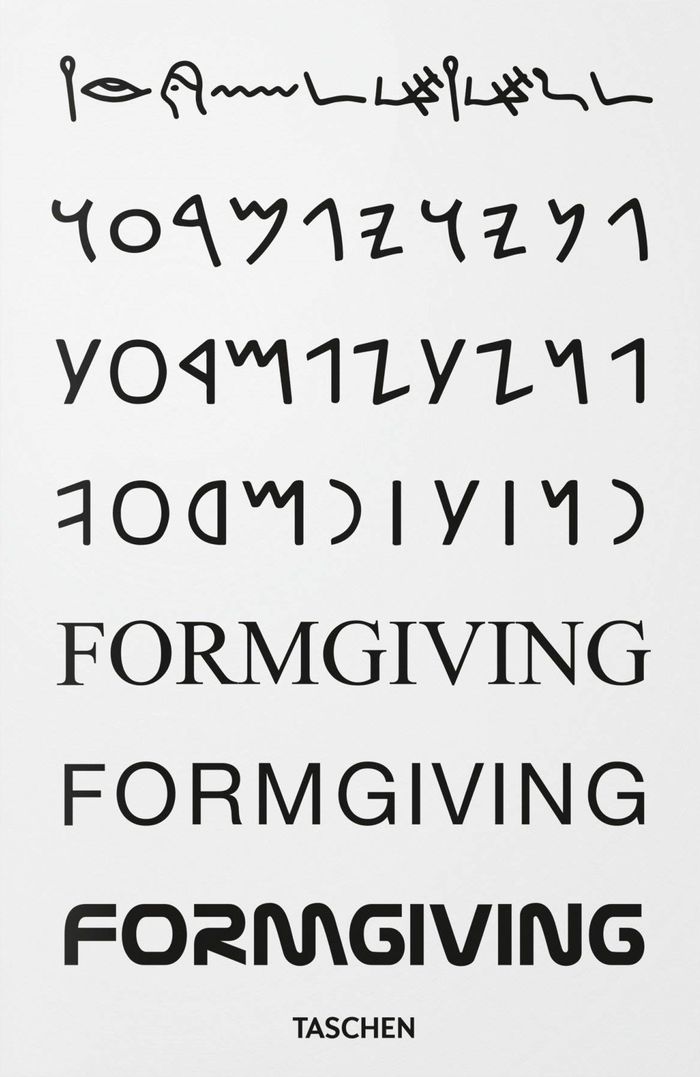
''Formgiving : an architectural future history,'' the new book by BIG (Bjarke Ingels Group), is a visionary attempt to look at the horizon of time. With ''Formgiving,'' BIG presents the third part of its TASCHEN trilogy, which began with ''Yes is More,'' one of the most successful architectural books of its generation, and continued with ''Hot to Cold.'' The book is presented in a timeline, stretching from the Big Bang into the most distant future. Projects are structured around six strands of evolution- ''Making,'' ''Sensing,'' ''Sustaining,'' ''Thinking,'' ''Healing,'' and ''Moving''- the multimedia-based, interdisciplinary concepts encompassing the building industry. Culture, climate, and landscape, as well as all the energies derived from the elements- the thermal mass of the ocean, the dynamics of currents, the energy and warmth of the sun, the power of the wind- are incorporated into these projects. Throughout more than 700 pages, Bjarke Ingels presents his personal selection of projects, including the 12,000-square-meter LEGO House in Denmark, the human-made ecosystems floating on oceans, the redesign of a World War II bunker into a contemplative museum, and the ski slope-infused power plant celebrating Copenhagen’s commitment to carbon neutrality. Through architecture and design, BIG gives shape to a sustainable and simultaneously colorful world.
Big, Formgiving
Actions:
Price:
$70.00
(available to order)
Summary:
''Formgiving : an architectural future history,'' the new book by BIG (Bjarke Ingels Group), is a visionary attempt to look at the horizon of time. With ''Formgiving,'' BIG presents the third part of its TASCHEN trilogy, which began with ''Yes is More,'' one of the most successful architectural books of its generation, and continued with ''Hot to Cold.'' The book is presented in a timeline, stretching from the Big Bang into the most distant future. Projects are structured around six strands of evolution- ''Making,'' ''Sensing,'' ''Sustaining,'' ''Thinking,'' ''Healing,'' and ''Moving''- the multimedia-based, interdisciplinary concepts encompassing the building industry. Culture, climate, and landscape, as well as all the energies derived from the elements- the thermal mass of the ocean, the dynamics of currents, the energy and warmth of the sun, the power of the wind- are incorporated into these projects. Throughout more than 700 pages, Bjarke Ingels presents his personal selection of projects, including the 12,000-square-meter LEGO House in Denmark, the human-made ecosystems floating on oceans, the redesign of a World War II bunker into a contemplative museum, and the ski slope-infused power plant celebrating Copenhagen’s commitment to carbon neutrality. Through architecture and design, BIG gives shape to a sustainable and simultaneously colorful world.
Form:
books
books
Publication:
December 2020
December 2020
Subject:
Architecture Monographs
Architecture Monographs
Form:
books
books
Actions:
Price:
$19.95
(available to order)
Summary:
Welcome to Blubberland--a world of quadruple-garaged mansions, vast malls, gated communities, stretch limos, and posh resorts. Blubberland is a place, but it is also a state of mind: we expect to be happy (trophy house, SUV in the driveway, home entertainment system, pension fund, cosmetic surgery), but in fact we've grown increasingly bloated, bored, and miserable. In(...)
$19.95
(available to order)
Summary:
Welcome to Blubberland--a world of quadruple-garaged mansions, vast malls, gated communities, stretch limos, and posh resorts. Blubberland is a place, but it is also a state of mind: we expect to be happy (trophy house, SUV in the driveway, home entertainment system, pension fund, cosmetic surgery), but in fact we've grown increasingly bloated, bored, and miserable. In(...)
Title:
Blubberland: the dangers of happiness
Actions:
Price:
$19.95
(available to order)
Summary:
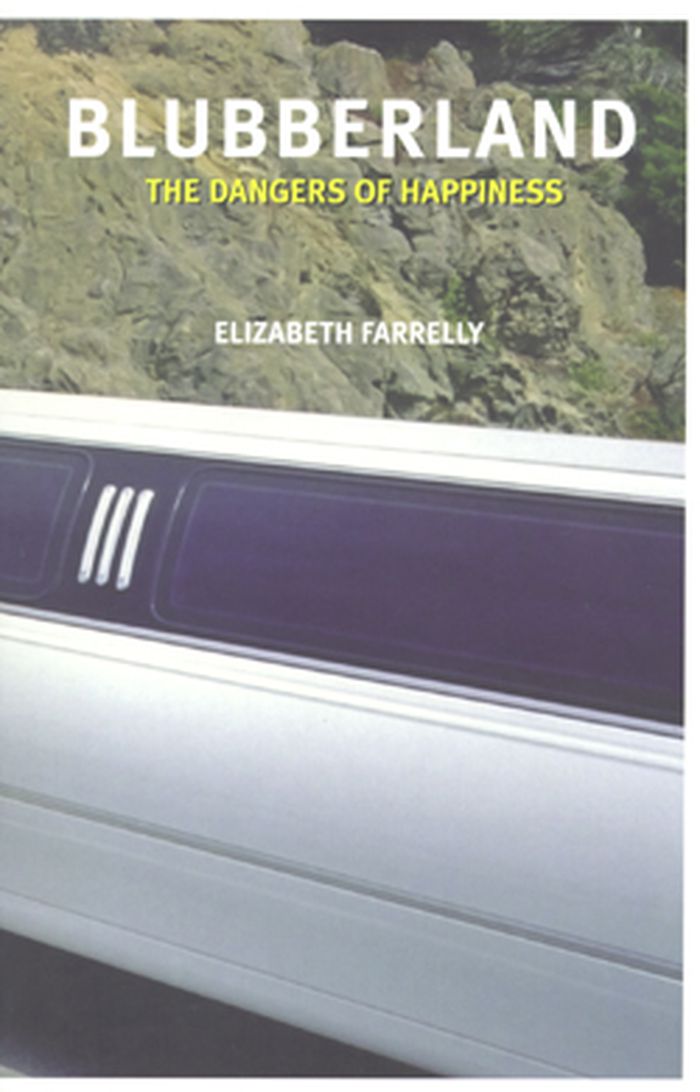
Welcome to Blubberland--a world of quadruple-garaged mansions, vast malls, gated communities, stretch limos, and posh resorts. Blubberland is a place, but it is also a state of mind: we expect to be happy (trophy house, SUV in the driveway, home entertainment system, pension fund, cosmetic surgery), but in fact we've grown increasingly bloated, bored, and miserable. In Blubberland, award-winning critic Elizabeth Farrelly looks at our "superfluous superfluity," our huge eco-footprint, and asks why we find it so hard to abandon habits we know to be destructive. Why can't we build human-scale cities, design meaningful public spaces, eat reasonable meals, and stop assaulting nature? Farrelly, trained as an architect, begins this story with architecture, urban sprawl, and housing, but she does not end there. She also looks at "affluenza," childhood asthma, diabetes, addiction, beauty, ugliness, narcissism, climate change, mega-churches, big box retailers, sustainability, depression, anorexia, and the links that collect all of these issues under the same roof--the roof, as it were, of the McMansion. As "big" becomes more and more pervasive, and success is seen in increasingly measurable and material terms, the goal of happiness jeopardizes our survival. Blubberland is a smart, thoughtful, and stylish argument for turning things around.
Blubberland: the dangers of happiness
Actions:
Price:
$19.95
(available to order)
Summary:
Welcome to Blubberland--a world of quadruple-garaged mansions, vast malls, gated communities, stretch limos, and posh resorts. Blubberland is a place, but it is also a state of mind: we expect to be happy (trophy house, SUV in the driveway, home entertainment system, pension fund, cosmetic surgery), but in fact we've grown increasingly bloated, bored, and miserable. In Blubberland, award-winning critic Elizabeth Farrelly looks at our "superfluous superfluity," our huge eco-footprint, and asks why we find it so hard to abandon habits we know to be destructive. Why can't we build human-scale cities, design meaningful public spaces, eat reasonable meals, and stop assaulting nature? Farrelly, trained as an architect, begins this story with architecture, urban sprawl, and housing, but she does not end there. She also looks at "affluenza," childhood asthma, diabetes, addiction, beauty, ugliness, narcissism, climate change, mega-churches, big box retailers, sustainability, depression, anorexia, and the links that collect all of these issues under the same roof--the roof, as it were, of the McMansion. As "big" becomes more and more pervasive, and success is seen in increasingly measurable and material terms, the goal of happiness jeopardizes our survival. Blubberland is a smart, thoughtful, and stylish argument for turning things around.
Form:
books
books
Publication:
March 2008, Cambridge, London
March 2008, Cambridge, London
Subject:
Urban Theory
Urban Theory
Form:
books
books
Price:
$24.95
(available to order)
Summary:
During the two hundred millennia we've been on the planet, nothing has shaped us more profoundly than the city. In a fascinating narrative that ranges through cities famous and forgotten, acclaimed historian Ben Wilson tells the glorious story of how urban living has allowed human culture to flourish. Beginning with Uruk, the world's first city, he shows that cities(...)
$24.95
(available to order)
Summary:
During the two hundred millennia we've been on the planet, nothing has shaped us more profoundly than the city. In a fascinating narrative that ranges through cities famous and forgotten, acclaimed historian Ben Wilson tells the glorious story of how urban living has allowed human culture to flourish. Beginning with Uruk, the world's first city, he shows that cities(...)
Title:
Metropolis: a history of the city, mankind's greatest invention
Actions:
Price:
$24.95
(available to order)
Summary:
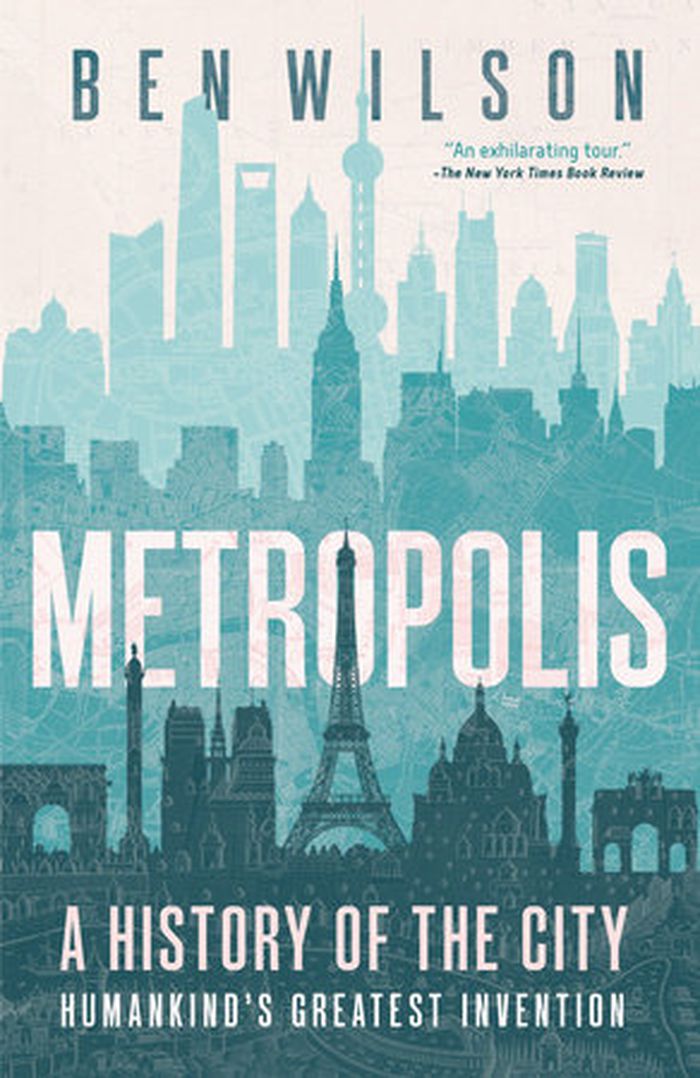
During the two hundred millennia we've been on the planet, nothing has shaped us more profoundly than the city. In a fascinating narrative that ranges through cities famous and forgotten, acclaimed historian Ben Wilson tells the glorious story of how urban living has allowed human culture to flourish. Beginning with Uruk, the world's first city, he shows that cities created such a blossoming of human endeavor--new professions, new forms of art, worship, and trade--that they kick-started civilization itself. Despite outbreaks of plague and war, and outlasting empires, the city endured and new cities sprang up to capture the inimitable energy of human beings together. Wilson reveals the innovations nurturned amid the density of urban centers over the centuries: civics in the agora of Athens, global trade in ninth-century Baghdad, finance in the coffeehouses of London, domestic comforts in the heart of Amsterdam, peacocking in Belle Epoque Paris. In the modern age, the skyscrapers of New York City inspired utopian visions of community design, while the trees of twenty-first-century Seattle and Shanghai point to a sustainable future in the age of climate change. Page turning and irresistible, ''Metropolis'' is a history of cities that is also a history of how humanity lives.
Metropolis: a history of the city, mankind's greatest invention
Actions:
Price:
$24.95
(available to order)
Summary:
During the two hundred millennia we've been on the planet, nothing has shaped us more profoundly than the city. In a fascinating narrative that ranges through cities famous and forgotten, acclaimed historian Ben Wilson tells the glorious story of how urban living has allowed human culture to flourish. Beginning with Uruk, the world's first city, he shows that cities created such a blossoming of human endeavor--new professions, new forms of art, worship, and trade--that they kick-started civilization itself. Despite outbreaks of plague and war, and outlasting empires, the city endured and new cities sprang up to capture the inimitable energy of human beings together. Wilson reveals the innovations nurturned amid the density of urban centers over the centuries: civics in the agora of Athens, global trade in ninth-century Baghdad, finance in the coffeehouses of London, domestic comforts in the heart of Amsterdam, peacocking in Belle Epoque Paris. In the modern age, the skyscrapers of New York City inspired utopian visions of community design, while the trees of twenty-first-century Seattle and Shanghai point to a sustainable future in the age of climate change. Page turning and irresistible, ''Metropolis'' is a history of cities that is also a history of how humanity lives.
Form:
books
books
Publication:
October 2021
October 2021
Subject:
Urban Theory
Urban Theory
Form:
books
books
Price:
$47.50
(available to order)
Summary:
In times where global matters such as the climate, currencies and places of residence become increasingly volatile, the urban public space we live in is an area where power, identity and belonging are negotiated. Cities have always been melting pots of history, society, art and politics, which is why the way a city is shaped tells us a lot about the people who live in it.(...)
$47.50
(available to order)
Summary:
In times where global matters such as the climate, currencies and places of residence become increasingly volatile, the urban public space we live in is an area where power, identity and belonging are negotiated. Cities have always been melting pots of history, society, art and politics, which is why the way a city is shaped tells us a lot about the people who live in it.(...)
Title:
Ethics of the urban: the city and the spaces of the political
Actions:
Price:
$47.50
(available to order)
Summary:
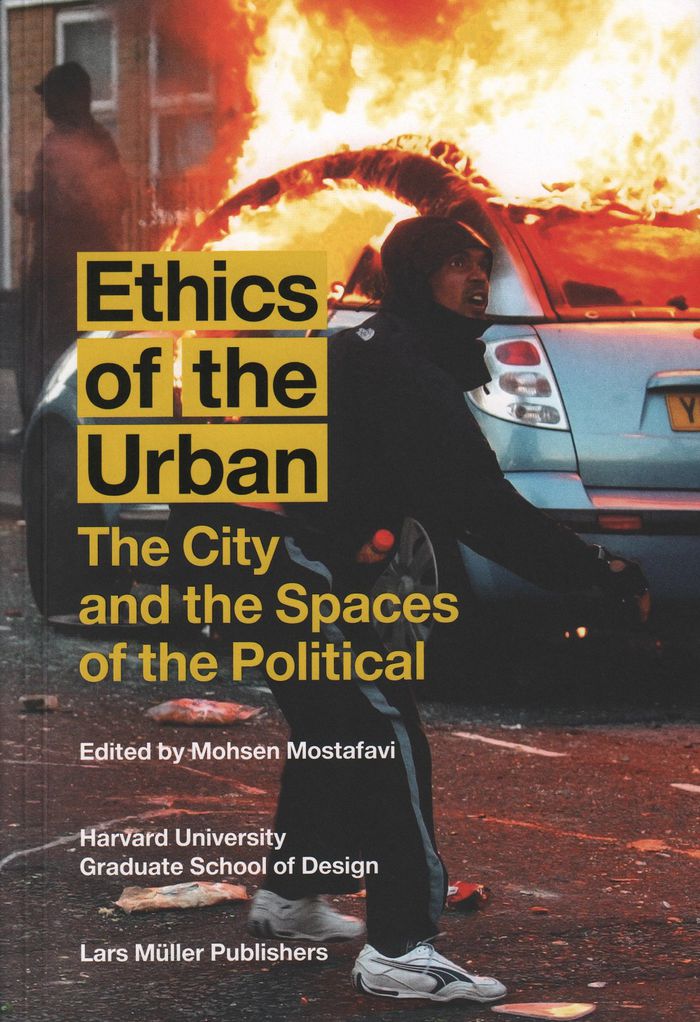
In times where global matters such as the climate, currencies and places of residence become increasingly volatile, the urban public space we live in is an area where power, identity and belonging are negotiated. Cities have always been melting pots of history, society, art and politics, which is why the way a city is shaped tells us a lot about the people who live in it. With contributors from a variety of fields, Ethics of the Urban discusses these urban spaces of the political. "How do we move about the city?", "How does memory of the past inspire the future of cities?" and "What makes a city a home?" are only some of the many questions that Ethics of the Urban addresses. The publication gathers experts from history, sociology, art, political theory, planning, law and design to emphasize the complexity of the meaning that urban space has today. Urban spaces are on one hand political spaces, since buildings, streets and people moving around all mirror political decisions in one way or another. On the other hand, the urban space is also a designed space, conceptualized, planned and sometimes gentrified. Complimented by stunning photography, Ethics of the Urban is a vibrant intellectual journey straight into the bone marrow of every contemporary city around the globe.
Ethics of the urban: the city and the spaces of the political
Actions:
Price:
$47.50
(available to order)
Summary:
In times where global matters such as the climate, currencies and places of residence become increasingly volatile, the urban public space we live in is an area where power, identity and belonging are negotiated. Cities have always been melting pots of history, society, art and politics, which is why the way a city is shaped tells us a lot about the people who live in it. With contributors from a variety of fields, Ethics of the Urban discusses these urban spaces of the political. "How do we move about the city?", "How does memory of the past inspire the future of cities?" and "What makes a city a home?" are only some of the many questions that Ethics of the Urban addresses. The publication gathers experts from history, sociology, art, political theory, planning, law and design to emphasize the complexity of the meaning that urban space has today. Urban spaces are on one hand political spaces, since buildings, streets and people moving around all mirror political decisions in one way or another. On the other hand, the urban space is also a designed space, conceptualized, planned and sometimes gentrified. Complimented by stunning photography, Ethics of the Urban is a vibrant intellectual journey straight into the bone marrow of every contemporary city around the globe.
Form:
books
books
Publication:
March 2017
March 2017
Subject:
Urban Theory
Urban Theory
Form:
books
books
Actions:
Holdings:
Description:
ix, 276 pages : illustrations, maps ; 24 cm
Description:
ix, 276 pages : illustrations, maps ; 24 cm
Author:
Subject:
Publication:
Oakland, California : University of California Press, [2014]
Oakland, California : University of California Press, [2014]
Title:
Concrete jungle : New York City and our last best hope for a sustainable future / Niles Eldredge and Sidney Horenstein.
Actions:
Holdings:
Description:
ix, 276 pages : illustrations, maps ; 24 cm
Concrete jungle : New York City and our last best hope for a sustainable future / Niles Eldredge and Sidney Horenstein.
Actions:
Holdings:
Description:
ix, 276 pages : illustrations, maps ; 24 cm
Form:
books
books
Publication:
Oakland, California : University of California Press, [2014]
Oakland, California : University of California Press, [2014]
Author:
Subject:
Form:
books
books
Actions:
Price:
$36.95
(available in store)
Summary:
Activism is a critical point of contention for institutions and genealogies of contemporary art around the world. Yet artists have consistently engaged in activist discourse, lending their skills to social movements, and regularly participating in civil and social rights campaigns while also boycotting cultural institutions and exerting significant pressure on them. This(...)
$36.95
(available in store)
Summary:
Activism is a critical point of contention for institutions and genealogies of contemporary art around the world. Yet artists have consistently engaged in activist discourse, lending their skills to social movements, and regularly participating in civil and social rights campaigns while also boycotting cultural institutions and exerting significant pressure on them. This(...)
Title:
Activism: Whitechapel Documents of Contemporary Art
Actions:
Price:
$36.95
(available in store)
Summary:
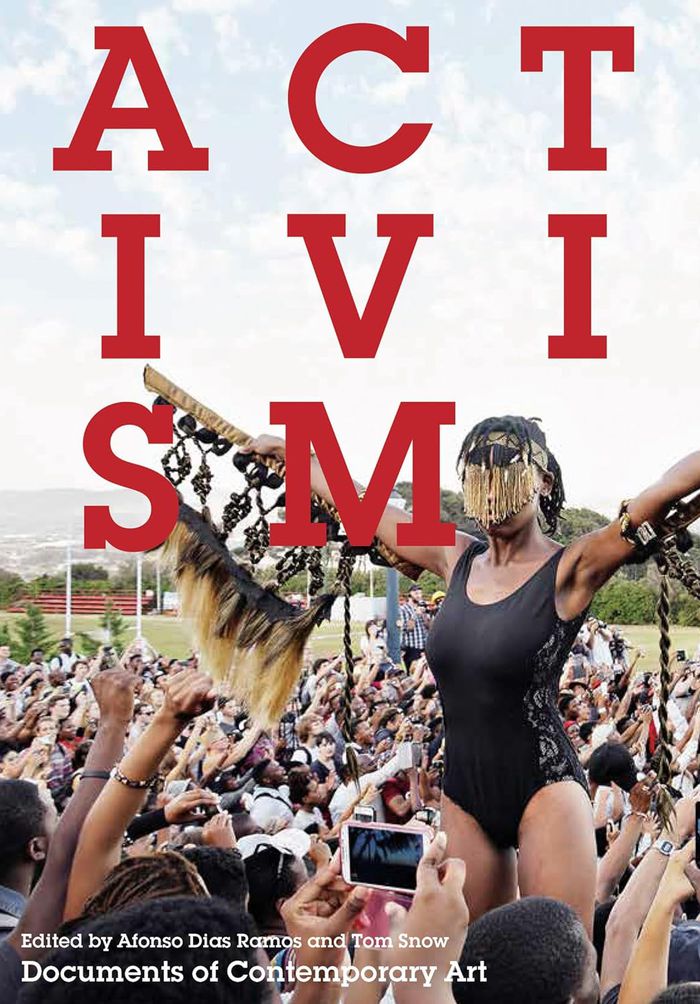
Activism is a critical point of contention for institutions and genealogies of contemporary art around the world. Yet artists have consistently engaged in activist discourse, lending their skills to social movements, and regularly participating in civil and social rights campaigns while also boycotting cultural institutions and exerting significant pressure on them. This timely volume, edited by Tom Snow and Afonso Ramos, addresses an extraordinary moment in debates over the institutional frameworks and networks of art including large-scale direct actions, as well as a radical rethinking of art venues and urban spaces according to racial, class, or gender-based disparities, including demonstrations against the extractive and exploitative practices of neoliberal accumulation and climate catastrophe. From ACT UP and its affiliate groups since the dawn of the AIDS crisis to the counter-spectacle and street theatrics of the so-called Arab Spring and Occupy, to ongoing protest movements such as Black Lives Matter, Rhodes Must Fall, and Decolonize This Place, activist aesthetics has proven increasingly difficult to define under traditional classifications. Resurgent campaigns for decolonial reckoning, ecological justice, gender equality, indigenous rights and antiracist pedagogies indicate that the role of activism in contemporary art practice urges a critical reassessment. One pressing question is whether contemporary art’s most radical politics now takes place outside, against, or in spite of, conventional sites of display such as museums, biennials, and galleries.
Activism: Whitechapel Documents of Contemporary Art
Actions:
Price:
$36.95
(available in store)
Summary:
Activism is a critical point of contention for institutions and genealogies of contemporary art around the world. Yet artists have consistently engaged in activist discourse, lending their skills to social movements, and regularly participating in civil and social rights campaigns while also boycotting cultural institutions and exerting significant pressure on them. This timely volume, edited by Tom Snow and Afonso Ramos, addresses an extraordinary moment in debates over the institutional frameworks and networks of art including large-scale direct actions, as well as a radical rethinking of art venues and urban spaces according to racial, class, or gender-based disparities, including demonstrations against the extractive and exploitative practices of neoliberal accumulation and climate catastrophe. From ACT UP and its affiliate groups since the dawn of the AIDS crisis to the counter-spectacle and street theatrics of the so-called Arab Spring and Occupy, to ongoing protest movements such as Black Lives Matter, Rhodes Must Fall, and Decolonize This Place, activist aesthetics has proven increasingly difficult to define under traditional classifications. Resurgent campaigns for decolonial reckoning, ecological justice, gender equality, indigenous rights and antiracist pedagogies indicate that the role of activism in contemporary art practice urges a critical reassessment. One pressing question is whether contemporary art’s most radical politics now takes place outside, against, or in spite of, conventional sites of display such as museums, biennials, and galleries.
Form:
books
books
Publication:
October 2023
October 2023
Subject:
Art Theory
Art Theory
Form:
books
books
Title:
The fashion of architecture
The fashion of architecture
Actions:
Price:
$44.95
(available to order)
Summary:
Architecture is making its presence felt in cutting-edge fashion. The pliable metals, membrane structures, lightweight glasses and plastics used in building construction are creeping onto the catwalk. As they do so, their impact on recent textile developments has produced fabrics that enable clothing to act as individual climate-controlled environments that can exchange(...)
$44.95
(available to order)
Summary:
Architecture is making its presence felt in cutting-edge fashion. The pliable metals, membrane structures, lightweight glasses and plastics used in building construction are creeping onto the catwalk. As they do so, their impact on recent textile developments has produced fabrics that enable clothing to act as individual climate-controlled environments that can exchange(...)
Title:
The fashion of architecture
Actions:
Price:
$44.95
(available to order)
Summary:
Architecture is making its presence felt in cutting-edge fashion. The pliable metals, membrane structures, lightweight glasses and plastics used in building construction are creeping onto the catwalk. As they do so, their impact on recent textile developments has produced fabrics that enable clothing to act as individual climate-controlled environments that can exchange information with embedded sensors, resulting in wearable "dwellings" that act as both shelter and clothing. At the same time, architects are borrowing the techniques of pleating, stapling, cutting and draping from traditional tailoring to design buildings that are flexible, interactive, inflatable and even portable. Although the relationship between architecture and fashion was recognized more than a century ago, the connection between them has rarely been explored by historians, designers or practicing architects. "The Fashion of Architecture" is the first attempt to investigate the contemporary relationship between architecture and fashion in considerable depth, by examining the ideas, imagery, techniques and materials used by visionaries such as Martin Margiela, Issey Miyake, Alexander McQueen, Tadao Ando and Daniel Libeskind. As mavericks ranging from Hussein Chalayan and Rei Kawakubo to Rem Koolhaas and Zaha Hadid describe architecture’s role in the formation of fashion identities, new readings of both areas emerge. Probing and far-reaching in its content, The Fashion of Architecture is the most comprehensive study of this exciting area to date.
The fashion of architecture
Actions:
Price:
$44.95
(available to order)
Summary:
Architecture is making its presence felt in cutting-edge fashion. The pliable metals, membrane structures, lightweight glasses and plastics used in building construction are creeping onto the catwalk. As they do so, their impact on recent textile developments has produced fabrics that enable clothing to act as individual climate-controlled environments that can exchange information with embedded sensors, resulting in wearable "dwellings" that act as both shelter and clothing. At the same time, architects are borrowing the techniques of pleating, stapling, cutting and draping from traditional tailoring to design buildings that are flexible, interactive, inflatable and even portable. Although the relationship between architecture and fashion was recognized more than a century ago, the connection between them has rarely been explored by historians, designers or practicing architects. "The Fashion of Architecture" is the first attempt to investigate the contemporary relationship between architecture and fashion in considerable depth, by examining the ideas, imagery, techniques and materials used by visionaries such as Martin Margiela, Issey Miyake, Alexander McQueen, Tadao Ando and Daniel Libeskind. As mavericks ranging from Hussein Chalayan and Rei Kawakubo to Rem Koolhaas and Zaha Hadid describe architecture’s role in the formation of fashion identities, new readings of both areas emerge. Probing and far-reaching in its content, The Fashion of Architecture is the most comprehensive study of this exciting area to date.
Form:
books
books
Publication:
December 2003, Oxford / New York
December 2003, Oxford / New York
Subject:
Architectural Theory
Architectural Theory
Form:
books
books
Actions:
Price:
$34.95
(available to order)
Summary:
From April to October in 1964 and 1965, some 52 million people from around the world flocked to the New York World's Fair, an experience that lives on in the memory of many individuals and in America's collective consciousness. Lawrence R. Samuel offers a thought-provoking portrait of this seminal event and of the cultural climate that surrounded it, countering critics'(...)
$34.95
(available to order)
Summary:
From April to October in 1964 and 1965, some 52 million people from around the world flocked to the New York World's Fair, an experience that lives on in the memory of many individuals and in America's collective consciousness. Lawrence R. Samuel offers a thought-provoking portrait of this seminal event and of the cultural climate that surrounded it, countering critics'(...)
Publication:
October 2007, Syracuse
October 2007, Syracuse
Title:
The end of innocence : The 1964-1965 New York world's fair
Actions:
Price:
$34.95
(available to order)
Summary:
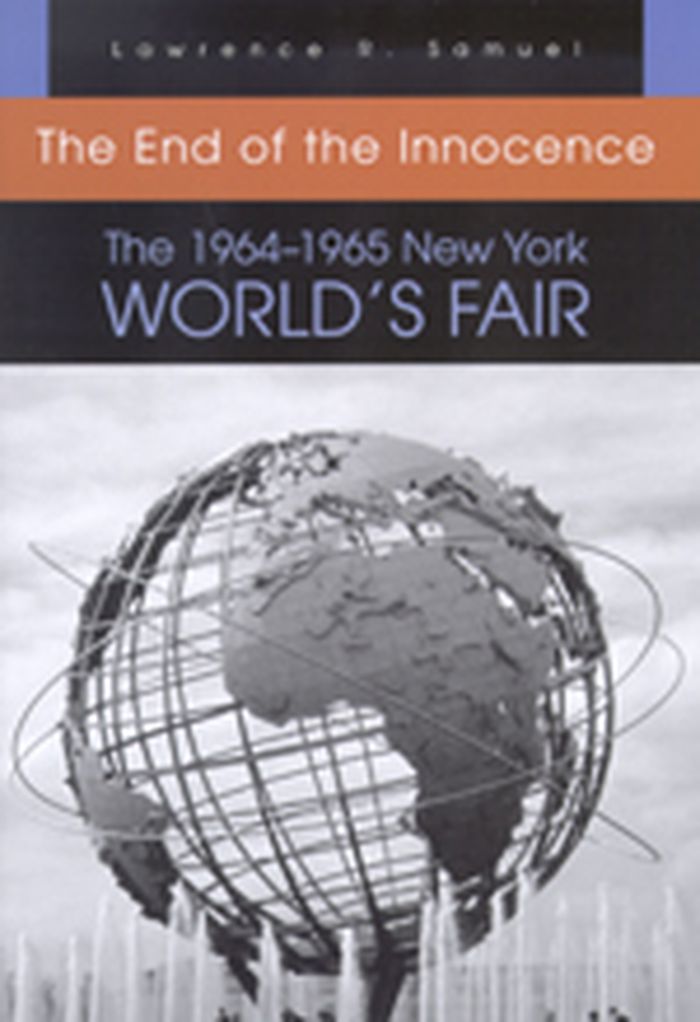
From April to October in 1964 and 1965, some 52 million people from around the world flocked to the New York World's Fair, an experience that lives on in the memory of many individuals and in America's collective consciousness. Lawrence R. Samuel offers a thought-provoking portrait of this seminal event and of the cultural climate that surrounded it, countering critics' assessment of the Fair as the "ugly duckling" of global expositions. Although much attention has been paid to the controversial role of Fair president Robert Moses, who tried to use the event to ensure his personal legacy, the Fair itself was for the great majority of visitors an overwhelmingly positive, often inspirational, and sometimes transcendent experience that truly delivered on its theme of "peace through understanding." Much of the Fair's popularity, Samuel suggests, stemmed from its looking backward as much as forward, offering visitors sanctuary from the cultural storm that was rapidly approaching in the mid-1960s. Opening just five months after President Kennedy's assassination, the Fair allowed millions to celebrate international brotherhood while the conflict in Vietnam came to a boil. The Fair glorified the postwar American dream of limitless optimism just as a counterculture of sex, drugs, and rock 'n' roll was coming into being. It was, in short, the last gasp of the American Dream: The End of the Innocence.
The end of innocence : The 1964-1965 New York world's fair
Actions:
Price:
$34.95
(available to order)
Summary:
From April to October in 1964 and 1965, some 52 million people from around the world flocked to the New York World's Fair, an experience that lives on in the memory of many individuals and in America's collective consciousness. Lawrence R. Samuel offers a thought-provoking portrait of this seminal event and of the cultural climate that surrounded it, countering critics' assessment of the Fair as the "ugly duckling" of global expositions. Although much attention has been paid to the controversial role of Fair president Robert Moses, who tried to use the event to ensure his personal legacy, the Fair itself was for the great majority of visitors an overwhelmingly positive, often inspirational, and sometimes transcendent experience that truly delivered on its theme of "peace through understanding." Much of the Fair's popularity, Samuel suggests, stemmed from its looking backward as much as forward, offering visitors sanctuary from the cultural storm that was rapidly approaching in the mid-1960s. Opening just five months after President Kennedy's assassination, the Fair allowed millions to celebrate international brotherhood while the conflict in Vietnam came to a boil. The Fair glorified the postwar American dream of limitless optimism just as a counterculture of sex, drugs, and rock 'n' roll was coming into being. It was, in short, the last gasp of the American Dream: The End of the Innocence.
Form:
books
books
Publication:
October 2007, Syracuse
October 2007, Syracuse
Form:
books
books
Actions:
Price:
$41.95
(available to order)
Summary:
Is it possible for the economy to grow without the environment being destroyed? Will our lifestyles impoverish the planet for our children and grandchildren? Is the world sick? Can it be healed? Less than a lifetime ago, these questions would have made no sense. This was not because our ancestors had no impact on nature—nor because they were unaware of the serious damage(...)
$41.95
(available to order)
Summary:
Is it possible for the economy to grow without the environment being destroyed? Will our lifestyles impoverish the planet for our children and grandchildren? Is the world sick? Can it be healed? Less than a lifetime ago, these questions would have made no sense. This was not because our ancestors had no impact on nature—nor because they were unaware of the serious damage(...)
Subject:
Environment and environmental theory
Environment and environmental theory
Publication:
November 2018
November 2018
Title:
The environment: a history of an idea
Actions:
Price:
$41.95
(available to order)
Summary:
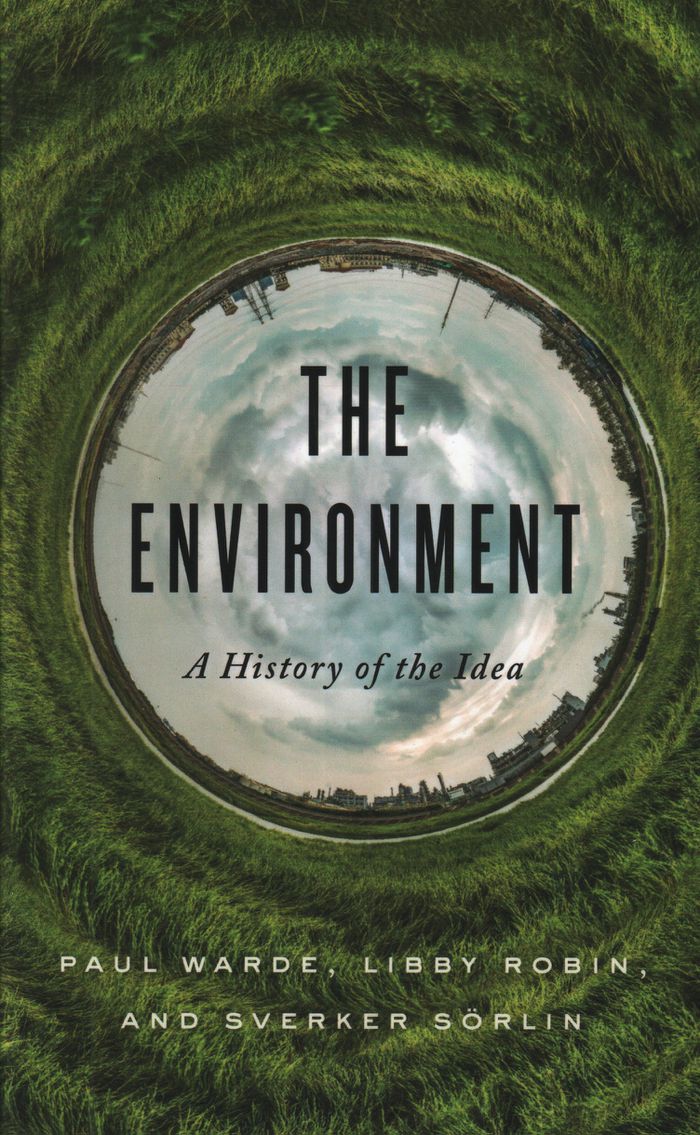
Is it possible for the economy to grow without the environment being destroyed? Will our lifestyles impoverish the planet for our children and grandchildren? Is the world sick? Can it be healed? Less than a lifetime ago, these questions would have made no sense. This was not because our ancestors had no impact on nature—nor because they were unaware of the serious damage they had done. What people lacked was an idea: a way of imagining the web of interconnection and consequence of which the natural world is made. Without this notion, we didn’t have a way to describe the scale and scope of human impact upon nature. This idea was "the environment." Paul Warde, Libby Robin, and Sverker Sörlin trace the emergence of the concept of the environment following World War II, a period characterized by both hope for a new global order and fear of humans’ capacity for almost limitless destruction. It was at this moment that a new idea and a new narrative about the planet-wide impact of people's behavior emerged, closely allied to anxieties for the future. Now we had a vocabulary for talking about how we were changing nature: resource exhaustion and energy, biodiversity, pollution, and—eventually—climate change. With the rise of "the environment," the authors argue, came new expertise, making certain kinds of knowledge crucial to understanding the future of our planet.
The environment: a history of an idea
Actions:
Price:
$41.95
(available to order)
Summary:
Is it possible for the economy to grow without the environment being destroyed? Will our lifestyles impoverish the planet for our children and grandchildren? Is the world sick? Can it be healed? Less than a lifetime ago, these questions would have made no sense. This was not because our ancestors had no impact on nature—nor because they were unaware of the serious damage they had done. What people lacked was an idea: a way of imagining the web of interconnection and consequence of which the natural world is made. Without this notion, we didn’t have a way to describe the scale and scope of human impact upon nature. This idea was "the environment." Paul Warde, Libby Robin, and Sverker Sörlin trace the emergence of the concept of the environment following World War II, a period characterized by both hope for a new global order and fear of humans’ capacity for almost limitless destruction. It was at this moment that a new idea and a new narrative about the planet-wide impact of people's behavior emerged, closely allied to anxieties for the future. Now we had a vocabulary for talking about how we were changing nature: resource exhaustion and energy, biodiversity, pollution, and—eventually—climate change. With the rise of "the environment," the authors argue, came new expertise, making certain kinds of knowledge crucial to understanding the future of our planet.
Form:
books
books
Publication:
November 2018
November 2018
Subject:
Environment and environmental theory
Environment and environmental theory
Form:
books
books
Price:
$25.95
(available to order)
Summary:
This publication sheds light on the reflections that led to the creation of EXIT, the 360° video installation created for the exhibition spaces of the Fondation Cartier pour l'art contemporain in Paris. Based on an idea by French philosopher and urbanist, Paul Virilio, the 360° video installation EXIT was created in 2008 by the New York-based studio of artists and(...)
$25.95
(available to order)
Summary:
This publication sheds light on the reflections that led to the creation of EXIT, the 360° video installation created for the exhibition spaces of the Fondation Cartier pour l'art contemporain in Paris. Based on an idea by French philosopher and urbanist, Paul Virilio, the 360° video installation EXIT was created in 2008 by the New York-based studio of artists and(...)
Title:
Diller Scofidio + Renfro: Exit: Based on an idea by Paul Virilio
Actions:
Price:
$25.95
(available to order)
Summary:
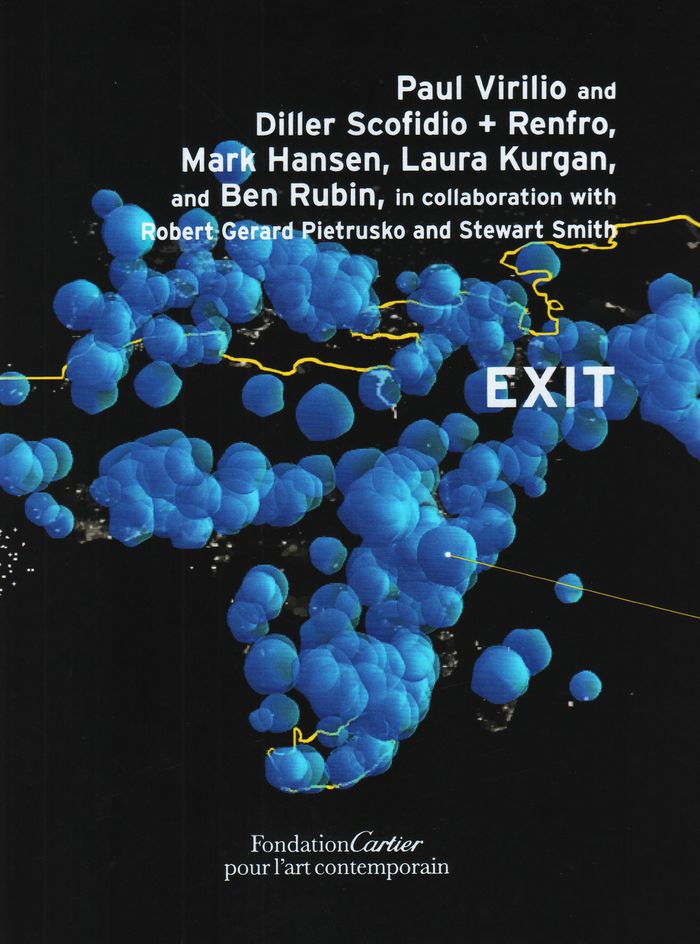
This publication sheds light on the reflections that led to the creation of EXIT, the 360° video installation created for the exhibition spaces of the Fondation Cartier pour l'art contemporain in Paris. Based on an idea by French philosopher and urbanist, Paul Virilio, the 360° video installation EXIT was created in 2008 by the New York-based studio of artists and architects Diller Scofidio + Renfro for the exhibition spaces of the Fondation Cartier pour l'art contemporain in Paris. Composed of a series of animated maps generated by data, this immersive installation investigates human migrations today and their leading causes, including the impact of climate change. Through six scenarios - Population Shifts: Cities; Remittances: Sending Money Home; Political Refugees and Forced Migration; Rising Seas, Sinking Cities; Natural Disasters; and Speechless and Deforestation - it provides the rare opportunity to understand visually the complex relationships between the various economic, political and environmental factors underpinning contemporary human migrations. The work was updated entirely in 2015, reflecting the alarming evolution of the data since it was first presented in 2008. Through various texts, descriptions of the animated maps, and numerous illustrations, this book sheds light on the reflections that led to the creation of EXIT, and proposes to delve deeper into the very notions and questions that it raises and that are more relevant today than ever.
Diller Scofidio + Renfro: Exit: Based on an idea by Paul Virilio
Actions:
Price:
$25.95
(available to order)
Summary:
This publication sheds light on the reflections that led to the creation of EXIT, the 360° video installation created for the exhibition spaces of the Fondation Cartier pour l'art contemporain in Paris. Based on an idea by French philosopher and urbanist, Paul Virilio, the 360° video installation EXIT was created in 2008 by the New York-based studio of artists and architects Diller Scofidio + Renfro for the exhibition spaces of the Fondation Cartier pour l'art contemporain in Paris. Composed of a series of animated maps generated by data, this immersive installation investigates human migrations today and their leading causes, including the impact of climate change. Through six scenarios - Population Shifts: Cities; Remittances: Sending Money Home; Political Refugees and Forced Migration; Rising Seas, Sinking Cities; Natural Disasters; and Speechless and Deforestation - it provides the rare opportunity to understand visually the complex relationships between the various economic, political and environmental factors underpinning contemporary human migrations. The work was updated entirely in 2015, reflecting the alarming evolution of the data since it was first presented in 2008. Through various texts, descriptions of the animated maps, and numerous illustrations, this book sheds light on the reflections that led to the creation of EXIT, and proposes to delve deeper into the very notions and questions that it raises and that are more relevant today than ever.
Form:
books
books
Publication:
November 2019
November 2019
Subject:
Architecture Monographs
Architecture Monographs


