


2505 Results
Form:
books
books
Title:
Daido Moriyama: record
Daido Moriyama: record
Actions:
Price:
$92.00
(available to order)
Summary:
Inspired by Japanese photographers, as well as by William Klein’s seminal photography book on New York, Daido Moriyama moved from Osaka to Tokyo in the early sixties to become a photographer. He became the leading exponent of a fierce new photographic style that corresponded perfectly to the abrasive and intense climate of Tokyo during a period of great social upheaval.(...)
$92.00
(available to order)
Summary:
Inspired by Japanese photographers, as well as by William Klein’s seminal photography book on New York, Daido Moriyama moved from Osaka to Tokyo in the early sixties to become a photographer. He became the leading exponent of a fierce new photographic style that corresponded perfectly to the abrasive and intense climate of Tokyo during a period of great social upheaval.(...)
Title:
Daido Moriyama: record
Actions:
Price:
$92.00
(available to order)
Summary:
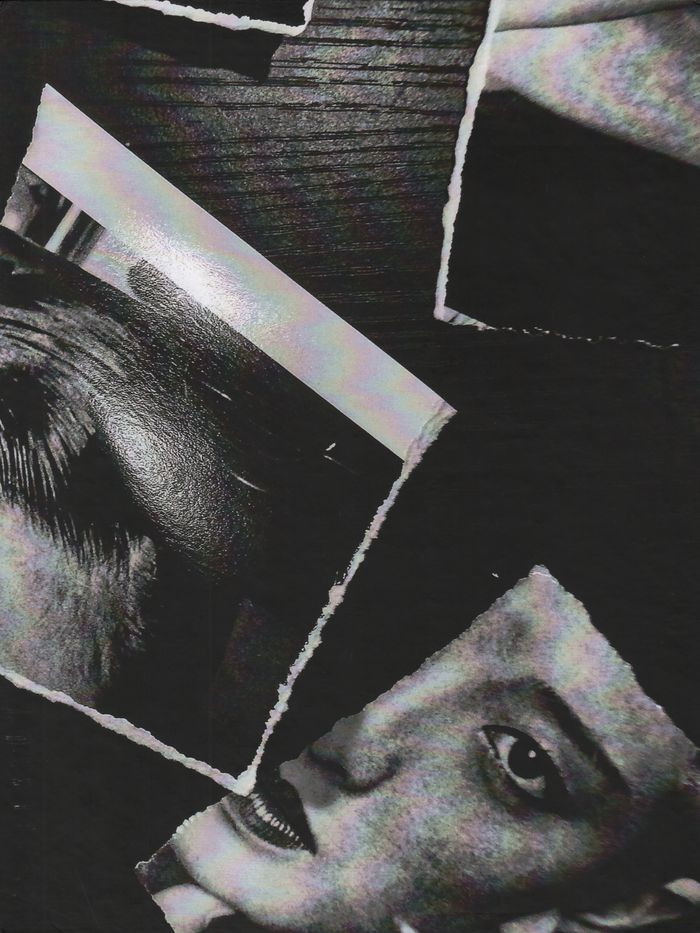
Inspired by Japanese photographers, as well as by William Klein’s seminal photography book on New York, Daido Moriyama moved from Osaka to Tokyo in the early sixties to become a photographer. He became the leading exponent of a fierce new photographic style that corresponded perfectly to the abrasive and intense climate of Tokyo during a period of great social upheaval. Between June 1972 and July 1973 Moriyama produced his own magazine publication, Kiroku, which was then referred to as Record. It became a diaristic journal of his work as it developed. Ten years ago, after a decades-long interval, he was able to resume publication of Record. Now this book collects work from all thirty published issues, edited into a single sequence, punctuated by Moriyama’s own text as it appeared in the magazine. Produced at the magazine’s original size, with an introduction by Mark Holborn, this volume features more than 200 works from throughout the magazine’s history. It used to be assumed that Moriyama’s peculiarly Japanese style was tied to his Tokyo roots. The evidence of the last ten years demonstrates that Moriyama, a restless world traveler, has been able to apply his unique vision to northern Europe; southern France; the cities of Florence, London, Barcelona, Taipei, Hong Kong, New York, and Los Angeles as well as the alleys of Osaka; the landscape of Hokkaido; and Afghanistan.
Daido Moriyama: record
Actions:
Price:
$92.00
(available to order)
Summary:
Inspired by Japanese photographers, as well as by William Klein’s seminal photography book on New York, Daido Moriyama moved from Osaka to Tokyo in the early sixties to become a photographer. He became the leading exponent of a fierce new photographic style that corresponded perfectly to the abrasive and intense climate of Tokyo during a period of great social upheaval. Between June 1972 and July 1973 Moriyama produced his own magazine publication, Kiroku, which was then referred to as Record. It became a diaristic journal of his work as it developed. Ten years ago, after a decades-long interval, he was able to resume publication of Record. Now this book collects work from all thirty published issues, edited into a single sequence, punctuated by Moriyama’s own text as it appeared in the magazine. Produced at the magazine’s original size, with an introduction by Mark Holborn, this volume features more than 200 works from throughout the magazine’s history. It used to be assumed that Moriyama’s peculiarly Japanese style was tied to his Tokyo roots. The evidence of the last ten years demonstrates that Moriyama, a restless world traveler, has been able to apply his unique vision to northern Europe; southern France; the cities of Florence, London, Barcelona, Taipei, Hong Kong, New York, and Los Angeles as well as the alleys of Osaka; the landscape of Hokkaido; and Afghanistan.
Form:
books
books
Publication:
October 2017
October 2017
Subject:
Photography monographs
Photography monographs
Form:
books
books
Price:
$34.95
(available in store)
Summary:
National historic sites commemorate decisive moments in the making of Canada. But seen through an environmental lens, these sites become artifacts of a bigger story: the occupation and transformation of nature into nation. In an age of pressing discussions about environmental sustainability, there is a growing need to know more about the history of our relationship with(...)
$34.95
(available in store)
Summary:
National historic sites commemorate decisive moments in the making of Canada. But seen through an environmental lens, these sites become artifacts of a bigger story: the occupation and transformation of nature into nation. In an age of pressing discussions about environmental sustainability, there is a growing need to know more about the history of our relationship with(...)
Title:
Nature, place, and story: rethinking historic sites in Canada
Actions:
Price:
$34.95
(available in store)
Summary:
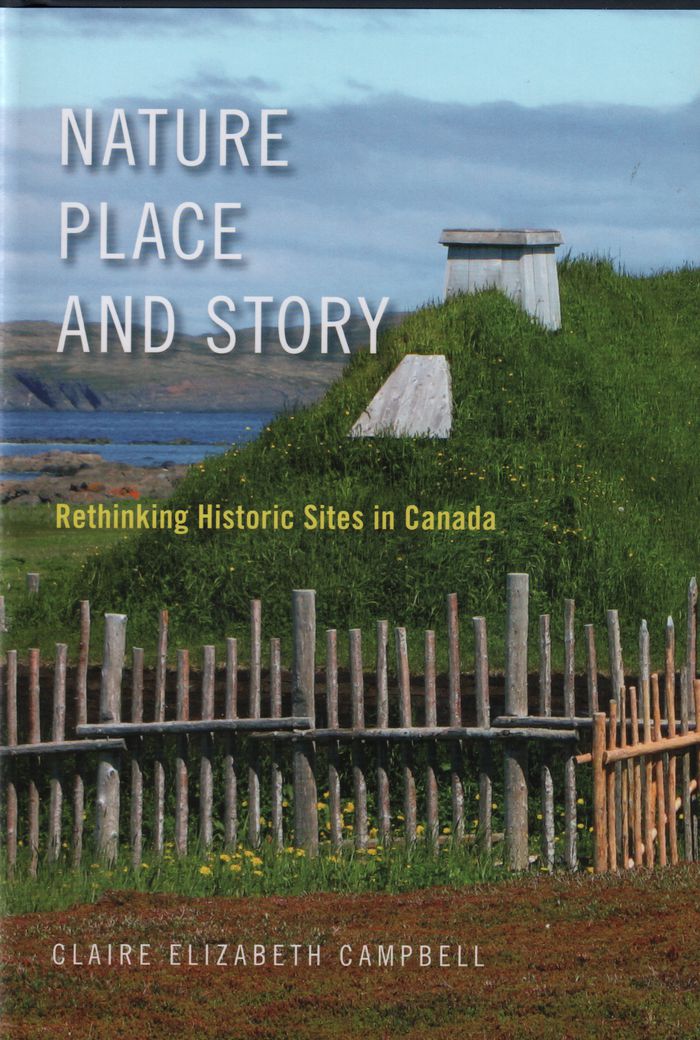
National historic sites commemorate decisive moments in the making of Canada. But seen through an environmental lens, these sites become artifacts of a bigger story: the occupation and transformation of nature into nation. In an age of pressing discussions about environmental sustainability, there is a growing need to know more about the history of our relationship with the natural world and what lessons these places of public history, regional identity, and national narrative can teach us. "Nature, place, and story" provides new interpretations for five of Canada’s largest and most iconic historic sites (two of which are UNESCO World Heritage Sites): L’Anse aux Meadows, Newfoundland; Grand Pré, Nova Scotia; Fort William, Ontario; the Forks of the Red River, Manitoba; and the Bar U Ranch, Alberta. At each location, Claire Campbell rewrites public history as environmental history, revealing the country’s debt to the power and fragility of the natural world, and the relevance of the past to understanding climate change, agricultural sustainability, wilderness protection, urban reclamation, and fossil fuel extraction. From the medieval Atlantic to modern ranchlands, environmental history speaks directly to contemporary questions about the health of Canada’s habitat. Bringing together public and environmental history in an entirely new way, "Nature, place, and story" is a lively and ambitious call for a fresh perspective on natural heritage.
Nature, place, and story: rethinking historic sites in Canada
Actions:
Price:
$34.95
(available in store)
Summary:
National historic sites commemorate decisive moments in the making of Canada. But seen through an environmental lens, these sites become artifacts of a bigger story: the occupation and transformation of nature into nation. In an age of pressing discussions about environmental sustainability, there is a growing need to know more about the history of our relationship with the natural world and what lessons these places of public history, regional identity, and national narrative can teach us. "Nature, place, and story" provides new interpretations for five of Canada’s largest and most iconic historic sites (two of which are UNESCO World Heritage Sites): L’Anse aux Meadows, Newfoundland; Grand Pré, Nova Scotia; Fort William, Ontario; the Forks of the Red River, Manitoba; and the Bar U Ranch, Alberta. At each location, Claire Campbell rewrites public history as environmental history, revealing the country’s debt to the power and fragility of the natural world, and the relevance of the past to understanding climate change, agricultural sustainability, wilderness protection, urban reclamation, and fossil fuel extraction. From the medieval Atlantic to modern ranchlands, environmental history speaks directly to contemporary questions about the health of Canada’s habitat. Bringing together public and environmental history in an entirely new way, "Nature, place, and story" is a lively and ambitious call for a fresh perspective on natural heritage.
Form:
books
books
Publication:
August 2017
August 2017
Subject:
Architecture in Canada
Architecture in Canada
Form:
books
books
Actions:
Price:
$39.95
(available to order)
Summary:
This book shows how, even in the most difficult conditions–forced displacement, trauma, and struggle–design can help create a life worth living. ''Design to live'' documents designs, inventions, and artworks created by Syrian refugees living in the Azraq Refugee Camp in Jordan. Through these ingenious and creative innovations–including the vertical garden, an arrangement(...)
$39.95
(available to order)
Summary:
This book shows how, even in the most difficult conditions–forced displacement, trauma, and struggle–design can help create a life worth living. ''Design to live'' documents designs, inventions, and artworks created by Syrian refugees living in the Azraq Refugee Camp in Jordan. Through these ingenious and creative innovations–including the vertical garden, an arrangement(...)
Publication:
October 2021
October 2021
Title:
Design to live: Everyday inventions from a refugee camp
Actions:
Price:
$39.95
(available to order)
Summary:
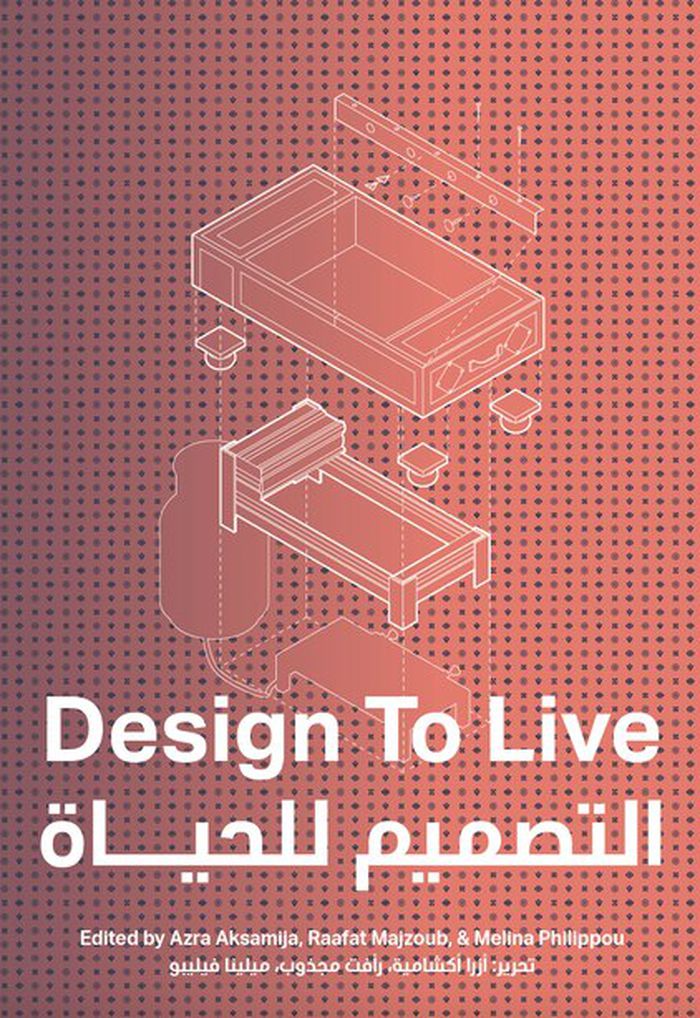
This book shows how, even in the most difficult conditions–forced displacement, trauma, and struggle–design can help create a life worth living. ''Design to live'' documents designs, inventions, and artworks created by Syrian refugees living in the Azraq Refugee Camp in Jordan. Through these ingenious and creative innovations–including the vertical garden, an arrangement necessitated by regulations that forbid planting in the ground; a front hall, fashioned to protect privacy; a baby swing made from recycled desks; and a chess set carved from a broomstick–refugees defy the material scarcity, unforgiving desert climate, and cultural isolation of the camp. Written in close collaboration with the residents of the camp, with text in both English and Arabic, ''Design to live,'' reflects two perspectives on the camp: people living and working in Azraq and designers reflecting on humanitarian architecture within the broader field of socially engaged art and design. Architectural drawings, illustrations, photographs, narratives, and stories offer vivid testimony to the imaginative and artful ways that residents alter and reconstruct the standardized humanitarian design of the camp–and provide models that can be replicated elsewhere. The book is the product of a three-year project undertaken by MIT Future Heritage Lab, researchers and students with Syrian refugees at the Azraq Refugee Camp, CARE, Jordan, and the German-Jordanian University.
Design to live: Everyday inventions from a refugee camp
Actions:
Price:
$39.95
(available to order)
Summary:
This book shows how, even in the most difficult conditions–forced displacement, trauma, and struggle–design can help create a life worth living. ''Design to live'' documents designs, inventions, and artworks created by Syrian refugees living in the Azraq Refugee Camp in Jordan. Through these ingenious and creative innovations–including the vertical garden, an arrangement necessitated by regulations that forbid planting in the ground; a front hall, fashioned to protect privacy; a baby swing made from recycled desks; and a chess set carved from a broomstick–refugees defy the material scarcity, unforgiving desert climate, and cultural isolation of the camp. Written in close collaboration with the residents of the camp, with text in both English and Arabic, ''Design to live,'' reflects two perspectives on the camp: people living and working in Azraq and designers reflecting on humanitarian architecture within the broader field of socially engaged art and design. Architectural drawings, illustrations, photographs, narratives, and stories offer vivid testimony to the imaginative and artful ways that residents alter and reconstruct the standardized humanitarian design of the camp–and provide models that can be replicated elsewhere. The book is the product of a three-year project undertaken by MIT Future Heritage Lab, researchers and students with Syrian refugees at the Azraq Refugee Camp, CARE, Jordan, and the German-Jordanian University.
Form:
books
books
Publication:
October 2021
October 2021
Form:
books
books
Title:
Mining photography
Mining photography
Actions:
Price:
$63.00
(available to order)
Summary:
Photography has always depended on the extraction and exploitation of so-called natural raw materials. Having started out using copper, coal, silver, and paper—the raw materials of analogue image production in the nineteenth and twentieth centuries—photography now relies, in the age of the smartphone, on rare earths and metals like coltan, cobalt, and europium. The(...)
$63.00
(available to order)
Summary:
Photography has always depended on the extraction and exploitation of so-called natural raw materials. Having started out using copper, coal, silver, and paper—the raw materials of analogue image production in the nineteenth and twentieth centuries—photography now relies, in the age of the smartphone, on rare earths and metals like coltan, cobalt, and europium. The(...)
Publication:
March 2023
March 2023
Title:
Mining photography
Actions:
Price:
$63.00
(available to order)
Summary:
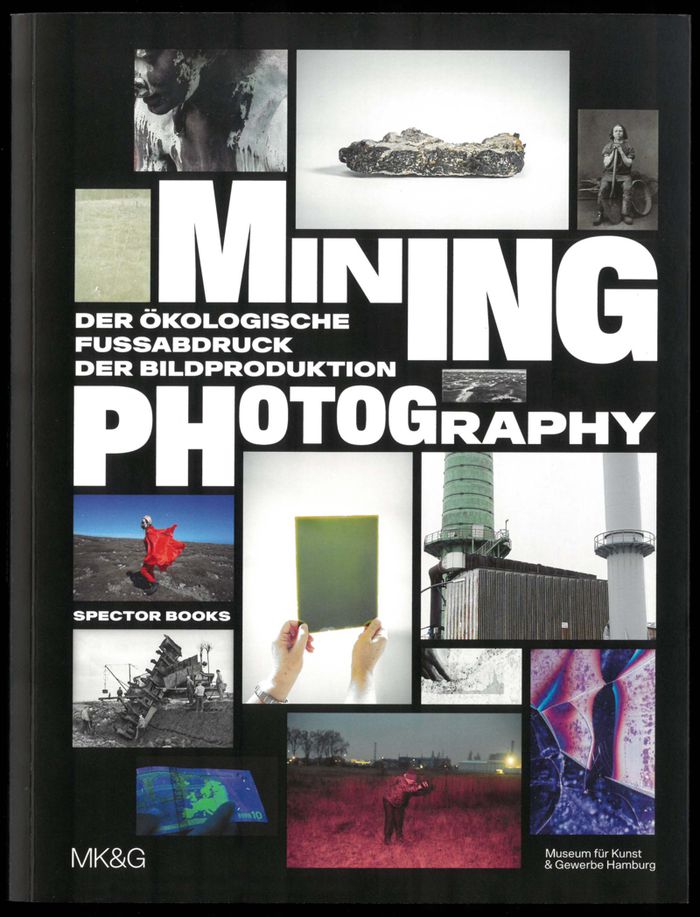
Photography has always depended on the extraction and exploitation of so-called natural raw materials. Having started out using copper, coal, silver, and paper—the raw materials of analogue image production in the nineteenth and twentieth centuries—photography now relies, in the age of the smartphone, on rare earths and metals like coltan, cobalt, and europium. The exhibition focuses on the history of key raw materials utilized in photography and establishes a connection between the history of their extraction, their disposal, and climate change. Looking at historical and contemporary works, it tells the story of photography as a history of industrial production and demonstrates that the medium is deeply implicated in human-induced changes to nature. The exhibition shows contemporary works by a range of photographers and artists, including Ignacio Acosta, Lisa Barnard, F Cartier, Susanne Kriemann, Mary Mattingly, Daphné Nan Le Sergent, Lisa Rave, Alison Rossiter, Metabolic Studio’s Optics Division, Robert Smithson, Simon Starling, Anaïs Tondeur, James Welling, Noa Yafe and Tobias Zielony, along with historical works by Eduard Christian Arning, Hermann Biow, Oscar and Theodor Hofmeister, Jürgen Friedrich Mahrt, Hermann Reichling, and others, and historical material from the Agfa Foto-Historama in Leverkusen, the Eastman Kodak Archive in Rochester and the FOMU Photo Museum in Antwerp as well as mineral samples collected by Alexander von Humboldt from the collection of the Museum für Naturkunde, Berlin.
Mining photography
Actions:
Price:
$63.00
(available to order)
Summary:
Photography has always depended on the extraction and exploitation of so-called natural raw materials. Having started out using copper, coal, silver, and paper—the raw materials of analogue image production in the nineteenth and twentieth centuries—photography now relies, in the age of the smartphone, on rare earths and metals like coltan, cobalt, and europium. The exhibition focuses on the history of key raw materials utilized in photography and establishes a connection between the history of their extraction, their disposal, and climate change. Looking at historical and contemporary works, it tells the story of photography as a history of industrial production and demonstrates that the medium is deeply implicated in human-induced changes to nature. The exhibition shows contemporary works by a range of photographers and artists, including Ignacio Acosta, Lisa Barnard, F Cartier, Susanne Kriemann, Mary Mattingly, Daphné Nan Le Sergent, Lisa Rave, Alison Rossiter, Metabolic Studio’s Optics Division, Robert Smithson, Simon Starling, Anaïs Tondeur, James Welling, Noa Yafe and Tobias Zielony, along with historical works by Eduard Christian Arning, Hermann Biow, Oscar and Theodor Hofmeister, Jürgen Friedrich Mahrt, Hermann Reichling, and others, and historical material from the Agfa Foto-Historama in Leverkusen, the Eastman Kodak Archive in Rochester and the FOMU Photo Museum in Antwerp as well as mineral samples collected by Alexander von Humboldt from the collection of the Museum für Naturkunde, Berlin.
Form:
books
books
Publication:
March 2023
March 2023
Form:
books
books
Actions:
Price:
$78.00
(available to order)
Summary:
For centuries, the cardinals, popes, and rulers of Italy have devoted themselves to creating vast villa gardens that represent their wealth and power, provide a calm refuge from city life, and showcase lavish plantings and rare flowers. Here, in over two hundred photographs — taken during the Edwardian era when these historic gardens were at their peak — twenty-two of(...)
$78.00
(available to order)
Summary:
For centuries, the cardinals, popes, and rulers of Italy have devoted themselves to creating vast villa gardens that represent their wealth and power, provide a calm refuge from city life, and showcase lavish plantings and rare flowers. Here, in over two hundred photographs — taken during the Edwardian era when these historic gardens were at their peak — twenty-two of(...)
Title:
Italian gardens : romantic splendor in the Edwardian age
Actions:
Price:
$78.00
(available to order)
Summary:
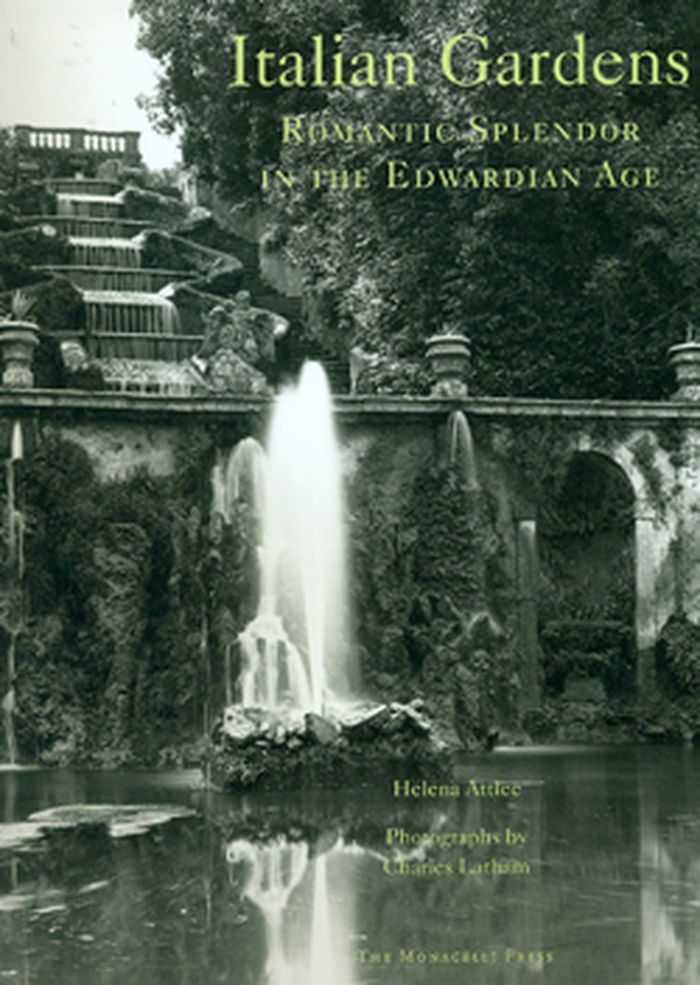
For centuries, the cardinals, popes, and rulers of Italy have devoted themselves to creating vast villa gardens that represent their wealth and power, provide a calm refuge from city life, and showcase lavish plantings and rare flowers. Here, in over two hundred photographs — taken during the Edwardian era when these historic gardens were at their peak — twenty-two of central Italy's most ornate and spectacular palace gardens are presented. This publication reveals the vanished magnificence of the aristocracy's landscapes in images from the archives of Britain's Country Life magazine. Classic photographs display patterned grottoes, elaborate terraces, sophisticated fountains, antique statuary, and sun-dappled arbors to provide an important record of these gardens at a nostalgic moment in time, before the two World Wars provoked irrevocable changes in Italy's political and economic climate and many gardens fell into neglect. Discussing the history and design of each garden, author Helena Attlee brings to life the personalities responsible for such extravagant creations as the Alley of a Hundred Fountains at the Villa d'Este in Tivoli, the swirling parterres de broderie of Villa Doria Pamphili in Rome, the broad terraces and majestic staircases of the Vatican Gardens, the frescoed loggia of the Villa Medici in Fiesole, and the border of innumerable citrus trees circling the Isolotto in Florence's famous Boboli Gardens.
Italian gardens : romantic splendor in the Edwardian age
Actions:
Price:
$78.00
(available to order)
Summary:
For centuries, the cardinals, popes, and rulers of Italy have devoted themselves to creating vast villa gardens that represent their wealth and power, provide a calm refuge from city life, and showcase lavish plantings and rare flowers. Here, in over two hundred photographs — taken during the Edwardian era when these historic gardens were at their peak — twenty-two of central Italy's most ornate and spectacular palace gardens are presented. This publication reveals the vanished magnificence of the aristocracy's landscapes in images from the archives of Britain's Country Life magazine. Classic photographs display patterned grottoes, elaborate terraces, sophisticated fountains, antique statuary, and sun-dappled arbors to provide an important record of these gardens at a nostalgic moment in time, before the two World Wars provoked irrevocable changes in Italy's political and economic climate and many gardens fell into neglect. Discussing the history and design of each garden, author Helena Attlee brings to life the personalities responsible for such extravagant creations as the Alley of a Hundred Fountains at the Villa d'Este in Tivoli, the swirling parterres de broderie of Villa Doria Pamphili in Rome, the broad terraces and majestic staircases of the Vatican Gardens, the frescoed loggia of the Villa Medici in Fiesole, and the border of innumerable citrus trees circling the Isolotto in Florence's famous Boboli Gardens.
Form:
books
books
Publication:
August 2009
August 2009
Subject:
Gardens
Gardens
Form:
books
books
Title:
e-flux journal : reader 2009
e-flux journal : reader 2009
Actions:
Price:
$18.95
(available to order)
Summary:
Since conceptualism, the field of art has become increasingly accustomed to playing host to its own critique, and recent decades have found institutions engaged in self-critique as if by mandate. Important notions of legibility, autonomy, and critical engagement that were once necessary to carve out a space for a critic or critical art publication have transposed(...)
$18.95
(available to order)
Summary:
Since conceptualism, the field of art has become increasingly accustomed to playing host to its own critique, and recent decades have found institutions engaged in self-critique as if by mandate. Important notions of legibility, autonomy, and critical engagement that were once necessary to carve out a space for a critic or critical art publication have transposed(...)
Title:
e-flux journal : reader 2009
Actions:
Price:
$18.95
(available to order)
Summary:
Since conceptualism, the field of art has become increasingly accustomed to playing host to its own critique, and recent decades have found institutions engaged in self-critique as if by mandate. Important notions of legibility, autonomy, and critical engagement that were once necessary to carve out a space for a critic or critical art publication have transposed themselves onto artistic production proper, and are now considered to be of equal importance to artist, curator, institution, and engaged audience member alike. This climate of disciplinary reconfiguration and geographic dispersal has made the art world a highly complex place — the objective position that once defined the role of a critic has been effectively replaced by a need to understand just how large and varied the whole thing has become. The urgent task has now become to engage the new intellectual territories in a way that can revitalize the critical vocabulary of contemporary art. Perhaps the most productive way of doing this is through a fresh approach to the function of an art journal as something that situates the multitude of what is currently available, and makes that available back to the multitude. The selection of essays included in this book seeks to highlight an ongoing topical thread that ran throughout the first eight issues of e-flux journal — a sequence of overlapping concerns passed on from one contribution to the next.
e-flux journal : reader 2009
Actions:
Price:
$18.95
(available to order)
Summary:
Since conceptualism, the field of art has become increasingly accustomed to playing host to its own critique, and recent decades have found institutions engaged in self-critique as if by mandate. Important notions of legibility, autonomy, and critical engagement that were once necessary to carve out a space for a critic or critical art publication have transposed themselves onto artistic production proper, and are now considered to be of equal importance to artist, curator, institution, and engaged audience member alike. This climate of disciplinary reconfiguration and geographic dispersal has made the art world a highly complex place — the objective position that once defined the role of a critic has been effectively replaced by a need to understand just how large and varied the whole thing has become. The urgent task has now become to engage the new intellectual territories in a way that can revitalize the critical vocabulary of contemporary art. Perhaps the most productive way of doing this is through a fresh approach to the function of an art journal as something that situates the multitude of what is currently available, and makes that available back to the multitude. The selection of essays included in this book seeks to highlight an ongoing topical thread that ran throughout the first eight issues of e-flux journal — a sequence of overlapping concerns passed on from one contribution to the next.
Form:
books
books
Publication:
February 2010
February 2010
Subject:
Art Theory
Art Theory
Form:
books
books
Actions:
Holdings:
Description:
x, 314 pages : illustrations (principalement en couleur), cartes, plans ; 25 cm
Description:
x, 314 pages : illustrations (principalement en couleur), cartes, plans ; 25 cm
Author:
Subject:
Publication:
Québec (Québec) : Presses de l'Université du Québec, [2022], ©2022
Québec (Québec) : Presses de l'Université du Québec, [2022], ©2022
Title:
Lire et comprendre les environnements bâtis au Québec : la morphologie urbaine au service d'une démarche d'aménagement durable / sous la direction de François Racine ; avec la collaboration de Pierre Gauthier et Philippe Lupien.
Actions:
Holdings:
Description:
x, 314 pages : illustrations (principalement en couleur), cartes, plans ; 25 cm
Lire et comprendre les environnements bâtis au Québec : la morphologie urbaine au service d'une démarche d'aménagement durable / sous la direction de François Racine ; avec la collaboration de Pierre Gauthier et Philippe Lupien.
Actions:
Holdings:
Description:
x, 314 pages : illustrations (principalement en couleur), cartes, plans ; 25 cm
Form:
books
books
Publication:
Québec (Québec) : Presses de l'Université du Québec, [2022], ©2022
Québec (Québec) : Presses de l'Université du Québec, [2022], ©2022
Author:
Subject:
Form:
books
books
Actions:
Holdings:
Description:
375 pages : illustrations ; 22 cm
Description:
375 pages : illustrations ; 22 cm
Author:
Subject:
Publication:
Montréal, Québec, Canada : Écosociété, 2019., ©2019
Montréal, Québec, Canada : Écosociété, 2019., ©2019
Title:
La transition, c'est maintenant : choisir aujourd'hui ce que sera demain / Laure Waridel ; préface de Dominic Champagne.
Actions:
Holdings:
Description:
375 pages : illustrations ; 22 cm
La transition, c'est maintenant : choisir aujourd'hui ce que sera demain / Laure Waridel ; préface de Dominic Champagne.
Actions:
Holdings:
Description:
375 pages : illustrations ; 22 cm
Form:
books
books
Publication:
Montréal, Québec, Canada : Écosociété, 2019., ©2019
Montréal, Québec, Canada : Écosociété, 2019., ©2019
Author:
Subject:
Form:
books
books
Actions:
Price:
$24.50
(available to order)
Summary:
The successful conversion and expansion of abandoned buildings and relics from the industrial past have been the mission of Atelier Deshaus from Shanghai since 2001. The question of how formerly closed industrial complexes can be transformed into new, attractive places for the public is the core theme of this exhibition. It focuses on the transformation along the Huangpu(...)
$24.50
(available to order)
Summary:
The successful conversion and expansion of abandoned buildings and relics from the industrial past have been the mission of Atelier Deshaus from Shanghai since 2001. The question of how formerly closed industrial complexes can be transformed into new, attractive places for the public is the core theme of this exhibition. It focuses on the transformation along the Huangpu(...)
Title:
Atelier Deshaus, Shanghai: Common Landscape, Re-Cultivating Industrial Sites
Actions:
Price:
$24.50
(available to order)
Summary:
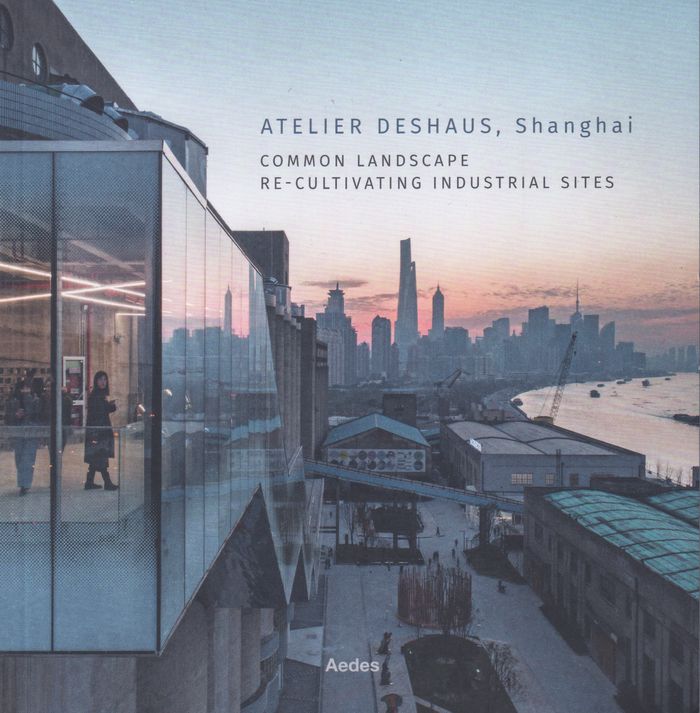
The successful conversion and expansion of abandoned buildings and relics from the industrial past have been the mission of Atelier Deshaus from Shanghai since 2001. The question of how formerly closed industrial complexes can be transformed into new, attractive places for the public is the core theme of this exhibition. It focuses on the transformation along the Huangpu River in Shanghai, whose seamless accessibility as a public space was heralded by Expo 2010 Better City - Better Life. Aedes is showing seven projects that have used the potential of former industrial sites to bring new functions to the riverbank and to which the residents attach both emotional and cultural significance. Abandoned production sites and relics of inner-city heavy industry, warehouses, and port facilities can be a huge burden on the sustainable development of a city, especially if they are seen as waste to be disposed of. With its projects, Atelier Deshaus shows how the grey energy used in them can be preserved, at least in parts, through conversion and reconstruction, and how new functions can be assigned. In the face of climate change and the generally far too energy-hungry construction industry, it is also an obvious necessity in China to take an unbiased look at existing buildings. Nevertheless, demolition is still often the priority. Atelier Deshaus counters this with a strategy of minimal intervention that sensitively heralds the transformation of the existing buildings without destroying the historical reminders.
Atelier Deshaus, Shanghai: Common Landscape, Re-Cultivating Industrial Sites
Actions:
Price:
$24.50
(available to order)
Summary:
The successful conversion and expansion of abandoned buildings and relics from the industrial past have been the mission of Atelier Deshaus from Shanghai since 2001. The question of how formerly closed industrial complexes can be transformed into new, attractive places for the public is the core theme of this exhibition. It focuses on the transformation along the Huangpu River in Shanghai, whose seamless accessibility as a public space was heralded by Expo 2010 Better City - Better Life. Aedes is showing seven projects that have used the potential of former industrial sites to bring new functions to the riverbank and to which the residents attach both emotional and cultural significance. Abandoned production sites and relics of inner-city heavy industry, warehouses, and port facilities can be a huge burden on the sustainable development of a city, especially if they are seen as waste to be disposed of. With its projects, Atelier Deshaus shows how the grey energy used in them can be preserved, at least in parts, through conversion and reconstruction, and how new functions can be assigned. In the face of climate change and the generally far too energy-hungry construction industry, it is also an obvious necessity in China to take an unbiased look at existing buildings. Nevertheless, demolition is still often the priority. Atelier Deshaus counters this with a strategy of minimal intervention that sensitively heralds the transformation of the existing buildings without destroying the historical reminders.
Form:
books
books
Publication:
April 2023
April 2023
Subject:
Architecture Monographs
Architecture Monographs
Form:
books
books
Actions:
Price:
$39.99
(available to order)
Summary:
We are living through a global catastrophe. Buildings affect how we feel, moment by moment, day by day. They have the power to lift us up and make us feel awestruck, playful, safe, and inspired, just as they can make us feel alienated and sad. But many of the places where we live, work, learn, and heal have become monotonous and disposable. We’re surrounded by cheap,(...)
$39.99
(available to order)
Summary:
We are living through a global catastrophe. Buildings affect how we feel, moment by moment, day by day. They have the power to lift us up and make us feel awestruck, playful, safe, and inspired, just as they can make us feel alienated and sad. But many of the places where we live, work, learn, and heal have become monotonous and disposable. We’re surrounded by cheap,(...)
Title:
Humanize: A maker's guide to designing our cities
Actions:
Price:
$39.99
(available to order)
Summary:
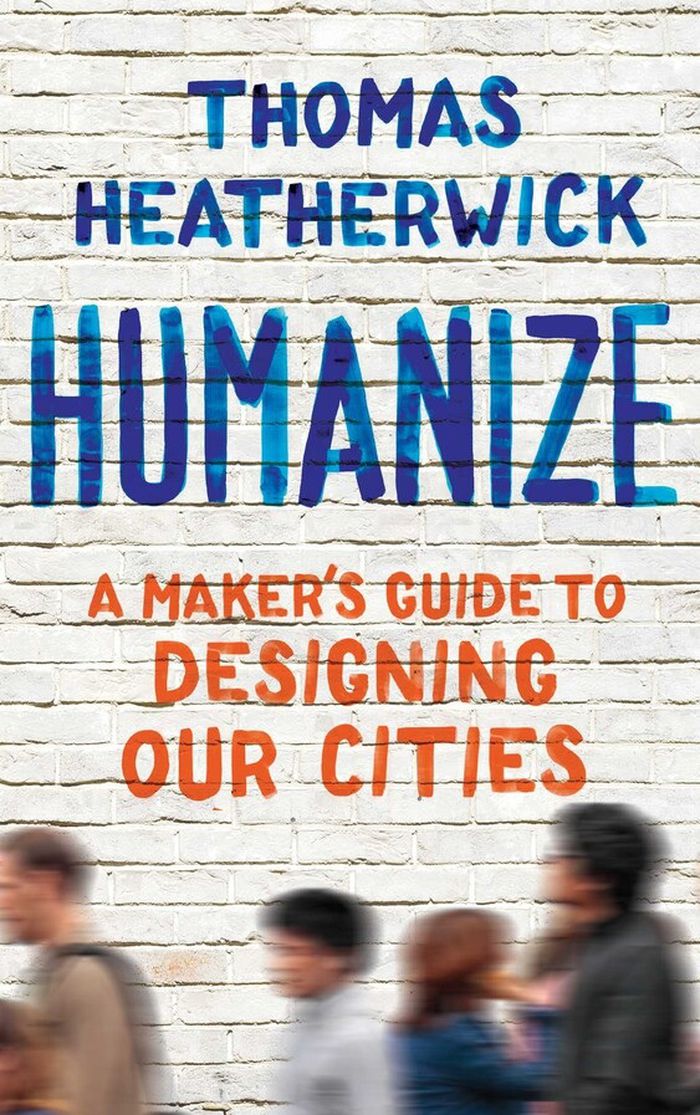
We are living through a global catastrophe. Buildings affect how we feel, moment by moment, day by day. They have the power to lift us up and make us feel awestruck, playful, safe, and inspired, just as they can make us feel alienated and sad. But many of the places where we live, work, learn, and heal have become monotonous and disposable. We’re surrounded by cheap, boring buildings that make people stressed, sick, and unhappy. In short, much of our world has been crafted in a way that is hostile to human experience. Now, drawing on his experience of the last thirty years in making bold, beautiful objects and buildings, Thomas Heatherwick offers both an informed critique of the inhumanity in most of today’s contemporary building design, and a rousing call for action. Looking through Heatherwick’s eyes, we see familiar landmarks and cityscapes around the world, from London, Paris, Barcelona, Singapore, New York, Vancouver, and beyond, both old and new, famous and obscure, to learn how places can either sap the life out of us—or nourish our senses and our psyche. The time has come, he says, to put emotion back at the heart of the design process, and the reasons to do so could not be more urgent. Design is not superficial: it has an impact upon economics, climate change, our mental and physical wellbeing—even the peace and cohesion of our societies.
Humanize: A maker's guide to designing our cities
Actions:
Price:
$39.99
(available to order)
Summary:
We are living through a global catastrophe. Buildings affect how we feel, moment by moment, day by day. They have the power to lift us up and make us feel awestruck, playful, safe, and inspired, just as they can make us feel alienated and sad. But many of the places where we live, work, learn, and heal have become monotonous and disposable. We’re surrounded by cheap, boring buildings that make people stressed, sick, and unhappy. In short, much of our world has been crafted in a way that is hostile to human experience. Now, drawing on his experience of the last thirty years in making bold, beautiful objects and buildings, Thomas Heatherwick offers both an informed critique of the inhumanity in most of today’s contemporary building design, and a rousing call for action. Looking through Heatherwick’s eyes, we see familiar landmarks and cityscapes around the world, from London, Paris, Barcelona, Singapore, New York, Vancouver, and beyond, both old and new, famous and obscure, to learn how places can either sap the life out of us—or nourish our senses and our psyche. The time has come, he says, to put emotion back at the heart of the design process, and the reasons to do so could not be more urgent. Design is not superficial: it has an impact upon economics, climate change, our mental and physical wellbeing—even the peace and cohesion of our societies.
Form:
books
books
Publication:
November 2023
November 2023
Subject:
Urban Theory
Urban Theory


