


291 Results
Form:
books
books
Actions:
Price:
$43.95
(available in store)
Summary:
Digital technologies are playing an increasingly instrumental role in guiding the curatorial and institutional strategies of contemporary art museums today. Designed around contextual studies of virtuality and the art of exhibition, this interdisciplinary volume applies practice-based research to a broad range of topics, including digital mediation, spatial practice, the(...)
$43.95
(available in store)
Summary:
Digital technologies are playing an increasingly instrumental role in guiding the curatorial and institutional strategies of contemporary art museums today. Designed around contextual studies of virtuality and the art of exhibition, this interdisciplinary volume applies practice-based research to a broad range of topics, including digital mediation, spatial practice, the(...)
Title:
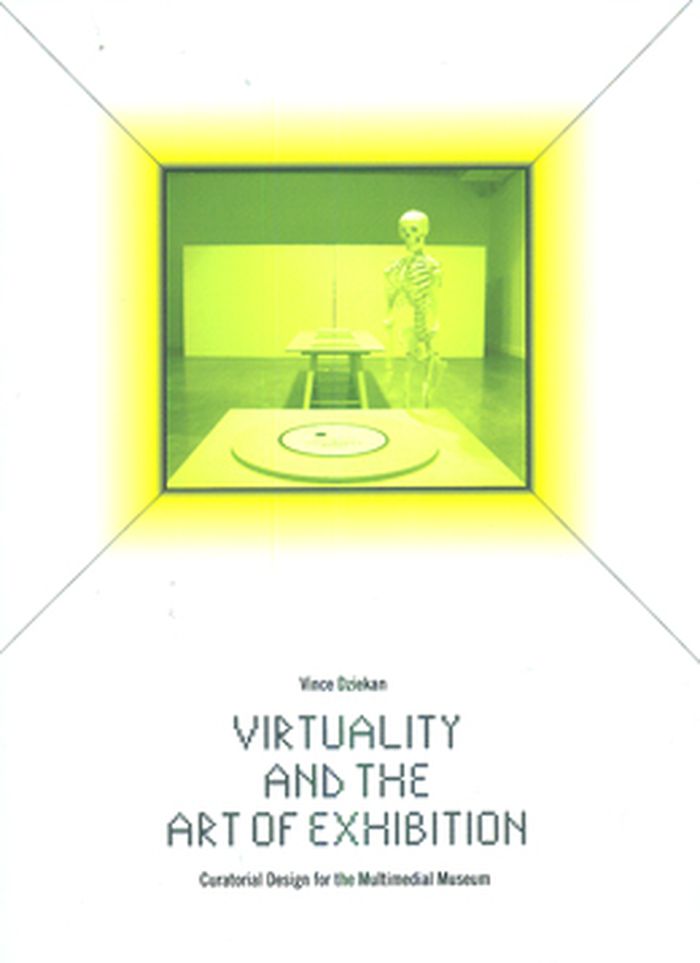
Virtuality and the art of exhibition: curatorial design for the multimedia museum
Actions:
Price:
$43.95
(available in store)
Summary:
Digital technologies are playing an increasingly instrumental role in guiding the curatorial and institutional strategies of contemporary art museums today. Designed around contextual studies of virtuality and the art of exhibition, this interdisciplinary volume applies practice-based research to a broad range of topics, including digital mediation, spatial practice, the multimedial museum, and curatorial design. Rounding out the volume are case studies with accompanying illustrations.
Virtuality and the art of exhibition: curatorial design for the multimedia museum
Actions:
Price:
$43.95
(available in store)
Summary:
Digital technologies are playing an increasingly instrumental role in guiding the curatorial and institutional strategies of contemporary art museums today. Designed around contextual studies of virtuality and the art of exhibition, this interdisciplinary volume applies practice-based research to a broad range of topics, including digital mediation, spatial practice, the multimedial museum, and curatorial design. Rounding out the volume are case studies with accompanying illustrations.
Form:
books
books
Publication:
December 2011
December 2011
Subject:
Museology
Museology
Form:
books
books
Title:
On listening
On listening
Actions:
Price:
$29.00
(available to order)
Summary:
"On listening" is a unique collection of forty multi-disciplinary perspectives drawn from anthropology, bioacoustics, geography, literature, community activism, sociology, religion, philosophy, art history, conflict mediation and the sonic arts including music, ethnomusicology and field recording. These specially commissioned contributions explore the many ways in which(...)
$29.00
(available to order)
Summary:
"On listening" is a unique collection of forty multi-disciplinary perspectives drawn from anthropology, bioacoustics, geography, literature, community activism, sociology, religion, philosophy, art history, conflict mediation and the sonic arts including music, ethnomusicology and field recording. These specially commissioned contributions explore the many ways in which(...)
Title:
On listening
Actions:
Price:
$29.00
(available to order)
Summary:
"On listening" is a unique collection of forty multi-disciplinary perspectives drawn from anthropology, bioacoustics, geography, literature, community activism, sociology, religion, philosophy, art history, conflict mediation and the sonic arts including music, ethnomusicology and field recording. These specially commissioned contributions explore the many ways in which skilled listening can mediate new relationships with our physical environment and the people and other species that we share it with.
On listening
Actions:
Price:
$29.00
(available to order)
Summary:
"On listening" is a unique collection of forty multi-disciplinary perspectives drawn from anthropology, bioacoustics, geography, literature, community activism, sociology, religion, philosophy, art history, conflict mediation and the sonic arts including music, ethnomusicology and field recording. These specially commissioned contributions explore the many ways in which skilled listening can mediate new relationships with our physical environment and the people and other species that we share it with.
Form:
books
books
Publication:
October 2013
October 2013
Subject:
Acoustics
Acoustics
Form:
books
books
Title:
A different kind of Web : new connections between archives and our users / edited by Kate Theimer.
A different kind of Web : new connections between archives and our users / edited by Kate Theimer.
Actions:
Holdings:
Description:
xvii, 369 pages : illustrations ; 23 cm
Description:
xvii, 369 pages : illustrations ; 23 cm
Author:
- Joy Palmer, Jane Stevenson -- Stephen J. Fletcher -- Michele A. Christian, Tanya Zanish-Belcher -- Mattie Taormina -- Jessica Lacher-Feldman -- Andrea Medina-Smith -- Elizabeth Yakel -- Helena Zinkham, Michelle Springer -- Guy Grannum -- Tim Sherratt -- Michele Combs -- Patrick Peccatte, Lynne M. Thomas -- James Gerencser -- Robert S. Cox, Danielle Kovacs -- Amy Schindler -- Malinda Triller -- Robert B. Townsend -- Tobi Voigt -- Jeffrey W. McClurken -- Kate Theimer -- Terry D. Baxter -- Randall C. Jimerson -- Kate Theimer.,
- Theimer, Kate, 1966-
(See more)
Subject:
- Archives Information technology.,
- Archives Administration Technological innovations.,
- Archival materials Data processing.,
- Archives users.,
- Web archives.,
- Web archiving.,
- Archives Automation.,
- Web 2.0.,
- World Wide Web.,
- Online social networks.,
- Blogs.,
- Web sites Design.,
- Wikis (Computer science),
- Internet,
- Archives Technologie de l'information.,
- Archives Gestion Innovations.,
- Documents d'archives Informatique.,
- Usagers des archives.,
- Archives Internet.,
- Archivage Internet.,
- Archives Automatisation.,
- Web.,
- Réseaux sociaux (Internet),
- Blogues.,
- Sites Web Conception.,
- Wikis (Informatique),
- blogs.,
- wikis.,
- Archiv,
- Archivbestand,
- Benutzer,
- World Wide Web 2.0,
- Social media.,
- Informationsmanagement.,
- Arkiv administration och förvaltning.,
- Arkivmaterial databehandling.,
- Arkiv automatisering.,
- Webb 2.0.,
- Sociala nätverk online.,
- Bloggar.,
- Webbdesign.,
- Webbarkiv.,
- Wikier.,
- arkiver,
- sosiale,
- nettverk,
- medier,
- web,
- design
(See more)
Publication:
Chicago : Society of American Archivists, ©2011.
Chicago : Society of American Archivists, ©2011.
Title:
A different kind of Web : new connections between archives and our users / edited by Kate Theimer.
Actions:
Holdings:
Description:
xvii, 369 pages : illustrations ; 23 cm
A different kind of Web : new connections between archives and our users / edited by Kate Theimer.
Actions:
Holdings:
Description:
xvii, 369 pages : illustrations ; 23 cm
Form:
books
books
Publication:
Chicago : Society of American Archivists, ©2011.
Chicago : Society of American Archivists, ©2011.
Author:
- Joy Palmer, Jane Stevenson -- Stephen J. Fletcher -- Michele A. Christian, Tanya Zanish-Belcher -- Mattie Taormina -- Jessica Lacher-Feldman -- Andrea Medina-Smith -- Elizabeth Yakel -- Helena Zinkham, Michelle Springer -- Guy Grannum -- Tim Sherratt -- Michele Combs -- Patrick Peccatte, Lynne M. Thomas -- James Gerencser -- Robert S. Cox, Danielle Kovacs -- Amy Schindler -- Malinda Triller -- Robert B. Townsend -- Tobi Voigt -- Jeffrey W. McClurken -- Kate Theimer -- Terry D. Baxter -- Randall C. Jimerson -- Kate Theimer.,
- Theimer, Kate, 1966-
(See more)
Subject:
- Archives Information technology.,
- Archives Administration Technological innovations.,
- Archival materials Data processing.,
- Archives users.,
- Web archives.,
- Web archiving.,
- Archives Automation.,
- Web 2.0.,
- World Wide Web.,
- Online social networks.,
- Blogs.,
- Web sites Design.,
- Wikis (Computer science),
- Internet,
- Archives Technologie de l'information.,
- Archives Gestion Innovations.,
- Documents d'archives Informatique.,
- Usagers des archives.,
- Archives Internet.,
- Archivage Internet.,
- Archives Automatisation.,
- Web.,
- Réseaux sociaux (Internet),
- Blogues.,
- Sites Web Conception.,
- Wikis (Informatique),
- blogs.,
- wikis.,
- Archiv,
- Archivbestand,
- Benutzer,
- World Wide Web 2.0,
- Social media.,
- Informationsmanagement.,
- Arkiv administration och förvaltning.,
- Arkivmaterial databehandling.,
- Arkiv automatisering.,
- Webb 2.0.,
- Sociala nätverk online.,
- Bloggar.,
- Webbdesign.,
- Webbarkiv.,
- Wikier.,
- arkiver,
- sosiale,
- nettverk,
- medier,
- web,
- design
(See more)
Form:
journals and magazines
journals and magazines
Actions:
Price:
$21.95
(available to order)
Summary:
How have artists, educators, curators, museums and galleries responded to climate change? What forms of art and its mediation are evolving along with our understanding of the crisis? What are the potentials and pitfalls of the art-science collaboration? Perhaps the overarching question is: what exactly do art and art education have to offer? Articles include the work of(...)
$21.95
(available to order)
Summary:
How have artists, educators, curators, museums and galleries responded to climate change? What forms of art and its mediation are evolving along with our understanding of the crisis? What are the potentials and pitfalls of the art-science collaboration? Perhaps the overarching question is: what exactly do art and art education have to offer? Articles include the work of(...)
Title:
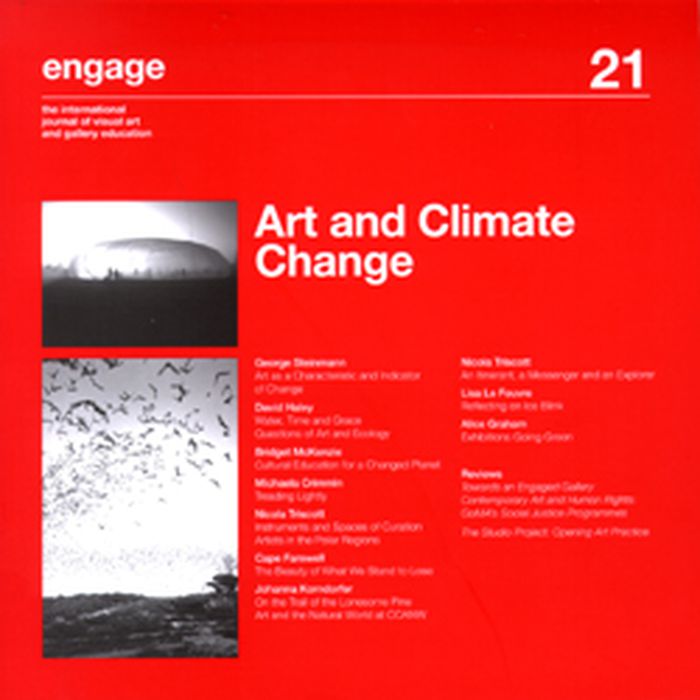
Engage 21: art and climate change
Actions:
Price:
$21.95
(available to order)
Summary:
How have artists, educators, curators, museums and galleries responded to climate change? What forms of art and its mediation are evolving along with our understanding of the crisis? What are the potentials and pitfalls of the art-science collaboration? Perhaps the overarching question is: what exactly do art and art education have to offer? Articles include the work of 'eco-artists', collaborative art projects, creating green exhibitions and the role of education in dealing with climate change.
Engage 21: art and climate change
Actions:
Price:
$21.95
(available to order)
Summary:
How have artists, educators, curators, museums and galleries responded to climate change? What forms of art and its mediation are evolving along with our understanding of the crisis? What are the potentials and pitfalls of the art-science collaboration? Perhaps the overarching question is: what exactly do art and art education have to offer? Articles include the work of 'eco-artists', collaborative art projects, creating green exhibitions and the role of education in dealing with climate change.
Form:
journals and magazines
journals and magazines
Publication:
November 2008, London
November 2008, London
Subject:
Magazines
Magazines
Form:
books
books
Title:
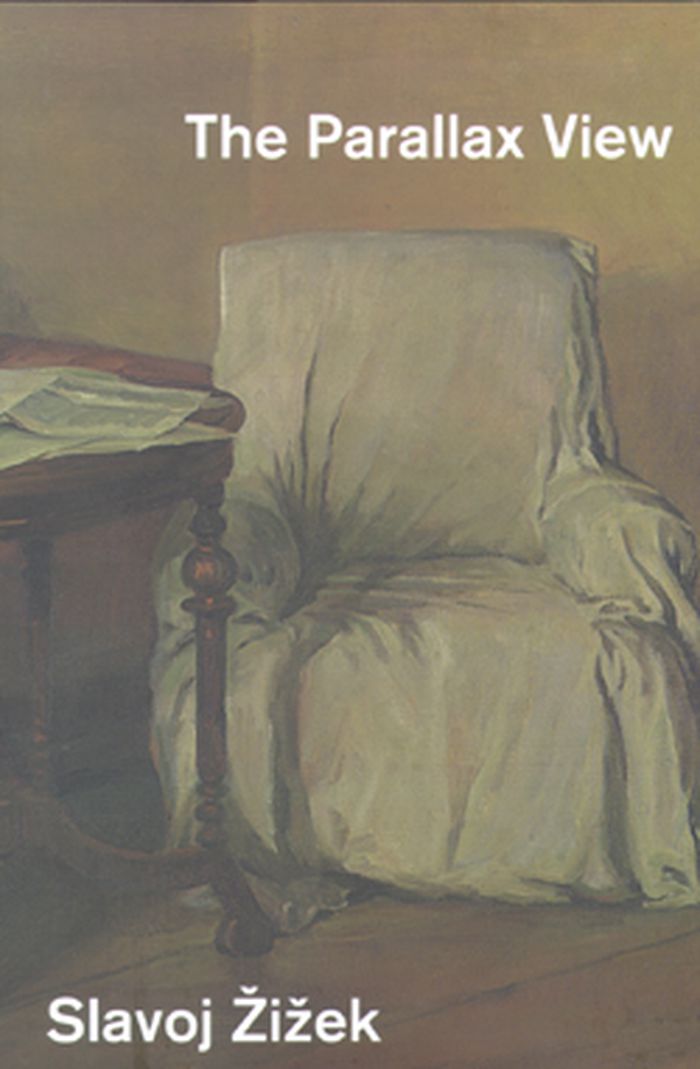
Parallax view
Parallax view
Actions:
Price:
$24.95
(available to order)
Summary:
The Parallax View is Slavoj Zizek's most substantial theoretical work to appear in many years; Zizek himself describes it as his magnum opus. Parallax can be defined as the apparent displacement of an object, caused by a change in observational position. Zizek is interested in the "parallax gap" separating two points between which no synthesis or mediation is possible,(...)
$24.95
(available to order)
Summary:
The Parallax View is Slavoj Zizek's most substantial theoretical work to appear in many years; Zizek himself describes it as his magnum opus. Parallax can be defined as the apparent displacement of an object, caused by a change in observational position. Zizek is interested in the "parallax gap" separating two points between which no synthesis or mediation is possible,(...)
Title:
Parallax view
Actions:
Price:
$24.95
(available to order)
Summary:
The Parallax View is Slavoj Zizek's most substantial theoretical work to appear in many years; Zizek himself describes it as his magnum opus. Parallax can be defined as the apparent displacement of an object, caused by a change in observational position. Zizek is interested in the "parallax gap" separating two points between which no synthesis or mediation is possible, linked by an "impossible short circuit" of levels that can never meet. From this consideration of parallax, Zizek begins a rehabilitation of dialectical materialism.
Parallax view
Actions:
Price:
$24.95
(available to order)
Summary:
The Parallax View is Slavoj Zizek's most substantial theoretical work to appear in many years; Zizek himself describes it as his magnum opus. Parallax can be defined as the apparent displacement of an object, caused by a change in observational position. Zizek is interested in the "parallax gap" separating two points between which no synthesis or mediation is possible, linked by an "impossible short circuit" of levels that can never meet. From this consideration of parallax, Zizek begins a rehabilitation of dialectical materialism.
Form:
books
books
Publication:
April 2006, Cambridge, Massachusetts
April 2006, Cambridge, Massachusetts
Subject:
Critical Theory
Critical Theory
Form:
video
video
Actions:
Holdings:
Description:
1 videocassette (124 min.) : sound, color ; 1/2 in.
Description:
1 videocassette (124 min.) : sound, color ; 1/2 in.
Author:
Subject:
Publication:
Paris : TRIAC documentaire, ©1996.
Paris : TRIAC documentaire, ©1996.
Title:
Claude Parent - Paul Virilio, conférence du 11 décembre 1996 / organisée par l'Université François Rabelais et conçue par le Centre de Création Contemporaine de Tours ; médiateur, Frédéric Migayrou ; [conception, Gilles Coudert, Frédéric Migayrou ; réalisation, Gilles Coudert].
Actions:
Holdings:
Description:
1 videocassette (124 min.) : sound, color ; 1/2 in.
Claude Parent - Paul Virilio, conférence du 11 décembre 1996 / organisée par l'Université François Rabelais et conçue par le Centre de Création Contemporaine de Tours ; médiateur, Frédéric Migayrou ; [conception, Gilles Coudert, Frédéric Migayrou ; réalisation, Gilles Coudert].
Actions:
Holdings:
Description:
1 videocassette (124 min.) : sound, color ; 1/2 in.
Form:
video
video
Publication:
Paris : TRIAC documentaire, ©1996.
Paris : TRIAC documentaire, ©1996.
Form:
books
books
Actions:
Price:
$159.60
(available to order)
Summary:
Mediated Messages presents a collection of original writing exploring the role played by the media in the development of postmodern architecture in the 1970s and 80s. The book's twelve chapters and case-studies examine a range of contemporary periodicals and exhibitions to explore their role in the postmodern. This focus on mediation as a key feature of architectural(...)
$159.60
(available to order)
Summary:
Mediated Messages presents a collection of original writing exploring the role played by the media in the development of postmodern architecture in the 1970s and 80s. The book's twelve chapters and case-studies examine a range of contemporary periodicals and exhibitions to explore their role in the postmodern. This focus on mediation as a key feature of architectural(...)
Publication:
July 2018
July 2018
Title:
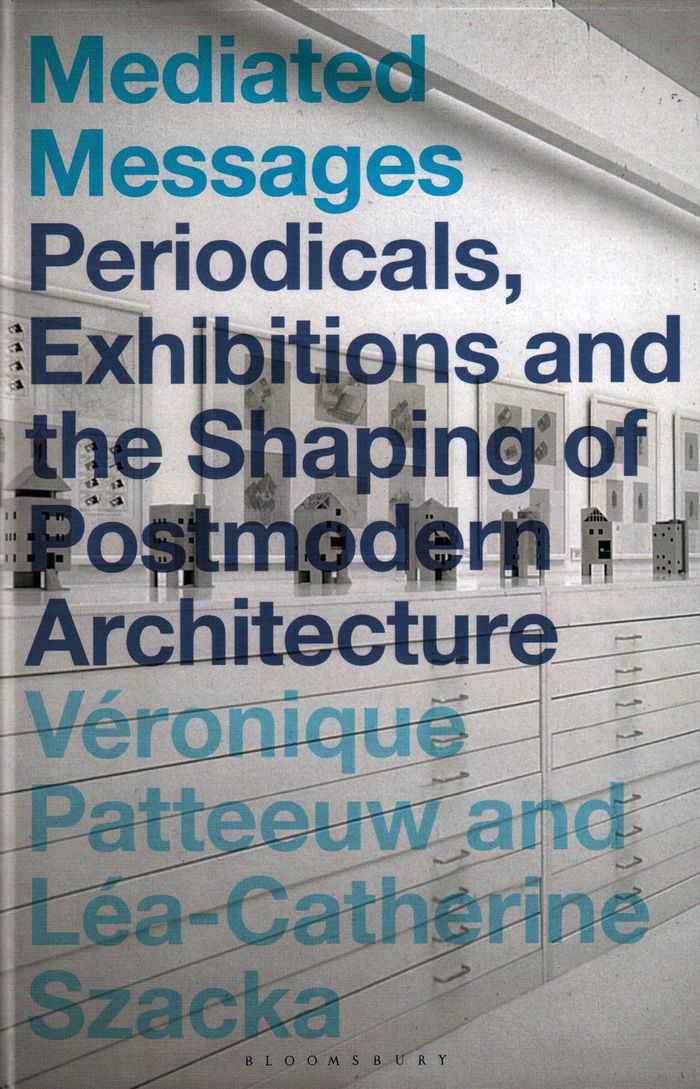
Mediated messages: periodicals, exhibitions and the shaping of postmodern architecture
Actions:
Price:
$159.60
(available to order)
Summary:
Mediated Messages presents a collection of original writing exploring the role played by the media in the development of postmodern architecture in the 1970s and 80s. The book's twelve chapters and case-studies examine a range of contemporary periodicals and exhibitions to explore their role in the postmodern. This focus on mediation as a key feature of architectural post-modernism, and the recognition that post-modernism grew out of developments in the media, opens up the possibility of an important new account of post-modernism distinct from existing narratives.
Mediated messages: periodicals, exhibitions and the shaping of postmodern architecture
Actions:
Price:
$159.60
(available to order)
Summary:
Mediated Messages presents a collection of original writing exploring the role played by the media in the development of postmodern architecture in the 1970s and 80s. The book's twelve chapters and case-studies examine a range of contemporary periodicals and exhibitions to explore their role in the postmodern. This focus on mediation as a key feature of architectural post-modernism, and the recognition that post-modernism grew out of developments in the media, opens up the possibility of an important new account of post-modernism distinct from existing narratives.
Form:
books
books
Publication:
July 2018
July 2018
Form:
books
books

Title:
Before history: Yto Barrada
Before history: Yto Barrada
Actions:
Price:
$56.95
(available to order)
Summary:
Before History catalogues the exhibition for the Abraaj Group Art Prize 2015, which includes a new body of work by Yto Barrada, the winner of the prize, and existing work by shortlisted artists Sarnath Banerjee, Setareh Shahbazi, and Mounira Al Solh. The exhibition explores the layering of time through historical artifice. History here is considered as a constructed(...)
$56.95
(available to order)
Summary:
Before History catalogues the exhibition for the Abraaj Group Art Prize 2015, which includes a new body of work by Yto Barrada, the winner of the prize, and existing work by shortlisted artists Sarnath Banerjee, Setareh Shahbazi, and Mounira Al Solh. The exhibition explores the layering of time through historical artifice. History here is considered as a constructed(...)
Title:
Before history: Yto Barrada
Actions:
Price:
$56.95
(available to order)
Summary:
Before History catalogues the exhibition for the Abraaj Group Art Prize 2015, which includes a new body of work by Yto Barrada, the winner of the prize, and existing work by shortlisted artists Sarnath Banerjee, Setareh Shahbazi, and Mounira Al Solh. The exhibition explores the layering of time through historical artifice. History here is considered as a constructed sphere, constantly in flux, simultaneously being buried and excavated. In a world of hyper-mediation, how can one construct a sense of an individual history? How does it relate to the sediments of culture?
Before history: Yto Barrada
Actions:
Price:
$56.95
(available to order)
Summary:
Before History catalogues the exhibition for the Abraaj Group Art Prize 2015, which includes a new body of work by Yto Barrada, the winner of the prize, and existing work by shortlisted artists Sarnath Banerjee, Setareh Shahbazi, and Mounira Al Solh. The exhibition explores the layering of time through historical artifice. History here is considered as a constructed sphere, constantly in flux, simultaneously being buried and excavated. In a world of hyper-mediation, how can one construct a sense of an individual history? How does it relate to the sediments of culture?
Form:
books
books
Publication:
July 2015
July 2015
Subject:
Photography monographs
Photography monographs
Form:
books
books
Actions:
Price:
$36.00
(available to order)
Summary:
In "The Aquarium is a Listening Glass", nine short, non-linear stories—set amid scientific archives, underwater research stations, natural history museums, national aquaria and oceanic infrastructure—evoke the glass as a listening device to present singular relationships between humans and fish that would otherwise go unheard. In this paradigm shift, design plays a(...)
$36.00
(available to order)
Summary:
In "The Aquarium is a Listening Glass", nine short, non-linear stories—set amid scientific archives, underwater research stations, natural history museums, national aquaria and oceanic infrastructure—evoke the glass as a listening device to present singular relationships between humans and fish that would otherwise go unheard. In this paradigm shift, design plays a(...)
Title:
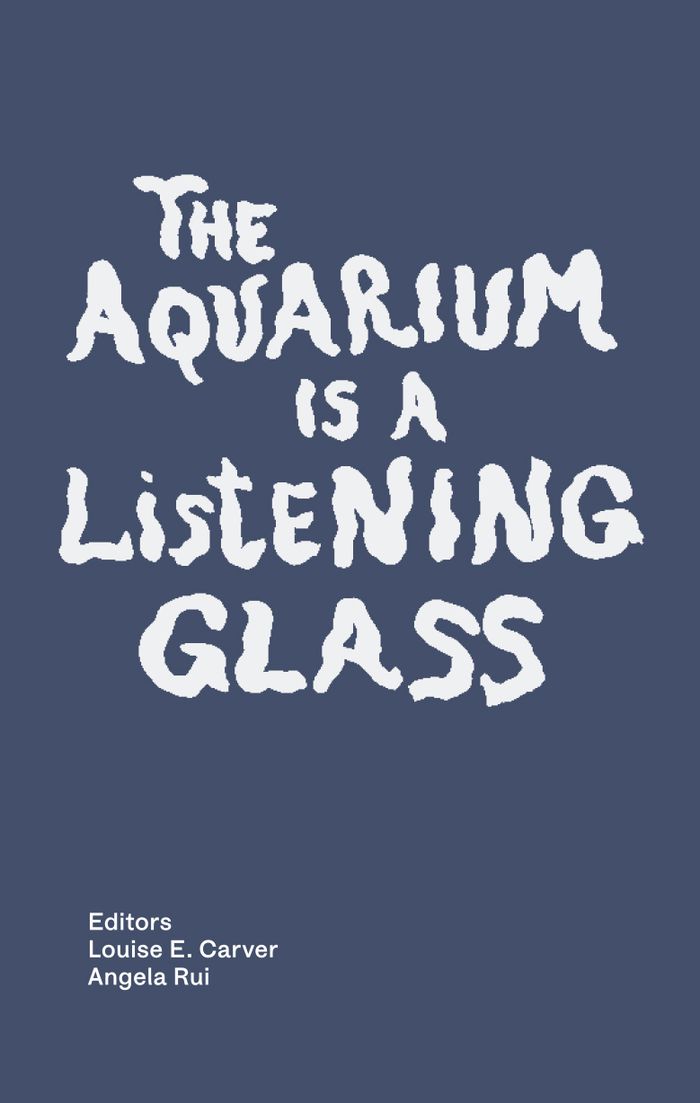
The aquarium is a listening glass
Actions:
Price:
$36.00
(available to order)
Summary:
In "The Aquarium is a Listening Glass", nine short, non-linear stories—set amid scientific archives, underwater research stations, natural history museums, national aquaria and oceanic infrastructure—evoke the glass as a listening device to present singular relationships between humans and fish that would otherwise go unheard. In this paradigm shift, design plays a fundamental role in conceiving the object (and the book) as a sensory device to glimpse new forms of mediation, to generate alliances, and also to promote the potential for a thriving and vital world.
The aquarium is a listening glass
Actions:
Price:
$36.00
(available to order)
Summary:
In "The Aquarium is a Listening Glass", nine short, non-linear stories—set amid scientific archives, underwater research stations, natural history museums, national aquaria and oceanic infrastructure—evoke the glass as a listening device to present singular relationships between humans and fish that would otherwise go unheard. In this paradigm shift, design plays a fundamental role in conceiving the object (and the book) as a sensory device to glimpse new forms of mediation, to generate alliances, and also to promote the potential for a thriving and vital world.
Form:
books
books
Publication:
June 2024
June 2024
Subject:
Art Theory
Art Theory
Form:
books
books
Actions:
Price:
$69.95
(available to order)
Summary:
For Bernard Tschumi, "drawing is thinking" and "being with a piece of paper and a pen does not feel like working. It can be sheer bliss",he writes, "seeing thought materialise itself in front of your eyes through the almost unconscious mediation of your hand. It is a form of notation of the mind." This collection of previously unpublished drawings, diagrams, and other(...)
$69.95
(available to order)
Summary:
For Bernard Tschumi, "drawing is thinking" and "being with a piece of paper and a pen does not feel like working. It can be sheer bliss",he writes, "seeing thought materialise itself in front of your eyes through the almost unconscious mediation of your hand. It is a form of notation of the mind." This collection of previously unpublished drawings, diagrams, and other(...)
Title:
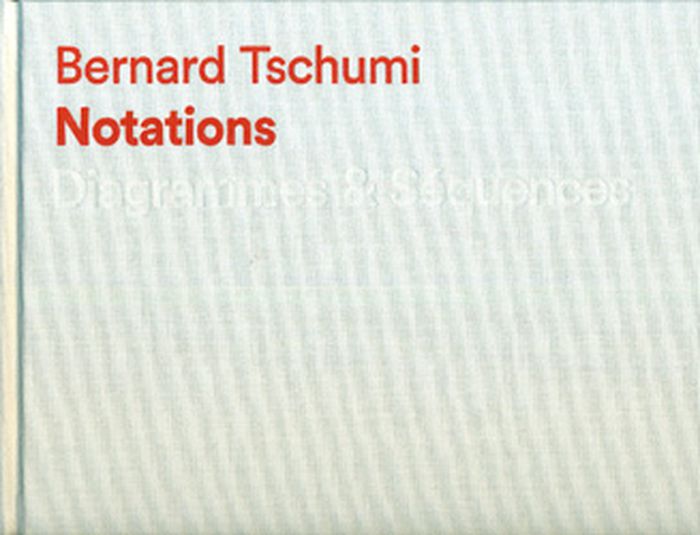
Bernard Tschumi: Notations - Diagrammes & séquences
Actions:
Price:
$69.95
(available to order)
Summary:
For Bernard Tschumi, "drawing is thinking" and "being with a piece of paper and a pen does not feel like working. It can be sheer bliss",he writes, "seeing thought materialise itself in front of your eyes through the almost unconscious mediation of your hand. It is a form of notation of the mind." This collection of previously unpublished drawings, diagrams, and other remnants of the architectural process provides new insight into well-known projects like the Parc de la villette and the New Acropolis Museum, as well as tracing a number of unbuilt proposals and spéculations.
Bernard Tschumi: Notations - Diagrammes & séquences
Actions:
Price:
$69.95
(available to order)
Summary:
For Bernard Tschumi, "drawing is thinking" and "being with a piece of paper and a pen does not feel like working. It can be sheer bliss",he writes, "seeing thought materialise itself in front of your eyes through the almost unconscious mediation of your hand. It is a form of notation of the mind." This collection of previously unpublished drawings, diagrams, and other remnants of the architectural process provides new insight into well-known projects like the Parc de la villette and the New Acropolis Museum, as well as tracing a number of unbuilt proposals and spéculations.
Form:
books
books
Publication:
July 2014
July 2014
Subject:
Architectural Theory
Architectural Theory


