


31224 Results
Form:
events
events
Actions:
Description:
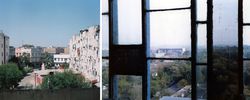
On the occasion of the opening of How architects, experts, politicians, international agencies, and citizens negotiate modern planning: Casablanca Chandigarh the two featured photographers Yto Barrada and Takashi Homma join a conversation with the exhibition curators. They discuss how inhabitants take ownership of the city and urban life in Casablanca and Chandigarh.
On the occasion of the opening of How architects, experts, politicians, international agencies, and citizens negotiate modern planning: Casablanca Chandigarh the two featured photographers Yto Barrada and Takashi Homma join a conversation with the exhibition curators. They discuss how inhabitants take ownership of the city and urban life in Casablanca and Chandigarh.
Date:
27 November 2013
27 November 2013
Title:
In conversation: Yto Barrada & Takashi Homma
Actions:
Description:
On the occasion of the opening of How architects, experts, politicians, international agencies, and citizens negotiate modern planning: Casablanca Chandigarh the two featured photographers Yto Barrada and Takashi Homma join a conversation with the exhibition curators. They discuss how inhabitants take ownership of the city and urban life in Casablanca and Chandigarh.
In conversation: Yto Barrada & Takashi Homma
Actions:
Description:
On the occasion of the opening of How architects, experts, politicians, international agencies, and citizens negotiate modern planning: Casablanca Chandigarh the two featured photographers Yto Barrada and Takashi Homma join a conversation with the exhibition curators. They discuss how inhabitants take ownership of the city and urban life in Casablanca and Chandigarh.
Form:
events
events
Date:
27 November 2013
27 November 2013
Level of archival description:
Series
Series
Actions:
Reference number:
AP193.S2
Description:
Series 2, I’ve heard about and Hypnosis chamber, 2004-2006, relates to the conception of the urban structure “I’ve heard about”. The records contain algorithmically-generated images, renderings, pictures of models and exhibitions. There are also photographs of the contour crafting process, 3D models and animated renderings illustrating the construction process of the structure. The project is a conceptual, unbuilt project that is meant to be a habitable organism, an adaptive landscape in a constant state of evolution. By means of transitory scenarios in which the operational mode is entropy and uncertainty, it develops open algorithms based on growth scripts permeable not only to human expressions, but also to the most discrete data such as the chemical emissions (for example due to stress or anxiety) of those who inhabit it. The chemical information is harvested through nanoreceptors feeding the VIAB machine with information. This biostructure becomes the visible part of human contingencies and their negotiation in real time. The structure is conceptualized to be in constant construction through the VIAB machine which is also a constituent of the structure itself. It secretes fiber cement, shaping the landscape where it is located and through which it moves. It generates the reticular structure using a process modelled on contour crafting. The VIAB machine was developed with Robotics Research Lab of the University of Southern California and takes its name from the terms viability and variability. R&Sie(n) considers that due to its mode of emergence “I’ve heard about” fabrication is not subjugated to any political power. Hypnosis chamber is a component of “I’ve heard about”. It consists of an indoor chamber, which was realized as a full-scale sample constructed through automated machinery. The chamber is situated as a part of the whole urban structure presented by “I’ve heard about,” and its goal is to immerse the audience into the project, into a fictional environment only reachable by hypnosis. In this context, hypnosis is a way to help citizens escape from their social condition and experience the new condition of citizenship imagined in “I’ve heard about”, where democracy is re-evaluated as a process of self-determination. Both parts of the projects were shown in contemporary art museums. First at Musée d’art de la ville de Paris in Paris (2005), the Hypnotic chamber is permanently on view at Towada Art Center in Towanda, Japan. AP193.S4 contains a video orienting the project into François Roche theoretical stance, research as speculation, that can be summarize as the use of technological tools to take a critical and political position through esthetic in order to open new lines of thoughts. AP193.S4 contains an updated version of the VIAB machine
AP193.S2
Description:
Series 2, I’ve heard about and Hypnosis chamber, 2004-2006, relates to the conception of the urban structure “I’ve heard about”. The records contain algorithmically-generated images, renderings, pictures of models and exhibitions. There are also photographs of the contour crafting process, 3D models and animated renderings illustrating the construction process of the structure. The project is a conceptual, unbuilt project that is meant to be a habitable organism, an adaptive landscape in a constant state of evolution. By means of transitory scenarios in which the operational mode is entropy and uncertainty, it develops open algorithms based on growth scripts permeable not only to human expressions, but also to the most discrete data such as the chemical emissions (for example due to stress or anxiety) of those who inhabit it. The chemical information is harvested through nanoreceptors feeding the VIAB machine with information. This biostructure becomes the visible part of human contingencies and their negotiation in real time. The structure is conceptualized to be in constant construction through the VIAB machine which is also a constituent of the structure itself. It secretes fiber cement, shaping the landscape where it is located and through which it moves. It generates the reticular structure using a process modelled on contour crafting. The VIAB machine was developed with Robotics Research Lab of the University of Southern California and takes its name from the terms viability and variability. R&Sie(n) considers that due to its mode of emergence “I’ve heard about” fabrication is not subjugated to any political power. Hypnosis chamber is a component of “I’ve heard about”. It consists of an indoor chamber, which was realized as a full-scale sample constructed through automated machinery. The chamber is situated as a part of the whole urban structure presented by “I’ve heard about,” and its goal is to immerse the audience into the project, into a fictional environment only reachable by hypnosis. In this context, hypnosis is a way to help citizens escape from their social condition and experience the new condition of citizenship imagined in “I’ve heard about”, where democracy is re-evaluated as a process of self-determination. Both parts of the projects were shown in contemporary art museums. First at Musée d’art de la ville de Paris in Paris (2005), the Hypnotic chamber is permanently on view at Towada Art Center in Towanda, Japan. AP193.S4 contains a video orienting the project into François Roche theoretical stance, research as speculation, that can be summarize as the use of technological tools to take a critical and political position through esthetic in order to open new lines of thoughts. AP193.S4 contains an updated version of the VIAB machine
People:
Date:
2004-2006
2004-2006
Title:
I’ve heard about and Hypnosis chamber
Actions:
AP193.S2
Description:
Series 2, I’ve heard about and Hypnosis chamber, 2004-2006, relates to the conception of the urban structure “I’ve heard about”. The records contain algorithmically-generated images, renderings, pictures of models and exhibitions. There are also photographs of the contour crafting process, 3D models and animated renderings illustrating the construction process of the structure. The project is a conceptual, unbuilt project that is meant to be a habitable organism, an adaptive landscape in a constant state of evolution. By means of transitory scenarios in which the operational mode is entropy and uncertainty, it develops open algorithms based on growth scripts permeable not only to human expressions, but also to the most discrete data such as the chemical emissions (for example due to stress or anxiety) of those who inhabit it. The chemical information is harvested through nanoreceptors feeding the VIAB machine with information. This biostructure becomes the visible part of human contingencies and their negotiation in real time. The structure is conceptualized to be in constant construction through the VIAB machine which is also a constituent of the structure itself. It secretes fiber cement, shaping the landscape where it is located and through which it moves. It generates the reticular structure using a process modelled on contour crafting. The VIAB machine was developed with Robotics Research Lab of the University of Southern California and takes its name from the terms viability and variability. R&Sie(n) considers that due to its mode of emergence “I’ve heard about” fabrication is not subjugated to any political power. Hypnosis chamber is a component of “I’ve heard about”. It consists of an indoor chamber, which was realized as a full-scale sample constructed through automated machinery. The chamber is situated as a part of the whole urban structure presented by “I’ve heard about,” and its goal is to immerse the audience into the project, into a fictional environment only reachable by hypnosis. In this context, hypnosis is a way to help citizens escape from their social condition and experience the new condition of citizenship imagined in “I’ve heard about”, where democracy is re-evaluated as a process of self-determination. Both parts of the projects were shown in contemporary art museums. First at Musée d’art de la ville de Paris in Paris (2005), the Hypnotic chamber is permanently on view at Towada Art Center in Towanda, Japan. AP193.S4 contains a video orienting the project into François Roche theoretical stance, research as speculation, that can be summarize as the use of technological tools to take a critical and political position through esthetic in order to open new lines of thoughts. AP193.S4 contains an updated version of the VIAB machine
I’ve heard about and Hypnosis chamber
Actions:
AP193.S2
Description:
Series 2, I’ve heard about and Hypnosis chamber, 2004-2006, relates to the conception of the urban structure “I’ve heard about”. The records contain algorithmically-generated images, renderings, pictures of models and exhibitions. There are also photographs of the contour crafting process, 3D models and animated renderings illustrating the construction process of the structure. The project is a conceptual, unbuilt project that is meant to be a habitable organism, an adaptive landscape in a constant state of evolution. By means of transitory scenarios in which the operational mode is entropy and uncertainty, it develops open algorithms based on growth scripts permeable not only to human expressions, but also to the most discrete data such as the chemical emissions (for example due to stress or anxiety) of those who inhabit it. The chemical information is harvested through nanoreceptors feeding the VIAB machine with information. This biostructure becomes the visible part of human contingencies and their negotiation in real time. The structure is conceptualized to be in constant construction through the VIAB machine which is also a constituent of the structure itself. It secretes fiber cement, shaping the landscape where it is located and through which it moves. It generates the reticular structure using a process modelled on contour crafting. The VIAB machine was developed with Robotics Research Lab of the University of Southern California and takes its name from the terms viability and variability. R&Sie(n) considers that due to its mode of emergence “I’ve heard about” fabrication is not subjugated to any political power. Hypnosis chamber is a component of “I’ve heard about”. It consists of an indoor chamber, which was realized as a full-scale sample constructed through automated machinery. The chamber is situated as a part of the whole urban structure presented by “I’ve heard about,” and its goal is to immerse the audience into the project, into a fictional environment only reachable by hypnosis. In this context, hypnosis is a way to help citizens escape from their social condition and experience the new condition of citizenship imagined in “I’ve heard about”, where democracy is re-evaluated as a process of self-determination. Both parts of the projects were shown in contemporary art museums. First at Musée d’art de la ville de Paris in Paris (2005), the Hypnotic chamber is permanently on view at Towada Art Center in Towanda, Japan. AP193.S4 contains a video orienting the project into François Roche theoretical stance, research as speculation, that can be summarize as the use of technological tools to take a critical and political position through esthetic in order to open new lines of thoughts. AP193.S4 contains an updated version of the VIAB machine
Level of archival description:
Series
Series
Date:
2004-2006
2004-2006
People:
Form:
exhibitions
exhibitions
Actions:
Description:
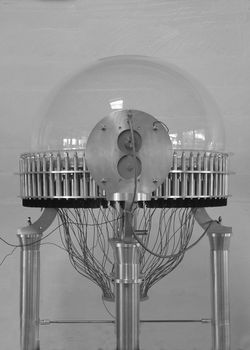
Dissections brings together several works by Vancouver-based artist Geoffrey Smedley and reflects on many disciplines such as the history of science, geometry, philosophy, and architecture. The exhibition takes the form of a cabinet theatre in the mode of the absurd, staging the mythic figure of Descartes’ Clown, a neurotic and insecure robot that dissects himself with(...)
Dissections brings together several works by Vancouver-based artist Geoffrey Smedley and reflects on many disciplines such as the history of science, geometry, philosophy, and architecture. The exhibition takes the form of a cabinet theatre in the mode of the absurd, staging the mythic figure of Descartes’ Clown, a neurotic and insecure robot that dissects himself with(...)
Location:
Octagonal gallery
Octagonal gallery
Date:
6 June 2013 to 11 August 2013
6 June 2013 to 11 August 2013
Title:
Dissections: Geoffrey Smedley
Actions:
Description:
Dissections brings together several works by Vancouver-based artist Geoffrey Smedley and reflects on many disciplines such as the history of science, geometry, philosophy, and architecture. The exhibition takes the form of a cabinet theatre in the mode of the absurd, staging the mythic figure of Descartes’ Clown, a neurotic and insecure robot that dissects himself with(...)
Dissections: Geoffrey Smedley
Actions:
Description:
Dissections brings together several works by Vancouver-based artist Geoffrey Smedley and reflects on many disciplines such as the history of science, geometry, philosophy, and architecture. The exhibition takes the form of a cabinet theatre in the mode of the absurd, staging the mythic figure of Descartes’ Clown, a neurotic and insecure robot that dissects himself with(...)
Form:
exhibitions
exhibitions
Date:
6 June 2013 to
11 August 2013
6 June 2013 to
11 August 2013
Location:
Octagonal gallery
Octagonal gallery
Form:
exhibitions
exhibitions

Description:
Jacques-Germain Soufflot (1713–1780), architect of the Church of Sainte-Geneviève in Paris, later named Le Panthéon, is considered to be one of the pioneers of the Neo-Classical movement in architecture. The exhibition presents a selection of original drawings and rare books, which illustrates some of the major movements in French art and architecture that occurred during(...)
Jacques-Germain Soufflot (1713–1780), architect of the Church of Sainte-Geneviève in Paris, later named Le Panthéon, is considered to be one of the pioneers of the Neo-Classical movement in architecture. The exhibition presents a selection of original drawings and rare books, which illustrates some of the major movements in French art and architecture that occurred during(...)
Location:
Hall cases
Hall cases
Date:
11 October 1989 to 31 December 1989
11 October 1989 to 31 December 1989
Title:
French Architecture in the Age of Jacques-Germain Soufflot
Actions:
Description:
Jacques-Germain Soufflot (1713–1780), architect of the Church of Sainte-Geneviève in Paris, later named Le Panthéon, is considered to be one of the pioneers of the Neo-Classical movement in architecture. The exhibition presents a selection of original drawings and rare books, which illustrates some of the major movements in French art and architecture that occurred during(...)
French Architecture in the Age of Jacques-Germain Soufflot
Actions:
Description:
Jacques-Germain Soufflot (1713–1780), architect of the Church of Sainte-Geneviève in Paris, later named Le Panthéon, is considered to be one of the pioneers of the Neo-Classical movement in architecture. The exhibition presents a selection of original drawings and rare books, which illustrates some of the major movements in French art and architecture that occurred during(...)
Form:
exhibitions
exhibitions
Date:
11 October 1989 to
31 December 1989
11 October 1989 to
31 December 1989
Location:
Hall cases
Hall cases
Form:
events
events
Title:
Second Nature
Second Nature
Actions:
Description:
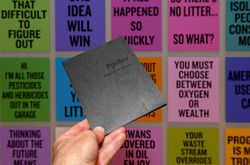
As part of the exhibition It’s All Happening So Fast, an interactive workshop is offered to cegep and university groups in order to explore the complex and contradictory relationships that Canada maintains with the environment. By taking a stand and speaking on behalf of entities motivated by a multiplicity of interests—ecosystems, architecture, ethics, economic systems,(...)
As part of the exhibition It’s All Happening So Fast, an interactive workshop is offered to cegep and university groups in order to explore the complex and contradictory relationships that Canada maintains with the environment. By taking a stand and speaking on behalf of entities motivated by a multiplicity of interests—ecosystems, architecture, ethics, economic systems,(...)
Date:
26 January 2017 to 7 April 2017
26 January 2017 to 7 April 2017
Title:
Second Nature
Actions:
Description:
As part of the exhibition It’s All Happening So Fast, an interactive workshop is offered to cegep and university groups in order to explore the complex and contradictory relationships that Canada maintains with the environment. By taking a stand and speaking on behalf of entities motivated by a multiplicity of interests—ecosystems, architecture, ethics, economic systems,(...)
Second Nature
Actions:
Description:
As part of the exhibition It’s All Happening So Fast, an interactive workshop is offered to cegep and university groups in order to explore the complex and contradictory relationships that Canada maintains with the environment. By taking a stand and speaking on behalf of entities motivated by a multiplicity of interests—ecosystems, architecture, ethics, economic systems,(...)
Form:
events
events
Date:
26 January 2017 to
7 April 2017
26 January 2017 to
7 April 2017
Form:
exhibitions
exhibitions
Title:
First, the Forests
First, the Forests
Actions:
Description:
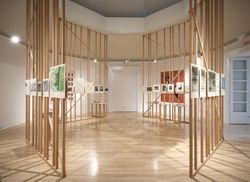
*First, the Forests* examines some unexplored relationships between forestry, planning, and design. Reframing forestry as an activity that creates highly designed environments with unprecedented scale, ambition and precision, the exhibition proposes an expanded understanding of the connections between natural resources, production processes, and designed form. Curated(...)
*First, the Forests* examines some unexplored relationships between forestry, planning, and design. Reframing forestry as an activity that creates highly designed environments with unprecedented scale, ambition and precision, the exhibition proposes an expanded understanding of the connections between natural resources, production processes, and designed form. Curated(...)
Location:
Octagonal gallery
Octagonal gallery
Date:
4 October 2012 to 6 January 2013
4 October 2012 to 6 January 2013
Title:
First, the Forests
Actions:
Description:
*First, the Forests* examines some unexplored relationships between forestry, planning, and design. Reframing forestry as an activity that creates highly designed environments with unprecedented scale, ambition and precision, the exhibition proposes an expanded understanding of the connections between natural resources, production processes, and designed form. Curated(...)
First, the Forests
Actions:
Description:
*First, the Forests* examines some unexplored relationships between forestry, planning, and design. Reframing forestry as an activity that creates highly designed environments with unprecedented scale, ambition and precision, the exhibition proposes an expanded understanding of the connections between natural resources, production processes, and designed form. Curated(...)
Form:
exhibitions
exhibitions
Date:
4 October 2012 to
6 January 2013
4 October 2012 to
6 January 2013
Location:
Octagonal gallery
Octagonal gallery
Form:
exhibitions
exhibitions
Actions:
Description:
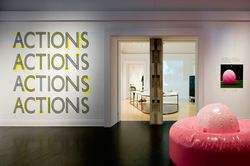
Seemingly common activities such as walking, playing, recycling, and gardening are pushed beyond their usual definition by the international architects, artists, and collectives featured in the exhibition. Their actions push against accepted norms of behaviour in cities, at times even challenging legal limitations. The individuals and groups employ a range of approaches(...)
Seemingly common activities such as walking, playing, recycling, and gardening are pushed beyond their usual definition by the international architects, artists, and collectives featured in the exhibition. Their actions push against accepted norms of behaviour in cities, at times even challenging legal limitations. The individuals and groups employ a range of approaches(...)
Location:
Main galleries
Main galleries
Date:
26 November 2008 to 19 April 2009
26 November 2008 to 19 April 2009
Title:
Actions: What You Can Do With the City
Actions:
Description:
Seemingly common activities such as walking, playing, recycling, and gardening are pushed beyond their usual definition by the international architects, artists, and collectives featured in the exhibition. Their actions push against accepted norms of behaviour in cities, at times even challenging legal limitations. The individuals and groups employ a range of approaches(...)
Actions: What You Can Do With the City
Actions:
Description:
Seemingly common activities such as walking, playing, recycling, and gardening are pushed beyond their usual definition by the international architects, artists, and collectives featured in the exhibition. Their actions push against accepted norms of behaviour in cities, at times even challenging legal limitations. The individuals and groups employ a range of approaches(...)
Form:
exhibitions
exhibitions
Date:
26 November 2008 to
19 April 2009
26 November 2008 to
19 April 2009
Location:
Main galleries
Main galleries
Form:
exhibitions
exhibitions
Description:
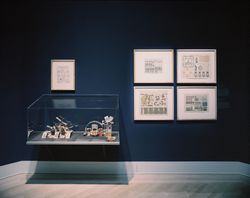
Architecture, though constrained by boundaries of function and structure, is always ultimately an act of the imagination. Potential Architecture: Construction Toys from the CCA Collection explores twenty-one construction toys, made in the hundred years from 1850 to 1950, that were designed to challenge a child’s creativity. The toys illustrate how children learn to invent(...)
Architecture, though constrained by boundaries of function and structure, is always ultimately an act of the imagination. Potential Architecture: Construction Toys from the CCA Collection explores twenty-one construction toys, made in the hundred years from 1850 to 1950, that were designed to challenge a child’s creativity. The toys illustrate how children learn to invent(...)
Location:
Octagonal gallery
Octagonal gallery
Date:
4 December 1991 to 8 March 1992
4 December 1991 to 8 March 1992
Title:
Potential Architecture: Construction Toys from the CCA Collection
Actions:
Description:
Architecture, though constrained by boundaries of function and structure, is always ultimately an act of the imagination. Potential Architecture: Construction Toys from the CCA Collection explores twenty-one construction toys, made in the hundred years from 1850 to 1950, that were designed to challenge a child’s creativity. The toys illustrate how children learn to invent(...)
Potential Architecture: Construction Toys from the CCA Collection
Actions:
Description:
Architecture, though constrained by boundaries of function and structure, is always ultimately an act of the imagination. Potential Architecture: Construction Toys from the CCA Collection explores twenty-one construction toys, made in the hundred years from 1850 to 1950, that were designed to challenge a child’s creativity. The toys illustrate how children learn to invent(...)
Form:
exhibitions
exhibitions
Date:
4 December 1991 to
8 March 1992
4 December 1991 to
8 March 1992
Location:
Octagonal gallery
Octagonal gallery
Form:
events
events
Actions:
Description:
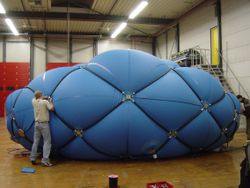
Join us on the opening day of Archaeology of the Digital: Media and Machines for a round-table discussion with curator Greg Lynn and some of the featured architects of the exhibition: Karl Chu (Metaxy), Lars Spuybroek (NOX), Kas Oosterhuis (ONL), Marc Goulthorpe (dECOi Architects), Lise-Anne Couture and Hani Rashid (Asymptote).
Join us on the opening day of Archaeology of the Digital: Media and Machines for a round-table discussion with curator Greg Lynn and some of the featured architects of the exhibition: Karl Chu (Metaxy), Lars Spuybroek (NOX), Kas Oosterhuis (ONL), Marc Goulthorpe (dECOi Architects), Lise-Anne Couture and Hani Rashid (Asymptote).
Location:
Paul-Desmarais Theatre
Paul-Desmarais Theatre
Date:
22 May 2014 , 6pm
22 May 2014 , 6pm
Title:
In conversation with the architects Archaeology of the Digital: Media and Machines
Actions:
Description:
Join us on the opening day of Archaeology of the Digital: Media and Machines for a round-table discussion with curator Greg Lynn and some of the featured architects of the exhibition: Karl Chu (Metaxy), Lars Spuybroek (NOX), Kas Oosterhuis (ONL), Marc Goulthorpe (dECOi Architects), Lise-Anne Couture and Hani Rashid (Asymptote).
In conversation with the architects Archaeology of the Digital: Media and Machines
Actions:
Description:
Join us on the opening day of Archaeology of the Digital: Media and Machines for a round-table discussion with curator Greg Lynn and some of the featured architects of the exhibition: Karl Chu (Metaxy), Lars Spuybroek (NOX), Kas Oosterhuis (ONL), Marc Goulthorpe (dECOi Architects), Lise-Anne Couture and Hani Rashid (Asymptote).
Form:
events
events
Date:
22 May 2014
6pm
22 May 2014
6pm
Location:
Paul-Desmarais Theatre
Paul-Desmarais Theatre
Form:
exhibitions
exhibitions
Actions:
Description:
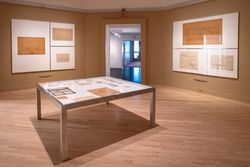
For the third and last installment in this series, Mauricio Pezo and Sofia von Ellrichshausen of Pezo von Ellrichshausen explore domestic monumentality in Williamss work. The exhibition presents technical drawings of monumental elements incorporated in two key projects—Casa Sobre el Arroyo [House on the river] and Casa Demarás [Desmarás house]—alongside an array of(...)
For the third and last installment in this series, Mauricio Pezo and Sofia von Ellrichshausen of Pezo von Ellrichshausen explore domestic monumentality in Williamss work. The exhibition presents technical drawings of monumental elements incorporated in two key projects—Casa Sobre el Arroyo [House on the river] and Casa Demarás [Desmarás house]—alongside an array of(...)
Location:
Octagonal gallery Keyword(s):
Amancio Williams, Pezo von Ellrichshausen, Buenos Aires, Out of the box, Argentina, Casa sobre el arroyo, Casa Desmarás, bridge house
Octagonal gallery Keyword(s):
Amancio Williams, Pezo von Ellrichshausen, Buenos Aires, Out of the box, Argentina, Casa sobre el arroyo, Casa Desmarás, bridge house
Date:
22 February 2024 to 19 May 2024
22 February 2024 to 19 May 2024
Title:
Domestic Monument: Amancio Williams selected by Pezo von Ellrichshausen
Actions:
Description:
For the third and last installment in this series, Mauricio Pezo and Sofia von Ellrichshausen of Pezo von Ellrichshausen explore domestic monumentality in Williamss work. The exhibition presents technical drawings of monumental elements incorporated in two key projects—Casa Sobre el Arroyo [House on the river] and Casa Demarás [Desmarás house]—alongside an array of(...)
Domestic Monument: Amancio Williams selected by Pezo von Ellrichshausen
Actions:
Description:
For the third and last installment in this series, Mauricio Pezo and Sofia von Ellrichshausen of Pezo von Ellrichshausen explore domestic monumentality in Williamss work. The exhibition presents technical drawings of monumental elements incorporated in two key projects—Casa Sobre el Arroyo [House on the river] and Casa Demarás [Desmarás house]—alongside an array of(...)
Form:
exhibitions
exhibitions
Date:
22 February 2024 to
19 May 2024
22 February 2024 to
19 May 2024
Location:
Octagonal gallery Keyword(s):
Amancio Williams, Pezo von Ellrichshausen, Buenos Aires, Out of the box, Argentina, Casa sobre el arroyo, Casa Desmarás, bridge house
Octagonal gallery Keyword(s):
Amancio Williams, Pezo von Ellrichshausen, Buenos Aires, Out of the box, Argentina, Casa sobre el arroyo, Casa Desmarás, bridge house


