


2654 Results
Form:
books
books
Actions:
Price:
$24.95
(available to order)
Summary:
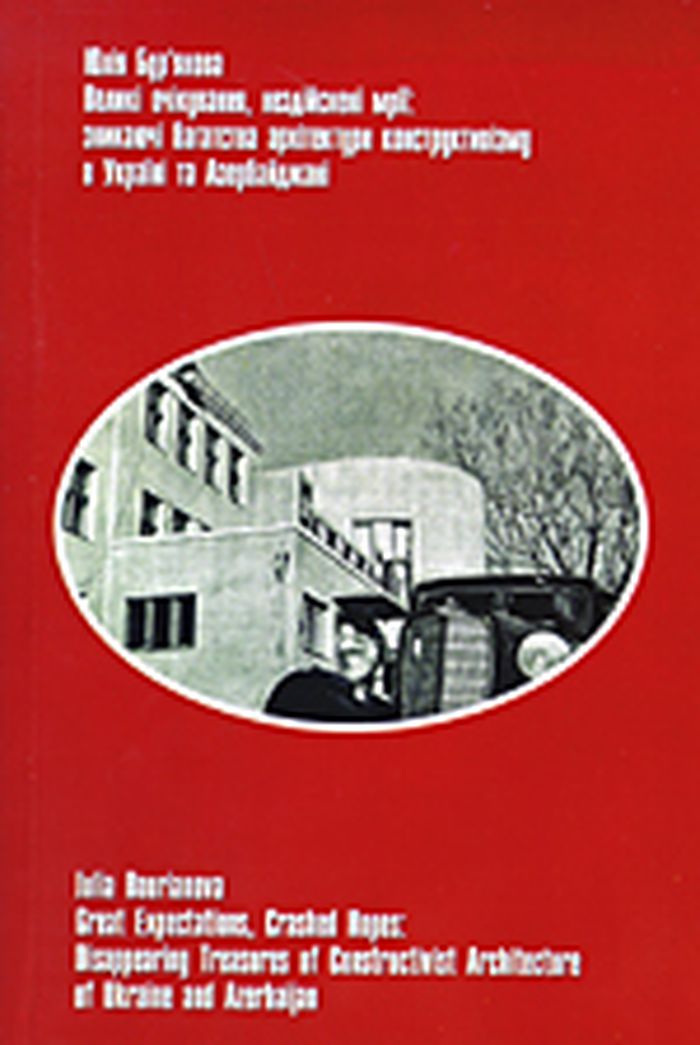
The result of a research over a period of almost six years, this book gives a unique perspective on the Soviet architecture of the 1920s-1930s in Ukraine and Azerbaijan. It documents forgotten buildings of the period, which are on the brink of disappearing without gaining the respect and acknowledgment they deserve. Along with general overview of the architecture of the(...)
$24.95
(available to order)
Summary:
The result of a research over a period of almost six years, this book gives a unique perspective on the Soviet architecture of the 1920s-1930s in Ukraine and Azerbaijan. It documents forgotten buildings of the period, which are on the brink of disappearing without gaining the respect and acknowledgment they deserve. Along with general overview of the architecture of the(...)
Title:
Great expectations, crashed hopes : disappearing treasures of constructivist architecture of Ukraine and Azerbaijan
Actions:
Price:
$24.95
(available to order)
Summary:
The result of a research over a period of almost six years, this book gives a unique perspective on the Soviet architecture of the 1920s-1930s in Ukraine and Azerbaijan. It documents forgotten buildings of the period, which are on the brink of disappearing without gaining the respect and acknowledgment they deserve. Along with general overview of the architecture of the period and nearly 170 photographs of the buildings, invaluable information is provided on their architects, most of which are virtually unknown to this day. Text in English and Ukranian.
Great expectations, crashed hopes : disappearing treasures of constructivist architecture of Ukraine and Azerbaijan
Actions:
Price:
$24.95
(available to order)
Summary:
The result of a research over a period of almost six years, this book gives a unique perspective on the Soviet architecture of the 1920s-1930s in Ukraine and Azerbaijan. It documents forgotten buildings of the period, which are on the brink of disappearing without gaining the respect and acknowledgment they deserve. Along with general overview of the architecture of the period and nearly 170 photographs of the buildings, invaluable information is provided on their architects, most of which are virtually unknown to this day. Text in English and Ukranian.
Form:
books
books
Publication:
June 2004, Kiev
June 2004, Kiev
Subject:
Architecture since 1900, Europe
Architecture since 1900, Europe
Form:
books
books
Actions:
Price:
$115.00
(available to order)
Summary:
Established sometime around the 1st or 2nd century BCE, Tashkent is the capital city of Uzbekistan and the largest metropolis in Central Asia benefiting from its historical role as geographic crossroads, its developed resources, and its thriving multiculturalism. Previous Soviet rule was established in 1917—which over six decades heralded transformations in Tashkent’s(...)
$115.00
(available to order)
Summary:
Established sometime around the 1st or 2nd century BCE, Tashkent is the capital city of Uzbekistan and the largest metropolis in Central Asia benefiting from its historical role as geographic crossroads, its developed resources, and its thriving multiculturalism. Previous Soviet rule was established in 1917—which over six decades heralded transformations in Tashkent’s(...)
Title:
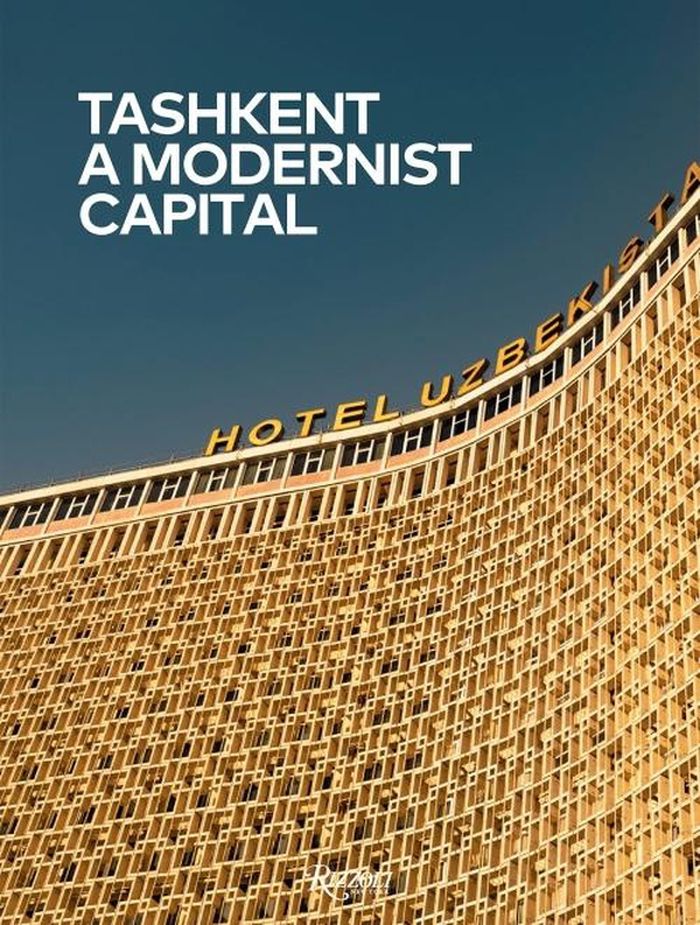
Karel Ballas: Tashkent Modernism
Actions:
Price:
$115.00
(available to order)
Summary:
Established sometime around the 1st or 2nd century BCE, Tashkent is the capital city of Uzbekistan and the largest metropolis in Central Asia benefiting from its historical role as geographic crossroads, its developed resources, and its thriving multiculturalism. Previous Soviet rule was established in 1917—which over six decades heralded transformations in Tashkent’s culture, identity, and, of course, its landscape and architecture. In this volume, realized in collaboration with the Uzbekistan Art and Culture Development Foundation, photographer Karel Balas reveals the modernist architecture of Tashkent through a collection of never-before-seen photographs.
Karel Ballas: Tashkent Modernism
Actions:
Price:
$115.00
(available to order)
Summary:
Established sometime around the 1st or 2nd century BCE, Tashkent is the capital city of Uzbekistan and the largest metropolis in Central Asia benefiting from its historical role as geographic crossroads, its developed resources, and its thriving multiculturalism. Previous Soviet rule was established in 1917—which over six decades heralded transformations in Tashkent’s culture, identity, and, of course, its landscape and architecture. In this volume, realized in collaboration with the Uzbekistan Art and Culture Development Foundation, photographer Karel Balas reveals the modernist architecture of Tashkent through a collection of never-before-seen photographs.
Form:
books
books
Publication:
November 2024
November 2024
Subject:
Photography monographs
Photography monographs
Form:
books
books
Actions:
Price:
$29.95
(available to order)
Summary:
'Red Africa' is the culmination of a two-year research programme and exhibition project at Calvert 22, London, and Iwalewa House, Bayreuth. This traced the work of African artists and filmmakers who studied in the Soviet Union and Eastern Bloc under free education schemes originally offered under the Third International. Connections were particularly strong with countries(...)
$29.95
(available to order)
Summary:
'Red Africa' is the culmination of a two-year research programme and exhibition project at Calvert 22, London, and Iwalewa House, Bayreuth. This traced the work of African artists and filmmakers who studied in the Soviet Union and Eastern Bloc under free education schemes originally offered under the Third International. Connections were particularly strong with countries(...)
Title:
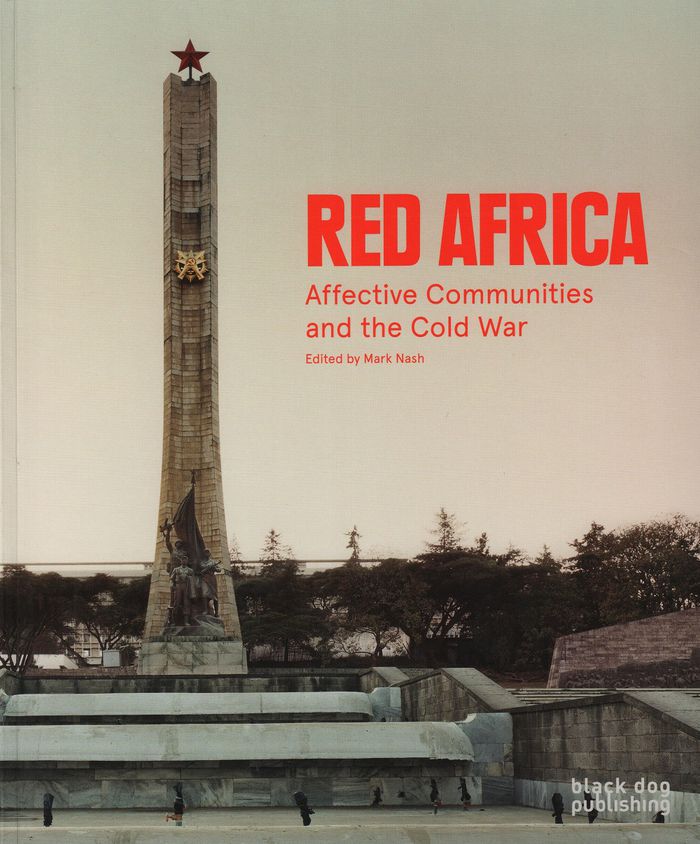
Red Africa: Affective communities and the cold war
Actions:
Price:
$29.95
(available to order)
Summary:
'Red Africa' is the culmination of a two-year research programme and exhibition project at Calvert 22, London, and Iwalewa House, Bayreuth. This traced the work of African artists and filmmakers who studied in the Soviet Union and Eastern Bloc under free education schemes originally offered under the Third International. Connections were particularly strong with countries such as Mozambique, Ghana, Ethiopia and Angola that were conducting libertarian struggles, or which, post-independence, were part of the Non-Aligned Movement, which held its first Summit conference in Belgrade in 1961.
Red Africa: Affective communities and the cold war
Actions:
Price:
$29.95
(available to order)
Summary:
'Red Africa' is the culmination of a two-year research programme and exhibition project at Calvert 22, London, and Iwalewa House, Bayreuth. This traced the work of African artists and filmmakers who studied in the Soviet Union and Eastern Bloc under free education schemes originally offered under the Third International. Connections were particularly strong with countries such as Mozambique, Ghana, Ethiopia and Angola that were conducting libertarian struggles, or which, post-independence, were part of the Non-Aligned Movement, which held its first Summit conference in Belgrade in 1961.
Form:
books
books
Publication:
January 2017
January 2017
Subject:
Art Theory
Art Theory
Form:
books
books
Title:
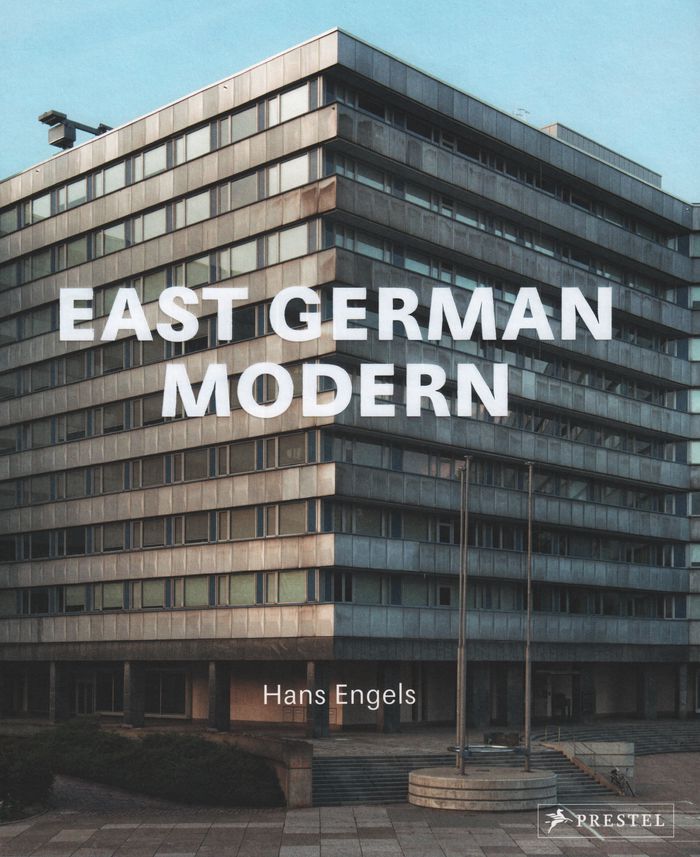
East German modern
East German modern
Actions:
Price:
$66.00
(available to order)
Summary:
The buildings constructed in East Germany after the Second World War are often dismissed as drab, Soviet-style, prefabricated blocks of cement. But the architecture of the German Democratic Republic was created with an eye toward modernity and efficiency, and heralded the birth of a new country and a new economic and social system. Hans Engels has traveled throughout(...)
$66.00
(available to order)
Summary:
The buildings constructed in East Germany after the Second World War are often dismissed as drab, Soviet-style, prefabricated blocks of cement. But the architecture of the German Democratic Republic was created with an eye toward modernity and efficiency, and heralded the birth of a new country and a new economic and social system. Hans Engels has traveled throughout(...)
Title:
East German modern
Actions:
Price:
$66.00
(available to order)
Summary:
The buildings constructed in East Germany after the Second World War are often dismissed as drab, Soviet-style, prefabricated blocks of cement. But the architecture of the German Democratic Republic was created with an eye toward modernity and efficiency, and heralded the birth of a new country and a new economic and social system. Hans Engels has traveled throughout East Germany to photograph iconic modernist buildings that survived demolition. From movie theaters, high-rises, and restaurants to museums, convention centers, and transit stations, these buildings have all stood the test of time.
East German modern
Actions:
Price:
$66.00
(available to order)
Summary:
The buildings constructed in East Germany after the Second World War are often dismissed as drab, Soviet-style, prefabricated blocks of cement. But the architecture of the German Democratic Republic was created with an eye toward modernity and efficiency, and heralded the birth of a new country and a new economic and social system. Hans Engels has traveled throughout East Germany to photograph iconic modernist buildings that survived demolition. From movie theaters, high-rises, and restaurants to museums, convention centers, and transit stations, these buildings have all stood the test of time.
Form:
books
books
Publication:
September 2019
September 2019
Subject:
Modernism
Modernism
Form:
books
books
Actions:
Price:
$48.00
(available to order)
Summary:
The idea of public spaces—city parks, waterfront bike paths, and bustling squares—has long been associated with urban environments. Public Spheres After Socialism challenges this idea in light of the end of the cold war and the disintegration of the Soviet Union. Drawing together experiences from across Europe, this innovative volume reconsiders the public sphere as a(...)
$48.00
(available to order)
Summary:
The idea of public spaces—city parks, waterfront bike paths, and bustling squares—has long been associated with urban environments. Public Spheres After Socialism challenges this idea in light of the end of the cold war and the disintegration of the Soviet Union. Drawing together experiences from across Europe, this innovative volume reconsiders the public sphere as a(...)
Subject:
Urban Theory
Urban Theory
Publication:
October 2008, Bristol, Chicago
October 2008, Bristol, Chicago
Title:
Public spheres after socialism
Actions:
Price:
$48.00
(available to order)
Summary:
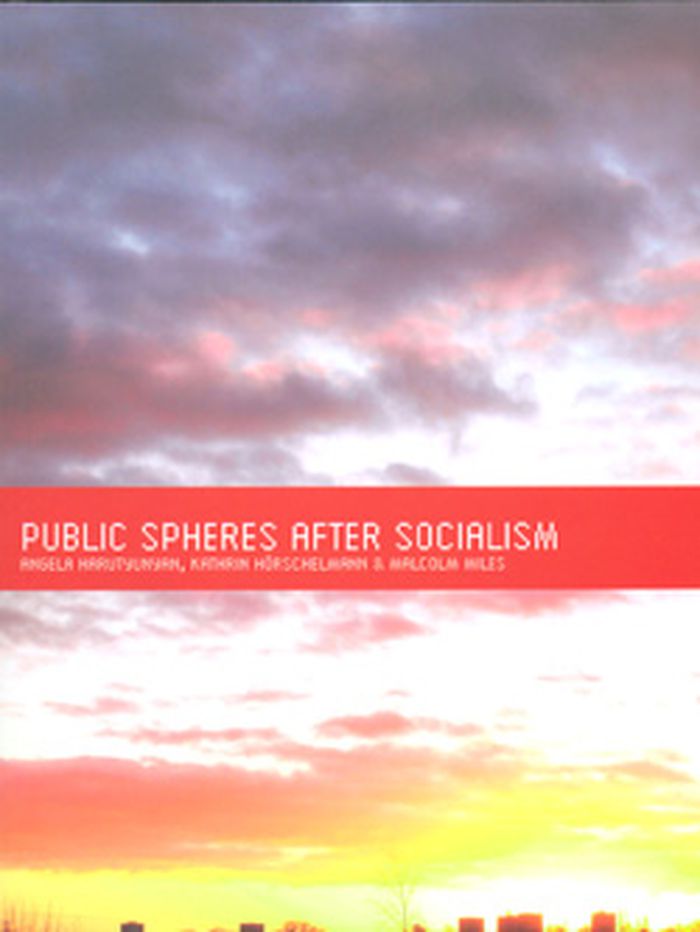
The idea of public spaces—city parks, waterfront bike paths, and bustling squares—has long been associated with urban environments. Public Spheres After Socialism challenges this idea in light of the end of the cold war and the disintegration of the Soviet Union. Drawing together experiences from across Europe, this innovative volume reconsiders the public sphere as a figurative, or mythical, location where members of society shape and determine its values. This book examines monuments, reconstruction, film, and new media to ask whether public spaces are viable in an age of globalized consumerism.
Public spheres after socialism
Actions:
Price:
$48.00
(available to order)
Summary:
The idea of public spaces—city parks, waterfront bike paths, and bustling squares—has long been associated with urban environments. Public Spheres After Socialism challenges this idea in light of the end of the cold war and the disintegration of the Soviet Union. Drawing together experiences from across Europe, this innovative volume reconsiders the public sphere as a figurative, or mythical, location where members of society shape and determine its values. This book examines monuments, reconstruction, film, and new media to ask whether public spaces are viable in an age of globalized consumerism.
Form:
books
books
Publication:
October 2008, Bristol, Chicago
October 2008, Bristol, Chicago
Subject:
Urban Theory
Urban Theory
Form:
books
books
Actions:
Price:
$40.00
(available to order)
Summary:
The Nordic version of modernism during the 1906s and 70s had certain characteristics that are of increasing interest to international architectural historians today. Of particular significance in this series of investigations is the relation between Nordic lands and the Baltic states during Soviet times, not only in terms of political comparisons but also because of the(...)
$40.00
(available to order)
Summary:
The Nordic version of modernism during the 1906s and 70s had certain characteristics that are of increasing interest to international architectural historians today. Of particular significance in this series of investigations is the relation between Nordic lands and the Baltic states during Soviet times, not only in terms of political comparisons but also because of the(...)
Title:
Survival Of Modern: do.co.mo.mo.
Actions:
Price:
$40.00
(available to order)
Summary:
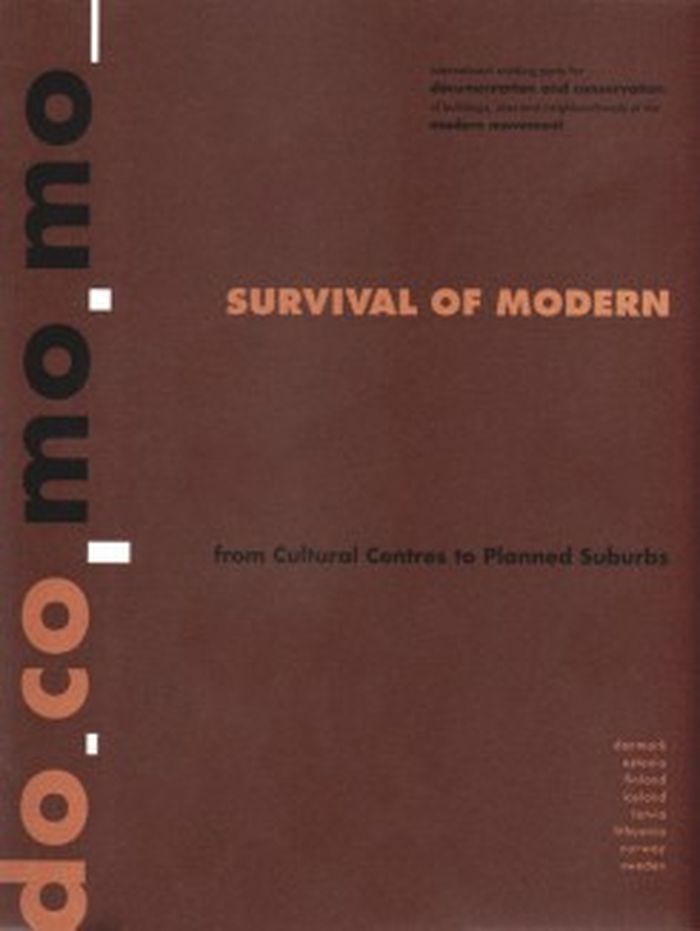
The Nordic version of modernism during the 1906s and 70s had certain characteristics that are of increasing interest to international architectural historians today. Of particular significance in this series of investigations is the relation between Nordic lands and the Baltic states during Soviet times, not only in terms of political comparisons but also because of the questions raised regarding modernisms dependence on the concept of a planned society. Taking the two poles of cultural centres and planned suburbs as their focus, the authors delve into this new field of research.
Survival Of Modern: do.co.mo.mo.
Actions:
Price:
$40.00
(available to order)
Summary:
The Nordic version of modernism during the 1906s and 70s had certain characteristics that are of increasing interest to international architectural historians today. Of particular significance in this series of investigations is the relation between Nordic lands and the Baltic states during Soviet times, not only in terms of political comparisons but also because of the questions raised regarding modernisms dependence on the concept of a planned society. Taking the two poles of cultural centres and planned suburbs as their focus, the authors delve into this new field of research.
Form:
books
books
Publication:
October 2013
October 2013
Subject:
Modernism
Modernism
Form:
books
books
Actions:
Price:
$85.00
(available to order)
Summary:
This book is dedicated solely to this important member of the Russian avant-garde, this volume profiles Lazar Khidekel, a brilliant artist and architect whose career proves a key link in the story of abstraction. For decades the work of Lazar Khidekel has been undeservedly overlooked by galleries and museums--primarily because the Russian avant-garde movement was(...)
$85.00
(available to order)
Summary:
This book is dedicated solely to this important member of the Russian avant-garde, this volume profiles Lazar Khidekel, a brilliant artist and architect whose career proves a key link in the story of abstraction. For decades the work of Lazar Khidekel has been undeservedly overlooked by galleries and museums--primarily because the Russian avant-garde movement was(...)
Title:
Lazar Khidekel and suprematism
Actions:
Price:
$85.00
(available to order)
Summary:
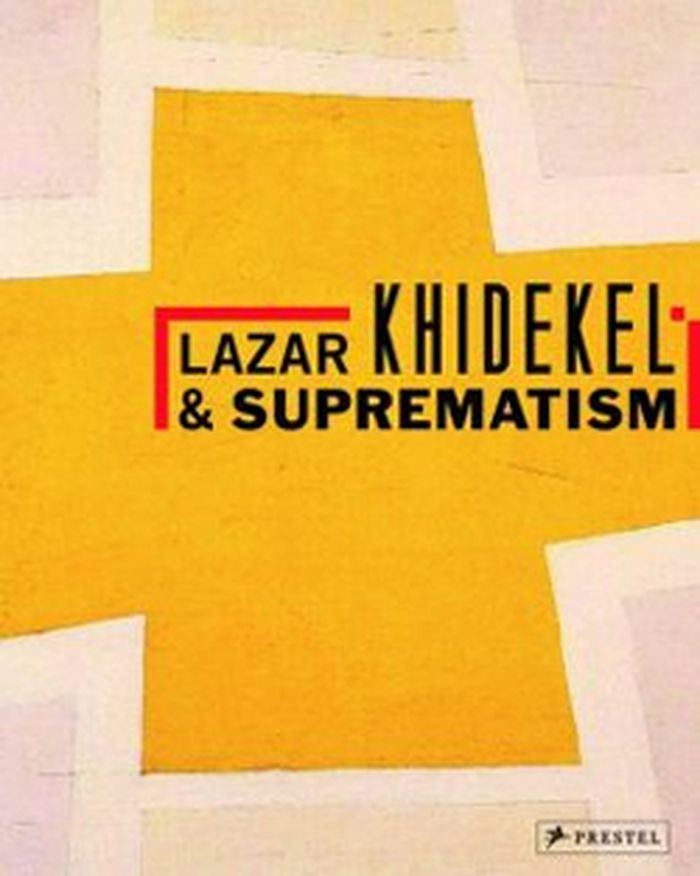
This book is dedicated solely to this important member of the Russian avant-garde, this volume profiles Lazar Khidekel, a brilliant artist and architect whose career proves a key link in the story of abstraction. For decades the work of Lazar Khidekel has been undeservedly overlooked by galleries and museums--primarily because the Russian avant-garde movement was interrupted midstream and forced underground by the Soviet state. It provides the perfect introduction to Khidekel's decades-long career and coincides with a recently renewed fascination with Suprematism and the development of 20th-century abstraction.
Lazar Khidekel and suprematism
Actions:
Price:
$85.00
(available to order)
Summary:
This book is dedicated solely to this important member of the Russian avant-garde, this volume profiles Lazar Khidekel, a brilliant artist and architect whose career proves a key link in the story of abstraction. For decades the work of Lazar Khidekel has been undeservedly overlooked by galleries and museums--primarily because the Russian avant-garde movement was interrupted midstream and forced underground by the Soviet state. It provides the perfect introduction to Khidekel's decades-long career and coincides with a recently renewed fascination with Suprematism and the development of 20th-century abstraction.
Form:
books
books
Publication:
November 2014
November 2014
Subject:
Contemporary Art Monographs
Contemporary Art Monographs
Form:
books
books
Title:
CCCP cookbook
CCCP cookbook
Actions:
Price:
$42.50
(available to order)
Summary:
The stories and recipes contained in the CCCP Cook Book reflect its turbulent times: from basic subsistence meals consumed by the average citizen (like okroshka, a cold soup made with the fermented beverage kvass) to extravagant banquets held by the political elite (suckling pig with buckwheat), with a scattering of classics (beef stroganoff) in between. Each recipe is(...)
$42.50
(available to order)
Summary:
The stories and recipes contained in the CCCP Cook Book reflect its turbulent times: from basic subsistence meals consumed by the average citizen (like okroshka, a cold soup made with the fermented beverage kvass) to extravagant banquets held by the political elite (suckling pig with buckwheat), with a scattering of classics (beef stroganoff) in between. Each recipe is(...)
Title:
CCCP cookbook
Actions:
Price:
$42.50
(available to order)
Summary:
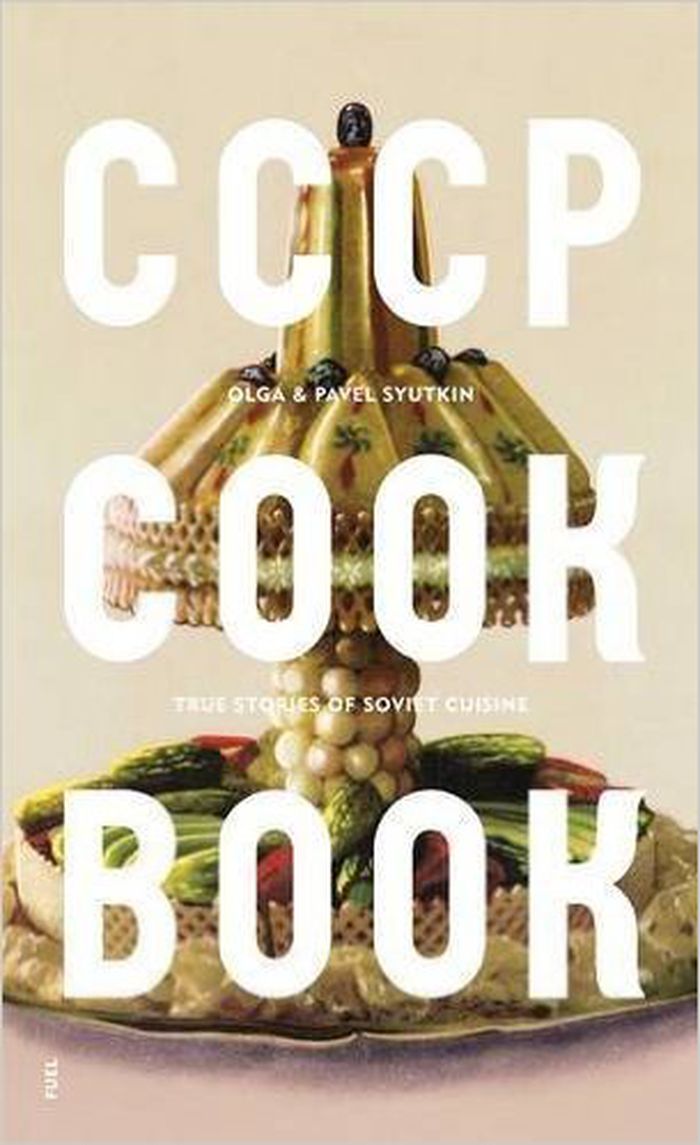
The stories and recipes contained in the CCCP Cook Book reflect its turbulent times: from basic subsistence meals consumed by the average citizen (like okroshka, a cold soup made with the fermented beverage kvass) to extravagant banquets held by the political elite (suckling pig with buckwheat), with a scattering of classics (beef stroganoff) in between. Each recipe is introduced with a historical story or anecdote from the period, and illustrated using images sourced from original Soviet recipe books collected by the authors, food historians Olga and Pavel Syutkin.
CCCP cookbook
Actions:
Price:
$42.50
(available to order)
Summary:
The stories and recipes contained in the CCCP Cook Book reflect its turbulent times: from basic subsistence meals consumed by the average citizen (like okroshka, a cold soup made with the fermented beverage kvass) to extravagant banquets held by the political elite (suckling pig with buckwheat), with a scattering of classics (beef stroganoff) in between. Each recipe is introduced with a historical story or anecdote from the period, and illustrated using images sourced from original Soviet recipe books collected by the authors, food historians Olga and Pavel Syutkin.
Form:
books
books
Publication:
September 2015
September 2015
Subject:
Food
Food
Form:
books
books
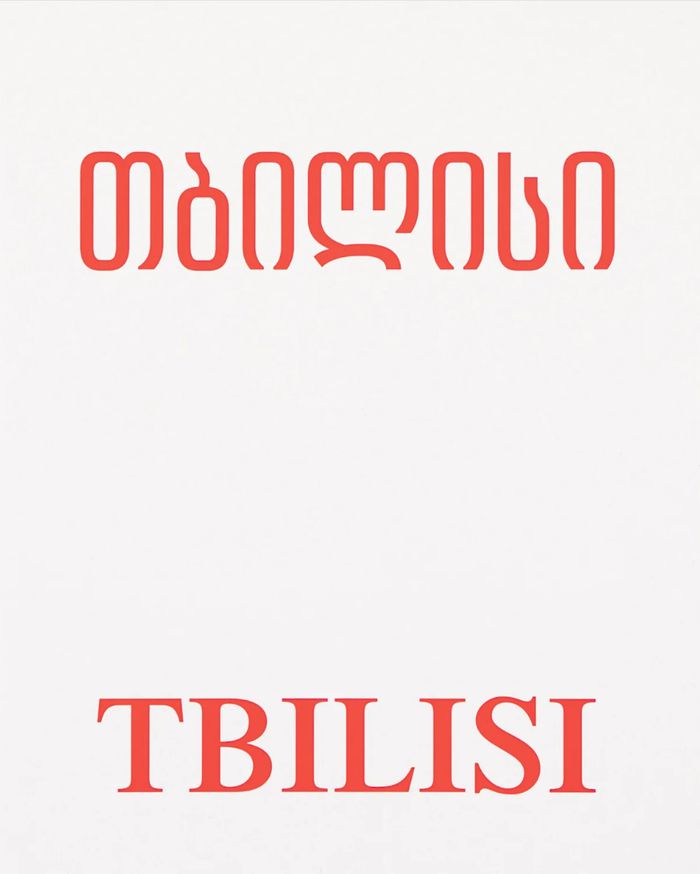
Title:
Anna Tsitsishvili: Tbilisi
Anna Tsitsishvili: Tbilisi
Actions:
Price:
$50.00
(available in store)
Summary:
Anna Tsitsishvili’s Tbilisi delivers us a contemporary outlook on Georgia’s vibrant capital at the crossroads between East and West. Her photobook attests that photography can play a role in putting the city back on the map by creating a new visual narrative that transcends the past to embrace authentic moments. Notably, the Soviet era has provided us with a glossy(...)
$50.00
(available in store)
Summary:
Anna Tsitsishvili’s Tbilisi delivers us a contemporary outlook on Georgia’s vibrant capital at the crossroads between East and West. Her photobook attests that photography can play a role in putting the city back on the map by creating a new visual narrative that transcends the past to embrace authentic moments. Notably, the Soviet era has provided us with a glossy(...)
Title:
Anna Tsitsishvili: Tbilisi
Actions:
Price:
$50.00
(available in store)
Summary:
Anna Tsitsishvili’s Tbilisi delivers us a contemporary outlook on Georgia’s vibrant capital at the crossroads between East and West. Her photobook attests that photography can play a role in putting the city back on the map by creating a new visual narrative that transcends the past to embrace authentic moments. Notably, the Soviet era has provided us with a glossy portrayal of the city under the empire, with the aim to convey some specific values through photography that is typical of regimes. However, after the collapse of the Soviet Union, a subtle melancholy has seeped into those photographs. This sentiment reflected the post-imperial events and the Russian occupation, which have left an indelible mark on the entire country, the city, and its inhabitants. A new generation of photographers though has emerged in the past years, with a vision that tries to respond to that sentiment by going beyond the façade and breaking ties with the past. In their images the city looks past the streets, the buildings and the cityscapes. They venture into courtyards, homes, into the private life of people and their sincere details. Anna Tsitsishvili does so too – with her photobook she captivates us primarily with her genuineness. From sumptuous old apartments to lived contemporary rooms, from daily commutes to encounters in the busy streets, a sense of everyday poetry permeates her all-color selection.
Anna Tsitsishvili: Tbilisi
Actions:
Price:
$50.00
(available in store)
Summary:
Anna Tsitsishvili’s Tbilisi delivers us a contemporary outlook on Georgia’s vibrant capital at the crossroads between East and West. Her photobook attests that photography can play a role in putting the city back on the map by creating a new visual narrative that transcends the past to embrace authentic moments. Notably, the Soviet era has provided us with a glossy portrayal of the city under the empire, with the aim to convey some specific values through photography that is typical of regimes. However, after the collapse of the Soviet Union, a subtle melancholy has seeped into those photographs. This sentiment reflected the post-imperial events and the Russian occupation, which have left an indelible mark on the entire country, the city, and its inhabitants. A new generation of photographers though has emerged in the past years, with a vision that tries to respond to that sentiment by going beyond the façade and breaking ties with the past. In their images the city looks past the streets, the buildings and the cityscapes. They venture into courtyards, homes, into the private life of people and their sincere details. Anna Tsitsishvili does so too – with her photobook she captivates us primarily with her genuineness. From sumptuous old apartments to lived contemporary rooms, from daily commutes to encounters in the busy streets, a sense of everyday poetry permeates her all-color selection.
Form:
books
books
Publication:
June 2024
June 2024
Subject:
Photography monographs
Photography monographs
Form:
books
books
Title:
L'archipel des savants: histoire des anciennes villes d'élite du complexe scientifique soviétique
L'archipel des savants: histoire des anciennes villes d'élite du complexe scientifique soviétique
Actions:
Price:
$21.95
(available in store)
Summary:
Révélé par Soljenitsyne en 1973, le Goulag n’était pas le seul archipel créé par le pouvoir soviétique. Un autre système d’îlots urbains s’est développé dès les années 1950, afin de produire les instruments de la puissance soviétique. Longtemps « invisibles », ces villes fermées, voire non cartographiées, ont produit durant la guerre froide le nec plus ultra scientifique(...)
$21.95
(available in store)
Summary:
Révélé par Soljenitsyne en 1973, le Goulag n’était pas le seul archipel créé par le pouvoir soviétique. Un autre système d’îlots urbains s’est développé dès les années 1950, afin de produire les instruments de la puissance soviétique. Longtemps « invisibles », ces villes fermées, voire non cartographiées, ont produit durant la guerre froide le nec plus ultra scientifique(...)
Title:
L'archipel des savants: histoire des anciennes villes d'élite du complexe scientifique soviétique
Actions:
Price:
$21.95
(available in store)
Summary:
Révélé par Soljenitsyne en 1973, le Goulag n’était pas le seul archipel créé par le pouvoir soviétique. Un autre système d’îlots urbains s’est développé dès les années 1950, afin de produire les instruments de la puissance soviétique. Longtemps « invisibles », ces villes fermées, voire non cartographiées, ont produit durant la guerre froide le nec plus ultra scientifique et militaire nécessaire à la compétition technologique est-ouest : essais atomiques, réacteurs nucléaires, accélérateurs de particules, ordinateurs, modules spatiaux. Un siècle après la Révolution d'Octobre 1917, l'essai de Kevin Limonier s'applique à décrire les mutations de Baïkonour, Obninsk, Doubna ou Akademgorodok, depuis l’URSS de Khrouchtchev jusqu’à la Russie de Vladimir Poutine.
L'archipel des savants: histoire des anciennes villes d'élite du complexe scientifique soviétique
Actions:
Price:
$21.95
(available in store)
Summary:
Révélé par Soljenitsyne en 1973, le Goulag n’était pas le seul archipel créé par le pouvoir soviétique. Un autre système d’îlots urbains s’est développé dès les années 1950, afin de produire les instruments de la puissance soviétique. Longtemps « invisibles », ces villes fermées, voire non cartographiées, ont produit durant la guerre froide le nec plus ultra scientifique et militaire nécessaire à la compétition technologique est-ouest : essais atomiques, réacteurs nucléaires, accélérateurs de particules, ordinateurs, modules spatiaux. Un siècle après la Révolution d'Octobre 1917, l'essai de Kevin Limonier s'applique à décrire les mutations de Baïkonour, Obninsk, Doubna ou Akademgorodok, depuis l’URSS de Khrouchtchev jusqu’à la Russie de Vladimir Poutine.
Form:
books
books
Publication:
February 2018
February 2018
Subject:
Architectural Theory
Architectural Theory


