


2576 Results
Form:
books
books
Title:
Mute magazine graphic design
Mute magazine graphic design
Actions:
Price:
$37.00
(available to order)
Summary:
In the early 1990s, long before the internet became an integral part of life, a handful of pioneering magazines took it upon themselves to imagine the web into existence. Using fiction, interviews, speculative theory and experimental graphic design, these titles helped create a lexicon and iconography every bit as powerful as the architecture of the World Wide Web.(...)
$37.00
(available to order)
Summary:
In the early 1990s, long before the internet became an integral part of life, a handful of pioneering magazines took it upon themselves to imagine the web into existence. Using fiction, interviews, speculative theory and experimental graphic design, these titles helped create a lexicon and iconography every bit as powerful as the architecture of the World Wide Web.(...)
Subject:
Graphic Design and Typography
Graphic Design and Typography
Publication:
August 2008, London
August 2008, London
Title:
Mute magazine graphic design
Actions:
Price:
$37.00
(available to order)
Summary:
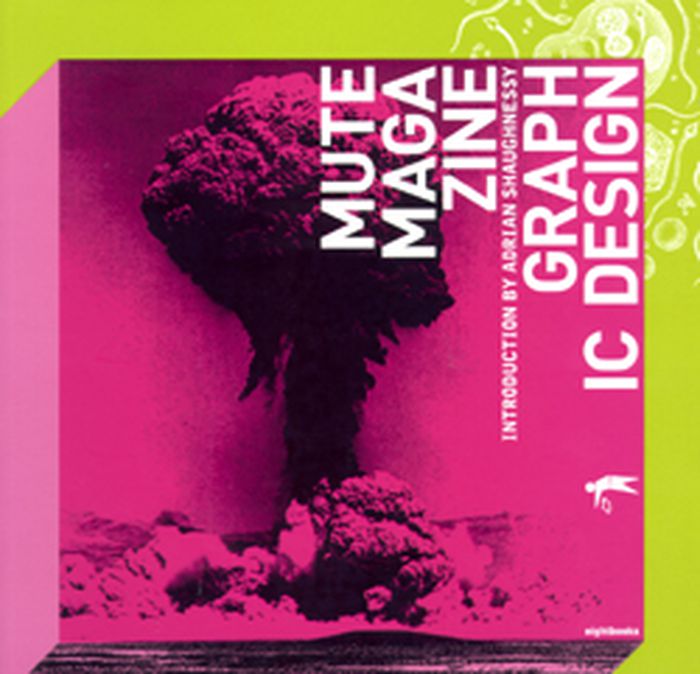
In the early 1990s, long before the internet became an integral part of life, a handful of pioneering magazines took it upon themselves to imagine the web into existence. Using fiction, interviews, speculative theory and experimental graphic design, these titles helped create a lexicon and iconography every bit as powerful as the architecture of the World Wide Web. London-based Mute occupied a central position here, wielding an influence vastly disproportionate to its size. The product of a period of intense creative ferment, Mute engaged boldly with allcomers. The magazine offered a platform to authors Bruce Sterling, Arthur Kroker, Mark Dery, Geert Lovink, Hari Kunzru, James Flint and Lev Manovich, just as it did to artists Keith Tyson, VNS Matrix and the Bureau of Inverse Technology. As new technologies forced a collapse of disciplinary boundaries and the intermingling of communities, Mute became part of a dynamic London scene, featuring many of the artists, writers and photographers who came to epitomise London’s status as a creative hotbed. The resulting collection of magazines defines an era, telling the fascinating tale of one publisher's relationship with the ‘digital revolution’ – the nineties’ very own Big Bang. This book presents a full overview of the magazine over a decade, showing its entire output – logos, covers and spreads. Using generous illustrations and in-depth captions, it details recurrent graphic themes and places Mute's evolution in perspective
Mute magazine graphic design
Actions:
Price:
$37.00
(available to order)
Summary:
In the early 1990s, long before the internet became an integral part of life, a handful of pioneering magazines took it upon themselves to imagine the web into existence. Using fiction, interviews, speculative theory and experimental graphic design, these titles helped create a lexicon and iconography every bit as powerful as the architecture of the World Wide Web. London-based Mute occupied a central position here, wielding an influence vastly disproportionate to its size. The product of a period of intense creative ferment, Mute engaged boldly with allcomers. The magazine offered a platform to authors Bruce Sterling, Arthur Kroker, Mark Dery, Geert Lovink, Hari Kunzru, James Flint and Lev Manovich, just as it did to artists Keith Tyson, VNS Matrix and the Bureau of Inverse Technology. As new technologies forced a collapse of disciplinary boundaries and the intermingling of communities, Mute became part of a dynamic London scene, featuring many of the artists, writers and photographers who came to epitomise London’s status as a creative hotbed. The resulting collection of magazines defines an era, telling the fascinating tale of one publisher's relationship with the ‘digital revolution’ – the nineties’ very own Big Bang. This book presents a full overview of the magazine over a decade, showing its entire output – logos, covers and spreads. Using generous illustrations and in-depth captions, it details recurrent graphic themes and places Mute's evolution in perspective
Form:
books
books
Publication:
August 2008, London
August 2008, London
Subject:
Graphic Design and Typography
Graphic Design and Typography
Form:
books
books
Title:
Books: a living history
Books: a living history
Actions:
Price:
$35.95
(available to order)
Summary:
From the first scribbling on papyrus to the emergence of the e-book, this wide-ranging overview of the history of the book provides a fascinating look at one of the most efficient, versatile, and enduring technologies ever developed. The author traces the evolution of the book from the rarefied world of the hand-copied and illuminated volume in ancient and medieval times,(...)
$35.95
(available to order)
Summary:
From the first scribbling on papyrus to the emergence of the e-book, this wide-ranging overview of the history of the book provides a fascinating look at one of the most efficient, versatile, and enduring technologies ever developed. The author traces the evolution of the book from the rarefied world of the hand-copied and illuminated volume in ancient and medieval times,(...)
Title:
Books: a living history
Actions:
Price:
$35.95
(available to order)
Summary:
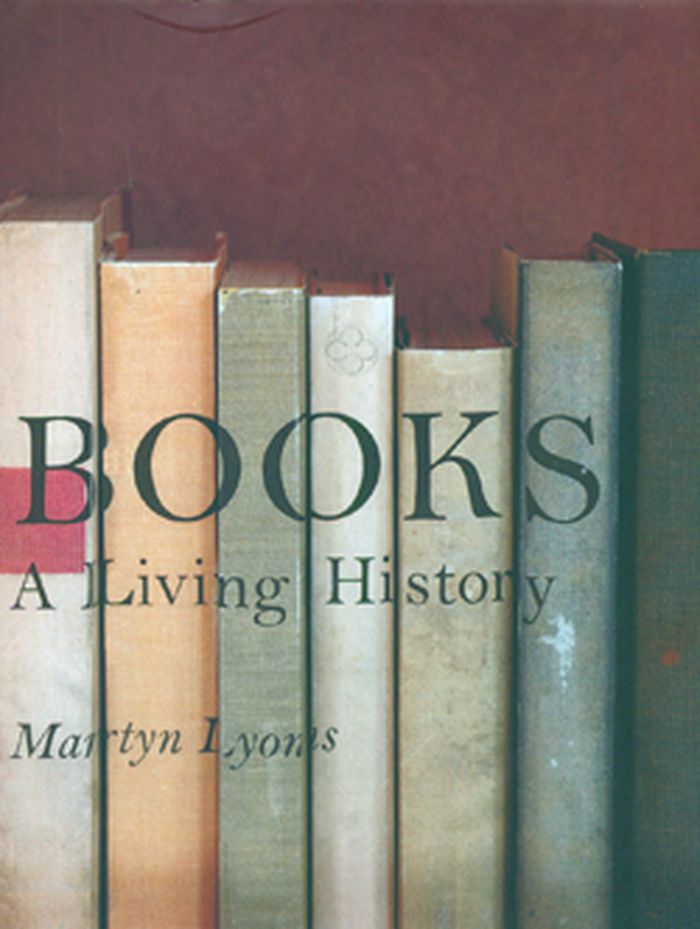
From the first scribbling on papyrus to the emergence of the e-book, this wide-ranging overview of the history of the book provides a fascinating look at one of the most efficient, versatile, and enduring technologies ever developed. The author traces the evolution of the book from the rarefied world of the hand-copied and illuminated volume in ancient and medieval times, through the revolutionary impact of Gutenberg’s invention of the printing press, to the rise of a publishing culture in the nineteenth and twentieth centuries, and the subsequent impact of new technologies on this culture. Many of the great individual titles of the past two millennia are discussed as well as the range of book types and formats that have emerged in the last few hundred years, from serial and dime novels to paperbacks, children’s books, and Japanese manga. The volume ends with a discussion of the digital revolution in book production and distribution and the ramifications for book lovers, who can’t help but wonder whether the book will thrive—or even survive—in a form they recognize. Martyn Lyons is professor of history at the University of New South Wales in Sydney, Australia, and the author of A History of Reading and Writing in the Western World (Palgrave Macmillan, 2009) and Reading Culture and Writing Practices in Nineteenth-Century France (University of Toronto Press, 2008).
Books: a living history
Actions:
Price:
$35.95
(available to order)
Summary:
From the first scribbling on papyrus to the emergence of the e-book, this wide-ranging overview of the history of the book provides a fascinating look at one of the most efficient, versatile, and enduring technologies ever developed. The author traces the evolution of the book from the rarefied world of the hand-copied and illuminated volume in ancient and medieval times, through the revolutionary impact of Gutenberg’s invention of the printing press, to the rise of a publishing culture in the nineteenth and twentieth centuries, and the subsequent impact of new technologies on this culture. Many of the great individual titles of the past two millennia are discussed as well as the range of book types and formats that have emerged in the last few hundred years, from serial and dime novels to paperbacks, children’s books, and Japanese manga. The volume ends with a discussion of the digital revolution in book production and distribution and the ramifications for book lovers, who can’t help but wonder whether the book will thrive—or even survive—in a form they recognize. Martyn Lyons is professor of history at the University of New South Wales in Sydney, Australia, and the author of A History of Reading and Writing in the Western World (Palgrave Macmillan, 2009) and Reading Culture and Writing Practices in Nineteenth-Century France (University of Toronto Press, 2008).
Form:
books
books
Publication:
October 2011
October 2011
Subject:
Book Design
Book Design
Form:
books
books
Title:
Conversations
Conversations
Actions:
Price:
$25.95
(available to order)
Summary:
Ai Weiwei is one of the world’s most acclaimed artists and dissidents. This book presents him in conversation with theorists, critics, journalists, and curators about key moments in his life and career. These wide-ranging conversations flow between topics such as his relationship with China, the meaning of citizenship, moving his studio to Lesbos to be on the front lines(...)
$25.95
(available to order)
Summary:
Ai Weiwei is one of the world’s most acclaimed artists and dissidents. This book presents him in conversation with theorists, critics, journalists, and curators about key moments in his life and career. These wide-ranging conversations flow between topics such as his relationship with China, the meaning of citizenship, moving his studio to Lesbos to be on the front lines(...)
Title:
Conversations
Actions:
Price:
$25.95
(available to order)
Summary:
Ai Weiwei is one of the world’s most acclaimed artists and dissidents. This book presents him in conversation with theorists, critics, journalists, and curators about key moments in his life and career. These wide-ranging conversations flow between topics such as his relationship with China, the meaning of citizenship, moving his studio to Lesbos to be on the front lines of the migrant crisis, how to make art, and technology as a tool for freedom or oppression. Ai opens up about his relationship to his father as a poet and as a dissident forced into hard labor in a small village after the Cultural Revolution. He shares his thoughts on formal education and the importance of finding your own way as an artist. New York- both the city and its people- were formative for Ai Weiwei, and he speaks eloquently about how these experiences continue to influence him. Ai conjures up scenes from his long relationship with the city: dropping out of Parsons School of Design because he couldn’t afford tuition, making portraits in Washington Square Park as an undocumented immigrant in the 1980s, taking photos for the New York Times at demonstrations in Tompkins Square Park, and returning to set up the ''Good Fences Make Good Neighbors'' project across the city. These candid, spontaneous conversations reveal why Ai Weiwei has become such a major force in contemporary art and political life.
Conversations
Actions:
Price:
$25.95
(available to order)
Summary:
Ai Weiwei is one of the world’s most acclaimed artists and dissidents. This book presents him in conversation with theorists, critics, journalists, and curators about key moments in his life and career. These wide-ranging conversations flow between topics such as his relationship with China, the meaning of citizenship, moving his studio to Lesbos to be on the front lines of the migrant crisis, how to make art, and technology as a tool for freedom or oppression. Ai opens up about his relationship to his father as a poet and as a dissident forced into hard labor in a small village after the Cultural Revolution. He shares his thoughts on formal education and the importance of finding your own way as an artist. New York- both the city and its people- were formative for Ai Weiwei, and he speaks eloquently about how these experiences continue to influence him. Ai conjures up scenes from his long relationship with the city: dropping out of Parsons School of Design because he couldn’t afford tuition, making portraits in Washington Square Park as an undocumented immigrant in the 1980s, taking photos for the New York Times at demonstrations in Tompkins Square Park, and returning to set up the ''Good Fences Make Good Neighbors'' project across the city. These candid, spontaneous conversations reveal why Ai Weiwei has become such a major force in contemporary art and political life.
Form:
books
books
Publication:
February 2021
February 2021
Subject:
Contemporary Art Monographs
Contemporary Art Monographs
Form:
books
books
Actions:
Price:
$44.95
(available to order)
Summary:
"Worldchanging : a User's guide for the 21st century " proposes innovative solutions, ideas and inventions emerging today for building a sustainable, livable, prosperous future. From consumer consciousness to a new vision for industry; non-toxic homes to refugee shelters; microfinance to effective philanthropy; socially responsible investing to starting a green business;(...)
$44.95
(available to order)
Summary:
"Worldchanging : a User's guide for the 21st century " proposes innovative solutions, ideas and inventions emerging today for building a sustainable, livable, prosperous future. From consumer consciousness to a new vision for industry; non-toxic homes to refugee shelters; microfinance to effective philanthropy; socially responsible investing to starting a green business;(...)
Title:
Worldchanging : a user's guide for the 21st century
Actions:
Price:
$44.95
(available to order)
Summary:
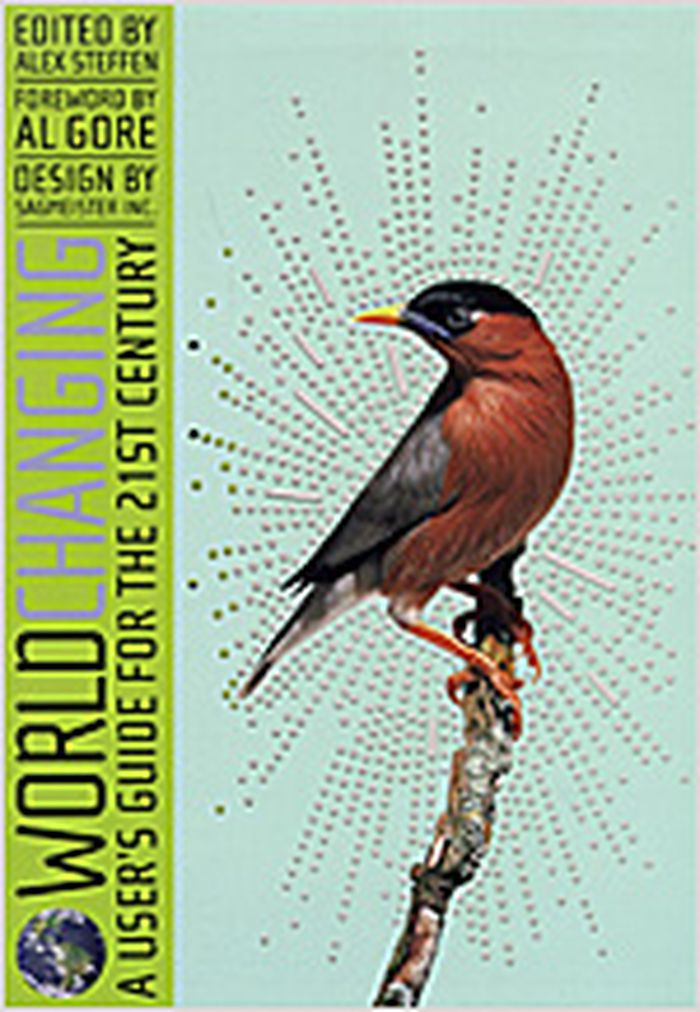
"Worldchanging : a User's guide for the 21st century " proposes innovative solutions, ideas and inventions emerging today for building a sustainable, livable, prosperous future. From consumer consciousness to a new vision for industry; non-toxic homes to refugee shelters; microfinance to effective philanthropy; socially responsible investing to starting a green business; citizen media to human rights; ecological economics to climate change, this is a comprehensive, cutting-edge overview. The book contains 7 sections which include those topics - from eco-building to responsible shopping, political action to humanitarian relief : stuff : green design, biomimicry, sustainable food, clothing, trade and technology ; shelter : green building and landscaping, clean energy, water, disaster relief and humanitarian design ; cities : smart growth, sustainable communities, transportation, greening infrastructure, product-service systems, leapfrogging and megacity challenges ; community : education, women's rights, public health, holistic approaches to community development, South-South science, social entrepreneurship and micro-lending, and philanthropy ; business : socially responsible investment, worldchanging start-ups, ecological economics, corporate social responsibility and green business ; politics : networked politics, new media, transparency, human rights, non-violent revolution and peacemaking ; planet : big picture -- everything from placing oneself in a bioregion to climate foresight to environmental history to green space exploration. Brought together by Alex Steffen, co-founder of the web site Worldchanging.com, this team of writers includes Cameron Sinclair, founder of Architecture for Humanity, Geekcorps founder Ethan Zuckerman, sustainable food expert Anna Lappé, and many others. With foreword by Al Gore. Design by Sagmeister.
Worldchanging : a user's guide for the 21st century
Actions:
Price:
$44.95
(available to order)
Summary:
"Worldchanging : a User's guide for the 21st century " proposes innovative solutions, ideas and inventions emerging today for building a sustainable, livable, prosperous future. From consumer consciousness to a new vision for industry; non-toxic homes to refugee shelters; microfinance to effective philanthropy; socially responsible investing to starting a green business; citizen media to human rights; ecological economics to climate change, this is a comprehensive, cutting-edge overview. The book contains 7 sections which include those topics - from eco-building to responsible shopping, political action to humanitarian relief : stuff : green design, biomimicry, sustainable food, clothing, trade and technology ; shelter : green building and landscaping, clean energy, water, disaster relief and humanitarian design ; cities : smart growth, sustainable communities, transportation, greening infrastructure, product-service systems, leapfrogging and megacity challenges ; community : education, women's rights, public health, holistic approaches to community development, South-South science, social entrepreneurship and micro-lending, and philanthropy ; business : socially responsible investment, worldchanging start-ups, ecological economics, corporate social responsibility and green business ; politics : networked politics, new media, transparency, human rights, non-violent revolution and peacemaking ; planet : big picture -- everything from placing oneself in a bioregion to climate foresight to environmental history to green space exploration. Brought together by Alex Steffen, co-founder of the web site Worldchanging.com, this team of writers includes Cameron Sinclair, founder of Architecture for Humanity, Geekcorps founder Ethan Zuckerman, sustainable food expert Anna Lappé, and many others. With foreword by Al Gore. Design by Sagmeister.
Form:
books
books
Publication:
January 2007, New York
January 2007, New York
Subject:
Green Architecture
Green Architecture
Form:
books
books
Price:
$75.00
(available to order)
Summary:
The retro-futuristic epoch is one of the most visually spectacular in architecture's history. This book compiles radical ideas and visionary structures. The notion of utopia proves as diverse as it does universal. From exuberant master plans to singular architectural expressions, the rise of the utopian architectural movement in the 1960s and 1970s represents a critical(...)
$75.00
(available to order)
Summary:
The retro-futuristic epoch is one of the most visually spectacular in architecture's history. This book compiles radical ideas and visionary structures. The notion of utopia proves as diverse as it does universal. From exuberant master plans to singular architectural expressions, the rise of the utopian architectural movement in the 1960s and 1970s represents a critical(...)
Title:
The tale of tomorrow: utopian architecture in the modernist realm
Actions:
Price:
$75.00
(available to order)
Summary:
The retro-futuristic epoch is one of the most visually spectacular in architecture's history. This book compiles radical ideas and visionary structures. The notion of utopia proves as diverse as it does universal. From exuberant master plans to singular architectural expressions, the rise of the utopian architectural movement in the 1960s and 1970s represents a critical shift in ideology away from mid-century traditionalism. This period shakes off the conformity and conventions of the 1950s in favor of a more experimental post-war agenda. Marked by groundbreaking reinterpretations of both the single family house as well as more large scale developments, the embrace of utopian and generally progressive thinking mirrored the cultural revolution of the times. These daring, charming, futuristic, and hopeful designs were not isolated to a particular part of the world. Visionary voices longing for a fresh approach to architecture began appearing across France, Japan, the United States, and beyond. The Tale of Tomorrow documents this prolific era in architecture--a time when anything felt possible as architects began to think further and further outside the box. 'The Tale of Tomorrow' focuses exclusively on built manifestations of utopian ideas. Highlighting well-known projects as well as the more obscure, the collection of utopian approaches compiled here maintain their visual power and infectious optimism nearly half a century later. These experimental structures, both large and small, appear in everyday places in stark contrast to their far-from-utopian contexts.
The tale of tomorrow: utopian architecture in the modernist realm
Actions:
Price:
$75.00
(available to order)
Summary:
The retro-futuristic epoch is one of the most visually spectacular in architecture's history. This book compiles radical ideas and visionary structures. The notion of utopia proves as diverse as it does universal. From exuberant master plans to singular architectural expressions, the rise of the utopian architectural movement in the 1960s and 1970s represents a critical shift in ideology away from mid-century traditionalism. This period shakes off the conformity and conventions of the 1950s in favor of a more experimental post-war agenda. Marked by groundbreaking reinterpretations of both the single family house as well as more large scale developments, the embrace of utopian and generally progressive thinking mirrored the cultural revolution of the times. These daring, charming, futuristic, and hopeful designs were not isolated to a particular part of the world. Visionary voices longing for a fresh approach to architecture began appearing across France, Japan, the United States, and beyond. The Tale of Tomorrow documents this prolific era in architecture--a time when anything felt possible as architects began to think further and further outside the box. 'The Tale of Tomorrow' focuses exclusively on built manifestations of utopian ideas. Highlighting well-known projects as well as the more obscure, the collection of utopian approaches compiled here maintain their visual power and infectious optimism nearly half a century later. These experimental structures, both large and small, appear in everyday places in stark contrast to their far-from-utopian contexts.
Form:
books
books
Publication:
April 2015
April 2015
Subject:
Experimentale architecture
Experimentale architecture
Form:
books
books

Actions:
Price:
$26.00
(available to order)
Summary:
Modernism in architecture and urban design has failed the American city. This is the decisive conclusion that renowned public intellectual Nathan Glazer has drawn from two decades of writing and thinking about what this architectural movement will bequeath to future generations. In From a Cause to a Style, he proclaims his disappointment with modernism and its impact on(...)
$26.00
(available to order)
Summary:
Modernism in architecture and urban design has failed the American city. This is the decisive conclusion that renowned public intellectual Nathan Glazer has drawn from two decades of writing and thinking about what this architectural movement will bequeath to future generations. In From a Cause to a Style, he proclaims his disappointment with modernism and its impact on(...)
Title:
From a cause to a style : modernist architecture's encounter with the american city
Actions:
Price:
$26.00
(available to order)
Summary:
Modernism in architecture and urban design has failed the American city. This is the decisive conclusion that renowned public intellectual Nathan Glazer has drawn from two decades of writing and thinking about what this architectural movement will bequeath to future generations. In From a Cause to a Style, he proclaims his disappointment with modernism and its impact on the American city. Writing in the tradition of legendary American architectural critics Lewis Mumford and Jane Jacobs, Glazer contends that modernism, this new urban form that signaled not just a radical revolution in style but a social ambition to enhance the conditions under which ordinary people lived, has fallen short on all counts. The articles and essays collected here--some never published before, all updated--reflect his ideas on subjects ranging from the livable city and public housing to building design, public memorials, and the uses of public space. Glazer, an undisputed giant among public intellectuals, is perhaps best known for his writings on ethnicity and social policy, where the unflinching honesty and independence of thought that he brought to bear on tough social questions has earned him respect from both the Left and the Right. Here, he challenges us to face some difficult truths about the public places that, for better or worse, define who we are as a society. From a Cause to a Style is an exhilarating and thought-provoking book that raises important questions about modernist architecture and the larger social aims it was supposed to have addressed-and those it has abandoned.
From a cause to a style : modernist architecture's encounter with the american city
Actions:
Price:
$26.00
(available to order)
Summary:
Modernism in architecture and urban design has failed the American city. This is the decisive conclusion that renowned public intellectual Nathan Glazer has drawn from two decades of writing and thinking about what this architectural movement will bequeath to future generations. In From a Cause to a Style, he proclaims his disappointment with modernism and its impact on the American city. Writing in the tradition of legendary American architectural critics Lewis Mumford and Jane Jacobs, Glazer contends that modernism, this new urban form that signaled not just a radical revolution in style but a social ambition to enhance the conditions under which ordinary people lived, has fallen short on all counts. The articles and essays collected here--some never published before, all updated--reflect his ideas on subjects ranging from the livable city and public housing to building design, public memorials, and the uses of public space. Glazer, an undisputed giant among public intellectuals, is perhaps best known for his writings on ethnicity and social policy, where the unflinching honesty and independence of thought that he brought to bear on tough social questions has earned him respect from both the Left and the Right. Here, he challenges us to face some difficult truths about the public places that, for better or worse, define who we are as a society. From a Cause to a Style is an exhilarating and thought-provoking book that raises important questions about modernist architecture and the larger social aims it was supposed to have addressed-and those it has abandoned.
Form:
books
books
Publication:
April 2007, Princeton / Woodstock
April 2007, Princeton / Woodstock
Subject:
Urban Theory
Urban Theory
Form:
books
books
Price:
$55.95
(available to order)
Summary:
Built around snatches of discussion overheard in a Beijing design studio, this book explores attitudes toward architecture in China since the opening of the Treaty Ports in the 1840s. Central to the discussion are the concepts of ti and yong, or “essence” and “form,” Chinese characters that are used to define the proper arrangement of what should be considered modern and(...)
$55.95
(available to order)
Summary:
Built around snatches of discussion overheard in a Beijing design studio, this book explores attitudes toward architecture in China since the opening of the Treaty Ports in the 1840s. Central to the discussion are the concepts of ti and yong, or “essence” and “form,” Chinese characters that are used to define the proper arrangement of what should be considered modern and(...)
Publication:
April 2002, Cambridge, Mass.
April 2002, Cambridge, Mass.
Title:
Architectural encounters with essence and form in modern China
Actions:
Price:
$55.95
(available to order)
Summary:
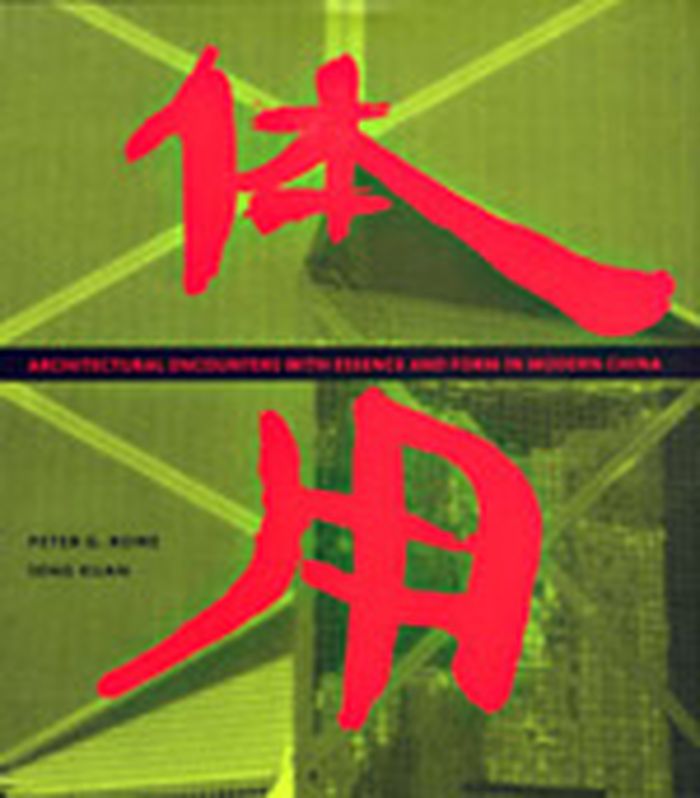
Built around snatches of discussion overheard in a Beijing design studio, this book explores attitudes toward architecture in China since the opening of the Treaty Ports in the 1840s. Central to the discussion are the concepts of ti and yong, or “essence” and “form,” Chinese characters that are used to define the proper arrangement of what should be considered modern and essentially Chinese. Ti and yong have gone through various transformations--for example, from “Chinese learning for essential principles and Western learning for practical application” to “socialist essence and cultural form” and an almost complete reversal to “modern essence and Chinese form.” The book opens with a discussion of cultural developments in China in response to the forced opening to the West in the mid-nineteenth century, efforts to reform the Qing dynasty, and the Nationalist and Communist regimes. It then considers the return of overseas-educated Chinese architects and foreign influences on Chinese architecture, four architectural orientations toward tradition and modernity in the 1920s and 1930s, and the controversy over the use of “big roofs” and other sinicizing aspects of Chinese architecture in the 1950s. The book then moves to the hard economic conditions of the Great Leap Forward and the Cultural Revolution, when architecture was almost abandoned, and the beginning of reform and opening up to the outside world in the late 1970s and 1980s. Finally, it looks at the present socialist market economy and Chinese architecture during the still incomplete process of modernization. It closes with a prognosis for the future.
Architectural encounters with essence and form in modern China
Actions:
Price:
$55.95
(available to order)
Summary:
Built around snatches of discussion overheard in a Beijing design studio, this book explores attitudes toward architecture in China since the opening of the Treaty Ports in the 1840s. Central to the discussion are the concepts of ti and yong, or “essence” and “form,” Chinese characters that are used to define the proper arrangement of what should be considered modern and essentially Chinese. Ti and yong have gone through various transformations--for example, from “Chinese learning for essential principles and Western learning for practical application” to “socialist essence and cultural form” and an almost complete reversal to “modern essence and Chinese form.” The book opens with a discussion of cultural developments in China in response to the forced opening to the West in the mid-nineteenth century, efforts to reform the Qing dynasty, and the Nationalist and Communist regimes. It then considers the return of overseas-educated Chinese architects and foreign influences on Chinese architecture, four architectural orientations toward tradition and modernity in the 1920s and 1930s, and the controversy over the use of “big roofs” and other sinicizing aspects of Chinese architecture in the 1950s. The book then moves to the hard economic conditions of the Great Leap Forward and the Cultural Revolution, when architecture was almost abandoned, and the beginning of reform and opening up to the outside world in the late 1970s and 1980s. Finally, it looks at the present socialist market economy and Chinese architecture during the still incomplete process of modernization. It closes with a prognosis for the future.
Form:
books
books
Publication:
April 2002, Cambridge, Mass.
April 2002, Cambridge, Mass.
Form:
books
books
Price:
$29.95
(available to order)
Summary:
When Richard Reynolds began planting flowers secretly at night outside his tower block in South London, he had no idea that he was part of a growing global movement committed to combating the forces of neglect, land shortage and apathy towards public spaces. But before long, his blog had attracted other guerrillas from around the world to share their experiences of the(...)
$29.95
(available to order)
Summary:
When Richard Reynolds began planting flowers secretly at night outside his tower block in South London, he had no idea that he was part of a growing global movement committed to combating the forces of neglect, land shortage and apathy towards public spaces. But before long, his blog had attracted other guerrillas from around the world to share their experiences of the(...)
Title:
On guerrilla gardening : a handbook for gardening without boundaries
Actions:
Price:
$29.95
(available to order)
Summary:
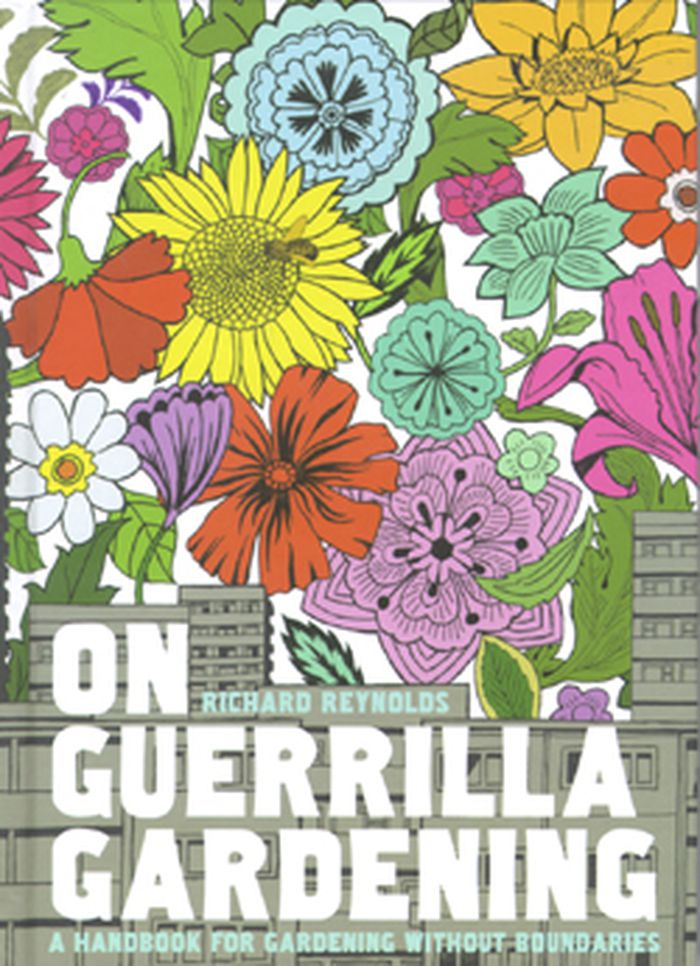
When Richard Reynolds began planting flowers secretly at night outside his tower block in South London, he had no idea that he was part of a growing global movement committed to combating the forces of neglect, land shortage and apathy towards public spaces. But before long, his blog had attracted other guerrillas from around the world to share their experiences of the horticultural frontline, and is now a focal point for guerrilla gardeners everywhere, with over 4,000 people enlisted as recruits. "On Guerrilla Gardening" is Reynolds' lively, colourful treatise on why people illicitly cultivate land and how to do it yourself. From discreetly beautifying corners of Montreal to striving for green communal space in Berlin and sustainable food production in San Francisco, from Christmas trees on London roundabouts to the political agitations of landless workers in Brazil, Reynolds charts a battle that people worldwide are fighting on many different fronts. Along the way he unearths the movement's notable historic advances by seventeenth-century English radicals, a nineteenth-century American entrepreneur and public-spirited artists in 1970s New York. Reynolds has researched the subject with guerrilla gardeners from thirty different countries, and compiles their advice on what to grow where, how to cope with adverse environmental conditions, how to seed-bomb effectively, how to harness propaganda to win support and even how to handle anti-terror police. "On Guerrilla Gardening" informs, entertains and inspires. Packed with photographs, anecdotes and sound horticultural advice, it is an irresistible invitation to shoulder your shovel and join the revolution that is blooming in the world's shared spaces.
On guerrilla gardening : a handbook for gardening without boundaries
Actions:
Price:
$29.95
(available to order)
Summary:
When Richard Reynolds began planting flowers secretly at night outside his tower block in South London, he had no idea that he was part of a growing global movement committed to combating the forces of neglect, land shortage and apathy towards public spaces. But before long, his blog had attracted other guerrillas from around the world to share their experiences of the horticultural frontline, and is now a focal point for guerrilla gardeners everywhere, with over 4,000 people enlisted as recruits. "On Guerrilla Gardening" is Reynolds' lively, colourful treatise on why people illicitly cultivate land and how to do it yourself. From discreetly beautifying corners of Montreal to striving for green communal space in Berlin and sustainable food production in San Francisco, from Christmas trees on London roundabouts to the political agitations of landless workers in Brazil, Reynolds charts a battle that people worldwide are fighting on many different fronts. Along the way he unearths the movement's notable historic advances by seventeenth-century English radicals, a nineteenth-century American entrepreneur and public-spirited artists in 1970s New York. Reynolds has researched the subject with guerrilla gardeners from thirty different countries, and compiles their advice on what to grow where, how to cope with adverse environmental conditions, how to seed-bomb effectively, how to harness propaganda to win support and even how to handle anti-terror police. "On Guerrilla Gardening" informs, entertains and inspires. Packed with photographs, anecdotes and sound horticultural advice, it is an irresistible invitation to shoulder your shovel and join the revolution that is blooming in the world's shared spaces.
Form:
books
books
Publication:
May 2008, London
May 2008, London
Subject:
Landscape Theory
Landscape Theory
Form:
books
books
Actions:
Price:
$32.95
(available in store)
Summary:
The extraordinary architectural heritage of Prague has meant that the city is now regarded as one of the artistic and cultural capitals of the world. The turbulent history of the city is reflected in the range and diversity of buildings discussed in this book: from its baroque (...)
$32.95
(available in store)
Summary:
The extraordinary architectural heritage of Prague has meant that the city is now regarded as one of the artistic and cultural capitals of the world. The turbulent history of the city is reflected in the range and diversity of buildings discussed in this book: from its baroque (...)
Title:
Prague : the buildings of Europe
Actions:
Price:
$32.95
(available in store)
Summary:
The extraordinary architectural heritage of Prague has meant that the city is now regarded as one of the artistic and cultural capitals of the world. The turbulent history of the city is reflected in the range and diversity of buildings discussed in this book: from its baroque churches and palaces to the state offices and housing projects of the post-1945 communist era. The guide covers all aspects of Prague's development since its early years, through its periods of both power and decline from the fifteenth to the twentieth century. Particular attention is paid to the architecture of the last one hundred years. Since the democratic revolution of 1989, the city has once again become a place of pilgrimage for those interested in architecture and design. This book covers some of the most recent architectural projects to be planned in the city. There are over one hundred and fifty entries on individual buildings and architectural projects, sub-divided into historical sections. Each entry provides both historical and technical information on the building, as well as precise details on its location and how to get there. The selection includes the well known landmarks of Prague as well as some less familiar and out-of-the-way buildings. Maps of the city and its environs are also provided. This guide will appeal to those with a general interest in architecture and design, as well as architects, art and architectural historians. It provides practical information for the visitor to Prague, and also serves as an essential architectural history of the city.
Prague : the buildings of Europe
Actions:
Price:
$32.95
(available in store)
Summary:
The extraordinary architectural heritage of Prague has meant that the city is now regarded as one of the artistic and cultural capitals of the world. The turbulent history of the city is reflected in the range and diversity of buildings discussed in this book: from its baroque churches and palaces to the state offices and housing projects of the post-1945 communist era. The guide covers all aspects of Prague's development since its early years, through its periods of both power and decline from the fifteenth to the twentieth century. Particular attention is paid to the architecture of the last one hundred years. Since the democratic revolution of 1989, the city has once again become a place of pilgrimage for those interested in architecture and design. This book covers some of the most recent architectural projects to be planned in the city. There are over one hundred and fifty entries on individual buildings and architectural projects, sub-divided into historical sections. Each entry provides both historical and technical information on the building, as well as precise details on its location and how to get there. The selection includes the well known landmarks of Prague as well as some less familiar and out-of-the-way buildings. Maps of the city and its environs are also provided. This guide will appeal to those with a general interest in architecture and design, as well as architects, art and architectural historians. It provides practical information for the visitor to Prague, and also serves as an essential architectural history of the city.
Form:
books
books
Publication:
July 2000, Manchester
July 2000, Manchester
Subject:
City Guides
City Guides
Form:
books
books
Actions:
Price:
$90.00
(available to order)
Summary:
Henri Cartier-Bresson (1908–2004) is one of the most influential and beloved figures in the history of photography. His inventive work of the early 1930s helped define the creative potential of modern photography. Following World War II, he helped found the Magnum photo agency, which enabled photojournalists to reach a broad audience through magazines such as Life while(...)
$90.00
(available to order)
Summary:
Henri Cartier-Bresson (1908–2004) is one of the most influential and beloved figures in the history of photography. His inventive work of the early 1930s helped define the creative potential of modern photography. Following World War II, he helped found the Magnum photo agency, which enabled photojournalists to reach a broad audience through magazines such as Life while(...)
Title:
Henri Cartier-Bresson : the modern century
Actions:
Price:
$90.00
(available to order)
Summary:
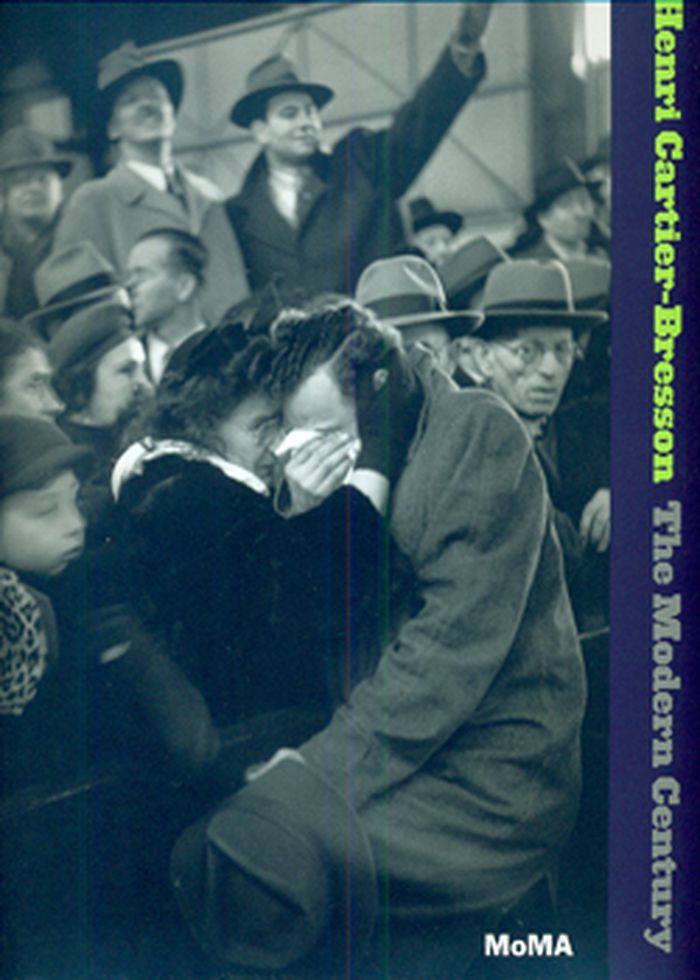
Henri Cartier-Bresson (1908–2004) is one of the most influential and beloved figures in the history of photography. His inventive work of the early 1930s helped define the creative potential of modern photography. Following World War II, he helped found the Magnum photo agency, which enabled photojournalists to reach a broad audience through magazines such as Life while retaining control over their work. Cartier-Bresson would go on to produce major bodies of photographic reportage, capturing such events as China during the revolution, the Soviet Union after Stalin's death, the United States in the postwar boom and Europe as its older cultures confronted modern realities. Published to accompany an exhibition at The Museum of Modern Art, this is the first major publication to make full use of the extensive holdings of the Fondation Cartier-Bresson — including thousands of prints and a vast resource of documents relating to the photographer's life and work. The heart of the book surveys Cartier-Bresson's career through 300 photographs divided into 12 chapters. While many of his most famous pictures are included, a great number of images will be unfamiliar even to specialists. A wide-ranging essay by Peter Galassi, Chief Curator of Photography at the Museum, offers an entirely new understanding of Cartier-Bresson's extraordinary career and its overlapping contexts of journalism and art. The extensive supporting material — featuring detailed chronologies of the photographer's professional travels and of spreads of his picture stories as they appeared in magazines — will revolutionize the study of Cartier-Bresson's work.
Henri Cartier-Bresson : the modern century
Actions:
Price:
$90.00
(available to order)
Summary:
Henri Cartier-Bresson (1908–2004) is one of the most influential and beloved figures in the history of photography. His inventive work of the early 1930s helped define the creative potential of modern photography. Following World War II, he helped found the Magnum photo agency, which enabled photojournalists to reach a broad audience through magazines such as Life while retaining control over their work. Cartier-Bresson would go on to produce major bodies of photographic reportage, capturing such events as China during the revolution, the Soviet Union after Stalin's death, the United States in the postwar boom and Europe as its older cultures confronted modern realities. Published to accompany an exhibition at The Museum of Modern Art, this is the first major publication to make full use of the extensive holdings of the Fondation Cartier-Bresson — including thousands of prints and a vast resource of documents relating to the photographer's life and work. The heart of the book surveys Cartier-Bresson's career through 300 photographs divided into 12 chapters. While many of his most famous pictures are included, a great number of images will be unfamiliar even to specialists. A wide-ranging essay by Peter Galassi, Chief Curator of Photography at the Museum, offers an entirely new understanding of Cartier-Bresson's extraordinary career and its overlapping contexts of journalism and art. The extensive supporting material — featuring detailed chronologies of the photographer's professional travels and of spreads of his picture stories as they appeared in magazines — will revolutionize the study of Cartier-Bresson's work.
Form:
books
books
Publication:
April 2010
April 2010
Subject:
Photography monographs
Photography monographs


