


2616 Results
Form:
books
books
Price:
$59.95
(available to order)
Summary:
Alors que les techniques d'impression numérique paraissent de plus en plus indispensables, de nombreux créateurs font le choix de revenir à des techniques plus traditionnelles, qu'ils remettent au goût du jour. Ainsi, au même titre que la sérigraphie il y a quelques années, la risographie fait un retour fracassant sur la scène créative mondiale. Cet ouvrage est une(...)
$59.95
(available to order)
Summary:
Alors que les techniques d'impression numérique paraissent de plus en plus indispensables, de nombreux créateurs font le choix de revenir à des techniques plus traditionnelles, qu'ils remettent au goût du jour. Ainsi, au même titre que la sérigraphie il y a quelques années, la risographie fait un retour fracassant sur la scène créative mondiale. Cet ouvrage est une(...)
Title:
Risomania
Actions:
Price:
$59.95
(available to order)
Summary:
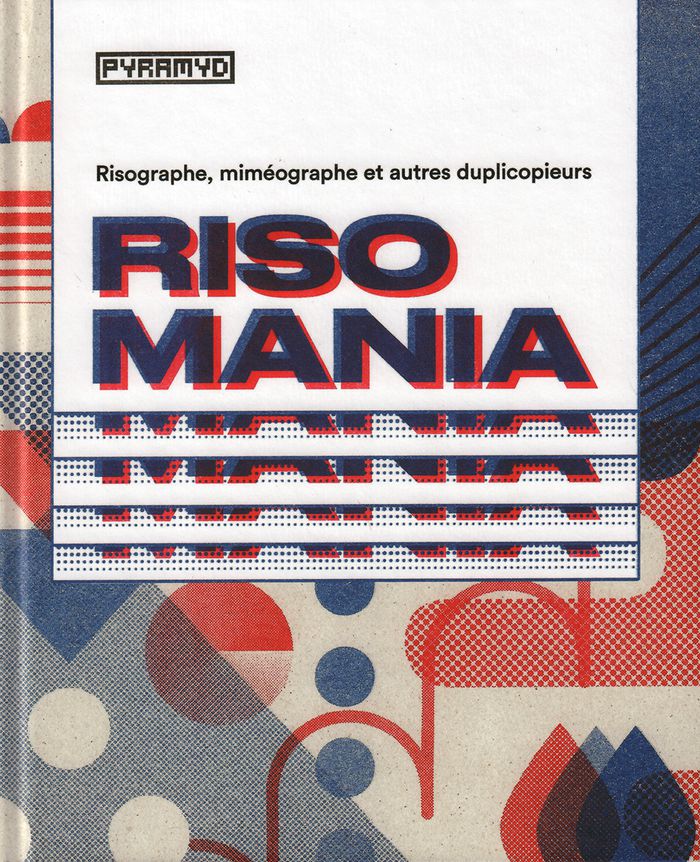
Alors que les techniques d'impression numérique paraissent de plus en plus indispensables, de nombreux créateurs font le choix de revenir à des techniques plus traditionnelles, qu'ils remettent au goût du jour. Ainsi, au même titre que la sérigraphie il y a quelques années, la risographie fait un retour fracassant sur la scène créative mondiale. Cet ouvrage est une plongée dans l'univers de la "riso" et des techniques proches. Rappelant d'abord l'historique des techniques basées sur le pochoir et le duplicata, les auteurs font ensuite un focus sur la risographie et la miméographie. Les auteurs présentent les principaux studios de création utilisant actuellement ces techniques, de Londres à Tokyo en passant par Chicago et Paris. Ils mettent en avant des créateurs et des réalisations hors du commun tout au long d'une véritable galerie artistique. Enfin, ils guident pas à pas les lecteurs dans les étapes précédant l'impression (choix du papier, des couleurs, etc.) et leur livrent des conseils. A la fois livre d'inspiration, manuel technique et état des lieux d'un phénomène montant, Risomania est le premier titre français consacré au sujet !
Risomania
Actions:
Price:
$59.95
(available to order)
Summary:
Alors que les techniques d'impression numérique paraissent de plus en plus indispensables, de nombreux créateurs font le choix de revenir à des techniques plus traditionnelles, qu'ils remettent au goût du jour. Ainsi, au même titre que la sérigraphie il y a quelques années, la risographie fait un retour fracassant sur la scène créative mondiale. Cet ouvrage est une plongée dans l'univers de la "riso" et des techniques proches. Rappelant d'abord l'historique des techniques basées sur le pochoir et le duplicata, les auteurs font ensuite un focus sur la risographie et la miméographie. Les auteurs présentent les principaux studios de création utilisant actuellement ces techniques, de Londres à Tokyo en passant par Chicago et Paris. Ils mettent en avant des créateurs et des réalisations hors du commun tout au long d'une véritable galerie artistique. Enfin, ils guident pas à pas les lecteurs dans les étapes précédant l'impression (choix du papier, des couleurs, etc.) et leur livrent des conseils. A la fois livre d'inspiration, manuel technique et état des lieux d'un phénomène montant, Risomania est le premier titre français consacré au sujet !
Form:
books
books
Publication:
October 2016
October 2016
Subject:
Printed Matter
Printed Matter
Form:
books
books
Actions:
Price:
$79.95
(available to order)
Summary:
Une présentation exhaustive de l'œuvre d'un architecte qui marqua fortement la première moitié du XXe siècle. Influencé par Josef Hoffmann, l'architecte viennois du palais Stoclet, à Bruxelles, Mallet-Stevens se révèle, dans cet ouvrage qui réunit des archives et une iconographie pour une part inédites, un des acteurs majeurs du développement en France de l'architecture(...)
$79.95
(available to order)
Summary:
Une présentation exhaustive de l'œuvre d'un architecte qui marqua fortement la première moitié du XXe siècle. Influencé par Josef Hoffmann, l'architecte viennois du palais Stoclet, à Bruxelles, Mallet-Stevens se révèle, dans cet ouvrage qui réunit des archives et une iconographie pour une part inédites, un des acteurs majeurs du développement en France de l'architecture(...)
Title:
Robert Mallet-Stevens : l'oeuvre complète
Actions:
Price:
$79.95
(available to order)
Summary:
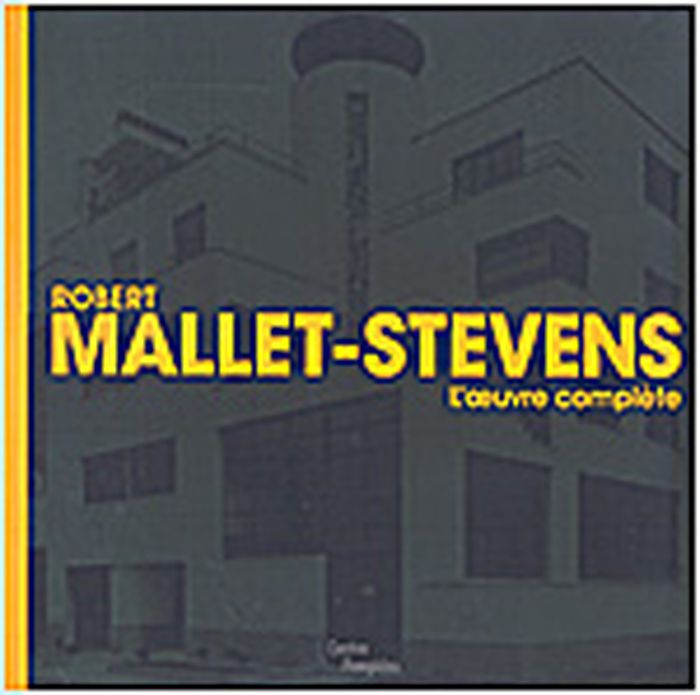
Une présentation exhaustive de l'œuvre d'un architecte qui marqua fortement la première moitié du XXe siècle. Influencé par Josef Hoffmann, l'architecte viennois du palais Stoclet, à Bruxelles, Mallet-Stevens se révèle, dans cet ouvrage qui réunit des archives et une iconographie pour une part inédites, un des acteurs majeurs du développement en France de l'architecture moderne. En témoignent autant ses réalisations (le château de Paul Poiret à Mézy, la Villa des Noailles à Hyères, la Villa Cavrois à Croix, le casino de Saint-Jean-de-Luz, des ateliers et des maisons bordant la rue Mallet-Stevens, une caserne de pompiers, à Paris, et une distillerie à Istanbul...) que ses participations remarquées à l'Exposition des arts décoratifs de 1925 (les arbres en ciment et le Pavillon du Tourisme), à l'Exposition internationale des arts et des techniques de 1937 (les Pavillons de la Solidarité nationale, de l'Hygiène, de l'Électricité et de la Lumière...), aux concours pour les deux musées d'art moderne du palais de Tokyo et pour l'aéroport du Bourget.
Robert Mallet-Stevens : l'oeuvre complète
Actions:
Price:
$79.95
(available to order)
Summary:
Une présentation exhaustive de l'œuvre d'un architecte qui marqua fortement la première moitié du XXe siècle. Influencé par Josef Hoffmann, l'architecte viennois du palais Stoclet, à Bruxelles, Mallet-Stevens se révèle, dans cet ouvrage qui réunit des archives et une iconographie pour une part inédites, un des acteurs majeurs du développement en France de l'architecture moderne. En témoignent autant ses réalisations (le château de Paul Poiret à Mézy, la Villa des Noailles à Hyères, la Villa Cavrois à Croix, le casino de Saint-Jean-de-Luz, des ateliers et des maisons bordant la rue Mallet-Stevens, une caserne de pompiers, à Paris, et une distillerie à Istanbul...) que ses participations remarquées à l'Exposition des arts décoratifs de 1925 (les arbres en ciment et le Pavillon du Tourisme), à l'Exposition internationale des arts et des techniques de 1937 (les Pavillons de la Solidarité nationale, de l'Hygiène, de l'Électricité et de la Lumière...), aux concours pour les deux musées d'art moderne du palais de Tokyo et pour l'aéroport du Bourget.
Form:
books
books
Publication:
April 2005, Paris
April 2005, Paris
Subject:
Architecture Monographs
Architecture Monographs
Form:
books
books
Actions:
Price:
$54.95
(available to order)
Summary:
What form of housing will emerge in Dubai, where the majority of the population are non-citizens and average length of stay three days? How will depopulating cities reclaim vacant space, reorganize infrastructure and redefine their economic identity? What type of architecture results from the prevalence of airborne contaminants? What kind of urbanism does Google Earth(...)
$54.95
(available to order)
Summary:
What form of housing will emerge in Dubai, where the majority of the population are non-citizens and average length of stay three days? How will depopulating cities reclaim vacant space, reorganize infrastructure and redefine their economic identity? What type of architecture results from the prevalence of airborne contaminants? What kind of urbanism does Google Earth(...)
Title:
Distributed urbanism : cities after Google Earth
Actions:
Price:
$54.95
(available to order)
Summary:
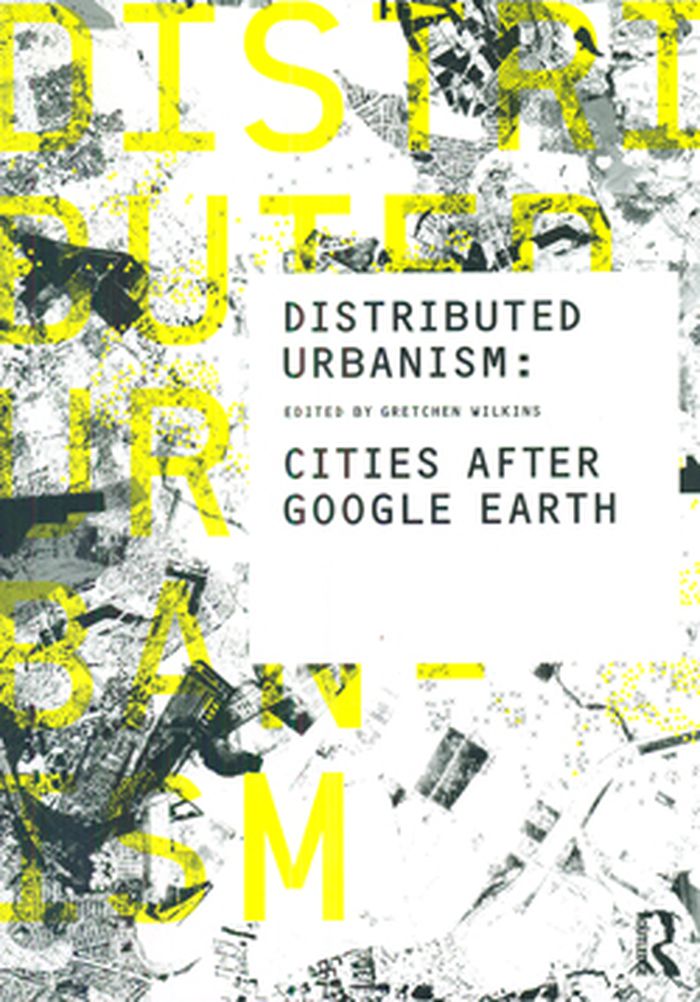
What form of housing will emerge in Dubai, where the majority of the population are non-citizens and average length of stay three days? How will depopulating cities reclaim vacant space, reorganize infrastructure and redefine their economic identity? What type of architecture results from the prevalence of airborne contaminants? What kind of urbanism does Google Earth produce? Exploring the increasingly decentralized systems through which cities are organized and produced, this publication highlights the architectural practices that are emerging in response. Unlike early models of urbanism, in which centralized models of production, communication and governance were sited within a central business district, contemporary urbanism is shaped by remote, distributed mechanisms such as information technologies, (i.e. SatNav, Google Earth, E-trade, Photosynth or RSS web feeds) cooperative economic models and environmental networks, many of which are physically remote from the cities they shape. Consisting of a collection of case studies on global cities including Rotterdam, Tokyo, Barcelona, Detroit, Hong Kong, Dubai, Beijing and Mumbai, the authors draw on these cities in relation to current events, urban schemes and demographic data.
Distributed urbanism : cities after Google Earth
Actions:
Price:
$54.95
(available to order)
Summary:
What form of housing will emerge in Dubai, where the majority of the population are non-citizens and average length of stay three days? How will depopulating cities reclaim vacant space, reorganize infrastructure and redefine their economic identity? What type of architecture results from the prevalence of airborne contaminants? What kind of urbanism does Google Earth produce? Exploring the increasingly decentralized systems through which cities are organized and produced, this publication highlights the architectural practices that are emerging in response. Unlike early models of urbanism, in which centralized models of production, communication and governance were sited within a central business district, contemporary urbanism is shaped by remote, distributed mechanisms such as information technologies, (i.e. SatNav, Google Earth, E-trade, Photosynth or RSS web feeds) cooperative economic models and environmental networks, many of which are physically remote from the cities they shape. Consisting of a collection of case studies on global cities including Rotterdam, Tokyo, Barcelona, Detroit, Hong Kong, Dubai, Beijing and Mumbai, the authors draw on these cities in relation to current events, urban schemes and demographic data.
Form:
books
books
Publication:
July 2010
July 2010
Subject:
Urban Theory
Urban Theory
Form:
books
books
Actions:
Price:
$82.95
(available to order)
Summary:
Artpress est né quand Beaubourg n'était encore qu'un grand trou, attendant qu'on y dresse le Centre Georges-Pompidou. L'art minimal s'imposait à New York, là où venait d'ouvrir The Kitchen, foyer de toute une génération nouvelle de danseurs et de performers. Aujourd'hui, le magazine montre le palais de Tokyo rénové et disposant désormais de 22 000 mètres carrés pour(...)
$82.95
(available to order)
Summary:
Artpress est né quand Beaubourg n'était encore qu'un grand trou, attendant qu'on y dresse le Centre Georges-Pompidou. L'art minimal s'imposait à New York, là où venait d'ouvrir The Kitchen, foyer de toute une génération nouvelle de danseurs et de performers. Aujourd'hui, le magazine montre le palais de Tokyo rénové et disposant désormais de 22 000 mètres carrés pour(...)
Title:
Art press, l'album : 40 ans de création
Actions:
Price:
$82.95
(available to order)
Summary:
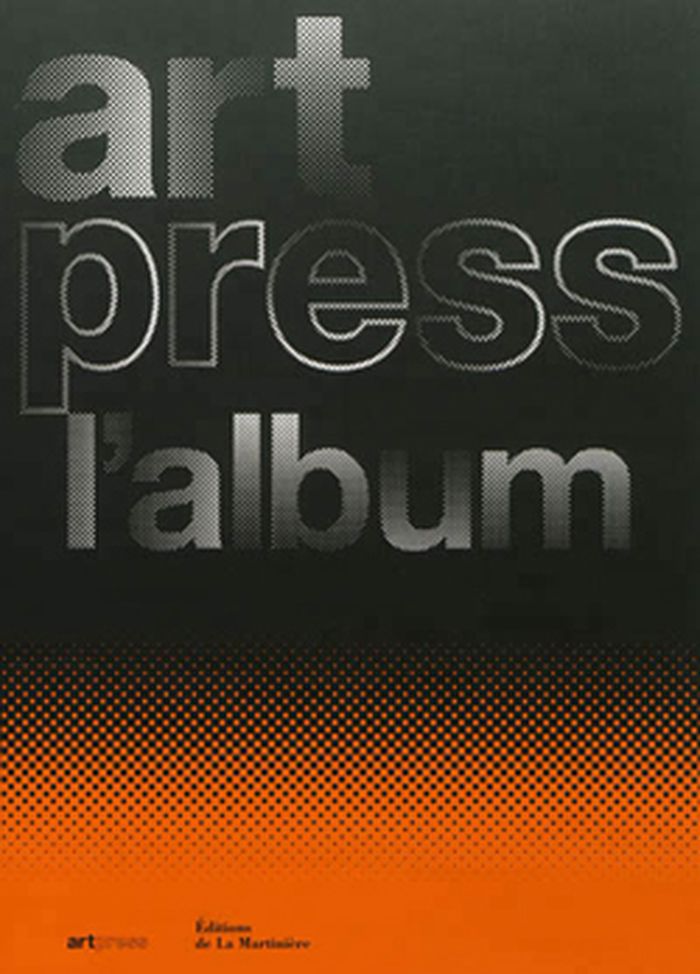
Artpress est né quand Beaubourg n'était encore qu'un grand trou, attendant qu'on y dresse le Centre Georges-Pompidou. L'art minimal s'imposait à New York, là où venait d'ouvrir The Kitchen, foyer de toute une génération nouvelle de danseurs et de performers. Aujourd'hui, le magazine montre le palais de Tokyo rénové et disposant désormais de 22 000 mètres carrés pour exposer l'art contemporain et interviewe l'artiste chinois Ai Weiwei, assigné à résidence par les autorités de son pays. Pour une liberté d'expression inconditionnelle, contre tous les sectarismes et les archaïsmes, d'Andy Warhol à Jeff Wall, de Jacques Lacan à Jean-Paul II, de Tel Quel à Michel Houellebecq, de Pierre Boulez à Christian Marclay, ce sont 40 ans de vie artistique et littéraire que retrace cet album. Une large sélection de couvertures et d'articles met en lumière quatre décennies d'existence d'un magazine indépendant, considéré comme le meilleur en France dans son domaine, et qui ne manque jamais d'être partie prenante des débats esthétiques et des combats idéologiques de son époque.
Art press, l'album : 40 ans de création
Actions:
Price:
$82.95
(available to order)
Summary:
Artpress est né quand Beaubourg n'était encore qu'un grand trou, attendant qu'on y dresse le Centre Georges-Pompidou. L'art minimal s'imposait à New York, là où venait d'ouvrir The Kitchen, foyer de toute une génération nouvelle de danseurs et de performers. Aujourd'hui, le magazine montre le palais de Tokyo rénové et disposant désormais de 22 000 mètres carrés pour exposer l'art contemporain et interviewe l'artiste chinois Ai Weiwei, assigné à résidence par les autorités de son pays. Pour une liberté d'expression inconditionnelle, contre tous les sectarismes et les archaïsmes, d'Andy Warhol à Jeff Wall, de Jacques Lacan à Jean-Paul II, de Tel Quel à Michel Houellebecq, de Pierre Boulez à Christian Marclay, ce sont 40 ans de vie artistique et littéraire que retrace cet album. Une large sélection de couvertures et d'articles met en lumière quatre décennies d'existence d'un magazine indépendant, considéré comme le meilleur en France dans son domaine, et qui ne manque jamais d'être partie prenante des débats esthétiques et des combats idéologiques de son époque.
Form:
books
books
Publication:
February 2013
February 2013
Subject:
Art Theory
Art Theory
Form:
books
books
Title:
Kertész : made in USA
Kertész : made in USA
Actions:
Price:
$84.95
(available to order)
Summary:
André Kertész fait partie de ces photographes cultes tout comme le sont Doisneau, Corbeau et Cartier Bresson. Né en 1894 à Budapest, André Kertész a inspiré un grand nombre de nos photographes contemporains par la qualité et la diversité de son travail. Après quelques années passées en France, c’est à New-York qu’il va s’installer pour travailler pour plusieurs magazines.(...)
$84.95
(available to order)
Summary:
André Kertész fait partie de ces photographes cultes tout comme le sont Doisneau, Corbeau et Cartier Bresson. Né en 1894 à Budapest, André Kertész a inspiré un grand nombre de nos photographes contemporains par la qualité et la diversité de son travail. Après quelques années passées en France, c’est à New-York qu’il va s’installer pour travailler pour plusieurs magazines.(...)
Title:
Kertész : made in USA
Actions:
Price:
$84.95
(available to order)
Summary:
André Kertész fait partie de ces photographes cultes tout comme le sont Doisneau, Corbeau et Cartier Bresson. Né en 1894 à Budapest, André Kertész a inspiré un grand nombre de nos photographes contemporains par la qualité et la diversité de son travail. Après quelques années passées en France, c’est à New-York qu’il va s’installer pour travailler pour plusieurs magazines. Son regard sur l’architecture, l’ombre et les distorsions le font se distinguer dans de nombreuses expositions à Paris, au Museum of Modern Art de New-York (1964), Tokyo (1965), Stockholm (1967), Invité d’honneur à Arles (1974), Centre Georges Pompidou (1977), University of Salford (1980), Jérusalem, Musée Israël (1980), Norfolk Chrysler Museum (1982), New-York Susan Halder Gallery (1982), Grand international de la photographie (1982), Art Institute of Chicago (1985), Metropolitan Museum of Art of New-York (1985). André Kertész est de ces grands qui ont su travailler sans cesse pour contribuer à donner à la photographie ses lettres de noblesse dans le domaine de l’art et inspirer toute une génération de grands photographes qui témoignent dans cet ouvrage de tout le talent d’André Kertész et de son incontournable influence.
Kertész : made in USA
Actions:
Price:
$84.95
(available to order)
Summary:
André Kertész fait partie de ces photographes cultes tout comme le sont Doisneau, Corbeau et Cartier Bresson. Né en 1894 à Budapest, André Kertész a inspiré un grand nombre de nos photographes contemporains par la qualité et la diversité de son travail. Après quelques années passées en France, c’est à New-York qu’il va s’installer pour travailler pour plusieurs magazines. Son regard sur l’architecture, l’ombre et les distorsions le font se distinguer dans de nombreuses expositions à Paris, au Museum of Modern Art de New-York (1964), Tokyo (1965), Stockholm (1967), Invité d’honneur à Arles (1974), Centre Georges Pompidou (1977), University of Salford (1980), Jérusalem, Musée Israël (1980), Norfolk Chrysler Museum (1982), New-York Susan Halder Gallery (1982), Grand international de la photographie (1982), Art Institute of Chicago (1985), Metropolitan Museum of Art of New-York (1985). André Kertész est de ces grands qui ont su travailler sans cesse pour contribuer à donner à la photographie ses lettres de noblesse dans le domaine de l’art et inspirer toute une génération de grands photographes qui témoignent dans cet ouvrage de tout le talent d’André Kertész et de son incontournable influence.
Form:
books
books
Publication:
January 2004, Paris
January 2004, Paris
Subject:
Photography monographs
Photography monographs
Form:
books
books
Actions:
Price:
$84.50
(available to order)
Summary:
"Crafting a Modern World" is the first comprehensive book in English on Antonin and Noémi Raymond, a duo that creatively transformed design from 1917 to 1966. Best known for a series of finely detailed structures built in Japan during the 1930s, the Raymonds had prolific careers that included designs for factories, office buildings, churches, and schools as well as(...)
$84.50
(available to order)
Summary:
"Crafting a Modern World" is the first comprehensive book in English on Antonin and Noémi Raymond, a duo that creatively transformed design from 1917 to 1966. Best known for a series of finely detailed structures built in Japan during the 1930s, the Raymonds had prolific careers that included designs for factories, office buildings, churches, and schools as well as(...)
Subject:
Architecture Monographs
Architecture Monographs
Publication:
September 2006, New York
September 2006, New York
Title:
Crafting a modern world : the architecture and design of Antonin and Noémi Raymond
Actions:
Price:
$84.50
(available to order)
Summary:
"Crafting a Modern World" is the first comprehensive book in English on Antonin and Noémi Raymond, a duo that creatively transformed design from 1917 to 1966. Best known for a series of finely detailed structures built in Japan during the 1930s, the Raymonds had prolific careers that included designs for factories, office buildings, churches, and schools as well as furniture, fabrics, and graphic design. The Raymonds combined their European modern roots with the vernacular craft traditions they discovered in regions as diverse as Japan, India, and rural Pennsylvania. They also collaborated with some of the twentieth century's leading thinkers and artists, including Frank Lloyd Wright, Cass Gilbert, Isamu Noguchi, George Nakashima, and Fernand Léger. Inspired by the conventions of traditional Japanese buildings, they brought a high level of attention to craft to all their work, from churches in Chicago and Karuizawa to the Tokyo Tennis Club, the Pacific Cable Company Station in Guam, the Golconde Dormitory in India, and houses throughout the northeastern U.S., including their own modernist interventions at a rural farmhouse in New Hope, Pennsylvania. Four essays round out this examination of the Raymonds' careers.
Crafting a modern world : the architecture and design of Antonin and Noémi Raymond
Actions:
Price:
$84.50
(available to order)
Summary:
"Crafting a Modern World" is the first comprehensive book in English on Antonin and Noémi Raymond, a duo that creatively transformed design from 1917 to 1966. Best known for a series of finely detailed structures built in Japan during the 1930s, the Raymonds had prolific careers that included designs for factories, office buildings, churches, and schools as well as furniture, fabrics, and graphic design. The Raymonds combined their European modern roots with the vernacular craft traditions they discovered in regions as diverse as Japan, India, and rural Pennsylvania. They also collaborated with some of the twentieth century's leading thinkers and artists, including Frank Lloyd Wright, Cass Gilbert, Isamu Noguchi, George Nakashima, and Fernand Léger. Inspired by the conventions of traditional Japanese buildings, they brought a high level of attention to craft to all their work, from churches in Chicago and Karuizawa to the Tokyo Tennis Club, the Pacific Cable Company Station in Guam, the Golconde Dormitory in India, and houses throughout the northeastern U.S., including their own modernist interventions at a rural farmhouse in New Hope, Pennsylvania. Four essays round out this examination of the Raymonds' careers.
Form:
books
books
Publication:
September 2006, New York
September 2006, New York
Subject:
Architecture Monographs
Architecture Monographs
Form:
books
books
Title:
Rafael Vinoly
Rafael Vinoly
Actions:
Price:
$140.00
(available to order)
Summary:
Rafael Viñoly is arguably our most consummate practitioner of architecture; Herbert Muschamp of the New York Times calls him "the most elegant architect now practicing in the United States," one whose powerful buildings "quicken your awareness of the present and its untapped possibilities." In a breathtaking list of major commissions, Viñoly has taken projects of an(...)
$140.00
(available to order)
Summary:
Rafael Viñoly is arguably our most consummate practitioner of architecture; Herbert Muschamp of the New York Times calls him "the most elegant architect now practicing in the United States," one whose powerful buildings "quicken your awareness of the present and its untapped possibilities." In a breathtaking list of major commissions, Viñoly has taken projects of an(...)
Title:
Rafael Vinoly
Actions:
Price:
$140.00
(available to order)
Summary:
Rafael Viñoly is arguably our most consummate practitioner of architecture; Herbert Muschamp of the New York Times calls him "the most elegant architect now practicing in the United States," one whose powerful buildings "quicken your awareness of the present and its untapped possibilities." In a breathtaking list of major commissions, Viñoly has taken projects of an often conventional nature-conference centers, recital halls, exhibition halls, sports facilities-and transformed them into unconvential works of beauty, notable for their lucidity, and often breathtaking technical prowess. This encyclopedic monograph, designed by Lars Müller in the same spirit as his "Peter Zumthor: Works", is the first on Viñoly, and includes projects in the United States, Argentina, Egypt, Korea, and Japan. Featured are the recently opened Kimmel Performing Arts Center-the new home of the Philaldelphia Orchestra, the Pittsburgh Convention Center, the Climate Prediction Center on the Palisades, the Princeton University Stadium, and the dazzling Tokyo Forum-the gracefully expressive building Muschamp describes as "an absolutist building, perfectly realized." An essay by Joan Ockman, Director of the Buell Center of American Architecture at Columbia University, introduces Viñoly's work, which is copiously documented in more than 500 color images and drawings.
Rafael Vinoly
Actions:
Price:
$140.00
(available to order)
Summary:
Rafael Viñoly is arguably our most consummate practitioner of architecture; Herbert Muschamp of the New York Times calls him "the most elegant architect now practicing in the United States," one whose powerful buildings "quicken your awareness of the present and its untapped possibilities." In a breathtaking list of major commissions, Viñoly has taken projects of an often conventional nature-conference centers, recital halls, exhibition halls, sports facilities-and transformed them into unconvential works of beauty, notable for their lucidity, and often breathtaking technical prowess. This encyclopedic monograph, designed by Lars Müller in the same spirit as his "Peter Zumthor: Works", is the first on Viñoly, and includes projects in the United States, Argentina, Egypt, Korea, and Japan. Featured are the recently opened Kimmel Performing Arts Center-the new home of the Philaldelphia Orchestra, the Pittsburgh Convention Center, the Climate Prediction Center on the Palisades, the Princeton University Stadium, and the dazzling Tokyo Forum-the gracefully expressive building Muschamp describes as "an absolutist building, perfectly realized." An essay by Joan Ockman, Director of the Buell Center of American Architecture at Columbia University, introduces Viñoly's work, which is copiously documented in more than 500 color images and drawings.
Form:
books
books
Publication:
November 2002, New York
November 2002, New York
Subject:
Architecture Monographs
Architecture Monographs
Form:
books
books
Title:
Herzog & de Meuron 1978-2002
Herzog & de Meuron 1978-2002
Actions:
Price:
$76.95
(available to order)
Summary:
This "Special Edition" from a+u includes essays by Jacques Herzog and Pierre de Meuron as well as Toyo Ito. Projects illustrated include: Prada, Tokyo; Walker Art Center, Expansion of the Museum and Cultural Center; new de Young Museum; Schaulager for the Emanuel Hoffmann Foundation; Cottbus University Library; Centro Cultural - Museum and Cultural Centre;(...)
$76.95
(available to order)
Summary:
This "Special Edition" from a+u includes essays by Jacques Herzog and Pierre de Meuron as well as Toyo Ito. Projects illustrated include: Prada, Tokyo; Walker Art Center, Expansion of the Museum and Cultural Center; new de Young Museum; Schaulager for the Emanuel Hoffmann Foundation; Cottbus University Library; Centro Cultural - Museum and Cultural Centre;(...)
Subject:
Architecture Monographs
Architecture Monographs
Publication:
January 1900, Tokyo
January 1900, Tokyo
Title:
Herzog & de Meuron 1978-2002
Actions:
Price:
$76.95
(available to order)
Summary:
This "Special Edition" from a+u includes essays by Jacques Herzog and Pierre de Meuron as well as Toyo Ito. Projects illustrated include: Prada, Tokyo; Walker Art Center, Expansion of the Museum and Cultural Center; new de Young Museum; Schaulager for the Emanuel Hoffmann Foundation; Cottbus University Library; Centro Cultural - Museum and Cultural Centre; The New Link Quai in Santa Cruz de Tenerife/Plaza de Espana; Kramlich Residence and Media Collection; The Virtual House; St. Jakob Park Basel; Football Stadium, Commercial Centre and Residence for Elderly People; Wood House; Greek Orthodox Church. Completed works include the following: Blue House; Stone House; Apartment and Commercial Building, Schutzenmattstrasse; Apartment Building along a Party Wall, Hebelstrasse; E,D,E,N, Pavilion; Ricola Storage Building; Railway Engine Depot, Auf dem Wolf; Signal Box, Auf dem Wolf; Gallery for a Private Collection of Modern Art, Goetz Collection; Ricola-Europe SA. Production and Storage Building; Roche Pharma-Research Building; Library of the Eberswalde Technical School; Central Signal Tower; Tate Modern; House in Leymen; Caricature and Cartoon Museum - conversion and new building; Institute for Hospital Pharmaceuticals, Rossetti Grounds; Studio Rémy Zaugg; Dominus Winery; Apartment Buildings, Rue des Suisses; Küppersmühle Museum - Grothe Collection; Ricola Marketing Building.
Herzog & de Meuron 1978-2002
Actions:
Price:
$76.95
(available to order)
Summary:
This "Special Edition" from a+u includes essays by Jacques Herzog and Pierre de Meuron as well as Toyo Ito. Projects illustrated include: Prada, Tokyo; Walker Art Center, Expansion of the Museum and Cultural Center; new de Young Museum; Schaulager for the Emanuel Hoffmann Foundation; Cottbus University Library; Centro Cultural - Museum and Cultural Centre; The New Link Quai in Santa Cruz de Tenerife/Plaza de Espana; Kramlich Residence and Media Collection; The Virtual House; St. Jakob Park Basel; Football Stadium, Commercial Centre and Residence for Elderly People; Wood House; Greek Orthodox Church. Completed works include the following: Blue House; Stone House; Apartment and Commercial Building, Schutzenmattstrasse; Apartment Building along a Party Wall, Hebelstrasse; E,D,E,N, Pavilion; Ricola Storage Building; Railway Engine Depot, Auf dem Wolf; Signal Box, Auf dem Wolf; Gallery for a Private Collection of Modern Art, Goetz Collection; Ricola-Europe SA. Production and Storage Building; Roche Pharma-Research Building; Library of the Eberswalde Technical School; Central Signal Tower; Tate Modern; House in Leymen; Caricature and Cartoon Museum - conversion and new building; Institute for Hospital Pharmaceuticals, Rossetti Grounds; Studio Rémy Zaugg; Dominus Winery; Apartment Buildings, Rue des Suisses; Küppersmühle Museum - Grothe Collection; Ricola Marketing Building.
Form:
books
books
Publication:
January 1900, Tokyo
January 1900, Tokyo
Subject:
Architecture Monographs
Architecture Monographs
Form:
books
books
Actions:
(available to order)
Summary:
Frank Lloyd Wright’s wife, Olgivanna, is famously quoted as saying that "My husband seemed to thrive on hardships." From the years 1920 to 1932 Wright’s fortunes were at a low ebb; he was plagued by financial, personal, and professional setbacks, but saw the time as one of challenges instead of one of defeat. Unable to find patrons, his imagination led to visionary, often(...)
Title:
Frank Lloyd Wright: the heroic years: 1920-1932
Actions:
(available to order)
Summary:
Frank Lloyd Wright’s wife, Olgivanna, is famously quoted as saying that "My husband seemed to thrive on hardships." From the years 1920 to 1932 Wright’s fortunes were at a low ebb; he was plagued by financial, personal, and professional setbacks, but saw the time as one of challenges instead of one of defeat. Unable to find patrons, his imagination led to visionary, often splendid, architectural conceptions that laid the groundwork for the revolutionary architecture he would build in the decades to follow. During this period he designed almost fifty projects, of which only a few were realized, but those few are seen today as among his most important creations. They include the majestic Imperial Hotel in Tokyo, four exquisite textured concrete block houses in Los Angeles, renovations and additions to his beloved home, Taliesin, in Wisconsin, the Octillo Desert Camp in Chandler, Arizona, and his work as design consultant for the lavish Arizona Biltmore Hotel and Cottages in the desert in Phoenix. Rare and unseen photos as well as little-known drawings from this period are on lavish display in this important work on the master architect.
Frank Lloyd Wright: the heroic years: 1920-1932
Actions:
(available to order)
Summary:
Frank Lloyd Wright’s wife, Olgivanna, is famously quoted as saying that "My husband seemed to thrive on hardships." From the years 1920 to 1932 Wright’s fortunes were at a low ebb; he was plagued by financial, personal, and professional setbacks, but saw the time as one of challenges instead of one of defeat. Unable to find patrons, his imagination led to visionary, often splendid, architectural conceptions that laid the groundwork for the revolutionary architecture he would build in the decades to follow. During this period he designed almost fifty projects, of which only a few were realized, but those few are seen today as among his most important creations. They include the majestic Imperial Hotel in Tokyo, four exquisite textured concrete block houses in Los Angeles, renovations and additions to his beloved home, Taliesin, in Wisconsin, the Octillo Desert Camp in Chandler, Arizona, and his work as design consultant for the lavish Arizona Biltmore Hotel and Cottages in the desert in Phoenix. Rare and unseen photos as well as little-known drawings from this period are on lavish display in this important work on the master architect.
Form:
books
books
Publication:
April 2009
April 2009
Subject:
Architecture Monographs
Architecture Monographs
Form:
books
books
Actions:
Price:
$74.95
(available to order)
Summary:
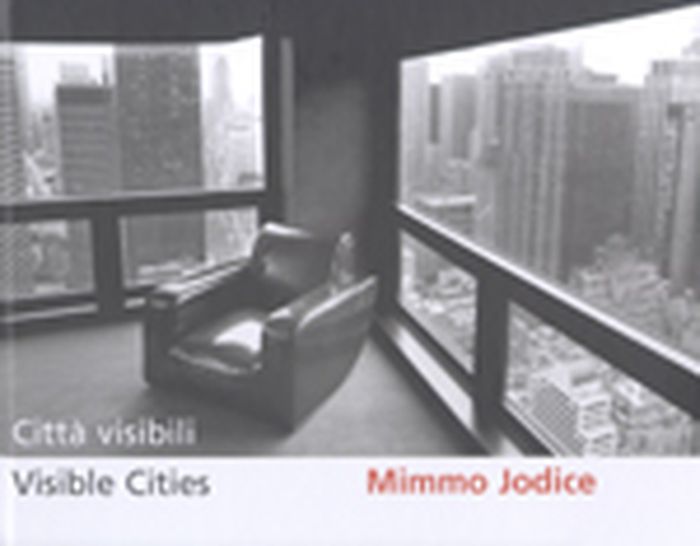
Born in 1934 in Naples--where he still lives and works--Mimmo Jodice has been at the top of his profession, one of the great Italian masters of photography, for more than 45 years. This volume celebrates Jodice's architectural work, uniting his portraits of eight world capitals into a kind of self-portrait. Four of the cities have been the subjects of previous titles:(...)
$74.95
(available to order)
Summary:
Born in 1934 in Naples--where he still lives and works--Mimmo Jodice has been at the top of his profession, one of the great Italian masters of photography, for more than 45 years. This volume celebrates Jodice's architectural work, uniting his portraits of eight world capitals into a kind of self-portrait. Four of the cities have been the subjects of previous titles:(...)
Subject:
Photography monographs
Photography monographs
Publication:
April 2007, Milan
April 2007, Milan
Title:
Mimmo Jodice : visible cities
Actions:
Price:
$74.95
(available to order)
Summary:
Born in 1934 in Naples--where he still lives and works--Mimmo Jodice has been at the top of his profession, one of the great Italian masters of photography, for more than 45 years. This volume celebrates Jodice's architectural work, uniting his portraits of eight world capitals into a kind of self-portrait. Four of the cities have been the subjects of previous titles: Paris: City of Light; Inlands: A Vision of Boston; São Paulo and La città invisibile: Nuove vedute di Napoli; and four are new to print, including Rome, Moscow, Tokyo and New York. When Jodice's Medeterranean appeared, which includes some Rome images, the architecture critic Herbert Muschamp observed of it in the New York Times that "Mr. Jodice depicts a mythical place, a romantic intertwining of wholeness and solitude: the oceanic sensation of merger between a self and its surroundings." That impression of unity is as strong--if not as relaxing--in his contemporary urban landscapes as in his ancient ones. With text from Stefano Boeri of Domus magazine and an interview with Hans Ulrich Obrist. Jodice's previous books, in addition to those above, include Light, Eden and Tempo Interiore.
Mimmo Jodice : visible cities
Actions:
Price:
$74.95
(available to order)
Summary:
Born in 1934 in Naples--where he still lives and works--Mimmo Jodice has been at the top of his profession, one of the great Italian masters of photography, for more than 45 years. This volume celebrates Jodice's architectural work, uniting his portraits of eight world capitals into a kind of self-portrait. Four of the cities have been the subjects of previous titles: Paris: City of Light; Inlands: A Vision of Boston; São Paulo and La città invisibile: Nuove vedute di Napoli; and four are new to print, including Rome, Moscow, Tokyo and New York. When Jodice's Medeterranean appeared, which includes some Rome images, the architecture critic Herbert Muschamp observed of it in the New York Times that "Mr. Jodice depicts a mythical place, a romantic intertwining of wholeness and solitude: the oceanic sensation of merger between a self and its surroundings." That impression of unity is as strong--if not as relaxing--in his contemporary urban landscapes as in his ancient ones. With text from Stefano Boeri of Domus magazine and an interview with Hans Ulrich Obrist. Jodice's previous books, in addition to those above, include Light, Eden and Tempo Interiore.
Form:
books
books
Publication:
April 2007, Milan
April 2007, Milan
Subject:
Photography monographs
Photography monographs


