


2723 Results
Form:
books
books
Price:
$66.00
(available to order)
Summary:
Between 1917 and 1945, a tide of hyperindustrialization washed over the United States and the Soviet Union. While the two countries remained ideologically opposed, the factories that amassed in Stalingrad, Moscow, Detroit, Buffalo, and Cleveland were strikingly similar, as were the new forms of modern work and urban and infrastructural development that supported this(...)
$66.00
(available to order)
Summary:
Between 1917 and 1945, a tide of hyperindustrialization washed over the United States and the Soviet Union. While the two countries remained ideologically opposed, the factories that amassed in Stalingrad, Moscow, Detroit, Buffalo, and Cleveland were strikingly similar, as were the new forms of modern work and urban and infrastructural development that supported this(...)
Subject:
Architectural Theory
Architectural Theory
Publication:
September 2023
September 2023
Title:
Detroit-Moscow-Detroit: An architecture for industrialization, 1917-1945
Actions:
Price:
$66.00
(available to order)
Summary:
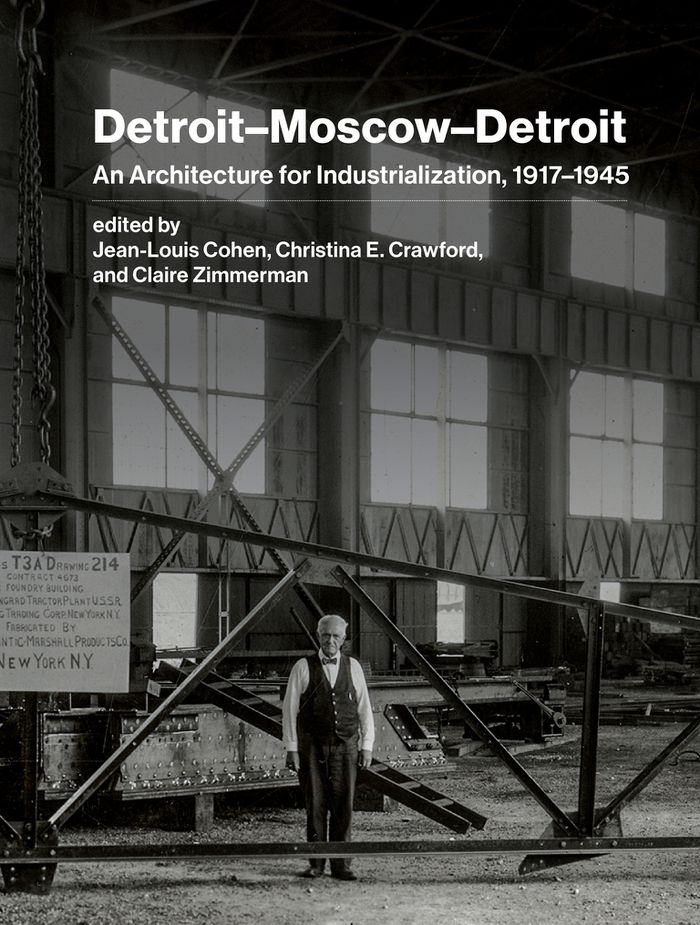
Between 1917 and 1945, a tide of hyperindustrialization washed over the United States and the Soviet Union. While the two countries remained ideologically opposed, the factories that amassed in Stalingrad, Moscow, Detroit, Buffalo, and Cleveland were strikingly similar, as were the new forms of modern work and urban and infrastructural development that supported this industrialization. Drawing on previously unknown archival materials and photographs, the essays in ''Detroit-Moscow-Detroit'' document a stunning two-way transfer of technical knowledge between the United States and the USSR that greatly influenced the built environment in both countries, upgrading each to major industrial power by the start of the Second World War. The innovative research presented here explores spatial development, manufacturing, mass production, and organizational planning across geopolitical lines to demonstrate that capitalist and communist built environments in the twentieth century were not diametrically opposed and were, on certain sites, coproduced in a period of intense technical exchange between the two world wars. A fresh account of the effects of industrialization and globalization on US and Soviet cultures, architecture, and urban history, ''Detroit-Moscow-Detroit'' will find wide readership among architects, urban designers, and scholars of architectural, urban, and twentieth-century history.
Detroit-Moscow-Detroit: An architecture for industrialization, 1917-1945
Actions:
Price:
$66.00
(available to order)
Summary:
Between 1917 and 1945, a tide of hyperindustrialization washed over the United States and the Soviet Union. While the two countries remained ideologically opposed, the factories that amassed in Stalingrad, Moscow, Detroit, Buffalo, and Cleveland were strikingly similar, as were the new forms of modern work and urban and infrastructural development that supported this industrialization. Drawing on previously unknown archival materials and photographs, the essays in ''Detroit-Moscow-Detroit'' document a stunning two-way transfer of technical knowledge between the United States and the USSR that greatly influenced the built environment in both countries, upgrading each to major industrial power by the start of the Second World War. The innovative research presented here explores spatial development, manufacturing, mass production, and organizational planning across geopolitical lines to demonstrate that capitalist and communist built environments in the twentieth century were not diametrically opposed and were, on certain sites, coproduced in a period of intense technical exchange between the two world wars. A fresh account of the effects of industrialization and globalization on US and Soviet cultures, architecture, and urban history, ''Detroit-Moscow-Detroit'' will find wide readership among architects, urban designers, and scholars of architectural, urban, and twentieth-century history.
Form:
books
books
Publication:
September 2023
September 2023
Subject:
Architectural Theory
Architectural Theory
Form:
books
books
Price:
$26.95
(available to order)
Summary:
Once described as “Italy gone Marxist,” Georgia, located in both an advantageous and vulnerable geopolitical position between the Black Sea, Russia, Central Asia, and the Middle East, enjoys a Mediterranean climate and viniculture in combination with a community-oriented and self-determined spirit. Taking the exhibition “Frozen Moments: Architecture Speaks Back” (2010) as(...)
$26.95
(available to order)
Summary:
Once described as “Italy gone Marxist,” Georgia, located in both an advantageous and vulnerable geopolitical position between the Black Sea, Russia, Central Asia, and the Middle East, enjoys a Mediterranean climate and viniculture in combination with a community-oriented and self-determined spirit. Taking the exhibition “Frozen Moments: Architecture Speaks Back” (2010) as(...)
Title:
Ministry of Highways : a guide to the performative architecture of Tbilisi
Actions:
Price:
$26.95
(available to order)
Summary:
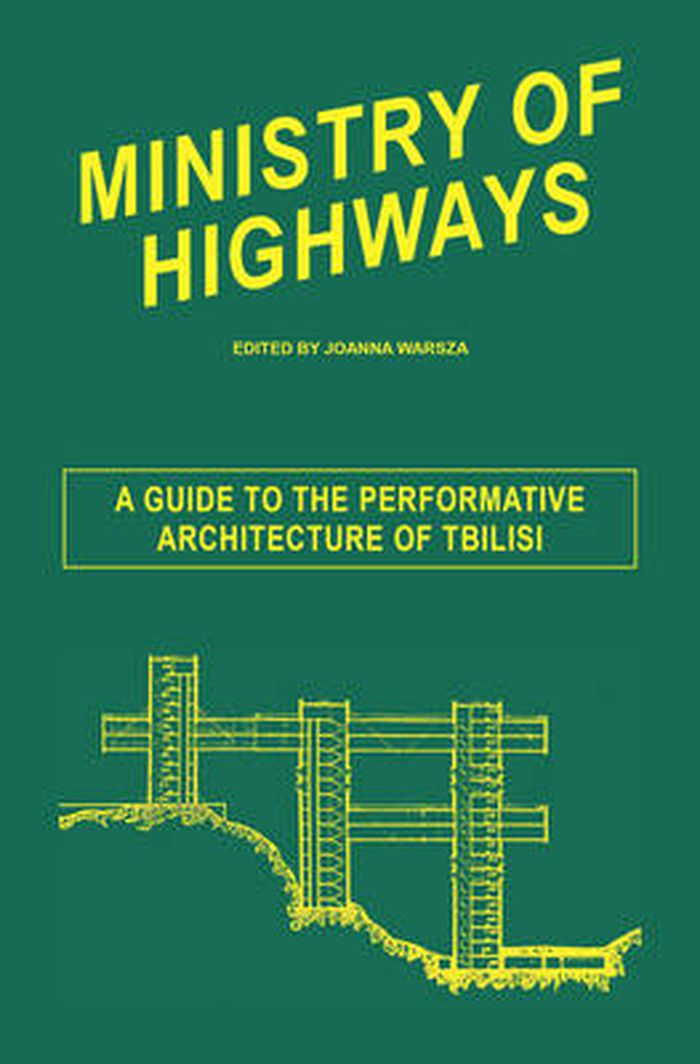
Once described as “Italy gone Marxist,” Georgia, located in both an advantageous and vulnerable geopolitical position between the Black Sea, Russia, Central Asia, and the Middle East, enjoys a Mediterranean climate and viniculture in combination with a community-oriented and self-determined spirit. Taking the exhibition “Frozen Moments: Architecture Speaks Back” (2010) as its starting point, this guidebook maps the social, urban, and art discourses of the country’s post-Soviet years as seen from its hilly capital of Tbilisi.
Ministry of Highways : a guide to the performative architecture of Tbilisi
Actions:
Price:
$26.95
(available to order)
Summary:
Once described as “Italy gone Marxist,” Georgia, located in both an advantageous and vulnerable geopolitical position between the Black Sea, Russia, Central Asia, and the Middle East, enjoys a Mediterranean climate and viniculture in combination with a community-oriented and self-determined spirit. Taking the exhibition “Frozen Moments: Architecture Speaks Back” (2010) as its starting point, this guidebook maps the social, urban, and art discourses of the country’s post-Soviet years as seen from its hilly capital of Tbilisi.
Form:
books
books
Publication:
October 2013
October 2013
Subject:
Modernism
Modernism
Form:
books
books
Actions:
Price:
$46.00
(available to order)
Summary:
A personal take on street typography in various European cities, including former Soviet countries and southern Europe, with photos of letters that epitomize a city's atmosphere. 'Reading the Streets' is the sequel to 'Brussels Type', in which Van Steendam travels abroad with the same mission. Stan Van Steendam (1985) studied graphic design at Sint-Lucas in Ghent. He is(...)
$46.00
(available to order)
Summary:
A personal take on street typography in various European cities, including former Soviet countries and southern Europe, with photos of letters that epitomize a city's atmosphere. 'Reading the Streets' is the sequel to 'Brussels Type', in which Van Steendam travels abroad with the same mission. Stan Van Steendam (1985) studied graphic design at Sint-Lucas in Ghent. He is(...)
Title:
Reading the streets: fading city typography
Actions:
Price:
$46.00
(available to order)
Summary:
A personal take on street typography in various European cities, including former Soviet countries and southern Europe, with photos of letters that epitomize a city's atmosphere. 'Reading the Streets' is the sequel to 'Brussels Type', in which Van Steendam travels abroad with the same mission. Stan Van Steendam (1985) studied graphic design at Sint-Lucas in Ghent. He is passionate about typography, and works for various publishers in Belgium and abroad, as well as being a photographer and visual artist.
Reading the streets: fading city typography
Actions:
Price:
$46.00
(available to order)
Summary:
A personal take on street typography in various European cities, including former Soviet countries and southern Europe, with photos of letters that epitomize a city's atmosphere. 'Reading the Streets' is the sequel to 'Brussels Type', in which Van Steendam travels abroad with the same mission. Stan Van Steendam (1985) studied graphic design at Sint-Lucas in Ghent. He is passionate about typography, and works for various publishers in Belgium and abroad, as well as being a photographer and visual artist.
Form:
books
books
Publication:
March 2016
March 2016
Subject:
Graphic Design and Typography
Graphic Design and Typography
Form:
books
books
Title:
Constructivist Moscow Map
Constructivist Moscow Map
Actions:
Price:
$14.00
(available to order)
Summary:
This two-sided, dual language, folding map features over fifty leading examples of Constructivist architecture in Moscow, from Melnikov House and Shukhov Tower to the Narkomfin and Izvestia Buildings. The map celebrates the avant garde landmarks of the early Soviet era, including workers' clubs, garages, communal housing, factories, headquarters and more. The reverse side(...)
$14.00
(available to order)
Summary:
This two-sided, dual language, folding map features over fifty leading examples of Constructivist architecture in Moscow, from Melnikov House and Shukhov Tower to the Narkomfin and Izvestia Buildings. The map celebrates the avant garde landmarks of the early Soviet era, including workers' clubs, garages, communal housing, factories, headquarters and more. The reverse side(...)
Title:
Constructivist Moscow Map
Actions:
Price:
$14.00
(available to order)
Summary:
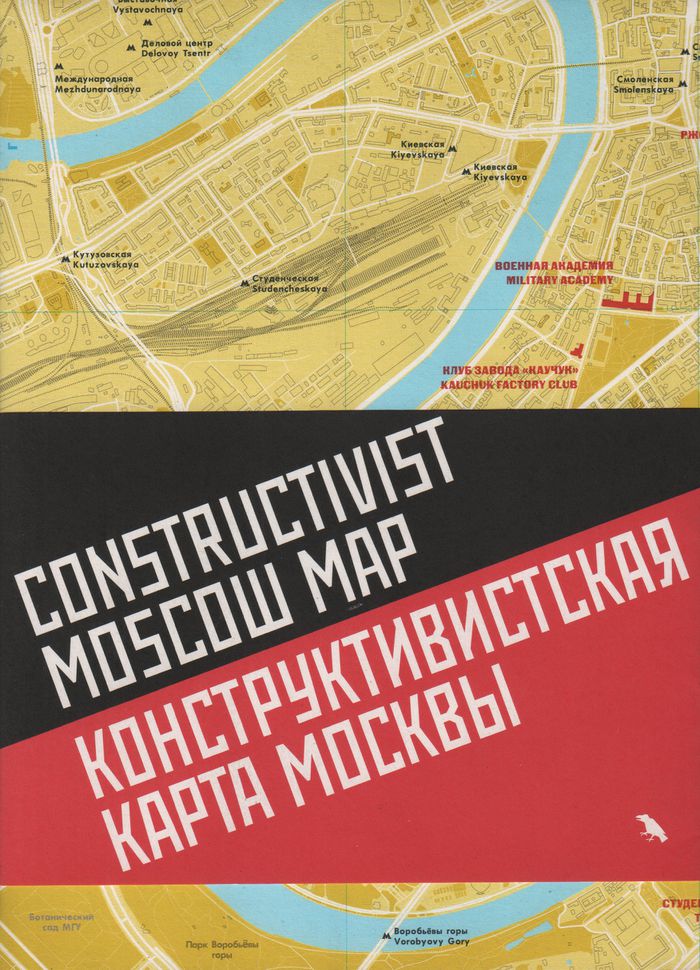
This two-sided, dual language, folding map features over fifty leading examples of Constructivist architecture in Moscow, from Melnikov House and Shukhov Tower to the Narkomfin and Izvestia Buildings. The map celebrates the avant garde landmarks of the early Soviet era, including workers' clubs, garages, communal housing, factories, headquarters and more. The reverse side of the map features an introduction to Constructivism by Natalia Melikova and Nikolai Vassiliev, photos by Melikova and details about each building in English and Russian.
Constructivist Moscow Map
Actions:
Price:
$14.00
(available to order)
Summary:
This two-sided, dual language, folding map features over fifty leading examples of Constructivist architecture in Moscow, from Melnikov House and Shukhov Tower to the Narkomfin and Izvestia Buildings. The map celebrates the avant garde landmarks of the early Soviet era, including workers' clubs, garages, communal housing, factories, headquarters and more. The reverse side of the map features an introduction to Constructivism by Natalia Melikova and Nikolai Vassiliev, photos by Melikova and details about each building in English and Russian.
Form:
books
books
Publication:
June 2019
June 2019
Subject:
City Guides
City Guides
Form:
books
books
Actions:
Price:
$49.95
(available to order)
Summary:
This captivating survey of Soviet design from 1950 to 1989 features more than 350 items from the Moscow Design Museum's unique collection. From children's toys, homewares, and fashion to posters, electronics, and space-race ephemera, each object reveals something of life in a planned economy during a fascinating time in Russia's history. Organized into three chapters -(...)
$49.95
(available to order)
Summary:
This captivating survey of Soviet design from 1950 to 1989 features more than 350 items from the Moscow Design Museum's unique collection. From children's toys, homewares, and fashion to posters, electronics, and space-race ephemera, each object reveals something of life in a planned economy during a fascinating time in Russia's history. Organized into three chapters -(...)
Publication:
April 2018
April 2018
Title:
Designed in the USSR: 1950-1989
Actions:
Price:
$49.95
(available to order)
Summary:
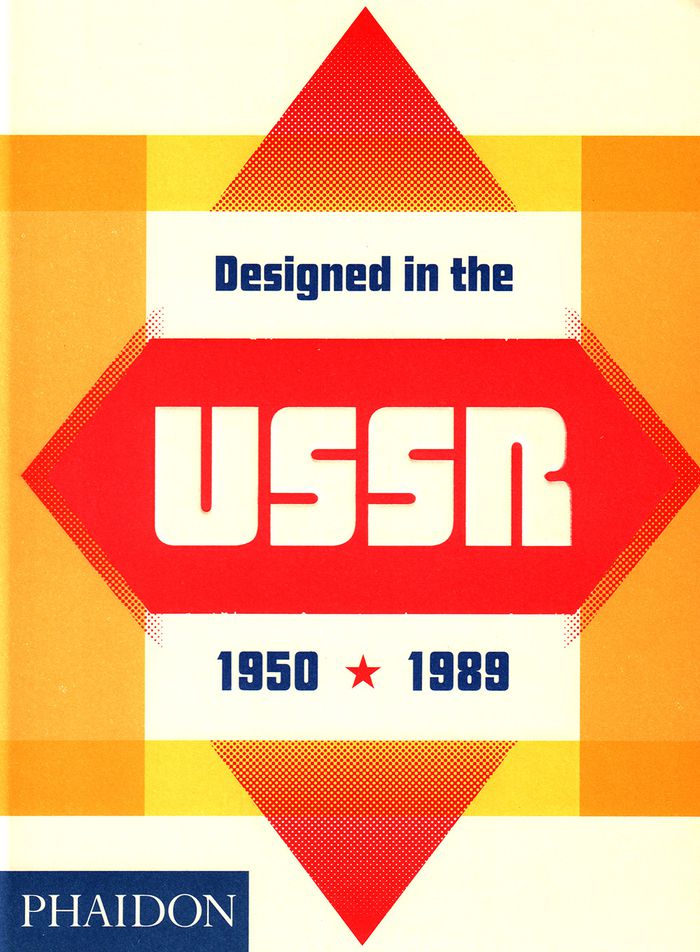
This captivating survey of Soviet design from 1950 to 1989 features more than 350 items from the Moscow Design Museum's unique collection. From children's toys, homewares, and fashion to posters, electronics, and space-race ephemera, each object reveals something of life in a planned economy during a fascinating time in Russia's history. Organized into three chapters - Citizen, State, and World - the book is a micro-to-macro tour of the functional, kitsch, politicized, and often avant-garde designs from this largely undocumented period.
Designed in the USSR: 1950-1989
Actions:
Price:
$49.95
(available to order)
Summary:
This captivating survey of Soviet design from 1950 to 1989 features more than 350 items from the Moscow Design Museum's unique collection. From children's toys, homewares, and fashion to posters, electronics, and space-race ephemera, each object reveals something of life in a planned economy during a fascinating time in Russia's history. Organized into three chapters - Citizen, State, and World - the book is a micro-to-macro tour of the functional, kitsch, politicized, and often avant-garde designs from this largely undocumented period.
Form:
books
books
Publication:
April 2018
April 2018
Form:
books
books
Actions:
Price:
$15.00
(available to order)
Summary:
À la mort de Lénine en 1924, les mouvements de l'avant-garde architecturale, dont le constructivisme, vibrent à l'unisson de la Révolution de 1917. Depuis 1921, ils apportent leur écot à la Nouvelle Politique Économique, au Plan d'électrification de l'URSS et essayent de définir une « esthétique communiste » au service du prolétaire et de la kolkhozienne. L'Union(...)
$15.00
(available to order)
Summary:
À la mort de Lénine en 1924, les mouvements de l'avant-garde architecturale, dont le constructivisme, vibrent à l'unisson de la Révolution de 1917. Depuis 1921, ils apportent leur écot à la Nouvelle Politique Économique, au Plan d'électrification de l'URSS et essayent de définir une « esthétique communiste » au service du prolétaire et de la kolkhozienne. L'Union(...)
Publication:
November 2012
November 2012
Title:
Le prix de Rome : le 'grand tour' des architectes soviétiques sous Mussolini
Actions:
Price:
$15.00
(available to order)
Summary:
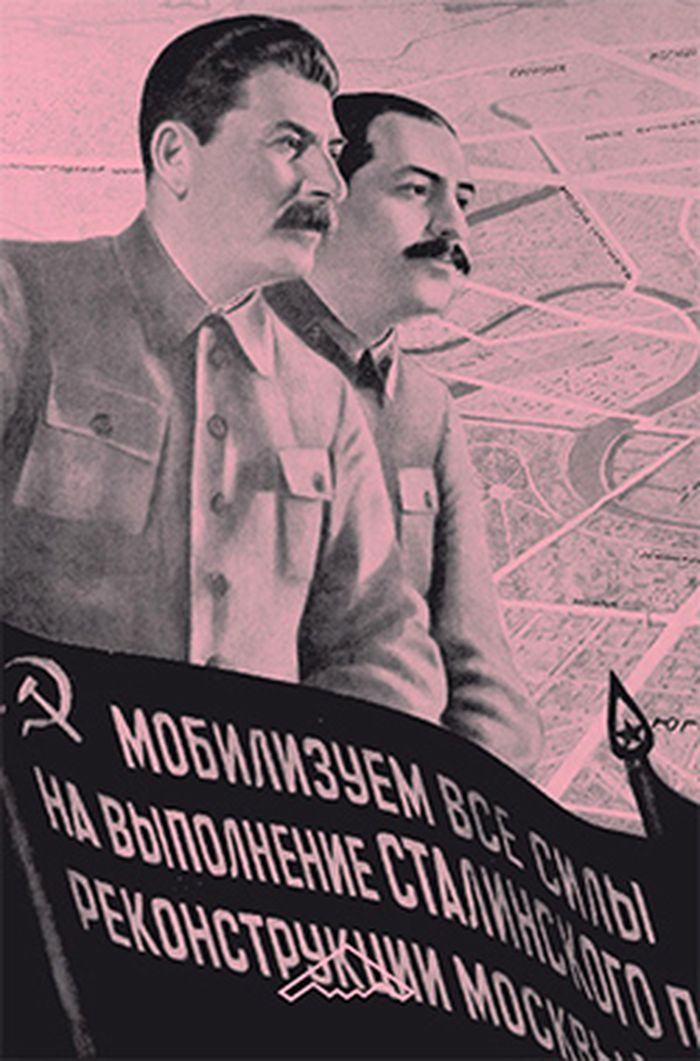
À la mort de Lénine en 1924, les mouvements de l'avant-garde architecturale, dont le constructivisme, vibrent à l'unisson de la Révolution de 1917. Depuis 1921, ils apportent leur écot à la Nouvelle Politique Économique, au Plan d'électrification de l'URSS et essayent de définir une « esthétique communiste » au service du prolétaire et de la kolkhozienne. L'Union Soviétique, l'Allemagne et les États-Unis forment alors la troïka de l'Internationale moderniste. Le premier plan quinquennal est lancé en 1928. Villes nouvelles et chantiers industriels tournent à plein régime. Davantage préoccupé par ces grands chantiers, Staline semble se désintéresser de l'enjeu architectural. Pourtant, à partir du concours pour le Palais des Soviets (1932) et de l'adoption du Plan Général de reconstruction de Moscou (1935), la Rome éternelle va devenir, au prix d'un face-à-face avec l'Italie fasciste, un « modèle » de réalisme socialiste inattendu...
Le prix de Rome : le 'grand tour' des architectes soviétiques sous Mussolini
Actions:
Price:
$15.00
(available to order)
Summary:
À la mort de Lénine en 1924, les mouvements de l'avant-garde architecturale, dont le constructivisme, vibrent à l'unisson de la Révolution de 1917. Depuis 1921, ils apportent leur écot à la Nouvelle Politique Économique, au Plan d'électrification de l'URSS et essayent de définir une « esthétique communiste » au service du prolétaire et de la kolkhozienne. L'Union Soviétique, l'Allemagne et les États-Unis forment alors la troïka de l'Internationale moderniste. Le premier plan quinquennal est lancé en 1928. Villes nouvelles et chantiers industriels tournent à plein régime. Davantage préoccupé par ces grands chantiers, Staline semble se désintéresser de l'enjeu architectural. Pourtant, à partir du concours pour le Palais des Soviets (1932) et de l'adoption du Plan Général de reconstruction de Moscou (1935), la Rome éternelle va devenir, au prix d'un face-à-face avec l'Italie fasciste, un « modèle » de réalisme socialiste inattendu...
Form:
books
books
Publication:
November 2012
November 2012
Form:
books
books
Actions:
Holdings:
Description:
318 pages, 1 unnumbered page : illustrations (chiefly color) ; 33 cm
Description:
318 pages, 1 unnumbered page : illustrations (chiefly color) ; 33 cm
Author:
Subject:
Publication:
Köln ; New York : Taschen, [1995], ©1995
Köln ; New York : Taschen, [1995], ©1995
Title:
Film posters of the Russian avant-garde / Susan Pack.
Actions:
Holdings:
Description:
318 pages, 1 unnumbered page : illustrations (chiefly color) ; 33 cm
Film posters of the Russian avant-garde / Susan Pack.
Actions:
Holdings:
Description:
318 pages, 1 unnumbered page : illustrations (chiefly color) ; 33 cm
Form:
books
books
Publication:
Köln ; New York : Taschen, [1995], ©1995
Köln ; New York : Taschen, [1995], ©1995
Author:
Subject:
Form:
books
books
Title:
Situating El Lissitzky
Situating El Lissitzky
Actions:
Price:
$62.50
(available to order)
Summary:
Situating El Lissitzky reassesses the complex career of one of the most influential yet controversial experimental artists of the early twentieth century. A prolific painter, designer, architect, and photographer, El Lissitzky (1890-1941) worked with the Soviet and the European artistic avant-gardes in the 1920s and as a propagandist for the Stalinist regime in the(...)
$62.50
(available to order)
Summary:
Situating El Lissitzky reassesses the complex career of one of the most influential yet controversial experimental artists of the early twentieth century. A prolific painter, designer, architect, and photographer, El Lissitzky (1890-1941) worked with the Soviet and the European artistic avant-gardes in the 1920s and as a propagandist for the Stalinist regime in the(...)
Subject:
Photography monographs
Photography monographs
Publication:
August 2003, Los Angeles
August 2003, Los Angeles
Title:
Situating El Lissitzky
Actions:
Price:
$62.50
(available to order)
Summary:
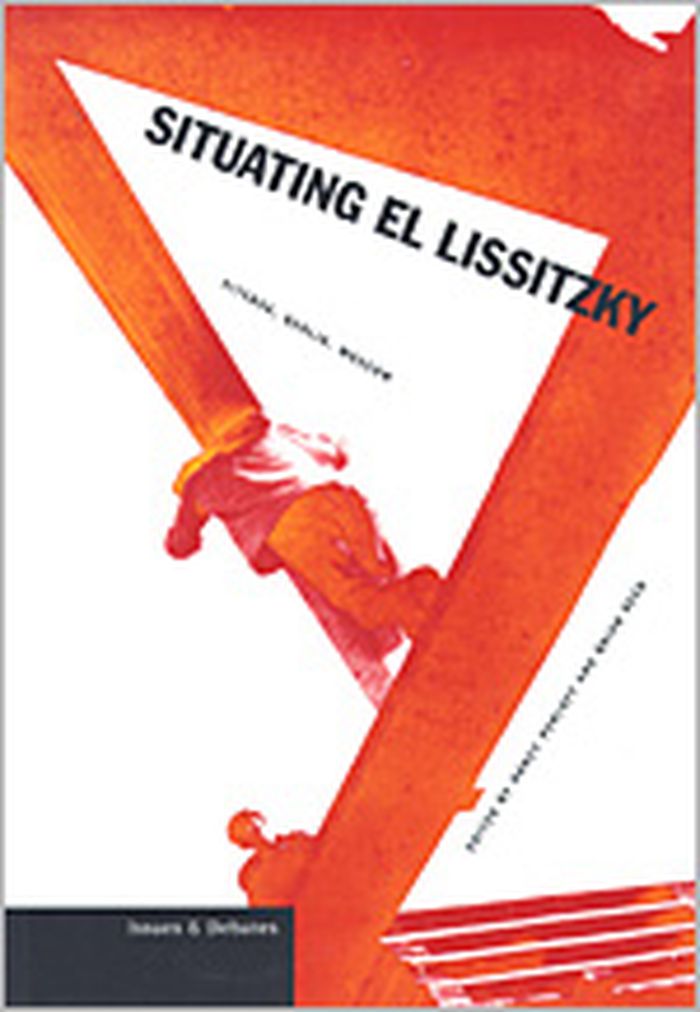
Situating El Lissitzky reassesses the complex career of one of the most influential yet controversial experimental artists of the early twentieth century. A prolific painter, designer, architect, and photographer, El Lissitzky (1890-1941) worked with the Soviet and the European artistic avant-gardes in the 1920s and as a propagandist for the Stalinist regime in the following decade. Taking readers into the thick of current debates about Lissitzky's artistic personae, Situating El Lissitzky reconstructs aspects of his elusive identity across different periods, places, and media. Following an introduction in which Nancy Perloff distills and draws together the volume's eight essays, Christina Lodder, Éva Forgács, and Maria Gough offer revisionist accounts of Lissitzky's years as an international constructivist and exhibition designer in Europe. John E. Bowlt then investigates the role of handicraft and the symbol of the hand in Lissitzky's artistic production, and Leah Dickerman and Margarita Tupitsyn elucidate the interplay between physicality and opticality at different stages in Lissitzky's development as a photographer. Finally, T. J. Clark and Peter Nisbet address the disconcerting balance of aesthetic value and political expediency in Lissitzky's overtly Communist art. The result is a kaleidoscopic portrait of Lissitzky as Bolshevik visionary, craftsman, modernist, internationalist, and Soviet propagandist.
Situating El Lissitzky
Actions:
Price:
$62.50
(available to order)
Summary:
Situating El Lissitzky reassesses the complex career of one of the most influential yet controversial experimental artists of the early twentieth century. A prolific painter, designer, architect, and photographer, El Lissitzky (1890-1941) worked with the Soviet and the European artistic avant-gardes in the 1920s and as a propagandist for the Stalinist regime in the following decade. Taking readers into the thick of current debates about Lissitzky's artistic personae, Situating El Lissitzky reconstructs aspects of his elusive identity across different periods, places, and media. Following an introduction in which Nancy Perloff distills and draws together the volume's eight essays, Christina Lodder, Éva Forgács, and Maria Gough offer revisionist accounts of Lissitzky's years as an international constructivist and exhibition designer in Europe. John E. Bowlt then investigates the role of handicraft and the symbol of the hand in Lissitzky's artistic production, and Leah Dickerman and Margarita Tupitsyn elucidate the interplay between physicality and opticality at different stages in Lissitzky's development as a photographer. Finally, T. J. Clark and Peter Nisbet address the disconcerting balance of aesthetic value and political expediency in Lissitzky's overtly Communist art. The result is a kaleidoscopic portrait of Lissitzky as Bolshevik visionary, craftsman, modernist, internationalist, and Soviet propagandist.
Form:
books
books
Publication:
August 2003, Los Angeles
August 2003, Los Angeles
Subject:
Photography monographs
Photography monographs
Form:
books
books
Price:
$48.00
(available in store)
Summary:
Idealized representations of America, as both an aspiration and a menace, played an important role in shaping Russian architecture and urban design from the American Revolution until the fall of the Soviet Union. In Building a new New World, Jean-Louis Cohen traces the concept of “Amerikanizm” and its impact on Russia’s built environment from early czarist interest in(...)
$48.00
(available in store)
Summary:
Idealized representations of America, as both an aspiration and a menace, played an important role in shaping Russian architecture and urban design from the American Revolution until the fall of the Soviet Union. In Building a new New World, Jean-Louis Cohen traces the concept of “Amerikanizm” and its impact on Russia’s built environment from early czarist interest in(...)
Title:
Building a new New World: Amerikanizm in Russian Architecture
Actions:
Price:
$48.00
(available in store)
Summary:
Idealized representations of America, as both an aspiration and a menace, played an important role in shaping Russian architecture and urban design from the American Revolution until the fall of the Soviet Union. In Building a new New World, Jean-Louis Cohen traces the concept of “Amerikanizm” and its impact on Russia’s built environment from early czarist interest in Revolutionary America, through the spectacular World’s Fairs of the nineteenth century, to department stores, skyscrapers, and factories built in Russia using American methods during the twentieth century. Visions of America also captivated the Russian avant-garde, from El Lissitzky to Moisei Ginzburg, and Cohen explores the ongoing artistic dialogue maintained between the two countries at the mid-century and in the late Soviet era, when the Cold War induced a strategic competition. Tracing the many journeys of Russian writers, politicians, and planners through the American territory, foregrounding the constant streams of cultural and technological transfer from the U.S.A. to Russia, and revealing the parallel fascination among Russian and American intellectuals with the ongoing pursuit of land occupation and development within their respective borders, this study of Amerikanizm in the architecture and urban design of Russia makes a timely contribution to our understanding of modern architecture and its broader geopolitics.
Building a new New World: Amerikanizm in Russian Architecture
Actions:
Price:
$48.00
(available in store)
Summary:
Idealized representations of America, as both an aspiration and a menace, played an important role in shaping Russian architecture and urban design from the American Revolution until the fall of the Soviet Union. In Building a new New World, Jean-Louis Cohen traces the concept of “Amerikanizm” and its impact on Russia’s built environment from early czarist interest in Revolutionary America, through the spectacular World’s Fairs of the nineteenth century, to department stores, skyscrapers, and factories built in Russia using American methods during the twentieth century. Visions of America also captivated the Russian avant-garde, from El Lissitzky to Moisei Ginzburg, and Cohen explores the ongoing artistic dialogue maintained between the two countries at the mid-century and in the late Soviet era, when the Cold War induced a strategic competition. Tracing the many journeys of Russian writers, politicians, and planners through the American territory, foregrounding the constant streams of cultural and technological transfer from the U.S.A. to Russia, and revealing the parallel fascination among Russian and American intellectuals with the ongoing pursuit of land occupation and development within their respective borders, this study of Amerikanizm in the architecture and urban design of Russia makes a timely contribution to our understanding of modern architecture and its broader geopolitics.
Form:
books
books
Publication:
December 2019
December 2019
Subject:
CCA Publications
CCA Publications
Form:
books
books
Actions:
Price:
$60.00
(available to order)
Summary:
Painter, architect, engineer, set designer, father to the Russian Constructivist movement, inventor of the “counter-relief” and author of one of modernism’s greatest icons, the “Monument to the Third International,” Vladimir Tatlin blazed an incredible trail of innovation through the glory years of the Soviet avant-garde. Nevertheless, “Not the old, not the new, but the(...)
$60.00
(available to order)
Summary:
Painter, architect, engineer, set designer, father to the Russian Constructivist movement, inventor of the “counter-relief” and author of one of modernism’s greatest icons, the “Monument to the Third International,” Vladimir Tatlin blazed an incredible trail of innovation through the glory years of the Soviet avant-garde. Nevertheless, “Not the old, not the new, but the(...)
Title:
Vladimir Tatlin: new art for a New World
Actions:
Price:
$60.00
(available to order)
Summary:
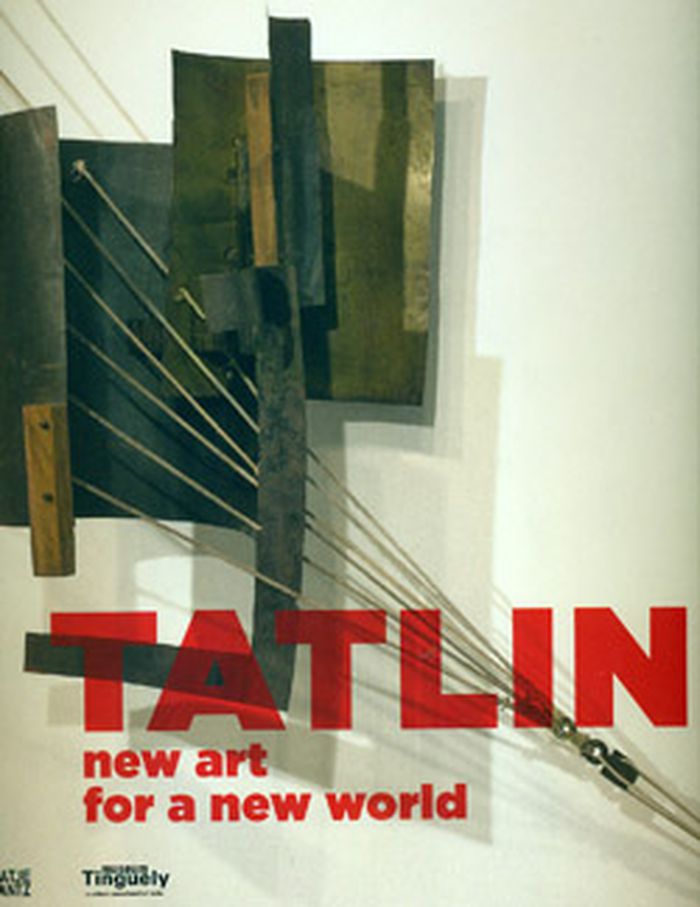
Painter, architect, engineer, set designer, father to the Russian Constructivist movement, inventor of the “counter-relief” and author of one of modernism’s greatest icons, the “Monument to the Third International,” Vladimir Tatlin blazed an incredible trail of innovation through the glory years of the Soviet avant-garde. Nevertheless, “Not the old, not the new, but the necessary” was his motto; having spent his early years as an icon painter, Tatlin eschewed the modernist disavowal of heritage in favor of a research-based attitude to materials and genres. His “counter-relief” sculptures, made of wood, cardboard, metal and wire, were foundational works for Rodchenko and the Constructivists, and their influence can be seen today in the works of creators as various as Zaha Hadid and Richard Tuttle. With 120 color illustrations and a wealth of archival photos, this volume offers the first English-language overview of Tatlin’s diverse achievements in more than 25 years. Published for a landmark exhibition at the Museum Tinguely in Basel, it examines every facet of his output, from his early Cubist-influenced paintings to the counter-reliefs, the “Tower,” prints, set and costume designs and aeronautic researches, and constitutes an essential portrait of the ambitions of Soviet modernism.
Vladimir Tatlin: new art for a New World
Actions:
Price:
$60.00
(available to order)
Summary:
Painter, architect, engineer, set designer, father to the Russian Constructivist movement, inventor of the “counter-relief” and author of one of modernism’s greatest icons, the “Monument to the Third International,” Vladimir Tatlin blazed an incredible trail of innovation through the glory years of the Soviet avant-garde. Nevertheless, “Not the old, not the new, but the necessary” was his motto; having spent his early years as an icon painter, Tatlin eschewed the modernist disavowal of heritage in favor of a research-based attitude to materials and genres. His “counter-relief” sculptures, made of wood, cardboard, metal and wire, were foundational works for Rodchenko and the Constructivists, and their influence can be seen today in the works of creators as various as Zaha Hadid and Richard Tuttle. With 120 color illustrations and a wealth of archival photos, this volume offers the first English-language overview of Tatlin’s diverse achievements in more than 25 years. Published for a landmark exhibition at the Museum Tinguely in Basel, it examines every facet of his output, from his early Cubist-influenced paintings to the counter-reliefs, the “Tower,” prints, set and costume designs and aeronautic researches, and constitutes an essential portrait of the ambitions of Soviet modernism.
Form:
books
books
Publication:
August 2012
August 2012
Subject:
Contemporary Art Monographs
Contemporary Art Monographs


