


2654 Results
Form:
books
books
Actions:
Price:
$38.00
(available to order)
Summary:
Alexandra Kollontai was a prominent Russian revolutionary, a commissar of Social Welfare after the October revolution in 1917, and a long-term Soviet ambassador to Sweden. As a cofounder of the Zhenotdel, the "Women's Department" in the communist party, she introduced abortion rights, secularized marriage, and provided paid maternity leave. Kollontai considered "comradely(...)
$38.00
(available to order)
Summary:
Alexandra Kollontai was a prominent Russian revolutionary, a commissar of Social Welfare after the October revolution in 1917, and a long-term Soviet ambassador to Sweden. As a cofounder of the Zhenotdel, the "Women's Department" in the communist party, she introduced abortion rights, secularized marriage, and provided paid maternity leave. Kollontai considered "comradely(...)
Title:
Red love: a reader on Alexandra Kollontai
Actions:
Price:
$38.00
(available to order)
Summary:
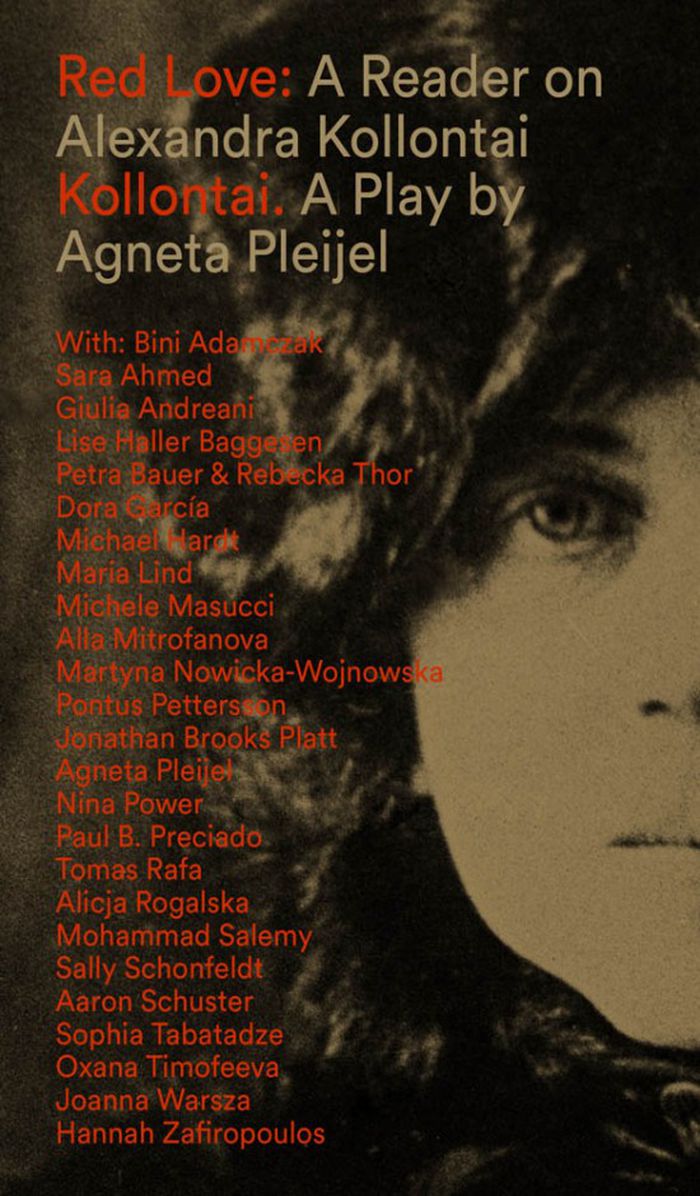
Alexandra Kollontai was a prominent Russian revolutionary, a commissar of Social Welfare after the October revolution in 1917, and a long-term Soviet ambassador to Sweden. As a cofounder of the Zhenotdel, the "Women's Department" in the communist party, she introduced abortion rights, secularized marriage, and provided paid maternity leave. Kollontai considered "comradely love" to be an important political force, elemental in shaping social bonds beyond the limitations of property relations. 'Red Love' stems from a yearlong research by CuratorLab at Konstfack University together with Tensta konsthall, that led up to Dora García's exhibition Red Love and its related public programing. A number of artists and thinkers revisit Kollontai's ideas on the politics of love and their relation to current political, social, and feminist struggles. The publication also includes the biographical play Kollontai from 1977 by distinguished Swedish writer Agneta Pleijel.
Red love: a reader on Alexandra Kollontai
Actions:
Price:
$38.00
(available to order)
Summary:
Alexandra Kollontai was a prominent Russian revolutionary, a commissar of Social Welfare after the October revolution in 1917, and a long-term Soviet ambassador to Sweden. As a cofounder of the Zhenotdel, the "Women's Department" in the communist party, she introduced abortion rights, secularized marriage, and provided paid maternity leave. Kollontai considered "comradely love" to be an important political force, elemental in shaping social bonds beyond the limitations of property relations. 'Red Love' stems from a yearlong research by CuratorLab at Konstfack University together with Tensta konsthall, that led up to Dora García's exhibition Red Love and its related public programing. A number of artists and thinkers revisit Kollontai's ideas on the politics of love and their relation to current political, social, and feminist struggles. The publication also includes the biographical play Kollontai from 1977 by distinguished Swedish writer Agneta Pleijel.
Form:
books
books
Publication:
April 2020
April 2020
Subject:
Art Theory
Art Theory
Form:
books
books
Actions:
Price:
$44.00
(available in store)
Summary:
In an empty factory unit tucked away in Berlin’s Köpenicker Strasse, The Proletarian Building Exhibition was mounted with the humblest of resources in 1931. It marked the first action by a group of revolutionary architects, builders, and students forming the Kollektiv für sozialistisches Bauen under the architect Arthur Korn. Taking aim at modernist architects(...)
$44.00
(available in store)
Summary:
In an empty factory unit tucked away in Berlin’s Köpenicker Strasse, The Proletarian Building Exhibition was mounted with the humblest of resources in 1931. It marked the first action by a group of revolutionary architects, builders, and students forming the Kollektiv für sozialistisches Bauen under the architect Arthur Korn. Taking aim at modernist architects(...)
Publication:
May 2016
May 2016
Title:
Collective for a socialist architecture: proletarian building exhibition 1931
Actions:
Price:
$44.00
(available in store)
Summary:
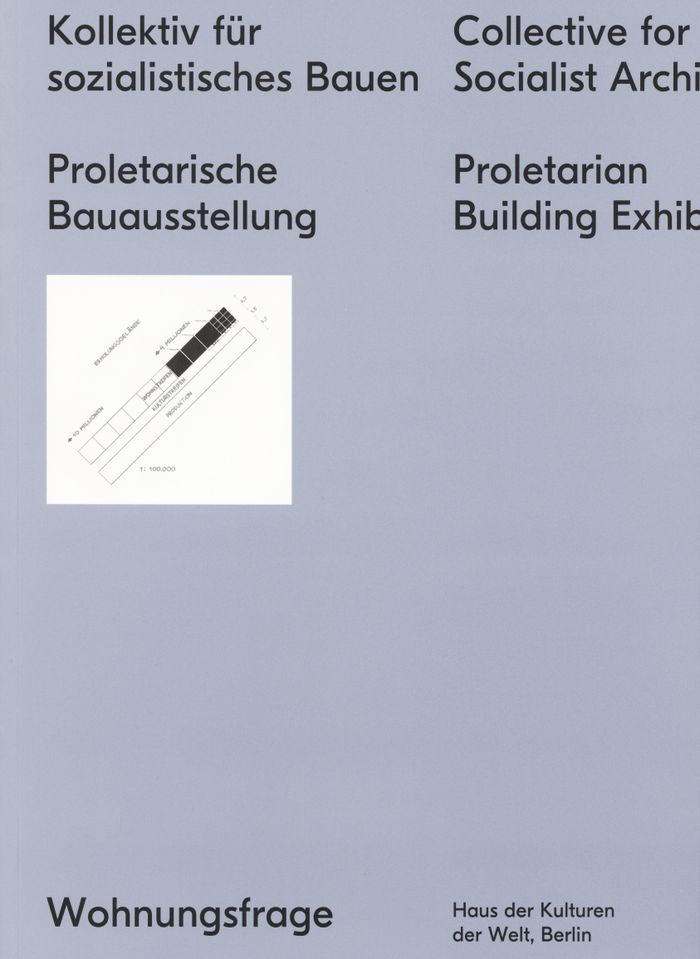
In an empty factory unit tucked away in Berlin’s Köpenicker Strasse, The Proletarian Building Exhibition was mounted with the humblest of resources in 1931. It marked the first action by a group of revolutionary architects, builders, and students forming the Kollektiv für sozialistisches Bauen under the architect Arthur Korn. Taking aim at modernist architects participating in the German Building Exhibition and CIAM, they cast architecture as an instrument of power, questioned capitalist solutions to the housing question, and unveiled planning approaches imported from the then-Soviet Union. A full facsimile of the exhibition manifesto/catalog and exhibition panels is featured in addition to contributing essays by contemporary architects, writers and educators, and the Collectives’ Annual Report including a proposed work program and statement of intent. Historical photos are interspersed throughout providing a full reconstruction of this significant architectural and sociopolitical event.
Collective for a socialist architecture: proletarian building exhibition 1931
Actions:
Price:
$44.00
(available in store)
Summary:
In an empty factory unit tucked away in Berlin’s Köpenicker Strasse, The Proletarian Building Exhibition was mounted with the humblest of resources in 1931. It marked the first action by a group of revolutionary architects, builders, and students forming the Kollektiv für sozialistisches Bauen under the architect Arthur Korn. Taking aim at modernist architects participating in the German Building Exhibition and CIAM, they cast architecture as an instrument of power, questioned capitalist solutions to the housing question, and unveiled planning approaches imported from the then-Soviet Union. A full facsimile of the exhibition manifesto/catalog and exhibition panels is featured in addition to contributing essays by contemporary architects, writers and educators, and the Collectives’ Annual Report including a proposed work program and statement of intent. Historical photos are interspersed throughout providing a full reconstruction of this significant architectural and sociopolitical event.
Form:
books
books
Publication:
May 2016
May 2016
Form:
books
books
Actions:
Price:
$76.95
(available to order)
Summary:
At the inaugural festivities of the Moscow Palace of Young Pioneers in 1962, a Soviet news agency enthusiastically reported, “In this house, the walls will teach!” Propagandistic, yes, but this prescriptive attitude about the potential of architecture to shape modern life was implicit in much of the architecture of the 20th century. This collection of 12 essays and 24(...)
$76.95
(available to order)
Summary:
At the inaugural festivities of the Moscow Palace of Young Pioneers in 1962, a Soviet news agency enthusiastically reported, “In this house, the walls will teach!” Propagandistic, yes, but this prescriptive attitude about the potential of architecture to shape modern life was implicit in much of the architecture of the 20th century. This collection of 12 essays and 24(...)
Subject:
Commercial interiors, Building types
Commercial interiors, Building types
Publication:
January 2015
January 2015
Title:
Walls that teach: on the architecture of youth centres
Actions:
Price:
$76.95
(available to order)
Summary:
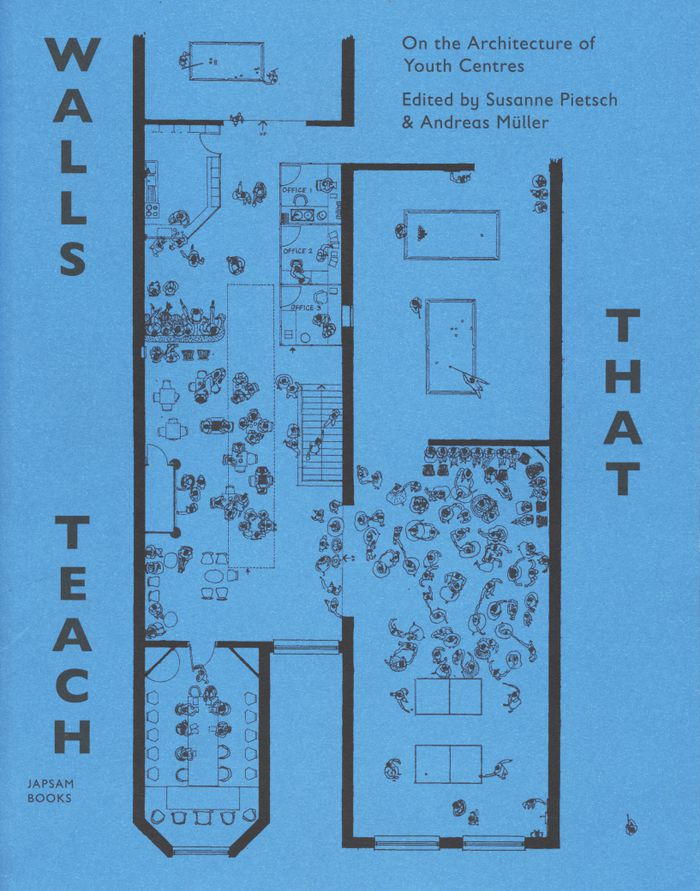
At the inaugural festivities of the Moscow Palace of Young Pioneers in 1962, a Soviet news agency enthusiastically reported, “In this house, the walls will teach!” Propagandistic, yes, but this prescriptive attitude about the potential of architecture to shape modern life was implicit in much of the architecture of the 20th century. This collection of 12 essays and 24 case studies from leading architects and academics examines the architecture and programming of mid-century youth centers across Europe, from Utrecht to Manchester. The organization of these centers around leisure activities partially concealed their educational (and ultimately political) goals: their pedagogical power could be found not only in their physical design, but also in the way they were used and inhabited by the children themselves. Contributors include Tom Avermaete, Peter Blundell Jones, Jennifer Mack, Susan Reid, Sue Robertson, Piet Vollaard and many others.
Walls that teach: on the architecture of youth centres
Actions:
Price:
$76.95
(available to order)
Summary:
At the inaugural festivities of the Moscow Palace of Young Pioneers in 1962, a Soviet news agency enthusiastically reported, “In this house, the walls will teach!” Propagandistic, yes, but this prescriptive attitude about the potential of architecture to shape modern life was implicit in much of the architecture of the 20th century. This collection of 12 essays and 24 case studies from leading architects and academics examines the architecture and programming of mid-century youth centers across Europe, from Utrecht to Manchester. The organization of these centers around leisure activities partially concealed their educational (and ultimately political) goals: their pedagogical power could be found not only in their physical design, but also in the way they were used and inhabited by the children themselves. Contributors include Tom Avermaete, Peter Blundell Jones, Jennifer Mack, Susan Reid, Sue Robertson, Piet Vollaard and many others.
Form:
books
books
Publication:
January 2015
January 2015
Subject:
Commercial interiors, Building types
Commercial interiors, Building types
Form:
books
books
Actions:
Price:
$57.95
(available to order)
Summary:
Nomeda and Gediminas Urbonas produce interactive projects exploring the conflicts and contradictions of former Soviet republics and their recent transition to capitalism. Born in Lithuania and now living in Vilnius, these artists use the city as a catalyst and a starting point for their analysis of the various impacts caused by a new economic, social and political model(...)
$57.95
(available to order)
Summary:
Nomeda and Gediminas Urbonas produce interactive projects exploring the conflicts and contradictions of former Soviet republics and their recent transition to capitalism. Born in Lithuania and now living in Vilnius, these artists use the city as a catalyst and a starting point for their analysis of the various impacts caused by a new economic, social and political model(...)
Publication:
May 2008, Barcelone
May 2008, Barcelone
Title:
Nomeda and Gediminas: devices for action
Actions:
Price:
$57.95
(available to order)
Summary:
Nomeda and Gediminas Urbonas produce interactive projects exploring the conflicts and contradictions of former Soviet republics and their recent transition to capitalism. Born in Lithuania and now living in Vilnius, these artists use the city as a catalyst and a starting point for their analysis of the various impacts caused by a new economic, social and political model on different sectors and generations in society. Developping over different stages, their projects are characterised by the key role played by the idea of the archive, the engagement of experts in different fields (design, music, architecture), and the participation of diverse communities and collective actions. This catalogue of their recently held first retrospective documents all their projects up to date, includes two essays by Bartomeu Mari and Lars Bang Larsen, a biography, and a list of works in the exhibition.
Nomeda and Gediminas: devices for action
Actions:
Price:
$57.95
(available to order)
Summary:
Nomeda and Gediminas Urbonas produce interactive projects exploring the conflicts and contradictions of former Soviet republics and their recent transition to capitalism. Born in Lithuania and now living in Vilnius, these artists use the city as a catalyst and a starting point for their analysis of the various impacts caused by a new economic, social and political model on different sectors and generations in society. Developping over different stages, their projects are characterised by the key role played by the idea of the archive, the engagement of experts in different fields (design, music, architecture), and the participation of diverse communities and collective actions. This catalogue of their recently held first retrospective documents all their projects up to date, includes two essays by Bartomeu Mari and Lars Bang Larsen, a biography, and a list of works in the exhibition.
Form:
books
books
Publication:
May 2008, Barcelone
May 2008, Barcelone
Form:
books
books

Title:
The measure of darkness
The measure of darkness
Actions:
Price:
$23.95
(available to order)
Summary:
Martin, an acclaimed architect, emerges from a coma after a roadside accident to find his world transformed: not only has the commission of a lifetime been taken from him, but his injury has left him with neglect syndrome, a loss of spatial awareness that has rendered him unfit to practice and unable to recognize the extent of his illness. Despite support from his(...)
$23.95
(available to order)
Summary:
Martin, an acclaimed architect, emerges from a coma after a roadside accident to find his world transformed: not only has the commission of a lifetime been taken from him, but his injury has left him with neglect syndrome, a loss of spatial awareness that has rendered him unfit to practice and unable to recognize the extent of his illness. Despite support from his(...)
Title:
The measure of darkness
Actions:
Price:
$23.95
(available to order)
Summary:
Martin, an acclaimed architect, emerges from a coma after a roadside accident to find his world transformed: not only has the commission of a lifetime been taken from him, but his injury has left him with neglect syndrome, a loss of spatial awareness that has rendered him unfit to practice and unable to recognize the extent of his illness. Despite support from his formerly estranged brother and two grown daughters, his paranoia builds, alienating those closest to him. His only solace is found in the parallels he draws between himself and gifted Soviet-era architect Konstantin Melnikov, who survived Stalin’s disfavor by retreating into obscurity. As Martin retraces Melnikov’s life and his own fateful decisions, he becomes increasingly unsettled, until the discovery of the harrowing truth about the night of his accident hurtles him toward a deadly confrontation.
The measure of darkness
Actions:
Price:
$23.95
(available to order)
Summary:
Martin, an acclaimed architect, emerges from a coma after a roadside accident to find his world transformed: not only has the commission of a lifetime been taken from him, but his injury has left him with neglect syndrome, a loss of spatial awareness that has rendered him unfit to practice and unable to recognize the extent of his illness. Despite support from his formerly estranged brother and two grown daughters, his paranoia builds, alienating those closest to him. His only solace is found in the parallels he draws between himself and gifted Soviet-era architect Konstantin Melnikov, who survived Stalin’s disfavor by retreating into obscurity. As Martin retraces Melnikov’s life and his own fateful decisions, he becomes increasingly unsettled, until the discovery of the harrowing truth about the night of his accident hurtles him toward a deadly confrontation.
Form:
books
books
Publication:
April 2016
April 2016
Subject:
Architecture de Montréal
Architecture de Montréal
Form:
books
books
Title:
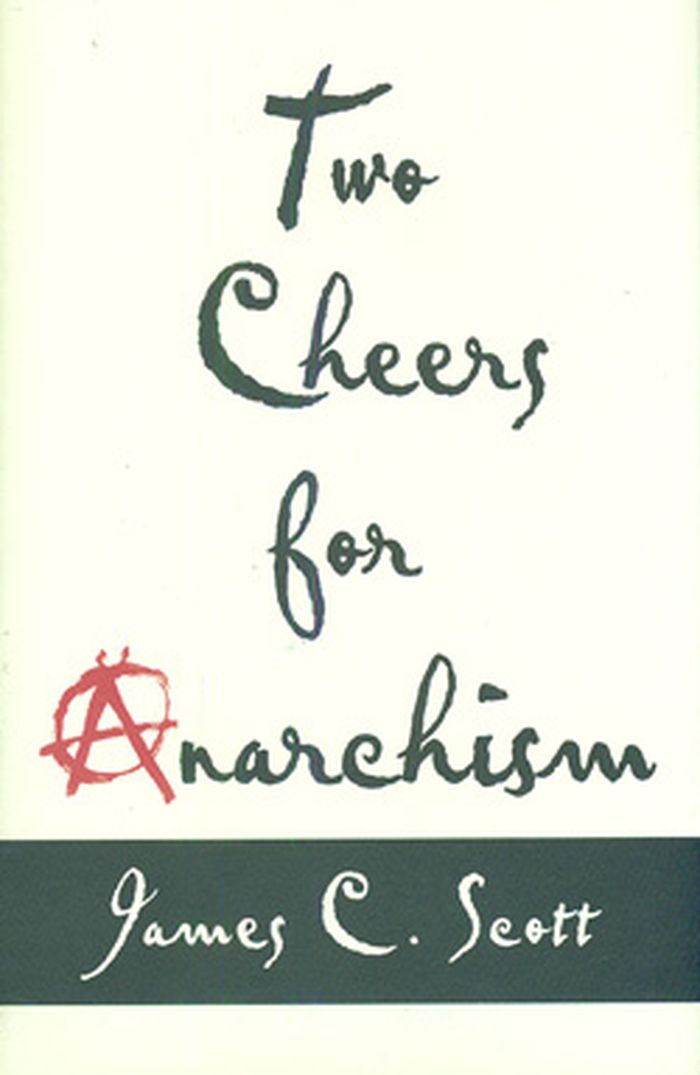
Two cheers for anarchism
Two cheers for anarchism
Actions:
Price:
$26.95
(available to order)
Summary:
Having studied how people in marginal societies deal with the state, Yale political scientist and anthropologist Scott (The Art of Not Being Governed) found himself drawn to a study of anarchism. his brief, six-part study is the result. Having concluded that revolution too often leads to such repressive regimes as France's Committee of Public Safety or the Soviet(...)
$26.95
(available to order)
Summary:
Having studied how people in marginal societies deal with the state, Yale political scientist and anthropologist Scott (The Art of Not Being Governed) found himself drawn to a study of anarchism. his brief, six-part study is the result. Having concluded that revolution too often leads to such repressive regimes as France's Committee of Public Safety or the Soviet(...)
Title:
Two cheers for anarchism
Actions:
Price:
$26.95
(available to order)
Summary:
Having studied how people in marginal societies deal with the state, Yale political scientist and anthropologist Scott (The Art of Not Being Governed) found himself drawn to a study of anarchism. his brief, six-part study is the result. Having concluded that revolution too often leads to such repressive regimes as France's Committee of Public Safety or the Soviet state, Scott began to examine leaderless mass efforts disorganized strivings towards social improvement. Scott recognizes that anarchism is not a panacea and that there are problems that only government can treat. Nevertheless, he expresses a strong dislike for centralized governance and a preference for expanding chaos. He refers to his sections as "fragments," highlighting the book's key shortcoming: every chapter seems rushed and incomplete, as though Scott were hurrying to get his thoughts down on paper before they vanished.
Two cheers for anarchism
Actions:
Price:
$26.95
(available to order)
Summary:
Having studied how people in marginal societies deal with the state, Yale political scientist and anthropologist Scott (The Art of Not Being Governed) found himself drawn to a study of anarchism. his brief, six-part study is the result. Having concluded that revolution too often leads to such repressive regimes as France's Committee of Public Safety or the Soviet state, Scott began to examine leaderless mass efforts disorganized strivings towards social improvement. Scott recognizes that anarchism is not a panacea and that there are problems that only government can treat. Nevertheless, he expresses a strong dislike for centralized governance and a preference for expanding chaos. He refers to his sections as "fragments," highlighting the book's key shortcoming: every chapter seems rushed and incomplete, as though Scott were hurrying to get his thoughts down on paper before they vanished.
Form:
books
books
Publication:
November 2012
November 2012
Subject:
Critical Theory
Critical Theory
Form:
books
books
Title:
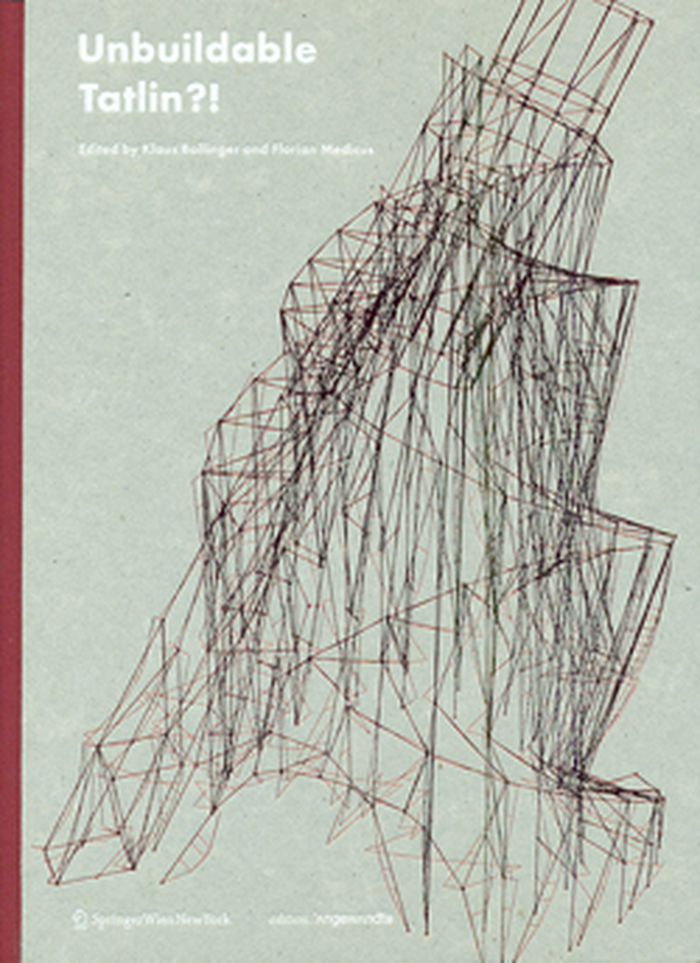
Unbuildable Tatlin?!
Unbuildable Tatlin?!
Actions:
Price:
$54.95
(available in store)
Summary:
Vladimir Tatlin’s Monument for the III. International (1919) is certainly one of the most significant projects of Soviet Constructivism. It is, however, not at all certain whether “Tatlin’s Tower” could even be built at all at the time it was originally planned. And whether it would be constructed today with the presently available means and possibilities of planning,(...)
$54.95
(available in store)
Summary:
Vladimir Tatlin’s Monument for the III. International (1919) is certainly one of the most significant projects of Soviet Constructivism. It is, however, not at all certain whether “Tatlin’s Tower” could even be built at all at the time it was originally planned. And whether it would be constructed today with the presently available means and possibilities of planning,(...)
Title:
Unbuildable Tatlin?!
Actions:
Price:
$54.95
(available in store)
Summary:
Vladimir Tatlin’s Monument for the III. International (1919) is certainly one of the most significant projects of Soviet Constructivism. It is, however, not at all certain whether “Tatlin’s Tower” could even be built at all at the time it was originally planned. And whether it would be constructed today with the presently available means and possibilities of planning, calculating and processing materials is equally uncertain. The seminar on Structural Design 3 (Prof. Klaus Bollinger) focused on these reflections at the Institute of Architecture at the University of Applied Arts Vienna. The preliminary answers and assumptions are summed up in the present volume. Complementing the works by students, texts by Klaus Bollinger, Frank Werner, Florian Medicus, Gabriele Werner, Georg Glaeser and Frank Gruber provide an overview of the theoretical, historical, constructive and geometric relevance of Vladimir Tatlin’s work and the architect’s intentions.
Unbuildable Tatlin?!
Actions:
Price:
$54.95
(available in store)
Summary:
Vladimir Tatlin’s Monument for the III. International (1919) is certainly one of the most significant projects of Soviet Constructivism. It is, however, not at all certain whether “Tatlin’s Tower” could even be built at all at the time it was originally planned. And whether it would be constructed today with the presently available means and possibilities of planning, calculating and processing materials is equally uncertain. The seminar on Structural Design 3 (Prof. Klaus Bollinger) focused on these reflections at the Institute of Architecture at the University of Applied Arts Vienna. The preliminary answers and assumptions are summed up in the present volume. Complementing the works by students, texts by Klaus Bollinger, Frank Werner, Florian Medicus, Gabriele Werner, Georg Glaeser and Frank Gruber provide an overview of the theoretical, historical, constructive and geometric relevance of Vladimir Tatlin’s work and the architect’s intentions.
Form:
books
books
Publication:
May 2010
May 2010
Subject:
Architecture since 1900, Europe
Architecture since 1900, Europe
Form:
books
books

Actions:
Price:
$50.00
(available to order)
Summary:
Following the collapse of the Soviet Union in the early 1990s, Cuba found itself solely responsible for feeding a nation that had grown dependent on imports and trade subsidies. With fuel, fertilizers, and pesticides disappearing overnight, citizens began growing their own organic produce anywhere they could find space, on rooftops, balconies, vacant lots, and even school(...)
$50.00
(available to order)
Summary:
Following the collapse of the Soviet Union in the early 1990s, Cuba found itself solely responsible for feeding a nation that had grown dependent on imports and trade subsidies. With fuel, fertilizers, and pesticides disappearing overnight, citizens began growing their own organic produce anywhere they could find space, on rooftops, balconies, vacant lots, and even school(...)
Title:
Farming Cuba : urban agriculture from the ground up
Actions:
Price:
$50.00
(available to order)
Summary:
Following the collapse of the Soviet Union in the early 1990s, Cuba found itself solely responsible for feeding a nation that had grown dependent on imports and trade subsidies. With fuel, fertilizers, and pesticides disappearing overnight, citizens began growing their own organic produce anywhere they could find space, on rooftops, balconies, vacant lots, and even school playgrounds. By 1998 there were more than 8,000 urban farms in Havana producing nearly half of the country's vegetables. What began as a grassroots initiative had, in less than a decade, grown into the largest sustainable agriculture initiative ever undertaken, making Cuba the world leader in urban farming. Featuring a wealth of rarely seen material and intimate portraits of the environment, Farming Cuba details the innovative design strategies and explores the social, political, and environmental factors that helped shape this pioneering urban farming program.
Farming Cuba : urban agriculture from the ground up
Actions:
Price:
$50.00
(available to order)
Summary:
Following the collapse of the Soviet Union in the early 1990s, Cuba found itself solely responsible for feeding a nation that had grown dependent on imports and trade subsidies. With fuel, fertilizers, and pesticides disappearing overnight, citizens began growing their own organic produce anywhere they could find space, on rooftops, balconies, vacant lots, and even school playgrounds. By 1998 there were more than 8,000 urban farms in Havana producing nearly half of the country's vegetables. What began as a grassroots initiative had, in less than a decade, grown into the largest sustainable agriculture initiative ever undertaken, making Cuba the world leader in urban farming. Featuring a wealth of rarely seen material and intimate portraits of the environment, Farming Cuba details the innovative design strategies and explores the social, political, and environmental factors that helped shape this pioneering urban farming program.
Form:
books
books
Publication:
April 2014
April 2014
Subject:
Urban Landscapes
Urban Landscapes
Form:
books
books
Title:
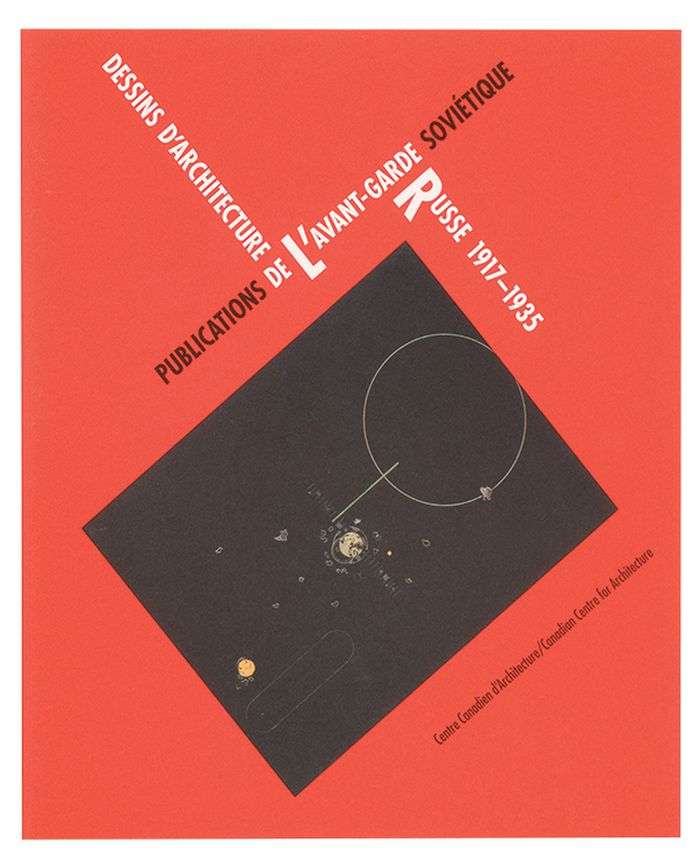
Publications de l'avant-garde soviétique : dessins d'architecture de l'avant-garde russe, 1917-1935
Publications de l'avant-garde soviétique : dessins d'architecture de l'avant-garde russe, 1917-1935
Actions:
Price:
$9.95
(available in store)
Summary:
Le catalogue de l'exposition préparée par Irena Zantovska Murray à partir des collections du CCA, étudie comment les idées qui sous-tendaient les mouvements de l'avant-garde ont été transmises. L'innovation graphique, qui est la marque des publications de l'avant-garde, traduit la hardiesse des propositions architecturales qui y sont présentées.
$9.95
(available in store)
Summary:
Le catalogue de l'exposition préparée par Irena Zantovska Murray à partir des collections du CCA, étudie comment les idées qui sous-tendaient les mouvements de l'avant-garde ont été transmises. L'innovation graphique, qui est la marque des publications de l'avant-garde, traduit la hardiesse des propositions architecturales qui y sont présentées.
Subject:
CCA Publications
CCA Publications
Publication:
June 1991, Montréal
June 1991, Montréal
Title:
Publications de l'avant-garde soviétique : dessins d'architecture de l'avant-garde russe, 1917-1935
Actions:
Price:
$9.95
(available in store)
Summary:
Le catalogue de l'exposition préparée par Irena Zantovska Murray à partir des collections du CCA, étudie comment les idées qui sous-tendaient les mouvements de l'avant-garde ont été transmises. L'innovation graphique, qui est la marque des publications de l'avant-garde, traduit la hardiesse des propositions architecturales qui y sont présentées.
Publications de l'avant-garde soviétique : dessins d'architecture de l'avant-garde russe, 1917-1935
Actions:
Price:
$9.95
(available in store)
Summary:
Le catalogue de l'exposition préparée par Irena Zantovska Murray à partir des collections du CCA, étudie comment les idées qui sous-tendaient les mouvements de l'avant-garde ont été transmises. L'innovation graphique, qui est la marque des publications de l'avant-garde, traduit la hardiesse des propositions architecturales qui y sont présentées.
Form:
books
books
Publication:
June 1991, Montréal
June 1991, Montréal
Subject:
CCA Publications
CCA Publications
Form:
books
books
Price:
$54.00
(available in store)
Summary:
In Imagine No Possessions, Christina Kiaer investigates the Russian Constructivist conception of objects as being more than commodities. "Our things in our hands must be equals, comrades," wrote Aleksandr Rodchenko in 1925. Kiaer analyzes this Constructivist counterproposal to capitalism's commodity fetish by examining objects produced by Constructivist artists between(...)
$54.00
(available in store)
Summary:
In Imagine No Possessions, Christina Kiaer investigates the Russian Constructivist conception of objects as being more than commodities. "Our things in our hands must be equals, comrades," wrote Aleksandr Rodchenko in 1925. Kiaer analyzes this Constructivist counterproposal to capitalism's commodity fetish by examining objects produced by Constructivist artists between(...)
Subject:
Design, Periods and Styles
Design, Periods and Styles
Publication:
April 2008, Cambridge, Massachusetts
April 2008, Cambridge, Massachusetts
Title:
Imagine no possessions: the socialist objects of Russian constructivism
Actions:
Price:
$54.00
(available in store)
Summary:
In Imagine No Possessions, Christina Kiaer investigates the Russian Constructivist conception of objects as being more than commodities. "Our things in our hands must be equals, comrades," wrote Aleksandr Rodchenko in 1925. Kiaer analyzes this Constructivist counterproposal to capitalism's commodity fetish by examining objects produced by Constructivist artists between 1923 and 1925: Vladimir Tatlin's prototype designs for pots and pans and other everyday objects, Liubov' Popova's and Varvara Stepanova's fashion designs and textiles, Rodchenko's packaging and advertisements for state-owned businesses (made in collaboration with revolutionary poet Vladimir Mayakovsky), and Rodchenko's famous design for the interior of a workers' club. These artists, heeding the call of Constructivist manifestos to abandon the nonobjective painting and sculpture of the early Russian avant-garde and enter into Soviet industrial production, aimed to work as "artist-engineers" to produce useful objects for everyday life in the new socialist collective.
Imagine no possessions: the socialist objects of Russian constructivism
Actions:
Price:
$54.00
(available in store)
Summary:
In Imagine No Possessions, Christina Kiaer investigates the Russian Constructivist conception of objects as being more than commodities. "Our things in our hands must be equals, comrades," wrote Aleksandr Rodchenko in 1925. Kiaer analyzes this Constructivist counterproposal to capitalism's commodity fetish by examining objects produced by Constructivist artists between 1923 and 1925: Vladimir Tatlin's prototype designs for pots and pans and other everyday objects, Liubov' Popova's and Varvara Stepanova's fashion designs and textiles, Rodchenko's packaging and advertisements for state-owned businesses (made in collaboration with revolutionary poet Vladimir Mayakovsky), and Rodchenko's famous design for the interior of a workers' club. These artists, heeding the call of Constructivist manifestos to abandon the nonobjective painting and sculpture of the early Russian avant-garde and enter into Soviet industrial production, aimed to work as "artist-engineers" to produce useful objects for everyday life in the new socialist collective.
Form:
books
books
Publication:
April 2008, Cambridge, Massachusetts
April 2008, Cambridge, Massachusetts
Subject:
Design, Periods and Styles
Design, Periods and Styles


