


3123 Results
Form:
books
books
Actions:
Holdings:
Description:
399 pages : illustrations (chiefly color) ; 25 cm
Description:
399 pages : illustrations (chiefly color) ; 25 cm
Author:
Subject:
Publication:
New Haven, CT : Yale University Press, [2014], ©2014
New Haven, CT : Yale University Press, [2014], ©2014
Title:
The World Atlas of Street Photography / Jackie Higgins ; foreword by Max Kozloff.
Actions:
Holdings:
Description:
399 pages : illustrations (chiefly color) ; 25 cm
The World Atlas of Street Photography / Jackie Higgins ; foreword by Max Kozloff.
Actions:
Holdings:
Description:
399 pages : illustrations (chiefly color) ; 25 cm
Form:
books
books
Publication:
New Haven, CT : Yale University Press, [2014], ©2014
New Haven, CT : Yale University Press, [2014], ©2014
Author:
Subject:
Form:
books
books
Title:
The prospect of cities
The prospect of cities
Actions:
Price:
$44.95
(available to order)
Summary:
Beginning with an overview of global urbanization patterns, particularly the entropic forces that exacerbate poverty, increase violence, and discourage democratic life in peripheral areas, "The Prospect of Cities" goes on to address specific contemporary issues. These range in subject and scale from the impact of transnational migration on global cities whose populations(...)
$44.95
(available to order)
Summary:
Beginning with an overview of global urbanization patterns, particularly the entropic forces that exacerbate poverty, increase violence, and discourage democratic life in peripheral areas, "The Prospect of Cities" goes on to address specific contemporary issues. These range in subject and scale from the impact of transnational migration on global cities whose populations(...)
Title:
The prospect of cities
Actions:
Price:
$44.95
(available to order)
Summary:
Beginning with an overview of global urbanization patterns, particularly the entropic forces that exacerbate poverty, increase violence, and discourage democratic life in peripheral areas, "The Prospect of Cities" goes on to address specific contemporary issues. These range in subject and scale from the impact of transnational migration on global cities whose populations are at least 30 percent of foreign origin to the critical importance of everyday life, as it is experienced on the streets and in neighborhoods, for a full understanding of urban planning. The final chapter traces the author's evolution as a theorist of city-regional development and planning, deepening the perspective mapped out over the course of the volume and providing new insight into the study of the urban landscape in a global environment.
The prospect of cities
Actions:
Price:
$44.95
(available to order)
Summary:
Beginning with an overview of global urbanization patterns, particularly the entropic forces that exacerbate poverty, increase violence, and discourage democratic life in peripheral areas, "The Prospect of Cities" goes on to address specific contemporary issues. These range in subject and scale from the impact of transnational migration on global cities whose populations are at least 30 percent of foreign origin to the critical importance of everyday life, as it is experienced on the streets and in neighborhoods, for a full understanding of urban planning. The final chapter traces the author's evolution as a theorist of city-regional development and planning, deepening the perspective mapped out over the course of the volume and providing new insight into the study of the urban landscape in a global environment.
Form:
books
books
Publication:
April 2002, Minneapolis
April 2002, Minneapolis
Subject:
Urban Theory
Urban Theory
Form:
books
books
Actions:
Holdings:
Description:
xiv, 241 pages : illustrations ; 26 cm.
Description:
xiv, 241 pages : illustrations ; 26 cm.
Author:
Subject:
Publication:
London ; New York : Routledge, 2012.
London ; New York : Routledge, 2012.
Title:
Scale : imagination, perception, and practice in architecture / edited by Gerald Adler, Timothy Brittain-Catlin, and Gordana Fontana-Giusti.
Actions:
Holdings:
Description:
xiv, 241 pages : illustrations ; 26 cm.
Scale : imagination, perception, and practice in architecture / edited by Gerald Adler, Timothy Brittain-Catlin, and Gordana Fontana-Giusti.
Actions:
Holdings:
Description:
xiv, 241 pages : illustrations ; 26 cm.
Form:
books
books
Publication:
London ; New York : Routledge, 2012.
London ; New York : Routledge, 2012.
Author:
Subject:
Form:
books
books

Actions:
Price:
$56.25
(available to order)
Summary:
Landscape architect, urban planner, teacher, and social visionary: over the course of a sixty-year career, Lawrence Halprin (1916-2009) reshaped the spaces we inhabit and our ways of moving through them. Featuring more than ninety black-and-white and one hundred color reproductions of photographs, plans, and sketchbooks, A Life Spent Changing Places is Halprin's own(...)
$56.25
(available to order)
Summary:
Landscape architect, urban planner, teacher, and social visionary: over the course of a sixty-year career, Lawrence Halprin (1916-2009) reshaped the spaces we inhabit and our ways of moving through them. Featuring more than ninety black-and-white and one hundred color reproductions of photographs, plans, and sketchbooks, A Life Spent Changing Places is Halprin's own(...)
Title:
Lawrence Halprin: A life spent changing places
Actions:
Price:
$56.25
(available to order)
Summary:
Landscape architect, urban planner, teacher, and social visionary: over the course of a sixty-year career, Lawrence Halprin (1916-2009) reshaped the spaces we inhabit and our ways of moving through them. Featuring more than ninety black-and-white and one hundred color reproductions of photographs, plans, and sketchbooks, A Life Spent Changing Places is Halprin's own account of how a young boy who listened to the fireside chats of FDR on the radio became the man who designed the memorial to that president in the nation's capital. It is a book about the invention and reinvention of an extraordinary man over the span of decades and how he helped to reframe the world around him.
Lawrence Halprin: A life spent changing places
Actions:
Price:
$56.25
(available to order)
Summary:
Landscape architect, urban planner, teacher, and social visionary: over the course of a sixty-year career, Lawrence Halprin (1916-2009) reshaped the spaces we inhabit and our ways of moving through them. Featuring more than ninety black-and-white and one hundred color reproductions of photographs, plans, and sketchbooks, A Life Spent Changing Places is Halprin's own account of how a young boy who listened to the fireside chats of FDR on the radio became the man who designed the memorial to that president in the nation's capital. It is a book about the invention and reinvention of an extraordinary man over the span of decades and how he helped to reframe the world around him.
Form:
books
books
Publication:
June 2011
June 2011
Subject:
Landscape Architecture, Monographs
Landscape Architecture, Monographs
Form:
books
books
Actions:
Price:
$44.95
(available to order)
Summary:
This volume presents a cross-section of state-of-the-art scholarship in critical global suburban research and provides an in-depth study of the planet’s urban peripheries to grasp the forms of urbanization in the twenty-first century. Based on cutting-edge conceptual thought and steeped in richly detailed empirical work conducted over the past decade, The book draws on(...)
$44.95
(available to order)
Summary:
This volume presents a cross-section of state-of-the-art scholarship in critical global suburban research and provides an in-depth study of the planet’s urban peripheries to grasp the forms of urbanization in the twenty-first century. Based on cutting-edge conceptual thought and steeped in richly detailed empirical work conducted over the past decade, The book draws on(...)
Title:
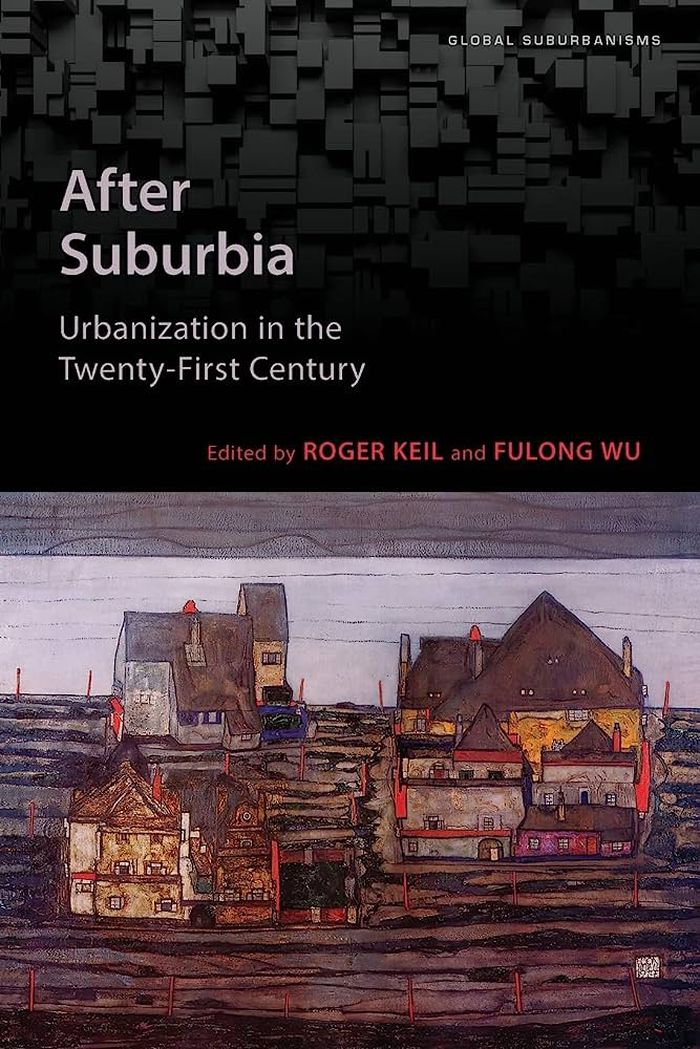
After suburbia: Urbanization in the twenty-first century
Actions:
Price:
$44.95
(available to order)
Summary:
This volume presents a cross-section of state-of-the-art scholarship in critical global suburban research and provides an in-depth study of the planet’s urban peripheries to grasp the forms of urbanization in the twenty-first century. Based on cutting-edge conceptual thought and steeped in richly detailed empirical work conducted over the past decade, The book draws on research from Asia, Africa, Australia, Europe, and the Americas to showcase comprehensive global scholarship on the urban periphery. Contributors explicitly reject the traditional centre-periphery dichotomy and the prioritization of epistemologies that favour the Global North, especially North American cases, over other experiences. In doing so, the book strongly advances the notion of a post-suburban reality in which traditional dynamics of urban extension outward from the centre are replaced by a set of complex contradictory developments. The title examines multiple centralities and diverse peripheries which mesh to produce a surprisingly contradictory and diverse metropolitan landscape.
After suburbia: Urbanization in the twenty-first century
Actions:
Price:
$44.95
(available to order)
Summary:
This volume presents a cross-section of state-of-the-art scholarship in critical global suburban research and provides an in-depth study of the planet’s urban peripheries to grasp the forms of urbanization in the twenty-first century. Based on cutting-edge conceptual thought and steeped in richly detailed empirical work conducted over the past decade, The book draws on research from Asia, Africa, Australia, Europe, and the Americas to showcase comprehensive global scholarship on the urban periphery. Contributors explicitly reject the traditional centre-periphery dichotomy and the prioritization of epistemologies that favour the Global North, especially North American cases, over other experiences. In doing so, the book strongly advances the notion of a post-suburban reality in which traditional dynamics of urban extension outward from the centre are replaced by a set of complex contradictory developments. The title examines multiple centralities and diverse peripheries which mesh to produce a surprisingly contradictory and diverse metropolitan landscape.
Form:
books
books
Publication:
August 2022
August 2022
Subject:
Urban Theory
Urban Theory
Form:
books
books
Price:
$66.00
(available in store)
Summary:
American cities underwent seismic transformations in the 1960s and '70s, from shifting demographics and political protests to reshaping through highways and urban renewal. Amid this climate of upheaval, photographers, architects, activists, performance artists, and filmmakers turned conditions of crisis into sites for civic discourse and artistic expression. The City Lost(...)
$66.00
(available in store)
Summary:
American cities underwent seismic transformations in the 1960s and '70s, from shifting demographics and political protests to reshaping through highways and urban renewal. Amid this climate of upheaval, photographers, architects, activists, performance artists, and filmmakers turned conditions of crisis into sites for civic discourse and artistic expression. The City Lost(...)
Subject:
Urban Theory
Urban Theory
Publication:
November 2014
November 2014
Title:
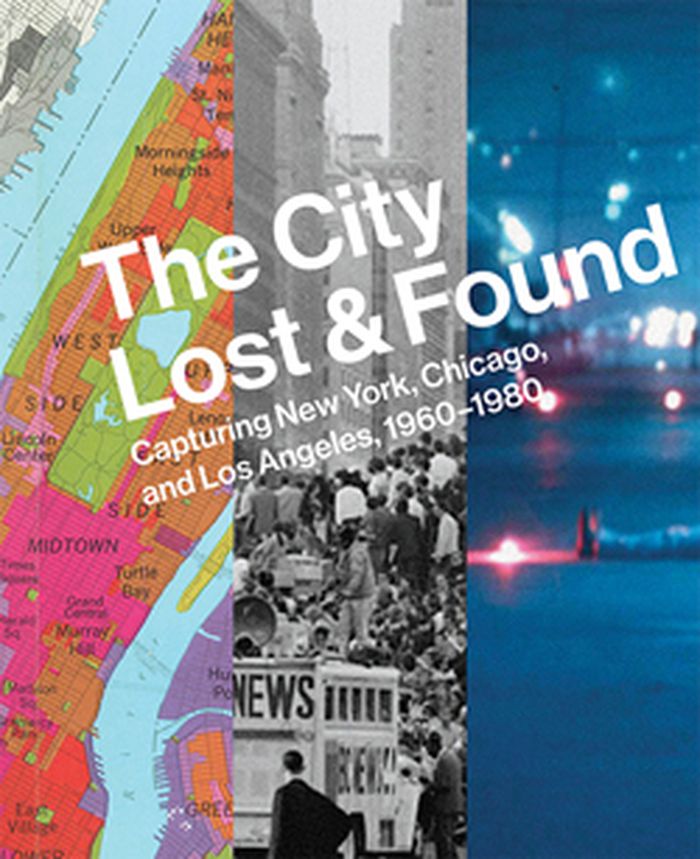
The city lost & found: capturing New York, Chicago, and Los Angeles
Actions:
Price:
$66.00
(available in store)
Summary:
American cities underwent seismic transformations in the 1960s and '70s, from shifting demographics and political protests to reshaping through highways and urban renewal. Amid this climate of upheaval, photographers, architects, activists, performance artists, and filmmakers turned conditions of crisis into sites for civic discourse and artistic expression. The City Lost and Found explores photographic and cinematic responses to the changing fabric of New York, Chicago, and Los Angeles that contributed to a reconsideration of cities in popular media and urban policy during this period. This book raises timely questions about the role of art within the social, political, and physical landscape of cities. Featuring contributions from more than 20 noted scholars in fields including art history, urban planning, architecture, and cultural studies, this is the first publication to address an important shift in photographic, cinematic, and planning practices based on close observations of streets, neighborhoods, and seminal events in the country's three largest cities.
The city lost & found: capturing New York, Chicago, and Los Angeles
Actions:
Price:
$66.00
(available in store)
Summary:
American cities underwent seismic transformations in the 1960s and '70s, from shifting demographics and political protests to reshaping through highways and urban renewal. Amid this climate of upheaval, photographers, architects, activists, performance artists, and filmmakers turned conditions of crisis into sites for civic discourse and artistic expression. The City Lost and Found explores photographic and cinematic responses to the changing fabric of New York, Chicago, and Los Angeles that contributed to a reconsideration of cities in popular media and urban policy during this period. This book raises timely questions about the role of art within the social, political, and physical landscape of cities. Featuring contributions from more than 20 noted scholars in fields including art history, urban planning, architecture, and cultural studies, this is the first publication to address an important shift in photographic, cinematic, and planning practices based on close observations of streets, neighborhoods, and seminal events in the country's three largest cities.
Form:
books
books
Publication:
November 2014
November 2014
Subject:
Urban Theory
Urban Theory
Form:
books
books
Actions:
Price:
$56.95
(available to order)
Summary:
The spring exhibition in the Architekturzentrum Wien is devoted to a history of ideas of appropriating land in urban space. Curator Elke Krasny presents historical and contemporary case studies that illustrate bottom-up urban development in Chicago, Leipzig, Vienna, Bremen, New York, Paris, Hong Kong, Istanbul, Porto Alegre, Havanna or Quito. She offers an overview of(...)
$56.95
(available to order)
Summary:
The spring exhibition in the Architekturzentrum Wien is devoted to a history of ideas of appropriating land in urban space. Curator Elke Krasny presents historical and contemporary case studies that illustrate bottom-up urban development in Chicago, Leipzig, Vienna, Bremen, New York, Paris, Hong Kong, Istanbul, Porto Alegre, Havanna or Quito. She offers an overview of(...)
Title:
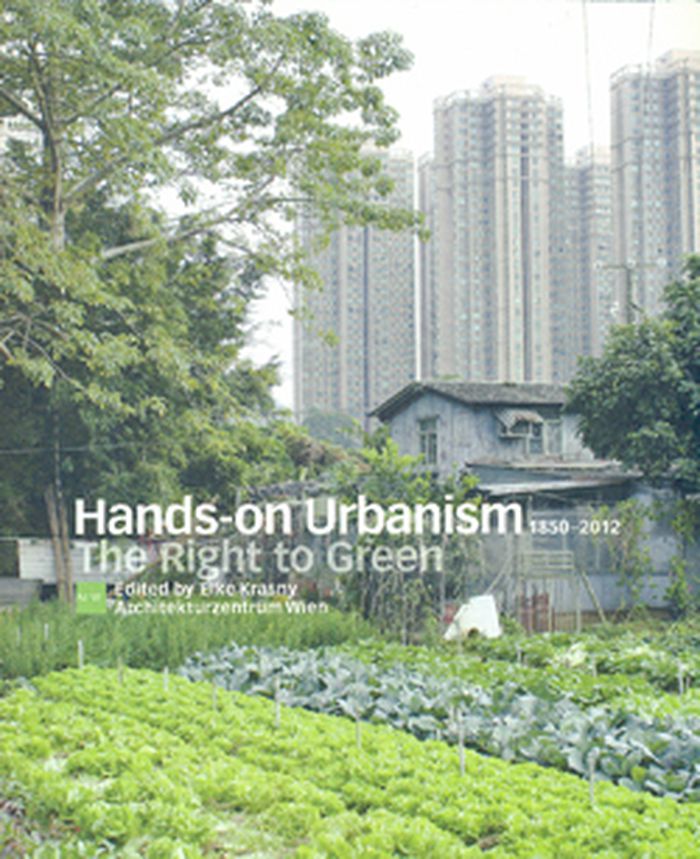
Hands-on ubanism 1850-2012: the right to green
Actions:
Price:
$56.95
(available to order)
Summary:
The spring exhibition in the Architekturzentrum Wien is devoted to a history of ideas of appropriating land in urban space. Curator Elke Krasny presents historical and contemporary case studies that illustrate bottom-up urban development in Chicago, Leipzig, Vienna, Bremen, New York, Paris, Hong Kong, Istanbul, Porto Alegre, Havanna or Quito. She offers an overview of self-organised, collective, informal movements and of the spaces they create. Hands-On Urbanism presents a different history of urbanism that puts pressing questions to architects and planners and enquires about how we use resources. What can be learned from this urban history from below and how do architects operate within these processes?
Hands-on ubanism 1850-2012: the right to green
Actions:
Price:
$56.95
(available to order)
Summary:
The spring exhibition in the Architekturzentrum Wien is devoted to a history of ideas of appropriating land in urban space. Curator Elke Krasny presents historical and contemporary case studies that illustrate bottom-up urban development in Chicago, Leipzig, Vienna, Bremen, New York, Paris, Hong Kong, Istanbul, Porto Alegre, Havanna or Quito. She offers an overview of self-organised, collective, informal movements and of the spaces they create. Hands-On Urbanism presents a different history of urbanism that puts pressing questions to architects and planners and enquires about how we use resources. What can be learned from this urban history from below and how do architects operate within these processes?
Form:
books
books
Publication:
May 2014
May 2014
Subject:
Urban Landscapes
Urban Landscapes
Form:
books
books
Actions:
Price:
$34.95
(available to order)
Summary:
In the first decades of the twentieth century, Marseille was a booming Mediterranean port. Positioned at the very edge of France, the city functioned as a critical fulcrum between the metropolitan center and its overseas empire. A notoriously dangerous and cosmopolitan city, Marseille became the focus of the extraordinary energies of some of the most remarkable architects(...)
$34.95
(available to order)
Summary:
In the first decades of the twentieth century, Marseille was a booming Mediterranean port. Positioned at the very edge of France, the city functioned as a critical fulcrum between the metropolitan center and its overseas empire. A notoriously dangerous and cosmopolitan city, Marseille became the focus of the extraordinary energies of some of the most remarkable architects(...)
Title:
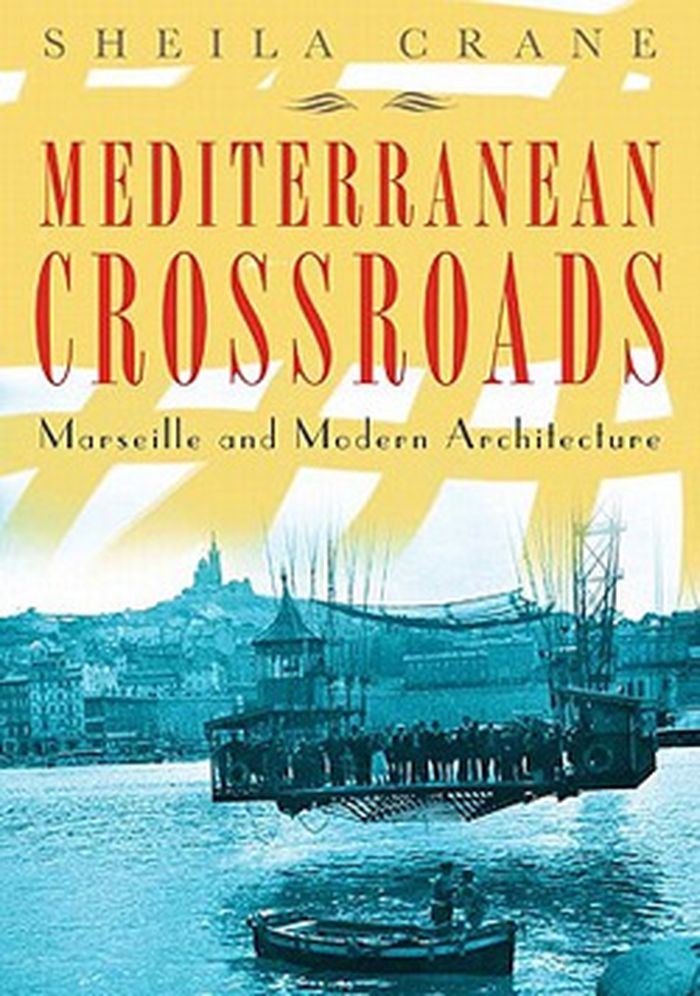
Mediterranean crossroads: Marseille and Modern architecture
Actions:
Price:
$34.95
(available to order)
Summary:
In the first decades of the twentieth century, Marseille was a booming Mediterranean port. Positioned at the very edge of France, the city functioned as a critical fulcrum between the metropolitan center and its overseas empire. A notoriously dangerous and cosmopolitan city, Marseille became the focus of the extraordinary energies of some of the most remarkable architects and theorists of urban modernity. Drawing together architects, photographers, and cultural theorists, including Le Corbusier, Sigfried Giedion, Walter Benjamin, and László Moholy-Nagy, Mediterranean Crossroads examines how mythic ideas about Marseille helped to shape its urban landscape. Tracing successive planning proposals in tandem with shifting representations of the city in photographs, film, guidebooks, and postcards, Sheila Crane reconstructs the history and politics of architecture in Marseille from the 1920s through the years of rebuilding after World War II.
Mediterranean crossroads: Marseille and Modern architecture
Actions:
Price:
$34.95
(available to order)
Summary:
In the first decades of the twentieth century, Marseille was a booming Mediterranean port. Positioned at the very edge of France, the city functioned as a critical fulcrum between the metropolitan center and its overseas empire. A notoriously dangerous and cosmopolitan city, Marseille became the focus of the extraordinary energies of some of the most remarkable architects and theorists of urban modernity. Drawing together architects, photographers, and cultural theorists, including Le Corbusier, Sigfried Giedion, Walter Benjamin, and László Moholy-Nagy, Mediterranean Crossroads examines how mythic ideas about Marseille helped to shape its urban landscape. Tracing successive planning proposals in tandem with shifting representations of the city in photographs, film, guidebooks, and postcards, Sheila Crane reconstructs the history and politics of architecture in Marseille from the 1920s through the years of rebuilding after World War II.
Form:
books
books
Publication:
April 2011
April 2011
Subject:
Urban Theory
Urban Theory
Form:
books
books
Actions:
Price:
$37.95
(available to order)
Summary:
As urban life is reimagined for greater sustainability, resilience, and adaptation, this publication invites readers to fully engage with the possibilities of how we can coexist with our urban habitats. Ursula Lang uses the yard as a faceted lens through which to examine the multiple and contradictory ways people live in urban environments, and how perceptions of those(...)
$37.95
(available to order)
Summary:
As urban life is reimagined for greater sustainability, resilience, and adaptation, this publication invites readers to fully engage with the possibilities of how we can coexist with our urban habitats. Ursula Lang uses the yard as a faceted lens through which to examine the multiple and contradictory ways people live in urban environments, and how perceptions of those(...)
Title:
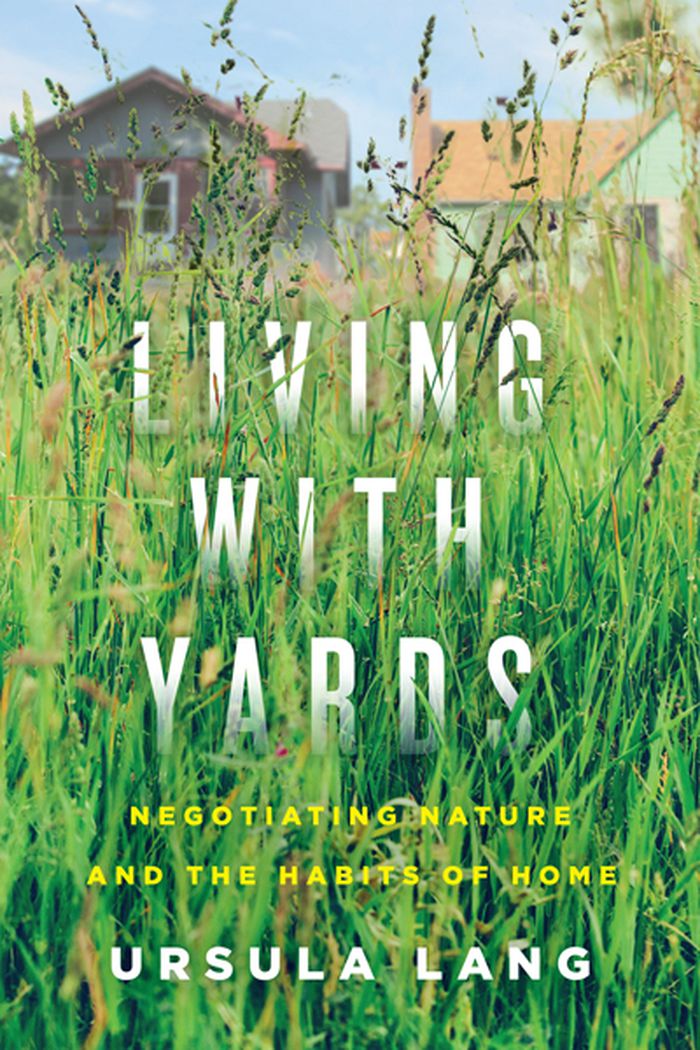
Living with yards: negotiating nature and the habits of home
Actions:
Price:
$37.95
(available to order)
Summary:
As urban life is reimagined for greater sustainability, resilience, and adaptation, this publication invites readers to fully engage with the possibilities of how we can coexist with our urban habitats. Ursula Lang uses the yard as a faceted lens through which to examine the multiple and contradictory ways people live in urban environments, and how perceptions of those environments are shaped by contemporary environmental policies and projects. Visual ethnography and narrative illustrate how inhabitants of Minneapolis live with their yards as sites of social and environmental care while also negotiating difference. Throughout, Lang’s subjects engage in diverse and creative everyday practices of cultivation and property ownership, often quite distinct from the environmental policies and projects in place.
Living with yards: negotiating nature and the habits of home
Actions:
Price:
$37.95
(available to order)
Summary:
As urban life is reimagined for greater sustainability, resilience, and adaptation, this publication invites readers to fully engage with the possibilities of how we can coexist with our urban habitats. Ursula Lang uses the yard as a faceted lens through which to examine the multiple and contradictory ways people live in urban environments, and how perceptions of those environments are shaped by contemporary environmental policies and projects. Visual ethnography and narrative illustrate how inhabitants of Minneapolis live with their yards as sites of social and environmental care while also negotiating difference. Throughout, Lang’s subjects engage in diverse and creative everyday practices of cultivation and property ownership, often quite distinct from the environmental policies and projects in place.
Form:
books
books
Publication:
February 2022
February 2022
Subject:
Urban Landscapes
Urban Landscapes
Form:
books
books
Actions:
Price:
$35.00
(available to order)
Summary:
The Natural City explores how to integrate the natural environment into healthy urban centres from philosophical, religious, socio-political, and planning perspectives. Recognizing the need to better link the humanities with public policy, The Natural City offers unique insights for the development of an alternative vision of urban life.
$35.00
(available to order)
Summary:
The Natural City explores how to integrate the natural environment into healthy urban centres from philosophical, religious, socio-political, and planning perspectives. Recognizing the need to better link the humanities with public policy, The Natural City offers unique insights for the development of an alternative vision of urban life.
Publication:
October 2011
October 2011
Title:
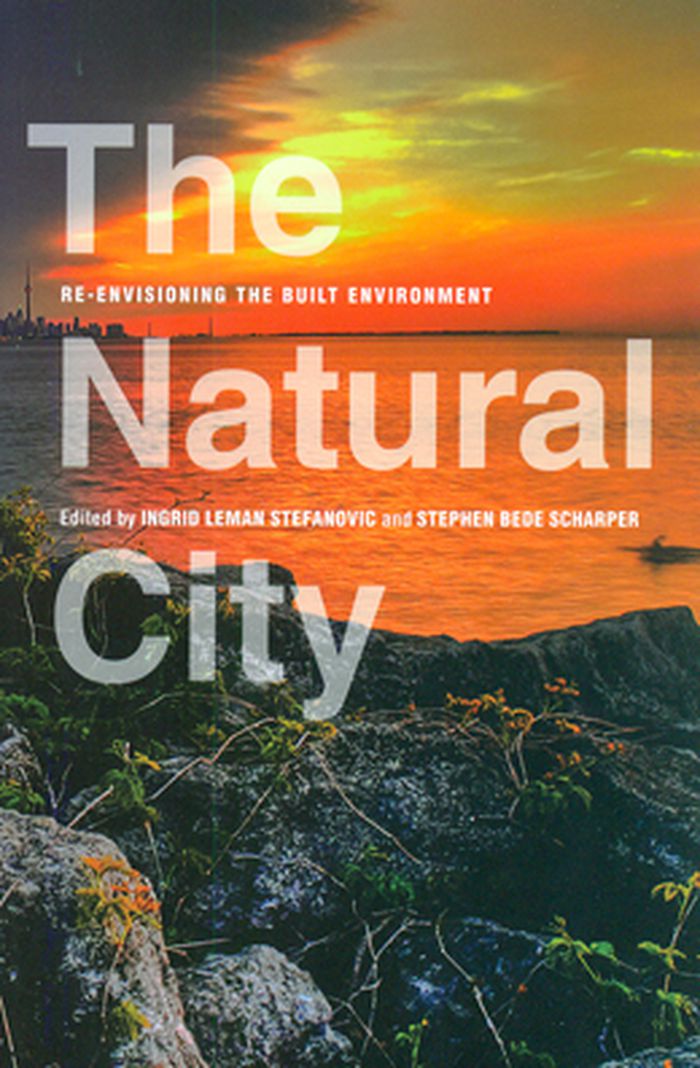
The natural city: Re-envisioning the built environment
Actions:
Price:
$35.00
(available to order)
Summary:
The Natural City explores how to integrate the natural environment into healthy urban centres from philosophical, religious, socio-political, and planning perspectives. Recognizing the need to better link the humanities with public policy, The Natural City offers unique insights for the development of an alternative vision of urban life.
The natural city: Re-envisioning the built environment
Actions:
Price:
$35.00
(available to order)
Summary:
The Natural City explores how to integrate the natural environment into healthy urban centres from philosophical, religious, socio-political, and planning perspectives. Recognizing the need to better link the humanities with public policy, The Natural City offers unique insights for the development of an alternative vision of urban life.
Form:
books
books
Publication:
October 2011
October 2011


