


2689 Results
Form:
books
books
Actions:
Price:
$178.50
(available to order)
Summary:
Tower and Slab looks at the contradictory history of the modernist mass housing block - home to millions of city dwellers around the world. Few urban forms have roused as much controversy. While in the United States decades-long criticism caused the demolition of most mass housing projects for the poor, in the booming metropolises of Shanghai and Mumbai remarkably similar(...)
$178.50
(available to order)
Summary:
Tower and Slab looks at the contradictory history of the modernist mass housing block - home to millions of city dwellers around the world. Few urban forms have roused as much controversy. While in the United States decades-long criticism caused the demolition of most mass housing projects for the poor, in the booming metropolises of Shanghai and Mumbai remarkably similar(...)
Title:
Tower and slab : histories of global mass housing
Actions:
Price:
$178.50
(available to order)
Summary:
Tower and Slab looks at the contradictory history of the modernist mass housing block - home to millions of city dwellers around the world. Few urban forms have roused as much controversy. While in the United States decades-long criticism caused the demolition of most mass housing projects for the poor, in the booming metropolises of Shanghai and Mumbai remarkably similar developments are being built for the wealthy middle class. While on the surface the modernist apartment block appears universal, it is in fact diverse in its significance and connotations as its many different cultural contexts. Florian Urban studies the history of mass housing in seven narratives: Chicago, Paris, Berlin, Brasilia, Mumbai, Moscow, and Shanghai. Investigating the complex interactions between city planning and social history, Tower and Slab shows how the modernist vision to house the masses in serial blocks succeeded in certain contexts and failed in others. Success and failure, in this respect, refers not only to the original goals to solve the housing crisis and provide modern standards for the entire society but equally to changing significance of the housing blocks within the respective societies and their perception by architects, politicians, and inhabitants.
Tower and slab : histories of global mass housing
Actions:
Price:
$178.50
(available to order)
Summary:
Tower and Slab looks at the contradictory history of the modernist mass housing block - home to millions of city dwellers around the world. Few urban forms have roused as much controversy. While in the United States decades-long criticism caused the demolition of most mass housing projects for the poor, in the booming metropolises of Shanghai and Mumbai remarkably similar developments are being built for the wealthy middle class. While on the surface the modernist apartment block appears universal, it is in fact diverse in its significance and connotations as its many different cultural contexts. Florian Urban studies the history of mass housing in seven narratives: Chicago, Paris, Berlin, Brasilia, Mumbai, Moscow, and Shanghai. Investigating the complex interactions between city planning and social history, Tower and Slab shows how the modernist vision to house the masses in serial blocks succeeded in certain contexts and failed in others. Success and failure, in this respect, refers not only to the original goals to solve the housing crisis and provide modern standards for the entire society but equally to changing significance of the housing blocks within the respective societies and their perception by architects, politicians, and inhabitants.
Form:
books
books
Publication:
April 2012
April 2012
Subject:
Collective Housing
Collective Housing
Form:
books
books
Actions:
Price:
$22.99
(available to order)
Summary:
In 1923, a group of young radical German thinkers and intellectuals came together to at Victoria Alle 7, Frankfurt, determined to explain the workings of the modern world. Among the most prominent members of what became the Frankfurt School were the philosophers Walter Benjamin, Theodor Adorno, Max Horkheimer, and Herbert Marcuse. Not only would they change the way we(...)
$22.99
(available to order)
Summary:
In 1923, a group of young radical German thinkers and intellectuals came together to at Victoria Alle 7, Frankfurt, determined to explain the workings of the modern world. Among the most prominent members of what became the Frankfurt School were the philosophers Walter Benjamin, Theodor Adorno, Max Horkheimer, and Herbert Marcuse. Not only would they change the way we(...)
Title:
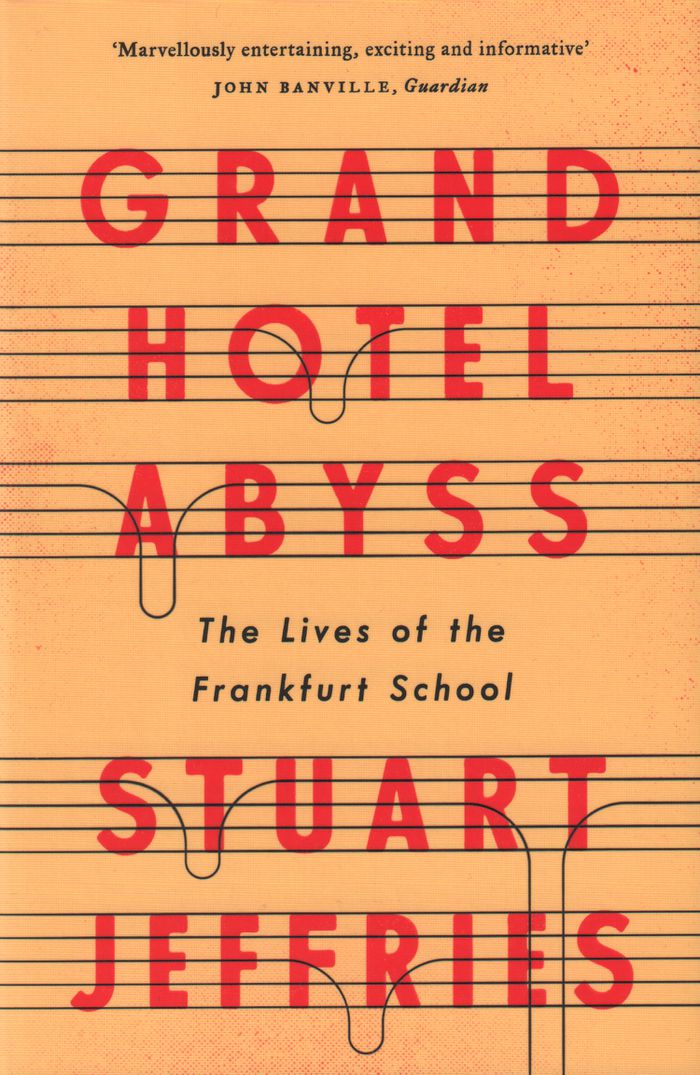
Grand Hotel Abyss: the lives of the Frankfurt school
Actions:
Price:
$22.99
(available to order)
Summary:
In 1923, a group of young radical German thinkers and intellectuals came together to at Victoria Alle 7, Frankfurt, determined to explain the workings of the modern world. Among the most prominent members of what became the Frankfurt School were the philosophers Walter Benjamin, Theodor Adorno, Max Horkheimer, and Herbert Marcuse. Not only would they change the way we think, but also the subjects we deem worthy of intellectual investigation. Their lives, like their ideas, profoundly, sometimes tragically, reflected and shaped the shattering events of the twentieth century. "Grand Hotel Abyss" combines biography, philosophy, and storytelling to reveal how the Frankfurt thinkers gathered in hopes of understanding the politics of culture during the rise of fascism. Some of them, forced to escape the horrors of Nazi Germany, later found exile in the United States. Benjamin, with his last great work—the incomplete Arcades Project—in his suitcase, was arrested in Spain and committed suicide when threatened with deportation to Nazi-occupied France. On the other side of the Atlantic, Adorno failed in his bid to become a Hollywood screenwriter, denounced jazz, and even met Charlie Chaplin in Malibu. After the war, there was a resurgence of interest in the School. From the relative comfort of sun-drenched California, Herbert Marcuse wrote the classic One Dimensional Man, which influenced the 1960s counterculture and thinkers such as Angela Davis; while in a tragic coda, Adorno died from a heart attack following confrontations with student radicals in Berlin. By taking popular culture seriously as an object of study—whether it was film, music, ideas, or consumerism—the Frankfurt School elaborated upon the nature and crisis of our mass-produced, mechanised society. Grand Hotel Abyss shows how much these ideas still tell us about our age of social media and runaway consumption.
Grand Hotel Abyss: the lives of the Frankfurt school
Actions:
Price:
$22.99
(available to order)
Summary:
In 1923, a group of young radical German thinkers and intellectuals came together to at Victoria Alle 7, Frankfurt, determined to explain the workings of the modern world. Among the most prominent members of what became the Frankfurt School were the philosophers Walter Benjamin, Theodor Adorno, Max Horkheimer, and Herbert Marcuse. Not only would they change the way we think, but also the subjects we deem worthy of intellectual investigation. Their lives, like their ideas, profoundly, sometimes tragically, reflected and shaped the shattering events of the twentieth century. "Grand Hotel Abyss" combines biography, philosophy, and storytelling to reveal how the Frankfurt thinkers gathered in hopes of understanding the politics of culture during the rise of fascism. Some of them, forced to escape the horrors of Nazi Germany, later found exile in the United States. Benjamin, with his last great work—the incomplete Arcades Project—in his suitcase, was arrested in Spain and committed suicide when threatened with deportation to Nazi-occupied France. On the other side of the Atlantic, Adorno failed in his bid to become a Hollywood screenwriter, denounced jazz, and even met Charlie Chaplin in Malibu. After the war, there was a resurgence of interest in the School. From the relative comfort of sun-drenched California, Herbert Marcuse wrote the classic One Dimensional Man, which influenced the 1960s counterculture and thinkers such as Angela Davis; while in a tragic coda, Adorno died from a heart attack following confrontations with student radicals in Berlin. By taking popular culture seriously as an object of study—whether it was film, music, ideas, or consumerism—the Frankfurt School elaborated upon the nature and crisis of our mass-produced, mechanised society. Grand Hotel Abyss shows how much these ideas still tell us about our age of social media and runaway consumption.
Form:
books
books
Publication:
September 2017
September 2017
Subject:
Critical Theory
Critical Theory
Form:
books
books
Actions:
Price:
$90.00
(available to order)
Summary:
"Things as they are" presents the story of photojournalism over fifty years, from 1955 until today. It takes us from the golden era of the illustrated press—the heyday of Life magazine and Picture Post, and the moment of the Museum of Modern Art’s defining Family of Man exhibition—to the explosion of digital media in the twenty-first century. This history is told through(...)
$90.00
(available to order)
Summary:
"Things as they are" presents the story of photojournalism over fifty years, from 1955 until today. It takes us from the golden era of the illustrated press—the heyday of Life magazine and Picture Post, and the moment of the Museum of Modern Art’s defining Family of Man exhibition—to the explosion of digital media in the twenty-first century. This history is told through(...)
Publication:
March 2006, New York
March 2006, New York
Title:
Things as they are : photojournalism in context since 1955
Actions:
Price:
$90.00
(available to order)
Summary:
"Things as they are" presents the story of photojournalism over fifty years, from 1955 until today. It takes us from the golden era of the illustrated press—the heyday of Life magazine and Picture Post, and the moment of the Museum of Modern Art’s defining Family of Man exhibition—to the explosion of digital media in the twenty-first century. This history is told through the presentation of 125 photojournalism features shot and published throughout the world. These stories are presented in context—shown on the pages of newspapers and magazines, as the public originally experienced them. In this way, "Things as they are" reveals how the events of the world, the art of photographers, and the interests of publishers and the press converged on the printed page. It traces how photojournalism has developed over time alongside changing technology, media, fashions in photography—and a changing world. It includes photo-essays by photographers such as W. Eugene Smith, Sebastião Salgado, Mary Ellen Mark, and James Nachtwey, each accompanied by commentary. An international panel of one hundred photographers, editors, art directors, historians, and magazine collectors has made the final selections for the book. They have chosen stories that exemplify the highest quality of work published around the world during each period as well as stories that have played a key role in shaping the history of photojournalism itself, demonstrating important innovations in photography and in publishing. The book includes a preface by Michiel Munneke, director of World Press Photo; a foreword by Christian Caujolle, curator and founder of Agence Vu Press; an introduction by Mary Panzer that considers the past, present, and future of photojournalism; and a timeline of the period illustrated with iconic winners of the annual World Press Photo awards.
Things as they are : photojournalism in context since 1955
Actions:
Price:
$90.00
(available to order)
Summary:
"Things as they are" presents the story of photojournalism over fifty years, from 1955 until today. It takes us from the golden era of the illustrated press—the heyday of Life magazine and Picture Post, and the moment of the Museum of Modern Art’s defining Family of Man exhibition—to the explosion of digital media in the twenty-first century. This history is told through the presentation of 125 photojournalism features shot and published throughout the world. These stories are presented in context—shown on the pages of newspapers and magazines, as the public originally experienced them. In this way, "Things as they are" reveals how the events of the world, the art of photographers, and the interests of publishers and the press converged on the printed page. It traces how photojournalism has developed over time alongside changing technology, media, fashions in photography—and a changing world. It includes photo-essays by photographers such as W. Eugene Smith, Sebastião Salgado, Mary Ellen Mark, and James Nachtwey, each accompanied by commentary. An international panel of one hundred photographers, editors, art directors, historians, and magazine collectors has made the final selections for the book. They have chosen stories that exemplify the highest quality of work published around the world during each period as well as stories that have played a key role in shaping the history of photojournalism itself, demonstrating important innovations in photography and in publishing. The book includes a preface by Michiel Munneke, director of World Press Photo; a foreword by Christian Caujolle, curator and founder of Agence Vu Press; an introduction by Mary Panzer that considers the past, present, and future of photojournalism; and a timeline of the period illustrated with iconic winners of the annual World Press Photo awards.
Form:
books
books
Publication:
March 2006, New York
March 2006, New York
Form:
books
books

Actions:
Price:
$33.95
(available to order)
Summary:
Mucking around in the messy terrain of American trash, Jani Scandura tells the story of the United States during the Great Depression through evocative and photo-rich portraits of four different locales: Reno, Harlem, Key West, and Hollywood. In investigating these depression-era �dumps,� places that she claims contained and reclaimed the cultural, ideological, and(...)
$33.95
(available to order)
Summary:
Mucking around in the messy terrain of American trash, Jani Scandura tells the story of the United States during the Great Depression through evocative and photo-rich portraits of four different locales: Reno, Harlem, Key West, and Hollywood. In investigating these depression-era �dumps,� places that she claims contained and reclaimed the cultural, ideological, and(...)
Title:
Down in the dumps: place, modernity, american depression
Actions:
Price:
$33.95
(available to order)
Summary:
Mucking around in the messy terrain of American trash, Jani Scandura tells the story of the United States during the Great Depression through evocative and photo-rich portraits of four different locales: Reno, Harlem, Key West, and Hollywood. In investigating these depression-era �dumps,� places that she claims contained and reclaimed the cultural, ideological, and material refuse of modern America, Scandura introduces the concept of �depressive modernity,� an enduring affective component of American culture that exposes itself at those moments when the foundational myths of America and progressive modernity�capitalism, democracy, individualism, secularism, utopian aspiration�are thrown into question. Depressive modernity is modernity at a standstill. Such a modernity is not stagnant or fixed, nor immobile, but is constituted by an instantaneous unstaging of desire, territory, language, and memory that reveals itself in the shimmering of place. An interpretive bricolage that draws on an unlikely archive of 1930s detritus�office memos, scribbled manuscripts, scrapbooks, ruined photographs, newspaper clippings, glass eyes, incinerated stage sets, pulp novels, and junk washed ashore�Down in the Dumps escorts its readers through Reno�s 1930s divorce factory, where couples from across the United States came to quickly dissolve matrimonial bonds; Key West�s multilingual salvage economy and the island that became the center of an ideological tug-of-war between the American New Deal government and a politically fraught Caribbean; post-Renaissance Harlem, in the process of memorializing, remembering, grieving and rewriting a modernity that had already passed; and Studio-era Hollywood, Nathanael West�s �dump of dreams,� in which the introduction of sound film and shifts in art direction began to transform how Americans understood place-making and even being itself. A coda on Alcatraz and the Pentagon brings the book into the present, exploring how American Depression comes to bear on post-9/11 America.
Down in the dumps: place, modernity, american depression
Actions:
Price:
$33.95
(available to order)
Summary:
Mucking around in the messy terrain of American trash, Jani Scandura tells the story of the United States during the Great Depression through evocative and photo-rich portraits of four different locales: Reno, Harlem, Key West, and Hollywood. In investigating these depression-era �dumps,� places that she claims contained and reclaimed the cultural, ideological, and material refuse of modern America, Scandura introduces the concept of �depressive modernity,� an enduring affective component of American culture that exposes itself at those moments when the foundational myths of America and progressive modernity�capitalism, democracy, individualism, secularism, utopian aspiration�are thrown into question. Depressive modernity is modernity at a standstill. Such a modernity is not stagnant or fixed, nor immobile, but is constituted by an instantaneous unstaging of desire, territory, language, and memory that reveals itself in the shimmering of place. An interpretive bricolage that draws on an unlikely archive of 1930s detritus�office memos, scribbled manuscripts, scrapbooks, ruined photographs, newspaper clippings, glass eyes, incinerated stage sets, pulp novels, and junk washed ashore�Down in the Dumps escorts its readers through Reno�s 1930s divorce factory, where couples from across the United States came to quickly dissolve matrimonial bonds; Key West�s multilingual salvage economy and the island that became the center of an ideological tug-of-war between the American New Deal government and a politically fraught Caribbean; post-Renaissance Harlem, in the process of memorializing, remembering, grieving and rewriting a modernity that had already passed; and Studio-era Hollywood, Nathanael West�s �dump of dreams,� in which the introduction of sound film and shifts in art direction began to transform how Americans understood place-making and even being itself. A coda on Alcatraz and the Pentagon brings the book into the present, exploring how American Depression comes to bear on post-9/11 America.
Form:
books
books
Publication:
January 2008, Durham, London
January 2008, Durham, London
Subject:
Urban Theory
Urban Theory
Form:
books
books
Actions:
Price:
$47.50
(available to order)
Summary:
The discipline of architecture depends on the transmission in space and time of accumulated experiences, concepts, rules, and models. From the invention of the alphabet to the development of ASCII code for electronic communication, the process of recording and transmitting this body of knowledge has reflected the dominant information technologies of each period. In this(...)
$47.50
(available to order)
Summary:
The discipline of architecture depends on the transmission in space and time of accumulated experiences, concepts, rules, and models. From the invention of the alphabet to the development of ASCII code for electronic communication, the process of recording and transmitting this body of knowledge has reflected the dominant information technologies of each period. In this(...)
Title:
Architecture in the age of printing : orality, writing, typography, and printed images in the history of architectural theory
Actions:
Price:
$47.50
(available to order)
Summary:
The discipline of architecture depends on the transmission in space and time of accumulated experiences, concepts, rules, and models. From the invention of the alphabet to the development of ASCII code for electronic communication, the process of recording and transmitting this body of knowledge has reflected the dominant information technologies of each period. In this book Mario Carpo discusses the communications media used by Western architects, from classical antiquity to modern classicism, showing how each medium related to specific forms of architectural thinking. Carpo highlights the significance of the invention of movable type and mechanically reproduced images. He argues that Renaissance architectural theory, particularly the system of the five architectural orders, was consciously developed in response to the formats and potential of the new printed media. Carpo contrasts architecture in the age of printing with what preceded it: Vitruvian theory and the manuscript format, oral transmission in the Middle Ages, and the fifteenth-century transition from script to print. He also suggests that the basic principles of "typographic" architecture thrived in the Western world as long as print remained our main information technology. The shift from printed to digital representations, he points out, will again alter the course of architecture.
Architecture in the age of printing : orality, writing, typography, and printed images in the history of architectural theory
Actions:
Price:
$47.50
(available to order)
Summary:
The discipline of architecture depends on the transmission in space and time of accumulated experiences, concepts, rules, and models. From the invention of the alphabet to the development of ASCII code for electronic communication, the process of recording and transmitting this body of knowledge has reflected the dominant information technologies of each period. In this book Mario Carpo discusses the communications media used by Western architects, from classical antiquity to modern classicism, showing how each medium related to specific forms of architectural thinking. Carpo highlights the significance of the invention of movable type and mechanically reproduced images. He argues that Renaissance architectural theory, particularly the system of the five architectural orders, was consciously developed in response to the formats and potential of the new printed media. Carpo contrasts architecture in the age of printing with what preceded it: Vitruvian theory and the manuscript format, oral transmission in the Middle Ages, and the fifteenth-century transition from script to print. He also suggests that the basic principles of "typographic" architecture thrived in the Western world as long as print remained our main information technology. The shift from printed to digital representations, he points out, will again alter the course of architecture.
Form:
books
books
Publication:
September 2001, Cambridge, Mass.
September 2001, Cambridge, Mass.
Subject:
Architectural Theory
Architectural Theory
Form:
books
books
Price:
$39.95
(available to order)
Summary:
The five physical senses of seeing, hearing, smelling, tasting and touching have been held to underpin the complexity of human experience ever since Aristotle first theorised about how they worked. Classical and scholastic philosophy up to the time of the European Enlightenment relegated their operations to its margins, viewing them as at best a distraction from higher(...)
$39.95
(available to order)
Summary:
The five physical senses of seeing, hearing, smelling, tasting and touching have been held to underpin the complexity of human experience ever since Aristotle first theorised about how they worked. Classical and scholastic philosophy up to the time of the European Enlightenment relegated their operations to its margins, viewing them as at best a distraction from higher(...)
Title:
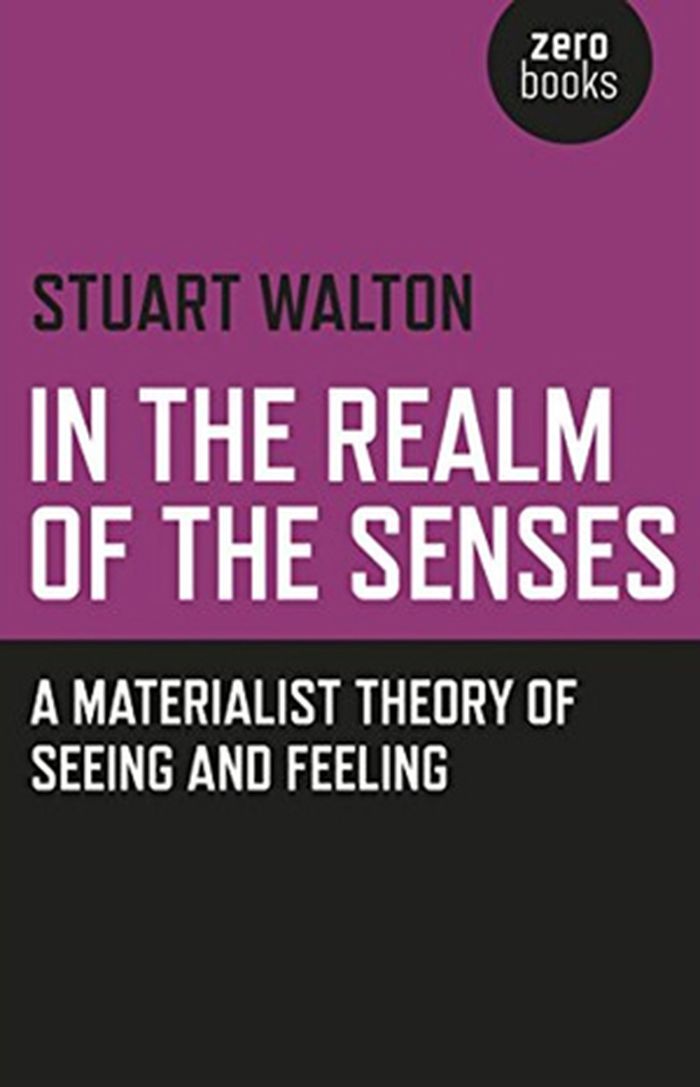
In the realm of the senses: a materialist theory of seeing and feeling
Actions:
Price:
$39.95
(available to order)
Summary:
The five physical senses of seeing, hearing, smelling, tasting and touching have been held to underpin the complexity of human experience ever since Aristotle first theorised about how they worked. Classical and scholastic philosophy up to the time of the European Enlightenment relegated their operations to its margins, viewing them as at best a distraction from higher thinking, and at worst a positive deception. Paradoxically, what one could not objectively know, the products of the mind, were accorded precedence over the concrete. From the Romantic era onwards, the senses moved to the centre of speculative thought, and the various dialectical currents of philosophy after Hegel made them interdependent with the intellectual function, which was held to derive most or all of its authority from them. This tendency has continued down to the sensualist, hedonist and anti-intellectual currents of our own day. In this theoretical consideration of what has been done to the senses in modern experience, Stuart Walton subjects the life of the senses to a further materialist turn, one that refuses a spiritualisation of the material realm, to which contemporary discourses of the body have often fallen prey, while at the same time preserving sensuality from being delivered once again to a sterile idealism.
In the realm of the senses: a materialist theory of seeing and feeling
Actions:
Price:
$39.95
(available to order)
Summary:
The five physical senses of seeing, hearing, smelling, tasting and touching have been held to underpin the complexity of human experience ever since Aristotle first theorised about how they worked. Classical and scholastic philosophy up to the time of the European Enlightenment relegated their operations to its margins, viewing them as at best a distraction from higher thinking, and at worst a positive deception. Paradoxically, what one could not objectively know, the products of the mind, were accorded precedence over the concrete. From the Romantic era onwards, the senses moved to the centre of speculative thought, and the various dialectical currents of philosophy after Hegel made them interdependent with the intellectual function, which was held to derive most or all of its authority from them. This tendency has continued down to the sensualist, hedonist and anti-intellectual currents of our own day. In this theoretical consideration of what has been done to the senses in modern experience, Stuart Walton subjects the life of the senses to a further materialist turn, one that refuses a spiritualisation of the material realm, to which contemporary discourses of the body have often fallen prey, while at the same time preserving sensuality from being delivered once again to a sterile idealism.
Form:
books
books
Publication:
March 2016
March 2016
Subject:
Critical Theory
Critical Theory
Form:
books
books
Title:
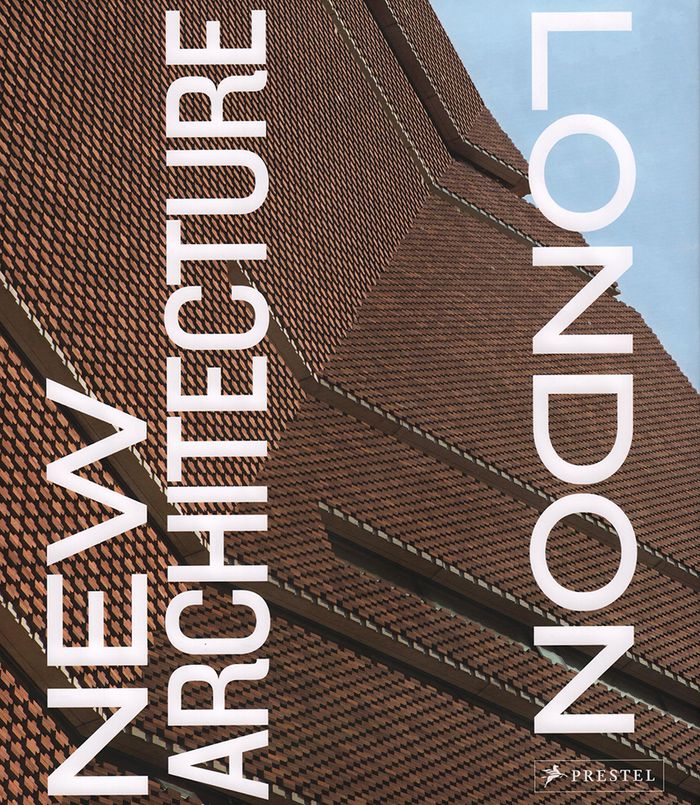
New architecture London
New architecture London
Actions:
Price:
$58.50
(available in store)
Summary:
London has always been known for its iconic buildings, but the city has recently witnessed an explosion of new architecture from the world’s most acclaimed architects. This breathtaking volume offers a fascinating look at the city’s rapidly changing skyline and celebrates the enormous array of styles, materials, and cutting-edge technology that have been employed by(...)
$58.50
(available in store)
Summary:
London has always been known for its iconic buildings, but the city has recently witnessed an explosion of new architecture from the world’s most acclaimed architects. This breathtaking volume offers a fascinating look at the city’s rapidly changing skyline and celebrates the enormous array of styles, materials, and cutting-edge technology that have been employed by(...)
Subject:
Architecture since 1900, Europe
Architecture since 1900, Europe
Publication:
April 2017
April 2017
Title:
New architecture London
Actions:
Price:
$58.50
(available in store)
Summary:
London has always been known for its iconic buildings, but the city has recently witnessed an explosion of new architecture from the world’s most acclaimed architects. This breathtaking volume offers a fascinating look at the city’s rapidly changing skyline and celebrates the enormous array of styles, materials, and cutting-edge technology that have been employed by today’s leading architects. The projects profiled here—brought to life by photographer Richard Schulman—range from dance and aquatic centers to world-class museums and global office headquarters. The book includes Rafael Viñoly’s “Walkie-Talkie” and “The Gherkin” by Foster + Partners, as well as Renzo Piano’s mixed-use skyscraper, “The Shard,” across the Thames. Tucked into a medieval alley, OMA’s New Court Rothschild Bank nimbly juxtaposes contemporary features with more traditional ones. Meanwhile, alongside St. Paul’s Cathedral, Jean Nouvel’s One New Change cleverly plays off its storied environs with an ingeniously constructed glass block that allows for multiple views of the iconic church. From the Tate Modern extension to the Emirates Airline tram, and from the Peckham Library to the US Embassy building, no new stone is left unturned or unremarked upon. This book demonstrates how one of the world’s oldest cities manages to feel eternally new and exciting.
New architecture London
Actions:
Price:
$58.50
(available in store)
Summary:
London has always been known for its iconic buildings, but the city has recently witnessed an explosion of new architecture from the world’s most acclaimed architects. This breathtaking volume offers a fascinating look at the city’s rapidly changing skyline and celebrates the enormous array of styles, materials, and cutting-edge technology that have been employed by today’s leading architects. The projects profiled here—brought to life by photographer Richard Schulman—range from dance and aquatic centers to world-class museums and global office headquarters. The book includes Rafael Viñoly’s “Walkie-Talkie” and “The Gherkin” by Foster + Partners, as well as Renzo Piano’s mixed-use skyscraper, “The Shard,” across the Thames. Tucked into a medieval alley, OMA’s New Court Rothschild Bank nimbly juxtaposes contemporary features with more traditional ones. Meanwhile, alongside St. Paul’s Cathedral, Jean Nouvel’s One New Change cleverly plays off its storied environs with an ingeniously constructed glass block that allows for multiple views of the iconic church. From the Tate Modern extension to the Emirates Airline tram, and from the Peckham Library to the US Embassy building, no new stone is left unturned or unremarked upon. This book demonstrates how one of the world’s oldest cities manages to feel eternally new and exciting.
Form:
books
books
Publication:
April 2017
April 2017
Subject:
Architecture since 1900, Europe
Architecture since 1900, Europe
Form:
video
video
Actions:
Price:
$32.00
(available to order)
Summary:
Suburbia, and all it promises, has become the American Dream. With brutal honesty and a touch of irony, "The end of suburbia" explored the American Way of Life and its prospects as the planet enters the age of Peak Oil. Director Greg Greene once again takes us “through the looking glass” on a journey of discovery – a sobering yet vital and ultimately positive(...)
$32.00
(available to order)
Summary:
Suburbia, and all it promises, has become the American Dream. With brutal honesty and a touch of irony, "The end of suburbia" explored the American Way of Life and its prospects as the planet enters the age of Peak Oil. Director Greg Greene once again takes us “through the looking glass” on a journey of discovery – a sobering yet vital and ultimately positive(...)
Title:
Escape from suburbia : beyond the American dream
Actions:
Price:
$32.00
(available to order)
Summary:
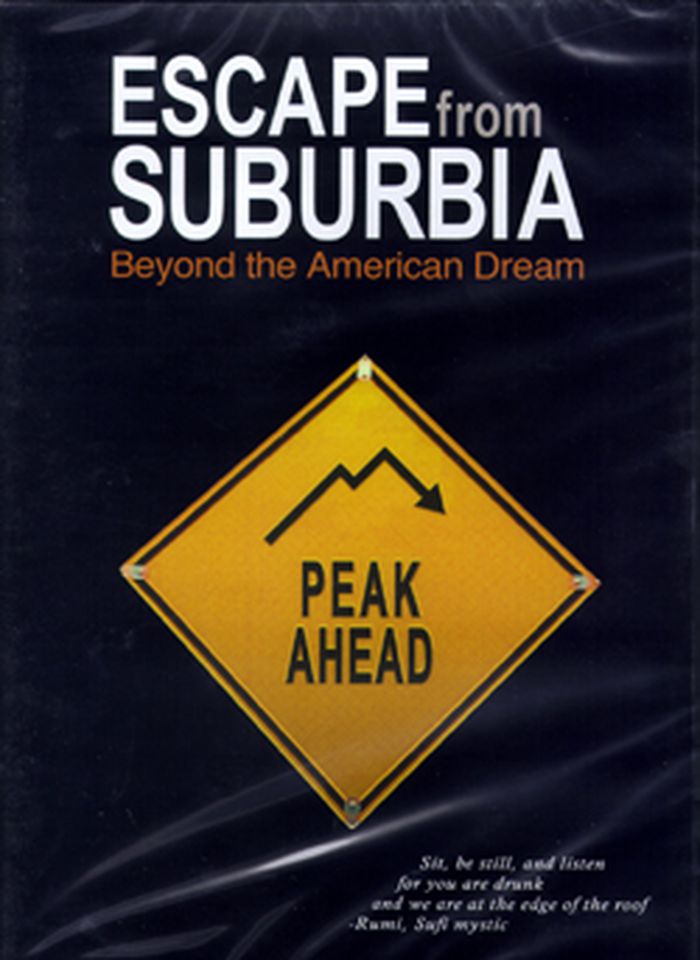
Suburbia, and all it promises, has become the American Dream. With brutal honesty and a touch of irony, "The end of suburbia" explored the American Way of Life and its prospects as the planet enters the age of Peak Oil. Director Greg Greene once again takes us “through the looking glass” on a journey of discovery – a sobering yet vital and ultimately positive exploration of what the second half of the Oil Age has in store for us. Through personal stories and interviews we examine how declining world oil production has already begun to affect modern life in North America. Expert scientific opinion is balanced with “on the street” portraits from an emerging global movement of citizen’s groups who are confronting the challenges of Peak Oil in extraordinary ways. The clock is ticking. This movie asks the tough questions : Are we approaching Peak Oil now? What are the controversies surrounding our future energy options? Why are a growing number of specialists and citizens skeptical of these options? What are ordinary people across North America doing in their own communities to prepare for Peak Oil? And what will you do as energy prices skyrocket and the Oil Age draws to a close?
Escape from suburbia : beyond the American dream
Actions:
Price:
$32.00
(available to order)
Summary:
Suburbia, and all it promises, has become the American Dream. With brutal honesty and a touch of irony, "The end of suburbia" explored the American Way of Life and its prospects as the planet enters the age of Peak Oil. Director Greg Greene once again takes us “through the looking glass” on a journey of discovery – a sobering yet vital and ultimately positive exploration of what the second half of the Oil Age has in store for us. Through personal stories and interviews we examine how declining world oil production has already begun to affect modern life in North America. Expert scientific opinion is balanced with “on the street” portraits from an emerging global movement of citizen’s groups who are confronting the challenges of Peak Oil in extraordinary ways. The clock is ticking. This movie asks the tough questions : Are we approaching Peak Oil now? What are the controversies surrounding our future energy options? Why are a growing number of specialists and citizens skeptical of these options? What are ordinary people across North America doing in their own communities to prepare for Peak Oil? And what will you do as energy prices skyrocket and the Oil Age draws to a close?
Form:
video
video
Publication:
November 2007, Toronto
November 2007, Toronto
Subject:
DVDs
DVDs
Form:
books
books
Title:
Architecture and dystopia
Architecture and dystopia
Actions:
Price:
$45.00
(available to order)
Summary:
As a response to the profound crisis of Western culture the emerged in the 1960s, radical artists from Italy, Austria, England and Japan called into question the foundations of modernist utopias. They transmuted the difficulties of capitalism into a repertory of startling images that revealed the disturbing realities of consumer society, even in those places still(...)
$45.00
(available to order)
Summary:
As a response to the profound crisis of Western culture the emerged in the 1960s, radical artists from Italy, Austria, England and Japan called into question the foundations of modernist utopias. They transmuted the difficulties of capitalism into a repertory of startling images that revealed the disturbing realities of consumer society, even in those places still(...)
Title:
Architecture and dystopia
Actions:
Price:
$45.00
(available to order)
Summary:
As a response to the profound crisis of Western culture the emerged in the 1960s, radical artists from Italy, Austria, England and Japan called into question the foundations of modernist utopias. They transmuted the difficulties of capitalism into a repertory of startling images that revealed the disturbing realities of consumer society, even in those places still resistant to the penetration of modern architecture, such as Superstudio and Archizoom’s Florence. Their model, though exhausted in the space of experimentation, went on to inspire a generation of architects, from the High Tech movement to Rem Koolhaas.. In the light of these examples, how to define a unified 'dystopian' method of design, i.e. a common ground for an architecture that, by its very nature, seems to resist systematization? Are the most recognizable architectural expressions of this theoretical framework — characterized by brazen displays of technology and structures of overwhelming scale — merely isolated cases, albeit of particular iconic power? Or do they belong to a wider landscape of antirational architectural projects? And to what extent are these disturbing expressions premised on the utopian tradition or, better yet, the conceptual model of 'negative thought'? The goal of this book is to respond to such questions, thus initiating an open dialogue about the legitimacy of this critical category.
Architecture and dystopia
Actions:
Price:
$45.00
(available to order)
Summary:
As a response to the profound crisis of Western culture the emerged in the 1960s, radical artists from Italy, Austria, England and Japan called into question the foundations of modernist utopias. They transmuted the difficulties of capitalism into a repertory of startling images that revealed the disturbing realities of consumer society, even in those places still resistant to the penetration of modern architecture, such as Superstudio and Archizoom’s Florence. Their model, though exhausted in the space of experimentation, went on to inspire a generation of architects, from the High Tech movement to Rem Koolhaas.. In the light of these examples, how to define a unified 'dystopian' method of design, i.e. a common ground for an architecture that, by its very nature, seems to resist systematization? Are the most recognizable architectural expressions of this theoretical framework — characterized by brazen displays of technology and structures of overwhelming scale — merely isolated cases, albeit of particular iconic power? Or do they belong to a wider landscape of antirational architectural projects? And to what extent are these disturbing expressions premised on the utopian tradition or, better yet, the conceptual model of 'negative thought'? The goal of this book is to respond to such questions, thus initiating an open dialogue about the legitimacy of this critical category.
Form:
books
books
Publication:
December 2019
December 2019
Subject:
Architectural Theory
Architectural Theory
Form:
books
books
Actions:
Price:
$52.50
(available in store)
Summary:
"Breathing Space" is a compelling and wide-ranging analysis of pneumatic phenomena in modern culture. Architect and historian Tim Altenhof brilliantly explores the physiology of breathing and its reciprocal relationship to bodies and buildings, both of which share a common atmosphere. Because breathing is controlled by the autonomic nervous system and cannot be willfully(...)
$52.50
(available in store)
Summary:
"Breathing Space" is a compelling and wide-ranging analysis of pneumatic phenomena in modern culture. Architect and historian Tim Altenhof brilliantly explores the physiology of breathing and its reciprocal relationship to bodies and buildings, both of which share a common atmosphere. Because breathing is controlled by the autonomic nervous system and cannot be willfully(...)
Title:
Breathing space: The architecture of pneumatic beings
Actions:
Price:
$52.50
(available in store)
Summary:
"Breathing Space" is a compelling and wide-ranging analysis of pneumatic phenomena in modern culture. Architect and historian Tim Altenhof brilliantly explores the physiology of breathing and its reciprocal relationship to bodies and buildings, both of which share a common atmosphere. Because breathing is controlled by the autonomic nervous system and cannot be willfully overridden, it takes place unconsciously and involuntarily—most of the time. However, beginning in the mid-nineteenth century, attitudes toward breathing changed significantly. Breathing became a widely investigated cultural and physiological phenomenon and was the basis for techniques and bodily practices that heightened pulmonary awareness. New understandings of air pollution and disease stimulated a widespread preoccupation with ventilation, impacting architecture in countless ways. Altenhof’s close readings of built structures show how the science of breathing was incorporated into architecture, whether in the design of factories, residences, or medical facilities. The lungs form a major part of the respiratory system and like no other organ tie the living body directly to its surroundings. Yet the role of lungs also poses a topological problem: engaging in atmospheric transfer, they dissolve the division between inside and outside, and despite being an internal organ, they sustain a permanent and living connection to the external world. This ambiguity and permeability constitute the spatial dimension of breathing.
Breathing space: The architecture of pneumatic beings
Actions:
Price:
$52.50
(available in store)
Summary:
"Breathing Space" is a compelling and wide-ranging analysis of pneumatic phenomena in modern culture. Architect and historian Tim Altenhof brilliantly explores the physiology of breathing and its reciprocal relationship to bodies and buildings, both of which share a common atmosphere. Because breathing is controlled by the autonomic nervous system and cannot be willfully overridden, it takes place unconsciously and involuntarily—most of the time. However, beginning in the mid-nineteenth century, attitudes toward breathing changed significantly. Breathing became a widely investigated cultural and physiological phenomenon and was the basis for techniques and bodily practices that heightened pulmonary awareness. New understandings of air pollution and disease stimulated a widespread preoccupation with ventilation, impacting architecture in countless ways. Altenhof’s close readings of built structures show how the science of breathing was incorporated into architecture, whether in the design of factories, residences, or medical facilities. The lungs form a major part of the respiratory system and like no other organ tie the living body directly to its surroundings. Yet the role of lungs also poses a topological problem: engaging in atmospheric transfer, they dissolve the division between inside and outside, and despite being an internal organ, they sustain a permanent and living connection to the external world. This ambiguity and permeability constitute the spatial dimension of breathing.
Form:
books
books
Publication:
March 2026
March 2026
Subject:
Architectural Theory
Architectural Theory


