


2989 Results
Form:
books
books
Price:
$78.00
(available to order)
Summary:
In addition to photographs of the craters and their surrounding landscapes, Gaz includes photographs of actual meteorites and of his own carefully crafted sculptures that recreate their often dynamic form and mimic their specific mineral content. Anecdotal passages about the artist's experiences photographing each crater are interspersed with scientific data regarding the(...)
$78.00
(available to order)
Summary:
In addition to photographs of the craters and their surrounding landscapes, Gaz includes photographs of actual meteorites and of his own carefully crafted sculptures that recreate their often dynamic form and mimic their specific mineral content. Anecdotal passages about the artist's experiences photographing each crater are interspersed with scientific data regarding the(...)
Title:
Stan Gaz: sites of impact meteorite creaters around the world
Actions:
Price:
$78.00
(available to order)
Summary:
In addition to photographs of the craters and their surrounding landscapes, Gaz includes photographs of actual meteorites and of his own carefully crafted sculptures that recreate their often dynamic form and mimic their specific mineral content. Anecdotal passages about the artist's experiences photographing each crater are interspersed with scientific data regarding the crater's location, age, structure, and condition. An essay by Earth scientist Christian Koeberl summarizes what we know—and do not know—about meteorite impact events, while an essay by photo historian Robert Silberman places Gaz's pictures within the traditions of landscape photography and the aesthetics of the sublime.
Stan Gaz: sites of impact meteorite creaters around the world
Actions:
Price:
$78.00
(available to order)
Summary:
In addition to photographs of the craters and their surrounding landscapes, Gaz includes photographs of actual meteorites and of his own carefully crafted sculptures that recreate their often dynamic form and mimic their specific mineral content. Anecdotal passages about the artist's experiences photographing each crater are interspersed with scientific data regarding the crater's location, age, structure, and condition. An essay by Earth scientist Christian Koeberl summarizes what we know—and do not know—about meteorite impact events, while an essay by photo historian Robert Silberman places Gaz's pictures within the traditions of landscape photography and the aesthetics of the sublime.
Form:
books
books
Publication:
January 2009
January 2009
Subject:
Photography monographs
Photography monographs
Form:
books
books
Title:
Stopping / Arrêts
Stopping / Arrêts
Actions:
Price:
$25.00
(available in store)
Summary:
To stop. A gesture of resistance in a world primarily designed to encourage work, consumerism, perpetual growth and efficiency. Stopping as an urban practice. In cities where pauses and idleness within specific sites are increasingly discouraged, stopping emerges as a space of rupture, pleasure, intimacy, or simply necessity and rest. In a project begun in 2015 in Mexico(...)
$25.00
(available in store)
Summary:
To stop. A gesture of resistance in a world primarily designed to encourage work, consumerism, perpetual growth and efficiency. Stopping as an urban practice. In cities where pauses and idleness within specific sites are increasingly discouraged, stopping emerges as a space of rupture, pleasure, intimacy, or simply necessity and rest. In a project begun in 2015 in Mexico(...)
Title:
Stopping / Arrêts
Actions:
Price:
$25.00
(available in store)
Summary:
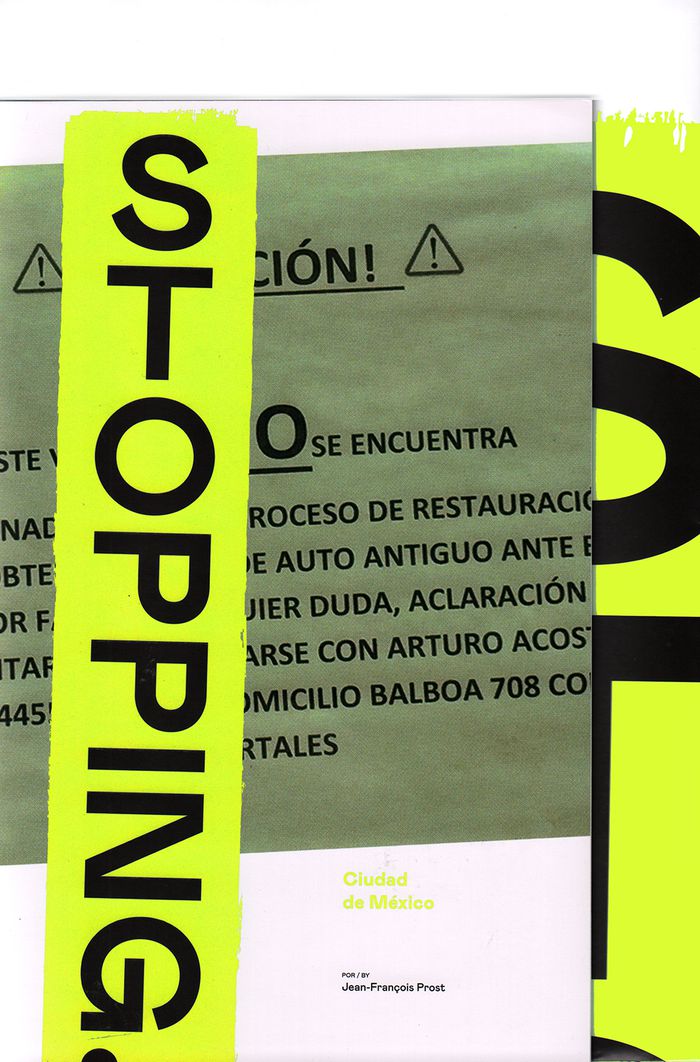
To stop. A gesture of resistance in a world primarily designed to encourage work, consumerism, perpetual growth and efficiency. Stopping as an urban practice. In cities where pauses and idleness within specific sites are increasingly discouraged, stopping emerges as a space of rupture, pleasure, intimacy, or simply necessity and rest. In a project begun in 2015 in Mexico City and further developed in Montreal in 2017, Jean-François Prost explores these realities for their contrasts with the incessant movement of people and related structures in contemporary cities where sometimes even self-constructions of time and space are forbidden.
Stopping / Arrêts
Actions:
Price:
$25.00
(available in store)
Summary:
To stop. A gesture of resistance in a world primarily designed to encourage work, consumerism, perpetual growth and efficiency. Stopping as an urban practice. In cities where pauses and idleness within specific sites are increasingly discouraged, stopping emerges as a space of rupture, pleasure, intimacy, or simply necessity and rest. In a project begun in 2015 in Mexico City and further developed in Montreal in 2017, Jean-François Prost explores these realities for their contrasts with the incessant movement of people and related structures in contemporary cities where sometimes even self-constructions of time and space are forbidden.
Form:
books
books
Publication:
February 2019
February 2019
Subject:
Urban Theory
Urban Theory
Form:
books
books
Actions:
Price:
$30.00
(available to order)
Summary:
Issue 101 of Texte zur Kunst takes “Polarities” as its theme—a term that in the first degree we associate with what’s unfolding around us right now: ideological polarization, from Pegida to Donald Trump. In turn, this issue looks to the macro conditions in which art critical and art historical discourses are currently being formed, and within which they will need to(...)
$30.00
(available to order)
Summary:
Issue 101 of Texte zur Kunst takes “Polarities” as its theme—a term that in the first degree we associate with what’s unfolding around us right now: ideological polarization, from Pegida to Donald Trump. In turn, this issue looks to the macro conditions in which art critical and art historical discourses are currently being formed, and within which they will need to(...)
Title:
Texte zur Kunst 101: Polarities
Actions:
Price:
$30.00
(available to order)
Summary:
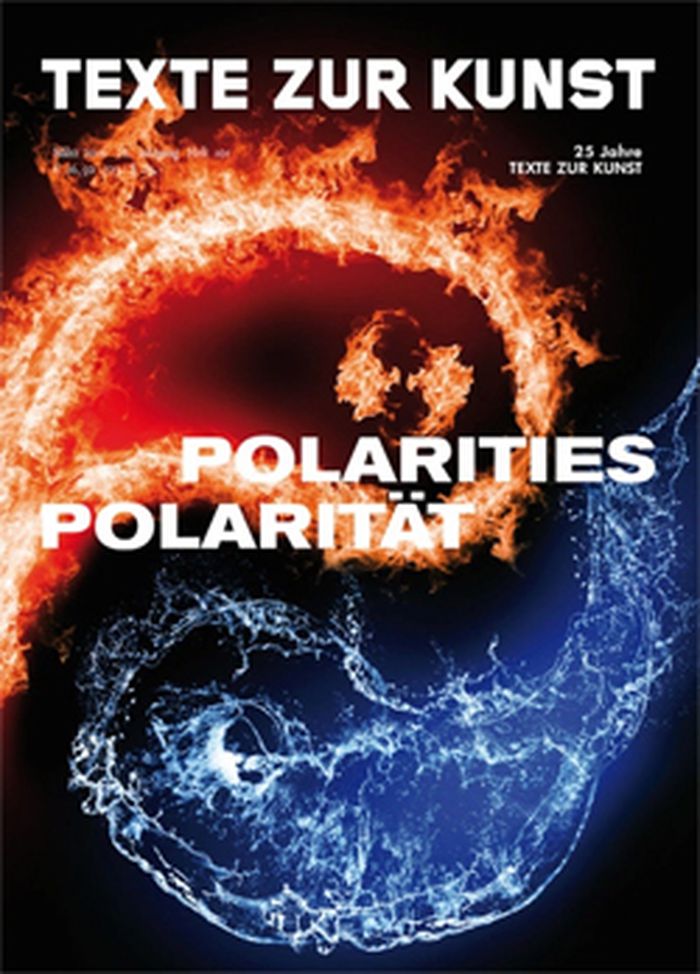
Issue 101 of Texte zur Kunst takes “Polarities” as its theme—a term that in the first degree we associate with what’s unfolding around us right now: ideological polarization, from Pegida to Donald Trump. In turn, this issue looks to the macro conditions in which art critical and art historical discourses are currently being formed, and within which they will need to position themselves. What’s particularly striking, we argue, is that this trend toward polarization is happening despite the popular tendency, in recent decades, to speak of increased unification. How, then, can such polarization be reconciled with the dominant, and inherently continuous, neoliberal system—one characterized by the global economy’s promise of inclusiveness; utopian visions of peace (if not survival) via the “singularity” of screen, mind, and body; and a European Union as project of post-Soviet unification, striving to push all conflict to its periphery? What do we make of this growing difference between the ideals of technological/smooth space (where the art world often resides, swiftly neutralizing any resistance as “content”) and the broadening expanses of material unrest? Could the image of polarization be something not to avoid but to engage, at least as a potentially generative model, for understanding true opposition within a continuous system—for times that are anything but free from ideological division?
Texte zur Kunst 101: Polarities
Actions:
Price:
$30.00
(available to order)
Summary:
Issue 101 of Texte zur Kunst takes “Polarities” as its theme—a term that in the first degree we associate with what’s unfolding around us right now: ideological polarization, from Pegida to Donald Trump. In turn, this issue looks to the macro conditions in which art critical and art historical discourses are currently being formed, and within which they will need to position themselves. What’s particularly striking, we argue, is that this trend toward polarization is happening despite the popular tendency, in recent decades, to speak of increased unification. How, then, can such polarization be reconciled with the dominant, and inherently continuous, neoliberal system—one characterized by the global economy’s promise of inclusiveness; utopian visions of peace (if not survival) via the “singularity” of screen, mind, and body; and a European Union as project of post-Soviet unification, striving to push all conflict to its periphery? What do we make of this growing difference between the ideals of technological/smooth space (where the art world often resides, swiftly neutralizing any resistance as “content”) and the broadening expanses of material unrest? Could the image of polarization be something not to avoid but to engage, at least as a potentially generative model, for understanding true opposition within a continuous system—for times that are anything but free from ideological division?
Form:
books
books
Publication:
March 2016
March 2016
Subject:
Magazines
Magazines
Form:
books
books
Price:
$40.00
(available in store)
Summary:
Alexandros Washburn draws heavily on his experience within the New York City planning system while highlighting forward-thinking developments in cities around the world. He grounds his book in the realities of political and financial challenges that hasten or hinder even the most beautiful designs. By discussing projects like the High Line and the Harlem Children’s Zone(...)
$40.00
(available in store)
Summary:
Alexandros Washburn draws heavily on his experience within the New York City planning system while highlighting forward-thinking developments in cities around the world. He grounds his book in the realities of political and financial challenges that hasten or hinder even the most beautiful designs. By discussing projects like the High Line and the Harlem Children’s Zone(...)
Title:
The nature of urban design : a New Yorl perspective on resilience
Actions:
Price:
$40.00
(available in store)
Summary:
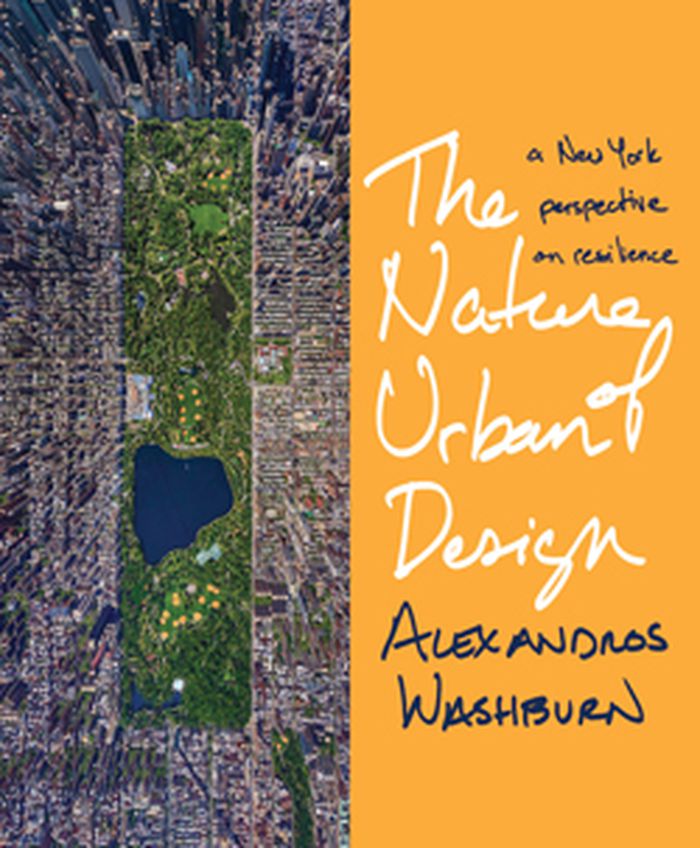
Alexandros Washburn draws heavily on his experience within the New York City planning system while highlighting forward-thinking developments in cities around the world. He grounds his book in the realities of political and financial challenges that hasten or hinder even the most beautiful designs. By discussing projects like the High Line and the Harlem Children’s Zone as well as examples from Seoul to Singapore, he explores the nuances of the urban design process while emphasizing the importance of individuals with the drive to make a difference in their city.
The nature of urban design : a New Yorl perspective on resilience
Actions:
Price:
$40.00
(available in store)
Summary:
Alexandros Washburn draws heavily on his experience within the New York City planning system while highlighting forward-thinking developments in cities around the world. He grounds his book in the realities of political and financial challenges that hasten or hinder even the most beautiful designs. By discussing projects like the High Line and the Harlem Children’s Zone as well as examples from Seoul to Singapore, he explores the nuances of the urban design process while emphasizing the importance of individuals with the drive to make a difference in their city.
Form:
books
books
Publication:
November 2013
November 2013
Subject:
Urban Landscapes
Urban Landscapes
Form:
books
books
Title:
Pandemic objects
Pandemic objects
Actions:
Price:
$48.95
(available in store)
Summary:
A publication based on "Pandemic objects", an editorial project that compiles and reflects on objects that have taken on new meaning and purpose during the Covid-19 pandemic. During times of pandemic, a host of everyday often-overlooked "objects" are suddenly charged with new urgency. Toilet paper becomes a symbol of public panic, a forehead thermometer a tool for social(...)
$48.95
(available in store)
Summary:
A publication based on "Pandemic objects", an editorial project that compiles and reflects on objects that have taken on new meaning and purpose during the Covid-19 pandemic. During times of pandemic, a host of everyday often-overlooked "objects" are suddenly charged with new urgency. Toilet paper becomes a symbol of public panic, a forehead thermometer a tool for social(...)
Title:
Pandemic objects
Actions:
Price:
$48.95
(available in store)
Summary:
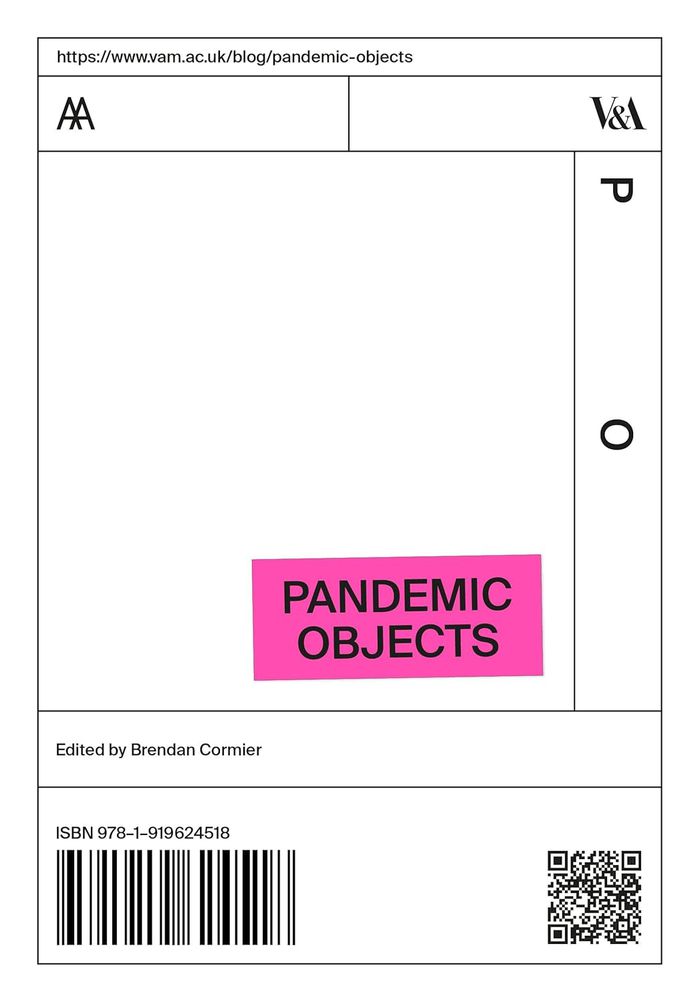
A publication based on "Pandemic objects", an editorial project that compiles and reflects on objects that have taken on new meaning and purpose during the Covid-19 pandemic. During times of pandemic, a host of everyday often-overlooked "objects" are suddenly charged with new urgency. Toilet paper becomes a symbol of public panic, a forehead thermometer a tool for social control, convention centres become hospitals, while parks become contested public commodities. By compiling these objects and reflecting on their changing purpose and meaning, the project aims to paint a unique picture of the pandemic and the pivotal role objects play within it.
Pandemic objects
Actions:
Price:
$48.95
(available in store)
Summary:
A publication based on "Pandemic objects", an editorial project that compiles and reflects on objects that have taken on new meaning and purpose during the Covid-19 pandemic. During times of pandemic, a host of everyday often-overlooked "objects" are suddenly charged with new urgency. Toilet paper becomes a symbol of public panic, a forehead thermometer a tool for social control, convention centres become hospitals, while parks become contested public commodities. By compiling these objects and reflecting on their changing purpose and meaning, the project aims to paint a unique picture of the pandemic and the pivotal role objects play within it.
Form:
books
books
Publication:
March 2025
March 2025
Subject:
Architectural Theory
Architectural Theory
Form:
books
books
Actions:
Price:
$35.00
(available to order)
Summary:
"Vivienda industrializada" focuses on housing and industrialization, opening with an article by Eduardo Prieto on the possibilities and boundaries of this practice, still today caught between the promise of technology and the logistical inertia of conventional construction. In this context, a selection of six projects completed in Spain explores different ways of(...)
$35.00
(available to order)
Summary:
"Vivienda industrializada" focuses on housing and industrialization, opening with an article by Eduardo Prieto on the possibilities and boundaries of this practice, still today caught between the promise of technology and the logistical inertia of conventional construction. In this context, a selection of six projects completed in Spain explores different ways of(...)
Title:
AV proyectos 133: Vivienda industrializada
Actions:
Price:
$35.00
(available to order)
Summary:
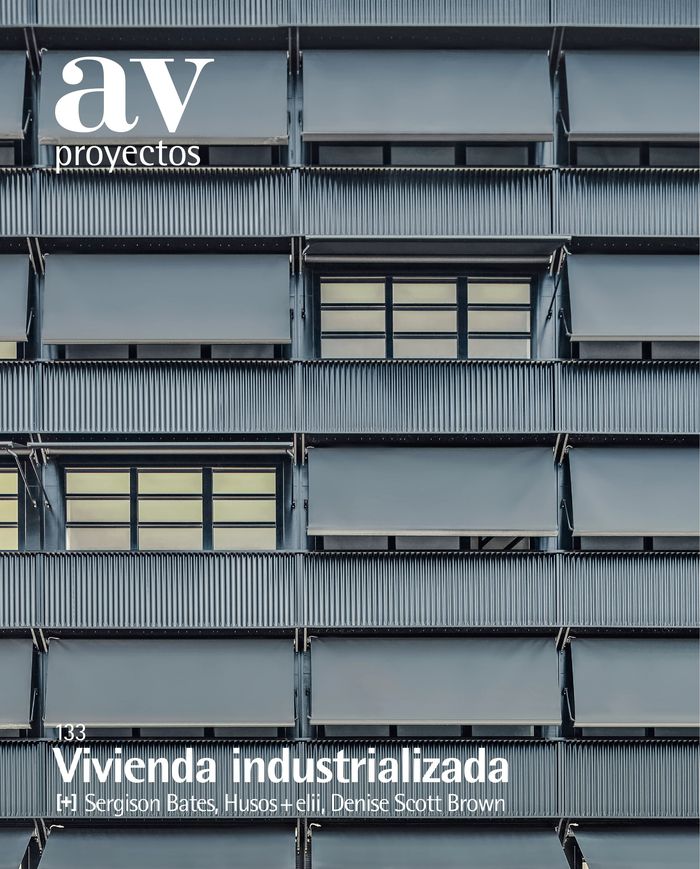
"Vivienda industrializada" focuses on housing and industrialization, opening with an article by Eduardo Prieto on the possibilities and boundaries of this practice, still today caught between the promise of technology and the logistical inertia of conventional construction. In this context, a selection of six projects completed in Spain explores different ways of integrating design, manufacture, and assembly within the residential sector, in a progression ranging from the domestic to the collective. That same pragmatism is evident in the work of British architects Jonathan Sergison and Stephen Bates, whose practice is explored here through their recent projects.
AV proyectos 133: Vivienda industrializada
Actions:
Price:
$35.00
(available to order)
Summary:
"Vivienda industrializada" focuses on housing and industrialization, opening with an article by Eduardo Prieto on the possibilities and boundaries of this practice, still today caught between the promise of technology and the logistical inertia of conventional construction. In this context, a selection of six projects completed in Spain explores different ways of integrating design, manufacture, and assembly within the residential sector, in a progression ranging from the domestic to the collective. That same pragmatism is evident in the work of British architects Jonathan Sergison and Stephen Bates, whose practice is explored here through their recent projects.
Form:
books
books
Publication:
February 2026
February 2026
Subject:
Magazines
Magazines
Form:
journals and magazines
journals and magazines
Actions:
Price:
$47.75
(available to order)
Summary:
The legal and economic frameworks of ownership are so ubiquitous that it is easy to forget that they are human-made, with their own specific histories. The September issue of "The Architectural Review" looks at some of these histories, from the ideas of John Locke to their violent instrumentalisation within a range of colonial contexts. From new housing in Singapore and(...)
$47.75
(available to order)
Summary:
The legal and economic frameworks of ownership are so ubiquitous that it is easy to forget that they are human-made, with their own specific histories. The September issue of "The Architectural Review" looks at some of these histories, from the ideas of John Locke to their violent instrumentalisation within a range of colonial contexts. From new housing in Singapore and(...)
Title:
The Architectural Review 1504, September 2023
Actions:
Price:
$47.75
(available to order)
Summary:
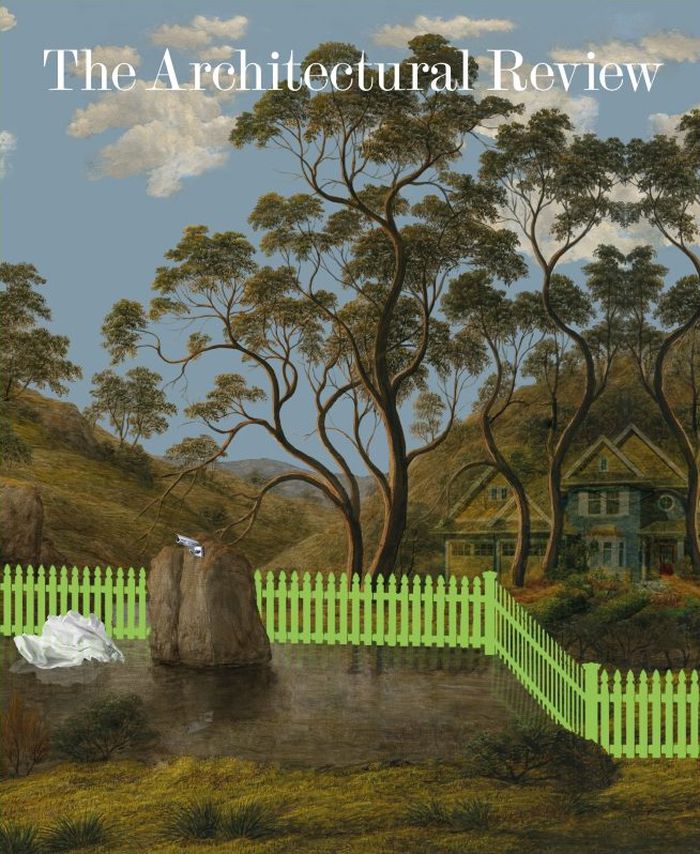
The legal and economic frameworks of ownership are so ubiquitous that it is easy to forget that they are human-made, with their own specific histories. The September issue of "The Architectural Review" looks at some of these histories, from the ideas of John Locke to their violent instrumentalisation within a range of colonial contexts. From new housing in Singapore and Geneva to alternative models of co-living and co-operative ownership, and from prospecting tools of digital gameworlds to a story of placemaking gone horribly wrong, the Property issue examines how the concept of property shapes design, and who benefits.
The Architectural Review 1504, September 2023
Actions:
Price:
$47.75
(available to order)
Summary:
The legal and economic frameworks of ownership are so ubiquitous that it is easy to forget that they are human-made, with their own specific histories. The September issue of "The Architectural Review" looks at some of these histories, from the ideas of John Locke to their violent instrumentalisation within a range of colonial contexts. From new housing in Singapore and Geneva to alternative models of co-living and co-operative ownership, and from prospecting tools of digital gameworlds to a story of placemaking gone horribly wrong, the Property issue examines how the concept of property shapes design, and who benefits.
Form:
journals and magazines
journals and magazines
Publication:
September 2023
September 2023
Subject:
Magazines
Magazines
Form:
books
books
Title:
Hervé Tullet : press here
Hervé Tullet : press here
Actions:
Price:
$21.99
(available to order)
Summary:
Press the yellow dot on the cover of this book, follow the instructions within, and embark upon a magical journey! Each page of this surprising book instructs the reader to press the dots, shake the pages, tilt the book, and who knows what will happen next! Children and adults alike will giggle with delight as the dots multiply, change direction, and grow in size!(...)
$21.99
(available to order)
Summary:
Press the yellow dot on the cover of this book, follow the instructions within, and embark upon a magical journey! Each page of this surprising book instructs the reader to press the dots, shake the pages, tilt the book, and who knows what will happen next! Children and adults alike will giggle with delight as the dots multiply, change direction, and grow in size!(...)
Title:
Hervé Tullet : press here
Actions:
Price:
$21.99
(available to order)
Summary:
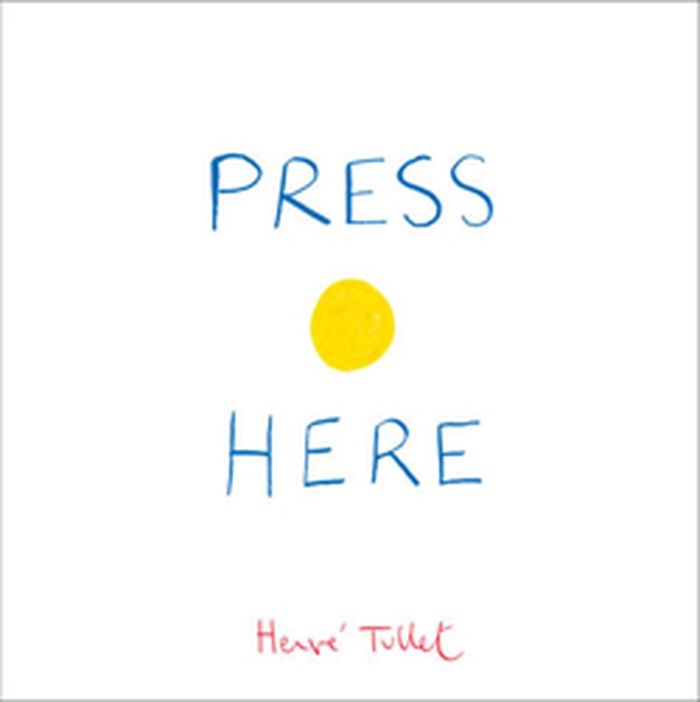
Press the yellow dot on the cover of this book, follow the instructions within, and embark upon a magical journey! Each page of this surprising book instructs the reader to press the dots, shake the pages, tilt the book, and who knows what will happen next! Children and adults alike will giggle with delight as the dots multiply, change direction, and grow in size! Especially remarkable because the adventure occurs on the flat surface of the simple, printed page, this unique picture book about the power of imagination and interactivity will provide read-aloud fun for all ages!
Hervé Tullet : press here
Actions:
Price:
$21.99
(available to order)
Summary:
Press the yellow dot on the cover of this book, follow the instructions within, and embark upon a magical journey! Each page of this surprising book instructs the reader to press the dots, shake the pages, tilt the book, and who knows what will happen next! Children and adults alike will giggle with delight as the dots multiply, change direction, and grow in size! Especially remarkable because the adventure occurs on the flat surface of the simple, printed page, this unique picture book about the power of imagination and interactivity will provide read-aloud fun for all ages!
Form:
books
books
Publication:
October 2011
October 2011
Subject:
Children's Books
Children's Books
Form:
books
books
Price:
$40.00
(available to order)
Summary:
Susanne Kriemann's artist’s book "P(ech) B(lende), library for radioactive afterlife" looks at the political and actual invisibility of the highly radioactive mineral pitchblende (uraninite). From 1946 to 1989 pitchblende was mined in the Erzgebirge (Ore) Mountains in an area contained within the former GDR and was an important component in the USSR’s nuclear arsenal. The(...)
$40.00
(available to order)
Summary:
Susanne Kriemann's artist’s book "P(ech) B(lende), library for radioactive afterlife" looks at the political and actual invisibility of the highly radioactive mineral pitchblende (uraninite). From 1946 to 1989 pitchblende was mined in the Erzgebirge (Ore) Mountains in an area contained within the former GDR and was an important component in the USSR’s nuclear arsenal. The(...)
Title:
Susanne Kriemann: P(ech) B(blende). Library for radioactive afterlife
Actions:
Price:
$40.00
(available to order)
Summary:
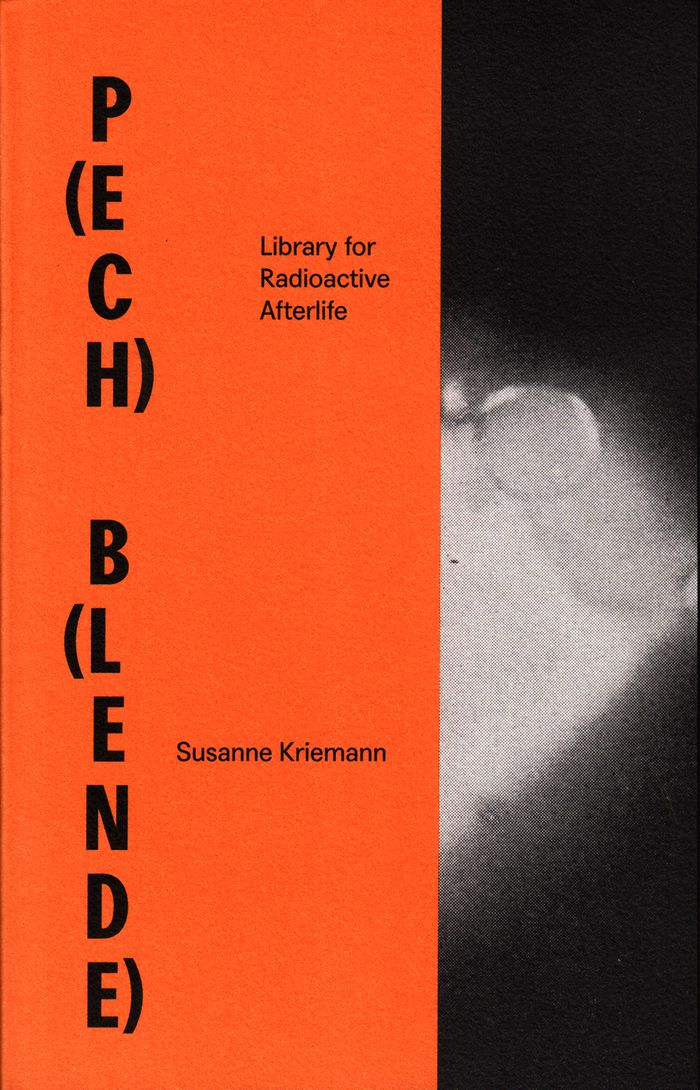
Susanne Kriemann's artist’s book "P(ech) B(lende), library for radioactive afterlife" looks at the political and actual invisibility of the highly radioactive mineral pitchblende (uraninite). From 1946 to 1989 pitchblende was mined in the Erzgebirge (Ore) Mountains in an area contained within the former GDR and was an important component in the USSR’s nuclear arsenal. The publication brings together seven texts viewing the subject with a literary eye through the lens of media theory. All the texts deal with the documentation of radioactive materials, their effects, and afterlife. The book P(ech) B(lende) ties in with Kriemann’s exhibition Pechblende (Chapter 1) at the Ernst Schering Foundation in Berlin (17, March to 5, June 2016). The work was previously on show at Prefix ICA in Toronto under the title Pechblende (Prologue).
Susanne Kriemann: P(ech) B(blende). Library for radioactive afterlife
Actions:
Price:
$40.00
(available to order)
Summary:
Susanne Kriemann's artist’s book "P(ech) B(lende), library for radioactive afterlife" looks at the political and actual invisibility of the highly radioactive mineral pitchblende (uraninite). From 1946 to 1989 pitchblende was mined in the Erzgebirge (Ore) Mountains in an area contained within the former GDR and was an important component in the USSR’s nuclear arsenal. The publication brings together seven texts viewing the subject with a literary eye through the lens of media theory. All the texts deal with the documentation of radioactive materials, their effects, and afterlife. The book P(ech) B(lende) ties in with Kriemann’s exhibition Pechblende (Chapter 1) at the Ernst Schering Foundation in Berlin (17, March to 5, June 2016). The work was previously on show at Prefix ICA in Toronto under the title Pechblende (Prologue).
Form:
books
books
Publication:
October 2017
October 2017
Subject:
Photography monographs
Photography monographs
Form:
books
books
Title:
The accident of art
The accident of art
Actions:
Price:
$18.95
(available to order)
Summary:
Urbanist and technological theorist Paul Virilio trained as a painter, studying under Henri Matisse, Georges Braque, Bazaine and de Stael. In The Accident of Art, his third extended conversation with Sylvère Lotringer, Virilio addresses the situation of art within technological society for the first time. This book completes a collaborative trilogy the two began in 1982(...)
$18.95
(available to order)
Summary:
Urbanist and technological theorist Paul Virilio trained as a painter, studying under Henri Matisse, Georges Braque, Bazaine and de Stael. In The Accident of Art, his third extended conversation with Sylvère Lotringer, Virilio addresses the situation of art within technological society for the first time. This book completes a collaborative trilogy the two began in 1982(...)
Subject:
Architectural Theory
Architectural Theory
Publication:
May 2003, Cambridge, Mass.
May 2003, Cambridge, Mass.
Title:
The accident of art
Actions:
Price:
$18.95
(available to order)
Summary:
Urbanist and technological theorist Paul Virilio trained as a painter, studying under Henri Matisse, Georges Braque, Bazaine and de Stael. In The Accident of Art, his third extended conversation with Sylvère Lotringer, Virilio addresses the situation of art within technological society for the first time. This book completes a collaborative trilogy the two began in 1982 with Pure War and continued with Crepuscular Dawn, their 2002 work on architecture and biotechnology. In The Accident of Art, Virilio and Lotringer argue that a direct relation exists between war trauma and art. Why has art failed to reinvent itself in the face of technology, unlike performing art? Why has art simply retreated into painting, or surrendered to digital technology? Accidents, Virilio claims, can free us from speed's inertia. As technological catastrophes, accidents are inventions in their own right.
The accident of art
Actions:
Price:
$18.95
(available to order)
Summary:
Urbanist and technological theorist Paul Virilio trained as a painter, studying under Henri Matisse, Georges Braque, Bazaine and de Stael. In The Accident of Art, his third extended conversation with Sylvère Lotringer, Virilio addresses the situation of art within technological society for the first time. This book completes a collaborative trilogy the two began in 1982 with Pure War and continued with Crepuscular Dawn, their 2002 work on architecture and biotechnology. In The Accident of Art, Virilio and Lotringer argue that a direct relation exists between war trauma and art. Why has art failed to reinvent itself in the face of technology, unlike performing art? Why has art simply retreated into painting, or surrendered to digital technology? Accidents, Virilio claims, can free us from speed's inertia. As technological catastrophes, accidents are inventions in their own right.
Form:
books
books
Publication:
May 2003, Cambridge, Mass.
May 2003, Cambridge, Mass.
Subject:
Architectural Theory
Architectural Theory


