


3123 Results
Form:
books
books
Actions:
Price:
$46.25
(available to order)
Summary:
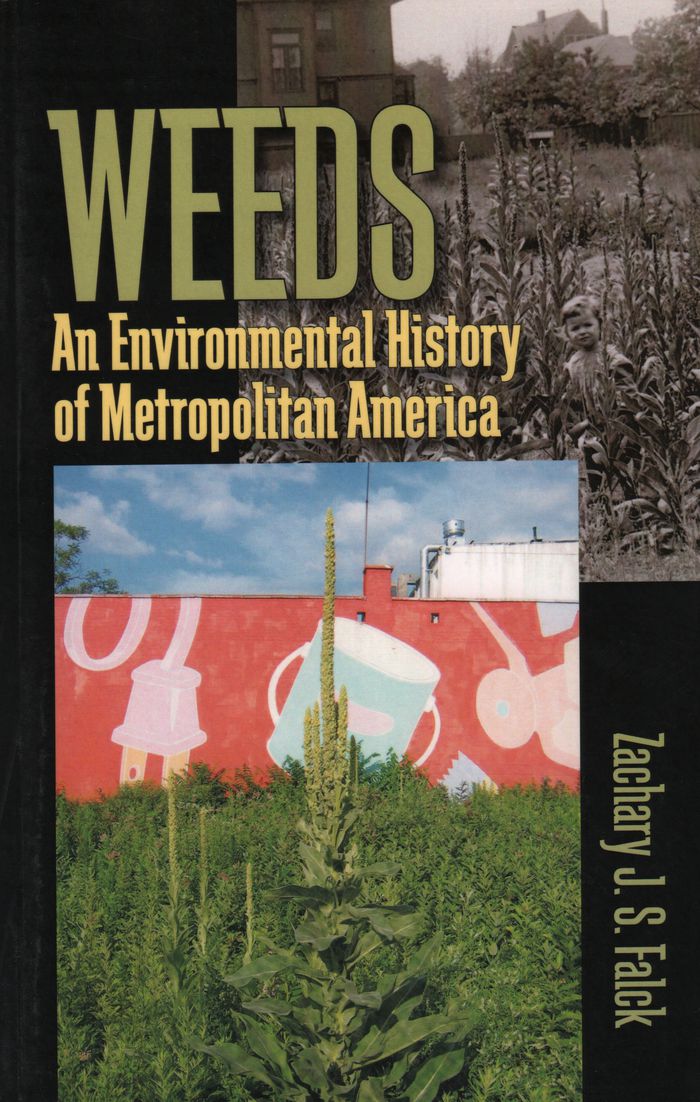
A comprehensive history of “happenstance plants” in American urban environments. Beginning in the late nineteenth century and continuing to the present, Falck examines the proliferation, perception, and treatment of weeds in metropolitan centers from Boston to Los Angeles.
$46.25
(available to order)
Summary:
A comprehensive history of “happenstance plants” in American urban environments. Beginning in the late nineteenth century and continuing to the present, Falck examines the proliferation, perception, and treatment of weeds in metropolitan centers from Boston to Los Angeles.
Title:
Weeds: an environmental history of metropolitan america
Actions:
Price:
$46.25
(available to order)
Summary:
A comprehensive history of “happenstance plants” in American urban environments. Beginning in the late nineteenth century and continuing to the present, Falck examines the proliferation, perception, and treatment of weeds in metropolitan centers from Boston to Los Angeles.
Weeds: an environmental history of metropolitan america
Actions:
Price:
$46.25
(available to order)
Summary:
A comprehensive history of “happenstance plants” in American urban environments. Beginning in the late nineteenth century and continuing to the present, Falck examines the proliferation, perception, and treatment of weeds in metropolitan centers from Boston to Los Angeles.
Form:
books
books
Publication:
January 2016
January 2016
Subject:
Urban Landscapes
Urban Landscapes
Form:
books
books
Actions:
Price:
$55.00
(available to order)
Summary:
Plants and architecture: two seemingly opposite elements. How can we combine them to plan future cities that are closer to nature? What synergies can we explore? Hortitecture seeks to discover the creative and construction potentials of vital plant material, and explores its applications in ecosystem services and urban food production. Through research at the(...)
$55.00
(available to order)
Summary:
Plants and architecture: two seemingly opposite elements. How can we combine them to plan future cities that are closer to nature? What synergies can we explore? Hortitecture seeks to discover the creative and construction potentials of vital plant material, and explores its applications in ecosystem services and urban food production. Through research at the(...)
Title:
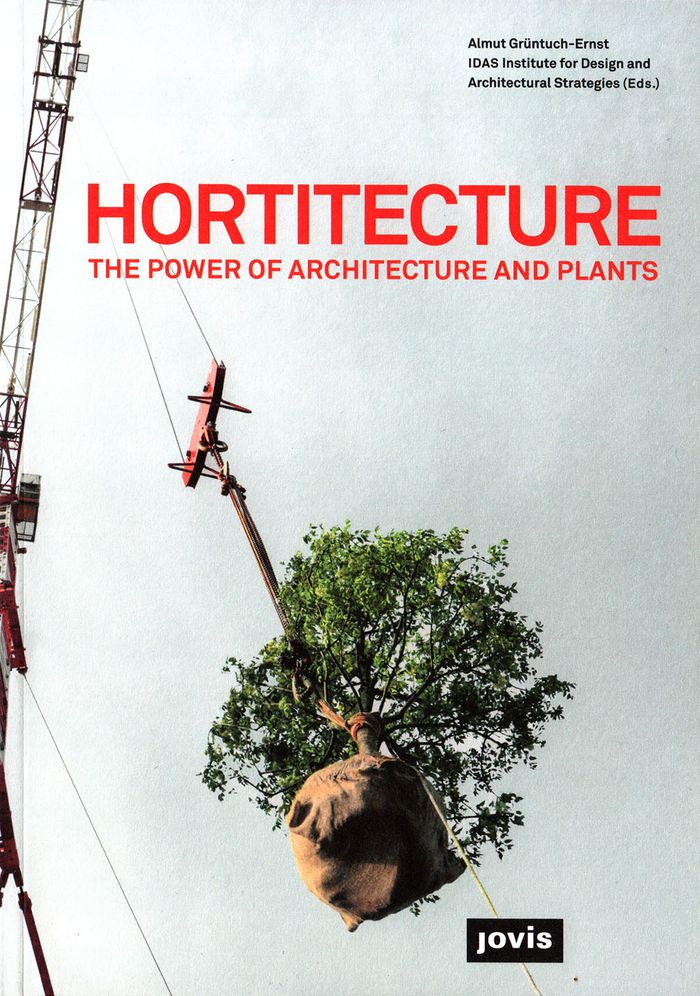
Hortitecture: the power of architecture and plants
Actions:
Price:
$55.00
(available to order)
Summary:
Plants and architecture: two seemingly opposite elements. How can we combine them to plan future cities that are closer to nature? What synergies can we explore? Hortitecture seeks to discover the creative and construction potentials of vital plant material, and explores its applications in ecosystem services and urban food production. Through research at the intersections of architecture, biology and technology, IDAS (Institute for Design and Architectural Strategies) explores this topic with the aim of transferring the knowledge gained to the design of buildings. This book documents the projects, ideas and experiences shared by 33 international experts at symposia held at TU Braunschweig. Their critical reflections advance the awareness and expertise needed to develop a nature-based urban architecture.
Hortitecture: the power of architecture and plants
Actions:
Price:
$55.00
(available to order)
Summary:
Plants and architecture: two seemingly opposite elements. How can we combine them to plan future cities that are closer to nature? What synergies can we explore? Hortitecture seeks to discover the creative and construction potentials of vital plant material, and explores its applications in ecosystem services and urban food production. Through research at the intersections of architecture, biology and technology, IDAS (Institute for Design and Architectural Strategies) explores this topic with the aim of transferring the knowledge gained to the design of buildings. This book documents the projects, ideas and experiences shared by 33 international experts at symposia held at TU Braunschweig. Their critical reflections advance the awareness and expertise needed to develop a nature-based urban architecture.
Form:
books
books
Publication:
April 2019
April 2019
Subject:
Urban Landscapes
Urban Landscapes
Form:
books
books
Actions:
Price:
$54.90
(available to order)
Summary:
Life is a building site : not just since the German film of that name was released, the building site has been a popular metaphor for the patchwork plans of contemporary life. The phenomenon of the building site runs through our everyday lives, but it largely remains behind construction site fences. This volume looks behind the barriers and focuses on the building site as(...)
$54.90
(available to order)
Summary:
Life is a building site : not just since the German film of that name was released, the building site has been a popular metaphor for the patchwork plans of contemporary life. The phenomenon of the building site runs through our everyday lives, but it largely remains behind construction site fences. This volume looks behind the barriers and focuses on the building site as(...)
Title:
Construction site : metamorphoses in the city
Actions:
Price:
$54.90
(available to order)
Summary:
Life is a building site : not just since the German film of that name was released, the building site has been a popular metaphor for the patchwork plans of contemporary life. The phenomenon of the building site runs through our everyday lives, but it largely remains behind construction site fences. This volume looks behind the barriers and focuses on the building site as such for the first time. With authoritative information and reflection from a variety of perspectives, some quite surprising, the building site is presented as an extraordinary place in the city and as a microcosm that operates under heavy pressures of time and costs. With essays on specific building sites such as the megaproject Sihlcity in Zurich or the La Défense building site in Paris, interviews with architects and construction managers, and impressive illustrations, the book leaps into a gap in the urban landscape. The publication is rounded out by artistic, photographic interventions like those of Miklos Gaals, who is known for his photographs that turn urban scenes into toys.
Construction site : metamorphoses in the city
Actions:
Price:
$54.90
(available to order)
Summary:
Life is a building site : not just since the German film of that name was released, the building site has been a popular metaphor for the patchwork plans of contemporary life. The phenomenon of the building site runs through our everyday lives, but it largely remains behind construction site fences. This volume looks behind the barriers and focuses on the building site as such for the first time. With authoritative information and reflection from a variety of perspectives, some quite surprising, the building site is presented as an extraordinary place in the city and as a microcosm that operates under heavy pressures of time and costs. With essays on specific building sites such as the megaproject Sihlcity in Zurich or the La Défense building site in Paris, interviews with architects and construction managers, and impressive illustrations, the book leaps into a gap in the urban landscape. The publication is rounded out by artistic, photographic interventions like those of Miklos Gaals, who is known for his photographs that turn urban scenes into toys.
Form:
books
books
Publication:
May 2008, Zürich
May 2008, Zürich
Subject:
Urban Theory
Urban Theory
Form:
books
books
Actions:
Price:
$28.95
(available to order)
Summary:
The shift in the ideological winds toward a "free-market" economy has brought profound effects in urban areas. "The neoliberal city" presents an overview of the effect of these changes on today's cities. The term "neoliberalism" was originally used in reference to a set of practices that first-world institutions like the IMF and World Bank impose on third-world countries(...)
$28.95
(available to order)
Summary:
The shift in the ideological winds toward a "free-market" economy has brought profound effects in urban areas. "The neoliberal city" presents an overview of the effect of these changes on today's cities. The term "neoliberalism" was originally used in reference to a set of practices that first-world institutions like the IMF and World Bank impose on third-world countries(...)
Title:
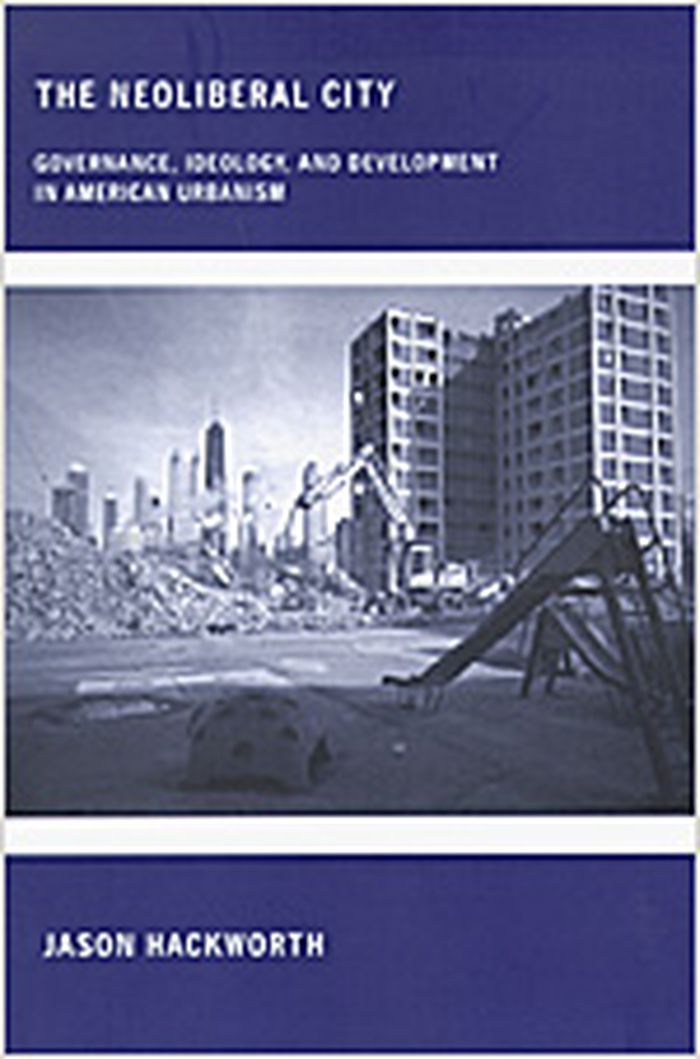
The neoliberal city : governance, ideology, and development in american urbanism
Actions:
Price:
$28.95
(available to order)
Summary:
The shift in the ideological winds toward a "free-market" economy has brought profound effects in urban areas. "The neoliberal city" presents an overview of the effect of these changes on today's cities. The term "neoliberalism" was originally used in reference to a set of practices that first-world institutions like the IMF and World Bank impose on third-world countries and cities. The support of unimpeded trade and individual freedoms and the discouragement of state regulation and social spending are the putative centerpieces of this vision. More and more, though, people have come to recognize that first-world cities are undergoing the same processes. In "The neoliberal city", Jason Hackworth argues that neoliberal policies are in fact having a profound effect on the nature and direction of urbanization in the United States and other wealthy countries, and that much can be learned from studying its effect. He explores the impact that neoliberalism has had on three aspects of urbanization in the United States: governance, urban form, and social movements. The American inner city is seen as a crucial battle zone for the wider neoliberal transition primarily because it embodies neoliberalism's antithesis, Keynesian egalitarian liberalism. Focusing on issues such as gentrification in New York City; public-housing policy in New York, Chicago, and Seattle; downtown redevelopment in Phoenix; and urban-landscape change in New Brunswick, N.J., Hackworth shows us how material and symbolic changes to institutions, neighborhoods, and entire urban regions can be traced in part to the rise of neoliberalism.
The neoliberal city : governance, ideology, and development in american urbanism
Actions:
Price:
$28.95
(available to order)
Summary:
The shift in the ideological winds toward a "free-market" economy has brought profound effects in urban areas. "The neoliberal city" presents an overview of the effect of these changes on today's cities. The term "neoliberalism" was originally used in reference to a set of practices that first-world institutions like the IMF and World Bank impose on third-world countries and cities. The support of unimpeded trade and individual freedoms and the discouragement of state regulation and social spending are the putative centerpieces of this vision. More and more, though, people have come to recognize that first-world cities are undergoing the same processes. In "The neoliberal city", Jason Hackworth argues that neoliberal policies are in fact having a profound effect on the nature and direction of urbanization in the United States and other wealthy countries, and that much can be learned from studying its effect. He explores the impact that neoliberalism has had on three aspects of urbanization in the United States: governance, urban form, and social movements. The American inner city is seen as a crucial battle zone for the wider neoliberal transition primarily because it embodies neoliberalism's antithesis, Keynesian egalitarian liberalism. Focusing on issues such as gentrification in New York City; public-housing policy in New York, Chicago, and Seattle; downtown redevelopment in Phoenix; and urban-landscape change in New Brunswick, N.J., Hackworth shows us how material and symbolic changes to institutions, neighborhoods, and entire urban regions can be traced in part to the rise of neoliberalism.
Form:
books
books
Publication:
December 2006, Ithaca, London
December 2006, Ithaca, London
Subject:
Urban Theory
Urban Theory
Form:
books
books
Actions:
Price:
$17.95
(available to order)
Summary:
Frederick Law Olmsted (1822-1903) designed New York City's Central Park, Brooklyn's Prospect Park, Chicago's South Park and Jackson Park, Montreal's Mount Royal Park, the park systems of Boston and Buffalo, and many others. But Olmsted's concerns extended beyond the hills and lakes, the flora and fauna of the park: he also designed parkways and neighborhoods, reshaping(...)
$17.95
(available to order)
Summary:
Frederick Law Olmsted (1822-1903) designed New York City's Central Park, Brooklyn's Prospect Park, Chicago's South Park and Jackson Park, Montreal's Mount Royal Park, the park systems of Boston and Buffalo, and many others. But Olmsted's concerns extended beyond the hills and lakes, the flora and fauna of the park: he also designed parkways and neighborhoods, reshaping(...)
Title:
Civilizing american cities: writings on city landscapes
Actions:
Price:
$17.95
(available to order)
Summary:
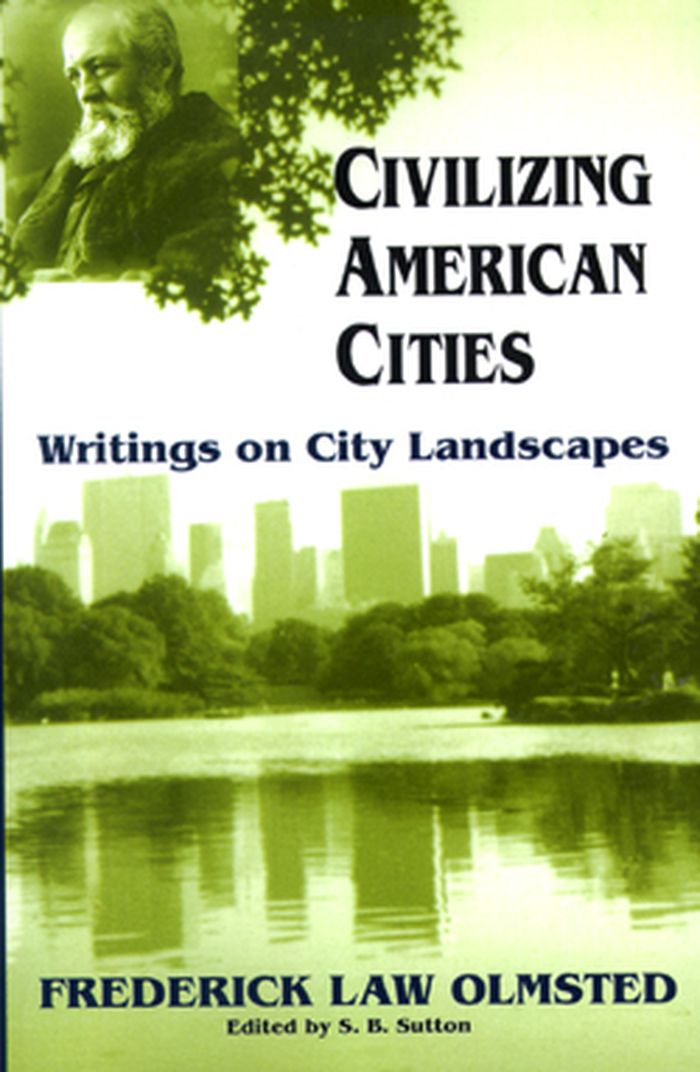
Frederick Law Olmsted (1822-1903) designed New York City's Central Park, Brooklyn's Prospect Park, Chicago's South Park and Jackson Park, Montreal's Mount Royal Park, the park systems of Boston and Buffalo, and many others. But Olmsted's concerns extended beyond the hills and lakes, the flora and fauna of the park: he also designed parkways and neighborhoods, reshaping cities around their parks. He thus reinvented the American urban landscape as a democratic outdoor setting that encouraged a new kind of participation in city life. Olmsted was one of the most gifted of American writers of his generation: prior to designing Central Park, he had written five important books, including The Cotton Kingdom (an account of his travels in the slave states, also available from Da Capo Press); and his writings on American landscapes are unfailingly lively, eloquent, and passionate. Civilizing American Cities collects Olmsted's plans for New York, San Francisco, Buffalo, Montreal, Chicago, and Boston; his suburban plans for Berkeley, California and Riverside, Illinois; and a generous helping of his writings on urban landscape in general. These selections, expertly edited and introduced, are not only enjoyable but essential reading for anyone interested in the history - and the future - of America's cities.
Civilizing american cities: writings on city landscapes
Actions:
Price:
$17.95
(available to order)
Summary:
Frederick Law Olmsted (1822-1903) designed New York City's Central Park, Brooklyn's Prospect Park, Chicago's South Park and Jackson Park, Montreal's Mount Royal Park, the park systems of Boston and Buffalo, and many others. But Olmsted's concerns extended beyond the hills and lakes, the flora and fauna of the park: he also designed parkways and neighborhoods, reshaping cities around their parks. He thus reinvented the American urban landscape as a democratic outdoor setting that encouraged a new kind of participation in city life. Olmsted was one of the most gifted of American writers of his generation: prior to designing Central Park, he had written five important books, including The Cotton Kingdom (an account of his travels in the slave states, also available from Da Capo Press); and his writings on American landscapes are unfailingly lively, eloquent, and passionate. Civilizing American Cities collects Olmsted's plans for New York, San Francisco, Buffalo, Montreal, Chicago, and Boston; his suburban plans for Berkeley, California and Riverside, Illinois; and a generous helping of his writings on urban landscape in general. These selections, expertly edited and introduced, are not only enjoyable but essential reading for anyone interested in the history - and the future - of America's cities.
Form:
books
books
Publication:
January 1900, New York
January 1900, New York
Subject:
Gardens
Gardens
Form:
books
books
Title:
2G Dossier: Energyscapes
2G Dossier: Energyscapes
Actions:
Price:
$40.95
(available to order)
Summary:
2G Dossier: Energyscapes analyses the way in which the huge structures involved in the energy production sector relate to the world which surrounds us. Through an analysis of the systems, sequences and sources of energy production including dismantled and decommissioned structures as well as operational ones - it methodically elucidates the numerous facets the world of(...)
$40.95
(available to order)
Summary:
2G Dossier: Energyscapes analyses the way in which the huge structures involved in the energy production sector relate to the world which surrounds us. Through an analysis of the systems, sequences and sources of energy production including dismantled and decommissioned structures as well as operational ones - it methodically elucidates the numerous facets the world of(...)
Title:
2G Dossier: Energyscapes
Actions:
Price:
$40.95
(available to order)
Summary:
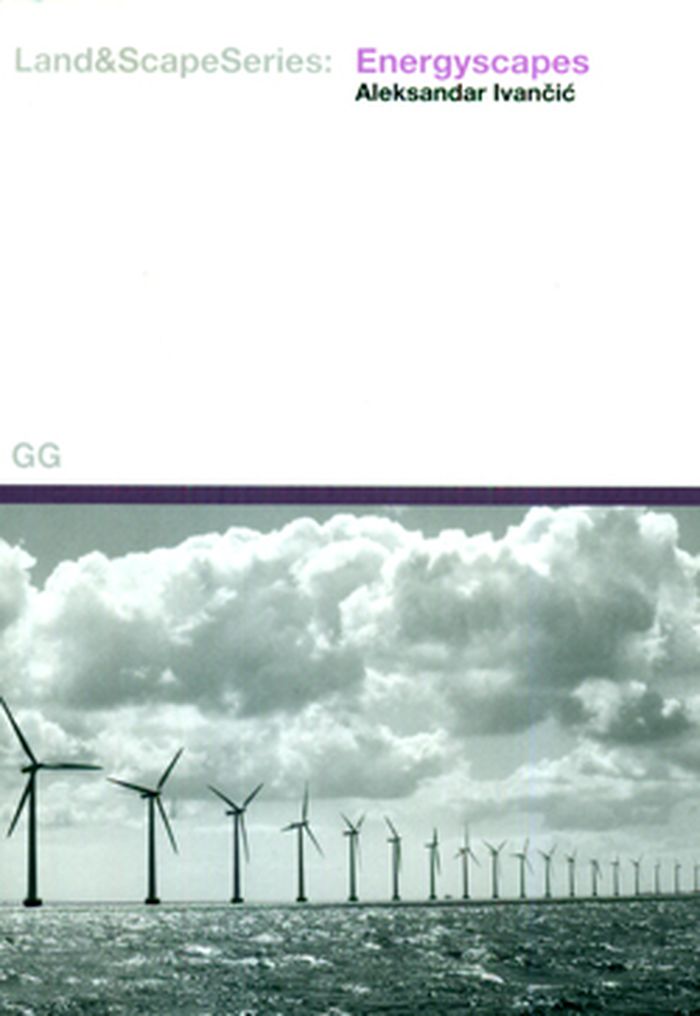
2G Dossier: Energyscapes analyses the way in which the huge structures involved in the energy production sector relate to the world which surrounds us. Through an analysis of the systems, sequences and sources of energy production including dismantled and decommissioned structures as well as operational ones - it methodically elucidates the numerous facets the world of energy presents when it comes into contact with the territory surrounding us.It also addresses how energy production can integrate more harmoniously with the landscape, including ways of converting those artefacts that have become obsolete from the technical point of view but which could accommodate other uses.
2G Dossier: Energyscapes
Actions:
Price:
$40.95
(available to order)
Summary:
2G Dossier: Energyscapes analyses the way in which the huge structures involved in the energy production sector relate to the world which surrounds us. Through an analysis of the systems, sequences and sources of energy production including dismantled and decommissioned structures as well as operational ones - it methodically elucidates the numerous facets the world of energy presents when it comes into contact with the territory surrounding us.It also addresses how energy production can integrate more harmoniously with the landscape, including ways of converting those artefacts that have become obsolete from the technical point of view but which could accommodate other uses.
Form:
books
books
Publication:
July 2010
July 2010
Subject:
Urban Landscapes
Urban Landscapes
Form:
books
books
Actions:
Price:
$97.50
(available to order)
Summary:
While the history of São Paulo dates back more than 450 years, most of its growth took place after World War II as the city's major economic engine shifted from agriculture to industry. Today, as São Paulo evolves into a service economy hub, Felipe Correa argues, the city must carefully examine how to better integrate its extensive inner city post-industrial land into(...)
$97.50
(available to order)
Summary:
While the history of São Paulo dates back more than 450 years, most of its growth took place after World War II as the city's major economic engine shifted from agriculture to industry. Today, as São Paulo evolves into a service economy hub, Felipe Correa argues, the city must carefully examine how to better integrate its extensive inner city post-industrial land into(...)
Title:
São Paulo: a graphic biography
Actions:
Price:
$97.50
(available to order)
Summary:
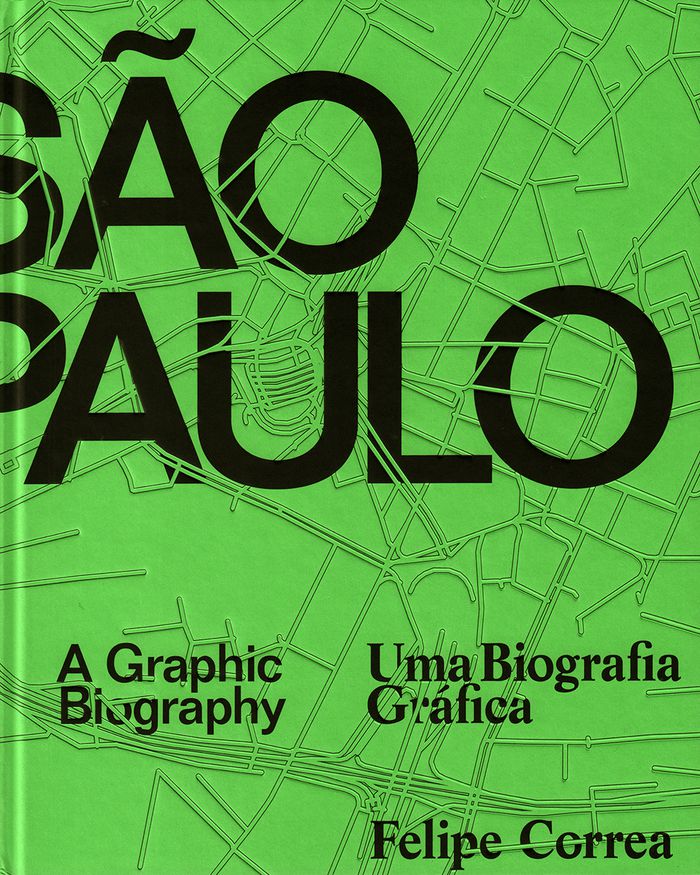
While the history of São Paulo dates back more than 450 years, most of its growth took place after World War II as the city's major economic engine shifted from agriculture to industry. Today, as São Paulo evolves into a service economy hub, Felipe Correa argues, the city must carefully examine how to better integrate its extensive inner city post-industrial land into contemporary urban uses. In ''São Paulo: A Graphic Biography,'' Correa presents a comprehensive portrait of Brazil's largest city, narrating its fast-paced growth through archival material, photography, original drawings, and text. Additional essays from scholars in fields such as landscape architecture, ecology, governance, and public health offer a series of interdisciplinary perspectives on the city's history and development.
São Paulo: a graphic biography
Actions:
Price:
$97.50
(available to order)
Summary:
While the history of São Paulo dates back more than 450 years, most of its growth took place after World War II as the city's major economic engine shifted from agriculture to industry. Today, as São Paulo evolves into a service economy hub, Felipe Correa argues, the city must carefully examine how to better integrate its extensive inner city post-industrial land into contemporary urban uses. In ''São Paulo: A Graphic Biography,'' Correa presents a comprehensive portrait of Brazil's largest city, narrating its fast-paced growth through archival material, photography, original drawings, and text. Additional essays from scholars in fields such as landscape architecture, ecology, governance, and public health offer a series of interdisciplinary perspectives on the city's history and development.
Form:
books
books
Publication:
October 2018
October 2018
Subject:
Urban Theory
Urban Theory
Form:
books
books
Actions:
Price:
$39.95
(available to order)
Summary:
In the 19th century railroads and canals provided both structure and motor for city development. This role has been taken over today by the global flow of data and products, as the author argues. The author describes the current development and its impact on architecture, landscape architecture and urbanism. Flow of material and communication is the DNA of contemporary(...)
$39.95
(available to order)
Summary:
In the 19th century railroads and canals provided both structure and motor for city development. This role has been taken over today by the global flow of data and products, as the author argues. The author describes the current development and its impact on architecture, landscape architecture and urbanism. Flow of material and communication is the DNA of contemporary(...)
Title:
Learning from logistics: how networks change our cities
Actions:
Price:
$39.95
(available to order)
Summary:
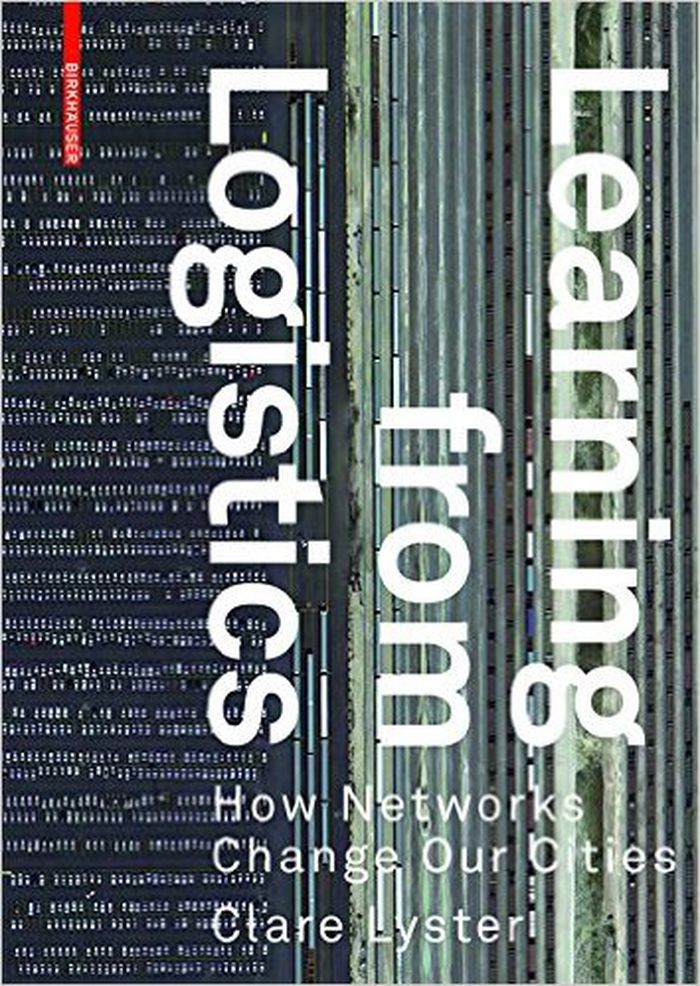
In the 19th century railroads and canals provided both structure and motor for city development. This role has been taken over today by the global flow of data and products, as the author argues. The author describes the current development and its impact on architecture, landscape architecture and urbanism. Flow of material and communication is the DNA of contemporary environments. This development has enormous and partially unfathomable implications for our city fabric. Logistics networks and their complex structure increasingly bear upon many urban spheres. Counter trends to the ubiquitous internet retail trade – to name one of the most palpable phenomena – are gaining momentum as well, exemplified by the criticism of labor conditions in e-commerce and the trend to buy regional products from local stores.
Learning from logistics: how networks change our cities
Actions:
Price:
$39.95
(available to order)
Summary:
In the 19th century railroads and canals provided both structure and motor for city development. This role has been taken over today by the global flow of data and products, as the author argues. The author describes the current development and its impact on architecture, landscape architecture and urbanism. Flow of material and communication is the DNA of contemporary environments. This development has enormous and partially unfathomable implications for our city fabric. Logistics networks and their complex structure increasingly bear upon many urban spheres. Counter trends to the ubiquitous internet retail trade – to name one of the most palpable phenomena – are gaining momentum as well, exemplified by the criticism of labor conditions in e-commerce and the trend to buy regional products from local stores.
Form:
books
books
Publication:
March 2016
March 2016
Subject:
Urban Theory
Urban Theory
Form:
books
books
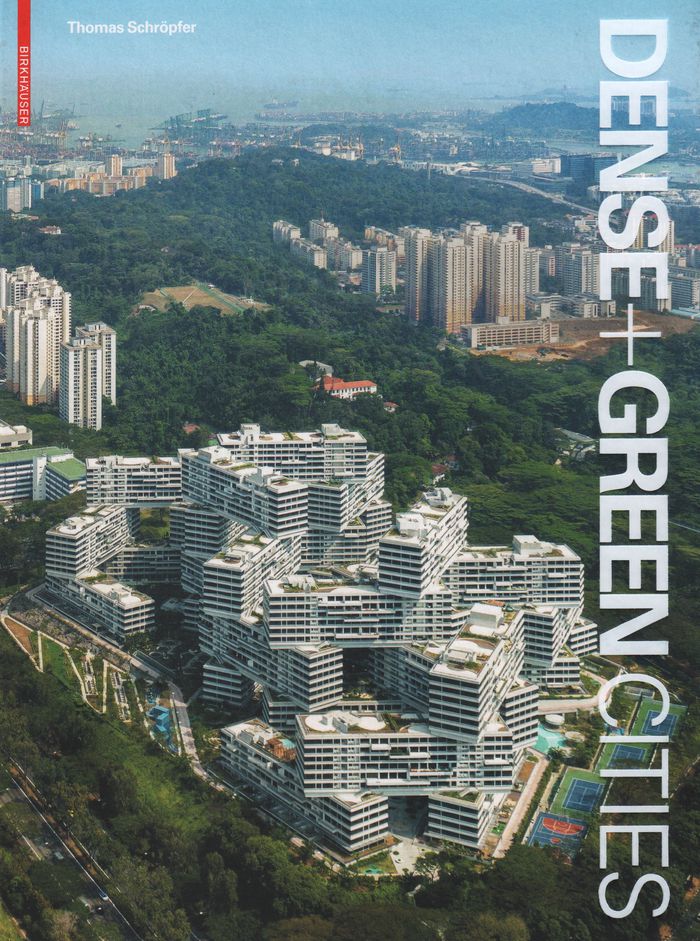
Title:
Dense + Green cities
Dense + Green cities
Actions:
Price:
$112.95
(available to order)
Summary:
The emergent understanding of the building and the city as ecological systems immediately raises the question of their interaction. In which ways does a 'green building' contribute to the ecology of its surroundings? And how can ecologically designed urban districts, with their green and blue networks, link up with the elements and technologies of building design? These(...)
$112.95
(available to order)
Summary:
The emergent understanding of the building and the city as ecological systems immediately raises the question of their interaction. In which ways does a 'green building' contribute to the ecology of its surroundings? And how can ecologically designed urban districts, with their green and blue networks, link up with the elements and technologies of building design? These(...)
Title:
Dense + Green cities
Actions:
Price:
$112.95
(available to order)
Summary:
The emergent understanding of the building and the city as ecological systems immediately raises the question of their interaction. In which ways does a 'green building' contribute to the ecology of its surroundings? And how can ecologically designed urban districts, with their green and blue networks, link up with the elements and technologies of building design? These are questions of concept, of planning, of design and not least of experience. All these dimensions of 'green building' are investigated in this book with essays and case studies, in a collaboration of a research team with architects, urbanists and landscape designers – in an effort to understand and evaluate some of the most recent and innovative Dense+Green Cities in Asia, the Americas and Europe.
Dense + Green cities
Actions:
Price:
$112.95
(available to order)
Summary:
The emergent understanding of the building and the city as ecological systems immediately raises the question of their interaction. In which ways does a 'green building' contribute to the ecology of its surroundings? And how can ecologically designed urban districts, with their green and blue networks, link up with the elements and technologies of building design? These are questions of concept, of planning, of design and not least of experience. All these dimensions of 'green building' are investigated in this book with essays and case studies, in a collaboration of a research team with architects, urbanists and landscape designers – in an effort to understand and evaluate some of the most recent and innovative Dense+Green Cities in Asia, the Americas and Europe.
Form:
books
books
Publication:
January 2020
January 2020
Subject:
Urban Theory
Urban Theory
Form:
books
books

Actions:
Price:
$16.99
(available to order)
Summary:
Weeds are botanical thugs, but they have always been essential to our lives. They were the first crops and medicines and they inspired Velcro. They adorn weddings and foliate the most derelict urban sites. With the verve and historical breadth of Michael Pollan, acclaimed nature writer Richard Mabey delivers a provocative defense of the plants we love to hate.
$16.99
(available to order)
Summary:
Weeds are botanical thugs, but they have always been essential to our lives. They were the first crops and medicines and they inspired Velcro. They adorn weddings and foliate the most derelict urban sites. With the verve and historical breadth of Michael Pollan, acclaimed nature writer Richard Mabey delivers a provocative defense of the plants we love to hate.
Title:
Weeds: in defense of nature's most unloved plants
Actions:
Price:
$16.99
(available to order)
Summary:
Weeds are botanical thugs, but they have always been essential to our lives. They were the first crops and medicines and they inspired Velcro. They adorn weddings and foliate the most derelict urban sites. With the verve and historical breadth of Michael Pollan, acclaimed nature writer Richard Mabey delivers a provocative defense of the plants we love to hate.
Weeds: in defense of nature's most unloved plants
Actions:
Price:
$16.99
(available to order)
Summary:
Weeds are botanical thugs, but they have always been essential to our lives. They were the first crops and medicines and they inspired Velcro. They adorn weddings and foliate the most derelict urban sites. With the verve and historical breadth of Michael Pollan, acclaimed nature writer Richard Mabey delivers a provocative defense of the plants we love to hate.
Form:
books
books
Publication:
June 2012
June 2012
Subject:
Urban Landscapes
Urban Landscapes


