


2879 Results
Form:
books
books
Title:
Essential Modernism
Essential Modernism
Actions:
Price:
$120.00
(available to order)
Summary:
This wide-ranging survey showcases and analyzes the work of dozens of Modernist designers, from those who established the International Style in the 1920s and ‘30s through the groundbreaking practitioners of the mid-1940s. Modernism, with its powerful aesthetic and compelling philosophical framework, is the twentieth century’s most defining movement in design and the(...)
$120.00
(available to order)
Summary:
This wide-ranging survey showcases and analyzes the work of dozens of Modernist designers, from those who established the International Style in the 1920s and ‘30s through the groundbreaking practitioners of the mid-1940s. Modernism, with its powerful aesthetic and compelling philosophical framework, is the twentieth century’s most defining movement in design and the(...)
Title:
Essential Modernism
Actions:
Price:
$120.00
(available to order)
Summary:
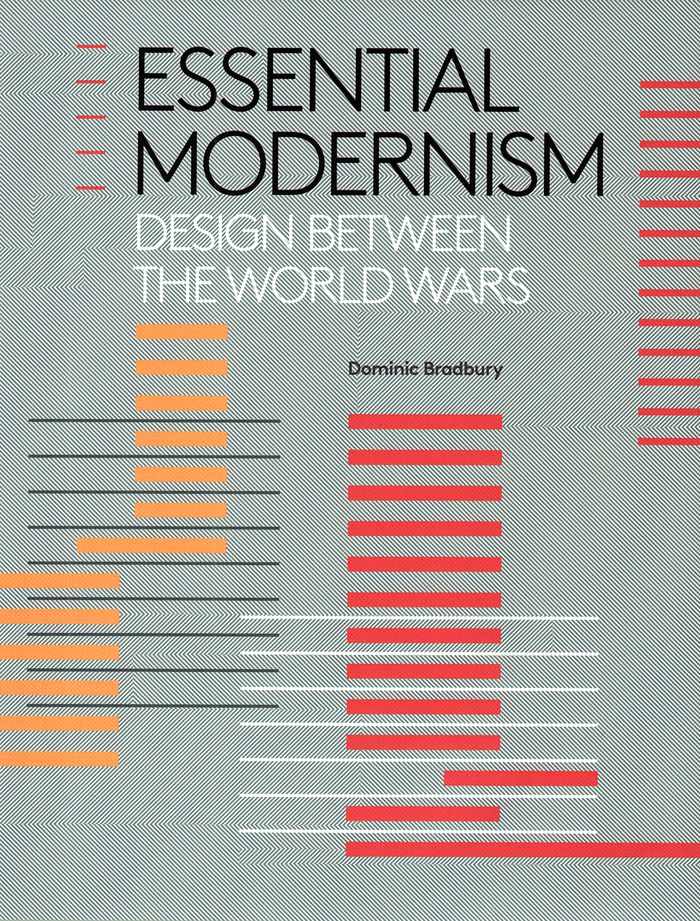
This wide-ranging survey showcases and analyzes the work of dozens of Modernist designers, from those who established the International Style in the 1920s and ‘30s through the groundbreaking practitioners of the mid-1940s. Modernism, with its powerful aesthetic and compelling philosophical framework, is the twentieth century’s most defining movement in design and the applied arts. International architects and designers such as Alvar Aalto, Marcel Breuer, Eileen Gray, Le Corbusier, Ludwig Mies van der Rohe, and Frank Lloyd Wright revolutionized the built world and how we live in it. Their work rejected historical precedents, prioritizing function over tradition, and their experimentation with new forms, materials, and techniques transformed our living spaces and lifestyles and fundamentally changed the way we think about design.
Essential Modernism
Actions:
Price:
$120.00
(available to order)
Summary:
This wide-ranging survey showcases and analyzes the work of dozens of Modernist designers, from those who established the International Style in the 1920s and ‘30s through the groundbreaking practitioners of the mid-1940s. Modernism, with its powerful aesthetic and compelling philosophical framework, is the twentieth century’s most defining movement in design and the applied arts. International architects and designers such as Alvar Aalto, Marcel Breuer, Eileen Gray, Le Corbusier, Ludwig Mies van der Rohe, and Frank Lloyd Wright revolutionized the built world and how we live in it. Their work rejected historical precedents, prioritizing function over tradition, and their experimentation with new forms, materials, and techniques transformed our living spaces and lifestyles and fundamentally changed the way we think about design.
Form:
books
books
Publication:
November 2018
November 2018
Subject:
Design, Periods and Styles
Design, Periods and Styles
Form:
books
books
Price:
$50.95
(available to order)
Summary:
''Toward a Living Architecture?'' is the first book-length critique of the emerging field of generative architecture and its nexus with computation, biology, and complexity. Starting from the assertion that we should take generative architects' rhetoric of biology and sustainability seriously, Christina Cogdell examines their claims from the standpoints of the sciences(...)
$50.95
(available to order)
Summary:
''Toward a Living Architecture?'' is the first book-length critique of the emerging field of generative architecture and its nexus with computation, biology, and complexity. Starting from the assertion that we should take generative architects' rhetoric of biology and sustainability seriously, Christina Cogdell examines their claims from the standpoints of the sciences(...)
Title:
Toward a living architecture? Complexism and biology in generative design
Actions:
Price:
$50.95
(available to order)
Summary:
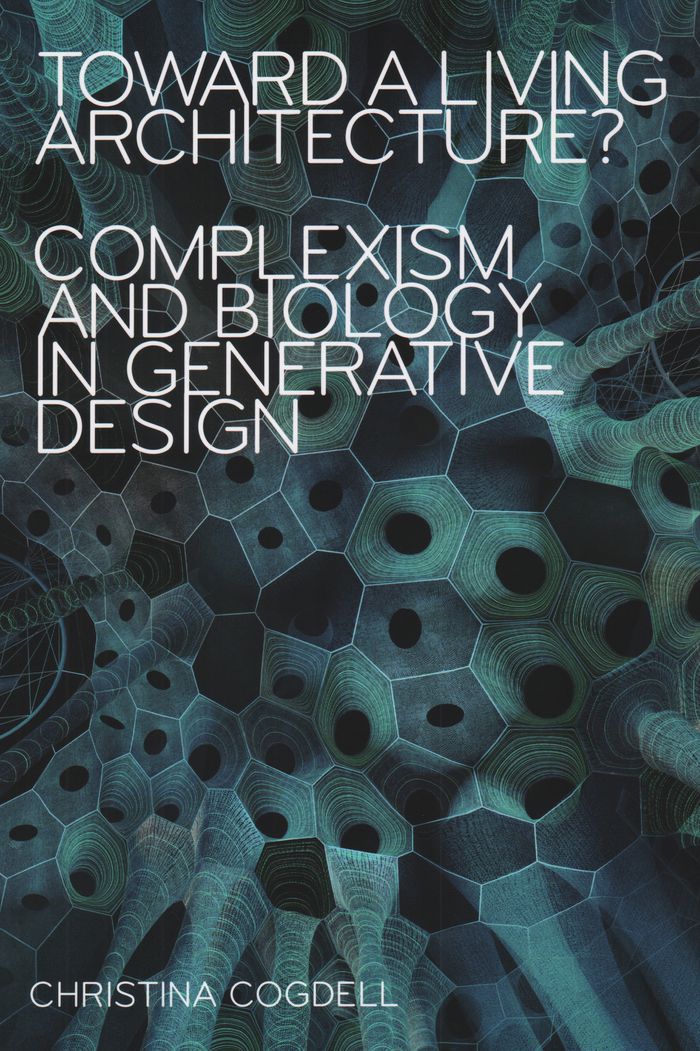
''Toward a Living Architecture?'' is the first book-length critique of the emerging field of generative architecture and its nexus with computation, biology, and complexity. Starting from the assertion that we should take generative architects' rhetoric of biology and sustainability seriously, Christina Cogdell examines their claims from the standpoints of the sciences they draw on—complex systems theory, evolutionary theory, genetics and epigenetics, and synthetic biology. She reveals significant disconnects while also pointing to approaches and projects with significant potential for further development. Arguing that architectural design today often only masquerades as sustainable, Cogdell demonstrates how the language of some cutting-edge practitioners and educators can mislead students and clients into thinking they are getting something biological when they are not.
Toward a living architecture? Complexism and biology in generative design
Actions:
Price:
$50.95
(available to order)
Summary:
''Toward a Living Architecture?'' is the first book-length critique of the emerging field of generative architecture and its nexus with computation, biology, and complexity. Starting from the assertion that we should take generative architects' rhetoric of biology and sustainability seriously, Christina Cogdell examines their claims from the standpoints of the sciences they draw on—complex systems theory, evolutionary theory, genetics and epigenetics, and synthetic biology. She reveals significant disconnects while also pointing to approaches and projects with significant potential for further development. Arguing that architectural design today often only masquerades as sustainable, Cogdell demonstrates how the language of some cutting-edge practitioners and educators can mislead students and clients into thinking they are getting something biological when they are not.
Form:
books
books
Publication:
January 2019
January 2019
Subject:
Architectural Theory
Architectural Theory
Form:
books
books
Actions:
Price:
$42.00
(available in store)
Summary:
Yes is more is the first monograph of its kind devoted exclusively to the trailblazing practice of BIG, a Copenhagenbased group of architects, designers and thinkers operating within the fields of architecture, urbanism, research and development. BIG shows how its members respond to the polymorphous demands, complex rules and highly specialized knowledge of(...)
$42.00
(available in store)
Summary:
Yes is more is the first monograph of its kind devoted exclusively to the trailblazing practice of BIG, a Copenhagenbased group of architects, designers and thinkers operating within the fields of architecture, urbanism, research and development. BIG shows how its members respond to the polymorphous demands, complex rules and highly specialized knowledge of(...)
Title:
Yes is more: an archicomic on architectural evolution
Actions:
Price:
$42.00
(available in store)
Summary:
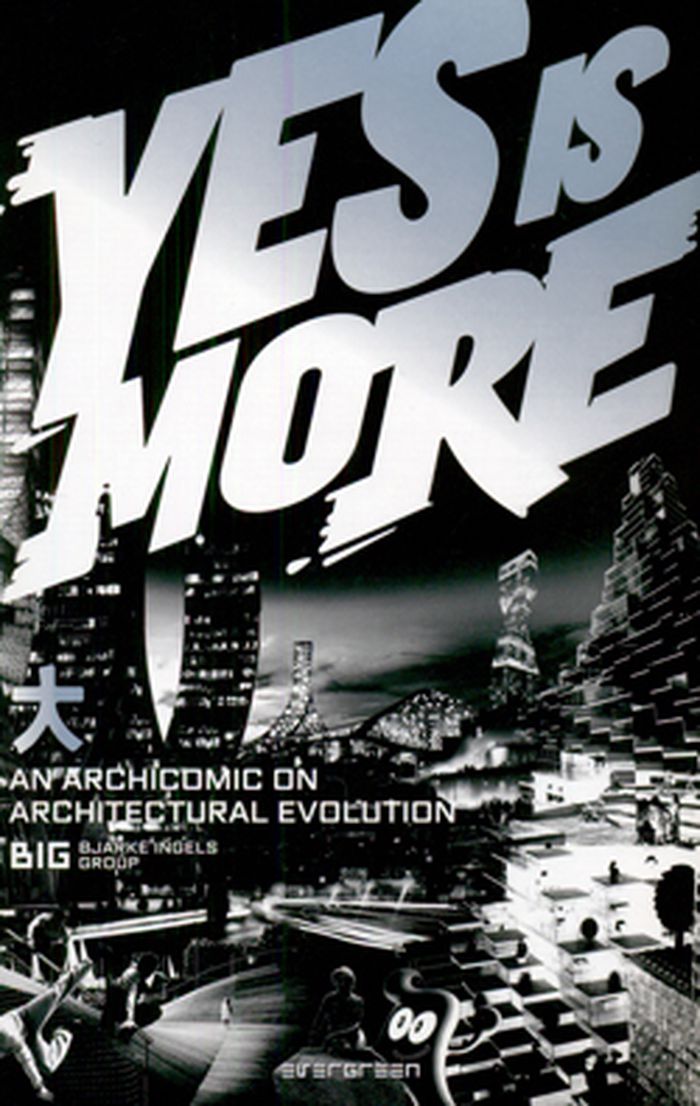
Yes is more is the first monograph of its kind devoted exclusively to the trailblazing practice of BIG, a Copenhagenbased group of architects, designers and thinkers operating within the fields of architecture, urbanism, research and development. BIG shows how its members respond to the polymorphous demands, complex rules and highly specialized knowledge of society, creating tangible solutions through artistic processes: solutions that time and again attract the interest of the population at large while earning the respect of aficionados across the globe. YES IS MORE speaks the language of popular culture, allowing the sublime to shine through in the commonplace. It enables readers to gain insights into Big s processes, methods and results through the most approachable and populist means of communication the cartoon.
Yes is more: an archicomic on architectural evolution
Actions:
Price:
$42.00
(available in store)
Summary:
Yes is more is the first monograph of its kind devoted exclusively to the trailblazing practice of BIG, a Copenhagenbased group of architects, designers and thinkers operating within the fields of architecture, urbanism, research and development. BIG shows how its members respond to the polymorphous demands, complex rules and highly specialized knowledge of society, creating tangible solutions through artistic processes: solutions that time and again attract the interest of the population at large while earning the respect of aficionados across the globe. YES IS MORE speaks the language of popular culture, allowing the sublime to shine through in the commonplace. It enables readers to gain insights into Big s processes, methods and results through the most approachable and populist means of communication the cartoon.
Form:
books
books
Publication:
September 2009
September 2009
Subject:
Architecture Monographs
Architecture Monographs
Form:
books
books
Title:
Frank Gehry: the houses
Frank Gehry: the houses
Actions:
Price:
$104.00
(available to order)
Summary:
Frank Gehry has revolutionized the use of materials in design and redefined how architects use computers as a design tool to advance form-making as we know it. He has achieved worldwide fame for such large-scale public projects as the Guggenheim Museum in Bilbao, Spain, and the Walt Disney Concert Hall in Los Angeles, California, but it was in private houses that Gehry(...)
$104.00
(available to order)
Summary:
Frank Gehry has revolutionized the use of materials in design and redefined how architects use computers as a design tool to advance form-making as we know it. He has achieved worldwide fame for such large-scale public projects as the Guggenheim Museum in Bilbao, Spain, and the Walt Disney Concert Hall in Los Angeles, California, but it was in private houses that Gehry(...)
Title:
Frank Gehry: the houses
Actions:
Price:
$104.00
(available to order)
Summary:
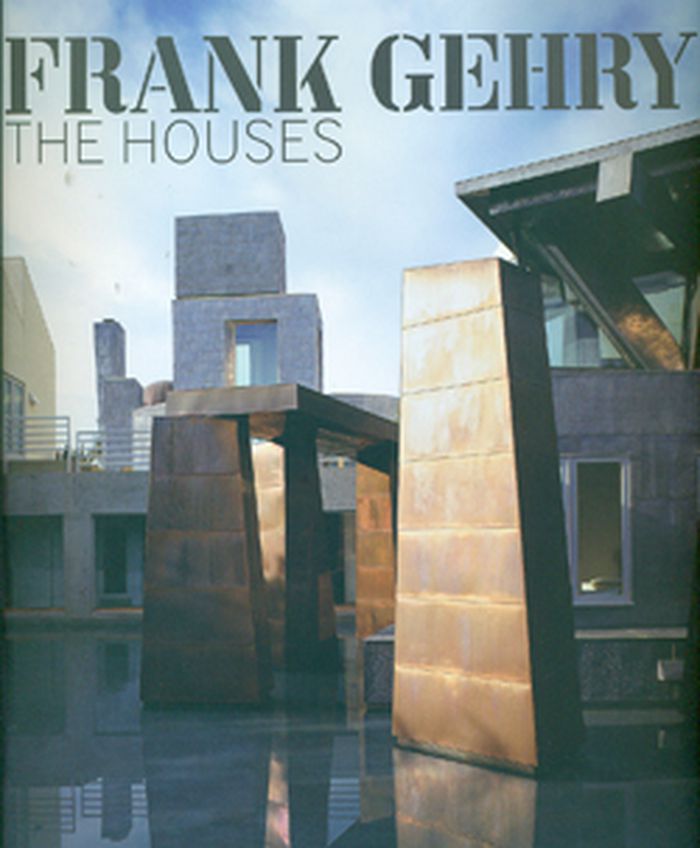
Frank Gehry has revolutionized the use of materials in design and redefined how architects use computers as a design tool to advance form-making as we know it. He has achieved worldwide fame for such large-scale public projects as the Guggenheim Museum in Bilbao, Spain, and the Walt Disney Concert Hall in Los Angeles, California, but it was in private houses that Gehry first explored and interrogated the principles of modern architecture. In these houses—most notably his own, in Santa Monica, Gehry distorted, expanded, and collapsed the modernist box, exploring everyday materials experimenting with color, and challenging accepted notions about geometry and structure. Color photographs, sketches, and plans create an illuminating visual record of some of the most groundbreaking, seminal projects of Gehry’s oeuvre.
Frank Gehry: the houses
Actions:
Price:
$104.00
(available to order)
Summary:
Frank Gehry has revolutionized the use of materials in design and redefined how architects use computers as a design tool to advance form-making as we know it. He has achieved worldwide fame for such large-scale public projects as the Guggenheim Museum in Bilbao, Spain, and the Walt Disney Concert Hall in Los Angeles, California, but it was in private houses that Gehry first explored and interrogated the principles of modern architecture. In these houses—most notably his own, in Santa Monica, Gehry distorted, expanded, and collapsed the modernist box, exploring everyday materials experimenting with color, and challenging accepted notions about geometry and structure. Color photographs, sketches, and plans create an illuminating visual record of some of the most groundbreaking, seminal projects of Gehry’s oeuvre.
Form:
books
books
Publication:
October 2009
October 2009
Subject:
Architecture Monographs
Architecture Monographs
Form:
books
books
Title:
Alternative histories
Alternative histories
Actions:
Price:
$54.95
(available to order)
Summary:
Acknowledging that architecture is a corpus of inherited ideas, this publication began with a question: could a contemporary architect, with their own references, make a model that would respond to a drawing from the past? This book collects the 85 models produced by the same number of practices alongside the architectural drawings that prompted them, all of which are(...)
$54.95
(available to order)
Summary:
Acknowledging that architecture is a corpus of inherited ideas, this publication began with a question: could a contemporary architect, with their own references, make a model that would respond to a drawing from the past? This book collects the 85 models produced by the same number of practices alongside the architectural drawings that prompted them, all of which are(...)
Subject:
Architectural Theory
Architectural Theory
Publication:
August 2020
August 2020
Title:
Alternative histories
Actions:
Price:
$54.95
(available to order)
Summary:
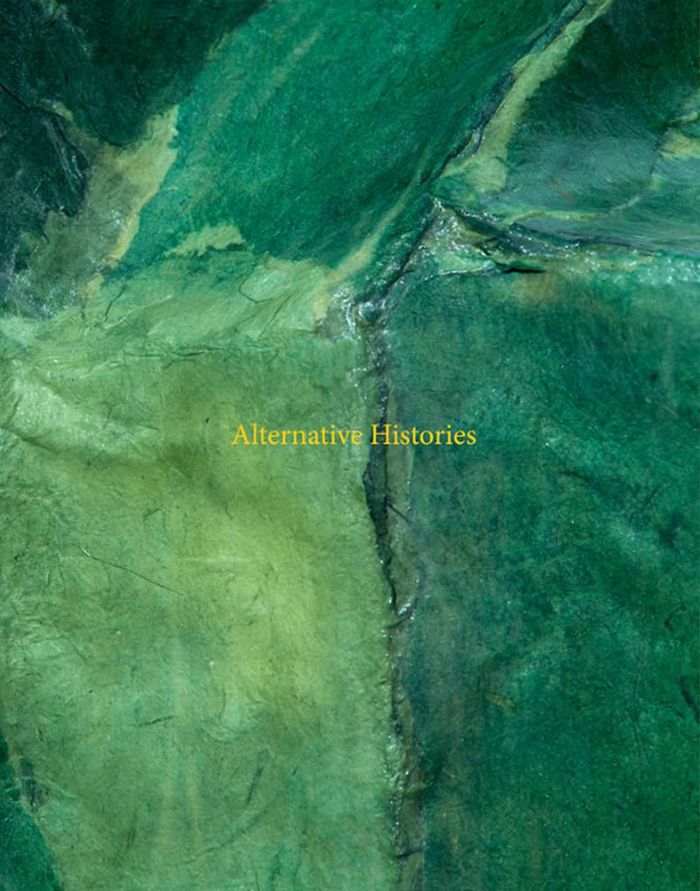
Acknowledging that architecture is a corpus of inherited ideas, this publication began with a question: could a contemporary architect, with their own references, make a model that would respond to a drawing from the past? This book collects the 85 models produced by the same number of practices alongside the architectural drawings that prompted them, all of which are held in the UK-based archive of Drawing Matter. Taken as a whole, the responses challenge the facile understanding of concepts of reference, history or influence as drivers of contemporary architectural thinking. From methods to materials, the project opens up not only new ways of looking at the past, but also a series of conversations about how architects today shape their present.
Alternative histories
Actions:
Price:
$54.95
(available to order)
Summary:
Acknowledging that architecture is a corpus of inherited ideas, this publication began with a question: could a contemporary architect, with their own references, make a model that would respond to a drawing from the past? This book collects the 85 models produced by the same number of practices alongside the architectural drawings that prompted them, all of which are held in the UK-based archive of Drawing Matter. Taken as a whole, the responses challenge the facile understanding of concepts of reference, history or influence as drivers of contemporary architectural thinking. From methods to materials, the project opens up not only new ways of looking at the past, but also a series of conversations about how architects today shape their present.
Form:
books
books
Publication:
August 2020
August 2020
Subject:
Architectural Theory
Architectural Theory
Form:
books
books
Title:
The metabolist imagination: visions of the city in postwar Japanese architecture and science fiction
The metabolist imagination: visions of the city in postwar Japanese architecture and science fiction
Actions:
Price:
$39.95
(available to order)
Summary:
The devastation of the Second World War gave rise to imaginations both utopian and apocalyptic. In Japan, a fascinating confluence of architects and science fiction writers took advantage of this space to begin remaking urban design. In 'The Metabolist Imagination', William O. Gardner explores the unique Metabolism movement, which allied with science fiction authors to(...)
$39.95
(available to order)
Summary:
The devastation of the Second World War gave rise to imaginations both utopian and apocalyptic. In Japan, a fascinating confluence of architects and science fiction writers took advantage of this space to begin remaking urban design. In 'The Metabolist Imagination', William O. Gardner explores the unique Metabolism movement, which allied with science fiction authors to(...)
Title:
The metabolist imagination: visions of the city in postwar Japanese architecture and science fiction
Actions:
Price:
$39.95
(available to order)
Summary:
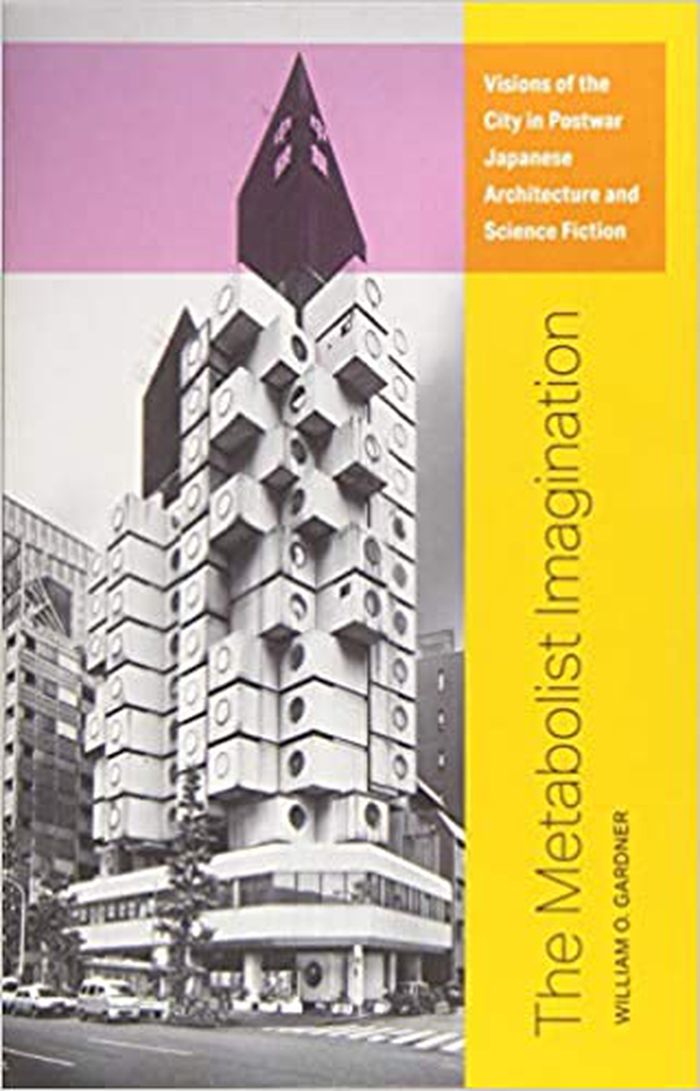
The devastation of the Second World War gave rise to imaginations both utopian and apocalyptic. In Japan, a fascinating confluence of architects and science fiction writers took advantage of this space to begin remaking urban design. In 'The Metabolist Imagination', William O. Gardner explores the unique Metabolism movement, which allied with science fiction authors to foresee the global cities that would emerge in the postwar era. This first comparative study of postwar Japanese architecture and science fiction builds on the resurgence of interest in Metabolist architecture while establishing new directions for exploration. Gardner focuses on how these innovators created unique versions of shared concepts—including futurity, megastructures, capsules, and cybercities—making lasting contributions that resonate with contemporary conversations around cyberpunk, climate change, anime, and more.
The metabolist imagination: visions of the city in postwar Japanese architecture and science fiction
Actions:
Price:
$39.95
(available to order)
Summary:
The devastation of the Second World War gave rise to imaginations both utopian and apocalyptic. In Japan, a fascinating confluence of architects and science fiction writers took advantage of this space to begin remaking urban design. In 'The Metabolist Imagination', William O. Gardner explores the unique Metabolism movement, which allied with science fiction authors to foresee the global cities that would emerge in the postwar era. This first comparative study of postwar Japanese architecture and science fiction builds on the resurgence of interest in Metabolist architecture while establishing new directions for exploration. Gardner focuses on how these innovators created unique versions of shared concepts—including futurity, megastructures, capsules, and cybercities—making lasting contributions that resonate with contemporary conversations around cyberpunk, climate change, anime, and more.
Form:
books
books
Publication:
May 2020
May 2020
Subject:
Architectural Theory
Architectural Theory
Form:
books
books
Actions:
Price:
$48.99
(available to order)
Summary:
Pairing particular works of art with specific innovations in real estate development, The Speculative City reveals the connections between real estate and contemporary art as they constructed Los Angeles’s present-day cityscape. From banal parking lots to Frank Gehry’s designs for artists’ studios and museums, Newbury examines pivotal interventions by artists and(...)
$48.99
(available to order)
Summary:
Pairing particular works of art with specific innovations in real estate development, The Speculative City reveals the connections between real estate and contemporary art as they constructed Los Angeles’s present-day cityscape. From banal parking lots to Frank Gehry’s designs for artists’ studios and museums, Newbury examines pivotal interventions by artists and(...)
Title:
The Speculative city: Art, real estate, and the making of global Los Angeles
Actions:
Price:
$48.99
(available to order)
Summary:
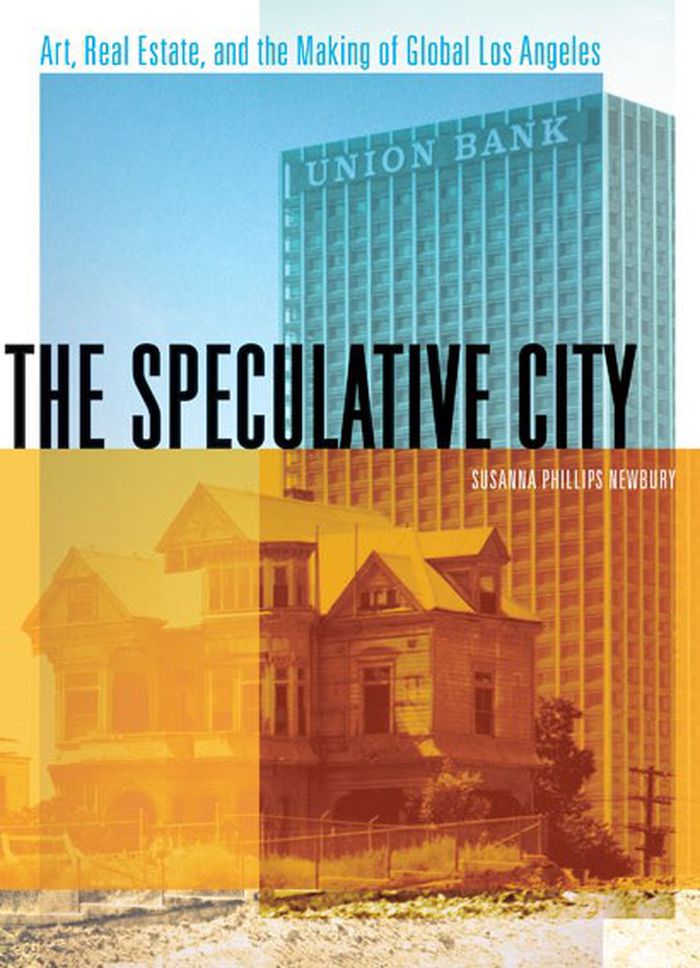
Pairing particular works of art with specific innovations in real estate development, The Speculative City reveals the connections between real estate and contemporary art as they constructed Los Angeles’s present-day cityscape. From banal parking lots to Frank Gehry’s designs for artists’ studios and museums, Newbury examines pivotal interventions by artists and architects, city officials and cultural philanthropists, concluding with an examination of how, in the wake of the 2008 global credit crisis, contemporary art emerged as a financial asset to fuel private wealth and urban gentrification. Both a history of the transformation of the Southland and a forensic examination of works of art, 'The Speculative City' is a rich complement to the California chronicles by such writers as Rebecca Solnit and Mike Davis.
The Speculative city: Art, real estate, and the making of global Los Angeles
Actions:
Price:
$48.99
(available to order)
Summary:
Pairing particular works of art with specific innovations in real estate development, The Speculative City reveals the connections between real estate and contemporary art as they constructed Los Angeles’s present-day cityscape. From banal parking lots to Frank Gehry’s designs for artists’ studios and museums, Newbury examines pivotal interventions by artists and architects, city officials and cultural philanthropists, concluding with an examination of how, in the wake of the 2008 global credit crisis, contemporary art emerged as a financial asset to fuel private wealth and urban gentrification. Both a history of the transformation of the Southland and a forensic examination of works of art, 'The Speculative City' is a rich complement to the California chronicles by such writers as Rebecca Solnit and Mike Davis.
Form:
books
books
Publication:
April 2021
April 2021
Subject:
Urban Theory
Urban Theory
Form:
books
books
Actions:
Price:
$88.00
(available to order)
Summary:
Presentation of the little known pioneering work of Arne Jacobsen in the field of architecture. Accompanies the exhibitions at six places of work of Jacobsen and Weitling throughout Germany. Scandinavian design meets German efficiency The architecture by Arne Jacobsen and Otto Weitling is of outstanding importance for post-war modernism in Germany. The calibre of their(...)
$88.00
(available to order)
Summary:
Presentation of the little known pioneering work of Arne Jacobsen in the field of architecture. Accompanies the exhibitions at six places of work of Jacobsen and Weitling throughout Germany. Scandinavian design meets German efficiency The architecture by Arne Jacobsen and Otto Weitling is of outstanding importance for post-war modernism in Germany. The calibre of their(...)
Title:
Gesamtkunstwerke: Architecture by Arne Jacobsen and Otto Weitling in Germany
Actions:
Price:
$88.00
(available to order)
Summary:
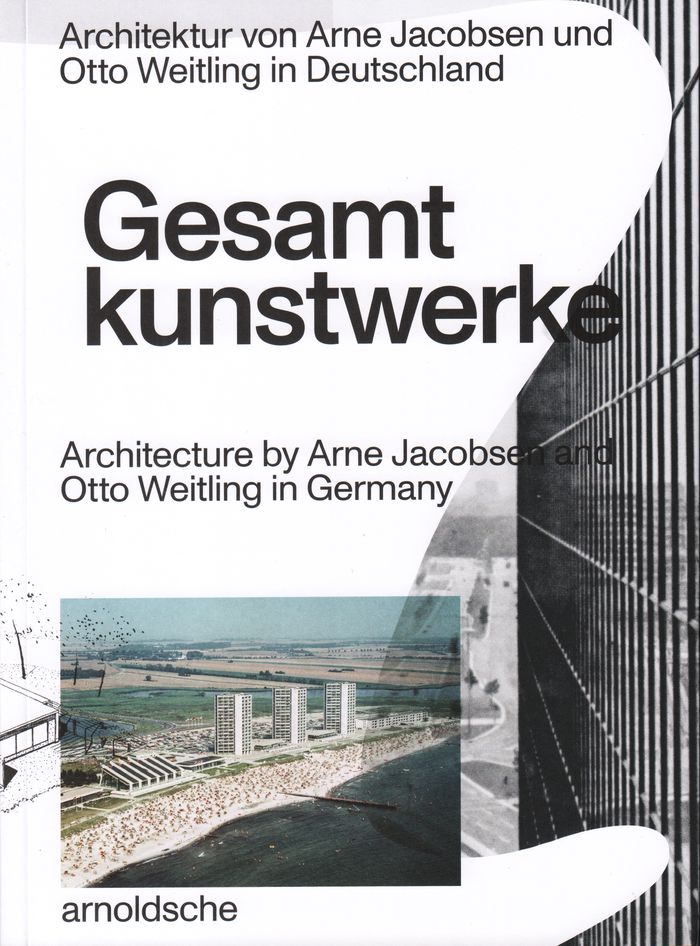
Presentation of the little known pioneering work of Arne Jacobsen in the field of architecture. Accompanies the exhibitions at six places of work of Jacobsen and Weitling throughout Germany. Scandinavian design meets German efficiency The architecture by Arne Jacobsen and Otto Weitling is of outstanding importance for post-war modernism in Germany. The calibre of their projects, however, has been forgotten. "Gesamtkunstkwerke" closes this gap in the appreciation of their work with a comprehensive presentation of seven out of eight German projects by the Danish master architects. Jacobsen and Weitling's Scandinavian functionalism is a reflection of the visions of the former FRG - designs and commissions grounded in democracy, prestige and efficiency. The publication also takes stock of how the legacy of late modernism is being handled.
Gesamtkunstwerke: Architecture by Arne Jacobsen and Otto Weitling in Germany
Actions:
Price:
$88.00
(available to order)
Summary:
Presentation of the little known pioneering work of Arne Jacobsen in the field of architecture. Accompanies the exhibitions at six places of work of Jacobsen and Weitling throughout Germany. Scandinavian design meets German efficiency The architecture by Arne Jacobsen and Otto Weitling is of outstanding importance for post-war modernism in Germany. The calibre of their projects, however, has been forgotten. "Gesamtkunstkwerke" closes this gap in the appreciation of their work with a comprehensive presentation of seven out of eight German projects by the Danish master architects. Jacobsen and Weitling's Scandinavian functionalism is a reflection of the visions of the former FRG - designs and commissions grounded in democracy, prestige and efficiency. The publication also takes stock of how the legacy of late modernism is being handled.
Form:
books
books
Publication:
February 2021
February 2021
Subject:
Architecture Monographs
Architecture Monographs
Form:
books
books
Title:
The uses of disorder
The uses of disorder
Actions:
Price:
$25.95
(available to order)
Summary:
When first published in 1970, The Uses of Disorder, was a call to arms against the deadening hand of modernist urban planning upon the thriving chaotic city. Written in the aftermath of the 1968 student uprising in the US and Europe, it demands a reimagination of the city and how class, city life and identity combine. Too often, this leads to divisions, such as the middle(...)
$25.95
(available to order)
Summary:
When first published in 1970, The Uses of Disorder, was a call to arms against the deadening hand of modernist urban planning upon the thriving chaotic city. Written in the aftermath of the 1968 student uprising in the US and Europe, it demands a reimagination of the city and how class, city life and identity combine. Too often, this leads to divisions, such as the middle(...)
Title:
The uses of disorder
Actions:
Price:
$25.95
(available to order)
Summary:
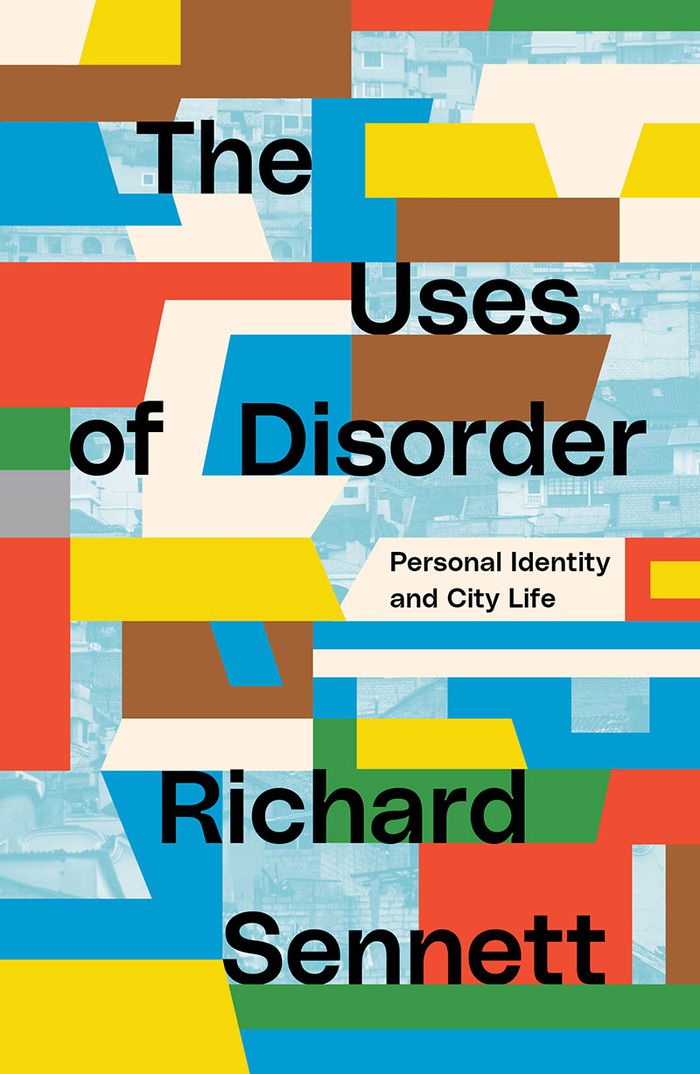
When first published in 1970, The Uses of Disorder, was a call to arms against the deadening hand of modernist urban planning upon the thriving chaotic city. Written in the aftermath of the 1968 student uprising in the US and Europe, it demands a reimagination of the city and how class, city life and identity combine. Too often, this leads to divisions, such as the middle class flight to the suburbs, leaving the inner cities in desperate straits. In response, Sennett offers an alternative image of a “dense, disorderly, overwhelming cities” that allow for change and the development of community. Fifty years later this book is as essential as it was when it first came out, and remains an inspiration to architects, planners and urban thinkers everywhere.
The uses of disorder
Actions:
Price:
$25.95
(available to order)
Summary:
When first published in 1970, The Uses of Disorder, was a call to arms against the deadening hand of modernist urban planning upon the thriving chaotic city. Written in the aftermath of the 1968 student uprising in the US and Europe, it demands a reimagination of the city and how class, city life and identity combine. Too often, this leads to divisions, such as the middle class flight to the suburbs, leaving the inner cities in desperate straits. In response, Sennett offers an alternative image of a “dense, disorderly, overwhelming cities” that allow for change and the development of community. Fifty years later this book is as essential as it was when it first came out, and remains an inspiration to architects, planners and urban thinkers everywhere.
Form:
books
books
Publication:
November 2021
November 2021
Subject:
Social
Social
Form:
books
books
Actions:
Price:
$34.99
(available to order)
Summary:
This compendium of projects, writings and interviews focuses on how the field of drawing expands synchronously alongside technological and computational developments. Despite numerous developments in technological manufacture and computational design that provide new grounds for designers, the act of drawing still plays a central role as a vehicle for speculation. In(...)
$34.99
(available to order)
Summary:
This compendium of projects, writings and interviews focuses on how the field of drawing expands synchronously alongside technological and computational developments. Despite numerous developments in technological manufacture and computational design that provide new grounds for designers, the act of drawing still plays a central role as a vehicle for speculation. In(...)
Title:
Drawing futures: speculations in contemporary drawing for art and architecture
Actions:
Price:
$34.99
(available to order)
Summary:
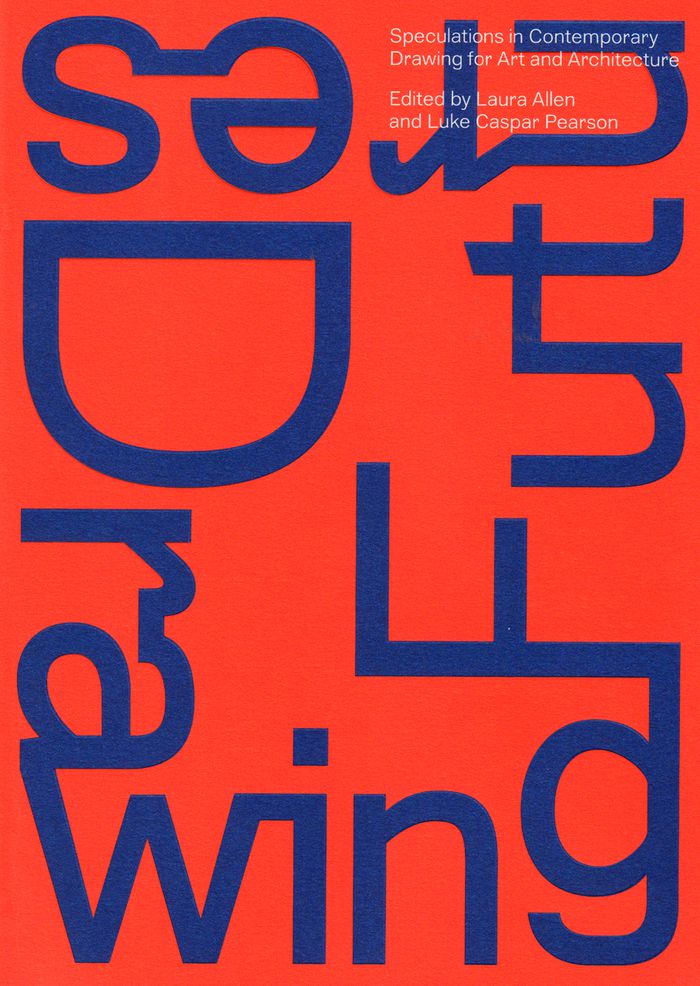
This compendium of projects, writings and interviews focuses on how the field of drawing expands synchronously alongside technological and computational developments. Despite numerous developments in technological manufacture and computational design that provide new grounds for designers, the act of drawing still plays a central role as a vehicle for speculation. In reflection of a society now underpinned by computational networks and interfaces allowing hitherto unprecedented views of the world, the changing status of the drawing and its representation as a political act demands a platform for reflection and innovation. "Drawing futures" critically reassess the act of drawing and where its future may lie. Bringing together practitioners from many creative fields, the book discusses how drawing is changing in relation to new technologies for the production and dissemination of ideas. Drawings seduce, and the drawings in this book are tantalising evidence of this. Yet the aim of Drawing Futures is to illustrate how drawing works as an abundantly rich, diverse, inventive, critical and serious research domain. In this regard, it is a ground-breaking study of the point and promise of drawing; a first of its kind, which both explores the microscopic detail of the craft and envisions the radical possibilities inherent in its expression. The academics, artists and architects whose work lies within conceive of drawing as a rigorous, liberating form of expression. Their contributions work together as a manifesto for the future of an artform that is capable of both utter simplicity and infinite complexity.
Drawing futures: speculations in contemporary drawing for art and architecture
Actions:
Price:
$34.99
(available to order)
Summary:
This compendium of projects, writings and interviews focuses on how the field of drawing expands synchronously alongside technological and computational developments. Despite numerous developments in technological manufacture and computational design that provide new grounds for designers, the act of drawing still plays a central role as a vehicle for speculation. In reflection of a society now underpinned by computational networks and interfaces allowing hitherto unprecedented views of the world, the changing status of the drawing and its representation as a political act demands a platform for reflection and innovation. "Drawing futures" critically reassess the act of drawing and where its future may lie. Bringing together practitioners from many creative fields, the book discusses how drawing is changing in relation to new technologies for the production and dissemination of ideas. Drawings seduce, and the drawings in this book are tantalising evidence of this. Yet the aim of Drawing Futures is to illustrate how drawing works as an abundantly rich, diverse, inventive, critical and serious research domain. In this regard, it is a ground-breaking study of the point and promise of drawing; a first of its kind, which both explores the microscopic detail of the craft and envisions the radical possibilities inherent in its expression. The academics, artists and architects whose work lies within conceive of drawing as a rigorous, liberating form of expression. Their contributions work together as a manifesto for the future of an artform that is capable of both utter simplicity and infinite complexity.
Form:
books
books
Publication:
December 2016
December 2016
Subject:
Architectural Drawing
Architectural Drawing


