


2804 Results
Form:
books
books
Actions:
Holdings:
Description:
295 pages : illustrations ; 22 x 24 cm
Description:
295 pages : illustrations ; 22 x 24 cm
Author:
Subject:
Publication:
Ciudad Real (España) : Fundación Miguel Fisac ; [Madrid, Spain] : Cabanes, 2009.
Ciudad Real (España) : Fundación Miguel Fisac ; [Madrid, Spain] : Cabanes, 2009.
Title:
La materia de la arquitectura : 1 Congreso internacional de arquitectura de la Fundación Miguel Fisac = The matter of architecture : 1st International Congress of Architecture of the Fundación Miguel Fisac : Almagro, 17, 18 y 19 Octubre 2007 / [edición a cargo de, Francisco Arques Soler].
Actions:
Holdings:
Description:
295 pages : illustrations ; 22 x 24 cm
La materia de la arquitectura : 1 Congreso internacional de arquitectura de la Fundación Miguel Fisac = The matter of architecture : 1st International Congress of Architecture of the Fundación Miguel Fisac : Almagro, 17, 18 y 19 Octubre 2007 / [edición a cargo de, Francisco Arques Soler].
Actions:
Holdings:
Description:
295 pages : illustrations ; 22 x 24 cm
Form:
books
books
Publication:
Ciudad Real (España) : Fundación Miguel Fisac ; [Madrid, Spain] : Cabanes, 2009.
Ciudad Real (España) : Fundación Miguel Fisac ; [Madrid, Spain] : Cabanes, 2009.
Author:
Subject:
Form:
books
books
Actions:
Price:
$52.95
(available to order)
Summary:
The book reconstructs the story of Serbian modernism as a local history within a major movement and views the buildings designed in Belgrade in the 1920s and 1930s as part of a larger cultural phenomenon. Because so many of the buildings discussed are disintegrating or have been destroyed or altered beyond recognition, the book serves not only as a documentary and(...)
$52.95
(available to order)
Summary:
The book reconstructs the story of Serbian modernism as a local history within a major movement and views the buildings designed in Belgrade in the 1920s and 1930s as part of a larger cultural phenomenon. Because so many of the buildings discussed are disintegrating or have been destroyed or altered beyond recognition, the book serves not only as a documentary and(...)
Subject:
Architecture since 1900, Europe
Architecture since 1900, Europe
Publication:
June 2003, Cambridge, Mass.
June 2003, Cambridge, Mass.
Title:
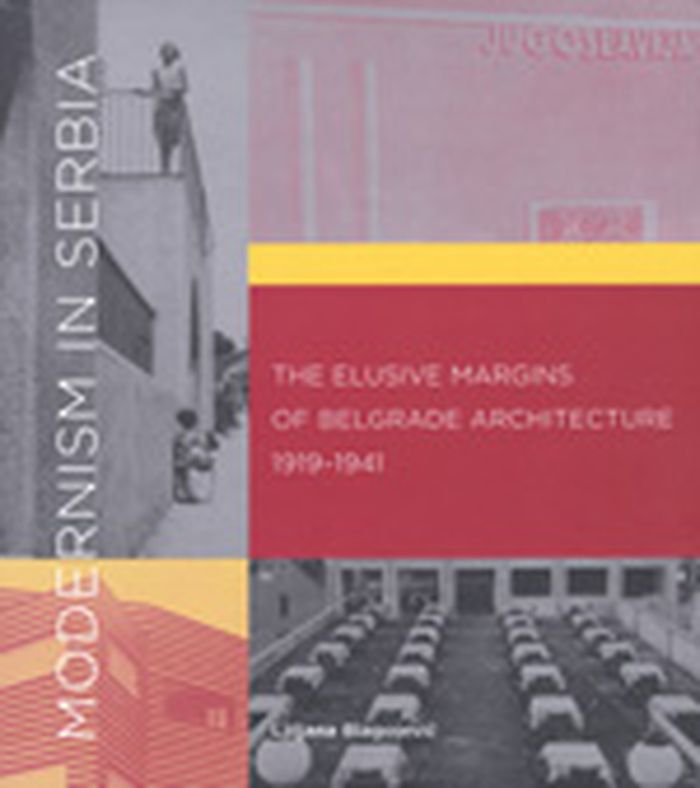
Modernism in Serbia : the elusive margins of Belgrade architecture 1919-1941
Actions:
Price:
$52.95
(available to order)
Summary:
The book reconstructs the story of Serbian modernism as a local history within a major movement and views the buildings designed in Belgrade in the 1920s and 1930s as part of a larger cultural phenomenon. Because so many of the buildings discussed are disintegrating or have been destroyed or altered beyond recognition, the book serves not only as a documentary and critical study but also as a preservation resource. Most of the photographs and plans have never been published outside of Serbia, if at all. In restoring this work to its rightful place in the history of modern architecture, the book also sheds new light on a number of other stories. These include the influence of Le Corbusier and of the Yugoslav avant-garde movement Zenitism and the impact of international modern movements on the theoretical underpinnings of Serbian modernism. One of the subplots follows the story of the Group of Architects of the Modern Movement in Belgrade and its four founding members, Milan Zlokovic, Branislav Kojic, Jan Dubovy, and Dusan Babic. Through anexamination of their work and that of other modern architects, most notably Dragisa Brasovan and Nikola Dobrovic, the book discusses the identity of Serbian modernism as it was established in the period from 1925 to 1940. The book also identifies those buildings that represent the purest examples of Serbian modernism and analyzes the qualities that make them quintessentially local forms while part of the larger modernist movement
Modernism in Serbia : the elusive margins of Belgrade architecture 1919-1941
Actions:
Price:
$52.95
(available to order)
Summary:
The book reconstructs the story of Serbian modernism as a local history within a major movement and views the buildings designed in Belgrade in the 1920s and 1930s as part of a larger cultural phenomenon. Because so many of the buildings discussed are disintegrating or have been destroyed or altered beyond recognition, the book serves not only as a documentary and critical study but also as a preservation resource. Most of the photographs and plans have never been published outside of Serbia, if at all. In restoring this work to its rightful place in the history of modern architecture, the book also sheds new light on a number of other stories. These include the influence of Le Corbusier and of the Yugoslav avant-garde movement Zenitism and the impact of international modern movements on the theoretical underpinnings of Serbian modernism. One of the subplots follows the story of the Group of Architects of the Modern Movement in Belgrade and its four founding members, Milan Zlokovic, Branislav Kojic, Jan Dubovy, and Dusan Babic. Through anexamination of their work and that of other modern architects, most notably Dragisa Brasovan and Nikola Dobrovic, the book discusses the identity of Serbian modernism as it was established in the period from 1925 to 1940. The book also identifies those buildings that represent the purest examples of Serbian modernism and analyzes the qualities that make them quintessentially local forms while part of the larger modernist movement
Form:
books
books
Publication:
June 2003, Cambridge, Mass.
June 2003, Cambridge, Mass.
Subject:
Architecture since 1900, Europe
Architecture since 1900, Europe
Form:
books
books
Actions:
Price:
$46.95
(available to order)
Summary:
Jean-Pierre Barillet-Deschamps (1824-1873), premier jardinier en chef du service des promenades et plantations de la ville de Paris, est l’auteur de l’aménagement paysager de la capitale au moment de sa transformation par le préfet Haussmann. Transformant notamment les bois de Boulogne et de Vincennes, le parc Monceau, réalisant le parc des Buttes-Chaumont, il inaugure(...)
$46.95
(available to order)
Summary:
Jean-Pierre Barillet-Deschamps (1824-1873), premier jardinier en chef du service des promenades et plantations de la ville de Paris, est l’auteur de l’aménagement paysager de la capitale au moment de sa transformation par le préfet Haussmann. Transformant notamment les bois de Boulogne et de Vincennes, le parc Monceau, réalisant le parc des Buttes-Chaumont, il inaugure(...)
Title:
L'art des jardins sous le Second Empire : Jean-Pierre Barillet-Deschamps (1824-1873)
Actions:
Price:
$46.95
(available to order)
Summary:
Jean-Pierre Barillet-Deschamps (1824-1873), premier jardinier en chef du service des promenades et plantations de la ville de Paris, est l’auteur de l’aménagement paysager de la capitale au moment de sa transformation par le préfet Haussmann. Transformant notamment les bois de Boulogne et de Vincennes, le parc Monceau, réalisant le parc des Buttes-Chaumont, il inaugure un nouveau type de jardin, caractérisé par les vallonnements, les formes sinueuses des allées et des pelouses, la richesse de la décoration végétale, qui exalte la modernité du Second Empire et de la bourgeoisie, nouvelle classe dominante. Les nouveaux jardins parisiens se font le reflet de cette société, de ses désirs, ses principes et ses valeurs; et révèlent en même temps ses faiblesses et ses contradictions. Image fidèle de la bourgeoisie parisienne, le nouveau jardin est diversement accueilli dans les pays où il est exporté: en province, à Lille, Marseille, Avignon, Hyères, ainsi qu’à l’étranger, à Genève, Milan, Turin, Vienne et Le Caire. Le jardin parisien du Second Empire caractérisera ainsi l’art des jardins du XIXè siècle, et marquera de son empreinte la plupart des réalisations paysagères du XXè siècle. Luisa Limido est née en Italie en 1964. Architecte, Docteur en géographie à l’Université de Paris I, elle a préparé une thèse sur les jardins publics parisiens sous le Second Empire. Elle travaille actuellement sur le rapport ville-nature et société dans la ville du XIXè et XXè siècles.
L'art des jardins sous le Second Empire : Jean-Pierre Barillet-Deschamps (1824-1873)
Actions:
Price:
$46.95
(available to order)
Summary:
Jean-Pierre Barillet-Deschamps (1824-1873), premier jardinier en chef du service des promenades et plantations de la ville de Paris, est l’auteur de l’aménagement paysager de la capitale au moment de sa transformation par le préfet Haussmann. Transformant notamment les bois de Boulogne et de Vincennes, le parc Monceau, réalisant le parc des Buttes-Chaumont, il inaugure un nouveau type de jardin, caractérisé par les vallonnements, les formes sinueuses des allées et des pelouses, la richesse de la décoration végétale, qui exalte la modernité du Second Empire et de la bourgeoisie, nouvelle classe dominante. Les nouveaux jardins parisiens se font le reflet de cette société, de ses désirs, ses principes et ses valeurs; et révèlent en même temps ses faiblesses et ses contradictions. Image fidèle de la bourgeoisie parisienne, le nouveau jardin est diversement accueilli dans les pays où il est exporté: en province, à Lille, Marseille, Avignon, Hyères, ainsi qu’à l’étranger, à Genève, Milan, Turin, Vienne et Le Caire. Le jardin parisien du Second Empire caractérisera ainsi l’art des jardins du XIXè siècle, et marquera de son empreinte la plupart des réalisations paysagères du XXè siècle. Luisa Limido est née en Italie en 1964. Architecte, Docteur en géographie à l’Université de Paris I, elle a préparé une thèse sur les jardins publics parisiens sous le Second Empire. Elle travaille actuellement sur le rapport ville-nature et société dans la ville du XIXè et XXè siècles.
Form:
books
books
Publication:
March 2002, Seyssel
March 2002, Seyssel
Subject:
Landscape Theory
Landscape Theory
Form:
books
books
Actions:
Holdings:
Description:
53, [26] pages : color illustrations ; 27 cm
Description:
53, [26] pages : color illustrations ; 27 cm
Author:
Subject:
Publication:
Lethbridge : University of Lethbridge Art Gallery, 2009.
Lethbridge : University of Lethbridge Art Gallery, 2009.
Title:
Land matters : location, ground, reference / Josephine Mills, curator.
Actions:
Holdings:
Description:
53, [26] pages : color illustrations ; 27 cm
Land matters : location, ground, reference / Josephine Mills, curator.
Actions:
Holdings:
Description:
53, [26] pages : color illustrations ; 27 cm
Form:
books
books
Publication:
Lethbridge : University of Lethbridge Art Gallery, 2009.
Lethbridge : University of Lethbridge Art Gallery, 2009.
Author:
Subject:
Form:
books
books
Actions:
Price:
$95.00
(available to order)
Summary:
Between 1990 and 1998, Guido Guidi made five separate trips to Milan and its surrounding areas. ''Cinque viaggi'' brings together the photographs made there, forming an investigation of one city and its peripheries in the throes of economic and social transformation. As Guidi follows the canal from out in the suburbs toward the city centre, his attention and visual(...)
$95.00
(available to order)
Summary:
Between 1990 and 1998, Guido Guidi made five separate trips to Milan and its surrounding areas. ''Cinque viaggi'' brings together the photographs made there, forming an investigation of one city and its peripheries in the throes of economic and social transformation. As Guidi follows the canal from out in the suburbs toward the city centre, his attention and visual(...)
Title:
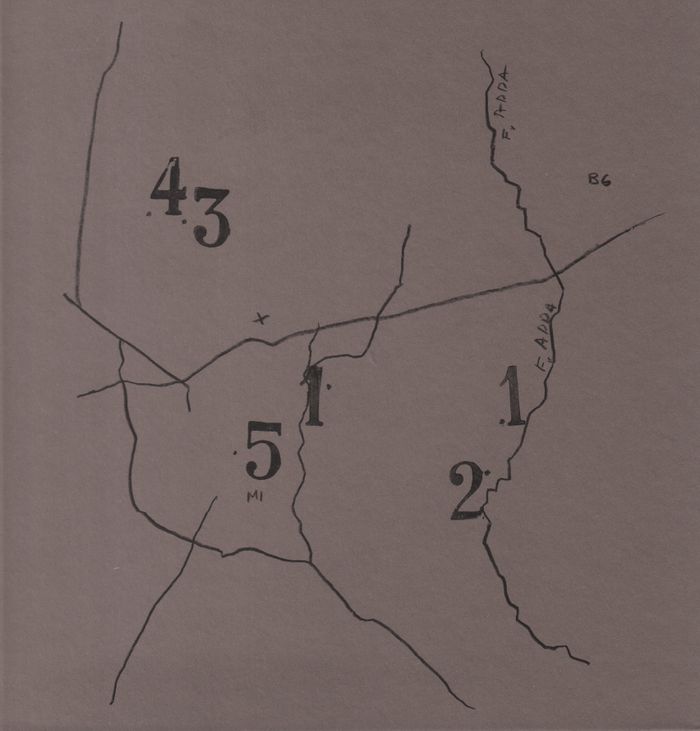
Guido Guidi: Cinque viaggi (1990-98)
Actions:
Price:
$95.00
(available to order)
Summary:
Between 1990 and 1998, Guido Guidi made five separate trips to Milan and its surrounding areas. ''Cinque viaggi'' brings together the photographs made there, forming an investigation of one city and its peripheries in the throes of economic and social transformation. As Guidi follows the canal from out in the suburbs toward the city centre, his attention and visual language move from the vernacular to the metropolitan, from wider horizontal views to vertical ‘cuts’ in the urban fabric, from entire buildings and scenes to glimpsed façades and doorways. Along the way, we also encounter inhabitants: a group of young men gathered in a Pasolini-like scene on a bridge in the city’s outskirts; occasional passers-by working, shopping, or stopping to smoke on the city streets; disconnected couples and disparate individuals whose loose citizenship coheres the urban sprawl. While previous books, such as Per Strada (2018) and Tra l'altro (2020), demonstrated Guidi’s fascination with the rural and small-town landscapes of his native region, ''Cinque viaggi'' turns to metropolitan Italy, documenting the dramatic socio-economic changes that have transformed it over the course of the nineteenth and twentieth centuries. Remnants of rural civilisation and traces of urban expansion are embedded among the first signs of de-industrialisation. These 110 large-format works, many of which have never been seen before, reveal the layers of social and architectural history among which everyday life unfolds. ''Cinque viaggi'' offers an arrestingly subtle picture of Italy's recent past and rumination on its future.
Guido Guidi: Cinque viaggi (1990-98)
Actions:
Price:
$95.00
(available to order)
Summary:
Between 1990 and 1998, Guido Guidi made five separate trips to Milan and its surrounding areas. ''Cinque viaggi'' brings together the photographs made there, forming an investigation of one city and its peripheries in the throes of economic and social transformation. As Guidi follows the canal from out in the suburbs toward the city centre, his attention and visual language move from the vernacular to the metropolitan, from wider horizontal views to vertical ‘cuts’ in the urban fabric, from entire buildings and scenes to glimpsed façades and doorways. Along the way, we also encounter inhabitants: a group of young men gathered in a Pasolini-like scene on a bridge in the city’s outskirts; occasional passers-by working, shopping, or stopping to smoke on the city streets; disconnected couples and disparate individuals whose loose citizenship coheres the urban sprawl. While previous books, such as Per Strada (2018) and Tra l'altro (2020), demonstrated Guidi’s fascination with the rural and small-town landscapes of his native region, ''Cinque viaggi'' turns to metropolitan Italy, documenting the dramatic socio-economic changes that have transformed it over the course of the nineteenth and twentieth centuries. Remnants of rural civilisation and traces of urban expansion are embedded among the first signs of de-industrialisation. These 110 large-format works, many of which have never been seen before, reveal the layers of social and architectural history among which everyday life unfolds. ''Cinque viaggi'' offers an arrestingly subtle picture of Italy's recent past and rumination on its future.
Form:
books
books
Publication:
July 2021
July 2021
Subject:
Photography monographs
Photography monographs
Form:
books
books
Actions:
Price:
$33.95
(available in store)
Summary:
Le capitalisme ne fait plus : il fait faire. L’économie de plateforme a conféré une dimension paradigmatique à l’usage de l’externalisation, ainsi qu’une place inédite aux activités gratuites. D’où la nécessité d’analyser les nouveaux régimes d'exploitation dans le secteur des services et de la culture sous l'angle de l'usage que le capitalisme fait du numérique. Dans(...)
$33.95
(available in store)
Summary:
Le capitalisme ne fait plus : il fait faire. L’économie de plateforme a conféré une dimension paradigmatique à l’usage de l’externalisation, ainsi qu’une place inédite aux activités gratuites. D’où la nécessité d’analyser les nouveaux régimes d'exploitation dans le secteur des services et de la culture sous l'angle de l'usage que le capitalisme fait du numérique. Dans(...)
Title:
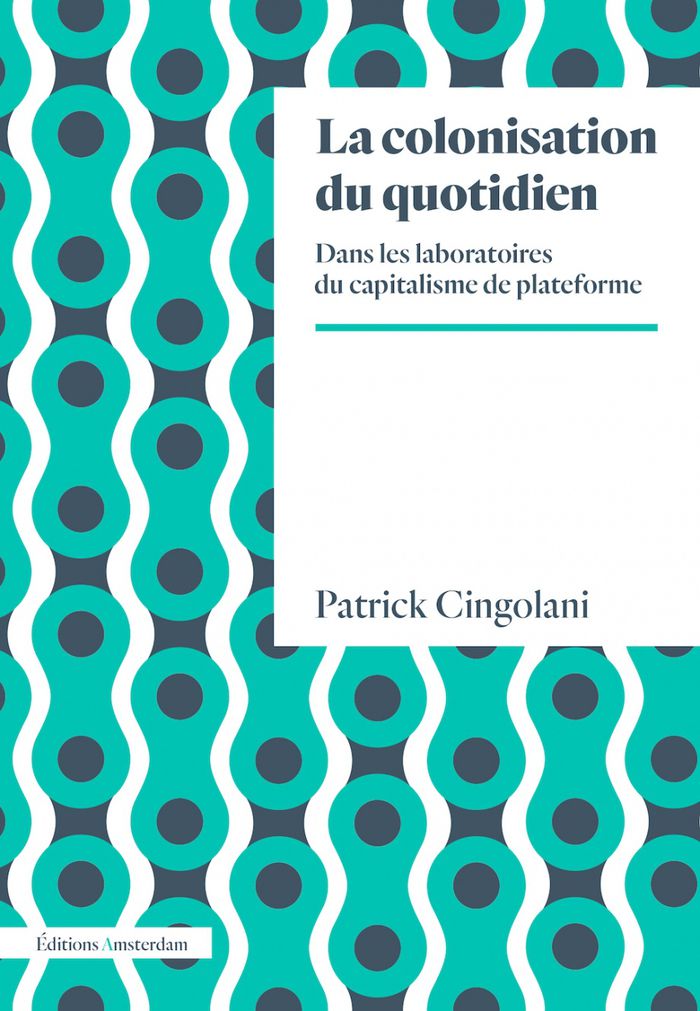
La colonisation du quotidien : dans les laboratoires du capitalisme de plateforme
Actions:
Price:
$33.95
(available in store)
Summary:
Le capitalisme ne fait plus : il fait faire. L’économie de plateforme a conféré une dimension paradigmatique à l’usage de l’externalisation, ainsi qu’une place inédite aux activités gratuites. D’où la nécessité d’analyser les nouveaux régimes d'exploitation dans le secteur des services et de la culture sous l'angle de l'usage que le capitalisme fait du numérique. Dans cet ouvrage, Patrick Cingolani met en lumière les diverses formes que prend l’extraction du surtravail et la prédation du gratuit, de l’instillation du travail dans la vie privée à sa vaporisation dans les temporalités interstitielles du quotidien. Le travail pénètre en effet désormais les pores de la vie ordinaire en effaçant ses indices et ses frontières. Parallèlement, on assiste à la spoliation spéculative des activités non-marchandes. Dans un monde où le temps d’activité gratuit est approprié par la contrainte ou par la promesse (stage ou projet) tandis que les travailleurs externalisés se trouvent assujettis à une temporalité juste-à-temps, tout moment devient une opportunité de prélèvement. Mais si le « le travailleur », voire « l’usager », peut apparaitre abusé par l’effacement des indices de la subordination et des signes distinctifs du travail, rien ne serait pire que de désespérer d’une subjectivité donnée comme aliénée ou complice. Il importe plutôt de mener une critique rigoureuse de l’accountability qui s’intègre à une réflexion sur les formes de suspens et résistance démocratiques à opposer aux usages capitalistes de la technique, à l’instar des luttes menées par travailleurs de la mode à Milan ou par les coursiers de Deliveroo.
La colonisation du quotidien : dans les laboratoires du capitalisme de plateforme
Actions:
Price:
$33.95
(available in store)
Summary:
Le capitalisme ne fait plus : il fait faire. L’économie de plateforme a conféré une dimension paradigmatique à l’usage de l’externalisation, ainsi qu’une place inédite aux activités gratuites. D’où la nécessité d’analyser les nouveaux régimes d'exploitation dans le secteur des services et de la culture sous l'angle de l'usage que le capitalisme fait du numérique. Dans cet ouvrage, Patrick Cingolani met en lumière les diverses formes que prend l’extraction du surtravail et la prédation du gratuit, de l’instillation du travail dans la vie privée à sa vaporisation dans les temporalités interstitielles du quotidien. Le travail pénètre en effet désormais les pores de la vie ordinaire en effaçant ses indices et ses frontières. Parallèlement, on assiste à la spoliation spéculative des activités non-marchandes. Dans un monde où le temps d’activité gratuit est approprié par la contrainte ou par la promesse (stage ou projet) tandis que les travailleurs externalisés se trouvent assujettis à une temporalité juste-à-temps, tout moment devient une opportunité de prélèvement. Mais si le « le travailleur », voire « l’usager », peut apparaitre abusé par l’effacement des indices de la subordination et des signes distinctifs du travail, rien ne serait pire que de désespérer d’une subjectivité donnée comme aliénée ou complice. Il importe plutôt de mener une critique rigoureuse de l’accountability qui s’intègre à une réflexion sur les formes de suspens et résistance démocratiques à opposer aux usages capitalistes de la technique, à l’instar des luttes menées par travailleurs de la mode à Milan ou par les coursiers de Deliveroo.
Form:
books
books
Publication:
August 2021
August 2021
Subject:
Social
Social
Form:
journals and magazines
journals and magazines
Title:
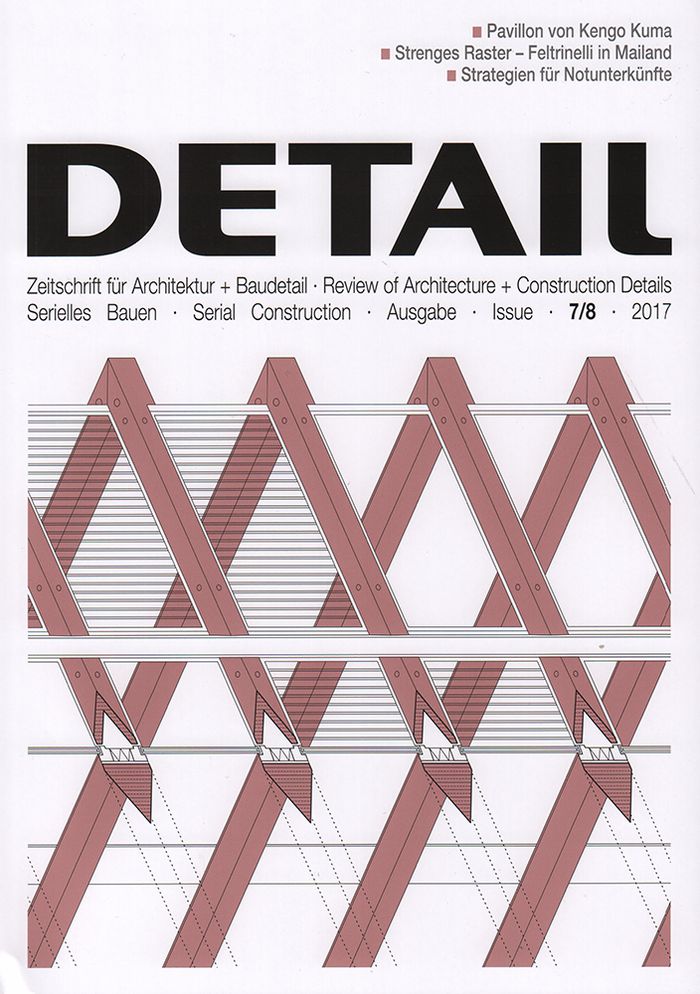
Detail 7/8 2017
Detail 7/8 2017
Actions:
Price:
$32.95
(available to order)
Summary:
The laws of the series. In the 1920s, a group of architects in Milan came together to form a movement that would later be known as Razionalismo. Architecture, they were convinced, must adhere to the rules of reason. They propagated the notion of “pure rhythm”, which was reflected in the repetition of individual elements as a fundamental design principle. Today, the(...)
$32.95
(available to order)
Summary:
The laws of the series. In the 1920s, a group of architects in Milan came together to form a movement that would later be known as Razionalismo. Architecture, they were convinced, must adhere to the rules of reason. They propagated the notion of “pure rhythm”, which was reflected in the repetition of individual elements as a fundamental design principle. Today, the(...)
Title:
Detail 7/8 2017
Actions:
Price:
$32.95
(available to order)
Summary:
The laws of the series. In the 1920s, a group of architects in Milan came together to form a movement that would later be known as Razionalismo. Architecture, they were convinced, must adhere to the rules of reason. They propagated the notion of “pure rhythm”, which was reflected in the repetition of individual elements as a fundamental design principle. Today, the relevance of serial production methods in architecture reach far beyond their significance at the time of Razionalismo. Repetitive structures can not only be found characterising the aesthetic appearance of buildings, they often play a decisive role in complex planning and construction processes, such as in the combination of individual modules or other industrially prefabricated elements. In our July/August issue, we present contemporary buildings that embrace the notion of the series in a variety of ways. For our Documentation section, Burkhard Franke explores examples in which aspects of repetition is used both as a design element and with respect to construction methodologies. A new social housing project by Florian Nagler in Munich, for instance, is a hybrid construction made with prefabricated wood elements. Meanwhile, a student housing complex in Berlin that Holzer Kobler Architekturen built using shipping containers resist any sense of monotony despite their stacked arrangement. For the exemplary French social housing buildings by Poggi & More near Bordeaux and by PPA architectures in Toulouse, modular components likewise contributed to the reduction of construction costs. Are buildings produced according to serial fabrication methods invariably cost effective? In our Technology feature, Frank Kaltenbach has compiled an overview of recent solutions in refugee housing. The majority of them needed to be built within a short time period and under high budgetary constraints. The ways in which serial production methods seem to be predestined for such demanding projects can be discovered in this issue.
Detail 7/8 2017
Actions:
Price:
$32.95
(available to order)
Summary:
The laws of the series. In the 1920s, a group of architects in Milan came together to form a movement that would later be known as Razionalismo. Architecture, they were convinced, must adhere to the rules of reason. They propagated the notion of “pure rhythm”, which was reflected in the repetition of individual elements as a fundamental design principle. Today, the relevance of serial production methods in architecture reach far beyond their significance at the time of Razionalismo. Repetitive structures can not only be found characterising the aesthetic appearance of buildings, they often play a decisive role in complex planning and construction processes, such as in the combination of individual modules or other industrially prefabricated elements. In our July/August issue, we present contemporary buildings that embrace the notion of the series in a variety of ways. For our Documentation section, Burkhard Franke explores examples in which aspects of repetition is used both as a design element and with respect to construction methodologies. A new social housing project by Florian Nagler in Munich, for instance, is a hybrid construction made with prefabricated wood elements. Meanwhile, a student housing complex in Berlin that Holzer Kobler Architekturen built using shipping containers resist any sense of monotony despite their stacked arrangement. For the exemplary French social housing buildings by Poggi & More near Bordeaux and by PPA architectures in Toulouse, modular components likewise contributed to the reduction of construction costs. Are buildings produced according to serial fabrication methods invariably cost effective? In our Technology feature, Frank Kaltenbach has compiled an overview of recent solutions in refugee housing. The majority of them needed to be built within a short time period and under high budgetary constraints. The ways in which serial production methods seem to be predestined for such demanding projects can be discovered in this issue.
Form:
journals and magazines
journals and magazines
Publication:
July 2017
July 2017
Subject:
Magazines
Magazines
Form:
journals and magazines
journals and magazines
Actions:
Price:
$43.00
(available to order)
Summary:
Le dossier « Hôpital, hospitalité » est consacré aux lieux d’hospitalisation. Les projets présentés témoignent des approches et conceptions qui prennent en compte aussi bien les nouveaux besoins humains que les nouvelles technologies. Recherches d’échelles, exploration de typologies. Le rite festif du salon du meuble de Milan a encore eu lieu cette année, associant les(...)
$43.00
(available to order)
Summary:
Le dossier « Hôpital, hospitalité » est consacré aux lieux d’hospitalisation. Les projets présentés témoignent des approches et conceptions qui prennent en compte aussi bien les nouveaux besoins humains que les nouvelles technologies. Recherches d’échelles, exploration de typologies. Le rite festif du salon du meuble de Milan a encore eu lieu cette année, associant les(...)
Title:
Techniques & architecture 460 : hôpital, hospitalité / hospital, hospitality, actualité Suisse expo.02
Actions:
Price:
$43.00
(available to order)
Summary:
Le dossier « Hôpital, hospitalité » est consacré aux lieux d’hospitalisation. Les projets présentés témoignent des approches et conceptions qui prennent en compte aussi bien les nouveaux besoins humains que les nouvelles technologies. Recherches d’échelles, exploration de typologies. Le rite festif du salon du meuble de Milan a encore eu lieu cette année, associant les galeries alentour. Plus industrielle et économe en matière, ainsi pourrait-on qualifier la tendance actuelle. Un nouveau matériau : l’air. Dans ce numéro, un tour d’horizon des événements qui ont jalonné la saison estivale. Parmi eux, Archilab à Orléans : autour du thème « Economie de la Terre », les démarches écologico-humano-contextuelles se groupent de manière un peu convenue autour des réalisations dont on retrouvera certaines (M. Gautrand, Périphériques, Jakob et MacFarlane et de nouvelles têtes : dZO, RMDM, Avignon-Clouet, etc.) à la Biennale de Venise. Une manifestation sous la houlette de Deyan Sudjic qui privilégie réalités matérielles par rapport aux représentations virtuelles des années précédentes. Mais le point fort de notre actualité est sans conteste le souffle qui passe cet été, jusqu’au 15 octobre, sur les lacs suisses – dans quatre sites, Neuchâtel, Bienne, Morat, Yverdon-les-Bains, et sur une barge. Là, les palais provisoires d’Expo.O2 émergent des eaux et des brumes vaporisées par Diller & Scofidio. A visiter. Dans une tonalité plus urbaine, à l’Est de Paris, les friches industrielles du quartier Masséna de la Zac Paris Rive Gauche, frigos, entrepôts et moulins portent des projets d’universités et de jeunesse – un ballon d’oxygène. Une initiative heureuse, également, venant de la Mission Arts et Culture : les enfants d’écoles maternelles exposent leurs cabanes inventées avec leur maître ou maîtresse, des architectes et des artistes. Soline Nivet, enseignante en architecture, évoque dans Humeur, comment les étudiants composent avec l’enseignement en architecture pour se frayer leur propre chemin. Pour apporter des solutions aux nouvelles pollutions que nous rencontrons quotidiennement, la rubrique Mise en œuvre fait le point sur les modes de ventilation intérieure et la réglementation en vigueur.
Techniques & architecture 460 : hôpital, hospitalité / hospital, hospitality, actualité Suisse expo.02
Actions:
Price:
$43.00
(available to order)
Summary:
Le dossier « Hôpital, hospitalité » est consacré aux lieux d’hospitalisation. Les projets présentés témoignent des approches et conceptions qui prennent en compte aussi bien les nouveaux besoins humains que les nouvelles technologies. Recherches d’échelles, exploration de typologies. Le rite festif du salon du meuble de Milan a encore eu lieu cette année, associant les galeries alentour. Plus industrielle et économe en matière, ainsi pourrait-on qualifier la tendance actuelle. Un nouveau matériau : l’air. Dans ce numéro, un tour d’horizon des événements qui ont jalonné la saison estivale. Parmi eux, Archilab à Orléans : autour du thème « Economie de la Terre », les démarches écologico-humano-contextuelles se groupent de manière un peu convenue autour des réalisations dont on retrouvera certaines (M. Gautrand, Périphériques, Jakob et MacFarlane et de nouvelles têtes : dZO, RMDM, Avignon-Clouet, etc.) à la Biennale de Venise. Une manifestation sous la houlette de Deyan Sudjic qui privilégie réalités matérielles par rapport aux représentations virtuelles des années précédentes. Mais le point fort de notre actualité est sans conteste le souffle qui passe cet été, jusqu’au 15 octobre, sur les lacs suisses – dans quatre sites, Neuchâtel, Bienne, Morat, Yverdon-les-Bains, et sur une barge. Là, les palais provisoires d’Expo.O2 émergent des eaux et des brumes vaporisées par Diller & Scofidio. A visiter. Dans une tonalité plus urbaine, à l’Est de Paris, les friches industrielles du quartier Masséna de la Zac Paris Rive Gauche, frigos, entrepôts et moulins portent des projets d’universités et de jeunesse – un ballon d’oxygène. Une initiative heureuse, également, venant de la Mission Arts et Culture : les enfants d’écoles maternelles exposent leurs cabanes inventées avec leur maître ou maîtresse, des architectes et des artistes. Soline Nivet, enseignante en architecture, évoque dans Humeur, comment les étudiants composent avec l’enseignement en architecture pour se frayer leur propre chemin. Pour apporter des solutions aux nouvelles pollutions que nous rencontrons quotidiennement, la rubrique Mise en œuvre fait le point sur les modes de ventilation intérieure et la réglementation en vigueur.
Form:
journals and magazines
journals and magazines
Publication:
June 2002, Paris
June 2002, Paris
Subject:
Magazines
Magazines
Form:
books
books
Title:
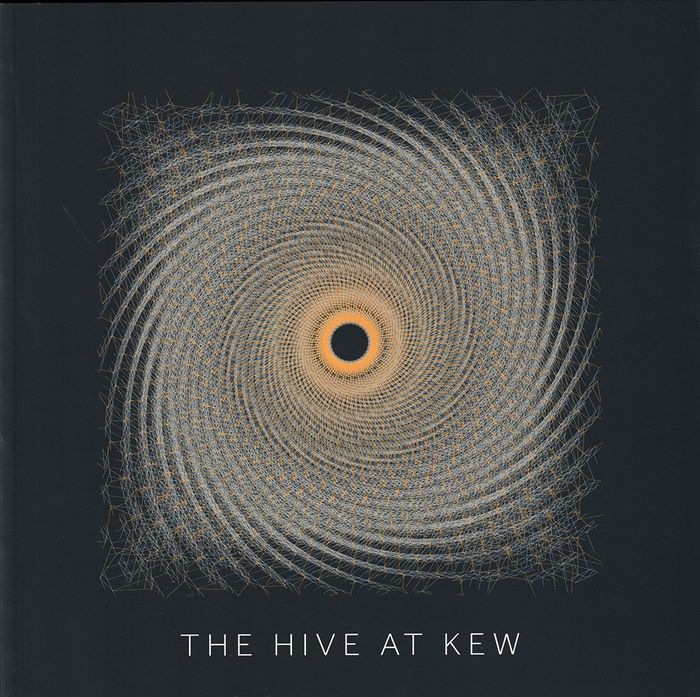
The Hive at Kew
The Hive at Kew
Actions:
Price:
$34.95
(available to order)
Summary:
The Hive was the centrepiece of the gold medal winning UK Pavilion at the 2015 Milan Expo, and from June 2016 takes up its new home within Kew Gardens. Soaring 17 metres in the air, designed by Wolfgang Buttress and created by BDP, Simmonds Studio and Stage One, The Hive is an immersive, multi-sensory experience inspired by ground-breaking UK scientific research into the(...)
$34.95
(available to order)
Summary:
The Hive was the centrepiece of the gold medal winning UK Pavilion at the 2015 Milan Expo, and from June 2016 takes up its new home within Kew Gardens. Soaring 17 metres in the air, designed by Wolfgang Buttress and created by BDP, Simmonds Studio and Stage One, The Hive is an immersive, multi-sensory experience inspired by ground-breaking UK scientific research into the(...)
Title:
The Hive at Kew
Actions:
Price:
$34.95
(available to order)
Summary:
The Hive was the centrepiece of the gold medal winning UK Pavilion at the 2015 Milan Expo, and from June 2016 takes up its new home within Kew Gardens. Soaring 17 metres in the air, designed by Wolfgang Buttress and created by BDP, Simmonds Studio and Stage One, The Hive is an immersive, multi-sensory experience inspired by ground-breaking UK scientific research into the health of bees. Showcasing British creativity, innovation and leadership in overcoming global challenges, this magnificent aluminium structure draws visitors into the space via a wildflower meadow, as though they are worker bees returning to the hive. Hundreds of glowing LED lights bring this 40 tonne lattice structure to life, while a beautiful symphony of orchestral sounds fills the air, with an atmospheric undercurrent of buzzes and pulses. Triggered by vibration sensors within a real beehive, the sound and light intensity within the pavilion increases as the energy levels in the living hive surge, giving visitors an incredible insight into the ever-moving life of a bee colony.The Hive at Kew is a beautifully illustrated celebration of this fascinating project. The book is divided into three sections, with James Haldane, Design Editor for The Architectural Review focusing first on the origins and the architecture of the Hive and its creation led by artist Wolfgang Buttress. The central body of the book focusses on the immersion of the Hive at Kew and the surrounding wildflower meadow designed to attract a variety of bees. This section includes features on the team behind the Hive, as well as Kew's horticultural experts. Finally, Martin Bencsik of Nottingham Trent University and Kew's Phil Stephenson explain the pioneering research into bee health and communication that inspired the Hive, and how Kew is working to help bees in their vital role as pollinators. Beautifully illustrated throughout with photographs of the Hive itself, its construction, and the wildflower meadow surrounding it, as well as architectural plans of the structure.
The Hive at Kew
Actions:
Price:
$34.95
(available to order)
Summary:
The Hive was the centrepiece of the gold medal winning UK Pavilion at the 2015 Milan Expo, and from June 2016 takes up its new home within Kew Gardens. Soaring 17 metres in the air, designed by Wolfgang Buttress and created by BDP, Simmonds Studio and Stage One, The Hive is an immersive, multi-sensory experience inspired by ground-breaking UK scientific research into the health of bees. Showcasing British creativity, innovation and leadership in overcoming global challenges, this magnificent aluminium structure draws visitors into the space via a wildflower meadow, as though they are worker bees returning to the hive. Hundreds of glowing LED lights bring this 40 tonne lattice structure to life, while a beautiful symphony of orchestral sounds fills the air, with an atmospheric undercurrent of buzzes and pulses. Triggered by vibration sensors within a real beehive, the sound and light intensity within the pavilion increases as the energy levels in the living hive surge, giving visitors an incredible insight into the ever-moving life of a bee colony.The Hive at Kew is a beautifully illustrated celebration of this fascinating project. The book is divided into three sections, with James Haldane, Design Editor for The Architectural Review focusing first on the origins and the architecture of the Hive and its creation led by artist Wolfgang Buttress. The central body of the book focusses on the immersion of the Hive at Kew and the surrounding wildflower meadow designed to attract a variety of bees. This section includes features on the team behind the Hive, as well as Kew's horticultural experts. Finally, Martin Bencsik of Nottingham Trent University and Kew's Phil Stephenson explain the pioneering research into bee health and communication that inspired the Hive, and how Kew is working to help bees in their vital role as pollinators. Beautifully illustrated throughout with photographs of the Hive itself, its construction, and the wildflower meadow surrounding it, as well as architectural plans of the structure.
Form:
books
books
Publication:
March 2017
March 2017
Subject:
Gardens
Gardens
Form:
books
books
Holdings:
Description:
318 pages : illustrations (chiefly color) ; 24 cm.
Description:
318 pages : illustrations (chiefly color) ; 24 cm.
Author:
Subject:
Publication:
London : Sternberg Press ; Madrid : Fundación TBA21, [2024], ©2024
London : Sternberg Press ; Madrid : Fundación TBA21, [2024], ©2024
Title:
Meandering : art, ecology, and metaphysics / edited by Sofia Lemos.
Actions:
Holdings:
Description:
318 pages : illustrations (chiefly color) ; 24 cm.
Meandering : art, ecology, and metaphysics / edited by Sofia Lemos.
Actions:
Holdings:
Description:
318 pages : illustrations (chiefly color) ; 24 cm.
Form:
books
books
Publication:
London : Sternberg Press ; Madrid : Fundación TBA21, [2024], ©2024
London : Sternberg Press ; Madrid : Fundación TBA21, [2024], ©2024
Author:
Subject:


