


2829 Results
Form:
books
books
Actions:
Price:
$60.00
(available to order)
Summary:
The creative imagination is not solely based on the intuitive capacities of individuals. One of the tasks of design education is to help provide the tools, techniques, and methods that enhance constructed imagination. At the same time, the modes and practices of design need to confront the challenges of our contemporary societies. The commitment to societal engagement(...)
$60.00
(available to order)
Summary:
The creative imagination is not solely based on the intuitive capacities of individuals. One of the tasks of design education is to help provide the tools, techniques, and methods that enhance constructed imagination. At the same time, the modes and practices of design need to confront the challenges of our contemporary societies. The commitment to societal engagement(...)
Subject:
Contemporary Architecture
Contemporary Architecture
Publication:
November 2012
November 2012
Title:
Instigations: engaging architecture, landscape and the city
Actions:
Price:
$60.00
(available to order)
Summary:
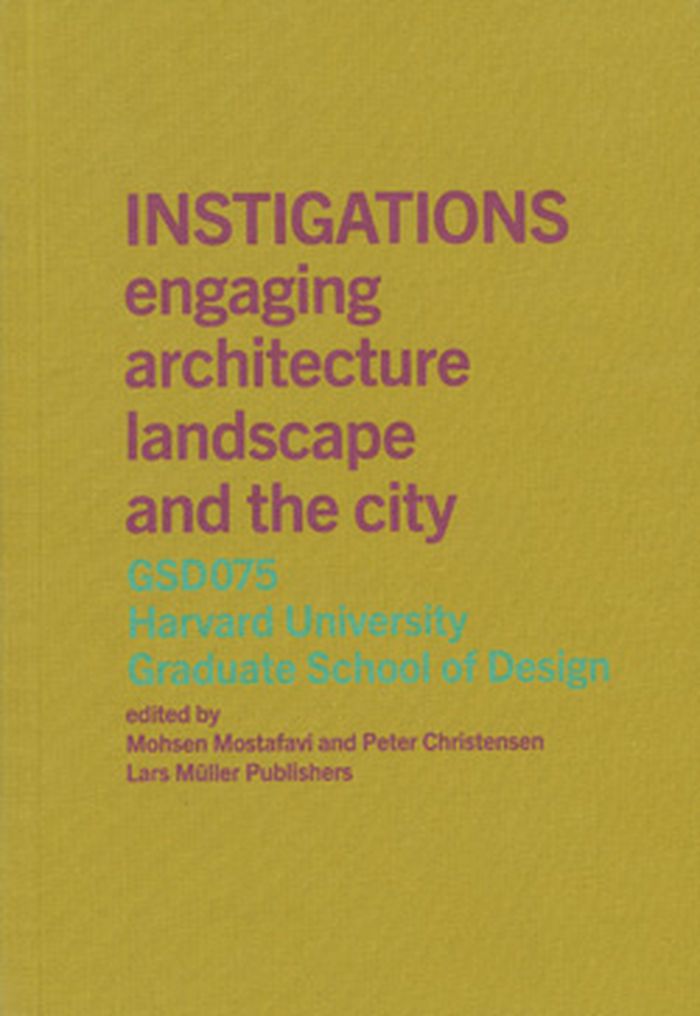
The creative imagination is not solely based on the intuitive capacities of individuals. One of the tasks of design education is to help provide the tools, techniques, and methods that enhance constructed imagination. At the same time, the modes and practices of design need to confront the challenges of our contemporary societies. The commitment to societal engagement through design excellence is at the core of the pedagogy at the Harvard Graduate School of Design. This volume celebrating the first seventy-five years of the GSD presents episodes in a rich history along with selected looks at current and future lines of teaching and research; these views reveal the constant oscillation between the pragmatic realities and the imagined yet never realized ideal that lies at the heart of design. The aspirations of the famous architecture school are demonstrated through a series of ideas, projects, practices–INSTIGATIONS–that reflect the mission for the GSD to reimagine and construct better futures.
Instigations: engaging architecture, landscape and the city
Actions:
Price:
$60.00
(available to order)
Summary:
The creative imagination is not solely based on the intuitive capacities of individuals. One of the tasks of design education is to help provide the tools, techniques, and methods that enhance constructed imagination. At the same time, the modes and practices of design need to confront the challenges of our contemporary societies. The commitment to societal engagement through design excellence is at the core of the pedagogy at the Harvard Graduate School of Design. This volume celebrating the first seventy-five years of the GSD presents episodes in a rich history along with selected looks at current and future lines of teaching and research; these views reveal the constant oscillation between the pragmatic realities and the imagined yet never realized ideal that lies at the heart of design. The aspirations of the famous architecture school are demonstrated through a series of ideas, projects, practices–INSTIGATIONS–that reflect the mission for the GSD to reimagine and construct better futures.
Form:
books
books
Publication:
November 2012
November 2012
Subject:
Contemporary Architecture
Contemporary Architecture
Form:
books
books
Actions:
Price:
$20.00
(available to order)
Summary:
Anne Tyng (born 1920) explores the potentials of geometry through her architectural and teaching practices. Since the 1950s, when she worked closely with Louis Kahn and independently pioneered space-frame construction, Tyng has applied natural and numeric systems to built forms on all scales, from urban plans to domestic spaces. She believes that geometry is a metaphor(...)
$20.00
(available to order)
Summary:
Anne Tyng (born 1920) explores the potentials of geometry through her architectural and teaching practices. Since the 1950s, when she worked closely with Louis Kahn and independently pioneered space-frame construction, Tyng has applied natural and numeric systems to built forms on all scales, from urban plans to domestic spaces. She believes that geometry is a metaphor(...)
Title:
Anne Tyng : inhabiting geometry
Actions:
Price:
$20.00
(available to order)
Summary:
Anne Tyng (born 1920) explores the potentials of geometry through her architectural and teaching practices. Since the 1950s, when she worked closely with Louis Kahn and independently pioneered space-frame construction, Tyng has applied natural and numeric systems to built forms on all scales, from urban plans to domestic spaces. She believes that geometry is a metaphor for thought and the creative process - as a spatial demonstration of how the mind generates associations through the combination of pattern and chance. This volume documents a new project by the visionary architect and theorist. Commissioned by the Institute of Contemporary Art Philadelphia, Tyng has created an installation-scale model that realizes the ambition of all of her work: to inhabit geometry. Exploring her life-long fascination with the Platonic solids, the book also features related models and documentation of past projects, including Tyng and Kahn's never-built design for City Tower in Philadelphia (1952-1956).
Anne Tyng : inhabiting geometry
Actions:
Price:
$20.00
(available to order)
Summary:
Anne Tyng (born 1920) explores the potentials of geometry through her architectural and teaching practices. Since the 1950s, when she worked closely with Louis Kahn and independently pioneered space-frame construction, Tyng has applied natural and numeric systems to built forms on all scales, from urban plans to domestic spaces. She believes that geometry is a metaphor for thought and the creative process - as a spatial demonstration of how the mind generates associations through the combination of pattern and chance. This volume documents a new project by the visionary architect and theorist. Commissioned by the Institute of Contemporary Art Philadelphia, Tyng has created an installation-scale model that realizes the ambition of all of her work: to inhabit geometry. Exploring her life-long fascination with the Platonic solids, the book also features related models and documentation of past projects, including Tyng and Kahn's never-built design for City Tower in Philadelphia (1952-1956).
Form:
books
books
Publication:
March 2012
March 2012
Subject:
Architecture Monographs
Architecture Monographs
Form:
books
books
Actions:
Price:
$70.00
(available to order)
Summary:
Dick van Gameren, a partner with the Dutch architecture firm Mecanoo, has engaged in housing design for the past 25 years through his work as an architect as well as in his research and teaching at TU Delft’s Global Housing Study Center. In this book, he presents around 40 of his own projects, through concise texts and photographs with explanatory captions as well as(...)
$70.00
(available to order)
Summary:
Dick van Gameren, a partner with the Dutch architecture firm Mecanoo, has engaged in housing design for the past 25 years through his work as an architect as well as in his research and teaching at TU Delft’s Global Housing Study Center. In this book, he presents around 40 of his own projects, through concise texts and photographs with explanatory captions as well as(...)
Title:
Dutch dwellings: The architecture of housing
Actions:
Price:
$70.00
(available to order)
Summary:
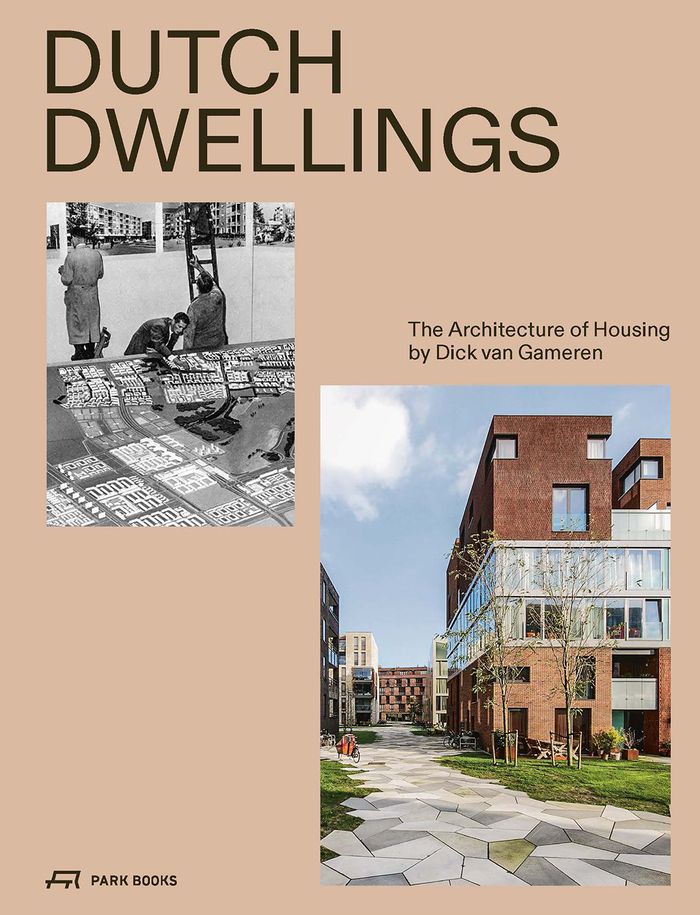
Dick van Gameren, a partner with the Dutch architecture firm Mecanoo, has engaged in housing design for the past 25 years through his work as an architect as well as in his research and teaching at TU Delft’s Global Housing Study Center. In this book, he presents around 40 of his own projects, through concise texts and photographs with explanatory captions as well as plans and drawings. The projects are grouped to illustrate seven specific aspects of housing design: Streets and Squares, Courtyards and Patios, Gardens, Halls, the Fireplace, Walls, and Roofs. Together, they constitute a multifaceted catalog of housing typologies. The author explores evolutions in residential architecture in the Netherlands. He positions his own concepts in the context of these developments and expands on what he considers the key factors of good housing design. He places particular focus on affordable housing, a pressing issue in so many countries and metropolitan areas around the world.
Dutch dwellings: The architecture of housing
Actions:
Price:
$70.00
(available to order)
Summary:
Dick van Gameren, a partner with the Dutch architecture firm Mecanoo, has engaged in housing design for the past 25 years through his work as an architect as well as in his research and teaching at TU Delft’s Global Housing Study Center. In this book, he presents around 40 of his own projects, through concise texts and photographs with explanatory captions as well as plans and drawings. The projects are grouped to illustrate seven specific aspects of housing design: Streets and Squares, Courtyards and Patios, Gardens, Halls, the Fireplace, Walls, and Roofs. Together, they constitute a multifaceted catalog of housing typologies. The author explores evolutions in residential architecture in the Netherlands. He positions his own concepts in the context of these developments and expands on what he considers the key factors of good housing design. He places particular focus on affordable housing, a pressing issue in so many countries and metropolitan areas around the world.
Form:
books
books
Publication:
March 2023
March 2023
Subject:
Architecture Monographs
Architecture Monographs
Form:
books
books
Actions:
Price:
$39.95
(available to order)
Summary:
Architectural Papers series is edited by the Josep Lluís Mateo Chair at the ETH Zurich since 2005. Covering the wide range of topics related to teaching and architectural culture in general, it is aimed at expanding the narrow boundaries of the discipline. Its fifth issue concentrates around the new conditions for architectural practice and around the new epistemologies(...)
$39.95
(available to order)
Summary:
Architectural Papers series is edited by the Josep Lluís Mateo Chair at the ETH Zurich since 2005. Covering the wide range of topics related to teaching and architectural culture in general, it is aimed at expanding the narrow boundaries of the discipline. Its fifth issue concentrates around the new conditions for architectural practice and around the new epistemologies(...)
Title:
After crisis : contemporary architectural conditions, Architectural papers V, ETH Zürich
Actions:
Price:
$39.95
(available to order)
Summary:
Architectural Papers series is edited by the Josep Lluís Mateo Chair at the ETH Zurich since 2005. Covering the wide range of topics related to teaching and architectural culture in general, it is aimed at expanding the narrow boundaries of the discipline. Its fifth issue concentrates around the new conditions for architectural practice and around the new epistemologies that may inform it in the next future. That is, in the period after the financial bubble has collapsed and living and working conditions have significantly changed. Essays, studies and interviews, along with a selection of indicative projects, tackle the actual issues of growth and shrinking, economy and ideology, craftsmanship and social space in the city, materiality and sustainability in architecture. In a logical sequence, they depict the current reality of architecture. With contributions by Iñaki Ábalos, Solano Benitez, Alexander Brodsky, Isabel Concheiro, Frederick Cooper Llosa, Hans Ibelings, Krunoslav Ivanisin, Julio Martinez Calzon, Josep Lluís Mateo, Richard Sennett, Wang Shu and Ramias Steinemann.
After crisis : contemporary architectural conditions, Architectural papers V, ETH Zürich
Actions:
Price:
$39.95
(available to order)
Summary:
Architectural Papers series is edited by the Josep Lluís Mateo Chair at the ETH Zurich since 2005. Covering the wide range of topics related to teaching and architectural culture in general, it is aimed at expanding the narrow boundaries of the discipline. Its fifth issue concentrates around the new conditions for architectural practice and around the new epistemologies that may inform it in the next future. That is, in the period after the financial bubble has collapsed and living and working conditions have significantly changed. Essays, studies and interviews, along with a selection of indicative projects, tackle the actual issues of growth and shrinking, economy and ideology, craftsmanship and social space in the city, materiality and sustainability in architecture. In a logical sequence, they depict the current reality of architecture. With contributions by Iñaki Ábalos, Solano Benitez, Alexander Brodsky, Isabel Concheiro, Frederick Cooper Llosa, Hans Ibelings, Krunoslav Ivanisin, Julio Martinez Calzon, Josep Lluís Mateo, Richard Sennett, Wang Shu and Ramias Steinemann.
Form:
books
books
Publication:
October 2010
October 2010
Subject:
Contemporary Architecture
Contemporary Architecture
Form:
books
books
Actions:
Price:
$69.95
(available to order)
Summary:
In 1969 and 1970, Louis I. Kahn (1901–1974) participated in a series of interviews with a young German architectural historian, Heinrich Klotz, then a visiting professor at Yale University, and John W. Cook, who was teaching architecture at the Yale Divinity School. Louis I. Kahn in Conversation provides the first full edited transcript of these candid, illuminating(...)
$69.95
(available to order)
Summary:
In 1969 and 1970, Louis I. Kahn (1901–1974) participated in a series of interviews with a young German architectural historian, Heinrich Klotz, then a visiting professor at Yale University, and John W. Cook, who was teaching architecture at the Yale Divinity School. Louis I. Kahn in Conversation provides the first full edited transcript of these candid, illuminating(...)
Subject:
Architectural Theory
Architectural Theory
Publication:
November 2014
November 2014
Title:
Louis I. Kahn in conversation: interviews with John W. Cook and Heinrich Klotz, 1969–70
Actions:
Price:
$69.95
(available to order)
Summary:
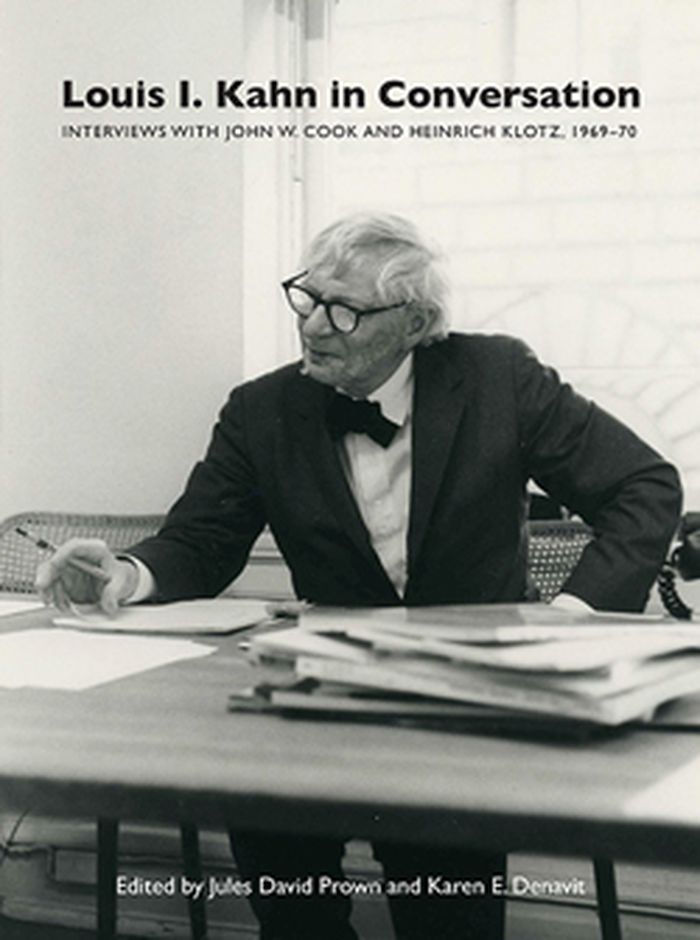
In 1969 and 1970, Louis I. Kahn (1901–1974) participated in a series of interviews with a young German architectural historian, Heinrich Klotz, then a visiting professor at Yale University, and John W. Cook, who was teaching architecture at the Yale Divinity School. Louis I. Kahn in Conversation provides the first full edited transcript of these candid, illuminating interviews, which provide insights into Kahn’s philosophy of architecture. The conversations touch on many of his iconic works, including the unbuilt City Tower Project for Philadelphia, the Yale University Art Gallery, the First Unitarian Church in Rochester, and major international projects then under construction, as well as the Yale Center for British Art, Kahn’s final building, on which he was beginning work at the time. Illustrated with dozens of plans, drawings, and photographs, the book also features an introduction by Jules David Prown, the first director of the Yale Center for British Art, who recommended Kahn as its architect.
Louis I. Kahn in conversation: interviews with John W. Cook and Heinrich Klotz, 1969–70
Actions:
Price:
$69.95
(available to order)
Summary:
In 1969 and 1970, Louis I. Kahn (1901–1974) participated in a series of interviews with a young German architectural historian, Heinrich Klotz, then a visiting professor at Yale University, and John W. Cook, who was teaching architecture at the Yale Divinity School. Louis I. Kahn in Conversation provides the first full edited transcript of these candid, illuminating interviews, which provide insights into Kahn’s philosophy of architecture. The conversations touch on many of his iconic works, including the unbuilt City Tower Project for Philadelphia, the Yale University Art Gallery, the First Unitarian Church in Rochester, and major international projects then under construction, as well as the Yale Center for British Art, Kahn’s final building, on which he was beginning work at the time. Illustrated with dozens of plans, drawings, and photographs, the book also features an introduction by Jules David Prown, the first director of the Yale Center for British Art, who recommended Kahn as its architect.
Form:
books
books
Publication:
November 2014
November 2014
Subject:
Architectural Theory
Architectural Theory
Form:
books
books
Actions:
Price:
$42.95
(available in store)
Summary:
The enormous popular interest in the world of fungi and the mycelium testifies to its tremendous resonance as a metaphor for new ways of thinking, new systems and behaviors. Taking its inspiration from this world, ''Let's Become Fungal!'' looks at a range of Indigenous practices from Latin America, the Caribbean and Asia that are rooted in multispecies collaboration,(...)
$42.95
(available in store)
Summary:
The enormous popular interest in the world of fungi and the mycelium testifies to its tremendous resonance as a metaphor for new ways of thinking, new systems and behaviors. Taking its inspiration from this world, ''Let's Become Fungal!'' looks at a range of Indigenous practices from Latin America, the Caribbean and Asia that are rooted in multispecies collaboration,(...)
Subject:
Environment and environmental theory
Environment and environmental theory
Publication:
October 2023
October 2023
Title:
Let's become fungal! Mycelium teachings and the arts: Based on conversations with indigenous wisdom keepers, artists, curators, feminists and mycologists
Actions:
Price:
$42.95
(available in store)
Summary:
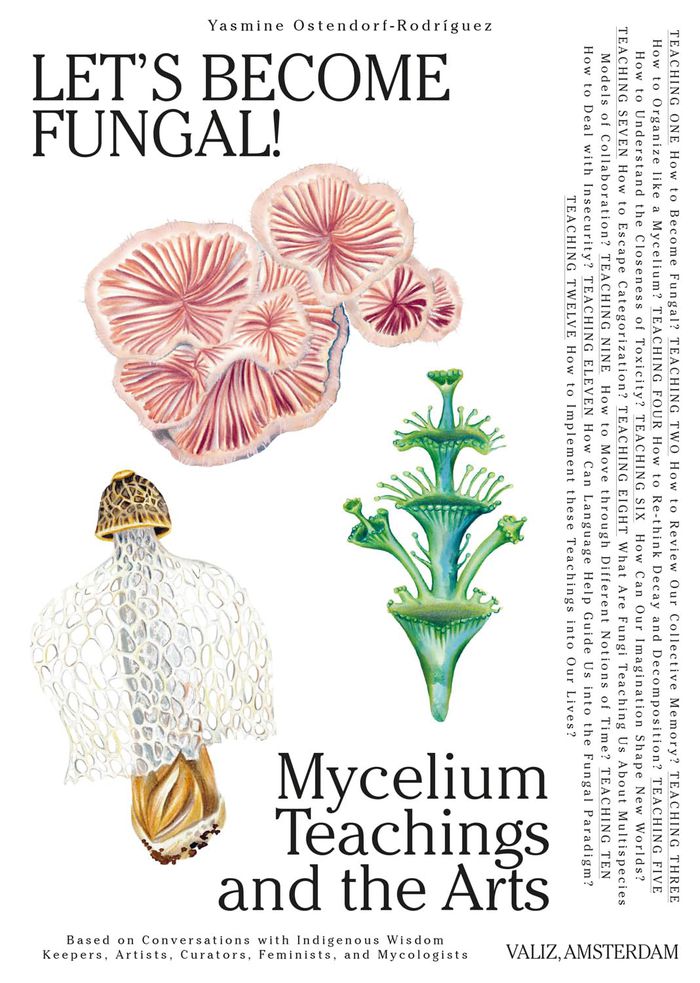
The enormous popular interest in the world of fungi and the mycelium testifies to its tremendous resonance as a metaphor for new ways of thinking, new systems and behaviors. Taking its inspiration from this world, ''Let's Become Fungal!'' looks at a range of Indigenous practices from Latin America, the Caribbean and Asia that are rooted in multispecies collaboration, symbiosis, alliances, non-monetary resource exchange, decentralization, bottom-up methods and mutual dependency--all suggestive of the behavior of the mycelium. Each of the book's 12 chapters offers teachings on collaboration, decoloniality, nonlinearity, toxicity, mobilization, biomimicry, death and being nonbinary, while also examining the world of fungi. ''Let's Become Fungal!'' shows how fungi can inspire artists, collectives, organizations, educators, policymakers, designers, scientists, anthropologists, curators, urbanists, activists, gardeners, community leaders, farmers and others to become more fungal in their ways of working and being.
Let's become fungal! Mycelium teachings and the arts: Based on conversations with indigenous wisdom keepers, artists, curators, feminists and mycologists
Actions:
Price:
$42.95
(available in store)
Summary:
The enormous popular interest in the world of fungi and the mycelium testifies to its tremendous resonance as a metaphor for new ways of thinking, new systems and behaviors. Taking its inspiration from this world, ''Let's Become Fungal!'' looks at a range of Indigenous practices from Latin America, the Caribbean and Asia that are rooted in multispecies collaboration, symbiosis, alliances, non-monetary resource exchange, decentralization, bottom-up methods and mutual dependency--all suggestive of the behavior of the mycelium. Each of the book's 12 chapters offers teachings on collaboration, decoloniality, nonlinearity, toxicity, mobilization, biomimicry, death and being nonbinary, while also examining the world of fungi. ''Let's Become Fungal!'' shows how fungi can inspire artists, collectives, organizations, educators, policymakers, designers, scientists, anthropologists, curators, urbanists, activists, gardeners, community leaders, farmers and others to become more fungal in their ways of working and being.
Form:
books
books
Publication:
October 2023
October 2023
Subject:
Environment and environmental theory
Environment and environmental theory
Form:
books
books
Actions:
Price:
$35.00
(available to order)
Summary:
The iconic architecture of the brutalist modernist megastructure of Simon Fraser University in Vancouver, Canada built by architect Arthur Erickson in the 1960s is the site of the artistic research project into the history of this "radical campus" and its built environment by Vancouver and Vienna based artists Sabine Bitter and Helmut Weber. The collaborative research(...)
$35.00
(available to order)
Summary:
The iconic architecture of the brutalist modernist megastructure of Simon Fraser University in Vancouver, Canada built by architect Arthur Erickson in the 1960s is the site of the artistic research project into the history of this "radical campus" and its built environment by Vancouver and Vienna based artists Sabine Bitter and Helmut Weber. The collaborative research(...)
Title:
Unsettling educational modernism: Simon Fraser University
Actions:
Price:
$35.00
(available to order)
Summary:
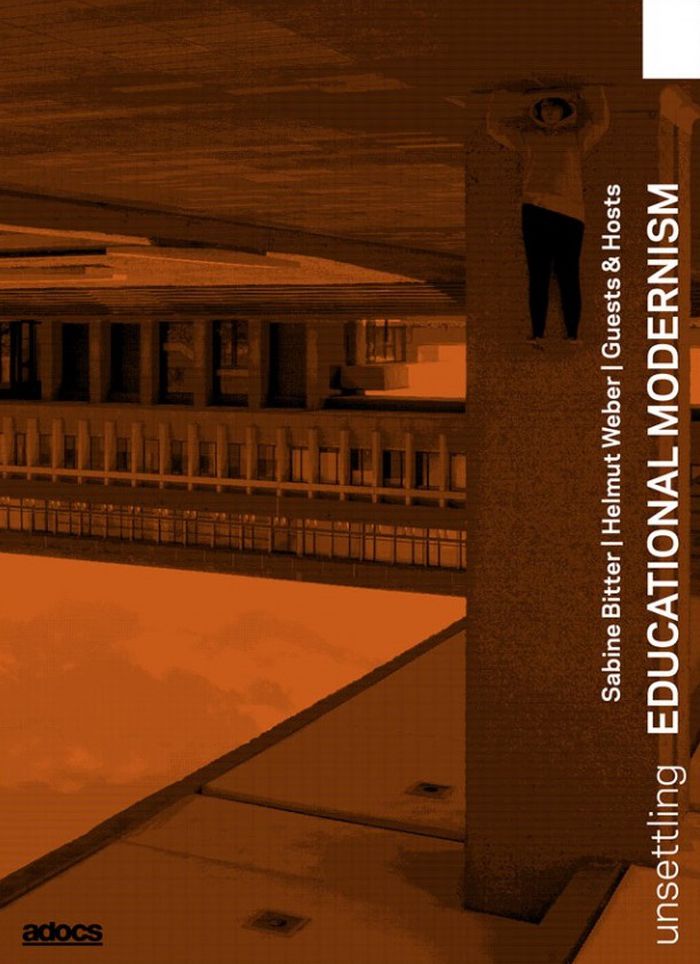
The iconic architecture of the brutalist modernist megastructure of Simon Fraser University in Vancouver, Canada built by architect Arthur Erickson in the 1960s is the site of the artistic research project into the history of this "radical campus" and its built environment by Vancouver and Vienna based artists Sabine Bitter and Helmut Weber. The collaborative research group, "Guests and Hosts", formed by Bitter & Weber and Métis scholar June Scudeler including Métis scholar and student Treena Chambers, Kanien’kehá:ka Mohawk student Toni-Leah Yake, as well as Rachel Warwick and Hannah Campbell, has challenged the narrative of the radical campus, so called because it was informed by experimental concepts of learning and teaching. Using the spaces of a settler colonial institution, the project shifts perspectives by unsettling and challenging western- based concepts of pedagogy and knowledge. Combining archival photographic material, architectural photographs by the artists, and interventions into the institutional spaces by Guests and Hosts, the project performs the claim for places rather than spaces for Indigenous ways of knowing and learning.
Unsettling educational modernism: Simon Fraser University
Actions:
Price:
$35.00
(available to order)
Summary:
The iconic architecture of the brutalist modernist megastructure of Simon Fraser University in Vancouver, Canada built by architect Arthur Erickson in the 1960s is the site of the artistic research project into the history of this "radical campus" and its built environment by Vancouver and Vienna based artists Sabine Bitter and Helmut Weber. The collaborative research group, "Guests and Hosts", formed by Bitter & Weber and Métis scholar June Scudeler including Métis scholar and student Treena Chambers, Kanien’kehá:ka Mohawk student Toni-Leah Yake, as well as Rachel Warwick and Hannah Campbell, has challenged the narrative of the radical campus, so called because it was informed by experimental concepts of learning and teaching. Using the spaces of a settler colonial institution, the project shifts perspectives by unsettling and challenging western- based concepts of pedagogy and knowledge. Combining archival photographic material, architectural photographs by the artists, and interventions into the institutional spaces by Guests and Hosts, the project performs the claim for places rather than spaces for Indigenous ways of knowing and learning.
Form:
books
books
Publication:
October 2021
October 2021
Subject:
Canadian Architects
Canadian Architects
Form:
books
books
Price:
$99.95
(available to order)
Summary:
This monograph is the first to document all of the built work by Morphosis, a Los Angeles-based practice headed by Thom Mayne and one of the most influential architecture firms of the past twenty years. Morphosis's unconventional geometries, sculptural models and complex, computer-generated drawings helped to usher in a new era of architectural experimentation in the(...)
$99.95
(available to order)
Summary:
This monograph is the first to document all of the built work by Morphosis, a Los Angeles-based practice headed by Thom Mayne and one of the most influential architecture firms of the past twenty years. Morphosis's unconventional geometries, sculptural models and complex, computer-generated drawings helped to usher in a new era of architectural experimentation in the(...)
Title:
Morphosis
Actions:
Price:
$99.95
(available to order)
Summary:
This monograph is the first to document all of the built work by Morphosis, a Los Angeles-based practice headed by Thom Mayne and one of the most influential architecture firms of the past twenty years. Morphosis's unconventional geometries, sculptural models and complex, computer-generated drawings helped to usher in a new era of architectural experimentation in the early 1980's. This book is comprised of bold, documentary-style colour photographs of thirty-five completed buildings presented in an almost cinematic layout, and publishes for the first time together all of Morphosis's completed work, from the early residential and restaurant projects in Los Angeles to the most recent large-scale work beyond California and the United States in Canada, Taiwan, Korea, Japan and Austria. Thom Mayne founded Morphosis in 1972 in partnership with Michael Rotondi, who now has his own firm. Over the past twenty years, Mayne's academic posts have included teaching positions at Columbia University, Harvard University, Yale University, the Berlage Institute in the Netherlands and the Bartlett School of Architecture in London.
Morphosis
Actions:
Price:
$99.95
(available to order)
Summary:
This monograph is the first to document all of the built work by Morphosis, a Los Angeles-based practice headed by Thom Mayne and one of the most influential architecture firms of the past twenty years. Morphosis's unconventional geometries, sculptural models and complex, computer-generated drawings helped to usher in a new era of architectural experimentation in the early 1980's. This book is comprised of bold, documentary-style colour photographs of thirty-five completed buildings presented in an almost cinematic layout, and publishes for the first time together all of Morphosis's completed work, from the early residential and restaurant projects in Los Angeles to the most recent large-scale work beyond California and the United States in Canada, Taiwan, Korea, Japan and Austria. Thom Mayne founded Morphosis in 1972 in partnership with Michael Rotondi, who now has his own firm. Over the past twenty years, Mayne's academic posts have included teaching positions at Columbia University, Harvard University, Yale University, the Berlage Institute in the Netherlands and the Bartlett School of Architecture in London.
Form:
books
books
Publication:
April 2003, London
April 2003, London
Subject:
Architecture Monographs
Architecture Monographs
Form:
books
books
Actions:
Price:
$37.95
(available to order)
Summary:
In ''Black, Brown + Latinx design educators,'' Kelly Walters collects twelve deeply personal interviews with graphic design educators of colour who teach at colleges and universities across the United States and Canada. The book centers the unique narratives of Black, Brown, and Latinx design educators, from their childhood experiences to their navigation of undergraduate(...)
$37.95
(available to order)
Summary:
In ''Black, Brown + Latinx design educators,'' Kelly Walters collects twelve deeply personal interviews with graphic design educators of colour who teach at colleges and universities across the United States and Canada. The book centers the unique narratives of Black, Brown, and Latinx design educators, from their childhood experiences to their navigation of undergraduate(...)
Title:
Black, Brown + Latinx design educators
Actions:
Price:
$37.95
(available to order)
Summary:
In ''Black, Brown + Latinx design educators,'' Kelly Walters collects twelve deeply personal interviews with graphic design educators of colour who teach at colleges and universities across the United States and Canada. The book centers the unique narratives of Black, Brown, and Latinx design educators, from their childhood experiences to their navigation of undergraduate and graduate studies and their career paths in academia and practice. The interviewees represent a cross-section of ethnic and multiracial backgrounds—African American, Jamaican, Indian, Pakistani, Puerto Rican, Dominican, Mexican, and Brazilian. Their impactful stories offer invaluable perspectives for students and emerging designers of colour, creating an entry point to address the complexities of race in design and bring to light the challenges of teaching graphic design at different types of public and private institutions. Interwoven throughout the book are images that maintain cultural significance, from family heirlooms to design works that highlight aspects of their cultural identities. Readers will gain insight into the multitude of experiences of Black, Brown, and Latinx design educators who teach and work in the field today.
Black, Brown + Latinx design educators
Actions:
Price:
$37.95
(available to order)
Summary:
In ''Black, Brown + Latinx design educators,'' Kelly Walters collects twelve deeply personal interviews with graphic design educators of colour who teach at colleges and universities across the United States and Canada. The book centers the unique narratives of Black, Brown, and Latinx design educators, from their childhood experiences to their navigation of undergraduate and graduate studies and their career paths in academia and practice. The interviewees represent a cross-section of ethnic and multiracial backgrounds—African American, Jamaican, Indian, Pakistani, Puerto Rican, Dominican, Mexican, and Brazilian. Their impactful stories offer invaluable perspectives for students and emerging designers of colour, creating an entry point to address the complexities of race in design and bring to light the challenges of teaching graphic design at different types of public and private institutions. Interwoven throughout the book are images that maintain cultural significance, from family heirlooms to design works that highlight aspects of their cultural identities. Readers will gain insight into the multitude of experiences of Black, Brown, and Latinx design educators who teach and work in the field today.
Form:
books
books
Publication:
March 2021
March 2021
Subject:
Graphic Design and Typography
Graphic Design and Typography
Form:
books
books
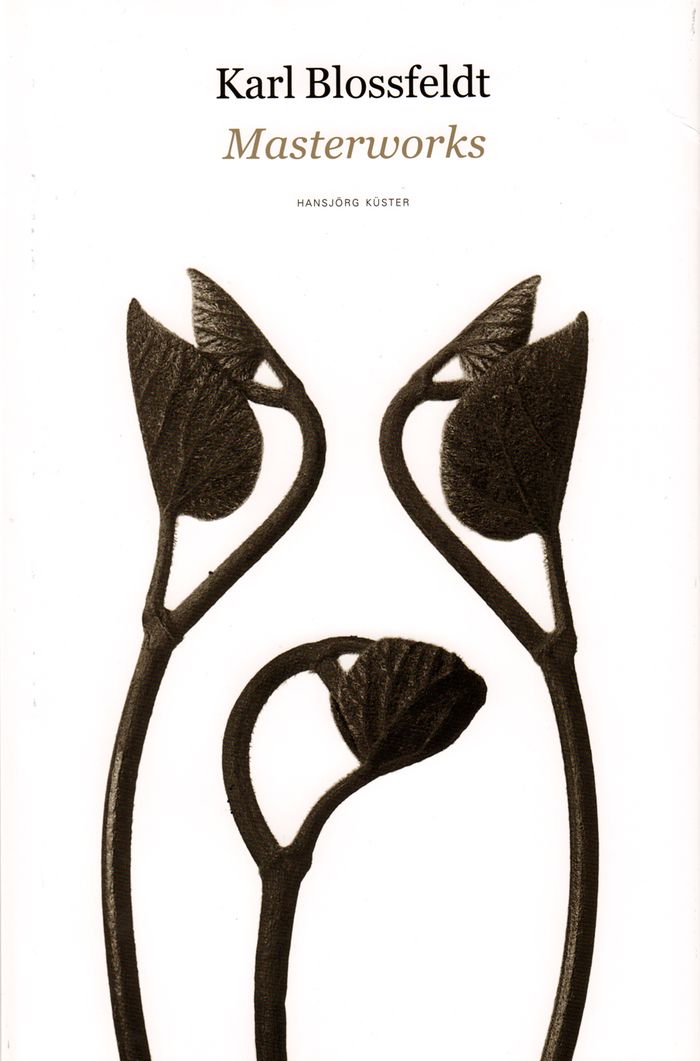
Title:
Karl Blossfeldt: Masterworks
Karl Blossfeldt: Masterworks
Actions:
Price:
$70.00
(available to order)
Summary:
Karl Blossfeldt was a pioneer of botanical photography, though his interest in the plant world was initially educational. Fascinated by the structure of plants, whose seemingly artistic forms resulted from biological necessity, he realized that photography could be a useful teaching tool, allowing his students to see and compare natural forms. Working with a homemade(...)
$70.00
(available to order)
Summary:
Karl Blossfeldt was a pioneer of botanical photography, though his interest in the plant world was initially educational. Fascinated by the structure of plants, whose seemingly artistic forms resulted from biological necessity, he realized that photography could be a useful teaching tool, allowing his students to see and compare natural forms. Working with a homemade(...)
Title:
Karl Blossfeldt: Masterworks
Actions:
Price:
$70.00
(available to order)
Summary:
Karl Blossfeldt was a pioneer of botanical photography, though his interest in the plant world was initially educational. Fascinated by the structure of plants, whose seemingly artistic forms resulted from biological necessity, he realized that photography could be a useful teaching tool, allowing his students to see and compare natural forms. Working with a homemade camera, Blossfeldt gathered and photographed his own plant samples, magnifying them by up to 45 times. From around 1898 onward, he shot some 6,000 images, which he used primarily as visual aids in his classes. Eventually published as Art Forms in Nature (1928) and Art Forms in Nature, Second Series (1932), Blossfeldt’s photographs had a lasting impact on the art of his day and were enthusiastically embraced by both the Surrealist and New Objectivity movements. His books brought him overnight fame and are still considered landmarks in the history of art and photography. Karl Blossfeldt: Masterworks presents a remarkable collection of Blossfeldt’s strikingly austere yet poetic portraits of plants, which capture their timeless beauty in intimate detail.
Karl Blossfeldt: Masterworks
Actions:
Price:
$70.00
(available to order)
Summary:
Karl Blossfeldt was a pioneer of botanical photography, though his interest in the plant world was initially educational. Fascinated by the structure of plants, whose seemingly artistic forms resulted from biological necessity, he realized that photography could be a useful teaching tool, allowing his students to see and compare natural forms. Working with a homemade camera, Blossfeldt gathered and photographed his own plant samples, magnifying them by up to 45 times. From around 1898 onward, he shot some 6,000 images, which he used primarily as visual aids in his classes. Eventually published as Art Forms in Nature (1928) and Art Forms in Nature, Second Series (1932), Blossfeldt’s photographs had a lasting impact on the art of his day and were enthusiastically embraced by both the Surrealist and New Objectivity movements. His books brought him overnight fame and are still considered landmarks in the history of art and photography. Karl Blossfeldt: Masterworks presents a remarkable collection of Blossfeldt’s strikingly austere yet poetic portraits of plants, which capture their timeless beauty in intimate detail.
Form:
books
books
Publication:
March 2017
March 2017
Subject:
Photography monographs
Photography monographs


