


4930 Results
Form:
research
research
Actions:
Description:
CCA-WRI Research Fellowship Program 2022
CCA-WRI Research Fellowship Program 2022
Keyword(s):
Casper Laing Ebbensgaard, Alina Nazmeeva, Jessica Vaughn, Yoshiharu Tsukamoto, Gökçe Günel, WRI, light, planet
Casper Laing Ebbensgaard, Alina Nazmeeva, Jessica Vaughn, Yoshiharu Tsukamoto, Gökçe Günel, WRI, light, planet
Date:
1 July 2022 to 30 September 2022
1 July 2022 to 30 September 2022
Form:
research
research
Date:
1 July 2022 to
30 September 2022
1 July 2022 to
30 September 2022
Keyword(s):
Casper Laing Ebbensgaard, Alina Nazmeeva, Jessica Vaughn, Yoshiharu Tsukamoto, Gökçe Günel, WRI, light, planet
Casper Laing Ebbensgaard, Alina Nazmeeva, Jessica Vaughn, Yoshiharu Tsukamoto, Gökçe Günel, WRI, light, planet
Level of archival description:
Project
Project
Actions:
Reference number:
AP056.S1.1989.PR02
Description:
This project series documents interior design for Main Street of Hasbro Headquarters in Pawtucket, Rhode Island from 1989-1991. The office identified the project number as 8902. This project consisted of the interiors of the company's headquarters for an area of the building known as Main Street. This was the first in a series of projects that the firm would complete for the headquarters. The 300,000 square foot building was predominantly one-storey and located on the block between Saratoga, Grand, London and Newport Avenues. The three projects were known as Main Street, Phase 2A and Phase 2B. Phase 1 was completed in 1986 by Barton Myers Associates with Shirley Blumberg as partner-in-charge. These subsequent projects by KPMB were also headed by Shirley Blumberg and continued the initial style she had established in Phase 1. These projects saw the conversion of a historic brick and masonry mill into the company's new offices. The office structure was inspired by the layout of a Greek town, with a main street running through it. Main Street was a wide corridor which spanned the length of the building, acting as a central artery for activity. The corridor was flooded with natural light from the original saw tooth skylights on the ceiling and lantern-like offices lined the sides. Small rooms were positioned in the corridor, including the main conference room with a large curved wall, a reception area and two smaller conference rooms. Maple screens, translucent glass and steel were the prominent materials used for Main Street. The project is recorded through drawings dating from 1987-1988. These are mostly original drawings and include sketches, plans, sections, elevations, perspectives, details, and furniture drawings. Many of the plans focus on the design of the executive bathroom.
AP056.S1.1989.PR02
Description:
This project series documents interior design for Main Street of Hasbro Headquarters in Pawtucket, Rhode Island from 1989-1991. The office identified the project number as 8902. This project consisted of the interiors of the company's headquarters for an area of the building known as Main Street. This was the first in a series of projects that the firm would complete for the headquarters. The 300,000 square foot building was predominantly one-storey and located on the block between Saratoga, Grand, London and Newport Avenues. The three projects were known as Main Street, Phase 2A and Phase 2B. Phase 1 was completed in 1986 by Barton Myers Associates with Shirley Blumberg as partner-in-charge. These subsequent projects by KPMB were also headed by Shirley Blumberg and continued the initial style she had established in Phase 1. These projects saw the conversion of a historic brick and masonry mill into the company's new offices. The office structure was inspired by the layout of a Greek town, with a main street running through it. Main Street was a wide corridor which spanned the length of the building, acting as a central artery for activity. The corridor was flooded with natural light from the original saw tooth skylights on the ceiling and lantern-like offices lined the sides. Small rooms were positioned in the corridor, including the main conference room with a large curved wall, a reception area and two smaller conference rooms. Maple screens, translucent glass and steel were the prominent materials used for Main Street. The project is recorded through drawings dating from 1987-1988. These are mostly original drawings and include sketches, plans, sections, elevations, perspectives, details, and furniture drawings. Many of the plans focus on the design of the executive bathroom.
People:
Date:
1989-1992
1989-1992
Title:
Hasbro Headquarters Main Street, Pawtucket, Rhode Island (1989-1991)
Actions:
AP056.S1.1989.PR02
Description:
This project series documents interior design for Main Street of Hasbro Headquarters in Pawtucket, Rhode Island from 1989-1991. The office identified the project number as 8902. This project consisted of the interiors of the company's headquarters for an area of the building known as Main Street. This was the first in a series of projects that the firm would complete for the headquarters. The 300,000 square foot building was predominantly one-storey and located on the block between Saratoga, Grand, London and Newport Avenues. The three projects were known as Main Street, Phase 2A and Phase 2B. Phase 1 was completed in 1986 by Barton Myers Associates with Shirley Blumberg as partner-in-charge. These subsequent projects by KPMB were also headed by Shirley Blumberg and continued the initial style she had established in Phase 1. These projects saw the conversion of a historic brick and masonry mill into the company's new offices. The office structure was inspired by the layout of a Greek town, with a main street running through it. Main Street was a wide corridor which spanned the length of the building, acting as a central artery for activity. The corridor was flooded with natural light from the original saw tooth skylights on the ceiling and lantern-like offices lined the sides. Small rooms were positioned in the corridor, including the main conference room with a large curved wall, a reception area and two smaller conference rooms. Maple screens, translucent glass and steel were the prominent materials used for Main Street. The project is recorded through drawings dating from 1987-1988. These are mostly original drawings and include sketches, plans, sections, elevations, perspectives, details, and furniture drawings. Many of the plans focus on the design of the executive bathroom.
Hasbro Headquarters Main Street, Pawtucket, Rhode Island (1989-1991)
Actions:
AP056.S1.1989.PR02
Description:
This project series documents interior design for Main Street of Hasbro Headquarters in Pawtucket, Rhode Island from 1989-1991. The office identified the project number as 8902. This project consisted of the interiors of the company's headquarters for an area of the building known as Main Street. This was the first in a series of projects that the firm would complete for the headquarters. The 300,000 square foot building was predominantly one-storey and located on the block between Saratoga, Grand, London and Newport Avenues. The three projects were known as Main Street, Phase 2A and Phase 2B. Phase 1 was completed in 1986 by Barton Myers Associates with Shirley Blumberg as partner-in-charge. These subsequent projects by KPMB were also headed by Shirley Blumberg and continued the initial style she had established in Phase 1. These projects saw the conversion of a historic brick and masonry mill into the company's new offices. The office structure was inspired by the layout of a Greek town, with a main street running through it. Main Street was a wide corridor which spanned the length of the building, acting as a central artery for activity. The corridor was flooded with natural light from the original saw tooth skylights on the ceiling and lantern-like offices lined the sides. Small rooms were positioned in the corridor, including the main conference room with a large curved wall, a reception area and two smaller conference rooms. Maple screens, translucent glass and steel were the prominent materials used for Main Street. The project is recorded through drawings dating from 1987-1988. These are mostly original drawings and include sketches, plans, sections, elevations, perspectives, details, and furniture drawings. Many of the plans focus on the design of the executive bathroom.
Level of archival description:
Project
Project
Date:
1989-1992
1989-1992
People:
Level of archival description:
Series
Series
Reference number:
AP175.S1
Description:
Series 1, Erasmus Bridge, Rotterdam, Netherlands, 1990-1996, documents the design, conception and construction of a third bridge for Rotterdam over the Nieuwe Maas River. The bridge connects the Kop van Zuid neighborhood, located on the south side of the river, to Willemsplein, located on the north side. The bridge is considered as a landmark in Rotterdam’s landscape. The Erasmus Bridge was a formative project in the thinking of UNStudio. It was originally supposed to be designed by architect Maarten Struijs who was the city of Rotterdam principal architect and who is responsible for the concept of the neighboring Willem Bridge. Ben van Berkel came later into the project and was hired as a designing consultant along with architect Wim Quist. Ben van Berkel proposed design was selected allowing him and his firm, which was called Van Berkel & Bos Architectuurbureau at that time, to supervise the conception and construction of the project, from the original concept to piers design to the selection of every item of bridge furniture such as traffic lights, bridge camera and handrails. The bridge was designed to fit the distinct character and industrial past of Rotterdam. The construction of this landmark was one component of a larger redevelopment project, coinciding with other major developments in the city of Rotterdam. The goal was to develop a dense urban intervention on the southern shore of the Nieuwe Maas, in the Kop van Zuid neighborhood. This explains the implication of UNStudio in the planning of urban configuration of the neighborhoods on both sides of the river and their work for Spido, a ferry company operating on the Nieuwe Maas, work spaces and parking garage. This commercial building was designed by the firm and also hosts The Grand Café and Jazz Café. This commercial building is integrated to one of the bridge pillar on the north shore of the river. For the design the firm used AutoCAD to work along with engineers and to conceptualize 3D models. They also used the software to evaluate the circulation flow of drivers, pedestrians and streetcars, measuring its impact on the structure and the urban configuration of the neighborhoods on both sides of the river. The records contain sketches for bridge and pier design, plans and sections for pier, Spido and bridge, architectural and construction details created by engineering companies for every component of the bridge, from drawbridge, to cable car system, to bridge furnitures such as traffic light, handrails and cameras and photographs documenting the research for precedent and the original configuration of the neighborhoods on both sides of the river. The record contains AutoCAD plans, details and sections for both the bridge and Spido parking garage. The records also contain one physical model: a small scale plastic, glass and metal model of the bridge.
AP175.S1
Description:
Series 1, Erasmus Bridge, Rotterdam, Netherlands, 1990-1996, documents the design, conception and construction of a third bridge for Rotterdam over the Nieuwe Maas River. The bridge connects the Kop van Zuid neighborhood, located on the south side of the river, to Willemsplein, located on the north side. The bridge is considered as a landmark in Rotterdam’s landscape. The Erasmus Bridge was a formative project in the thinking of UNStudio. It was originally supposed to be designed by architect Maarten Struijs who was the city of Rotterdam principal architect and who is responsible for the concept of the neighboring Willem Bridge. Ben van Berkel came later into the project and was hired as a designing consultant along with architect Wim Quist. Ben van Berkel proposed design was selected allowing him and his firm, which was called Van Berkel & Bos Architectuurbureau at that time, to supervise the conception and construction of the project, from the original concept to piers design to the selection of every item of bridge furniture such as traffic lights, bridge camera and handrails. The bridge was designed to fit the distinct character and industrial past of Rotterdam. The construction of this landmark was one component of a larger redevelopment project, coinciding with other major developments in the city of Rotterdam. The goal was to develop a dense urban intervention on the southern shore of the Nieuwe Maas, in the Kop van Zuid neighborhood. This explains the implication of UNStudio in the planning of urban configuration of the neighborhoods on both sides of the river and their work for Spido, a ferry company operating on the Nieuwe Maas, work spaces and parking garage. This commercial building was designed by the firm and also hosts The Grand Café and Jazz Café. This commercial building is integrated to one of the bridge pillar on the north shore of the river. For the design the firm used AutoCAD to work along with engineers and to conceptualize 3D models. They also used the software to evaluate the circulation flow of drivers, pedestrians and streetcars, measuring its impact on the structure and the urban configuration of the neighborhoods on both sides of the river. The records contain sketches for bridge and pier design, plans and sections for pier, Spido and bridge, architectural and construction details created by engineering companies for every component of the bridge, from drawbridge, to cable car system, to bridge furnitures such as traffic light, handrails and cameras and photographs documenting the research for precedent and the original configuration of the neighborhoods on both sides of the river. The record contains AutoCAD plans, details and sections for both the bridge and Spido parking garage. The records also contain one physical model: a small scale plastic, glass and metal model of the bridge.
People:
Date:
1990-1996
1990-1996
Title:
Erasmus Bridge, Rotterdam, Netherlands, 1990-1996
Actions:
AP175.S1
Description:
Series 1, Erasmus Bridge, Rotterdam, Netherlands, 1990-1996, documents the design, conception and construction of a third bridge for Rotterdam over the Nieuwe Maas River. The bridge connects the Kop van Zuid neighborhood, located on the south side of the river, to Willemsplein, located on the north side. The bridge is considered as a landmark in Rotterdam’s landscape. The Erasmus Bridge was a formative project in the thinking of UNStudio. It was originally supposed to be designed by architect Maarten Struijs who was the city of Rotterdam principal architect and who is responsible for the concept of the neighboring Willem Bridge. Ben van Berkel came later into the project and was hired as a designing consultant along with architect Wim Quist. Ben van Berkel proposed design was selected allowing him and his firm, which was called Van Berkel & Bos Architectuurbureau at that time, to supervise the conception and construction of the project, from the original concept to piers design to the selection of every item of bridge furniture such as traffic lights, bridge camera and handrails. The bridge was designed to fit the distinct character and industrial past of Rotterdam. The construction of this landmark was one component of a larger redevelopment project, coinciding with other major developments in the city of Rotterdam. The goal was to develop a dense urban intervention on the southern shore of the Nieuwe Maas, in the Kop van Zuid neighborhood. This explains the implication of UNStudio in the planning of urban configuration of the neighborhoods on both sides of the river and their work for Spido, a ferry company operating on the Nieuwe Maas, work spaces and parking garage. This commercial building was designed by the firm and also hosts The Grand Café and Jazz Café. This commercial building is integrated to one of the bridge pillar on the north shore of the river. For the design the firm used AutoCAD to work along with engineers and to conceptualize 3D models. They also used the software to evaluate the circulation flow of drivers, pedestrians and streetcars, measuring its impact on the structure and the urban configuration of the neighborhoods on both sides of the river. The records contain sketches for bridge and pier design, plans and sections for pier, Spido and bridge, architectural and construction details created by engineering companies for every component of the bridge, from drawbridge, to cable car system, to bridge furnitures such as traffic light, handrails and cameras and photographs documenting the research for precedent and the original configuration of the neighborhoods on both sides of the river. The record contains AutoCAD plans, details and sections for both the bridge and Spido parking garage. The records also contain one physical model: a small scale plastic, glass and metal model of the bridge.
Erasmus Bridge, Rotterdam, Netherlands, 1990-1996
Actions:
AP175.S1
Description:
Series 1, Erasmus Bridge, Rotterdam, Netherlands, 1990-1996, documents the design, conception and construction of a third bridge for Rotterdam over the Nieuwe Maas River. The bridge connects the Kop van Zuid neighborhood, located on the south side of the river, to Willemsplein, located on the north side. The bridge is considered as a landmark in Rotterdam’s landscape. The Erasmus Bridge was a formative project in the thinking of UNStudio. It was originally supposed to be designed by architect Maarten Struijs who was the city of Rotterdam principal architect and who is responsible for the concept of the neighboring Willem Bridge. Ben van Berkel came later into the project and was hired as a designing consultant along with architect Wim Quist. Ben van Berkel proposed design was selected allowing him and his firm, which was called Van Berkel & Bos Architectuurbureau at that time, to supervise the conception and construction of the project, from the original concept to piers design to the selection of every item of bridge furniture such as traffic lights, bridge camera and handrails. The bridge was designed to fit the distinct character and industrial past of Rotterdam. The construction of this landmark was one component of a larger redevelopment project, coinciding with other major developments in the city of Rotterdam. The goal was to develop a dense urban intervention on the southern shore of the Nieuwe Maas, in the Kop van Zuid neighborhood. This explains the implication of UNStudio in the planning of urban configuration of the neighborhoods on both sides of the river and their work for Spido, a ferry company operating on the Nieuwe Maas, work spaces and parking garage. This commercial building was designed by the firm and also hosts The Grand Café and Jazz Café. This commercial building is integrated to one of the bridge pillar on the north shore of the river. For the design the firm used AutoCAD to work along with engineers and to conceptualize 3D models. They also used the software to evaluate the circulation flow of drivers, pedestrians and streetcars, measuring its impact on the structure and the urban configuration of the neighborhoods on both sides of the river. The records contain sketches for bridge and pier design, plans and sections for pier, Spido and bridge, architectural and construction details created by engineering companies for every component of the bridge, from drawbridge, to cable car system, to bridge furnitures such as traffic light, handrails and cameras and photographs documenting the research for precedent and the original configuration of the neighborhoods on both sides of the river. The record contains AutoCAD plans, details and sections for both the bridge and Spido parking garage. The records also contain one physical model: a small scale plastic, glass and metal model of the bridge.
Level of archival description:
Series
Series
Date:
1990-1996
1990-1996
People:
Level of archival description:
Project
Project
Actions:
Reference number:
AP056.S1.1989.PR08
Description:
This project series documents the winning competition entry and subsequent construction for Kitchener City Hall in Kitchener, Ontario from 1989-1993. The office identified the project number as 8928. This project consisted of a U-shaped civic building comprised of a circular rotunda in the centre, an office tower to the right, the council chambers to the left, and two rectangular arms on either side to create the arms of the U. These elements, which wrapped around a large reflecting pool that doubled as a skating rink, were visually separated but coherent in their design and use of materials. Located on the block between Young, College, Duke and King Streets, the interior and exteriors of the property were designed for city government, but also for the larger public with community, public spaces, and open interaction with local government as key design concepts for the project. After entering the Civic Square outside the building, patrons can pass through the main portico, into the Interior Civic Square were the round Civic Rotunda rests in the centre. The rotunda’s interior was designed for use as a public gathering space, where events and activities could be held. The top of the rotunda had sandblasted glass windows with patinated copper frames, letting natural light shine into the large space below. A staircase from the main Civic Square led to an exterior terrace that wrapped around the top of the rotunda. The Administrative Office Tower was ten-storeys with a mechanical penthouse, and was used for civic offices. The Council Chamber was comprised of limestone with refinished metal panels forming a curved roof on top. The two wings along the sides of the property contained tenant areas, a restaurant, information offices, alderman’s offices and the mayor’s office, among other spaces. The back of the property had landscaped exteriors and outdoor play areas for the building’s daycare. The project is recorded through drawings, photographic materials, presentation paintings and models dating from 1989-1993. The drawings consist of concepts for both the competition entry and the subsequent construction of the project. These include sketches, base maps and area surveys produced by the city and contractors, presentation boards and paintings, plans, elevations, sections, perspectives, details and axonometric drawings. There are also photographic reproductions of presentation drawings. The photographs show finished interiors and exteriors and the project model.
AP056.S1.1989.PR08
Description:
This project series documents the winning competition entry and subsequent construction for Kitchener City Hall in Kitchener, Ontario from 1989-1993. The office identified the project number as 8928. This project consisted of a U-shaped civic building comprised of a circular rotunda in the centre, an office tower to the right, the council chambers to the left, and two rectangular arms on either side to create the arms of the U. These elements, which wrapped around a large reflecting pool that doubled as a skating rink, were visually separated but coherent in their design and use of materials. Located on the block between Young, College, Duke and King Streets, the interior and exteriors of the property were designed for city government, but also for the larger public with community, public spaces, and open interaction with local government as key design concepts for the project. After entering the Civic Square outside the building, patrons can pass through the main portico, into the Interior Civic Square were the round Civic Rotunda rests in the centre. The rotunda’s interior was designed for use as a public gathering space, where events and activities could be held. The top of the rotunda had sandblasted glass windows with patinated copper frames, letting natural light shine into the large space below. A staircase from the main Civic Square led to an exterior terrace that wrapped around the top of the rotunda. The Administrative Office Tower was ten-storeys with a mechanical penthouse, and was used for civic offices. The Council Chamber was comprised of limestone with refinished metal panels forming a curved roof on top. The two wings along the sides of the property contained tenant areas, a restaurant, information offices, alderman’s offices and the mayor’s office, among other spaces. The back of the property had landscaped exteriors and outdoor play areas for the building’s daycare. The project is recorded through drawings, photographic materials, presentation paintings and models dating from 1989-1993. The drawings consist of concepts for both the competition entry and the subsequent construction of the project. These include sketches, base maps and area surveys produced by the city and contractors, presentation boards and paintings, plans, elevations, sections, perspectives, details and axonometric drawings. There are also photographic reproductions of presentation drawings. The photographs show finished interiors and exteriors and the project model.
People:
Date:
1989-1993
1989-1993
Title:
Kitchener City Hall Competition, Ontario (1989-1993)
Actions:
AP056.S1.1989.PR08
Description:
This project series documents the winning competition entry and subsequent construction for Kitchener City Hall in Kitchener, Ontario from 1989-1993. The office identified the project number as 8928. This project consisted of a U-shaped civic building comprised of a circular rotunda in the centre, an office tower to the right, the council chambers to the left, and two rectangular arms on either side to create the arms of the U. These elements, which wrapped around a large reflecting pool that doubled as a skating rink, were visually separated but coherent in their design and use of materials. Located on the block between Young, College, Duke and King Streets, the interior and exteriors of the property were designed for city government, but also for the larger public with community, public spaces, and open interaction with local government as key design concepts for the project. After entering the Civic Square outside the building, patrons can pass through the main portico, into the Interior Civic Square were the round Civic Rotunda rests in the centre. The rotunda’s interior was designed for use as a public gathering space, where events and activities could be held. The top of the rotunda had sandblasted glass windows with patinated copper frames, letting natural light shine into the large space below. A staircase from the main Civic Square led to an exterior terrace that wrapped around the top of the rotunda. The Administrative Office Tower was ten-storeys with a mechanical penthouse, and was used for civic offices. The Council Chamber was comprised of limestone with refinished metal panels forming a curved roof on top. The two wings along the sides of the property contained tenant areas, a restaurant, information offices, alderman’s offices and the mayor’s office, among other spaces. The back of the property had landscaped exteriors and outdoor play areas for the building’s daycare. The project is recorded through drawings, photographic materials, presentation paintings and models dating from 1989-1993. The drawings consist of concepts for both the competition entry and the subsequent construction of the project. These include sketches, base maps and area surveys produced by the city and contractors, presentation boards and paintings, plans, elevations, sections, perspectives, details and axonometric drawings. There are also photographic reproductions of presentation drawings. The photographs show finished interiors and exteriors and the project model.
Kitchener City Hall Competition, Ontario (1989-1993)
Actions:
AP056.S1.1989.PR08
Description:
This project series documents the winning competition entry and subsequent construction for Kitchener City Hall in Kitchener, Ontario from 1989-1993. The office identified the project number as 8928. This project consisted of a U-shaped civic building comprised of a circular rotunda in the centre, an office tower to the right, the council chambers to the left, and two rectangular arms on either side to create the arms of the U. These elements, which wrapped around a large reflecting pool that doubled as a skating rink, were visually separated but coherent in their design and use of materials. Located on the block between Young, College, Duke and King Streets, the interior and exteriors of the property were designed for city government, but also for the larger public with community, public spaces, and open interaction with local government as key design concepts for the project. After entering the Civic Square outside the building, patrons can pass through the main portico, into the Interior Civic Square were the round Civic Rotunda rests in the centre. The rotunda’s interior was designed for use as a public gathering space, where events and activities could be held. The top of the rotunda had sandblasted glass windows with patinated copper frames, letting natural light shine into the large space below. A staircase from the main Civic Square led to an exterior terrace that wrapped around the top of the rotunda. The Administrative Office Tower was ten-storeys with a mechanical penthouse, and was used for civic offices. The Council Chamber was comprised of limestone with refinished metal panels forming a curved roof on top. The two wings along the sides of the property contained tenant areas, a restaurant, information offices, alderman’s offices and the mayor’s office, among other spaces. The back of the property had landscaped exteriors and outdoor play areas for the building’s daycare. The project is recorded through drawings, photographic materials, presentation paintings and models dating from 1989-1993. The drawings consist of concepts for both the competition entry and the subsequent construction of the project. These include sketches, base maps and area surveys produced by the city and contractors, presentation boards and paintings, plans, elevations, sections, perspectives, details and axonometric drawings. There are also photographic reproductions of presentation drawings. The photographs show finished interiors and exteriors and the project model.
Level of archival description:
Project
Project
Date:
1989-1993
1989-1993
People:
Form:
archives
Level of archival description:
Fonds
archives
Level of archival description:
Fonds
Reference number:
AP195
Synopsis:
The Zaha Hadid Architects Phaeno Science Centre project records, 1996-2015, consist of approximately 43,800 digital files that document the design and construction of an interactive science museum in Wolfsburg, Germany. Materials related to presentations, publications, events, and the press are also represented. Formats include chiefly CAD files, especially plotter files and AutoCAD drawings, though related text documents and images are also represented. The majority of the records date from 2000 to 2006.
AP195
Synopsis:
The Zaha Hadid Architects Phaeno Science Centre project records, 1996-2015, consist of approximately 43,800 digital files that document the design and construction of an interactive science museum in Wolfsburg, Germany. Materials related to presentations, publications, events, and the press are also represented. Formats include chiefly CAD files, especially plotter files and AutoCAD drawings, though related text documents and images are also represented. The majority of the records date from 2000 to 2006.
People:
Date:
1996 - 2015
1996 - 2015
Title:
Zaha Hadid Architects Phaeno Science Centre project records
Actions:
AP195
Synopsis:
The Zaha Hadid Architects Phaeno Science Centre project records, 1996-2015, consist of approximately 43,800 digital files that document the design and construction of an interactive science museum in Wolfsburg, Germany. Materials related to presentations, publications, events, and the press are also represented. Formats include chiefly CAD files, especially plotter files and AutoCAD drawings, though related text documents and images are also represented. The majority of the records date from 2000 to 2006.
Zaha Hadid Architects Phaeno Science Centre project records
Actions:
AP195
Synopsis:
The Zaha Hadid Architects Phaeno Science Centre project records, 1996-2015, consist of approximately 43,800 digital files that document the design and construction of an interactive science museum in Wolfsburg, Germany. Materials related to presentations, publications, events, and the press are also represented. Formats include chiefly CAD files, especially plotter files and AutoCAD drawings, though related text documents and images are also represented. The majority of the records date from 2000 to 2006.
Form:
archives
Level of archival description:
Fonds
archives
Level of archival description:
Fonds
Date:
1996 - 2015
1996 - 2015
People:
Form:
events
events
Description:
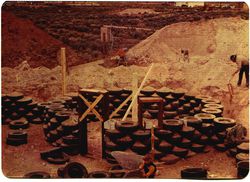
In the Yesterday Today lecture series, American architect Michael Reynolds discusses Earthship houses, which use recycled materials and sustainable energy technologies to create autonomous dwellings. The structure and systems of Earthships are integrated so that all materials have a secondary use, from the greywater system in bathrooms and kitchens to planter boxes in(...)
In the Yesterday Today lecture series, American architect Michael Reynolds discusses Earthship houses, which use recycled materials and sustainable energy technologies to create autonomous dwellings. The structure and systems of Earthships are integrated so that all materials have a secondary use, from the greywater system in bathrooms and kitchens to planter boxes in(...)
Location:
Paul-Desmarais Theatre
Paul-Desmarais Theatre
Date:
15 November 2007
15 November 2007
Title:
Michael Reynolds: The Earthship Sustainable Housing Concept
Actions:
Description:
In the Yesterday Today lecture series, American architect Michael Reynolds discusses Earthship houses, which use recycled materials and sustainable energy technologies to create autonomous dwellings. The structure and systems of Earthships are integrated so that all materials have a secondary use, from the greywater system in bathrooms and kitchens to planter boxes in(...)
Michael Reynolds: The Earthship Sustainable Housing Concept
Actions:
Description:
In the Yesterday Today lecture series, American architect Michael Reynolds discusses Earthship houses, which use recycled materials and sustainable energy technologies to create autonomous dwellings. The structure and systems of Earthships are integrated so that all materials have a secondary use, from the greywater system in bathrooms and kitchens to planter boxes in(...)
Form:
events
events
Date:
15 November 2007
15 November 2007
Location:
Paul-Desmarais Theatre
Paul-Desmarais Theatre
Form:
exhibitions
exhibitions

Title:
The 60s: Montréal Thinks Big
The 60s: Montréal Thinks Big
Actions:
Description:
During the 1960s, the massive scale of the changes that transformed Montréal made it an archetype of the great metropolises of the Western world. As host of Expo 67, Montréal asserted itself on the international scene as a city of the future. The 60s: Montréal Thinks Big illustrates the processes that brought about these changes. The exhibition’s original models,(...)
During the 1960s, the massive scale of the changes that transformed Montréal made it an archetype of the great metropolises of the Western world. As host of Expo 67, Montréal asserted itself on the international scene as a city of the future. The 60s: Montréal Thinks Big illustrates the processes that brought about these changes. The exhibition’s original models,(...)
Location:
Main galleries
Main galleries
Date:
20 October 2004 to 11 September 2005
20 October 2004 to 11 September 2005
Title:
The 60s: Montréal Thinks Big
Actions:
Description:
During the 1960s, the massive scale of the changes that transformed Montréal made it an archetype of the great metropolises of the Western world. As host of Expo 67, Montréal asserted itself on the international scene as a city of the future. The 60s: Montréal Thinks Big illustrates the processes that brought about these changes. The exhibition’s original models,(...)
The 60s: Montréal Thinks Big
Actions:
Description:
During the 1960s, the massive scale of the changes that transformed Montréal made it an archetype of the great metropolises of the Western world. As host of Expo 67, Montréal asserted itself on the international scene as a city of the future. The 60s: Montréal Thinks Big illustrates the processes that brought about these changes. The exhibition’s original models,(...)
Form:
exhibitions
exhibitions
Date:
20 October 2004 to
11 September 2005
20 October 2004 to
11 September 2005
Location:
Main galleries
Main galleries
Form:
events
events
Title:
Second Nature
Second Nature
Actions:
Description:
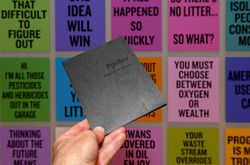
As part of the exhibition It’s All Happening So Fast, an interactive workshop is offered to cegep and university groups in order to explore the complex and contradictory relationships that Canada maintains with the environment. By taking a stand and speaking on behalf of entities motivated by a multiplicity of interests—ecosystems, architecture, ethics, economic systems,(...)
As part of the exhibition It’s All Happening So Fast, an interactive workshop is offered to cegep and university groups in order to explore the complex and contradictory relationships that Canada maintains with the environment. By taking a stand and speaking on behalf of entities motivated by a multiplicity of interests—ecosystems, architecture, ethics, economic systems,(...)
Date:
26 January 2017 to 7 April 2017
26 January 2017 to 7 April 2017
Title:
Second Nature
Actions:
Description:
As part of the exhibition It’s All Happening So Fast, an interactive workshop is offered to cegep and university groups in order to explore the complex and contradictory relationships that Canada maintains with the environment. By taking a stand and speaking on behalf of entities motivated by a multiplicity of interests—ecosystems, architecture, ethics, economic systems,(...)
Second Nature
Actions:
Description:
As part of the exhibition It’s All Happening So Fast, an interactive workshop is offered to cegep and university groups in order to explore the complex and contradictory relationships that Canada maintains with the environment. By taking a stand and speaking on behalf of entities motivated by a multiplicity of interests—ecosystems, architecture, ethics, economic systems,(...)
Form:
events
events
Date:
26 January 2017 to
7 April 2017
26 January 2017 to
7 April 2017
Form:
photographs
Quantity:
66 slide(s)
photographs
Quantity:
66 slide(s)
Title:
Philadelphia
Philadelphia
Actions:
Reference number:
ARCH218380
Description:
including Oliver Tyrone lobby lights
ARCH218380
Description:
including Oliver Tyrone lobby lights
People:
Form:
photographs
Quantity:
66 slide(s)
photographs
Quantity:
66 slide(s)
People:
Form:
exhibitions
exhibitions
Description:
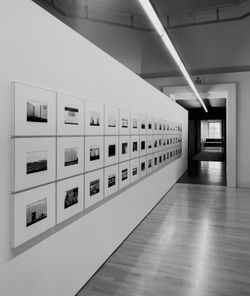
The exhibition presents a work by American artist Lewis Baltz that provokes critical thought on the relationships between architecture, landscape, and photography. The New Industrial Parks is part of a monographic series developed in the 1970s (The Tract Houses, Maryland, Nevada and Park City) that deals with wide-ranging cultural and philosophical questions about(...)
The exhibition presents a work by American artist Lewis Baltz that provokes critical thought on the relationships between architecture, landscape, and photography. The New Industrial Parks is part of a monographic series developed in the 1970s (The Tract Houses, Maryland, Nevada and Park City) that deals with wide-ranging cultural and philosophical questions about(...)
Location:
Octagonal gallery
Octagonal gallery
Date:
18 April 2002 to 29 September 2002
18 April 2002 to 29 September 2002
Title:
Lewis Baltz: The New Industrial Parks Near Irvine, California
Actions:
Description:
The exhibition presents a work by American artist Lewis Baltz that provokes critical thought on the relationships between architecture, landscape, and photography. The New Industrial Parks is part of a monographic series developed in the 1970s (The Tract Houses, Maryland, Nevada and Park City) that deals with wide-ranging cultural and philosophical questions about(...)
Lewis Baltz: The New Industrial Parks Near Irvine, California
Actions:
Description:
The exhibition presents a work by American artist Lewis Baltz that provokes critical thought on the relationships between architecture, landscape, and photography. The New Industrial Parks is part of a monographic series developed in the 1970s (The Tract Houses, Maryland, Nevada and Park City) that deals with wide-ranging cultural and philosophical questions about(...)
Form:
exhibitions
exhibitions
Date:
18 April 2002 to
29 September 2002
18 April 2002 to
29 September 2002
Location:
Octagonal gallery
Octagonal gallery


