


2879 Results
Form:
books
books
Actions:
Price:
$84.00
(available to order)
Summary:
In today's changing world, architects and engineers must address issues of sustainability when designing buildings, homes and urban developments. Through groundbreaking architecture, innovative urban planning and social engagement, the awareness of how sustainable architecture can make an environmental impact are becoming increasingly grounded in public consciousness.(...)
$84.00
(available to order)
Summary:
In today's changing world, architects and engineers must address issues of sustainability when designing buildings, homes and urban developments. Through groundbreaking architecture, innovative urban planning and social engagement, the awareness of how sustainable architecture can make an environmental impact are becoming increasingly grounded in public consciousness.(...)
Title:
Architecture of change 2: sustainability and humanity in the built environment
Actions:
Price:
$84.00
(available to order)
Summary:
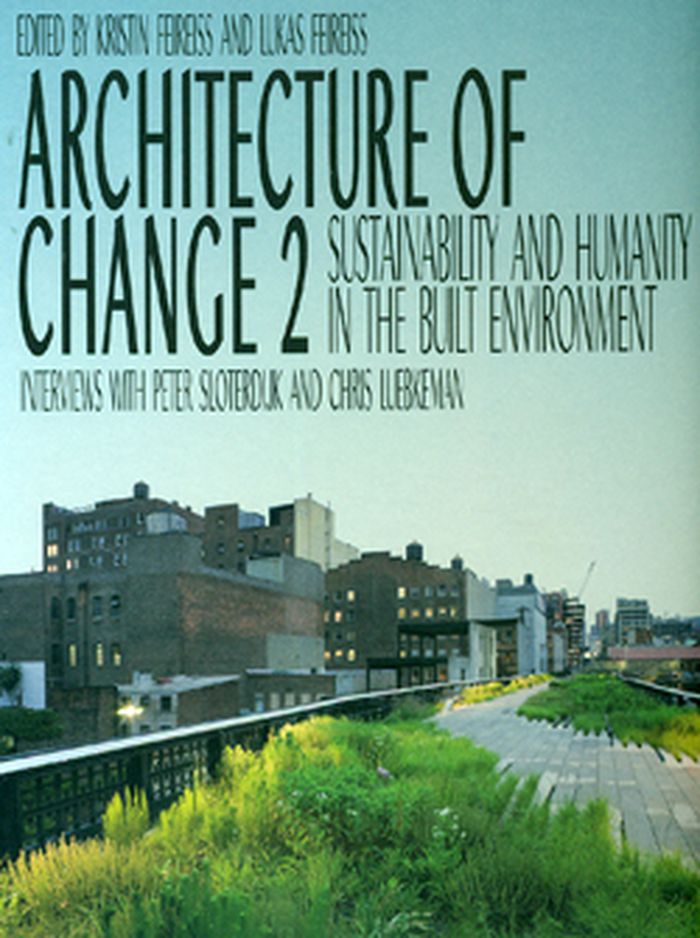
In today's changing world, architects and engineers must address issues of sustainability when designing buildings, homes and urban developments. Through groundbreaking architecture, innovative urban planning and social engagement, the awareness of how sustainable architecture can make an environmental impact are becoming increasingly grounded in public consciousness. Like its successful predecessor, Architecture of Change: Edition 2010 presents an unrivaled collection of the most innovative architecture projects that make a considerable contribution to a brighter future. Over forty exemplary projects by internationally renowned architecture practices such as Pritzker Architecture Prize winners Renzo Piano and OMA founder Rem Koolhaas are profiled with the newly built California Academy of Sciences and the master plan for a wind farm in the North Sea. From a zero emission ice station facility in Antarctica to the High Line public promenade in Manhattan, the book represents a broad range of environmentally mindful concepts that are not only outstanding in their architectural form but are also devoted to regional environmental and social conditions as well as their global impact.
Architecture of change 2: sustainability and humanity in the built environment
Actions:
Price:
$84.00
(available to order)
Summary:
In today's changing world, architects and engineers must address issues of sustainability when designing buildings, homes and urban developments. Through groundbreaking architecture, innovative urban planning and social engagement, the awareness of how sustainable architecture can make an environmental impact are becoming increasingly grounded in public consciousness. Like its successful predecessor, Architecture of Change: Edition 2010 presents an unrivaled collection of the most innovative architecture projects that make a considerable contribution to a brighter future. Over forty exemplary projects by internationally renowned architecture practices such as Pritzker Architecture Prize winners Renzo Piano and OMA founder Rem Koolhaas are profiled with the newly built California Academy of Sciences and the master plan for a wind farm in the North Sea. From a zero emission ice station facility in Antarctica to the High Line public promenade in Manhattan, the book represents a broad range of environmentally mindful concepts that are not only outstanding in their architectural form but are also devoted to regional environmental and social conditions as well as their global impact.
Form:
books
books
Publication:
November 2009
November 2009
Subject:
Green Architecture
Green Architecture
Form:
books
books
Price:
$78.00
(available to order)
Summary:
From high-rise to desert, urban sprawl to empty canyons, the American landscape is incredibly various : how does one even begin to take stock of its endlessly proliferating cityscapes and vast horizons? Reading the American Landscape rises marvelously to the challenge. For this anthropological epic, 25 landscape architects, urban designers, visual artists, photographers(...)
$78.00
(available to order)
Summary:
From high-rise to desert, urban sprawl to empty canyons, the American landscape is incredibly various : how does one even begin to take stock of its endlessly proliferating cityscapes and vast horizons? Reading the American Landscape rises marvelously to the challenge. For this anthropological epic, 25 landscape architects, urban designers, visual artists, photographers(...)
Subject:
Landscape Architecture, Monographs
Landscape Architecture, Monographs
Publication:
March 2010
March 2010
Title:
Reading the American landscape : an index of books and images
Actions:
Price:
$78.00
(available to order)
Summary:
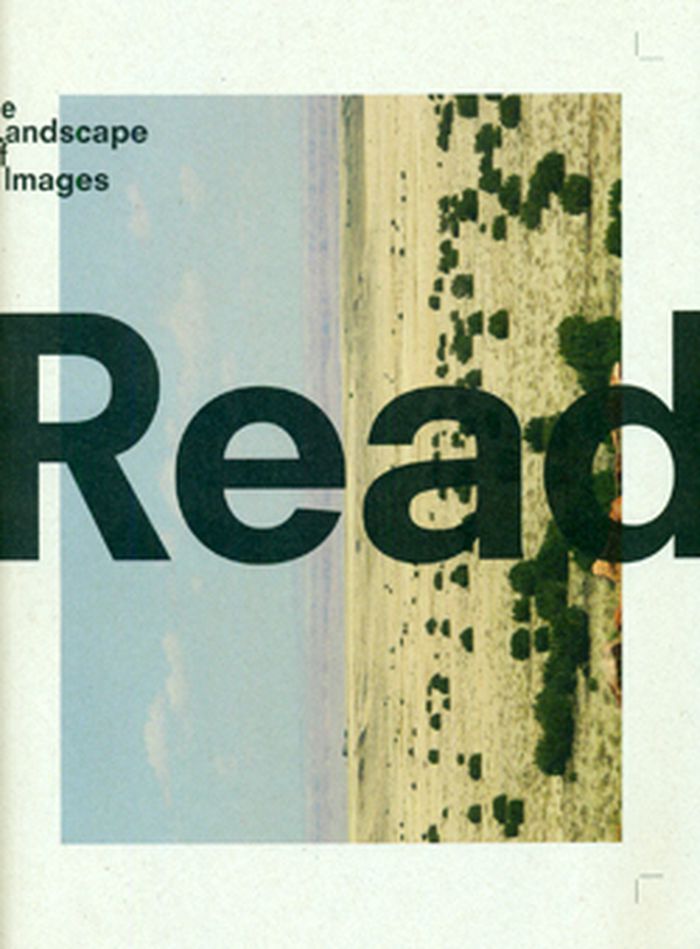
From high-rise to desert, urban sprawl to empty canyons, the American landscape is incredibly various : how does one even begin to take stock of its endlessly proliferating cityscapes and vast horizons? Reading the American Landscape rises marvelously to the challenge. For this anthropological epic, 25 landscape architects, urban designers, visual artists, photographers and commentators on the American landscape were invited by The Netherlands Foundation for Visual Arts, Design and Architecture to undertake a journey through the United States, to study and record its history and development. Their study revolved around three themes or types of location : the city park as a social space in densely developed cities; landscapes on the periphery of expanding cities; and the development of large-scale rural areas as exercises in conservation. The writers for this project were each given a bibliography, from which they selected a single title as a starting point for their essays, on subjects ranging from parks and gardens to more general speculations on the unique features of the American landscape.
Reading the American landscape : an index of books and images
Actions:
Price:
$78.00
(available to order)
Summary:
From high-rise to desert, urban sprawl to empty canyons, the American landscape is incredibly various : how does one even begin to take stock of its endlessly proliferating cityscapes and vast horizons? Reading the American Landscape rises marvelously to the challenge. For this anthropological epic, 25 landscape architects, urban designers, visual artists, photographers and commentators on the American landscape were invited by The Netherlands Foundation for Visual Arts, Design and Architecture to undertake a journey through the United States, to study and record its history and development. Their study revolved around three themes or types of location : the city park as a social space in densely developed cities; landscapes on the periphery of expanding cities; and the development of large-scale rural areas as exercises in conservation. The writers for this project were each given a bibliography, from which they selected a single title as a starting point for their essays, on subjects ranging from parks and gardens to more general speculations on the unique features of the American landscape.
Form:
books
books
Publication:
March 2010
March 2010
Subject:
Landscape Architecture, Monographs
Landscape Architecture, Monographs
Form:
books
books
Actions:
Price:
$59.95
(available to order)
Summary:
Since its inception, T.O.P. office has boosted architecture as an uncompromising social tool to persistently question the terrestrial scale and the delicate balance with mankind. Whichever way you turn it, Earth – the orb – is the undeniable alpha and omega for any future stance, action or intervention. An insight Luc Deleu & T.O.P. office have never failed to underscore(...)
$59.95
(available to order)
Summary:
Since its inception, T.O.P. office has boosted architecture as an uncompromising social tool to persistently question the terrestrial scale and the delicate balance with mankind. Whichever way you turn it, Earth – the orb – is the undeniable alpha and omega for any future stance, action or intervention. An insight Luc Deleu & T.O.P. office have never failed to underscore(...)
Title:
Luc Deleu & T.O.P. office. Future Plans 1970-2020
Actions:
Price:
$59.95
(available to order)
Summary:
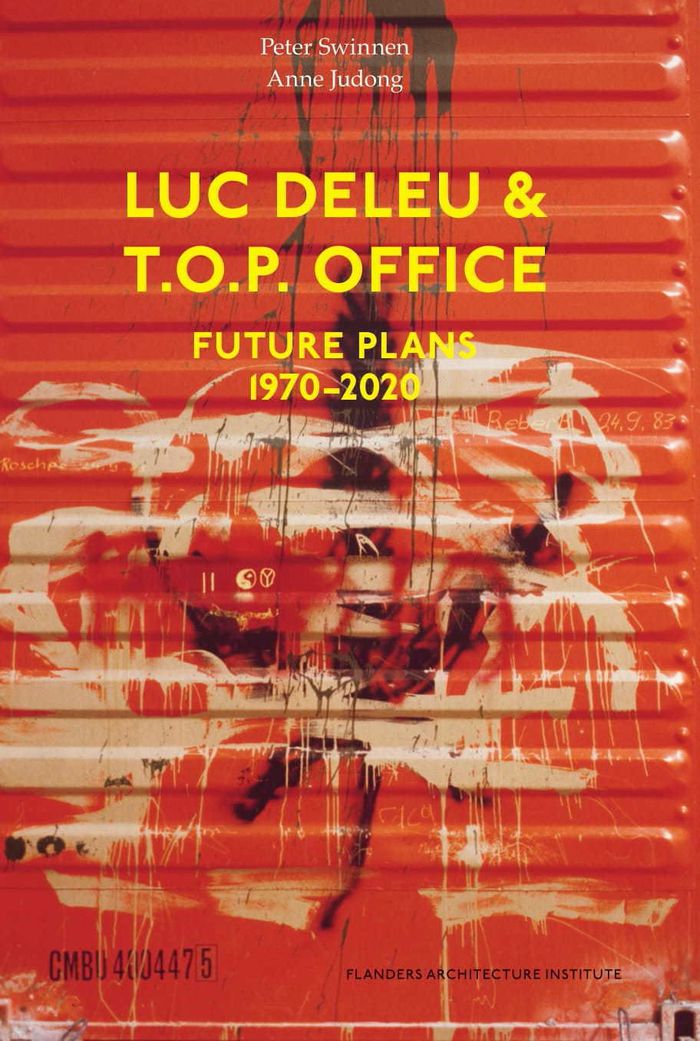
Since its inception, T.O.P. office has boosted architecture as an uncompromising social tool to persistently question the terrestrial scale and the delicate balance with mankind. Whichever way you turn it, Earth – the orb – is the undeniable alpha and omega for any future stance, action or intervention. An insight Luc Deleu & T.O.P. office have never failed to underscore – or challenge. Armed with an unsparing but humorous logic, a firm belief in the freedom of the individual, and a persistent commitment to ecology, T.O.P. office continues to hold up a mirror to society. Always unsolicited. Simply because they have to. For this publication, editors Peter Swinnen and Anne Judong were given unlimited access to the archives of T.O.P. office. The title is also the filter through which to examine the living archive. Which projects – whether conceived in the 1970s or 2000s – retain the intelligent promise of a future plan? And how can they enlighten designers, architects, urban planners, ecologists, cultural workers, administrations and policymakers of today and tomorrow? A future plan in itself.
Luc Deleu & T.O.P. office. Future Plans 1970-2020
Actions:
Price:
$59.95
(available to order)
Summary:
Since its inception, T.O.P. office has boosted architecture as an uncompromising social tool to persistently question the terrestrial scale and the delicate balance with mankind. Whichever way you turn it, Earth – the orb – is the undeniable alpha and omega for any future stance, action or intervention. An insight Luc Deleu & T.O.P. office have never failed to underscore – or challenge. Armed with an unsparing but humorous logic, a firm belief in the freedom of the individual, and a persistent commitment to ecology, T.O.P. office continues to hold up a mirror to society. Always unsolicited. Simply because they have to. For this publication, editors Peter Swinnen and Anne Judong were given unlimited access to the archives of T.O.P. office. The title is also the filter through which to examine the living archive. Which projects – whether conceived in the 1970s or 2000s – retain the intelligent promise of a future plan? And how can they enlighten designers, architects, urban planners, ecologists, cultural workers, administrations and policymakers of today and tomorrow? A future plan in itself.
Form:
books
books
Publication:
January 2020
January 2020
Subject:
Architecture Monographs
Architecture Monographs
Form:
books
books
Actions:
Price:
$53.50
(available to order)
Summary:
Want to keep up with emerging design thinking and issues worldwide? "Design Studio" is a new thematic series that distils the most topical work and ideas from schools and practices globally. The first volume launches with a statement: "Everything needs to change". Exploring architecture and the climate emergency, editors Sofie Pelsmakers (author of Environmental Design(...)
$53.50
(available to order)
Summary:
Want to keep up with emerging design thinking and issues worldwide? "Design Studio" is a new thematic series that distils the most topical work and ideas from schools and practices globally. The first volume launches with a statement: "Everything needs to change". Exploring architecture and the climate emergency, editors Sofie Pelsmakers (author of Environmental Design(...)
Title:
Design Studio vol.1: Everything needs to change. Architecture and the climate emergency
Actions:
Price:
$53.50
(available to order)
Summary:
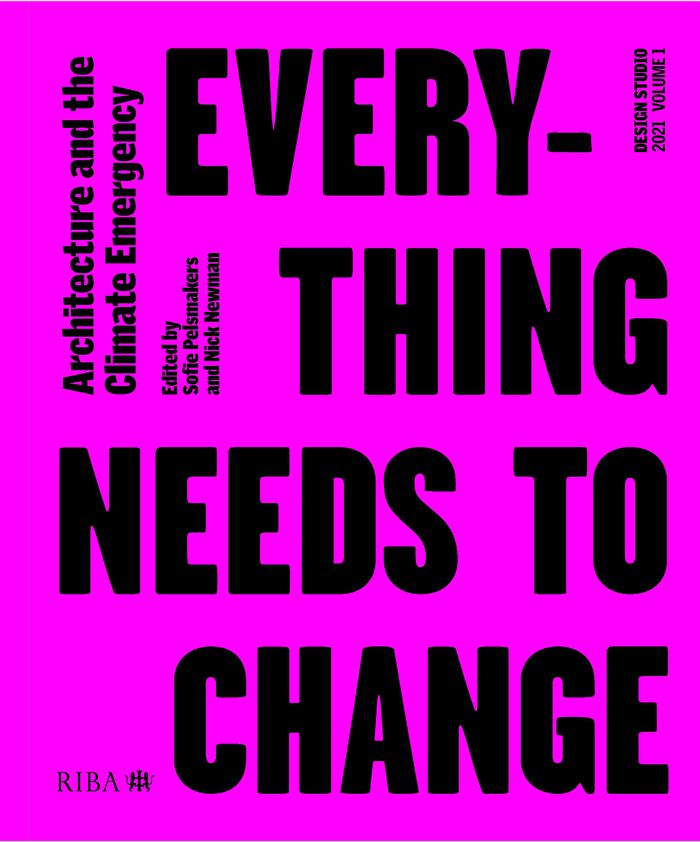
Want to keep up with emerging design thinking and issues worldwide? "Design Studio" is a new thematic series that distils the most topical work and ideas from schools and practices globally. The first volume launches with a statement: "Everything needs to change". Exploring architecture and the climate emergency, editors Sofie Pelsmakers (author of Environmental Design Sourcebook) and Nick Newman (climate activist and Director at Studio Bark), are channelling the message of Greta Thunberg to inspire, enthuse and inform the next generation of architects. Featuring articles, building profiles and case studies from a range of leading voices, it explores solutions to climatic, environmental and social challenges. It urges readers to radically rethink what it means to be an architect in an era of climate crisis, and what the role of the architect is or can be. Discover how using local materials, working with nature, radical design processes, transformative learning and activism can help us find hope in the burning world. This first volume is produced in four unique fluorescent colours – green, red, yellow and purple – to be your own poster for change.
Design Studio vol.1: Everything needs to change. Architecture and the climate emergency
Actions:
Price:
$53.50
(available to order)
Summary:
Want to keep up with emerging design thinking and issues worldwide? "Design Studio" is a new thematic series that distils the most topical work and ideas from schools and practices globally. The first volume launches with a statement: "Everything needs to change". Exploring architecture and the climate emergency, editors Sofie Pelsmakers (author of Environmental Design Sourcebook) and Nick Newman (climate activist and Director at Studio Bark), are channelling the message of Greta Thunberg to inspire, enthuse and inform the next generation of architects. Featuring articles, building profiles and case studies from a range of leading voices, it explores solutions to climatic, environmental and social challenges. It urges readers to radically rethink what it means to be an architect in an era of climate crisis, and what the role of the architect is or can be. Discover how using local materials, working with nature, radical design processes, transformative learning and activism can help us find hope in the burning world. This first volume is produced in four unique fluorescent colours – green, red, yellow and purple – to be your own poster for change.
Form:
books
books
Publication:
May 2021
May 2021
Subject:
Contemporary Architecture
Contemporary Architecture
Form:
books
books
Title:
Naked architecture
Naked architecture
Actions:
Price:
$51.00
(available to order)
Summary:
An account of one of the most interesting phenomena of contemporary architecture: the return to the structure. Over the last ten years architecture would seem to have rediscovered engineering. Now that the post modern period has passed—in which the structure of buildings was camouflaged by coverings of every kind—architecture today seems to have undressed, almost as(...)
$51.00
(available to order)
Summary:
An account of one of the most interesting phenomena of contemporary architecture: the return to the structure. Over the last ten years architecture would seem to have rediscovered engineering. Now that the post modern period has passed—in which the structure of buildings was camouflaged by coverings of every kind—architecture today seems to have undressed, almost as(...)
Title:
Naked architecture
Actions:
Price:
$51.00
(available to order)
Summary:
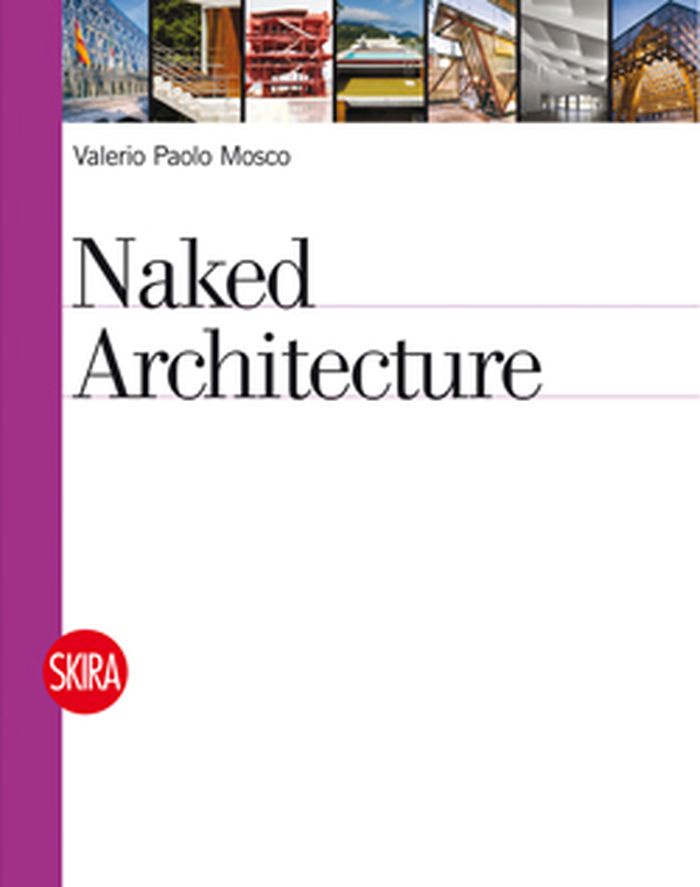
An account of one of the most interesting phenomena of contemporary architecture: the return to the structure. Over the last ten years architecture would seem to have rediscovered engineering. Now that the post modern period has passed—in which the structure of buildings was camouflaged by coverings of every kind—architecture today seems to have undressed, almost as though wishing to show how it is made. The rediscovery in recent years of plastic form has brought about a closer relationship between architects and engineers. To this we must add the rise of new issues, such as that of environmental engineering, which has changed from being solely a technical and aesthetic practice into a movement in environmentally conscious architecture. If there is a phenomenon today that is able to hold together the various expressions of contemporary architecture, it is this return to the structure and the methods with which it is realized. Through its six thematic categories, this book provides an account of one of the most interesting phenomena of contemporary construction—the laying bare of architecture.
Naked architecture
Actions:
Price:
$51.00
(available to order)
Summary:
An account of one of the most interesting phenomena of contemporary architecture: the return to the structure. Over the last ten years architecture would seem to have rediscovered engineering. Now that the post modern period has passed—in which the structure of buildings was camouflaged by coverings of every kind—architecture today seems to have undressed, almost as though wishing to show how it is made. The rediscovery in recent years of plastic form has brought about a closer relationship between architects and engineers. To this we must add the rise of new issues, such as that of environmental engineering, which has changed from being solely a technical and aesthetic practice into a movement in environmentally conscious architecture. If there is a phenomenon today that is able to hold together the various expressions of contemporary architecture, it is this return to the structure and the methods with which it is realized. Through its six thematic categories, this book provides an account of one of the most interesting phenomena of contemporary construction—the laying bare of architecture.
Form:
books
books
Publication:
November 2012
November 2012
Subject:
Engineering Structures
Engineering Structures
Form:
books
books
Actions:
Price:
$65.99
(available to order)
Summary:
Today, the physical scale model is a centrepiece for design education, celebrated practices and architecture’s public relations. The development of digital fabrication devices has made model manufacture even more pervasive. The physical model is the most accessible form of architectural communication. Clients and the general public seem to immediately respond to and(...)
$65.99
(available to order)
Summary:
Today, the physical scale model is a centrepiece for design education, celebrated practices and architecture’s public relations. The development of digital fabrication devices has made model manufacture even more pervasive. The physical model is the most accessible form of architectural communication. Clients and the general public seem to immediately respond to and(...)
Title:
Architecture and the miniature : models
Actions:
Price:
$65.99
(available to order)
Summary:
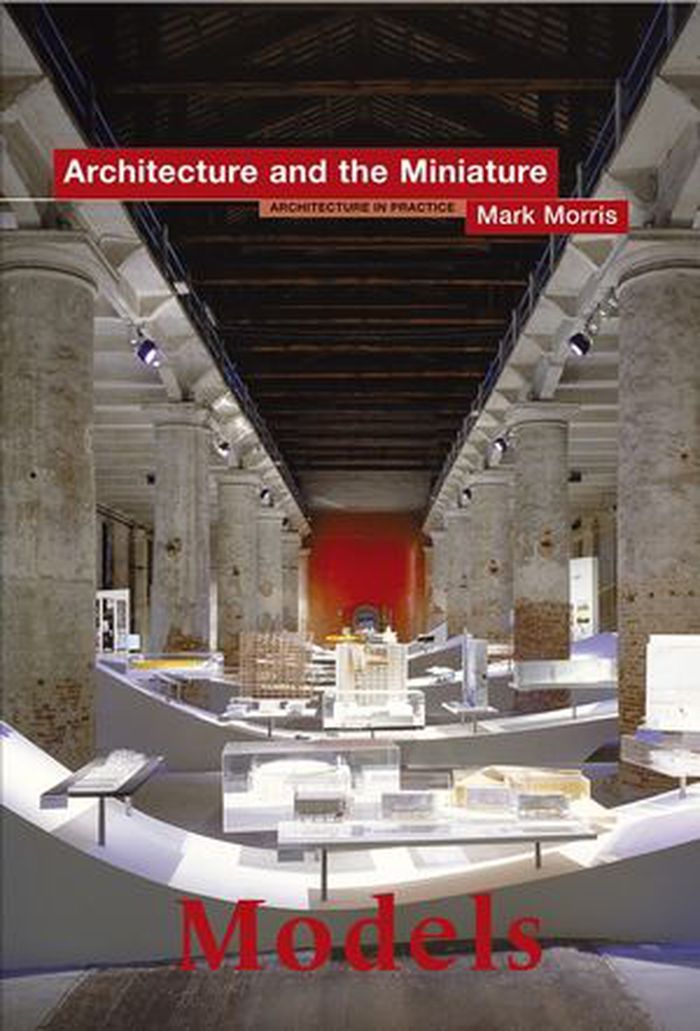
Today, the physical scale model is a centrepiece for design education, celebrated practices and architecture’s public relations. The development of digital fabrication devices has made model manufacture even more pervasive. The physical model is the most accessible form of architectural communication. Clients and the general public seem to immediately respond to and understand the model, over blueprints and computer simulations. Many architects use finished models for presentations, competitions and exhibitions. Others also embrace sketch models as quick, economic and flexible generative tools. It is only with the rise of the virtual that the advantages and disadvantages of more traditional models can be fully evaluated. As attested by this book, we are now at an important watershed for the model in architecture. Practitioners and educators alike are seeking to fully understand the multiplicity of model types and how they might be strategically deployed at appropriate stages in the design process. The historic role that the model has played is outlined with attention paid to Alberti, John Soane, the Bauhaus and education reforms. A cultural history is offered by examining models in the guise of toys, food, cinema, product design, souvenirs, narrative and art. Model theories are considered and tied to specific examples in the field. New technologies and creative combinations of traditional model-making techniques are evaluated. Kinetic, multi-media, nightscape and interdisciplinary models reveal the broad scope and exceptional versatility offered by this important tool. Models: Architecture and the Miniature focuses on current model use and experimentation by architects across the globe including David Chipperfield, Peter Eisenman, Frank Gehry, Zaha Hadid, Coop Himmelb(l)au, Daniel Libeskind, Greg Lynn and UN Studio.
Architecture and the miniature : models
Actions:
Price:
$65.99
(available to order)
Summary:
Today, the physical scale model is a centrepiece for design education, celebrated practices and architecture’s public relations. The development of digital fabrication devices has made model manufacture even more pervasive. The physical model is the most accessible form of architectural communication. Clients and the general public seem to immediately respond to and understand the model, over blueprints and computer simulations. Many architects use finished models for presentations, competitions and exhibitions. Others also embrace sketch models as quick, economic and flexible generative tools. It is only with the rise of the virtual that the advantages and disadvantages of more traditional models can be fully evaluated. As attested by this book, we are now at an important watershed for the model in architecture. Practitioners and educators alike are seeking to fully understand the multiplicity of model types and how they might be strategically deployed at appropriate stages in the design process. The historic role that the model has played is outlined with attention paid to Alberti, John Soane, the Bauhaus and education reforms. A cultural history is offered by examining models in the guise of toys, food, cinema, product design, souvenirs, narrative and art. Model theories are considered and tied to specific examples in the field. New technologies and creative combinations of traditional model-making techniques are evaluated. Kinetic, multi-media, nightscape and interdisciplinary models reveal the broad scope and exceptional versatility offered by this important tool. Models: Architecture and the Miniature focuses on current model use and experimentation by architects across the globe including David Chipperfield, Peter Eisenman, Frank Gehry, Zaha Hadid, Coop Himmelb(l)au, Daniel Libeskind, Greg Lynn and UN Studio.
Form:
books
books
Publication:
October 2005, Chichester
October 2005, Chichester
Subject:
Models
Models
Form:
books
books
Price:
$75.95
(available to order)
Summary:
More than one hundred exhibitions of Frank Lloyd Wright's work were mounted between 1894 and his death in 1959. Wright organized the majority of these exhibitions himself and viewed them as crucial to his self-presentation as his extensive writings. He used them to promote his designs, appeal to new viewers, and persuade his detractors. Wright on Exhibit presents the(...)
$75.95
(available to order)
Summary:
More than one hundred exhibitions of Frank Lloyd Wright's work were mounted between 1894 and his death in 1959. Wright organized the majority of these exhibitions himself and viewed them as crucial to his self-presentation as his extensive writings. He used them to promote his designs, appeal to new viewers, and persuade his detractors. Wright on Exhibit presents the(...)
Title:
Wright on exhibit: Frank Lloyd Wright's architectural exhibitions
Actions:
Price:
$75.95
(available to order)
Summary:
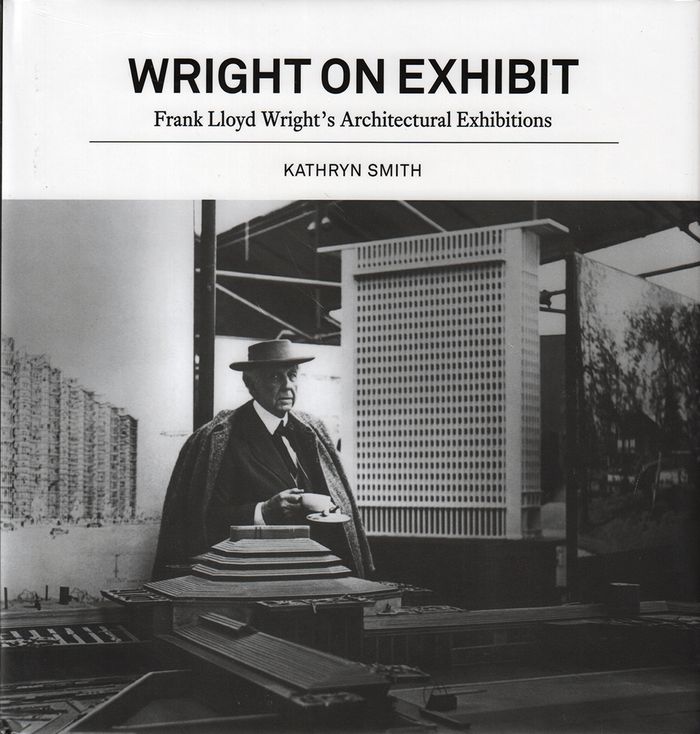
More than one hundred exhibitions of Frank Lloyd Wright's work were mounted between 1894 and his death in 1959. Wright organized the majority of these exhibitions himself and viewed them as crucial to his self-presentation as his extensive writings. He used them to promote his designs, appeal to new viewers, and persuade his detractors. Wright on Exhibit presents the first history of this neglected aspect of the architect’s influential career. Drawing extensively from Wright’s unpublished correspondence, Kathryn Smith challenges the preconceived notion of Wright as a self-promoter who displayed his work in search of money, clients, and fame. She shows how he was an artist-architect projecting an avant-garde program, an innovator who expanded the palette of installation design as technology evolved, and a social activist driven to revolutionize society through design. While Wright’s earliest exhibitions were largely for other architects, by the 1930s he was creating public installations intended to inspire debate and change public perceptions about architecture. The nature of his exhibitions expanded with the times beyond models, drawings, and photographs to include more immersive tools such as slides, film, and even a full-scale structure built especially for his 1953 retrospective at the Guggenheim Museum. Placing Wright’s exhibitions side by side with his writings, Smith shows how integral these exhibitions were to his vision and sheds light on the broader discourse concerning architecture and modernism during the first half of the twentieth century. Wright on Exhibit features color renderings, photos, and plans, as well as a checklist of exhibitions and an illustrated catalog of extant and lost models made under Wright’s supervision.
Wright on exhibit: Frank Lloyd Wright's architectural exhibitions
Actions:
Price:
$75.95
(available to order)
Summary:
More than one hundred exhibitions of Frank Lloyd Wright's work were mounted between 1894 and his death in 1959. Wright organized the majority of these exhibitions himself and viewed them as crucial to his self-presentation as his extensive writings. He used them to promote his designs, appeal to new viewers, and persuade his detractors. Wright on Exhibit presents the first history of this neglected aspect of the architect’s influential career. Drawing extensively from Wright’s unpublished correspondence, Kathryn Smith challenges the preconceived notion of Wright as a self-promoter who displayed his work in search of money, clients, and fame. She shows how he was an artist-architect projecting an avant-garde program, an innovator who expanded the palette of installation design as technology evolved, and a social activist driven to revolutionize society through design. While Wright’s earliest exhibitions were largely for other architects, by the 1930s he was creating public installations intended to inspire debate and change public perceptions about architecture. The nature of his exhibitions expanded with the times beyond models, drawings, and photographs to include more immersive tools such as slides, film, and even a full-scale structure built especially for his 1953 retrospective at the Guggenheim Museum. Placing Wright’s exhibitions side by side with his writings, Smith shows how integral these exhibitions were to his vision and sheds light on the broader discourse concerning architecture and modernism during the first half of the twentieth century. Wright on Exhibit features color renderings, photos, and plans, as well as a checklist of exhibitions and an illustrated catalog of extant and lost models made under Wright’s supervision.
Form:
books
books
Publication:
May 2017
May 2017
Subject:
Architecture Monographs
Architecture Monographs
Form:
books
books

Title:
Domesticity at War
Domesticity at War
Actions:
Price:
$54.95
(available to order)
Summary:
In the years immediately following World War II, America embraced modern architecture--not as something imported from Europe, but as an entirely new mode of operation, with original and captivating designs made in the USA. Beatriz Colomina shows how postwar American architecture adapted the techniques and materials that were developed for military applications to domestic(...)
$54.95
(available to order)
Summary:
In the years immediately following World War II, America embraced modern architecture--not as something imported from Europe, but as an entirely new mode of operation, with original and captivating designs made in the USA. Beatriz Colomina shows how postwar American architecture adapted the techniques and materials that were developed for military applications to domestic(...)
Title:
Domesticity at War
Actions:
Price:
$54.95
(available to order)
Summary:
In the years immediately following World War II, America embraced modern architecture--not as something imported from Europe, but as an entirely new mode of operation, with original and captivating designs made in the USA. Beatriz Colomina shows how postwar American architecture adapted the techniques and materials that were developed for military applications to domestic use. Just as manufacturers were turning wartime industry to peacetime productivity--going from missiles to washing machines--American architects and cultural institutions were, in Buckminster Fuller’s words, turning "weaponry into livingry." This new form of domesticity itself turned out to be a powerful weapon. Images of American domestic bliss--suburban homes, manicured lawns, kitchen accessories--went around the world as an effective propaganda campaign. Cold War anxieties were masked by endlessly repeated images of a picture-perfect domestic environment. Even the popular conception of the architect became domesticated, changing from that of an austere modernist to a plaid-shirt wearing homebody. Domesticity at War itself has a distinctive architecture. Housed within the case are two units: one book of text, and one book of illustrations--most of them in color, including advertisements, newspaper and magazine articles, architectural photographs, and more.
Domesticity at War
Actions:
Price:
$54.95
(available to order)
Summary:
In the years immediately following World War II, America embraced modern architecture--not as something imported from Europe, but as an entirely new mode of operation, with original and captivating designs made in the USA. Beatriz Colomina shows how postwar American architecture adapted the techniques and materials that were developed for military applications to domestic use. Just as manufacturers were turning wartime industry to peacetime productivity--going from missiles to washing machines--American architects and cultural institutions were, in Buckminster Fuller’s words, turning "weaponry into livingry." This new form of domesticity itself turned out to be a powerful weapon. Images of American domestic bliss--suburban homes, manicured lawns, kitchen accessories--went around the world as an effective propaganda campaign. Cold War anxieties were masked by endlessly repeated images of a picture-perfect domestic environment. Even the popular conception of the architect became domesticated, changing from that of an austere modernist to a plaid-shirt wearing homebody. Domesticity at War itself has a distinctive architecture. Housed within the case are two units: one book of text, and one book of illustrations--most of them in color, including advertisements, newspaper and magazine articles, architectural photographs, and more.
Form:
books
books
Publication:
March 2007, Cambridge / London
March 2007, Cambridge / London
Subject:
Architectural Theory
Architectural Theory
Form:
books
books

Price:
$134.99
(available in store)
Summary:
The 1960s continue to hold an almost mythical place in Western culture, particularly in Britain, where change was widespread and infiltrated many aspects of life. This included architecture, whose role in a modern democracy and the form it should take were hotly debated. This book discusses the architectural thinking of the time through an examination of the design of(...)
$134.99
(available in store)
Summary:
The 1960s continue to hold an almost mythical place in Western culture, particularly in Britain, where change was widespread and infiltrated many aspects of life. This included architecture, whose role in a modern democracy and the form it should take were hotly debated. This book discusses the architectural thinking of the time through an examination of the design of(...)
Title:
1960s University buildings: The golden age of British modern architecture
Actions:
Price:
$134.99
(available in store)
Summary:
The 1960s continue to hold an almost mythical place in Western culture, particularly in Britain, where change was widespread and infiltrated many aspects of life. This included architecture, whose role in a modern democracy and the form it should take were hotly debated. This book discusses the architectural thinking of the time through an examination of the design of university buildings. While there were notable buildings being built in other spheres, no other field of architecture provided the opportunity to express those ideas as freely, while also reflecting innovative new thinking about education and society. Somehow, the university buildings of the 1960s seemed to represent the cutting edge of modern architecture in the UK. This book provides the first critical analysis and overview of these buildings, designed by some of the leading British architects of the period including Basil Spence, Leslie Martin, Alison and Peter Smithson, Denys Lasdun, Powell and Moya and James Stirling. By placing the buildings in a wider social, cultural and political context, it examines the combination of circumstances and attitudes that produced results that are equally admired and detested and allows us to understand how we might replicate or avoid them in the future.
1960s University buildings: The golden age of British modern architecture
Actions:
Price:
$134.99
(available in store)
Summary:
The 1960s continue to hold an almost mythical place in Western culture, particularly in Britain, where change was widespread and infiltrated many aspects of life. This included architecture, whose role in a modern democracy and the form it should take were hotly debated. This book discusses the architectural thinking of the time through an examination of the design of university buildings. While there were notable buildings being built in other spheres, no other field of architecture provided the opportunity to express those ideas as freely, while also reflecting innovative new thinking about education and society. Somehow, the university buildings of the 1960s seemed to represent the cutting edge of modern architecture in the UK. This book provides the first critical analysis and overview of these buildings, designed by some of the leading British architects of the period including Basil Spence, Leslie Martin, Alison and Peter Smithson, Denys Lasdun, Powell and Moya and James Stirling. By placing the buildings in a wider social, cultural and political context, it examines the combination of circumstances and attitudes that produced results that are equally admired and detested and allows us to understand how we might replicate or avoid them in the future.
Form:
books
books
Publication:
June 2025
June 2025
Subject:
Modernism
Modernism
Form:
books
books
Actions:
Price:
$42.00
(available to order)
Summary:
"The Unknown City" takes its place in the emerging architectural literature that looks beyond design process and buildings to discover new ways of looking at the urban experience. A multistranded contemplation of the notion of "knowing a place," it is about both the existence and the possibilities of architecture and the city. An important inspiration for the book is(...)
$42.00
(available to order)
Summary:
"The Unknown City" takes its place in the emerging architectural literature that looks beyond design process and buildings to discover new ways of looking at the urban experience. A multistranded contemplation of the notion of "knowing a place," it is about both the existence and the possibilities of architecture and the city. An important inspiration for the book is(...)
Subject:
Urban Theory
Urban Theory
Publication:
October 2002, Cambridge, Massachusetts
October 2002, Cambridge, Massachusetts
Title:
The unknown city : contesting architecture and social space
Actions:
Price:
$42.00
(available to order)
Summary:
"The Unknown City" takes its place in the emerging architectural literature that looks beyond design process and buildings to discover new ways of looking at the urban experience. A multistranded contemplation of the notion of "knowing a place," it is about both the existence and the possibilities of architecture and the city. An important inspiration for the book is the work of Henri Lefebvre, in particular his ideas on space as a historical production. Many of the essays also draw on the social critique and tactics of the Situationist movement. The international gathering of contributors includes art, architectural, and urban historians and theorists; urban geographers; architects, artists, and filmmakers; and literary and cultural theorists. The essays range from abstract considerations of spatial production and representation to such concrete examples of urban domination as video surveillance and Regency London as the site of male pleasure. Although many of the essays are driven by social, cultural, and urban theory, they also tell real stories about real places. Each piece is in some way a critique of capitalism and a thought experiment about how designers and city dwellers working together can shape the cities of tomorrow.
The unknown city : contesting architecture and social space
Actions:
Price:
$42.00
(available to order)
Summary:
"The Unknown City" takes its place in the emerging architectural literature that looks beyond design process and buildings to discover new ways of looking at the urban experience. A multistranded contemplation of the notion of "knowing a place," it is about both the existence and the possibilities of architecture and the city. An important inspiration for the book is the work of Henri Lefebvre, in particular his ideas on space as a historical production. Many of the essays also draw on the social critique and tactics of the Situationist movement. The international gathering of contributors includes art, architectural, and urban historians and theorists; urban geographers; architects, artists, and filmmakers; and literary and cultural theorists. The essays range from abstract considerations of spatial production and representation to such concrete examples of urban domination as video surveillance and Regency London as the site of male pleasure. Although many of the essays are driven by social, cultural, and urban theory, they also tell real stories about real places. Each piece is in some way a critique of capitalism and a thought experiment about how designers and city dwellers working together can shape the cities of tomorrow.
Form:
books
books
Publication:
October 2002, Cambridge, Massachusetts
October 2002, Cambridge, Massachusetts
Subject:
Urban Theory
Urban Theory


