


3141 Results
Form:
books
books
Actions:
Price:
$24.00
(available to order)
Summary:
Although an architect by profession, H.Th. Wijdeveld (1885-1987) is best known for Wendingen, the 'magazine for the decorative arts and architecture' founded by him in 1918. One of the peaks of Wendingen was the series devoted to the work of the American architect Frank Lloyd Wright, for which Wijdeveld designed everything himself. Its graphic design caused a sensation(...)
$24.00
(available to order)
Summary:
Although an architect by profession, H.Th. Wijdeveld (1885-1987) is best known for Wendingen, the 'magazine for the decorative arts and architecture' founded by him in 1918. One of the peaks of Wendingen was the series devoted to the work of the American architect Frank Lloyd Wright, for which Wijdeveld designed everything himself. Its graphic design caused a sensation(...)
Title:
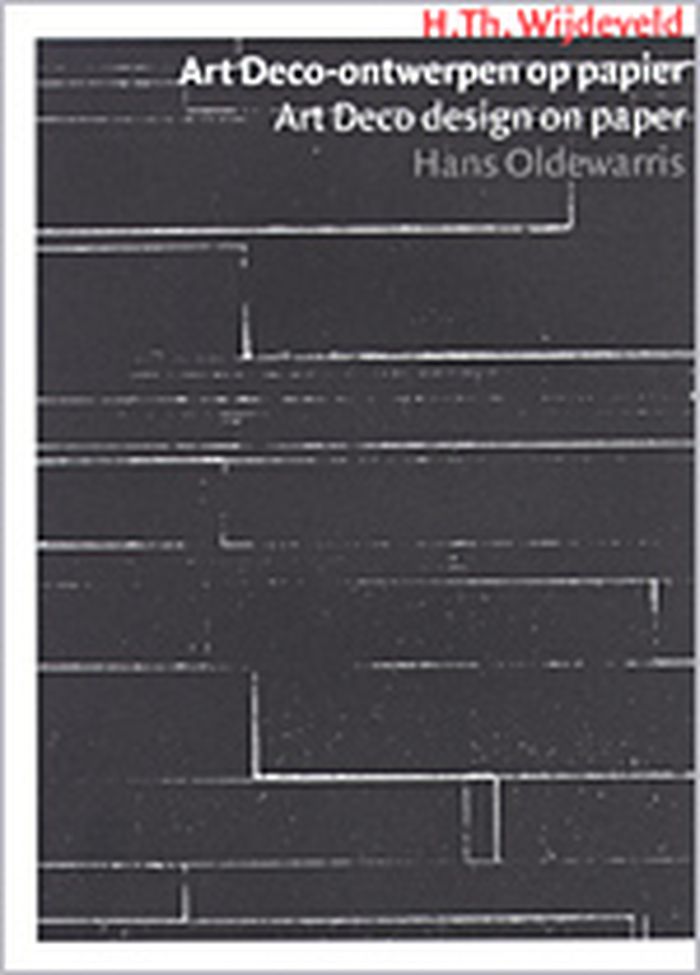
H. Th. Wijdeveld : Art Deco design on paper
Actions:
Price:
$24.00
(available to order)
Summary:
Although an architect by profession, H.Th. Wijdeveld (1885-1987) is best known for Wendingen, the 'magazine for the decorative arts and architecture' founded by him in 1918. One of the peaks of Wendingen was the series devoted to the work of the American architect Frank Lloyd Wright, for which Wijdeveld designed everything himself. Its graphic design caused a sensation and soon spawned a school of 'Wijdeveld typography'. Typical features of his designs are the game played with brass rules taken from the type case and stacked together to form letters, and the page layout in lines and blocks, what his contemporaries called 'typographical brickwork'. This publication, which accompanied an exhibition in Museum Meermanno (The Hague) devoted to his typography, features all the exhibits - posters, books and other graphic work by Wijdeveld himself and that of several of his successors, notably Anton Kurvers. Design by Piet Gerards.
H. Th. Wijdeveld : Art Deco design on paper
Actions:
Price:
$24.00
(available to order)
Summary:
Although an architect by profession, H.Th. Wijdeveld (1885-1987) is best known for Wendingen, the 'magazine for the decorative arts and architecture' founded by him in 1918. One of the peaks of Wendingen was the series devoted to the work of the American architect Frank Lloyd Wright, for which Wijdeveld designed everything himself. Its graphic design caused a sensation and soon spawned a school of 'Wijdeveld typography'. Typical features of his designs are the game played with brass rules taken from the type case and stacked together to form letters, and the page layout in lines and blocks, what his contemporaries called 'typographical brickwork'. This publication, which accompanied an exhibition in Museum Meermanno (The Hague) devoted to his typography, features all the exhibits - posters, books and other graphic work by Wijdeveld himself and that of several of his successors, notably Anton Kurvers. Design by Piet Gerards.
Form:
books
books
Publication:
May 2003, Rotterdam
May 2003, Rotterdam
Subject:
Graphic Designers, Monographs
Graphic Designers, Monographs
Form:
books
books

Actions:
Price:
$99.95
(available to order)
Summary:
This book brings together, for the first time, the entire Private Scenes photographic series in which we discover a new dimension of the work of Masahisa Fukase, that of the artist struggling with his medium. This singular corpus is made up of images in which the artist inserts himself. The series is made up of two sets: Letters from Journeys which presents photographs(...)
$99.95
(available to order)
Summary:
This book brings together, for the first time, the entire Private Scenes photographic series in which we discover a new dimension of the work of Masahisa Fukase, that of the artist struggling with his medium. This singular corpus is made up of images in which the artist inserts himself. The series is made up of two sets: Letters from Journeys which presents photographs(...)
Title:
Masahisa Fukase : Private scenes
Actions:
Price:
$99.95
(available to order)
Summary:
This book brings together, for the first time, the entire Private Scenes photographic series in which we discover a new dimension of the work of Masahisa Fukase, that of the artist struggling with his medium. This singular corpus is made up of images in which the artist inserts himself. The series is made up of two sets: Letters from Journeys which presents photographs taken in 1989 in different cities around the world (Paris, London, Brussels, Antwerp, etc.), and Private Scenes '92 which focuses on his daily life in Tokyo, where now each print is enhanced with color paints, thus becoming a unique work. This final series bears witness to Fukase's questions about his own practice of photography at the end of his life, and the place of the photographer in his work, when subject and object overlap, also evoking the current practice of the selfie.
Masahisa Fukase : Private scenes
Actions:
Price:
$99.95
(available to order)
Summary:
This book brings together, for the first time, the entire Private Scenes photographic series in which we discover a new dimension of the work of Masahisa Fukase, that of the artist struggling with his medium. This singular corpus is made up of images in which the artist inserts himself. The series is made up of two sets: Letters from Journeys which presents photographs taken in 1989 in different cities around the world (Paris, London, Brussels, Antwerp, etc.), and Private Scenes '92 which focuses on his daily life in Tokyo, where now each print is enhanced with color paints, thus becoming a unique work. This final series bears witness to Fukase's questions about his own practice of photography at the end of his life, and the place of the photographer in his work, when subject and object overlap, also evoking the current practice of the selfie.
Form:
books
books
Publication:
June 2023
June 2023
Subject:
Photography monographs
Photography monographs
Form:
books
books
Actions:
Price:
$36.95
(available to order)
Summary:
The follow-up to the celebrated Wanderers, Kerri Andrews’s ''Way makers'' is the first anthology of women’s writing about walking. Moving from Elizabeth Carter’s correspondence with Catherine Talbot in the eighteenth century through to Merryn Glover in the present day, and across poetry, letters, diaries, novels, and more, this anthology traces a long tradition of women’s(...)
$36.95
(available to order)
Summary:
The follow-up to the celebrated Wanderers, Kerri Andrews’s ''Way makers'' is the first anthology of women’s writing about walking. Moving from Elizabeth Carter’s correspondence with Catherine Talbot in the eighteenth century through to Merryn Glover in the present day, and across poetry, letters, diaries, novels, and more, this anthology traces a long tradition of women’s(...)
Title:
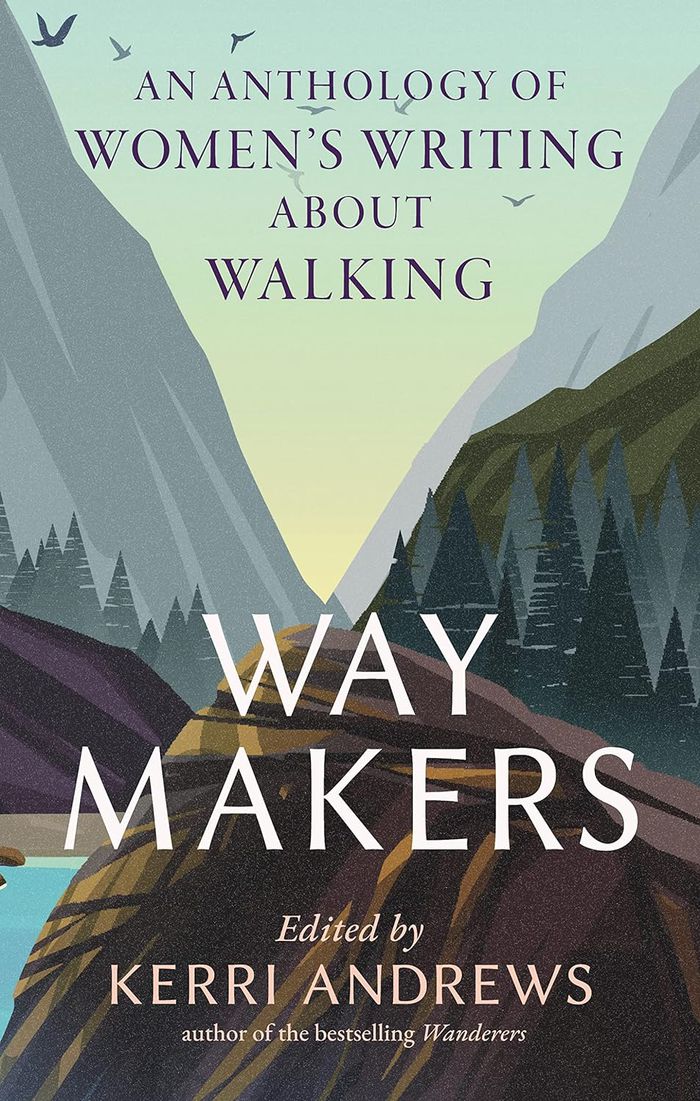
Waymakers: An anthology of women's writing about walking
Actions:
Price:
$36.95
(available to order)
Summary:
The follow-up to the celebrated Wanderers, Kerri Andrews’s ''Way makers'' is the first anthology of women’s writing about walking. Moving from Elizabeth Carter’s correspondence with Catherine Talbot in the eighteenth century through to Merryn Glover in the present day, and across poetry, letters, diaries, novels, and more, this anthology traces a long tradition of women’s walking literature. Walking is, for the women included in this anthology, a source of creativity and comfort; it is a means of expressing grief, longing, and desire. It is also a complicated activity: it represents freedom but is also sometimes tinged with danger and fear. What cannot be denied any longer is that walking was, and continues to be, an activity full of physical and emotional significance for women: this anthology is a testament to the rich literary heritage created by generations of women walker-writers over the centuries.
Waymakers: An anthology of women's writing about walking
Actions:
Price:
$36.95
(available to order)
Summary:
The follow-up to the celebrated Wanderers, Kerri Andrews’s ''Way makers'' is the first anthology of women’s writing about walking. Moving from Elizabeth Carter’s correspondence with Catherine Talbot in the eighteenth century through to Merryn Glover in the present day, and across poetry, letters, diaries, novels, and more, this anthology traces a long tradition of women’s walking literature. Walking is, for the women included in this anthology, a source of creativity and comfort; it is a means of expressing grief, longing, and desire. It is also a complicated activity: it represents freedom but is also sometimes tinged with danger and fear. What cannot be denied any longer is that walking was, and continues to be, an activity full of physical and emotional significance for women: this anthology is a testament to the rich literary heritage created by generations of women walker-writers over the centuries.
Form:
books
books
Publication:
November 2023
November 2023
Subject:
Journeys
Journeys
Form:
journals and magazines
journals and magazines

Actions:
Price:
$15.00
(available to order)
Summary:
"With every step forward we leave a backward trace. A footprint in wet sand is ephemeral but photographs fill a drawer and linger and haunt us; letters and journals call out to be read. We don’t really want our lives and the activities and objects that filled them to be lost and forgotten. Not really. It is our sop against oblivion, and out of our desire to be in the(...)
$15.00
(available to order)
Summary:
"With every step forward we leave a backward trace. A footprint in wet sand is ephemeral but photographs fill a drawer and linger and haunt us; letters and journals call out to be read. We don’t really want our lives and the activities and objects that filled them to be lost and forgotten. Not really. It is our sop against oblivion, and out of our desire to be in the(...)
Title:
Bordercrossings 167: the archive
Actions:
Price:
$15.00
(available to order)
Summary:
"With every step forward we leave a backward trace. A footprint in wet sand is ephemeral but photographs fill a drawer and linger and haunt us; letters and journals call out to be read. We don’t really want our lives and the activities and objects that filled them to be lost and forgotten. Not really. It is our sop against oblivion, and out of our desire to be in the company of others that we store and sort and arrange the material evidence of our having been here. The ordering of these artifacts brings sense and coherence to lives that seem fleeting and without conclusive purpose. Our collections—whatever it is that composes them—take an almost imitative corporeal form that we feel may represent us as we are and have been. I am here; this is what I have done; my accomplishments have been assembled and are shown. An Archive."
Bordercrossings 167: the archive
Actions:
Price:
$15.00
(available to order)
Summary:
"With every step forward we leave a backward trace. A footprint in wet sand is ephemeral but photographs fill a drawer and linger and haunt us; letters and journals call out to be read. We don’t really want our lives and the activities and objects that filled them to be lost and forgotten. Not really. It is our sop against oblivion, and out of our desire to be in the company of others that we store and sort and arrange the material evidence of our having been here. The ordering of these artifacts brings sense and coherence to lives that seem fleeting and without conclusive purpose. Our collections—whatever it is that composes them—take an almost imitative corporeal form that we feel may represent us as we are and have been. I am here; this is what I have done; my accomplishments have been assembled and are shown. An Archive."
Form:
journals and magazines
journals and magazines
Publication:
May 2025
May 2025
Subject:
Magazines
Magazines
Form:
books
books
Actions:
Price:
$74.95
(available to order)
Summary:
Many provincial towns in Britain grew dramatically in size and importance in the eighteenth century. Ports such as Glasgow and Liverpool greatly expanded, while industrial centers such as Birmingham and Manchester flourished. Market towns outside London developed as commercial centers or as specialty destinations: visitors could find spa treatments in Bath, horse racing(...)
$74.95
(available to order)
Summary:
Many provincial towns in Britain grew dramatically in size and importance in the eighteenth century. Ports such as Glasgow and Liverpool greatly expanded, while industrial centers such as Birmingham and Manchester flourished. Market towns outside London developed as commercial centers or as specialty destinations: visitors could find spa treatments in Bath, horse racing(...)
Title:
Town: prints and drawings of Britain before 1800
Actions:
Price:
$74.95
(available to order)
Summary:
Many provincial towns in Britain grew dramatically in size and importance in the eighteenth century. Ports such as Glasgow and Liverpool greatly expanded, while industrial centers such as Birmingham and Manchester flourished. Market towns outside London developed as commercial centers or as specialty destinations: visitors could find spa treatments in Bath, horse racing in Newmarket, and naval services in Portsmouth. Containing more than one hundred images of country towns in England, Wales, and Scotland, this book draws on the extensive Gough collection in the Bodleian Library. Contemporary prints and drawings provide a powerful visual record of the development of the town in this period, and finely drawn prospects and maps—made with greater accuracy than ever before—reveal their early development. This book also includes perceptive observations from the journals and letters of collector Richard Gough (1735–1809), who traveled throughout the country on the cusp of the industrial age.
Town: prints and drawings of Britain before 1800
Actions:
Price:
$74.95
(available to order)
Summary:
Many provincial towns in Britain grew dramatically in size and importance in the eighteenth century. Ports such as Glasgow and Liverpool greatly expanded, while industrial centers such as Birmingham and Manchester flourished. Market towns outside London developed as commercial centers or as specialty destinations: visitors could find spa treatments in Bath, horse racing in Newmarket, and naval services in Portsmouth. Containing more than one hundred images of country towns in England, Wales, and Scotland, this book draws on the extensive Gough collection in the Bodleian Library. Contemporary prints and drawings provide a powerful visual record of the development of the town in this period, and finely drawn prospects and maps—made with greater accuracy than ever before—reveal their early development. This book also includes perceptive observations from the journals and letters of collector Richard Gough (1735–1809), who traveled throughout the country on the cusp of the industrial age.
Form:
books
books
Publication:
February 2021
February 2021
Subject:
History until 1900, Great Britain
History until 1900, Great Britain
Form:
books
books
Actions:
Price:
$76.50
(available to order)
Summary:
Ludwig Wittgenstein’s way to the Tractatus Logico-Philosophicus, one of the ground-breaking works in the history of philosophy, can rightly be termed an Odyssey. Both in terms of his movements and his intellectual development in the course of writing it, the Tractatus incorporated an exciting, improbable journey. A compendium of scholars has come together at the 100th(...)
$76.50
(available to order)
Summary:
Ludwig Wittgenstein’s way to the Tractatus Logico-Philosophicus, one of the ground-breaking works in the history of philosophy, can rightly be termed an Odyssey. Both in terms of his movements and his intellectual development in the course of writing it, the Tractatus incorporated an exciting, improbable journey. A compendium of scholars has come together at the 100th(...)
Title:
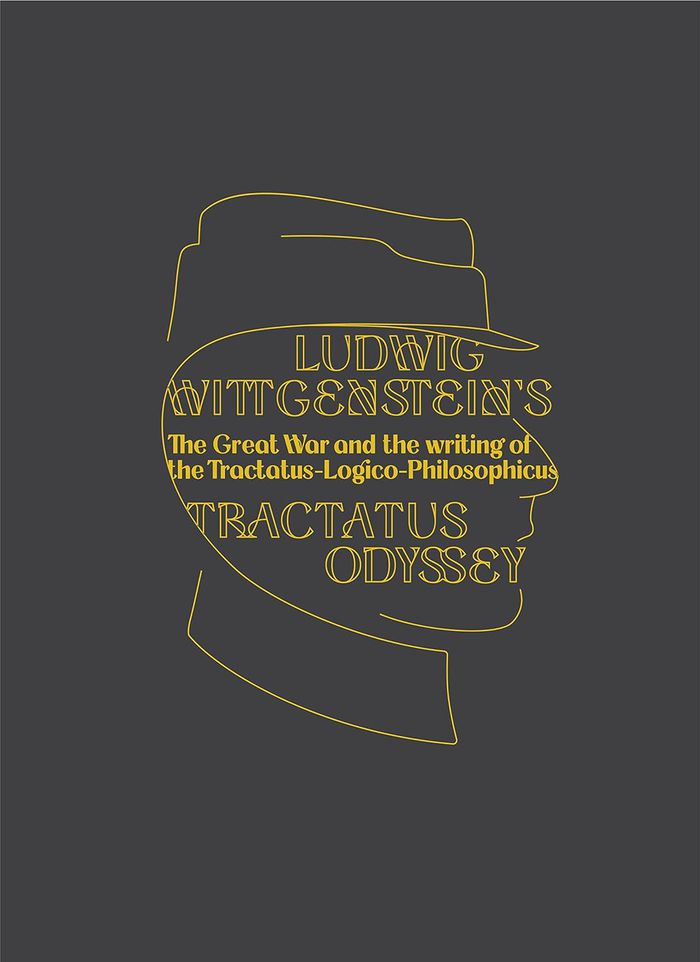
Ludwig Wittgenstein's Tractatus Odyssey
Actions:
Price:
$76.50
(available to order)
Summary:
Ludwig Wittgenstein’s way to the Tractatus Logico-Philosophicus, one of the ground-breaking works in the history of philosophy, can rightly be termed an Odyssey. Both in terms of his movements and his intellectual development in the course of writing it, the Tractatus incorporated an exciting, improbable journey. A compendium of scholars has come together at the 100th anniversary of the work’s first official publication in 1922 to detail the main stations in Wittgenstein’s life that would entirely transform philosophy. The years 1912 to 1922 are illuminated through photos, military maps, and letters against the backdrop of one of the most dramatic periods in world history. The complex theory of language developed by Wittgenstein In the Tractatus had an enormous influence not only on philosophy, but extended also to literature, music, film, painting, architecture, anthropology, and economics. Its uniqueness and rigor challenge our perceptions to this day.
Ludwig Wittgenstein's Tractatus Odyssey
Actions:
Price:
$76.50
(available to order)
Summary:
Ludwig Wittgenstein’s way to the Tractatus Logico-Philosophicus, one of the ground-breaking works in the history of philosophy, can rightly be termed an Odyssey. Both in terms of his movements and his intellectual development in the course of writing it, the Tractatus incorporated an exciting, improbable journey. A compendium of scholars has come together at the 100th anniversary of the work’s first official publication in 1922 to detail the main stations in Wittgenstein’s life that would entirely transform philosophy. The years 1912 to 1922 are illuminated through photos, military maps, and letters against the backdrop of one of the most dramatic periods in world history. The complex theory of language developed by Wittgenstein In the Tractatus had an enormous influence not only on philosophy, but extended also to literature, music, film, painting, architecture, anthropology, and economics. Its uniqueness and rigor challenge our perceptions to this day.
Form:
books
books
Publication:
November 2021
November 2021
Subject:
Critical Theory
Critical Theory
Form:
books
books
Price:
$24.95
(available in store)
Summary:
In this book, Leah Laksmi Piepzna-Samarasinha asks some provocative questions: What if, in the near future, the majority of people will be disabled - and what if that's not a bad thing? And what if disability justice and disabled wisdom are crucial to creating a future in which it's possible to survive fascism, climate change, and pandemics and to bring about liberation?(...)
$24.95
(available in store)
Summary:
In this book, Leah Laksmi Piepzna-Samarasinha asks some provocative questions: What if, in the near future, the majority of people will be disabled - and what if that's not a bad thing? And what if disability justice and disabled wisdom are crucial to creating a future in which it's possible to survive fascism, climate change, and pandemics and to bring about liberation?(...)
Title:
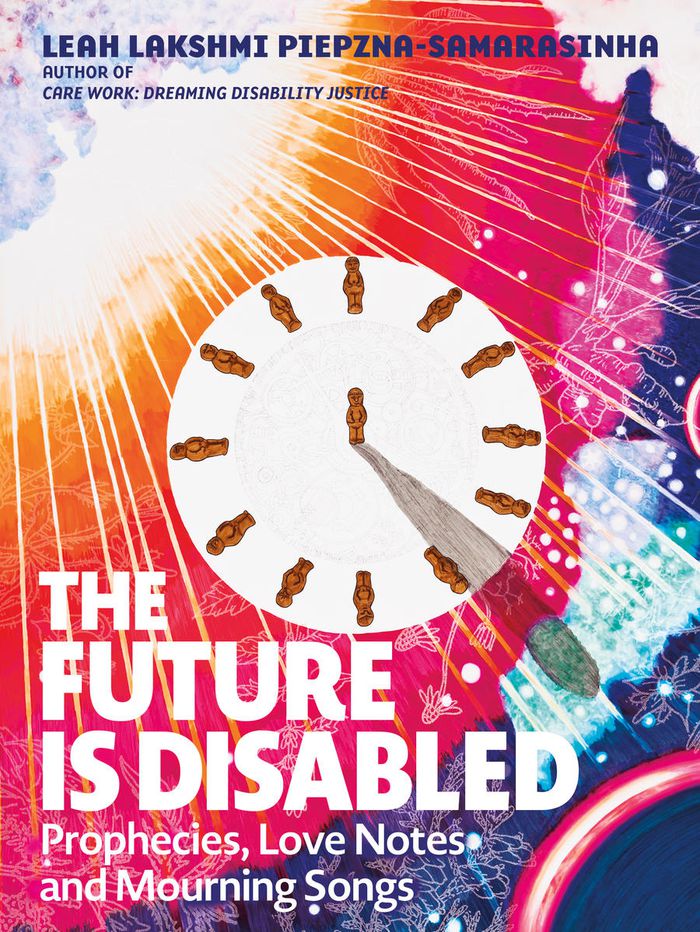
The future is disabled: Prophecies, love notes and mourning songs
Actions:
Price:
$24.95
(available in store)
Summary:
In this book, Leah Laksmi Piepzna-Samarasinha asks some provocative questions: What if, in the near future, the majority of people will be disabled - and what if that's not a bad thing? And what if disability justice and disabled wisdom are crucial to creating a future in which it's possible to survive fascism, climate change, and pandemics and to bring about liberation? Written over the course of two years of disabled isolation during the pandemic, this is a book of love letters to other disabled QTBIPOC (and those concerned about disability justice, the care crisis, and surviving the apocalypse); honour songs for kin who are gone; recipes for survival; questions and real talk about care, organizing, disabled families, and kin networks and communities; and wild brown disabled femme joy in the face of death. With passion and power, the book remembers our dead and insists on our future.
The future is disabled: Prophecies, love notes and mourning songs
Actions:
Price:
$24.95
(available in store)
Summary:
In this book, Leah Laksmi Piepzna-Samarasinha asks some provocative questions: What if, in the near future, the majority of people will be disabled - and what if that's not a bad thing? And what if disability justice and disabled wisdom are crucial to creating a future in which it's possible to survive fascism, climate change, and pandemics and to bring about liberation? Written over the course of two years of disabled isolation during the pandemic, this is a book of love letters to other disabled QTBIPOC (and those concerned about disability justice, the care crisis, and surviving the apocalypse); honour songs for kin who are gone; recipes for survival; questions and real talk about care, organizing, disabled families, and kin networks and communities; and wild brown disabled femme joy in the face of death. With passion and power, the book remembers our dead and insists on our future.
Form:
books
books
Publication:
October 2022
October 2022
Subject:
Social
Social
Form:
books
books
Title:
Terra-Dome.
Terra-Dome.
Actions:
Holdings:
Description:
1 portfolio (11 items) : illustrations, plans ; 30 cm or smaller
Description:
1 portfolio (11 items) : illustrations, plans ; 30 cm or smaller
Author:
Subject:
Publication:
[Independence, Missouri] : [Terra-Dome Corporation], [1984?]
[Independence, Missouri] : [Terra-Dome Corporation], [1984?]
Title:
Terra-Dome.
Actions:
Holdings:
Description:
1 portfolio (11 items) : illustrations, plans ; 30 cm or smaller
Terra-Dome.
Actions:
Holdings:
Description:
1 portfolio (11 items) : illustrations, plans ; 30 cm or smaller
Form:
books
books
Publication:
[Independence, Missouri] : [Terra-Dome Corporation], [1984?]
[Independence, Missouri] : [Terra-Dome Corporation], [1984?]
Author:
Subject:
Form:
archives
archives
Holdings:
Description:
5 items : illustrations (some color) ; 31 cm
Description:
5 items : illustrations (some color) ; 31 cm
Author:
Subject:
Title:
Wood of Finland Competition : competition documents, 1996.
Actions:
Holdings:
Description:
5 items : illustrations (some color) ; 31 cm
Wood of Finland Competition : competition documents, 1996.
Actions:
Holdings:
Description:
5 items : illustrations (some color) ; 31 cm
Form:
archives
archives
Author:
Subject:
Form:
books
books
Actions:
Holdings:
Description:
244 pages : illustrations ; 24 x 26 cm
Description:
244 pages : illustrations ; 24 x 26 cm
Author:
Subject:
Publication:
Basel [Switzerland] ; Boston : Birkhäuser Verlag, 1987.
Basel [Switzerland] ; Boston : Birkhäuser Verlag, 1987.
Title:
Transitions in engineering : Guillaume Henri Dufour and the early 19th century cable suspension bridges / Tom F. Peters ; with a foreword by Andŕe Corboz.
Actions:
Holdings:
Description:
244 pages : illustrations ; 24 x 26 cm
Transitions in engineering : Guillaume Henri Dufour and the early 19th century cable suspension bridges / Tom F. Peters ; with a foreword by Andŕe Corboz.
Actions:
Holdings:
Description:
244 pages : illustrations ; 24 x 26 cm
Form:
books
books
Publication:
Basel [Switzerland] ; Boston : Birkhäuser Verlag, 1987.
Basel [Switzerland] ; Boston : Birkhäuser Verlag, 1987.
Author:
Subject:


