


2879 Results
Form:
books
books
Title:
Architecture and dystopia
Architecture and dystopia
Actions:
Price:
$45.00
(available to order)
Summary:
As a response to the profound crisis of Western culture the emerged in the 1960s, radical artists from Italy, Austria, England and Japan called into question the foundations of modernist utopias. They transmuted the difficulties of capitalism into a repertory of startling images that revealed the disturbing realities of consumer society, even in those places still(...)
$45.00
(available to order)
Summary:
As a response to the profound crisis of Western culture the emerged in the 1960s, radical artists from Italy, Austria, England and Japan called into question the foundations of modernist utopias. They transmuted the difficulties of capitalism into a repertory of startling images that revealed the disturbing realities of consumer society, even in those places still(...)
Title:
Architecture and dystopia
Actions:
Price:
$45.00
(available to order)
Summary:
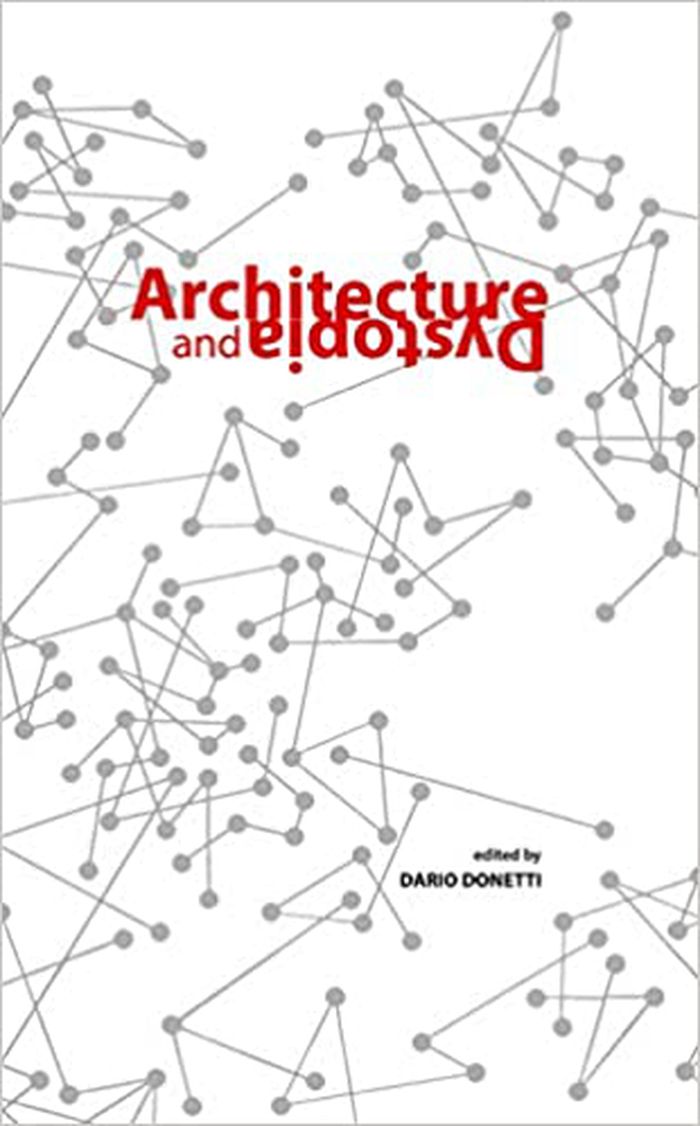
As a response to the profound crisis of Western culture the emerged in the 1960s, radical artists from Italy, Austria, England and Japan called into question the foundations of modernist utopias. They transmuted the difficulties of capitalism into a repertory of startling images that revealed the disturbing realities of consumer society, even in those places still resistant to the penetration of modern architecture, such as Superstudio and Archizoom’s Florence. Their model, though exhausted in the space of experimentation, went on to inspire a generation of architects, from the High Tech movement to Rem Koolhaas.. In the light of these examples, how to define a unified 'dystopian' method of design, i.e. a common ground for an architecture that, by its very nature, seems to resist systematization? Are the most recognizable architectural expressions of this theoretical framework — characterized by brazen displays of technology and structures of overwhelming scale — merely isolated cases, albeit of particular iconic power? Or do they belong to a wider landscape of antirational architectural projects? And to what extent are these disturbing expressions premised on the utopian tradition or, better yet, the conceptual model of 'negative thought'? The goal of this book is to respond to such questions, thus initiating an open dialogue about the legitimacy of this critical category.
Architecture and dystopia
Actions:
Price:
$45.00
(available to order)
Summary:
As a response to the profound crisis of Western culture the emerged in the 1960s, radical artists from Italy, Austria, England and Japan called into question the foundations of modernist utopias. They transmuted the difficulties of capitalism into a repertory of startling images that revealed the disturbing realities of consumer society, even in those places still resistant to the penetration of modern architecture, such as Superstudio and Archizoom’s Florence. Their model, though exhausted in the space of experimentation, went on to inspire a generation of architects, from the High Tech movement to Rem Koolhaas.. In the light of these examples, how to define a unified 'dystopian' method of design, i.e. a common ground for an architecture that, by its very nature, seems to resist systematization? Are the most recognizable architectural expressions of this theoretical framework — characterized by brazen displays of technology and structures of overwhelming scale — merely isolated cases, albeit of particular iconic power? Or do they belong to a wider landscape of antirational architectural projects? And to what extent are these disturbing expressions premised on the utopian tradition or, better yet, the conceptual model of 'negative thought'? The goal of this book is to respond to such questions, thus initiating an open dialogue about the legitimacy of this critical category.
Form:
books
books
Publication:
December 2019
December 2019
Subject:
Architectural Theory
Architectural Theory
Form:
books
books
Actions:
Price:
$29.95
(available to order)
Summary:
This publication introduces the reader to the basics of architecture so they can gain everything they need to know in order to "talk about" this topic. It provides the general public with the keys to understanding architecture from the twentieth and twenty-first centuries, and simultaneously recalls the great edifices of earlier eras. The work is broken down into chapters(...)
$29.95
(available to order)
Summary:
This publication introduces the reader to the basics of architecture so they can gain everything they need to know in order to "talk about" this topic. It provides the general public with the keys to understanding architecture from the twentieth and twenty-first centuries, and simultaneously recalls the great edifices of earlier eras. The work is broken down into chapters(...)
Title:
Talk about contemporary architecture
Actions:
Price:
$29.95
(available to order)
Summary:
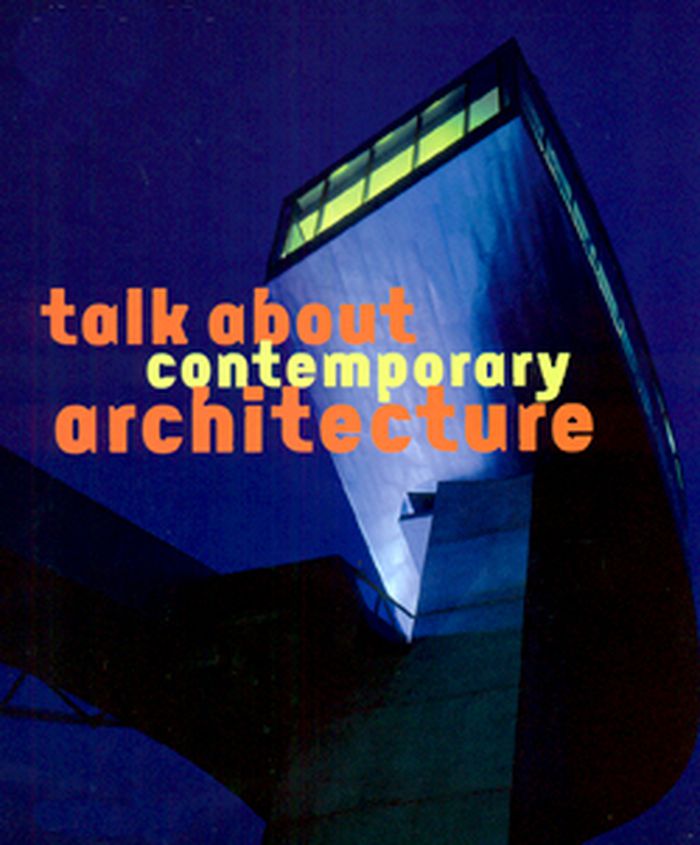
This publication introduces the reader to the basics of architecture so they can gain everything they need to know in order to "talk about" this topic. It provides the general public with the keys to understanding architecture from the twentieth and twenty-first centuries, and simultaneously recalls the great edifices of earlier eras. The work is broken down into chapters that decipher a diverse range of essential concepts and answer the fundamental questions on the subject: What is contemporary architecture? When did it arise? What is its purpose? What are its newest innovations? Who are the leading architects and their most significant contributions? How can different styles be recognized? The answers to all of these questions are explained in clear and engaging text, guiding the reader to appreciate this art form that pervades all public spaces and is of universal interest. Designed as an accessible introduction, this work highlights thirty essential dates that changed the face of architecture, as well as the movers and shakers of the architecture world who have initiated and propelled movements ranging from minimalism to modernism to neo-classicism. The book is completed by a detailed chronology and a glossary of the essential vocabulary needed to talk about architecture.
Talk about contemporary architecture
Actions:
Price:
$29.95
(available to order)
Summary:
This publication introduces the reader to the basics of architecture so they can gain everything they need to know in order to "talk about" this topic. It provides the general public with the keys to understanding architecture from the twentieth and twenty-first centuries, and simultaneously recalls the great edifices of earlier eras. The work is broken down into chapters that decipher a diverse range of essential concepts and answer the fundamental questions on the subject: What is contemporary architecture? When did it arise? What is its purpose? What are its newest innovations? Who are the leading architects and their most significant contributions? How can different styles be recognized? The answers to all of these questions are explained in clear and engaging text, guiding the reader to appreciate this art form that pervades all public spaces and is of universal interest. Designed as an accessible introduction, this work highlights thirty essential dates that changed the face of architecture, as well as the movers and shakers of the architecture world who have initiated and propelled movements ranging from minimalism to modernism to neo-classicism. The book is completed by a detailed chronology and a glossary of the essential vocabulary needed to talk about architecture.
Form:
books
books
Publication:
April 2010
April 2010
Subject:
Contemporary Architecture
Contemporary Architecture
Form:
books
books
Title:
Dan Graham
Dan Graham
Actions:
Price:
$59.95
(available to order)
Summary:
Dan Graham is among the most influential of the Conceptual artists who emerged in America during the mid 1960s. A pioneer in performance and video art in the 1970s, Graham later turned his attention to architectural projects designed for social interaction in public spaces, among them The Children’s Pavilion (1989) with Jeff Wall. Writing has always been a major aspect(...)
$59.95
(available to order)
Summary:
Dan Graham is among the most influential of the Conceptual artists who emerged in America during the mid 1960s. A pioneer in performance and video art in the 1970s, Graham later turned his attention to architectural projects designed for social interaction in public spaces, among them The Children’s Pavilion (1989) with Jeff Wall. Writing has always been a major aspect(...)
Subject:
Contemporary Art Monographs
Contemporary Art Monographs
Publication:
May 2001, London
May 2001, London
Title:
Dan Graham
Actions:
Price:
$59.95
(available to order)
Summary:
Dan Graham is among the most influential of the Conceptual artists who emerged in America during the mid 1960s. A pioneer in performance and video art in the 1970s, Graham later turned his attention to architectural projects designed for social interaction in public spaces, among them The Children’s Pavilion (1989) with Jeff Wall. Writing has always been a major aspect of Graham’s work. His texts range from early Conceptual art pieces inserted in mass-market magazines, to writing on his fellow artists, to analyses of popular culture, from Dean Martin to the post-Punk era. Well-known also among architects and urban theorists, during the 1990s Graham has been offered major public commissions throughout North America and Europe. London-based curator Mark Francis discusses with the artist how his public participation-based work has evolved. Brussels-based critic Birgit Pelzer draws on her extensive knowledge of Graham’s work and writings. New York-based architectural theorist Beatriz Colomina focuses on Graham’s Alteration to a Suburban House (1978). The artist has chosen an extract from the science fiction novel Ubik by Philip K Dick, whose writings were a formative influence. A substantial Artist’s Writings section, key to understanding Dan Graham, completes the book.
Dan Graham
Actions:
Price:
$59.95
(available to order)
Summary:
Dan Graham is among the most influential of the Conceptual artists who emerged in America during the mid 1960s. A pioneer in performance and video art in the 1970s, Graham later turned his attention to architectural projects designed for social interaction in public spaces, among them The Children’s Pavilion (1989) with Jeff Wall. Writing has always been a major aspect of Graham’s work. His texts range from early Conceptual art pieces inserted in mass-market magazines, to writing on his fellow artists, to analyses of popular culture, from Dean Martin to the post-Punk era. Well-known also among architects and urban theorists, during the 1990s Graham has been offered major public commissions throughout North America and Europe. London-based curator Mark Francis discusses with the artist how his public participation-based work has evolved. Brussels-based critic Birgit Pelzer draws on her extensive knowledge of Graham’s work and writings. New York-based architectural theorist Beatriz Colomina focuses on Graham’s Alteration to a Suburban House (1978). The artist has chosen an extract from the science fiction novel Ubik by Philip K Dick, whose writings were a formative influence. A substantial Artist’s Writings section, key to understanding Dan Graham, completes the book.
Form:
books
books
Publication:
May 2001, London
May 2001, London
Subject:
Contemporary Art Monographs
Contemporary Art Monographs
Form:
books
books
Actions:
Price:
$56.95
(available to order)
Summary:
How do we live well? The first sentence of ''Grace and gravity'' raises the fundamental question that constantly occupies our minds-and of all those who lived before us. Paradoxically, the impossibility of answering this question opens up the very room needed to find ways of living well. It is the gap where all disciplines fall short, where architecture does not fit its(...)
$56.95
(available to order)
Summary:
How do we live well? The first sentence of ''Grace and gravity'' raises the fundamental question that constantly occupies our minds-and of all those who lived before us. Paradoxically, the impossibility of answering this question opens up the very room needed to find ways of living well. It is the gap where all disciplines fall short, where architecture does not fit its(...)
Title:
Grace and gravity: Architectures of the figure
Actions:
Price:
$56.95
(available to order)
Summary:
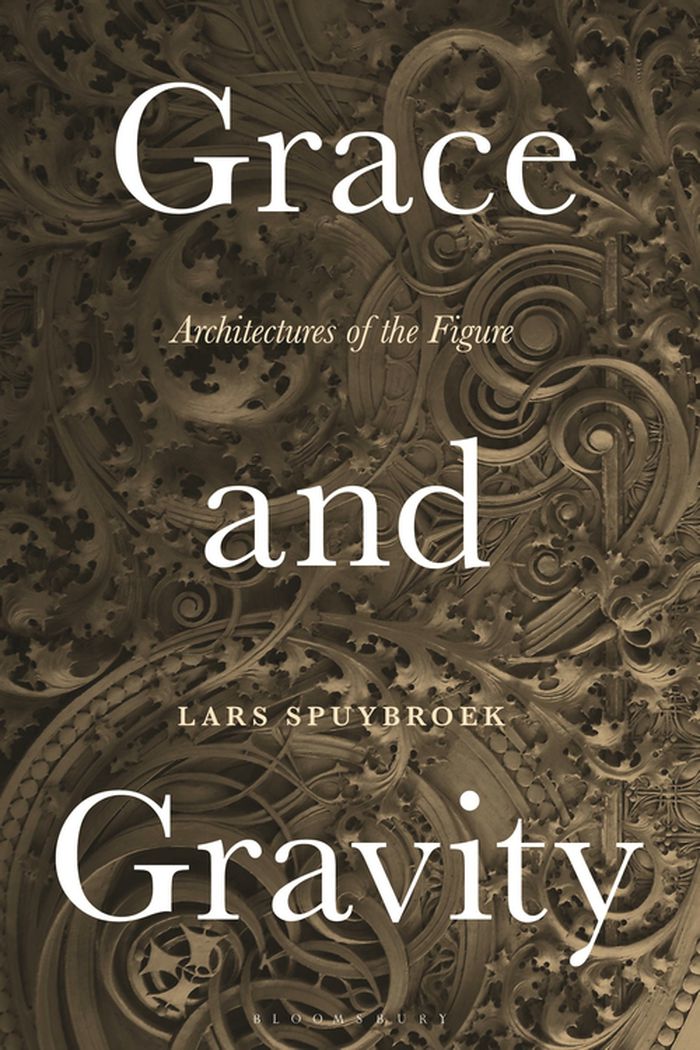
How do we live well? The first sentence of ''Grace and gravity'' raises the fundamental question that constantly occupies our minds-and of all those who lived before us. Paradoxically, the impossibility of answering this question opens up the very room needed to find ways of living well. It is the gap where all disciplines fall short, where architecture does not fit its inhabitants, where economy is not based on shortage, where religion cannot be explained by its followers, and where technology works far beyond its own principles. According to Lars Spuybroek, the prize-winning former architect, this marks the point where the “paradoxical machine” of grace reveals its powers, a point where we “cannot say if we are moving or being moved”. Following the trail of grace leads him to a new form of analysis that transcends the age-old opposition between appearances and technology. Linking up a dazzling and often delightful variety of sources-monkeys, paintings, lamp posts, octopuses, tattoos, bleeding fingers, rose windows, robots, smart phones, spirits, saints, and fossils-with profound meditations on living, death, consciousness, and existence, ''Grace and gravity'' offers an eye-opening provocation to a wide range of art historians, architects, theologians, anthropologists, artists, media theorists and philosophers.
Grace and gravity: Architectures of the figure
Actions:
Price:
$56.95
(available to order)
Summary:
How do we live well? The first sentence of ''Grace and gravity'' raises the fundamental question that constantly occupies our minds-and of all those who lived before us. Paradoxically, the impossibility of answering this question opens up the very room needed to find ways of living well. It is the gap where all disciplines fall short, where architecture does not fit its inhabitants, where economy is not based on shortage, where religion cannot be explained by its followers, and where technology works far beyond its own principles. According to Lars Spuybroek, the prize-winning former architect, this marks the point where the “paradoxical machine” of grace reveals its powers, a point where we “cannot say if we are moving or being moved”. Following the trail of grace leads him to a new form of analysis that transcends the age-old opposition between appearances and technology. Linking up a dazzling and often delightful variety of sources-monkeys, paintings, lamp posts, octopuses, tattoos, bleeding fingers, rose windows, robots, smart phones, spirits, saints, and fossils-with profound meditations on living, death, consciousness, and existence, ''Grace and gravity'' offers an eye-opening provocation to a wide range of art historians, architects, theologians, anthropologists, artists, media theorists and philosophers.
Form:
books
books
Publication:
November 2020
November 2020
Subject:
Architectural Theory
Architectural Theory
Form:
books
books
Title:
Judging architectural value
Judging architectural value
Actions:
Price:
$24.95
(available to order)
Summary:
When it comes to determining the relative quality of architecture, who is best equipped to make the distinctions? Is it the public who lives in and among the buildings? The people who commission and pay for the buildings? Art historians? Or architects themselves? These provocative essays take up the questions of what people value in architecture and how changing(...)
$24.95
(available to order)
Summary:
When it comes to determining the relative quality of architecture, who is best equipped to make the distinctions? Is it the public who lives in and among the buildings? The people who commission and pay for the buildings? Art historians? Or architects themselves? These provocative essays take up the questions of what people value in architecture and how changing(...)
Subject:
Architectural Theory
Architectural Theory
Publication:
April 2007, Mineapolis London
April 2007, Mineapolis London
Title:
Judging architectural value
Actions:
Price:
$24.95
(available to order)
Summary:
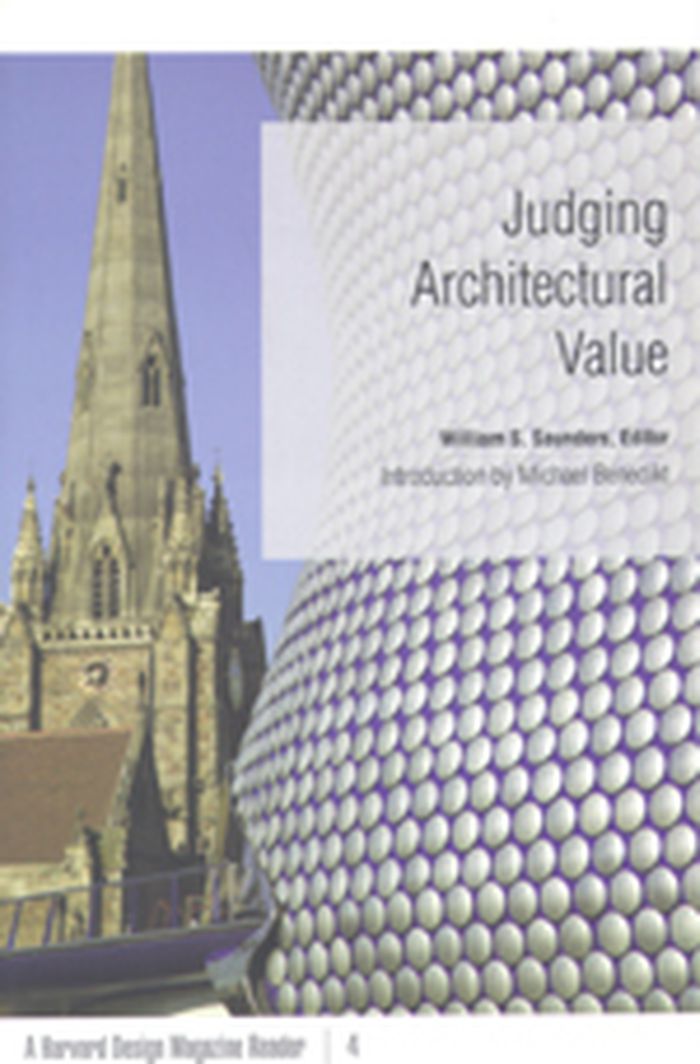
When it comes to determining the relative quality of architecture, who is best equipped to make the distinctions? Is it the public who lives in and among the buildings? The people who commission and pay for the buildings? Art historians? Or architects themselves? These provocative essays take up the questions of what people value in architecture and how changing values influence opinions about it. In the intriguing opening essay, Michael Benedikt makes an argument for the role of architects in the delineation of value in architecture. He discusses the differences between icon and canon, a theme threaded through many of the essays. In addition to unexpected analyses of buildings such as Eero Saarinen’s Gateway Arch in St. Louis, Paul Rudolph’s Art and Architecture Building at Yale University, and the work of Antoni Gaudí and Frank Gehry, the collection includes a clear-eyed look at the role of architecture in addressing social problems. Ultimately, these essays assert that judging architecture requires more than a refined sensibility. Buildings also need to be evaluated by their impact on the people living within and around them. Contributors: John Beardsley, Harvard Design School; Michael Benedikt, U of Texas, Austin; Tim Culvahouse, California College of the Arts; Lisa Finley, California College of the Arts; Kurt W. Forster, Bauhaus-Universität, Weimar, Germany; Kenneth Frampton, Columbia U; Diane Ghirardo, U of Southern California; Charles Jencks; David Leatherbarrow, U of Pennsylvania; Nancy Levinson; Hélène Lipstadt; Juhani Pallasmaa, Helsinki U of Technology; Timothy M. Rohan, U of Massachusetts, Amherst; Roger Scruton; Daniel Willis, Pennsylvania State U. William S. Saunders is editor of Harvard Design Magazine and assistant dean for external relations at Harvard University’s Graduate School of Design. He is the author of Modern Architecture: Photographs by Ezra Stoller and editor of three other Harvard Design Magazine Readers. Michael Benedikt is Hal Box Chair in Urbanism and director of the Center for American Architecture and Design at the School of Architecture at the University of Texas at Austin.
Judging architectural value
Actions:
Price:
$24.95
(available to order)
Summary:
When it comes to determining the relative quality of architecture, who is best equipped to make the distinctions? Is it the public who lives in and among the buildings? The people who commission and pay for the buildings? Art historians? Or architects themselves? These provocative essays take up the questions of what people value in architecture and how changing values influence opinions about it. In the intriguing opening essay, Michael Benedikt makes an argument for the role of architects in the delineation of value in architecture. He discusses the differences between icon and canon, a theme threaded through many of the essays. In addition to unexpected analyses of buildings such as Eero Saarinen’s Gateway Arch in St. Louis, Paul Rudolph’s Art and Architecture Building at Yale University, and the work of Antoni Gaudí and Frank Gehry, the collection includes a clear-eyed look at the role of architecture in addressing social problems. Ultimately, these essays assert that judging architecture requires more than a refined sensibility. Buildings also need to be evaluated by their impact on the people living within and around them. Contributors: John Beardsley, Harvard Design School; Michael Benedikt, U of Texas, Austin; Tim Culvahouse, California College of the Arts; Lisa Finley, California College of the Arts; Kurt W. Forster, Bauhaus-Universität, Weimar, Germany; Kenneth Frampton, Columbia U; Diane Ghirardo, U of Southern California; Charles Jencks; David Leatherbarrow, U of Pennsylvania; Nancy Levinson; Hélène Lipstadt; Juhani Pallasmaa, Helsinki U of Technology; Timothy M. Rohan, U of Massachusetts, Amherst; Roger Scruton; Daniel Willis, Pennsylvania State U. William S. Saunders is editor of Harvard Design Magazine and assistant dean for external relations at Harvard University’s Graduate School of Design. He is the author of Modern Architecture: Photographs by Ezra Stoller and editor of three other Harvard Design Magazine Readers. Michael Benedikt is Hal Box Chair in Urbanism and director of the Center for American Architecture and Design at the School of Architecture at the University of Texas at Austin.
Form:
books
books
Publication:
April 2007, Mineapolis London
April 2007, Mineapolis London
Subject:
Architectural Theory
Architectural Theory
Form:
books
books
Actions:
Price:
$69.95
(available to order)
Summary:
Ralf Coussée and Klaas Goris. Over a period of twenty years, the two architects have built up a solid oeuvre. The proof can be found in this book, which offers a survey of the architecture of the due, both of works on paper and of designs that have been built. This book takes you on a guided tour of their work that is full of surprises. It shows you why Coussée & Goris do(...)
$69.95
(available to order)
Summary:
Ralf Coussée and Klaas Goris. Over a period of twenty years, the two architects have built up a solid oeuvre. The proof can be found in this book, which offers a survey of the architecture of the due, both of works on paper and of designs that have been built. This book takes you on a guided tour of their work that is full of surprises. It shows you why Coussée & Goris do(...)
Title:
Coussée & Goris : architectuur/architecture
Actions:
Price:
$69.95
(available to order)
Summary:
Ralf Coussée and Klaas Goris. Over a period of twenty years, the two architects have built up a solid oeuvre. The proof can be found in this book, which offers a survey of the architecture of the due, both of works on paper and of designs that have been built. This book takes you on a guided tour of their work that is full of surprises. It shows you why Coussée & Goris do not strive inflexibly for an absolute, radical Modernist renewal, but to let old and new flow into one another harmoniously. You discover an oeuvre that is evidence of an architecture with a style of its own, based on an intriguing play of patterns, themes and constructional methods, and that at the same time reveals the 'thinking in doing' of architecture. You learn how remote their work is from doctrines, manifestos and concepts that alienate the design process from the architectural traditions of making and building. This book is more than just a monograph. It is a real architects' book, like an artist's book. After all, the architecture of Coussée & Goris should not be read as a series of individual buildings, but as an imaginary landscape, a capriccio, in which the principles are made visible of an architecture that inscribes itself in a contemporary framework. To understand the working and scenographic force of the landscape as the supporting element in the architecture of Coussée & Goris, the architecture theoretician Koen Van Synghel confronts pairs of designs: the master plan for the Jeugd- en Natuurdomein De Hoge Rielen, the reconversion of an industrial transformer complex near Kortrijk into a multifunctional urban landscape, the building of a factory shed in Roeselare, the conversion of a furniture store into a school of architecture in Brussels, and the award-winning submission for a crematorium in Hofheide. The art and poetry from which the artists draw their inspiration have forced their way into this book, show the world behind the designs, and make this publication unique.
Coussée & Goris : architectuur/architecture
Actions:
Price:
$69.95
(available to order)
Summary:
Ralf Coussée and Klaas Goris. Over a period of twenty years, the two architects have built up a solid oeuvre. The proof can be found in this book, which offers a survey of the architecture of the due, both of works on paper and of designs that have been built. This book takes you on a guided tour of their work that is full of surprises. It shows you why Coussée & Goris do not strive inflexibly for an absolute, radical Modernist renewal, but to let old and new flow into one another harmoniously. You discover an oeuvre that is evidence of an architecture with a style of its own, based on an intriguing play of patterns, themes and constructional methods, and that at the same time reveals the 'thinking in doing' of architecture. You learn how remote their work is from doctrines, manifestos and concepts that alienate the design process from the architectural traditions of making and building. This book is more than just a monograph. It is a real architects' book, like an artist's book. After all, the architecture of Coussée & Goris should not be read as a series of individual buildings, but as an imaginary landscape, a capriccio, in which the principles are made visible of an architecture that inscribes itself in a contemporary framework. To understand the working and scenographic force of the landscape as the supporting element in the architecture of Coussée & Goris, the architecture theoretician Koen Van Synghel confronts pairs of designs: the master plan for the Jeugd- en Natuurdomein De Hoge Rielen, the reconversion of an industrial transformer complex near Kortrijk into a multifunctional urban landscape, the building of a factory shed in Roeselare, the conversion of a furniture store into a school of architecture in Brussels, and the award-winning submission for a crematorium in Hofheide. The art and poetry from which the artists draw their inspiration have forced their way into this book, show the world behind the designs, and make this publication unique.
Form:
books
books
Publication:
October 2006, Gent
October 2006, Gent
Subject:
Architecture Monographs
Architecture Monographs
Form:
books
books
Actions:
Price:
$34.50
(available to order)
Summary:
"Transmission: the art of Matta and Gordon Matta-Clark" presents the first comprehensive examination of the overlapping spheres of art and architecture in the work of two pioneering father and son artists: the Surrealist painter Matta (Roberto Sebastin Antonio Matta Echaurren) (1912-2002) and the multifaceted urban Conceptualist Gordon Matta-Clark (1943-1978). Organized(...)
$34.50
(available to order)
Summary:
"Transmission: the art of Matta and Gordon Matta-Clark" presents the first comprehensive examination of the overlapping spheres of art and architecture in the work of two pioneering father and son artists: the Surrealist painter Matta (Roberto Sebastin Antonio Matta Echaurren) (1912-2002) and the multifaceted urban Conceptualist Gordon Matta-Clark (1943-1978). Organized(...)
Title:
Transmission : the art of Matta and Gordon Matta-Clark
Actions:
Price:
$34.50
(available to order)
Summary:
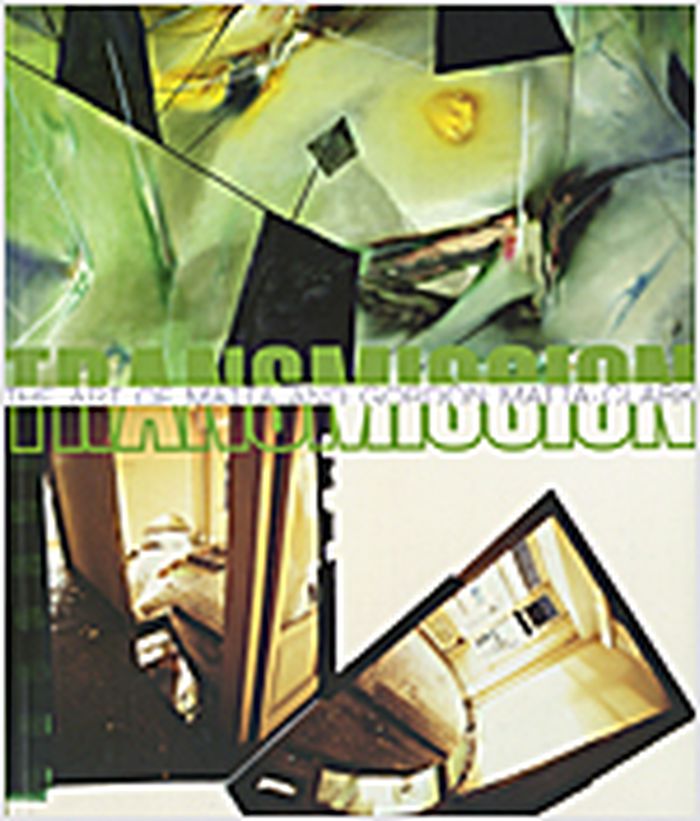
"Transmission: the art of Matta and Gordon Matta-Clark" presents the first comprehensive examination of the overlapping spheres of art and architecture in the work of two pioneering father and son artists: the Surrealist painter Matta (Roberto Sebastin Antonio Matta Echaurren) (1912-2002) and the multifaceted urban Conceptualist Gordon Matta-Clark (1943-1978). Organized by Betti-Sue Hertz, "Transmission" offers new perspectives on the impact of Matta's role in the development of late Surrealism and Matta-Clark's influence on the 1970s SoHo art scene. Both artists were originally trained as architects, and though they ostensibly rejected the profession in favor of art, each relied strongly on concepts of architectural space as they forged new practices in art. This illustrated publication compares Matta's metaphysical concepts and gestural pictorial practice with Matta-Clark's conceptually driven drawings and cut buildings; illustrates how aspects of Surrealism, especially as filtered through the work of Marcel Duchamp, were adopted by Matta-Clark and his circle; and explores the commonalities and differences in Matta's depictions of interior mindscapes and Matta-Clark's physical actions on buildings in the urban milieu. The catalogue presents essays and research by art historian Briony Fer, art critic Justo Pastor Mellado, architectural theorist Anthony Vidler, and the San Diego Museum of Art's curator of contemporary art, Betti-Sue Hertz.
Transmission : the art of Matta and Gordon Matta-Clark
Actions:
Price:
$34.50
(available to order)
Summary:
"Transmission: the art of Matta and Gordon Matta-Clark" presents the first comprehensive examination of the overlapping spheres of art and architecture in the work of two pioneering father and son artists: the Surrealist painter Matta (Roberto Sebastin Antonio Matta Echaurren) (1912-2002) and the multifaceted urban Conceptualist Gordon Matta-Clark (1943-1978). Organized by Betti-Sue Hertz, "Transmission" offers new perspectives on the impact of Matta's role in the development of late Surrealism and Matta-Clark's influence on the 1970s SoHo art scene. Both artists were originally trained as architects, and though they ostensibly rejected the profession in favor of art, each relied strongly on concepts of architectural space as they forged new practices in art. This illustrated publication compares Matta's metaphysical concepts and gestural pictorial practice with Matta-Clark's conceptually driven drawings and cut buildings; illustrates how aspects of Surrealism, especially as filtered through the work of Marcel Duchamp, were adopted by Matta-Clark and his circle; and explores the commonalities and differences in Matta's depictions of interior mindscapes and Matta-Clark's physical actions on buildings in the urban milieu. The catalogue presents essays and research by art historian Briony Fer, art critic Justo Pastor Mellado, architectural theorist Anthony Vidler, and the San Diego Museum of Art's curator of contemporary art, Betti-Sue Hertz.
Form:
books
books
Publication:
October 2006, San Diego
October 2006, San Diego
Subject:
Contemporary Art Monographs
Contemporary Art Monographs
Form:
books
books
Price:
$50.00
(available to order)
Summary:
They are places we fear to tread, monuments to the principles of our forebears, awe-inspiring towers of achievement : public institutions that sustain and support our lives are all around us. Scott Fortino investigates these enduring pillars of public life in "Institutional", a striking visual essay that documents the diverse architectural structures that house the(...)
$50.00
(available to order)
Summary:
They are places we fear to tread, monuments to the principles of our forebears, awe-inspiring towers of achievement : public institutions that sustain and support our lives are all around us. Scott Fortino investigates these enduring pillars of public life in "Institutional", a striking visual essay that documents the diverse architectural structures that house the(...)
Subject:
Photography monographs
Photography monographs
Publication:
September 2005, Santa Fe
September 2005, Santa Fe
Title:
Institutional : photographs of jails, schools, and other Chicago buildings
Actions:
Price:
$50.00
(available to order)
Summary:
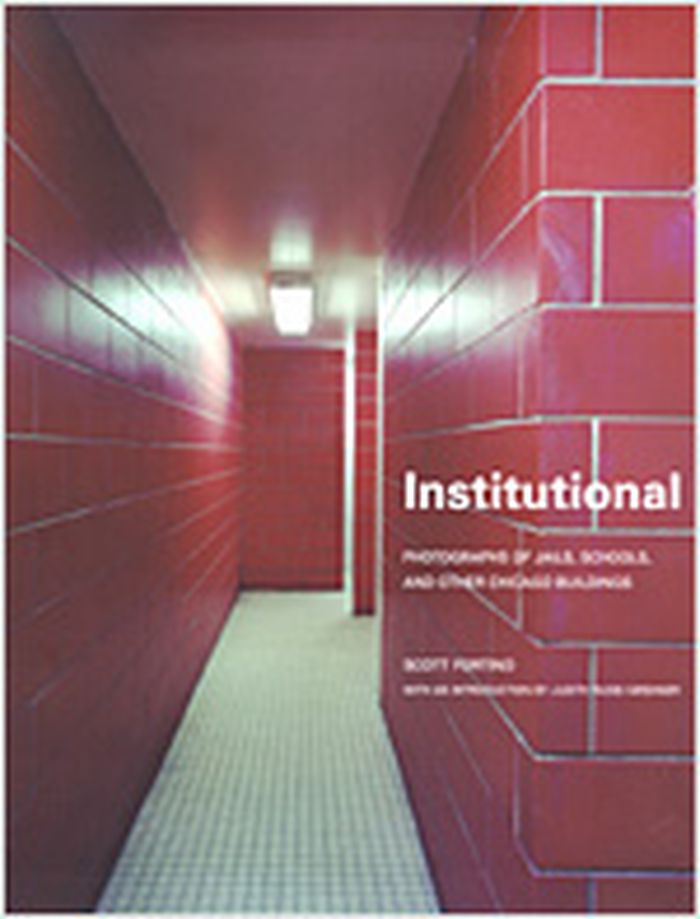
They are places we fear to tread, monuments to the principles of our forebears, awe-inspiring towers of achievement : public institutions that sustain and support our lives are all around us. Scott Fortino investigates these enduring pillars of public life in "Institutional", a striking visual essay that documents the diverse architectural structures that house the foundations of civic life in the city of Chicago. From schools to churches to prisons, Fortino transforms these worn, familiar edifices into compelling symbols of long-lost ideals and communitarian spirit. Fortino coaxes out the subtle warmth and depths of these often overwhelming and pitiless public spaces in his photographs, as his camera reveals the hidden characters of both high-profile works by renowned designers such as Rem Koolhaas, Helmut Jahn, and Mies van der Rohe as well as the stolid structures designed by long-forgotten architects. Light, colour, and composition work together in Fortino's images to produce provocative new perspectives on the interiors of public buildings, revealing how their cultural and social roles as places of worship, education, punishment, or entertainment cast long and complex shadows over our lives. Fortino challenges us in "Institutional" to rethink our view of the public spaces we pass through every day by offering an original and fascinating photographic study of the settings in which the important events of human life unfold.
Institutional : photographs of jails, schools, and other Chicago buildings
Actions:
Price:
$50.00
(available to order)
Summary:
They are places we fear to tread, monuments to the principles of our forebears, awe-inspiring towers of achievement : public institutions that sustain and support our lives are all around us. Scott Fortino investigates these enduring pillars of public life in "Institutional", a striking visual essay that documents the diverse architectural structures that house the foundations of civic life in the city of Chicago. From schools to churches to prisons, Fortino transforms these worn, familiar edifices into compelling symbols of long-lost ideals and communitarian spirit. Fortino coaxes out the subtle warmth and depths of these often overwhelming and pitiless public spaces in his photographs, as his camera reveals the hidden characters of both high-profile works by renowned designers such as Rem Koolhaas, Helmut Jahn, and Mies van der Rohe as well as the stolid structures designed by long-forgotten architects. Light, colour, and composition work together in Fortino's images to produce provocative new perspectives on the interiors of public buildings, revealing how their cultural and social roles as places of worship, education, punishment, or entertainment cast long and complex shadows over our lives. Fortino challenges us in "Institutional" to rethink our view of the public spaces we pass through every day by offering an original and fascinating photographic study of the settings in which the important events of human life unfold.
Form:
books
books
Publication:
September 2005, Santa Fe
September 2005, Santa Fe
Subject:
Photography monographs
Photography monographs
Form:
books
books
Title:
Eating architecture
Eating architecture
Actions:
Price:
$52.00
(available to order)
Summary:
The contributors to this highly original collection of essays explore the relationship between food and architecture, asking what can be learned by examining the (often metaphorical) intersection of the preparation of meals and the production of space. In a culture that includes the Food Channel and the knife-juggling chefs of Benihana, food has become not only an(...)
$52.00
(available to order)
Summary:
The contributors to this highly original collection of essays explore the relationship between food and architecture, asking what can be learned by examining the (often metaphorical) intersection of the preparation of meals and the production of space. In a culture that includes the Food Channel and the knife-juggling chefs of Benihana, food has become not only an(...)
Subject:
Architectural Theory
Architectural Theory
Publication:
May 2004, Cambridge, Mass.
May 2004, Cambridge, Mass.
Title:
Eating architecture
Actions:
Price:
$52.00
(available to order)
Summary:
The contributors to this highly original collection of essays explore the relationship between food and architecture, asking what can be learned by examining the (often metaphorical) intersection of the preparation of meals and the production of space. In a culture that includes the Food Channel and the knife-juggling chefs of Benihana, food has become not only an obsession but an alternative art form. The nineteen essays and "Gallery of Recipes" in "Eating Architecture" seize this moment to investigate how art and architecture engage issues of identity, ideology, conviviality, memory, and loss that cookery evokes. The essays are organized into four sections that lead the reader from the landscape to the kitchen, the table, and finally the mouth. The essays in "Place Settings" examine the relationships between food and location that arise in culinary colonialism and the global economy of tourism. "Philosophy in the Kitchen" traces the routines that create a site for aesthetic experimentation, including an examination of gingerbread houses as art, food, and architectural space. The essays in "Table Rules" consider the spatial and performative aspects of eating and the ways in which shared meals are among the most perishable and preserved cultural artifacts. Finally, "Embodied Taste" considers the sensual apprehension of food and what it means to consume a work of art. The "Gallery of Recipes" contains images by contemporary architects on the subject of eating architecture.
Eating architecture
Actions:
Price:
$52.00
(available to order)
Summary:
The contributors to this highly original collection of essays explore the relationship between food and architecture, asking what can be learned by examining the (often metaphorical) intersection of the preparation of meals and the production of space. In a culture that includes the Food Channel and the knife-juggling chefs of Benihana, food has become not only an obsession but an alternative art form. The nineteen essays and "Gallery of Recipes" in "Eating Architecture" seize this moment to investigate how art and architecture engage issues of identity, ideology, conviviality, memory, and loss that cookery evokes. The essays are organized into four sections that lead the reader from the landscape to the kitchen, the table, and finally the mouth. The essays in "Place Settings" examine the relationships between food and location that arise in culinary colonialism and the global economy of tourism. "Philosophy in the Kitchen" traces the routines that create a site for aesthetic experimentation, including an examination of gingerbread houses as art, food, and architectural space. The essays in "Table Rules" consider the spatial and performative aspects of eating and the ways in which shared meals are among the most perishable and preserved cultural artifacts. Finally, "Embodied Taste" considers the sensual apprehension of food and what it means to consume a work of art. The "Gallery of Recipes" contains images by contemporary architects on the subject of eating architecture.
Form:
books
books
Publication:
May 2004, Cambridge, Mass.
May 2004, Cambridge, Mass.
Subject:
Architectural Theory
Architectural Theory
Form:
books
books
Title:
Hotel interior structures
Hotel interior structures
Actions:
Price:
$53.99
(available to order)
Summary:
The steep increases recently witnessed in both business and leisure travel have helped provoke a new variety in hotel interiors, and designers from various disciplines are now establishing a range of design solutions catering to the widely differing demands of each client type, giving new identities to hotels. From the boutique hotel to the airport atrium, the urban(...)
$53.99
(available to order)
Summary:
The steep increases recently witnessed in both business and leisure travel have helped provoke a new variety in hotel interiors, and designers from various disciplines are now establishing a range of design solutions catering to the widely differing demands of each client type, giving new identities to hotels. From the boutique hotel to the airport atrium, the urban(...)
Subject:
Commercial interiors, Building types
Commercial interiors, Building types
Publication:
May 2003, Chichester
May 2003, Chichester
Title:
Hotel interior structures
Actions:
Price:
$53.99
(available to order)
Summary:
The steep increases recently witnessed in both business and leisure travel have helped provoke a new variety in hotel interiors, and designers from various disciplines are now establishing a range of design solutions catering to the widely differing demands of each client type, giving new identities to hotels. From the boutique hotel to the airport atrium, the urban retreat to the contemporary resort, the immensity of Vegas to the intimacy of Beirut, "Hotel Interior Structures" presents a wide range of these new design trends found in present-day hotel interiors. This volume aims to offer architects, interior designers and hotel owners - as well as those with a more general interest in the use of interior design detail to create a particular atmosphere or living experience - a valuable insight into the what, why and how of current design directions for hotels across the globe. Identifying ten hotel types that have been conceived within the last ten years, it features text, plans and detailed photography of a selection of hotels of each type, as well as interviews with some of the key figures involved. With examples of hotels in major cities and resorts worldwide - from London, Paris and New York to locations in Japan, Egypt and Lebanon - it gives a complete picture of the creativeness and imaginativeness of hotel interior design at the beginning of the 21st century.
Hotel interior structures
Actions:
Price:
$53.99
(available to order)
Summary:
The steep increases recently witnessed in both business and leisure travel have helped provoke a new variety in hotel interiors, and designers from various disciplines are now establishing a range of design solutions catering to the widely differing demands of each client type, giving new identities to hotels. From the boutique hotel to the airport atrium, the urban retreat to the contemporary resort, the immensity of Vegas to the intimacy of Beirut, "Hotel Interior Structures" presents a wide range of these new design trends found in present-day hotel interiors. This volume aims to offer architects, interior designers and hotel owners - as well as those with a more general interest in the use of interior design detail to create a particular atmosphere or living experience - a valuable insight into the what, why and how of current design directions for hotels across the globe. Identifying ten hotel types that have been conceived within the last ten years, it features text, plans and detailed photography of a selection of hotels of each type, as well as interviews with some of the key figures involved. With examples of hotels in major cities and resorts worldwide - from London, Paris and New York to locations in Japan, Egypt and Lebanon - it gives a complete picture of the creativeness and imaginativeness of hotel interior design at the beginning of the 21st century.
Form:
books
books
Publication:
May 2003, Chichester
May 2003, Chichester
Subject:
Commercial interiors, Building types
Commercial interiors, Building types


