


3085 Results
Form:
books
books
Actions:
Price:
$29.95
(available to order)
Summary:
We tend to think cities look the way they do because of the conscious work of architects, planners and builders. But what if the look of cities had less to do with design, and more to do with social, cultural, financial and political processes, and the way ordinary citizens interact with them? This book is the story of dramatic but unforeseen urban sights: how(...)
$29.95
(available to order)
Summary:
We tend to think cities look the way they do because of the conscious work of architects, planners and builders. But what if the look of cities had less to do with design, and more to do with social, cultural, financial and political processes, and the way ordinary citizens interact with them? This book is the story of dramatic but unforeseen urban sights: how(...)
Title:
Why cities look the way they do
Actions:
Price:
$29.95
(available to order)
Summary:
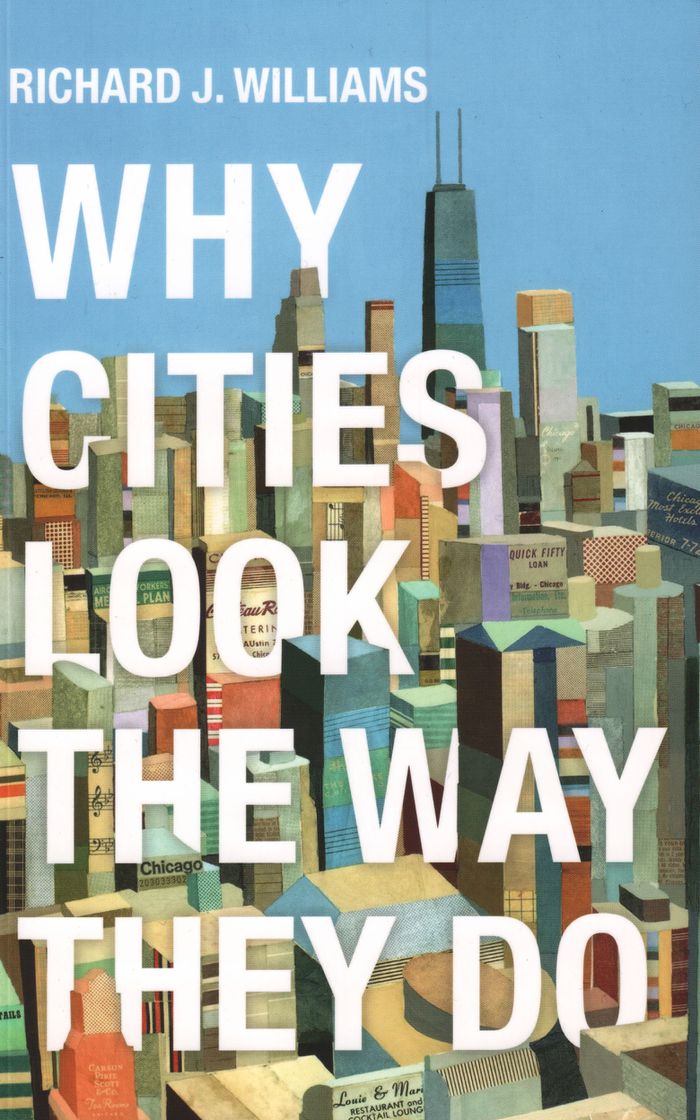
We tend to think cities look the way they do because of the conscious work of architects, planners and builders. But what if the look of cities had less to do with design, and more to do with social, cultural, financial and political processes, and the way ordinary citizens interact with them? This book is the story of dramatic but unforeseen urban sights: how financial capital spawns empty towering skyscrapers and hollowed-out ghettoes; how the zoning of once-illicit sexual practices in marginal areas of the city results in the reinvention of culturally vibrant gay villages; how abandoned factories have been repurposed as creative hubs in a precarious postindustrial economy. It is also the story of how popular urban clichés and the fictional portrayal of cities powerfully shape the way we read and see the bricks, concrete and glass that surround us.
Why cities look the way they do
Actions:
Price:
$29.95
(available to order)
Summary:
We tend to think cities look the way they do because of the conscious work of architects, planners and builders. But what if the look of cities had less to do with design, and more to do with social, cultural, financial and political processes, and the way ordinary citizens interact with them? This book is the story of dramatic but unforeseen urban sights: how financial capital spawns empty towering skyscrapers and hollowed-out ghettoes; how the zoning of once-illicit sexual practices in marginal areas of the city results in the reinvention of culturally vibrant gay villages; how abandoned factories have been repurposed as creative hubs in a precarious postindustrial economy. It is also the story of how popular urban clichés and the fictional portrayal of cities powerfully shape the way we read and see the bricks, concrete and glass that surround us.
Form:
books
books
Publication:
June 2019
June 2019
Subject:
Urban Theory
Urban Theory
Form:
books
books
Title:
Éloge du suffisant
Éloge du suffisant
Actions:
Price:
$17.95
(available to order)
Summary:
Pour André Gorz, défense du « monde vécu » et défense du « milieu naturel » sont les deux faces d'une même résistance : la question écologique se pose dans le cadre plus vaste de la domination des « systèmes » (marché capitaliste et administration étatique) sur les hommes au quotidien. Tandis que le capital, à l'accroissement illimité, menace la nature qu'il pille autant(...)
$17.95
(available to order)
Summary:
Pour André Gorz, défense du « monde vécu » et défense du « milieu naturel » sont les deux faces d'une même résistance : la question écologique se pose dans le cadre plus vaste de la domination des « systèmes » (marché capitaliste et administration étatique) sur les hommes au quotidien. Tandis que le capital, à l'accroissement illimité, menace la nature qu'il pille autant(...)
Title:
Éloge du suffisant
Actions:
Price:
$17.95
(available to order)
Summary:
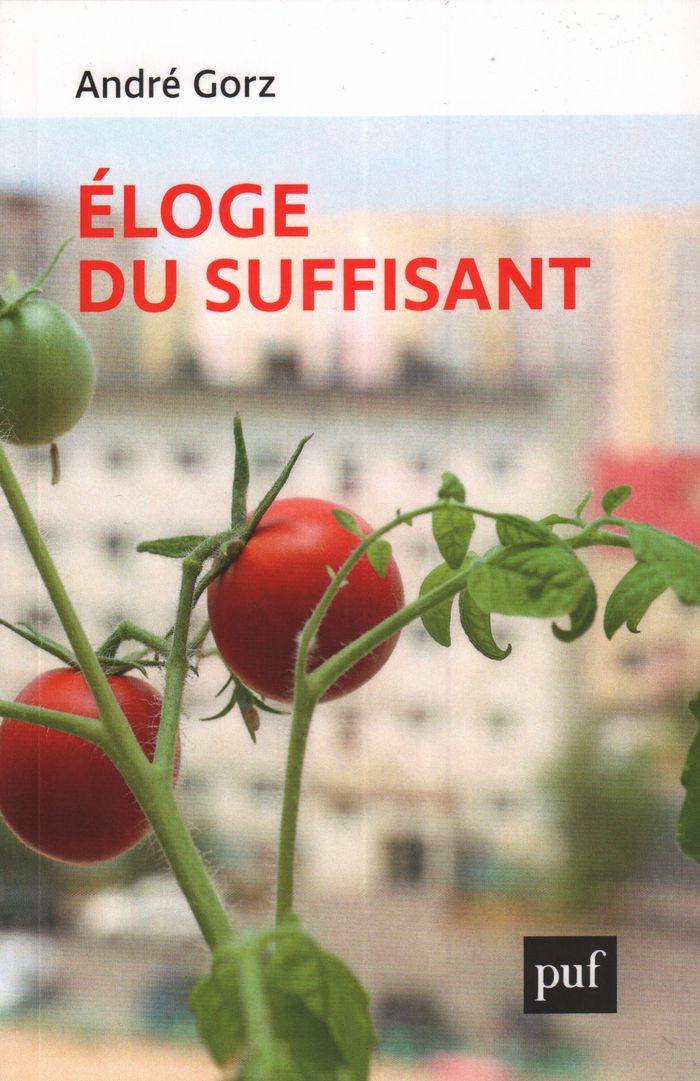
Pour André Gorz, défense du « monde vécu » et défense du « milieu naturel » sont les deux faces d'une même résistance : la question écologique se pose dans le cadre plus vaste de la domination des « systèmes » (marché capitaliste et administration étatique) sur les hommes au quotidien. Tandis que le capital, à l'accroissement illimité, menace la nature qu'il pille autant que la société qu'il manipule, l'autogestion qu'il faut souhaiter est une autolimitation, selon le principe de suffisance : une gestion raisonnable et un lissage des richesses atténuent les tensions sociales et préservent les ressources naturelles. Le choix de la décroissance est alors un arbitrage démocratique entre efforts consentis et besoins reconnus, qui assure à la fois moins de charge de travail (redistribué), plus d'autonomie (espaces coopératifs) et de sécurité (revenu garanti), et qui laisse leur temps aux activités qui valent pour elles-mêmes.
Éloge du suffisant
Actions:
Price:
$17.95
(available to order)
Summary:
Pour André Gorz, défense du « monde vécu » et défense du « milieu naturel » sont les deux faces d'une même résistance : la question écologique se pose dans le cadre plus vaste de la domination des « systèmes » (marché capitaliste et administration étatique) sur les hommes au quotidien. Tandis que le capital, à l'accroissement illimité, menace la nature qu'il pille autant que la société qu'il manipule, l'autogestion qu'il faut souhaiter est une autolimitation, selon le principe de suffisance : une gestion raisonnable et un lissage des richesses atténuent les tensions sociales et préservent les ressources naturelles. Le choix de la décroissance est alors un arbitrage démocratique entre efforts consentis et besoins reconnus, qui assure à la fois moins de charge de travail (redistribué), plus d'autonomie (espaces coopératifs) et de sécurité (revenu garanti), et qui laisse leur temps aux activités qui valent pour elles-mêmes.
Form:
books
books
Publication:
May 2019
May 2019
Subject:
Critical Theory
Critical Theory
Form:
books
books
Actions:
Price:
$71.95
(available to order)
Summary:
This publication looks at Fez, Morocco's famous former capital and today its second-largest city. Based on a recent research program conducted by EPFL's Laboratory Basel (laba), it investigates how these clashes have marked the city's socioeconomic structure and urban fabric, and whether or not it offers alternative and relevant means of human association and(...)
$71.95
(available to order)
Summary:
This publication looks at Fez, Morocco's famous former capital and today its second-largest city. Based on a recent research program conducted by EPFL's Laboratory Basel (laba), it investigates how these clashes have marked the city's socioeconomic structure and urban fabric, and whether or not it offers alternative and relevant means of human association and(...)
Subject:
Architecture since 1900, Africa
Architecture since 1900, Africa
Publication:
June 2020
June 2020
Title:
Fez Lessons: industrious habitat
Actions:
Price:
$71.95
(available to order)
Summary:
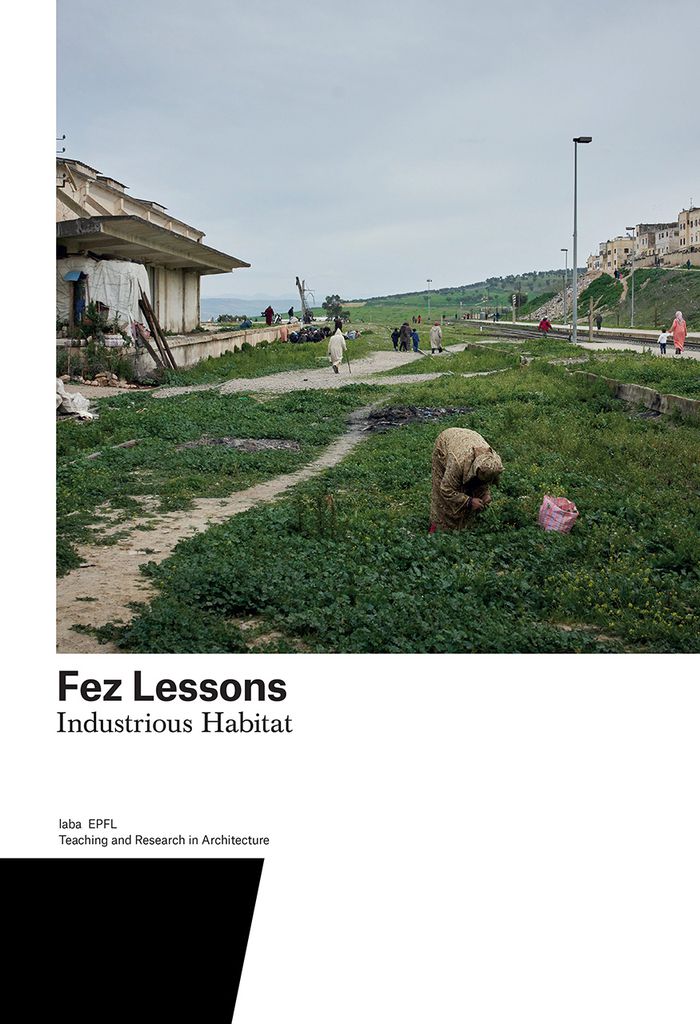
This publication looks at Fez, Morocco's famous former capital and today its second-largest city. Based on a recent research program conducted by EPFL's Laboratory Basel (laba), it investigates how these clashes have marked the city's socioeconomic structure and urban fabric, and whether or not it offers alternative and relevant means of human association and community. Given the growing stream of large-scale international investment, the constant enticement of tourism, and a worldwide revival of nationalism, Laba's student's and researchers were looking for tiny cues, nagging doubts, and signs of the fusion between form and life, raising questions about identity, authenticity, tradition, the globalisation of culture, and the use of local resources. Their findings are visualised in the book in striking images, graphics and maps. Students' proposals for architectural interventions addressing these issues are presented through images and plans.
Fez Lessons: industrious habitat
Actions:
Price:
$71.95
(available to order)
Summary:
This publication looks at Fez, Morocco's famous former capital and today its second-largest city. Based on a recent research program conducted by EPFL's Laboratory Basel (laba), it investigates how these clashes have marked the city's socioeconomic structure and urban fabric, and whether or not it offers alternative and relevant means of human association and community. Given the growing stream of large-scale international investment, the constant enticement of tourism, and a worldwide revival of nationalism, Laba's student's and researchers were looking for tiny cues, nagging doubts, and signs of the fusion between form and life, raising questions about identity, authenticity, tradition, the globalisation of culture, and the use of local resources. Their findings are visualised in the book in striking images, graphics and maps. Students' proposals for architectural interventions addressing these issues are presented through images and plans.
Form:
books
books
Publication:
June 2020
June 2020
Subject:
Architecture since 1900, Africa
Architecture since 1900, Africa
Form:
books
books
Title:
The age of surveillance capitalism: the fight for a human future at the new frontier of power
The age of surveillance capitalism: the fight for a human future at the new frontier of power
Actions:
Price:
$28.99
(available to order)
Summary:
In this masterwork of original thinking and research, Shoshana Zuboff provides startling insights into the phenomenon that she has named surveillance capitalism. Zuboff vividly brings to life the consequences as surveillance capitalism advances from Silicon Valley into every economic sector. Vast wealth and power are accumulated in ominous new 'behavioral futures(...)
$28.99
(available to order)
Summary:
In this masterwork of original thinking and research, Shoshana Zuboff provides startling insights into the phenomenon that she has named surveillance capitalism. Zuboff vividly brings to life the consequences as surveillance capitalism advances from Silicon Valley into every economic sector. Vast wealth and power are accumulated in ominous new 'behavioral futures(...)
Title:
The age of surveillance capitalism: the fight for a human future at the new frontier of power
Actions:
Price:
$28.99
(available to order)
Summary:
In this masterwork of original thinking and research, Shoshana Zuboff provides startling insights into the phenomenon that she has named surveillance capitalism. Zuboff vividly brings to life the consequences as surveillance capitalism advances from Silicon Valley into every economic sector. Vast wealth and power are accumulated in ominous new 'behavioral futures markets,' where predictions about our behavior are bought and sold, and the production of goods and services is subordinated to a new 'means of behavioral modification.' The threat has shifted from a totalitarian Big Brother state to a ubiquitous digital architecture: a 'Big Other' operating in the interests of surveillance capital. Zuboff’s comprehensive and moving analysis lays bare the threats to twenty-first century society: a controlled 'hive' of total connection that seduces with promises of total certainty for maximum profit — at the expense of democracy, freedom, and our human future.
The age of surveillance capitalism: the fight for a human future at the new frontier of power
Actions:
Price:
$28.99
(available to order)
Summary:
In this masterwork of original thinking and research, Shoshana Zuboff provides startling insights into the phenomenon that she has named surveillance capitalism. Zuboff vividly brings to life the consequences as surveillance capitalism advances from Silicon Valley into every economic sector. Vast wealth and power are accumulated in ominous new 'behavioral futures markets,' where predictions about our behavior are bought and sold, and the production of goods and services is subordinated to a new 'means of behavioral modification.' The threat has shifted from a totalitarian Big Brother state to a ubiquitous digital architecture: a 'Big Other' operating in the interests of surveillance capital. Zuboff’s comprehensive and moving analysis lays bare the threats to twenty-first century society: a controlled 'hive' of total connection that seduces with promises of total certainty for maximum profit — at the expense of democracy, freedom, and our human future.
Form:
books
books
Publication:
March 2020
March 2020
Subject:
Social
Social
Form:
books
books
Actions:
Price:
$80.00
(available to order)
Summary:
Edited and authored by the renowned architecture expert Philip Jodidio, this book is dedicated to a new, eye-catching building by Swiss architect Jean-Pierre Dürig located in Lausanne, also known as the "Olympic Capital." As the structure’s name suggests, Vortex is an 88-foot-high tower in the shape of a cylinder, rising around a single, continuous 1.7-mile-long ramp. Its(...)
$80.00
(available to order)
Summary:
Edited and authored by the renowned architecture expert Philip Jodidio, this book is dedicated to a new, eye-catching building by Swiss architect Jean-Pierre Dürig located in Lausanne, also known as the "Olympic Capital." As the structure’s name suggests, Vortex is an 88-foot-high tower in the shape of a cylinder, rising around a single, continuous 1.7-mile-long ramp. Its(...)
Title:
Vortex; the architecture of a circle
Actions:
Price:
$80.00
(available to order)
Summary:
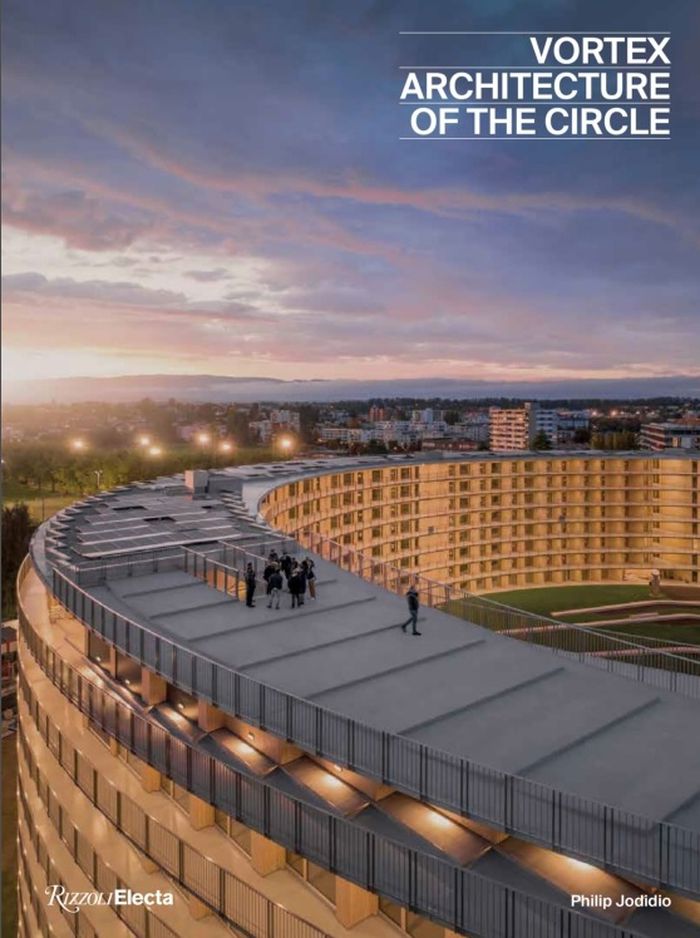
Edited and authored by the renowned architecture expert Philip Jodidio, this book is dedicated to a new, eye-catching building by Swiss architect Jean-Pierre Dürig located in Lausanne, also known as the "Olympic Capital." As the structure’s name suggests, Vortex is an 88-foot-high tower in the shape of a cylinder, rising around a single, continuous 1.7-mile-long ramp. Its spiraling movement creates an emblematic shape reminiscent of Olympic rings—a fitting tribute for a building that housed the 1,700 talented young athletes who competed in the Winter Youth Olympic Games in January 2020. Over 130 photographs, sketches, plans, and models illuminate this enormous undertaking, while Jodidio’s informative text offers detailed insight into the phases of design and construction. Imagery of circular references from art, architecture, and nature highlight the inspiration behind the building’s extraordinary shape.
Vortex; the architecture of a circle
Actions:
Price:
$80.00
(available to order)
Summary:
Edited and authored by the renowned architecture expert Philip Jodidio, this book is dedicated to a new, eye-catching building by Swiss architect Jean-Pierre Dürig located in Lausanne, also known as the "Olympic Capital." As the structure’s name suggests, Vortex is an 88-foot-high tower in the shape of a cylinder, rising around a single, continuous 1.7-mile-long ramp. Its spiraling movement creates an emblematic shape reminiscent of Olympic rings—a fitting tribute for a building that housed the 1,700 talented young athletes who competed in the Winter Youth Olympic Games in January 2020. Over 130 photographs, sketches, plans, and models illuminate this enormous undertaking, while Jodidio’s informative text offers detailed insight into the phases of design and construction. Imagery of circular references from art, architecture, and nature highlight the inspiration behind the building’s extraordinary shape.
Form:
books
books
Publication:
September 2021
September 2021
Subject:
Architecture Monographs
Architecture Monographs
Form:
books
books
Actions:
Price:
$42.00
(available to order)
Summary:
Rather than look only at the physical development of Rome - its buildings, monuments, and urban spaces - Dyson also explores its social, economic, and cultural histories. This approach situates Rome against a background of comparative urban history and theory, allowing Dyson to examine the dynamic society that once thrived there. Dyson follows Rome as it developed(...)
$42.00
(available to order)
Summary:
Rather than look only at the physical development of Rome - its buildings, monuments, and urban spaces - Dyson also explores its social, economic, and cultural histories. This approach situates Rome against a background of comparative urban history and theory, allowing Dyson to examine the dynamic society that once thrived there. Dyson follows Rome as it developed(...)
Title:
Rome: A living portrait of an ancient city
Actions:
Price:
$42.00
(available to order)
Summary:
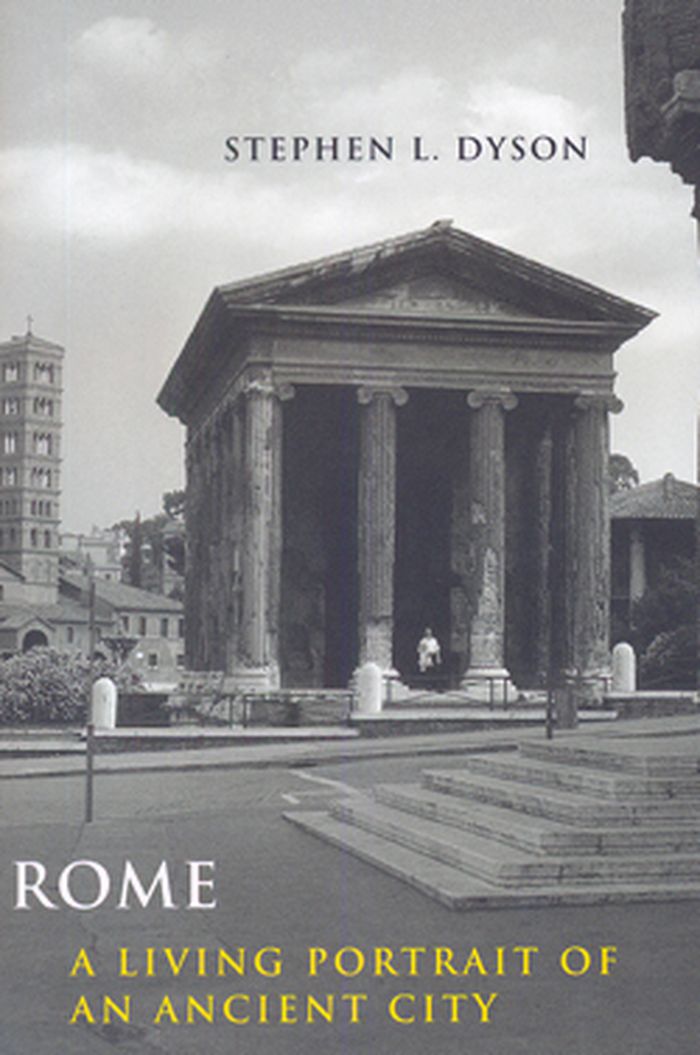
Rather than look only at the physical development of Rome - its buildings, monuments, and urban spaces - Dyson also explores its social, economic, and cultural histories. This approach situates Rome against a background of comparative urban history and theory, allowing Dyson to examine the dynamic society that once thrived there. Dyson follows Rome as it developed between the third century BC and the fourth century AD, dividing the megalopolis into distinct neighborhoods and locales. He shows how these communities, each with its own unique customs and colorful inhabitants, eventually grew into the great imperial capital of the Italian Empire. Dyson integrates the full range of sources available -- literary, artistic, epigraphic, and archaeological -- to create a comprehensive history of the monumental city. In doing so, he offers a dramatic picture of a complex and changing urban center that, despite its flaws, flourished for centuries.
Rome: A living portrait of an ancient city
Actions:
Price:
$42.00
(available to order)
Summary:
Rather than look only at the physical development of Rome - its buildings, monuments, and urban spaces - Dyson also explores its social, economic, and cultural histories. This approach situates Rome against a background of comparative urban history and theory, allowing Dyson to examine the dynamic society that once thrived there. Dyson follows Rome as it developed between the third century BC and the fourth century AD, dividing the megalopolis into distinct neighborhoods and locales. He shows how these communities, each with its own unique customs and colorful inhabitants, eventually grew into the great imperial capital of the Italian Empire. Dyson integrates the full range of sources available -- literary, artistic, epigraphic, and archaeological -- to create a comprehensive history of the monumental city. In doing so, he offers a dramatic picture of a complex and changing urban center that, despite its flaws, flourished for centuries.
Form:
books
books
Publication:
June 2010
June 2010
Subject:
History until 1900, Classicism
History until 1900, Classicism
Form:
books
books
Actions:
Price:
$75.00
(available to order)
Summary:
Pluralism, fusion and hybridity are the dominant traits of cultural change in twenty-first-century India. The resultant architecture reflects this fabric of one of the world's largest and most populous nation states. Architect, educator and author Rahul Mehrotra has been at the forefront of the Indian contemporary architecture scene for more than two decades, and(...)
$75.00
(available to order)
Summary:
Pluralism, fusion and hybridity are the dominant traits of cultural change in twenty-first-century India. The resultant architecture reflects this fabric of one of the world's largest and most populous nation states. Architect, educator and author Rahul Mehrotra has been at the forefront of the Indian contemporary architecture scene for more than two decades, and(...)
Title:
Architecture in India since 1990
Actions:
Price:
$75.00
(available to order)
Summary:
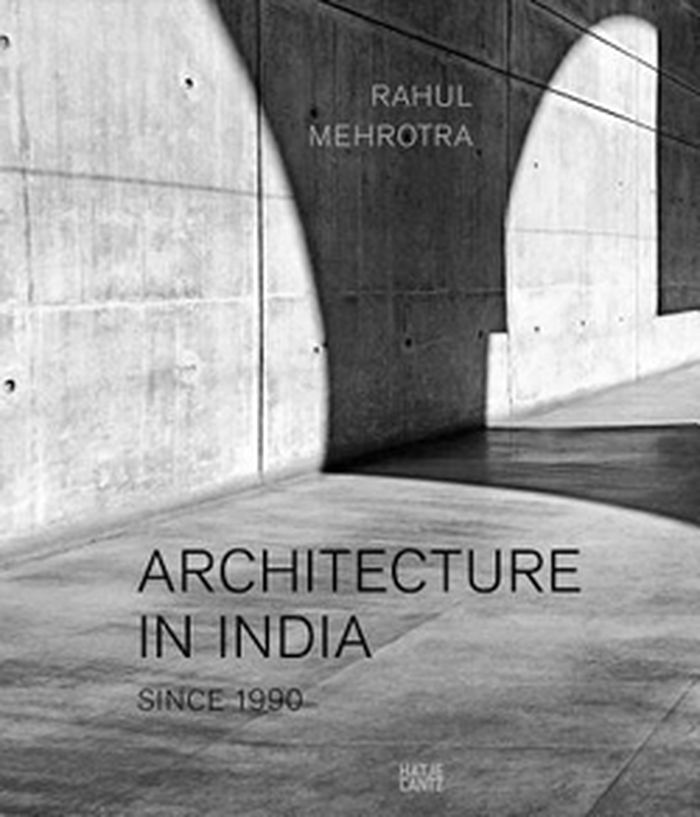
Pluralism, fusion and hybridity are the dominant traits of cultural change in twenty-first-century India. The resultant architecture reflects this fabric of one of the world's largest and most populous nation states. Architect, educator and author Rahul Mehrotra has been at the forefront of the Indian contemporary architecture scene for more than two decades, and Architecture in India since 1900 is his take on the topic across four themed chapters: "Global Practice: Expression of (Impatient) Capital"; "Regional Modernism"; "Alternative Practice: Towards Sustainability"; and "Counter Modernism: Resurfacing of the Ancient." Each chapter introduces exponents of these distinct genres of architectural expression, examining the work of more than 60 contemporary architects in more than 500 photographs. Architects, students, academics, architecture buffs and admirers of India's famed heritage of architectural pioneering will find this volume a rich trove of design ideas.
Architecture in India since 1990
Actions:
Price:
$75.00
(available to order)
Summary:
Pluralism, fusion and hybridity are the dominant traits of cultural change in twenty-first-century India. The resultant architecture reflects this fabric of one of the world's largest and most populous nation states. Architect, educator and author Rahul Mehrotra has been at the forefront of the Indian contemporary architecture scene for more than two decades, and Architecture in India since 1900 is his take on the topic across four themed chapters: "Global Practice: Expression of (Impatient) Capital"; "Regional Modernism"; "Alternative Practice: Towards Sustainability"; and "Counter Modernism: Resurfacing of the Ancient." Each chapter introduces exponents of these distinct genres of architectural expression, examining the work of more than 60 contemporary architects in more than 500 photographs. Architects, students, academics, architecture buffs and admirers of India's famed heritage of architectural pioneering will find this volume a rich trove of design ideas.
Form:
books
books
Publication:
August 2011
August 2011
Subject:
Arch Middle East
Arch Middle East
Form:
books
books
Title:
A history of future cities
A history of future cities
Actions:
Price:
$29.50
(available to order)
Summary:
On May 27, 1703, Tsar Peter the Great founded a new capital on a barren Baltic marsh. Modeled on Amsterdam, he believed it would erase Russian backwardness and usher in a modernized, Westernized future. In the nineteenth-century Age of Imperialism, the British rebuilt Bombay as a tropical London, while three Western powers made Shanghai look just like home. And in our own(...)
$29.50
(available to order)
Summary:
On May 27, 1703, Tsar Peter the Great founded a new capital on a barren Baltic marsh. Modeled on Amsterdam, he believed it would erase Russian backwardness and usher in a modernized, Westernized future. In the nineteenth-century Age of Imperialism, the British rebuilt Bombay as a tropical London, while three Western powers made Shanghai look just like home. And in our own(...)
Title:
A history of future cities
Actions:
Price:
$29.50
(available to order)
Summary:
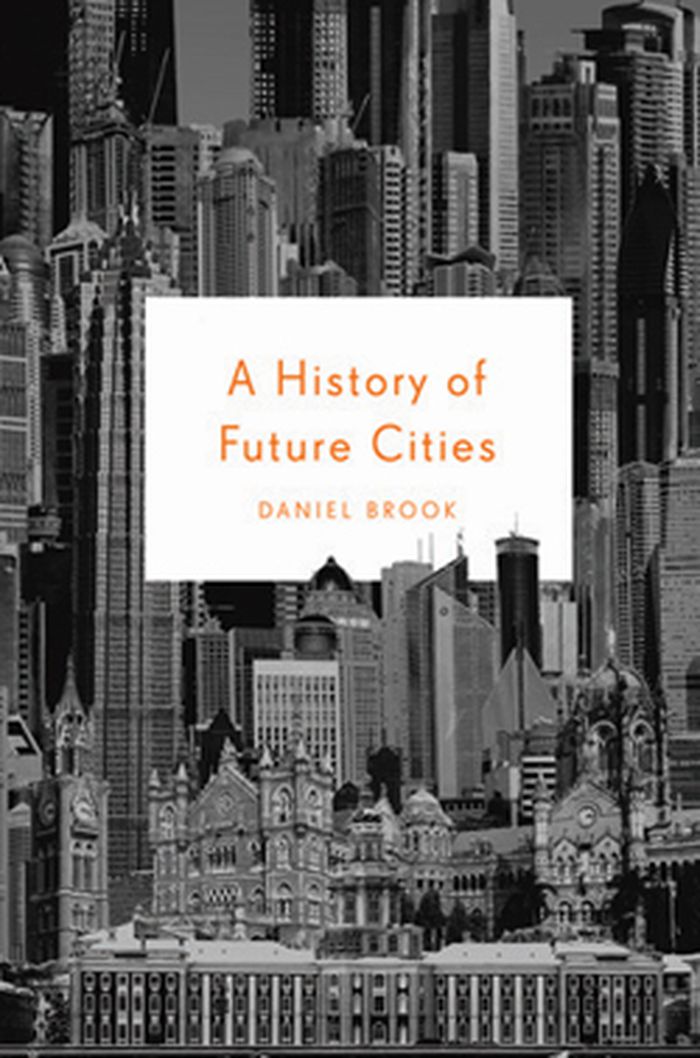
On May 27, 1703, Tsar Peter the Great founded a new capital on a barren Baltic marsh. Modeled on Amsterdam, he believed it would erase Russian backwardness and usher in a modernized, Westernized future. In the nineteenth-century Age of Imperialism, the British rebuilt Bombay as a tropical London, while three Western powers made Shanghai look just like home. And in our own time, the sheikh of Dubai has endeavored to transform his desert city into a Vegas-esque skyscraper-studded global hub. The cultural and historical threads that connect these cities and their conflicted embrace of modernity are brought into relief in Daniel Brook’s captivating mix of history and reportage—a story of architects and authoritarians, artists and revolutionaries who take these facsimiles of the West and turn them into crucibles of non-Western modernity.
A history of future cities
Actions:
Price:
$29.50
(available to order)
Summary:
On May 27, 1703, Tsar Peter the Great founded a new capital on a barren Baltic marsh. Modeled on Amsterdam, he believed it would erase Russian backwardness and usher in a modernized, Westernized future. In the nineteenth-century Age of Imperialism, the British rebuilt Bombay as a tropical London, while three Western powers made Shanghai look just like home. And in our own time, the sheikh of Dubai has endeavored to transform his desert city into a Vegas-esque skyscraper-studded global hub. The cultural and historical threads that connect these cities and their conflicted embrace of modernity are brought into relief in Daniel Brook’s captivating mix of history and reportage—a story of architects and authoritarians, artists and revolutionaries who take these facsimiles of the West and turn them into crucibles of non-Western modernity.
Form:
books
books
Publication:
February 2013
February 2013
Subject:
Urban Theory
Urban Theory
Form:
books
books
Actions:
Price:
$120.00
(available to order)
Summary:
This second volume of Hatje Cantz’s Josef Paul Kleihues catalogue raisonné encompasses the most active years of this prominent German architect’s career, from 1981 to 1995. Kleihues (1933–2004) was the head of the highly respected Internationale Bauausstellung (International Architectural Show, IBA) in Berlin from 1979 to 1987; following German reunification, he was(...)
$120.00
(available to order)
Summary:
This second volume of Hatje Cantz’s Josef Paul Kleihues catalogue raisonné encompasses the most active years of this prominent German architect’s career, from 1981 to 1995. Kleihues (1933–2004) was the head of the highly respected Internationale Bauausstellung (International Architectural Show, IBA) in Berlin from 1979 to 1987; following German reunification, he was(...)
Subject:
Architecture Monographs
Architecture Monographs
Publication:
September 2013
September 2013
Title:
Josef Paul Kleihues: works 1981-1995
Actions:
Price:
$120.00
(available to order)
Summary:
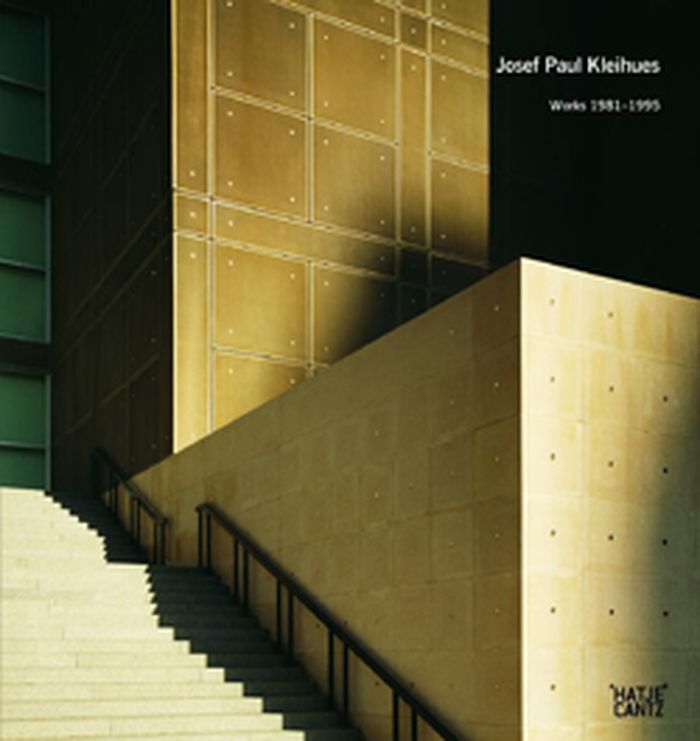
This second volume of Hatje Cantz’s Josef Paul Kleihues catalogue raisonné encompasses the most active years of this prominent German architect’s career, from 1981 to 1995. Kleihues (1933–2004) was the head of the highly respected Internationale Bauausstellung (International Architectural Show, IBA) in Berlin from 1979 to 1987; following German reunification, he was arguably the most influential architect in the re-envisioning of the capital, and his concept of “critical reconstruction” influenced an entire generation of architects. Among his many buildings of note are the Regent Hotel (formerly the Four Seasons Hotel) at the Gendarmenmarkt, and his tower, the Kantdreieck, with its famous “shark fin” on the roof. Kleihues has received international recognition for his museum buildings in particular, such as the redesigned Deichtorhalle, the Hamburger Bahnhof and the new building of the Museum of Contemporary Art in Chicago.
Josef Paul Kleihues: works 1981-1995
Actions:
Price:
$120.00
(available to order)
Summary:
This second volume of Hatje Cantz’s Josef Paul Kleihues catalogue raisonné encompasses the most active years of this prominent German architect’s career, from 1981 to 1995. Kleihues (1933–2004) was the head of the highly respected Internationale Bauausstellung (International Architectural Show, IBA) in Berlin from 1979 to 1987; following German reunification, he was arguably the most influential architect in the re-envisioning of the capital, and his concept of “critical reconstruction” influenced an entire generation of architects. Among his many buildings of note are the Regent Hotel (formerly the Four Seasons Hotel) at the Gendarmenmarkt, and his tower, the Kantdreieck, with its famous “shark fin” on the roof. Kleihues has received international recognition for his museum buildings in particular, such as the redesigned Deichtorhalle, the Hamburger Bahnhof and the new building of the Museum of Contemporary Art in Chicago.
Form:
books
books
Publication:
September 2013
September 2013
Subject:
Architecture Monographs
Architecture Monographs
Form:
books
books
Actions:
Price:
$28.95
(available to order)
Summary:
Stuff, the hoard of minor objects which have shed their commodity glamor but which we refuse to recycle, flashes up in fiction, films and photographs as alluring, unruly reminder of how people and matter are intertwined. Stuff is modern materiality out of bounds that refuses to be contained by the western semiotic system. It declines its role as the eternal sidekick of(...)
$28.95
(available to order)
Summary:
Stuff, the hoard of minor objects which have shed their commodity glamor but which we refuse to recycle, flashes up in fiction, films and photographs as alluring, unruly reminder of how people and matter are intertwined. Stuff is modern materiality out of bounds that refuses to be contained by the western semiotic system. It declines its role as the eternal sidekick of(...)
Title:
Stuff theory: everyday objects, radical materialism
Actions:
Price:
$28.95
(available to order)
Summary:
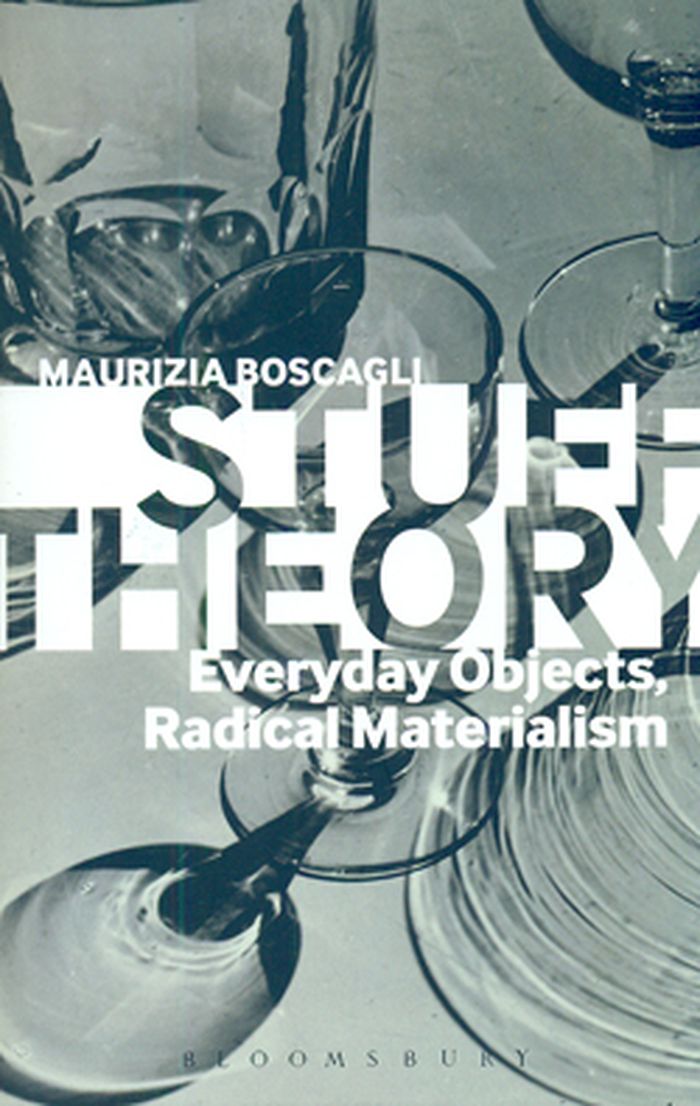
Stuff, the hoard of minor objects which have shed their commodity glamor but which we refuse to recycle, flashes up in fiction, films and photographs as alluring, unruly reminder of how people and matter are intertwined. Stuff is modern materiality out of bounds that refuses to be contained by the western semiotic system. It declines its role as the eternal sidekick of the subject, and thus is the ideal basis for a counter-narrative of materiality in flux. Can such a narrative, developed by the new materialism, reinvigorate the classical materialist account of human alienation from commodities under capital? By shifting the discussion of materiality toward the aesthetic and the everyday, the book both embraces and challenges the project of new materialism. It argues that matter has a politics, and that its new plasticity offers a continued possibility of critique.
Stuff theory: everyday objects, radical materialism
Actions:
Price:
$28.95
(available to order)
Summary:
Stuff, the hoard of minor objects which have shed their commodity glamor but which we refuse to recycle, flashes up in fiction, films and photographs as alluring, unruly reminder of how people and matter are intertwined. Stuff is modern materiality out of bounds that refuses to be contained by the western semiotic system. It declines its role as the eternal sidekick of the subject, and thus is the ideal basis for a counter-narrative of materiality in flux. Can such a narrative, developed by the new materialism, reinvigorate the classical materialist account of human alienation from commodities under capital? By shifting the discussion of materiality toward the aesthetic and the everyday, the book both embraces and challenges the project of new materialism. It argues that matter has a politics, and that its new plasticity offers a continued possibility of critique.
Form:
books
books
Publication:
April 2014
April 2014
Subject:
Design Theory
Design Theory


