


3085 Results
Form:
books
books
Title:
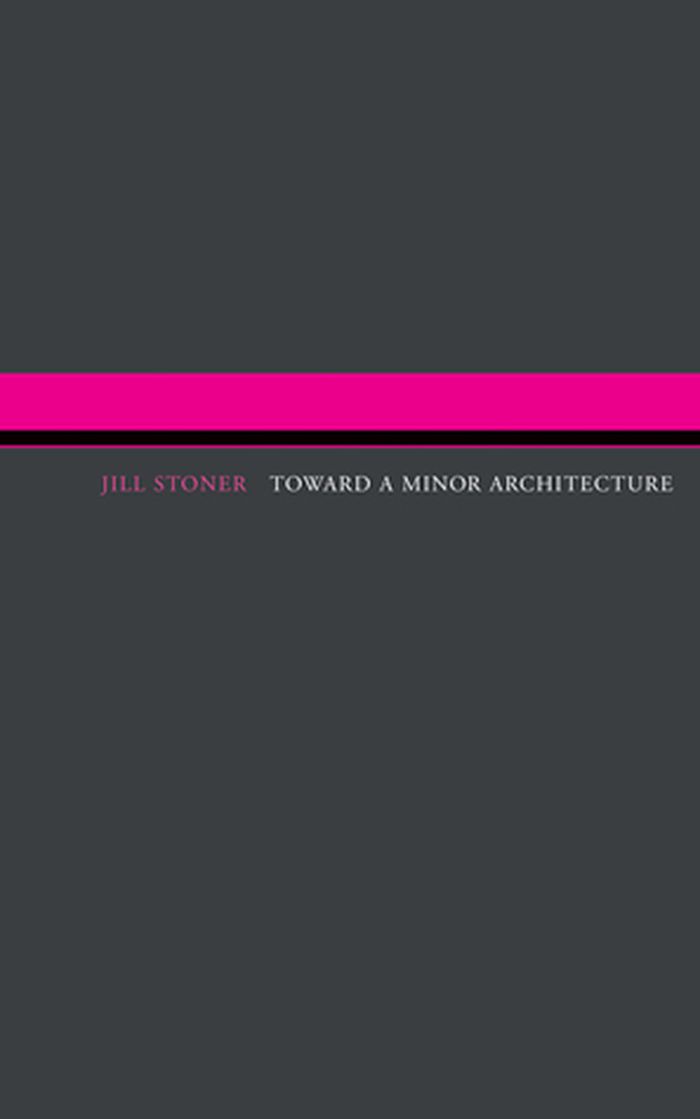
Toward a minor architecture
Toward a minor architecture
Actions:
Price:
$28.95
(available to order)
Summary:
Architecture can no longer limit itself to the art of making buildings; it must also invent the politics of taking them apart. This is Jill Stoner’s premise for a minor architecture. Her architect’s eye tracks differently from most, drawn not to the lauded and iconic but to what she calls “the landscape of our constructed mistakes”--metropolitan hinterlands rife with(...)
$28.95
(available to order)
Summary:
Architecture can no longer limit itself to the art of making buildings; it must also invent the politics of taking them apart. This is Jill Stoner’s premise for a minor architecture. Her architect’s eye tracks differently from most, drawn not to the lauded and iconic but to what she calls “the landscape of our constructed mistakes”--metropolitan hinterlands rife with(...)
Title:
Toward a minor architecture
Actions:
Price:
$28.95
(available to order)
Summary:
Architecture can no longer limit itself to the art of making buildings; it must also invent the politics of taking them apart. This is Jill Stoner’s premise for a minor architecture. Her architect’s eye tracks differently from most, drawn not to the lauded and iconic but to what she calls “the landscape of our constructed mistakes”--metropolitan hinterlands rife with failed and foreclosed developments, undersubscribed office parks, chain hotels, and abandoned malls. These graveyards of capital, Stoner asserts, may be stripped of their excess and become sites of strategic spatial operations. But first we must dissect and dismantle prevalent architectural mythologies that brought them into being--western obsessions with interiority, with the autonomy of the building-object, with the architect’s mantle of celebrity, and with the idea of nature as that which is “other” than the built metropolis. These four myths form the warp of the book.
Toward a minor architecture
Actions:
Price:
$28.95
(available to order)
Summary:
Architecture can no longer limit itself to the art of making buildings; it must also invent the politics of taking them apart. This is Jill Stoner’s premise for a minor architecture. Her architect’s eye tracks differently from most, drawn not to the lauded and iconic but to what she calls “the landscape of our constructed mistakes”--metropolitan hinterlands rife with failed and foreclosed developments, undersubscribed office parks, chain hotels, and abandoned malls. These graveyards of capital, Stoner asserts, may be stripped of their excess and become sites of strategic spatial operations. But first we must dissect and dismantle prevalent architectural mythologies that brought them into being--western obsessions with interiority, with the autonomy of the building-object, with the architect’s mantle of celebrity, and with the idea of nature as that which is “other” than the built metropolis. These four myths form the warp of the book.
Form:
books
books
Publication:
March 2012
March 2012
Subject:
Architectural Theory
Architectural Theory
Form:
books
books
Title:
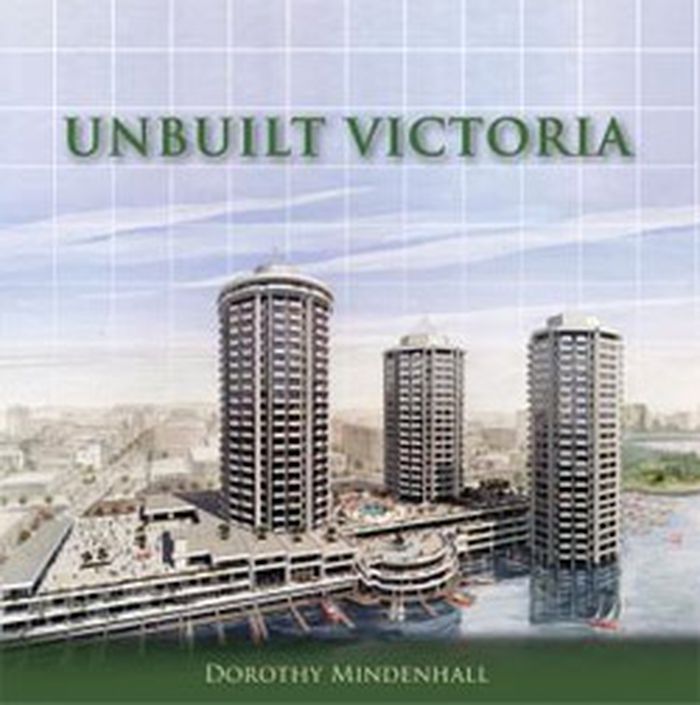
Unbuilt Victoria
Unbuilt Victoria
Actions:
Price:
$28.99
(available to order)
Summary:
For most people, resident and visitor alike, Victoria, British Columbia, is a time capsule of Victorian and Edwardian buildings. For its first 50 years the settlement flourished as the capital of the province. A smallpox epidemic in the 1890s closed Victoria's port, causing the city to go into decline and shelving plans for the Canada Western Hotel, for a replica of the(...)
$28.99
(available to order)
Summary:
For most people, resident and visitor alike, Victoria, British Columbia, is a time capsule of Victorian and Edwardian buildings. For its first 50 years the settlement flourished as the capital of the province. A smallpox epidemic in the 1890s closed Victoria's port, causing the city to go into decline and shelving plans for the Canada Western Hotel, for a replica of the(...)
Title:
Unbuilt Victoria
Actions:
Price:
$28.99
(available to order)
Summary:
For most people, resident and visitor alike, Victoria, British Columbia, is a time capsule of Victorian and Edwardian buildings. For its first 50 years the settlement flourished as the capital of the province. A smallpox epidemic in the 1890s closed Victoria's port, causing the city to go into decline and shelving plans for the Canada Western Hotel, for a replica of the Parthenon in Beacon Hill Park, and for the grandiose Italianate facade that was to complete City Hall. Victoria tried to reinvent itself as a tourist destination, but it wasn't until the modernizing boom after the Second World War that attempts were made to drag the city's built environment into the mainstream. Unbuilt Victoria examines some of the architectural plans that were proposed but rejected. That some of them were ever dreamed of will probably amaze; that others never made it might well be a matter of regret.
Unbuilt Victoria
Actions:
Price:
$28.99
(available to order)
Summary:
For most people, resident and visitor alike, Victoria, British Columbia, is a time capsule of Victorian and Edwardian buildings. For its first 50 years the settlement flourished as the capital of the province. A smallpox epidemic in the 1890s closed Victoria's port, causing the city to go into decline and shelving plans for the Canada Western Hotel, for a replica of the Parthenon in Beacon Hill Park, and for the grandiose Italianate facade that was to complete City Hall. Victoria tried to reinvent itself as a tourist destination, but it wasn't until the modernizing boom after the Second World War that attempts were made to drag the city's built environment into the mainstream. Unbuilt Victoria examines some of the architectural plans that were proposed but rejected. That some of them were ever dreamed of will probably amaze; that others never made it might well be a matter of regret.
Form:
books
books
Publication:
April 2012
April 2012
Subject:
Architecture in Canada
Architecture in Canada
Form:
books
books
Title:
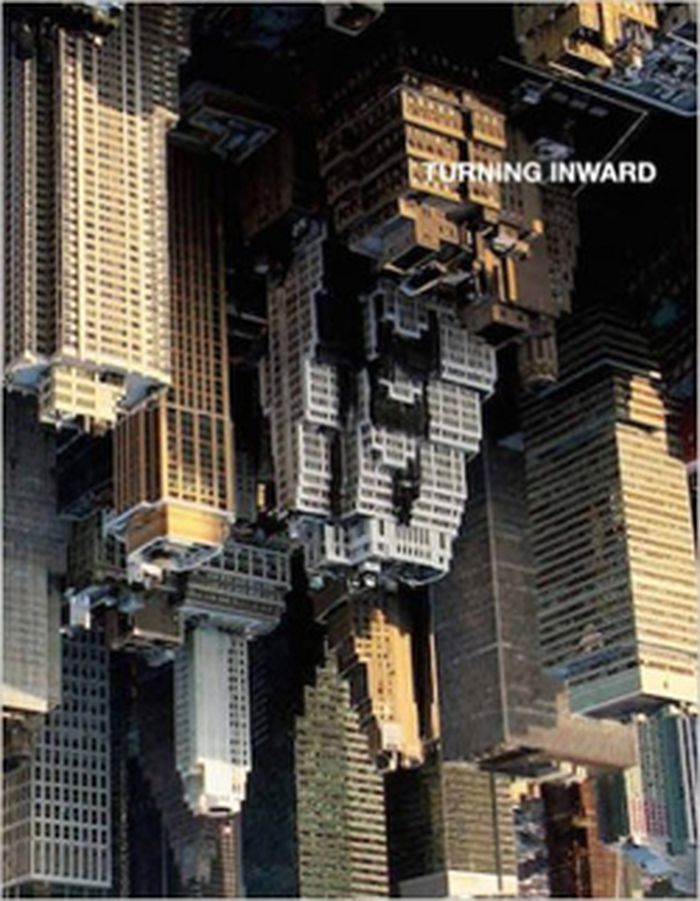
Turning inward
Turning inward
Actions:
Price:
$29.95
(available to order)
Summary:
In the publication Turning Inward, a selection of texts by international artists, critics and curators consider the impact of the technologically internalized capitalist system of networked power structures upon the production, distribution and consumption of contemporary art. Divided into three parts, the volume addresses the effects of globalization and the Internet on(...)
$29.95
(available to order)
Summary:
In the publication Turning Inward, a selection of texts by international artists, critics and curators consider the impact of the technologically internalized capitalist system of networked power structures upon the production, distribution and consumption of contemporary art. Divided into three parts, the volume addresses the effects of globalization and the Internet on(...)
Title:
Turning inward
Actions:
Price:
$29.95
(available to order)
Summary:
In the publication Turning Inward, a selection of texts by international artists, critics and curators consider the impact of the technologically internalized capitalist system of networked power structures upon the production, distribution and consumption of contemporary art. Divided into three parts, the volume addresses the effects of globalization and the Internet on art, its political agency and the changing role of artists, artworks and art institutions. The second section focuses on Berlin s shift from a politically and physically divided capital into a landscape of art and project spaces. A critical look at art history, curating and alternative methodologies comprises the third section. In conclusion, pioneering Iranian philosopher and theorist Reza Negarestani reflects on the transforming relationship between mind and world. Contributions by John Beeson, Svetlana Boym, Marta Dziewanska, Philipp Ekardt, Felix Ensslin, Orit Gat, David Joselit, William Kherbek, John Miller, Matteo Pasquinelli and Dieter Roelstraete
Turning inward
Actions:
Price:
$29.95
(available to order)
Summary:
In the publication Turning Inward, a selection of texts by international artists, critics and curators consider the impact of the technologically internalized capitalist system of networked power structures upon the production, distribution and consumption of contemporary art. Divided into three parts, the volume addresses the effects of globalization and the Internet on art, its political agency and the changing role of artists, artworks and art institutions. The second section focuses on Berlin s shift from a politically and physically divided capital into a landscape of art and project spaces. A critical look at art history, curating and alternative methodologies comprises the third section. In conclusion, pioneering Iranian philosopher and theorist Reza Negarestani reflects on the transforming relationship between mind and world. Contributions by John Beeson, Svetlana Boym, Marta Dziewanska, Philipp Ekardt, Felix Ensslin, Orit Gat, David Joselit, William Kherbek, John Miller, Matteo Pasquinelli and Dieter Roelstraete
Form:
books
books
Publication:
October 2015
October 2015
Subject:
Critical Theory
Critical Theory
Form:
books
books
Actions:
Holdings:
Description:
273 pages : illustrations ; 25 cm
Description:
273 pages : illustrations ; 25 cm
Author:
Subject:
Publication:
Paris : L'Harmattan, 1998.
Paris : L'Harmattan, 1998.
Title:
La construction des îlots insalubres : Paris 1850-1945 / Yankel Fijalkow ; préface de Marcel Roncayolo.
Actions:
Holdings:
Description:
273 pages : illustrations ; 25 cm
La construction des îlots insalubres : Paris 1850-1945 / Yankel Fijalkow ; préface de Marcel Roncayolo.
Actions:
Holdings:
Description:
273 pages : illustrations ; 25 cm
Form:
books
books
Publication:
Paris : L'Harmattan, 1998.
Paris : L'Harmattan, 1998.
Author:
Subject:
Form:
books
books
Actions:
Holdings:
Description:
1 volume (172 pages) : ill. en noir et en coul., plans, couv. ill. ; 34 cm.
Description:
1 volume (172 pages) : ill. en noir et en coul., plans, couv. ill. ; 34 cm.
Author:
Subject:
Publication:
Paris : Archibooks + Sautereau éditeur : Métropolis, impr. 2014, cop. 2014.
Paris : Archibooks + Sautereau éditeur : Métropolis, impr. 2014, cop. 2014.
Title:
Réhabi(li)ter / SIEMP, Société immobilière d'économie mixte de la Ville de Paris ; [texte Olivier Namias ; introduction historique Yankel Fijalkow].
Actions:
Holdings:
Description:
1 volume (172 pages) : ill. en noir et en coul., plans, couv. ill. ; 34 cm.
Réhabi(li)ter / SIEMP, Société immobilière d'économie mixte de la Ville de Paris ; [texte Olivier Namias ; introduction historique Yankel Fijalkow].
Actions:
Holdings:
Description:
1 volume (172 pages) : ill. en noir et en coul., plans, couv. ill. ; 34 cm.
Form:
books
books
Publication:
Paris : Archibooks + Sautereau éditeur : Métropolis, impr. 2014, cop. 2014.
Paris : Archibooks + Sautereau éditeur : Métropolis, impr. 2014, cop. 2014.
Author:
Subject:
Form:
books
books
Actions:
Price:
$33.95
(available to order)
Summary:
Is the capital of Latin America a small island at the mouth of the Hudson River? Will California soon hold the balance of power in Mexican national politics? Will Latinos reinvigorate the US labor movement? These are some of the provocative questions that Mike Davis explores in this fascinating account of the Latinization of the US urban landscape. As he forefully shows,(...)
$33.95
(available to order)
Summary:
Is the capital of Latin America a small island at the mouth of the Hudson River? Will California soon hold the balance of power in Mexican national politics? Will Latinos reinvigorate the US labor movement? These are some of the provocative questions that Mike Davis explores in this fascinating account of the Latinization of the US urban landscape. As he forefully shows,(...)
Title:
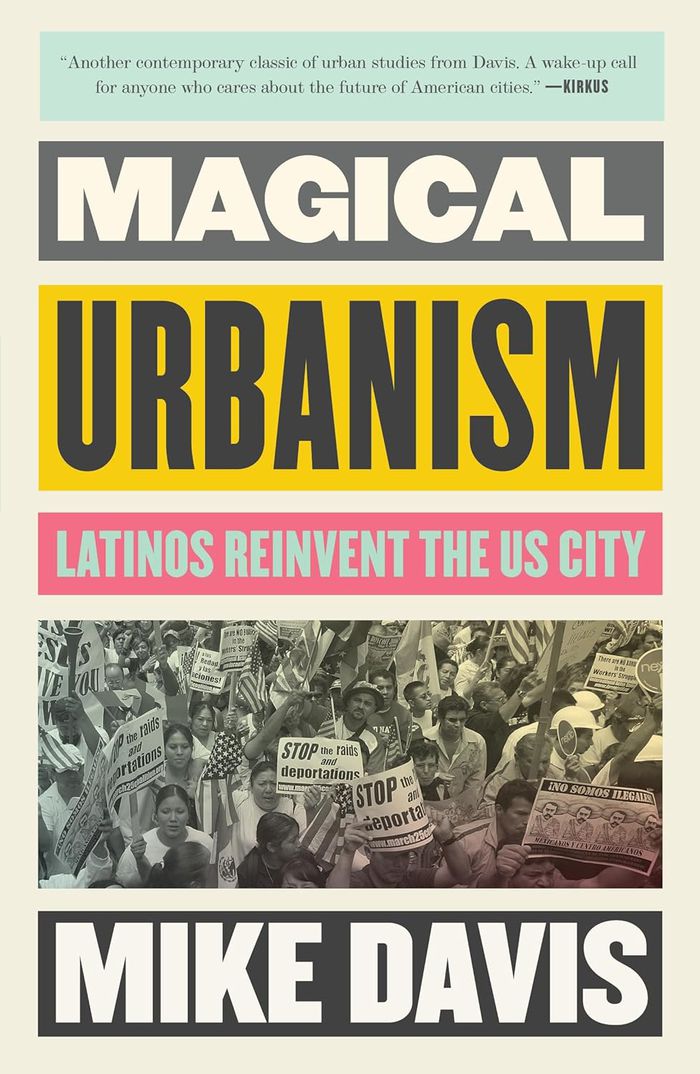
Magical urbanism: Latinos reinvent the US city
Actions:
Price:
$33.95
(available to order)
Summary:
Is the capital of Latin America a small island at the mouth of the Hudson River? Will California soon hold the balance of power in Mexican national politics? Will Latinos reinvigorate the US labor movement? These are some of the provocative questions that Mike Davis explores in this fascinating account of the Latinization of the US urban landscape. As he forefully shows, this is a demographic and cultural revolution with extraordinary implications. With Spanish surnames increasing five times faster than the general population, salsa is becoming the predominant ethnic rhythm (and flavor) of contemporary city life. In Los Angeles, Houston, San Antonio, and (shortly) Dallas, Latinos outnumber non-Hispanic whites; in New York, San Diego and Phoenix they outnumber Blacks. According to the Bureau of the Census, Latinos will supply fully two-thirds of the nation’s population growth between now and the middle of the 21st century when nearly 100 millions Americans will boast Latin American ancestry.
Magical urbanism: Latinos reinvent the US city
Actions:
Price:
$33.95
(available to order)
Summary:
Is the capital of Latin America a small island at the mouth of the Hudson River? Will California soon hold the balance of power in Mexican national politics? Will Latinos reinvigorate the US labor movement? These are some of the provocative questions that Mike Davis explores in this fascinating account of the Latinization of the US urban landscape. As he forefully shows, this is a demographic and cultural revolution with extraordinary implications. With Spanish surnames increasing five times faster than the general population, salsa is becoming the predominant ethnic rhythm (and flavor) of contemporary city life. In Los Angeles, Houston, San Antonio, and (shortly) Dallas, Latinos outnumber non-Hispanic whites; in New York, San Diego and Phoenix they outnumber Blacks. According to the Bureau of the Census, Latinos will supply fully two-thirds of the nation’s population growth between now and the middle of the 21st century when nearly 100 millions Americans will boast Latin American ancestry.
Form:
books
books
Publication:
June 2024
June 2024
Subject:
Urban Theory
Urban Theory
Form:
books
books
Title:
Baku: oil and urbanism
Baku: oil and urbanism
Actions:
Price:
$75.00
(available to order)
Summary:
Baku, the capital of Azerbaijan and formerly part of the Russian Empire and Soviet Union, is the original oil city, with oil and urbanism thoroughly intertwined—economically, politically, and physical—in the city’s fabric. Baku saw its first oil boom in the late nineteenth century, driven by the Russian branch of the Nobel family modernizing the oil fields around Baku as(...)
$75.00
(available to order)
Summary:
Baku, the capital of Azerbaijan and formerly part of the Russian Empire and Soviet Union, is the original oil city, with oil and urbanism thoroughly intertwined—economically, politically, and physical—in the city’s fabric. Baku saw its first oil boom in the late nineteenth century, driven by the Russian branch of the Nobel family modernizing the oil fields around Baku as(...)
Title:
Baku: oil and urbanism
Actions:
Price:
$75.00
(available to order)
Summary:
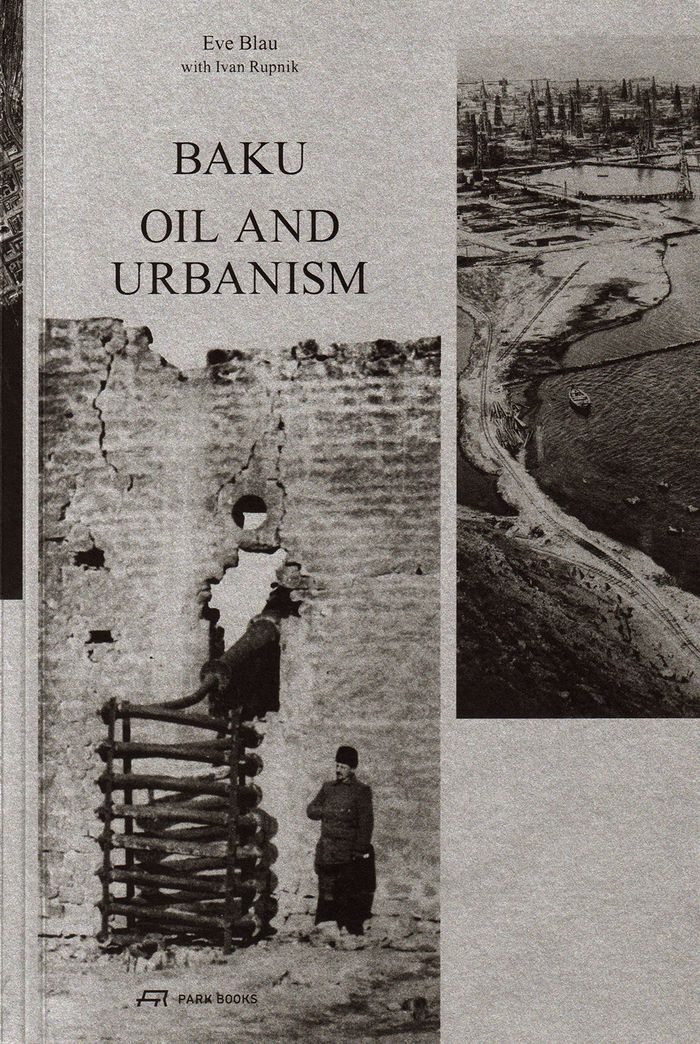
Baku, the capital of Azerbaijan and formerly part of the Russian Empire and Soviet Union, is the original oil city, with oil and urbanism thoroughly intertwined—economically, politically, and physical—in the city’s fabric. Baku saw its first oil boom in the late nineteenth century, driven by the Russian branch of the Nobel family modernizing the oil fields around Baku as local oil barons poured their new wealth into building a cosmopolitan city center. During the Soviet period, Baku became the site of an urban experiment: the shaping of an oil city of socialist man. That project included Neft Dashlari, a city built on trestles in the Caspian Sea and designed to house thousands of workers, schools, shops, gardens, clinics, and cinemas as well as 2,000 oil rigs, pipelines, and collecting stations. Today, as it heads into an uncertain post-oil future, Baku’s planners and business elites regard the legacy of its past as a resource that sustains new aspirations and identities.
Baku: oil and urbanism
Actions:
Price:
$75.00
(available to order)
Summary:
Baku, the capital of Azerbaijan and formerly part of the Russian Empire and Soviet Union, is the original oil city, with oil and urbanism thoroughly intertwined—economically, politically, and physical—in the city’s fabric. Baku saw its first oil boom in the late nineteenth century, driven by the Russian branch of the Nobel family modernizing the oil fields around Baku as local oil barons poured their new wealth into building a cosmopolitan city center. During the Soviet period, Baku became the site of an urban experiment: the shaping of an oil city of socialist man. That project included Neft Dashlari, a city built on trestles in the Caspian Sea and designed to house thousands of workers, schools, shops, gardens, clinics, and cinemas as well as 2,000 oil rigs, pipelines, and collecting stations. Today, as it heads into an uncertain post-oil future, Baku’s planners and business elites regard the legacy of its past as a resource that sustains new aspirations and identities.
Form:
books
books
Publication:
February 2019
February 2019
Form:
books
books
Actions:
Price:
$23.95
(available to order)
Summary:
Some thousands of years ago, the world was home to an immense variety of large mammals. From wooly mammoths and saber-toothed tigers to giant ground sloths and armadillos the size of automobiles, these spectacular creatures roamed freely. Then human beings arrived. Devouring their way down the food chain as they spread across the planet, they began a process of voracious(...)
$23.95
(available to order)
Summary:
Some thousands of years ago, the world was home to an immense variety of large mammals. From wooly mammoths and saber-toothed tigers to giant ground sloths and armadillos the size of automobiles, these spectacular creatures roamed freely. Then human beings arrived. Devouring their way down the food chain as they spread across the planet, they began a process of voracious(...)
Title:
Extinction: a radical history
Actions:
Price:
$23.95
(available to order)
Summary:
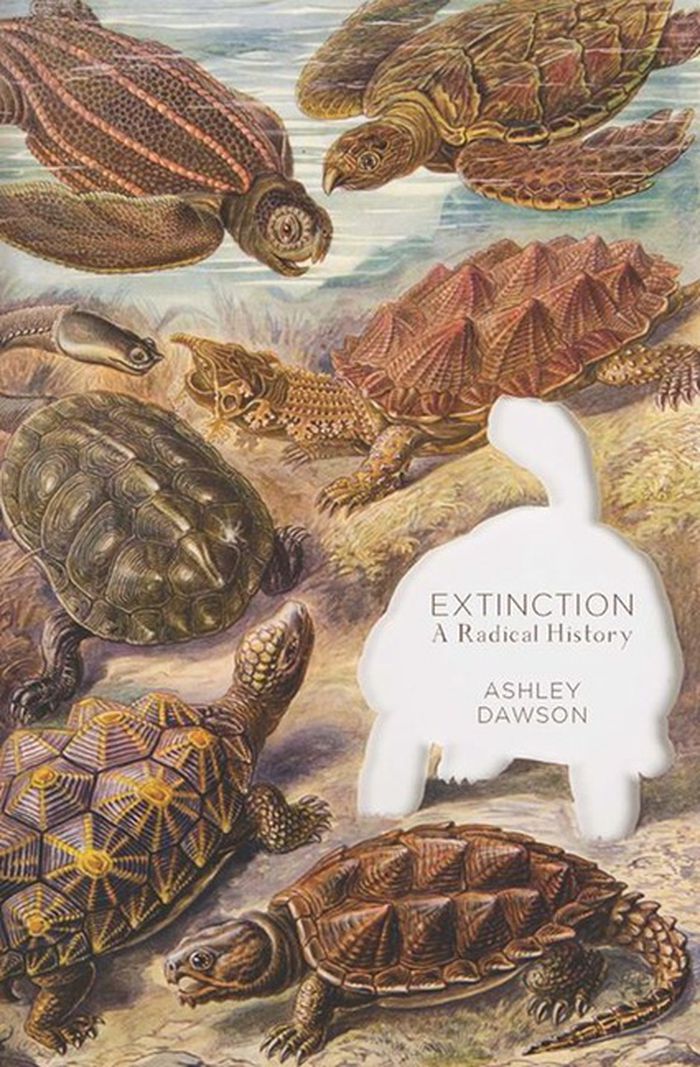
Some thousands of years ago, the world was home to an immense variety of large mammals. From wooly mammoths and saber-toothed tigers to giant ground sloths and armadillos the size of automobiles, these spectacular creatures roamed freely. Then human beings arrived. Devouring their way down the food chain as they spread across the planet, they began a process of voracious extinction that has continued to the present. For Ashley Dawson, this is the product of a global attack on the commons, the great trove of air, water, plants and creatures, as well as collectively created cultural forms such as language, that have been regarded traditionally as the inheritance of humanity as a whole. This attack has its genesis in the need for capital to expand relentlessly into all spheres of life. Extinction, Dawson argues, cannot be understood in isolation from a critique of our economic system. To achieve this we need to transgress the boundaries between science, environmentalism and radical politics.
Extinction: a radical history
Actions:
Price:
$23.95
(available to order)
Summary:
Some thousands of years ago, the world was home to an immense variety of large mammals. From wooly mammoths and saber-toothed tigers to giant ground sloths and armadillos the size of automobiles, these spectacular creatures roamed freely. Then human beings arrived. Devouring their way down the food chain as they spread across the planet, they began a process of voracious extinction that has continued to the present. For Ashley Dawson, this is the product of a global attack on the commons, the great trove of air, water, plants and creatures, as well as collectively created cultural forms such as language, that have been regarded traditionally as the inheritance of humanity as a whole. This attack has its genesis in the need for capital to expand relentlessly into all spheres of life. Extinction, Dawson argues, cannot be understood in isolation from a critique of our economic system. To achieve this we need to transgress the boundaries between science, environmentalism and radical politics.
Form:
books
books
Publication:
July 2016
July 2016
Subject:
Environment and environmental theory
Environment and environmental theory
Form:
books
books
Title:
New York in photobooks
New York in photobooks
Actions:
Price:
$45.00
(available to order)
Summary:
"New York in photobooks" gathers and studies a selection of images of the capital of the twentieth century, the most photogenic and most photographed city in history. In these images from the books selected (only a fraction of those in existence), the city of skyscrapers is captured from construction thereof in the 1930s to the destruction of the World Trade Center in(...)
$45.00
(available to order)
Summary:
"New York in photobooks" gathers and studies a selection of images of the capital of the twentieth century, the most photogenic and most photographed city in history. In these images from the books selected (only a fraction of those in existence), the city of skyscrapers is captured from construction thereof in the 1930s to the destruction of the World Trade Center in(...)
Title:
New York in photobooks
Actions:
Price:
$45.00
(available to order)
Summary:
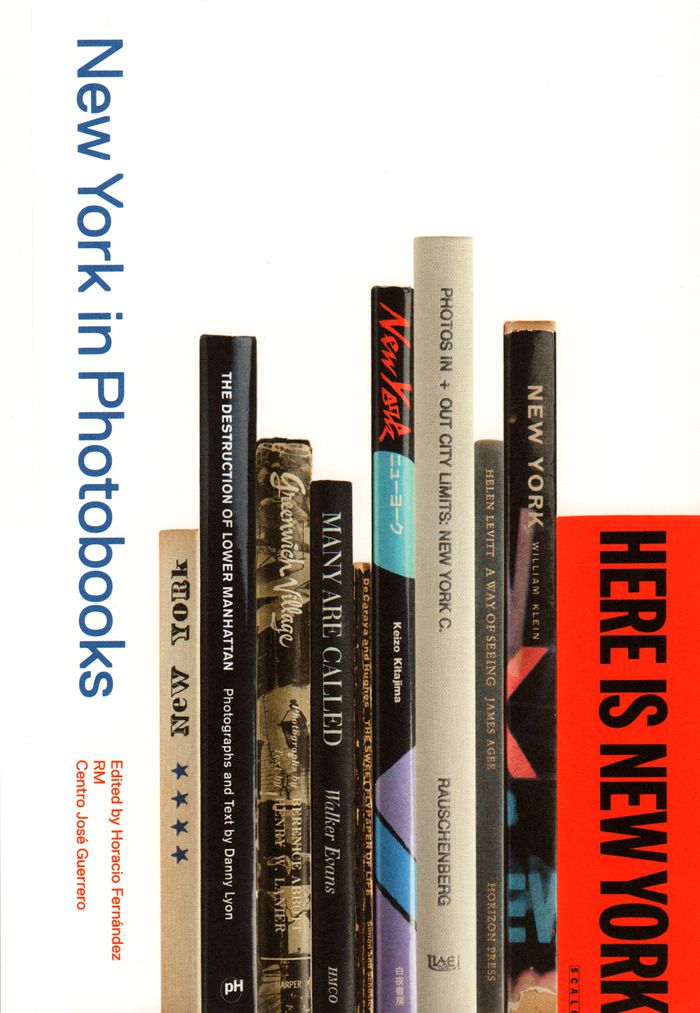
"New York in photobooks" gathers and studies a selection of images of the capital of the twentieth century, the most photogenic and most photographed city in history. In these images from the books selected (only a fraction of those in existence), the city of skyscrapers is captured from construction thereof in the 1930s to the destruction of the World Trade Center in 2001, alongside the urban life of the New Yorkers themselves, recorded in a model style of street photography. Many of the books are the work of European and Japanese photographers, who discovered multiple perspectives (human, cultural, social, economic…) from which to view the city that shaped the twentieth century. Nueva York en fotolibros is the catalogue of a traveling exhibition curated by Horacio Fernández, who is also the editor of the book: a collaborative effort in which, in addition to the many images, there are texts by numerous pho-tography scholars.
New York in photobooks
Actions:
Price:
$45.00
(available to order)
Summary:
"New York in photobooks" gathers and studies a selection of images of the capital of the twentieth century, the most photogenic and most photographed city in history. In these images from the books selected (only a fraction of those in existence), the city of skyscrapers is captured from construction thereof in the 1930s to the destruction of the World Trade Center in 2001, alongside the urban life of the New Yorkers themselves, recorded in a model style of street photography. Many of the books are the work of European and Japanese photographers, who discovered multiple perspectives (human, cultural, social, economic…) from which to view the city that shaped the twentieth century. Nueva York en fotolibros is the catalogue of a traveling exhibition curated by Horacio Fernández, who is also the editor of the book: a collaborative effort in which, in addition to the many images, there are texts by numerous pho-tography scholars.
Form:
books
books
Publication:
March 2017
March 2017
Subject:
Photography Collections
Photography Collections
Form:
books
books
Title:
Madrid architectural guide
Madrid architectural guide
Actions:
Price:
$39.95
(available to order)
Summary:
This guidebook showcases 150 buildings from the past 100 years starting with one of the most influential urban projects ever: the Gran Vía. This main avenue marked a milestone for Madrid which went from being a historic city to the modern capital that it is today. This intervention had been ongoing for almost two decades with the initial phase of construction reaching(...)
$39.95
(available to order)
Summary:
This guidebook showcases 150 buildings from the past 100 years starting with one of the most influential urban projects ever: the Gran Vía. This main avenue marked a milestone for Madrid which went from being a historic city to the modern capital that it is today. This intervention had been ongoing for almost two decades with the initial phase of construction reaching(...)
Title:
Madrid architectural guide
Actions:
Price:
$39.95
(available to order)
Summary:
This guidebook showcases 150 buildings from the past 100 years starting with one of the most influential urban projects ever: the Gran Vía. This main avenue marked a milestone for Madrid which went from being a historic city to the modern capital that it is today. This intervention had been ongoing for almost two decades with the initial phase of construction reaching completion circa. 1917. A selection of the most relevant buildings thereafter until the present day sheds light on Madrid’s architecture in relation to its inherent historical context, including the need for the reconstruction of built heritage after the Spanish Civil War, the influence of the Franco dictatorship lasting for almost forty years, and the new materials and collaborative architecture that have arisen during the current economic crisis, among other aspects. Seven proposed routes lead us through the different districts that make up the city, as well as those historic epochs that have made Madrid the city it is today.
Madrid architectural guide
Actions:
Price:
$39.95
(available to order)
Summary:
This guidebook showcases 150 buildings from the past 100 years starting with one of the most influential urban projects ever: the Gran Vía. This main avenue marked a milestone for Madrid which went from being a historic city to the modern capital that it is today. This intervention had been ongoing for almost two decades with the initial phase of construction reaching completion circa. 1917. A selection of the most relevant buildings thereafter until the present day sheds light on Madrid’s architecture in relation to its inherent historical context, including the need for the reconstruction of built heritage after the Spanish Civil War, the influence of the Franco dictatorship lasting for almost forty years, and the new materials and collaborative architecture that have arisen during the current economic crisis, among other aspects. Seven proposed routes lead us through the different districts that make up the city, as well as those historic epochs that have made Madrid the city it is today.
Form:
books
books
Publication:
March 2017
March 2017
Subject:
City Guides
City Guides


