


2989 Results
Form:
books
books
Title:
The city at its limits
The city at its limits
Actions:
Price:
$25.00
(available to order)
Summary:
In 1996, against the backdrop of Alberto Fujimori’s increasingly corrupt national politics, an older woman in Lima, Peru—part of a group of women street sweepers protesting the privatization of the city’s cleaning services—stripped to the waist in full view of the crowd that surrounded her. Lima had just launched a campaign to revitalize its historic districts, and this(...)
$25.00
(available to order)
Summary:
In 1996, against the backdrop of Alberto Fujimori’s increasingly corrupt national politics, an older woman in Lima, Peru—part of a group of women street sweepers protesting the privatization of the city’s cleaning services—stripped to the waist in full view of the crowd that surrounded her. Lima had just launched a campaign to revitalize its historic districts, and this(...)
Title:
The city at its limits
Actions:
Price:
$25.00
(available to order)
Summary:
In 1996, against the backdrop of Alberto Fujimori’s increasingly corrupt national politics, an older woman in Lima, Peru—part of a group of women street sweepers protesting the privatization of the city’s cleaning services—stripped to the waist in full view of the crowd that surrounded her. Lima had just launched a campaign to revitalize its historic districts, and this shockingly transgressive act was just one of a series of events that challenged the norms of order, cleanliness, and beauty that the renewal effort promoted. The City at Its Limits employs a novel and fluid interweaving of essays and field diary entries as Daniella Gandolfo analyzes the ramifications of this act within the city’s conflicted history and across its class divisions. She builds on the work of Georges Bataille to explore the relation between taboo and transgression, while Peruvian novelist and anthropologist José María Arguedas’s writings inspire her to reflect on her return to her native city in movingly intimate detail. With its multiple perspectives—personal, sociological, historical, and theoretical—The City at Its Limits is a pioneering work on the cutting edge of ethnography.
The city at its limits
Actions:
Price:
$25.00
(available to order)
Summary:
In 1996, against the backdrop of Alberto Fujimori’s increasingly corrupt national politics, an older woman in Lima, Peru—part of a group of women street sweepers protesting the privatization of the city’s cleaning services—stripped to the waist in full view of the crowd that surrounded her. Lima had just launched a campaign to revitalize its historic districts, and this shockingly transgressive act was just one of a series of events that challenged the norms of order, cleanliness, and beauty that the renewal effort promoted. The City at Its Limits employs a novel and fluid interweaving of essays and field diary entries as Daniella Gandolfo analyzes the ramifications of this act within the city’s conflicted history and across its class divisions. She builds on the work of Georges Bataille to explore the relation between taboo and transgression, while Peruvian novelist and anthropologist José María Arguedas’s writings inspire her to reflect on her return to her native city in movingly intimate detail. With its multiple perspectives—personal, sociological, historical, and theoretical—The City at Its Limits is a pioneering work on the cutting edge of ethnography.
Form:
books
books
Publication:
January 2009
January 2009
Subject:
Urban Theory
Urban Theory
Form:
books
books
Actions:
Price:
$85.00
(available to order)
Summary:
German scientist and photographer Heinrich Kuhn (1866-1944) was one of the central figures in the establishment of international art photography at the turn of the twentieth century. Having studied botany and medicine, Kuhn made his first photograph in the late 1870s, dedicating himself solely to the medium within a decade. He achieved this dedication through the support(...)
$85.00
(available to order)
Summary:
German scientist and photographer Heinrich Kuhn (1866-1944) was one of the central figures in the establishment of international art photography at the turn of the twentieth century. Having studied botany and medicine, Kuhn made his first photograph in the late 1870s, dedicating himself solely to the medium within a decade. He achieved this dedication through the support(...)
Title:
Henrich Kühn: the perfect photograph
Actions:
Price:
$85.00
(available to order)
Summary:
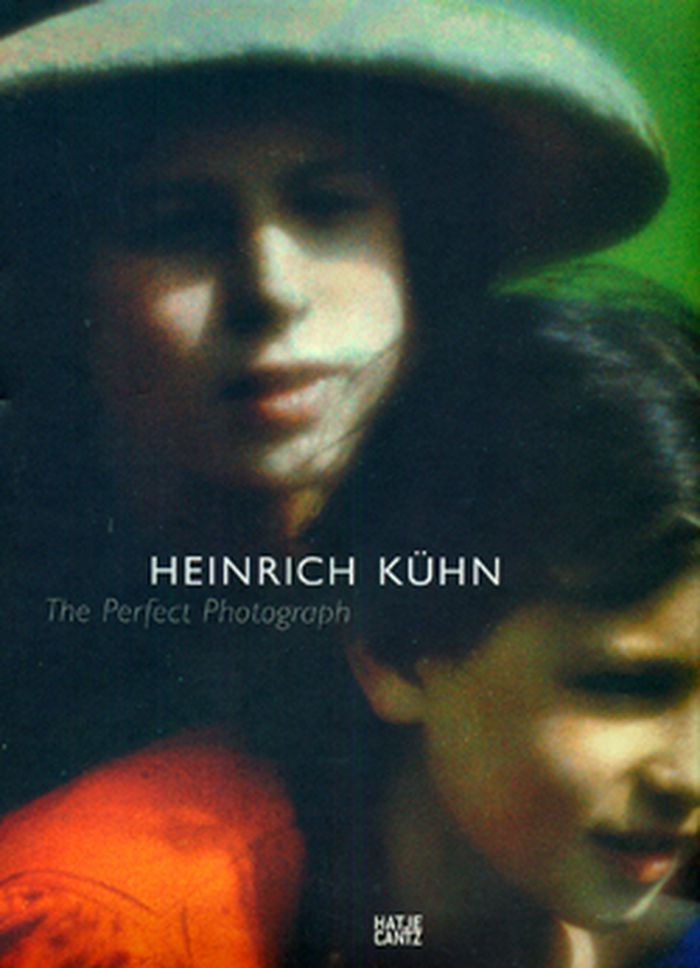
German scientist and photographer Heinrich Kuhn (1866-1944) was one of the central figures in the establishment of international art photography at the turn of the twentieth century. Having studied botany and medicine, Kuhn made his first photograph in the late 1870s, dedicating himself solely to the medium within a decade. He achieved this dedication through the support of American photographers Alfred Stieglitz, Edward Steichen and others. After a meeting in 1904, Stieglitz and Kuhn initiated an almost 30-year-long correspondence, ushering in an era of pioneering experimentation with autochrome and other photographic processes. Critical to Kuhn's success was an offset process he perfected, which allowed him to deliberately dissolve the sharpness of the image and alter its brightness. The results are dreamy images full of rich, delicate color. Around 1910, Kuhn reduced the romantic cosmos of Pictorialism to the point where his compositions became almost abstract, so that only the study of light and the rendering of tonal values mattered. He later returned to exploring the photograph as objective record, concentrating mainly on writing and to experiments in photographic technology. This volume surveys the works of a revelatory photographer.
Henrich Kühn: the perfect photograph
Actions:
Price:
$85.00
(available to order)
Summary:
German scientist and photographer Heinrich Kuhn (1866-1944) was one of the central figures in the establishment of international art photography at the turn of the twentieth century. Having studied botany and medicine, Kuhn made his first photograph in the late 1870s, dedicating himself solely to the medium within a decade. He achieved this dedication through the support of American photographers Alfred Stieglitz, Edward Steichen and others. After a meeting in 1904, Stieglitz and Kuhn initiated an almost 30-year-long correspondence, ushering in an era of pioneering experimentation with autochrome and other photographic processes. Critical to Kuhn's success was an offset process he perfected, which allowed him to deliberately dissolve the sharpness of the image and alter its brightness. The results are dreamy images full of rich, delicate color. Around 1910, Kuhn reduced the romantic cosmos of Pictorialism to the point where his compositions became almost abstract, so that only the study of light and the rendering of tonal values mattered. He later returned to exploring the photograph as objective record, concentrating mainly on writing and to experiments in photographic technology. This volume surveys the works of a revelatory photographer.
Form:
books
books
Publication:
October 2010
October 2010
Subject:
Photography monographs
Photography monographs
Form:
books
books
Title:
New retail
New retail
Actions:
Price:
$89.95
(available to order)
Summary:
about the book In the decades since the advent of the shopping mall, shopping has become synonymous with entertainment and the retail store a key player in establishing brand identity. In a growing trend, high-profile architects are designing provocative storefronts and interiors that create an aura of exclusivity, draw in customers, and attract media attention(...)
$89.95
(available to order)
Summary:
about the book In the decades since the advent of the shopping mall, shopping has become synonymous with entertainment and the retail store a key player in establishing brand identity. In a growing trend, high-profile architects are designing provocative storefronts and interiors that create an aura of exclusivity, draw in customers, and attract media attention(...)
Subject:
Commercial interiors, Building types
Commercial interiors, Building types
Publication:
May 2005, London, New York
May 2005, London, New York
Title:
New retail
Actions:
Price:
$89.95
(available to order)
Summary:
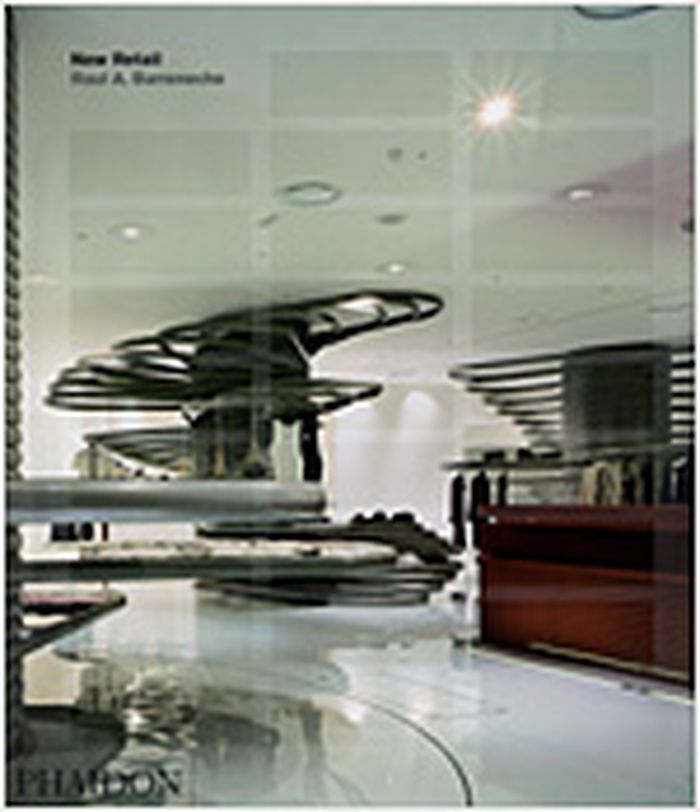
about the book In the decades since the advent of the shopping mall, shopping has become synonymous with entertainment and the retail store a key player in establishing brand identity. In a growing trend, high-profile architects are designing provocative storefronts and interiors that create an aura of exclusivity, draw in customers, and attract media attention rivaling the goods within. New Retail examines this phenomenon with an overview of 24 of the most innovative retail spaces built around the world in recent years, designed by high-profile international architects as well as smaller cutting-edge firms. Projects in the book include the Carlos Miele store in New York (Asymptote), three stores for Louis Vuitton in New York and Tokyo (Jun Aoki), Selfridges in Birmingham, the UK (Future Systems), two clothing boutiques in São Paulo (Isay Weinfeld), the Mandarina Duck store in Paris (NL Architects), and the Mpries Supermarket in Austria (Dominique Perrault), among others. More than 250 color photographs as well as floor plans and site plans showcase the architectural and interior design, lighting, and often experimental materials that create these ultimate retail spaces. For the Selfridges department store, for example, Future Systems clad the building with 15,000 aluminum disks attached to a sprayed concrete surface. In New York, the interior of the Carlos Miele store by Asymptote features a sensual, sculptural white ceiling of molded high-gloss PVC-based material. Each project is accompanied by a 500-to-700-word description that explains the design concept, site, program, and significant building technologies and materials. A general introduction discusses precedents to these projects and current issues in the architecture and design of retail spaces.
New retail
Actions:
Price:
$89.95
(available to order)
Summary:
about the book In the decades since the advent of the shopping mall, shopping has become synonymous with entertainment and the retail store a key player in establishing brand identity. In a growing trend, high-profile architects are designing provocative storefronts and interiors that create an aura of exclusivity, draw in customers, and attract media attention rivaling the goods within. New Retail examines this phenomenon with an overview of 24 of the most innovative retail spaces built around the world in recent years, designed by high-profile international architects as well as smaller cutting-edge firms. Projects in the book include the Carlos Miele store in New York (Asymptote), three stores for Louis Vuitton in New York and Tokyo (Jun Aoki), Selfridges in Birmingham, the UK (Future Systems), two clothing boutiques in São Paulo (Isay Weinfeld), the Mandarina Duck store in Paris (NL Architects), and the Mpries Supermarket in Austria (Dominique Perrault), among others. More than 250 color photographs as well as floor plans and site plans showcase the architectural and interior design, lighting, and often experimental materials that create these ultimate retail spaces. For the Selfridges department store, for example, Future Systems clad the building with 15,000 aluminum disks attached to a sprayed concrete surface. In New York, the interior of the Carlos Miele store by Asymptote features a sensual, sculptural white ceiling of molded high-gloss PVC-based material. Each project is accompanied by a 500-to-700-word description that explains the design concept, site, program, and significant building technologies and materials. A general introduction discusses precedents to these projects and current issues in the architecture and design of retail spaces.
Form:
books
books
Publication:
May 2005, London, New York
May 2005, London, New York
Subject:
Commercial interiors, Building types
Commercial interiors, Building types
Form:
books
books
Actions:
Price:
$92.50
(available to order)
Summary:
MVRDV is a Rotterdam-based architecture and urban design practice founded in 1993 (its name is an acronym for founding members Winy Maas, Jacob van Rijs and Nathalie de Vries). In cooperation with Ilka and Andreas Ruby, MVRDV assembled a monographic overview of 20 years of architectural practice, "MVRDV Buildings", now available in a new, updated edition. Featuring user(...)
$92.50
(available to order)
Summary:
MVRDV is a Rotterdam-based architecture and urban design practice founded in 1993 (its name is an acronym for founding members Winy Maas, Jacob van Rijs and Nathalie de Vries). In cooperation with Ilka and Andreas Ruby, MVRDV assembled a monographic overview of 20 years of architectural practice, "MVRDV Buildings", now available in a new, updated edition. Featuring user(...)
Title:
MVRDV buildings, updated edition
Actions:
Price:
$92.50
(available to order)
Summary:
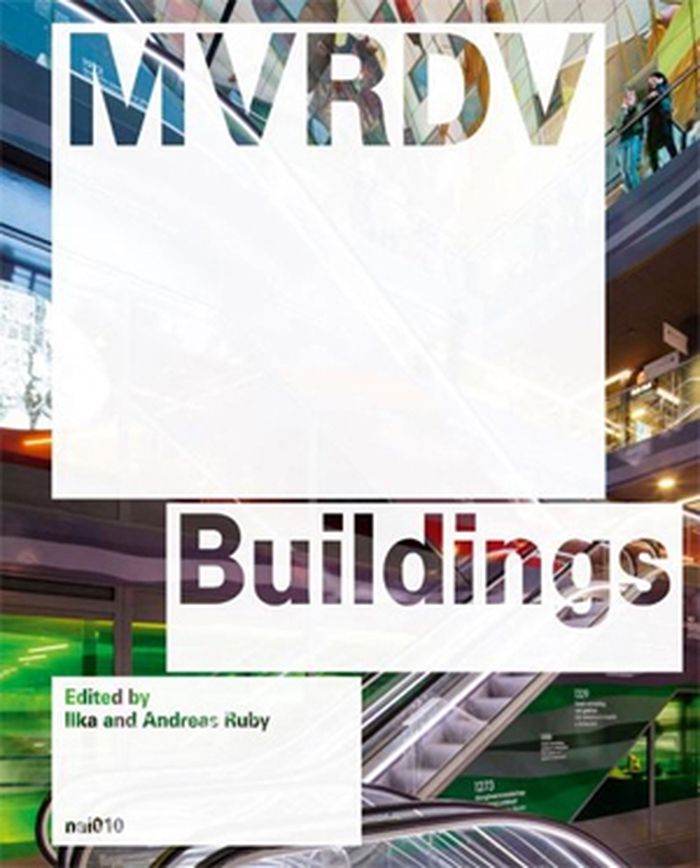
MVRDV is a Rotterdam-based architecture and urban design practice founded in 1993 (its name is an acronym for founding members Winy Maas, Jacob van Rijs and Nathalie de Vries). In cooperation with Ilka and Andreas Ruby, MVRDV assembled a monographic overview of 20 years of architectural practice, "MVRDV Buildings", now available in a new, updated edition. Featuring user testimonies, journalistic articles, and previously unpublished images and drawings, "MVRDV Buildings"surveys the realized work to date of one of the world’s top architecture bureaus. Acclaimed for its visionary research and thought-provoking projects such as Pig City (a high-rise landscape designed to solve lack-of-space problems for the pig meat industry in the Netherlands) and Grand Paris (a proposal to join Paris and its suburbs into a high-density "post-Kyoto city" by 2030), MVRDV has realized a stunning portfolio of buildings and urban plans. This volume includes MVRDV’s famous projects, such as Villa VPRO (Hilversum), WoZoCo (Amsterdam), Balancing Barn (Suffolk, UK) and Edificio Mirador (Madrid), and explores these with a characteristically inquisitive attitude. How do these buildings perform? What is life like in a blue house (in Didden Village, near Rotterdam), on an orange tribune (The Why Factory, situated within a courtyard at Delft University of Technology), in a vertical shopping street (the Gyre Shopping Center in Tokyo) or inside a mountain of books (the Book Mountain library in Spijkenisse)?
MVRDV buildings, updated edition
Actions:
Price:
$92.50
(available to order)
Summary:
MVRDV is a Rotterdam-based architecture and urban design practice founded in 1993 (its name is an acronym for founding members Winy Maas, Jacob van Rijs and Nathalie de Vries). In cooperation with Ilka and Andreas Ruby, MVRDV assembled a monographic overview of 20 years of architectural practice, "MVRDV Buildings", now available in a new, updated edition. Featuring user testimonies, journalistic articles, and previously unpublished images and drawings, "MVRDV Buildings"surveys the realized work to date of one of the world’s top architecture bureaus. Acclaimed for its visionary research and thought-provoking projects such as Pig City (a high-rise landscape designed to solve lack-of-space problems for the pig meat industry in the Netherlands) and Grand Paris (a proposal to join Paris and its suburbs into a high-density "post-Kyoto city" by 2030), MVRDV has realized a stunning portfolio of buildings and urban plans. This volume includes MVRDV’s famous projects, such as Villa VPRO (Hilversum), WoZoCo (Amsterdam), Balancing Barn (Suffolk, UK) and Edificio Mirador (Madrid), and explores these with a characteristically inquisitive attitude. How do these buildings perform? What is life like in a blue house (in Didden Village, near Rotterdam), on an orange tribune (The Why Factory, situated within a courtyard at Delft University of Technology), in a vertical shopping street (the Gyre Shopping Center in Tokyo) or inside a mountain of books (the Book Mountain library in Spijkenisse)?
Form:
books
books
Publication:
February 2016
February 2016
Subject:
Architecture Monographs
Architecture Monographs
Form:
books
books
Actions:
Price:
$36.00
(available in store)
Summary:
The sequel to the authors’ “Are We Human?”, this provocative book is an urgent manifesto for an alternative architectural philosophy. It treats bacteria as the real architects, construction workers, maintenance crews and inhabitants of buildings. Colomina and Wigley draw on the latest research into microbes to rethink the past and possible futures of the built(...)
$36.00
(available in store)
Summary:
The sequel to the authors’ “Are We Human?”, this provocative book is an urgent manifesto for an alternative architectural philosophy. It treats bacteria as the real architects, construction workers, maintenance crews and inhabitants of buildings. Colomina and Wigley draw on the latest research into microbes to rethink the past and possible futures of the built(...)
Title:
We the bacteria: Notes towards biotic architecture
Actions:
Price:
$36.00
(available in store)
Summary:
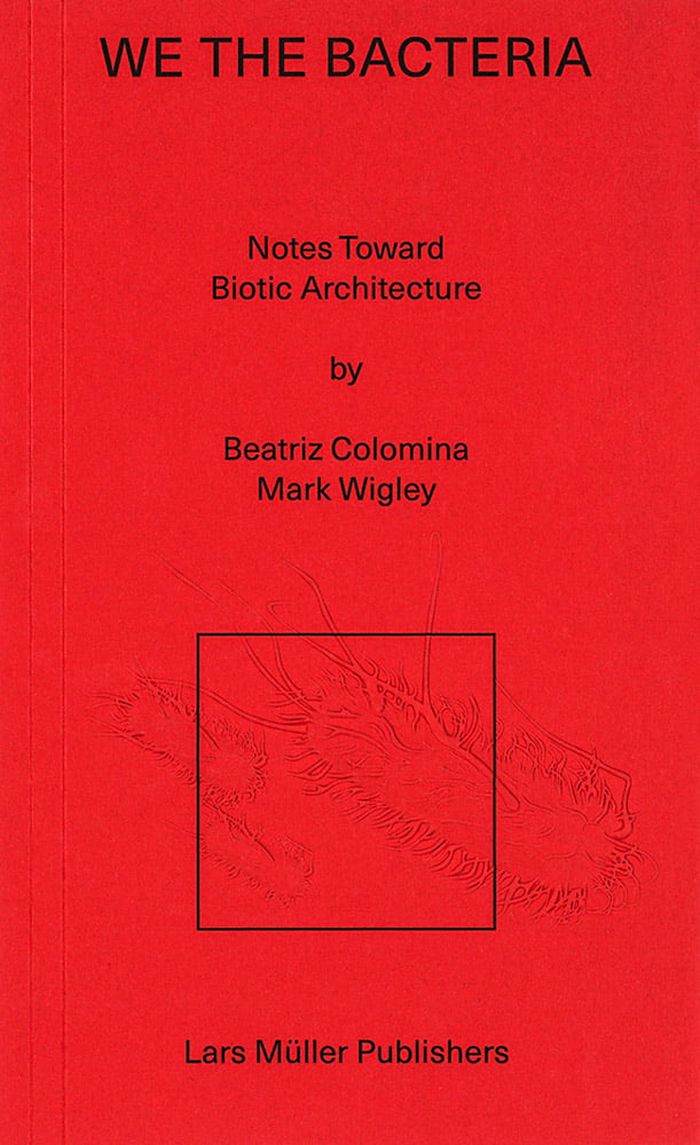
The sequel to the authors’ “Are We Human?”, this provocative book is an urgent manifesto for an alternative architectural philosophy. It treats bacteria as the real architects, construction workers, maintenance crews and inhabitants of buildings. Colomina and Wigley draw on the latest research into microbes to rethink the past and possible futures of the built environment. The book explores the intimate entanglements of the microbes within bodies and buildings over the last 10,000 years, culminating in the antibiotic philosophy of contemporary architecture. The diseases of our time are diseases of the built environment. The deadly combination of rapidly declining microbial diversity and rising antibiotic-resistant bacteria is as great a threat as climate change. Hostility to bacteria has to give way to new forms of hospitality from a more symbiotic architecture that learns from bacteria, embracing them and reconnecting with soil, plants and other species. Buildings based on fear of bacteria, which is to say fear of life itself, must give way to buildings learning from models of coexistence based on bacteria themselves. The main goal of the book is to rethink the very idea of shelter in terms of forms of inclusion rather than prophylactic forms of exclusion.
We the bacteria: Notes towards biotic architecture
Actions:
Price:
$36.00
(available in store)
Summary:
The sequel to the authors’ “Are We Human?”, this provocative book is an urgent manifesto for an alternative architectural philosophy. It treats bacteria as the real architects, construction workers, maintenance crews and inhabitants of buildings. Colomina and Wigley draw on the latest research into microbes to rethink the past and possible futures of the built environment. The book explores the intimate entanglements of the microbes within bodies and buildings over the last 10,000 years, culminating in the antibiotic philosophy of contemporary architecture. The diseases of our time are diseases of the built environment. The deadly combination of rapidly declining microbial diversity and rising antibiotic-resistant bacteria is as great a threat as climate change. Hostility to bacteria has to give way to new forms of hospitality from a more symbiotic architecture that learns from bacteria, embracing them and reconnecting with soil, plants and other species. Buildings based on fear of bacteria, which is to say fear of life itself, must give way to buildings learning from models of coexistence based on bacteria themselves. The main goal of the book is to rethink the very idea of shelter in terms of forms of inclusion rather than prophylactic forms of exclusion.
Form:
books
books
Publication:
October 2025
October 2025
Subject:
Architecture ecologies
Architecture ecologies
Form:
books
books

Title:
Domesticity at War
Domesticity at War
Actions:
Price:
$54.95
(available to order)
Summary:
In the years immediately following World War II, America embraced modern architecture--not as something imported from Europe, but as an entirely new mode of operation, with original and captivating designs made in the USA. Beatriz Colomina shows how postwar American architecture adapted the techniques and materials that were developed for military applications to domestic(...)
$54.95
(available to order)
Summary:
In the years immediately following World War II, America embraced modern architecture--not as something imported from Europe, but as an entirely new mode of operation, with original and captivating designs made in the USA. Beatriz Colomina shows how postwar American architecture adapted the techniques and materials that were developed for military applications to domestic(...)
Title:
Domesticity at War
Actions:
Price:
$54.95
(available to order)
Summary:
In the years immediately following World War II, America embraced modern architecture--not as something imported from Europe, but as an entirely new mode of operation, with original and captivating designs made in the USA. Beatriz Colomina shows how postwar American architecture adapted the techniques and materials that were developed for military applications to domestic use. Just as manufacturers were turning wartime industry to peacetime productivity--going from missiles to washing machines--American architects and cultural institutions were, in Buckminster Fuller’s words, turning "weaponry into livingry." This new form of domesticity itself turned out to be a powerful weapon. Images of American domestic bliss--suburban homes, manicured lawns, kitchen accessories--went around the world as an effective propaganda campaign. Cold War anxieties were masked by endlessly repeated images of a picture-perfect domestic environment. Even the popular conception of the architect became domesticated, changing from that of an austere modernist to a plaid-shirt wearing homebody. Domesticity at War itself has a distinctive architecture. Housed within the case are two units: one book of text, and one book of illustrations--most of them in color, including advertisements, newspaper and magazine articles, architectural photographs, and more.
Domesticity at War
Actions:
Price:
$54.95
(available to order)
Summary:
In the years immediately following World War II, America embraced modern architecture--not as something imported from Europe, but as an entirely new mode of operation, with original and captivating designs made in the USA. Beatriz Colomina shows how postwar American architecture adapted the techniques and materials that were developed for military applications to domestic use. Just as manufacturers were turning wartime industry to peacetime productivity--going from missiles to washing machines--American architects and cultural institutions were, in Buckminster Fuller’s words, turning "weaponry into livingry." This new form of domesticity itself turned out to be a powerful weapon. Images of American domestic bliss--suburban homes, manicured lawns, kitchen accessories--went around the world as an effective propaganda campaign. Cold War anxieties were masked by endlessly repeated images of a picture-perfect domestic environment. Even the popular conception of the architect became domesticated, changing from that of an austere modernist to a plaid-shirt wearing homebody. Domesticity at War itself has a distinctive architecture. Housed within the case are two units: one book of text, and one book of illustrations--most of them in color, including advertisements, newspaper and magazine articles, architectural photographs, and more.
Form:
books
books
Publication:
March 2007, Cambridge / London
March 2007, Cambridge / London
Subject:
Architectural Theory
Architectural Theory
Form:
books
books
Actions:
Price:
$56.00
(available in store)
Summary:
''Collective Intelligence'' is an innovative monograph that documents the last ten years of Polish-born conceptual artist Agnieszka Kurant’s interdisciplinary practice. It includes newly commissioned texts by renowned thinkers in science, philosophy, art, technology, anthropology, and economics. Kurant’s experimental work investigates collective and nonhuman(...)
$56.00
(available in store)
Summary:
''Collective Intelligence'' is an innovative monograph that documents the last ten years of Polish-born conceptual artist Agnieszka Kurant’s interdisciplinary practice. It includes newly commissioned texts by renowned thinkers in science, philosophy, art, technology, anthropology, and economics. Kurant’s experimental work investigates collective and nonhuman(...)
Subject:
Contemporary Art Monographs
Contemporary Art Monographs
Publication:
December 2025
December 2025
Title:
Agnieszka Kurant: Collective intelligence
Actions:
Price:
$56.00
(available in store)
Summary:
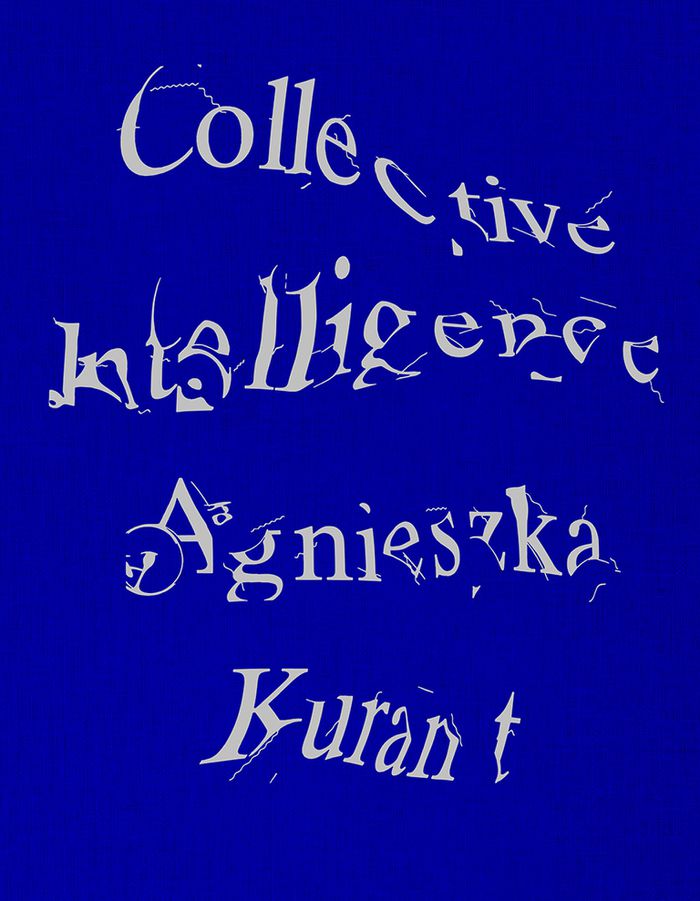
''Collective Intelligence'' is an innovative monograph that documents the last ten years of Polish-born conceptual artist Agnieszka Kurant’s interdisciplinary practice. It includes newly commissioned texts by renowned thinkers in science, philosophy, art, technology, anthropology, and economics. Kurant’s experimental work investigates collective and nonhuman intelligences and their impact on transformations of the human, the future of labor and creativity, and the exploitations within digital capitalism. Questioning the ideology of individualism, Kurant proposes that we rethink human and more-than-human worlds from a perspective of plural subjectivity, and, through this fundamental shift in perspective, posits the possibility of alternative political imaginaries. Her work probes the replacement of individual authorship with collective intelligence—a phenomenon observed in slime molds, termite colonies, social movements, cities, the internet, and inside our brains. In her collaborative practice, the artist investigates artificial intelligence, emergence, cybernetics, automation, artificial life, mining industries, and energy circuits to explore our collective evolution and the shifting status of objects in relation to agency, value, circulation, and redistribution. Through crowdsourcing the production of her artworks to thousands of humans and nonhumans, Kurant creates unstable, hybrid forms that constantly evolve. Her works, oscillating between biological, digital, and geological, embody the crumbling distinctions between what is natural and artificial, real and synthetic, and life and nonlife.
Agnieszka Kurant: Collective intelligence
Actions:
Price:
$56.00
(available in store)
Summary:
''Collective Intelligence'' is an innovative monograph that documents the last ten years of Polish-born conceptual artist Agnieszka Kurant’s interdisciplinary practice. It includes newly commissioned texts by renowned thinkers in science, philosophy, art, technology, anthropology, and economics. Kurant’s experimental work investigates collective and nonhuman intelligences and their impact on transformations of the human, the future of labor and creativity, and the exploitations within digital capitalism. Questioning the ideology of individualism, Kurant proposes that we rethink human and more-than-human worlds from a perspective of plural subjectivity, and, through this fundamental shift in perspective, posits the possibility of alternative political imaginaries. Her work probes the replacement of individual authorship with collective intelligence—a phenomenon observed in slime molds, termite colonies, social movements, cities, the internet, and inside our brains. In her collaborative practice, the artist investigates artificial intelligence, emergence, cybernetics, automation, artificial life, mining industries, and energy circuits to explore our collective evolution and the shifting status of objects in relation to agency, value, circulation, and redistribution. Through crowdsourcing the production of her artworks to thousands of humans and nonhumans, Kurant creates unstable, hybrid forms that constantly evolve. Her works, oscillating between biological, digital, and geological, embody the crumbling distinctions between what is natural and artificial, real and synthetic, and life and nonlife.
Form:
books
books
Publication:
December 2025
December 2025
Subject:
Contemporary Art Monographs
Contemporary Art Monographs
Form:
books
books
Actions:
Price:
$60.00
(available to order)
Summary:
A widely connected pioneer of Pop and mail art, Ray Johnson was described as ''New York’s most famous unknown artist.'' Best known for his dense, allusive collages, he stopped exhibiting in 1991, but his output did not diminish. Between 1992 and 1994, using 137 disposable cameras, he created a large body of work that is only now coming to light. Staging his artworks in(...)
$60.00
(available to order)
Summary:
A widely connected pioneer of Pop and mail art, Ray Johnson was described as ''New York’s most famous unknown artist.'' Best known for his dense, allusive collages, he stopped exhibiting in 1991, but his output did not diminish. Between 1992 and 1994, using 137 disposable cameras, he created a large body of work that is only now coming to light. Staging his artworks in(...)
Title:
Please send to real life: Ray Johnson photographs
Actions:
Price:
$60.00
(available to order)
Summary:
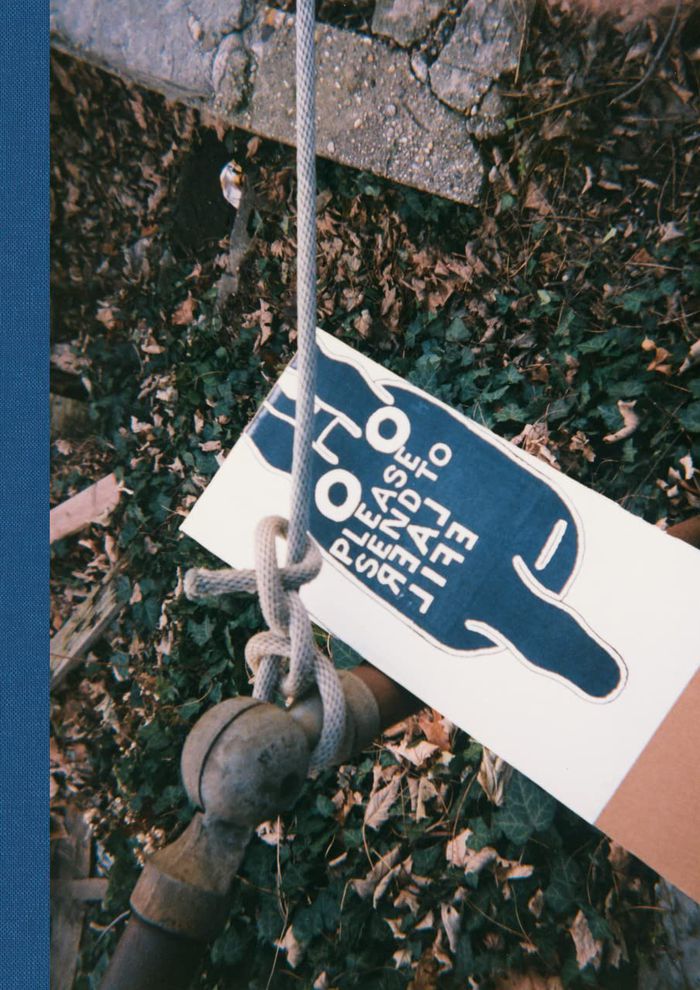
A widely connected pioneer of Pop and mail art, Ray Johnson was described as ''New York’s most famous unknown artist.'' Best known for his dense, allusive collages, he stopped exhibiting in 1991, but his output did not diminish. Between 1992 and 1994, using 137 disposable cameras, he created a large body of work that is only now coming to light. Staging his artworks in settings near his home in Locust Valley, Long Island — parking lots, sidewalks, beaches, cemeteries — Johnson made photographs that make the world of everyday ''real life'' a part of his art. Within a few months, he devised a large new freestanding format for the simplified collages he began calling the ''movie stars'' of his camera tableaux. When he swam to his death at sea on 13 January 1995, Johnson left behind a vast archive that included over three thousand of the late photographs. What he called his ''new career as a photographer,'' which makes its debut in print here, marked the close of a romance with the camera that had spanned four decades of relentless invention.
Please send to real life: Ray Johnson photographs
Actions:
Price:
$60.00
(available to order)
Summary:
A widely connected pioneer of Pop and mail art, Ray Johnson was described as ''New York’s most famous unknown artist.'' Best known for his dense, allusive collages, he stopped exhibiting in 1991, but his output did not diminish. Between 1992 and 1994, using 137 disposable cameras, he created a large body of work that is only now coming to light. Staging his artworks in settings near his home in Locust Valley, Long Island — parking lots, sidewalks, beaches, cemeteries — Johnson made photographs that make the world of everyday ''real life'' a part of his art. Within a few months, he devised a large new freestanding format for the simplified collages he began calling the ''movie stars'' of his camera tableaux. When he swam to his death at sea on 13 January 1995, Johnson left behind a vast archive that included over three thousand of the late photographs. What he called his ''new career as a photographer,'' which makes its debut in print here, marked the close of a romance with the camera that had spanned four decades of relentless invention.
Form:
books
books
Publication:
June 2022
June 2022
Subject:
Photography monographs
Photography monographs
Form:
books
books
Price:
$46.95
(available to order)
Summary:
Working in rural China is unlike other countryside: it is full of contradiction, neither rural nor urban, both traditional and modern, abandoned in some areas and yet others are becoming cities overnight. It is in fact a laboratory for new ways of living. And it has become our laboratory for new ways of making architecture. Whereas contemporary architecture since the(...)
$46.95
(available to order)
Summary:
Working in rural China is unlike other countryside: it is full of contradiction, neither rural nor urban, both traditional and modern, abandoned in some areas and yet others are becoming cities overnight. It is in fact a laboratory for new ways of living. And it has become our laboratory for new ways of making architecture. Whereas contemporary architecture since the(...)
Title:
Uncertainty : Experiments in making from the Chinese countryside
Actions:
Price:
$46.95
(available to order)
Summary:
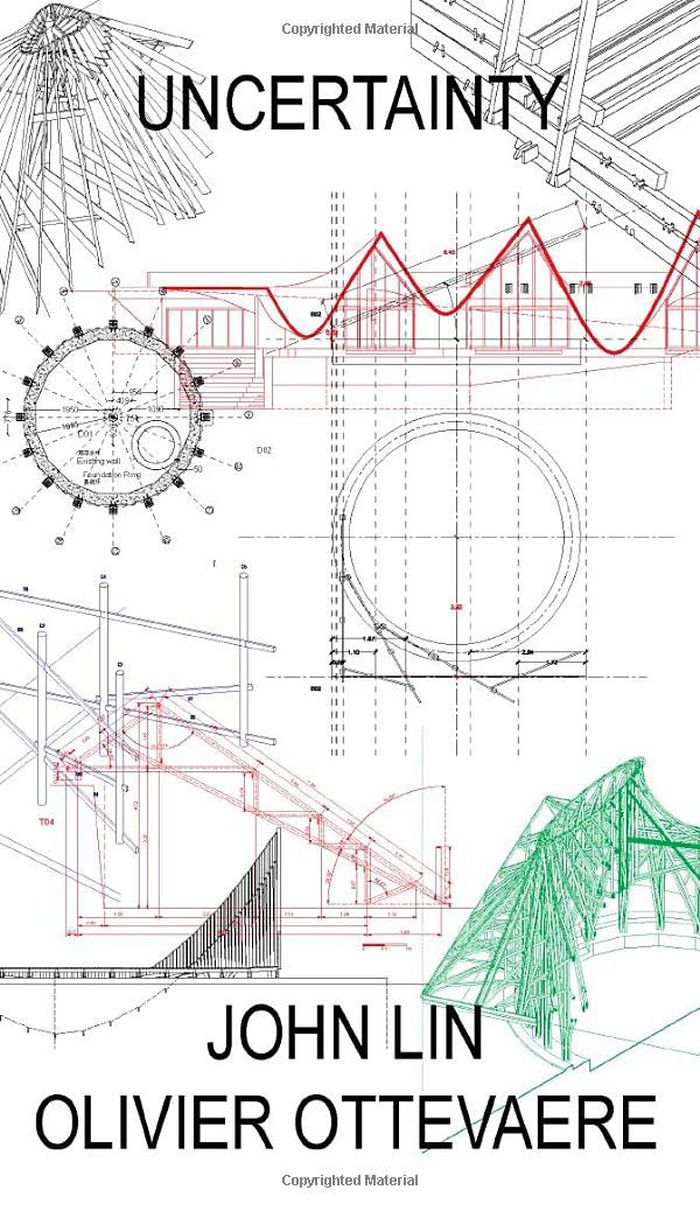
Working in rural China is unlike other countryside: it is full of contradiction, neither rural nor urban, both traditional and modern, abandoned in some areas and yet others are becoming cities overnight. It is in fact a laboratory for new ways of living. And it has become our laboratory for new ways of making architecture. Whereas contemporary architecture since the advent of modernism has developed increasingly controlled, prototypical, and standardized mechanisms for building, our experiments embrace the opposite: a lack of control, taking place within the flux of political, social and economic uncertainties. The experiments presented here are examples taken from a series of design and build projects conducted from the Department of Architecture at the University of Hong Kong over the past 10 years. They are remarkable in their diffuse explorations and situations. Some were urgent post-earthquake reconstructions, often adapting to extreme topographies or taking place in the midst of major urbanizing transformations, whereas other experiments occurred in forgotten villages with left-behind craftspeople and their disappearing building cultures. These forays and what can be best described as adventures in building, left us with varied and novel (sometimes failed) experiments with structure and program. But they are presented here for the trait they have in common: an exploration of the limits of material, geometry, construction methods, and even historical context. As often occurs for architects working in a foreign landscape, the differences in language and culture have proven to be a source of constant miscommunication and surprising discovery. The lack of a common spoken language- these remote areas speak their own dialects- has placed an emphasis on drawing as another means of communication. Through drawing we have explored a means of design and a means of building. Therefore, this is also a book about ways of drawing that represent ways of control and, inversely perhaps, what not to control.
Uncertainty : Experiments in making from the Chinese countryside
Actions:
Price:
$46.95
(available to order)
Summary:
Working in rural China is unlike other countryside: it is full of contradiction, neither rural nor urban, both traditional and modern, abandoned in some areas and yet others are becoming cities overnight. It is in fact a laboratory for new ways of living. And it has become our laboratory for new ways of making architecture. Whereas contemporary architecture since the advent of modernism has developed increasingly controlled, prototypical, and standardized mechanisms for building, our experiments embrace the opposite: a lack of control, taking place within the flux of political, social and economic uncertainties. The experiments presented here are examples taken from a series of design and build projects conducted from the Department of Architecture at the University of Hong Kong over the past 10 years. They are remarkable in their diffuse explorations and situations. Some were urgent post-earthquake reconstructions, often adapting to extreme topographies or taking place in the midst of major urbanizing transformations, whereas other experiments occurred in forgotten villages with left-behind craftspeople and their disappearing building cultures. These forays and what can be best described as adventures in building, left us with varied and novel (sometimes failed) experiments with structure and program. But they are presented here for the trait they have in common: an exploration of the limits of material, geometry, construction methods, and even historical context. As often occurs for architects working in a foreign landscape, the differences in language and culture have proven to be a source of constant miscommunication and surprising discovery. The lack of a common spoken language- these remote areas speak their own dialects- has placed an emphasis on drawing as another means of communication. Through drawing we have explored a means of design and a means of building. Therefore, this is also a book about ways of drawing that represent ways of control and, inversely perhaps, what not to control.
Form:
books
books
Publication:
June 2022
June 2022
Subject:
Contemporary Architecture
Contemporary Architecture
Form:
books
books
Price:
$50.95
(available to order)
Summary:
Over the past several decades, scholars in both the social sciences and humanities have moved beyond the idea that there is a "body proper": a singular, discrete biological organism with an individual psyche. They have begun to perceive embodiment as dynamic rather than static, as experiences that vary over time and across the world as they are shaped by discourses,(...)
$50.95
(available to order)
Summary:
Over the past several decades, scholars in both the social sciences and humanities have moved beyond the idea that there is a "body proper": a singular, discrete biological organism with an individual psyche. They have begun to perceive embodiment as dynamic rather than static, as experiences that vary over time and across the world as they are shaped by discourses,(...)
Title:
Beyond the body proper: Reading the anthropology of material life
Actions:
Price:
$50.95
(available to order)
Summary:
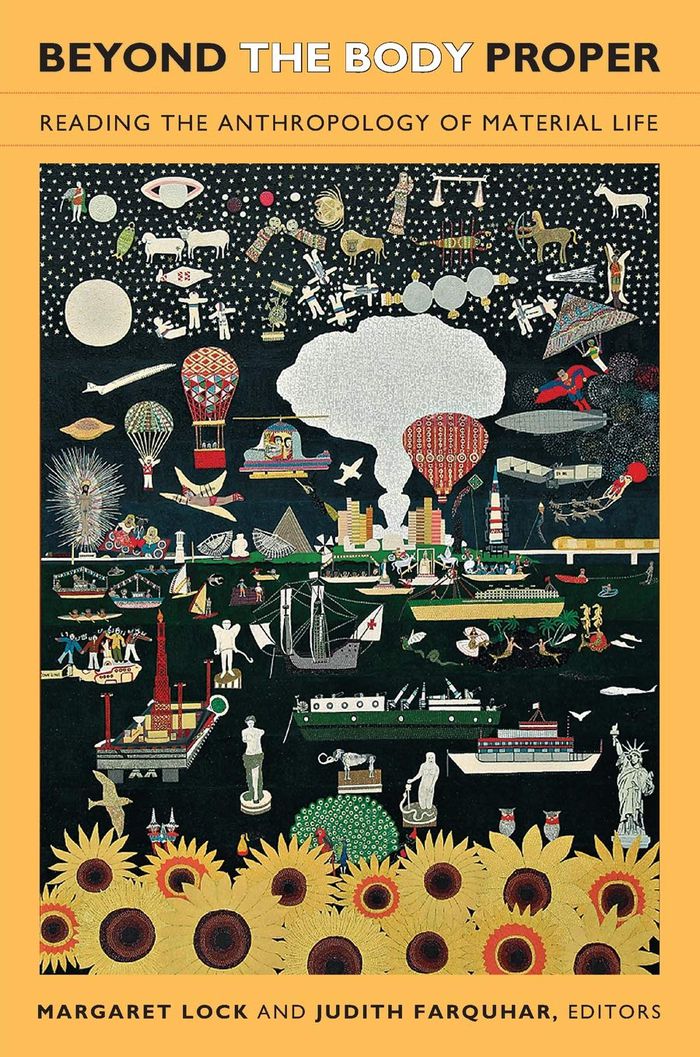
Over the past several decades, scholars in both the social sciences and humanities have moved beyond the idea that there is a "body proper": a singular, discrete biological organism with an individual psyche. They have begun to perceive embodiment as dynamic rather than static, as experiences that vary over time and across the world as they are shaped by discourses, institutions, practices, technologies, and ideologies. What has emerged is a multiplicity of bodies, inviting a great many disciplinary points of view and modes of interpretation. The forty-seven readings presented in this volume range from classic works of social theory, history, and ethnography to more recent investigations into historical and contemporary modes of embodiment. "Beyond the body proper" includes nine sections conceptually organized around themes such as everyday life, sex and gender, and science. Each section is preceded by interpretive commentary by the volume’s editors. Within the collection are articles and book excerpts focused on bodies using tools and participating in rituals, on bodies walking and eating, and on the female circumcision controversy, as well as pieces on medical classifications, spirit possession, the commodification of body parts, in vitro fertilization, and an artist/anatomist’s "plastination" of cadavers for display. Materialist, phenomenological, and feminist perspectives on embodiment appear along with writings on interpretations of pain and the changing meanings of sexual intercourse. Essays on these topics and many others challenge Eurocentric assumptions about the body as they speak to each other and to the most influential contemporary trends in the human sciences.
Beyond the body proper: Reading the anthropology of material life
Actions:
Price:
$50.95
(available to order)
Summary:
Over the past several decades, scholars in both the social sciences and humanities have moved beyond the idea that there is a "body proper": a singular, discrete biological organism with an individual psyche. They have begun to perceive embodiment as dynamic rather than static, as experiences that vary over time and across the world as they are shaped by discourses, institutions, practices, technologies, and ideologies. What has emerged is a multiplicity of bodies, inviting a great many disciplinary points of view and modes of interpretation. The forty-seven readings presented in this volume range from classic works of social theory, history, and ethnography to more recent investigations into historical and contemporary modes of embodiment. "Beyond the body proper" includes nine sections conceptually organized around themes such as everyday life, sex and gender, and science. Each section is preceded by interpretive commentary by the volume’s editors. Within the collection are articles and book excerpts focused on bodies using tools and participating in rituals, on bodies walking and eating, and on the female circumcision controversy, as well as pieces on medical classifications, spirit possession, the commodification of body parts, in vitro fertilization, and an artist/anatomist’s "plastination" of cadavers for display. Materialist, phenomenological, and feminist perspectives on embodiment appear along with writings on interpretations of pain and the changing meanings of sexual intercourse. Essays on these topics and many others challenge Eurocentric assumptions about the body as they speak to each other and to the most influential contemporary trends in the human sciences.
Form:
books
books
Publication:
April 2008
April 2008
Subject:
Critical Theory
Critical Theory


