


3106 Results
Form:
books
books
Title:
Antoni Gaudí, 1852 - 1926
Antoni Gaudí, 1852 - 1926
Actions:
Price:
$115.00
(available in store)
Summary:
Antoni Gaudí (1852–1928) was a builder by instinct and by practice, fanciful and baroque in his sensibility, in love with the bright colours and plastic forms of the Mediterranean tradition. Despite his considerable contributions, Gaudí was an isolated figure in the architecture of the modern era. Critics were slow to recognize the prophetic value of his work, owing to(...)
$115.00
(available in store)
Summary:
Antoni Gaudí (1852–1928) was a builder by instinct and by practice, fanciful and baroque in his sensibility, in love with the bright colours and plastic forms of the Mediterranean tradition. Despite his considerable contributions, Gaudí was an isolated figure in the architecture of the modern era. Critics were slow to recognize the prophetic value of his work, owing to(...)
Title:
Antoni Gaudí, 1852 - 1926
Actions:
Price:
$115.00
(available in store)
Summary:
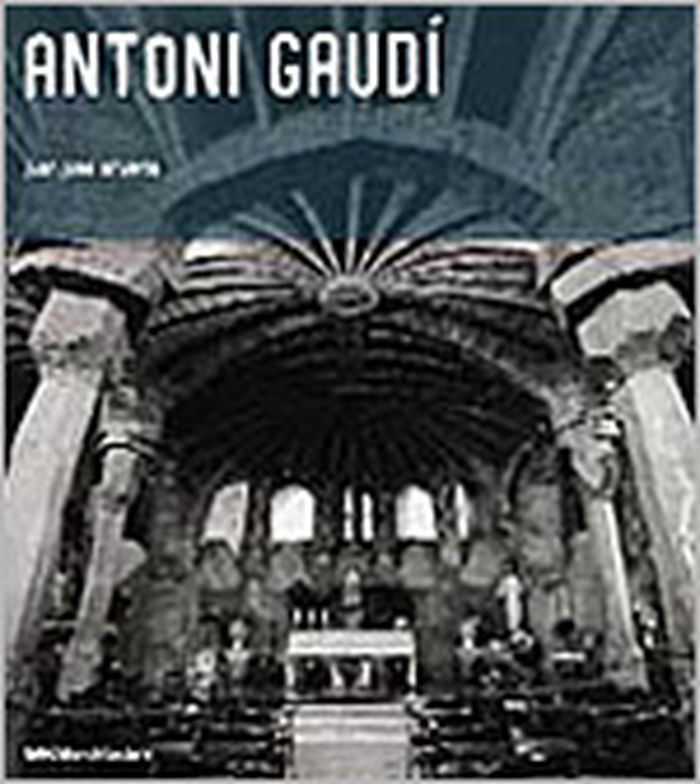
Antoni Gaudí (1852–1928) was a builder by instinct and by practice, fanciful and baroque in his sensibility, in love with the bright colours and plastic forms of the Mediterranean tradition. Despite his considerable contributions, Gaudí was an isolated figure in the architecture of the modern era. Critics were slow to recognize the prophetic value of his work, owing to the difficulty in reconciling it with the development of the Modern Movement. Gaudí invented a new form of modernism that combined elements of art nouveau, Catalan nationalism, Gothic Revival and his own relentlessly original imagination. His eclectic experience was made possible by special historical circumstances such as the economic prosperity of Barcelona and the existence of highly skilled craftsmen in Catalonia. This volume covers Gaudí’s work in systematic fashion, from the Güell Palace to the park of the same name, and finally to his unfinished masterpiece, the church of the Sagrada Familia. Author Juan José Lahuerta devotes an attentive critical re-examination of the architect’s work through a thorough analysis of his designs and writings.
Antoni Gaudí, 1852 - 1926
Actions:
Price:
$115.00
(available in store)
Summary:
Antoni Gaudí (1852–1928) was a builder by instinct and by practice, fanciful and baroque in his sensibility, in love with the bright colours and plastic forms of the Mediterranean tradition. Despite his considerable contributions, Gaudí was an isolated figure in the architecture of the modern era. Critics were slow to recognize the prophetic value of his work, owing to the difficulty in reconciling it with the development of the Modern Movement. Gaudí invented a new form of modernism that combined elements of art nouveau, Catalan nationalism, Gothic Revival and his own relentlessly original imagination. His eclectic experience was made possible by special historical circumstances such as the economic prosperity of Barcelona and the existence of highly skilled craftsmen in Catalonia. This volume covers Gaudí’s work in systematic fashion, from the Güell Palace to the park of the same name, and finally to his unfinished masterpiece, the church of the Sagrada Familia. Author Juan José Lahuerta devotes an attentive critical re-examination of the architect’s work through a thorough analysis of his designs and writings.
Form:
books
books
Publication:
October 2003, Milan
October 2003, Milan
Subject:
Architecture Monographs
Architecture Monographs
Form:
books
books
Title:
Skyroom: the journey of Brian and Marilyn MacKay-Lyons at Shobac, seaside village on the edge
Skyroom: the journey of Brian and Marilyn MacKay-Lyons at Shobac, seaside village on the edge
Actions:
Price:
$39.95
(available to order)
Summary:
In partnership with his wife Marilyn Mackay-Lyons and their family, architect Brian Mackay-Lyons has built a unique community over the granite ruins of a historic settlement on the fogbound coast of Nova Scotia. Among the structures at Shobac are homes, barns, studios, cottages, fishing shacks, a boathouse, even a schoolhouse, all designed in Mackay-Lyons's compelling(...)
$39.95
(available to order)
Summary:
In partnership with his wife Marilyn Mackay-Lyons and their family, architect Brian Mackay-Lyons has built a unique community over the granite ruins of a historic settlement on the fogbound coast of Nova Scotia. Among the structures at Shobac are homes, barns, studios, cottages, fishing shacks, a boathouse, even a schoolhouse, all designed in Mackay-Lyons's compelling(...)
Title:
Skyroom: the journey of Brian and Marilyn MacKay-Lyons at Shobac, seaside village on the edge
Actions:
Price:
$39.95
(available to order)
Summary:
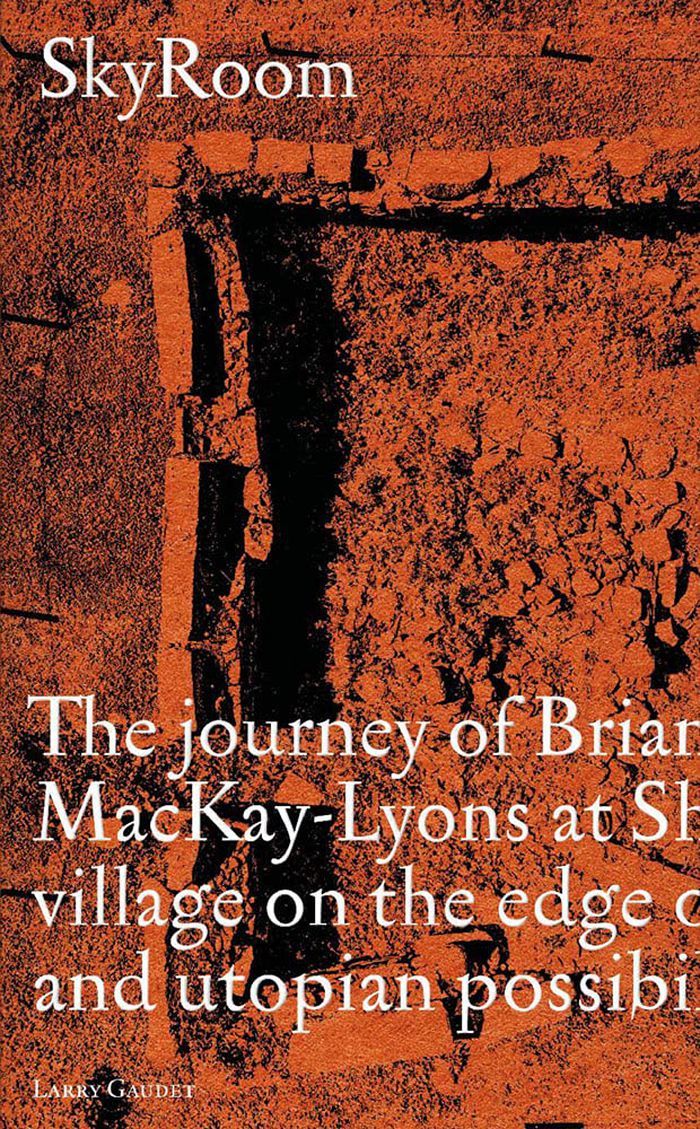
In partnership with his wife Marilyn Mackay-Lyons and their family, architect Brian Mackay-Lyons has built a unique community over the granite ruins of a historic settlement on the fogbound coast of Nova Scotia. Among the structures at Shobac are homes, barns, studios, cottages, fishing shacks, a boathouse, even a schoolhouse, all designed in Mackay-Lyons's compelling architectural language that fuses contemporary Modernism with Nova Scotia building traditions. SkyRoom is written in a new genre that Gaudet calls magic architectural realism, blending fact with historical fiction in presenting the lives of early inhabitants and visitors to the Shobac area, including Samuel de Champlain, a Mi'kmaq mystic, an Acadian carpenter and other lively characters whose ghostly presence swirl in the untold myths of this coastal Shangri-La. More provocatively, Gaudet orchestrates imaginary conversations between Mackay-Lyons and legendary figures in architecture - Frank Lloyd Wright, Mies Van Der Rohe, Louis Kahn, Charles Moore and others - all towards providing a novel perspective on what goes into building communities and homes worth living in.
Skyroom: the journey of Brian and Marilyn MacKay-Lyons at Shobac, seaside village on the edge
Actions:
Price:
$39.95
(available to order)
Summary:
In partnership with his wife Marilyn Mackay-Lyons and their family, architect Brian Mackay-Lyons has built a unique community over the granite ruins of a historic settlement on the fogbound coast of Nova Scotia. Among the structures at Shobac are homes, barns, studios, cottages, fishing shacks, a boathouse, even a schoolhouse, all designed in Mackay-Lyons's compelling architectural language that fuses contemporary Modernism with Nova Scotia building traditions. SkyRoom is written in a new genre that Gaudet calls magic architectural realism, blending fact with historical fiction in presenting the lives of early inhabitants and visitors to the Shobac area, including Samuel de Champlain, a Mi'kmaq mystic, an Acadian carpenter and other lively characters whose ghostly presence swirl in the untold myths of this coastal Shangri-La. More provocatively, Gaudet orchestrates imaginary conversations between Mackay-Lyons and legendary figures in architecture - Frank Lloyd Wright, Mies Van Der Rohe, Louis Kahn, Charles Moore and others - all towards providing a novel perspective on what goes into building communities and homes worth living in.
Form:
books
books
Publication:
December 2021
December 2021
Subject:
Canadian Architects
Canadian Architects
Form:
books
books
Title:
Adolf Loos: The Looshaus
Adolf Loos: The Looshaus
Actions:
Price:
$54.95
(available to order)
Summary:
When it was completed in 1911, the Goldman & Salatsch Building in Vienna, commonly known as the Looshaus, incited controversy for its austerity and plainness. It represented a stark rejection of the contemporary preference for ornamentation, though its architect, Adolf Loos (1870-1933), had intended it to preserve Viennese tradition within a new modernist language. The(...)
$54.95
(available to order)
Summary:
When it was completed in 1911, the Goldman & Salatsch Building in Vienna, commonly known as the Looshaus, incited controversy for its austerity and plainness. It represented a stark rejection of the contemporary preference for ornamentation, though its architect, Adolf Loos (1870-1933), had intended it to preserve Viennese tradition within a new modernist language. The(...)
Title:
Adolf Loos: The Looshaus
Actions:
Price:
$54.95
(available to order)
Summary:
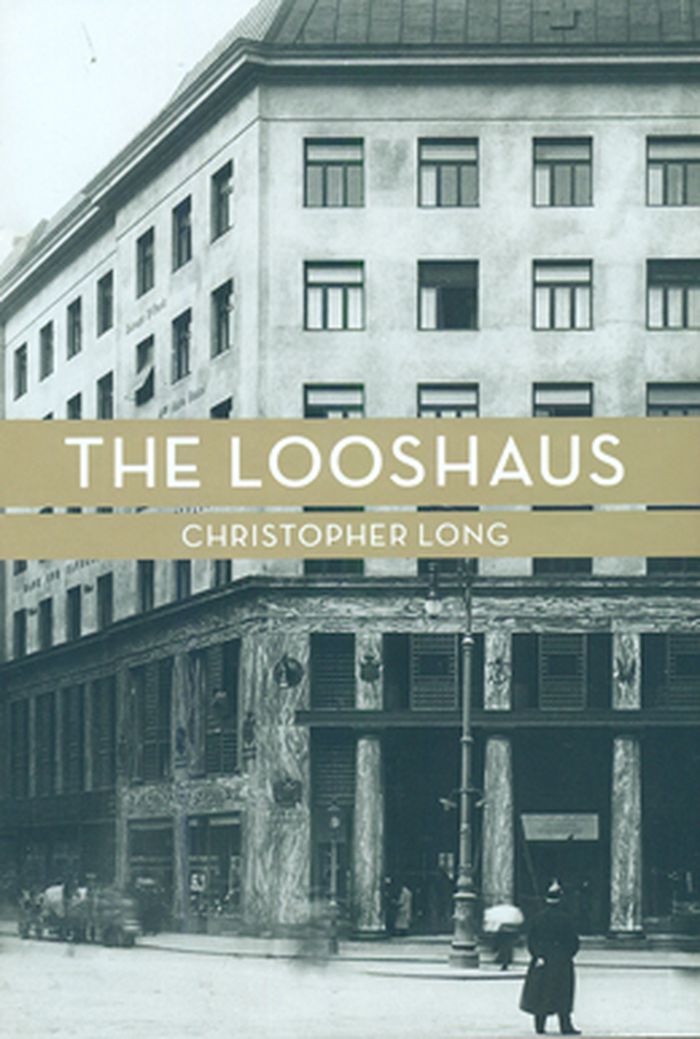
When it was completed in 1911, the Goldman & Salatsch Building in Vienna, commonly known as the Looshaus, incited controversy for its austerity and plainness. It represented a stark rejection of the contemporary preference for ornamentation, though its architect, Adolf Loos (1870-1933), had intended it to preserve Viennese tradition within a new modernist language. The heated debate that ensued among critics and the public set the project apart, distinguishing it as one of the most important and contentious buildings of the early 20th century. In celebration of the Looshaus's centennial year, Christopher Long, a leading authority on Viennese architectural history, brings to light extensive new research and careful analysis that dispel long-held myths about Loos, his building, and its critical reception. The book, which features new color photography and a vast array of archival materials in print for the first time, tells the remarkable story of the Looshaus's design and construction, the political and social restlessness it reflected, and the building's fundamental role in defining the look of modernism.
Adolf Loos: The Looshaus
Actions:
Price:
$54.95
(available to order)
Summary:
When it was completed in 1911, the Goldman & Salatsch Building in Vienna, commonly known as the Looshaus, incited controversy for its austerity and plainness. It represented a stark rejection of the contemporary preference for ornamentation, though its architect, Adolf Loos (1870-1933), had intended it to preserve Viennese tradition within a new modernist language. The heated debate that ensued among critics and the public set the project apart, distinguishing it as one of the most important and contentious buildings of the early 20th century. In celebration of the Looshaus's centennial year, Christopher Long, a leading authority on Viennese architectural history, brings to light extensive new research and careful analysis that dispel long-held myths about Loos, his building, and its critical reception. The book, which features new color photography and a vast array of archival materials in print for the first time, tells the remarkable story of the Looshaus's design and construction, the political and social restlessness it reflected, and the building's fundamental role in defining the look of modernism.
Form:
books
books
Publication:
December 2011
December 2011
Subject:
Architecture Monographs
Architecture Monographs
Form:
books
books
Title:
Machine art, 1934
Machine art, 1934
Actions:
Price:
$49.95
(available to order)
Summary:
In 1934, New York’s Museum of Modern Art staged a major exhibition of ball bearings, airplane propellers, pots and pans, cocktail tumblers, petri dishes, protractors, and other machine parts and products. The exhibition, titled Machine Art, explored these ordinary objects as works of modern art, teaching museumgoers about the nature of beauty and value in the era of mass(...)
$49.95
(available to order)
Summary:
In 1934, New York’s Museum of Modern Art staged a major exhibition of ball bearings, airplane propellers, pots and pans, cocktail tumblers, petri dishes, protractors, and other machine parts and products. The exhibition, titled Machine Art, explored these ordinary objects as works of modern art, teaching museumgoers about the nature of beauty and value in the era of mass(...)
Title:
Machine art, 1934
Actions:
Price:
$49.95
(available to order)
Summary:
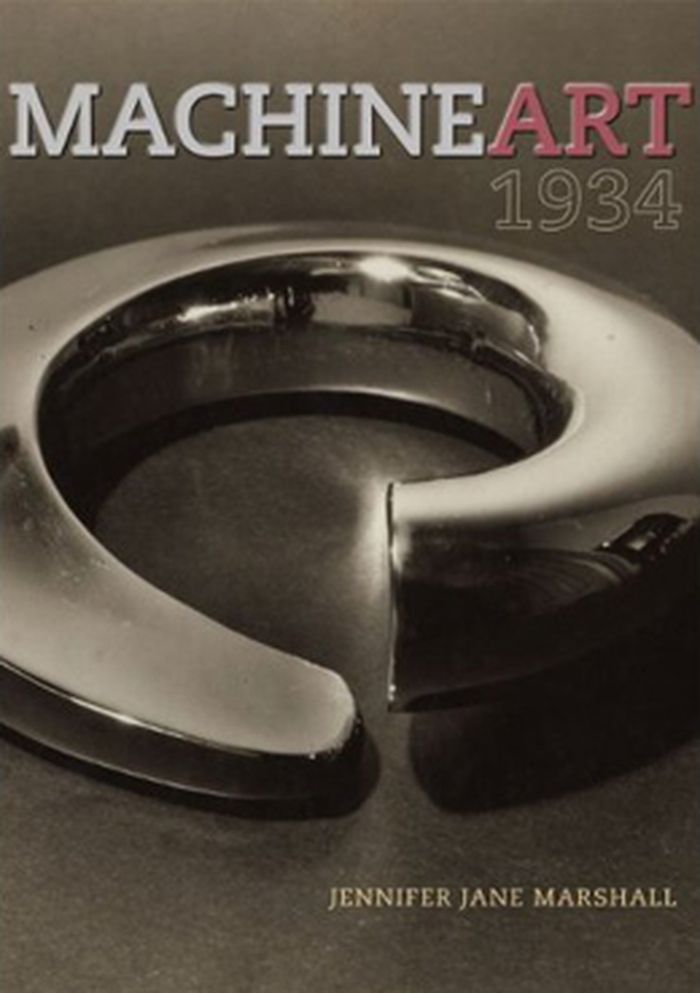
In 1934, New York’s Museum of Modern Art staged a major exhibition of ball bearings, airplane propellers, pots and pans, cocktail tumblers, petri dishes, protractors, and other machine parts and products. The exhibition, titled Machine Art, explored these ordinary objects as works of modern art, teaching museumgoers about the nature of beauty and value in the era of mass production. Telling the story of this popular but controversial show, Jennifer Jane Marshall examines its history and the relationship between the museum’s director, Alfred H. Barr Jr., and its curator, Philip Johnson, who oversaw it. She situates the show within the tumultuous climate of the interwar period and the Great Depression, considering how these unadorned objects served as a response to timely debates over photography, abstract art, the end of the American gold standard, and John Dewey’s insight that how a person experiences things depends on the context in which they are encountered. An engaging investigation of interwar American modernism, Machine Art, 1934 reveals how even simple things can serve as a defense against uncertainty.
Machine art, 1934
Actions:
Price:
$49.95
(available to order)
Summary:
In 1934, New York’s Museum of Modern Art staged a major exhibition of ball bearings, airplane propellers, pots and pans, cocktail tumblers, petri dishes, protractors, and other machine parts and products. The exhibition, titled Machine Art, explored these ordinary objects as works of modern art, teaching museumgoers about the nature of beauty and value in the era of mass production. Telling the story of this popular but controversial show, Jennifer Jane Marshall examines its history and the relationship between the museum’s director, Alfred H. Barr Jr., and its curator, Philip Johnson, who oversaw it. She situates the show within the tumultuous climate of the interwar period and the Great Depression, considering how these unadorned objects served as a response to timely debates over photography, abstract art, the end of the American gold standard, and John Dewey’s insight that how a person experiences things depends on the context in which they are encountered. An engaging investigation of interwar American modernism, Machine Art, 1934 reveals how even simple things can serve as a defense against uncertainty.
Form:
books
books
Publication:
April 2012
April 2012
Subject:
Museums and Universal Exhibitions
Museums and Universal Exhibitions
Form:
books
books
Actions:
Price:
$87.00
(available to order)
Summary:
When Swedish artist Hilma af Klint died in 1944 at the age of 81, she left behind more than 1,000 paintings and works on paper that she had kept largely private during her lifetime. Believing the world was not yet ready for her art, she stipulated that it should remain unseen for another 20 years. But only in recent decades has the public had a chance to reckon with af(...)
$87.00
(available to order)
Summary:
When Swedish artist Hilma af Klint died in 1944 at the age of 81, she left behind more than 1,000 paintings and works on paper that she had kept largely private during her lifetime. Believing the world was not yet ready for her art, she stipulated that it should remain unseen for another 20 years. But only in recent decades has the public had a chance to reckon with af(...)
Title:
Hilma af Klint: paintings for the future
Actions:
Price:
$87.00
(available to order)
Summary:
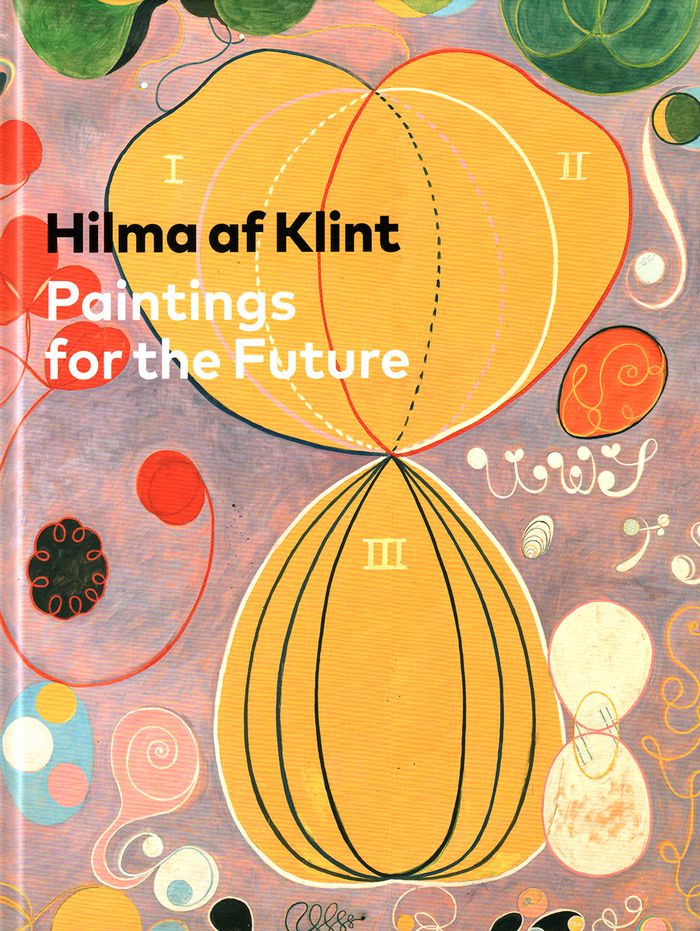
When Swedish artist Hilma af Klint died in 1944 at the age of 81, she left behind more than 1,000 paintings and works on paper that she had kept largely private during her lifetime. Believing the world was not yet ready for her art, she stipulated that it should remain unseen for another 20 years. But only in recent decades has the public had a chance to reckon with af Klint's radically abstract painting practice — one which predates the work of Vasily Kandinsky and other artists widely considered trailblazers of modernist abstraction. Accompanying the first major survey exhibition of the artist's work in the United States, 'Hilma af Klint: Paintings for the Future' represents her groundbreaking painting series while expanding recent scholarship to present the fullest picture yet of her life and art. Essays explore the social, intellectual and artistic context of af Klint's 1906 break with figuration and her subsequent development, placing her in the context of Swedish modernism and folk art traditions, contemporary scientific discoveries, and spiritualist and occult movements.
Hilma af Klint: paintings for the future
Actions:
Price:
$87.00
(available to order)
Summary:
When Swedish artist Hilma af Klint died in 1944 at the age of 81, she left behind more than 1,000 paintings and works on paper that she had kept largely private during her lifetime. Believing the world was not yet ready for her art, she stipulated that it should remain unseen for another 20 years. But only in recent decades has the public had a chance to reckon with af Klint's radically abstract painting practice — one which predates the work of Vasily Kandinsky and other artists widely considered trailblazers of modernist abstraction. Accompanying the first major survey exhibition of the artist's work in the United States, 'Hilma af Klint: Paintings for the Future' represents her groundbreaking painting series while expanding recent scholarship to present the fullest picture yet of her life and art. Essays explore the social, intellectual and artistic context of af Klint's 1906 break with figuration and her subsequent development, placing her in the context of Swedish modernism and folk art traditions, contemporary scientific discoveries, and spiritualist and occult movements.
Form:
books
books
Publication:
October 2018
October 2018
Subject:
Contemporary Art Monographs
Contemporary Art Monographs
Form:
books
books
Title:
Prefab houses
Prefab houses
Actions:
Price:
$89.95
(available to order)
Summary:
A Prefab is a mass produced house, constructed in a factory and assembled on site in a few days or weeks. Once regarded as a cheap, easy solution for urgent housing problems, the prefab has evolved to become a synonym for ambitious design and sophisticated detailing solutions. The amazing history of prefabricated houses started in England in the 1830's with a building kit(...)
$89.95
(available to order)
Summary:
A Prefab is a mass produced house, constructed in a factory and assembled on site in a few days or weeks. Once regarded as a cheap, easy solution for urgent housing problems, the prefab has evolved to become a synonym for ambitious design and sophisticated detailing solutions. The amazing history of prefabricated houses started in England in the 1830's with a building kit(...)
Title:
Prefab houses
Actions:
Price:
$89.95
(available to order)
Summary:
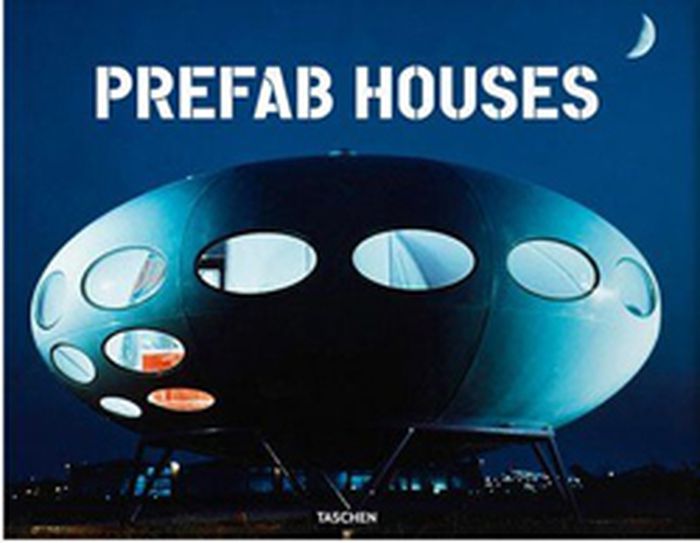
A Prefab is a mass produced house, constructed in a factory and assembled on site in a few days or weeks. Once regarded as a cheap, easy solution for urgent housing problems, the prefab has evolved to become a synonym for ambitious design and sophisticated detailing solutions. The amazing history of prefabricated houses started in England in the 1830's with a building kit for emigrants moving to Australia. Even today, prefabricated houses provide a high percentage of living spaces in many countries of the world. This book covers prefabs from the USA via Europe to Asia and Africa, giving insight into the various industrially prefabricated components, the difficulties of delivery to the building site, and the intricacies of assembly and completion. As well as tracing the liaison between modernism and industrialization that evolved to produce the latest prefabricated solutions, it also features a unique compilation of one-off prefabricated houses by well known international architects, as well as successful dwellings manufactured off-site for everyday modern living. Readers will also find contact details for relevant suppliers and manufacturers.
Prefab houses
Actions:
Price:
$89.95
(available to order)
Summary:
A Prefab is a mass produced house, constructed in a factory and assembled on site in a few days or weeks. Once regarded as a cheap, easy solution for urgent housing problems, the prefab has evolved to become a synonym for ambitious design and sophisticated detailing solutions. The amazing history of prefabricated houses started in England in the 1830's with a building kit for emigrants moving to Australia. Even today, prefabricated houses provide a high percentage of living spaces in many countries of the world. This book covers prefabs from the USA via Europe to Asia and Africa, giving insight into the various industrially prefabricated components, the difficulties of delivery to the building site, and the intricacies of assembly and completion. As well as tracing the liaison between modernism and industrialization that evolved to produce the latest prefabricated solutions, it also features a unique compilation of one-off prefabricated houses by well known international architects, as well as successful dwellings manufactured off-site for everyday modern living. Readers will also find contact details for relevant suppliers and manufacturers.
Form:
books
books
Publication:
September 2010
September 2010
Subject:
Prefabricated Architecture
Prefabricated Architecture
Form:
journals and magazines
journals and magazines
Actions:
Price:
$35.00
(available to order)
Summary:
OASE 90 investigates the expectation behind existing value models in architecture. Many problems in today’s architecture world would vanish if every once in a while it was clearer what is meant by good architecture. The ‘crisis of criticism’, for instance, is a symptom of the impossibility of knowing (or daring to know) what good architecture is. Over the past century,(...)
$35.00
(available to order)
Summary:
OASE 90 investigates the expectation behind existing value models in architecture. Many problems in today’s architecture world would vanish if every once in a while it was clearer what is meant by good architecture. The ‘crisis of criticism’, for instance, is a symptom of the impossibility of knowing (or daring to know) what good architecture is. Over the past century,(...)
Title:
OASE 90: What is good architecture?
Actions:
Price:
$35.00
(available to order)
Summary:
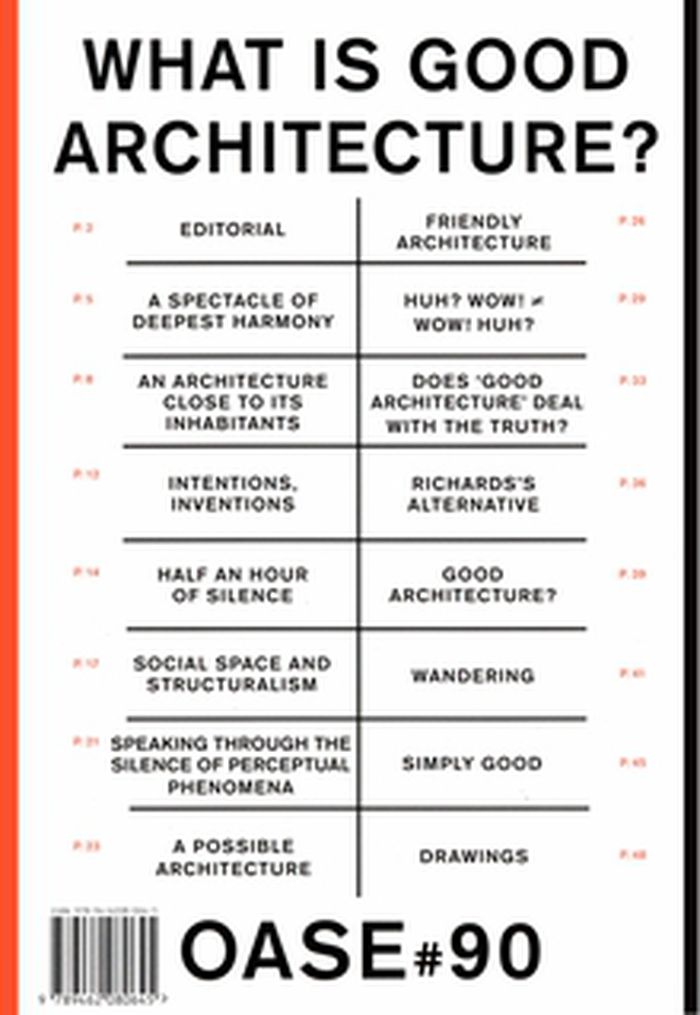
OASE 90 investigates the expectation behind existing value models in architecture. Many problems in today’s architecture world would vanish if every once in a while it was clearer what is meant by good architecture. The ‘crisis of criticism’, for instance, is a symptom of the impossibility of knowing (or daring to know) what good architecture is. Over the past century, models for architecture evaluation such as modernism and postmodernism have been modified by supermodernism and retromodernism, and more recently by sustainability. Nevertheless, it is impossible to work with architecture – in design, theory or history – without making assumptions about criteria for quality. This issue uncovers and makes explicit the assumptions underlying these models, by posing the simple question ‘What is good architecture?’ in different ways and have it answered by people whose ‘main occupation’ is architecture. This issue of OASE can be like a banquet at which each guest selects something entirely different from the menu in a well-reasoned and forthright way – and so keeps the architecture party going.
OASE 90: What is good architecture?
Actions:
Price:
$35.00
(available to order)
Summary:
OASE 90 investigates the expectation behind existing value models in architecture. Many problems in today’s architecture world would vanish if every once in a while it was clearer what is meant by good architecture. The ‘crisis of criticism’, for instance, is a symptom of the impossibility of knowing (or daring to know) what good architecture is. Over the past century, models for architecture evaluation such as modernism and postmodernism have been modified by supermodernism and retromodernism, and more recently by sustainability. Nevertheless, it is impossible to work with architecture – in design, theory or history – without making assumptions about criteria for quality. This issue uncovers and makes explicit the assumptions underlying these models, by posing the simple question ‘What is good architecture?’ in different ways and have it answered by people whose ‘main occupation’ is architecture. This issue of OASE can be like a banquet at which each guest selects something entirely different from the menu in a well-reasoned and forthright way – and so keeps the architecture party going.
Form:
journals and magazines
journals and magazines
Publication:
August 2013
August 2013
Subject:
Magazines
Magazines
Form:
books
books
Title:
Neri Oxman: material ecology
Neri Oxman: material ecology
Actions:
Price:
$69.95
(available to order)
Summary:
The first survey on the interdisciplinary biodesign genius of Neri Oxman, pioneer of "material ecology.'' Throughout her 20-year career, Neri Oxman has invented not only new ideas for materials, buildings and construction processes, but also new frameworks for interdisciplinary—and interspecies—collaborations. She coined the term ''material ecology'' to describe her(...)
$69.95
(available to order)
Summary:
The first survey on the interdisciplinary biodesign genius of Neri Oxman, pioneer of "material ecology.'' Throughout her 20-year career, Neri Oxman has invented not only new ideas for materials, buildings and construction processes, but also new frameworks for interdisciplinary—and interspecies—collaborations. She coined the term ''material ecology'' to describe her(...)
Subject:
Architecture Monographs
Architecture Monographs
Publication:
May 2020
May 2020
Title:
Neri Oxman: material ecology
Actions:
Price:
$69.95
(available to order)
Summary:
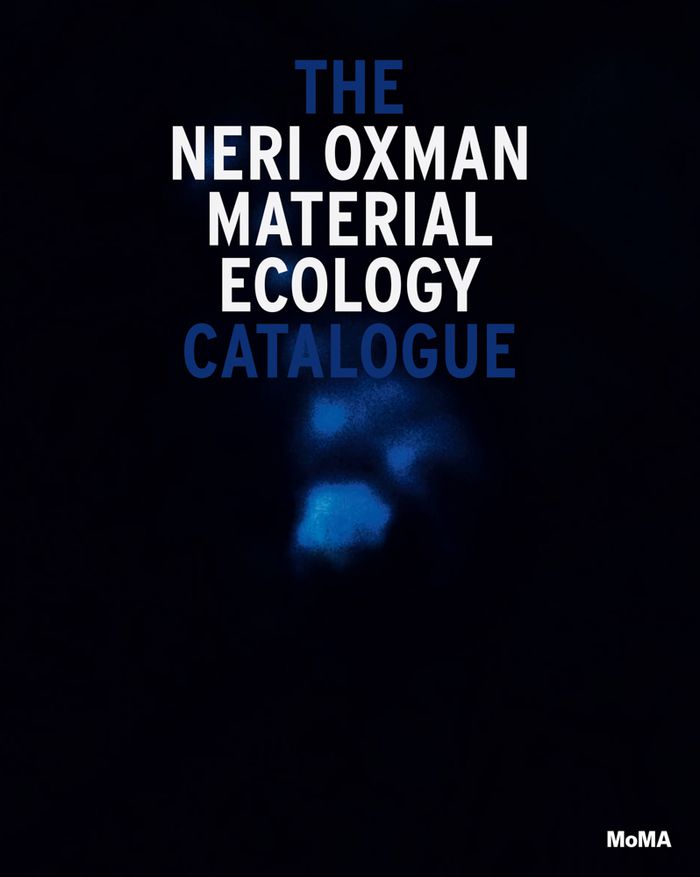
The first survey on the interdisciplinary biodesign genius of Neri Oxman, pioneer of "material ecology.'' Throughout her 20-year career, Neri Oxman has invented not only new ideas for materials, buildings and construction processes, but also new frameworks for interdisciplinary—and interspecies—collaborations. She coined the term ''material ecology'' to describe her process of producing techniques and objects informed by the structural, systemic and aesthetic wisdom of nature, from the shells of crustaceans to the flow of human breathing. Groundbreaking for its solid technological and scientific basis, its rigorous and daring experimentation, its visionary philosophy and its unquestionable attention to formal elegance, Oxman’s work operates at the intersection of biology, engineering, architecture and artistic design, material science and computer science. This book—designed by Irma Boom and published to accompany a midcareer retrospective of Oxman’s work—highlights the interdisciplinary nature of the designer’s practice. It demonstrates how Oxman’s contributions allow us to question and redefine the idea of modernism—a concept in constant evolution—and of organic design.
Neri Oxman: material ecology
Actions:
Price:
$69.95
(available to order)
Summary:
The first survey on the interdisciplinary biodesign genius of Neri Oxman, pioneer of "material ecology.'' Throughout her 20-year career, Neri Oxman has invented not only new ideas for materials, buildings and construction processes, but also new frameworks for interdisciplinary—and interspecies—collaborations. She coined the term ''material ecology'' to describe her process of producing techniques and objects informed by the structural, systemic and aesthetic wisdom of nature, from the shells of crustaceans to the flow of human breathing. Groundbreaking for its solid technological and scientific basis, its rigorous and daring experimentation, its visionary philosophy and its unquestionable attention to formal elegance, Oxman’s work operates at the intersection of biology, engineering, architecture and artistic design, material science and computer science. This book—designed by Irma Boom and published to accompany a midcareer retrospective of Oxman’s work—highlights the interdisciplinary nature of the designer’s practice. It demonstrates how Oxman’s contributions allow us to question and redefine the idea of modernism—a concept in constant evolution—and of organic design.
Form:
books
books
Publication:
May 2020
May 2020
Subject:
Architecture Monographs
Architecture Monographs
Form:
books
books

Price:
$35.95
(available to order)
Summary:
Postmodernism stood for everything modernism rejected: fun, exuberance, irresponsibility. But beneath its glitzy surface, postmodernism had a dirty secret: it was the fig leaf for a rapacious new kind of capitalism. It was the forcing ground of ''post truth,'' by means of which western values were turned upside down. But where do these ideas come from and how have they(...)
$35.95
(available to order)
Summary:
Postmodernism stood for everything modernism rejected: fun, exuberance, irresponsibility. But beneath its glitzy surface, postmodernism had a dirty secret: it was the fig leaf for a rapacious new kind of capitalism. It was the forcing ground of ''post truth,'' by means of which western values were turned upside down. But where do these ideas come from and how have they(...)
Title:
Everything all the time, everywhere: How we became Postmodern
Actions:
Price:
$35.95
(available to order)
Summary:
Postmodernism stood for everything modernism rejected: fun, exuberance, irresponsibility. But beneath its glitzy surface, postmodernism had a dirty secret: it was the fig leaf for a rapacious new kind of capitalism. It was the forcing ground of ''post truth,'' by means of which western values were turned upside down. But where do these ideas come from and how have they impacted on the world? In this brilliant history of a dangerous idea, Stuart Jeffries tells a narrative that starts in the early 1970s and still dominates our lives today. He tells this history through a riotous gallery that includes, among others: David Bowie, the iPod, Madonna, Jeff Koons’s the Nixon Shock, Judith Butler, Las Vegas, Margaret Thatcher, Grand Master Flash, I Love Dick, the RAND Corporation, the Sex Pistols, Princess Diana, Grand Theft Auto, Jean Baudrillard, Netflix, and 9/11. We are today scarcely capable of conceiving politics as a communal activity because we have become habituated to being consumers rather than citizens. Politicians treat us as consumers to whom they must deliver. Can we do anything other than suffer from buyer’s remorse?
Everything all the time, everywhere: How we became Postmodern
Actions:
Price:
$35.95
(available to order)
Summary:
Postmodernism stood for everything modernism rejected: fun, exuberance, irresponsibility. But beneath its glitzy surface, postmodernism had a dirty secret: it was the fig leaf for a rapacious new kind of capitalism. It was the forcing ground of ''post truth,'' by means of which western values were turned upside down. But where do these ideas come from and how have they impacted on the world? In this brilliant history of a dangerous idea, Stuart Jeffries tells a narrative that starts in the early 1970s and still dominates our lives today. He tells this history through a riotous gallery that includes, among others: David Bowie, the iPod, Madonna, Jeff Koons’s the Nixon Shock, Judith Butler, Las Vegas, Margaret Thatcher, Grand Master Flash, I Love Dick, the RAND Corporation, the Sex Pistols, Princess Diana, Grand Theft Auto, Jean Baudrillard, Netflix, and 9/11. We are today scarcely capable of conceiving politics as a communal activity because we have become habituated to being consumers rather than citizens. Politicians treat us as consumers to whom they must deliver. Can we do anything other than suffer from buyer’s remorse?
Form:
books
books
Publication:
October 2021
October 2021
Subject:
Social
Social
Form:
books
books
Actions:
Holdings:
Description:
245 pages, 3 unnumbered pages : illustrations (some color), plans (some color) ; 32 cm
Description:
245 pages, 3 unnumbered pages : illustrations (some color), plans (some color) ; 32 cm
Author:
Subject:
Publication:
New York : The Museum of Modern Art, [2022], New York, NY : Distributed in the United States and Canada by ARTBOOK/D.A.P., ©2022
New York : The Museum of Modern Art, [2022], New York, NY : Distributed in the United States and Canada by ARTBOOK/D.A.P., ©2022
Title:
The project of independence : architectures of decolonization in South Asia, 1947-1985 / [edited by] Martino Stierli, Anoma Pieris, Sean Anderson.
Actions:
Holdings:
Description:
245 pages, 3 unnumbered pages : illustrations (some color), plans (some color) ; 32 cm
The project of independence : architectures of decolonization in South Asia, 1947-1985 / [edited by] Martino Stierli, Anoma Pieris, Sean Anderson.
Actions:
Holdings:
Description:
245 pages, 3 unnumbered pages : illustrations (some color), plans (some color) ; 32 cm
Form:
books
books
Publication:
New York : The Museum of Modern Art, [2022], New York, NY : Distributed in the United States and Canada by ARTBOOK/D.A.P., ©2022
New York : The Museum of Modern Art, [2022], New York, NY : Distributed in the United States and Canada by ARTBOOK/D.A.P., ©2022
Author:
Subject:


