


3189 Results
Form:
books
books

Price:
$24.95
(available in store)
Summary:
After a meteoric rise, China today is one of the world’s most powerful nations. Just a century ago, it was a crumbling empire with literacy reserved for the elite few, as the world underwent a massive technological transformation that threatened to leave them behind. In Kingdom of Characters, Jing Tsu argues that China’s most daunting challenge was a linguistic one: the(...)
$24.95
(available in store)
Summary:
After a meteoric rise, China today is one of the world’s most powerful nations. Just a century ago, it was a crumbling empire with literacy reserved for the elite few, as the world underwent a massive technological transformation that threatened to leave them behind. In Kingdom of Characters, Jing Tsu argues that China’s most daunting challenge was a linguistic one: the(...)
Title:
Kingdom of characters: The language revolution that made China modern
Actions:
Price:
$24.95
(available in store)
Summary:
After a meteoric rise, China today is one of the world’s most powerful nations. Just a century ago, it was a crumbling empire with literacy reserved for the elite few, as the world underwent a massive technological transformation that threatened to leave them behind. In Kingdom of Characters, Jing Tsu argues that China’s most daunting challenge was a linguistic one: the century-long fight to make the formidable Chinese language accessible to the modern world of global trade and digital technology. 'Kingdom of characters' follows the bold innovators who reinvented the Chinese language, among them an exiled reformer who risked a death sentence to advocate for Mandarin as a national language, a Chinese-Muslim poet who laid the groundwork for Chairman Mao’s phonetic writing system, and a computer engineer who devised input codes for Chinese characters on the lid of a teacup from the floor of a jail cell. Without their advances, China might never have become the dominating force we know today.
Kingdom of characters: The language revolution that made China modern
Actions:
Price:
$24.95
(available in store)
Summary:
After a meteoric rise, China today is one of the world’s most powerful nations. Just a century ago, it was a crumbling empire with literacy reserved for the elite few, as the world underwent a massive technological transformation that threatened to leave them behind. In Kingdom of Characters, Jing Tsu argues that China’s most daunting challenge was a linguistic one: the century-long fight to make the formidable Chinese language accessible to the modern world of global trade and digital technology. 'Kingdom of characters' follows the bold innovators who reinvented the Chinese language, among them an exiled reformer who risked a death sentence to advocate for Mandarin as a national language, a Chinese-Muslim poet who laid the groundwork for Chairman Mao’s phonetic writing system, and a computer engineer who devised input codes for Chinese characters on the lid of a teacup from the floor of a jail cell. Without their advances, China might never have become the dominating force we know today.
Form:
books
books
Publication:
January 2023
January 2023
Subject:
Graphic Design and Typography
Graphic Design and Typography
Form:
books
books
Actions:
Price:
$38.95
(available in store)
Summary:
During US colonial rule in the Philippines, reinforced concrete was used to the near exclusion of all other building materials. In Concrete Colonialism , Diana Jean S. Martinez examines the motivations for and lasting effects of this forgotten colonial policy. Arguing that the pervasive use of reinforced concrete technologies revolutionized techniques of imperial(...)
$38.95
(available in store)
Summary:
During US colonial rule in the Philippines, reinforced concrete was used to the near exclusion of all other building materials. In Concrete Colonialism , Diana Jean S. Martinez examines the motivations for and lasting effects of this forgotten colonial policy. Arguing that the pervasive use of reinforced concrete technologies revolutionized techniques of imperial(...)
Title:
Concrete colonialism: Architecture, urbanism, and the US imperial project in the Philippines
Actions:
Price:
$38.95
(available in store)
Summary:
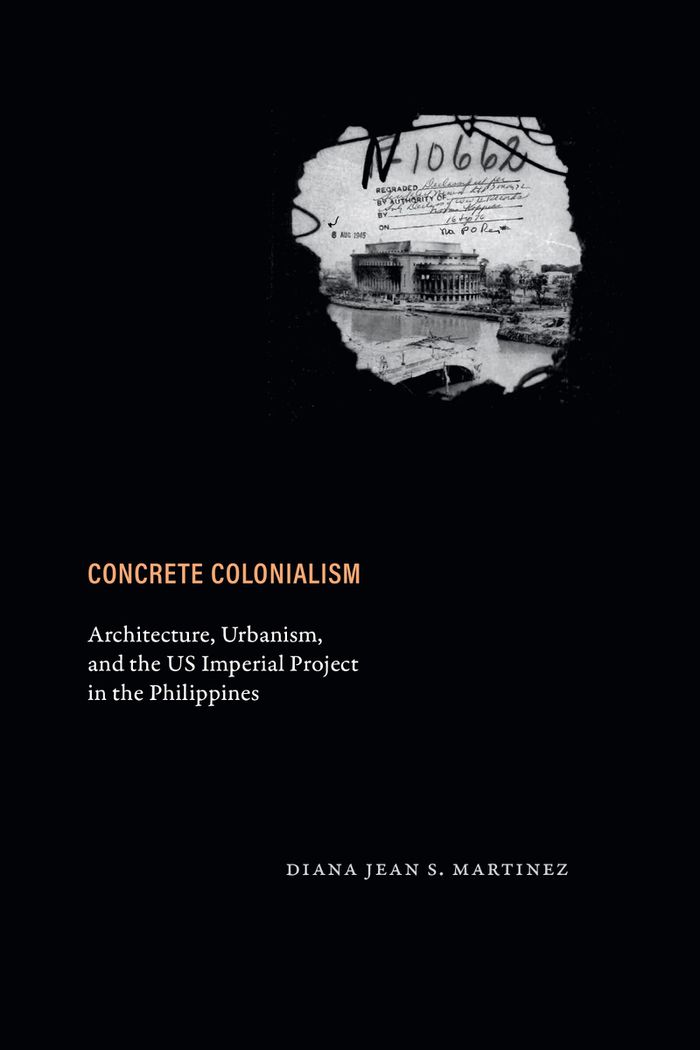
During US colonial rule in the Philippines, reinforced concrete was used to the near exclusion of all other building materials. In Concrete Colonialism , Diana Jean S. Martinez examines the motivations for and lasting effects of this forgotten colonial policy. Arguing that the pervasive use of reinforced concrete technologies revolutionized techniques of imperial conquest, Martinez shows how concrete reshaped colonialism as a project that sought durable change through the reformation of environments, colonial society, and racialized biologies. Martinez locates the origins of this material revolution in the development of Chicago, highlighting how building this urban center atop exceptionally challenging geology made it possible to transform diverse global ecologies. She details how the material's stability, plasticity, strength, and other qualities served the shifting imperatives of the US colonial regime, playing a central role in defending territory, controlling disease, and constructing monuments to nation and empire. By describing a world irreversibly remade, Martinez urges readers to consider how colonialism persists--in concrete forms--despite claims of its conclusion.
Concrete colonialism: Architecture, urbanism, and the US imperial project in the Philippines
Actions:
Price:
$38.95
(available in store)
Summary:
During US colonial rule in the Philippines, reinforced concrete was used to the near exclusion of all other building materials. In Concrete Colonialism , Diana Jean S. Martinez examines the motivations for and lasting effects of this forgotten colonial policy. Arguing that the pervasive use of reinforced concrete technologies revolutionized techniques of imperial conquest, Martinez shows how concrete reshaped colonialism as a project that sought durable change through the reformation of environments, colonial society, and racialized biologies. Martinez locates the origins of this material revolution in the development of Chicago, highlighting how building this urban center atop exceptionally challenging geology made it possible to transform diverse global ecologies. She details how the material's stability, plasticity, strength, and other qualities served the shifting imperatives of the US colonial regime, playing a central role in defending territory, controlling disease, and constructing monuments to nation and empire. By describing a world irreversibly remade, Martinez urges readers to consider how colonialism persists--in concrete forms--despite claims of its conclusion.
Form:
books
books
Publication:
October 2025
October 2025
Subject:
Architectural Theory
Architectural Theory
Form:
books
books
Price:
$81.50
(available to order)
Summary:
This book is the first devoted to the important innovations in architecture that took place in western Europe between the death of emperor Justinian in A.D. 565 and the tenth century. During this period of transition from Late Antiquity to the Middle Ages, the Early Christian basilica was transformed in both form and function. Charles B. McClendon draws on rich(...)
$81.50
(available to order)
Summary:
This book is the first devoted to the important innovations in architecture that took place in western Europe between the death of emperor Justinian in A.D. 565 and the tenth century. During this period of transition from Late Antiquity to the Middle Ages, the Early Christian basilica was transformed in both form and function. Charles B. McClendon draws on rich(...)
Subject:
History until 1900, Middle Ages
History until 1900, Middle Ages
Publication:
January 2005, New Haven
January 2005, New Haven
Title:
The origins of medieval architecture : building in Europe, A.D. 600-900
Actions:
Price:
$81.50
(available to order)
Summary:
This book is the first devoted to the important innovations in architecture that took place in western Europe between the death of emperor Justinian in A.D. 565 and the tenth century. During this period of transition from Late Antiquity to the Middle Ages, the Early Christian basilica was transformed in both form and function. Charles B. McClendon draws on rich documentary evidence and archaeological data to show that the buildings of these three centuries, studied in isolation but rarely together, set substantial precedents for the future of medieval architecture. He looks at buildings of the so-called Dark Ages—monuments that reflected a new assimilation of seemingly antithetical “barbarian” and “classical” attitudes toward architecture and its decoration—and at the grand and innovative architecture of the Carolingian Empire. The great Romanesque and Gothic churches of subsequent centuries owe far more to the architectural achievements of the Early Middle Ages than has generally been recognized, the author argues.
The origins of medieval architecture : building in Europe, A.D. 600-900
Actions:
Price:
$81.50
(available to order)
Summary:
This book is the first devoted to the important innovations in architecture that took place in western Europe between the death of emperor Justinian in A.D. 565 and the tenth century. During this period of transition from Late Antiquity to the Middle Ages, the Early Christian basilica was transformed in both form and function. Charles B. McClendon draws on rich documentary evidence and archaeological data to show that the buildings of these three centuries, studied in isolation but rarely together, set substantial precedents for the future of medieval architecture. He looks at buildings of the so-called Dark Ages—monuments that reflected a new assimilation of seemingly antithetical “barbarian” and “classical” attitudes toward architecture and its decoration—and at the grand and innovative architecture of the Carolingian Empire. The great Romanesque and Gothic churches of subsequent centuries owe far more to the architectural achievements of the Early Middle Ages than has generally been recognized, the author argues.
Form:
books
books
Publication:
January 2005, New Haven
January 2005, New Haven
Subject:
History until 1900, Middle Ages
History until 1900, Middle Ages
Form:
books
books
Actions:
Price:
$80.00
(available to order)
Summary:
For Simon-Claude Constant-Dufeux (1801–1871), a radical French architect and chair of perspective at the École des Beaux-Arts in Paris, the study and composition of ornament were essential pursuits. Architectural emblems and ornaments were symbols that conveyed concise and immediate meaning; they were also a crucial element in realizing the Romantic ideal of the synthesis(...)
$80.00
(available to order)
Summary:
For Simon-Claude Constant-Dufeux (1801–1871), a radical French architect and chair of perspective at the École des Beaux-Arts in Paris, the study and composition of ornament were essential pursuits. Architectural emblems and ornaments were symbols that conveyed concise and immediate meaning; they were also a crucial element in realizing the Romantic ideal of the synthesis(...)
Title:
Ornament and symbol in French romantic architecture
Actions:
Price:
$80.00
(available to order)
Summary:
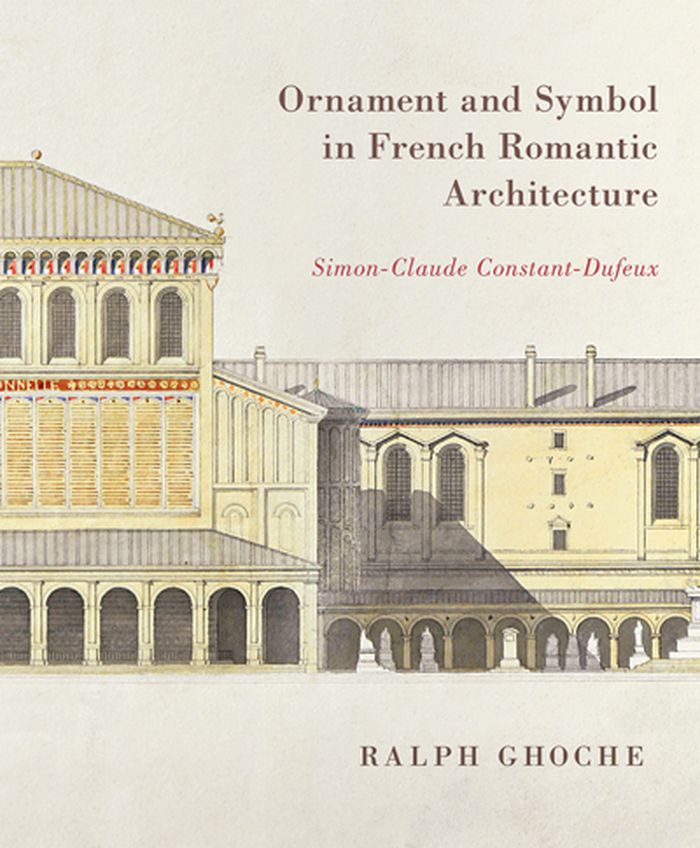
For Simon-Claude Constant-Dufeux (1801–1871), a radical French architect and chair of perspective at the École des Beaux-Arts in Paris, the study and composition of ornament were essential pursuits. Architectural emblems and ornaments were symbols that conveyed concise and immediate meaning; they were also a crucial element in realizing the Romantic ideal of the synthesis of the arts. Through the lens of Constant-Dufeux’s work, ''Ornament and Symbol in French Romantic Architecture'' explores the sudden proliferation of ornamental motifs in France, challenging the understanding that the twentieth-century modernist avant-garde developed in direct opposition to ornament. Ralph Ghoche examines architectural ornament from the July Monarchy to the Second Empire, revealing its connections to Romantic theories of symbolism and ideas about the power of form to elicit emotional responses. Ghoche repositions Constant-Dufeux as a pivotal figure in developing new forms of symbolic signification in architecture, establishing him as one of Romanticism’s key theoreticians.
Ornament and symbol in French romantic architecture
Actions:
Price:
$80.00
(available to order)
Summary:
For Simon-Claude Constant-Dufeux (1801–1871), a radical French architect and chair of perspective at the École des Beaux-Arts in Paris, the study and composition of ornament were essential pursuits. Architectural emblems and ornaments were symbols that conveyed concise and immediate meaning; they were also a crucial element in realizing the Romantic ideal of the synthesis of the arts. Through the lens of Constant-Dufeux’s work, ''Ornament and Symbol in French Romantic Architecture'' explores the sudden proliferation of ornamental motifs in France, challenging the understanding that the twentieth-century modernist avant-garde developed in direct opposition to ornament. Ralph Ghoche examines architectural ornament from the July Monarchy to the Second Empire, revealing its connections to Romantic theories of symbolism and ideas about the power of form to elicit emotional responses. Ghoche repositions Constant-Dufeux as a pivotal figure in developing new forms of symbolic signification in architecture, establishing him as one of Romanticism’s key theoreticians.
Form:
books
books
Publication:
July 2025
July 2025
Subject:
History until 1900, France
History until 1900, France
Form:
books
books
Title:
Baku: oil and urbanism
Baku: oil and urbanism
Actions:
Price:
$75.00
(available to order)
Summary:
Baku, the capital of Azerbaijan and formerly part of the Russian Empire and Soviet Union, is the original oil city, with oil and urbanism thoroughly intertwined—economically, politically, and physical—in the city’s fabric. Baku saw its first oil boom in the late nineteenth century, driven by the Russian branch of the Nobel family modernizing the oil fields around Baku as(...)
$75.00
(available to order)
Summary:
Baku, the capital of Azerbaijan and formerly part of the Russian Empire and Soviet Union, is the original oil city, with oil and urbanism thoroughly intertwined—economically, politically, and physical—in the city’s fabric. Baku saw its first oil boom in the late nineteenth century, driven by the Russian branch of the Nobel family modernizing the oil fields around Baku as(...)
Title:
Baku: oil and urbanism
Actions:
Price:
$75.00
(available to order)
Summary:
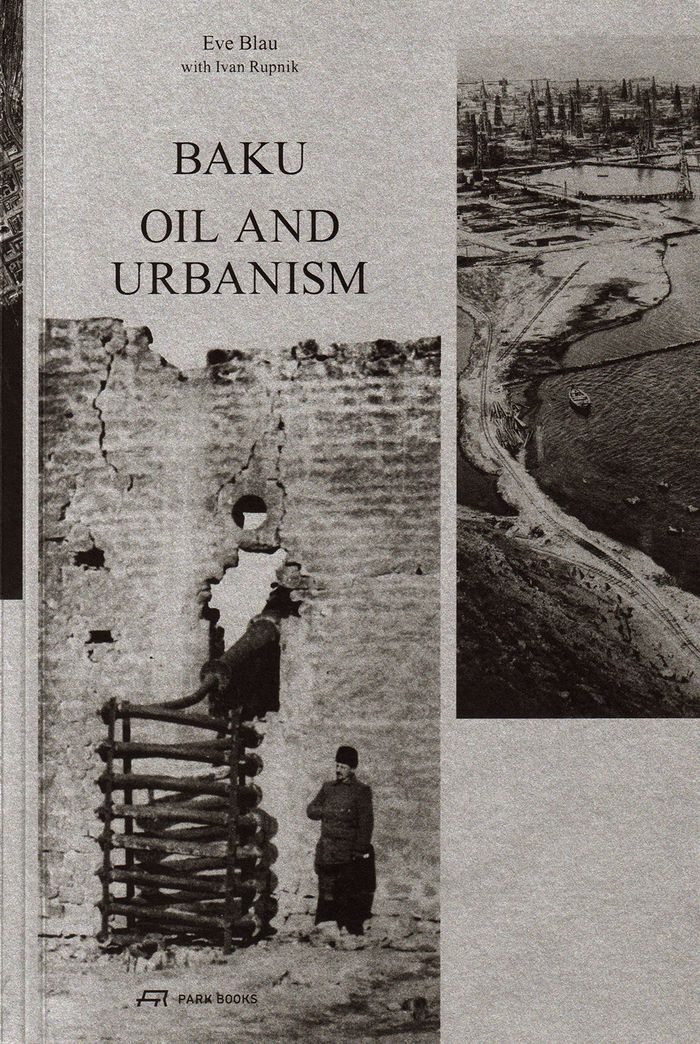
Baku, the capital of Azerbaijan and formerly part of the Russian Empire and Soviet Union, is the original oil city, with oil and urbanism thoroughly intertwined—economically, politically, and physical—in the city’s fabric. Baku saw its first oil boom in the late nineteenth century, driven by the Russian branch of the Nobel family modernizing the oil fields around Baku as local oil barons poured their new wealth into building a cosmopolitan city center. During the Soviet period, Baku became the site of an urban experiment: the shaping of an oil city of socialist man. That project included Neft Dashlari, a city built on trestles in the Caspian Sea and designed to house thousands of workers, schools, shops, gardens, clinics, and cinemas as well as 2,000 oil rigs, pipelines, and collecting stations. Today, as it heads into an uncertain post-oil future, Baku’s planners and business elites regard the legacy of its past as a resource that sustains new aspirations and identities.
Baku: oil and urbanism
Actions:
Price:
$75.00
(available to order)
Summary:
Baku, the capital of Azerbaijan and formerly part of the Russian Empire and Soviet Union, is the original oil city, with oil and urbanism thoroughly intertwined—economically, politically, and physical—in the city’s fabric. Baku saw its first oil boom in the late nineteenth century, driven by the Russian branch of the Nobel family modernizing the oil fields around Baku as local oil barons poured their new wealth into building a cosmopolitan city center. During the Soviet period, Baku became the site of an urban experiment: the shaping of an oil city of socialist man. That project included Neft Dashlari, a city built on trestles in the Caspian Sea and designed to house thousands of workers, schools, shops, gardens, clinics, and cinemas as well as 2,000 oil rigs, pipelines, and collecting stations. Today, as it heads into an uncertain post-oil future, Baku’s planners and business elites regard the legacy of its past as a resource that sustains new aspirations and identities.
Form:
books
books
Publication:
February 2019
February 2019
Form:
books
books
Title:
New York skyscrapers
New York skyscrapers
Actions:
Price:
$49.95
(available to order)
Summary:
New York City is home to more skyscrapers than any other city in the world. Iconic in stature, they tell the story of the city’s commercial and architectural history. The buildings pictured here stretch from the sidewalks to the sky, from the East River to the Hudson, from Battery Park to the far reaches of Central Park. Along with structures that are familiar to readers(...)
$49.95
(available to order)
Summary:
New York City is home to more skyscrapers than any other city in the world. Iconic in stature, they tell the story of the city’s commercial and architectural history. The buildings pictured here stretch from the sidewalks to the sky, from the East River to the Hudson, from Battery Park to the far reaches of Central Park. Along with structures that are familiar to readers(...)
Title:
New York skyscrapers
Actions:
Price:
$49.95
(available to order)
Summary:
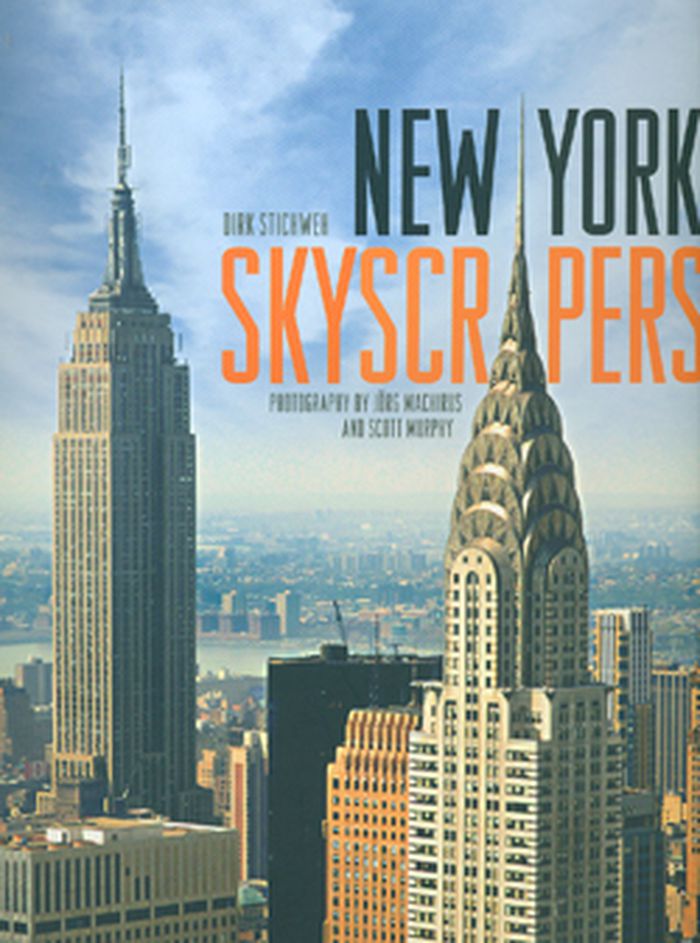
New York City is home to more skyscrapers than any other city in the world. Iconic in stature, they tell the story of the city’s commercial and architectural history. The buildings pictured here stretch from the sidewalks to the sky, from the East River to the Hudson, from Battery Park to the far reaches of Central Park. Along with structures that are familiar to readers such as the Empire State Building, the Chrysler and Woolworth buildings, there are other less recognizable but nonetheless important structures that have become a part of New Yorkers’ daily lives. Each chapter focuses on an area of Manhattan, and opens with numbered maps showing the exact locations of the featured buildings. In a series of two to four page spreads, fullpage photographs of the skyscrapers are accompanied by additional illustrations, historical insights, architectural details, and interesting facts about their construction and evolution. An essay on the collective history of the city’s skyscrapers rounds out this compilation.
New York skyscrapers
Actions:
Price:
$49.95
(available to order)
Summary:
New York City is home to more skyscrapers than any other city in the world. Iconic in stature, they tell the story of the city’s commercial and architectural history. The buildings pictured here stretch from the sidewalks to the sky, from the East River to the Hudson, from Battery Park to the far reaches of Central Park. Along with structures that are familiar to readers such as the Empire State Building, the Chrysler and Woolworth buildings, there are other less recognizable but nonetheless important structures that have become a part of New Yorkers’ daily lives. Each chapter focuses on an area of Manhattan, and opens with numbered maps showing the exact locations of the featured buildings. In a series of two to four page spreads, fullpage photographs of the skyscrapers are accompanied by additional illustrations, historical insights, architectural details, and interesting facts about their construction and evolution. An essay on the collective history of the city’s skyscrapers rounds out this compilation.
Form:
books
books
Publication:
April 2009
April 2009
Subject:
History until 1900
History until 1900
Form:
books
books
Actions:
Holdings:
Description:
141 pages : illustrations ; 15 cm
Description:
141 pages : illustrations ; 15 cm
Author:
Subject:
Publication:
Paris : B2 Editions 2014.
Paris : B2 Editions 2014.
Title:
Istanbul 2023. Yoann Morvan; Sinan Logie.
Actions:
Holdings:
Description:
141 pages : illustrations ; 15 cm
Istanbul 2023. Yoann Morvan; Sinan Logie.
Actions:
Holdings:
Description:
141 pages : illustrations ; 15 cm
Form:
books
books
Publication:
Paris : B2 Editions 2014.
Paris : B2 Editions 2014.
Author:
Subject:
Form:
books
books
Actions:
Holdings:
Description:
x, 342 pages : illustrations ; 27 cm + 1 computer optical disc (4 3/4 in.)
Description:
x, 342 pages : illustrations ; 27 cm + 1 computer optical disc (4 3/4 in.)
Author:
Subject:
Publication:
New York : Oxford University Press, 1998.
New York : Oxford University Press, 1998.
Title:
Medieval architecture in Western Europe : from A.D. 300 to 1500 / Robert G. Calkins.
Actions:
Holdings:
Description:
x, 342 pages : illustrations ; 27 cm + 1 computer optical disc (4 3/4 in.)
Medieval architecture in Western Europe : from A.D. 300 to 1500 / Robert G. Calkins.
Actions:
Holdings:
Description:
x, 342 pages : illustrations ; 27 cm + 1 computer optical disc (4 3/4 in.)
Form:
books
books
Publication:
New York : Oxford University Press, 1998.
New York : Oxford University Press, 1998.
Author:
Subject:
Form:
books
books
Actions:
Price:
$48.00
(available to order)
Summary:
Comment, au milieu du XIXe siècle, Paris a-t-elle pu devenir l’incarnation urbaine de la modernité ? Pour répondre à cette question, David Harvey a exploré les mutations connues par la ville à cette époque : transformation physique, avec les grands projets d’Haussmann, qui remplace le plan médiéval par les grands boulevards ; transformation économique, avec une(...)
$48.00
(available to order)
Summary:
Comment, au milieu du XIXe siècle, Paris a-t-elle pu devenir l’incarnation urbaine de la modernité ? Pour répondre à cette question, David Harvey a exploré les mutations connues par la ville à cette époque : transformation physique, avec les grands projets d’Haussmann, qui remplace le plan médiéval par les grands boulevards ; transformation économique, avec une(...)
Title:
David Harvey : Paris, capitale de la modernité
Actions:
Price:
$48.00
(available to order)
Summary:
Comment, au milieu du XIXe siècle, Paris a-t-elle pu devenir l’incarnation urbaine de la modernité ? Pour répondre à cette question, David Harvey a exploré les mutations connues par la ville à cette époque : transformation physique, avec les grands projets d’Haussmann, qui remplace le plan médiéval par les grands boulevards ; transformation économique, avec une nouvelle forme de capitalisme dominée par les puissances financières et industrielles ; transformation culturelle, avec l’irruption de ce qu’on appellera plus tard le modernisme ; transformation sociale, avec l’émergence de violents antagonismes de classes qui atteignent leur paroxysme dans les révolutions de 1848 et de 1871. En présentant la ville moderne comme le produit instable de forces hétérogènes et contradictoires, David Harvey nous offre une image vivante du fonctionnement de Paris ainsi qu’une vision panoramique de la période décisive que fut le Second Empire. Mais cette analyse de la ville moderne est aussi l’occasion d’une réflexion magistrale sur la ville contemporaine – sur la part de la population dans l’urbanisation, sur son accès aux ressources, en somme sur le «droit à la ville».
David Harvey : Paris, capitale de la modernité
Actions:
Price:
$48.00
(available to order)
Summary:
Comment, au milieu du XIXe siècle, Paris a-t-elle pu devenir l’incarnation urbaine de la modernité ? Pour répondre à cette question, David Harvey a exploré les mutations connues par la ville à cette époque : transformation physique, avec les grands projets d’Haussmann, qui remplace le plan médiéval par les grands boulevards ; transformation économique, avec une nouvelle forme de capitalisme dominée par les puissances financières et industrielles ; transformation culturelle, avec l’irruption de ce qu’on appellera plus tard le modernisme ; transformation sociale, avec l’émergence de violents antagonismes de classes qui atteignent leur paroxysme dans les révolutions de 1848 et de 1871. En présentant la ville moderne comme le produit instable de forces hétérogènes et contradictoires, David Harvey nous offre une image vivante du fonctionnement de Paris ainsi qu’une vision panoramique de la période décisive que fut le Second Empire. Mais cette analyse de la ville moderne est aussi l’occasion d’une réflexion magistrale sur la ville contemporaine – sur la part de la population dans l’urbanisation, sur son accès aux ressources, en somme sur le «droit à la ville».
Form:
books
books
Publication:
July 2012
July 2012
Subject:
History since 1900, Reference Books
History since 1900, Reference Books
Form:
books
books
Actions:
Price:
$75.00
(available in store)
Summary:
''Photography and Architecture: 1839–1939'' presents works that show aspects of the history of architecture seen through photography, and the history of photography through architecture. One hundred and forty-eight photographs from the collection of the CCA have been selected to demonstrate the great richness of the subject, including the origins of(...)
$75.00
(available in store)
Summary:
''Photography and Architecture: 1839–1939'' presents works that show aspects of the history of architecture seen through photography, and the history of photography through architecture. One hundred and forty-eight photographs from the collection of the CCA have been selected to demonstrate the great richness of the subject, including the origins of(...)
Title:
Photography and architecture: 1839-1939
Actions:
Price:
$75.00
(available in store)
Summary:
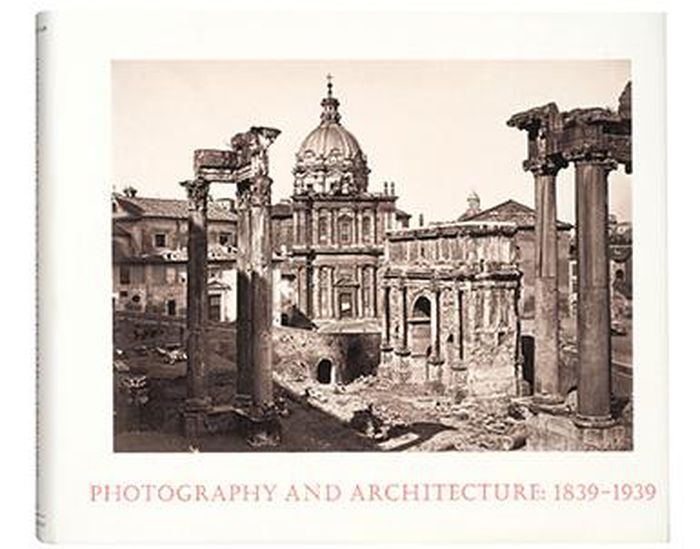
''Photography and Architecture: 1839–1939'' presents works that show aspects of the history of architecture seen through photography, and the history of photography through architecture. One hundred and forty-eight photographs from the collection of the CCA have been selected to demonstrate the great richness of the subject, including the origins of photography in Britain and France, the pioneering expeditions accompanied by photographers who recorded the great monuments of the world from the Mediterranean to the Far East, and the great surveys of the nineteenth century. Individual images document the expansion of the United States in works that reflect the growth of American cities. Urban renewal is seen in works from the Second Empire in France and from the 1880s in England and Scotland. Works from the American renaissance in photography of the 1920s and 1930s explore new aspects of the modern vertical city. The final section of the book is devoted to works that reflect the architectural ideas developped in Germany between the two world wars. Introduction by Phyllis Lambert.
Photography and architecture: 1839-1939
Actions:
Price:
$75.00
(available in store)
Summary:
''Photography and Architecture: 1839–1939'' presents works that show aspects of the history of architecture seen through photography, and the history of photography through architecture. One hundred and forty-eight photographs from the collection of the CCA have been selected to demonstrate the great richness of the subject, including the origins of photography in Britain and France, the pioneering expeditions accompanied by photographers who recorded the great monuments of the world from the Mediterranean to the Far East, and the great surveys of the nineteenth century. Individual images document the expansion of the United States in works that reflect the growth of American cities. Urban renewal is seen in works from the Second Empire in France and from the 1880s in England and Scotland. Works from the American renaissance in photography of the 1920s and 1930s explore new aspects of the modern vertical city. The final section of the book is devoted to works that reflect the architectural ideas developped in Germany between the two world wars. Introduction by Phyllis Lambert.
Form:
books
books
Publication:
January 1982, Montréal
January 1982, Montréal
Subject:
CCA Publications
CCA Publications


