


11504 Results
Form:
exhibitions
exhibitions
Description:
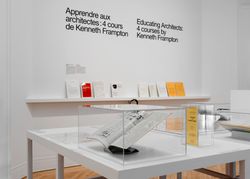
Amid education reform in American schools of architecture in the 1970s, Kenneth Frampton was integral in transforming the curriculum of Columbia University’s Graduate School of Architecture Planning. In particular, he designed and taught what became three core courses: the theory seminar “Comparative Critical Analysis,” the history lectures “Thresholds of Modern(...)
Amid education reform in American schools of architecture in the 1970s, Kenneth Frampton was integral in transforming the curriculum of Columbia University’s Graduate School of Architecture Planning. In particular, he designed and taught what became three core courses: the theory seminar “Comparative Critical Analysis,” the history lectures “Thresholds of Modern(...)
Date:
31 May 2017 to 24 September 2017
31 May 2017 to 24 September 2017
Title:
Educating Architects: Four Courses by Kenneth Frampton
Actions:
Description:
Amid education reform in American schools of architecture in the 1970s, Kenneth Frampton was integral in transforming the curriculum of Columbia University’s Graduate School of Architecture Planning. In particular, he designed and taught what became three core courses: the theory seminar “Comparative Critical Analysis,” the history lectures “Thresholds of Modern(...)
Educating Architects: Four Courses by Kenneth Frampton
Actions:
Description:
Amid education reform in American schools of architecture in the 1970s, Kenneth Frampton was integral in transforming the curriculum of Columbia University’s Graduate School of Architecture Planning. In particular, he designed and taught what became three core courses: the theory seminar “Comparative Critical Analysis,” the history lectures “Thresholds of Modern(...)
Form:
exhibitions
exhibitions
Date:
31 May 2017 to
24 September 2017
31 May 2017 to
24 September 2017
Form:
exhibitions
exhibitions
Description:
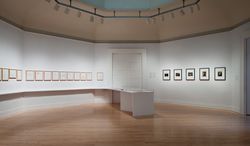
Portuguese architect Álvaro Siza travelled to Peru in 1995 with his usual baggage: only a few changes of clothes, some books of poetry, and a single sketchbook. This was the toolkit he used to interpret the voyage and integrate it into his architecture. More than half a century earlier, Peruvian photographer Martín Chambi had taken his famous series of portraits of the(...)
Portuguese architect Álvaro Siza travelled to Peru in 1995 with his usual baggage: only a few changes of clothes, some books of poetry, and a single sketchbook. This was the toolkit he used to interpret the voyage and integrate it into his architecture. More than half a century earlier, Peruvian photographer Martín Chambi had taken his famous series of portraits of the(...)
Location:
Octagonal gallery
Octagonal gallery
Date:
26 January 2012 to 29 April 2012
26 January 2012 to 29 April 2012
Title:
Alturas de Machu Picchu: Martín Chambi – Álvaro Siza at work
Actions:
Description:
Portuguese architect Álvaro Siza travelled to Peru in 1995 with his usual baggage: only a few changes of clothes, some books of poetry, and a single sketchbook. This was the toolkit he used to interpret the voyage and integrate it into his architecture. More than half a century earlier, Peruvian photographer Martín Chambi had taken his famous series of portraits of the(...)
Alturas de Machu Picchu: Martín Chambi – Álvaro Siza at work
Actions:
Description:
Portuguese architect Álvaro Siza travelled to Peru in 1995 with his usual baggage: only a few changes of clothes, some books of poetry, and a single sketchbook. This was the toolkit he used to interpret the voyage and integrate it into his architecture. More than half a century earlier, Peruvian photographer Martín Chambi had taken his famous series of portraits of the(...)
Form:
exhibitions
exhibitions
Date:
26 January 2012 to
29 April 2012
26 January 2012 to
29 April 2012
Location:
Octagonal gallery
Octagonal gallery
Form:
articles
articles
Actions:
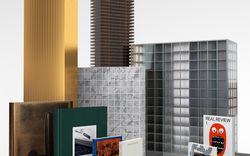
Kim Courrèges and Felipe de Ferrari of Plan Común speak with Jack Self of REAL about a society more equal in all dimensions
Issue:
With and Within
With and Within
Keyword(s):
The First Ethical Housing Project, Kim Courrèges, Felipe de Ferrari, Plan Común, With and Within, Jack Self, REAL foundation
The First Ethical Housing Project, Kim Courrèges, Felipe de Ferrari, Plan Común, With and Within, Jack Self, REAL foundation
Published:
14 June 2021
14 June 2021
Title:
An Ethical Real Estate Project
Kim Courrèges and Felipe de Ferrari of Plan Común speak with Jack Self of REAL about a society more equal in all dimensions
Actions:
An Ethical Real Estate Project
Kim Courrèges and Felipe de Ferrari of Plan Común speak with Jack Self of REAL about a society more equal in all dimensions
Actions:
Issue:
With and Within
With and Within
Form:
exhibitions
exhibitions
Actions:
Description:
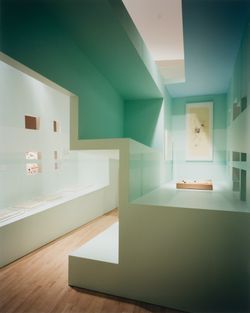
*Cities of Artificial Excavation: The Work of Peter Eisenman, 1978–1988* explores how American architect and writer Peter Eisenman questioned the concept of “site,” and demonstrates the importance of drawing and modelmaking in generating his ideas. The exhibition reveals the richness and complexity of the design process by looking carefully at Eisenman’s drawings and(...)
*Cities of Artificial Excavation: The Work of Peter Eisenman, 1978–1988* explores how American architect and writer Peter Eisenman questioned the concept of “site,” and demonstrates the importance of drawing and modelmaking in generating his ideas. The exhibition reveals the richness and complexity of the design process by looking carefully at Eisenman’s drawings and(...)
Location:
Main galleries
Main galleries
Date:
2 March 1994 to 19 June 1994
2 March 1994 to 19 June 1994
Title:
Cities of Artificial Excavation: The Work of Peter Eisenman, 1978-1988
Actions:
Description:
*Cities of Artificial Excavation: The Work of Peter Eisenman, 1978–1988* explores how American architect and writer Peter Eisenman questioned the concept of “site,” and demonstrates the importance of drawing and modelmaking in generating his ideas. The exhibition reveals the richness and complexity of the design process by looking carefully at Eisenman’s drawings and(...)
Cities of Artificial Excavation: The Work of Peter Eisenman, 1978-1988
Actions:
Description:
*Cities of Artificial Excavation: The Work of Peter Eisenman, 1978–1988* explores how American architect and writer Peter Eisenman questioned the concept of “site,” and demonstrates the importance of drawing and modelmaking in generating his ideas. The exhibition reveals the richness and complexity of the design process by looking carefully at Eisenman’s drawings and(...)
Form:
exhibitions
exhibitions
Date:
2 March 1994 to
19 June 1994
2 March 1994 to
19 June 1994
Location:
Main galleries
Main galleries
Form:
photographs
photographs
Actions:
Reference number:
AP140.S2.SS1.D33.P6
Description:
views of schematic, design development, presentation, and publication drawings; many of the views of schematic, design development, and presentation drawings show drawings that are not otherwise present in the project documents; the views of schematic, design development, and presentation drawings show different schemes for site layouts, and for types and juxtaposition of dwellings; some of these drawings were possibly redrawn for presentation or publication purposes; there are views of drawings for a reurbanisation project for the Southgate Housing by Rodrigo Perez de Arce, which was exhibited and published in the early 1980s; some of these views were also used to illustrate Stirling's published Southgate project
AP140.S2.SS1.D33.P6
Description:
views of schematic, design development, presentation, and publication drawings; many of the views of schematic, design development, and presentation drawings show drawings that are not otherwise present in the project documents; the views of schematic, design development, and presentation drawings show different schemes for site layouts, and for types and juxtaposition of dwellings; some of these drawings were possibly redrawn for presentation or publication purposes; there are views of drawings for a reurbanisation project for the Southgate Housing by Rodrigo Perez de Arce, which was exhibited and published in the early 1980s; some of these views were also used to illustrate Stirling's published Southgate project
People:
Date:
1976
1976
Title:
Views of schematic, design development, presentation
Actions:
AP140.S2.SS1.D33.P6
Description:
views of schematic, design development, presentation, and publication drawings; many of the views of schematic, design development, and presentation drawings show drawings that are not otherwise present in the project documents; the views of schematic, design development, and presentation drawings show different schemes for site layouts, and for types and juxtaposition of dwellings; some of these drawings were possibly redrawn for presentation or publication purposes; there are views of drawings for a reurbanisation project for the Southgate Housing by Rodrigo Perez de Arce, which was exhibited and published in the early 1980s; some of these views were also used to illustrate Stirling's published Southgate project
Views of schematic, design development, presentation
Actions:
AP140.S2.SS1.D33.P6
Description:
views of schematic, design development, presentation, and publication drawings; many of the views of schematic, design development, and presentation drawings show drawings that are not otherwise present in the project documents; the views of schematic, design development, and presentation drawings show different schemes for site layouts, and for types and juxtaposition of dwellings; some of these drawings were possibly redrawn for presentation or publication purposes; there are views of drawings for a reurbanisation project for the Southgate Housing by Rodrigo Perez de Arce, which was exhibited and published in the early 1980s; some of these views were also used to illustrate Stirling's published Southgate project
Form:
photographs
photographs
Date:
1976
1976
People:
Form:
drawings
drawings
Reference number:
DR1995:0166:016
Description:
Includes presentation drawings for Oldham Pub, one with annotations, including plans, sections, elevations, details, measured sketches, perspectives, sketch, and site plan. The project for Oldham Pub includes a public pub, bar-related facilities, and boarding facilities such as sitting rooms, bedrooms, and a common kitchen and dining area. Materials and construction details for the interior are indicated on a detailed plan and section of the cocktail bar. The exterior of the pub is shown to be constructed of brick with concrete banding. A long covered colonnade at the front provides a sheltered entrance. A housing complex, garden, shops, and parking, are adjacent to the pub.
DR1995:0166:016
Description:
Includes presentation drawings for Oldham Pub, one with annotations, including plans, sections, elevations, details, measured sketches, perspectives, sketch, and site plan. The project for Oldham Pub includes a public pub, bar-related facilities, and boarding facilities such as sitting rooms, bedrooms, and a common kitchen and dining area. Materials and construction details for the interior are indicated on a detailed plan and section of the cocktail bar. The exterior of the pub is shown to be constructed of brick with concrete banding. A long covered colonnade at the front provides a sheltered entrance. A housing complex, garden, shops, and parking, are adjacent to the pub.
People:
Title:
Presentation drawings for Oldham Pub, one with annotations
Actions:
DR1995:0166:016
Description:
Includes presentation drawings for Oldham Pub, one with annotations, including plans, sections, elevations, details, measured sketches, perspectives, sketch, and site plan. The project for Oldham Pub includes a public pub, bar-related facilities, and boarding facilities such as sitting rooms, bedrooms, and a common kitchen and dining area. Materials and construction details for the interior are indicated on a detailed plan and section of the cocktail bar. The exterior of the pub is shown to be constructed of brick with concrete banding. A long covered colonnade at the front provides a sheltered entrance. A housing complex, garden, shops, and parking, are adjacent to the pub.
Presentation drawings for Oldham Pub, one with annotations
Actions:
DR1995:0166:016
Description:
Includes presentation drawings for Oldham Pub, one with annotations, including plans, sections, elevations, details, measured sketches, perspectives, sketch, and site plan. The project for Oldham Pub includes a public pub, bar-related facilities, and boarding facilities such as sitting rooms, bedrooms, and a common kitchen and dining area. Materials and construction details for the interior are indicated on a detailed plan and section of the cocktail bar. The exterior of the pub is shown to be constructed of brick with concrete banding. A long covered colonnade at the front provides a sheltered entrance. A housing complex, garden, shops, and parking, are adjacent to the pub.
Form:
drawings
drawings
People:
Level of archival description:
Series
Series
Actions:
Reference number:
CD034.S1
Description:
The SAAL Process exhibition discussed ten influential SAAL projects. This series contains several reproductions of seven of the projects documented in the exhibit. The projects were mainly in Porto, but also in Lisbon and Setúbal, Portugal. The reproductions included in this series cover the following projects: Bairro Quinta do Bacalhau–Monte Coxo, Lisbon; Leal, Porto; Antas, Porto; São Victor, Porto; Miragaia, Porto; Casal das Figueiras, Setúbal; and Quinta da Bela Flor, Lisbon. Not included in the collection, but documented by the exhibition, are the exhibited materials for: Bairro da Quinta das Fonsecas–Quinta da Calçada, Lisbon; Meia-Praia–Apeadeiro, Algarve; and Curraleira–Embrechados, Lisbon. - Bairro da Quinta das Fonsecas–Quinta da Calçada, Lisbon: A project of neighbourhood by Raúl Hestnes Ferreira with the participation of the resident associations Cooperativa de Habitação Económica 25 de Abril and Cooperativa de Habitação Económica Unidade do Povo, in 1974-1975?. The first phase includes 314 dwellings and the second 301 dwellings. - Meia-Praia–Apeadeiro, Algarve: A project by José Veloso with the participation of the residents' association 25 de Abril (1975). It includes 36 dwellings. - Curraleira–Embrechados, Lisbon: A project by José António Paradela and Luís Gravata Filipe with the participation of the residents' associations Cooperativa de Habitação Económica Bairro Horizonte and Cooperativa de Habitação Económica Lisboa Nova, in 1976. The first phase includes 768 dwellings and the second 170 dwellings. The collection contains reproductions of design development drawings, presentation panels and photographic materials dating from 1974 to 1979 that were realised during the SAAL Process. The material shows samples of built and unfinished housing projects in Portugal.
CD034.S1
Description:
The SAAL Process exhibition discussed ten influential SAAL projects. This series contains several reproductions of seven of the projects documented in the exhibit. The projects were mainly in Porto, but also in Lisbon and Setúbal, Portugal. The reproductions included in this series cover the following projects: Bairro Quinta do Bacalhau–Monte Coxo, Lisbon; Leal, Porto; Antas, Porto; São Victor, Porto; Miragaia, Porto; Casal das Figueiras, Setúbal; and Quinta da Bela Flor, Lisbon. Not included in the collection, but documented by the exhibition, are the exhibited materials for: Bairro da Quinta das Fonsecas–Quinta da Calçada, Lisbon; Meia-Praia–Apeadeiro, Algarve; and Curraleira–Embrechados, Lisbon. - Bairro da Quinta das Fonsecas–Quinta da Calçada, Lisbon: A project of neighbourhood by Raúl Hestnes Ferreira with the participation of the resident associations Cooperativa de Habitação Económica 25 de Abril and Cooperativa de Habitação Económica Unidade do Povo, in 1974-1975?. The first phase includes 314 dwellings and the second 301 dwellings. - Meia-Praia–Apeadeiro, Algarve: A project by José Veloso with the participation of the residents' association 25 de Abril (1975). It includes 36 dwellings. - Curraleira–Embrechados, Lisbon: A project by José António Paradela and Luís Gravata Filipe with the participation of the residents' associations Cooperativa de Habitação Económica Bairro Horizonte and Cooperativa de Habitação Económica Lisboa Nova, in 1976. The first phase includes 768 dwellings and the second 170 dwellings. The collection contains reproductions of design development drawings, presentation panels and photographic materials dating from 1974 to 1979 that were realised during the SAAL Process. The material shows samples of built and unfinished housing projects in Portugal.
People:
Date:
1974-1979
1974-1979
Title:
Projects featured in The SAAL Process exhibition
Actions:
CD034.S1
Description:
The SAAL Process exhibition discussed ten influential SAAL projects. This series contains several reproductions of seven of the projects documented in the exhibit. The projects were mainly in Porto, but also in Lisbon and Setúbal, Portugal. The reproductions included in this series cover the following projects: Bairro Quinta do Bacalhau–Monte Coxo, Lisbon; Leal, Porto; Antas, Porto; São Victor, Porto; Miragaia, Porto; Casal das Figueiras, Setúbal; and Quinta da Bela Flor, Lisbon. Not included in the collection, but documented by the exhibition, are the exhibited materials for: Bairro da Quinta das Fonsecas–Quinta da Calçada, Lisbon; Meia-Praia–Apeadeiro, Algarve; and Curraleira–Embrechados, Lisbon. - Bairro da Quinta das Fonsecas–Quinta da Calçada, Lisbon: A project of neighbourhood by Raúl Hestnes Ferreira with the participation of the resident associations Cooperativa de Habitação Económica 25 de Abril and Cooperativa de Habitação Económica Unidade do Povo, in 1974-1975?. The first phase includes 314 dwellings and the second 301 dwellings. - Meia-Praia–Apeadeiro, Algarve: A project by José Veloso with the participation of the residents' association 25 de Abril (1975). It includes 36 dwellings. - Curraleira–Embrechados, Lisbon: A project by José António Paradela and Luís Gravata Filipe with the participation of the residents' associations Cooperativa de Habitação Económica Bairro Horizonte and Cooperativa de Habitação Económica Lisboa Nova, in 1976. The first phase includes 768 dwellings and the second 170 dwellings. The collection contains reproductions of design development drawings, presentation panels and photographic materials dating from 1974 to 1979 that were realised during the SAAL Process. The material shows samples of built and unfinished housing projects in Portugal.
Projects featured in The SAAL Process exhibition
Actions:
CD034.S1
Description:
The SAAL Process exhibition discussed ten influential SAAL projects. This series contains several reproductions of seven of the projects documented in the exhibit. The projects were mainly in Porto, but also in Lisbon and Setúbal, Portugal. The reproductions included in this series cover the following projects: Bairro Quinta do Bacalhau–Monte Coxo, Lisbon; Leal, Porto; Antas, Porto; São Victor, Porto; Miragaia, Porto; Casal das Figueiras, Setúbal; and Quinta da Bela Flor, Lisbon. Not included in the collection, but documented by the exhibition, are the exhibited materials for: Bairro da Quinta das Fonsecas–Quinta da Calçada, Lisbon; Meia-Praia–Apeadeiro, Algarve; and Curraleira–Embrechados, Lisbon. - Bairro da Quinta das Fonsecas–Quinta da Calçada, Lisbon: A project of neighbourhood by Raúl Hestnes Ferreira with the participation of the resident associations Cooperativa de Habitação Económica 25 de Abril and Cooperativa de Habitação Económica Unidade do Povo, in 1974-1975?. The first phase includes 314 dwellings and the second 301 dwellings. - Meia-Praia–Apeadeiro, Algarve: A project by José Veloso with the participation of the residents' association 25 de Abril (1975). It includes 36 dwellings. - Curraleira–Embrechados, Lisbon: A project by José António Paradela and Luís Gravata Filipe with the participation of the residents' associations Cooperativa de Habitação Económica Bairro Horizonte and Cooperativa de Habitação Económica Lisboa Nova, in 1976. The first phase includes 768 dwellings and the second 170 dwellings. The collection contains reproductions of design development drawings, presentation panels and photographic materials dating from 1974 to 1979 that were realised during the SAAL Process. The material shows samples of built and unfinished housing projects in Portugal.
Level of archival description:
Series
Series
Date:
1974-1979
1974-1979
People:
Form:
drawings
Quantity:
8 drawing(s)
drawings
Quantity:
8 drawing(s)
Actions:
Reference number:
DR1995:0166:008-016
Description:
Includes drawings for Oldham Pub, including presentation drawings, plans, sections, elevations, details, measured sketches, conceptual drawings, sketches, perspectives, and site plan. The project for Oldham Pub includes a public pub, bar-related facilities, and boarding facilities such as sitting rooms, bedrooms, and a common kitchen and dining area. Materials and construction details for the interior are indicated on a detailed plan and section of the cocktail bar. The exterior of the pub is shown to be constructed of brick with concrete banding. A long covered colonnade at the front provides a sheltered entrance. A housing complex, garden, shops, and parking, are adjacent to the pub.
DR1995:0166:008-016
Description:
Includes drawings for Oldham Pub, including presentation drawings, plans, sections, elevations, details, measured sketches, conceptual drawings, sketches, perspectives, and site plan. The project for Oldham Pub includes a public pub, bar-related facilities, and boarding facilities such as sitting rooms, bedrooms, and a common kitchen and dining area. Materials and construction details for the interior are indicated on a detailed plan and section of the cocktail bar. The exterior of the pub is shown to be constructed of brick with concrete banding. A long covered colonnade at the front provides a sheltered entrance. A housing complex, garden, shops, and parking, are adjacent to the pub.
People:
Title:
Drawings for Oldham Pub, including presentation drawings
Actions:
DR1995:0166:008-016
Description:
Includes drawings for Oldham Pub, including presentation drawings, plans, sections, elevations, details, measured sketches, conceptual drawings, sketches, perspectives, and site plan. The project for Oldham Pub includes a public pub, bar-related facilities, and boarding facilities such as sitting rooms, bedrooms, and a common kitchen and dining area. Materials and construction details for the interior are indicated on a detailed plan and section of the cocktail bar. The exterior of the pub is shown to be constructed of brick with concrete banding. A long covered colonnade at the front provides a sheltered entrance. A housing complex, garden, shops, and parking, are adjacent to the pub.
Drawings for Oldham Pub, including presentation drawings
Actions:
DR1995:0166:008-016
Description:
Includes drawings for Oldham Pub, including presentation drawings, plans, sections, elevations, details, measured sketches, conceptual drawings, sketches, perspectives, and site plan. The project for Oldham Pub includes a public pub, bar-related facilities, and boarding facilities such as sitting rooms, bedrooms, and a common kitchen and dining area. Materials and construction details for the interior are indicated on a detailed plan and section of the cocktail bar. The exterior of the pub is shown to be constructed of brick with concrete banding. A long covered colonnade at the front provides a sheltered entrance. A housing complex, garden, shops, and parking, are adjacent to the pub.
Form:
drawings
Quantity:
8 drawing(s)
drawings
Quantity:
8 drawing(s)
People:
Form:
photographs
Quantity:
32 slide(s)
photographs
Quantity:
32 slide(s)
Actions:
Reference number:
ARCH270031
Description:
Group consists of photographs of buildings in sector 23 in Chandigarh, India, including schools, group housings and sports installations and clubs. The group also includes photographs of young boys playing baseball.
ARCH270031
Description:
Group consists of photographs of buildings in sector 23 in Chandigarh, India, including schools, group housings and sports installations and clubs. The group also includes photographs of young boys playing baseball.
People:
Date:
June 12, 1987
June 12, 1987
Title:
Photographs of buildings in sector 23 in Chandigarh
Actions:
ARCH270031
Description:
Group consists of photographs of buildings in sector 23 in Chandigarh, India, including schools, group housings and sports installations and clubs. The group also includes photographs of young boys playing baseball.
Photographs of buildings in sector 23 in Chandigarh
Actions:
ARCH270031
Description:
Group consists of photographs of buildings in sector 23 in Chandigarh, India, including schools, group housings and sports installations and clubs. The group also includes photographs of young boys playing baseball.
Form:
photographs
Quantity:
32 slide(s)
photographs
Quantity:
32 slide(s)
Date:
June 12, 1987
June 12, 1987
People:
Level of archival description:
Project
Project
Reference number:
AP066.S3.D9
Description:
Le dossier documente la soumission pour le concours national ouvert "L'art de vivre en ville" tenu en 1991, de juillet à octobre. Le dossier contient des dessins, des panneaux, des reprographies et des documents textuels. Objectifs du concours: "La Ville de Montréal, en association avec la Société canadienne d'hypothèque et de logement et la Société d'habitation du Québec, lance un concours national d'architecture pour encourager le développement de solutions résidentielles répondant aux besoins des familles qui veulent vivre dans les quartiers centraux." Extrait du dépliant "L'art de vivre en ville", (66-C009-001T).
AP066.S3.D9
Description:
Le dossier documente la soumission pour le concours national ouvert "L'art de vivre en ville" tenu en 1991, de juillet à octobre. Le dossier contient des dessins, des panneaux, des reprographies et des documents textuels. Objectifs du concours: "La Ville de Montréal, en association avec la Société canadienne d'hypothèque et de logement et la Société d'habitation du Québec, lance un concours national d'architecture pour encourager le développement de solutions résidentielles répondant aux besoins des familles qui veulent vivre dans les quartiers centraux." Extrait du dépliant "L'art de vivre en ville", (66-C009-001T).
People:
Date:
1991
1991
Title:
Concours national "L'art de vivre en ville"
Actions:
AP066.S3.D9
Description:
Le dossier documente la soumission pour le concours national ouvert "L'art de vivre en ville" tenu en 1991, de juillet à octobre. Le dossier contient des dessins, des panneaux, des reprographies et des documents textuels. Objectifs du concours: "La Ville de Montréal, en association avec la Société canadienne d'hypothèque et de logement et la Société d'habitation du Québec, lance un concours national d'architecture pour encourager le développement de solutions résidentielles répondant aux besoins des familles qui veulent vivre dans les quartiers centraux." Extrait du dépliant "L'art de vivre en ville", (66-C009-001T).
Concours national "L'art de vivre en ville"
Actions:
AP066.S3.D9
Description:
Le dossier documente la soumission pour le concours national ouvert "L'art de vivre en ville" tenu en 1991, de juillet à octobre. Le dossier contient des dessins, des panneaux, des reprographies et des documents textuels. Objectifs du concours: "La Ville de Montréal, en association avec la Société canadienne d'hypothèque et de logement et la Société d'habitation du Québec, lance un concours national d'architecture pour encourager le développement de solutions résidentielles répondant aux besoins des familles qui veulent vivre dans les quartiers centraux." Extrait du dépliant "L'art de vivre en ville", (66-C009-001T).
Level of archival description:
Dossier 9
Dossier 9
Date:
1991
1991
People:


