


3277 Results
Form:
books
books
Title:
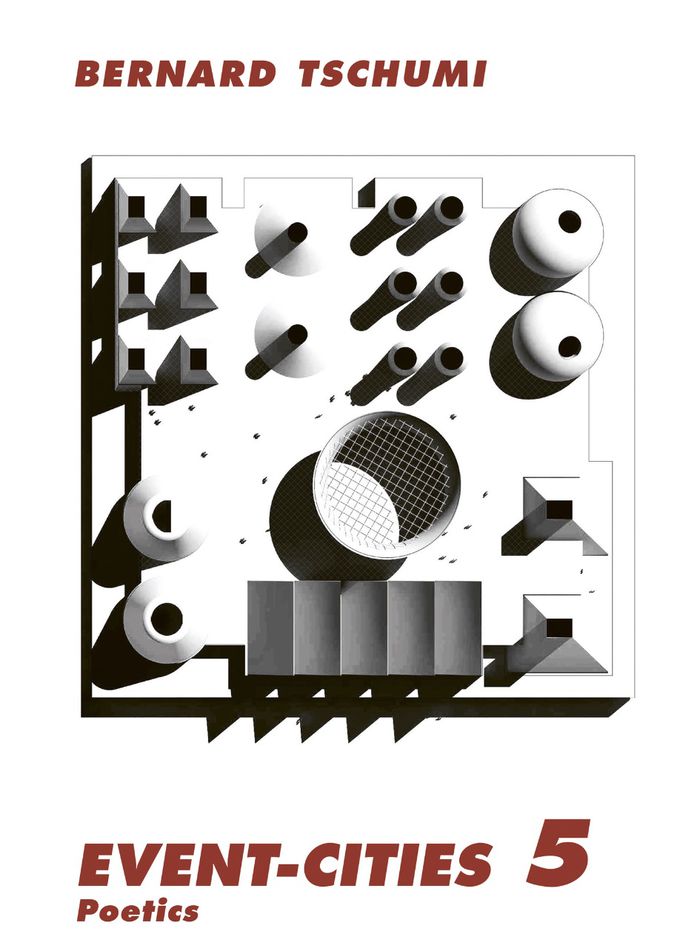
Event-cities 5 : poetics
Event-cities 5 : poetics
Actions:
Price:
$53.95
(available to order)
Summary:
"Event-Cities 5" is the fifth and final volume in the MIT Press series documenting recent built and unbuilt projects by renowned architect Bernard Tschumi. This volume expands on the theoretical preoccupations that have shaped Tschumi's work in practice and pedagogy. In this volume, Tschumi embarks on what he calls a “poetics” that addresses both the rational elaboration(...)
$53.95
(available to order)
Summary:
"Event-Cities 5" is the fifth and final volume in the MIT Press series documenting recent built and unbuilt projects by renowned architect Bernard Tschumi. This volume expands on the theoretical preoccupations that have shaped Tschumi's work in practice and pedagogy. In this volume, Tschumi embarks on what he calls a “poetics” that addresses both the rational elaboration(...)
Title:
Event-cities 5 : poetics
Actions:
Price:
$53.95
(available to order)
Summary:
"Event-Cities 5" is the fifth and final volume in the MIT Press series documenting recent built and unbuilt projects by renowned architect Bernard Tschumi. This volume expands on the theoretical preoccupations that have shaped Tschumi's work in practice and pedagogy. In this volume, Tschumi embarks on what he calls a “poetics” that addresses both the rational elaboration of work and the irrational eruption of inexplicable elements in architectural projects. How do chance, intuition, and analogy, among other elements, intersect with the logical play of concept, context, and program to generate innovative and informed design? Highlights of this volume include circular building projects, works with suspended gardens and floating rectangular masses, superposed structures created via surrealist tactics, an immense educational research complex in France that hovers between building and urban design, a museum in China made from intersecting conic shapes, and a project for a cultural center in Italy that is structured as an investigation into courtyards and facades.
Event-cities 5 : poetics
Actions:
Price:
$53.95
(available to order)
Summary:
"Event-Cities 5" is the fifth and final volume in the MIT Press series documenting recent built and unbuilt projects by renowned architect Bernard Tschumi. This volume expands on the theoretical preoccupations that have shaped Tschumi's work in practice and pedagogy. In this volume, Tschumi embarks on what he calls a “poetics” that addresses both the rational elaboration of work and the irrational eruption of inexplicable elements in architectural projects. How do chance, intuition, and analogy, among other elements, intersect with the logical play of concept, context, and program to generate innovative and informed design? Highlights of this volume include circular building projects, works with suspended gardens and floating rectangular masses, superposed structures created via surrealist tactics, an immense educational research complex in France that hovers between building and urban design, a museum in China made from intersecting conic shapes, and a project for a cultural center in Italy that is structured as an investigation into courtyards and facades.
Form:
books
books
Publication:
November 2024
November 2024
Subject:
Architecture Monographs
Architecture Monographs
Form:
books
books
Title:
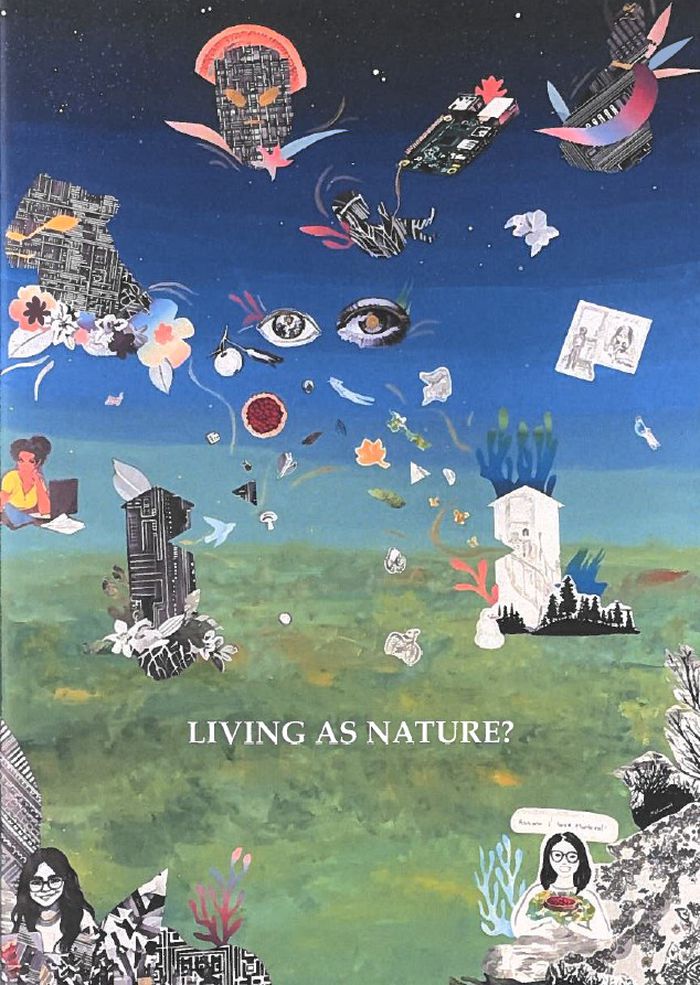
Living as nature?
Living as nature?
Actions:
Price:
$17.00
(available to order)
Summary:
In a world where artificial intelligence has and increasingly important place in our daily lives, and more and more of our time is spent on screens, what does "Living as Nature" mean anymore? We wanted to answer this question in a two eyed seeing approach, a term coined by Mi’kmaw elder Albert Marshall referring to seeing from one eye with strengths of Indigenous ways of(...)
$17.00
(available to order)
Summary:
In a world where artificial intelligence has and increasingly important place in our daily lives, and more and more of our time is spent on screens, what does "Living as Nature" mean anymore? We wanted to answer this question in a two eyed seeing approach, a term coined by Mi’kmaw elder Albert Marshall referring to seeing from one eye with strengths of Indigenous ways of(...)
Publication:
September 2025
September 2025
Title:
Living as nature?
Actions:
Price:
$17.00
(available to order)
Summary:
In a world where artificial intelligence has and increasingly important place in our daily lives, and more and more of our time is spent on screens, what does "Living as Nature" mean anymore? We wanted to answer this question in a two eyed seeing approach, a term coined by Mi’kmaw elder Albert Marshall referring to seeing from one eye with strengths of Indigenous ways of knowing, and from the other eye with the strengths of Western ways of knowing, and to use both of these eyes together to move forward. This can be seen through the pairing of Wendat values and the principles of the Montréal Declaration for a Responsible Development of Artificial Intelligence. We offer a mirrored reflection on this topic, from the perspectives of a researcher in AI for biodiversity conservation (Mélisande) and an Indigenous landscape architect (Carling): How can AI researchers working on applications in biodiversity reconcile Western science with Indigenous knowledge and ways of knowing of "Living as Nature?"
Living as nature?
Actions:
Price:
$17.00
(available to order)
Summary:
In a world where artificial intelligence has and increasingly important place in our daily lives, and more and more of our time is spent on screens, what does "Living as Nature" mean anymore? We wanted to answer this question in a two eyed seeing approach, a term coined by Mi’kmaw elder Albert Marshall referring to seeing from one eye with strengths of Indigenous ways of knowing, and from the other eye with the strengths of Western ways of knowing, and to use both of these eyes together to move forward. This can be seen through the pairing of Wendat values and the principles of the Montréal Declaration for a Responsible Development of Artificial Intelligence. We offer a mirrored reflection on this topic, from the perspectives of a researcher in AI for biodiversity conservation (Mélisande) and an Indigenous landscape architect (Carling): How can AI researchers working on applications in biodiversity reconcile Western science with Indigenous knowledge and ways of knowing of "Living as Nature?"
Form:
books
books
Publication:
September 2025
September 2025
Form:
books
books
Actions:
Price:
$12.95
(available to order)
Summary:
One of Austria’s most influential architects, Otto Wagner (1841-1918) played a key role in modernizing urban architecture. Forming an approach described as structural rationalism, Wagner pioneered use of materials such as glass, steel, and especially aluminium. He was associated with the Viennese Succession, a group of artists and designers headed by Gustav Klimt that(...)
$12.95
(available to order)
Summary:
One of Austria’s most influential architects, Otto Wagner (1841-1918) played a key role in modernizing urban architecture. Forming an approach described as structural rationalism, Wagner pioneered use of materials such as glass, steel, and especially aluminium. He was associated with the Viennese Succession, a group of artists and designers headed by Gustav Klimt that(...)
Title:
Wagner, 1841-1918 : forerunner of modern architecture
Actions:
Price:
$12.95
(available to order)
Summary:
One of Austria’s most influential architects, Otto Wagner (1841-1918) played a key role in modernizing urban architecture. Forming an approach described as structural rationalism, Wagner pioneered use of materials such as glass, steel, and especially aluminium. He was associated with the Viennese Succession, a group of artists and designers headed by Gustav Klimt that initiated a departure from the conservative style of the Viennese Künstlerhaus. Among Wagner’s most important buildings are the Vienna Postsparkassenamt (Postal Savings building) and the Steinhof Church. Part of Taschen's Basic Architecture series. Each title in the series contains approximately 120 images, including photographs, sketches, drawings, and floor plans. Introductory essays explore the architect’s life and work, touching on family and background as well as collaborations with other architects. The body presents the most important works in chronological order, with descriptions of client and/or architect wishes, construction problems (why some projects were never executed), and resolutions. The appendix includes a list of complete or selected works, biography, bibliography and a map indicating the locations of the architect’s most famous buildings.
Wagner, 1841-1918 : forerunner of modern architecture
Actions:
Price:
$12.95
(available to order)
Summary:
One of Austria’s most influential architects, Otto Wagner (1841-1918) played a key role in modernizing urban architecture. Forming an approach described as structural rationalism, Wagner pioneered use of materials such as glass, steel, and especially aluminium. He was associated with the Viennese Succession, a group of artists and designers headed by Gustav Klimt that initiated a departure from the conservative style of the Viennese Künstlerhaus. Among Wagner’s most important buildings are the Vienna Postsparkassenamt (Postal Savings building) and the Steinhof Church. Part of Taschen's Basic Architecture series. Each title in the series contains approximately 120 images, including photographs, sketches, drawings, and floor plans. Introductory essays explore the architect’s life and work, touching on family and background as well as collaborations with other architects. The body presents the most important works in chronological order, with descriptions of client and/or architect wishes, construction problems (why some projects were never executed), and resolutions. The appendix includes a list of complete or selected works, biography, bibliography and a map indicating the locations of the architect’s most famous buildings.
Form:
books
books
Publication:
July 2005, Cologne
July 2005, Cologne
Subject:
Architecture Monographs
Architecture Monographs
Form:
books
books
Title:
Frank Lloyd Wright: A Life
Frank Lloyd Wright: A Life
Actions:
Price:
$15.50
(available to order)
Summary:
As readers of Huxtable's Pulitzer Prize-winning criticism know, she is a discerning writer fluent in architectural thought and practice. She now offers a fresh perspective on Frank Lloyd Wright's much scrutinized yet still surprising life. Comfortable with ambiguity and complexity, Huxtable not only parses both key events and overlooked subtleties, she also wrestles with(...)
$15.50
(available to order)
Summary:
As readers of Huxtable's Pulitzer Prize-winning criticism know, she is a discerning writer fluent in architectural thought and practice. She now offers a fresh perspective on Frank Lloyd Wright's much scrutinized yet still surprising life. Comfortable with ambiguity and complexity, Huxtable not only parses both key events and overlooked subtleties, she also wrestles with(...)
Title:
Frank Lloyd Wright: A Life
Actions:
Price:
$15.50
(available to order)
Summary:
As readers of Huxtable's Pulitzer Prize-winning criticism know, she is a discerning writer fluent in architectural thought and practice. She now offers a fresh perspective on Frank Lloyd Wright's much scrutinized yet still surprising life. Comfortable with ambiguity and complexity, Huxtable not only parses both key events and overlooked subtleties, she also wrestles with the prickly questions about character and creativity raised by the contrast between Wright's self-serving, tyrannical behavior and his enormously influential achievements. Fascinated by Wright's supreme confidence, fiscal recklessness, con-man charm, and phoenixlike resurrections, Huxtable tells the still shocking stories of his abandonment of his first wife and six children; the gruesome murders at Taliesin, his Wisconsin estate; and the conflicts with his vindictive second wife that landed him in jail and left him homeless. But Huxtable is no less compelling in her chronicling of Wright's ever-evolving vision of "organic architecture," which gave rise to his Prairie house; the Usonian house, the prototype for the ranch house; and many other innovations, thus renewing appreciation for a wildly unconventional but essential architect.
Frank Lloyd Wright: A Life
Actions:
Price:
$15.50
(available to order)
Summary:
As readers of Huxtable's Pulitzer Prize-winning criticism know, she is a discerning writer fluent in architectural thought and practice. She now offers a fresh perspective on Frank Lloyd Wright's much scrutinized yet still surprising life. Comfortable with ambiguity and complexity, Huxtable not only parses both key events and overlooked subtleties, she also wrestles with the prickly questions about character and creativity raised by the contrast between Wright's self-serving, tyrannical behavior and his enormously influential achievements. Fascinated by Wright's supreme confidence, fiscal recklessness, con-man charm, and phoenixlike resurrections, Huxtable tells the still shocking stories of his abandonment of his first wife and six children; the gruesome murders at Taliesin, his Wisconsin estate; and the conflicts with his vindictive second wife that landed him in jail and left him homeless. But Huxtable is no less compelling in her chronicling of Wright's ever-evolving vision of "organic architecture," which gave rise to his Prairie house; the Usonian house, the prototype for the ranch house; and many other innovations, thus renewing appreciation for a wildly unconventional but essential architect.
Form:
books
books
Publication:
May 2008, New York
May 2008, New York
Subject:
Architecture Monographs
Architecture Monographs
Form:
books
books
Actions:
Price:
$54.00
(available in store)
Summary:
Among distinguished contemporary designers, Alessandro Mendini is perhaps most deserving of the overused title of Renaissance man. Painter, writer, architect, theorist, designer: his work in all these fields has influenced generations of other artists and craftsmen and delighted even those who don’t know his name but have entered his spaces (like his stores for Alessi and(...)
$54.00
(available in store)
Summary:
Among distinguished contemporary designers, Alessandro Mendini is perhaps most deserving of the overused title of Renaissance man. Painter, writer, architect, theorist, designer: his work in all these fields has influenced generations of other artists and craftsmen and delighted even those who don’t know his name but have entered his spaces (like his stores for Alessi and(...)
Title:
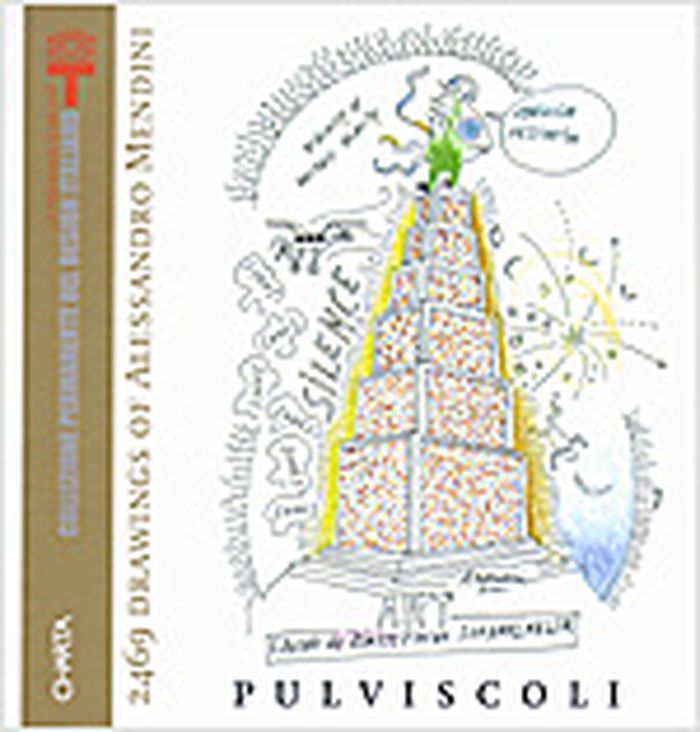
Pulviscoli : 2469 drawings of Alessandro Mendini
Actions:
Price:
$54.00
(available in store)
Summary:
Among distinguished contemporary designers, Alessandro Mendini is perhaps most deserving of the overused title of Renaissance man. Painter, writer, architect, theorist, designer: his work in all these fields has influenced generations of other artists and craftsmen and delighted even those who don’t know his name but have entered his spaces (like his stores for Alessi and Swatch), sipped from his espresso cups, and rested in his chairs. Through his work as a founder of Studio Alchimia in 1979 and editor of the magazines Casabella, Modo, and domus, Mendini has fought the strictures of modernism and championed the expressive value of decoration, which is the foundation for the development of his designs. This book offers a window into Mendini's working methods by presenting some 2,000 of his introductory designs, sketches, and texts that would eventually be realized as objects and buildings. This one-of-a-kind archive is both an important contribution to the history of design for scholars and students and a source of inspiration for designers and artists.
Pulviscoli : 2469 drawings of Alessandro Mendini
Actions:
Price:
$54.00
(available in store)
Summary:
Among distinguished contemporary designers, Alessandro Mendini is perhaps most deserving of the overused title of Renaissance man. Painter, writer, architect, theorist, designer: his work in all these fields has influenced generations of other artists and craftsmen and delighted even those who don’t know his name but have entered his spaces (like his stores for Alessi and Swatch), sipped from his espresso cups, and rested in his chairs. Through his work as a founder of Studio Alchimia in 1979 and editor of the magazines Casabella, Modo, and domus, Mendini has fought the strictures of modernism and championed the expressive value of decoration, which is the foundation for the development of his designs. This book offers a window into Mendini's working methods by presenting some 2,000 of his introductory designs, sketches, and texts that would eventually be realized as objects and buildings. This one-of-a-kind archive is both an important contribution to the history of design for scholars and students and a source of inspiration for designers and artists.
Form:
books
books
Publication:
October 2005, Milano
October 2005, Milano
Subject:
Design Monographs
Design Monographs
Form:
books
books
Price:
$79.95
(available to order)
Summary:
Energy performance feedback is an essential tool in addressing the current climate crisis. However, this is not simply another theoretical text about energy performance in buildings. This book is for anyone who wants to better understand how energy is used in buildings, and how to drive down operational energy use – whether you’re an architect, student, client, building(...)
$79.95
(available to order)
Summary:
Energy performance feedback is an essential tool in addressing the current climate crisis. However, this is not simply another theoretical text about energy performance in buildings. This book is for anyone who wants to better understand how energy is used in buildings, and how to drive down operational energy use – whether you’re an architect, student, client, building(...)
Subject:
Green Architecture
Green Architecture
Publication:
April 2021
April 2021
Title:
Energy, people, buildings: making sustainable architecture work
Actions:
Price:
$79.95
(available to order)
Summary:
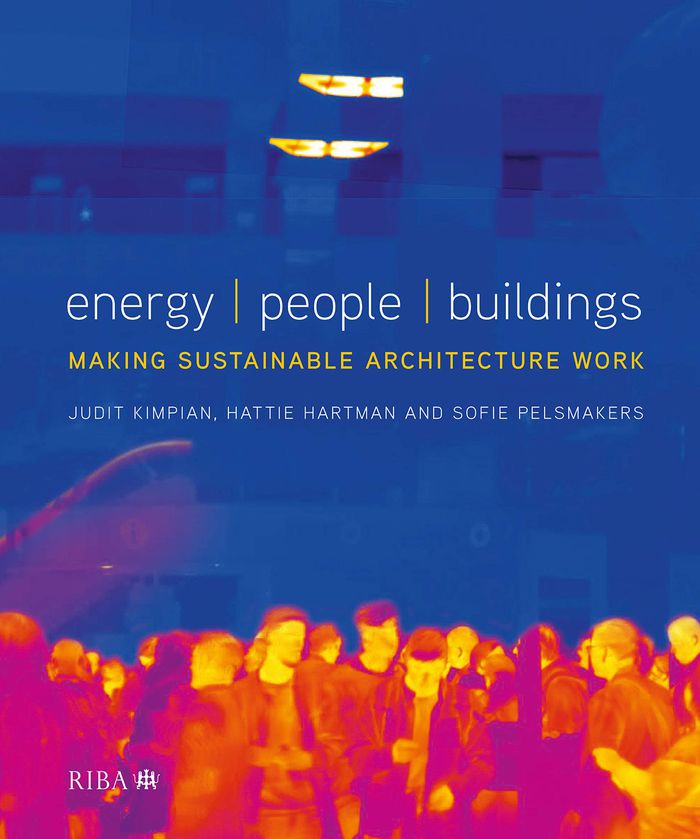
Energy performance feedback is an essential tool in addressing the current climate crisis. However, this is not simply another theoretical text about energy performance in buildings. This book is for anyone who wants to better understand how energy is used in buildings, and how to drive down operational energy use – whether you’re an architect, student, client, building services engineer, contractor, building operator or other stakeholder. Focusing on evidence from feedback on buildings in use, it explains what it takes to get them to perform as expected, as well as the reasons why they often fail. "Energy, people, buildings" draws extensively on the findings of studies, UK government-funded building performance evaluations and on original research into seven case studies from across the UK and abroad that have achieved exemplary energy use through building performance feedback. Providing a clear roadmap to understanding aspects that impact building users’ comfort and satisfaction, it also outlines the factors behind energy use and how to track it across the life of a project to ensure that your building performs as intended.
Energy, people, buildings: making sustainable architecture work
Actions:
Price:
$79.95
(available to order)
Summary:
Energy performance feedback is an essential tool in addressing the current climate crisis. However, this is not simply another theoretical text about energy performance in buildings. This book is for anyone who wants to better understand how energy is used in buildings, and how to drive down operational energy use – whether you’re an architect, student, client, building services engineer, contractor, building operator or other stakeholder. Focusing on evidence from feedback on buildings in use, it explains what it takes to get them to perform as expected, as well as the reasons why they often fail. "Energy, people, buildings" draws extensively on the findings of studies, UK government-funded building performance evaluations and on original research into seven case studies from across the UK and abroad that have achieved exemplary energy use through building performance feedback. Providing a clear roadmap to understanding aspects that impact building users’ comfort and satisfaction, it also outlines the factors behind energy use and how to track it across the life of a project to ensure that your building performs as intended.
Form:
books
books
Publication:
April 2021
April 2021
Subject:
Green Architecture
Green Architecture
Form:
journals and magazines
journals and magazines
Actions:
Price:
$38.00
(available to order)
Summary:
At a moment when the word “design” has come to refer to everything and thus nothing, this issue examines the hidden mechanics and visible output of design practice in order to track the shifting role of designers in society and to gauge the capacity of designers to effect change in a world of mounting crises. The issue’s title, ''Instruments of Service'', carries a(...)
$38.00
(available to order)
Summary:
At a moment when the word “design” has come to refer to everything and thus nothing, this issue examines the hidden mechanics and visible output of design practice in order to track the shifting role of designers in society and to gauge the capacity of designers to effect change in a world of mounting crises. The issue’s title, ''Instruments of Service'', carries a(...)
Title:
Harvard Design Magazine no. 52 : Instruments of service
Actions:
Price:
$38.00
(available to order)
Summary:
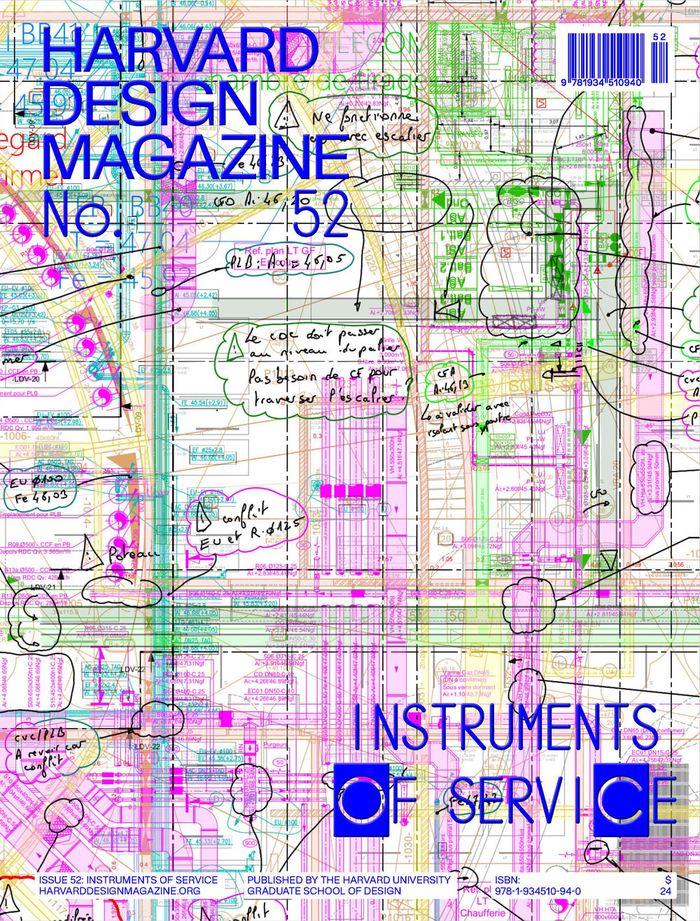
At a moment when the word “design” has come to refer to everything and thus nothing, this issue examines the hidden mechanics and visible output of design practice in order to track the shifting role of designers in society and to gauge the capacity of designers to effect change in a world of mounting crises. The issue’s title, ''Instruments of Service'', carries a double meaning. As defined in standard American Institute of Architects contracts, “Instruments of Service are representations, in any medium of expression now known or later developed, of the tangible and intangible creative work performed by the Architect and the Architect’s consultants under their respective professional services agreements. Instruments of Service may include, without limitation, studies, surveys, models, sketches, drawings, specifications, and other similar materials.” Instruments of service are the instruction manuals that architects—and other designers—make so that others can make something. They define the architect’s relationships with labor, construction, clients, and society. And these relationships—along with the agency of architectural practice—are changing as a growing number of external pressures force instruments of service to change. Architects and designers can also be seen as instruments of service to society, responsible to a continually shifting set of values. At a fundamental level, the designer’s job is to imagine and articulate a better future. In a time of crisis and competing value systems—market returns, cultural relevance, environmental response, social equity, automation—the role of the designer in society is ever more important and increasingly accountable to divergent interests that call into question the raison d’être of design practice itself.
Harvard Design Magazine no. 52 : Instruments of service
Actions:
Price:
$38.00
(available to order)
Summary:
At a moment when the word “design” has come to refer to everything and thus nothing, this issue examines the hidden mechanics and visible output of design practice in order to track the shifting role of designers in society and to gauge the capacity of designers to effect change in a world of mounting crises. The issue’s title, ''Instruments of Service'', carries a double meaning. As defined in standard American Institute of Architects contracts, “Instruments of Service are representations, in any medium of expression now known or later developed, of the tangible and intangible creative work performed by the Architect and the Architect’s consultants under their respective professional services agreements. Instruments of Service may include, without limitation, studies, surveys, models, sketches, drawings, specifications, and other similar materials.” Instruments of service are the instruction manuals that architects—and other designers—make so that others can make something. They define the architect’s relationships with labor, construction, clients, and society. And these relationships—along with the agency of architectural practice—are changing as a growing number of external pressures force instruments of service to change. Architects and designers can also be seen as instruments of service to society, responsible to a continually shifting set of values. At a fundamental level, the designer’s job is to imagine and articulate a better future. In a time of crisis and competing value systems—market returns, cultural relevance, environmental response, social equity, automation—the role of the designer in society is ever more important and increasingly accountable to divergent interests that call into question the raison d’être of design practice itself.
Form:
journals and magazines
journals and magazines
Publication:
February 2025
February 2025
Subject:
Magazines
Magazines
Form:
books
books
Actions:
Price:
$28.95
(available to order)
Summary:
This reader in Whitechapel's Documents of Contemporary Art series investigates the interchange between art and design. Since the Pop and Minimalist eras--as the work of artists ranging from Andy Warhol to Dan Graham demonstrates--the traditional boundaries between art and architectural, graphic, and product design have dissolved in critically significant ways. Design and(...)
$28.95
(available to order)
Summary:
This reader in Whitechapel's Documents of Contemporary Art series investigates the interchange between art and design. Since the Pop and Minimalist eras--as the work of artists ranging from Andy Warhol to Dan Graham demonstrates--the traditional boundaries between art and architectural, graphic, and product design have dissolved in critically significant ways. Design and(...)
Title:
Design and art: Documents of contemporary art
Actions:
Price:
$28.95
(available to order)
Summary:
This reader in Whitechapel's Documents of Contemporary Art series investigates the interchange between art and design. Since the Pop and Minimalist eras--as the work of artists ranging from Andy Warhol to Dan Graham demonstrates--the traditional boundaries between art and architectural, graphic, and product design have dissolved in critically significant ways. Design and Art traces the rise of the "design-art" phenomenon through the writings of critics and practitioners active in both fields. The texts include writings by Paul Rand, Hal Foster, Miwon Kwon, and others that set the parameters of the debate; utopian visions, including those of architect Peter Cook and writer Douglas Coupland; project descriptions by artists (among them Tobias Rehberger and Jorge Pardo) juxtaposed with theoretical writings; surveys of group practices by such collectives as N55 and Superflex; and views of the artist as mediator--a role assumed in the past to be the province of the designer--as seen in work by Frederick Kiesler, Ed Ruscha, and others. Finally, a book that doesn't privilege either the art world or the design world but puts them in dialogue with each other.
Design and art: Documents of contemporary art
Actions:
Price:
$28.95
(available to order)
Summary:
This reader in Whitechapel's Documents of Contemporary Art series investigates the interchange between art and design. Since the Pop and Minimalist eras--as the work of artists ranging from Andy Warhol to Dan Graham demonstrates--the traditional boundaries between art and architectural, graphic, and product design have dissolved in critically significant ways. Design and Art traces the rise of the "design-art" phenomenon through the writings of critics and practitioners active in both fields. The texts include writings by Paul Rand, Hal Foster, Miwon Kwon, and others that set the parameters of the debate; utopian visions, including those of architect Peter Cook and writer Douglas Coupland; project descriptions by artists (among them Tobias Rehberger and Jorge Pardo) juxtaposed with theoretical writings; surveys of group practices by such collectives as N55 and Superflex; and views of the artist as mediator--a role assumed in the past to be the province of the designer--as seen in work by Frederick Kiesler, Ed Ruscha, and others. Finally, a book that doesn't privilege either the art world or the design world but puts them in dialogue with each other.
Form:
books
books
Publication:
March 2007, Cambridge / London
March 2007, Cambridge / London
Subject:
Art Theory
Art Theory
Form:
books
books
Actions:
Price:
$90.00
(available to order)
Summary:
Chicago is universally recognized as the cradle of modern architecture. It is known worldwide for the development, beginning in the late 1800s, of the renowned "Chicago School" of commercial building. In the early 1900s, Chicago saw the birth of Wright's "Prairie School" of residential design, which gave rise to the modern, open-plan house we know today. Other(...)
$90.00
(available to order)
Summary:
Chicago is universally recognized as the cradle of modern architecture. It is known worldwide for the development, beginning in the late 1800s, of the renowned "Chicago School" of commercial building. In the early 1900s, Chicago saw the birth of Wright's "Prairie School" of residential design, which gave rise to the modern, open-plan house we know today. Other(...)
Subject:
Architecture since 1900, Europe
Architecture since 1900, Europe
Publication:
June 2004, New York
June 2004, New York
Title:
Masterpieces of Chicago architecture
Actions:
Price:
$90.00
(available to order)
Summary:
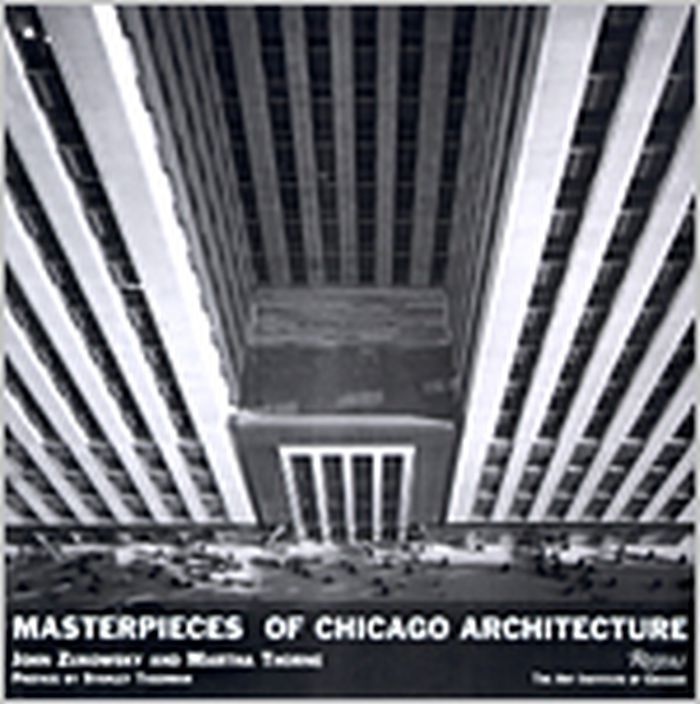
Chicago is universally recognized as the cradle of modern architecture. It is known worldwide for the development, beginning in the late 1800s, of the renowned "Chicago School" of commercial building. In the early 1900s, Chicago saw the birth of Wright's "Prairie School" of residential design, which gave rise to the modern, open-plan house we know today. Other world-renowned architects were also based in Chicago, such as Louis Sullivan, who designed the Chicago Stock Exchange, and Daniel Burnham, architect of the famous Rookery Building of the 1890s. The 1940s were to see the completion of Mies van der Rohe's revolutionary Illinois Institute of Technology and his astonishing Lake Shore Drive apartment buildings. Skidmore Owings & Merrill's landmark Inland Steel Building was finished in 1954, their John Hancock Center in 1970, and their Sears Tower in 1974. Philip Johnson and John Burgee's 190 South LaSalle Street office tower went up in 1987. The 200 illustrations in this volume all come from The Art Institute of Chicago's repository of 150,000 architectural drawings, vintage photographs, models, and building fragments, which comprise one of the most important such archives.
Masterpieces of Chicago architecture
Actions:
Price:
$90.00
(available to order)
Summary:
Chicago is universally recognized as the cradle of modern architecture. It is known worldwide for the development, beginning in the late 1800s, of the renowned "Chicago School" of commercial building. In the early 1900s, Chicago saw the birth of Wright's "Prairie School" of residential design, which gave rise to the modern, open-plan house we know today. Other world-renowned architects were also based in Chicago, such as Louis Sullivan, who designed the Chicago Stock Exchange, and Daniel Burnham, architect of the famous Rookery Building of the 1890s. The 1940s were to see the completion of Mies van der Rohe's revolutionary Illinois Institute of Technology and his astonishing Lake Shore Drive apartment buildings. Skidmore Owings & Merrill's landmark Inland Steel Building was finished in 1954, their John Hancock Center in 1970, and their Sears Tower in 1974. Philip Johnson and John Burgee's 190 South LaSalle Street office tower went up in 1987. The 200 illustrations in this volume all come from The Art Institute of Chicago's repository of 150,000 architectural drawings, vintage photographs, models, and building fragments, which comprise one of the most important such archives.
Form:
books
books
Publication:
June 2004, New York
June 2004, New York
Subject:
Architecture since 1900, Europe
Architecture since 1900, Europe
Form:
books
books
Actions:
Price:
$54.95
(available to order)
Summary:
Swiss artist, architect, designer, typographer, and theorist Max Bill (1908–94) was one of the most important exponents of concrete and constructive art and a key figure in European applied arts and design history. Educated by such prominent teachers as Paul Klee, Wassily Kandisky, and Walter Gropius at the Bauhaus, at the start of his career in the 1930s. In the 1950s he(...)
$54.95
(available to order)
Summary:
Swiss artist, architect, designer, typographer, and theorist Max Bill (1908–94) was one of the most important exponents of concrete and constructive art and a key figure in European applied arts and design history. Educated by such prominent teachers as Paul Klee, Wassily Kandisky, and Walter Gropius at the Bauhaus, at the start of his career in the 1930s. In the 1950s he(...)
Title:
Max Bill: No Beginning No End
Actions:
Price:
$54.95
(available to order)
Summary:
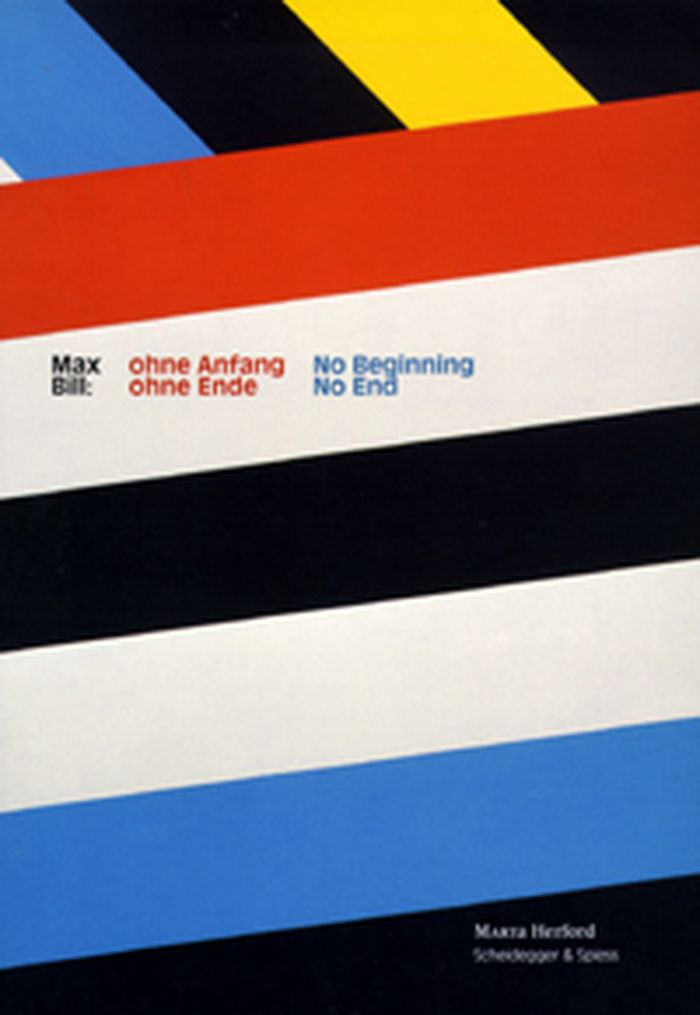
Swiss artist, architect, designer, typographer, and theorist Max Bill (1908–94) was one of the most important exponents of concrete and constructive art and a key figure in European applied arts and design history. Educated by such prominent teachers as Paul Klee, Wassily Kandisky, and Walter Gropius at the Bauhaus, at the start of his career in the 1930s. In the 1950s he teamed up with Inge Scholl and Otl Aicher to found the legendary Ulm College of Design in Ulm, Germany, of which he became the first director. In his work, Max Bill carried on the legacy of the Bauhaus, both as an artist and a teacher, and made a decisive and lasting contribution to twentieth-century cultural life. Max Bill accompanies an exhibition at the Museum MARTa Herford in Herford, Germany, held to mark the centenary of this exceptional artist. The exhibition displays Bill’s wide-ranging work, and it also sets him in the context of his cultural milieu by featuring works by his contemporaries, such as Kurt Schwitters, Wassily Kandinsky, and Donald Judd. Accompanying essays investigate Bill’s influence on other artists and the lasting importance of his oeuvre in the present.
Max Bill: No Beginning No End
Actions:
Price:
$54.95
(available to order)
Summary:
Swiss artist, architect, designer, typographer, and theorist Max Bill (1908–94) was one of the most important exponents of concrete and constructive art and a key figure in European applied arts and design history. Educated by such prominent teachers as Paul Klee, Wassily Kandisky, and Walter Gropius at the Bauhaus, at the start of his career in the 1930s. In the 1950s he teamed up with Inge Scholl and Otl Aicher to found the legendary Ulm College of Design in Ulm, Germany, of which he became the first director. In his work, Max Bill carried on the legacy of the Bauhaus, both as an artist and a teacher, and made a decisive and lasting contribution to twentieth-century cultural life. Max Bill accompanies an exhibition at the Museum MARTa Herford in Herford, Germany, held to mark the centenary of this exceptional artist. The exhibition displays Bill’s wide-ranging work, and it also sets him in the context of his cultural milieu by featuring works by his contemporaries, such as Kurt Schwitters, Wassily Kandinsky, and Donald Judd. Accompanying essays investigate Bill’s influence on other artists and the lasting importance of his oeuvre in the present.
Form:
books
books
Publication:
April 2008, Zürich
April 2008, Zürich
Subject:
Graphic Designers, Monographs
Graphic Designers, Monographs


