


3335 Results
Form:
books
books
Title:
Grid-Portraits
Grid-Portraits
Actions:
Price:
$75.00
(available to order)
Summary:
In the mid-1980s, Stu Levy began making “grid-portraits” in order to overcome his his frustration with traditional portraiture’s limited point of view. These constructs of photographs, consisting of twelve to twenty-five individual images, scan the architecture and flow of time in a subject’s living or working environment. The resulting portraits, usually of artists,(...)
$75.00
(available to order)
Summary:
In the mid-1980s, Stu Levy began making “grid-portraits” in order to overcome his his frustration with traditional portraiture’s limited point of view. These constructs of photographs, consisting of twelve to twenty-five individual images, scan the architecture and flow of time in a subject’s living or working environment. The resulting portraits, usually of artists,(...)
Subject:
Photography monographs
Photography monographs
Publication:
October 2010
October 2010
Title:
Grid-Portraits
Actions:
Price:
$75.00
(available to order)
Summary:
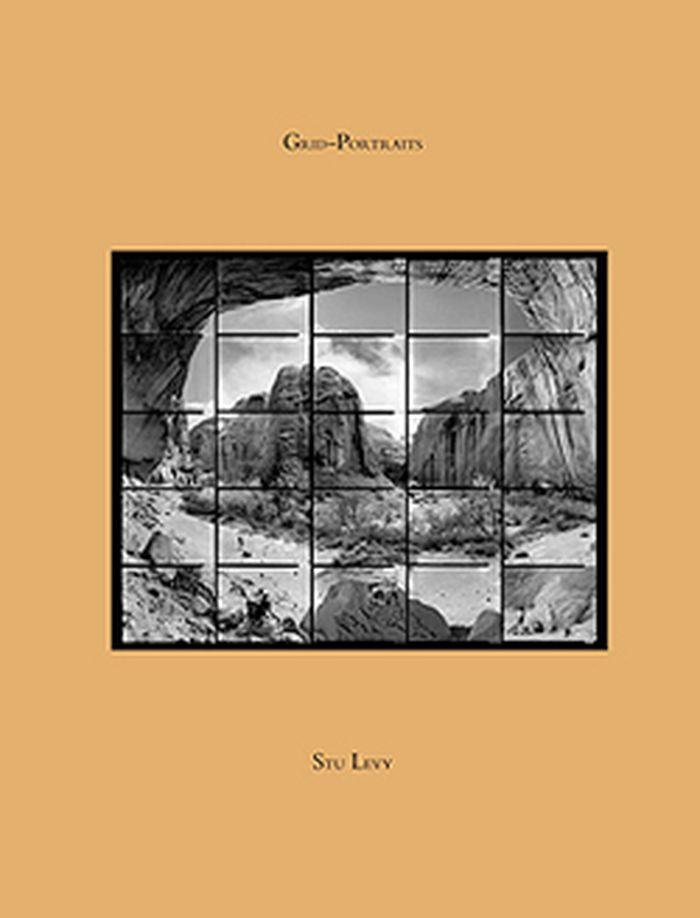
In the mid-1980s, Stu Levy began making “grid-portraits” in order to overcome his his frustration with traditional portraiture’s limited point of view. These constructs of photographs, consisting of twelve to twenty-five individual images, scan the architecture and flow of time in a subject’s living or working environment. The resulting portraits, usually of artists, craftspeople and musicians, are made in the subjects’ studios or living spaces and serve as a backstage tour of the artist’s mind and creative process. Levy is fascinated by the artifacts that fill these spaces – the possessions by which the subjects are themselves possessed. Rather than confining himself to a single “decisive” moment, Levy explore its antithesis, a maze of scrambled time. These are made with a view camera using 4 x 5-inch negatives to allow for precision of detail. The sections are printed together to form the illusion of glancing through a window at a “snapshot” of an event, which in reality might consist of fragmentary views made months apart and in totally separate rooms or environments.
Grid-Portraits
Actions:
Price:
$75.00
(available to order)
Summary:
In the mid-1980s, Stu Levy began making “grid-portraits” in order to overcome his his frustration with traditional portraiture’s limited point of view. These constructs of photographs, consisting of twelve to twenty-five individual images, scan the architecture and flow of time in a subject’s living or working environment. The resulting portraits, usually of artists, craftspeople and musicians, are made in the subjects’ studios or living spaces and serve as a backstage tour of the artist’s mind and creative process. Levy is fascinated by the artifacts that fill these spaces – the possessions by which the subjects are themselves possessed. Rather than confining himself to a single “decisive” moment, Levy explore its antithesis, a maze of scrambled time. These are made with a view camera using 4 x 5-inch negatives to allow for precision of detail. The sections are printed together to form the illusion of glancing through a window at a “snapshot” of an event, which in reality might consist of fragmentary views made months apart and in totally separate rooms or environments.
Form:
books
books
Publication:
October 2010
October 2010
Subject:
Photography monographs
Photography monographs
Form:
books
books
Title:
David Hartt : stray light
David Hartt : stray light
Actions:
Price:
$68.95
(available to order)
Summary:
When the Johnson Publishing Company, best known for Jet and Ebony, moved into its iconic building on Michigan Avenue, the structure symbolized a bold entry into both the Chicago skyline and the city’s cultural environment. This emblematic building was the first in Chicago designed and owned by African Americans, a modernist masterpiece that in 1980 the Washington Post(...)
$68.95
(available to order)
Summary:
When the Johnson Publishing Company, best known for Jet and Ebony, moved into its iconic building on Michigan Avenue, the structure symbolized a bold entry into both the Chicago skyline and the city’s cultural environment. This emblematic building was the first in Chicago designed and owned by African Americans, a modernist masterpiece that in 1980 the Washington Post(...)
Title:
David Hartt : stray light
Actions:
Price:
$68.95
(available to order)
Summary:
When the Johnson Publishing Company, best known for Jet and Ebony, moved into its iconic building on Michigan Avenue, the structure symbolized a bold entry into both the Chicago skyline and the city’s cultural environment. This emblematic building was the first in Chicago designed and owned by African Americans, a modernist masterpiece that in 1980 the Washington Post called, “practically a monument—sometimes an ostentatious one—to black success.” David Hartt was given unprecedented access to the building, much of which retains its ’70s design, from bright gold accents to vintage see-through furniture. His resulting photographs take viewers on a rich and revealing tour. They capture the distinct physical characteristics while also illuminating the power structures and ideological purposes they once represented. Hartt’s collection also serves as an unexpected final documentation. Not long after Hartt captured these images, the Johnson Publishing Company announced it was selling its building and moving north. Stray Light is a time capsule of a historic building that once symbolized a bright future.
David Hartt : stray light
Actions:
Price:
$68.95
(available to order)
Summary:
When the Johnson Publishing Company, best known for Jet and Ebony, moved into its iconic building on Michigan Avenue, the structure symbolized a bold entry into both the Chicago skyline and the city’s cultural environment. This emblematic building was the first in Chicago designed and owned by African Americans, a modernist masterpiece that in 1980 the Washington Post called, “practically a monument—sometimes an ostentatious one—to black success.” David Hartt was given unprecedented access to the building, much of which retains its ’70s design, from bright gold accents to vintage see-through furniture. His resulting photographs take viewers on a rich and revealing tour. They capture the distinct physical characteristics while also illuminating the power structures and ideological purposes they once represented. Hartt’s collection also serves as an unexpected final documentation. Not long after Hartt captured these images, the Johnson Publishing Company announced it was selling its building and moving north. Stray Light is a time capsule of a historic building that once symbolized a bright future.
Form:
books
books
Publication:
September 2013
September 2013
Subject:
Photography monographs
Photography monographs
Form:
books
books
Holdings:
Description:
xi, 275 pages : illustrations (some color) ; 24 cm
Description:
xi, 275 pages : illustrations (some color) ; 24 cm
Author:
Subject:
Publication:
Toronto, Canada : Ryerson Image Centre ; Cambridge, Massachusetts : The MIT Press, [2016], ©2016
Toronto, Canada : Ryerson Image Centre ; Cambridge, Massachusetts : The MIT Press, [2016], ©2016
Title:
The "public" life of photographs / edited by Thierry Gervais.
Actions:
Holdings:
Description:
xi, 275 pages : illustrations (some color) ; 24 cm
The "public" life of photographs / edited by Thierry Gervais.
Actions:
Holdings:
Description:
xi, 275 pages : illustrations (some color) ; 24 cm
Form:
books
books
Publication:
Toronto, Canada : Ryerson Image Centre ; Cambridge, Massachusetts : The MIT Press, [2016], ©2016
Toronto, Canada : Ryerson Image Centre ; Cambridge, Massachusetts : The MIT Press, [2016], ©2016
Author:
Subject:
Form:
books
books

Actions:
Price:
$41.95
(available to order)
Summary:
Did the Romans have rakes? Did the monks get muddy? Did the potato seem really, really weird when it arrived on our shores? This lively 'potted' history of gardening in Britain takes us on a garden tour from the thorn hedges around prehistoric settlements to the rage for decking and ornamental grasses today. It tracks down the ordinary folk who worked the earth - the(...)
$41.95
(available to order)
Summary:
Did the Romans have rakes? Did the monks get muddy? Did the potato seem really, really weird when it arrived on our shores? This lively 'potted' history of gardening in Britain takes us on a garden tour from the thorn hedges around prehistoric settlements to the rage for decking and ornamental grasses today. It tracks down the ordinary folk who worked the earth - the(...)
Title:
A little history of British gardening
Actions:
Price:
$41.95
(available to order)
Summary:
Did the Romans have rakes? Did the monks get muddy? Did the potato seem really, really weird when it arrived on our shores? This lively 'potted' history of gardening in Britain takes us on a garden tour from the thorn hedges around prehistoric settlements to the rage for decking and ornamental grasses today. It tracks down the ordinary folk who worked the earth - the apprentice boys and weeding women, the florists and nursery gardeners - as well as aristocrats and grand designers and famous plant-hunters. Coloured by Jenny Uglow's own love for plants, and brought to life in the many vivid illustrations, it deals not only with flowery-meads, grottoes and vistas, landscapes and ha-has, parks and allotments, but tells you, for example, how the Tudors made their curious knots; how housewives used herbs to stop freckles; how the suburbs dug for victory in World War II. With a brief guide to particular historic or evocative gardens open to the public, this is a book to put in your pocket when planning a summer day out - but also to read in your deckchair with a glass of cold wine, when dead-heading is simply too much.
A little history of British gardening
Actions:
Price:
$41.95
(available to order)
Summary:
Did the Romans have rakes? Did the monks get muddy? Did the potato seem really, really weird when it arrived on our shores? This lively 'potted' history of gardening in Britain takes us on a garden tour from the thorn hedges around prehistoric settlements to the rage for decking and ornamental grasses today. It tracks down the ordinary folk who worked the earth - the apprentice boys and weeding women, the florists and nursery gardeners - as well as aristocrats and grand designers and famous plant-hunters. Coloured by Jenny Uglow's own love for plants, and brought to life in the many vivid illustrations, it deals not only with flowery-meads, grottoes and vistas, landscapes and ha-has, parks and allotments, but tells you, for example, how the Tudors made their curious knots; how housewives used herbs to stop freckles; how the suburbs dug for victory in World War II. With a brief guide to particular historic or evocative gardens open to the public, this is a book to put in your pocket when planning a summer day out - but also to read in your deckchair with a glass of cold wine, when dead-heading is simply too much.
Form:
books
books
Publication:
July 2004, London
July 2004, London
Subject:
Gardens
Gardens
Form:
books
books
Actions:
Price:
$123.95
(available to order)
Summary:
" Cette Exposition marque le triomphe de la civilisation " déclarait Abd-El-Kader à l'Empereur Napoléon III en visitant les pavillons de l'Exposition Universelle de 1867. Si cette Exposition provoqua l'enthousiasme du sultan, elle fut, comme la première en 1855 et celles qui suivirent, en 1878, 1889, 1900, 1931, 1937, un événement international de premier ordre. A chaque(...)
$123.95
(available to order)
Summary:
" Cette Exposition marque le triomphe de la civilisation " déclarait Abd-El-Kader à l'Empereur Napoléon III en visitant les pavillons de l'Exposition Universelle de 1867. Si cette Exposition provoqua l'enthousiasme du sultan, elle fut, comme la première en 1855 et celles qui suivirent, en 1878, 1889, 1900, 1931, 1937, un événement international de premier ordre. A chaque(...)
Title:
Paris : les expositions universelles de 1855 à 1937
Actions:
Price:
$123.95
(available to order)
Summary:
" Cette Exposition marque le triomphe de la civilisation " déclarait Abd-El-Kader à l'Empereur Napoléon III en visitant les pavillons de l'Exposition Universelle de 1867. Si cette Exposition provoqua l'enthousiasme du sultan, elle fut, comme la première en 1855 et celles qui suivirent, en 1878, 1889, 1900, 1931, 1937, un événement international de premier ordre. A chaque occasion les nations du monde entier présentèrent à Paris ce qu'elles savaient réaliser de plus beau et de meilleur. Les visiteurs venus de tous les pays s'y rencontrèrent ; Paris fut ainsi à sept reprises la capitale mondiale de la science, de la culture, des techniques, des arts et de la Paix. Il y eut jusqu'à 50 millions de visiteurs en 1900. Pour ces Expositions de grandioses édifices furent construits dont un certain nombre subsistent ; les gares de Saint Lazare, de Lyon et d'Orsay, les hôtels du Louvre et Intercontinental, la Tour Eiffel, le Grand et le Petit Palais, le Pont Alexandre III, le musée des Colonies, le musée d'Art Moderne et le Palais de Chaillot. C'est une synthèse de ces extraordinaires événements internationaux, aujourd'hui oubliés, que propose cet ouvrage.
Paris : les expositions universelles de 1855 à 1937
Actions:
Price:
$123.95
(available to order)
Summary:
" Cette Exposition marque le triomphe de la civilisation " déclarait Abd-El-Kader à l'Empereur Napoléon III en visitant les pavillons de l'Exposition Universelle de 1867. Si cette Exposition provoqua l'enthousiasme du sultan, elle fut, comme la première en 1855 et celles qui suivirent, en 1878, 1889, 1900, 1931, 1937, un événement international de premier ordre. A chaque occasion les nations du monde entier présentèrent à Paris ce qu'elles savaient réaliser de plus beau et de meilleur. Les visiteurs venus de tous les pays s'y rencontrèrent ; Paris fut ainsi à sept reprises la capitale mondiale de la science, de la culture, des techniques, des arts et de la Paix. Il y eut jusqu'à 50 millions de visiteurs en 1900. Pour ces Expositions de grandioses édifices furent construits dont un certain nombre subsistent ; les gares de Saint Lazare, de Lyon et d'Orsay, les hôtels du Louvre et Intercontinental, la Tour Eiffel, le Grand et le Petit Palais, le Pont Alexandre III, le musée des Colonies, le musée d'Art Moderne et le Palais de Chaillot. C'est une synthèse de ces extraordinaires événements internationaux, aujourd'hui oubliés, que propose cet ouvrage.
Form:
books
books
Publication:
February 2004, Paris
February 2004, Paris
Subject:
Museums and Universal Exhibitions
Museums and Universal Exhibitions
Form:
books
books

Title:
Orsay : l'architecture
Orsay : l'architecture
Actions:
Price:
$29.50
(available to order)
Summary:
Moins connus que les collections de peinture ou de sculpture, les dessins d'architecture du musée d'Orsay comptent plus de dix-huit mille pièces parmi lesquelles on peut distinguer deux ensembles exceptionnels le fonds Eiffel et le fonds Guimard. L'idée de constituer une "galerie de dessins d'architecture" avait germé dès 1890, mais, malgré différents dons et la collecte(...)
$29.50
(available to order)
Summary:
Moins connus que les collections de peinture ou de sculpture, les dessins d'architecture du musée d'Orsay comptent plus de dix-huit mille pièces parmi lesquelles on peut distinguer deux ensembles exceptionnels le fonds Eiffel et le fonds Guimard. L'idée de constituer une "galerie de dessins d'architecture" avait germé dès 1890, mais, malgré différents dons et la collecte(...)
Title:
Orsay : l'architecture
Actions:
Price:
$29.50
(available to order)
Summary:
Moins connus que les collections de peinture ou de sculpture, les dessins d'architecture du musée d'Orsay comptent plus de dix-huit mille pièces parmi lesquelles on peut distinguer deux ensembles exceptionnels le fonds Eiffel et le fonds Guimard. L'idée de constituer une "galerie de dessins d'architecture" avait germé dès 1890, mais, malgré différents dons et la collecte de quelques dizaines dé dessins, cette galerie permanente ne vit jamais le jour. Ce n'est qu'un siècle plus tard, avec la création du musée d'Orsay, que l'architecture trouva sa place dans un musée pluridisciplinaire consacré à cette période si riche de la deuxième moitié du XIXe siècle et du début du XXe siècle. Sous le Second Empire et plus encore sous la Troisième République, la société industrielle en plein essor réclame toujours plus de nouveaux bâtiments publics, d'églises, de prisons, de théâtres et d'immeubles. Parallèlement, les Expositions universelles sont un creuset d'imaginations fertiles : la tour Eiffel reste l'exemple le plus emblématique. Enfin, au tournant du siècle, l'Art nouveau fait souffler un vent d'émancipation et d'innovation. Cet ouvrage fait enfin connaître ce fonds aux richesses insoupçonnées, à travers quatre-vingts œuvres choisies et présentées par leur conservateur.
Orsay : l'architecture
Actions:
Price:
$29.50
(available to order)
Summary:
Moins connus que les collections de peinture ou de sculpture, les dessins d'architecture du musée d'Orsay comptent plus de dix-huit mille pièces parmi lesquelles on peut distinguer deux ensembles exceptionnels le fonds Eiffel et le fonds Guimard. L'idée de constituer une "galerie de dessins d'architecture" avait germé dès 1890, mais, malgré différents dons et la collecte de quelques dizaines dé dessins, cette galerie permanente ne vit jamais le jour. Ce n'est qu'un siècle plus tard, avec la création du musée d'Orsay, que l'architecture trouva sa place dans un musée pluridisciplinaire consacré à cette période si riche de la deuxième moitié du XIXe siècle et du début du XXe siècle. Sous le Second Empire et plus encore sous la Troisième République, la société industrielle en plein essor réclame toujours plus de nouveaux bâtiments publics, d'églises, de prisons, de théâtres et d'immeubles. Parallèlement, les Expositions universelles sont un creuset d'imaginations fertiles : la tour Eiffel reste l'exemple le plus emblématique. Enfin, au tournant du siècle, l'Art nouveau fait souffler un vent d'émancipation et d'innovation. Cet ouvrage fait enfin connaître ce fonds aux richesses insoupçonnées, à travers quatre-vingts œuvres choisies et présentées par leur conservateur.
Form:
books
books
Publication:
November 2003, Paris
November 2003, Paris
Subject:
Architectural Drawing
Architectural Drawing
Form:
books
books

Actions:
Price:
$33.95
(available to order)
Summary:
Earthquakes. Wildfires. Floods. Drought. Tornadoes. Snakes in the sea, mountain lions, and a plague of bees. In this controversial tour de force of scholarship, unsparing vision, and inspired writing, Mike Davis, the author of ''City of quartz'', revisits Los Angeles as a Book of the Apocalypse theme park. By brilliantly juxtaposing L.A.’s fragile natural ecology with its(...)
$33.95
(available to order)
Summary:
Earthquakes. Wildfires. Floods. Drought. Tornadoes. Snakes in the sea, mountain lions, and a plague of bees. In this controversial tour de force of scholarship, unsparing vision, and inspired writing, Mike Davis, the author of ''City of quartz'', revisits Los Angeles as a Book of the Apocalypse theme park. By brilliantly juxtaposing L.A.’s fragile natural ecology with its(...)
Title:
Ecology of fear: Los Angeles and the imagination of disaster
Actions:
Price:
$33.95
(available to order)
Summary:
Earthquakes. Wildfires. Floods. Drought. Tornadoes. Snakes in the sea, mountain lions, and a plague of bees. In this controversial tour de force of scholarship, unsparing vision, and inspired writing, Mike Davis, the author of ''City of quartz'', revisits Los Angeles as a Book of the Apocalypse theme park. By brilliantly juxtaposing L.A.’s fragile natural ecology with its disastrous environmental and social history, he compellingly shows a city deliberately put in harm’s way by land developers, builders, and politicians, even as the incalculable toll of inevitable future catastrophe continues to accumulate. Counterpointing L.A.’s central role in America’s fantasy life–the city has been destroyed no less than 138 times in novels and films since 1909–with its wanton denial of its own real history, Davis creates a revelatory kaleidoscope of American fact, imagery, and sensibility. Drawing upon a vast array of sources, ''Ecology of fear'' meticulously captures the nation’s violent malaise and desperate social unease at the millennial end of ''the American century.'' With savagely entertaining wit and compassionate rage, this book conducts a devastating reconnaissance of our all-too-likely urban future.
Ecology of fear: Los Angeles and the imagination of disaster
Actions:
Price:
$33.95
(available to order)
Summary:
Earthquakes. Wildfires. Floods. Drought. Tornadoes. Snakes in the sea, mountain lions, and a plague of bees. In this controversial tour de force of scholarship, unsparing vision, and inspired writing, Mike Davis, the author of ''City of quartz'', revisits Los Angeles as a Book of the Apocalypse theme park. By brilliantly juxtaposing L.A.’s fragile natural ecology with its disastrous environmental and social history, he compellingly shows a city deliberately put in harm’s way by land developers, builders, and politicians, even as the incalculable toll of inevitable future catastrophe continues to accumulate. Counterpointing L.A.’s central role in America’s fantasy life–the city has been destroyed no less than 138 times in novels and films since 1909–with its wanton denial of its own real history, Davis creates a revelatory kaleidoscope of American fact, imagery, and sensibility. Drawing upon a vast array of sources, ''Ecology of fear'' meticulously captures the nation’s violent malaise and desperate social unease at the millennial end of ''the American century.'' With savagely entertaining wit and compassionate rage, this book conducts a devastating reconnaissance of our all-too-likely urban future.
Form:
books
books
Publication:
February 2022
February 2022
Subject:
Urban Theory
Urban Theory
Form:
books
books
Actions:
Price:
$21.95
(available to order)
Summary:
De la leçon inaugurale prononcée par Bernard Desmoulin le 18 janvier 2011 à l'Ecole de Chaillot restait le souvenir d'une musique très particulière, d'une propension à la litote, mêlant au fil de phrases fluides, réflexions intellectuelles et psychologiques, sensibilité et culture. Demeurait aussi l'impression d'avoir été emmené au long d'un curieux voyage. Surtout(...)
$21.95
(available to order)
Summary:
De la leçon inaugurale prononcée par Bernard Desmoulin le 18 janvier 2011 à l'Ecole de Chaillot restait le souvenir d'une musique très particulière, d'une propension à la litote, mêlant au fil de phrases fluides, réflexions intellectuelles et psychologiques, sensibilité et culture. Demeurait aussi l'impression d'avoir été emmené au long d'un curieux voyage. Surtout(...)
Title:
Bernard Desmoulin : leçon inaugurale de l'école de Chaillot prononcée le 18 janvier 2011
Actions:
Price:
$21.95
(available to order)
Summary:
De la leçon inaugurale prononcée par Bernard Desmoulin le 18 janvier 2011 à l'Ecole de Chaillot restait le souvenir d'une musique très particulière, d'une propension à la litote, mêlant au fil de phrases fluides, réflexions intellectuelles et psychologiques, sensibilité et culture. Demeurait aussi l'impression d'avoir été emmené au long d'un curieux voyage. Surtout pas un grand tour forcé des projets et réalisations de l'architecte. Non, tout au contraire, d'avoir été discrètement invité à considérer avec lui, des objets, des faits, des images, des oeuvres aimées, son musée imaginaire, et chemin faisant, par petites touches, conduit à le découvrir comme à travers un miroir sans teint, voilà dévoilé par ce qu'il montrait. Ce livre revisite cette conférence, la complète par des questions du public et les réponses de l'architecte. Chemin faisiant, se devine aussi comment s'opère chez lui ce moment étrange de la cristallisation du projet, quand, à partir d'un lieu, d'une oeuvre, du frôlement de l'histoire et du patrimoine, au bout de l'accumulation des croquis et des dessins et, plus tard, des échanges avec la maîtrise d'ouvrage, il se dégage du magma, s'ébauche, puis se profile net et clair.
Bernard Desmoulin : leçon inaugurale de l'école de Chaillot prononcée le 18 janvier 2011
Actions:
Price:
$21.95
(available to order)
Summary:
De la leçon inaugurale prononcée par Bernard Desmoulin le 18 janvier 2011 à l'Ecole de Chaillot restait le souvenir d'une musique très particulière, d'une propension à la litote, mêlant au fil de phrases fluides, réflexions intellectuelles et psychologiques, sensibilité et culture. Demeurait aussi l'impression d'avoir été emmené au long d'un curieux voyage. Surtout pas un grand tour forcé des projets et réalisations de l'architecte. Non, tout au contraire, d'avoir été discrètement invité à considérer avec lui, des objets, des faits, des images, des oeuvres aimées, son musée imaginaire, et chemin faisant, par petites touches, conduit à le découvrir comme à travers un miroir sans teint, voilà dévoilé par ce qu'il montrait. Ce livre revisite cette conférence, la complète par des questions du public et les réponses de l'architecte. Chemin faisiant, se devine aussi comment s'opère chez lui ce moment étrange de la cristallisation du projet, quand, à partir d'un lieu, d'une oeuvre, du frôlement de l'histoire et du patrimoine, au bout de l'accumulation des croquis et des dessins et, plus tard, des échanges avec la maîtrise d'ouvrage, il se dégage du magma, s'ébauche, puis se profile net et clair.
Form:
books
books
Publication:
April 2012
April 2012
Subject:
Architecture Monographs
Architecture Monographs
Form:
books
books
Actions:
Price:
$69.95
(available to order)
Summary:
Que font les jeunes photographes à l'aube du 21e siècle? Quel regard portent-ils sur le monde? Dans quelle mesure s'inscrivent-ils dans la tradition, la développent-ils ou la rejettent-ils? Sont-ils encore attachés à la chambre noire ou l'ordinateur est-il devenu le nouveau laboratoire de fabrication d'images? ‘reGeneration’ tente de donner des réponses à ces questions,(...)
$69.95
(available to order)
Summary:
Que font les jeunes photographes à l'aube du 21e siècle? Quel regard portent-ils sur le monde? Dans quelle mesure s'inscrivent-ils dans la tradition, la développent-ils ou la rejettent-ils? Sont-ils encore attachés à la chambre noire ou l'ordinateur est-il devenu le nouveau laboratoire de fabrication d'images? ‘reGeneration’ tente de donner des réponses à ces questions,(...)
Subject:
Theory of Photography
Theory of Photography
Publication:
September 2005, Paris
September 2005, Paris
Title:
reGeneration : 50 photographes de demain
Actions:
Price:
$69.95
(available to order)
Summary:
Que font les jeunes photographes à l'aube du 21e siècle? Quel regard portent-ils sur le monde? Dans quelle mesure s'inscrivent-ils dans la tradition, la développent-ils ou la rejettent-ils? Sont-ils encore attachés à la chambre noire ou l'ordinateur est-il devenu le nouveau laboratoire de fabrication d'images? ‘reGeneration’ tente de donner des réponses à ces questions, en révélant les travaux de cinquante jeunes artistes, susceptibles de figurer parmi les meilleurs photographes de leur génération. Ce livre, remarquable par le vaste tour d'horizon qu'il propose, présente une sélection de plus de deux cents images qui sont le fruit des recherches d'une nouvelle génération d'artistes. Les conservateurs du Musée de l'Elysée, institution mondialement connue dans le domaine de la photographie, ont examiné les portfolios de plusieurs centaines de candidats issus de soixante écoles de photographie des cinq continents, toutes réputées sur le plan international. Une question précise s'est posée lors de la sélection : quels sont les photographes promis à une importante carrière dans les vingt prochaines années? ‘reGeneration’ atteste que la photographie est un art vivant, qu'elle n'a en rien perdu de son potentiel au 21e siècle, et que de jeunes photographes sont sur la voie de laisser leur marque dans l'histoire.
reGeneration : 50 photographes de demain
Actions:
Price:
$69.95
(available to order)
Summary:
Que font les jeunes photographes à l'aube du 21e siècle? Quel regard portent-ils sur le monde? Dans quelle mesure s'inscrivent-ils dans la tradition, la développent-ils ou la rejettent-ils? Sont-ils encore attachés à la chambre noire ou l'ordinateur est-il devenu le nouveau laboratoire de fabrication d'images? ‘reGeneration’ tente de donner des réponses à ces questions, en révélant les travaux de cinquante jeunes artistes, susceptibles de figurer parmi les meilleurs photographes de leur génération. Ce livre, remarquable par le vaste tour d'horizon qu'il propose, présente une sélection de plus de deux cents images qui sont le fruit des recherches d'une nouvelle génération d'artistes. Les conservateurs du Musée de l'Elysée, institution mondialement connue dans le domaine de la photographie, ont examiné les portfolios de plusieurs centaines de candidats issus de soixante écoles de photographie des cinq continents, toutes réputées sur le plan international. Une question précise s'est posée lors de la sélection : quels sont les photographes promis à une importante carrière dans les vingt prochaines années? ‘reGeneration’ atteste que la photographie est un art vivant, qu'elle n'a en rien perdu de son potentiel au 21e siècle, et que de jeunes photographes sont sur la voie de laisser leur marque dans l'histoire.
Form:
books
books
Publication:
September 2005, Paris
September 2005, Paris
Subject:
Theory of Photography
Theory of Photography
Form:
books
books
Title:
The colosseum
The colosseum
Actions:
Price:
$24.95
(available to order)
Summary:
Byron and Hitler were equally entranced by Rome's most famous monument, the Colosseum. Mid-Victorians admired the hundreds of varieties of flowers in its crannies and occasionally shuddered at its reputation for contagion, danger, and sexual temptation. Today it is the highlight of a tour of Italy for more than three million visitors a year, a concert arena for the likes(...)
$24.95
(available to order)
Summary:
Byron and Hitler were equally entranced by Rome's most famous monument, the Colosseum. Mid-Victorians admired the hundreds of varieties of flowers in its crannies and occasionally shuddered at its reputation for contagion, danger, and sexual temptation. Today it is the highlight of a tour of Italy for more than three million visitors a year, a concert arena for the likes(...)
Title:
The colosseum
Actions:
Price:
$24.95
(available to order)
Summary:
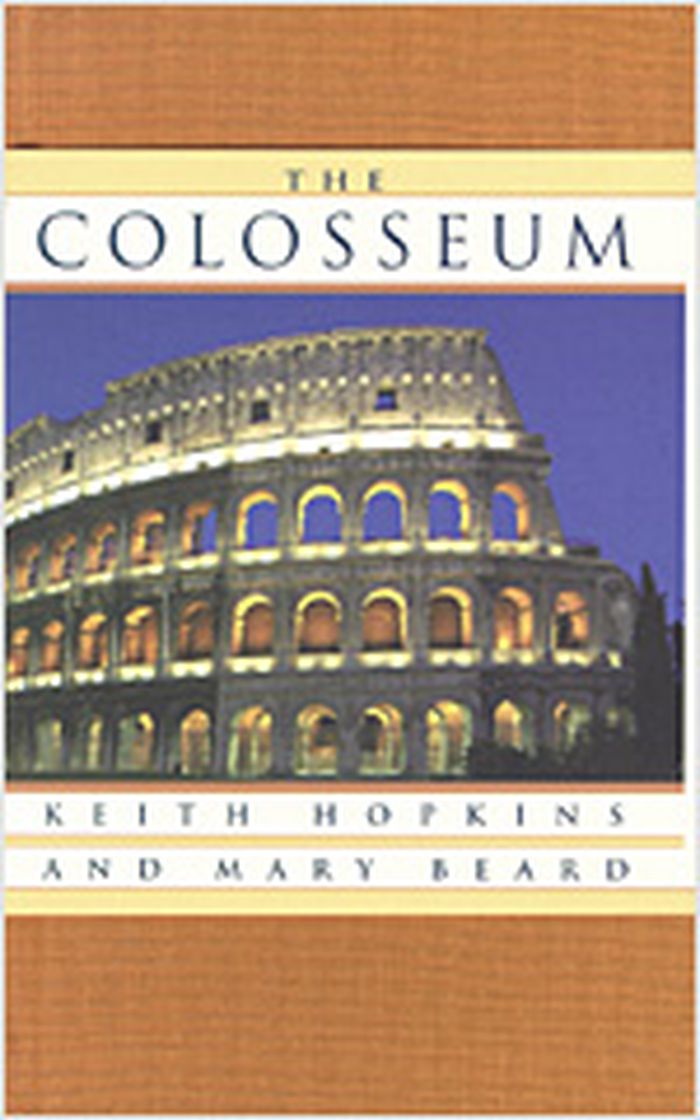
Byron and Hitler were equally entranced by Rome's most famous monument, the Colosseum. Mid-Victorians admired the hundreds of varieties of flowers in its crannies and occasionally shuddered at its reputation for contagion, danger, and sexual temptation. Today it is the highlight of a tour of Italy for more than three million visitors a year, a concert arena for the likes of Paul McCartney, and a national symbol of opposition to the death penalty. Its ancient history is chockfull of romantic but erroneous myths. There is no evidence that any gladiator ever said "Hail Caesar, those about to die..." and we know of not one single Christian martyr who met his finish here. Yet the reality is much stranger than the legend as the authors, two prominent classical historians, explain in this absorbing account. We learn the details of how the arena was built and at what cost; we are introduced to the emperors who sometimes fought in gladiatorial games staged at the Colosseum; and we take measure of the audience who reveled in, or opposed, these games. The authors also trace the strange afterlife of the monument--as fortress, shrine of martyrs, church, and glue factory. Why are we so fascinated with this arena of death?
The colosseum
Actions:
Price:
$24.95
(available to order)
Summary:
Byron and Hitler were equally entranced by Rome's most famous monument, the Colosseum. Mid-Victorians admired the hundreds of varieties of flowers in its crannies and occasionally shuddered at its reputation for contagion, danger, and sexual temptation. Today it is the highlight of a tour of Italy for more than three million visitors a year, a concert arena for the likes of Paul McCartney, and a national symbol of opposition to the death penalty. Its ancient history is chockfull of romantic but erroneous myths. There is no evidence that any gladiator ever said "Hail Caesar, those about to die..." and we know of not one single Christian martyr who met his finish here. Yet the reality is much stranger than the legend as the authors, two prominent classical historians, explain in this absorbing account. We learn the details of how the arena was built and at what cost; we are introduced to the emperors who sometimes fought in gladiatorial games staged at the Colosseum; and we take measure of the audience who reveled in, or opposed, these games. The authors also trace the strange afterlife of the monument--as fortress, shrine of martyrs, church, and glue factory. Why are we so fascinated with this arena of death?
Form:
books
books
Publication:
November 2005, Cambridge
November 2005, Cambridge
Subject:
History until 1900
History until 1900


