


11306 Results
Level of archival description:
Project
Project
Reference number:
AP178.S1.1965.PR05
Description:
This project series documents the Armazém de algodão, a cotton warehouse located on Sousa Aroso Street in Matosinhos, Portugal. While the records were held in the office’s archives this project was assigned the number 21/60. In the past the office identified the project as number 112. The office assigned the date 1966 for this project. The building was commissioned by José Guilherme Lyra de Magalhaes. The project was built but was destroyed by a fire in 1969. Documenting this project are sketches, plans and elevations. Also included are photographs and slides of the project site, as well as a building program and correspondence with José Guilherme Lyra de Magalhães.
AP178.S1.1965.PR05
Description:
This project series documents the Armazém de algodão, a cotton warehouse located on Sousa Aroso Street in Matosinhos, Portugal. While the records were held in the office’s archives this project was assigned the number 21/60. In the past the office identified the project as number 112. The office assigned the date 1966 for this project. The building was commissioned by José Guilherme Lyra de Magalhaes. The project was built but was destroyed by a fire in 1969. Documenting this project are sketches, plans and elevations. Also included are photographs and slides of the project site, as well as a building program and correspondence with José Guilherme Lyra de Magalhães.
People:
Date:
1965-1970
1965-1970
Title:
Armazém de algodão [Cotton warehouse], Matosinhos, Portugal (1965-1970)
Actions:
AP178.S1.1965.PR05
Description:
This project series documents the Armazém de algodão, a cotton warehouse located on Sousa Aroso Street in Matosinhos, Portugal. While the records were held in the office’s archives this project was assigned the number 21/60. In the past the office identified the project as number 112. The office assigned the date 1966 for this project. The building was commissioned by José Guilherme Lyra de Magalhaes. The project was built but was destroyed by a fire in 1969. Documenting this project are sketches, plans and elevations. Also included are photographs and slides of the project site, as well as a building program and correspondence with José Guilherme Lyra de Magalhães.
Armazém de algodão [Cotton warehouse], Matosinhos, Portugal (1965-1970)
Actions:
AP178.S1.1965.PR05
Description:
This project series documents the Armazém de algodão, a cotton warehouse located on Sousa Aroso Street in Matosinhos, Portugal. While the records were held in the office’s archives this project was assigned the number 21/60. In the past the office identified the project as number 112. The office assigned the date 1966 for this project. The building was commissioned by José Guilherme Lyra de Magalhaes. The project was built but was destroyed by a fire in 1969. Documenting this project are sketches, plans and elevations. Also included are photographs and slides of the project site, as well as a building program and correspondence with José Guilherme Lyra de Magalhães.
Level of archival description:
Project
Project
Date:
1965-1970
1965-1970
People:
Level of archival description:
Project
Project
Reference number:
AP178.S1.1966.PR02
Description:
The project series documents the Posto de abastecimento da SACOR in Matosinhos, Portugal. While the records were held in the office’s archives this project was assigned the number 24/60. In the past the office identified the project as number 114. The office assigned the date 1966 for this project. The project consisted of a petrol station commissioned by the Sociedade Anónima de Combustíveis e Óleos Refinados (SACOR). The project was never realized, but a model was produced. Documenting this project are sketches, plans, as well as a building program and correspondence between Siza, SACOR and the city of Matosinhos. Also included are photographs, slides and negatives of the model.
AP178.S1.1966.PR02
Description:
The project series documents the Posto de abastecimento da SACOR in Matosinhos, Portugal. While the records were held in the office’s archives this project was assigned the number 24/60. In the past the office identified the project as number 114. The office assigned the date 1966 for this project. The project consisted of a petrol station commissioned by the Sociedade Anónima de Combustíveis e Óleos Refinados (SACOR). The project was never realized, but a model was produced. Documenting this project are sketches, plans, as well as a building program and correspondence between Siza, SACOR and the city of Matosinhos. Also included are photographs, slides and negatives of the model.
People:
Date:
1966-2012
1966-2012
Title:
Posto de abastecimento da SACOR, [SACOR petrol station] Matosinhos, Portugal (1966-1972)
Actions:
AP178.S1.1966.PR02
Description:
The project series documents the Posto de abastecimento da SACOR in Matosinhos, Portugal. While the records were held in the office’s archives this project was assigned the number 24/60. In the past the office identified the project as number 114. The office assigned the date 1966 for this project. The project consisted of a petrol station commissioned by the Sociedade Anónima de Combustíveis e Óleos Refinados (SACOR). The project was never realized, but a model was produced. Documenting this project are sketches, plans, as well as a building program and correspondence between Siza, SACOR and the city of Matosinhos. Also included are photographs, slides and negatives of the model.
Posto de abastecimento da SACOR, [SACOR petrol station] Matosinhos, Portugal (1966-1972)
Actions:
AP178.S1.1966.PR02
Description:
The project series documents the Posto de abastecimento da SACOR in Matosinhos, Portugal. While the records were held in the office’s archives this project was assigned the number 24/60. In the past the office identified the project as number 114. The office assigned the date 1966 for this project. The project consisted of a petrol station commissioned by the Sociedade Anónima de Combustíveis e Óleos Refinados (SACOR). The project was never realized, but a model was produced. Documenting this project are sketches, plans, as well as a building program and correspondence between Siza, SACOR and the city of Matosinhos. Also included are photographs, slides and negatives of the model.
Level of archival description:
Project
Project
Date:
1966-2012
1966-2012
People:
Level of archival description:
Project
Project
Actions:
Reference number:
AP178.S1.2000.PR08
Description:
This project series documents an extension for the Art Center College of Design (Ampliação) in Pasedena, United States. While the records were held in the office’s archives this project was assigned the number 8/00. The office assigned the date 2000 for this project. The building program included a library and a technical-skills building, near the Craig Ellwood building. The project was a collaboration with Gehry Partners and Peter Testa. Siza did not realize the project. Documenting this project are sketches, studies, and preliminary master plans. Textual material includes project documentation and correspondence. Photographic material documents the models, project site, and built project.
AP178.S1.2000.PR08
Description:
This project series documents an extension for the Art Center College of Design (Ampliação) in Pasedena, United States. While the records were held in the office’s archives this project was assigned the number 8/00. The office assigned the date 2000 for this project. The building program included a library and a technical-skills building, near the Craig Ellwood building. The project was a collaboration with Gehry Partners and Peter Testa. Siza did not realize the project. Documenting this project are sketches, studies, and preliminary master plans. Textual material includes project documentation and correspondence. Photographic material documents the models, project site, and built project.
People:
Date:
2000-2008
2000-2008
Title:
Art Center College of Design (Ampliação) [Extension for the Art Center College of Design], Pasedena, United States, 2000
Actions:
AP178.S1.2000.PR08
Description:
This project series documents an extension for the Art Center College of Design (Ampliação) in Pasedena, United States. While the records were held in the office’s archives this project was assigned the number 8/00. The office assigned the date 2000 for this project. The building program included a library and a technical-skills building, near the Craig Ellwood building. The project was a collaboration with Gehry Partners and Peter Testa. Siza did not realize the project. Documenting this project are sketches, studies, and preliminary master plans. Textual material includes project documentation and correspondence. Photographic material documents the models, project site, and built project.
Art Center College of Design (Ampliação) [Extension for the Art Center College of Design], Pasedena, United States, 2000
Actions:
AP178.S1.2000.PR08
Description:
This project series documents an extension for the Art Center College of Design (Ampliação) in Pasedena, United States. While the records were held in the office’s archives this project was assigned the number 8/00. The office assigned the date 2000 for this project. The building program included a library and a technical-skills building, near the Craig Ellwood building. The project was a collaboration with Gehry Partners and Peter Testa. Siza did not realize the project. Documenting this project are sketches, studies, and preliminary master plans. Textual material includes project documentation and correspondence. Photographic material documents the models, project site, and built project.
Level of archival description:
Project
Project
Date:
2000-2008
2000-2008
People:
Form:
exhibitions
exhibitions
Description:
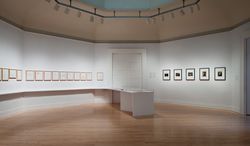
Portuguese architect Álvaro Siza travelled to Peru in 1995 with his usual baggage: only a few changes of clothes, some books of poetry, and a single sketchbook. This was the toolkit he used to interpret the voyage and integrate it into his architecture. More than half a century earlier, Peruvian photographer Martín Chambi had taken his famous series of portraits of the(...)
Portuguese architect Álvaro Siza travelled to Peru in 1995 with his usual baggage: only a few changes of clothes, some books of poetry, and a single sketchbook. This was the toolkit he used to interpret the voyage and integrate it into his architecture. More than half a century earlier, Peruvian photographer Martín Chambi had taken his famous series of portraits of the(...)
Location:
Octagonal gallery
Octagonal gallery
Date:
26 January 2012 to 29 April 2012
26 January 2012 to 29 April 2012
Title:
Alturas de Machu Picchu: Martín Chambi – Álvaro Siza at work
Actions:
Description:
Portuguese architect Álvaro Siza travelled to Peru in 1995 with his usual baggage: only a few changes of clothes, some books of poetry, and a single sketchbook. This was the toolkit he used to interpret the voyage and integrate it into his architecture. More than half a century earlier, Peruvian photographer Martín Chambi had taken his famous series of portraits of the(...)
Alturas de Machu Picchu: Martín Chambi – Álvaro Siza at work
Actions:
Description:
Portuguese architect Álvaro Siza travelled to Peru in 1995 with his usual baggage: only a few changes of clothes, some books of poetry, and a single sketchbook. This was the toolkit he used to interpret the voyage and integrate it into his architecture. More than half a century earlier, Peruvian photographer Martín Chambi had taken his famous series of portraits of the(...)
Form:
exhibitions
exhibitions
Date:
26 January 2012 to
29 April 2012
26 January 2012 to
29 April 2012
Location:
Octagonal gallery
Octagonal gallery
Level of archival description:
Project
Project
Title:
Renovação do Elevador de Santa Justa [Restoration of Santa Justa lift], Lisbon, Portugal (1994)
Renovação do Elevador de Santa Justa [Restoration of Santa Justa lift], Lisbon, Portugal (1994)
Actions:
Reference number:
AP178.S1.1994.PR08
Description:
This project series documents the Renovação do Elevador de Santa Justa in Lisbon, Portugal. While the project was held at the office's archives, it was assigned the project number 54/90. The office assigned the date 1994 to this project. The project was for the restoration of the Santa Justa lift, which was originally built at the end of the 19th century in order to give access to the Carmo Square and the Baixa. The renovations included modifications to the information booth and renovations of the mechanical system. Documenting this project are studies, details and working drawings. There are photographs showing the model and the elevator. Textual materials include correspondence, competition documentation, project documentation and technical specifications.
AP178.S1.1994.PR08
Description:
This project series documents the Renovação do Elevador de Santa Justa in Lisbon, Portugal. While the project was held at the office's archives, it was assigned the project number 54/90. The office assigned the date 1994 to this project. The project was for the restoration of the Santa Justa lift, which was originally built at the end of the 19th century in order to give access to the Carmo Square and the Baixa. The renovations included modifications to the information booth and renovations of the mechanical system. Documenting this project are studies, details and working drawings. There are photographs showing the model and the elevator. Textual materials include correspondence, competition documentation, project documentation and technical specifications.
People:
Date:
1994-2002
1994-2002
Title:
Renovação do Elevador de Santa Justa [Restoration of Santa Justa lift], Lisbon, Portugal (1994)
Actions:
AP178.S1.1994.PR08
Description:
This project series documents the Renovação do Elevador de Santa Justa in Lisbon, Portugal. While the project was held at the office's archives, it was assigned the project number 54/90. The office assigned the date 1994 to this project. The project was for the restoration of the Santa Justa lift, which was originally built at the end of the 19th century in order to give access to the Carmo Square and the Baixa. The renovations included modifications to the information booth and renovations of the mechanical system. Documenting this project are studies, details and working drawings. There are photographs showing the model and the elevator. Textual materials include correspondence, competition documentation, project documentation and technical specifications.
Renovação do Elevador de Santa Justa [Restoration of Santa Justa lift], Lisbon, Portugal (1994)
Actions:
AP178.S1.1994.PR08
Description:
This project series documents the Renovação do Elevador de Santa Justa in Lisbon, Portugal. While the project was held at the office's archives, it was assigned the project number 54/90. The office assigned the date 1994 to this project. The project was for the restoration of the Santa Justa lift, which was originally built at the end of the 19th century in order to give access to the Carmo Square and the Baixa. The renovations included modifications to the information booth and renovations of the mechanical system. Documenting this project are studies, details and working drawings. There are photographs showing the model and the elevator. Textual materials include correspondence, competition documentation, project documentation and technical specifications.
Level of archival description:
Project
Project
Date:
1994-2002
1994-2002
People:
Level of archival description:
Sub-series
Sub-series
Reference number:
AP178.S1.1985.PR02.SS1
Description:
This project subseries documents the Recuperação da Área do Campo di Marte in Giudecca, Venice, Italy. While the records were held in the office’s archives this project was assigned the number 34/80. The office assigned the date 1985 to this project. Documenting this project are sketches, studies and plans. Photographic materials include photographs and negatives of the project site and model. Textual materials include competition documentation, project documentation, notes and technical specifications. Documentation, drawings, and photographs specific to Siza's Projecto para um Edifício de Habitação em Campo di Marte can be found in project subseries AP178.S1.1985.PR02.SS2.
AP178.S1.1985.PR02.SS1
Description:
This project subseries documents the Recuperação da Área do Campo di Marte in Giudecca, Venice, Italy. While the records were held in the office’s archives this project was assigned the number 34/80. The office assigned the date 1985 to this project. Documenting this project are sketches, studies and plans. Photographic materials include photographs and negatives of the project site and model. Textual materials include competition documentation, project documentation, notes and technical specifications. Documentation, drawings, and photographs specific to Siza's Projecto para um Edifício de Habitação em Campo di Marte can be found in project subseries AP178.S1.1985.PR02.SS2.
People:
Date:
1984-2012
1984-2012
Title:
Recuperação da Área do Campo di Marte [Restoration of Campo di Marte], Giudecca, Venice, Italy (1985)
Actions:
AP178.S1.1985.PR02.SS1
Description:
This project subseries documents the Recuperação da Área do Campo di Marte in Giudecca, Venice, Italy. While the records were held in the office’s archives this project was assigned the number 34/80. The office assigned the date 1985 to this project. Documenting this project are sketches, studies and plans. Photographic materials include photographs and negatives of the project site and model. Textual materials include competition documentation, project documentation, notes and technical specifications. Documentation, drawings, and photographs specific to Siza's Projecto para um Edifício de Habitação em Campo di Marte can be found in project subseries AP178.S1.1985.PR02.SS2.
Recuperação da Área do Campo di Marte [Restoration of Campo di Marte], Giudecca, Venice, Italy (1985)
Actions:
AP178.S1.1985.PR02.SS1
Description:
This project subseries documents the Recuperação da Área do Campo di Marte in Giudecca, Venice, Italy. While the records were held in the office’s archives this project was assigned the number 34/80. The office assigned the date 1985 to this project. Documenting this project are sketches, studies and plans. Photographic materials include photographs and negatives of the project site and model. Textual materials include competition documentation, project documentation, notes and technical specifications. Documentation, drawings, and photographs specific to Siza's Projecto para um Edifício de Habitação em Campo di Marte can be found in project subseries AP178.S1.1985.PR02.SS2.
Level of archival description:
Project
Project
Date:
1984-2012
1984-2012
People:
Form:
archives
Level of archival description:
Collection
archives
Level of archival description:
Collection
Title:
J.J.P. Oud Collection
J.J.P. Oud Collection
Reference number:
CI005
Synopsis:
The J.J.P. Oud Collection, 1911-1973, documents J.J.P. Oud's work as an architect between 1911 and 1973. The collection is focussed on Oud’s architectural projects, including work on major exectued and unrealized buildings in the Netherlands, Germany, Czechoslovakia, and the United States. The collection also includes Oud's designs for diverse projects on public housing, war memorials and interior design.
CI005
Synopsis:
The J.J.P. Oud Collection, 1911-1973, documents J.J.P. Oud's work as an architect between 1911 and 1973. The collection is focussed on Oud’s architectural projects, including work on major exectued and unrealized buildings in the Netherlands, Germany, Czechoslovakia, and the United States. The collection also includes Oud's designs for diverse projects on public housing, war memorials and interior design.
People:
Date:
1908-1966 (1911-1963 predominant)
1908-1966 (1911-1963 predominant)
Title:
J.J.P. Oud Collection
CI005
Synopsis:
The J.J.P. Oud Collection, 1911-1973, documents J.J.P. Oud's work as an architect between 1911 and 1973. The collection is focussed on Oud’s architectural projects, including work on major exectued and unrealized buildings in the Netherlands, Germany, Czechoslovakia, and the United States. The collection also includes Oud's designs for diverse projects on public housing, war memorials and interior design.
J.J.P. Oud Collection
CI005
Synopsis:
The J.J.P. Oud Collection, 1911-1973, documents J.J.P. Oud's work as an architect between 1911 and 1973. The collection is focussed on Oud’s architectural projects, including work on major exectued and unrealized buildings in the Netherlands, Germany, Czechoslovakia, and the United States. The collection also includes Oud's designs for diverse projects on public housing, war memorials and interior design.
Form:
archives
Level of archival description:
Collection institutionnelle
archives
Level of archival description:
Collection institutionnelle
Date:
1908-1966 (1911-1963 predominant)
1908-1966 (1911-1963 predominant)
People:
Level of archival description:
Project
Project
Reference number:
AP178.S1.1982.PR04
Description:
This project series document the Centro Cultural de Sines in Sines, Portugal. While the records were held in the office’s archives this project was assigned the number 15/80. The office assigned the dates 1982-1985 to this project. The project was for the Sines Cultural Centre, which was divided into three buildings (A, B, and C). Building A included offices, an auditorium, meeting rooms and a bar, Building B held a museum, and Building C included a library on two floors. The project was not built. Documenting this project are sketches, studies, design development drawings and plans. Textual materials include project documentation and correspondence. Photographic materials document the models.
AP178.S1.1982.PR04
Description:
This project series document the Centro Cultural de Sines in Sines, Portugal. While the records were held in the office’s archives this project was assigned the number 15/80. The office assigned the dates 1982-1985 to this project. The project was for the Sines Cultural Centre, which was divided into three buildings (A, B, and C). Building A included offices, an auditorium, meeting rooms and a bar, Building B held a museum, and Building C included a library on two floors. The project was not built. Documenting this project are sketches, studies, design development drawings and plans. Textual materials include project documentation and correspondence. Photographic materials document the models.
People:
Date:
1982-1985
1982-1985
Title:
Centro Cultural de Sines [Sines Cultural Centre], Sines, Portugal (1982-1985)
Actions:
AP178.S1.1982.PR04
Description:
This project series document the Centro Cultural de Sines in Sines, Portugal. While the records were held in the office’s archives this project was assigned the number 15/80. The office assigned the dates 1982-1985 to this project. The project was for the Sines Cultural Centre, which was divided into three buildings (A, B, and C). Building A included offices, an auditorium, meeting rooms and a bar, Building B held a museum, and Building C included a library on two floors. The project was not built. Documenting this project are sketches, studies, design development drawings and plans. Textual materials include project documentation and correspondence. Photographic materials document the models.
Centro Cultural de Sines [Sines Cultural Centre], Sines, Portugal (1982-1985)
Actions:
AP178.S1.1982.PR04
Description:
This project series document the Centro Cultural de Sines in Sines, Portugal. While the records were held in the office’s archives this project was assigned the number 15/80. The office assigned the dates 1982-1985 to this project. The project was for the Sines Cultural Centre, which was divided into three buildings (A, B, and C). Building A included offices, an auditorium, meeting rooms and a bar, Building B held a museum, and Building C included a library on two floors. The project was not built. Documenting this project are sketches, studies, design development drawings and plans. Textual materials include project documentation and correspondence. Photographic materials document the models.
Level of archival description:
Project
Project
Date:
1982-1985
1982-1985
People:
Form:
archives
Level of archival description:
Fonds
archives
Level of archival description:
Fonds
Title:
Victor Depocas fonds
Victor Depocas fonds
Actions:
Reference number:
AP028
Synopsis:
Victor Depocas fonds is composed of documents and graphic materials produced between 1921 and 1986, predominantly between 1956 and 1984. It records Depocas activities as a member of the Province of Québec Association of Architects (A.A.P.Q.), the Ordre d’Architects du Québec (O.A.P.), and the Commission des monuments historiques du Québec; his activities as a Professor of architectural composition at l’École de Beaux-arts de Montréal (1953-1957); and his work as a professional architect along with general office files of the short-life firms David & Depocas and Deshaies & Depocas (1946-1950). The fonds documents mainly the architectural projects from the Commission that include restorations, renovations and modifications of residential, educational, ecclesiastical, and commercial buildings across Québec. Represented in drawings, textual records and photographs.
AP028
Synopsis:
Victor Depocas fonds is composed of documents and graphic materials produced between 1921 and 1986, predominantly between 1956 and 1984. It records Depocas activities as a member of the Province of Québec Association of Architects (A.A.P.Q.), the Ordre d’Architects du Québec (O.A.P.), and the Commission des monuments historiques du Québec; his activities as a Professor of architectural composition at l’École de Beaux-arts de Montréal (1953-1957); and his work as a professional architect along with general office files of the short-life firms David & Depocas and Deshaies & Depocas (1946-1950). The fonds documents mainly the architectural projects from the Commission that include restorations, renovations and modifications of residential, educational, ecclesiastical, and commercial buildings across Québec. Represented in drawings, textual records and photographs.
People:
Date:
1921-1986
1921-1986
Title:
Victor Depocas fonds
Actions:
AP028
Synopsis:
Victor Depocas fonds is composed of documents and graphic materials produced between 1921 and 1986, predominantly between 1956 and 1984. It records Depocas activities as a member of the Province of Québec Association of Architects (A.A.P.Q.), the Ordre d’Architects du Québec (O.A.P.), and the Commission des monuments historiques du Québec; his activities as a Professor of architectural composition at l’École de Beaux-arts de Montréal (1953-1957); and his work as a professional architect along with general office files of the short-life firms David & Depocas and Deshaies & Depocas (1946-1950). The fonds documents mainly the architectural projects from the Commission that include restorations, renovations and modifications of residential, educational, ecclesiastical, and commercial buildings across Québec. Represented in drawings, textual records and photographs.
Victor Depocas fonds
Actions:
AP028
Synopsis:
Victor Depocas fonds is composed of documents and graphic materials produced between 1921 and 1986, predominantly between 1956 and 1984. It records Depocas activities as a member of the Province of Québec Association of Architects (A.A.P.Q.), the Ordre d’Architects du Québec (O.A.P.), and the Commission des monuments historiques du Québec; his activities as a Professor of architectural composition at l’École de Beaux-arts de Montréal (1953-1957); and his work as a professional architect along with general office files of the short-life firms David & Depocas and Deshaies & Depocas (1946-1950). The fonds documents mainly the architectural projects from the Commission that include restorations, renovations and modifications of residential, educational, ecclesiastical, and commercial buildings across Québec. Represented in drawings, textual records and photographs.
Form:
archives
Level of archival description:
Fonds
archives
Level of archival description:
Fonds
Date:
1921-1986
1921-1986
People:
Form:
exhibitions
exhibitions
Description:
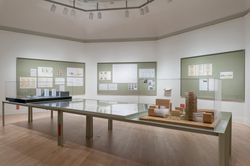
The exhibition Jai Tech: ÁbalosHerreros selected by Juan José Castellón examines the way the tower typology manifests distinct, strategic approaches in the architecture of ÁbalosHerreros, a firm that operated in Madrid from 1984 until 2008. Objects presented include site plans, photomontages, models, floor plans, and photographs. The exhibition also features a selection(...)
The exhibition Jai Tech: ÁbalosHerreros selected by Juan José Castellón examines the way the tower typology manifests distinct, strategic approaches in the architecture of ÁbalosHerreros, a firm that operated in Madrid from 1984 until 2008. Objects presented include site plans, photomontages, models, floor plans, and photographs. The exhibition also features a selection(...)
Location:
Octagonal gallery
Octagonal gallery
Date:
24 May 2015 to 12 July 2015
24 May 2015 to 12 July 2015
Title:
Jai Tech: Ábalos&Herreros selected by Juan José Castellón
Actions:
Description:
The exhibition Jai Tech: ÁbalosHerreros selected by Juan José Castellón examines the way the tower typology manifests distinct, strategic approaches in the architecture of ÁbalosHerreros, a firm that operated in Madrid from 1984 until 2008. Objects presented include site plans, photomontages, models, floor plans, and photographs. The exhibition also features a selection(...)
Jai Tech: Ábalos&Herreros selected by Juan José Castellón
Actions:
Description:
The exhibition Jai Tech: ÁbalosHerreros selected by Juan José Castellón examines the way the tower typology manifests distinct, strategic approaches in the architecture of ÁbalosHerreros, a firm that operated in Madrid from 1984 until 2008. Objects presented include site plans, photomontages, models, floor plans, and photographs. The exhibition also features a selection(...)
Form:
exhibitions
exhibitions
Date:
24 May 2015 to
12 July 2015
24 May 2015 to
12 July 2015
Location:
Octagonal gallery
Octagonal gallery


