


3335 Results
Form:
books
books
Price:
$41.99
(available in store)
Summary:
Americans spend, on average, 90 percent of their lives indoors, with two-thirds of that time spent in their homes. Globally, the construction and maintenance of residential buildings account for a staggering portion of carbon emissions. In this timely and fascinating work, architect and urban-planning scholar Stefan Al deftly weaves together archaeology, engineering,(...)
$41.99
(available in store)
Summary:
Americans spend, on average, 90 percent of their lives indoors, with two-thirds of that time spent in their homes. Globally, the construction and maintenance of residential buildings account for a staggering portion of carbon emissions. In this timely and fascinating work, architect and urban-planning scholar Stefan Al deftly weaves together archaeology, engineering,(...)
Title:
Dwelling on Earth: the past and future of the places we call home
Actions:
Price:
$41.99
(available in store)
Summary:
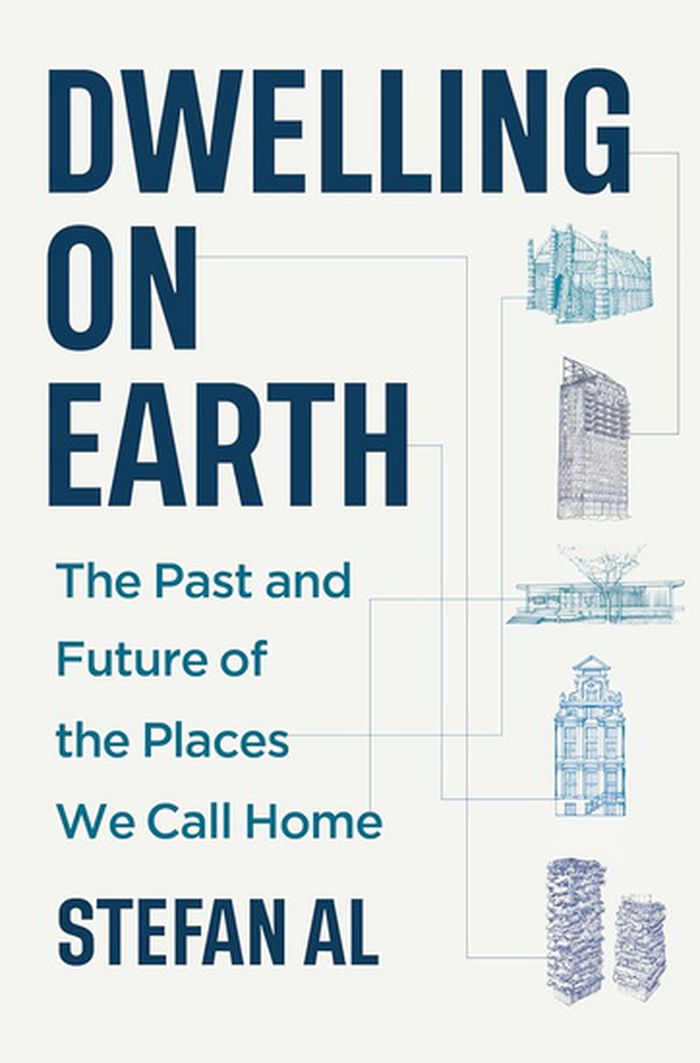
Americans spend, on average, 90 percent of their lives indoors, with two-thirds of that time spent in their homes. Globally, the construction and maintenance of residential buildings account for a staggering portion of carbon emissions. In this timely and fascinating work, architect and urban-planning scholar Stefan Al deftly weaves together archaeology, engineering, social history, and environmental science to explain how our homes have developed through the ages and in turn shaped civilization and the planet itself. From tiny pit-houses in the Levant and Mesoamerica thousands of years ago to soaring skyscrapers in Dubai, New York, and Shanghai today, ''Dwelling on Earth'' takes readers on a swift and absorbing tour of the evolution of human habitation. Whisking readers from ancient Pompeii to contemporary Hong Kong, industrial-age Liverpool to postwar Levittown, Al shows how our choices in housing have both reflected and affected ideas about gender roles, privacy, and comfort. Discover how seemingly mundane elements—like door-knockers and corridors—have altered everyday interactions, and how material choices have remade the planet's surface. He also confronts the darker side of domesticity, exposing the unintended consequences of our architectural choices across millennia, including smoke-filled Neolithic dwellings, deadly fires in crowded Roman apartment buildings, and worsening social isolation in car-dependent suburbs. Finally, he examines the myths and reality of future housing, including 3D-printed homes and space architecture built by robots.
Dwelling on Earth: the past and future of the places we call home
Actions:
Price:
$41.99
(available in store)
Summary:
Americans spend, on average, 90 percent of their lives indoors, with two-thirds of that time spent in their homes. Globally, the construction and maintenance of residential buildings account for a staggering portion of carbon emissions. In this timely and fascinating work, architect and urban-planning scholar Stefan Al deftly weaves together archaeology, engineering, social history, and environmental science to explain how our homes have developed through the ages and in turn shaped civilization and the planet itself. From tiny pit-houses in the Levant and Mesoamerica thousands of years ago to soaring skyscrapers in Dubai, New York, and Shanghai today, ''Dwelling on Earth'' takes readers on a swift and absorbing tour of the evolution of human habitation. Whisking readers from ancient Pompeii to contemporary Hong Kong, industrial-age Liverpool to postwar Levittown, Al shows how our choices in housing have both reflected and affected ideas about gender roles, privacy, and comfort. Discover how seemingly mundane elements—like door-knockers and corridors—have altered everyday interactions, and how material choices have remade the planet's surface. He also confronts the darker side of domesticity, exposing the unintended consequences of our architectural choices across millennia, including smoke-filled Neolithic dwellings, deadly fires in crowded Roman apartment buildings, and worsening social isolation in car-dependent suburbs. Finally, he examines the myths and reality of future housing, including 3D-printed homes and space architecture built by robots.
Form:
books
books
Publication:
April 2026
April 2026
Subject:
Social
Social
Form:
books
books
Price:
$66.95
(available in store)
Summary:
Ce livre traite de politique et d'architecture - de leurs interactions, de leurs intersections. Une occupation civile. La politique de l'architecture israélienne est la somme de travaux d'architectes, d'universitaires et d'auteurs israéliens, qui permet d'examiner le rôle de l'architecture israélienne dans le conflit du Moyen-Orient. À travers des essais, des cartes et(...)
$66.95
(available in store)
Summary:
Ce livre traite de politique et d'architecture - de leurs interactions, de leurs intersections. Une occupation civile. La politique de l'architecture israélienne est la somme de travaux d'architectes, d'universitaires et d'auteurs israéliens, qui permet d'examiner le rôle de l'architecture israélienne dans le conflit du Moyen-Orient. À travers des essais, des cartes et(...)
Subject:
Architecture since 1900, Middle-East
Architecture since 1900, Middle-East
Publication:
September 2003, Besançon
September 2003, Besançon
Title:
Une occupation civile : la politique de l'architecture israélienne
Actions:
Price:
$66.95
(available in store)
Summary:
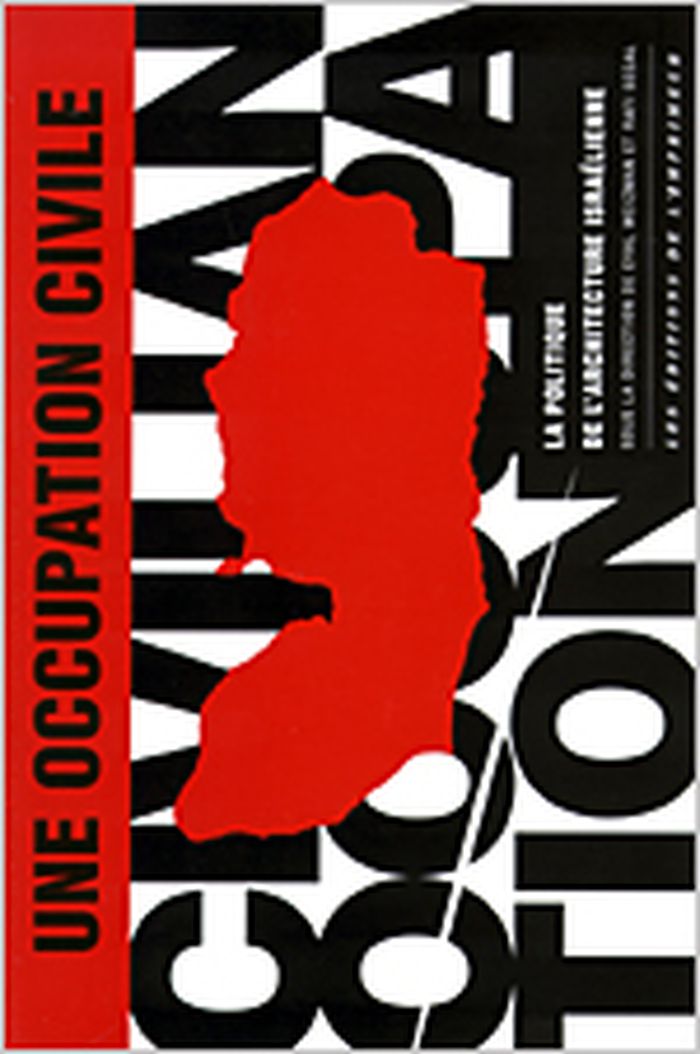
Ce livre traite de politique et d'architecture - de leurs interactions, de leurs intersections. Une occupation civile. La politique de l'architecture israélienne est la somme de travaux d'architectes, d'universitaires et d'auteurs israéliens, qui permet d'examiner le rôle de l'architecture israélienne dans le conflit du Moyen-Orient. À travers des essais, des cartes et des photographies, Une occupation civile démontre comment l'architecture et l'urbanisme sont, en un siècle, passés du statut d'activités professionnelles banales à celui d'instruments tactiques et d'armes stratégiques. Depuis le début du XXe siècle, le projet déclaré du sionisme consistait à bâtir un foyer national pour le peuple juif sur la terre d'Israël. Depuis l'offensive d'implantation des années trente, fondée sur les villages de type Homa Oumigdal (mur et tour) en passant par la planification totale de l'État d'Israël peu après son indépendance, jusqu'à la colonisation des territoires occupés de 1967 à ce jour - l'architecture israélienne a été l'instrument concret de la réalisation du projet sioniste, exactement à l'image de son objectif utopique. La controverse politique et professionnelle qui a suivi l'interdiction de la première édition de cet ouvrage par son éditeur originel, l'Association israélienne des architectes unis, est la preuve flagrante que l'architecture n'est absolument pas une activité innocente. Puisque Israël peut être considéré comme l'un des laboratoires les plus radicaux de notre époque, les questions que pose ce livre doivent être étudiées dans un contexte bien plus large: la politique de l'architecture israélienne n'est finalement pas différente de la politique de toute architecture.
Une occupation civile : la politique de l'architecture israélienne
Actions:
Price:
$66.95
(available in store)
Summary:
Ce livre traite de politique et d'architecture - de leurs interactions, de leurs intersections. Une occupation civile. La politique de l'architecture israélienne est la somme de travaux d'architectes, d'universitaires et d'auteurs israéliens, qui permet d'examiner le rôle de l'architecture israélienne dans le conflit du Moyen-Orient. À travers des essais, des cartes et des photographies, Une occupation civile démontre comment l'architecture et l'urbanisme sont, en un siècle, passés du statut d'activités professionnelles banales à celui d'instruments tactiques et d'armes stratégiques. Depuis le début du XXe siècle, le projet déclaré du sionisme consistait à bâtir un foyer national pour le peuple juif sur la terre d'Israël. Depuis l'offensive d'implantation des années trente, fondée sur les villages de type Homa Oumigdal (mur et tour) en passant par la planification totale de l'État d'Israël peu après son indépendance, jusqu'à la colonisation des territoires occupés de 1967 à ce jour - l'architecture israélienne a été l'instrument concret de la réalisation du projet sioniste, exactement à l'image de son objectif utopique. La controverse politique et professionnelle qui a suivi l'interdiction de la première édition de cet ouvrage par son éditeur originel, l'Association israélienne des architectes unis, est la preuve flagrante que l'architecture n'est absolument pas une activité innocente. Puisque Israël peut être considéré comme l'un des laboratoires les plus radicaux de notre époque, les questions que pose ce livre doivent être étudiées dans un contexte bien plus large: la politique de l'architecture israélienne n'est finalement pas différente de la politique de toute architecture.
Form:
books
books
Publication:
September 2003, Besançon
September 2003, Besançon
Subject:
Architecture since 1900, Middle-East
Architecture since 1900, Middle-East
Form:
books
books
Actions:
Price:
$99.95
(available to order)
Summary:
Deux immenses photographes, deux mois de septembre aux antipodes : cet ouvrage raconte les événements qui ont marqué l’histoire chilienne vus à travers les objectifs de deux figures du photojournalisme. En septembre1971, Raymond Depardon part à Santiago saisir l’effervescence qui suit l’élection du président socialiste Salvador Allende en 1970, avant de poursuivre son(...)
$99.95
(available to order)
Summary:
Deux immenses photographes, deux mois de septembre aux antipodes : cet ouvrage raconte les événements qui ont marqué l’histoire chilienne vus à travers les objectifs de deux figures du photojournalisme. En septembre1971, Raymond Depardon part à Santiago saisir l’effervescence qui suit l’élection du président socialiste Salvador Allende en 1970, avant de poursuivre son(...)
Title:
Raymond Depardon : Septembre au Chili 1971/1973
Actions:
Price:
$99.95
(available to order)
Summary:
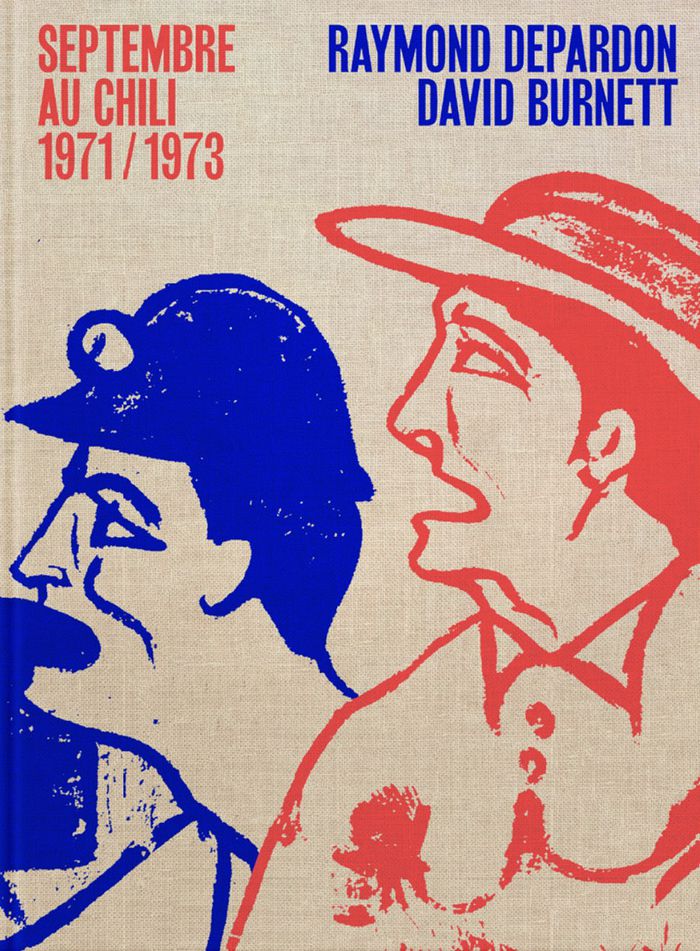
Deux immenses photographes, deux mois de septembre aux antipodes : cet ouvrage raconte les événements qui ont marqué l’histoire chilienne vus à travers les objectifs de deux figures du photojournalisme. En septembre1971, Raymond Depardon part à Santiago saisir l’effervescence qui suit l’élection du président socialiste Salvador Allende en 1970, avant de poursuivre son voyage dans le sud du pays. Deux ans plus tard, en septembre 1973, c’est au tour de David Burnett qui arrive dans la capitale chilienne peu après le coup d’État du général Augusto Pinochet, photographiant les moments de tension et de terreur qui s’ensuivent. Cette immersion dans le Chili des années 1970 interroge ce que le pays est devenu aujourd’hui face aux enjeux actuels, cinquante ans après les événements. Au cœur de ces deux volets photographiques qui composent l’ouvrage, on découvre la reproduction du cliché iconique de Leopoldo Vargas, saisissant la dernière image de Salvador Allende vivant, sortant de la Moneda, le palais présidentiel, l’arme à la main. Plusieurs textes de Robert Pledge et Luis Poirot, ponctuent et contextualisent ce double corpus visuel. Ils sont complétés par deux récits personnels de l’époque : celui de Sonja Martinson Uppman, ancienne secrétaire à l’ambassade de Suède au Chili en 1973, qui a réussi à protéger et exfiltrer près de 80 personnes menacées par la junte militaire, et celui d’Alejandra Matus, alors petite fille à l’époque du coup d’État et les dix-sept années de sa jeunesse qui ont suivi, marquées par la dictature.
Raymond Depardon : Septembre au Chili 1971/1973
Actions:
Price:
$99.95
(available to order)
Summary:
Deux immenses photographes, deux mois de septembre aux antipodes : cet ouvrage raconte les événements qui ont marqué l’histoire chilienne vus à travers les objectifs de deux figures du photojournalisme. En septembre1971, Raymond Depardon part à Santiago saisir l’effervescence qui suit l’élection du président socialiste Salvador Allende en 1970, avant de poursuivre son voyage dans le sud du pays. Deux ans plus tard, en septembre 1973, c’est au tour de David Burnett qui arrive dans la capitale chilienne peu après le coup d’État du général Augusto Pinochet, photographiant les moments de tension et de terreur qui s’ensuivent. Cette immersion dans le Chili des années 1970 interroge ce que le pays est devenu aujourd’hui face aux enjeux actuels, cinquante ans après les événements. Au cœur de ces deux volets photographiques qui composent l’ouvrage, on découvre la reproduction du cliché iconique de Leopoldo Vargas, saisissant la dernière image de Salvador Allende vivant, sortant de la Moneda, le palais présidentiel, l’arme à la main. Plusieurs textes de Robert Pledge et Luis Poirot, ponctuent et contextualisent ce double corpus visuel. Ils sont complétés par deux récits personnels de l’époque : celui de Sonja Martinson Uppman, ancienne secrétaire à l’ambassade de Suède au Chili en 1973, qui a réussi à protéger et exfiltrer près de 80 personnes menacées par la junte militaire, et celui d’Alejandra Matus, alors petite fille à l’époque du coup d’État et les dix-sept années de sa jeunesse qui ont suivi, marquées par la dictature.
Form:
books
books
Publication:
October 2023
October 2023
Subject:
Photography monographs
Photography monographs
Form:
books
books
Actions:
Price:
$97.95
(available to order)
Summary:
This wide-ranging book provides for the first time a complete view of German Gothic church architecture. Architectural historian Norbert Nussbaum surveys church construction from the early thirteenth to the early sixteenth century in the German-language regions(...)
$97.95
(available to order)
Summary:
This wide-ranging book provides for the first time a complete view of German Gothic church architecture. Architectural historian Norbert Nussbaum surveys church construction from the early thirteenth to the early sixteenth century in the German-language regions(...)
Title:
German gothic church architecture
Actions:
Price:
$97.95
(available to order)
Summary:
This wide-ranging book provides for the first time a complete view of German Gothic church architecture. Architectural historian Norbert Nussbaum surveys church construction from the early thirteenth to the early sixteenth century in the German-language regions of medieval Europe. These areas of the Holy Roman Empire--including Bohemia, Austria, northern Switzerland, Alsace, Silesia, and East Prussia--were hereditary fiefdoms at the time, and their diverse cultures contributed to the extreme variety of German Gothic. Nussbaum looks at this rich period of architectural history from many perspectives and offers an informative tour of dozens of German Gothic churches, spectacular for both their beauty and variety. Soon after the Gothic first influenced German builders in the thirteenth century, it developed in several directions, Nussbaum shows. The differences are reflected in the great cathedral lodges of Cologne and Strasbourg, the conscious poverty of form expressed by the Mendicant orders, and red brick churches on the North Sea and Baltic coasts. A fourteenth-century synthesis of these styles was at last achieved in Prague Cathedral, the only great church financed by a German kaiser, Charles IV. In the fifteenth century, German Late Gothic style--unlike the monarchy-supported style of Germanyís neighbors to the west--evolved as cities undertook the financing of parish churches. This period of design culminated with the construction of transcendent churches early in the sixteenth century, characterized by high, sculptured towers and audacious, sometimes fantastic vault structures.
German gothic church architecture
Actions:
Price:
$97.95
(available to order)
Summary:
This wide-ranging book provides for the first time a complete view of German Gothic church architecture. Architectural historian Norbert Nussbaum surveys church construction from the early thirteenth to the early sixteenth century in the German-language regions of medieval Europe. These areas of the Holy Roman Empire--including Bohemia, Austria, northern Switzerland, Alsace, Silesia, and East Prussia--were hereditary fiefdoms at the time, and their diverse cultures contributed to the extreme variety of German Gothic. Nussbaum looks at this rich period of architectural history from many perspectives and offers an informative tour of dozens of German Gothic churches, spectacular for both their beauty and variety. Soon after the Gothic first influenced German builders in the thirteenth century, it developed in several directions, Nussbaum shows. The differences are reflected in the great cathedral lodges of Cologne and Strasbourg, the conscious poverty of form expressed by the Mendicant orders, and red brick churches on the North Sea and Baltic coasts. A fourteenth-century synthesis of these styles was at last achieved in Prague Cathedral, the only great church financed by a German kaiser, Charles IV. In the fifteenth century, German Late Gothic style--unlike the monarchy-supported style of Germanyís neighbors to the west--evolved as cities undertook the financing of parish churches. This period of design culminated with the construction of transcendent churches early in the sixteenth century, characterized by high, sculptured towers and audacious, sometimes fantastic vault structures.
Form:
books
books
Publication:
January 1900, London
January 1900, London
Subject:
History until 1900
History until 1900
Form:
books
books
Actions:
Price:
$61.00
(available to order)
Summary:
Dès l'invention du premier procédé de photographie, la daguerréotype, il apparaît évident que la nouvelle découverte doit être mise au service de l'archéologie, et remplacer désormais le dessin ou la gravure. Très vite, les vues des monuments se multiplient et les sites archéologiques italiens, fréquentés depuis deux siècles par les voyageurs du « Grand Tour », deviennent(...)
$61.00
(available to order)
Summary:
Dès l'invention du premier procédé de photographie, la daguerréotype, il apparaît évident que la nouvelle découverte doit être mise au service de l'archéologie, et remplacer désormais le dessin ou la gravure. Très vite, les vues des monuments se multiplient et les sites archéologiques italiens, fréquentés depuis deux siècles par les voyageurs du « Grand Tour », deviennent(...)
Publication:
November 2006, Paris
November 2006, Paris
Title:
Ruines italiennes : photographies des collections Alinari
Actions:
Price:
$61.00
(available to order)
Summary:
Dès l'invention du premier procédé de photographie, la daguerréotype, il apparaît évident que la nouvelle découverte doit être mise au service de l'archéologie, et remplacer désormais le dessin ou la gravure. Très vite, les vues des monuments se multiplient et les sites archéologiques italiens, fréquentés depuis deux siècles par les voyageurs du « Grand Tour », deviennent un motif de prédilection des photographes, en particulier des frères Alinari, qui, en 1854, ont créé à Florence leur atelier de reproductions d'art. Du nord au sud de l'Italie, de Suse à Ségeste, ils nous font découvrir l'immense amphitéâtre de Vérone, Rome, mille et mille fois glorifiée, entre Palatin, Forum et Colisée, la villa Hadriana et le temple de la Sibylle à Tivoli, les vestiges d'Herculanum, et surtout Pompéi, qui dévoile son immensité, ses intérieurs décorés, ses morts aussi, figés dans l'éternité. Dans le sud, ils montrent Paestum et ses temples immergés dans la solitude, les sites de Sicile, plus sauvages encore... Des images singulières, tout à la fois porteuses d'informations et d'émotion, entre décor antique « authentique » et cadre pittoresque du XIXe siècle, qui sont les premières représentations de ces lieux qu'aujourd'hui nous parcourons en touristes aisés, guide et appareil photo en main, trop rarement seuls. Outre les frères Alinari, d'autres photographes, italiens mais aussi anglais, allemands, français, ont fixé ces ruines et figurent dans ce livre : Brogi, Crupi, Caneva, Anderson, Graham, Macpherson, von Gloeden, Flachéron... Préface de Charles-Henri Favrod.
Ruines italiennes : photographies des collections Alinari
Actions:
Price:
$61.00
(available to order)
Summary:
Dès l'invention du premier procédé de photographie, la daguerréotype, il apparaît évident que la nouvelle découverte doit être mise au service de l'archéologie, et remplacer désormais le dessin ou la gravure. Très vite, les vues des monuments se multiplient et les sites archéologiques italiens, fréquentés depuis deux siècles par les voyageurs du « Grand Tour », deviennent un motif de prédilection des photographes, en particulier des frères Alinari, qui, en 1854, ont créé à Florence leur atelier de reproductions d'art. Du nord au sud de l'Italie, de Suse à Ségeste, ils nous font découvrir l'immense amphitéâtre de Vérone, Rome, mille et mille fois glorifiée, entre Palatin, Forum et Colisée, la villa Hadriana et le temple de la Sibylle à Tivoli, les vestiges d'Herculanum, et surtout Pompéi, qui dévoile son immensité, ses intérieurs décorés, ses morts aussi, figés dans l'éternité. Dans le sud, ils montrent Paestum et ses temples immergés dans la solitude, les sites de Sicile, plus sauvages encore... Des images singulières, tout à la fois porteuses d'informations et d'émotion, entre décor antique « authentique » et cadre pittoresque du XIXe siècle, qui sont les premières représentations de ces lieux qu'aujourd'hui nous parcourons en touristes aisés, guide et appareil photo en main, trop rarement seuls. Outre les frères Alinari, d'autres photographes, italiens mais aussi anglais, allemands, français, ont fixé ces ruines et figurent dans ce livre : Brogi, Crupi, Caneva, Anderson, Graham, Macpherson, von Gloeden, Flachéron... Préface de Charles-Henri Favrod.
Form:
books
books
Publication:
November 2006, Paris
November 2006, Paris
Form:
books
books

Actions:
Price:
$45.00
(available to order)
Summary:
"The Canadians" playfully and affectionately reimagines one of the most revered photography books of the 20th century, Robert Frank’s The Americans. The source for the imagery is the print archive of The Globe and Mail, which contains more than 500,000 prints—24,000 of which have been donated to the newly formed Canadian Institute of Photography, housed within the(...)
$45.00
(available to order)
Summary:
"The Canadians" playfully and affectionately reimagines one of the most revered photography books of the 20th century, Robert Frank’s The Americans. The source for the imagery is the print archive of The Globe and Mail, which contains more than 500,000 prints—24,000 of which have been donated to the newly formed Canadian Institute of Photography, housed within the(...)
Subject:
Photography Collections
Photography Collections
Publication:
September 2017
September 2017
Title:
The Canadians: photographs from the Globe and Mail archives
Actions:
Price:
$45.00
(available to order)
Summary:
"The Canadians" playfully and affectionately reimagines one of the most revered photography books of the 20th century, Robert Frank’s The Americans. The source for the imagery is the print archive of The Globe and Mail, which contains more than 500,000 prints—24,000 of which have been donated to the newly formed Canadian Institute of Photography, housed within the National Gallery of Canada. Nearly 80 of these photographs have been selected for this book, and also form the basis for a national touring exhibition. These functionary press photographs, made to illustrate news stories—the state of the roads after a severe winter; a politician on the campaign trail; the opening of a new laundromat—hold no pretentions to be works of photographic art. However, taken together, they describe Canadian culture during an era of great transformation. Published in association with the Archive of Modern Conflict, the book begins with an insightful and irreverent introduction by Douglas Coupland, bringing together themes illuminated in these photographs, and taking us on a guided tour of a Canada gone, but not forgotten. "How strange it is to look at these photos of a Canada that was almost dead when I was a child," he writes, "the Canada of my parents and my grandparents, the Canada of the late 1950s and early ‘60s, a country in which, it would seem, people were born, became teenagers, and then, magically, at the age of 21, turned into chain-smoking 50-year olds with undiagnosed cancers."
The Canadians: photographs from the Globe and Mail archives
Actions:
Price:
$45.00
(available to order)
Summary:
"The Canadians" playfully and affectionately reimagines one of the most revered photography books of the 20th century, Robert Frank’s The Americans. The source for the imagery is the print archive of The Globe and Mail, which contains more than 500,000 prints—24,000 of which have been donated to the newly formed Canadian Institute of Photography, housed within the National Gallery of Canada. Nearly 80 of these photographs have been selected for this book, and also form the basis for a national touring exhibition. These functionary press photographs, made to illustrate news stories—the state of the roads after a severe winter; a politician on the campaign trail; the opening of a new laundromat—hold no pretentions to be works of photographic art. However, taken together, they describe Canadian culture during an era of great transformation. Published in association with the Archive of Modern Conflict, the book begins with an insightful and irreverent introduction by Douglas Coupland, bringing together themes illuminated in these photographs, and taking us on a guided tour of a Canada gone, but not forgotten. "How strange it is to look at these photos of a Canada that was almost dead when I was a child," he writes, "the Canada of my parents and my grandparents, the Canada of the late 1950s and early ‘60s, a country in which, it would seem, people were born, became teenagers, and then, magically, at the age of 21, turned into chain-smoking 50-year olds with undiagnosed cancers."
Form:
books
books
Publication:
September 2017
September 2017
Subject:
Photography Collections
Photography Collections
Form:
audio
audio
Actions:
Description:
1 online resource.
Author:
Subject:
Publication:
[Place of publication not identified] : Lateral Addition, 2018.
[Place of publication not identified] : Lateral Addition, 2018.
Form:
audio
audio
Publication:
[Place of publication not identified] : Lateral Addition, 2018.
[Place of publication not identified] : Lateral Addition, 2018.
Author:
Subject:
Form:
books
books
Actions:
Price:
$9.75
(available to order)
Summary:
Following on from his internationally bestselling books on Rome and Egypt, illustrator Stephen Biesty brings his magic touch to the cradle of civilization - classical Greece. The year is 436 BCE - Olympic year - and 11-year-old Neleus is about to embark on the journey of a lifetime. Setting off from his home in Miletus with his father and brother, our young hero's(...)
$9.75
(available to order)
Summary:
Following on from his internationally bestselling books on Rome and Egypt, illustrator Stephen Biesty brings his magic touch to the cradle of civilization - classical Greece. The year is 436 BCE - Olympic year - and 11-year-old Neleus is about to embark on the journey of a lifetime. Setting off from his home in Miletus with his father and brother, our young hero's(...)
Title:
Greece in spectacular cross-section
Actions:
Price:
$9.75
(available to order)
Summary:
Following on from his internationally bestselling books on Rome and Egypt, illustrator Stephen Biesty brings his magic touch to the cradle of civilization - classical Greece. The year is 436 BCE - Olympic year - and 11-year-old Neleus is about to embark on the journey of a lifetime. Setting off from his home in Miletus with his father and brother, our young hero's final destination is the great games at Olympia, but he has many adventures and sees many sights along the way : fearsome Athenian warships at the sacred island of Delos; the rich silver mines of Laurion; the hurly-burly of the port and streets of Athens; the splendour of the Agora and the Acropolis; and a visit to the sacred oracle at Delphi. Biesty's Greece is an illustrated tour-de-force, featuring a stunning array of cross-sections, cutaways and explosions. Each drawing highlights Biesty's trademark attention to detail and is backed up by authoritative text and annotations. Biesty's eye for the quirky details of daily life combines with a witty and engaging text to provide an unforgettable window into the world of ancient Greece. Pitched at the 9-12-year-old, this book is destined to bring the ancient world to life for a wide range of readers. No aspect of Greek life is left out... domestic life, religion and the gods, the role of women, children and education, philosophy and learning, myths and legends, government, politics and law, economy and trade, warfare and slavery, the Olympic Games, music and drama, painting, pottery and sculpture, building and architecture, ships and seafaring.
Greece in spectacular cross-section
Actions:
Price:
$9.75
(available to order)
Summary:
Following on from his internationally bestselling books on Rome and Egypt, illustrator Stephen Biesty brings his magic touch to the cradle of civilization - classical Greece. The year is 436 BCE - Olympic year - and 11-year-old Neleus is about to embark on the journey of a lifetime. Setting off from his home in Miletus with his father and brother, our young hero's final destination is the great games at Olympia, but he has many adventures and sees many sights along the way : fearsome Athenian warships at the sacred island of Delos; the rich silver mines of Laurion; the hurly-burly of the port and streets of Athens; the splendour of the Agora and the Acropolis; and a visit to the sacred oracle at Delphi. Biesty's Greece is an illustrated tour-de-force, featuring a stunning array of cross-sections, cutaways and explosions. Each drawing highlights Biesty's trademark attention to detail and is backed up by authoritative text and annotations. Biesty's eye for the quirky details of daily life combines with a witty and engaging text to provide an unforgettable window into the world of ancient Greece. Pitched at the 9-12-year-old, this book is destined to bring the ancient world to life for a wide range of readers. No aspect of Greek life is left out... domestic life, religion and the gods, the role of women, children and education, philosophy and learning, myths and legends, government, politics and law, economy and trade, warfare and slavery, the Olympic Games, music and drama, painting, pottery and sculpture, building and architecture, ships and seafaring.
Form:
books
books
Publication:
September 2006, Oxford, New York
September 2006, Oxford, New York
Subject:
Children's Books
Children's Books
Form:
books
books

Actions:
Price:
$25.00
(available to order)
Summary:
The Japanese dry landscape garden has long attracted - and long baffled - viewers from the West. While museums across the United States are replicating these "Zen rock gardens" in their courtyards and miniature versions of the gardens are now office decorations, they remain enigmatic, their philosophical and aesthetic significance obscured. "Reading Zen in the Rocks", the(...)
$25.00
(available to order)
Summary:
The Japanese dry landscape garden has long attracted - and long baffled - viewers from the West. While museums across the United States are replicating these "Zen rock gardens" in their courtyards and miniature versions of the gardens are now office decorations, they remain enigmatic, their philosophical and aesthetic significance obscured. "Reading Zen in the Rocks", the(...)
Title:
Reading Zen in the rocks : the Japanese dry landscape garden
Actions:
Price:
$25.00
(available to order)
Summary:
The Japanese dry landscape garden has long attracted - and long baffled - viewers from the West. While museums across the United States are replicating these "Zen rock gardens" in their courtyards and miniature versions of the gardens are now office decorations, they remain enigmatic, their philosophical and aesthetic significance obscured. "Reading Zen in the Rocks", the classic essay on the karesansui garden by French art historian François Berthier, has now been translated by Graham Parkes, giving English-speaking readers a concise, thorough, and beautifully illustrated history of these gardens. Berthier's guided tour of the famous garden of Ryoanji (Temple) in Kyoto leads him into an exposition of the genre, focusing on its Chinese antecedents and affiliations with Taoist ideas and Chinese landscape painting. He traces the roles of Shinto and Zen Buddhism in the evolution of the garden and also considers how manual laborers from the lowest classes in Japan had a hand in creating some of its highest examples. Parkes contributes an equally original and substantive essay which delves into the philosophical importance of rocks and their "language of stone," delineating the difference between Chinese and Japanese rock gardens and their relationship to Buddhism. Together, the two essays compose one of the most comprehensive and elegantly written studies of this haunting garden form. "Reading Zen in the Rocks" is fully illustrated with photographs of all the major gardens discussed, making it a handsome addition to the library of anyone interested in gardening, Eastern philosophy, and the combination of the two that the karesansui so superbly represents.
Reading Zen in the rocks : the Japanese dry landscape garden
Actions:
Price:
$25.00
(available to order)
Summary:
The Japanese dry landscape garden has long attracted - and long baffled - viewers from the West. While museums across the United States are replicating these "Zen rock gardens" in their courtyards and miniature versions of the gardens are now office decorations, they remain enigmatic, their philosophical and aesthetic significance obscured. "Reading Zen in the Rocks", the classic essay on the karesansui garden by French art historian François Berthier, has now been translated by Graham Parkes, giving English-speaking readers a concise, thorough, and beautifully illustrated history of these gardens. Berthier's guided tour of the famous garden of Ryoanji (Temple) in Kyoto leads him into an exposition of the genre, focusing on its Chinese antecedents and affiliations with Taoist ideas and Chinese landscape painting. He traces the roles of Shinto and Zen Buddhism in the evolution of the garden and also considers how manual laborers from the lowest classes in Japan had a hand in creating some of its highest examples. Parkes contributes an equally original and substantive essay which delves into the philosophical importance of rocks and their "language of stone," delineating the difference between Chinese and Japanese rock gardens and their relationship to Buddhism. Together, the two essays compose one of the most comprehensive and elegantly written studies of this haunting garden form. "Reading Zen in the Rocks" is fully illustrated with photographs of all the major gardens discussed, making it a handsome addition to the library of anyone interested in gardening, Eastern philosophy, and the combination of the two that the karesansui so superbly represents.
Form:
books
books
Publication:
May 2005, Chicago
May 2005, Chicago
Subject:
Landscape Theory
Landscape Theory
Form:
books
books
Actions:
Price:
$84.95
(available to order)
Summary:
Cet ouvrage est à la fois une petite encyclopédie, qui s'adresse aux architectes et aux décorateurs, et un essai sur l'architecture de la plus célèbre des îles de l'Asie tropicale. Made Wijaya, architecte paysagiste amoureux de Bali, a puisé dans ses archives photographiques, constituées au cours des trente dernières années, pour nous faire découvrir et admirer(...)
$84.95
(available to order)
Summary:
Cet ouvrage est à la fois une petite encyclopédie, qui s'adresse aux architectes et aux décorateurs, et un essai sur l'architecture de la plus célèbre des îles de l'Asie tropicale. Made Wijaya, architecte paysagiste amoureux de Bali, a puisé dans ses archives photographiques, constituées au cours des trente dernières années, pour nous faire découvrir et admirer(...)
Title:
Architecture de Bali : traditions et modernité
Actions:
Price:
$84.95
(available to order)
Summary:
Cet ouvrage est à la fois une petite encyclopédie, qui s'adresse aux architectes et aux décorateurs, et un essai sur l'architecture de la plus célèbre des îles de l'Asie tropicale. Made Wijaya, architecte paysagiste amoureux de Bali, a puisé dans ses archives photographiques, constituées au cours des trente dernières années, pour nous faire découvrir et admirer l'architecture balinaise, ses origines, ses caractéristiques, ses variations et ses caprices. L'auteur commence par un tour d'horizon de l'architecture balinaise dans son contexte humain, le village. Il examine ensuite les éléments fondamentaux de cette architecture, la cour fermée et le pavillon. Il consacre les chapitres suivants aux matériaux de construction, à l'ornementation, la grande passion des Balinais, et aux influences étrangères, notamment chinoises et indochinoises. Au fil des pages, l'architecture complexe de Bali devient plus lisible et même surprenante. Made Wijaya étudie les tendances dans la construction contemporaine et exprime avec passion ses points de vue sur une politique architecturale souhaitable pour Bali. Cette étude est constellée d'exemples d'adaptation de l'architecture traditionnelle balinaise dans les maisons modernes et les grands hôtels de l'île. Outre les photographies personnelles de Wijaya, cet ouvrage est illustré par les œuvres de peintres et de photographes inondialeinent célèbres, parmi lesquels Tim Street-Porter, Rio Helmi, Chang Huai-Yan, Dent Chung, et Bruce Granquist. Les architectes et les décorateurs trouveront dans cet ouvrage un guide de référence particulièrement utile sur les matériaux, les différents types de construction, l'ornementation, en même temps que des idées pour l'utilisation de l'espace. Les amoureux de Bali accueilleront avec enthousiasme cette étude sur un monde en rapide évolution
Architecture de Bali : traditions et modernité
Actions:
Price:
$84.95
(available to order)
Summary:
Cet ouvrage est à la fois une petite encyclopédie, qui s'adresse aux architectes et aux décorateurs, et un essai sur l'architecture de la plus célèbre des îles de l'Asie tropicale. Made Wijaya, architecte paysagiste amoureux de Bali, a puisé dans ses archives photographiques, constituées au cours des trente dernières années, pour nous faire découvrir et admirer l'architecture balinaise, ses origines, ses caractéristiques, ses variations et ses caprices. L'auteur commence par un tour d'horizon de l'architecture balinaise dans son contexte humain, le village. Il examine ensuite les éléments fondamentaux de cette architecture, la cour fermée et le pavillon. Il consacre les chapitres suivants aux matériaux de construction, à l'ornementation, la grande passion des Balinais, et aux influences étrangères, notamment chinoises et indochinoises. Au fil des pages, l'architecture complexe de Bali devient plus lisible et même surprenante. Made Wijaya étudie les tendances dans la construction contemporaine et exprime avec passion ses points de vue sur une politique architecturale souhaitable pour Bali. Cette étude est constellée d'exemples d'adaptation de l'architecture traditionnelle balinaise dans les maisons modernes et les grands hôtels de l'île. Outre les photographies personnelles de Wijaya, cet ouvrage est illustré par les œuvres de peintres et de photographes inondialeinent célèbres, parmi lesquels Tim Street-Porter, Rio Helmi, Chang Huai-Yan, Dent Chung, et Bruce Granquist. Les architectes et les décorateurs trouveront dans cet ouvrage un guide de référence particulièrement utile sur les matériaux, les différents types de construction, l'ornementation, en même temps que des idées pour l'utilisation de l'espace. Les amoureux de Bali accueilleront avec enthousiasme cette étude sur un monde en rapide évolution
Form:
books
books
Publication:
April 2004, Paris
April 2004, Paris
Subject:
Arch Middle East
Arch Middle East


