


365 Results
Form:
books
books
Title:
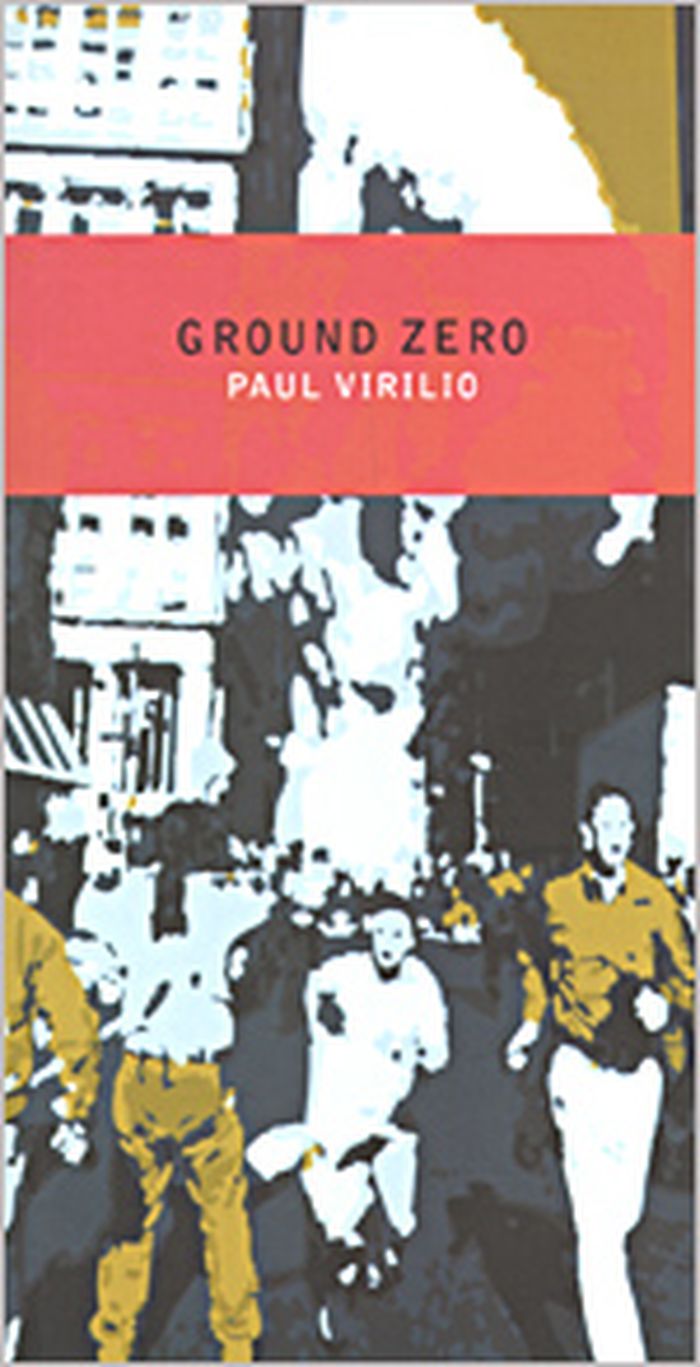
Ground zero
Ground zero
Actions:
Price:
$19.00
(available to order)
Summary:
How would it be if what we take for human advance were simply a technological progress that literally leaves us out of its equations? What if Progress is not humanity striking out bravely towards the future, but an ultimately destructive force? Paul Virilio paints a bleak picture of current scientific, cultural, social and political values. Art has succumbed to the(...)
$19.00
(available to order)
Summary:
How would it be if what we take for human advance were simply a technological progress that literally leaves us out of its equations? What if Progress is not humanity striking out bravely towards the future, but an ultimately destructive force? Paul Virilio paints a bleak picture of current scientific, cultural, social and political values. Art has succumbed to the(...)
Title:
Ground zero
Actions:
Price:
$19.00
(available to order)
Summary:
How would it be if what we take for human advance were simply a technological progress that literally leaves us out of its equations? What if Progress is not humanity striking out bravely towards the future, but an ultimately destructive force? Paul Virilio paints a bleak picture of current scientific, cultural, social and political values. Art has succumbed to the techniques of advertising and in politics, the battle for hearts and minds has become a mere convergence of opinion. TV ratings have triumphed over universal suffrage. The events of September 11 reflect both the manipulation of a global sub-proletariat and the delusions of an élite of rich students and technicians who resemble the 'suicidal members of the Heaven's Gate cybersect'. And, in this post-humanist dystopia, we are morally rudderless before the threat of biological manipulations as yet undreamt.
Ground zero
Actions:
Price:
$19.00
(available to order)
Summary:
How would it be if what we take for human advance were simply a technological progress that literally leaves us out of its equations? What if Progress is not humanity striking out bravely towards the future, but an ultimately destructive force? Paul Virilio paints a bleak picture of current scientific, cultural, social and political values. Art has succumbed to the techniques of advertising and in politics, the battle for hearts and minds has become a mere convergence of opinion. TV ratings have triumphed over universal suffrage. The events of September 11 reflect both the manipulation of a global sub-proletariat and the delusions of an élite of rich students and technicians who resemble the 'suicidal members of the Heaven's Gate cybersect'. And, in this post-humanist dystopia, we are morally rudderless before the threat of biological manipulations as yet undreamt.
Form:
books
books
Publication:
September 2002, New York
September 2002, New York
Subject:
Architectural Theory
Architectural Theory
Form:
books
books
Actions:
Price:
$24.50
(available to order)
Summary:
In The Conspiracy of Art, Baudrillard questions the privilege attached to art by its practitioners. Art has lost all desire for illusion: feeding back endlessly into itself, it has turned its own vanishment into an art unto itself. Far from lamenting the "end of art," Baudrillard celebrates art's new function within the process of insider-trading. Spiraling from aesthetic(...)
$24.50
(available to order)
Summary:
In The Conspiracy of Art, Baudrillard questions the privilege attached to art by its practitioners. Art has lost all desire for illusion: feeding back endlessly into itself, it has turned its own vanishment into an art unto itself. Far from lamenting the "end of art," Baudrillard celebrates art's new function within the process of insider-trading. Spiraling from aesthetic(...)
Publication:
October 2005, Cambridge, London
October 2005, Cambridge, London
Title:
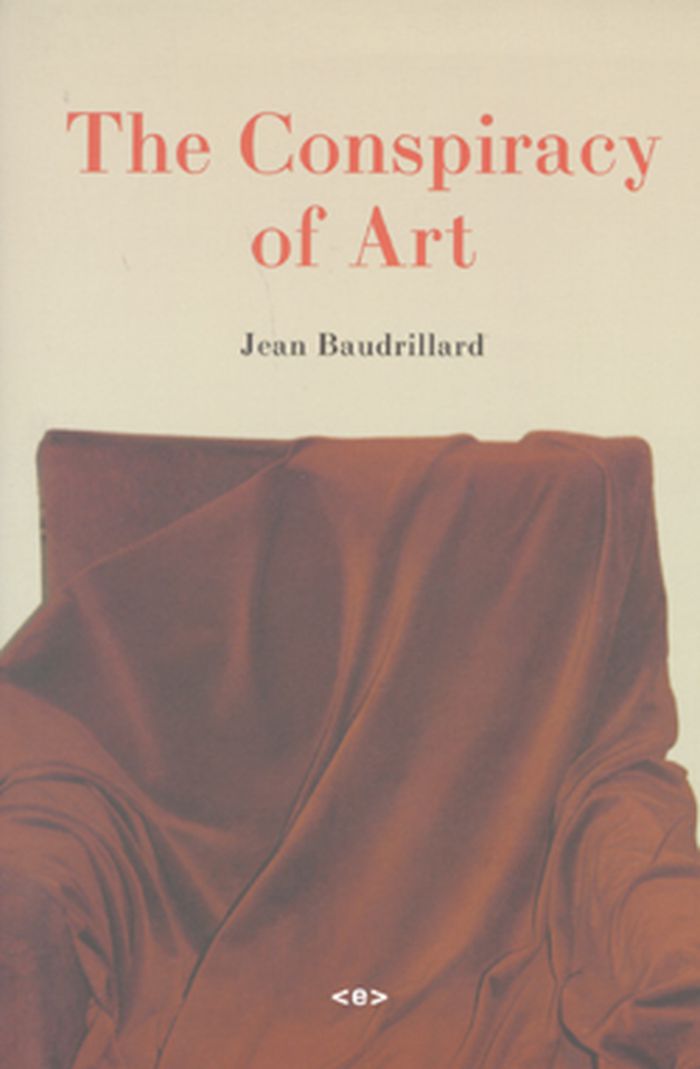
The conspiracy of art: manifestos, interviews, essays
Actions:
Price:
$24.50
(available to order)
Summary:
In The Conspiracy of Art, Baudrillard questions the privilege attached to art by its practitioners. Art has lost all desire for illusion: feeding back endlessly into itself, it has turned its own vanishment into an art unto itself. Far from lamenting the "end of art," Baudrillard celebrates art's new function within the process of insider-trading. Spiraling from aesthetic nullity to commercial frenzy, art has become transaesthetic, like society as a whole. Conceived and edited by life-long Baudrillard collaborator Sylvère Lotringer, The Conspiracy of Art presents Baudrillard's writings on art in a complicitous dance with politics, economics, and media. Culminating with "War Porn," a scathing analysis of the spectacular images from Abu Ghraib prison as a new genre of reality TV, the book folds back on itself to question the very nature of radical thought.
The conspiracy of art: manifestos, interviews, essays
Actions:
Price:
$24.50
(available to order)
Summary:
In The Conspiracy of Art, Baudrillard questions the privilege attached to art by its practitioners. Art has lost all desire for illusion: feeding back endlessly into itself, it has turned its own vanishment into an art unto itself. Far from lamenting the "end of art," Baudrillard celebrates art's new function within the process of insider-trading. Spiraling from aesthetic nullity to commercial frenzy, art has become transaesthetic, like society as a whole. Conceived and edited by life-long Baudrillard collaborator Sylvère Lotringer, The Conspiracy of Art presents Baudrillard's writings on art in a complicitous dance with politics, economics, and media. Culminating with "War Porn," a scathing analysis of the spectacular images from Abu Ghraib prison as a new genre of reality TV, the book folds back on itself to question the very nature of radical thought.
Form:
books
books
Publication:
October 2005, Cambridge, London
October 2005, Cambridge, London
Form:
journals and magazines
journals and magazines
Title:
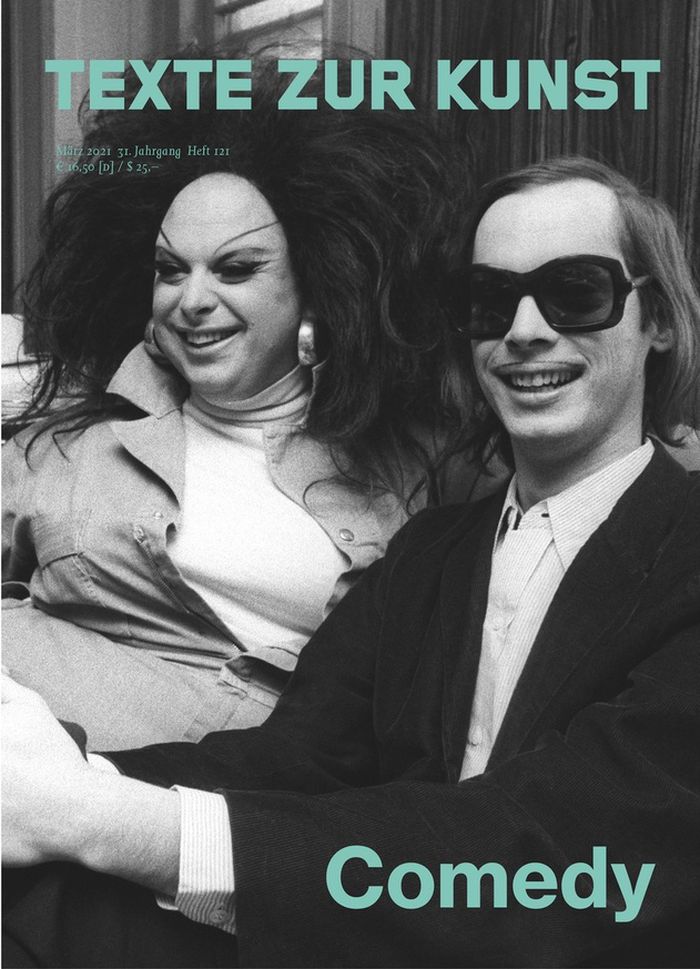
Texte zur kunst 121 : comedy
Texte zur kunst 121 : comedy
Actions:
Price:
$30.00
(available in store)
Summary:
The March issue of Texte zur Kunst, titled ''Comedy,'' investigates the comedic in art while also examining mass-media formats such as TV series and films. Comedy not only offers consolation and comfort by making the tragic seem comic; for the repressed, it also serves as a catalyst, addressing and thematizing repression through jokes, slapstick, or the grotesque.(...)
$30.00
(available in store)
Summary:
The March issue of Texte zur Kunst, titled ''Comedy,'' investigates the comedic in art while also examining mass-media formats such as TV series and films. Comedy not only offers consolation and comfort by making the tragic seem comic; for the repressed, it also serves as a catalyst, addressing and thematizing repression through jokes, slapstick, or the grotesque.(...)
Title:
Texte zur kunst 121 : comedy
Actions:
Price:
$30.00
(available in store)
Summary:
The March issue of Texte zur Kunst, titled ''Comedy,'' investigates the comedic in art while also examining mass-media formats such as TV series and films. Comedy not only offers consolation and comfort by making the tragic seem comic; for the repressed, it also serves as a catalyst, addressing and thematizing repression through jokes, slapstick, or the grotesque. However, at a time when audiences increasingly demand political commitment and authenticity from art, comedic speech, which is inherently disingenuous, has fallen into disrepute: ironically distanced rhetoric is accused of turning a blind eye to social inequality. Together with Bert Rebhandl, author and co-publisher of the film magazine cargo, the editors conceptualized an issue that examines the role of the joke in art, the psychoanalytic dimension of the comedic, and the limits of satire in the age of Donald Trump.
Texte zur kunst 121 : comedy
Actions:
Price:
$30.00
(available in store)
Summary:
The March issue of Texte zur Kunst, titled ''Comedy,'' investigates the comedic in art while also examining mass-media formats such as TV series and films. Comedy not only offers consolation and comfort by making the tragic seem comic; for the repressed, it also serves as a catalyst, addressing and thematizing repression through jokes, slapstick, or the grotesque. However, at a time when audiences increasingly demand political commitment and authenticity from art, comedic speech, which is inherently disingenuous, has fallen into disrepute: ironically distanced rhetoric is accused of turning a blind eye to social inequality. Together with Bert Rebhandl, author and co-publisher of the film magazine cargo, the editors conceptualized an issue that examines the role of the joke in art, the psychoanalytic dimension of the comedic, and the limits of satire in the age of Donald Trump.
Form:
journals and magazines
journals and magazines
Publication:
March 2021
March 2021
Subject:
Magazines
Magazines
Form:
books
books
Title:
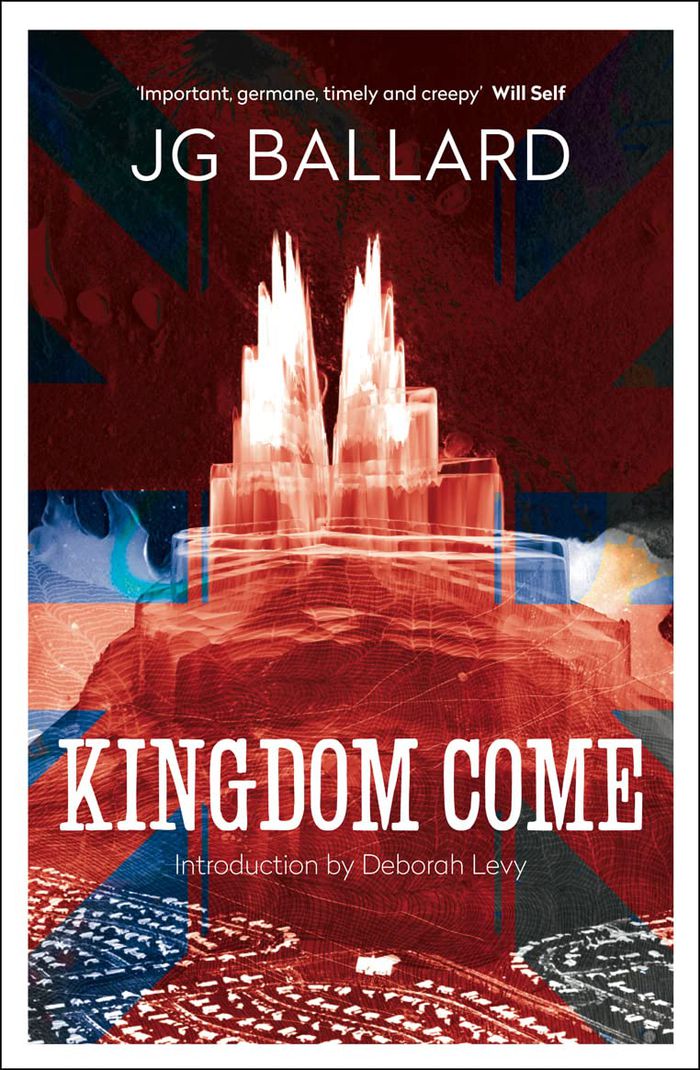
Kingdom come
Kingdom come
Actions:
Price:
$17.99
(available to order)
Summary:
A gunman opens fire in a shopping mall. Not a terrorist, apparently, but a madman with a rifle. Or not, as he is mysteriously (and quickly) set free without charge. One of the victims is the father of Richard Pearson, unemployed advertising executive and life-long rebel. Now he is driving out to Brooklands, the apparently peaceful town on the M25 which has at its heart(...)
$17.99
(available to order)
Summary:
A gunman opens fire in a shopping mall. Not a terrorist, apparently, but a madman with a rifle. Or not, as he is mysteriously (and quickly) set free without charge. One of the victims is the father of Richard Pearson, unemployed advertising executive and life-long rebel. Now he is driving out to Brooklands, the apparently peaceful town on the M25 which has at its heart(...)
Title:
Kingdom come
Actions:
Price:
$17.99
(available to order)
Summary:
A gunman opens fire in a shopping mall. Not a terrorist, apparently, but a madman with a rifle. Or not, as he is mysteriously (and quickly) set free without charge. One of the victims is the father of Richard Pearson, unemployed advertising executive and life-long rebel. Now he is driving out to Brooklands, the apparently peaceful town on the M25 which has at its heart the shining shoppers’ paradise where the shooting happened – the Metro-Centre. Richard, determined to unravel the mystery, starts to believe that something deeply sinister lurks behind the pristine facades of the labyrinthine mall, its 24-hour cable TV and sports club. In this, his final novel, Ballard holds up a mirror to Middle England, reflecting an unsettling image of suburbia and revealing the darker forces at work beneath the gloss of consumerism and flag-waving patriotism.
Kingdom come
Actions:
Price:
$17.99
(available to order)
Summary:
A gunman opens fire in a shopping mall. Not a terrorist, apparently, but a madman with a rifle. Or not, as he is mysteriously (and quickly) set free without charge. One of the victims is the father of Richard Pearson, unemployed advertising executive and life-long rebel. Now he is driving out to Brooklands, the apparently peaceful town on the M25 which has at its heart the shining shoppers’ paradise where the shooting happened – the Metro-Centre. Richard, determined to unravel the mystery, starts to believe that something deeply sinister lurks behind the pristine facades of the labyrinthine mall, its 24-hour cable TV and sports club. In this, his final novel, Ballard holds up a mirror to Middle England, reflecting an unsettling image of suburbia and revealing the darker forces at work beneath the gloss of consumerism and flag-waving patriotism.
Form:
books
books
Publication:
April 2017
April 2017
Subject:
Literature and poetry
Literature and poetry
Form:
books
books
Title:
Brutal bloc postcards
Brutal bloc postcards
Actions:
Price:
$42.50
(available to order)
Summary:
Brutal concrete hotels, futurist TV towers, heroic statues of workers—this collection of Soviet-era postcards documents the uncompromising landscape of the Eastern Bloc through its buildings and monuments. These are interspersed with quotes from prominent figures of the time, which both support and confound the ideologies presented in the images. In contrast to the(...)
$42.50
(available to order)
Summary:
Brutal concrete hotels, futurist TV towers, heroic statues of workers—this collection of Soviet-era postcards documents the uncompromising landscape of the Eastern Bloc through its buildings and monuments. These are interspersed with quotes from prominent figures of the time, which both support and confound the ideologies presented in the images. In contrast to the(...)
Publication:
August 2018
August 2018
Title:
Brutal bloc postcards
Actions:
Price:
$42.50
(available to order)
Summary:
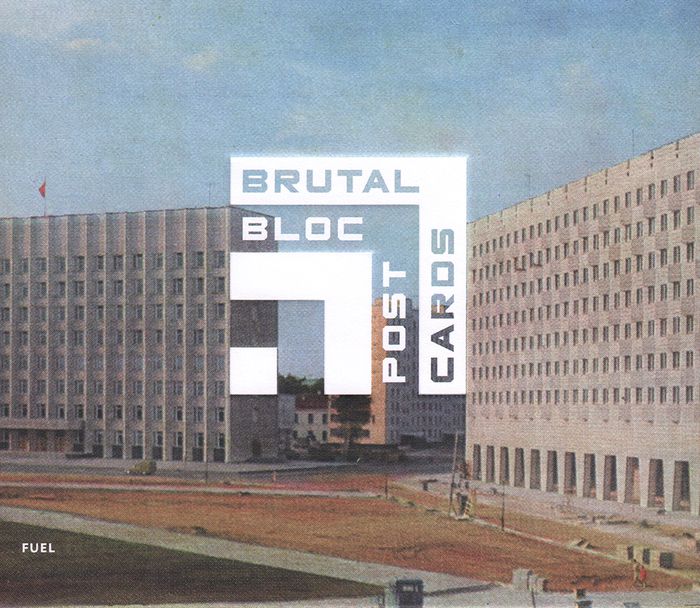
Brutal concrete hotels, futurist TV towers, heroic statues of workers—this collection of Soviet-era postcards documents the uncompromising landscape of the Eastern Bloc through its buildings and monuments. These are interspersed with quotes from prominent figures of the time, which both support and confound the ideologies presented in the images. In contrast to the photographs of a ruined and abandoned Soviet empire we are accustomed to seeing today, the scenes depicted here publicize the bright future of communism: social housing blocks, palaces of culture and monuments to comradeship. Dating from the 1960s to the 1980s, they offer a nostalgic yet revealing insight into social and architectural values of the time, acting as a window through which we can examine cars, people and, of course, buildings. These postcards, sanctioned by the authorities, were intended to show the world what living in communism looked like.
Brutal bloc postcards
Actions:
Price:
$42.50
(available to order)
Summary:
Brutal concrete hotels, futurist TV towers, heroic statues of workers—this collection of Soviet-era postcards documents the uncompromising landscape of the Eastern Bloc through its buildings and monuments. These are interspersed with quotes from prominent figures of the time, which both support and confound the ideologies presented in the images. In contrast to the photographs of a ruined and abandoned Soviet empire we are accustomed to seeing today, the scenes depicted here publicize the bright future of communism: social housing blocks, palaces of culture and monuments to comradeship. Dating from the 1960s to the 1980s, they offer a nostalgic yet revealing insight into social and architectural values of the time, acting as a window through which we can examine cars, people and, of course, buildings. These postcards, sanctioned by the authorities, were intended to show the world what living in communism looked like.
Form:
books
books
Publication:
August 2018
August 2018
Form:
books
books
Actions:
Price:
$27.95
(available to order)
Summary:
With the invention of telecommunications technologies in the late nineteenth century, the radio-electric spectrum became a tool for rethinking the world in which we live. The emission of radio waves did away with physical distances, crossing borders and cultures and acting as a powerful catalyst for trade. Moreover, the radio spectrum is the invisible infrastructure on(...)
$27.95
(available to order)
Summary:
With the invention of telecommunications technologies in the late nineteenth century, the radio-electric spectrum became a tool for rethinking the world in which we live. The emission of radio waves did away with physical distances, crossing borders and cultures and acting as a powerful catalyst for trade. Moreover, the radio spectrum is the invisible infrastructure on(...)
Title:
Invisible fields: geographies of radio waves
Actions:
Price:
$27.95
(available to order)
Summary:
With the invention of telecommunications technologies in the late nineteenth century, the radio-electric spectrum became a tool for rethinking the world in which we live. The emission of radio waves did away with physical distances, crossing borders and cultures and acting as a powerful catalyst for trade. Moreover, the radio spectrum is the invisible infrastructure on which our information and communication technologies have been built. The history of its scientific discovery and how it was gradually colonized by the media, the military complex, and activists and hackers is one of the most fascinating stories of the twentieth century. The future uses of the radio-electric spectrum in the twenty-first century and its new potential are being decided now, with the end of analogue TV broadcasting worldwide marking the most important transformation of uses in the radio-electric space in decades. This catalog sets out to examine these issues and shed a little light on intriguing stories about radio-electric spectrum.
Invisible fields: geographies of radio waves
Actions:
Price:
$27.95
(available to order)
Summary:
With the invention of telecommunications technologies in the late nineteenth century, the radio-electric spectrum became a tool for rethinking the world in which we live. The emission of radio waves did away with physical distances, crossing borders and cultures and acting as a powerful catalyst for trade. Moreover, the radio spectrum is the invisible infrastructure on which our information and communication technologies have been built. The history of its scientific discovery and how it was gradually colonized by the media, the military complex, and activists and hackers is one of the most fascinating stories of the twentieth century. The future uses of the radio-electric spectrum in the twenty-first century and its new potential are being decided now, with the end of analogue TV broadcasting worldwide marking the most important transformation of uses in the radio-electric space in decades. This catalog sets out to examine these issues and shed a little light on intriguing stories about radio-electric spectrum.
Form:
books
books
Publication:
May 2012
May 2012
Subject:
Epistemology
Epistemology
Form:
books
books
Actions:
Price:
$27.95
(available to order)
Summary:
Rethinking the significance of films including "Pillow Talk," "Rear Window," and "The Seven Year Itch," Pamela Robertson Wojcik examines the popularity of the "apartment plot," her term for stories in which the apartment functions as a central narrative device. From the baby boom years into the 1970s, the apartment plot was not only key to films; it also surfaced in TV(...)
$27.95
(available to order)
Summary:
Rethinking the significance of films including "Pillow Talk," "Rear Window," and "The Seven Year Itch," Pamela Robertson Wojcik examines the popularity of the "apartment plot," her term for stories in which the apartment functions as a central narrative device. From the baby boom years into the 1970s, the apartment plot was not only key to films; it also surfaced in TV(...)
Subject:
Architecture and Film, Set Design
Architecture and Film, Set Design
Publication:
November 2010
November 2010
Title:
The apartment plot : urban living in American film and popular culture, 1945 to 1975
Actions:
Price:
$27.95
(available to order)
Summary:
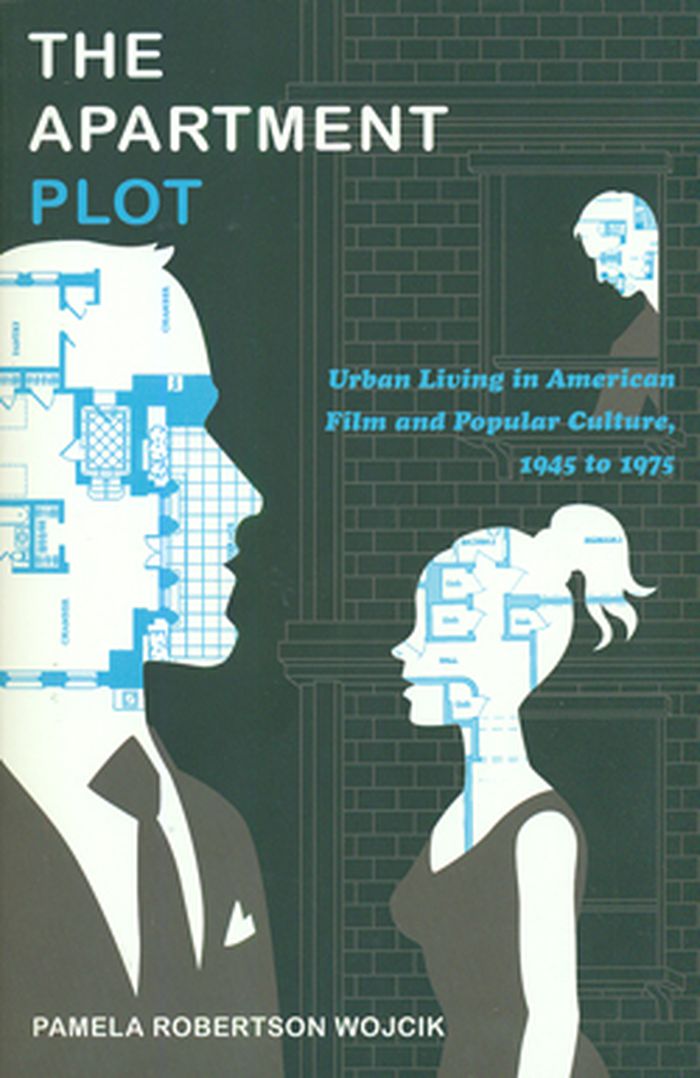
Rethinking the significance of films including "Pillow Talk," "Rear Window," and "The Seven Year Itch," Pamela Robertson Wojcik examines the popularity of the "apartment plot," her term for stories in which the apartment functions as a central narrative device. From the baby boom years into the 1970s, the apartment plot was not only key to films; it also surfaced in TV shows, Broadway plays, literature, and comic strips, from "The Honeymooners" and" The Mary Tyler Moore Show "to" Subways are for Sleeping "and" Apartment 3-G." By identifying the apartment plot as a film genre, Wojcik reveals affinities between movies generally viewed as belonging to such distinct genres as film noir, romantic comedy, and melodrama. She analyzes the apartment plot as part of a mid-twentieth-century urban discourse, showing how it offers a vision of home centered on values of community, visibility, contact, mobility, impermanence, and porousness that contrasts with views of home as private, stable, and family-based.
The apartment plot : urban living in American film and popular culture, 1945 to 1975
Actions:
Price:
$27.95
(available to order)
Summary:
Rethinking the significance of films including "Pillow Talk," "Rear Window," and "The Seven Year Itch," Pamela Robertson Wojcik examines the popularity of the "apartment plot," her term for stories in which the apartment functions as a central narrative device. From the baby boom years into the 1970s, the apartment plot was not only key to films; it also surfaced in TV shows, Broadway plays, literature, and comic strips, from "The Honeymooners" and" The Mary Tyler Moore Show "to" Subways are for Sleeping "and" Apartment 3-G." By identifying the apartment plot as a film genre, Wojcik reveals affinities between movies generally viewed as belonging to such distinct genres as film noir, romantic comedy, and melodrama. She analyzes the apartment plot as part of a mid-twentieth-century urban discourse, showing how it offers a vision of home centered on values of community, visibility, contact, mobility, impermanence, and porousness that contrasts with views of home as private, stable, and family-based.
Form:
books
books
Publication:
November 2010
November 2010
Subject:
Architecture and Film, Set Design
Architecture and Film, Set Design
Form:
books
books
Price:
$60.95
(available to order)
Summary:
In the late 1960s and early 1970s, the John Lindsay administration in New York City created innovative policies to try to draw on-location media production to the city. At the same time, the New York City Planning Commission was producing a wealth of documents that clearly reflect the influence of various media depictions of New York. Imaginary Apparatus reveals the links(...)
$60.95
(available to order)
Summary:
In the late 1960s and early 1970s, the John Lindsay administration in New York City created innovative policies to try to draw on-location media production to the city. At the same time, the New York City Planning Commission was producing a wealth of documents that clearly reflect the influence of various media depictions of New York. Imaginary Apparatus reveals the links(...)
Title:
Imaginary apparatus: New York city and its mediated representation
Actions:
Price:
$60.95
(available to order)
Summary:
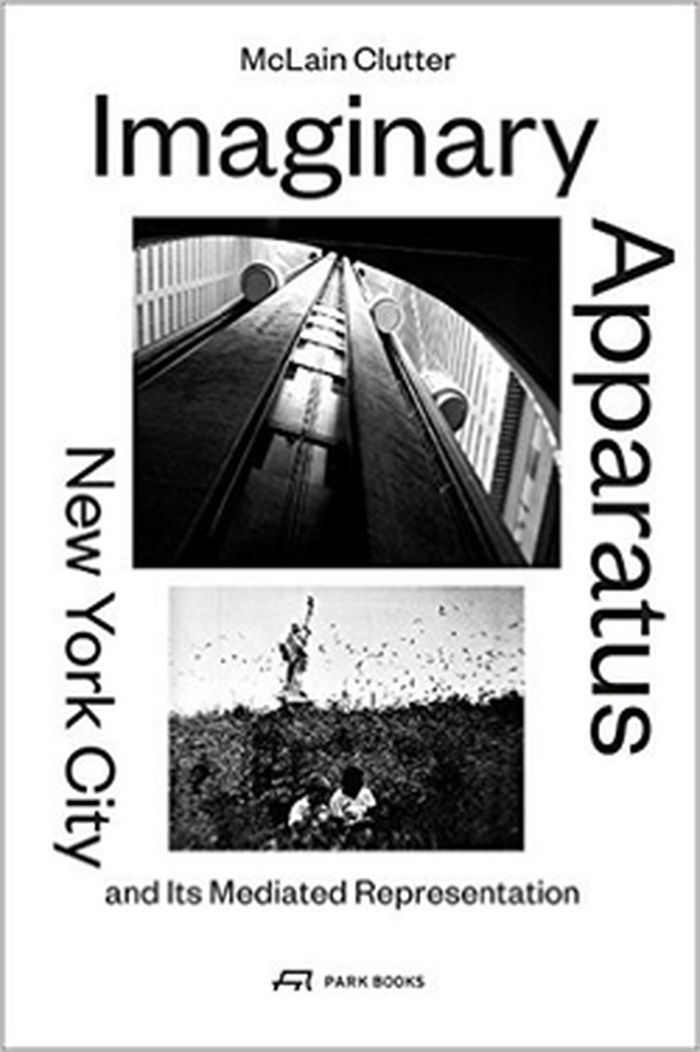
In the late 1960s and early 1970s, the John Lindsay administration in New York City created innovative policies to try to draw on-location media production to the city. At the same time, the New York City Planning Commission was producing a wealth of documents that clearly reflect the influence of various media depictions of New York. Imaginary Apparatus reveals the links between those two efforts, showing how they fed each other. As more and more films and TV shows were shot on location in New York, mediated images of the city and its buildings proliferated—and those same images exerted a powerful influence on the imaginations of the planners who were generating ideas for New York’s future development. Included with thisbook is a DVD featuring the movie What Is the City but the People?, the film version of the 1969 "Plan for New York City" and a unique document that has never before been publicly available.
Imaginary apparatus: New York city and its mediated representation
Actions:
Price:
$60.95
(available to order)
Summary:
In the late 1960s and early 1970s, the John Lindsay administration in New York City created innovative policies to try to draw on-location media production to the city. At the same time, the New York City Planning Commission was producing a wealth of documents that clearly reflect the influence of various media depictions of New York. Imaginary Apparatus reveals the links between those two efforts, showing how they fed each other. As more and more films and TV shows were shot on location in New York, mediated images of the city and its buildings proliferated—and those same images exerted a powerful influence on the imaginations of the planners who were generating ideas for New York’s future development. Included with thisbook is a DVD featuring the movie What Is the City but the People?, the film version of the 1969 "Plan for New York City" and a unique document that has never before been publicly available.
Form:
books
books
Publication:
August 2015
August 2015
Subject:
Urban Theory
Urban Theory
Form:
books
books
Title:
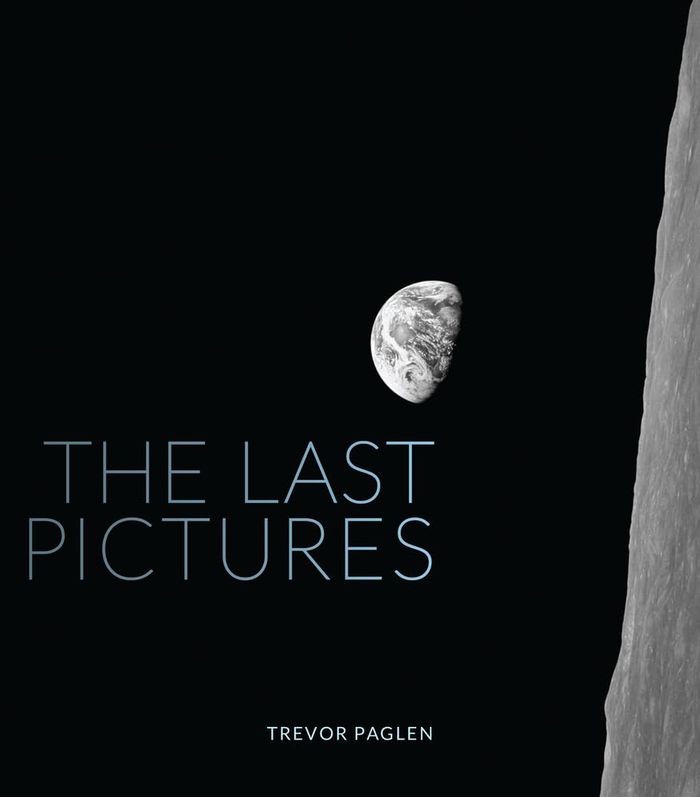
The last pictures
The last pictures
Actions:
Price:
$52.00
(available in store)
Summary:
Human civilizations' longest lasting artifacts are not the great Pyramids of Giza, nor the cave paintings at Lascaux, but the communications satellites that circle our planet. In a stationary orbit above the equator, the satellites that broadcast our TV signals, route our phone calls, and process our credit card transactions experience no atmospheric drag. Their inert(...)
$52.00
(available in store)
Summary:
Human civilizations' longest lasting artifacts are not the great Pyramids of Giza, nor the cave paintings at Lascaux, but the communications satellites that circle our planet. In a stationary orbit above the equator, the satellites that broadcast our TV signals, route our phone calls, and process our credit card transactions experience no atmospheric drag. Their inert(...)
Title:
The last pictures
Actions:
Price:
$52.00
(available in store)
Summary:
Human civilizations' longest lasting artifacts are not the great Pyramids of Giza, nor the cave paintings at Lascaux, but the communications satellites that circle our planet. In a stationary orbit above the equator, the satellites that broadcast our TV signals, route our phone calls, and process our credit card transactions experience no atmospheric drag. Their inert hulls will continue to drift around Earth until the Sun expands into a red giant and engulfs them about 4.5 billion years from now. he Last Pictures, co-published by Creative Time Books, is rooted in the premise that these communications satellites will ultimately become the cultural and material ruins of the late 20th and early 21st centuries, far outlasting anything else humans have created. Inspired in part by ancient cave paintings, nuclear waste warning signs, and Carl Sagan's Golden Records of the 1970s, artist/geographer and MacArthur "Genius" Fellow Trevor Paglen has developed a collection of one hundred images that will be etched onto an ultra-archival, golden silicon disc.
The last pictures
Actions:
Price:
$52.00
(available in store)
Summary:
Human civilizations' longest lasting artifacts are not the great Pyramids of Giza, nor the cave paintings at Lascaux, but the communications satellites that circle our planet. In a stationary orbit above the equator, the satellites that broadcast our TV signals, route our phone calls, and process our credit card transactions experience no atmospheric drag. Their inert hulls will continue to drift around Earth until the Sun expands into a red giant and engulfs them about 4.5 billion years from now. he Last Pictures, co-published by Creative Time Books, is rooted in the premise that these communications satellites will ultimately become the cultural and material ruins of the late 20th and early 21st centuries, far outlasting anything else humans have created. Inspired in part by ancient cave paintings, nuclear waste warning signs, and Carl Sagan's Golden Records of the 1970s, artist/geographer and MacArthur "Genius" Fellow Trevor Paglen has developed a collection of one hundred images that will be etched onto an ultra-archival, golden silicon disc.
Form:
books
books
Publication:
September 2012
September 2012
Subject:
Art Theory
Art Theory
Form:
books
books
Actions:
Price:
$56.00
(available to order)
Summary:
The architecture and design of trade fairs and exhibitions is undergoing a radical transformation: just as in TV advertising, the functional or aesthetic qualities of the products are being pushed into the background and instead emphasis is placed on creating an ideal but illusive world where man and his wishes are at the forefront. This new integrated approach to(...)
$56.00
(available to order)
Summary:
The architecture and design of trade fairs and exhibitions is undergoing a radical transformation: just as in TV advertising, the functional or aesthetic qualities of the products are being pushed into the background and instead emphasis is placed on creating an ideal but illusive world where man and his wishes are at the forefront. This new integrated approach to(...)
Subject:
Architecture Monographs
Architecture Monographs
Publication:
January 1900, Basel
January 1900, Basel
Title:
Ingenhoven Overdiek und Partner / KMS Team - architecture and design : new synergies
Actions:
Price:
$56.00
(available to order)
Summary:
The architecture and design of trade fairs and exhibitions is undergoing a radical transformation: just as in TV advertising, the functional or aesthetic qualities of the products are being pushed into the background and instead emphasis is placed on creating an ideal but illusive world where man and his wishes are at the forefront. This new integrated approach to company presentation was realised by the firm Audi at the motor car fairs 1999/2000. Architect Christoph Ingenhoven and communications designer Michael Keller joined forces to help create a specific world which would promote the company and its products through the interaction of visual, acoustic, symbolic and material elements. In the form of dual reports from the perspectives of the architect and the communications designer, this book provides insight into this new concept of company presentation at trade shows. It offers a thought-provoking contribution to the debate about integrated, interdisciplinary approaches apparent in all areas of the world about us.
Ingenhoven Overdiek und Partner / KMS Team - architecture and design : new synergies
Actions:
Price:
$56.00
(available to order)
Summary:
The architecture and design of trade fairs and exhibitions is undergoing a radical transformation: just as in TV advertising, the functional or aesthetic qualities of the products are being pushed into the background and instead emphasis is placed on creating an ideal but illusive world where man and his wishes are at the forefront. This new integrated approach to company presentation was realised by the firm Audi at the motor car fairs 1999/2000. Architect Christoph Ingenhoven and communications designer Michael Keller joined forces to help create a specific world which would promote the company and its products through the interaction of visual, acoustic, symbolic and material elements. In the form of dual reports from the perspectives of the architect and the communications designer, this book provides insight into this new concept of company presentation at trade shows. It offers a thought-provoking contribution to the debate about integrated, interdisciplinary approaches apparent in all areas of the world about us.
Form:
books
books
Publication:
January 1900, Basel
January 1900, Basel
Subject:
Architecture Monographs
Architecture Monographs


