


403 Results
Form:
books
books
Actions:
Price:
$32.50
(available to order)
Summary:
One pairs artists and writers to think about this question. Eight photographers: Marco Breuer, Thomas Joshua Cooper, John Gossage, Trevor Paglen, Alison Rossiter, Victoria Sambunaris, Rebecca Norris Webb and James Welling were asked to submit one image on the theme of minimalism. Eight writers David Campany, Teju Cole, Christie Davis, John D’Agata, Michael Fried, Darius(...)
$32.50
(available to order)
Summary:
One pairs artists and writers to think about this question. Eight photographers: Marco Breuer, Thomas Joshua Cooper, John Gossage, Trevor Paglen, Alison Rossiter, Victoria Sambunaris, Rebecca Norris Webb and James Welling were asked to submit one image on the theme of minimalism. Eight writers David Campany, Teju Cole, Christie Davis, John D’Agata, Michael Fried, Darius(...)
Title:
One. David Campany, Teju Cole, Christie David, John D'Agata, Michael Fried, Darius Himes
Actions:
Price:
$32.50
(available to order)
Summary:
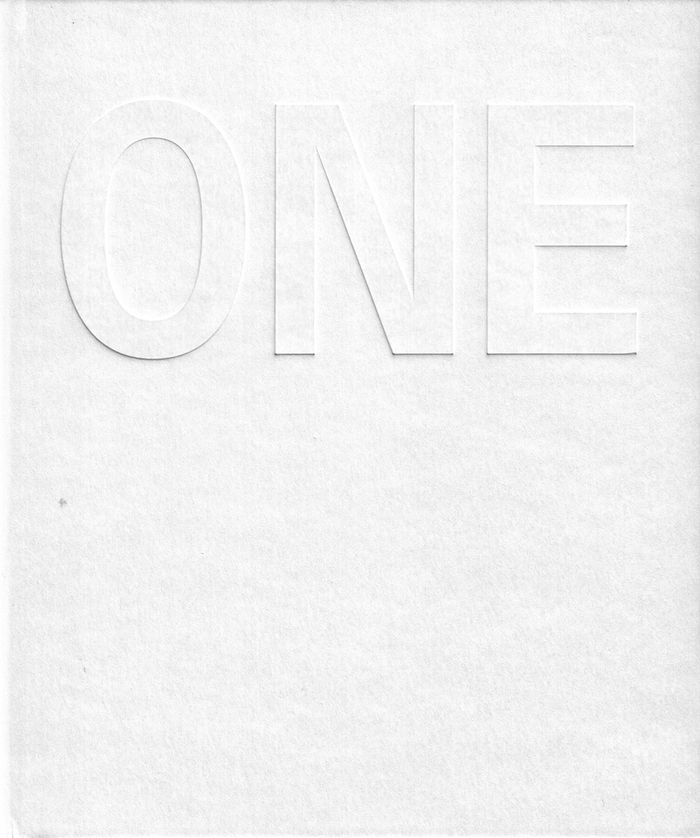
One pairs artists and writers to think about this question. Eight photographers: Marco Breuer, Thomas Joshua Cooper, John Gossage, Trevor Paglen, Alison Rossiter, Victoria Sambunaris, Rebecca Norris Webb and James Welling were asked to submit one image on the theme of minimalism. Eight writers David Campany, Teju Cole, Christie Davis, John D’Agata, Michael Fried, Darius Himes, Leah Ollman and Laura Steward were enlisted to respond to those submissions, each paired with a specific image. The results offer a probing assessment of Antoine de Saint-Exupery’s maxim: “Perfection is achieved, not when there is nothing more to add, but when there is nothing left to take away.”
One. David Campany, Teju Cole, Christie David, John D'Agata, Michael Fried, Darius Himes
Actions:
Price:
$32.50
(available to order)
Summary:
One pairs artists and writers to think about this question. Eight photographers: Marco Breuer, Thomas Joshua Cooper, John Gossage, Trevor Paglen, Alison Rossiter, Victoria Sambunaris, Rebecca Norris Webb and James Welling were asked to submit one image on the theme of minimalism. Eight writers David Campany, Teju Cole, Christie Davis, John D’Agata, Michael Fried, Darius Himes, Leah Ollman and Laura Steward were enlisted to respond to those submissions, each paired with a specific image. The results offer a probing assessment of Antoine de Saint-Exupery’s maxim: “Perfection is achieved, not when there is nothing more to add, but when there is nothing left to take away.”
Form:
books
books
Publication:
November 2017
November 2017
Subject:
Photography Collections
Photography Collections
Form:
journals and magazines
journals and magazines
Title:
AV Monographs 232 : OFFICE
AV Monographs 232 : OFFICE
Actions:
Price:
$59.95
(available in store)
Summary:
This edition of AV Monographs showcases OFFICE, a Brussels-based architectural firm renowned for its idiosyncratic architecture, in which realisations and theoretical projects stand side by side. The projects are direct, spatial, and firmly rooted in architectural theory. The firm reduces architecture to a limited set of basic geometric rules, within which life unfolds,(...)
$59.95
(available in store)
Summary:
This edition of AV Monographs showcases OFFICE, a Brussels-based architectural firm renowned for its idiosyncratic architecture, in which realisations and theoretical projects stand side by side. The projects are direct, spatial, and firmly rooted in architectural theory. The firm reduces architecture to a limited set of basic geometric rules, within which life unfolds,(...)
Title:
AV Monographs 232 : OFFICE
Actions:
Price:
$59.95
(available in store)
Summary:
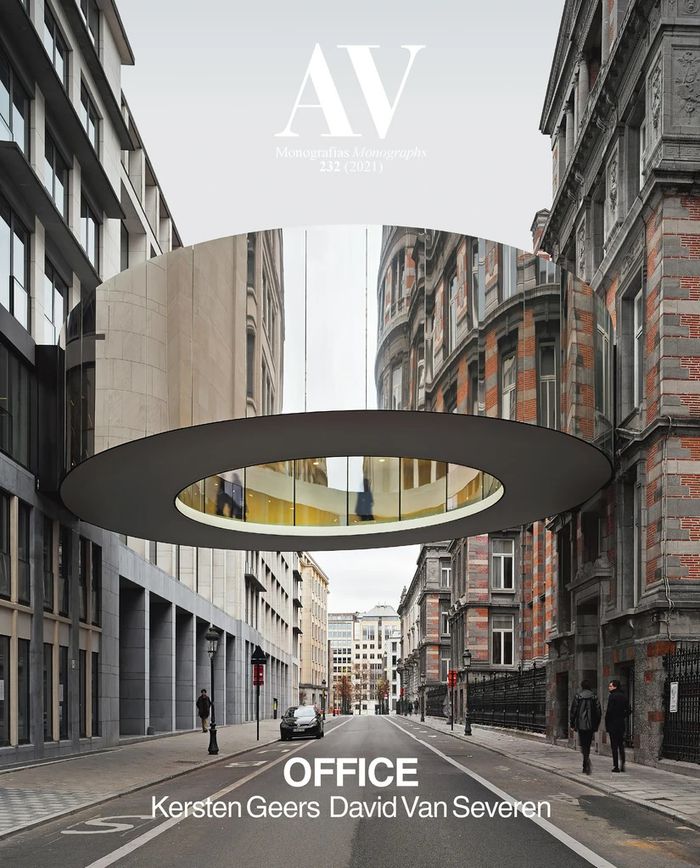
This edition of AV Monographs showcases OFFICE, a Brussels-based architectural firm renowned for its idiosyncratic architecture, in which realisations and theoretical projects stand side by side. The projects are direct, spatial, and firmly rooted in architectural theory. The firm reduces architecture to a limited set of basic geometric rules, within which life unfolds, in all its complexity. Amongst the 24 total projects featured, OFFICE’s warm minimalism takes the form of a ring-shaped home in Spain, a crematorium in Ostend dotted with geometrical shapes, and a state-of-the-art olive oil mill constructed on the estate of the first Medici villa outside Florence.
AV Monographs 232 : OFFICE
Actions:
Price:
$59.95
(available in store)
Summary:
This edition of AV Monographs showcases OFFICE, a Brussels-based architectural firm renowned for its idiosyncratic architecture, in which realisations and theoretical projects stand side by side. The projects are direct, spatial, and firmly rooted in architectural theory. The firm reduces architecture to a limited set of basic geometric rules, within which life unfolds, in all its complexity. Amongst the 24 total projects featured, OFFICE’s warm minimalism takes the form of a ring-shaped home in Spain, a crematorium in Ostend dotted with geometrical shapes, and a state-of-the-art olive oil mill constructed on the estate of the first Medici villa outside Florence.
Form:
journals and magazines
journals and magazines
Publication:
July 2021
July 2021
Subject:
Magazines
Magazines
Form:
books
books
Actions:
Holdings:
Description:
xvi, 356 pages : illustrations, maps ; 24 cm
Description:
xvi, 356 pages : illustrations, maps ; 24 cm
Author:
Subject:
Publication:
Baltimore : Johns Hopkins University Press, 1996.
Baltimore : Johns Hopkins University Press, 1996.
Title:
Unplanned suburbs : Toronto's American tragedy, 1900 to 1950 / Richard Harris.
Actions:
Holdings:
Description:
xvi, 356 pages : illustrations, maps ; 24 cm
Unplanned suburbs : Toronto's American tragedy, 1900 to 1950 / Richard Harris.
Actions:
Holdings:
Description:
xvi, 356 pages : illustrations, maps ; 24 cm
Form:
books
books
Publication:
Baltimore : Johns Hopkins University Press, 1996.
Baltimore : Johns Hopkins University Press, 1996.
Author:
Subject:
Form:
books
books
Title:
The minimalist garden
The minimalist garden
Actions:
Price:
$65.00
(available to order)
Summary:
Over the course of the 20th century many of the best garden designers have looked to the past for inspiration; with the approach of the millennium, however, a fresh approach to garden design - minimalism - has moved to the forefront. The philosophy of minimalism, rooted simultaneously in classicism and modernism, has had a strong influence on architecture and interior(...)
$65.00
(available to order)
Summary:
Over the course of the 20th century many of the best garden designers have looked to the past for inspiration; with the approach of the millennium, however, a fresh approach to garden design - minimalism - has moved to the forefront. The philosophy of minimalism, rooted simultaneously in classicism and modernism, has had a strong influence on architecture and interior(...)
Title:
The minimalist garden
Actions:
Price:
$65.00
(available to order)
Summary:
Over the course of the 20th century many of the best garden designers have looked to the past for inspiration; with the approach of the millennium, however, a fresh approach to garden design - minimalism - has moved to the forefront. The philosophy of minimalism, rooted simultaneously in classicism and modernism, has had a strong influence on architecture and interior and graphic design, as well as landscape. Minimalist gardens, with their emphasis on clean lines, pure form, and a strong sense of place, are closely related to contemporary architecture and lifestyles. New trends in more relaxed and ecologically aware planting have contributed greatly to the development of such green spaces, and the creative use of trees and hedges to define and control space is often an important design element. In this volume, award-winning garden designer Christopher Bradley-Hole has drawn together a great variety of minimalist gardens from around the world - large and small, urban and rural. The projects are grouped into thematic chapters, including the landscape garden, pools and water gardens, courtyard gardens, and terrace and roof gardens. Among the designers are Vladimir Sitta, John Pawson, Luis Barragán, Seth Stein, Jacques Wirtz, Martha Schwartz, Shodo Suzuki, and Isamu Noguchi. Large color photographs and detailed images show the gardens in context; the text discusses the inspiration behind each garden, the relationship of space and proportions, and the frequent use of unusual materials and imaginative planning. Directories of materials and plants for the perfect minimalist garden are included as well.
The minimalist garden
Actions:
Price:
$65.00
(available to order)
Summary:
Over the course of the 20th century many of the best garden designers have looked to the past for inspiration; with the approach of the millennium, however, a fresh approach to garden design - minimalism - has moved to the forefront. The philosophy of minimalism, rooted simultaneously in classicism and modernism, has had a strong influence on architecture and interior and graphic design, as well as landscape. Minimalist gardens, with their emphasis on clean lines, pure form, and a strong sense of place, are closely related to contemporary architecture and lifestyles. New trends in more relaxed and ecologically aware planting have contributed greatly to the development of such green spaces, and the creative use of trees and hedges to define and control space is often an important design element. In this volume, award-winning garden designer Christopher Bradley-Hole has drawn together a great variety of minimalist gardens from around the world - large and small, urban and rural. The projects are grouped into thematic chapters, including the landscape garden, pools and water gardens, courtyard gardens, and terrace and roof gardens. Among the designers are Vladimir Sitta, John Pawson, Luis Barragán, Seth Stein, Jacques Wirtz, Martha Schwartz, Shodo Suzuki, and Isamu Noguchi. Large color photographs and detailed images show the gardens in context; the text discusses the inspiration behind each garden, the relationship of space and proportions, and the frequent use of unusual materials and imaginative planning. Directories of materials and plants for the perfect minimalist garden are included as well.
Form:
books
books
Publication:
October 1999, New York
October 1999, New York
Subject:
Gardens
Gardens
Form:
books
books
Actions:
Price:
$64.95
(available to order)
Summary:
With its easy-to-use A-Z format, this book examines over 200 modern and historical garden styles, features, types and ornaments, with definitions and informative descriptions and more than 500 spectacular images. Its entries, written by garden expert and historian Toby Musgrave, range from Allée, Borrowed Landscape and Coastal Garden, to Minimalism, New Perennial(...)
$64.95
(available to order)
Summary:
With its easy-to-use A-Z format, this book examines over 200 modern and historical garden styles, features, types and ornaments, with definitions and informative descriptions and more than 500 spectacular images. Its entries, written by garden expert and historian Toby Musgrave, range from Allée, Borrowed Landscape and Coastal Garden, to Minimalism, New Perennial(...)
Title:
The garden: Elements and styles
Actions:
Price:
$64.95
(available to order)
Summary:
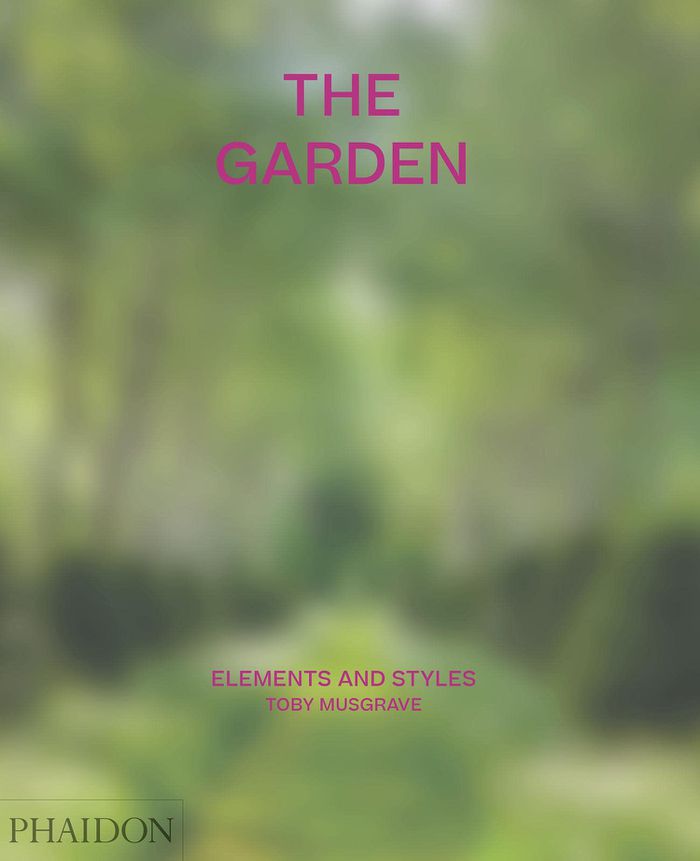
With its easy-to-use A-Z format, this book examines over 200 modern and historical garden styles, features, types and ornaments, with definitions and informative descriptions and more than 500 spectacular images. Its entries, written by garden expert and historian Toby Musgrave, range from Allée, Borrowed Landscape and Coastal Garden, to Minimalism, New Perennial Planting, Pool, Vista and Xeriscape Garden and form a unique, illustrated 'glossary' for gardeners, featuring more than 400 gardens, both public and private, iconic and lesser known. Alongside the work of private garden owners and makers, the book also showcases the work of emerging and eminent designers, including Andrea Cochran, Emily Erlam, Raymond Jungles, Dan Pearson, and Piet Oudolf.
The garden: Elements and styles
Actions:
Price:
$64.95
(available to order)
Summary:
With its easy-to-use A-Z format, this book examines over 200 modern and historical garden styles, features, types and ornaments, with definitions and informative descriptions and more than 500 spectacular images. Its entries, written by garden expert and historian Toby Musgrave, range from Allée, Borrowed Landscape and Coastal Garden, to Minimalism, New Perennial Planting, Pool, Vista and Xeriscape Garden and form a unique, illustrated 'glossary' for gardeners, featuring more than 400 gardens, both public and private, iconic and lesser known. Alongside the work of private garden owners and makers, the book also showcases the work of emerging and eminent designers, including Andrea Cochran, Emily Erlam, Raymond Jungles, Dan Pearson, and Piet Oudolf.
Form:
books
books
Publication:
February 2023
February 2023
Subject:
Gardens
Gardens
Form:
books
books
Title:
Mary Corse
Mary Corse
Actions:
Price:
$70.00
(available to order)
Summary:
Mary Corse (born 1945) earned acclaim in the 1960s for pieces ranging from shaped-canvas paintings to ingenious light works. Corse has dedicated the decades since to establishing a unique practice at the crossroads of abstract expressionism and minimalism. Despite her now-frequent association with California’s Light and Space movement, the Los Angeles-based artist evolved(...)
$70.00
(available to order)
Summary:
Mary Corse (born 1945) earned acclaim in the 1960s for pieces ranging from shaped-canvas paintings to ingenious light works. Corse has dedicated the decades since to establishing a unique practice at the crossroads of abstract expressionism and minimalism. Despite her now-frequent association with California’s Light and Space movement, the Los Angeles-based artist evolved(...)
Title:
Mary Corse
Actions:
Price:
$70.00
(available to order)
Summary:
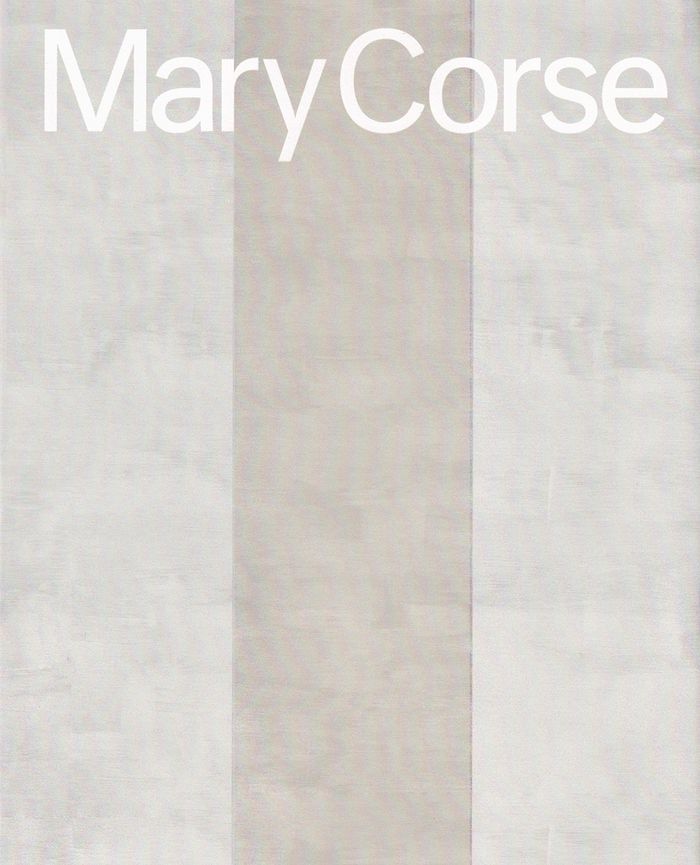
Mary Corse (born 1945) earned acclaim in the 1960s for pieces ranging from shaped-canvas paintings to ingenious light works. Corse has dedicated the decades since to establishing a unique practice at the crossroads of abstract expressionism and minimalism. Despite her now-frequent association with California’s Light and Space movement, the Los Angeles-based artist evolved independently of the region’s dominant personalities, philosophies and scenes. Produced in conjunction with her solo exhibition at Kayne Griffin Corcoran, this is the first major catalog on the artist. With an essay by Suzanne Hudson and an interview by Alex Bacon, it initiates a critical reappraisal of an artist whose singular vision has been hidden for too long.
Mary Corse
Actions:
Price:
$70.00
(available to order)
Summary:
Mary Corse (born 1945) earned acclaim in the 1960s for pieces ranging from shaped-canvas paintings to ingenious light works. Corse has dedicated the decades since to establishing a unique practice at the crossroads of abstract expressionism and minimalism. Despite her now-frequent association with California’s Light and Space movement, the Los Angeles-based artist evolved independently of the region’s dominant personalities, philosophies and scenes. Produced in conjunction with her solo exhibition at Kayne Griffin Corcoran, this is the first major catalog on the artist. With an essay by Suzanne Hudson and an interview by Alex Bacon, it initiates a critical reappraisal of an artist whose singular vision has been hidden for too long.
Form:
books
books
Publication:
November 2017
November 2017
Subject:
Contemporary Art Monographs
Contemporary Art Monographs
Form:
books
books
Actions:
Price:
$35.95
(available to order)
Summary:
The Eberswalde Library has been compared to a Warhol painting. Designed in collaboration with artist Thomas Ruff, it carries the idea of a pictorial façade further than any other Herzog & de Meuron project. The building is a simple cube(...)
$35.95
(available to order)
Summary:
The Eberswalde Library has been compared to a Warhol painting. Designed in collaboration with artist Thomas Ruff, it carries the idea of a pictorial façade further than any other Herzog & de Meuron project. The building is a simple cube(...)
Subject:
Architecture Monographs
Architecture Monographs
Publication:
January 1900, London
January 1900, London
Title:
Herzog & de Meuron : Eberswalde Library
Actions:
Price:
$35.95
(available to order)
Summary:
The Eberswalde Library has been compared to a Warhol painting. Designed in collaboration with artist Thomas Ruff, it carries the idea of a pictorial façade further than any other Herzog & de Meuron project. The building is a simple cube sheathed in glazing and cast-concrete panels, arranged in horizontal bands. Each band shows a single image, repeated sixty-six times, like a static film strip. The images are drawn from Ruff’s own archive of newspaper photographs, and encompass the decorative, the symbolic, and the politically charged. Combining elements which have long been deemed incompatible – minimalism and ornament, purity and baroque fullness, concrete box and pictorial façade, space and surface – Herzog & de Meuron’s new library challenges the conventions of modernism.
Herzog & de Meuron : Eberswalde Library
Actions:
Price:
$35.95
(available to order)
Summary:
The Eberswalde Library has been compared to a Warhol painting. Designed in collaboration with artist Thomas Ruff, it carries the idea of a pictorial façade further than any other Herzog & de Meuron project. The building is a simple cube sheathed in glazing and cast-concrete panels, arranged in horizontal bands. Each band shows a single image, repeated sixty-six times, like a static film strip. The images are drawn from Ruff’s own archive of newspaper photographs, and encompass the decorative, the symbolic, and the politically charged. Combining elements which have long been deemed incompatible – minimalism and ornament, purity and baroque fullness, concrete box and pictorial façade, space and surface – Herzog & de Meuron’s new library challenges the conventions of modernism.
Form:
books
books
Publication:
January 1900, London
January 1900, London
Subject:
Architecture Monographs
Architecture Monographs
Form:
books
books
Actions:
Price:
$102.00
(available to order)
Summary:
Spurred on by the modernizing impulses of the Second Vatican Council in the early 1960s, the Catholic Church searched for an appropriate architectural language that showed its relevance to the modern world. ''Sacred Modernity'' documents this dramatic shift in ecclesiastical architecture across postwar Europe. Among these structures, some exude a joyful antagonism, while(...)
$102.00
(available to order)
Summary:
Spurred on by the modernizing impulses of the Second Vatican Council in the early 1960s, the Catholic Church searched for an appropriate architectural language that showed its relevance to the modern world. ''Sacred Modernity'' documents this dramatic shift in ecclesiastical architecture across postwar Europe. Among these structures, some exude a joyful antagonism, while(...)
Title:
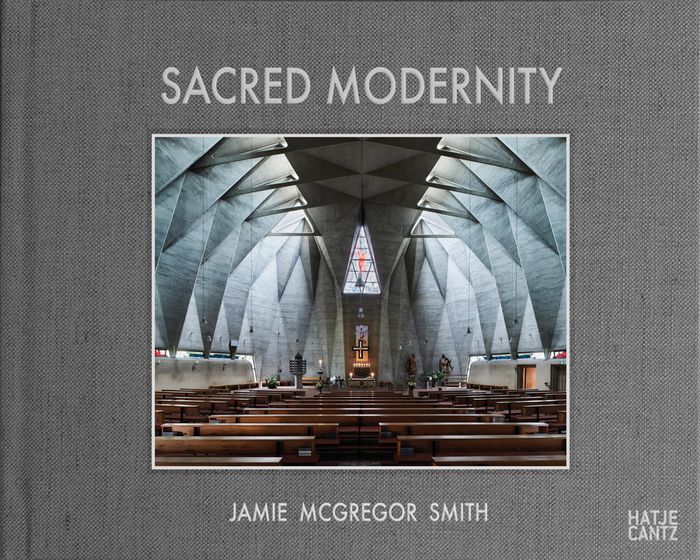
Sacred modernity: The holy embrace of modernist architecture
Actions:
Price:
$102.00
(available to order)
Summary:
Spurred on by the modernizing impulses of the Second Vatican Council in the early 1960s, the Catholic Church searched for an appropriate architectural language that showed its relevance to the modern world. ''Sacred Modernity'' documents this dramatic shift in ecclesiastical architecture across postwar Europe. Among these structures, some exude a joyful antagonism, while others emanate a cold minimalism. Boldly designed, outrageous and provocative for their time, the aesthetic of this period still ignites great debate between modernists and traditionalists. Half a century on, this study traces how their materials and ideals have matured and patinated. The book represents the first attempt to collate the religious architecture of the mid-century high modern years that took many forms, from Brutalism to Structural Expressionism.
Sacred modernity: The holy embrace of modernist architecture
Actions:
Price:
$102.00
(available to order)
Summary:
Spurred on by the modernizing impulses of the Second Vatican Council in the early 1960s, the Catholic Church searched for an appropriate architectural language that showed its relevance to the modern world. ''Sacred Modernity'' documents this dramatic shift in ecclesiastical architecture across postwar Europe. Among these structures, some exude a joyful antagonism, while others emanate a cold minimalism. Boldly designed, outrageous and provocative for their time, the aesthetic of this period still ignites great debate between modernists and traditionalists. Half a century on, this study traces how their materials and ideals have matured and patinated. The book represents the first attempt to collate the religious architecture of the mid-century high modern years that took many forms, from Brutalism to Structural Expressionism.
Form:
books
books
Publication:
May 2024
May 2024
Subject:
Modernism
Modernism
Form:
books
books
Actions:
Price:
$66.95
(available in store)
Summary:
Not all colors go together, it takes a nuanced approach to combine them in ways that both complement each other while creating a cohesive design that reflects both the client’s visual identity and contemporary trends in colorways. It’s a Complement showcases the latest in color palette creation by some of the world’s top talents as they navigate the colors of the(...)
$66.95
(available in store)
Summary:
Not all colors go together, it takes a nuanced approach to combine them in ways that both complement each other while creating a cohesive design that reflects both the client’s visual identity and contemporary trends in colorways. It’s a Complement showcases the latest in color palette creation by some of the world’s top talents as they navigate the colors of the(...)
Title:
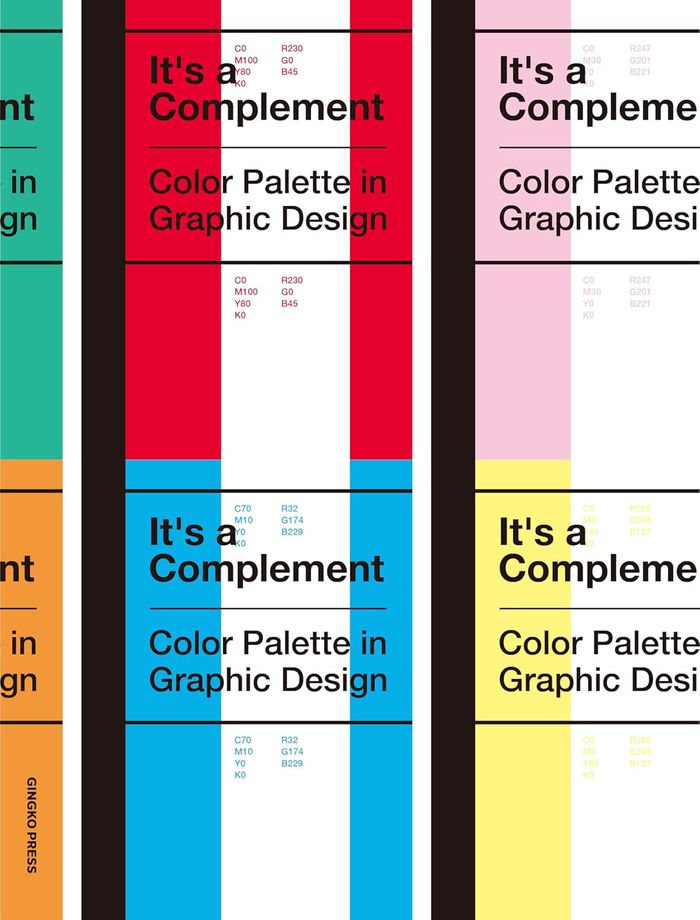
It's a complement: Color palettes in graphic design
Actions:
Price:
$66.95
(available in store)
Summary:
Not all colors go together, it takes a nuanced approach to combine them in ways that both complement each other while creating a cohesive design that reflects both the client’s visual identity and contemporary trends in colorways. It’s a Complement showcases the latest in color palette creation by some of the world’s top talents as they navigate the colors of the spectrum. Beginning with a treatise on color psychology, the editors provide context before launching on exploration of modern color theory. From the bold maximalism of high saturation, to the more subdued minimalism of low saturation and the neutral greys, blacks and whites, no stone is left unturned. Features projects in visual identity, packaging, promotion design and more across a wide swath of media.
It's a complement: Color palettes in graphic design
Actions:
Price:
$66.95
(available in store)
Summary:
Not all colors go together, it takes a nuanced approach to combine them in ways that both complement each other while creating a cohesive design that reflects both the client’s visual identity and contemporary trends in colorways. It’s a Complement showcases the latest in color palette creation by some of the world’s top talents as they navigate the colors of the spectrum. Beginning with a treatise on color psychology, the editors provide context before launching on exploration of modern color theory. From the bold maximalism of high saturation, to the more subdued minimalism of low saturation and the neutral greys, blacks and whites, no stone is left unturned. Features projects in visual identity, packaging, promotion design and more across a wide swath of media.
Form:
books
books
Publication:
April 2025
April 2025
Subject:
Graphic Design and Typography
Graphic Design and Typography
Form:
books
books
Actions:
Price:
$69.95
(available to order)
Summary:
Focusing on the years 1958-1968, A Minimal Future? presents key works within the framework of a scholarly re-examination of minimal art's emergence and historical context. It reflects the early transitional period that begins in the late 1950s, through the so-called "canonization" of Minimalism by 1968, with an emphasis on work produced in the mid-to-late 1960s. The(...)
$69.95
(available to order)
Summary:
Focusing on the years 1958-1968, A Minimal Future? presents key works within the framework of a scholarly re-examination of minimal art's emergence and historical context. It reflects the early transitional period that begins in the late 1950s, through the so-called "canonization" of Minimalism by 1968, with an emphasis on work produced in the mid-to-late 1960s. The(...)
Publication:
May 2004, Cambridge
May 2004, Cambridge
Title:
A minimal future? : art as object 1958-1968
Actions:
Price:
$69.95
(available to order)
Summary:
Focusing on the years 1958-1968, A Minimal Future? presents key works within the framework of a scholarly re-examination of minimal art's emergence and historical context. It reflects the early transitional period that begins in the late 1950s, through the so-called "canonization" of Minimalism by 1968, with an emphasis on work produced in the mid-to-late 1960s. The book includes works from the late 1950s through the late 1960s by 40 artists, including Carl Andre, Richard Artschwager, Jo Baer, Larry Bell, Mel Bochner, Judy Chicago, Dan Flavin, Robert Grosvenor, Eva Hesse, Donald Judd, Sol LeWitt, Agnes Martin, John McCracken, Robert Ryman, Frank Stella, Anne Truitt, and Lawrence Weiner that reflect the shifting object status of painting and sculpture.
A minimal future? : art as object 1958-1968
Actions:
Price:
$69.95
(available to order)
Summary:
Focusing on the years 1958-1968, A Minimal Future? presents key works within the framework of a scholarly re-examination of minimal art's emergence and historical context. It reflects the early transitional period that begins in the late 1950s, through the so-called "canonization" of Minimalism by 1968, with an emphasis on work produced in the mid-to-late 1960s. The book includes works from the late 1950s through the late 1960s by 40 artists, including Carl Andre, Richard Artschwager, Jo Baer, Larry Bell, Mel Bochner, Judy Chicago, Dan Flavin, Robert Grosvenor, Eva Hesse, Donald Judd, Sol LeWitt, Agnes Martin, John McCracken, Robert Ryman, Frank Stella, Anne Truitt, and Lawrence Weiner that reflect the shifting object status of painting and sculpture.
Form:
books
books
Publication:
May 2004, Cambridge
May 2004, Cambridge


