


3767 Results
Form:
books
books
Title:
Loving the High Line
Loving the High Line
Actions:
Price:
$20.00
(available to order)
Summary:
As an elevated rail line, designed to lift freight trains serving the Hudson River docks above street level circulation, The High Line was originally constructed as material infrastructure for an industrial city. It was closed in 1960s and stood abandoned for the next forty years. In this time organic debris accumulated and decayed, and seeds landed on the newly forming(...)
$20.00
(available to order)
Summary:
As an elevated rail line, designed to lift freight trains serving the Hudson River docks above street level circulation, The High Line was originally constructed as material infrastructure for an industrial city. It was closed in 1960s and stood abandoned for the next forty years. In this time organic debris accumulated and decayed, and seeds landed on the newly forming(...)
Title:
Loving the High Line
Actions:
Price:
$20.00
(available to order)
Summary:
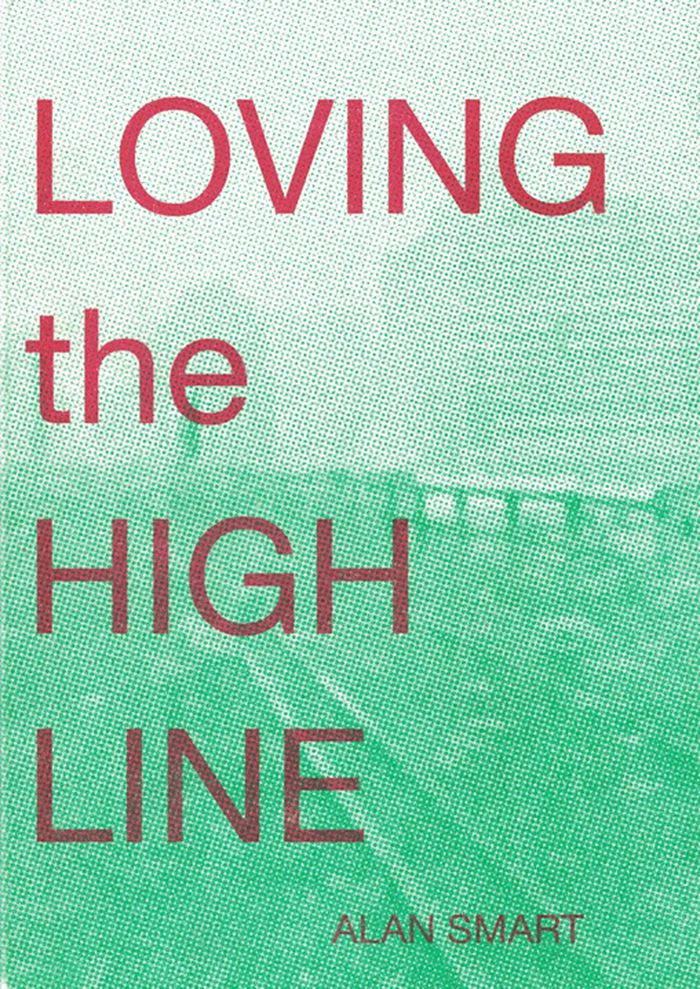
As an elevated rail line, designed to lift freight trains serving the Hudson River docks above street level circulation, The High Line was originally constructed as material infrastructure for an industrial city. It was closed in 1960s and stood abandoned for the next forty years. In this time organic debris accumulated and decayed, and seeds landed on the newly forming soil creating a meadow on the derelict railbed. This microcosmic biome then also became a heterotopic, other space, in the social ecology of the city as an efflorescence of new art forms and underground subcultures flourished in the evacuated post-industrial spaces of Chelsea. These processes would unfold as New York City was being transformed into a global center in an emerging political-economy defined by the integration of finance capital with media and information industries. In this, marginal spaces of the kind that developed in Chelsea, and the cultures that create them, became important sources of new aesthetic and cultural innovation, that offer an exploitable social ground from which to extract semiotic value. As the Bloomberg administration gave shape to this new regime, a project was initiated to convert the High Line into a publicly accessible, linear park. This would be realized through a convoluted process in which the manifold tensions and contradictions of the postmodern city would be dramatically played out and the disjunctions between ideal image regimes and the reality of the material substrates that support them would be brought to light, if only to be newly obscured. The High Line urban park has been both heralded as a definitive model for new urban development, and denounced as a driver, or at least a morbid symptom, of devastating gentrification, and the destructive financialization of urban space. This text, originally published in 2015 as part of the Deconstructing the High Line anthology, edited by Mark Linder and Brian Rosa, tracks a collection of interconnected historical treads that converge in the reconstruction of the High Line, and situates the project within architectural discourse and practice, and social and material conditions with which it struggles to engage.
Loving the High Line
Actions:
Price:
$20.00
(available to order)
Summary:
As an elevated rail line, designed to lift freight trains serving the Hudson River docks above street level circulation, The High Line was originally constructed as material infrastructure for an industrial city. It was closed in 1960s and stood abandoned for the next forty years. In this time organic debris accumulated and decayed, and seeds landed on the newly forming soil creating a meadow on the derelict railbed. This microcosmic biome then also became a heterotopic, other space, in the social ecology of the city as an efflorescence of new art forms and underground subcultures flourished in the evacuated post-industrial spaces of Chelsea. These processes would unfold as New York City was being transformed into a global center in an emerging political-economy defined by the integration of finance capital with media and information industries. In this, marginal spaces of the kind that developed in Chelsea, and the cultures that create them, became important sources of new aesthetic and cultural innovation, that offer an exploitable social ground from which to extract semiotic value. As the Bloomberg administration gave shape to this new regime, a project was initiated to convert the High Line into a publicly accessible, linear park. This would be realized through a convoluted process in which the manifold tensions and contradictions of the postmodern city would be dramatically played out and the disjunctions between ideal image regimes and the reality of the material substrates that support them would be brought to light, if only to be newly obscured. The High Line urban park has been both heralded as a definitive model for new urban development, and denounced as a driver, or at least a morbid symptom, of devastating gentrification, and the destructive financialization of urban space. This text, originally published in 2015 as part of the Deconstructing the High Line anthology, edited by Mark Linder and Brian Rosa, tracks a collection of interconnected historical treads that converge in the reconstruction of the High Line, and situates the project within architectural discourse and practice, and social and material conditions with which it struggles to engage.
Form:
books
books
Publication:
November 2022
November 2022
Subject:
Urban Landscapes
Urban Landscapes
Form:
books
books
Price:
$37.95
(available to order)
Summary:
By the end of the twentieth century, America’s suburbs contained more office space than its central cities. Many of these corporate workplaces were surrounded, somewhat incongruously, by verdant vistas of broad lawns and leafy trees. In Pastoral Capitalism, Louise Mozingo describes the evolution of these central (but often ignored) features of postwar urbanism in the(...)
$37.95
(available to order)
Summary:
By the end of the twentieth century, America’s suburbs contained more office space than its central cities. Many of these corporate workplaces were surrounded, somewhat incongruously, by verdant vistas of broad lawns and leafy trees. In Pastoral Capitalism, Louise Mozingo describes the evolution of these central (but often ignored) features of postwar urbanism in the(...)
Title:
Pastoral capitalism: A history of suburban corporate landscapes
Actions:
Price:
$37.95
(available to order)
Summary:
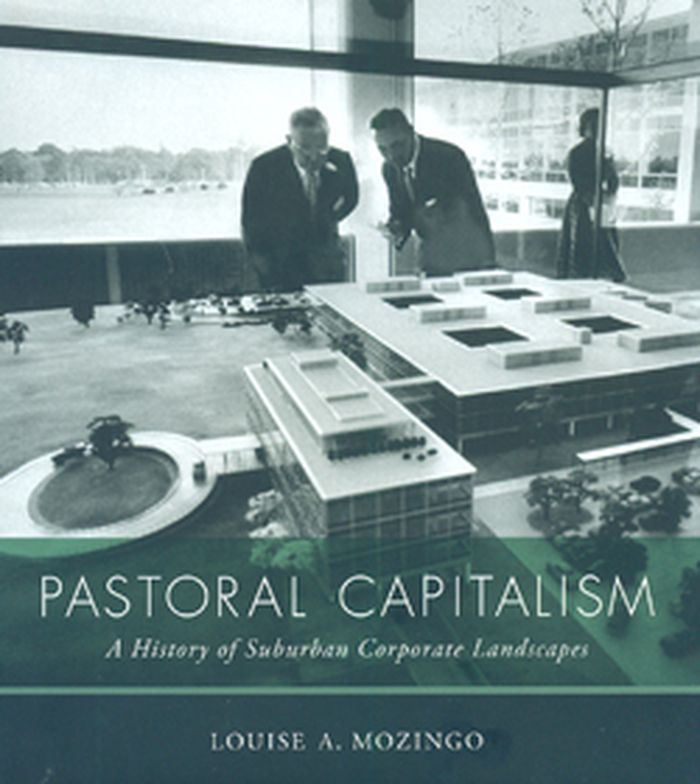
By the end of the twentieth century, America’s suburbs contained more office space than its central cities. Many of these corporate workplaces were surrounded, somewhat incongruously, by verdant vistas of broad lawns and leafy trees. In Pastoral Capitalism, Louise Mozingo describes the evolution of these central (but often ignored) features of postwar urbanism in the context of the modern capitalist enterprise. This book offers an indispensible chapter in urban history, examining not only the design of corporate landscapes but also the economic, social, and cultural models that determined their form.
Pastoral capitalism: A history of suburban corporate landscapes
Actions:
Price:
$37.95
(available to order)
Summary:
By the end of the twentieth century, America’s suburbs contained more office space than its central cities. Many of these corporate workplaces were surrounded, somewhat incongruously, by verdant vistas of broad lawns and leafy trees. In Pastoral Capitalism, Louise Mozingo describes the evolution of these central (but often ignored) features of postwar urbanism in the context of the modern capitalist enterprise. This book offers an indispensible chapter in urban history, examining not only the design of corporate landscapes but also the economic, social, and cultural models that determined their form.
Form:
books
books
Publication:
July 2011
July 2011
Form:
books
books
Price:
$67.95
(available to order)
Summary:
This book explores ‘spatial practices’, a loose and expandable set of approaches that embrace the political and the activist, the performative and the curatorial, the architectural and the urban. Acting upon and engaging with the public realm, the field of spatial practices allows people to reconnect with their own sense of agency through engagement in space and place,(...)
$67.95
(available to order)
Summary:
This book explores ‘spatial practices’, a loose and expandable set of approaches that embrace the political and the activist, the performative and the curatorial, the architectural and the urban. Acting upon and engaging with the public realm, the field of spatial practices allows people to reconnect with their own sense of agency through engagement in space and place,(...)
Title:
Spatial practices: modes of action and engagement with the city
Actions:
Price:
$67.95
(available to order)
Summary:
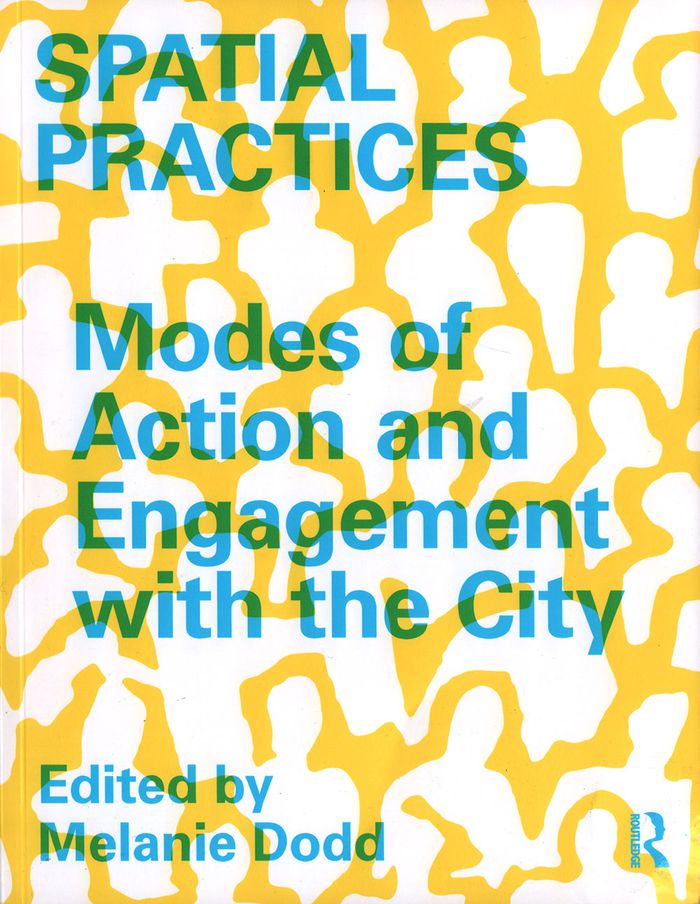
This book explores ‘spatial practices’, a loose and expandable set of approaches that embrace the political and the activist, the performative and the curatorial, the architectural and the urban. Acting upon and engaging with the public realm, the field of spatial practices allows people to reconnect with their own sense of agency through engagement in space and place, exploring and prototyping alternative futures in the here and now. The 24 chapters contain essays, visual essays and interviews, featuring contributions from an international set of experimental practitioners including Jeanne van Heeswijk (Netherlands), Teddy Cruz (Estudio Teddy Cruz + Fonna Forman, San Diego), Hector (USA), The Decorators (London) and OOZE (Netherlands). Beautifully designed with full colour illustrations, Spatial Practices advances dialogue and collaboration between academics and practitioners and is essential reading for students, researchers and professionals in architecture, urban planning and urban policy.
Spatial practices: modes of action and engagement with the city
Actions:
Price:
$67.95
(available to order)
Summary:
This book explores ‘spatial practices’, a loose and expandable set of approaches that embrace the political and the activist, the performative and the curatorial, the architectural and the urban. Acting upon and engaging with the public realm, the field of spatial practices allows people to reconnect with their own sense of agency through engagement in space and place, exploring and prototyping alternative futures in the here and now. The 24 chapters contain essays, visual essays and interviews, featuring contributions from an international set of experimental practitioners including Jeanne van Heeswijk (Netherlands), Teddy Cruz (Estudio Teddy Cruz + Fonna Forman, San Diego), Hector (USA), The Decorators (London) and OOZE (Netherlands). Beautifully designed with full colour illustrations, Spatial Practices advances dialogue and collaboration between academics and practitioners and is essential reading for students, researchers and professionals in architecture, urban planning and urban policy.
Form:
books
books
Publication:
November 2019
November 2019
Form:
books
books
Title:
Socrates sculpture park
Socrates sculpture park
Actions:
Price:
$72.95
(available to order)
Summary:
Socrates Sculpture Park is a public art spaces. The Park opened in 1986 and has been an outdoor studio to over 500 artists, a venue presenting more than 40 exhibitions of large-scale sculpture, and a vital park attracting a diverse audience to Long Island City’s East River waterfront. This book is published to celebrate the 20th anniversary of Socrates Sculpture Park, and(...)
$72.95
(available to order)
Summary:
Socrates Sculpture Park is a public art spaces. The Park opened in 1986 and has been an outdoor studio to over 500 artists, a venue presenting more than 40 exhibitions of large-scale sculpture, and a vital park attracting a diverse audience to Long Island City’s East River waterfront. This book is published to celebrate the 20th anniversary of Socrates Sculpture Park, and(...)
Subject:
Urban Landscapes
Urban Landscapes
Publication:
October 2006, New Haven, London
October 2006, New Haven, London
Title:
Socrates sculpture park
Actions:
Price:
$72.95
(available to order)
Summary:
Socrates Sculpture Park is a public art spaces. The Park opened in 1986 and has been an outdoor studio to over 500 artists, a venue presenting more than 40 exhibitions of large-scale sculpture, and a vital park attracting a diverse audience to Long Island City’s East River waterfront. This book is published to celebrate the 20th anniversary of Socrates Sculpture Park, and it is the first major publication on this unique outdoor museum. Sculptor Mark di Suvero founded the Park with the assistance of fellow artists, community members, and city officials who transformed an abandoned lot into an award-winning urban renewal project. The history, spirit, and nature of this collaborative enterprise is presented through photographs and essays that reveal the beauty, energy, and import of this successful public art space.
Socrates sculpture park
Actions:
Price:
$72.95
(available to order)
Summary:
Socrates Sculpture Park is a public art spaces. The Park opened in 1986 and has been an outdoor studio to over 500 artists, a venue presenting more than 40 exhibitions of large-scale sculpture, and a vital park attracting a diverse audience to Long Island City’s East River waterfront. This book is published to celebrate the 20th anniversary of Socrates Sculpture Park, and it is the first major publication on this unique outdoor museum. Sculptor Mark di Suvero founded the Park with the assistance of fellow artists, community members, and city officials who transformed an abandoned lot into an award-winning urban renewal project. The history, spirit, and nature of this collaborative enterprise is presented through photographs and essays that reveal the beauty, energy, and import of this successful public art space.
Form:
books
books
Publication:
October 2006, New Haven, London
October 2006, New Haven, London
Subject:
Urban Landscapes
Urban Landscapes
Form:
books
books
Price:
$19.95
(available to order)
Summary:
�This book is based on my experiences as secretary of the interior up to the time I left office with the coming of a new administration in 2001. It makes the case, through the use of specific examples, for a more assertive and meaningful federal role in land use planning. And the book illustrates how that goal can be achieved, not by a lot of new legislation, but by(...)
$19.95
(available to order)
Summary:
�This book is based on my experiences as secretary of the interior up to the time I left office with the coming of a new administration in 2001. It makes the case, through the use of specific examples, for a more assertive and meaningful federal role in land use planning. And the book illustrates how that goal can be achieved, not by a lot of new legislation, but by(...)
Title:
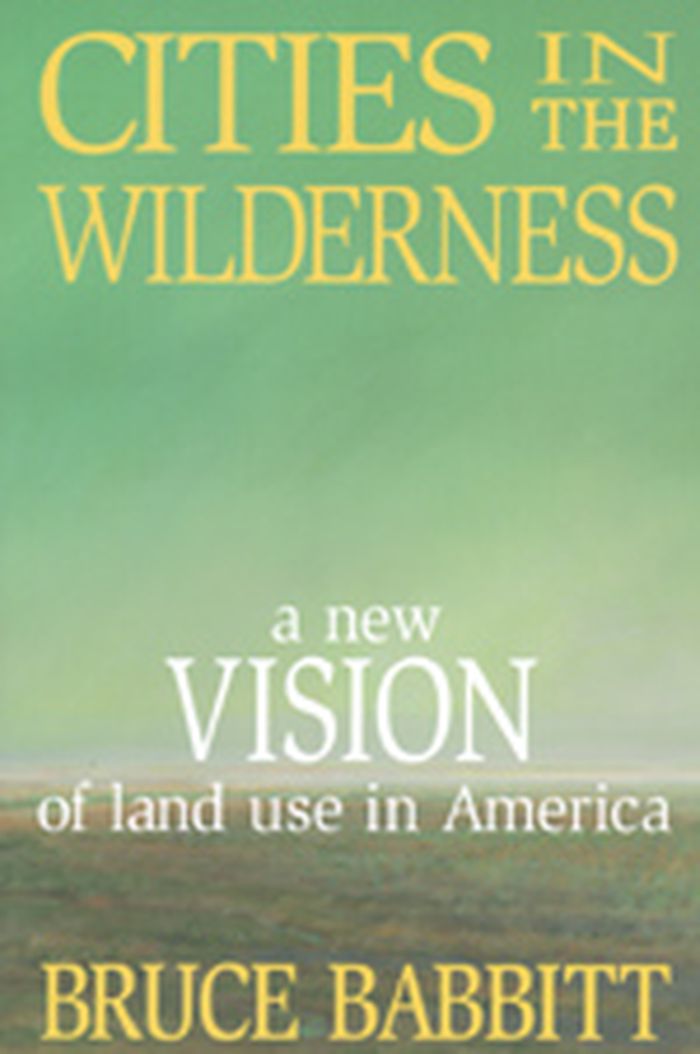
Cities in the wilderness : a new vision of land use in America
Actions:
Price:
$19.95
(available to order)
Summary:
�This book is based on my experiences as secretary of the interior up to the time I left office with the coming of a new administration in 2001. It makes the case, through the use of specific examples, for a more assertive and meaningful federal role in land use planning. And the book illustrates how that goal can be achieved, not by a lot of new legislation, but by reshaping existing federal programs that affect the way we use and develop our land and water resources- highway programs, farm programs, flood control, energy development, and urban programs to provide incentives for states to prepare land use and water resource plans that include open space, hazard mitigation, sustainable water supplies, and interconnected landscapes that sustain both wildlife and the human spirit.
Cities in the wilderness : a new vision of land use in America
Actions:
Price:
$19.95
(available to order)
Summary:
�This book is based on my experiences as secretary of the interior up to the time I left office with the coming of a new administration in 2001. It makes the case, through the use of specific examples, for a more assertive and meaningful federal role in land use planning. And the book illustrates how that goal can be achieved, not by a lot of new legislation, but by reshaping existing federal programs that affect the way we use and develop our land and water resources- highway programs, farm programs, flood control, energy development, and urban programs to provide incentives for states to prepare land use and water resource plans that include open space, hazard mitigation, sustainable water supplies, and interconnected landscapes that sustain both wildlife and the human spirit.
Form:
books
books
Publication:
February 2007, Washington, Covelo, London
February 2007, Washington, Covelo, London
Subject:
Urban Theory
Urban Theory
Form:
audio
audio
Actions:
Description:
1 online resource.
Author:
Subject:
Publication:
[Place of publication not identified] : Site Visit, 2018.
[Place of publication not identified] : Site Visit, 2018.
Form:
audio
audio
Publication:
[Place of publication not identified] : Site Visit, 2018.
[Place of publication not identified] : Site Visit, 2018.
Author:
Subject:
Form:
books
books
Price:
$26.95
(available in store)
Summary:
Street Value offers an in-depth look at one of Downtown Brooklyn's longest redevelopment sagas. This book features a visual tour of the legendary pedestrian mall, a history of Fulton Street's varied transformations, and interviews with key planners and city officials whose decisions drove its redesign in the 1960s and 2000s. With original and archival(...)
$26.95
(available in store)
Summary:
Street Value offers an in-depth look at one of Downtown Brooklyn's longest redevelopment sagas. This book features a visual tour of the legendary pedestrian mall, a history of Fulton Street's varied transformations, and interviews with key planners and city officials whose decisions drove its redesign in the 1960s and 2000s. With original and archival(...)
Title:
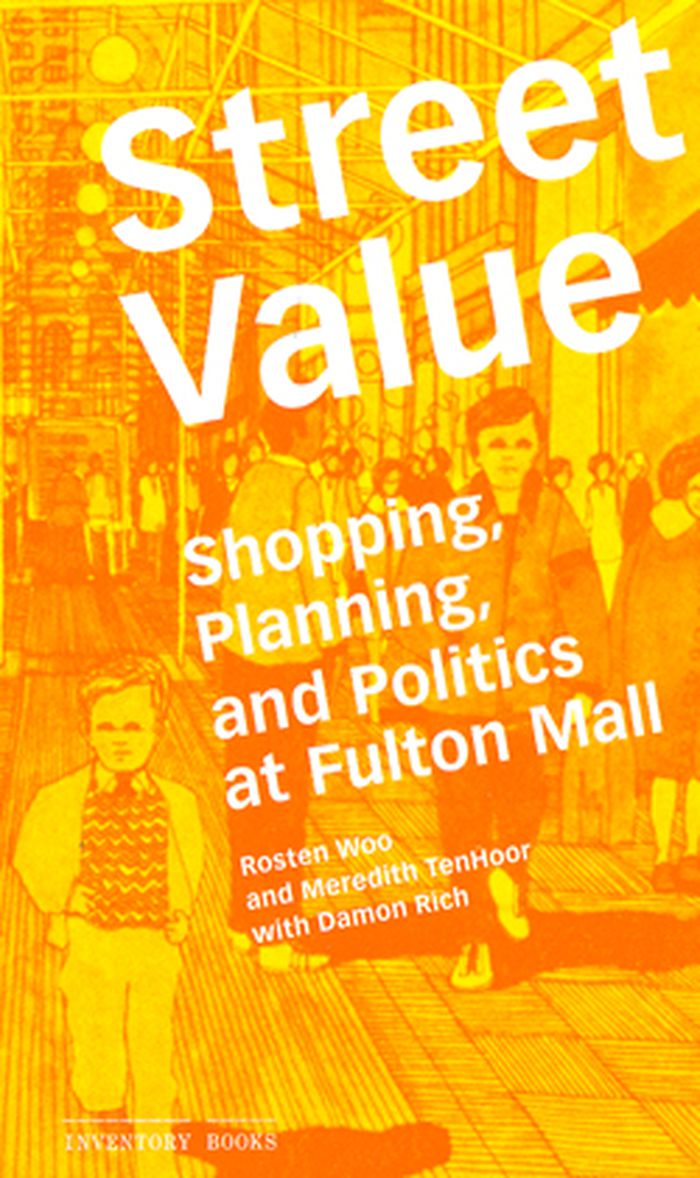
Street value: Shopping, planning, and politics at Fulton Mall
Actions:
Price:
$26.95
(available in store)
Summary:
Street Value offers an in-depth look at one of Downtown Brooklyn's longest redevelopment sagas. This book features a visual tour of the legendary pedestrian mall, a history of Fulton Street's varied transformations, and interviews with key planners and city officials whose decisions drove its redesign in the 1960s and 2000s. With original and archival documentation—including newspaper clippings, maps, photographs, visual projections, and analyses—it is a guide to Fulton Mall's past, a call to re-envision its future, and a case study for other urban-commercial developments of its kind.
Street value: Shopping, planning, and politics at Fulton Mall
Actions:
Price:
$26.95
(available in store)
Summary:
Street Value offers an in-depth look at one of Downtown Brooklyn's longest redevelopment sagas. This book features a visual tour of the legendary pedestrian mall, a history of Fulton Street's varied transformations, and interviews with key planners and city officials whose decisions drove its redesign in the 1960s and 2000s. With original and archival documentation—including newspaper clippings, maps, photographs, visual projections, and analyses—it is a guide to Fulton Mall's past, a call to re-envision its future, and a case study for other urban-commercial developments of its kind.
Form:
books
books
Publication:
March 2010
March 2010
Form:
books
books
Actions:
Price:
$21.00
(available in store)
Summary:
Global cities (and their designs in particular) have rested on the paradigm of market-driven development, and have been interpreted as strategic spaces of neoliberal restructuring. Whilst they are now hit by the crisis of this ideology, the situation also offers the opportunity and necessity to imagine another, more social city. Yet designers continue to hold back(...)
$21.00
(available in store)
Summary:
Global cities (and their designs in particular) have rested on the paradigm of market-driven development, and have been interpreted as strategic spaces of neoliberal restructuring. Whilst they are now hit by the crisis of this ideology, the situation also offers the opportunity and necessity to imagine another, more social city. Yet designers continue to hold back(...)
Title:
Civic city cahier 6: design in & against the neoliberal city
Actions:
Price:
$21.00
(available in store)
Summary:
Global cities (and their designs in particular) have rested on the paradigm of market-driven development, and have been interpreted as strategic spaces of neoliberal restructuring. Whilst they are now hit by the crisis of this ideology, the situation also offers the opportunity and necessity to imagine another, more social city. Yet designers continue to hold back criticism and proposals. It is, however, time to redefine the role of design for a social city and take action. What is the role of design in the production of urban space? Is it merely an element in the commodified colonisation of social spaces? Or are design and the visual and physical representations of urban issues themselves the key means by which a Civic City may be created from the ideological ruins of existing urban spaces? Jesko Fezer argues for a project of accommodating conflicts by design.
Civic city cahier 6: design in & against the neoliberal city
Actions:
Price:
$21.00
(available in store)
Summary:
Global cities (and their designs in particular) have rested on the paradigm of market-driven development, and have been interpreted as strategic spaces of neoliberal restructuring. Whilst they are now hit by the crisis of this ideology, the situation also offers the opportunity and necessity to imagine another, more social city. Yet designers continue to hold back criticism and proposals. It is, however, time to redefine the role of design for a social city and take action. What is the role of design in the production of urban space? Is it merely an element in the commodified colonisation of social spaces? Or are design and the visual and physical representations of urban issues themselves the key means by which a Civic City may be created from the ideological ruins of existing urban spaces? Jesko Fezer argues for a project of accommodating conflicts by design.
Form:
books
books
Publication:
November 2013
November 2013
Form:
books
books
Actions:
Price:
$39.95
(available in store)
Summary:
How do you experience a public space? Do you feel safe? Seen? Represented? The response to these questions may differ based on factors including your race, age, ethnicity, or gender identity. In the architecture and design professions, decisions about the articulation of public spaces and who may be honored in them have often been made by white men. How do designers(...)
$39.95
(available in store)
Summary:
How do you experience a public space? Do you feel safe? Seen? Represented? The response to these questions may differ based on factors including your race, age, ethnicity, or gender identity. In the architecture and design professions, decisions about the articulation of public spaces and who may be honored in them have often been made by white men. How do designers(...)
Title:
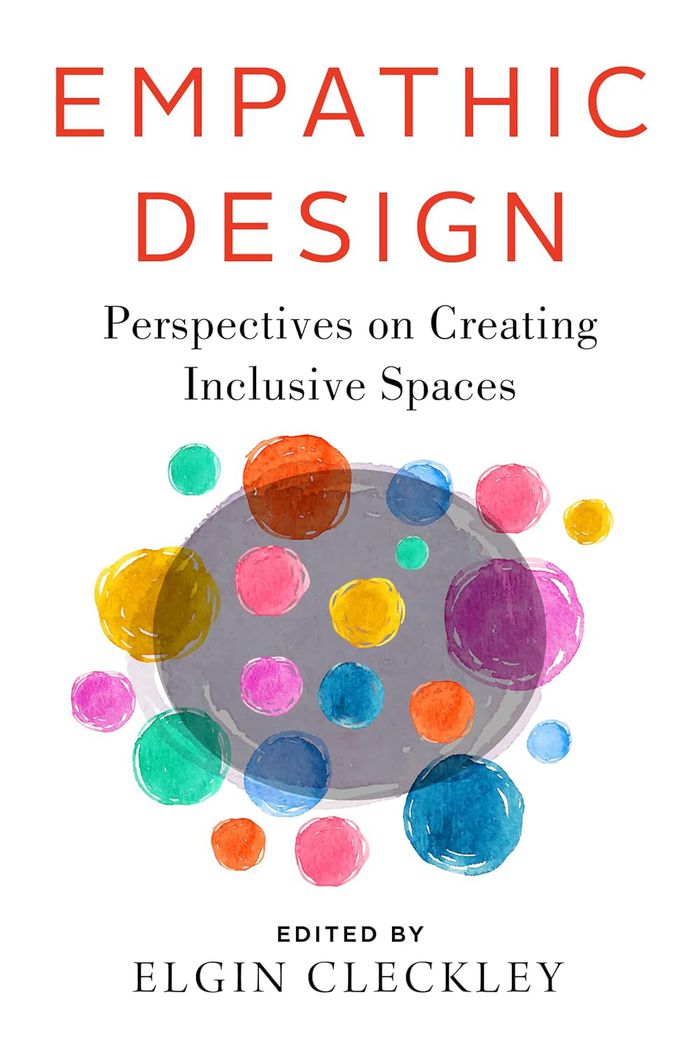
Empathic design: perspectives on creating inclusive spaces
Actions:
Price:
$39.95
(available in store)
Summary:
How do you experience a public space? Do you feel safe? Seen? Represented? The response to these questions may differ based on factors including your race, age, ethnicity, or gender identity. In the architecture and design professions, decisions about the articulation of public spaces and who may be honored in them have often been made by white men. How do designers rethink design processes to produce works that hold space for the diversity of people using them? In "Empathic design," designer and architecture professor Elgin Cleckley brings together leaders and visionary practitioners in architecture, urban design, planning, and design activism to help explore these questions. Cleckley explains that empathic designers need to approach design as iterative, changing, and shifting to say, "we see you", "we hear you". Part of an emerging design framework, empathic designers work with and in the communities affected. They acknowledge the full history of a place and approach the lived experience and memories of those in the community with respect. Early chapters explore broader conceptual approaches, proposing definitions of empathy in the context of design, disrupting colonial narratives, and making space for grief. Other chapters highlight specific design projects, including the Harriet Tubman Memorial in Newark, The Camp Barker Memorial in Washington, D.C., the Freedom Center in Oklahoma City, and the Charlottesville Memorial for Peace and Justice.
Empathic design: perspectives on creating inclusive spaces
Actions:
Price:
$39.95
(available in store)
Summary:
How do you experience a public space? Do you feel safe? Seen? Represented? The response to these questions may differ based on factors including your race, age, ethnicity, or gender identity. In the architecture and design professions, decisions about the articulation of public spaces and who may be honored in them have often been made by white men. How do designers rethink design processes to produce works that hold space for the diversity of people using them? In "Empathic design," designer and architecture professor Elgin Cleckley brings together leaders and visionary practitioners in architecture, urban design, planning, and design activism to help explore these questions. Cleckley explains that empathic designers need to approach design as iterative, changing, and shifting to say, "we see you", "we hear you". Part of an emerging design framework, empathic designers work with and in the communities affected. They acknowledge the full history of a place and approach the lived experience and memories of those in the community with respect. Early chapters explore broader conceptual approaches, proposing definitions of empathy in the context of design, disrupting colonial narratives, and making space for grief. Other chapters highlight specific design projects, including the Harriet Tubman Memorial in Newark, The Camp Barker Memorial in Washington, D.C., the Freedom Center in Oklahoma City, and the Charlottesville Memorial for Peace and Justice.
Form:
books
books
Publication:
January 2024
January 2024
Subject:
Design Theory
Design Theory
Form:
books
books
Actions:
Price:
$39.95
(available to order)
Summary:
This publication shows how the public and private sectors have joined together in new and innovative ways, not only to develop new parks and to more efficiently fund and manage parks, but also to restore historically significant but run-down existing parks. Featuring examples of different types of partnerships throughout the United States -from highly structured(...)
$39.95
(available to order)
Summary:
This publication shows how the public and private sectors have joined together in new and innovative ways, not only to develop new parks and to more efficiently fund and manage parks, but also to restore historically significant but run-down existing parks. Featuring examples of different types of partnerships throughout the United States -from highly structured(...)
Title:
Public parks, private partners
Actions:
Price:
$39.95
(available to order)
Summary:
This publication shows how the public and private sectors have joined together in new and innovative ways, not only to develop new parks and to more efficiently fund and manage parks, but also to restore historically significant but run-down existing parks. Featuring examples of different types of partnerships throughout the United States -from highly structured relationships around large parks in major cities to more informal partnerships around inner-city neighborhood parks - it's a valuable tool for anyone involved in creating, preserving or managing urban parks.
Public parks, private partners
Actions:
Price:
$39.95
(available to order)
Summary:
This publication shows how the public and private sectors have joined together in new and innovative ways, not only to develop new parks and to more efficiently fund and manage parks, but also to restore historically significant but run-down existing parks. Featuring examples of different types of partnerships throughout the United States -from highly structured relationships around large parks in major cities to more informal partnerships around inner-city neighborhood parks - it's a valuable tool for anyone involved in creating, preserving or managing urban parks.
Form:
books
books
Publication:
May 2001
May 2001
Subject:
Urban Landscapes
Urban Landscapes


