


3767 Results
Form:
books
books
Title:
Borrowed City: motoelastico
Borrowed City: motoelastico
Actions:
Price:
$32.00
(available to order)
Summary:
The Borrowed City is the way private citizens use public space for personal benefit, from simply standing or walking in it to more elaborate exploitations, such as commercial or leisure activities. Once individual interaction with public space begins, our presence must be constantly negotiated with the rest of the community, something which changes according to local(...)
$32.00
(available to order)
Summary:
The Borrowed City is the way private citizens use public space for personal benefit, from simply standing or walking in it to more elaborate exploitations, such as commercial or leisure activities. Once individual interaction with public space begins, our presence must be constantly negotiated with the rest of the community, something which changes according to local(...)
Title:
Borrowed City: motoelastico
Actions:
Price:
$32.00
(available to order)
Summary:
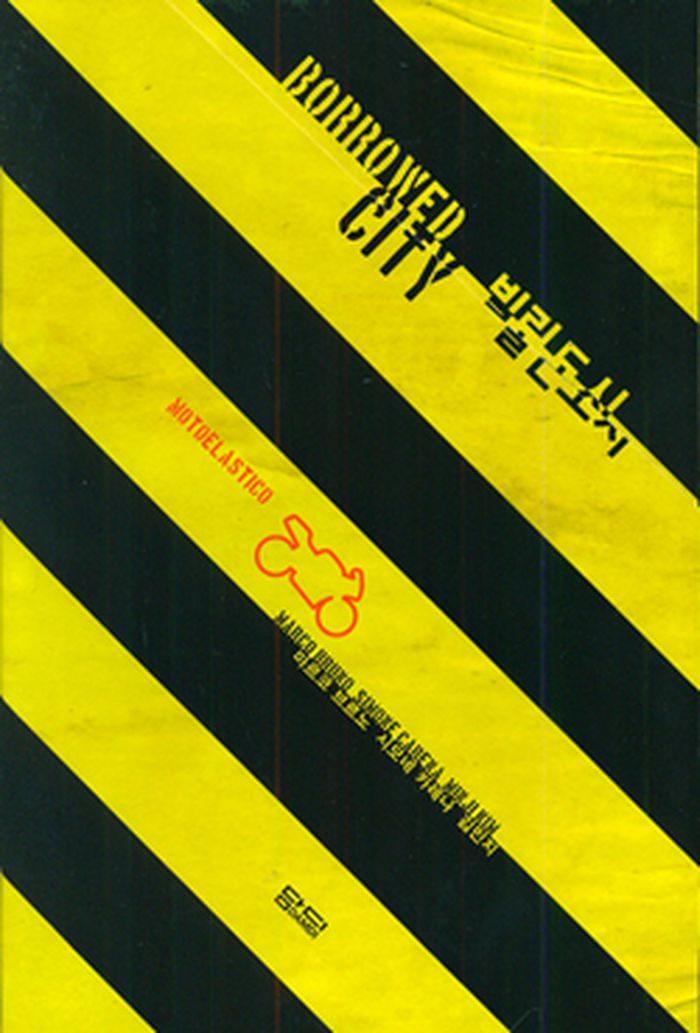
The Borrowed City is the way private citizens use public space for personal benefit, from simply standing or walking in it to more elaborate exploitations, such as commercial or leisure activities. Once individual interaction with public space begins, our presence must be constantly negotiated with the rest of the community, something which changes according to local culture or rules and becomes self-defining, a mutual agreement among citizens.
Borrowed City: motoelastico
Actions:
Price:
$32.00
(available to order)
Summary:
The Borrowed City is the way private citizens use public space for personal benefit, from simply standing or walking in it to more elaborate exploitations, such as commercial or leisure activities. Once individual interaction with public space begins, our presence must be constantly negotiated with the rest of the community, something which changes according to local culture or rules and becomes self-defining, a mutual agreement among citizens.
Form:
books
books
Publication:
October 2013
October 2013
Subject:
Urban Theory
Urban Theory
Form:
books
books
Actions:
Price:
$46.00
(available to order)
Summary:
'People Cities' discusses the work, theory, life, and influence of Jan Gehl from the perspective of those who have worked with him across the globe. Jan Ghel’s research, theories, and strategies have been helping cities to reclaim their public space and recover from the great post-WWII car invasion. His work has influenced public space improvements in over 50 global(...)
$46.00
(available to order)
Summary:
'People Cities' discusses the work, theory, life, and influence of Jan Gehl from the perspective of those who have worked with him across the globe. Jan Ghel’s research, theories, and strategies have been helping cities to reclaim their public space and recover from the great post-WWII car invasion. His work has influenced public space improvements in over 50 global(...)
Title:
People cities: The life and legacy of Jan Gehl
Actions:
Price:
$46.00
(available to order)
Summary:
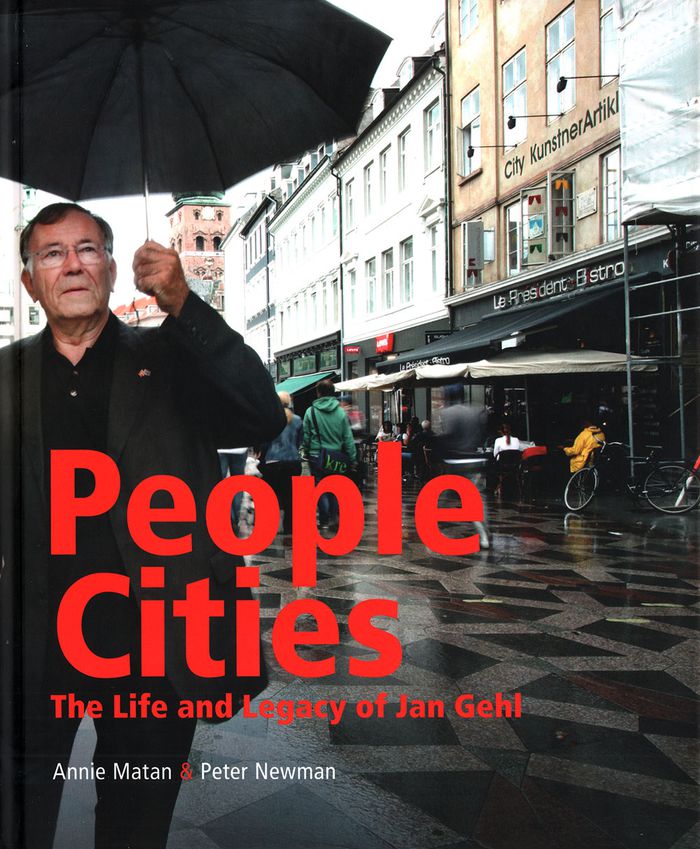
'People Cities' discusses the work, theory, life, and influence of Jan Gehl from the perspective of those who have worked with him across the globe. Jan Ghel’s research, theories, and strategies have been helping cities to reclaim their public space and recover from the great post-WWII car invasion. His work has influenced public space improvements in over 50 global cities, including New York, London, Moscow, Copenhagen, Melbourne, Sydney, and the authors’ hometown of Perth.
People cities: The life and legacy of Jan Gehl
Actions:
Price:
$46.00
(available to order)
Summary:
'People Cities' discusses the work, theory, life, and influence of Jan Gehl from the perspective of those who have worked with him across the globe. Jan Ghel’s research, theories, and strategies have been helping cities to reclaim their public space and recover from the great post-WWII car invasion. His work has influenced public space improvements in over 50 global cities, including New York, London, Moscow, Copenhagen, Melbourne, Sydney, and the authors’ hometown of Perth.
Form:
books
books
Publication:
January 2017
January 2017
Subject:
Urban Theory
Urban Theory
Form:
books
books
Price:
$19.95
(available to order)
Summary:
What if there is no ‘space,’ only a permanent, slow-motion mystic takeover, an implausibly careening awning? Nothing is utopian. Everything wants to be. Soft Architects face the reaching middle. If architecture is the language of concrete and steel, then Soft Architecture needs a vocabulary of flesh, air, fabric and colour. It’s about civic surface and natural history.(...)
$19.95
(available to order)
Summary:
What if there is no ‘space,’ only a permanent, slow-motion mystic takeover, an implausibly careening awning? Nothing is utopian. Everything wants to be. Soft Architects face the reaching middle. If architecture is the language of concrete and steel, then Soft Architecture needs a vocabulary of flesh, air, fabric and colour. It’s about civic surface and natural history.(...)
Publication:
August 2006, Toronto
August 2006, Toronto
Title:
Occasional work and seven walks from the office for soft architecture
Actions:
Price:
$19.95
(available to order)
Summary:
What if there is no ‘space,’ only a permanent, slow-motion mystic takeover, an implausibly careening awning? Nothing is utopian. Everything wants to be. Soft Architects face the reaching middle. If architecture is the language of concrete and steel, then Soft Architecture needs a vocabulary of flesh, air, fabric and colour. It’s about civic surface and natural history. It’s about social space and clothing and urban geography and visual art, and some intersection of all these. This delectable book collects the rococo prose of Lisa Robertson, the ambulatory Office for Soft Architecture. There are essays on Vancouver fountains, the syntax of the suburban home, Value Village, the joy of synthetics, sca×olding and the persistence of the Himalayan blackberry. There are also seven Walks, tours of Vancouver sites – poetic dioramas, really, and more material than cement could ever be.
Occasional work and seven walks from the office for soft architecture
Actions:
Price:
$19.95
(available to order)
Summary:
What if there is no ‘space,’ only a permanent, slow-motion mystic takeover, an implausibly careening awning? Nothing is utopian. Everything wants to be. Soft Architects face the reaching middle. If architecture is the language of concrete and steel, then Soft Architecture needs a vocabulary of flesh, air, fabric and colour. It’s about civic surface and natural history. It’s about social space and clothing and urban geography and visual art, and some intersection of all these. This delectable book collects the rococo prose of Lisa Robertson, the ambulatory Office for Soft Architecture. There are essays on Vancouver fountains, the syntax of the suburban home, Value Village, the joy of synthetics, sca×olding and the persistence of the Himalayan blackberry. There are also seven Walks, tours of Vancouver sites – poetic dioramas, really, and more material than cement could ever be.
Form:
books
books
Publication:
August 2006, Toronto
August 2006, Toronto
Form:
books
books

Actions:
Price:
$26.00
(available to order)
Summary:
Modernism in architecture and urban design has failed the American city. This is the decisive conclusion that renowned public intellectual Nathan Glazer has drawn from two decades of writing and thinking about what this architectural movement will bequeath to future generations. In From a Cause to a Style, he proclaims his disappointment with modernism and its impact on(...)
$26.00
(available to order)
Summary:
Modernism in architecture and urban design has failed the American city. This is the decisive conclusion that renowned public intellectual Nathan Glazer has drawn from two decades of writing and thinking about what this architectural movement will bequeath to future generations. In From a Cause to a Style, he proclaims his disappointment with modernism and its impact on(...)
Title:
From a cause to a style : modernist architecture's encounter with the american city
Actions:
Price:
$26.00
(available to order)
Summary:
Modernism in architecture and urban design has failed the American city. This is the decisive conclusion that renowned public intellectual Nathan Glazer has drawn from two decades of writing and thinking about what this architectural movement will bequeath to future generations. In From a Cause to a Style, he proclaims his disappointment with modernism and its impact on the American city. Writing in the tradition of legendary American architectural critics Lewis Mumford and Jane Jacobs, Glazer contends that modernism, this new urban form that signaled not just a radical revolution in style but a social ambition to enhance the conditions under which ordinary people lived, has fallen short on all counts. The articles and essays collected here--some never published before, all updated--reflect his ideas on subjects ranging from the livable city and public housing to building design, public memorials, and the uses of public space. Glazer, an undisputed giant among public intellectuals, is perhaps best known for his writings on ethnicity and social policy, where the unflinching honesty and independence of thought that he brought to bear on tough social questions has earned him respect from both the Left and the Right. Here, he challenges us to face some difficult truths about the public places that, for better or worse, define who we are as a society. From a Cause to a Style is an exhilarating and thought-provoking book that raises important questions about modernist architecture and the larger social aims it was supposed to have addressed-and those it has abandoned.
From a cause to a style : modernist architecture's encounter with the american city
Actions:
Price:
$26.00
(available to order)
Summary:
Modernism in architecture and urban design has failed the American city. This is the decisive conclusion that renowned public intellectual Nathan Glazer has drawn from two decades of writing and thinking about what this architectural movement will bequeath to future generations. In From a Cause to a Style, he proclaims his disappointment with modernism and its impact on the American city. Writing in the tradition of legendary American architectural critics Lewis Mumford and Jane Jacobs, Glazer contends that modernism, this new urban form that signaled not just a radical revolution in style but a social ambition to enhance the conditions under which ordinary people lived, has fallen short on all counts. The articles and essays collected here--some never published before, all updated--reflect his ideas on subjects ranging from the livable city and public housing to building design, public memorials, and the uses of public space. Glazer, an undisputed giant among public intellectuals, is perhaps best known for his writings on ethnicity and social policy, where the unflinching honesty and independence of thought that he brought to bear on tough social questions has earned him respect from both the Left and the Right. Here, he challenges us to face some difficult truths about the public places that, for better or worse, define who we are as a society. From a Cause to a Style is an exhilarating and thought-provoking book that raises important questions about modernist architecture and the larger social aims it was supposed to have addressed-and those it has abandoned.
Form:
books
books
Publication:
April 2007, Princeton / Woodstock
April 2007, Princeton / Woodstock
Subject:
Urban Theory
Urban Theory
Form:
books
books
Actions:
Price:
$54.95
(available to order)
Summary:
What form of housing will emerge in Dubai, where the majority of the population are non-citizens and average length of stay three days? How will depopulating cities reclaim vacant space, reorganize infrastructure and redefine their economic identity? What type of architecture results from the prevalence of airborne contaminants? What kind of urbanism does Google Earth(...)
$54.95
(available to order)
Summary:
What form of housing will emerge in Dubai, where the majority of the population are non-citizens and average length of stay three days? How will depopulating cities reclaim vacant space, reorganize infrastructure and redefine their economic identity? What type of architecture results from the prevalence of airborne contaminants? What kind of urbanism does Google Earth(...)
Title:
Distributed urbanism : cities after Google Earth
Actions:
Price:
$54.95
(available to order)
Summary:
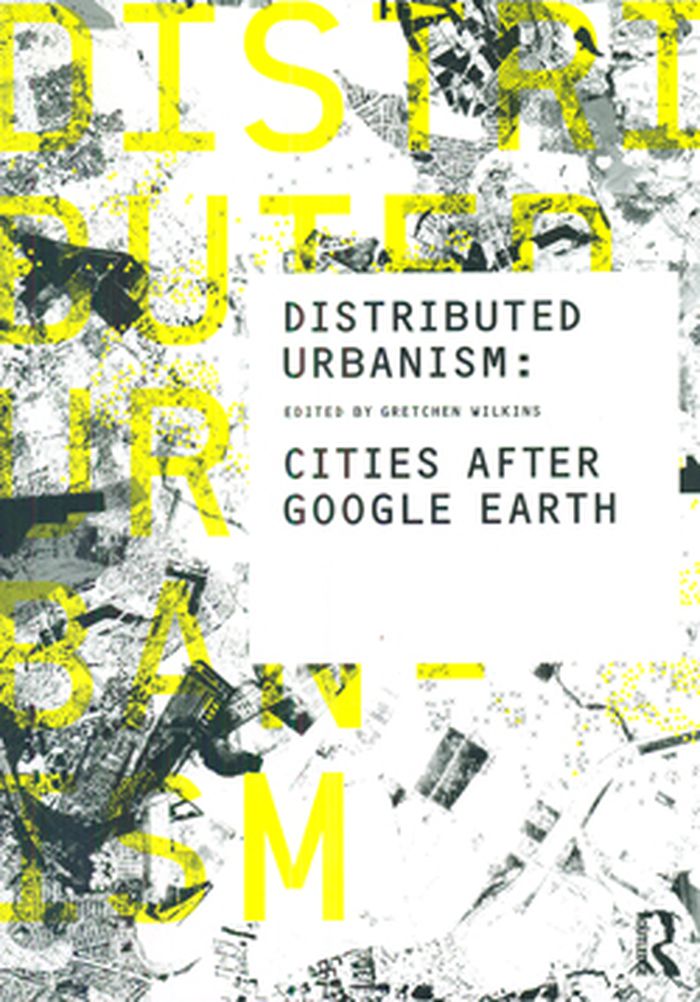
What form of housing will emerge in Dubai, where the majority of the population are non-citizens and average length of stay three days? How will depopulating cities reclaim vacant space, reorganize infrastructure and redefine their economic identity? What type of architecture results from the prevalence of airborne contaminants? What kind of urbanism does Google Earth produce? Exploring the increasingly decentralized systems through which cities are organized and produced, this publication highlights the architectural practices that are emerging in response. Unlike early models of urbanism, in which centralized models of production, communication and governance were sited within a central business district, contemporary urbanism is shaped by remote, distributed mechanisms such as information technologies, (i.e. SatNav, Google Earth, E-trade, Photosynth or RSS web feeds) cooperative economic models and environmental networks, many of which are physically remote from the cities they shape. Consisting of a collection of case studies on global cities including Rotterdam, Tokyo, Barcelona, Detroit, Hong Kong, Dubai, Beijing and Mumbai, the authors draw on these cities in relation to current events, urban schemes and demographic data.
Distributed urbanism : cities after Google Earth
Actions:
Price:
$54.95
(available to order)
Summary:
What form of housing will emerge in Dubai, where the majority of the population are non-citizens and average length of stay three days? How will depopulating cities reclaim vacant space, reorganize infrastructure and redefine their economic identity? What type of architecture results from the prevalence of airborne contaminants? What kind of urbanism does Google Earth produce? Exploring the increasingly decentralized systems through which cities are organized and produced, this publication highlights the architectural practices that are emerging in response. Unlike early models of urbanism, in which centralized models of production, communication and governance were sited within a central business district, contemporary urbanism is shaped by remote, distributed mechanisms such as information technologies, (i.e. SatNav, Google Earth, E-trade, Photosynth or RSS web feeds) cooperative economic models and environmental networks, many of which are physically remote from the cities they shape. Consisting of a collection of case studies on global cities including Rotterdam, Tokyo, Barcelona, Detroit, Hong Kong, Dubai, Beijing and Mumbai, the authors draw on these cities in relation to current events, urban schemes and demographic data.
Form:
books
books
Publication:
July 2010
July 2010
Subject:
Urban Theory
Urban Theory
Form:
books
books
Actions:
Holdings:
Description:
xvii, 227 pages : illustrations ; 28 cm
Description:
xvii, 227 pages : illustrations ; 28 cm
Author:
Subject:
Publication:
Cambridge, Mass. : MIT Press, ©1999.
Cambridge, Mass. : MIT Press, ©1999.
Title:
Critical vehicles : writings, projects, interviews / Krzysztof Wodiczko.
Actions:
Holdings:
Description:
xvii, 227 pages : illustrations ; 28 cm
Critical vehicles : writings, projects, interviews / Krzysztof Wodiczko.
Actions:
Holdings:
Description:
xvii, 227 pages : illustrations ; 28 cm
Form:
books
books
Publication:
Cambridge, Mass. : MIT Press, ©1999.
Cambridge, Mass. : MIT Press, ©1999.
Author:
Subject:
Form:
books
books
Actions:
Price:
$10.00
(available in store)
Summary:
In the summer of 2017, a collectively-built mountain, the Mont Réel, emerged in Montréal, providing a gathering and performance place for the surrounding communities and an in-situ laboratory to experiment with urban (bio)diversity. It was conceived and constructed by Constructlab with many friends, colleagues and participants during the "ateliers collaboratives"(...)
$10.00
(available in store)
Summary:
In the summer of 2017, a collectively-built mountain, the Mont Réel, emerged in Montréal, providing a gathering and performance place for the surrounding communities and an in-situ laboratory to experiment with urban (bio)diversity. It was conceived and constructed by Constructlab with many friends, colleagues and participants during the "ateliers collaboratives"(...)
Title:
How to build a mountain / Comment construire une montagne
Actions:
Price:
$10.00
(available in store)
Summary:
In the summer of 2017, a collectively-built mountain, the Mont Réel, emerged in Montréal, providing a gathering and performance place for the surrounding communities and an in-situ laboratory to experiment with urban (bio)diversity. It was conceived and constructed by Constructlab with many friends, colleagues and participants during the "ateliers collaboratives" workshop. It was supported by the Goethe-Institut Montreal in partnership with the Consulate général de France à Québec and the Université de Montréal.
How to build a mountain / Comment construire une montagne
Actions:
Price:
$10.00
(available in store)
Summary:
In the summer of 2017, a collectively-built mountain, the Mont Réel, emerged in Montréal, providing a gathering and performance place for the surrounding communities and an in-situ laboratory to experiment with urban (bio)diversity. It was conceived and constructed by Constructlab with many friends, colleagues and participants during the "ateliers collaboratives" workshop. It was supported by the Goethe-Institut Montreal in partnership with the Consulate général de France à Québec and the Université de Montréal.
Form:
books
books
Publication:
February 2018
February 2018
Form:
books
books
Actions:
Holdings:
Description:
159 pages : illustrations (chiefly color) ; 29 cm.
Description:
159 pages : illustrations (chiefly color) ; 29 cm.
Author:
Subject:
Publication:
Munich ; New York : Prestel, ©2003.
Munich ; New York : Prestel, ©2003.
Title:
Critical regionalism : architecture and identity in a globalized world / Liane Lefaivre, Alexander Tzonis.
Actions:
Holdings:
Description:
159 pages : illustrations (chiefly color) ; 29 cm.
Critical regionalism : architecture and identity in a globalized world / Liane Lefaivre, Alexander Tzonis.
Actions:
Holdings:
Description:
159 pages : illustrations (chiefly color) ; 29 cm.
Form:
books
books
Publication:
Munich ; New York : Prestel, ©2003.
Munich ; New York : Prestel, ©2003.
Author:
Subject:
Form:
books
books
Actions:
Price:
$71.95
(available to order)
Summary:
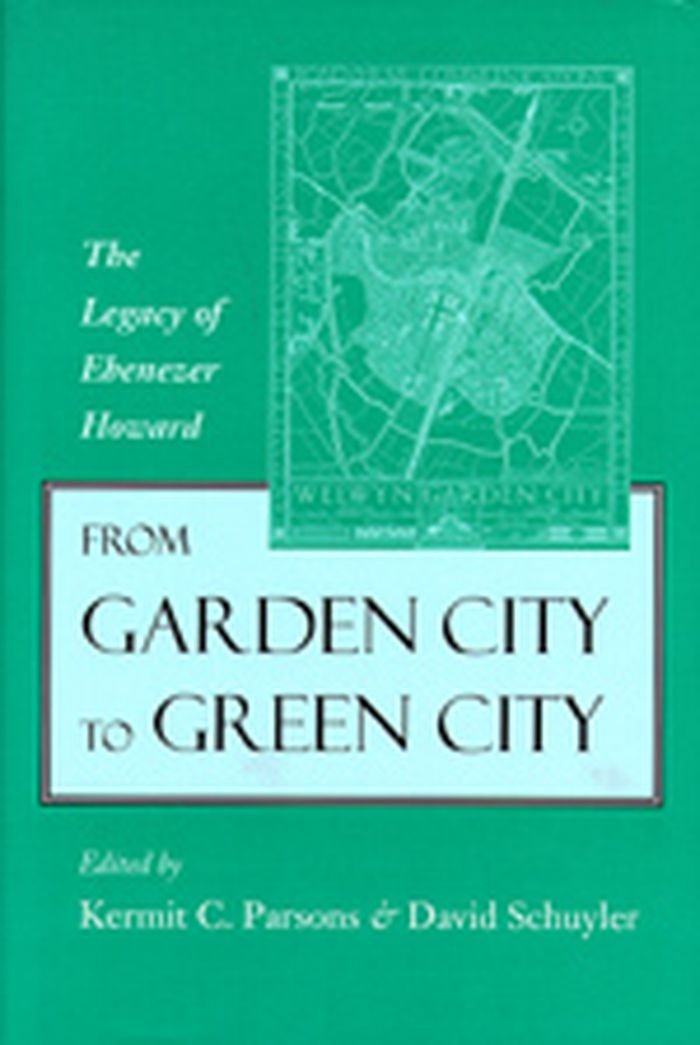
Victorian cities evoke images of crowded tenements where social unrest and epidemic disease were rampant. Conditions in nineteenth-century London, in particular, sparked efforts to find alternative plans for urban development. The most influential alternative to the Victorian city was Ebenezer Howard's Garden City, an idea he sketched in his modest book «To-morrow : a(...)
$71.95
(available to order)
Summary:
Victorian cities evoke images of crowded tenements where social unrest and epidemic disease were rampant. Conditions in nineteenth-century London, in particular, sparked efforts to find alternative plans for urban development. The most influential alternative to the Victorian city was Ebenezer Howard's Garden City, an idea he sketched in his modest book «To-morrow : a(...)
Subject:
Urban Theory
Urban Theory
Publication:
November 2002, Baltimore / London
November 2002, Baltimore / London
Title:
The legacy of Ebenezer Howard from garden city to green city
Actions:
Price:
$71.95
(available to order)
Summary:
Victorian cities evoke images of crowded tenements where social unrest and epidemic disease were rampant. Conditions in nineteenth-century London, in particular, sparked efforts to find alternative plans for urban development. The most influential alternative to the Victorian city was Ebenezer Howard's Garden City, an idea he sketched in his modest book «To-morrow : a peaceful path to real reform». First published in 1898, To-Morrow attempted to improve the material condition of working-class families through a vision of new communities which would provide a better quality of life. Howard's legacy grew throughout the twentieth century in garden cities, suburbs, and green towns; a century later, architects and planners are still motivated by his ideas. Published on the one hundredth anniversary of Garden Cities of To-Morrow (1902), the more familiar version of Howard's pathbreaking book, the ten essays in this new volume place Howard's legacy in its historic context and show its continuing relevance for urban, regional, and environmental planners. Following a biographical essay, three articles trace the influence of Howard's ideas on the development of the modern metropolis, while another four address his concepts regarding the arrangement of housing and community life and show how they have influenced subsequent development. Two closing essays assess critical aspects of Howard's legacy for the twenty-first century. The contributors focus on the timeless significance of Howard's ideas about limits to growth, the effectiveness of agricultural greenbelts in growth management, and the use of physical space to promote human interaction, as well as the relevance of Howard's work to the new urbanism and sustainability movements.
The legacy of Ebenezer Howard from garden city to green city
Actions:
Price:
$71.95
(available to order)
Summary:
Victorian cities evoke images of crowded tenements where social unrest and epidemic disease were rampant. Conditions in nineteenth-century London, in particular, sparked efforts to find alternative plans for urban development. The most influential alternative to the Victorian city was Ebenezer Howard's Garden City, an idea he sketched in his modest book «To-morrow : a peaceful path to real reform». First published in 1898, To-Morrow attempted to improve the material condition of working-class families through a vision of new communities which would provide a better quality of life. Howard's legacy grew throughout the twentieth century in garden cities, suburbs, and green towns; a century later, architects and planners are still motivated by his ideas. Published on the one hundredth anniversary of Garden Cities of To-Morrow (1902), the more familiar version of Howard's pathbreaking book, the ten essays in this new volume place Howard's legacy in its historic context and show its continuing relevance for urban, regional, and environmental planners. Following a biographical essay, three articles trace the influence of Howard's ideas on the development of the modern metropolis, while another four address his concepts regarding the arrangement of housing and community life and show how they have influenced subsequent development. Two closing essays assess critical aspects of Howard's legacy for the twenty-first century. The contributors focus on the timeless significance of Howard's ideas about limits to growth, the effectiveness of agricultural greenbelts in growth management, and the use of physical space to promote human interaction, as well as the relevance of Howard's work to the new urbanism and sustainability movements.
Form:
books
books
Publication:
November 2002, Baltimore / London
November 2002, Baltimore / London
Subject:
Urban Theory
Urban Theory
Form:
books
books
Title:
Spaces of democracy
Spaces of democracy
Actions:
Price:
$17.25
(available to order)
Summary:
Text for the 1998 Raoul Walleberg Lecture given at University of Michigan, College of Architecture + Urban Planning.
$17.25
(available to order)
Summary:
Text for the 1998 Raoul Walleberg Lecture given at University of Michigan, College of Architecture + Urban Planning.
Title:
Spaces of democracy
Actions:
Price:
$17.25
(available to order)
Summary:
Text for the 1998 Raoul Walleberg Lecture given at University of Michigan, College of Architecture + Urban Planning.
Spaces of democracy
Actions:
Price:
$17.25
(available to order)
Summary:
Text for the 1998 Raoul Walleberg Lecture given at University of Michigan, College of Architecture + Urban Planning.
Form:
books
books
Publication:
January 1998, Ann Arbor
January 1998, Ann Arbor
Subject:
small format
small format


