


371 Results
Form:
books
books
Actions:
Price:
$32.75
(available to order)
Summary:
Catalogue de l'exposition au NAi qui traite l'oeuvre de Decq & Cornette, Francis Soler, Jourda & Perraudin et Dominique Perrault. / NAi exhibition catalgue looking at the work of four contemporary French architects.
$32.75
(available to order)
Summary:
Catalogue de l'exposition au NAi qui traite l'oeuvre de Decq & Cornette, Francis Soler, Jourda & Perraudin et Dominique Perrault. / NAi exhibition catalgue looking at the work of four contemporary French architects.
Subject:
Architecture since 1900, Europe
Architecture since 1900, Europe
Publication:
February 1997, Rotterdam
February 1997, Rotterdam
Title:
European dialogue : France Decq & Cornette, Soler, Jourda & Perraudin, Perreault
Actions:
Price:
$32.75
(available to order)
Summary:
Catalogue de l'exposition au NAi qui traite l'oeuvre de Decq & Cornette, Francis Soler, Jourda & Perraudin et Dominique Perrault. / NAi exhibition catalgue looking at the work of four contemporary French architects.
European dialogue : France Decq & Cornette, Soler, Jourda & Perraudin, Perreault
Actions:
Price:
$32.75
(available to order)
Summary:
Catalogue de l'exposition au NAi qui traite l'oeuvre de Decq & Cornette, Francis Soler, Jourda & Perraudin et Dominique Perrault. / NAi exhibition catalgue looking at the work of four contemporary French architects.
Form:
books
books
Publication:
February 1997, Rotterdam
February 1997, Rotterdam
Subject:
Architecture since 1900, Europe
Architecture since 1900, Europe
Form:
books
books
Price:
$41.00
(available to order)
Summary:
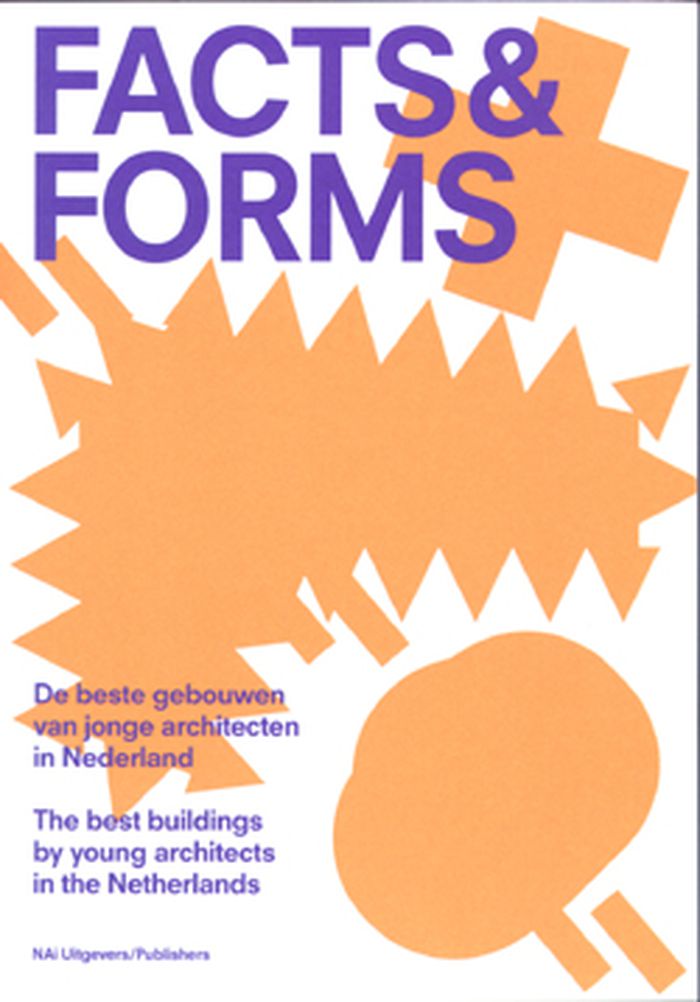
The publication of this book coincides with the presentation of the AM NAI Prize on the 8th of November 2008 in the Netherlands Architecture Institute in Rotterdam.
$41.00
(available to order)
Summary:
The publication of this book coincides with the presentation of the AM NAI Prize on the 8th of November 2008 in the Netherlands Architecture Institute in Rotterdam.
Title:
Facts & forms: the best buildings by young architects in the Netherlands
Actions:
Price:
$41.00
(available to order)
Summary:
The publication of this book coincides with the presentation of the AM NAI Prize on the 8th of November 2008 in the Netherlands Architecture Institute in Rotterdam.
Facts & forms: the best buildings by young architects in the Netherlands
Actions:
Price:
$41.00
(available to order)
Summary:
The publication of this book coincides with the presentation of the AM NAI Prize on the 8th of November 2008 in the Netherlands Architecture Institute in Rotterdam.
Form:
books
books
Publication:
March 2009, Rotterdam
March 2009, Rotterdam
Subject:
Architecture since 1900, Europe
Architecture since 1900, Europe
Form:
books
books
Actions:
Price:
$48.00
(available to order)
Summary:
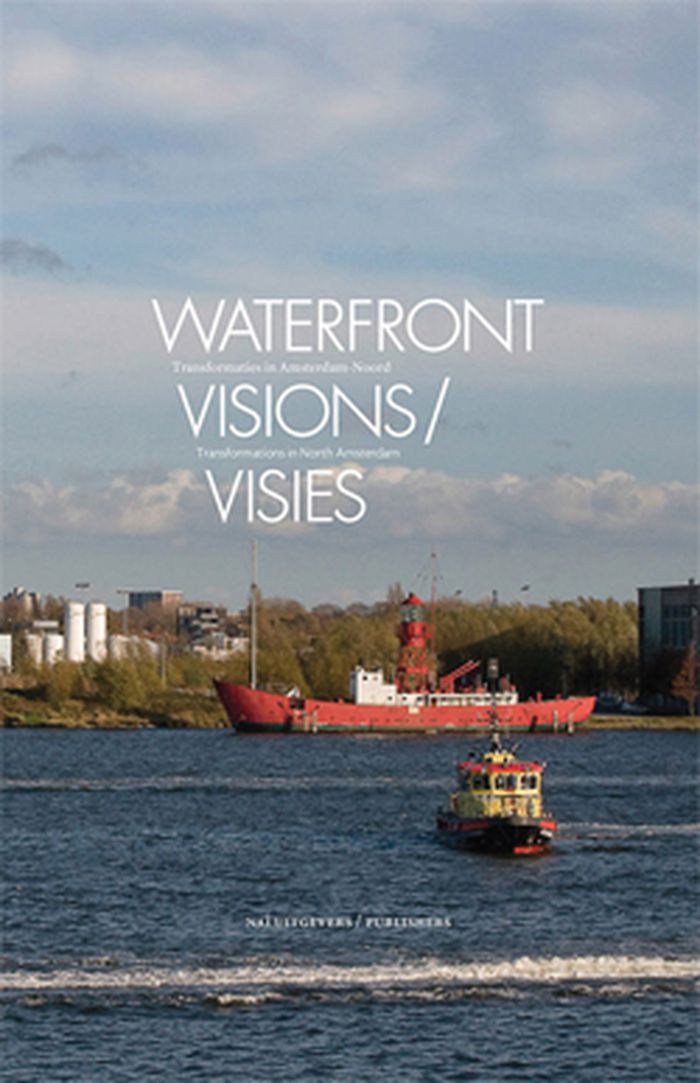
In 2009, the NAi-Ymere biennial celebrated the explorer Henry Hudson, whose pioneering travels laid the foundation for the development of New York City. In the vein of the Fort Amsterdam military post he built on Manhattan's southern tip, participants were asked to imagine new ways to transform the North Amsterdam waterfront.
$48.00
(available to order)
Summary:
In 2009, the NAi-Ymere biennial celebrated the explorer Henry Hudson, whose pioneering travels laid the foundation for the development of New York City. In the vein of the Fort Amsterdam military post he built on Manhattan's southern tip, participants were asked to imagine new ways to transform the North Amsterdam waterfront.
Title:
Waterfront visions: transformations in north Amsterdam
Actions:
Price:
$48.00
(available to order)
Summary:
In 2009, the NAi-Ymere biennial celebrated the explorer Henry Hudson, whose pioneering travels laid the foundation for the development of New York City. In the vein of the Fort Amsterdam military post he built on Manhattan's southern tip, participants were asked to imagine new ways to transform the North Amsterdam waterfront.
Waterfront visions: transformations in north Amsterdam
Actions:
Price:
$48.00
(available to order)
Summary:
In 2009, the NAi-Ymere biennial celebrated the explorer Henry Hudson, whose pioneering travels laid the foundation for the development of New York City. In the vein of the Fort Amsterdam military post he built on Manhattan's southern tip, participants were asked to imagine new ways to transform the North Amsterdam waterfront.
Form:
books
books
Publication:
August 2010
August 2010
Subject:
Urban Landscapes
Urban Landscapes
Form:
journals and magazines
journals and magazines
Actions:
Price:
$28.00
(available in store)
Summary:
This issue of Volume is largely based on a two-day symposium ‘how do we materialize peace’ held at the NAI in Rotterdam in 2010. The symposium was the kick-off to explore potentials of architecture in the field of post-conflict reconstruction. Awareness, good practice and knowledge exchange are all part of the project with pragmatism as the guiding rule.
$28.00
(available in store)
Summary:
This issue of Volume is largely based on a two-day symposium ‘how do we materialize peace’ held at the NAI in Rotterdam in 2010. The symposium was the kick-off to explore potentials of architecture in the field of post-conflict reconstruction. Awareness, good practice and knowledge exchange are all part of the project with pragmatism as the guiding rule.
Title:
Volume 26: Architecture of Peace
Actions:
Price:
$28.00
(available in store)
Summary:
This issue of Volume is largely based on a two-day symposium ‘how do we materialize peace’ held at the NAI in Rotterdam in 2010. The symposium was the kick-off to explore potentials of architecture in the field of post-conflict reconstruction. Awareness, good practice and knowledge exchange are all part of the project with pragmatism as the guiding rule.
Volume 26: Architecture of Peace
Actions:
Price:
$28.00
(available in store)
Summary:
This issue of Volume is largely based on a two-day symposium ‘how do we materialize peace’ held at the NAI in Rotterdam in 2010. The symposium was the kick-off to explore potentials of architecture in the field of post-conflict reconstruction. Awareness, good practice and knowledge exchange are all part of the project with pragmatism as the guiding rule.
Form:
journals and magazines
journals and magazines
Publication:
January 2011
January 2011
Subject:
Magazines
Magazines
Form:
journals and magazines
journals and magazines
Title:
Transactions of the National Association for the Advancement of Art and its Application to Industry.
Transactions of the National Association for the Advancement of Art and its Application to Industry.
Actions:
Holdings:
Description:
3 volumes : illustrations ; 25 cm
Description:
3 volumes : illustrations ; 25 cm
Author:
Subject:
Publication:
London : [National Association for the Advancement of Art and its Application to Industry], 1888-1890.
London : [National Association for the Advancement of Art and its Application to Industry], 1888-1890.
Title:
Transactions of the National Association for the Advancement of Art and its Application to Industry.
Actions:
Holdings:
Description:
3 volumes : illustrations ; 25 cm
Transactions of the National Association for the Advancement of Art and its Application to Industry.
Actions:
Holdings:
Description:
3 volumes : illustrations ; 25 cm
Form:
journals and magazines
journals and magazines
Publication:
London : [National Association for the Advancement of Art and its Application to Industry], 1888-1890.
London : [National Association for the Advancement of Art and its Application to Industry], 1888-1890.
Author:
Subject:
Form:
books
books
Title:
Bare facts
Bare facts
Actions:
Price:
$36.00
(available to order)
Summary:
The AM NAI Prize aims to highlight the unique position and quality of young architects in the Netherlands. The nominated projects for 2006 are documented in detail in the Bare Facts publication, which also explores the context in which the buildings were created. With contributions by various critics and members of the jury, including Aaron Betsky, Mariet Schoenmakers and(...)
$36.00
(available to order)
Summary:
The AM NAI Prize aims to highlight the unique position and quality of young architects in the Netherlands. The nominated projects for 2006 are documented in detail in the Bare Facts publication, which also explores the context in which the buildings were created. With contributions by various critics and members of the jury, including Aaron Betsky, Mariet Schoenmakers and(...)
Title:
Bare facts
Actions:
Price:
$36.00
(available to order)
Summary:
The AM NAI Prize aims to highlight the unique position and quality of young architects in the Netherlands. The nominated projects for 2006 are documented in detail in the Bare Facts publication, which also explores the context in which the buildings were created. With contributions by various critics and members of the jury, including Aaron Betsky, Mariet Schoenmakers and Lara Schrijver, this book - like the first and second editions - provides a snapshot of the youngest generation of architects and a barometer for Dutch architecture of the future.
Bare facts
Actions:
Price:
$36.00
(available to order)
Summary:
The AM NAI Prize aims to highlight the unique position and quality of young architects in the Netherlands. The nominated projects for 2006 are documented in detail in the Bare Facts publication, which also explores the context in which the buildings were created. With contributions by various critics and members of the jury, including Aaron Betsky, Mariet Schoenmakers and Lara Schrijver, this book - like the first and second editions - provides a snapshot of the youngest generation of architects and a barometer for Dutch architecture of the future.
Form:
books
books
Publication:
November 2006, Rotterdam
November 2006, Rotterdam
Subject:
Architecture since 1900, Europe
Architecture since 1900, Europe
Form:
books
books
Price:
$47.95
(available to order)
Summary:
The NAi Prize is to be awarded every two years to the best building by a young Dutch architectural practice. This book documents the five short-listed buildings by VMX Architecten, NL Architects, Korteknie Stuhlmacher Architecten, MVRDV and René van Zuuk Architekten and analyses the current position held by young Dutch architects. Are they following in the footsteps of(...)
$47.95
(available to order)
Summary:
The NAi Prize is to be awarded every two years to the best building by a young Dutch architectural practice. This book documents the five short-listed buildings by VMX Architecten, NL Architects, Korteknie Stuhlmacher Architecten, MVRDV and René van Zuuk Architekten and analyses the current position held by young Dutch architects. Are they following in the footsteps of(...)
Subject:
Architecture since 1900, Europe
Architecture since 1900, Europe
Publication:
March 2003, Rotterdam
March 2003, Rotterdam
Title:
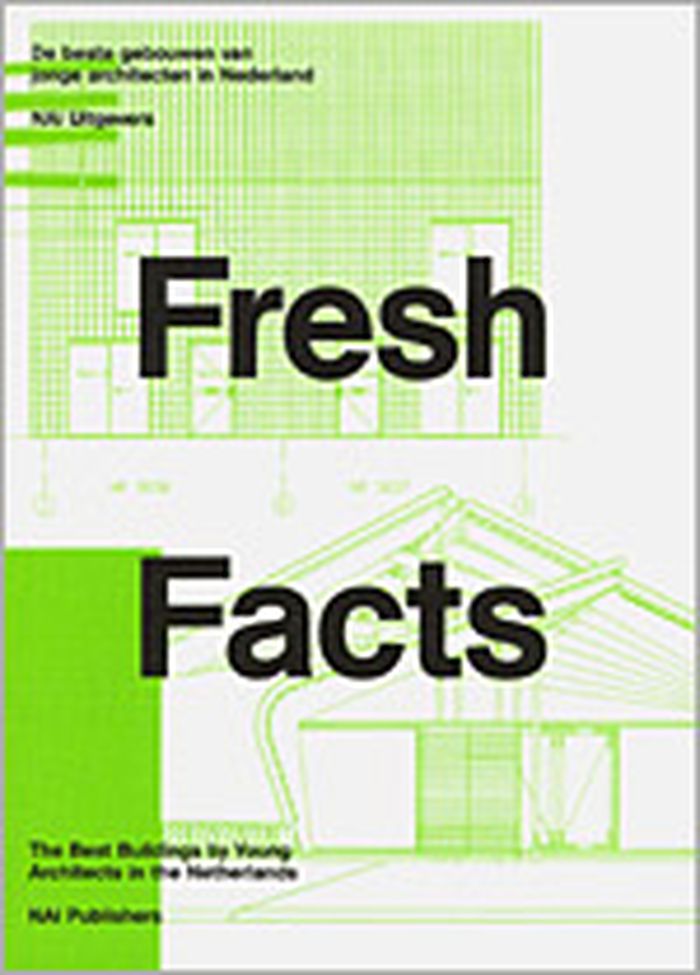
Fresh facts : the best buildings by young architects in the Netherlands
Actions:
Price:
$47.95
(available to order)
Summary:
The NAi Prize is to be awarded every two years to the best building by a young Dutch architectural practice. This book documents the five short-listed buildings by VMX Architecten, NL Architects, Korteknie Stuhlmacher Architecten, MVRDV and René van Zuuk Architekten and analyses the current position held by young Dutch architects. Are they following in the footsteps of their forebears or blazing a trail of their own? Is there greater leeway in the Netherlands for experiment or can comparable architecture be found elsewhere? And can these five practices be regarded as a barometer for the latest generation of designers? The short-listed projects were presented during the Venice Biennale 2002. Photography: Ralph Kämena, design: Coppens en Alberts.
Fresh facts : the best buildings by young architects in the Netherlands
Actions:
Price:
$47.95
(available to order)
Summary:
The NAi Prize is to be awarded every two years to the best building by a young Dutch architectural practice. This book documents the five short-listed buildings by VMX Architecten, NL Architects, Korteknie Stuhlmacher Architecten, MVRDV and René van Zuuk Architekten and analyses the current position held by young Dutch architects. Are they following in the footsteps of their forebears or blazing a trail of their own? Is there greater leeway in the Netherlands for experiment or can comparable architecture be found elsewhere? And can these five practices be regarded as a barometer for the latest generation of designers? The short-listed projects were presented during the Venice Biennale 2002. Photography: Ralph Kämena, design: Coppens en Alberts.
Form:
books
books
Publication:
March 2003, Rotterdam
March 2003, Rotterdam
Subject:
Architecture since 1900, Europe
Architecture since 1900, Europe
Form:
books
books
Actions:
Price:
$70.00
(available to order)
Summary:
Opened in 1992, the Kunsthal in Rotterdam is a key design in the portfolio of Rem Koolhaas, one of the most influential architectural thinkers of our time, and OMA, the renowned firm he cofounded in 1975. It is part of the Museumpark, a park designed by OMA and the location of the Nederlands Architectuurinstituut NAi, the Museum Boijmans Van Beuningen, and the Museum of(...)
$70.00
(available to order)
Summary:
Opened in 1992, the Kunsthal in Rotterdam is a key design in the portfolio of Rem Koolhaas, one of the most influential architectural thinkers of our time, and OMA, the renowned firm he cofounded in 1975. It is part of the Museumpark, a park designed by OMA and the location of the Nederlands Architectuurinstituut NAi, the Museum Boijmans Van Beuningen, and the Museum of(...)
Title:
OMA’s Kunsthal in Rotterdam: Rem Koolhaas and the New Europe
Actions:
Price:
$70.00
(available to order)
Summary:
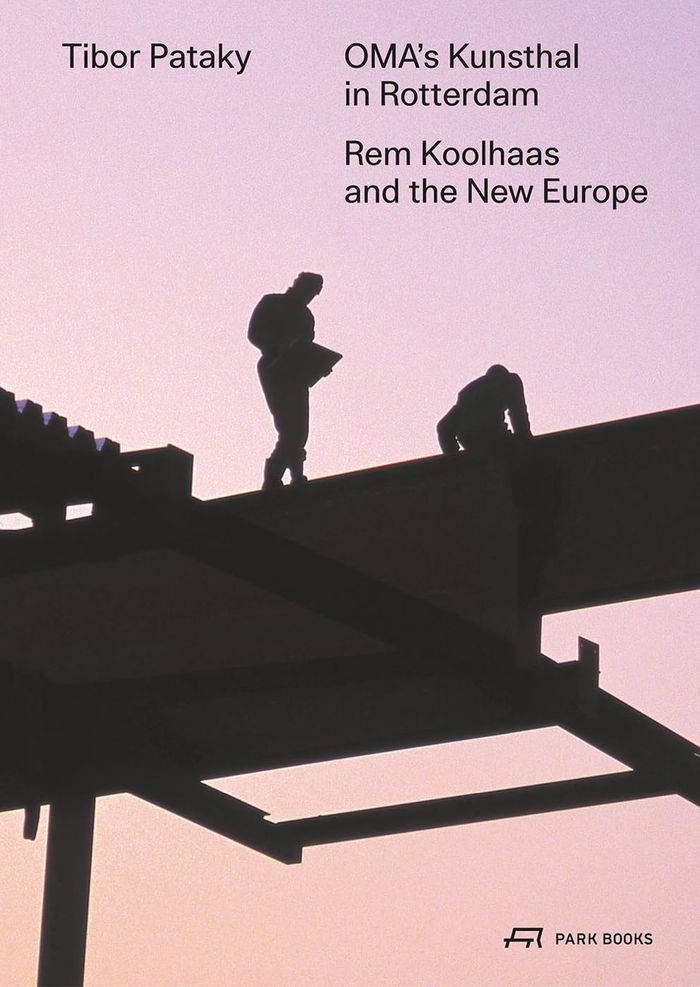
Opened in 1992, the Kunsthal in Rotterdam is a key design in the portfolio of Rem Koolhaas, one of the most influential architectural thinkers of our time, and OMA, the renowned firm he cofounded in 1975. It is part of the Museumpark, a park designed by OMA and the location of the Nederlands Architectuurinstituut NAi, the Museum Boijmans Van Beuningen, and the Museum of Natural History. This outstanding space for art is a destination for countless architecture fans every year. It is celebrated by Tibor Pataky, architect and architectural historian, in this inspiring book. He explains the history, the programmatic background, and the cultural references of the design. He also places it in the context of OMA’s work of the 1980s and the intellectual environment of Deconstructivism. Nine series of illustrations—historic and new photographs, plans and documents from OMA’s archive, newly drawn plans of the finished building, and other images—focus on the structure’s outstanding qualities. ''OMA’s Kunsthal in Rotterdam'' is a tribute to one of the most significant works of post-WWII architecture in Europe.
OMA’s Kunsthal in Rotterdam: Rem Koolhaas and the New Europe
Actions:
Price:
$70.00
(available to order)
Summary:
Opened in 1992, the Kunsthal in Rotterdam is a key design in the portfolio of Rem Koolhaas, one of the most influential architectural thinkers of our time, and OMA, the renowned firm he cofounded in 1975. It is part of the Museumpark, a park designed by OMA and the location of the Nederlands Architectuurinstituut NAi, the Museum Boijmans Van Beuningen, and the Museum of Natural History. This outstanding space for art is a destination for countless architecture fans every year. It is celebrated by Tibor Pataky, architect and architectural historian, in this inspiring book. He explains the history, the programmatic background, and the cultural references of the design. He also places it in the context of OMA’s work of the 1980s and the intellectual environment of Deconstructivism. Nine series of illustrations—historic and new photographs, plans and documents from OMA’s archive, newly drawn plans of the finished building, and other images—focus on the structure’s outstanding qualities. ''OMA’s Kunsthal in Rotterdam'' is a tribute to one of the most significant works of post-WWII architecture in Europe.
Form:
books
books
Publication:
September 2023
September 2023
Subject:
Architecture Monographs
Architecture Monographs
Form:
books
books
Actions:
Price:
$34.00
(available to order)
Summary:
The open terrain of new media is closing fast. Market concentration, legal consolidation and tightening governmental control have effectively ended the myth of the free and open networks. In Delusive Spaces, Eric Kluitenberg takes a critical position that retains a utopian potential for emerging media cultures. The book investigates the archeology of media and machine,(...)
$34.00
(available to order)
Summary:
The open terrain of new media is closing fast. Market concentration, legal consolidation and tightening governmental control have effectively ended the myth of the free and open networks. In Delusive Spaces, Eric Kluitenberg takes a critical position that retains a utopian potential for emerging media cultures. The book investigates the archeology of media and machine,(...)
Title:
Delusive spaces: essays on culture, media and technology
Actions:
Price:
$34.00
(available to order)
Summary:
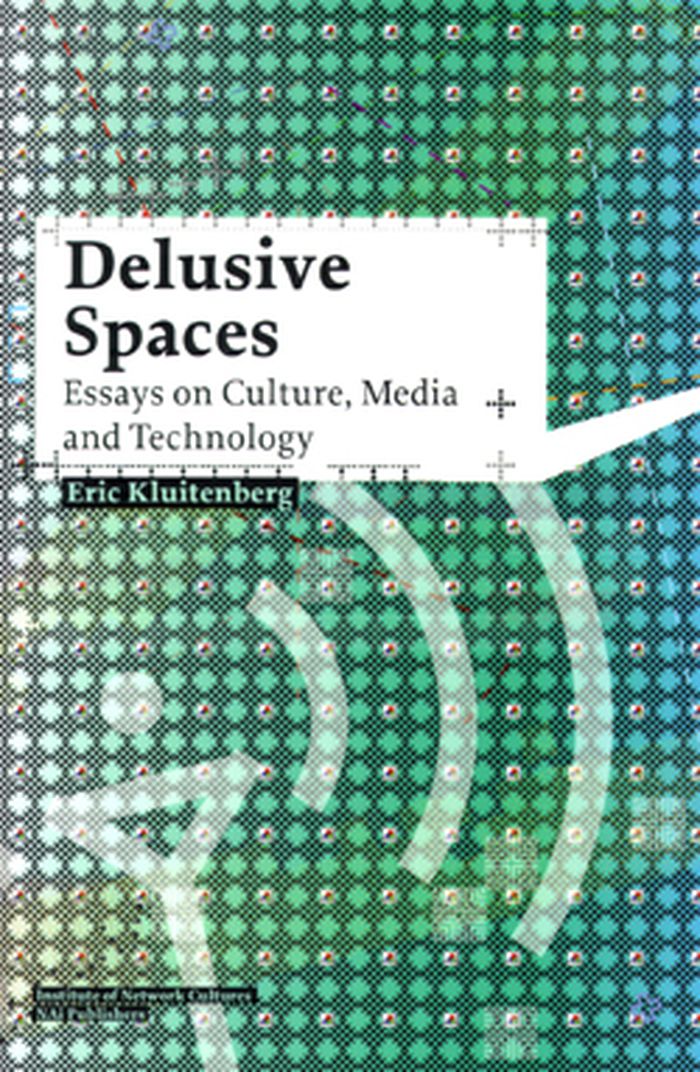
The open terrain of new media is closing fast. Market concentration, legal consolidation and tightening governmental control have effectively ended the myth of the free and open networks. In Delusive Spaces, Eric Kluitenberg takes a critical position that retains a utopian potential for emerging media cultures. The book investigates the archeology of media and machine, mapping the different methods and metaphors that speak about technology. Returning to the present, Kluitenberg discusses the cultural use of new media in an age of post-governmental politics. Delusive Spaces concludes with the impossibility of representation. Going beyond the obvious delusions of the 'new' and the 'free', Kluitenberg theorizes artistic practices and European cultural policies, demonstrating a provocative engagement with the utopian dimension of technology. Eric Kluitenberg is a Dutch media theorist, writer and organizer. Since the late 1980s, he has been involved in numerous international projects in the field of electronic art, media culture, and information politics. Kluitenberg heads the media program at De Balie, Centre for Culture and Politics in Amsterdam. He is the editor of the Book of Imaginary Media (NAi Publishers, 2006) and the theme issue Hybrid Space of Open, journal on art and the public domain (2007).
Delusive spaces: essays on culture, media and technology
Actions:
Price:
$34.00
(available to order)
Summary:
The open terrain of new media is closing fast. Market concentration, legal consolidation and tightening governmental control have effectively ended the myth of the free and open networks. In Delusive Spaces, Eric Kluitenberg takes a critical position that retains a utopian potential for emerging media cultures. The book investigates the archeology of media and machine, mapping the different methods and metaphors that speak about technology. Returning to the present, Kluitenberg discusses the cultural use of new media in an age of post-governmental politics. Delusive Spaces concludes with the impossibility of representation. Going beyond the obvious delusions of the 'new' and the 'free', Kluitenberg theorizes artistic practices and European cultural policies, demonstrating a provocative engagement with the utopian dimension of technology. Eric Kluitenberg is a Dutch media theorist, writer and organizer. Since the late 1980s, he has been involved in numerous international projects in the field of electronic art, media culture, and information politics. Kluitenberg heads the media program at De Balie, Centre for Culture and Politics in Amsterdam. He is the editor of the Book of Imaginary Media (NAi Publishers, 2006) and the theme issue Hybrid Space of Open, journal on art and the public domain (2007).
Form:
books
books
Publication:
April 2008, Rotterdam
April 2008, Rotterdam
Subject:
Epistemology
Epistemology
Form:
books
books
Actions:
Price:
$20.00
(available to order)
Summary:
L'expression "Territoires équivoques", le titre de ce deuxième volume de la série Jeunes Architectures, n'est pas sans évoquer la dimension transnationale d'Artgineering. Aglaée Degros est belge. Stefan Bendiks est allemand, Leur agence, installée à Rotterdam dans un rez-de-jardin à deux pas de l'Institut Néerlandais d'Architecture (NAi), conçoit des projets destinés aux(...)
$20.00
(available to order)
Summary:
L'expression "Territoires équivoques", le titre de ce deuxième volume de la série Jeunes Architectures, n'est pas sans évoquer la dimension transnationale d'Artgineering. Aglaée Degros est belge. Stefan Bendiks est allemand, Leur agence, installée à Rotterdam dans un rez-de-jardin à deux pas de l'Institut Néerlandais d'Architecture (NAi), conçoit des projets destinés aux(...)
Title:
Artgineering- territoires équivoques/ blurred boundaries
Actions:
Price:
$20.00
(available to order)
Summary:
L'expression "Territoires équivoques", le titre de ce deuxième volume de la série Jeunes Architectures, n'est pas sans évoquer la dimension transnationale d'Artgineering. Aglaée Degros est belge. Stefan Bendiks est allemand, Leur agence, installée à Rotterdam dans un rez-de-jardin à deux pas de l'Institut Néerlandais d'Architecture (NAi), conçoit des projets destinés aux Pays-Bas, mais également à la Wallonie et à la Flandre. C'est toutefois à la spécificité de la pratique d'Artgineering que renvoie ce,"Territoires équivoques", Comme l'annonce le nom même de l'agence, cette pratique que l'on pourrait qualifier un peu rapidement de transversale, met à mal l'acception communément admise de la figure de l'architecte et déborde largement du cadre de prédilection traditionnel de l'architecture. Entre urbanisme, intervention artistique, marketing et consultance, le travail d'Artgineering se déploie au-delà des limites disciplinaires. Cette pratique "transversale" n'est cependant pas le fruit d'un processus cumulatif qui étendrait peu à peu le champ d'intervention de l'architecte par le truchement de collaborations avec divers spécialistes en réponse aux exigences de la commande ou par opportunisme stratégique, Ce qui distingue le travail d'Artgineering des pratiques de nombre d'agences d'architecture s'adonnant au multidisciplinaire, c'est qu'ici, la dimension équivoque est présente d'emblée, dès l'amont du projet et de manière exclusive...
Artgineering- territoires équivoques/ blurred boundaries
Actions:
Price:
$20.00
(available to order)
Summary:
L'expression "Territoires équivoques", le titre de ce deuxième volume de la série Jeunes Architectures, n'est pas sans évoquer la dimension transnationale d'Artgineering. Aglaée Degros est belge. Stefan Bendiks est allemand, Leur agence, installée à Rotterdam dans un rez-de-jardin à deux pas de l'Institut Néerlandais d'Architecture (NAi), conçoit des projets destinés aux Pays-Bas, mais également à la Wallonie et à la Flandre. C'est toutefois à la spécificité de la pratique d'Artgineering que renvoie ce,"Territoires équivoques", Comme l'annonce le nom même de l'agence, cette pratique que l'on pourrait qualifier un peu rapidement de transversale, met à mal l'acception communément admise de la figure de l'architecte et déborde largement du cadre de prédilection traditionnel de l'architecture. Entre urbanisme, intervention artistique, marketing et consultance, le travail d'Artgineering se déploie au-delà des limites disciplinaires. Cette pratique "transversale" n'est cependant pas le fruit d'un processus cumulatif qui étendrait peu à peu le champ d'intervention de l'architecte par le truchement de collaborations avec divers spécialistes en réponse aux exigences de la commande ou par opportunisme stratégique, Ce qui distingue le travail d'Artgineering des pratiques de nombre d'agences d'architecture s'adonnant au multidisciplinaire, c'est qu'ici, la dimension équivoque est présente d'emblée, dès l'amont du projet et de manière exclusive...
Form:
books
books
Publication:
November 2006, Brussels
November 2006, Brussels
Subject:
Landscape Theory
Landscape Theory


