


3141 Results
Form:
archives
Level of archival description:
Collection
archives
Level of archival description:
Collection
Actions:
Reference number:
AP172
Description:
The Mies in America Research Collection documents an exhibition and publication project produced by Curator and Architectural Historian, Phyllis Lambert (1927-), and associated researchers between 1996-2002. The project explored German-born architect Ludwig Mies van der Rohe's (1886-1969) contributions to the American architectural landscape following his immigration from Germany to Chicago in 1938. The resulting book, a collaboration between the Canadian Centre for Architecture and the Whitney Museum of American Art, was published in 2001. The exhibition ran from 2001-2002 with stops at the Whitney Museum of American Art (New York), the Canadian Centre for Architecture, (Montreal), and the Museum of Contemporary Art (Chicago). The Mies in America research collection consists of correspondence, research, and administrative, manuscript, and curatorial files created by Phyllis Lambert and the project team for the book and exhibition project Mies in America, originally housed in the Mies research office at the Canadian Centre for Architecture. Throughout the process, the team of researchers consulted previously unstudied material on Mies van der Rhoe from major repositories across North America, including drawings, collages, photographs, project documents, letters, and extensive interviews , which are represented in photocopy throughout the collection to document the research activities as well as curatorial choices and manuscript development. Subsequent curatorial decisions based on this research are detailed through notes, correspondence, manuscript drafts, and object lists as the book and exhibition projects took shape. Original annotations, edits, and comments made by Phyllis Lambert and her research associates are present throughout. The administrative activities of the research team are also documented through correspondence, research assistant assignments, research trips, and photography requests. Files from the assistant curator (Cammie McAtee), and research assistants (primarily Elspeth Cowell, Nathalie Senecal, and Deborah Miller) are integrated throughout the collection.
AP172
Description:
The Mies in America Research Collection documents an exhibition and publication project produced by Curator and Architectural Historian, Phyllis Lambert (1927-), and associated researchers between 1996-2002. The project explored German-born architect Ludwig Mies van der Rohe's (1886-1969) contributions to the American architectural landscape following his immigration from Germany to Chicago in 1938. The resulting book, a collaboration between the Canadian Centre for Architecture and the Whitney Museum of American Art, was published in 2001. The exhibition ran from 2001-2002 with stops at the Whitney Museum of American Art (New York), the Canadian Centre for Architecture, (Montreal), and the Museum of Contemporary Art (Chicago). The Mies in America research collection consists of correspondence, research, and administrative, manuscript, and curatorial files created by Phyllis Lambert and the project team for the book and exhibition project Mies in America, originally housed in the Mies research office at the Canadian Centre for Architecture. Throughout the process, the team of researchers consulted previously unstudied material on Mies van der Rhoe from major repositories across North America, including drawings, collages, photographs, project documents, letters, and extensive interviews , which are represented in photocopy throughout the collection to document the research activities as well as curatorial choices and manuscript development. Subsequent curatorial decisions based on this research are detailed through notes, correspondence, manuscript drafts, and object lists as the book and exhibition projects took shape. Original annotations, edits, and comments made by Phyllis Lambert and her research associates are present throughout. The administrative activities of the research team are also documented through correspondence, research assistant assignments, research trips, and photography requests. Files from the assistant curator (Cammie McAtee), and research assistants (primarily Elspeth Cowell, Nathalie Senecal, and Deborah Miller) are integrated throughout the collection.
People:
Date:
1957-2002
1957-2002
Title:
Mies in America Research Collection
Actions:
AP172
Description:
The Mies in America Research Collection documents an exhibition and publication project produced by Curator and Architectural Historian, Phyllis Lambert (1927-), and associated researchers between 1996-2002. The project explored German-born architect Ludwig Mies van der Rohe's (1886-1969) contributions to the American architectural landscape following his immigration from Germany to Chicago in 1938. The resulting book, a collaboration between the Canadian Centre for Architecture and the Whitney Museum of American Art, was published in 2001. The exhibition ran from 2001-2002 with stops at the Whitney Museum of American Art (New York), the Canadian Centre for Architecture, (Montreal), and the Museum of Contemporary Art (Chicago). The Mies in America research collection consists of correspondence, research, and administrative, manuscript, and curatorial files created by Phyllis Lambert and the project team for the book and exhibition project Mies in America, originally housed in the Mies research office at the Canadian Centre for Architecture. Throughout the process, the team of researchers consulted previously unstudied material on Mies van der Rhoe from major repositories across North America, including drawings, collages, photographs, project documents, letters, and extensive interviews , which are represented in photocopy throughout the collection to document the research activities as well as curatorial choices and manuscript development. Subsequent curatorial decisions based on this research are detailed through notes, correspondence, manuscript drafts, and object lists as the book and exhibition projects took shape. Original annotations, edits, and comments made by Phyllis Lambert and her research associates are present throughout. The administrative activities of the research team are also documented through correspondence, research assistant assignments, research trips, and photography requests. Files from the assistant curator (Cammie McAtee), and research assistants (primarily Elspeth Cowell, Nathalie Senecal, and Deborah Miller) are integrated throughout the collection.
Mies in America Research Collection
Actions:
AP172
Description:
The Mies in America Research Collection documents an exhibition and publication project produced by Curator and Architectural Historian, Phyllis Lambert (1927-), and associated researchers between 1996-2002. The project explored German-born architect Ludwig Mies van der Rohe's (1886-1969) contributions to the American architectural landscape following his immigration from Germany to Chicago in 1938. The resulting book, a collaboration between the Canadian Centre for Architecture and the Whitney Museum of American Art, was published in 2001. The exhibition ran from 2001-2002 with stops at the Whitney Museum of American Art (New York), the Canadian Centre for Architecture, (Montreal), and the Museum of Contemporary Art (Chicago). The Mies in America research collection consists of correspondence, research, and administrative, manuscript, and curatorial files created by Phyllis Lambert and the project team for the book and exhibition project Mies in America, originally housed in the Mies research office at the Canadian Centre for Architecture. Throughout the process, the team of researchers consulted previously unstudied material on Mies van der Rhoe from major repositories across North America, including drawings, collages, photographs, project documents, letters, and extensive interviews , which are represented in photocopy throughout the collection to document the research activities as well as curatorial choices and manuscript development. Subsequent curatorial decisions based on this research are detailed through notes, correspondence, manuscript drafts, and object lists as the book and exhibition projects took shape. Original annotations, edits, and comments made by Phyllis Lambert and her research associates are present throughout. The administrative activities of the research team are also documented through correspondence, research assistant assignments, research trips, and photography requests. Files from the assistant curator (Cammie McAtee), and research assistants (primarily Elspeth Cowell, Nathalie Senecal, and Deborah Miller) are integrated throughout the collection.
Form:
archives
Level of archival description:
Collection 172
archives
Level of archival description:
Collection 172
Date:
1957-2002
1957-2002
People:
Form:
photographs
Quantity:
4 photograph(s)
photographs
Quantity:
4 photograph(s)
Actions:
Reference number:
DR1990:0022:001-004
Description:
- Part of a larger group of prints and other works from the design development process of Le Corbusier's unexecuted Villa Chimanbhai project, acquired from the Chimanbhai family. Included are photographs of a model, cut-outs sent to the client which demonstrate changes in the dimensions of individual rooms, and letters from the office of Le Corbusier to the client. Also includes a letter dated 1989 by B.V. Doshi indicating his interest in the project. The larger group of Chimanbhai material includes a model, which is not the model in photographs DR1990:0022:001 - DR1990:0022:004, and at least three series of prints -- some with annotated changes. The works were accessioned in the groups that they were received in.
DR1990:0022:001-004
Description:
- Part of a larger group of prints and other works from the design development process of Le Corbusier's unexecuted Villa Chimanbhai project, acquired from the Chimanbhai family. Included are photographs of a model, cut-outs sent to the client which demonstrate changes in the dimensions of individual rooms, and letters from the office of Le Corbusier to the client. Also includes a letter dated 1989 by B.V. Doshi indicating his interest in the project. The larger group of Chimanbhai material includes a model, which is not the model in photographs DR1990:0022:001 - DR1990:0022:004, and at least three series of prints -- some with annotated changes. The works were accessioned in the groups that they were received in.
People:
Subject:
architecture
architecture
Date:
before 23 December 1953
before 23 December 1953
Title:
Villa Chimanbhai: Photographs of a model
Actions:
DR1990:0022:001-004
Description:
- Part of a larger group of prints and other works from the design development process of Le Corbusier's unexecuted Villa Chimanbhai project, acquired from the Chimanbhai family. Included are photographs of a model, cut-outs sent to the client which demonstrate changes in the dimensions of individual rooms, and letters from the office of Le Corbusier to the client. Also includes a letter dated 1989 by B.V. Doshi indicating his interest in the project. The larger group of Chimanbhai material includes a model, which is not the model in photographs DR1990:0022:001 - DR1990:0022:004, and at least three series of prints -- some with annotated changes. The works were accessioned in the groups that they were received in.
Villa Chimanbhai: Photographs of a model
Actions:
DR1990:0022:001-004
Description:
- Part of a larger group of prints and other works from the design development process of Le Corbusier's unexecuted Villa Chimanbhai project, acquired from the Chimanbhai family. Included are photographs of a model, cut-outs sent to the client which demonstrate changes in the dimensions of individual rooms, and letters from the office of Le Corbusier to the client. Also includes a letter dated 1989 by B.V. Doshi indicating his interest in the project. The larger group of Chimanbhai material includes a model, which is not the model in photographs DR1990:0022:001 - DR1990:0022:004, and at least three series of prints -- some with annotated changes. The works were accessioned in the groups that they were received in.
Form:
photographs
Quantity:
4 photograph(s)
photographs
Quantity:
4 photograph(s)
Date:
before 23 December 1953
before 23 December 1953
People:
Subject:
architecture
architecture
Form:
graphic materials
Quantity:
18 ephemera(s)
graphic materials
Quantity:
18 ephemera(s)
Actions:
Reference number:
DR1990:0022:005-022
Description:
- Part of a larger group of prints and other works from the design development process of Le Corbusier's unexecuted Villa Chimanbhai project, acquired from the Chimanbhai family. Included are photographs of a model, cut-outs sent to the client which demonstrate changes in the dimensions of individual rooms, and letters from the office of Le Corbusier to the client. Also includes a letter dated 1989 by B.V. Doshi indicating his interest in the project. The larger group of Chimanbhai material includes a model, which is not the model in photographs DR1990:0022:001 - DR1990:0022:004, and at least three series of prints -- some with annotated changes. The works were accessioned in the groups that they were received in.
DR1990:0022:005-022
Description:
- Part of a larger group of prints and other works from the design development process of Le Corbusier's unexecuted Villa Chimanbhai project, acquired from the Chimanbhai family. Included are photographs of a model, cut-outs sent to the client which demonstrate changes in the dimensions of individual rooms, and letters from the office of Le Corbusier to the client. Also includes a letter dated 1989 by B.V. Doshi indicating his interest in the project. The larger group of Chimanbhai material includes a model, which is not the model in photographs DR1990:0022:001 - DR1990:0022:004, and at least three series of prints -- some with annotated changes. The works were accessioned in the groups that they were received in.
People:
Subject:
architecture
architecture
Date:
before 26 April 1954
before 26 April 1954
Title:
Villa Chimanbhai: Cut-outs of floor plan showing changes in room sizes
Actions:
DR1990:0022:005-022
Description:
- Part of a larger group of prints and other works from the design development process of Le Corbusier's unexecuted Villa Chimanbhai project, acquired from the Chimanbhai family. Included are photographs of a model, cut-outs sent to the client which demonstrate changes in the dimensions of individual rooms, and letters from the office of Le Corbusier to the client. Also includes a letter dated 1989 by B.V. Doshi indicating his interest in the project. The larger group of Chimanbhai material includes a model, which is not the model in photographs DR1990:0022:001 - DR1990:0022:004, and at least three series of prints -- some with annotated changes. The works were accessioned in the groups that they were received in.
Villa Chimanbhai: Cut-outs of floor plan showing changes in room sizes
Actions:
DR1990:0022:005-022
Description:
- Part of a larger group of prints and other works from the design development process of Le Corbusier's unexecuted Villa Chimanbhai project, acquired from the Chimanbhai family. Included are photographs of a model, cut-outs sent to the client which demonstrate changes in the dimensions of individual rooms, and letters from the office of Le Corbusier to the client. Also includes a letter dated 1989 by B.V. Doshi indicating his interest in the project. The larger group of Chimanbhai material includes a model, which is not the model in photographs DR1990:0022:001 - DR1990:0022:004, and at least three series of prints -- some with annotated changes. The works were accessioned in the groups that they were received in.
Form:
graphic materials
Quantity:
18 ephemera(s)
graphic materials
Quantity:
18 ephemera(s)
Date:
before 26 April 1954
before 26 April 1954
People:
Subject:
architecture
architecture
Form:
exhibitions
exhibitions
Actions:
Description:
As they fill their sketchbooks with both texts and images, architects capture initial reactions to sites; record impressions and make drawings as they travel; organise work to be done; articulate design concepts and pose solutions; draft essays, lectures, and letters; write research notes; and copy inspirational passages from their readings. The Architect’s Sketchbook:(...)
As they fill their sketchbooks with both texts and images, architects capture initial reactions to sites; record impressions and make drawings as they travel; organise work to be done; articulate design concepts and pose solutions; draft essays, lectures, and letters; write research notes; and copy inspirational passages from their readings. The Architect’s Sketchbook:(...)
Location:
Hall cases
Hall cases
Date:
26 February 1992 to 24 May 1992
26 February 1992 to 24 May 1992
Title:
The Architect's Sketchbook: Current Practice
Actions:
Description:
As they fill their sketchbooks with both texts and images, architects capture initial reactions to sites; record impressions and make drawings as they travel; organise work to be done; articulate design concepts and pose solutions; draft essays, lectures, and letters; write research notes; and copy inspirational passages from their readings. The Architect’s Sketchbook:(...)
The Architect's Sketchbook: Current Practice
Actions:
Description:
As they fill their sketchbooks with both texts and images, architects capture initial reactions to sites; record impressions and make drawings as they travel; organise work to be done; articulate design concepts and pose solutions; draft essays, lectures, and letters; write research notes; and copy inspirational passages from their readings. The Architect’s Sketchbook:(...)
Form:
exhibitions
exhibitions
Date:
26 February 1992 to
24 May 1992
26 February 1992 to
24 May 1992
Location:
Hall cases
Hall cases
Form:
exhibitions
exhibitions
Actions:
Description:
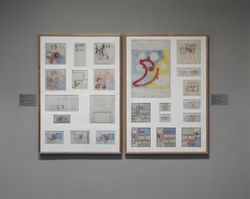
Paul Nelson (1895–1979), American architect, film set designer, painter, critic, and educator, taught and practised architecture in the United States and France for over fifty years. Nelson was a central figure in the development of functionalism in the 1930s and 1940s, which rejected the Beaux-Arts language in favour of technological and functional expression. The Filter(...)
Paul Nelson (1895–1979), American architect, film set designer, painter, critic, and educator, taught and practised architecture in the United States and France for over fifty years. Nelson was a central figure in the development of functionalism in the 1930s and 1940s, which rejected the Beaux-Arts language in favour of technological and functional expression. The Filter(...)
Location:
Main galleries
Main galleries
Date:
27 March 1991 to 26 May 1991
27 March 1991 to 26 May 1991
Title:
The Filter of Reason: The Work of Paul Nelson
Actions:
Description:
Paul Nelson (1895–1979), American architect, film set designer, painter, critic, and educator, taught and practised architecture in the United States and France for over fifty years. Nelson was a central figure in the development of functionalism in the 1930s and 1940s, which rejected the Beaux-Arts language in favour of technological and functional expression. The Filter(...)
The Filter of Reason: The Work of Paul Nelson
Actions:
Description:
Paul Nelson (1895–1979), American architect, film set designer, painter, critic, and educator, taught and practised architecture in the United States and France for over fifty years. Nelson was a central figure in the development of functionalism in the 1930s and 1940s, which rejected the Beaux-Arts language in favour of technological and functional expression. The Filter(...)
Form:
exhibitions
exhibitions
Date:
27 March 1991 to
26 May 1991
27 March 1991 to
26 May 1991
Location:
Main galleries
Main galleries
Form:
articles
articles
Actions:
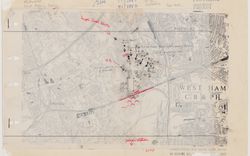
Notes on the history of the Fun Palace Project
Published:
25 September 2023
25 September 2023
Title:
Dangerous, Immoral, Ahead of Its Time
Notes on the history of the Fun Palace Project
Actions:
Dangerous, Immoral, Ahead of Its Time
Notes on the history of the Fun Palace Project
Actions:
Form:
drawings, textual records, graphic materials, photographs
drawings, textual records, graphic materials, photographs
Actions:
Reference number:
DR1989:0026:001-051
Description:
- This group is comprised of drawings and photographs for Francis Fowke's winning entry in the 1864 competition for the Natural History and Patent Museums, South Kensington, London, and correspondence and pamphlets related to John Liddell's subsequent claim (1866) of sole authorship of the external treatment of Fowke's design. A hand-coloured reprographic copy (DR1989:0026:005) is apparently an elevation for Fowke's final design for the Natural History and Patent Museum, and a photograph of the section through the Patent Museum (DR1989:0026:001) is also possibly for Fowke's final design. Other drawings (DR1989:0026:003, DR1989:0026:006, and DR1989:0026:007 R/V) and another photograph (DR1989:0026:002) are possibly for preliminary designs for the competition. Many of the letters are by John Liddell to the First Commissioner of Works (W.F. Cowper and later, Lord John Manners), and Alfred Waterhouse asserting his claim to authorship of the external treatment of Fowke's design (DR1989:0026:013, DR1989:0026:015, DR1989:0026:017, DR1989:0026:029, DR1989:0026:031-33, DR1989:0026:036, DR1989:0026:040). The First Commissioner's secretaries' replies to these are also included (DR1989:0026:016, DR1989:0026:035, DR1989:0026:041-043). Liddell compiled many of these letters, as well as some not included in this group, into a pamphlet in order to publicize his case (DR1989:0026:020, DR1989:0026:023-24, DR1989:0026:026-27, DR1989:0026:039, DR1989:0026:044-045). There are ten copies of this transcribed correspondence as well letters to the editors of four London newspapers (DR1989:0026:022, DR1989:0026:025, DR1989:0026:028, DR1989:0026:030, DR1989:0026:051). Also included is Liddell's correspondence to two of the competition judges (DR1989:0026:019, DR1989:0026:037, DR1989:0026:038) and several Members of Parliament (DR1989:0026:014, DR1989:0026:018, DR1989:0026:021, DR1989:0026:034) solicting support for his claims. A letter from Fowke to Liddell accompanies the payment of Liddell's portion of the competition premium (DR1989:0026:009). Three letters discuss a recommendation for Liddell from Sir Henry Cole (DR1989:0026:010-012). Pamphlets include two copies of pamphlets (one incomplete) published in 1863 by the House of Commons describing Sir Richard Owens' ideas for the Natural History Museum, with hand-coloured plans and sections drawn by Sir Henry A. Hunt and printed by Henry Hansard (DR1989:0026:046-47); two copies of the competition guidelines, each annotated with sketches, probably by Fowke and Liddell (DR1989:0026:048-049); and two copies of the description of Fowke's design, one with his motto and modifications (DR1989:0026:050 ?). The tabletop designs on the verso of some of the sketches date to 1907 and are unrelated to the other material in the collection (DR1989:0026:006 R/V and DR1989:0026:007 R/V).
DR1989:0026:001-051
Description:
- This group is comprised of drawings and photographs for Francis Fowke's winning entry in the 1864 competition for the Natural History and Patent Museums, South Kensington, London, and correspondence and pamphlets related to John Liddell's subsequent claim (1866) of sole authorship of the external treatment of Fowke's design. A hand-coloured reprographic copy (DR1989:0026:005) is apparently an elevation for Fowke's final design for the Natural History and Patent Museum, and a photograph of the section through the Patent Museum (DR1989:0026:001) is also possibly for Fowke's final design. Other drawings (DR1989:0026:003, DR1989:0026:006, and DR1989:0026:007 R/V) and another photograph (DR1989:0026:002) are possibly for preliminary designs for the competition. Many of the letters are by John Liddell to the First Commissioner of Works (W.F. Cowper and later, Lord John Manners), and Alfred Waterhouse asserting his claim to authorship of the external treatment of Fowke's design (DR1989:0026:013, DR1989:0026:015, DR1989:0026:017, DR1989:0026:029, DR1989:0026:031-33, DR1989:0026:036, DR1989:0026:040). The First Commissioner's secretaries' replies to these are also included (DR1989:0026:016, DR1989:0026:035, DR1989:0026:041-043). Liddell compiled many of these letters, as well as some not included in this group, into a pamphlet in order to publicize his case (DR1989:0026:020, DR1989:0026:023-24, DR1989:0026:026-27, DR1989:0026:039, DR1989:0026:044-045). There are ten copies of this transcribed correspondence as well letters to the editors of four London newspapers (DR1989:0026:022, DR1989:0026:025, DR1989:0026:028, DR1989:0026:030, DR1989:0026:051). Also included is Liddell's correspondence to two of the competition judges (DR1989:0026:019, DR1989:0026:037, DR1989:0026:038) and several Members of Parliament (DR1989:0026:014, DR1989:0026:018, DR1989:0026:021, DR1989:0026:034) solicting support for his claims. A letter from Fowke to Liddell accompanies the payment of Liddell's portion of the competition premium (DR1989:0026:009). Three letters discuss a recommendation for Liddell from Sir Henry Cole (DR1989:0026:010-012). Pamphlets include two copies of pamphlets (one incomplete) published in 1863 by the House of Commons describing Sir Richard Owens' ideas for the Natural History Museum, with hand-coloured plans and sections drawn by Sir Henry A. Hunt and printed by Henry Hansard (DR1989:0026:046-47); two copies of the competition guidelines, each annotated with sketches, probably by Fowke and Liddell (DR1989:0026:048-049); and two copies of the description of Fowke's design, one with his motto and modifications (DR1989:0026:050 ?). The tabletop designs on the verso of some of the sketches date to 1907 and are unrelated to the other material in the collection (DR1989:0026:006 R/V and DR1989:0026:007 R/V).
People:
Subject:
architecture
architecture
Date:
drawings executed between 1864 and 1907
drawings executed between 1864 and 1907
Title:
Documents and drawings related to the winning entry in the 1864 competition for a Natural History Museum and Patent Museum, South Kensington, London, England
Actions:
DR1989:0026:001-051
Description:
- This group is comprised of drawings and photographs for Francis Fowke's winning entry in the 1864 competition for the Natural History and Patent Museums, South Kensington, London, and correspondence and pamphlets related to John Liddell's subsequent claim (1866) of sole authorship of the external treatment of Fowke's design. A hand-coloured reprographic copy (DR1989:0026:005) is apparently an elevation for Fowke's final design for the Natural History and Patent Museum, and a photograph of the section through the Patent Museum (DR1989:0026:001) is also possibly for Fowke's final design. Other drawings (DR1989:0026:003, DR1989:0026:006, and DR1989:0026:007 R/V) and another photograph (DR1989:0026:002) are possibly for preliminary designs for the competition. Many of the letters are by John Liddell to the First Commissioner of Works (W.F. Cowper and later, Lord John Manners), and Alfred Waterhouse asserting his claim to authorship of the external treatment of Fowke's design (DR1989:0026:013, DR1989:0026:015, DR1989:0026:017, DR1989:0026:029, DR1989:0026:031-33, DR1989:0026:036, DR1989:0026:040). The First Commissioner's secretaries' replies to these are also included (DR1989:0026:016, DR1989:0026:035, DR1989:0026:041-043). Liddell compiled many of these letters, as well as some not included in this group, into a pamphlet in order to publicize his case (DR1989:0026:020, DR1989:0026:023-24, DR1989:0026:026-27, DR1989:0026:039, DR1989:0026:044-045). There are ten copies of this transcribed correspondence as well letters to the editors of four London newspapers (DR1989:0026:022, DR1989:0026:025, DR1989:0026:028, DR1989:0026:030, DR1989:0026:051). Also included is Liddell's correspondence to two of the competition judges (DR1989:0026:019, DR1989:0026:037, DR1989:0026:038) and several Members of Parliament (DR1989:0026:014, DR1989:0026:018, DR1989:0026:021, DR1989:0026:034) solicting support for his claims. A letter from Fowke to Liddell accompanies the payment of Liddell's portion of the competition premium (DR1989:0026:009). Three letters discuss a recommendation for Liddell from Sir Henry Cole (DR1989:0026:010-012). Pamphlets include two copies of pamphlets (one incomplete) published in 1863 by the House of Commons describing Sir Richard Owens' ideas for the Natural History Museum, with hand-coloured plans and sections drawn by Sir Henry A. Hunt and printed by Henry Hansard (DR1989:0026:046-47); two copies of the competition guidelines, each annotated with sketches, probably by Fowke and Liddell (DR1989:0026:048-049); and two copies of the description of Fowke's design, one with his motto and modifications (DR1989:0026:050 ?). The tabletop designs on the verso of some of the sketches date to 1907 and are unrelated to the other material in the collection (DR1989:0026:006 R/V and DR1989:0026:007 R/V).
Documents and drawings related to the winning entry in the 1864 competition for a Natural History Museum and Patent Museum, South Kensington, London, England
Actions:
DR1989:0026:001-051
Description:
- This group is comprised of drawings and photographs for Francis Fowke's winning entry in the 1864 competition for the Natural History and Patent Museums, South Kensington, London, and correspondence and pamphlets related to John Liddell's subsequent claim (1866) of sole authorship of the external treatment of Fowke's design. A hand-coloured reprographic copy (DR1989:0026:005) is apparently an elevation for Fowke's final design for the Natural History and Patent Museum, and a photograph of the section through the Patent Museum (DR1989:0026:001) is also possibly for Fowke's final design. Other drawings (DR1989:0026:003, DR1989:0026:006, and DR1989:0026:007 R/V) and another photograph (DR1989:0026:002) are possibly for preliminary designs for the competition. Many of the letters are by John Liddell to the First Commissioner of Works (W.F. Cowper and later, Lord John Manners), and Alfred Waterhouse asserting his claim to authorship of the external treatment of Fowke's design (DR1989:0026:013, DR1989:0026:015, DR1989:0026:017, DR1989:0026:029, DR1989:0026:031-33, DR1989:0026:036, DR1989:0026:040). The First Commissioner's secretaries' replies to these are also included (DR1989:0026:016, DR1989:0026:035, DR1989:0026:041-043). Liddell compiled many of these letters, as well as some not included in this group, into a pamphlet in order to publicize his case (DR1989:0026:020, DR1989:0026:023-24, DR1989:0026:026-27, DR1989:0026:039, DR1989:0026:044-045). There are ten copies of this transcribed correspondence as well letters to the editors of four London newspapers (DR1989:0026:022, DR1989:0026:025, DR1989:0026:028, DR1989:0026:030, DR1989:0026:051). Also included is Liddell's correspondence to two of the competition judges (DR1989:0026:019, DR1989:0026:037, DR1989:0026:038) and several Members of Parliament (DR1989:0026:014, DR1989:0026:018, DR1989:0026:021, DR1989:0026:034) solicting support for his claims. A letter from Fowke to Liddell accompanies the payment of Liddell's portion of the competition premium (DR1989:0026:009). Three letters discuss a recommendation for Liddell from Sir Henry Cole (DR1989:0026:010-012). Pamphlets include two copies of pamphlets (one incomplete) published in 1863 by the House of Commons describing Sir Richard Owens' ideas for the Natural History Museum, with hand-coloured plans and sections drawn by Sir Henry A. Hunt and printed by Henry Hansard (DR1989:0026:046-47); two copies of the competition guidelines, each annotated with sketches, probably by Fowke and Liddell (DR1989:0026:048-049); and two copies of the description of Fowke's design, one with his motto and modifications (DR1989:0026:050 ?). The tabletop designs on the verso of some of the sketches date to 1907 and are unrelated to the other material in the collection (DR1989:0026:006 R/V and DR1989:0026:007 R/V).
Form:
drawings, textual records, graphic materials, photographs
drawings, textual records, graphic materials, photographs
Date:
drawings executed between 1864 and 1907
drawings executed between 1864 and 1907
People:
Subject:
architecture
architecture
Form:
textual records
textual records
Reference number:
AP206.S2.072
Description:
File was originally housed in a binder along with content arranged in AP206.S2.073 and AP206.S2.074. This file includes the following papers: "Working with Le Corbusier," 1998 "How Chandigarh got Built" "Jane B. Drew," 1996 "Art as I see it," 1993 "Civilization, Art, Religion" Letters to newspaper editors, 1995 Newspaper articles and Aditya Prakash's response to them Newspaper articles by Aditya Prakash, 1993-1994 Urdu poetry "Modernity in Modern Homes," 1994 "The 'Neem' Soap" "Daydreaming" "A New Capital for Haryana" "Trishanku," 1993 "Oh! To be Equal" "Solar Passive/Active Architecture" "Human Habitat: Environmental Issues and Strategies" "The Maximum and the Minimum"
AP206.S2.072
Description:
File was originally housed in a binder along with content arranged in AP206.S2.073 and AP206.S2.074. This file includes the following papers: "Working with Le Corbusier," 1998 "How Chandigarh got Built" "Jane B. Drew," 1996 "Art as I see it," 1993 "Civilization, Art, Religion" Letters to newspaper editors, 1995 Newspaper articles and Aditya Prakash's response to them Newspaper articles by Aditya Prakash, 1993-1994 Urdu poetry "Modernity in Modern Homes," 1994 "The 'Neem' Soap" "Daydreaming" "A New Capital for Haryana" "Trishanku," 1993 "Oh! To be Equal" "Solar Passive/Active Architecture" "Human Habitat: Environmental Issues and Strategies" "The Maximum and the Minimum"
People:
Date:
1986-1998
1986-1998
Title:
Published and unpublished papers (folder 1 of 3)
Actions:
AP206.S2.072
Description:
File was originally housed in a binder along with content arranged in AP206.S2.073 and AP206.S2.074. This file includes the following papers: "Working with Le Corbusier," 1998 "How Chandigarh got Built" "Jane B. Drew," 1996 "Art as I see it," 1993 "Civilization, Art, Religion" Letters to newspaper editors, 1995 Newspaper articles and Aditya Prakash's response to them Newspaper articles by Aditya Prakash, 1993-1994 Urdu poetry "Modernity in Modern Homes," 1994 "The 'Neem' Soap" "Daydreaming" "A New Capital for Haryana" "Trishanku," 1993 "Oh! To be Equal" "Solar Passive/Active Architecture" "Human Habitat: Environmental Issues and Strategies" "The Maximum and the Minimum"
Published and unpublished papers (folder 1 of 3)
Actions:
AP206.S2.072
Description:
File was originally housed in a binder along with content arranged in AP206.S2.073 and AP206.S2.074. This file includes the following papers: "Working with Le Corbusier," 1998 "How Chandigarh got Built" "Jane B. Drew," 1996 "Art as I see it," 1993 "Civilization, Art, Religion" Letters to newspaper editors, 1995 Newspaper articles and Aditya Prakash's response to them Newspaper articles by Aditya Prakash, 1993-1994 Urdu poetry "Modernity in Modern Homes," 1994 "The 'Neem' Soap" "Daydreaming" "A New Capital for Haryana" "Trishanku," 1993 "Oh! To be Equal" "Solar Passive/Active Architecture" "Human Habitat: Environmental Issues and Strategies" "The Maximum and the Minimum"
Form:
textual records
textual records
Date:
1986-1998
1986-1998
People:
Level of archival description:
Series
Series
Title:
Professional papers
Professional papers
Reference number:
AP206.S3
Description:
The Professional papers series, circa 1950-2008, records the professional activities of Aditya Prakash throughout his career up until his death in 2008. His work in architecture, art, photography, academia and theatre are documented through textual records, drawings, photographic materials, ephemera, books, serials and sound recordings. The earliest materials in this series show Prakash’s interest in architectural photography early in his career through photographs, slides, and negatives taken by him. These materials, dating from before 1970, show most prominently his projects, people, villages and cityscapes. Materials dating from after 1968 show Prakash’s move into academia and his solo architectural career. During this time, the records document Prakash’s research interests on subjects such as urbanization, Chandigarh, the Modular and the environment, through drawings, newspaper articles, government and committee reports, correspondence and presentation materials. Likewise, his teaching is recorded through overhead transparencies, drawings and notes. The series also shows Prakash’s involvement in the professional community, including event photographs, correspondence and records documenting conferences, events and his discussion group Our Get Togethers. Correspondence with architect Charles Correa and frequent letters between Prakash and writer Mulk Raj Anand are of note here. Apart from his architectural career, Prakash’s work as a modern artist is well recorded through drawings, sketchbooks, and photographic reproductions of his art, mostly dating from after 1980. His interest in art as well as his community involvement are documented through exhibition ephemera, correspondence, and exhibition reviews and writings on his artwork. His role as the president of the Lalit Kala Akademi is also documented through publications, event photographs and correspondence. Finally, Prakash’s involvement in theatre, specifically with his amateur theatre troop Abhinet, is captured through scripts, photographs of performances and play reviews.
AP206.S3
Description:
The Professional papers series, circa 1950-2008, records the professional activities of Aditya Prakash throughout his career up until his death in 2008. His work in architecture, art, photography, academia and theatre are documented through textual records, drawings, photographic materials, ephemera, books, serials and sound recordings. The earliest materials in this series show Prakash’s interest in architectural photography early in his career through photographs, slides, and negatives taken by him. These materials, dating from before 1970, show most prominently his projects, people, villages and cityscapes. Materials dating from after 1968 show Prakash’s move into academia and his solo architectural career. During this time, the records document Prakash’s research interests on subjects such as urbanization, Chandigarh, the Modular and the environment, through drawings, newspaper articles, government and committee reports, correspondence and presentation materials. Likewise, his teaching is recorded through overhead transparencies, drawings and notes. The series also shows Prakash’s involvement in the professional community, including event photographs, correspondence and records documenting conferences, events and his discussion group Our Get Togethers. Correspondence with architect Charles Correa and frequent letters between Prakash and writer Mulk Raj Anand are of note here. Apart from his architectural career, Prakash’s work as a modern artist is well recorded through drawings, sketchbooks, and photographic reproductions of his art, mostly dating from after 1980. His interest in art as well as his community involvement are documented through exhibition ephemera, correspondence, and exhibition reviews and writings on his artwork. His role as the president of the Lalit Kala Akademi is also documented through publications, event photographs and correspondence. Finally, Prakash’s involvement in theatre, specifically with his amateur theatre troop Abhinet, is captured through scripts, photographs of performances and play reviews.
People:
Date:
circa 1950-2008
circa 1950-2008
Title:
Professional papers
Actions:
AP206.S3
Description:
The Professional papers series, circa 1950-2008, records the professional activities of Aditya Prakash throughout his career up until his death in 2008. His work in architecture, art, photography, academia and theatre are documented through textual records, drawings, photographic materials, ephemera, books, serials and sound recordings. The earliest materials in this series show Prakash’s interest in architectural photography early in his career through photographs, slides, and negatives taken by him. These materials, dating from before 1970, show most prominently his projects, people, villages and cityscapes. Materials dating from after 1968 show Prakash’s move into academia and his solo architectural career. During this time, the records document Prakash’s research interests on subjects such as urbanization, Chandigarh, the Modular and the environment, through drawings, newspaper articles, government and committee reports, correspondence and presentation materials. Likewise, his teaching is recorded through overhead transparencies, drawings and notes. The series also shows Prakash’s involvement in the professional community, including event photographs, correspondence and records documenting conferences, events and his discussion group Our Get Togethers. Correspondence with architect Charles Correa and frequent letters between Prakash and writer Mulk Raj Anand are of note here. Apart from his architectural career, Prakash’s work as a modern artist is well recorded through drawings, sketchbooks, and photographic reproductions of his art, mostly dating from after 1980. His interest in art as well as his community involvement are documented through exhibition ephemera, correspondence, and exhibition reviews and writings on his artwork. His role as the president of the Lalit Kala Akademi is also documented through publications, event photographs and correspondence. Finally, Prakash’s involvement in theatre, specifically with his amateur theatre troop Abhinet, is captured through scripts, photographs of performances and play reviews.
Professional papers
Actions:
AP206.S3
Description:
The Professional papers series, circa 1950-2008, records the professional activities of Aditya Prakash throughout his career up until his death in 2008. His work in architecture, art, photography, academia and theatre are documented through textual records, drawings, photographic materials, ephemera, books, serials and sound recordings. The earliest materials in this series show Prakash’s interest in architectural photography early in his career through photographs, slides, and negatives taken by him. These materials, dating from before 1970, show most prominently his projects, people, villages and cityscapes. Materials dating from after 1968 show Prakash’s move into academia and his solo architectural career. During this time, the records document Prakash’s research interests on subjects such as urbanization, Chandigarh, the Modular and the environment, through drawings, newspaper articles, government and committee reports, correspondence and presentation materials. Likewise, his teaching is recorded through overhead transparencies, drawings and notes. The series also shows Prakash’s involvement in the professional community, including event photographs, correspondence and records documenting conferences, events and his discussion group Our Get Togethers. Correspondence with architect Charles Correa and frequent letters between Prakash and writer Mulk Raj Anand are of note here. Apart from his architectural career, Prakash’s work as a modern artist is well recorded through drawings, sketchbooks, and photographic reproductions of his art, mostly dating from after 1980. His interest in art as well as his community involvement are documented through exhibition ephemera, correspondence, and exhibition reviews and writings on his artwork. His role as the president of the Lalit Kala Akademi is also documented through publications, event photographs and correspondence. Finally, Prakash’s involvement in theatre, specifically with his amateur theatre troop Abhinet, is captured through scripts, photographs of performances and play reviews.
Level of archival description:
Series
Series
Date:
circa 1950-2008
circa 1950-2008
People:
Form:
textual records, graphic materials
Quantity:
33 textual record(s) and ephemera
textual records, graphic materials
Quantity:
33 textual record(s) and ephemera
Actions:
Reference number:
DR1995:0001:001-034
Description:
- This group of correspondence was compiled by George Jacobsen who commissioned Frank Lloyd Wright to design a house for his property in Hudson, Québec. The group includes letters, telegrams and numbers 13, 14, and an unnumbered edition of "A Taliesin Square-Paper", published by Taliesin Press. The correspondence discusses both the designs for the house and the trip Jacobsen made to Taliesin West, Arizona. Although the house was never constructed, Wright sent two different designs. The first was based on his design for the 1942 Vigo Sundt House, and the second, a hexagonal module, was similar to the 1941 Roy Peterson House (Shubert and Whatley).
DR1995:0001:001-034
Description:
- This group of correspondence was compiled by George Jacobsen who commissioned Frank Lloyd Wright to design a house for his property in Hudson, Québec. The group includes letters, telegrams and numbers 13, 14, and an unnumbered edition of "A Taliesin Square-Paper", published by Taliesin Press. The correspondence discusses both the designs for the house and the trip Jacobsen made to Taliesin West, Arizona. Although the house was never constructed, Wright sent two different designs. The first was based on his design for the 1942 Vigo Sundt House, and the second, a hexagonal module, was similar to the 1941 Roy Peterson House (Shubert and Whatley).
People:
Subject:
architecture, interior design, topographic
architecture, interior design, topographic
Date:
correspondence composed between 8 January 1949 and 28 April 1952
correspondence composed between 8 January 1949 and 28 April 1952
Title:
Correspondence between Frank Lloyd Wright and George Jacobsen for the designs for the George Jacobsen House, Hudson, Québec
Actions:
DR1995:0001:001-034
Description:
- This group of correspondence was compiled by George Jacobsen who commissioned Frank Lloyd Wright to design a house for his property in Hudson, Québec. The group includes letters, telegrams and numbers 13, 14, and an unnumbered edition of "A Taliesin Square-Paper", published by Taliesin Press. The correspondence discusses both the designs for the house and the trip Jacobsen made to Taliesin West, Arizona. Although the house was never constructed, Wright sent two different designs. The first was based on his design for the 1942 Vigo Sundt House, and the second, a hexagonal module, was similar to the 1941 Roy Peterson House (Shubert and Whatley).
Correspondence between Frank Lloyd Wright and George Jacobsen for the designs for the George Jacobsen House, Hudson, Québec
Actions:
DR1995:0001:001-034
Description:
- This group of correspondence was compiled by George Jacobsen who commissioned Frank Lloyd Wright to design a house for his property in Hudson, Québec. The group includes letters, telegrams and numbers 13, 14, and an unnumbered edition of "A Taliesin Square-Paper", published by Taliesin Press. The correspondence discusses both the designs for the house and the trip Jacobsen made to Taliesin West, Arizona. Although the house was never constructed, Wright sent two different designs. The first was based on his design for the 1942 Vigo Sundt House, and the second, a hexagonal module, was similar to the 1941 Roy Peterson House (Shubert and Whatley).
Form:
textual records, graphic materials
Quantity:
33 textual record(s) and ephemera
textual records, graphic materials
Quantity:
33 textual record(s) and ephemera
Date:
correspondence composed between 8 January 1949 and 28 April 1952
correspondence composed between 8 January 1949 and 28 April 1952
People:
Subject:
architecture, interior design, topographic
architecture, interior design, topographic


