


3676 Results
Form:
books
books
Actions:
Price:
$40.00
(available to order)
Summary:
Discard studies is an emerging field that looks at waste and wasting broadly construed. Rather than focusing on waste and trash as the primary objects of study, discard studies looks at wider systems of waste and wasting to explore how some materials, practices, regions, and people are valued or devalued, becoming dominant or disposable. In this book, Max Liboiron and(...)
$40.00
(available to order)
Summary:
Discard studies is an emerging field that looks at waste and wasting broadly construed. Rather than focusing on waste and trash as the primary objects of study, discard studies looks at wider systems of waste and wasting to explore how some materials, practices, regions, and people are valued or devalued, becoming dominant or disposable. In this book, Max Liboiron and(...)
Subject:
Environment and environmental theory
Environment and environmental theory
Publication:
May 2022
May 2022
Title:
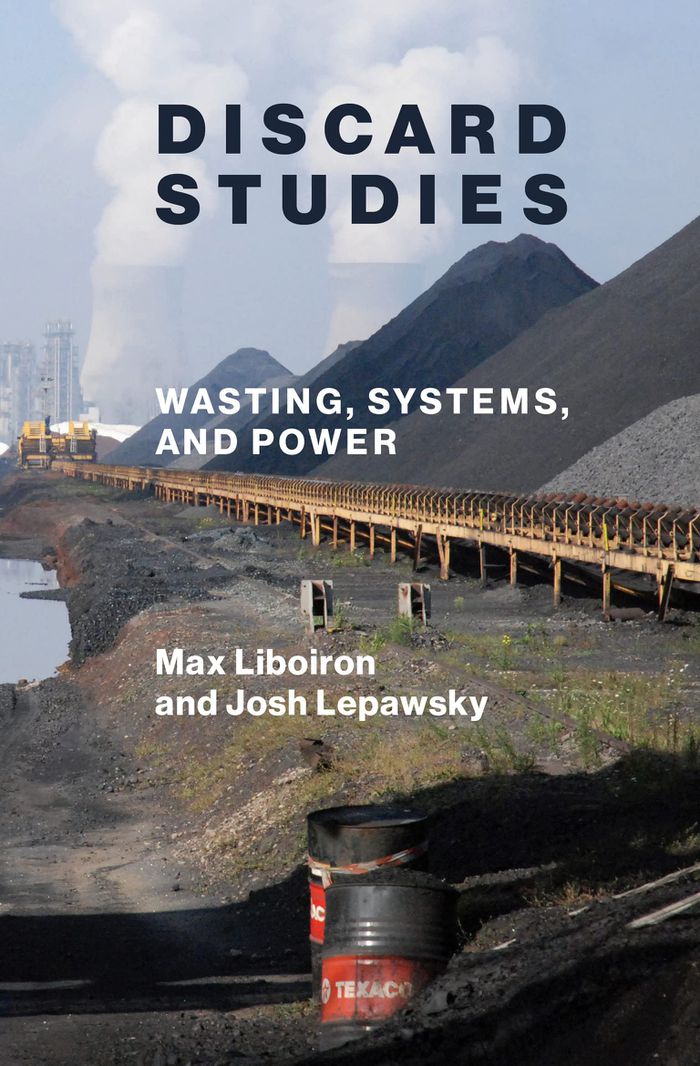
Discard studies: Wasting, systems, and power
Actions:
Price:
$40.00
(available to order)
Summary:
Discard studies is an emerging field that looks at waste and wasting broadly construed. Rather than focusing on waste and trash as the primary objects of study, discard studies looks at wider systems of waste and wasting to explore how some materials, practices, regions, and people are valued or devalued, becoming dominant or disposable. In this book, Max Liboiron and Josh Lepawsky argue that social, political, and economic systems maintain power by discarding certain people, places, and things. They show how the theories and methods of discard studies can be applied in a variety of cases, many of which do not involve waste, trash, or pollution. Liboiron and Lepawsky consider the partiality of knowledge and offer a theory of scale, exploring the myth that most waste is municipal solid waste produced by consumers; discuss peripheries, centers, and power, using content moderation as an example of how dominant systems find ways to discard; and use theories of difference to show that universalism, stereotypes, and inclusion all have politics of discard and even purification—as exemplified in ''inclusive'' efforts to broaden the Black Lives Matter movement. Finally, they develop a theory of change by considering ''wasting well,'' outlining techniques, methods, and propositions for a justice-oriented discard studies that keeps power in view.
Discard studies: Wasting, systems, and power
Actions:
Price:
$40.00
(available to order)
Summary:
Discard studies is an emerging field that looks at waste and wasting broadly construed. Rather than focusing on waste and trash as the primary objects of study, discard studies looks at wider systems of waste and wasting to explore how some materials, practices, regions, and people are valued or devalued, becoming dominant or disposable. In this book, Max Liboiron and Josh Lepawsky argue that social, political, and economic systems maintain power by discarding certain people, places, and things. They show how the theories and methods of discard studies can be applied in a variety of cases, many of which do not involve waste, trash, or pollution. Liboiron and Lepawsky consider the partiality of knowledge and offer a theory of scale, exploring the myth that most waste is municipal solid waste produced by consumers; discuss peripheries, centers, and power, using content moderation as an example of how dominant systems find ways to discard; and use theories of difference to show that universalism, stereotypes, and inclusion all have politics of discard and even purification—as exemplified in ''inclusive'' efforts to broaden the Black Lives Matter movement. Finally, they develop a theory of change by considering ''wasting well,'' outlining techniques, methods, and propositions for a justice-oriented discard studies that keeps power in view.
Form:
books
books
Publication:
May 2022
May 2022
Subject:
Environment and environmental theory
Environment and environmental theory
Form:
books
books
Price:
$28.95
(available to order)
Summary:
Nature, as both subject and object, has been repeatedly rejected and reclaimed by artists over the last half century. With the dislocation of disciplinary boundaries in visual culture, art that is engaged with nature has also forged connections with a new range of scientific, historical, and philosophical ideas. Developing technologies make our interventions into natural(...)
$28.95
(available to order)
Summary:
Nature, as both subject and object, has been repeatedly rejected and reclaimed by artists over the last half century. With the dislocation of disciplinary boundaries in visual culture, art that is engaged with nature has also forged connections with a new range of scientific, historical, and philosophical ideas. Developing technologies make our interventions into natural(...)
Title:
Nature
Actions:
Price:
$28.95
(available to order)
Summary:
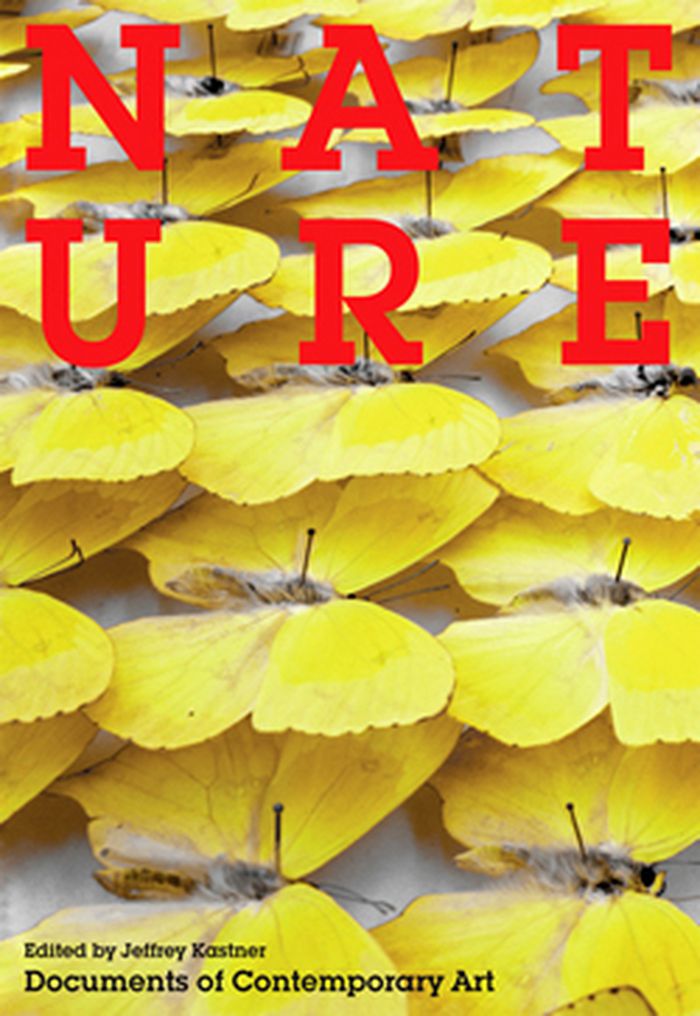
Nature, as both subject and object, has been repeatedly rejected and reclaimed by artists over the last half century. With the dislocation of disciplinary boundaries in visual culture, art that is engaged with nature has also forged connections with a new range of scientific, historical, and philosophical ideas. Developing technologies make our interventions into natural systems both increasingly refined and profound. Advances in biological and telecommunication technology continually modify the way we present ourselves. So too are artistic representations of nature (human and otherwise) being transformed. This anthology addresses these issues by considering how the rise of transdisciplinary practices in the postwar era allowed for new kinds of artistic engagement with nature. These include the postminimalist inscriptions associated with Land art; environmentally engaged practices designed to propose novel forms of stewardship; and more recent projects concerned with relationships between the most subtle and minute components of life and the large-scale appearance of the world. These projects unsettle the most basic operations of “natural” personhood and identity. Including a wide range of writings by and about artists, juxtaposed with influential texts from diverse theoretical bases, this collection provides an overview of the eclectic scientific and philosophical sources that inform contemporary art’s investigations of nature.
Nature
Actions:
Price:
$28.95
(available to order)
Summary:
Nature, as both subject and object, has been repeatedly rejected and reclaimed by artists over the last half century. With the dislocation of disciplinary boundaries in visual culture, art that is engaged with nature has also forged connections with a new range of scientific, historical, and philosophical ideas. Developing technologies make our interventions into natural systems both increasingly refined and profound. Advances in biological and telecommunication technology continually modify the way we present ourselves. So too are artistic representations of nature (human and otherwise) being transformed. This anthology addresses these issues by considering how the rise of transdisciplinary practices in the postwar era allowed for new kinds of artistic engagement with nature. These include the postminimalist inscriptions associated with Land art; environmentally engaged practices designed to propose novel forms of stewardship; and more recent projects concerned with relationships between the most subtle and minute components of life and the large-scale appearance of the world. These projects unsettle the most basic operations of “natural” personhood and identity. Including a wide range of writings by and about artists, juxtaposed with influential texts from diverse theoretical bases, this collection provides an overview of the eclectic scientific and philosophical sources that inform contemporary art’s investigations of nature.
Form:
books
books
Publication:
March 2012
March 2012
Subject:
Art Theory
Art Theory
Form:
books
books
Actions:
Price:
$109.95
(available to order)
Summary:
2010 marked the 50th anniversary of Brazil's capital Brasilia. Architects Lucio Costa and Oscar Niemeyer designed what has become one of the most studied urban planning project. Niemeyer's Cathedral, his building for the National Congress and the city's 707-ft television tower are icons of modern architecture. The entire city, marked by its cross-shaped layout and vast(...)
$109.95
(available to order)
Summary:
2010 marked the 50th anniversary of Brazil's capital Brasilia. Architects Lucio Costa and Oscar Niemeyer designed what has become one of the most studied urban planning project. Niemeyer's Cathedral, his building for the National Congress and the city's 707-ft television tower are icons of modern architecture. The entire city, marked by its cross-shaped layout and vast(...)
Title:
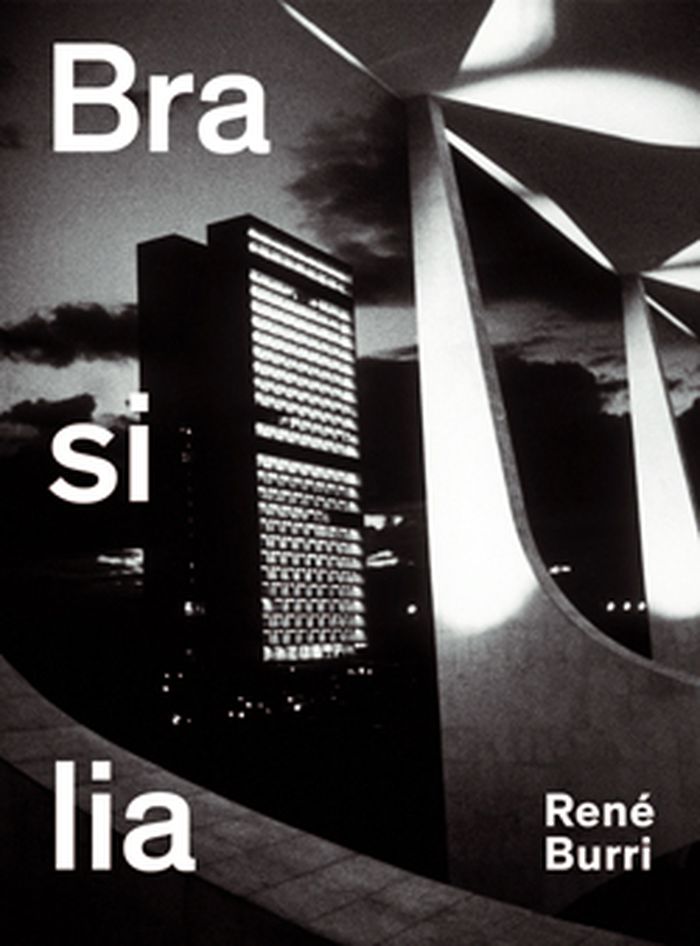
René Burri, Brasilia: photographs 1960-1993
Actions:
Price:
$109.95
(available to order)
Summary:
2010 marked the 50th anniversary of Brazil's capital Brasilia. Architects Lucio Costa and Oscar Niemeyer designed what has become one of the most studied urban planning project. Niemeyer's Cathedral, his building for the National Congress and the city's 707-ft television tower are icons of modern architecture. The entire city, marked by its cross-shaped layout and vast open spaces, was named a UNESCO World Heritage site in 1987. The author of this publication visited Brasilia's vast building sites for the first time in 1958. He returned many times over the years, documenting with his camera growth and further development of this built Utopia. Besides documenting the buildings in various stages of completion, Burri took portraits of Niemeyer and his workers and photographed Brasilia's street scenes and people and aerial views of the city's first slums. His images capture the strong sense of a new era and a vibrant atmosphere of hard work and strain; they reflect the huge dimensions of the landscape and the great scale of this project and its ambition to design and build a new capital. This book presents a large selection from hundreds of colour and black-and-white photographs, the majority of them published in this book for the first time.
René Burri, Brasilia: photographs 1960-1993
Actions:
Price:
$109.95
(available to order)
Summary:
2010 marked the 50th anniversary of Brazil's capital Brasilia. Architects Lucio Costa and Oscar Niemeyer designed what has become one of the most studied urban planning project. Niemeyer's Cathedral, his building for the National Congress and the city's 707-ft television tower are icons of modern architecture. The entire city, marked by its cross-shaped layout and vast open spaces, was named a UNESCO World Heritage site in 1987. The author of this publication visited Brasilia's vast building sites for the first time in 1958. He returned many times over the years, documenting with his camera growth and further development of this built Utopia. Besides documenting the buildings in various stages of completion, Burri took portraits of Niemeyer and his workers and photographed Brasilia's street scenes and people and aerial views of the city's first slums. His images capture the strong sense of a new era and a vibrant atmosphere of hard work and strain; they reflect the huge dimensions of the landscape and the great scale of this project and its ambition to design and build a new capital. This book presents a large selection from hundreds of colour and black-and-white photographs, the majority of them published in this book for the first time.
Form:
books
books
Publication:
June 2011
June 2011
Subject:
Photography monographs
Photography monographs
Form:
books
books
Title:
Visionary cities
Visionary cities
Actions:
Price:
$25.00
(available to order)
Summary:
Recognizing that our civic responsibilities towards our environments have drastically increased, Visionary Cities ambitiously sets the agenda for the city of the future. Amid crippling bureaucracies and economic crises, present-day thinking on city design remains woefully inadequate, and this first publication in NAi's Future Cities Series announces 12 civic issues that(...)
$25.00
(available to order)
Summary:
Recognizing that our civic responsibilities towards our environments have drastically increased, Visionary Cities ambitiously sets the agenda for the city of the future. Amid crippling bureaucracies and economic crises, present-day thinking on city design remains woefully inadequate, and this first publication in NAi's Future Cities Series announces 12 civic issues that(...)
Title:
Visionary cities
Actions:
Price:
$25.00
(available to order)
Summary:
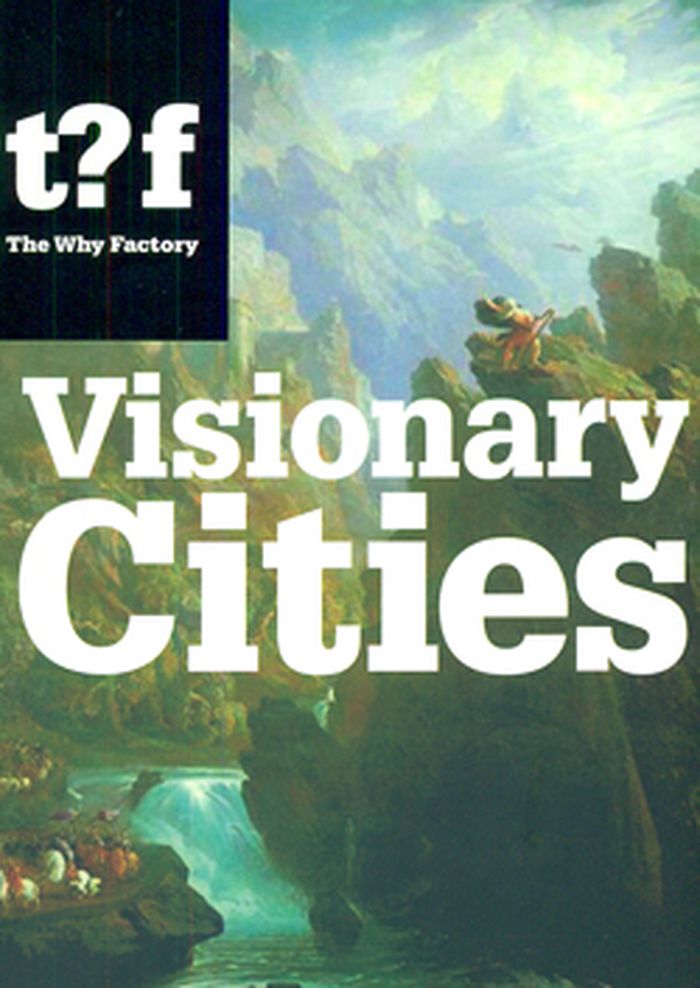
Recognizing that our civic responsibilities towards our environments have drastically increased, Visionary Cities ambitiously sets the agenda for the city of the future. Amid crippling bureaucracies and economic crises, present-day thinking on city design remains woefully inadequate, and this first publication in NAi's Future Cities Series announces 12 civic issues that are in need of transformation through the researches of The Why Factory, a global urban-studies thinktank operated in part by the Delft University of Technology. These issues include: “The Solitary (Our Dreams are Undermining the City)”; “The Iconic (Our Idols Have Been Compromised)”; “The Fun (We Are Having Too Much Fun)”; “The Cautious (Being Careful Is Killing Us)”; “The Poor (Slums Are Growing Bigger Than The Cities They Are Part Of”; and “The Future (Our Future Is Being Imagined Without Us).” A howl against civic impotence and the apathy of citizens in the face of incompetence and decay, Visionary Cities makes a manifesto of these and other topics to loudly demand large-scale change on a collective rather than individual level. In an afterword, Winy Maas, of the innovative Dutch architecture firm MVRDV, argues that architecture possesses a visionary dimension waiting to be applied to the cities of the future.
Visionary cities
Actions:
Price:
$25.00
(available to order)
Summary:
Recognizing that our civic responsibilities towards our environments have drastically increased, Visionary Cities ambitiously sets the agenda for the city of the future. Amid crippling bureaucracies and economic crises, present-day thinking on city design remains woefully inadequate, and this first publication in NAi's Future Cities Series announces 12 civic issues that are in need of transformation through the researches of The Why Factory, a global urban-studies thinktank operated in part by the Delft University of Technology. These issues include: “The Solitary (Our Dreams are Undermining the City)”; “The Iconic (Our Idols Have Been Compromised)”; “The Fun (We Are Having Too Much Fun)”; “The Cautious (Being Careful Is Killing Us)”; “The Poor (Slums Are Growing Bigger Than The Cities They Are Part Of”; and “The Future (Our Future Is Being Imagined Without Us).” A howl against civic impotence and the apathy of citizens in the face of incompetence and decay, Visionary Cities makes a manifesto of these and other topics to loudly demand large-scale change on a collective rather than individual level. In an afterword, Winy Maas, of the innovative Dutch architecture firm MVRDV, argues that architecture possesses a visionary dimension waiting to be applied to the cities of the future.
Form:
books
books
Publication:
March 2010
March 2010
Subject:
Urban Theory
Urban Theory
Form:
books
books
Price:
$49.95
(available in store)
Summary:
Spectacular, scientific, and educational cultural practices were used to establish and define public identities in the British colonies of nineteenth-century Canada. In Visibly Canadian, Karen Stanworth argues that visual representations were the era's primary mode of expressing identity, and shows how the citizenry of Quebec and Ontario was - or was not - represented in(...)
$49.95
(available in store)
Summary:
Spectacular, scientific, and educational cultural practices were used to establish and define public identities in the British colonies of nineteenth-century Canada. In Visibly Canadian, Karen Stanworth argues that visual representations were the era's primary mode of expressing identity, and shows how the citizenry of Quebec and Ontario was - or was not - represented in(...)
Title:
Visibly Canadian: imaging collective identities in the Canadas, 1820-1910
Actions:
Price:
$49.95
(available in store)
Summary:
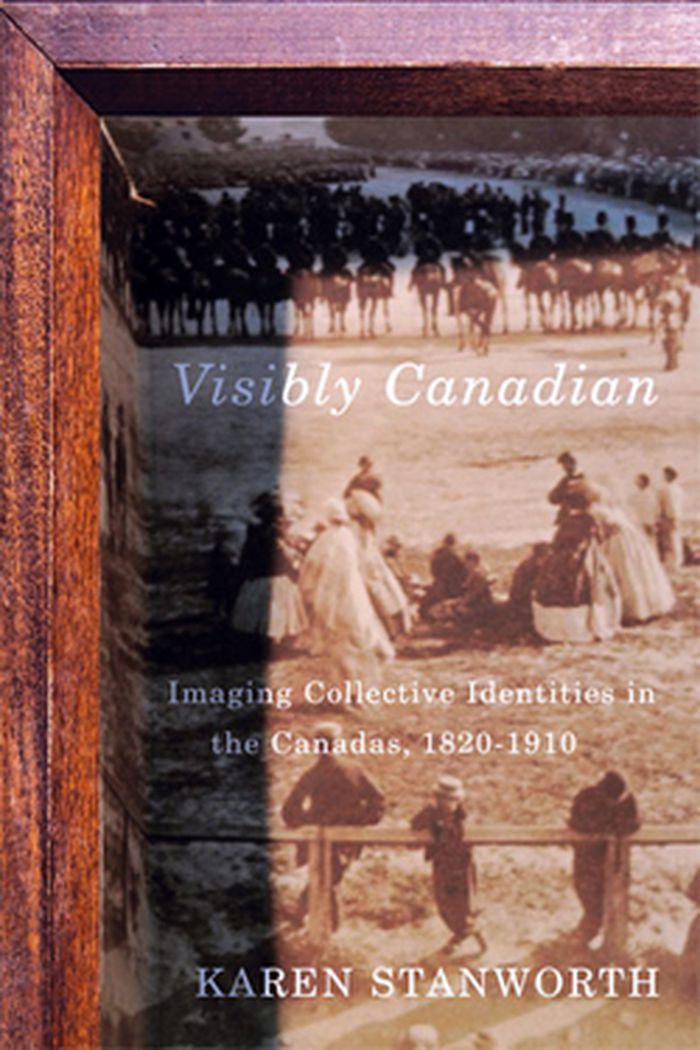
Spectacular, scientific, and educational cultural practices were used to establish and define public identities in the British colonies of nineteenth-century Canada. In Visibly Canadian, Karen Stanworth argues that visual representations were the era's primary mode of expressing identity, and shows how the citizenry of Quebec and Ontario was - or was not - represented in the visual culture of the time.Through nine case studies, each representing key moments of identity formation and contestation, Stanworth investigates how a broad range of cultural phenomena, from fine arts to institutional histories to public spectacles, were used to order, resist, and articulate identities within specific social and economic contexts. The negotiation and planning underpinning civic culture are evident in rare moments of compromise such as the surprising proposal from the Saint-Jean-Baptiste Society to merge their annual parade with the celebration of Queen Victoria's Diamond Jubilee in 1897. Equally astounding is the scale of nineteenth-century public spectacles; reenactments of Victorian scenes of war often attracted crowds of upwards of 10,000 people. Illustrated with over fifty images, many unseen for over a century, Visibly Canadian establishes the significance of artwork and public spectacles in cutting across language, religion, and class to tell stories of nationhood, belonging, and difference.
Visibly Canadian: imaging collective identities in the Canadas, 1820-1910
Actions:
Price:
$49.95
(available in store)
Summary:
Spectacular, scientific, and educational cultural practices were used to establish and define public identities in the British colonies of nineteenth-century Canada. In Visibly Canadian, Karen Stanworth argues that visual representations were the era's primary mode of expressing identity, and shows how the citizenry of Quebec and Ontario was - or was not - represented in the visual culture of the time.Through nine case studies, each representing key moments of identity formation and contestation, Stanworth investigates how a broad range of cultural phenomena, from fine arts to institutional histories to public spectacles, were used to order, resist, and articulate identities within specific social and economic contexts. The negotiation and planning underpinning civic culture are evident in rare moments of compromise such as the surprising proposal from the Saint-Jean-Baptiste Society to merge their annual parade with the celebration of Queen Victoria's Diamond Jubilee in 1897. Equally astounding is the scale of nineteenth-century public spectacles; reenactments of Victorian scenes of war often attracted crowds of upwards of 10,000 people. Illustrated with over fifty images, many unseen for over a century, Visibly Canadian establishes the significance of artwork and public spectacles in cutting across language, religion, and class to tell stories of nationhood, belonging, and difference.
Form:
books
books
Publication:
November 2014
November 2014
Subject:
Architecture in Canada
Architecture in Canada
Form:
books
books
Actions:
Price:
$47.95
(available to order)
Summary:
Builders, Housewives and the Construction of Modern Athens reassesses the explosive growth of postwar Athens through its most distinctive building type, the polykatoikía, and its different connotations through the decades: from a monotonous and ugly element of the city to the role it might play in the urban sustainability. Sprawling beneath the Acropolis, modern Athens(...)
$47.95
(available to order)
Summary:
Builders, Housewives and the Construction of Modern Athens reassesses the explosive growth of postwar Athens through its most distinctive building type, the polykatoikía, and its different connotations through the decades: from a monotonous and ugly element of the city to the role it might play in the urban sustainability. Sprawling beneath the Acropolis, modern Athens(...)
Title:
Builders, housewives, and the construction of modern Athens
Actions:
Price:
$47.95
(available to order)
Summary:
Builders, Housewives and the Construction of Modern Athens reassesses the explosive growth of postwar Athens through its most distinctive building type, the polykatoikía, and its different connotations through the decades: from a monotonous and ugly element of the city to the role it might play in the urban sustainability. Sprawling beneath the Acropolis, modern Athens is commonly viewed in negative terms: congested, ugly and monotonous. Builders, Housewives and the Construction of Modern Athens questions this stereotype, reassessing the explosive growth of postwar Athens through its most distinctive building type: the polykatoikía (a small-scale multistory apartment block). Theocharopoulou re-evaluates the polykatoikía as a low-tech, easily constructible innovation that stimulated the postwar urban economy, triggering the city's social mid-twentieth-century transformation. The interiors of the polykatoikía apartments reflect a desire for modernity as marketed to housewives through film and magazines. Regular builders became unlikely allies in designing these polykatoikía interiors, enabling inhabitants to exert agency over their daily lives and the shape of the postwar city. This revised edition of Theocharopoulou's study draws on popular media as well as urban and regional planning theory, cultural studies and anthropology to examine the evolution of this phenomenon. Written in the light of Greece's recent financial crisis, the book's updated Postscript considers the role polykatoikía might play in building an equitable and sustainable twenty-first-century city.
Builders, housewives, and the construction of modern Athens
Actions:
Price:
$47.95
(available to order)
Summary:
Builders, Housewives and the Construction of Modern Athens reassesses the explosive growth of postwar Athens through its most distinctive building type, the polykatoikía, and its different connotations through the decades: from a monotonous and ugly element of the city to the role it might play in the urban sustainability. Sprawling beneath the Acropolis, modern Athens is commonly viewed in negative terms: congested, ugly and monotonous. Builders, Housewives and the Construction of Modern Athens questions this stereotype, reassessing the explosive growth of postwar Athens through its most distinctive building type: the polykatoikía (a small-scale multistory apartment block). Theocharopoulou re-evaluates the polykatoikía as a low-tech, easily constructible innovation that stimulated the postwar urban economy, triggering the city's social mid-twentieth-century transformation. The interiors of the polykatoikía apartments reflect a desire for modernity as marketed to housewives through film and magazines. Regular builders became unlikely allies in designing these polykatoikía interiors, enabling inhabitants to exert agency over their daily lives and the shape of the postwar city. This revised edition of Theocharopoulou's study draws on popular media as well as urban and regional planning theory, cultural studies and anthropology to examine the evolution of this phenomenon. Written in the light of Greece's recent financial crisis, the book's updated Postscript considers the role polykatoikía might play in building an equitable and sustainable twenty-first-century city.
Form:
books
books
Publication:
September 2022
September 2022
Subject:
Urban Theory
Urban Theory
Form:
books
books
Actions:
Price:
$36.95
(available to order)
Summary:
Activism is a critical point of contention for institutions and genealogies of contemporary art around the world. Yet artists have consistently engaged in activist discourse, lending their skills to social movements, and regularly participating in civil and social rights campaigns while also boycotting cultural institutions and exerting significant pressure on them. This(...)
$36.95
(available to order)
Summary:
Activism is a critical point of contention for institutions and genealogies of contemporary art around the world. Yet artists have consistently engaged in activist discourse, lending their skills to social movements, and regularly participating in civil and social rights campaigns while also boycotting cultural institutions and exerting significant pressure on them. This(...)
Title:
Activism: Whitechapel Documents of Contemporary Art
Actions:
Price:
$36.95
(available to order)
Summary:
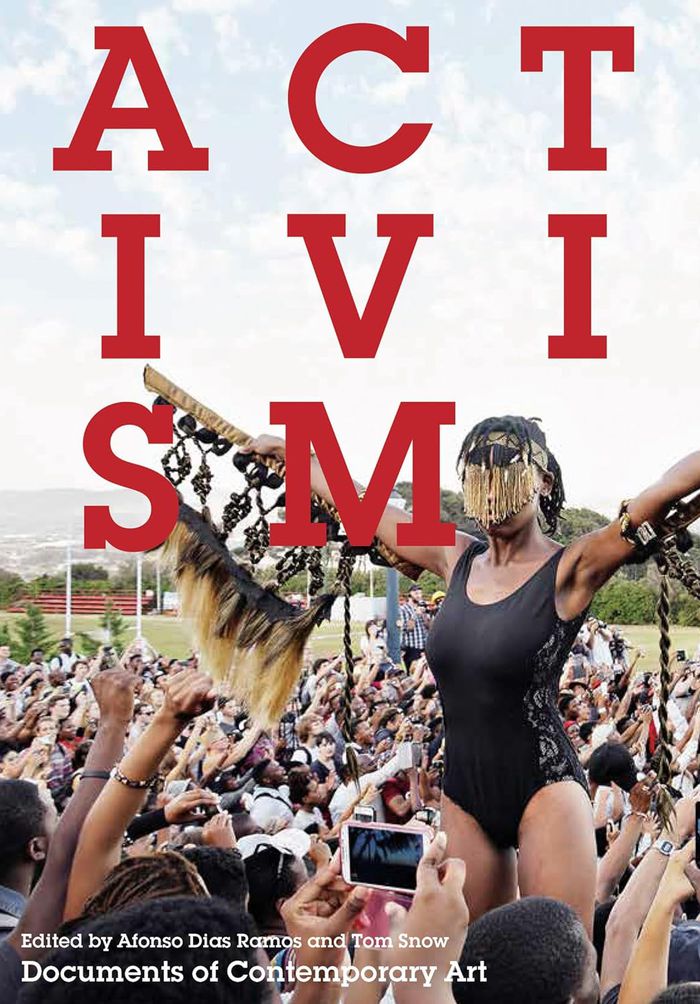
Activism is a critical point of contention for institutions and genealogies of contemporary art around the world. Yet artists have consistently engaged in activist discourse, lending their skills to social movements, and regularly participating in civil and social rights campaigns while also boycotting cultural institutions and exerting significant pressure on them. This timely volume, edited by Tom Snow and Afonso Ramos, addresses an extraordinary moment in debates over the institutional frameworks and networks of art including large-scale direct actions, as well as a radical rethinking of art venues and urban spaces according to racial, class, or gender-based disparities, including demonstrations against the extractive and exploitative practices of neoliberal accumulation and climate catastrophe. From ACT UP and its affiliate groups since the dawn of the AIDS crisis to the counter-spectacle and street theatrics of the so-called Arab Spring and Occupy, to ongoing protest movements such as Black Lives Matter, Rhodes Must Fall, and Decolonize This Place, activist aesthetics has proven increasingly difficult to define under traditional classifications. Resurgent campaigns for decolonial reckoning, ecological justice, gender equality, indigenous rights and antiracist pedagogies indicate that the role of activism in contemporary art practice urges a critical reassessment. One pressing question is whether contemporary art’s most radical politics now takes place outside, against, or in spite of, conventional sites of display such as museums, biennials, and galleries.
Activism: Whitechapel Documents of Contemporary Art
Actions:
Price:
$36.95
(available to order)
Summary:
Activism is a critical point of contention for institutions and genealogies of contemporary art around the world. Yet artists have consistently engaged in activist discourse, lending their skills to social movements, and regularly participating in civil and social rights campaigns while also boycotting cultural institutions and exerting significant pressure on them. This timely volume, edited by Tom Snow and Afonso Ramos, addresses an extraordinary moment in debates over the institutional frameworks and networks of art including large-scale direct actions, as well as a radical rethinking of art venues and urban spaces according to racial, class, or gender-based disparities, including demonstrations against the extractive and exploitative practices of neoliberal accumulation and climate catastrophe. From ACT UP and its affiliate groups since the dawn of the AIDS crisis to the counter-spectacle and street theatrics of the so-called Arab Spring and Occupy, to ongoing protest movements such as Black Lives Matter, Rhodes Must Fall, and Decolonize This Place, activist aesthetics has proven increasingly difficult to define under traditional classifications. Resurgent campaigns for decolonial reckoning, ecological justice, gender equality, indigenous rights and antiracist pedagogies indicate that the role of activism in contemporary art practice urges a critical reassessment. One pressing question is whether contemporary art’s most radical politics now takes place outside, against, or in spite of, conventional sites of display such as museums, biennials, and galleries.
Form:
books
books
Publication:
October 2023
October 2023
Subject:
Art Theory
Art Theory
Form:
books
books
Price:
$60.00
(available to order)
Summary:
In the 1950s, the figure of the arrow had a strange kind of ubiquity in architectural drawings, publications, and advertisements, symbolizing everything from the circulation of cold and warm air in a kitchen fridge to the flow of traffic in assorted New Towns. Twenty-five years earlier there were barely any arrows within architectural publications, and 15 years later they(...)
$60.00
(available to order)
Summary:
In the 1950s, the figure of the arrow had a strange kind of ubiquity in architectural drawings, publications, and advertisements, symbolizing everything from the circulation of cold and warm air in a kitchen fridge to the flow of traffic in assorted New Towns. Twenty-five years earlier there were barely any arrows within architectural publications, and 15 years later they(...)
Title:
On arrows: Essays in British architecture and its environments
Actions:
Price:
$60.00
(available to order)
Summary:
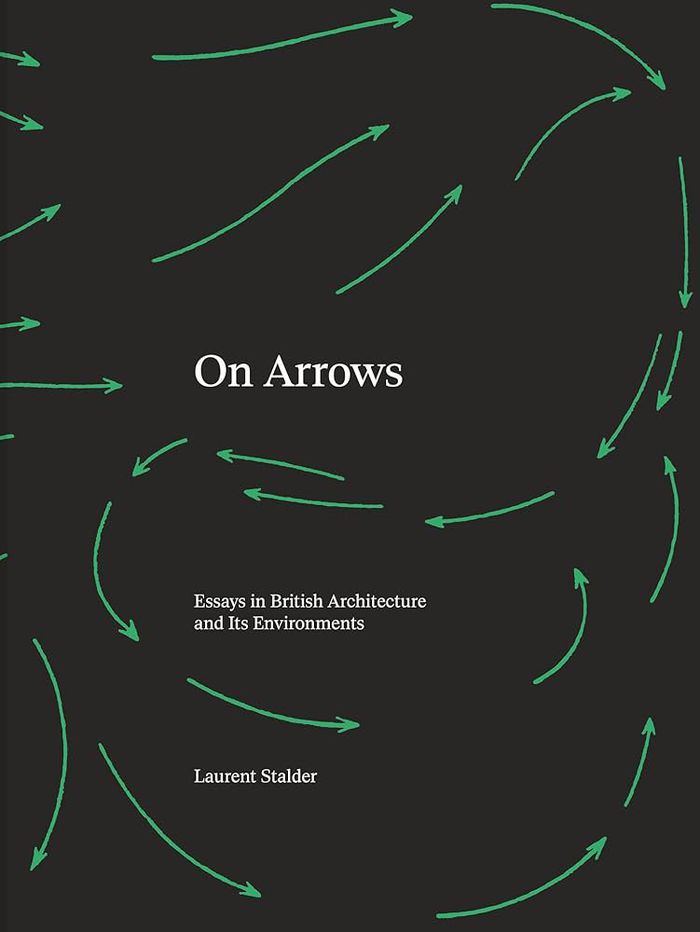
In the 1950s, the figure of the arrow had a strange kind of ubiquity in architectural drawings, publications, and advertisements, symbolizing everything from the circulation of cold and warm air in a kitchen fridge to the flow of traffic in assorted New Towns. Twenty-five years earlier there were barely any arrows within architectural publications, and 15 years later they had all but disappeared. In ''On Arrows'', Laurent Stalder looks back at the near past to trace the idea of performance in architecture by following this pervasive yet relatively unnoticed figure within the history of British architecture. During its short, intense period of use, the arrow pointed beyond any one singular author, typology, or scale, to the operative dimension of architecture and its environments, working both as an appropriate representational technique and a concrete tool for design. Stalder uses the arrow to move through the different dimensions of performance, mapping out the changing set of constellations that made up postwar British architecture and its environments: the constructive aspects, structural properties, infrastructural innovations, spatial challenges as well as their aesthetic and practical consequences. It is the arrow, he writes, that brings together debates from within different disciplines—from building physics, to sociology, structural design, and historiography, inscribed as they are in the materials, spaces, and buildings that are all too often considered in isolation from one another.
On arrows: Essays in British architecture and its environments
Actions:
Price:
$60.00
(available to order)
Summary:
In the 1950s, the figure of the arrow had a strange kind of ubiquity in architectural drawings, publications, and advertisements, symbolizing everything from the circulation of cold and warm air in a kitchen fridge to the flow of traffic in assorted New Towns. Twenty-five years earlier there were barely any arrows within architectural publications, and 15 years later they had all but disappeared. In ''On Arrows'', Laurent Stalder looks back at the near past to trace the idea of performance in architecture by following this pervasive yet relatively unnoticed figure within the history of British architecture. During its short, intense period of use, the arrow pointed beyond any one singular author, typology, or scale, to the operative dimension of architecture and its environments, working both as an appropriate representational technique and a concrete tool for design. Stalder uses the arrow to move through the different dimensions of performance, mapping out the changing set of constellations that made up postwar British architecture and its environments: the constructive aspects, structural properties, infrastructural innovations, spatial challenges as well as their aesthetic and practical consequences. It is the arrow, he writes, that brings together debates from within different disciplines—from building physics, to sociology, structural design, and historiography, inscribed as they are in the materials, spaces, and buildings that are all too often considered in isolation from one another.
Form:
books
books
Publication:
January 2025
January 2025
Subject:
Architectural Theory
Architectural Theory
Form:
books
books
Price:
$49.95
(available to order)
Summary:
Born into a large French-Canadian family in 1926, Mariette Rousseau embraced her passion for creative expression through wool and weaving at an early age. She studied art and weaving at l'École des beaux-arts in Quebec City and then worked at the California studio of ground-breaking American textile designer Dorothy Liebes. Back in Canada after an art-inspired trip to(...)
$49.95
(available to order)
Summary:
Born into a large French-Canadian family in 1926, Mariette Rousseau embraced her passion for creative expression through wool and weaving at an early age. She studied art and weaving at l'École des beaux-arts in Quebec City and then worked at the California studio of ground-breaking American textile designer Dorothy Liebes. Back in Canada after an art-inspired trip to(...)
Title:
Weaving modernist art: The life and work of Mariette Rousseau-Vermette
Actions:
Price:
$49.95
(available to order)
Summary:
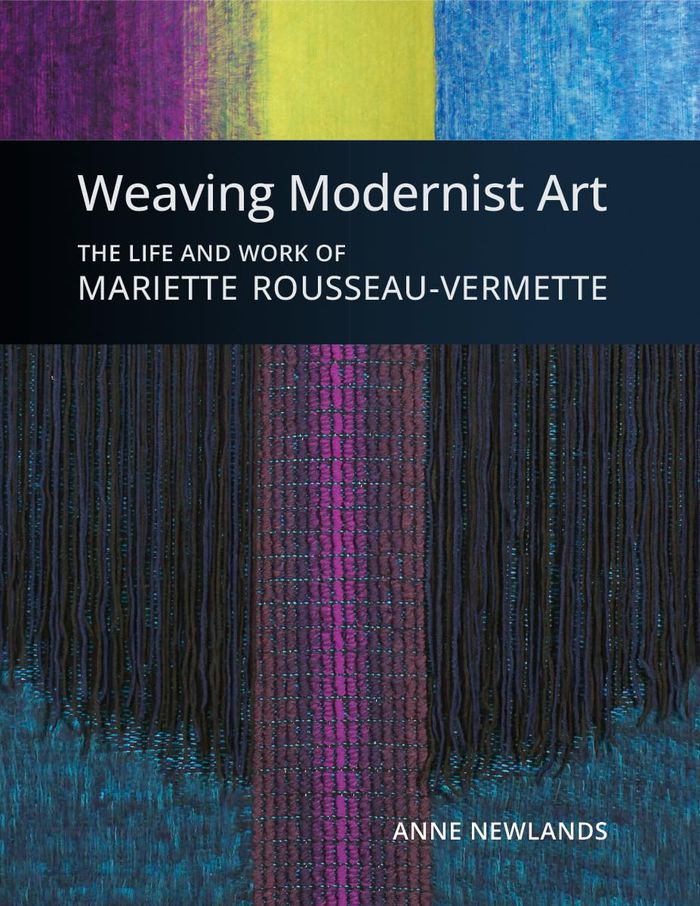
Born into a large French-Canadian family in 1926, Mariette Rousseau embraced her passion for creative expression through wool and weaving at an early age. She studied art and weaving at l'École des beaux-arts in Quebec City and then worked at the California studio of ground-breaking American textile designer Dorothy Liebes. Back in Canada after an art-inspired trip to Europe, she and her husband, artist and ceramist Claude Vermette, joined the growing movement of young French-Canadian artists in their embrace of abstraction and new forms of art and their rejection of the conservatism of Maurice Duplessis' mid-century Quebec. By the early 1960s, Rousseau-Vermette had forged collaborations with fellow artists, designers and architects with like ideas about public art. Over the next 40 years, she scaled the heights of her profession, weaving hundreds of radiant large-scale tapestries that complemented the cool interiors of modern architecture. She exhibited across Canada and internationally and attracted prestigious commissions from the private and public sectors, including commissions for theater curtains at the National Arts Centre, Ottawa and the Kennedy Center in Washington, DC. Yet three years after Rousseau-Vermette's death in 2006, Newlands discovered there wasn't a single book that told her story as a pioneer of modernist tapestry and one of Canada's most prolific and influential artist-weavers.
Weaving modernist art: The life and work of Mariette Rousseau-Vermette
Actions:
Price:
$49.95
(available to order)
Summary:
Born into a large French-Canadian family in 1926, Mariette Rousseau embraced her passion for creative expression through wool and weaving at an early age. She studied art and weaving at l'École des beaux-arts in Quebec City and then worked at the California studio of ground-breaking American textile designer Dorothy Liebes. Back in Canada after an art-inspired trip to Europe, she and her husband, artist and ceramist Claude Vermette, joined the growing movement of young French-Canadian artists in their embrace of abstraction and new forms of art and their rejection of the conservatism of Maurice Duplessis' mid-century Quebec. By the early 1960s, Rousseau-Vermette had forged collaborations with fellow artists, designers and architects with like ideas about public art. Over the next 40 years, she scaled the heights of her profession, weaving hundreds of radiant large-scale tapestries that complemented the cool interiors of modern architecture. She exhibited across Canada and internationally and attracted prestigious commissions from the private and public sectors, including commissions for theater curtains at the National Arts Centre, Ottawa and the Kennedy Center in Washington, DC. Yet three years after Rousseau-Vermette's death in 2006, Newlands discovered there wasn't a single book that told her story as a pioneer of modernist tapestry and one of Canada's most prolific and influential artist-weavers.
Form:
books
books
Publication:
March 2023
March 2023
Subject:
Current Exhibitions
Current Exhibitions
Form:
books
books
Title:
Peter Eisenman : feints
Peter Eisenman : feints
Actions:
Price:
$49.95
(available to order)
Summary:
Impregnated with “culture” in the broadest sense, the works of Peter Eisenman reflect many years of important study on the meaning and sense of design. Architecture understood as history, as philosophy, as art, as mathematics, as literature, architecture understood – as it should be that is – as a strict discipline that aims to recover its operational fields, defining(...)
$49.95
(available to order)
Summary:
Impregnated with “culture” in the broadest sense, the works of Peter Eisenman reflect many years of important study on the meaning and sense of design. Architecture understood as history, as philosophy, as art, as mathematics, as literature, architecture understood – as it should be that is – as a strict discipline that aims to recover its operational fields, defining(...)
Subject:
Architecture Monographs
Architecture Monographs
Publication:
May 2006, Milano
May 2006, Milano
Title:
Peter Eisenman : feints
Actions:
Price:
$49.95
(available to order)
Summary:
Impregnated with “culture” in the broadest sense, the works of Peter Eisenman reflect many years of important study on the meaning and sense of design. Architecture understood as history, as philosophy, as art, as mathematics, as literature, architecture understood – as it should be that is – as a strict discipline that aims to recover its operational fields, defining with precision its limits and the potential for a profession that must constantly face destabilising visual and technological systems. Within history and yet outside it so that it can continue, within tradition yet outside of Tradition in order to avoid becoming sterile, the architecture of Peter Eisenman does not aim to console with the simple suggestion of a difficult-to-define aesthetic or the illusion of an evanescent technique. The unpredictability of his work anchors design to individuation and the clarification of its objectives by focussing on the value of the sign understood as a fundamental conceptual expression and not as simple formal distortion. The validity of this formidable theoretical system intended to return a renewed and personal linguistic system to fields of architecture, is confirmed by examining the continued expansion of the territorial system, as evidenced by projects on a territorial scale such as the Memorial of Berlin or the Cultural Centre of Galizia, the most recent projects which demonstrate the vitality of a design system that is constantly renewing itself.
Peter Eisenman : feints
Actions:
Price:
$49.95
(available to order)
Summary:
Impregnated with “culture” in the broadest sense, the works of Peter Eisenman reflect many years of important study on the meaning and sense of design. Architecture understood as history, as philosophy, as art, as mathematics, as literature, architecture understood – as it should be that is – as a strict discipline that aims to recover its operational fields, defining with precision its limits and the potential for a profession that must constantly face destabilising visual and technological systems. Within history and yet outside it so that it can continue, within tradition yet outside of Tradition in order to avoid becoming sterile, the architecture of Peter Eisenman does not aim to console with the simple suggestion of a difficult-to-define aesthetic or the illusion of an evanescent technique. The unpredictability of his work anchors design to individuation and the clarification of its objectives by focussing on the value of the sign understood as a fundamental conceptual expression and not as simple formal distortion. The validity of this formidable theoretical system intended to return a renewed and personal linguistic system to fields of architecture, is confirmed by examining the continued expansion of the territorial system, as evidenced by projects on a territorial scale such as the Memorial of Berlin or the Cultural Centre of Galizia, the most recent projects which demonstrate the vitality of a design system that is constantly renewing itself.
Form:
books
books
Publication:
May 2006, Milano
May 2006, Milano
Subject:
Architecture Monographs
Architecture Monographs


