


10583 Results
Form:
books
books
Price:
$27.95
(available to order)
Summary:
Los Angeles--the place without a sense of place, famous for sprawl and overdevelopment and defined by its car-clogged freeways--might seem inhospitable to efforts to connect with nature and community. But in Reinventing Los Angeles, educator and activist Robert Gottlieb describes how imaginative and innovative social movements have coalesced around the issues of water(...)
$27.95
(available to order)
Summary:
Los Angeles--the place without a sense of place, famous for sprawl and overdevelopment and defined by its car-clogged freeways--might seem inhospitable to efforts to connect with nature and community. But in Reinventing Los Angeles, educator and activist Robert Gottlieb describes how imaginative and innovative social movements have coalesced around the issues of water(...)
Title:
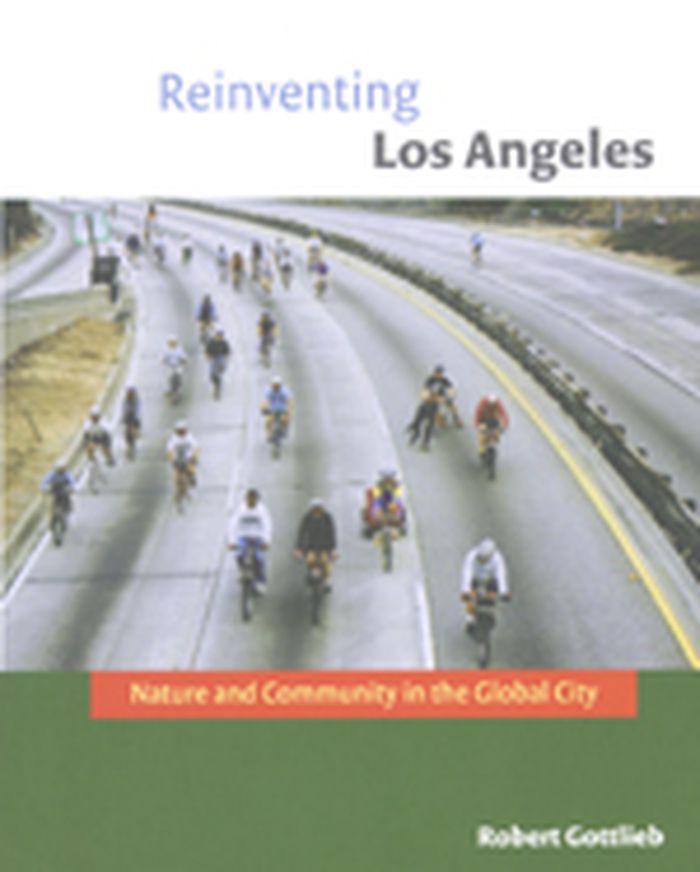
Reinventing Los Angeles : Nature and community in the global city
Actions:
Price:
$27.95
(available to order)
Summary:
Los Angeles--the place without a sense of place, famous for sprawl and overdevelopment and defined by its car-clogged freeways--might seem inhospitable to efforts to connect with nature and community. But in Reinventing Los Angeles, educator and activist Robert Gottlieb describes how imaginative and innovative social movements have coalesced around the issues of water development, cars and freeways, and land use, to create a more livable and sustainable city. Gottlieb traces the emergence of Los Angeles as a global city in the twentieth century and describes its continuing evolution today. He examines the powerful influences of immigration and economic globalization as they intersect with changes in the politics of water, transportation, and land use, and illustrates each of these core concerns with an account of grass roots and activist responses: efforts to reenvision the concrete-bound, fenced-off Los Angeles River as a natural resource; "Arroyofest," the closing of the Pasadena Freeway for a Sunday of walking and bike riding; and immigrants’ initiatives to create urban gardens and connect with their countries of origin. Reinventing Los Angeles is a unique blend of personal narrative (Gottlieb himself participated in several of the grass roots actions described in the book) and historical and theoretical discussion. It provides a road map for a new environmentalism of everyday life, demonstrating the opportunities for renewal in a global city. Robert Gottlieb is Henry R. Luce Professor of Urban and Environmental Policy and Director of the Urban and Environmental Policy Institute at Occidental College in Los Angeles. He is the author of Environmentalism Unbound: Exploring New Pathways for Change (MIT Press), Forcing the Spring: The Transformation of the American Environmental Movement, and other books.
Reinventing Los Angeles : Nature and community in the global city
Actions:
Price:
$27.95
(available to order)
Summary:
Los Angeles--the place without a sense of place, famous for sprawl and overdevelopment and defined by its car-clogged freeways--might seem inhospitable to efforts to connect with nature and community. But in Reinventing Los Angeles, educator and activist Robert Gottlieb describes how imaginative and innovative social movements have coalesced around the issues of water development, cars and freeways, and land use, to create a more livable and sustainable city. Gottlieb traces the emergence of Los Angeles as a global city in the twentieth century and describes its continuing evolution today. He examines the powerful influences of immigration and economic globalization as they intersect with changes in the politics of water, transportation, and land use, and illustrates each of these core concerns with an account of grass roots and activist responses: efforts to reenvision the concrete-bound, fenced-off Los Angeles River as a natural resource; "Arroyofest," the closing of the Pasadena Freeway for a Sunday of walking and bike riding; and immigrants’ initiatives to create urban gardens and connect with their countries of origin. Reinventing Los Angeles is a unique blend of personal narrative (Gottlieb himself participated in several of the grass roots actions described in the book) and historical and theoretical discussion. It provides a road map for a new environmentalism of everyday life, demonstrating the opportunities for renewal in a global city. Robert Gottlieb is Henry R. Luce Professor of Urban and Environmental Policy and Director of the Urban and Environmental Policy Institute at Occidental College in Los Angeles. He is the author of Environmentalism Unbound: Exploring New Pathways for Change (MIT Press), Forcing the Spring: The Transformation of the American Environmental Movement, and other books.
Form:
books
books
Publication:
November 2007, Massachusetts
November 2007, Massachusetts
Subject:
Urban Theory
Urban Theory
Form:
books
books
Title:
The gothic
The gothic
Actions:
Price:
$23.95
(available to order)
Summary:
This collection of writings examines the pervasive and influential role of "the Gothic" in contemporary visual culture. The contemporary Gothic in art is informed as much by the stock themes of the eighteenth- and nineteenth-century Gothic novel as it is by more recent permutations of the Gothic in horror film theory, Lacanian psychoanalysis, and Goth subcultures. This(...)
$23.95
(available to order)
Summary:
This collection of writings examines the pervasive and influential role of "the Gothic" in contemporary visual culture. The contemporary Gothic in art is informed as much by the stock themes of the eighteenth- and nineteenth-century Gothic novel as it is by more recent permutations of the Gothic in horror film theory, Lacanian psychoanalysis, and Goth subcultures. This(...)
Title:
The gothic
Actions:
Price:
$23.95
(available to order)
Summary:
This collection of writings examines the pervasive and influential role of "the Gothic" in contemporary visual culture. The contemporary Gothic in art is informed as much by the stock themes of the eighteenth- and nineteenth-century Gothic novel as it is by more recent permutations of the Gothic in horror film theory, Lacanian psychoanalysis, and Goth subcultures. This reader from London's Whitechapel Gallery brings together artists as different as Matthew Barney, Gregor Schneider, Louise Bourgeois, and Douglas Gordon; its intent is not to use "the Gothic" to group together dissimilar artists but rather to shed light on a particular understanding of their practice. Anthony Vidler looks at ideas of the uncanny to explore Rachel Whiteread's House, and Jeff Wall uses the motif of vampirism to analyze fellow artist Dan Graham's Kammerspell; Hal Foster considers Robert Gober's recent work--laden with Christian symbolism, criticism of America as a nexus of power, and fragmented bodies--as an updated American Gothic, and Kobena Mercer examines the Gothic's depiction of the Other in relation to Michael Jackson's pop video Thriller. Texts by artists including Mike Kelley, Damien Hirst, Tacita Dean, Jonathan Meese, and Catherine Sullivan are complemented by extracts from Walpole's genre-establishing gothic novel The Castle of Otranto, William Gibson, Bret Easton Ellis, and Stephen King, among others, and theoretical writings by such key thinkers as Carol Clover, Beatriz Colomina, Julia Kristeva, Eve Kosofsky Sedgwick, Marina Warner, and Slavoj Zizek. The Gothic provides the first comprehensive overview of the uses of Gothic in contemporary visual culture.
The gothic
Actions:
Price:
$23.95
(available to order)
Summary:
This collection of writings examines the pervasive and influential role of "the Gothic" in contemporary visual culture. The contemporary Gothic in art is informed as much by the stock themes of the eighteenth- and nineteenth-century Gothic novel as it is by more recent permutations of the Gothic in horror film theory, Lacanian psychoanalysis, and Goth subcultures. This reader from London's Whitechapel Gallery brings together artists as different as Matthew Barney, Gregor Schneider, Louise Bourgeois, and Douglas Gordon; its intent is not to use "the Gothic" to group together dissimilar artists but rather to shed light on a particular understanding of their practice. Anthony Vidler looks at ideas of the uncanny to explore Rachel Whiteread's House, and Jeff Wall uses the motif of vampirism to analyze fellow artist Dan Graham's Kammerspell; Hal Foster considers Robert Gober's recent work--laden with Christian symbolism, criticism of America as a nexus of power, and fragmented bodies--as an updated American Gothic, and Kobena Mercer examines the Gothic's depiction of the Other in relation to Michael Jackson's pop video Thriller. Texts by artists including Mike Kelley, Damien Hirst, Tacita Dean, Jonathan Meese, and Catherine Sullivan are complemented by extracts from Walpole's genre-establishing gothic novel The Castle of Otranto, William Gibson, Bret Easton Ellis, and Stephen King, among others, and theoretical writings by such key thinkers as Carol Clover, Beatriz Colomina, Julia Kristeva, Eve Kosofsky Sedgwick, Marina Warner, and Slavoj Zizek. The Gothic provides the first comprehensive overview of the uses of Gothic in contemporary visual culture.
Form:
books
books
Publication:
October 2007, Whitechapel London Cambridge
October 2007, Whitechapel London Cambridge
Subject:
Art Theory
Art Theory
Form:
books
books
Actions:
Price:
$32.95
(available to order)
Summary:
How can architects use branding as a means to differentiate places from the inside out--and not, as current development practices seem to dictate, from the outside in? When architecture brings together ecology, economics, and social well-being to help people and places regain self-sufficiency, writes Klingmann, it can be a catalyst for cultural and economic transformation.
$32.95
(available to order)
Summary:
How can architects use branding as a means to differentiate places from the inside out--and not, as current development practices seem to dictate, from the outside in? When architecture brings together ecology, economics, and social well-being to help people and places regain self-sufficiency, writes Klingmann, it can be a catalyst for cultural and economic transformation.
Title:
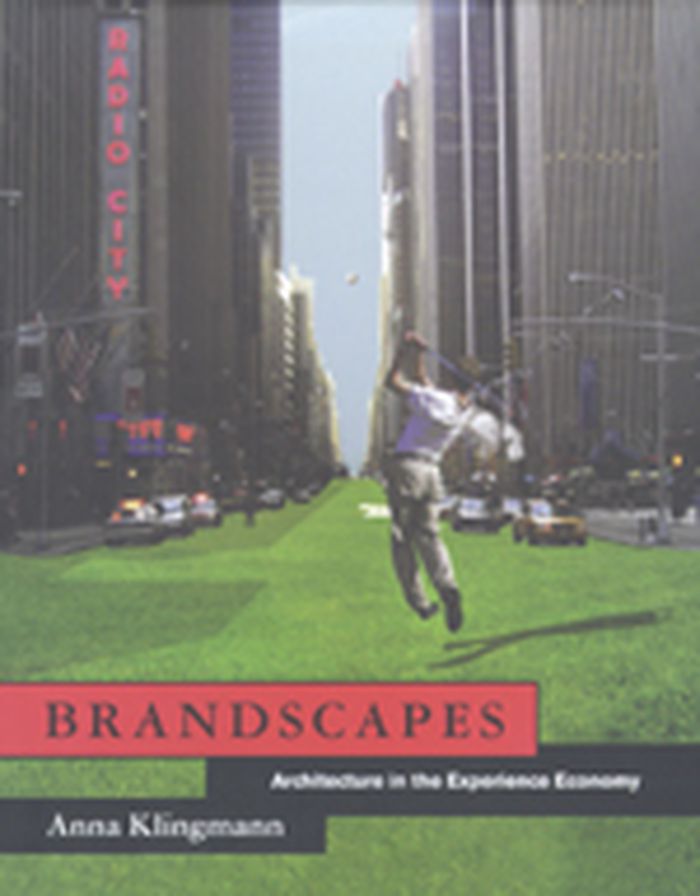
Brandscapes : Architecture in the experience economy
Actions:
Price:
$32.95
(available to order)
Summary:
How can architects use branding as a means to differentiate places from the inside out--and not, as current development practices seem to dictate, from the outside in? When architecture brings together ecology, economics, and social well-being to help people and places regain self-sufficiency, writes Klingmann, it can be a catalyst for cultural and economic transformation.
Brandscapes : Architecture in the experience economy
Actions:
Price:
$32.95
(available to order)
Summary:
How can architects use branding as a means to differentiate places from the inside out--and not, as current development practices seem to dictate, from the outside in? When architecture brings together ecology, economics, and social well-being to help people and places regain self-sufficiency, writes Klingmann, it can be a catalyst for cultural and economic transformation.
Form:
books
books
Publication:
September 2007, Cambridge London
September 2007, Cambridge London
Subject:
Architectural Theory
Architectural Theory
Form:
books
books
Actions:
Price:
$35.00
(available to order)
Summary:
In Architecture or Techno-Utopia, Felicity Scott traces an alternative genealogy of the postmodern turn in American architecture, focusing on a set of experimental practices and polemics that emerged in the late 1960s and early 1970s. Scott examines projects, conceptual work, exhibitions, publications, pedagogical initiatives, and agitprop performances that had as their(...)
$35.00
(available to order)
Summary:
In Architecture or Techno-Utopia, Felicity Scott traces an alternative genealogy of the postmodern turn in American architecture, focusing on a set of experimental practices and polemics that emerged in the late 1960s and early 1970s. Scott examines projects, conceptual work, exhibitions, publications, pedagogical initiatives, and agitprop performances that had as their(...)
Subject:
Architectural Theory
Architectural Theory
Publication:
November 2007, Cambridge, London
November 2007, Cambridge, London
Title:
Architecture or Techno-utopia : politics after modernism
Actions:
Price:
$35.00
(available to order)
Summary:
In Architecture or Techno-Utopia, Felicity Scott traces an alternative genealogy of the postmodern turn in American architecture, focusing on a set of experimental practices and polemics that emerged in the late 1960s and early 1970s. Scott examines projects, conceptual work, exhibitions, publications, pedagogical initiatives, and agitprop performances that had as their premise the belief that architecture could be ethically and politically relevant. Although most of these strategies were far from the mainstream of American architectural practice, Scott suggests that their ambition-the demonstration of architecture's ongoing potential for social and political engagement-was nonetheless remarkable.
Architecture or Techno-utopia : politics after modernism
Actions:
Price:
$35.00
(available to order)
Summary:
In Architecture or Techno-Utopia, Felicity Scott traces an alternative genealogy of the postmodern turn in American architecture, focusing on a set of experimental practices and polemics that emerged in the late 1960s and early 1970s. Scott examines projects, conceptual work, exhibitions, publications, pedagogical initiatives, and agitprop performances that had as their premise the belief that architecture could be ethically and politically relevant. Although most of these strategies were far from the mainstream of American architectural practice, Scott suggests that their ambition-the demonstration of architecture's ongoing potential for social and political engagement-was nonetheless remarkable.
Form:
books
books
Publication:
November 2007, Cambridge, London
November 2007, Cambridge, London
Subject:
Architectural Theory
Architectural Theory
Form:
books
books
Price:
$32.95
(available to order)
Summary:
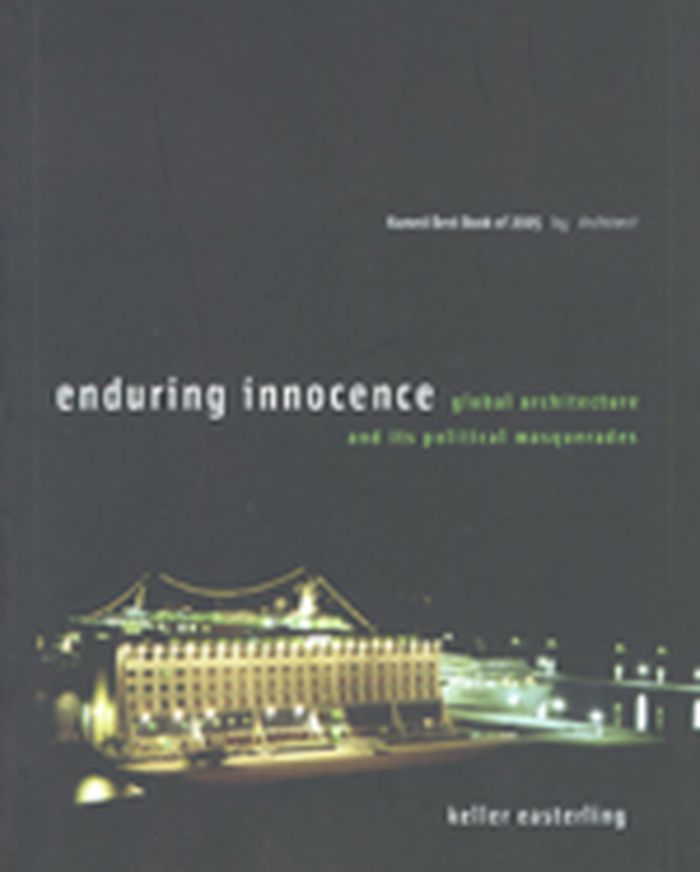
In "Enduring innocence", Keller Easterling tells the stories of outlaw "spatial products" -resorts, information technology campuses, retail chains, golf courses, ports, and other hybrid spaces that exist outside normal constituencies and jurisdictions, in difficult political situations around the world. These spaces -familiar commercial formulas of retail, business, and(...)
$32.95
(available to order)
Summary:
In "Enduring innocence", Keller Easterling tells the stories of outlaw "spatial products" -resorts, information technology campuses, retail chains, golf courses, ports, and other hybrid spaces that exist outside normal constituencies and jurisdictions, in difficult political situations around the world. These spaces -familiar commercial formulas of retail, business, and(...)
Subject:
Architectural Theory
Architectural Theory
Publication:
October 2007, Cambridge (MA), London
October 2007, Cambridge (MA), London
Title:
Enduring innocence : global archtitecture and its political masquerades
Actions:
Price:
$32.95
(available to order)
Summary:
In "Enduring innocence", Keller Easterling tells the stories of outlaw "spatial products" -resorts, information technology campuses, retail chains, golf courses, ports, and other hybrid spaces that exist outside normal constituencies and jurisdictions, in difficult political situations around the world. These spaces -familiar commercial formulas of retail, business, and trade - aspire to be worlds unto themselves, self-reflexive and innocent of politics. But as Easterling shows, these enclaves can become political pawns and objects of contention. Jurisdictionally ambiguous, they are imbued with myths, desires, and symbolic capital. Their hilarious and dangerous masquerades often mix quite easily with the cunning of political platforms. Easterling argues that the study of such "real estate cocktails" provides vivid evidence of the market's weakness, resilience, or violence. These regimes of nonnational sovereignty, she writes, "move around the world like weather fronts"; Easterling focuses not on their blending - their global connectivity - but on their segregation and the cultural collisions that ensue. "Enduring innocence" resists the dream of one globally legible world found in many architectural discourses on globalization. Instead, Easterling's consideration of these segregated worlds provides new tools for practitioners sensitive to the political composition of urban landscapes.
Enduring innocence : global archtitecture and its political masquerades
Actions:
Price:
$32.95
(available to order)
Summary:
In "Enduring innocence", Keller Easterling tells the stories of outlaw "spatial products" -resorts, information technology campuses, retail chains, golf courses, ports, and other hybrid spaces that exist outside normal constituencies and jurisdictions, in difficult political situations around the world. These spaces -familiar commercial formulas of retail, business, and trade - aspire to be worlds unto themselves, self-reflexive and innocent of politics. But as Easterling shows, these enclaves can become political pawns and objects of contention. Jurisdictionally ambiguous, they are imbued with myths, desires, and symbolic capital. Their hilarious and dangerous masquerades often mix quite easily with the cunning of political platforms. Easterling argues that the study of such "real estate cocktails" provides vivid evidence of the market's weakness, resilience, or violence. These regimes of nonnational sovereignty, she writes, "move around the world like weather fronts"; Easterling focuses not on their blending - their global connectivity - but on their segregation and the cultural collisions that ensue. "Enduring innocence" resists the dream of one globally legible world found in many architectural discourses on globalization. Instead, Easterling's consideration of these segregated worlds provides new tools for practitioners sensitive to the political composition of urban landscapes.
Form:
books
books
Publication:
October 2007, Cambridge (MA), London
October 2007, Cambridge (MA), London
Subject:
Architectural Theory
Architectural Theory
Form:
books
books
Actions:
Price:
$46.00
(available to order)
Summary:
City planning initiatives and redesign of urban structures often become mired in debate and delay. Despite the fact that cities are considered to be dynamic and flexible spaces, never finished but always under construction, it is very difficult to change existing urban structures; they become fixed, obdurate, securely anchored in their own histories as well as in the(...)
$46.00
(available to order)
Summary:
City planning initiatives and redesign of urban structures often become mired in debate and delay. Despite the fact that cities are considered to be dynamic and flexible spaces, never finished but always under construction, it is very difficult to change existing urban structures; they become fixed, obdurate, securely anchored in their own histories as well as in the(...)
Subject:
Urban Theory
Urban Theory
Publication:
January 2008, London, Cambridge
January 2008, London, Cambridge
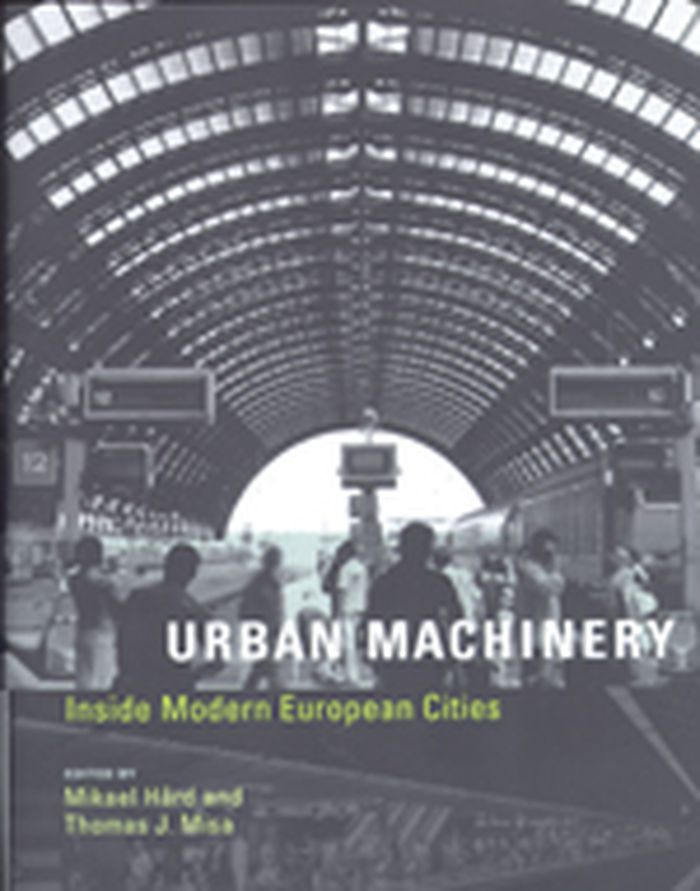
Title:
Urban machinery : inside modern european cities
Actions:
Price:
$46.00
(available to order)
Summary:
City planning initiatives and redesign of urban structures often become mired in debate and delay. Despite the fact that cities are considered to be dynamic and flexible spaces, never finished but always under construction, it is very difficult to change existing urban structures; they become fixed, obdurate, securely anchored in their own histories as well as in the histories of their surroundings. In Unbuilding Cities, Anique Hommels looks at the tension between the malleability of urban space and its obduracy, focusing on sites and structures that have been subjected to 'unbuilding' redesign or reconfiguration.
Urban machinery : inside modern european cities
Actions:
Price:
$46.00
(available to order)
Summary:
City planning initiatives and redesign of urban structures often become mired in debate and delay. Despite the fact that cities are considered to be dynamic and flexible spaces, never finished but always under construction, it is very difficult to change existing urban structures; they become fixed, obdurate, securely anchored in their own histories as well as in the histories of their surroundings. In Unbuilding Cities, Anique Hommels looks at the tension between the malleability of urban space and its obduracy, focusing on sites and structures that have been subjected to 'unbuilding' redesign or reconfiguration.
Form:
books
books
Publication:
January 2008, London, Cambridge
January 2008, London, Cambridge
Subject:
Urban Theory
Urban Theory
Form:
books
books
Actions:
Price:
$58.00
(available to order)
Summary:
Transition is a condition that creates opportunities for architecture and urbanism. Zagreb is the perfect site for examining this generative dynamic: practicing in conditions of continuous instability, its architects and planners developed strategies for creatively engaging the conditional and openended for anticipating and instrumentalizing the condition of irresolution.(...)
$58.00
(available to order)
Summary:
Transition is a condition that creates opportunities for architecture and urbanism. Zagreb is the perfect site for examining this generative dynamic: practicing in conditions of continuous instability, its architects and planners developed strategies for creatively engaging the conditional and openended for anticipating and instrumentalizing the condition of irresolution.(...)
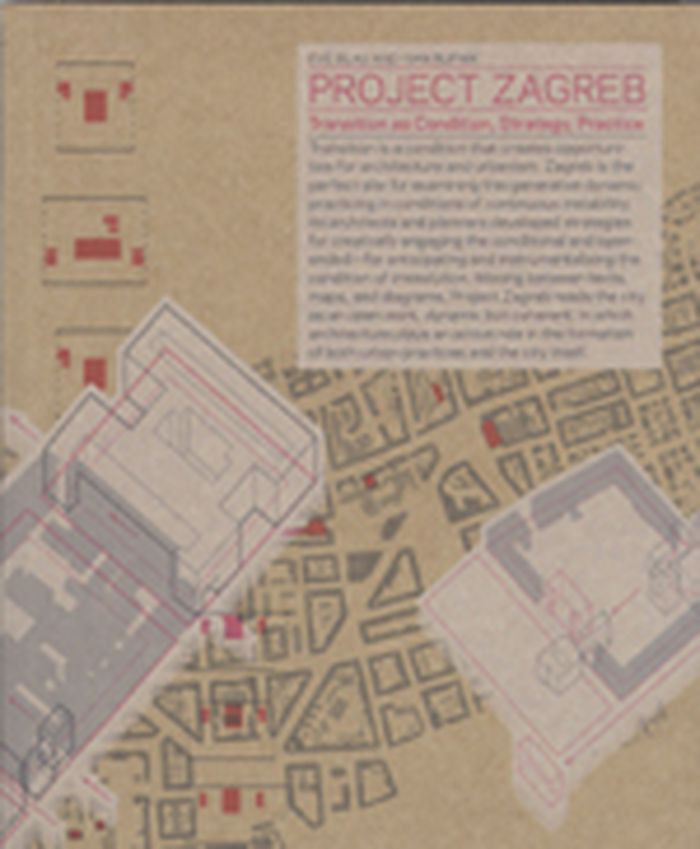
Title:
Project Zagreb: transition as condition, strategy, practice
Actions:
Price:
$58.00
(available to order)
Summary:
Transition is a condition that creates opportunities for architecture and urbanism. Zagreb is the perfect site for examining this generative dynamic: practicing in conditions of continuous instability, its architects and planners developed strategies for creatively engaging the conditional and openended for anticipating and instrumentalizing the condition of irresolution. Moving between texts, maps, and diagrams, Project Zagreb reads the city as an open work, dynamic but coherent, in which architecture plays an active role in the formation of both urban practices and the city itself.
Project Zagreb: transition as condition, strategy, practice
Actions:
Price:
$58.00
(available to order)
Summary:
Transition is a condition that creates opportunities for architecture and urbanism. Zagreb is the perfect site for examining this generative dynamic: practicing in conditions of continuous instability, its architects and planners developed strategies for creatively engaging the conditional and openended for anticipating and instrumentalizing the condition of irresolution. Moving between texts, maps, and diagrams, Project Zagreb reads the city as an open work, dynamic but coherent, in which architecture plays an active role in the formation of both urban practices and the city itself.
Form:
books
books
Publication:
June 2007, Barcelona
June 2007, Barcelona
Subject:
Urban Theory
Urban Theory
Form:
books
books
Actions:
Price:
$37.50
(available in store)
Summary:
"Multi-National city" follows three architectural itineraries through three cities and their histories. Like so many, these cities are caught within the feedback loops of globalization : Silicon Valley in northern California; New York's internal suburbias; and Gurgaon, a burgeoning corporate city outside of New Delhi. Each exhibits a distinct character, while together,(...)
$37.50
(available in store)
Summary:
"Multi-National city" follows three architectural itineraries through three cities and their histories. Like so many, these cities are caught within the feedback loops of globalization : Silicon Valley in northern California; New York's internal suburbias; and Gurgaon, a burgeoning corporate city outside of New Delhi. Each exhibits a distinct character, while together,(...)
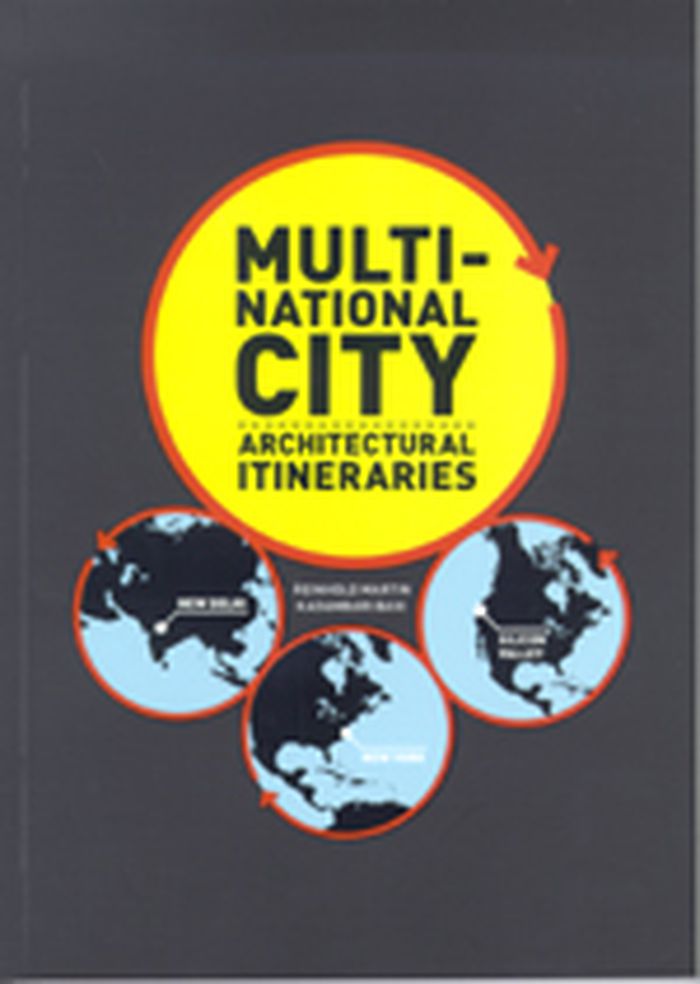
Title:
Multi-national city : architectural itineraries
Actions:
Price:
$37.50
(available in store)
Summary:
"Multi-National city" follows three architectural itineraries through three cities and their histories. Like so many, these cities are caught within the feedback loops of globalization : Silicon Valley in northern California; New York's internal suburbias; and Gurgaon, a burgeoning corporate city outside of New Delhi. Each exhibits a distinct character, while together, they also form important nodes in what the authors describe as a single Multi-National city (MNC) stretching across the globe. The itineraries traced through them take the reader on a tour of the architectural monuments of corporate globalization-corporate campuses, high-rise towers, "public" atriums, call centers, and gated communities-that tracks their shared logic, their internal discrepancies, and their undeniable strangeness. Each itinerary concludes with an unannounced stop at an architectural project that applies the lessons of the Multi-National city to itself.
Multi-national city : architectural itineraries
Actions:
Price:
$37.50
(available in store)
Summary:
"Multi-National city" follows three architectural itineraries through three cities and their histories. Like so many, these cities are caught within the feedback loops of globalization : Silicon Valley in northern California; New York's internal suburbias; and Gurgaon, a burgeoning corporate city outside of New Delhi. Each exhibits a distinct character, while together, they also form important nodes in what the authors describe as a single Multi-National city (MNC) stretching across the globe. The itineraries traced through them take the reader on a tour of the architectural monuments of corporate globalization-corporate campuses, high-rise towers, "public" atriums, call centers, and gated communities-that tracks their shared logic, their internal discrepancies, and their undeniable strangeness. Each itinerary concludes with an unannounced stop at an architectural project that applies the lessons of the Multi-National city to itself.
Form:
books
books
Publication:
July 2007, Barcelona
July 2007, Barcelona
Subject:
Urban Theory
Urban Theory
Form:
books
books
Price:
$25.00
(available to order)
Summary:
New York City is home to some of the most recognizable places in the world. As familiar as the sight of New Year’s Eve in Times Square or a protest in front of City Hall may be to us, do we understand who controls what happens there? Kristine Miller delves into six of New York’s most important public spaces to trace how design influences their complicated lives. Miller(...)
$25.00
(available to order)
Summary:
New York City is home to some of the most recognizable places in the world. As familiar as the sight of New Year’s Eve in Times Square or a protest in front of City Hall may be to us, do we understand who controls what happens there? Kristine Miller delves into six of New York’s most important public spaces to trace how design influences their complicated lives. Miller(...)
Title:
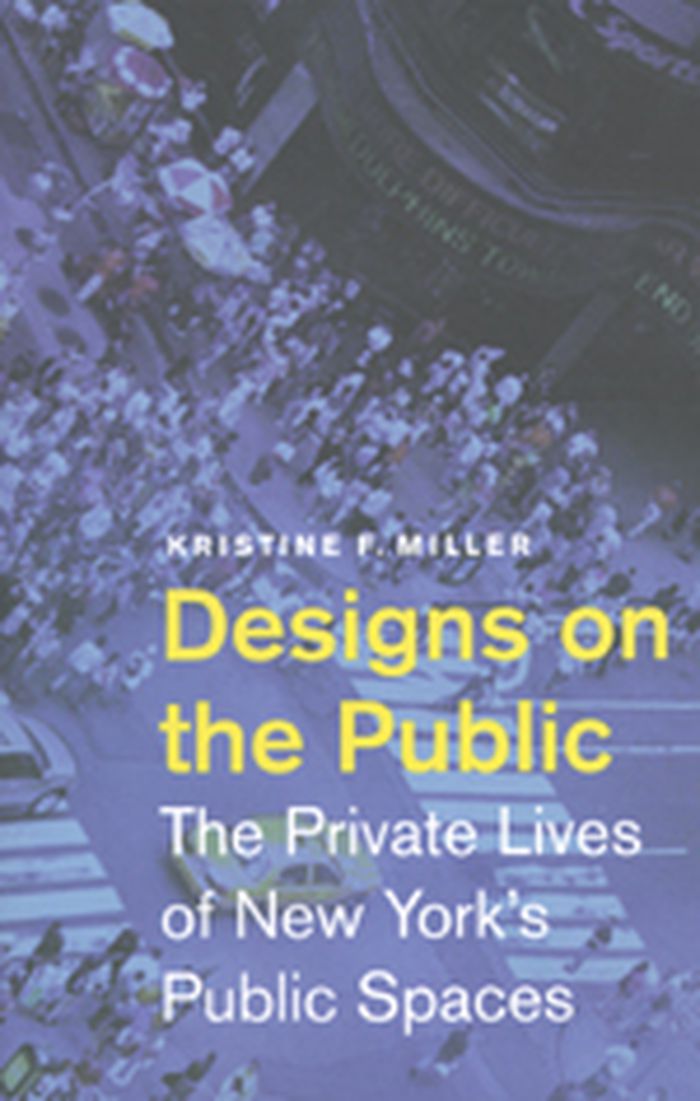
Designs on the Public : The private lives of New York's public spaces
Actions:
Price:
$25.00
(available to order)
Summary:
New York City is home to some of the most recognizable places in the world. As familiar as the sight of New Year’s Eve in Times Square or a protest in front of City Hall may be to us, do we understand who controls what happens there? Kristine Miller delves into six of New York’s most important public spaces to trace how design influences their complicated lives. Miller chronicles controversies in the histories of New York locations including Times Square, Trump Tower, the IBM Atrium, and Sony Plaza. The story of each location reveals that public space is not a concrete or fixed reality, but rather a constantly changing situation open to the forces of law, corporations, bureaucracy, and government. The qualities of public spaces we consider essential, including accessibility, public ownership, and ties to democratic life, are, at best, temporary conditions and often completely absent. Design is, in Miller’s view, complicit in regulation of public spaces in New York City to exclude undesirables, restrict activities, and privilege commercial interests, and in this work she shows how design can reactivate public space and public life.
Designs on the Public : The private lives of New York's public spaces
Actions:
Price:
$25.00
(available to order)
Summary:
New York City is home to some of the most recognizable places in the world. As familiar as the sight of New Year’s Eve in Times Square or a protest in front of City Hall may be to us, do we understand who controls what happens there? Kristine Miller delves into six of New York’s most important public spaces to trace how design influences their complicated lives. Miller chronicles controversies in the histories of New York locations including Times Square, Trump Tower, the IBM Atrium, and Sony Plaza. The story of each location reveals that public space is not a concrete or fixed reality, but rather a constantly changing situation open to the forces of law, corporations, bureaucracy, and government. The qualities of public spaces we consider essential, including accessibility, public ownership, and ties to democratic life, are, at best, temporary conditions and often completely absent. Design is, in Miller’s view, complicit in regulation of public spaces in New York City to exclude undesirables, restrict activities, and privilege commercial interests, and in this work she shows how design can reactivate public space and public life.
Form:
books
books
Publication:
December 2007, Minneapolis
December 2007, Minneapolis
Subject:
Urban Theory
Urban Theory
Form:
books
books
Price:
$37.95
(available to order)
Summary:
Depuis la création des grands ensembles jusqu'à leur évolution à l'aune des mutations profondes qui animent la société française pendant les Trente Glorieuses, voici une histoire culturelle de l'ensemble du logement social en France, communément appelé HLM. Au lendemain de la Seconde Guerre mondiale, l'heure est à la reconstruction. Il faut remédier à la grave crise du(...)
$37.95
(available to order)
Summary:
Depuis la création des grands ensembles jusqu'à leur évolution à l'aune des mutations profondes qui animent la société française pendant les Trente Glorieuses, voici une histoire culturelle de l'ensemble du logement social en France, communément appelé HLM. Au lendemain de la Seconde Guerre mondiale, l'heure est à la reconstruction. Il faut remédier à la grave crise du(...)
Title:
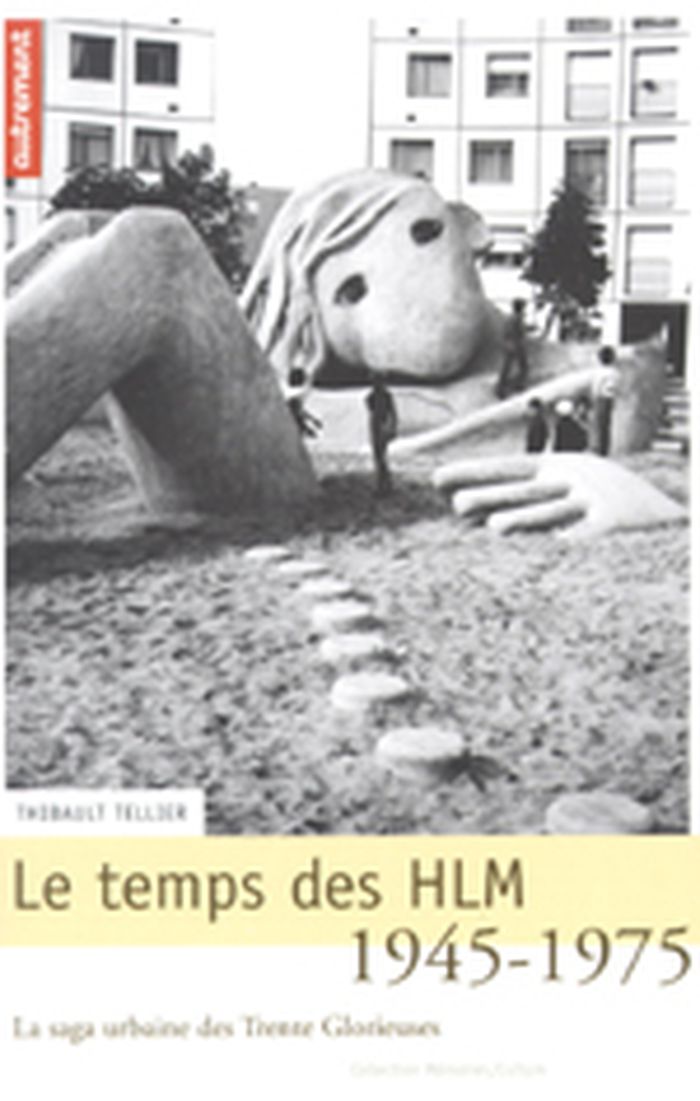
Le temps des HLM 1945-1975 : la saga urbaine des Trente Glorieuses
Actions:
Price:
$37.95
(available to order)
Summary:
Depuis la création des grands ensembles jusqu'à leur évolution à l'aune des mutations profondes qui animent la société française pendant les Trente Glorieuses, voici une histoire culturelle de l'ensemble du logement social en France, communément appelé HLM. Au lendemain de la Seconde Guerre mondiale, l'heure est à la reconstruction. Il faut remédier à la grave crise du logement qui sévit en France et loger le maximum de Français en un temps record pour des sommes modiques. L'idée des grands ensembles est née. Les habitants découvrent alors l'habitat collectif, la vie en barres. Ces pionniers d'un nouveau genre témoignent d'abord de l'enthousiasme pour cette nouvelle façon d'habiter, fort éloignée de l'éternel rêve pavillonnaire français. Vient ensuite le temps des premières interrogations : Comment créer lien social et vie culturelle dans ces blocs de béton déshumanisés? Que faire pour pallier le manque d'équipements collectifs et de transports en commun? Si le milieu des années 1970 coïncide avec le temps de la rénovation urbaine, se programme déjà la fin des grands ensembles même si le souhait politique d'en finir ne s'accorde pas avec la volonté des habitants de donner une âme à leurs cités et de contrer ainsi l'image péjorative qui leur est allouée. Les projets architecturaux et les politiques des pouvoirs publics sont bien sûr ici décortiqués, mais cet ouvrage fait avant tout la part belle aux habitants, à leur mode de vie et à leurs attentes. La construction des grands ensembles est un épisode décisif de notre histoire contemporaine et ce type d'habitat collectif, témoin de l'évolution des mœurs, a marqué en profondeur notre champ culturel. Il est indispensable aujourd'hui d'en proposer une analyse historique.
Le temps des HLM 1945-1975 : la saga urbaine des Trente Glorieuses
Actions:
Price:
$37.95
(available to order)
Summary:
Depuis la création des grands ensembles jusqu'à leur évolution à l'aune des mutations profondes qui animent la société française pendant les Trente Glorieuses, voici une histoire culturelle de l'ensemble du logement social en France, communément appelé HLM. Au lendemain de la Seconde Guerre mondiale, l'heure est à la reconstruction. Il faut remédier à la grave crise du logement qui sévit en France et loger le maximum de Français en un temps record pour des sommes modiques. L'idée des grands ensembles est née. Les habitants découvrent alors l'habitat collectif, la vie en barres. Ces pionniers d'un nouveau genre témoignent d'abord de l'enthousiasme pour cette nouvelle façon d'habiter, fort éloignée de l'éternel rêve pavillonnaire français. Vient ensuite le temps des premières interrogations : Comment créer lien social et vie culturelle dans ces blocs de béton déshumanisés? Que faire pour pallier le manque d'équipements collectifs et de transports en commun? Si le milieu des années 1970 coïncide avec le temps de la rénovation urbaine, se programme déjà la fin des grands ensembles même si le souhait politique d'en finir ne s'accorde pas avec la volonté des habitants de donner une âme à leurs cités et de contrer ainsi l'image péjorative qui leur est allouée. Les projets architecturaux et les politiques des pouvoirs publics sont bien sûr ici décortiqués, mais cet ouvrage fait avant tout la part belle aux habitants, à leur mode de vie et à leurs attentes. La construction des grands ensembles est un épisode décisif de notre histoire contemporaine et ce type d'habitat collectif, témoin de l'évolution des mœurs, a marqué en profondeur notre champ culturel. Il est indispensable aujourd'hui d'en proposer une analyse historique.
Form:
books
books
Publication:
April 2007, Paris
April 2007, Paris
Subject:
Urban Theory
Urban Theory


