


3820 Results
Form:
books
books
Actions:
Price:
$90.00
(available to order)
Summary:
"German photo artist Thomas Ruff is a master of conceptual serial photography. He made a name for himself in the early eighties with oversized, superrealistic color portraits of his artist friends and as a pioneer of the Diasec process used to mount photographic images onto acrylic glass, thereby obviating frames, liberating photography from the print gallery and paving(...)
$90.00
(available to order)
Summary:
"German photo artist Thomas Ruff is a master of conceptual serial photography. He made a name for himself in the early eighties with oversized, superrealistic color portraits of his artist friends and as a pioneer of the Diasec process used to mount photographic images onto acrylic glass, thereby obviating frames, liberating photography from the print gallery and paving(...)
Title:
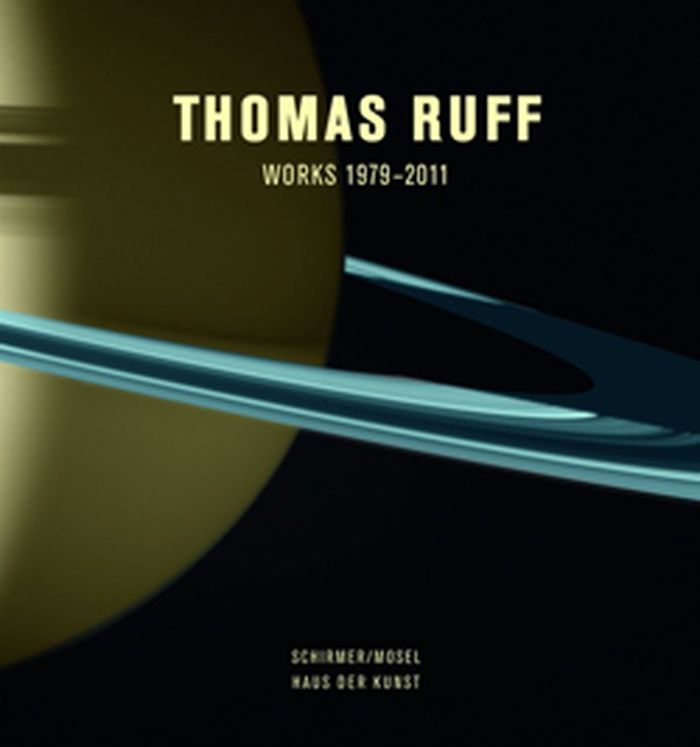
Thomas Ruff : works 1979-2011
Actions:
Price:
$90.00
(available to order)
Summary:
"German photo artist Thomas Ruff is a master of conceptual serial photography. He made a name for himself in the early eighties with oversized, superrealistic color portraits of his artist friends and as a pioneer of the Diasec process used to mount photographic images onto acrylic glass, thereby obviating frames, liberating photography from the print gallery and paving the way to the "grand gallery" museum walls for large-format photos. This collection presents selected works from Thomas Ruff's large-format series, beginning with his small Interiors, the large Portraits, his Architectural Photos, the Starry Skies, his abstract Substrata, the Nudes, which make use of pornographic material taken from the internet, and finally his latest creation: Stellar Landscapes. The book features essays by Thomas Weski and Okwui Enwezor and appears in conjunction with an extensive Thomas Ruff retrospective exhibition at the Haus der Kunst in Munich."
Thomas Ruff : works 1979-2011
Actions:
Price:
$90.00
(available to order)
Summary:
"German photo artist Thomas Ruff is a master of conceptual serial photography. He made a name for himself in the early eighties with oversized, superrealistic color portraits of his artist friends and as a pioneer of the Diasec process used to mount photographic images onto acrylic glass, thereby obviating frames, liberating photography from the print gallery and paving the way to the "grand gallery" museum walls for large-format photos. This collection presents selected works from Thomas Ruff's large-format series, beginning with his small Interiors, the large Portraits, his Architectural Photos, the Starry Skies, his abstract Substrata, the Nudes, which make use of pornographic material taken from the internet, and finally his latest creation: Stellar Landscapes. The book features essays by Thomas Weski and Okwui Enwezor and appears in conjunction with an extensive Thomas Ruff retrospective exhibition at the Haus der Kunst in Munich."
Form:
books
books
Publication:
March 2012
March 2012
Subject:
Photography monographs
Photography monographs
Form:
books
books
Actions:
Price:
$67.99
(available to order)
Summary:
Access and accessibility are central themes in architecture and urbanism. The goal is to make buildings accessible both horizontally and vertically, as well as to provide them with technical infrastructure. But the aim is also to ensure the accessibility of whole streets, routes, parks, and squares, and even entire cities and regions. Today, access is a key concept in the(...)
$67.99
(available to order)
Summary:
Access and accessibility are central themes in architecture and urbanism. The goal is to make buildings accessible both horizontally and vertically, as well as to provide them with technical infrastructure. But the aim is also to ensure the accessibility of whole streets, routes, parks, and squares, and even entire cities and regions. Today, access is a key concept in the(...)
Title:
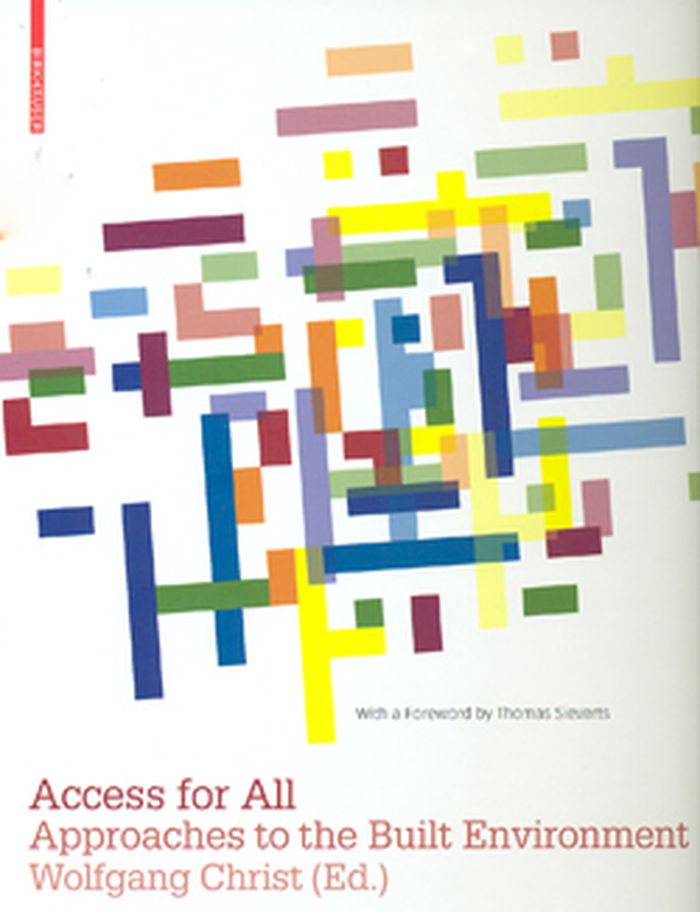
Access for all : approaches to the built environment
Actions:
Price:
$67.99
(available to order)
Summary:
Access and accessibility are central themes in architecture and urbanism. The goal is to make buildings accessible both horizontally and vertically, as well as to provide them with technical infrastructure. But the aim is also to ensure the accessibility of whole streets, routes, parks, and squares, and even entire cities and regions. Today, access is a key concept in the most disparate areas of life. Thus, it is also a matter of access to knowledge and education, access to knowledge media like the Internet, access to healthcare, access to languages, etc. In thirteen articles, this book deals with this world of access in architecture, city planning, and neighboring fields. Topics include ensuring the accessibility of entire urban areas, renewing that of areas that were previously utilized differently, including the general populace in concept planning, and how architecture can help provide access to a better quality of life.
Access for all : approaches to the built environment
Actions:
Price:
$67.99
(available to order)
Summary:
Access and accessibility are central themes in architecture and urbanism. The goal is to make buildings accessible both horizontally and vertically, as well as to provide them with technical infrastructure. But the aim is also to ensure the accessibility of whole streets, routes, parks, and squares, and even entire cities and regions. Today, access is a key concept in the most disparate areas of life. Thus, it is also a matter of access to knowledge and education, access to knowledge media like the Internet, access to healthcare, access to languages, etc. In thirteen articles, this book deals with this world of access in architecture, city planning, and neighboring fields. Topics include ensuring the accessibility of entire urban areas, renewing that of areas that were previously utilized differently, including the general populace in concept planning, and how architecture can help provide access to a better quality of life.
Form:
books
books
Publication:
November 2009
November 2009
Subject:
Urban Theory
Urban Theory
Form:
books
books
Title:
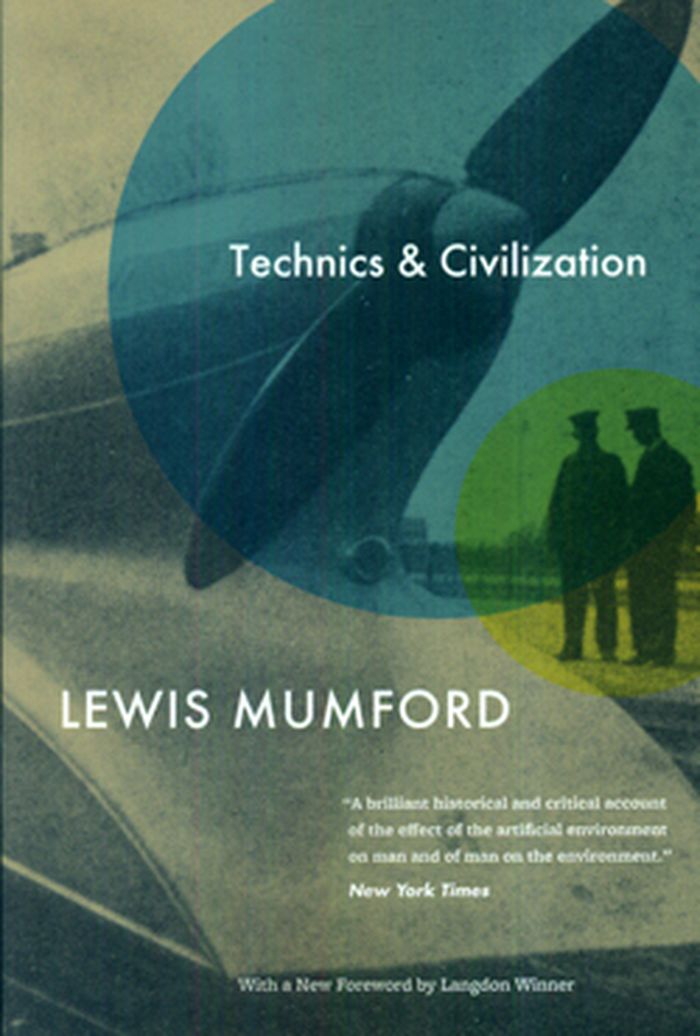
Technics & civilization
Technics & civilization
Actions:
Price:
$45.95
(available to order)
Summary:
Technics and Civilization first presented its compelling history of the machine and critical study of its effects on civilization in 1934 —before television, the personal computer, and the Internet even appeared on our periphery. Drawing upon art, science, philosophy, and the history of culture, Lewis Mumford explained the origin of the machine age and traced its(...)
$45.95
(available to order)
Summary:
Technics and Civilization first presented its compelling history of the machine and critical study of its effects on civilization in 1934 —before television, the personal computer, and the Internet even appeared on our periphery. Drawing upon art, science, philosophy, and the history of culture, Lewis Mumford explained the origin of the machine age and traced its(...)
Title:
Technics & civilization
Actions:
Price:
$45.95
(available to order)
Summary:
Technics and Civilization first presented its compelling history of the machine and critical study of its effects on civilization in 1934 —before television, the personal computer, and the Internet even appeared on our periphery. Drawing upon art, science, philosophy, and the history of culture, Lewis Mumford explained the origin of the machine age and traced its social results, asserting that the development of modern technology had its roots in the Middle Ages rather than the Industrial Revolution. Mumford sagely argued that it was the moral, economic, and political choices we made, not the machines that we used, that determined our then industrially driven economy. Equal parts powerful history and polemic criticism, this book was the first comprehensive attempt in English to portray the development of the machine age over the last thousand years — and to predict the pull the technological still holds over us today.
Technics & civilization
Actions:
Price:
$45.95
(available to order)
Summary:
Technics and Civilization first presented its compelling history of the machine and critical study of its effects on civilization in 1934 —before television, the personal computer, and the Internet even appeared on our periphery. Drawing upon art, science, philosophy, and the history of culture, Lewis Mumford explained the origin of the machine age and traced its social results, asserting that the development of modern technology had its roots in the Middle Ages rather than the Industrial Revolution. Mumford sagely argued that it was the moral, economic, and political choices we made, not the machines that we used, that determined our then industrially driven economy. Equal parts powerful history and polemic criticism, this book was the first comprehensive attempt in English to portray the development of the machine age over the last thousand years — and to predict the pull the technological still holds over us today.
Form:
books
books
Publication:
October 2010
October 2010
Subject:
Architectural Theory
Architectural Theory
Form:
books
books
Actions:
Price:
$48.00
(available to order)
Summary:
The real world is full of cameras; the virtual world is full of images. Where does all this photographic activity leave the artist-photographer? Post-Photography tries to answer that question by investigating the exciting new language of photographic image-making that is emerging in the digital age of anything-is-possible and everything-has-been-done-before. Found imagery(...)
$48.00
(available to order)
Summary:
The real world is full of cameras; the virtual world is full of images. Where does all this photographic activity leave the artist-photographer? Post-Photography tries to answer that question by investigating the exciting new language of photographic image-making that is emerging in the digital age of anything-is-possible and everything-has-been-done-before. Found imagery(...)
Title:
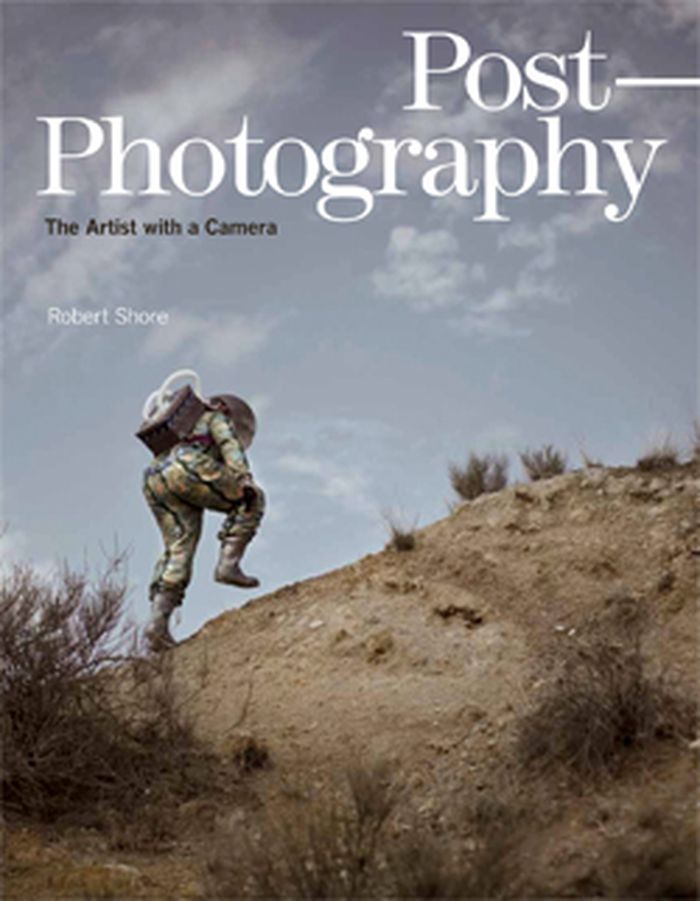
Post-photography: the artist with a camera
Actions:
Price:
$48.00
(available to order)
Summary:
The real world is full of cameras; the virtual world is full of images. Where does all this photographic activity leave the artist-photographer? Post-Photography tries to answer that question by investigating the exciting new language of photographic image-making that is emerging in the digital age of anything-is-possible and everything-has-been-done-before. Found imagery has become increasingly important in post-photographic practice, with the internet serving as a laboratory for a major kind of image-making experimentation. But artists also continue to create entirely original works using avant-garde techniques drawn from both the digital and analogue eras. This book is split into five sections – Something Borrowed, Something New; Layers of Reality; All the World Is Staged; Hand and Eye; and Post-Photojournalism – which cover the key strategies adopted by 53 of the most exciting and innovative international artist-photographers of the 21st century.
Post-photography: the artist with a camera
Actions:
Price:
$48.00
(available to order)
Summary:
The real world is full of cameras; the virtual world is full of images. Where does all this photographic activity leave the artist-photographer? Post-Photography tries to answer that question by investigating the exciting new language of photographic image-making that is emerging in the digital age of anything-is-possible and everything-has-been-done-before. Found imagery has become increasingly important in post-photographic practice, with the internet serving as a laboratory for a major kind of image-making experimentation. But artists also continue to create entirely original works using avant-garde techniques drawn from both the digital and analogue eras. This book is split into five sections – Something Borrowed, Something New; Layers of Reality; All the World Is Staged; Hand and Eye; and Post-Photojournalism – which cover the key strategies adopted by 53 of the most exciting and innovative international artist-photographers of the 21st century.
Form:
books
books
Publication:
September 2014
September 2014
Subject:
Theory of Photography
Theory of Photography
Form:
books
books
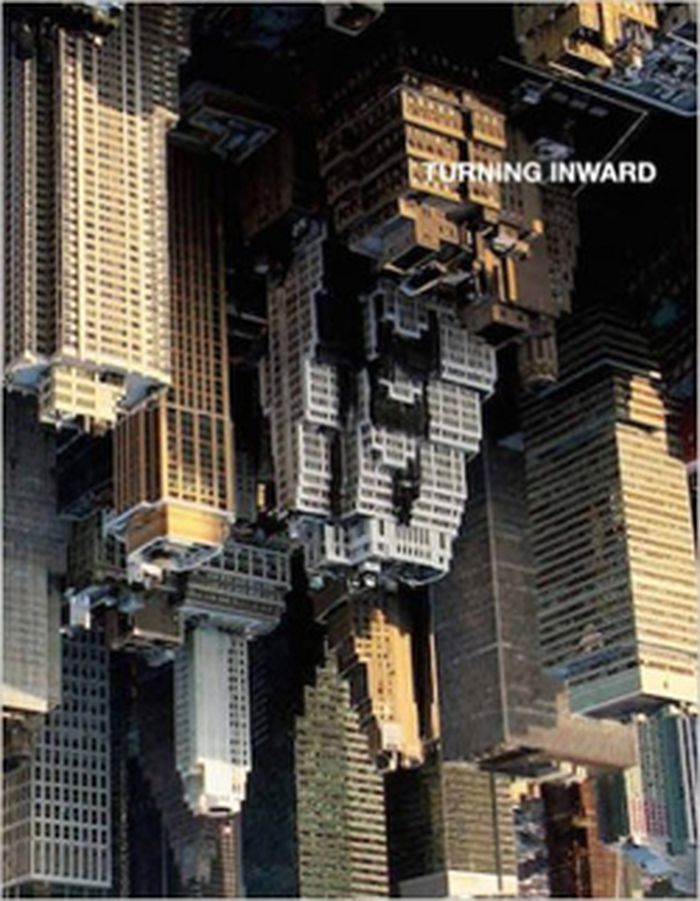
Title:
Turning inward
Turning inward
Actions:
Price:
$29.95
(available to order)
Summary:
In the publication Turning Inward, a selection of texts by international artists, critics and curators consider the impact of the technologically internalized capitalist system of networked power structures upon the production, distribution and consumption of contemporary art. Divided into three parts, the volume addresses the effects of globalization and the Internet on(...)
$29.95
(available to order)
Summary:
In the publication Turning Inward, a selection of texts by international artists, critics and curators consider the impact of the technologically internalized capitalist system of networked power structures upon the production, distribution and consumption of contemporary art. Divided into three parts, the volume addresses the effects of globalization and the Internet on(...)
Title:
Turning inward
Actions:
Price:
$29.95
(available to order)
Summary:
In the publication Turning Inward, a selection of texts by international artists, critics and curators consider the impact of the technologically internalized capitalist system of networked power structures upon the production, distribution and consumption of contemporary art. Divided into three parts, the volume addresses the effects of globalization and the Internet on art, its political agency and the changing role of artists, artworks and art institutions. The second section focuses on Berlin s shift from a politically and physically divided capital into a landscape of art and project spaces. A critical look at art history, curating and alternative methodologies comprises the third section. In conclusion, pioneering Iranian philosopher and theorist Reza Negarestani reflects on the transforming relationship between mind and world. Contributions by John Beeson, Svetlana Boym, Marta Dziewanska, Philipp Ekardt, Felix Ensslin, Orit Gat, David Joselit, William Kherbek, John Miller, Matteo Pasquinelli and Dieter Roelstraete
Turning inward
Actions:
Price:
$29.95
(available to order)
Summary:
In the publication Turning Inward, a selection of texts by international artists, critics and curators consider the impact of the technologically internalized capitalist system of networked power structures upon the production, distribution and consumption of contemporary art. Divided into three parts, the volume addresses the effects of globalization and the Internet on art, its political agency and the changing role of artists, artworks and art institutions. The second section focuses on Berlin s shift from a politically and physically divided capital into a landscape of art and project spaces. A critical look at art history, curating and alternative methodologies comprises the third section. In conclusion, pioneering Iranian philosopher and theorist Reza Negarestani reflects on the transforming relationship between mind and world. Contributions by John Beeson, Svetlana Boym, Marta Dziewanska, Philipp Ekardt, Felix Ensslin, Orit Gat, David Joselit, William Kherbek, John Miller, Matteo Pasquinelli and Dieter Roelstraete
Form:
books
books
Publication:
October 2015
October 2015
Subject:
Critical Theory
Critical Theory
Form:
books
books
Holdings:
Description:
234 pages : illustrations, maps ; 26 cm.
Description:
234 pages : illustrations, maps ; 26 cm.
Author:
Subject:
Publication:
Washington, D.C. : Dumbarton Oaks Research Library and Collection, [1999], ©1999
Washington, D.C. : Dumbarton Oaks Research Library and Collection, [1999], ©1999
Title:
Perspectives on garden histories / edited by Michel Conan.
Actions:
Holdings:
Description:
234 pages : illustrations, maps ; 26 cm.
Perspectives on garden histories / edited by Michel Conan.
Actions:
Holdings:
Description:
234 pages : illustrations, maps ; 26 cm.
Form:
books
books
Publication:
Washington, D.C. : Dumbarton Oaks Research Library and Collection, [1999], ©1999
Washington, D.C. : Dumbarton Oaks Research Library and Collection, [1999], ©1999
Author:
Subject:
Form:
books
books
Actions:
Description:
1 online resource (243 pages) : illustrations
Author:
Subject:
Publication:
Amsterdam : Amsterdam University Press, ©1995.
Amsterdam : Amsterdam University Press, ©1995.
Title:
Between stage and screen : Ingmar Bergman directs / by Egil Törnqvist.
Actions:
Description:
1 online resource (243 pages) : illustrations
Between stage and screen : Ingmar Bergman directs / by Egil Törnqvist.
Actions:
Description:
1 online resource (243 pages) : illustrations
Form:
books
books
Publication:
Amsterdam : Amsterdam University Press, ©1995.
Amsterdam : Amsterdam University Press, ©1995.
Author:
Subject:
Form:
books
books

Actions:
Price:
$62.00
(available to order)
Summary:
Album III is the book version of Luis Jacob's installation for 2007's Documenta 12 in Kassel, Germany. The project consists of hundreds of images found and copied from various books, magazines and other publications, as well as the Internet. This exhaustive volume is 160 pages long and minimally designed, with only two to five images on a page--no text, no descriptions.(...)
$62.00
(available to order)
Summary:
Album III is the book version of Luis Jacob's installation for 2007's Documenta 12 in Kassel, Germany. The project consists of hundreds of images found and copied from various books, magazines and other publications, as well as the Internet. This exhaustive volume is 160 pages long and minimally designed, with only two to five images on a page--no text, no descriptions.(...)
Title:
Album III image bank by Luis Jacob
Actions:
Price:
$62.00
(available to order)
Summary:
Album III is the book version of Luis Jacob's installation for 2007's Documenta 12 in Kassel, Germany. The project consists of hundreds of images found and copied from various books, magazines and other publications, as well as the Internet. This exhaustive volume is 160 pages long and minimally designed, with only two to five images on a page--no text, no descriptions. The images speak for themselves. Coming from public sources, the pictures are grouped on each page formally, conceptually and intuitively, so that, for example, on a given page one might find a grainy black-and-white photograph of a pile of sausages in a butcher's window next to a saturated color image of a boxer's punching bag. The reader is invited to make his or her own associations and invent narratives through these visual puns. Sometimes humorous, sometimes bland and even sometimes devastating, this museum of found photography incorporates images that span from the early twentieth century to today.
Album III image bank by Luis Jacob
Actions:
Price:
$62.00
(available to order)
Summary:
Album III is the book version of Luis Jacob's installation for 2007's Documenta 12 in Kassel, Germany. The project consists of hundreds of images found and copied from various books, magazines and other publications, as well as the Internet. This exhaustive volume is 160 pages long and minimally designed, with only two to five images on a page--no text, no descriptions. The images speak for themselves. Coming from public sources, the pictures are grouped on each page formally, conceptually and intuitively, so that, for example, on a given page one might find a grainy black-and-white photograph of a pile of sausages in a butcher's window next to a saturated color image of a boxer's punching bag. The reader is invited to make his or her own associations and invent narratives through these visual puns. Sometimes humorous, sometimes bland and even sometimes devastating, this museum of found photography incorporates images that span from the early twentieth century to today.
Form:
books
books
Publication:
December 2007, Köln
December 2007, Köln
Subject:
Contemporary Art Monographs
Contemporary Art Monographs
Form:
books
books

Actions:
Price:
$45.00
(available to order)
Summary:
Cette publication rend compte de l'approche singulière du dessin de Léa Belooussovitch à travers une sélection d'œuvres réalisées à main levée et au crayon de couleur sur du feutre textile blanc. L'artiste réinterprète selon un long processus, des photographies de nature violente issues des médias. Cette démarche confère un nouveau souffle à ces photographies, en faisant(...)
$45.00
(available to order)
Summary:
Cette publication rend compte de l'approche singulière du dessin de Léa Belooussovitch à travers une sélection d'œuvres réalisées à main levée et au crayon de couleur sur du feutre textile blanc. L'artiste réinterprète selon un long processus, des photographies de nature violente issues des médias. Cette démarche confère un nouveau souffle à ces photographies, en faisant(...)
Title:
Léa Belooussovitch : Feelings on felt
Actions:
Price:
$45.00
(available to order)
Summary:
Cette publication rend compte de l'approche singulière du dessin de Léa Belooussovitch à travers une sélection d'œuvres réalisées à main levée et au crayon de couleur sur du feutre textile blanc. L'artiste réinterprète selon un long processus, des photographies de nature violente issues des médias. Cette démarche confère un nouveau souffle à ces photographies, en faisant ressortir la part d'humanité qu'il y reste. Les dessins de Léa Belooussovitch répondent à un même protocole. Elle commence par sélectionner dans la presse ou sur Internet des images qui nous assaillent quotidiennement, liées à des faits d'actualités dramatiques : attentats au Pakistan, scènes de guerre en Syrie... L'artiste se concentre sur la représentation de victimes anonymes blessées ou vulnérables. Léa Belooussovitch soumet ces images-sources à diverses manipulations (recadrage, agrandissement) avant d'entamer leur transfert sur le support du feutre. Ce travail lent et répétitif d'accumulation des traits du crayon de couleur altère l'aspect lisse de la matière et lui confère un volume duveteux.
Léa Belooussovitch : Feelings on felt
Actions:
Price:
$45.00
(available to order)
Summary:
Cette publication rend compte de l'approche singulière du dessin de Léa Belooussovitch à travers une sélection d'œuvres réalisées à main levée et au crayon de couleur sur du feutre textile blanc. L'artiste réinterprète selon un long processus, des photographies de nature violente issues des médias. Cette démarche confère un nouveau souffle à ces photographies, en faisant ressortir la part d'humanité qu'il y reste. Les dessins de Léa Belooussovitch répondent à un même protocole. Elle commence par sélectionner dans la presse ou sur Internet des images qui nous assaillent quotidiennement, liées à des faits d'actualités dramatiques : attentats au Pakistan, scènes de guerre en Syrie... L'artiste se concentre sur la représentation de victimes anonymes blessées ou vulnérables. Léa Belooussovitch soumet ces images-sources à diverses manipulations (recadrage, agrandissement) avant d'entamer leur transfert sur le support du feutre. Ce travail lent et répétitif d'accumulation des traits du crayon de couleur altère l'aspect lisse de la matière et lui confère un volume duveteux.
Form:
books
books
Publication:
May 2021
May 2021
Subject:
Contemporary Art Monographs
Contemporary Art Monographs
Form:
books
books
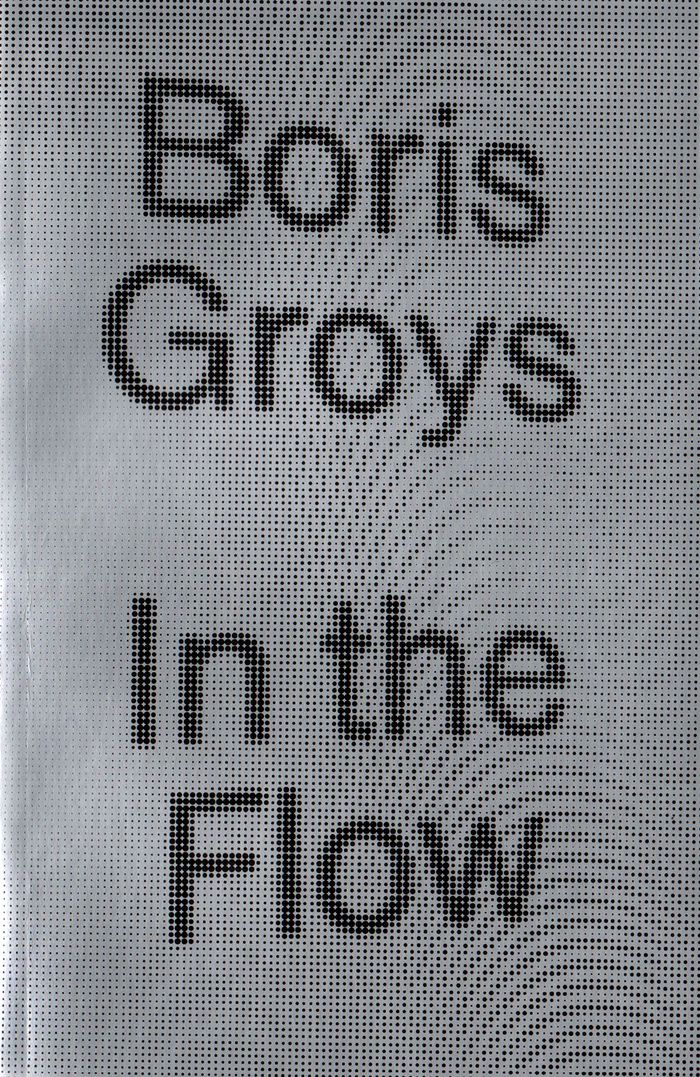
Title:
In the flow
In the flow
Actions:
Price:
$22.99
(available to order)
Summary:
In the early twentieth century, art and its institutions came under critique from a new democratic and egalitarian spirit. The notion of works of art as sacred objects was decried and subsequently they would be understood merely as things. This meant an attack on realism, as well as on the traditional preservative mission of the museum. Art theorist Boris Groys argues(...)
$22.99
(available to order)
Summary:
In the early twentieth century, art and its institutions came under critique from a new democratic and egalitarian spirit. The notion of works of art as sacred objects was decried and subsequently they would be understood merely as things. This meant an attack on realism, as well as on the traditional preservative mission of the museum. Art theorist Boris Groys argues(...)
Title:
In the flow
Actions:
Price:
$22.99
(available to order)
Summary:
In the early twentieth century, art and its institutions came under critique from a new democratic and egalitarian spirit. The notion of works of art as sacred objects was decried and subsequently they would be understood merely as things. This meant an attack on realism, as well as on the traditional preservative mission of the museum. Art theorist Boris Groys argues this led to the development of “direct realism”: an art that would not produce objects, but practices that would not survive. But for more than a century now, every advance in this direction has been quickly followed by new means of preserving art’s distinction. In this new work, Groys explores art in the age of the thingless medium, the Internet. Groys claims that if the techniques of mechanical reproduction gave us objects without aura, digital production generates aura without objects, transforming all its materials into vanishing markers of the transitory present.
In the flow
Actions:
Price:
$22.99
(available to order)
Summary:
In the early twentieth century, art and its institutions came under critique from a new democratic and egalitarian spirit. The notion of works of art as sacred objects was decried and subsequently they would be understood merely as things. This meant an attack on realism, as well as on the traditional preservative mission of the museum. Art theorist Boris Groys argues this led to the development of “direct realism”: an art that would not produce objects, but practices that would not survive. But for more than a century now, every advance in this direction has been quickly followed by new means of preserving art’s distinction. In this new work, Groys explores art in the age of the thingless medium, the Internet. Groys claims that if the techniques of mechanical reproduction gave us objects without aura, digital production generates aura without objects, transforming all its materials into vanishing markers of the transitory present.
Form:
books
books
Publication:
January 2018
January 2018
Subject:
Art Theory
Art Theory


