


5485 Results
Form:
books
books
Actions:
Price:
$42.95
(available in store)
Summary:
Homme de conviction, Paul Chemetov a compté parmi les architectes et urbanistes qui, dès les années cinquante et soixante, ont donné un coup de pied dans la fourmilière, faisant valser les certitudes de l'académisme des Beaux-Arts. Membre actif de la coopérative de l'AUA de 1960 à 1985, dont la radicalité a ouvert une brèche dans l'architecture conventionnelle de(...)
$42.95
(available in store)
Summary:
Homme de conviction, Paul Chemetov a compté parmi les architectes et urbanistes qui, dès les années cinquante et soixante, ont donné un coup de pied dans la fourmilière, faisant valser les certitudes de l'académisme des Beaux-Arts. Membre actif de la coopérative de l'AUA de 1960 à 1985, dont la radicalité a ouvert une brèche dans l'architecture conventionnelle de(...)
Title:
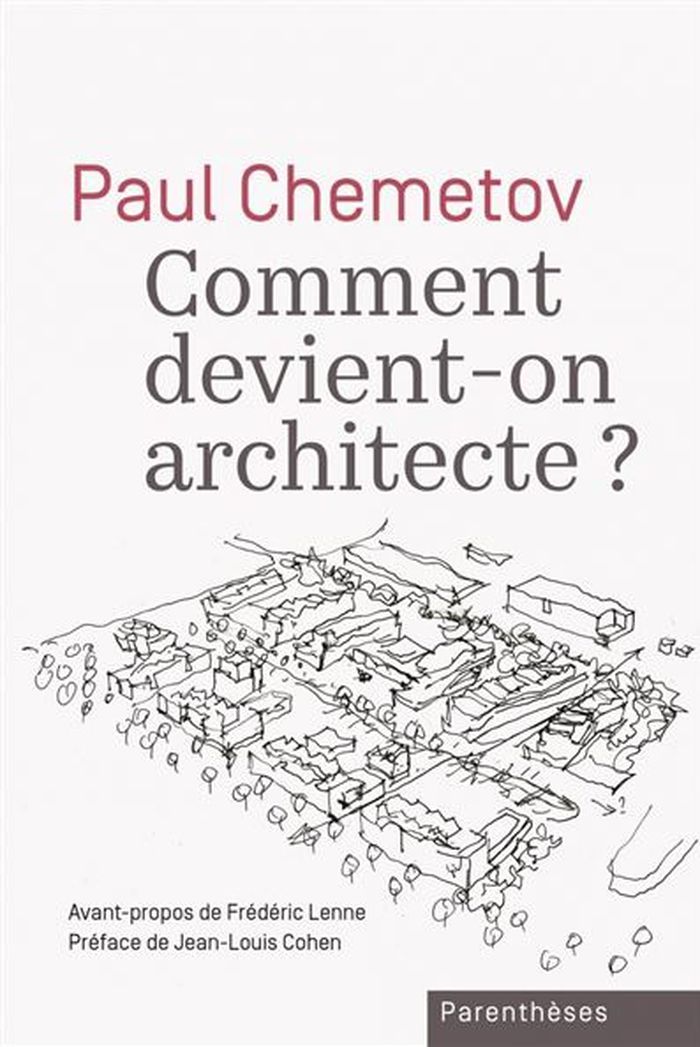
Comment devient-on architecte ?
Actions:
Price:
$42.95
(available in store)
Summary:
Homme de conviction, Paul Chemetov a compté parmi les architectes et urbanistes qui, dès les années cinquante et soixante, ont donné un coup de pied dans la fourmilière, faisant valser les certitudes de l'académisme des Beaux-Arts. Membre actif de la coopérative de l'AUA de 1960 à 1985, dont la radicalité a ouvert une brèche dans l'architecture conventionnelle de l'après-guerre, il a toujours plaidé pour une pratique collective, politique, sociale et réflexive. Concepteur prolifique de logements sociaux et de bâtiments publics, enseignant dans plusieurs écoles d'architecture, il a ainsi souvent écrit et fait entendre sa voix sur les questions les plus contemporaines. Servi par une écriture au style personnel et non privée d'humour, son regard analytique se porte ici sur sa propre vie. Sur la formation qu'il a suivie, ses prises de position, ses rencontres fondatrices et les grandes étapes de sa carrière.
Comment devient-on architecte ?
Actions:
Price:
$42.95
(available in store)
Summary:
Homme de conviction, Paul Chemetov a compté parmi les architectes et urbanistes qui, dès les années cinquante et soixante, ont donné un coup de pied dans la fourmilière, faisant valser les certitudes de l'académisme des Beaux-Arts. Membre actif de la coopérative de l'AUA de 1960 à 1985, dont la radicalité a ouvert une brèche dans l'architecture conventionnelle de l'après-guerre, il a toujours plaidé pour une pratique collective, politique, sociale et réflexive. Concepteur prolifique de logements sociaux et de bâtiments publics, enseignant dans plusieurs écoles d'architecture, il a ainsi souvent écrit et fait entendre sa voix sur les questions les plus contemporaines. Servi par une écriture au style personnel et non privée d'humour, son regard analytique se porte ici sur sa propre vie. Sur la formation qu'il a suivie, ses prises de position, ses rencontres fondatrices et les grandes étapes de sa carrière.
Form:
books
books
Publication:
September 2024
September 2024
Subject:
Architectural Theory
Architectural Theory
Form:
books
books
Actions:
Price:
$40.00
(available in store)
Summary:
Une réflexion collective sur la capacité des objets et du design à contribuer à la survie et à la protection contre les désastres, à partir de l'examen du phénomène des « preppers ». Pensez-vous que l'indépendance énergétique, l'agriculture durable, l'autonomie alimentaire, le mode de vie autosuffisant, le localisme, l'entraide et l'altruisme sont vitaux pour bâtir un(...)
$40.00
(available in store)
Summary:
Une réflexion collective sur la capacité des objets et du design à contribuer à la survie et à la protection contre les désastres, à partir de l'examen du phénomène des « preppers ». Pensez-vous que l'indépendance énergétique, l'agriculture durable, l'autonomie alimentaire, le mode de vie autosuffisant, le localisme, l'entraide et l'altruisme sont vitaux pour bâtir un(...)
Subject:
Environment and environmental theory
Environment and environmental theory
Publication:
September 2024
September 2024
Title:
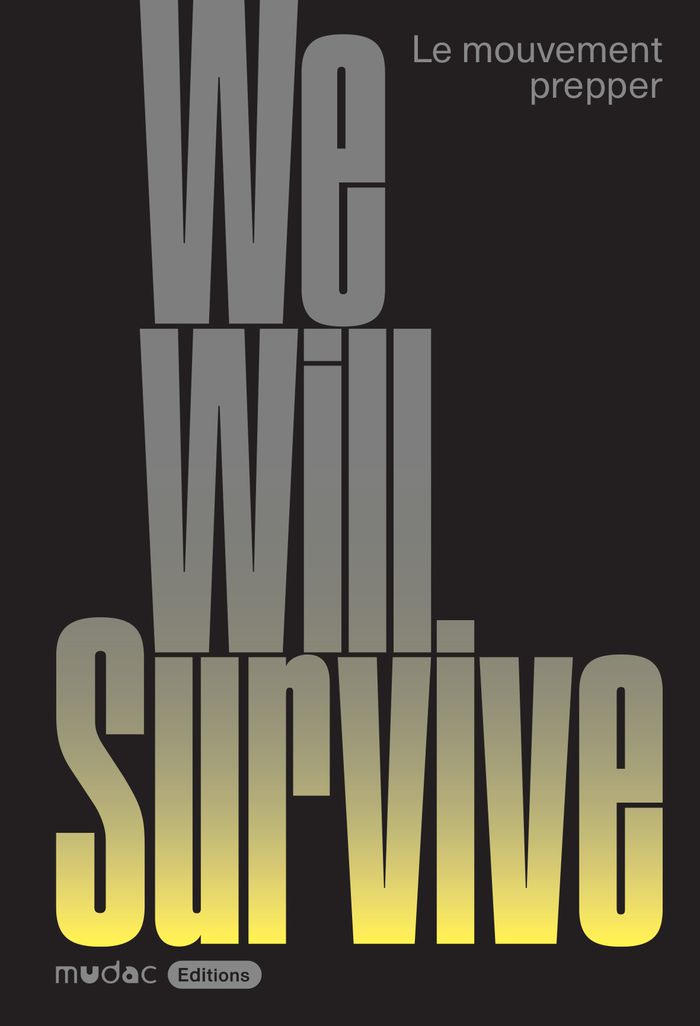
We Will Survive : Le mouvement prepper
Actions:
Price:
$40.00
(available in store)
Summary:
Une réflexion collective sur la capacité des objets et du design à contribuer à la survie et à la protection contre les désastres, à partir de l'examen du phénomène des « preppers ». Pensez-vous que l'indépendance énergétique, l'agriculture durable, l'autonomie alimentaire, le mode de vie autosuffisant, le localisme, l'entraide et l'altruisme sont vitaux pour bâtir un avenir qui vaut la peine d'être vécu ? Si oui, alors vous êtes peut-être, au moins partiellement, un prepper. Les preppers sont convaincus que notre monde est condamné, que tous nos systèmes et, par conséquent, que la société elle-même sont inévitablement sur le point de s'effondrer. Mais, au lieu de se laisser paralyser par la peur, ils mettent en place une stratégie de survie dans l'espoir de reprendre le contrôle sur l'incontrôlable. Ils se préparent activement à survivre à l'effondrement et à établir le nouvel ordre mondial qui suivra.
We Will Survive : Le mouvement prepper
Actions:
Price:
$40.00
(available in store)
Summary:
Une réflexion collective sur la capacité des objets et du design à contribuer à la survie et à la protection contre les désastres, à partir de l'examen du phénomène des « preppers ». Pensez-vous que l'indépendance énergétique, l'agriculture durable, l'autonomie alimentaire, le mode de vie autosuffisant, le localisme, l'entraide et l'altruisme sont vitaux pour bâtir un avenir qui vaut la peine d'être vécu ? Si oui, alors vous êtes peut-être, au moins partiellement, un prepper. Les preppers sont convaincus que notre monde est condamné, que tous nos systèmes et, par conséquent, que la société elle-même sont inévitablement sur le point de s'effondrer. Mais, au lieu de se laisser paralyser par la peur, ils mettent en place une stratégie de survie dans l'espoir de reprendre le contrôle sur l'incontrôlable. Ils se préparent activement à survivre à l'effondrement et à établir le nouvel ordre mondial qui suivra.
Form:
books
books
Publication:
September 2024
September 2024
Subject:
Environment and environmental theory
Environment and environmental theory
Form:
books
books
Price:
$95.00
(available to order)
Summary:
Shaped by a keen sense of humanity and a wide knowledge of history and literature, Canadian artist Ken Lum (born 1956) is a visionary who has consistently challenged societal norms, the ruling classes, religious suppression and racism, among other horrors that we continue to inflict on each other. His influential work, with its focus on cross-cultural dialogue and the(...)
$95.00
(available to order)
Summary:
Shaped by a keen sense of humanity and a wide knowledge of history and literature, Canadian artist Ken Lum (born 1956) is a visionary who has consistently challenged societal norms, the ruling classes, religious suppression and racism, among other horrors that we continue to inflict on each other. His influential work, with its focus on cross-cultural dialogue and the(...)
Title:
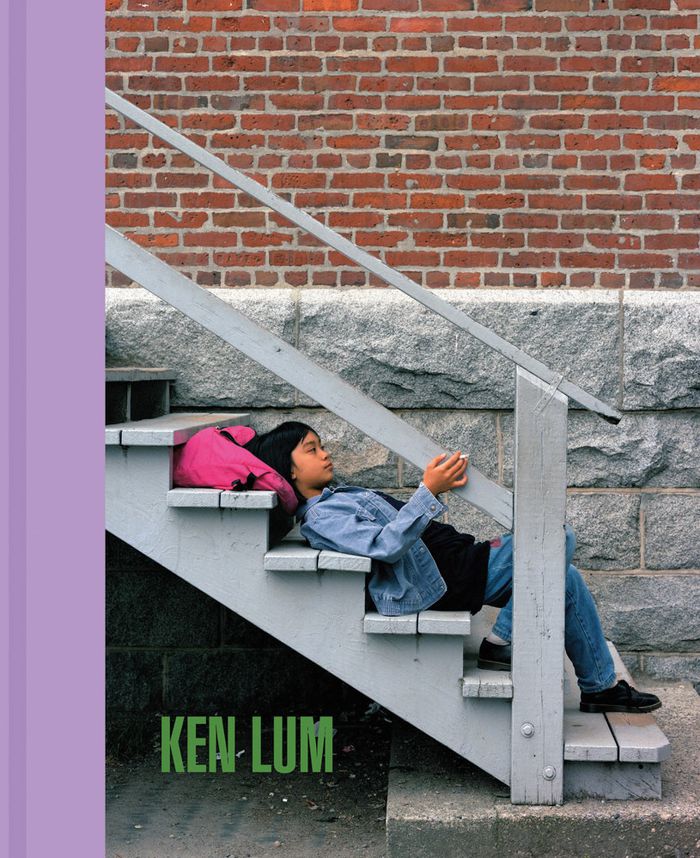
Ken Lum
Actions:
Price:
$95.00
(available to order)
Summary:
Shaped by a keen sense of humanity and a wide knowledge of history and literature, Canadian artist Ken Lum (born 1956) is a visionary who has consistently challenged societal norms, the ruling classes, religious suppression and racism, among other horrors that we continue to inflict on each other. His influential work, with its focus on cross-cultural dialogue and the complexities of the modern world, resonates globally—be it through painting, sculpture, photography or public art projects that engage with individual and collective identity in the context of historical trauma and the complications of memory. This publication presents a sweep of Lum’s photographic series, at once descriptive and disruptive, personal and political, including ''Portrait/Logos'' (1984–86), ''Portrait/Repeated Text Works'' (1993 to present) and ''Image Mirrors'' (2021); as well as his work with ''Monument Lab'', a public art project he cofounded with urban geographer Paul Farber.
Ken Lum
Actions:
Price:
$95.00
(available to order)
Summary:
Shaped by a keen sense of humanity and a wide knowledge of history and literature, Canadian artist Ken Lum (born 1956) is a visionary who has consistently challenged societal norms, the ruling classes, religious suppression and racism, among other horrors that we continue to inflict on each other. His influential work, with its focus on cross-cultural dialogue and the complexities of the modern world, resonates globally—be it through painting, sculpture, photography or public art projects that engage with individual and collective identity in the context of historical trauma and the complications of memory. This publication presents a sweep of Lum’s photographic series, at once descriptive and disruptive, personal and political, including ''Portrait/Logos'' (1984–86), ''Portrait/Repeated Text Works'' (1993 to present) and ''Image Mirrors'' (2021); as well as his work with ''Monument Lab'', a public art project he cofounded with urban geographer Paul Farber.
Form:
books
books
Publication:
July 2024
July 2024
Subject:
Photography monographs
Photography monographs
Form:
books
books
Price:
$39.95
(available in store)
Summary:
Mallory Lowe Mpoka brings to life a vibrant sensory-memorial map of her journey toward self-reconciliation as she returns home to Cameroon. Through photography, poetry, and travel accounts, she intertwines personal and collective histories, exploring themes of memorialization, subversion, and representation. With a refreshing auto-ethnographic approach to visual(...)
$39.95
(available in store)
Summary:
Mallory Lowe Mpoka brings to life a vibrant sensory-memorial map of her journey toward self-reconciliation as she returns home to Cameroon. Through photography, poetry, and travel accounts, she intertwines personal and collective histories, exploring themes of memorialization, subversion, and representation. With a refreshing auto-ethnographic approach to visual(...)
Title:
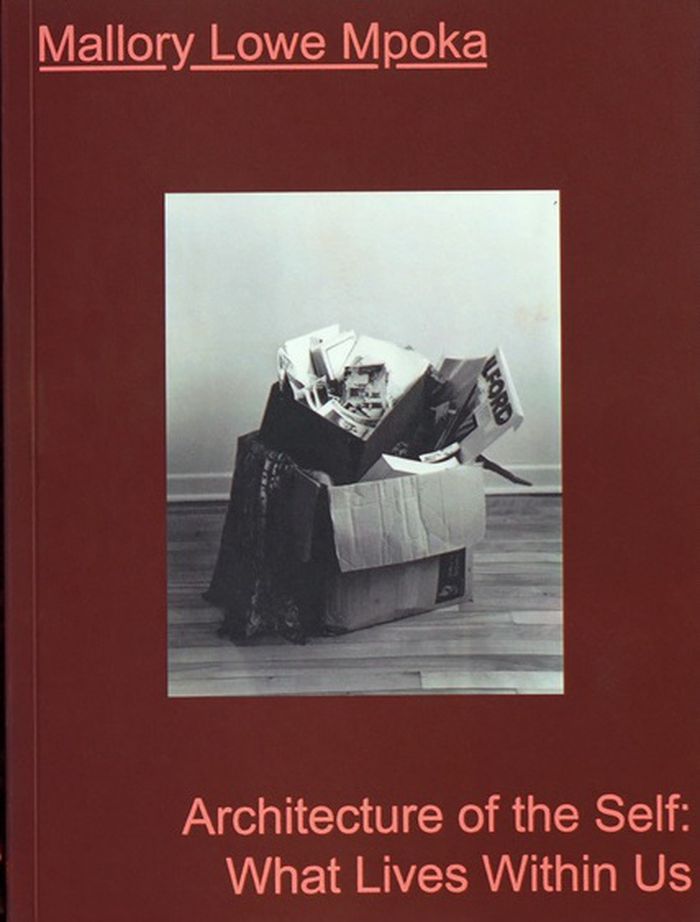
Mallory Lowe Mpoka: Architecture of the self - What lives within us
Actions:
Price:
$39.95
(available in store)
Summary:
Mallory Lowe Mpoka brings to life a vibrant sensory-memorial map of her journey toward self-reconciliation as she returns home to Cameroon. Through photography, poetry, and travel accounts, she intertwines personal and collective histories, exploring themes of memorialization, subversion, and representation. With a refreshing auto-ethnographic approach to visual storytelling, this publication makes us look and listen deeper, calling for a renewed way to engage with images. // Mallory Lowe Mpoka donne vie à une vibrante cartographie sensori-mémorielle de son parcours de réconciliation, alors qu’elle entame un retour au Cameroun. Mêlant la photographie, la poésie et les récits de voyage, elle entrelace les histoires individuelles et collectives en explorant les thèmes de la mémoire, de la subversion et de la représentation. Par sa rafraîchissante approche auto-ethnographique de la narration visuelle, cette publication nous invite à observer et à écouter plus attentivement, appelant au renouvellement de notre relation aux images.
Mallory Lowe Mpoka: Architecture of the self - What lives within us
Actions:
Price:
$39.95
(available in store)
Summary:
Mallory Lowe Mpoka brings to life a vibrant sensory-memorial map of her journey toward self-reconciliation as she returns home to Cameroon. Through photography, poetry, and travel accounts, she intertwines personal and collective histories, exploring themes of memorialization, subversion, and representation. With a refreshing auto-ethnographic approach to visual storytelling, this publication makes us look and listen deeper, calling for a renewed way to engage with images. // Mallory Lowe Mpoka donne vie à une vibrante cartographie sensori-mémorielle de son parcours de réconciliation, alors qu’elle entame un retour au Cameroun. Mêlant la photographie, la poésie et les récits de voyage, elle entrelace les histoires individuelles et collectives en explorant les thèmes de la mémoire, de la subversion et de la représentation. Par sa rafraîchissante approche auto-ethnographique de la narration visuelle, cette publication nous invite à observer et à écouter plus attentivement, appelant au renouvellement de notre relation aux images.
Form:
books
books
Publication:
December 2024
December 2024
Form:
books
books
Title:
Labyrinthes
Labyrinthes
Actions:
Price:
$76.00
(available to order)
Summary:
Ce livre explore les origines historiques et mythologiques des dédales et des labyrinthes, ainsi que leur évolution à travers les siècles. Le labyrinthe de la cathédrale de Chartres côtoie celui imaginé par Orson Welles dans La Dame de Shanghai, les créations récentes voisinent avec les œuvres des peuples amérindiens. L'auteur étudie la manière dont les artistes(...)
$76.00
(available to order)
Summary:
Ce livre explore les origines historiques et mythologiques des dédales et des labyrinthes, ainsi que leur évolution à travers les siècles. Le labyrinthe de la cathédrale de Chartres côtoie celui imaginé par Orson Welles dans La Dame de Shanghai, les créations récentes voisinent avec les œuvres des peuples amérindiens. L'auteur étudie la manière dont les artistes(...)
Title:
Labyrinthes
Actions:
Price:
$76.00
(available to order)
Summary:
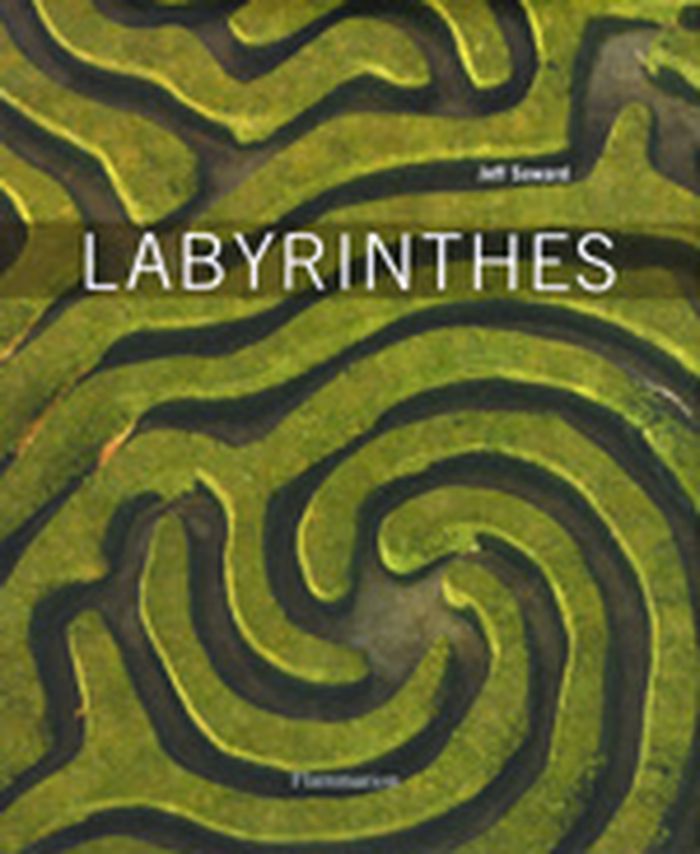
Ce livre explore les origines historiques et mythologiques des dédales et des labyrinthes, ainsi que leur évolution à travers les siècles. Le labyrinthe de la cathédrale de Chartres côtoie celui imaginé par Orson Welles dans La Dame de Shanghai, les créations récentes voisinent avec les œuvres des peuples amérindiens. L'auteur étudie la manière dont les artistes contemporains et les paysagistes ont créés des figures inédites aussi bien dans des lieux publiques que des jardins privés, reflétant une aspiration collective à une sérénité intérieure. Parallèlement, les loisirs et le tourisme de masse ont suscité une véritable folie du dédale, qui se traduit par l'apparition non seulement de nouveaux dédales en haies traditionnels, mais aussi par l'exploration d'espaces et de matériaux inusités, depuis les dédales de maïs jusqu'au palais des glaces en passant par les dédales de panneaux de bois sans oublier les simples dédales de gazons.
Labyrinthes
Actions:
Price:
$76.00
(available to order)
Summary:
Ce livre explore les origines historiques et mythologiques des dédales et des labyrinthes, ainsi que leur évolution à travers les siècles. Le labyrinthe de la cathédrale de Chartres côtoie celui imaginé par Orson Welles dans La Dame de Shanghai, les créations récentes voisinent avec les œuvres des peuples amérindiens. L'auteur étudie la manière dont les artistes contemporains et les paysagistes ont créés des figures inédites aussi bien dans des lieux publiques que des jardins privés, reflétant une aspiration collective à une sérénité intérieure. Parallèlement, les loisirs et le tourisme de masse ont suscité une véritable folie du dédale, qui se traduit par l'apparition non seulement de nouveaux dédales en haies traditionnels, mais aussi par l'exploration d'espaces et de matériaux inusités, depuis les dédales de maïs jusqu'au palais des glaces en passant par les dédales de panneaux de bois sans oublier les simples dédales de gazons.
Form:
books
books
Publication:
January 1900, Paris
January 1900, Paris
Subject:
Gardens
Gardens
Form:
books
books
Price:
$34.50
(available to order)
Summary:
Archives are collections of records that are preserved for historical, cultural and evidentiary purposes. As such, archives are considered as sites of a past, places that contain traces of a collective memory of a nation, a people or a group. Digital archives have changed from stable entities into flexible systems, at times referred to with the term ‘Living Archives’. In(...)
$34.50
(available to order)
Summary:
Archives are collections of records that are preserved for historical, cultural and evidentiary purposes. As such, archives are considered as sites of a past, places that contain traces of a collective memory of a nation, a people or a group. Digital archives have changed from stable entities into flexible systems, at times referred to with the term ‘Living Archives’. In(...)
Title:
Lost and living (in) archives collectively shaping new memories
Actions:
Price:
$34.50
(available to order)
Summary:
Archives are collections of records that are preserved for historical, cultural and evidentiary purposes. As such, archives are considered as sites of a past, places that contain traces of a collective memory of a nation, a people or a group. Digital archives have changed from stable entities into flexible systems, at times referred to with the term ‘Living Archives’. In which ways has this change affected our relationship to the past? Will the erased, forgotten and neglected be redeemed, and new memories be allowed? Will the fictional versus factual mode of archiving offer the democracy that the public domain implies, or is it another way for public instruments of power to operate? Lost and Living (in) Archives shows that archives are not simply a recording, a reflection, or an image of an event, but that THEY shape the event itself and thus influence the past, present and future.
Lost and living (in) archives collectively shaping new memories
Actions:
Price:
$34.50
(available to order)
Summary:
Archives are collections of records that are preserved for historical, cultural and evidentiary purposes. As such, archives are considered as sites of a past, places that contain traces of a collective memory of a nation, a people or a group. Digital archives have changed from stable entities into flexible systems, at times referred to with the term ‘Living Archives’. In which ways has this change affected our relationship to the past? Will the erased, forgotten and neglected be redeemed, and new memories be allowed? Will the fictional versus factual mode of archiving offer the democracy that the public domain implies, or is it another way for public instruments of power to operate? Lost and Living (in) Archives shows that archives are not simply a recording, a reflection, or an image of an event, but that THEY shape the event itself and thus influence the past, present and future.
Form:
books
books
Publication:
November 2017
November 2017
Subject:
Archive, library and the digital
Archive, library and the digital
Form:
books
books
Actions:
Price:
$46.00
(available in store)
Summary:
The photographs and essays in this combination artist book and monograph reveal the invisible histories of human enterprise, idealism and trauma embedded in the work by Berlin artist Stephanie Kloss. Eight bodies of work in black and white and color made in locations as diverse as Israel, Japan, the United States, Germany and Greece, from 2006 to 2014, explore the mythos(...)
$46.00
(available in store)
Summary:
The photographs and essays in this combination artist book and monograph reveal the invisible histories of human enterprise, idealism and trauma embedded in the work by Berlin artist Stephanie Kloss. Eight bodies of work in black and white and color made in locations as diverse as Israel, Japan, the United States, Germany and Greece, from 2006 to 2014, explore the mythos(...)
Title:
Stephanie Kloss: Weltausstellung
Actions:
Price:
$46.00
(available in store)
Summary:
The photographs and essays in this combination artist book and monograph reveal the invisible histories of human enterprise, idealism and trauma embedded in the work by Berlin artist Stephanie Kloss. Eight bodies of work in black and white and color made in locations as diverse as Israel, Japan, the United States, Germany and Greece, from 2006 to 2014, explore the mythos and utopianism of architecture. An idyllic Canary Island bears scant traces of Otto Muehl s Actionist commune and sexual crimes; the mute currents of the Mississippi Delta belie its devastation first by Hurricane Katrina and subsequently by the BP oil spill. The commonality and one could say, colonization of modernist architectural form rather than the peculiarities of place, nation or time seems to attract her lens. In Weltausstellung, Kloss speaks a collective photographic language that warns against the ease and peril of forgetfulness.
Stephanie Kloss: Weltausstellung
Actions:
Price:
$46.00
(available in store)
Summary:
The photographs and essays in this combination artist book and monograph reveal the invisible histories of human enterprise, idealism and trauma embedded in the work by Berlin artist Stephanie Kloss. Eight bodies of work in black and white and color made in locations as diverse as Israel, Japan, the United States, Germany and Greece, from 2006 to 2014, explore the mythos and utopianism of architecture. An idyllic Canary Island bears scant traces of Otto Muehl s Actionist commune and sexual crimes; the mute currents of the Mississippi Delta belie its devastation first by Hurricane Katrina and subsequently by the BP oil spill. The commonality and one could say, colonization of modernist architectural form rather than the peculiarities of place, nation or time seems to attract her lens. In Weltausstellung, Kloss speaks a collective photographic language that warns against the ease and peril of forgetfulness.
Form:
books
books
Publication:
March 2014
March 2014
Subject:
Photography monographs
Photography monographs
Form:
books
books
Actions:
Price:
$39.00
(available to order)
Summary:
This book is a collection of essays at the intersection of architecture and climate change. Neither a collective lament nor an inventory of architectural responses, the essays consider cultural values ascribed to climate and ask how climate re? ects our conception of what architecture is and does. Which materials and conceptual infrastructures render climate legible,(...)
$39.00
(available to order)
Summary:
This book is a collection of essays at the intersection of architecture and climate change. Neither a collective lament nor an inventory of architectural responses, the essays consider cultural values ascribed to climate and ask how climate re? ects our conception of what architecture is and does. Which materials and conceptual infrastructures render climate legible,(...)
Subject:
Environment and environmental theory
Environment and environmental theory
Publication:
July 2016
July 2016
Title:
Climates: architecture and the planetary imaginary
Actions:
Price:
$39.00
(available to order)
Summary:
This book is a collection of essays at the intersection of architecture and climate change. Neither a collective lament nor an inventory of architectural responses, the essays consider cultural values ascribed to climate and ask how climate re? ects our conception of what architecture is and does. Which materials and conceptual infrastructures render climate legible, knowable, and actionable, and what are their spatial implications? How do these interrelated questions offer new vantage points on the architectural rami? cations of climate change at the interface of resiliency, sustain-ability, and ecotechnology? 'Climates' also contains a dossier of precedents for thinking about architecture and climate change drawn from a number of leading practitioners. New approaches to understanding climate in architecture make this book invaluable.This publication is a project by The Avery Review, a journal produced by the Of?ce of Publications at Columbia University's Graduate School of Architecture, Planning and Preservation.
Climates: architecture and the planetary imaginary
Actions:
Price:
$39.00
(available to order)
Summary:
This book is a collection of essays at the intersection of architecture and climate change. Neither a collective lament nor an inventory of architectural responses, the essays consider cultural values ascribed to climate and ask how climate re? ects our conception of what architecture is and does. Which materials and conceptual infrastructures render climate legible, knowable, and actionable, and what are their spatial implications? How do these interrelated questions offer new vantage points on the architectural rami? cations of climate change at the interface of resiliency, sustain-ability, and ecotechnology? 'Climates' also contains a dossier of precedents for thinking about architecture and climate change drawn from a number of leading practitioners. New approaches to understanding climate in architecture make this book invaluable.This publication is a project by The Avery Review, a journal produced by the Of?ce of Publications at Columbia University's Graduate School of Architecture, Planning and Preservation.
Form:
books
books
Publication:
July 2016
July 2016
Subject:
Environment and environmental theory
Environment and environmental theory
Form:
books
books
Price:
$54.00
(available in store)
Summary:
In Imagine No Possessions, Christina Kiaer investigates the Russian Constructivist conception of objects as being more than commodities. "Our things in our hands must be equals, comrades," wrote Aleksandr Rodchenko in 1925. Kiaer analyzes this Constructivist counterproposal to capitalism's commodity fetish by examining objects produced by Constructivist artists between(...)
$54.00
(available in store)
Summary:
In Imagine No Possessions, Christina Kiaer investigates the Russian Constructivist conception of objects as being more than commodities. "Our things in our hands must be equals, comrades," wrote Aleksandr Rodchenko in 1925. Kiaer analyzes this Constructivist counterproposal to capitalism's commodity fetish by examining objects produced by Constructivist artists between(...)
Subject:
Design, Periods and Styles
Design, Periods and Styles
Publication:
April 2008, Cambridge, Massachusetts
April 2008, Cambridge, Massachusetts
Title:
Imagine no possessions: the socialist objects of Russian constructivism
Actions:
Price:
$54.00
(available in store)
Summary:
In Imagine No Possessions, Christina Kiaer investigates the Russian Constructivist conception of objects as being more than commodities. "Our things in our hands must be equals, comrades," wrote Aleksandr Rodchenko in 1925. Kiaer analyzes this Constructivist counterproposal to capitalism's commodity fetish by examining objects produced by Constructivist artists between 1923 and 1925: Vladimir Tatlin's prototype designs for pots and pans and other everyday objects, Liubov' Popova's and Varvara Stepanova's fashion designs and textiles, Rodchenko's packaging and advertisements for state-owned businesses (made in collaboration with revolutionary poet Vladimir Mayakovsky), and Rodchenko's famous design for the interior of a workers' club. These artists, heeding the call of Constructivist manifestos to abandon the nonobjective painting and sculpture of the early Russian avant-garde and enter into Soviet industrial production, aimed to work as "artist-engineers" to produce useful objects for everyday life in the new socialist collective.
Imagine no possessions: the socialist objects of Russian constructivism
Actions:
Price:
$54.00
(available in store)
Summary:
In Imagine No Possessions, Christina Kiaer investigates the Russian Constructivist conception of objects as being more than commodities. "Our things in our hands must be equals, comrades," wrote Aleksandr Rodchenko in 1925. Kiaer analyzes this Constructivist counterproposal to capitalism's commodity fetish by examining objects produced by Constructivist artists between 1923 and 1925: Vladimir Tatlin's prototype designs for pots and pans and other everyday objects, Liubov' Popova's and Varvara Stepanova's fashion designs and textiles, Rodchenko's packaging and advertisements for state-owned businesses (made in collaboration with revolutionary poet Vladimir Mayakovsky), and Rodchenko's famous design for the interior of a workers' club. These artists, heeding the call of Constructivist manifestos to abandon the nonobjective painting and sculpture of the early Russian avant-garde and enter into Soviet industrial production, aimed to work as "artist-engineers" to produce useful objects for everyday life in the new socialist collective.
Form:
books
books
Publication:
April 2008, Cambridge, Massachusetts
April 2008, Cambridge, Massachusetts
Subject:
Design, Periods and Styles
Design, Periods and Styles
Form:
books
books
Price:
$31.50
(available to order)
Summary:
In many different parts of the world people cordon off sites of great suffering or great heroism from routine use and employ these sites exclusively for purposes of remembrance. The author of this book turns to the landscape of contemporary Berlin in order to understand how some places are forgotten by all but eyewitnesses, whereas others become the sites of public(...)
$31.50
(available to order)
Summary:
In many different parts of the world people cordon off sites of great suffering or great heroism from routine use and employ these sites exclusively for purposes of remembrance. The author of this book turns to the landscape of contemporary Berlin in order to understand how some places are forgotten by all but eyewitnesses, whereas others become the sites of public(...)
Title:
Structures of memory : understanding urban change in Berlin and beyond
Actions:
Price:
$31.50
(available to order)
Summary:
In many different parts of the world people cordon off sites of great suffering or great heroism from routine use and employ these sites exclusively for purposes of remembrance. The author of this book turns to the landscape of contemporary Berlin in order to understand how some places are forgotten by all but eyewitnesses, whereas others become the sites of public ceremonies, museums, or commemorative monuments. The places examined mark the city’s Nazi past and are often rendered off limits to use for apartments, shops, or offices. However, only a portion of all “authentic” sites - places with direct connections to acts of resistance or persecution during the Nazi era - actually become designated as places of official collective memory. Others are simply reabsorbed into the quotidian landscape. Remembering leaves its marks on the skin of the city, and the goal of this book is to analyze and understand precisely how.
Structures of memory : understanding urban change in Berlin and beyond
Actions:
Price:
$31.50
(available to order)
Summary:
In many different parts of the world people cordon off sites of great suffering or great heroism from routine use and employ these sites exclusively for purposes of remembrance. The author of this book turns to the landscape of contemporary Berlin in order to understand how some places are forgotten by all but eyewitnesses, whereas others become the sites of public ceremonies, museums, or commemorative monuments. The places examined mark the city’s Nazi past and are often rendered off limits to use for apartments, shops, or offices. However, only a portion of all “authentic” sites - places with direct connections to acts of resistance or persecution during the Nazi era - actually become designated as places of official collective memory. Others are simply reabsorbed into the quotidian landscape. Remembering leaves its marks on the skin of the city, and the goal of this book is to analyze and understand precisely how.
Form:
books
books
Publication:
April 2006, Stanford
April 2006, Stanford
Subject:
Urban Theory
Urban Theory


