


391 Results
Form:
books
books
Title:
Qiu Yangzi: Rotation
Qiu Yangzi: Rotation
Actions:
Price:
$80.00
(available to order)
Summary:
''Rotation'' is an ongoing photographic series exploring how urban development reshapes our relationship with space—public, personal, and imagined. It invites viewers to reconsider orientation, perspective, and the fragility of boundaries between the built environment and the body. Referencing the disorientation of outer space—where gravity dissolves the idea of ‘up’(...)
$80.00
(available to order)
Summary:
''Rotation'' is an ongoing photographic series exploring how urban development reshapes our relationship with space—public, personal, and imagined. It invites viewers to reconsider orientation, perspective, and the fragility of boundaries between the built environment and the body. Referencing the disorientation of outer space—where gravity dissolves the idea of ‘up’(...)
Title:
Qiu Yangzi: Rotation
Actions:
Price:
$80.00
(available to order)
Summary:
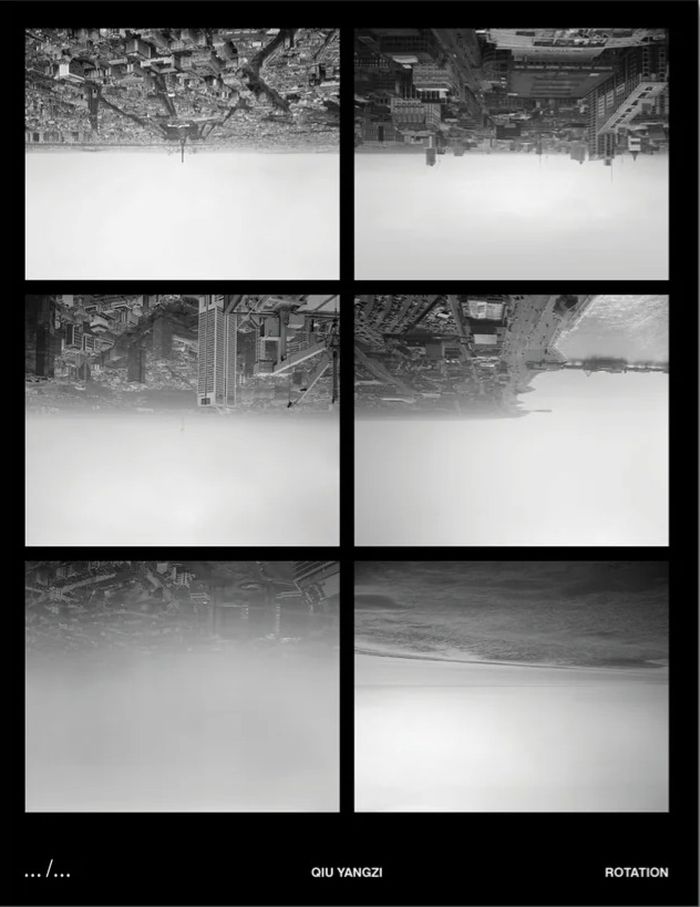
''Rotation'' is an ongoing photographic series exploring how urban development reshapes our relationship with space—public, personal, and imagined. It invites viewers to reconsider orientation, perspective, and the fragility of boundaries between the built environment and the body. Referencing the disorientation of outer space—where gravity dissolves the idea of ‘up’ and ‘down’—the series plays with visual perspective and suspension. Many images are shot through glass, integrating reflections that allude to invisible connections between people and places. This use of light and surface evokes a sense of weightlessness and fluid identity. Since 2021, Rotation has evolved through collaborations with over 20 organizations across cities such as London, Berlin, Stockholm, and Warsaw. With more than 70 works created so far, the project continues to map spatial perception through image-making—blurring lines between architecture, motion, and memory.
Qiu Yangzi: Rotation
Actions:
Price:
$80.00
(available to order)
Summary:
''Rotation'' is an ongoing photographic series exploring how urban development reshapes our relationship with space—public, personal, and imagined. It invites viewers to reconsider orientation, perspective, and the fragility of boundaries between the built environment and the body. Referencing the disorientation of outer space—where gravity dissolves the idea of ‘up’ and ‘down’—the series plays with visual perspective and suspension. Many images are shot through glass, integrating reflections that allude to invisible connections between people and places. This use of light and surface evokes a sense of weightlessness and fluid identity. Since 2021, Rotation has evolved through collaborations with over 20 organizations across cities such as London, Berlin, Stockholm, and Warsaw. With more than 70 works created so far, the project continues to map spatial perception through image-making—blurring lines between architecture, motion, and memory.
Form:
books
books
Publication:
January 2026
January 2026
Subject:
Photography monographs
Photography monographs
Form:
books
books
Title:
Remembering places: a memoir
Remembering places: a memoir
Actions:
Price:
$55.90
(available to order)
Summary:
Born in Warsaw in 1926, Joseph Rykwert is one of the best-known critics and historians of architecture. One of very few writers to be awarded the RIBA’s highest honour, the Royal Gold Medal, in 2014, and author of countless books and essays, his influence over the past 60 years cannot be underestimated. In this memoir he tells for the first time of how his life’s(...)
$55.90
(available to order)
Summary:
Born in Warsaw in 1926, Joseph Rykwert is one of the best-known critics and historians of architecture. One of very few writers to be awarded the RIBA’s highest honour, the Royal Gold Medal, in 2014, and author of countless books and essays, his influence over the past 60 years cannot be underestimated. In this memoir he tells for the first time of how his life’s(...)
Title:
Remembering places: a memoir
Actions:
Price:
$55.90
(available to order)
Summary:
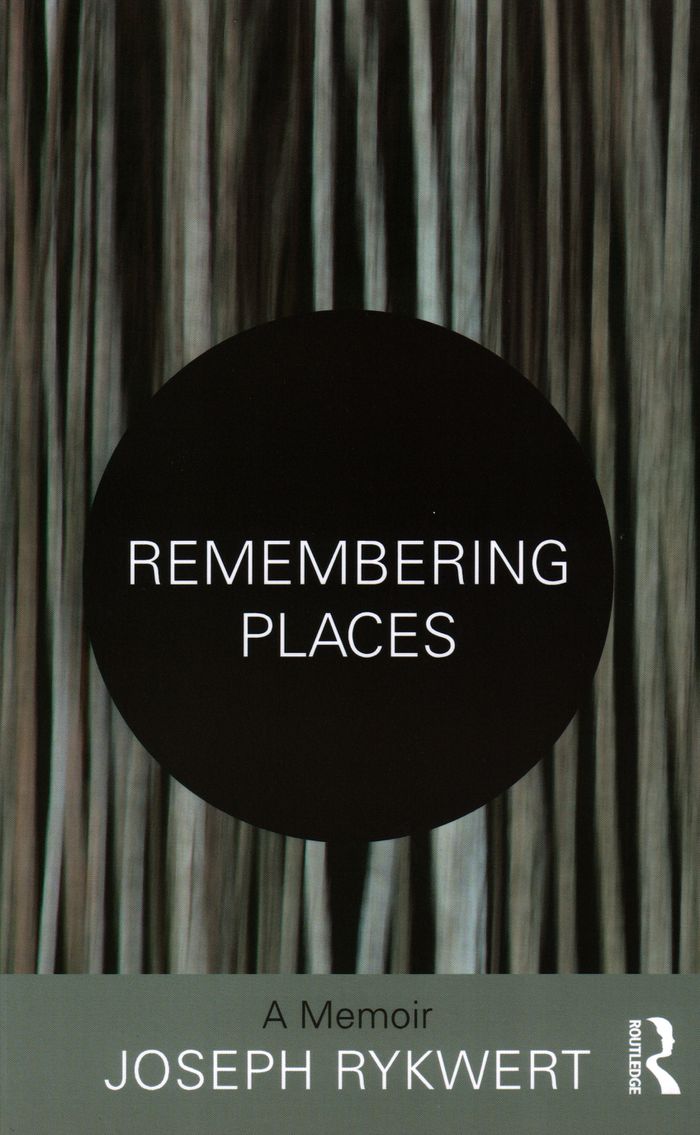
Born in Warsaw in 1926, Joseph Rykwert is one of the best-known critics and historians of architecture. One of very few writers to be awarded the RIBA’s highest honour, the Royal Gold Medal, in 2014, and author of countless books and essays, his influence over the past 60 years cannot be underestimated. In this memoir he tells for the first time of how his life’s experiences shaped his working life. He addresses the dualities between which he had to navigate: Jewish/Polish, Polish/British and later, Practice/Scholarship. He spent most of his working life between the US and UK and worked both as a designer and a writer; as such his ground-breaking ideas and work have had a major impact on the thinking of architects and designers since the 1960s and continue to do so to this day.
Remembering places: a memoir
Actions:
Price:
$55.90
(available to order)
Summary:
Born in Warsaw in 1926, Joseph Rykwert is one of the best-known critics and historians of architecture. One of very few writers to be awarded the RIBA’s highest honour, the Royal Gold Medal, in 2014, and author of countless books and essays, his influence over the past 60 years cannot be underestimated. In this memoir he tells for the first time of how his life’s experiences shaped his working life. He addresses the dualities between which he had to navigate: Jewish/Polish, Polish/British and later, Practice/Scholarship. He spent most of his working life between the US and UK and worked both as a designer and a writer; as such his ground-breaking ideas and work have had a major impact on the thinking of architects and designers since the 1960s and continue to do so to this day.
Form:
books
books
Publication:
July 2017
July 2017
Subject:
Architectural Theory
Architectural Theory
Form:
books
books
Actions:
Price:
$48.50
(available in store)
Summary:
In 1978, Zofia Rydet (1911–97) began work on a monumental project that would come to be known as her ''Sociological Record'': photographing the people of Poland at their homes, she produced an extraordinary archive of around twenty thousand negatives. The undertaking consumed Rydet so completely that she was never able to give it final shape through a book or an art show.(...)
$48.50
(available in store)
Summary:
In 1978, Zofia Rydet (1911–97) began work on a monumental project that would come to be known as her ''Sociological Record'': photographing the people of Poland at their homes, she produced an extraordinary archive of around twenty thousand negatives. The undertaking consumed Rydet so completely that she was never able to give it final shape through a book or an art show.(...)
Title:
Object lessons: Zofia Rydet's 'Sociological record'
Actions:
Price:
$48.50
(available in store)
Summary:
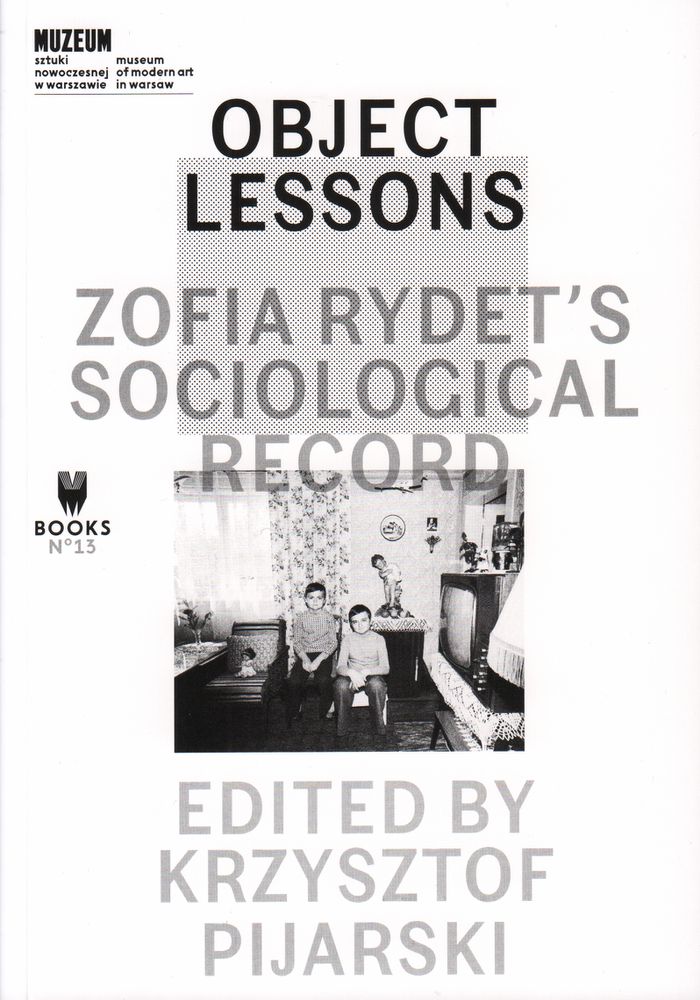
In 1978, Zofia Rydet (1911–97) began work on a monumental project that would come to be known as her ''Sociological Record'': photographing the people of Poland at their homes, she produced an extraordinary archive of around twenty thousand negatives. The undertaking consumed Rydet so completely that she was never able to give it final shape through a book or an art show. ''Object Lessons'', a new volume of essays inspired by an exhibition at the Museum of Modern Art in Warsaw, helps to dispel the myths that have formed around the project in recent years and introduces the photographer to a new global audience. Rydet herself remained unresolved over the question of how to define her work, leaving the viewer to ponder whether her magnum opus is a piece of art or science. What does remain undisputed is that ''Sociological Record'' is a striking testimony of its time.
Object lessons: Zofia Rydet's 'Sociological record'
Actions:
Price:
$48.50
(available in store)
Summary:
In 1978, Zofia Rydet (1911–97) began work on a monumental project that would come to be known as her ''Sociological Record'': photographing the people of Poland at their homes, she produced an extraordinary archive of around twenty thousand negatives. The undertaking consumed Rydet so completely that she was never able to give it final shape through a book or an art show. ''Object Lessons'', a new volume of essays inspired by an exhibition at the Museum of Modern Art in Warsaw, helps to dispel the myths that have formed around the project in recent years and introduces the photographer to a new global audience. Rydet herself remained unresolved over the question of how to define her work, leaving the viewer to ponder whether her magnum opus is a piece of art or science. What does remain undisputed is that ''Sociological Record'' is a striking testimony of its time.
Form:
books
books
Publication:
July 2018
July 2018
Subject:
Theory of Photography
Theory of Photography
Form:
books
books
Actions:
Price:
$16.00
(available in store)
Summary:
Aglaia Konrad’s work often takes the form of a book, each conceived as an edited archive of the ways in which she uses photography to investigate urban landscapes. Two of her book projects were part of "The lives of documents—Photography as project", the project curated by Stefano Graziani and Bas Princen, and it was while putting this exhibition together that Konrad(...)
$16.00
(available in store)
Summary:
Aglaia Konrad’s work often takes the form of a book, each conceived as an edited archive of the ways in which she uses photography to investigate urban landscapes. Two of her book projects were part of "The lives of documents—Photography as project", the project curated by Stefano Graziani and Bas Princen, and it was while putting this exhibition together that Konrad(...)
Title:
Alina, Barbara, Halina, Helena, Zofia
Actions:
Price:
$16.00
(available in store)
Summary:
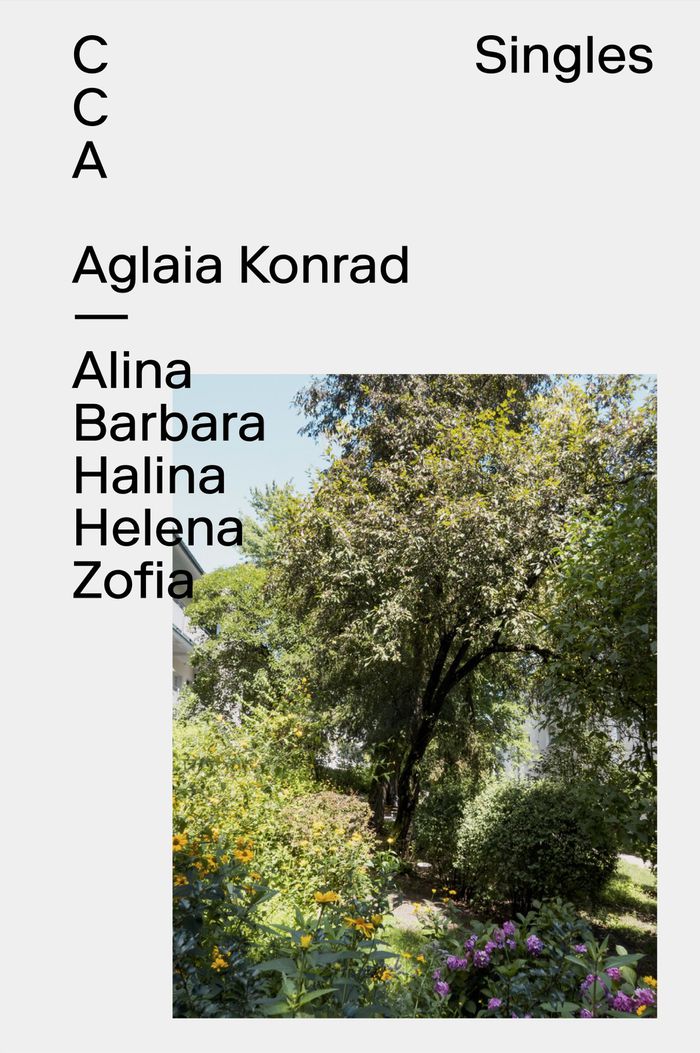
Aglaia Konrad’s work often takes the form of a book, each conceived as an edited archive of the ways in which she uses photography to investigate urban landscapes. Two of her book projects were part of "The lives of documents—Photography as project", the project curated by Stefano Graziani and Bas Princen, and it was while putting this exhibition together that Konrad shared her enthusiasm after researching the work of five women that conceived several residential neighbourhoods in Warsaw after the Second World War and redefined the city as a green haven. If the two book projects she presented in our exhibition—Atlas (2000) and Copy Cities (2003–2004)—brought together multiple fragments of her extensive and systematic documentary work on cities, her survey of the work of Alina Scholtz, Barbara Brukalska, Halina Skibniewska, Helena Syrkus, and Zofia Hansen leads now to a travel diary that reflects on the role of architecture and landscape architecture in defining places of bonding and belonging.
Alina, Barbara, Halina, Helena, Zofia
Actions:
Price:
$16.00
(available in store)
Summary:
Aglaia Konrad’s work often takes the form of a book, each conceived as an edited archive of the ways in which she uses photography to investigate urban landscapes. Two of her book projects were part of "The lives of documents—Photography as project", the project curated by Stefano Graziani and Bas Princen, and it was while putting this exhibition together that Konrad shared her enthusiasm after researching the work of five women that conceived several residential neighbourhoods in Warsaw after the Second World War and redefined the city as a green haven. If the two book projects she presented in our exhibition—Atlas (2000) and Copy Cities (2003–2004)—brought together multiple fragments of her extensive and systematic documentary work on cities, her survey of the work of Alina Scholtz, Barbara Brukalska, Halina Skibniewska, Helena Syrkus, and Zofia Hansen leads now to a travel diary that reflects on the role of architecture and landscape architecture in defining places of bonding and belonging.
Form:
books
books
Publication:
November 2024
November 2024
Subject:
CCA Publications
CCA Publications
Form:
journals and magazines
journals and magazines
Title:
Detail 10 2012
Detail 10 2012
Actions:
Price:
$24.95
(available to order)
Summary:
This issue focuses on diverse combinations of architecture and support structures. The structures presented include a pre-stressed concrete construction, a twisted wood frame truss, a point-supported bowl composed of pre-fabricated steel elements and a lattice bowl with an enormous span width. Helen & Hard's library in Norway illustrates how a support structure made of(...)
$24.95
(available to order)
Summary:
This issue focuses on diverse combinations of architecture and support structures. The structures presented include a pre-stressed concrete construction, a twisted wood frame truss, a point-supported bowl composed of pre-fabricated steel elements and a lattice bowl with an enormous span width. Helen & Hard's library in Norway illustrates how a support structure made of(...)
Title:
Detail 10 2012
Actions:
Price:
$24.95
(available to order)
Summary:
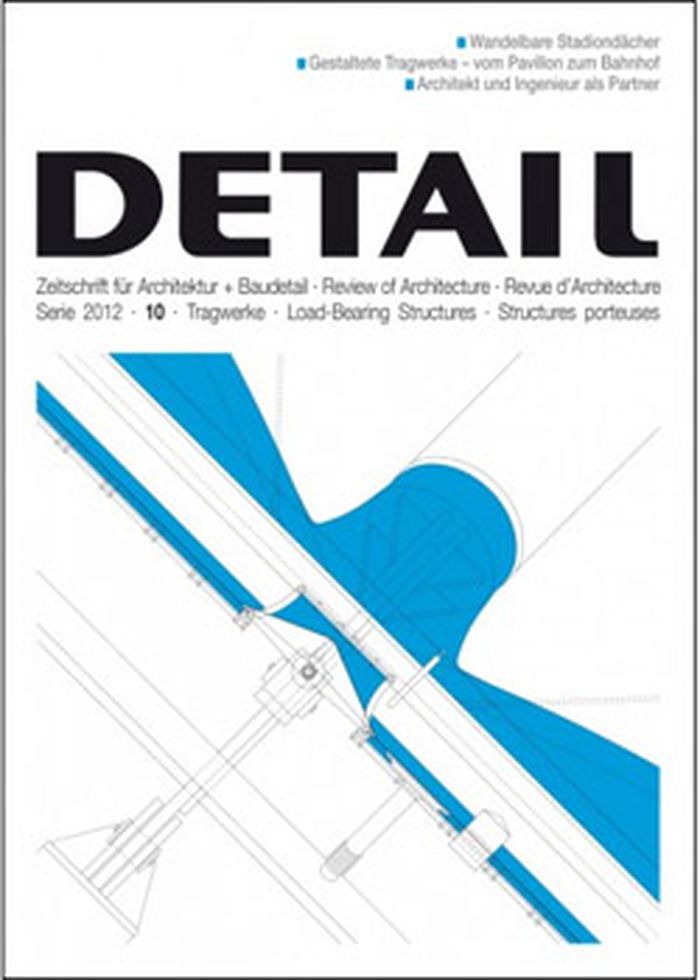
This issue focuses on diverse combinations of architecture and support structures. The structures presented include a pre-stressed concrete construction, a twisted wood frame truss, a point-supported bowl composed of pre-fabricated steel elements and a lattice bowl with an enormous span width. Helen & Hard's library in Norway illustrates how a support structure made of glue-laminated timber can merge with built-in components and furniture. A pavilion at the University of Tokyo makes use of a strut system in the form of a tensegrity structure for its temporary architecture. A framework of a completely different kind was used by gmp Architekten for the national stadium in Warsaw: the roof consists of a modified bicycle-wheel-like structure that can be completely enclosed by a membrane. In an interview, Volkwin Marg of gmp Architekten talks about his experiences in conducting major representative projects in many different countries all over the world.
Detail 10 2012
Actions:
Price:
$24.95
(available to order)
Summary:
This issue focuses on diverse combinations of architecture and support structures. The structures presented include a pre-stressed concrete construction, a twisted wood frame truss, a point-supported bowl composed of pre-fabricated steel elements and a lattice bowl with an enormous span width. Helen & Hard's library in Norway illustrates how a support structure made of glue-laminated timber can merge with built-in components and furniture. A pavilion at the University of Tokyo makes use of a strut system in the form of a tensegrity structure for its temporary architecture. A framework of a completely different kind was used by gmp Architekten for the national stadium in Warsaw: the roof consists of a modified bicycle-wheel-like structure that can be completely enclosed by a membrane. In an interview, Volkwin Marg of gmp Architekten talks about his experiences in conducting major representative projects in many different countries all over the world.
Form:
journals and magazines
journals and magazines
Publication:
October 2012
October 2012
Subject:
Magazines
Magazines
Form:
books
books
Title:
Architecture's theory
Architecture's theory
Actions:
Price:
$45.95
(available in store)
Summary:
From poststructuralism and deconstruction to current theories of technology and nature, critical theory has long been closely aligned with architecture. In turn, architecture as a thinking profession materializes theory in the form of built work that always carries symbolic loads. In this collection of essays, Catherine Ingraham studies the complex connectivity between(...)
$45.95
(available in store)
Summary:
From poststructuralism and deconstruction to current theories of technology and nature, critical theory has long been closely aligned with architecture. In turn, architecture as a thinking profession materializes theory in the form of built work that always carries symbolic loads. In this collection of essays, Catherine Ingraham studies the complex connectivity between(...)
Title:
Architecture's theory
Actions:
Price:
$45.95
(available in store)
Summary:
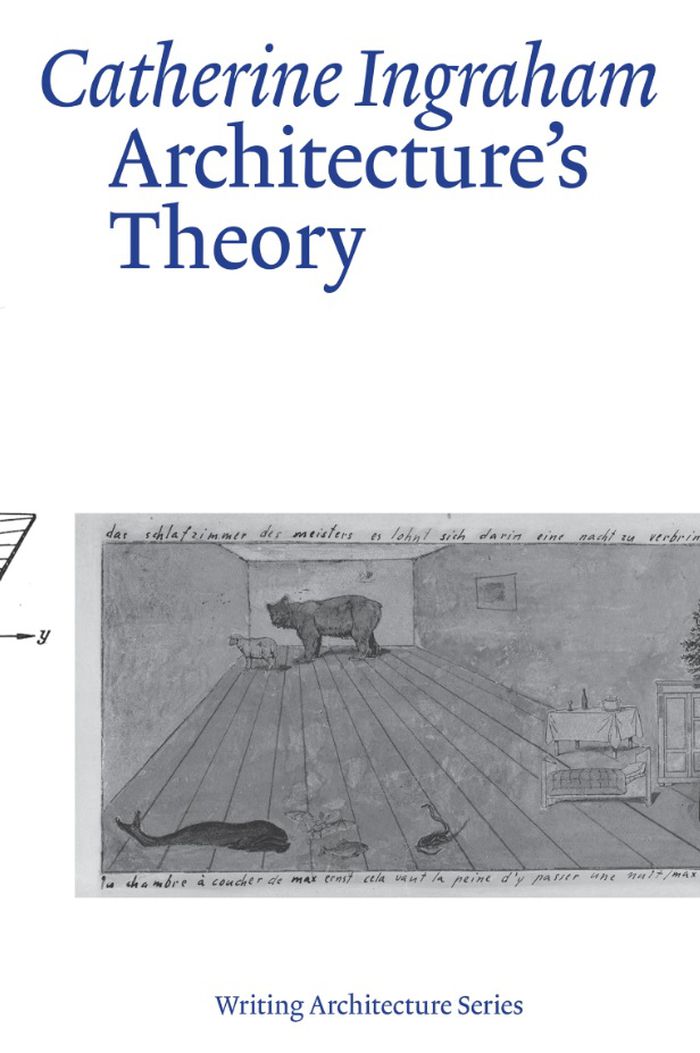
From poststructuralism and deconstruction to current theories of technology and nature, critical theory has long been closely aligned with architecture. In turn, architecture as a thinking profession materializes theory in the form of built work that always carries symbolic loads. In this collection of essays, Catherine Ingraham studies the complex connectivity between architecture's discipline and practice and theories of philosophy, art, literature, history, and politics. She argues that there can be no architecture without theory. Whether considering architecture's relationship to biomodernity or exploring the ways in which contemporary artists and designers engage in figural play, Ingraham offers provocative interpretations that enhance our understanding of both critical theory and architectural practice today. Along the way, she engages with a wide range of contemporary theorists, including Giorgio Agamben, Judith Butler, Jacques Derrida, Graham Harman, and Timothy Morton, considering buildings around the world, including the Palace of Culture in Warsaw, the Viceroy's House complex in New Delhi, Mack Scogin and Merrill Elam's Wolfsburg Science Center project in Germany, and the Superdome in New Orleans.
Architecture's theory
Actions:
Price:
$45.95
(available in store)
Summary:
From poststructuralism and deconstruction to current theories of technology and nature, critical theory has long been closely aligned with architecture. In turn, architecture as a thinking profession materializes theory in the form of built work that always carries symbolic loads. In this collection of essays, Catherine Ingraham studies the complex connectivity between architecture's discipline and practice and theories of philosophy, art, literature, history, and politics. She argues that there can be no architecture without theory. Whether considering architecture's relationship to biomodernity or exploring the ways in which contemporary artists and designers engage in figural play, Ingraham offers provocative interpretations that enhance our understanding of both critical theory and architectural practice today. Along the way, she engages with a wide range of contemporary theorists, including Giorgio Agamben, Judith Butler, Jacques Derrida, Graham Harman, and Timothy Morton, considering buildings around the world, including the Palace of Culture in Warsaw, the Viceroy's House complex in New Delhi, Mack Scogin and Merrill Elam's Wolfsburg Science Center project in Germany, and the Superdome in New Orleans.
Form:
books
books
Publication:
April 2023
April 2023
Subject:
Architectural Theory
Architectural Theory
Form:
books
books

Actions:
Price:
$45.50
(available to order)
Summary:
Wartime gardens are dramatic examples of what landscape architect Kenneth Helphand calls defiant gardens—gardens created in extreme social, political, economic, or cultural conditions. Illustrated with ninety-five compelling archival photographs and illustrations, some from the Gulf Wars, this remarkable book examines gardens of war in the twentieth century—a period(...)
$45.50
(available to order)
Summary:
Wartime gardens are dramatic examples of what landscape architect Kenneth Helphand calls defiant gardens—gardens created in extreme social, political, economic, or cultural conditions. Illustrated with ninety-five compelling archival photographs and illustrations, some from the Gulf Wars, this remarkable book examines gardens of war in the twentieth century—a period(...)
Title:
Defiant gardens : making gardens in wartime
Actions:
Price:
$45.50
(available to order)
Summary:
Wartime gardens are dramatic examples of what landscape architect Kenneth Helphand calls defiant gardens—gardens created in extreme social, political, economic, or cultural conditions. Illustrated with ninety-five compelling archival photographs and illustrations, some from the Gulf Wars, this remarkable book examines gardens of war in the twentieth century—a period of the deadliest wars in human history—including gardens soldiers built inside and behind the trenches in World War I; gardens built in the Warsaw and other ghettos under the Nazis during World War II; gardens in the POW and civilian internment camps of both world wars; and gardens created by Japanese Americans held at U.S. internment camps during World War II. Proving that gardens are far more than peaceful respites from the outside world, "Defiant gardens" is a thought-provoking analysis of why people build and work in gardens. Helphand portrays the dramatic range of circumstances in which people have created gardens—as a means of nourishment, as a pursuit of beauty, and as an expression of hope. This history of gardens during wartime documents how gardens have humanized landscapes and experience, even under the most dire conditions.
Defiant gardens : making gardens in wartime
Actions:
Price:
$45.50
(available to order)
Summary:
Wartime gardens are dramatic examples of what landscape architect Kenneth Helphand calls defiant gardens—gardens created in extreme social, political, economic, or cultural conditions. Illustrated with ninety-five compelling archival photographs and illustrations, some from the Gulf Wars, this remarkable book examines gardens of war in the twentieth century—a period of the deadliest wars in human history—including gardens soldiers built inside and behind the trenches in World War I; gardens built in the Warsaw and other ghettos under the Nazis during World War II; gardens in the POW and civilian internment camps of both world wars; and gardens created by Japanese Americans held at U.S. internment camps during World War II. Proving that gardens are far more than peaceful respites from the outside world, "Defiant gardens" is a thought-provoking analysis of why people build and work in gardens. Helphand portrays the dramatic range of circumstances in which people have created gardens—as a means of nourishment, as a pursuit of beauty, and as an expression of hope. This history of gardens during wartime documents how gardens have humanized landscapes and experience, even under the most dire conditions.
Form:
books
books
Publication:
April 2006, San Antonio
April 2006, San Antonio
Subject:
Landscape Theory
Landscape Theory
Form:
books
books
Price:
$54.95
(available in store)
Summary:
Mass-produced from the 1970s to the 1990s, modular kiosks like the seminal K67, designed by the Slovenian architect Saša J. Mächtig, and similar systems – including the Polish Kami, the Macedonian KC190, and the Soviet ‘Bathyscaphe’ – could be found anywhere throughout the former Eastern Bloc and ex-Yugoslav countries, from bustling city squares to socialist-era housing(...)
$54.95
(available in store)
Summary:
Mass-produced from the 1970s to the 1990s, modular kiosks like the seminal K67, designed by the Slovenian architect Saša J. Mächtig, and similar systems – including the Polish Kami, the Macedonian KC190, and the Soviet ‘Bathyscaphe’ – could be found anywhere throughout the former Eastern Bloc and ex-Yugoslav countries, from bustling city squares to socialist-era housing(...)
Title:
Kiosk: The last modernist booths across Central and Eastern Europe
Actions:
Price:
$54.95
(available in store)
Summary:
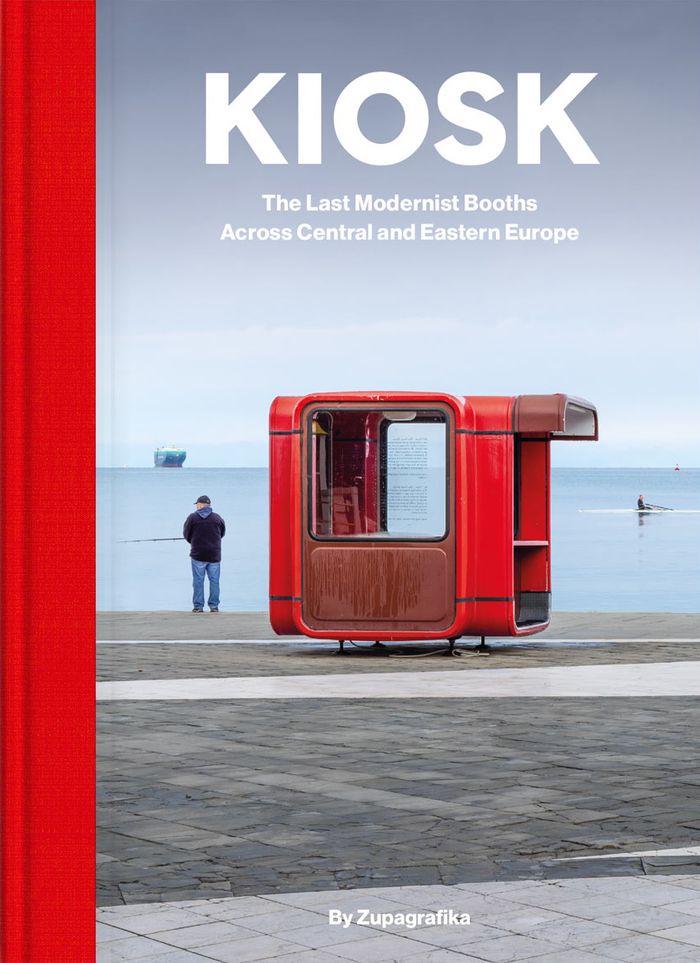
Mass-produced from the 1970s to the 1990s, modular kiosks like the seminal K67, designed by the Slovenian architect Saša J. Mächtig, and similar systems – including the Polish Kami, the Macedonian KC190, and the Soviet ‘Bathyscaphe’ – could be found anywhere throughout the former Eastern Bloc and ex-Yugoslav countries, from bustling city squares to socialist-era housing estates. They served as hot dog and Polish zapiekanka joints, farm egg and rotisserie chicken vendors, funeral flower shops, newsstands, car park booths, currency exchange offices, and more. Featuring over 150 kiosks – from Ljubljana to Warsaw, and from Belgrade to Berlin – this photobook provides previously unseen documentation of the remaining modernist booths that witnessed the socio-political transformation of Central and Eastern Europe at the end of the 20th century. While some remain active or have undergone refurbishment, others have been abandoned or have slowly faded from the urban landscape. The photographs in this unique collection were taken over the last decade by Zupagrafika’s founders, David Navarro and Martyna Sobecka. The book includes a foreword by urban explorer Maciej Czarnecki and an introduction by architectural historian Anna Cymer, offering invaluable insights into the history of these mobile structures.
Kiosk: The last modernist booths across Central and Eastern Europe
Actions:
Price:
$54.95
(available in store)
Summary:
Mass-produced from the 1970s to the 1990s, modular kiosks like the seminal K67, designed by the Slovenian architect Saša J. Mächtig, and similar systems – including the Polish Kami, the Macedonian KC190, and the Soviet ‘Bathyscaphe’ – could be found anywhere throughout the former Eastern Bloc and ex-Yugoslav countries, from bustling city squares to socialist-era housing estates. They served as hot dog and Polish zapiekanka joints, farm egg and rotisserie chicken vendors, funeral flower shops, newsstands, car park booths, currency exchange offices, and more. Featuring over 150 kiosks – from Ljubljana to Warsaw, and from Belgrade to Berlin – this photobook provides previously unseen documentation of the remaining modernist booths that witnessed the socio-political transformation of Central and Eastern Europe at the end of the 20th century. While some remain active or have undergone refurbishment, others have been abandoned or have slowly faded from the urban landscape. The photographs in this unique collection were taken over the last decade by Zupagrafika’s founders, David Navarro and Martyna Sobecka. The book includes a foreword by urban explorer Maciej Czarnecki and an introduction by architectural historian Anna Cymer, offering invaluable insights into the history of these mobile structures.
Form:
books
books
Publication:
November 2024
November 2024
Subject:
Modernism
Modernism
Form:
books
books
Actions:
Price:
$29.95
(available to order)
Summary:
This eighth book in a series from the Poster Collection of the Zurich Museum für Gestaltung focuses on the work of Ralph Schraivogel. Schraivogel was born in 1960 in Lucerne, Switzerland. He studied at the Zurich School of Design and, upon his graduation in 1982, opened his own graphic design studio in Zurich. Long-term clients include Film Podium, the Zurich repertory(...)
$29.95
(available to order)
Summary:
This eighth book in a series from the Poster Collection of the Zurich Museum für Gestaltung focuses on the work of Ralph Schraivogel. Schraivogel was born in 1960 in Lucerne, Switzerland. He studied at the Zurich School of Design and, upon his graduation in 1982, opened his own graphic design studio in Zurich. Long-term clients include Film Podium, the Zurich repertory(...)
Title:
Poster collection 09 : Ralph Schraivogel
Actions:
Price:
$29.95
(available to order)
Summary:
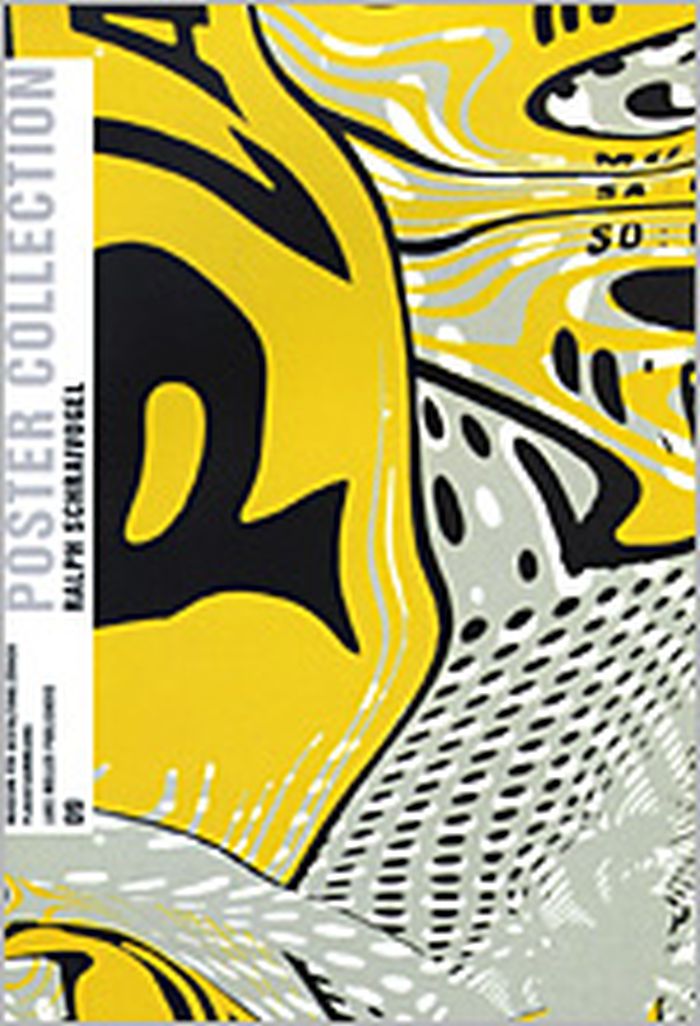
This eighth book in a series from the Poster Collection of the Zurich Museum für Gestaltung focuses on the work of Ralph Schraivogel. Schraivogel was born in 1960 in Lucerne, Switzerland. He studied at the Zurich School of Design and, upon his graduation in 1982, opened his own graphic design studio in Zurich. Long-term clients include Film Podium, the Zurich repertory cinema, and the Zurich Museum fur Gestaltung. Since opening his studio, Schraivogel has worked with many cultural institutions, such as the Kunsthaus Zurich, Theater am Neumarkt, the Jazz Festival Zurich, the Literature Days in Solothurn and the African Film Festival in Zurich. Among his multiple awards are the Gold Medal at the 1994 Warsaw Poster Biennial, the Gold Medal at the 1994 Moscow Poster Biennial, the Gold Medal at the 1997 Chaumont Poster Festival, the Grand Prix at the 1998 Brno Poster Biennial, and the Gold Medal at the 2001 Ningbo International Poster Exhibition. Schraivogel is the three-time winner of the Swiss Federal Prize for Applied Art and the twelve-time winner of the Best Swiss Poster of the Year Award.
Poster collection 09 : Ralph Schraivogel
Actions:
Price:
$29.95
(available to order)
Summary:
This eighth book in a series from the Poster Collection of the Zurich Museum für Gestaltung focuses on the work of Ralph Schraivogel. Schraivogel was born in 1960 in Lucerne, Switzerland. He studied at the Zurich School of Design and, upon his graduation in 1982, opened his own graphic design studio in Zurich. Long-term clients include Film Podium, the Zurich repertory cinema, and the Zurich Museum fur Gestaltung. Since opening his studio, Schraivogel has worked with many cultural institutions, such as the Kunsthaus Zurich, Theater am Neumarkt, the Jazz Festival Zurich, the Literature Days in Solothurn and the African Film Festival in Zurich. Among his multiple awards are the Gold Medal at the 1994 Warsaw Poster Biennial, the Gold Medal at the 1994 Moscow Poster Biennial, the Gold Medal at the 1997 Chaumont Poster Festival, the Grand Prix at the 1998 Brno Poster Biennial, and the Gold Medal at the 2001 Ningbo International Poster Exhibition. Schraivogel is the three-time winner of the Swiss Federal Prize for Applied Art and the twelve-time winner of the Best Swiss Poster of the Year Award.
Form:
books
books
Publication:
January 2004, Zürich
January 2004, Zürich
Subject:
Graphic Design and Typography
Graphic Design and Typography
Form:
books
books
Price:
$95.95
(available to order)
Summary:
"Central European Avant-Gardes" presents the first interpretive overview of the complex webs of interaction among the artists and intellectuals of early twentieth-century Central Europe. The key stylistic transformation of the period was from Expressionism to Constructivism, as artists and writers, against a volatile background of war and revolution, saw the opportunity(...)
$95.95
(available to order)
Summary:
"Central European Avant-Gardes" presents the first interpretive overview of the complex webs of interaction among the artists and intellectuals of early twentieth-century Central Europe. The key stylistic transformation of the period was from Expressionism to Constructivism, as artists and writers, against a volatile background of war and revolution, saw the opportunity(...)
Title:
Central European avant-gardes : exchange and transformation, 1910-1930
Actions:
Price:
$95.95
(available to order)
Summary:
"Central European Avant-Gardes" presents the first interpretive overview of the complex webs of interaction among the artists and intellectuals of early twentieth-century Central Europe. The key stylistic transformation of the period was from Expressionism to Constructivism, as artists and writers, against a volatile background of war and revolution, saw the opportunity literally to construct a new world through their work. The borders between the visual arts, photography, film, architecture, poetry, and typography were obliterated, as artists sought to transcend the forces of traditionalism to forge an elemental visual language that would overcome national and linguistic boundaries. Yet at the same time that these artists advocated pluralism and unity, their work engaged issues such as nationalism and tradition that still resonate in artistic circles today. The book, which accompanies a major exhibition organized by the Los Angeles County Museum of Art and curated by Timothy Benson, assisted by Monika Krol, is arranged around events and situations rather than by linear, art historical categories. It features hundreds of color plates and reproductions of documents; discussions of movements from Artificialism to Zenitism; essays on figures, publications, and exhibitions; and shorter "city views" of Belgrade, Berlin, Bucharest, Budapest, Cracow, Dessau, Ljubljana, £ódz, Poznañ, Prague, Vienna, Warsaw, Weimar, and Zagreb.
Central European avant-gardes : exchange and transformation, 1910-1930
Actions:
Price:
$95.95
(available to order)
Summary:
"Central European Avant-Gardes" presents the first interpretive overview of the complex webs of interaction among the artists and intellectuals of early twentieth-century Central Europe. The key stylistic transformation of the period was from Expressionism to Constructivism, as artists and writers, against a volatile background of war and revolution, saw the opportunity literally to construct a new world through their work. The borders between the visual arts, photography, film, architecture, poetry, and typography were obliterated, as artists sought to transcend the forces of traditionalism to forge an elemental visual language that would overcome national and linguistic boundaries. Yet at the same time that these artists advocated pluralism and unity, their work engaged issues such as nationalism and tradition that still resonate in artistic circles today. The book, which accompanies a major exhibition organized by the Los Angeles County Museum of Art and curated by Timothy Benson, assisted by Monika Krol, is arranged around events and situations rather than by linear, art historical categories. It features hundreds of color plates and reproductions of documents; discussions of movements from Artificialism to Zenitism; essays on figures, publications, and exhibitions; and shorter "city views" of Belgrade, Berlin, Bucharest, Budapest, Cracow, Dessau, Ljubljana, £ódz, Poznañ, Prague, Vienna, Warsaw, Weimar, and Zagreb.
Form:
books
books
Publication:
May 2002, Cambridge, Mass.
May 2002, Cambridge, Mass.
Subject:
Modernism
Modernism


