


434 Results
Form:
books
books

Title:
Islands of decolonial love
Islands of decolonial love
Actions:
Price:
$19.00
(available in store)
Summary:
In her debut collection of short stories, ''Islands of decolonial love,'' renowned writer and activist Leanne Simpson vividly explores the lives of contemporary Indigenous Peoples and communities, especially those of her own Nishnaabeg nation. Found on reserves, in cities and small towns, in bars and curling rinks, canoes and community centres, doctors offices and pickup(...)
$19.00
(available in store)
Summary:
In her debut collection of short stories, ''Islands of decolonial love,'' renowned writer and activist Leanne Simpson vividly explores the lives of contemporary Indigenous Peoples and communities, especially those of her own Nishnaabeg nation. Found on reserves, in cities and small towns, in bars and curling rinks, canoes and community centres, doctors offices and pickup(...)
Title:
Islands of decolonial love
Actions:
Price:
$19.00
(available in store)
Summary:
In her debut collection of short stories, ''Islands of decolonial love,'' renowned writer and activist Leanne Simpson vividly explores the lives of contemporary Indigenous Peoples and communities, especially those of her own Nishnaabeg nation. Found on reserves, in cities and small towns, in bars and curling rinks, canoes and community centres, doctors offices and pickup trucks, Simpson's characters confront the often heartbreaking challenge of pairing the desire to live loving and observant lives with a constant struggle to simply survive the historical and ongoing injustices of racism and colonialism. Told with voices that are rarely recorded but need to be heard, and incorporating the language and history of her people, Leanne Simpson's ''Islands of decolonial love'' is a profound, important, and beautiful book of fiction.
Islands of decolonial love
Actions:
Price:
$19.00
(available in store)
Summary:
In her debut collection of short stories, ''Islands of decolonial love,'' renowned writer and activist Leanne Simpson vividly explores the lives of contemporary Indigenous Peoples and communities, especially those of her own Nishnaabeg nation. Found on reserves, in cities and small towns, in bars and curling rinks, canoes and community centres, doctors offices and pickup trucks, Simpson's characters confront the often heartbreaking challenge of pairing the desire to live loving and observant lives with a constant struggle to simply survive the historical and ongoing injustices of racism and colonialism. Told with voices that are rarely recorded but need to be heard, and incorporating the language and history of her people, Leanne Simpson's ''Islands of decolonial love'' is a profound, important, and beautiful book of fiction.
Form:
books
books
Publication:
November 2013
November 2013
Subject:
Literature and poetry
Literature and poetry
Form:
books
books
Title:
Photo No-nos
Photo No-nos
Actions:
Price:
$29.95
(available to order)
Summary:
At turns humorous and absurd, heartfelt and searching, 'Photo No-Nos' is for photographers of all levels wishing to avoid easy metaphors and to sharpen their visual communication skills. Photographers often have unwritten lists of subjects they tell themselves not to shoot — things that are cliché, exploitative, derivative, sometimes even arbitrary. 'Photo No-Nos'(...)
$29.95
(available to order)
Summary:
At turns humorous and absurd, heartfelt and searching, 'Photo No-Nos' is for photographers of all levels wishing to avoid easy metaphors and to sharpen their visual communication skills. Photographers often have unwritten lists of subjects they tell themselves not to shoot — things that are cliché, exploitative, derivative, sometimes even arbitrary. 'Photo No-Nos'(...)
Title:
Photo No-nos
Actions:
Price:
$29.95
(available to order)
Summary:
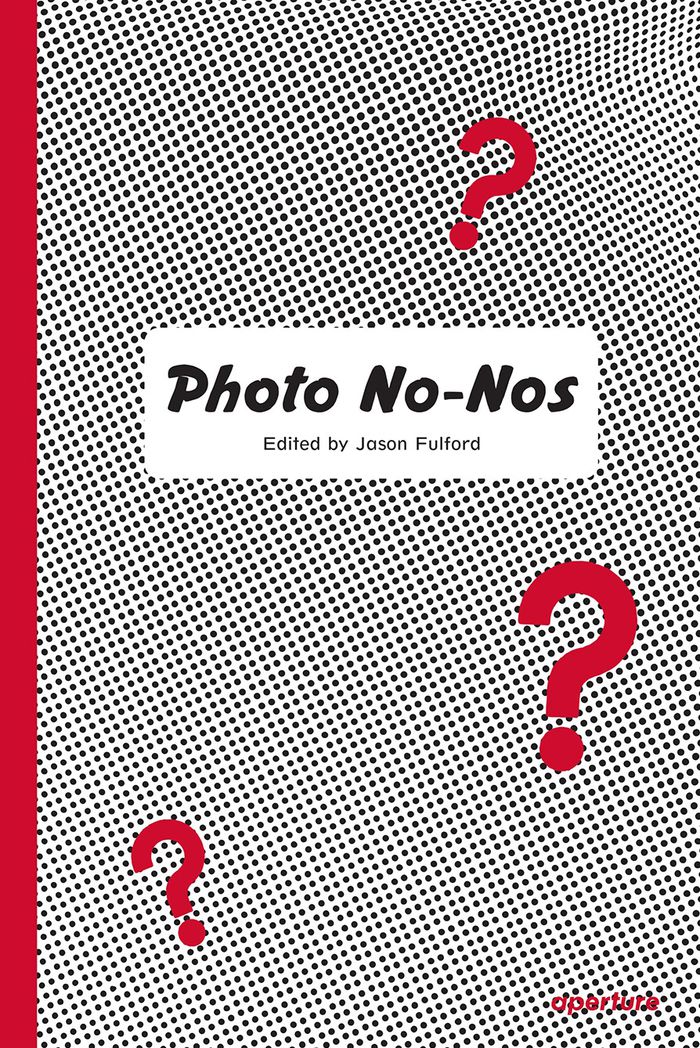
At turns humorous and absurd, heartfelt and searching, 'Photo No-Nos' is for photographers of all levels wishing to avoid easy metaphors and to sharpen their visual communication skills. Photographers often have unwritten lists of subjects they tell themselves not to shoot — things that are cliché, exploitative, derivative, sometimes even arbitrary. 'Photo No-Nos' features ideas, stories, and anecdotes from many of the world’s most talented photographers and photography professionals, along with an encyclopedic list of more than a thousand taboo subjects compiled from and with pictures by contributors. Not a strict guide, but a series of meditations on 'bad' pictures, 'Photo No-Nos' covers a wide range of topics, from sunsets and roses to issues of colonialism, stereotypes, and social responsibility.
Photo No-nos
Actions:
Price:
$29.95
(available to order)
Summary:
At turns humorous and absurd, heartfelt and searching, 'Photo No-Nos' is for photographers of all levels wishing to avoid easy metaphors and to sharpen their visual communication skills. Photographers often have unwritten lists of subjects they tell themselves not to shoot — things that are cliché, exploitative, derivative, sometimes even arbitrary. 'Photo No-Nos' features ideas, stories, and anecdotes from many of the world’s most talented photographers and photography professionals, along with an encyclopedic list of more than a thousand taboo subjects compiled from and with pictures by contributors. Not a strict guide, but a series of meditations on 'bad' pictures, 'Photo No-Nos' covers a wide range of topics, from sunsets and roses to issues of colonialism, stereotypes, and social responsibility.
Form:
books
books
Publication:
August 2021
August 2021
Subject:
Theory of Photography
Theory of Photography
Form:
books
books
Actions:
Price:
$69.95
(available in store)
Summary:
This volume offers a welcome and long-awaited intervention for the field by shining a spotlight on constructions of race and their impact on architecture and theory in Europe and North America and across various global contexts since the eighteenth century. Challenging us to write race back into architectural history, contributors confront how racial thinking has(...)
$69.95
(available in store)
Summary:
This volume offers a welcome and long-awaited intervention for the field by shining a spotlight on constructions of race and their impact on architecture and theory in Europe and North America and across various global contexts since the eighteenth century. Challenging us to write race back into architectural history, contributors confront how racial thinking has(...)
Subject:
Architectural Theory
Architectural Theory
Publication:
July 2020
July 2020
Title:
Race and modern architecture: a critical history from Enlightenment to the present
Actions:
Price:
$69.95
(available in store)
Summary:
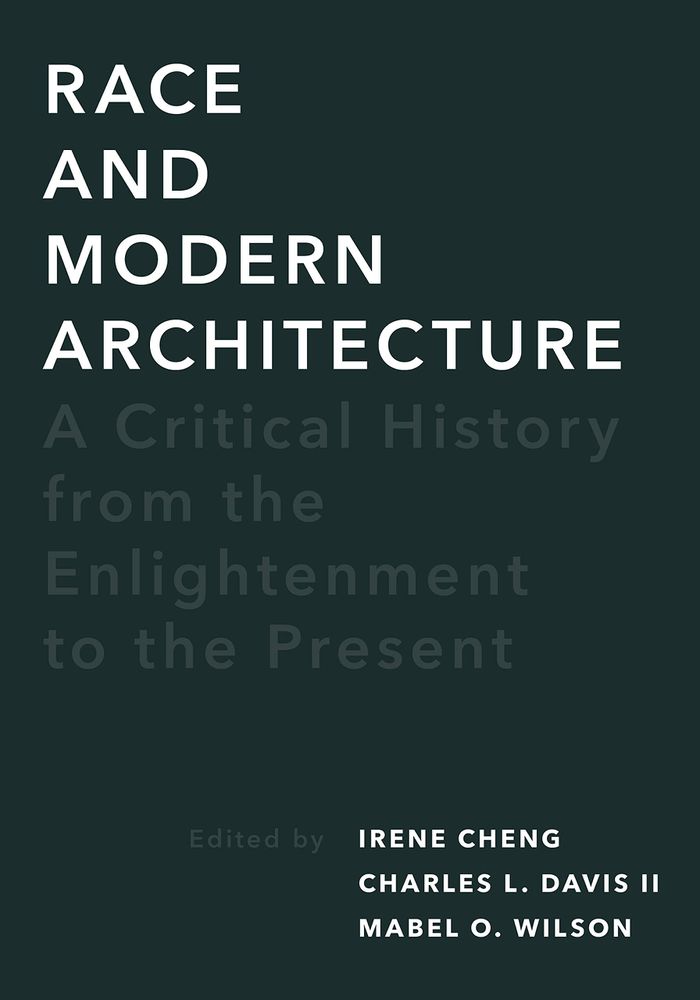
This volume offers a welcome and long-awaited intervention for the field by shining a spotlight on constructions of race and their impact on architecture and theory in Europe and North America and across various global contexts since the eighteenth century. Challenging us to write race back into architectural history, contributors confront how racial thinking has intimately shaped some of the key concepts of modern architecture and culture over time, including freedom, revolution, character, national and indigenous style, progress, hybridity, climate, representation, and radicalism. By analyzing how architecture has intersected with histories of slavery, colonialism, and inequality — from eighteenth-century neoclassical governmental buildings to present-day housing projects for immigrants — 'Race and Modern Architecture' challenges, complicates, and revises the standard association of modern architecture with a universal project of emancipation and progress.
Race and modern architecture: a critical history from Enlightenment to the present
Actions:
Price:
$69.95
(available in store)
Summary:
This volume offers a welcome and long-awaited intervention for the field by shining a spotlight on constructions of race and their impact on architecture and theory in Europe and North America and across various global contexts since the eighteenth century. Challenging us to write race back into architectural history, contributors confront how racial thinking has intimately shaped some of the key concepts of modern architecture and culture over time, including freedom, revolution, character, national and indigenous style, progress, hybridity, climate, representation, and radicalism. By analyzing how architecture has intersected with histories of slavery, colonialism, and inequality — from eighteenth-century neoclassical governmental buildings to present-day housing projects for immigrants — 'Race and Modern Architecture' challenges, complicates, and revises the standard association of modern architecture with a universal project of emancipation and progress.
Form:
books
books
Publication:
July 2020
July 2020
Subject:
Architectural Theory
Architectural Theory
Form:
books
books

Actions:
Price:
$32.00
(available to order)
Summary:
Elizabeth A. Povinelli has mapped the creation and dismantling of worlds formed by the twinning of historical progress and settler colonialism—as a unity in events and a contradiction in ideology. Even if corporations and nation-states now collude in the same Ponzi schemes, they still continue to transform space and time. At the receiving end of the ideological exhaust(...)
$32.00
(available to order)
Summary:
Elizabeth A. Povinelli has mapped the creation and dismantling of worlds formed by the twinning of historical progress and settler colonialism—as a unity in events and a contradiction in ideology. Even if corporations and nation-states now collude in the same Ponzi schemes, they still continue to transform space and time. At the receiving end of the ideological exhaust(...)
Title:
E-Flux journal: Routes and worlds
Actions:
Price:
$32.00
(available to order)
Summary:
Elizabeth A. Povinelli has mapped the creation and dismantling of worlds formed by the twinning of historical progress and settler colonialism—as a unity in events and a contradiction in ideology. Even if corporations and nation-states now collude in the same Ponzi schemes, they still continue to transform space and time. At the receiving end of the ideological exhaust pipe, where transformation is inherited as deformation, the diagram flips to place brutality and existential exhaustion at the beginning. But the beginning of what? How about a new beginning, starting with modes of survival and persistence against, and within, a world built from deferred promises? This is a world that many in the imperial hemisphere are only starting to realize they’ve known for longer than they want to admit.
E-Flux journal: Routes and worlds
Actions:
Price:
$32.00
(available to order)
Summary:
Elizabeth A. Povinelli has mapped the creation and dismantling of worlds formed by the twinning of historical progress and settler colonialism—as a unity in events and a contradiction in ideology. Even if corporations and nation-states now collude in the same Ponzi schemes, they still continue to transform space and time. At the receiving end of the ideological exhaust pipe, where transformation is inherited as deformation, the diagram flips to place brutality and existential exhaustion at the beginning. But the beginning of what? How about a new beginning, starting with modes of survival and persistence against, and within, a world built from deferred promises? This is a world that many in the imperial hemisphere are only starting to realize they’ve known for longer than they want to admit.
Form:
books
books
Publication:
November 2022
November 2022
Subject:
Critical Theory
Critical Theory
Form:
books
books
Price:
$36.95
(available to order)
Summary:
In this book, Brenna Bhandar examines how modern property law contributes to the formation of racial subjects in settler colonies and to the development of racial capitalism. Examining both historical cases and ongoing processes of settler colonialism in Canada, Australia, and Israel and Palestine, Bhandar shows how the colonial appropriation of indigenous lands depends(...)
$36.95
(available to order)
Summary:
In this book, Brenna Bhandar examines how modern property law contributes to the formation of racial subjects in settler colonies and to the development of racial capitalism. Examining both historical cases and ongoing processes of settler colonialism in Canada, Australia, and Israel and Palestine, Bhandar shows how the colonial appropriation of indigenous lands depends(...)
Title:
Colonial lives of property: law, land, and racial regimes of ownership
Actions:
Price:
$36.95
(available to order)
Summary:
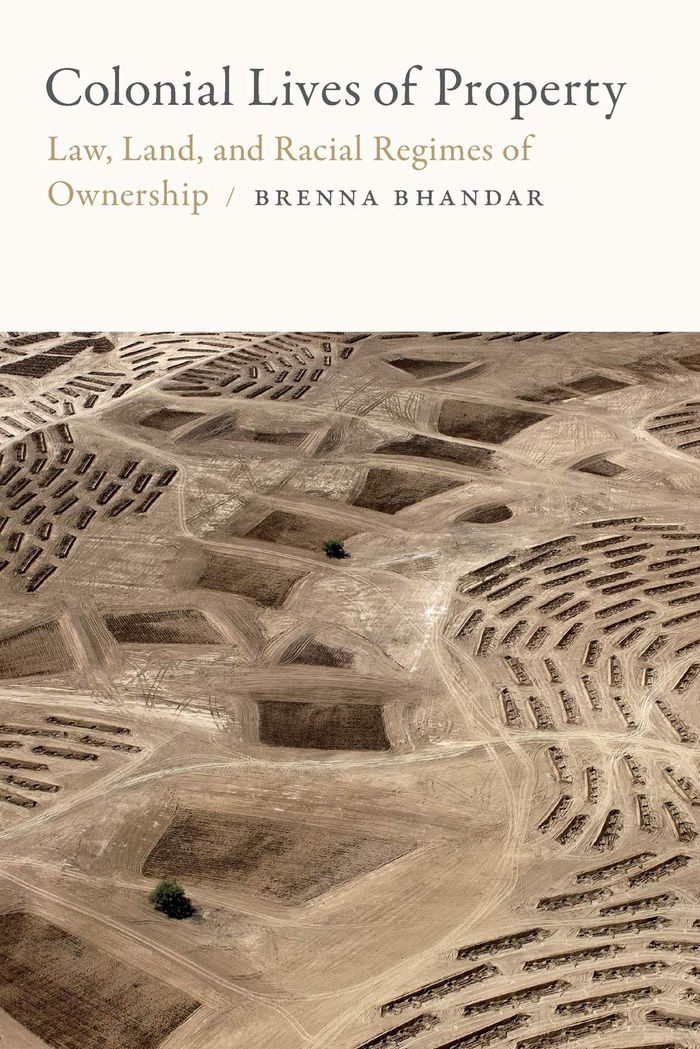
In this book, Brenna Bhandar examines how modern property law contributes to the formation of racial subjects in settler colonies and to the development of racial capitalism. Examining both historical cases and ongoing processes of settler colonialism in Canada, Australia, and Israel and Palestine, Bhandar shows how the colonial appropriation of indigenous lands depends upon ideologies of European racial superiority as well as upon legal narratives that equate civilized life with English concepts of property. In this way, property law legitimates and rationalizes settler colonial practices while it racializes those deemed unfit to own property. The solution to these enduring racial and economic inequities, Bhandar demonstrates, requires developing a new political imaginary of property in which freedom is connected to shared practices of use and community rather than individual possession.
Colonial lives of property: law, land, and racial regimes of ownership
Actions:
Price:
$36.95
(available to order)
Summary:
In this book, Brenna Bhandar examines how modern property law contributes to the formation of racial subjects in settler colonies and to the development of racial capitalism. Examining both historical cases and ongoing processes of settler colonialism in Canada, Australia, and Israel and Palestine, Bhandar shows how the colonial appropriation of indigenous lands depends upon ideologies of European racial superiority as well as upon legal narratives that equate civilized life with English concepts of property. In this way, property law legitimates and rationalizes settler colonial practices while it racializes those deemed unfit to own property. The solution to these enduring racial and economic inequities, Bhandar demonstrates, requires developing a new political imaginary of property in which freedom is connected to shared practices of use and community rather than individual possession.
Form:
books
books
Publication:
May 2018
May 2018
Subject:
Architecture ecologies
Architecture ecologies
Form:
books
books

Price:
$36.00
(available to order)
Summary:
Afterimage of Empire provides a philosophical and historical account of early photography in India that focuses on how aesthetic experiments in colonial photography changed the nature of perception. Considering photographs from the Sepoy Revolt of 1857 along with landscape, portraiture, and famine photography, Zahid R. Chaudhary explores larger issues of truth, memory,(...)
$36.00
(available to order)
Summary:
Afterimage of Empire provides a philosophical and historical account of early photography in India that focuses on how aesthetic experiments in colonial photography changed the nature of perception. Considering photographs from the Sepoy Revolt of 1857 along with landscape, portraiture, and famine photography, Zahid R. Chaudhary explores larger issues of truth, memory,(...)
Title:
Afterimage of empire: photography in nineteenth-century India
Actions:
Price:
$36.00
(available to order)
Summary:
Afterimage of Empire provides a philosophical and historical account of early photography in India that focuses on how aesthetic experiments in colonial photography changed the nature of perception. Considering photographs from the Sepoy Revolt of 1857 along with landscape, portraiture, and famine photography, Zahid R. Chaudhary explores larger issues of truth, memory, and embodiment. The author scrutinizes the colonial context to understand the production of sense itself, proposing a new theory of interpreting the historical difference of aesthetic forms. In rereading colonial photographic images, he shows how the histories of colonialism became aesthetically, mimetically, and perceptually generative. He suggests that photography arrived in India not only as a technology of the colonial state but also as an instrument that eventually extended and transformed sight for photographers and the body politic, both British and Indian.
Afterimage of empire: photography in nineteenth-century India
Actions:
Price:
$36.00
(available to order)
Summary:
Afterimage of Empire provides a philosophical and historical account of early photography in India that focuses on how aesthetic experiments in colonial photography changed the nature of perception. Considering photographs from the Sepoy Revolt of 1857 along with landscape, portraiture, and famine photography, Zahid R. Chaudhary explores larger issues of truth, memory, and embodiment. The author scrutinizes the colonial context to understand the production of sense itself, proposing a new theory of interpreting the historical difference of aesthetic forms. In rereading colonial photographic images, he shows how the histories of colonialism became aesthetically, mimetically, and perceptually generative. He suggests that photography arrived in India not only as a technology of the colonial state but also as an instrument that eventually extended and transformed sight for photographers and the body politic, both British and Indian.
Form:
books
books
Publication:
March 2012
March 2012
Subject:
Theory of Photography
Theory of Photography
Form:
books
books
Actions:
Price:
$64.95
(available to order)
Summary:
"Many norths: spatial practice in a polar territory" charts the unique spatial realities of Canada’s Arctic region, an immense territory populated with small, dispersed communities. The region has undergone dramatic transformations in the name of sovereignty, aboriginal affairs management, resources, and trade, among others. For most of the Arctic’s modern history,(...)
$64.95
(available to order)
Summary:
"Many norths: spatial practice in a polar territory" charts the unique spatial realities of Canada’s Arctic region, an immense territory populated with small, dispersed communities. The region has undergone dramatic transformations in the name of sovereignty, aboriginal affairs management, resources, and trade, among others. For most of the Arctic’s modern history,(...)
Publication:
June 2017
June 2017
Title:
Many norths: spatial practice in a polar territory
Actions:
Price:
$64.95
(available to order)
Summary:
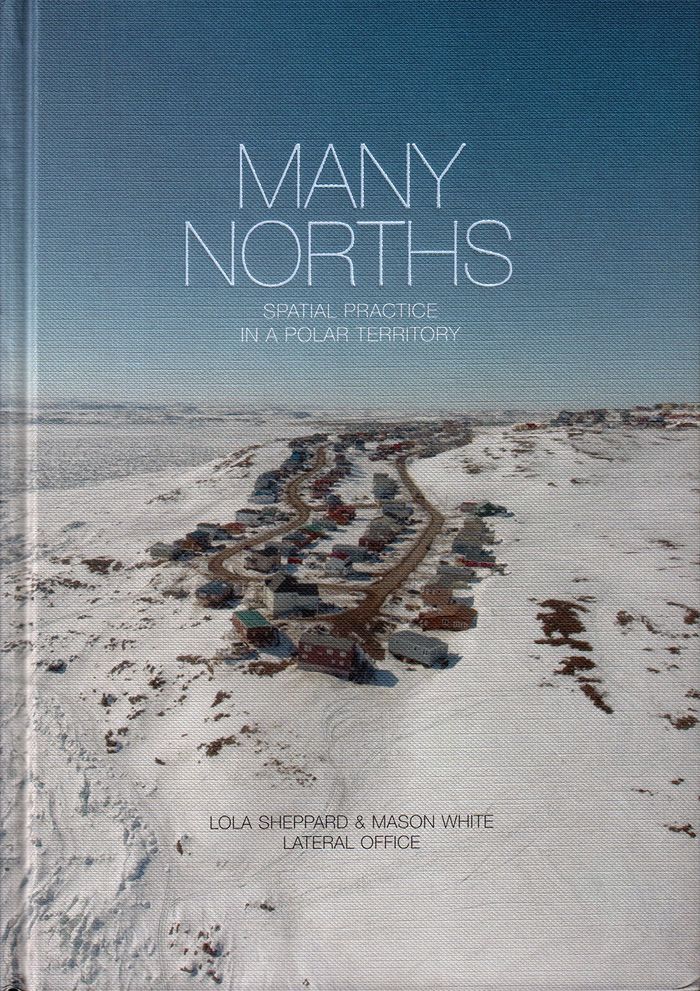
"Many norths: spatial practice in a polar territory" charts the unique spatial realities of Canada’s Arctic region, an immense territory populated with small, dispersed communities. The region has undergone dramatic transformations in the name of sovereignty, aboriginal affairs management, resources, and trade, among others. For most of the Arctic’s modern history, architecture, infrastructure, and settlements have been the tools of colonialism. Today, tradition and modernity are intertwined. Northerners have demonstrated remarkable adaptation and resilience as powerful climatic, social, and economic pressures collide. This unprecedented book documents—through the themes of urbanism, architecture, mobility, monitoring, and resources—the multiplicity of norths that appear and the spatial practices employed to negotiate it. Using innovative drawings, maps, timelines, as well as essays and interviews, Many Norths reveals a distinct northern vernacular.
Many norths: spatial practice in a polar territory
Actions:
Price:
$64.95
(available to order)
Summary:
"Many norths: spatial practice in a polar territory" charts the unique spatial realities of Canada’s Arctic region, an immense territory populated with small, dispersed communities. The region has undergone dramatic transformations in the name of sovereignty, aboriginal affairs management, resources, and trade, among others. For most of the Arctic’s modern history, architecture, infrastructure, and settlements have been the tools of colonialism. Today, tradition and modernity are intertwined. Northerners have demonstrated remarkable adaptation and resilience as powerful climatic, social, and economic pressures collide. This unprecedented book documents—through the themes of urbanism, architecture, mobility, monitoring, and resources—the multiplicity of norths that appear and the spatial practices employed to negotiate it. Using innovative drawings, maps, timelines, as well as essays and interviews, Many Norths reveals a distinct northern vernacular.
Form:
books
books
Publication:
June 2017
June 2017
Form:
books
books

Actions:
Price:
$63.00
(available to order)
Summary:
This book is a comprehensive investigation into photographic works by artists from the African continent and its diaspora. Taking the politics of the “colonial gaze” as its starting point, Events of the Social looks at the diverse complexity of the nineteenth-century archive through a selection of vintage portraits, cartes de visite, postcards and album pages. Three(...)
$63.00
(available to order)
Summary:
This book is a comprehensive investigation into photographic works by artists from the African continent and its diaspora. Taking the politics of the “colonial gaze” as its starting point, Events of the Social looks at the diverse complexity of the nineteenth-century archive through a selection of vintage portraits, cartes de visite, postcards and album pages. Three(...)
Title:
Events of the social: portraiture and collective agency
Actions:
Price:
$63.00
(available to order)
Summary:
This book is a comprehensive investigation into photographic works by artists from the African continent and its diaspora. Taking the politics of the “colonial gaze” as its starting point, Events of the Social looks at the diverse complexity of the nineteenth-century archive through a selection of vintage portraits, cartes de visite, postcards and album pages. Three generations of African artists from the 1940s till now then chart the changing features of African societies through portraiture, exploring notions of the self, gender, sexuality, race, social status and politics. The book also examines landscape and the built environment, showing how architecture and spatial planning convey social order and ideology while reflecting experiences of migration, colonialism, war and industrialization. Another group of artists, born after the mid-1970s, explores issues of social identity, lineage, questions of belonging and personal experiences.
Events of the social: portraiture and collective agency
Actions:
Price:
$63.00
(available to order)
Summary:
This book is a comprehensive investigation into photographic works by artists from the African continent and its diaspora. Taking the politics of the “colonial gaze” as its starting point, Events of the Social looks at the diverse complexity of the nineteenth-century archive through a selection of vintage portraits, cartes de visite, postcards and album pages. Three generations of African artists from the 1940s till now then chart the changing features of African societies through portraiture, exploring notions of the self, gender, sexuality, race, social status and politics. The book also examines landscape and the built environment, showing how architecture and spatial planning convey social order and ideology while reflecting experiences of migration, colonialism, war and industrialization. Another group of artists, born after the mid-1970s, explores issues of social identity, lineage, questions of belonging and personal experiences.
Form:
books
books
Publication:
February 2023
February 2023
Subject:
Photography Collections
Photography Collections
Form:
books
books

Actions:
Price:
$57.00
(available to order)
Summary:
Since the invention of photography in the nineteenth century, Africa has been defined largely by Western images of its cultures and traditions. From the colonial carte de visite and ethnographic archive to the rise of studio portraiture and social documents of racial surveillance, the fraught relationship between Africa and the photographic lens has become inseparable(...)
$57.00
(available to order)
Summary:
Since the invention of photography in the nineteenth century, Africa has been defined largely by Western images of its cultures and traditions. From the colonial carte de visite and ethnographic archive to the rise of studio portraiture and social documents of racial surveillance, the fraught relationship between Africa and the photographic lens has become inseparable(...)
Title:
A world in common: Contemporary African photography
Actions:
Price:
$57.00
(available to order)
Summary:
Since the invention of photography in the nineteenth century, Africa has been defined largely by Western images of its cultures and traditions. From the colonial carte de visite and ethnographic archive to the rise of studio portraiture and social documents of racial surveillance, the fraught relationship between Africa and the photographic lens has become inseparable from the discourses of post-colonialism. Challenging these dominant images of exoticism and otherness, this book illustrates how photography has allowed artists to reimagine African histories through the lens of the present, to shape our understanding of the contemporary realities we face. Bringing together a diverse range of artists and thinkers to present varied perspectives on issues such as cultural heritage and restitution, spirituality, urbanism and climate change, it reveals how innovative contemporary photography challenges perceptions of history, culture and identity.
A world in common: Contemporary African photography
Actions:
Price:
$57.00
(available to order)
Summary:
Since the invention of photography in the nineteenth century, Africa has been defined largely by Western images of its cultures and traditions. From the colonial carte de visite and ethnographic archive to the rise of studio portraiture and social documents of racial surveillance, the fraught relationship between Africa and the photographic lens has become inseparable from the discourses of post-colonialism. Challenging these dominant images of exoticism and otherness, this book illustrates how photography has allowed artists to reimagine African histories through the lens of the present, to shape our understanding of the contemporary realities we face. Bringing together a diverse range of artists and thinkers to present varied perspectives on issues such as cultural heritage and restitution, spirituality, urbanism and climate change, it reveals how innovative contemporary photography challenges perceptions of history, culture and identity.
Form:
books
books
Publication:
July 2023
July 2023
Subject:
Photography Collections
Photography Collections
Form:
journals and magazines
journals and magazines
Actions:
Price:
$19.95
(available in store)
Summary:
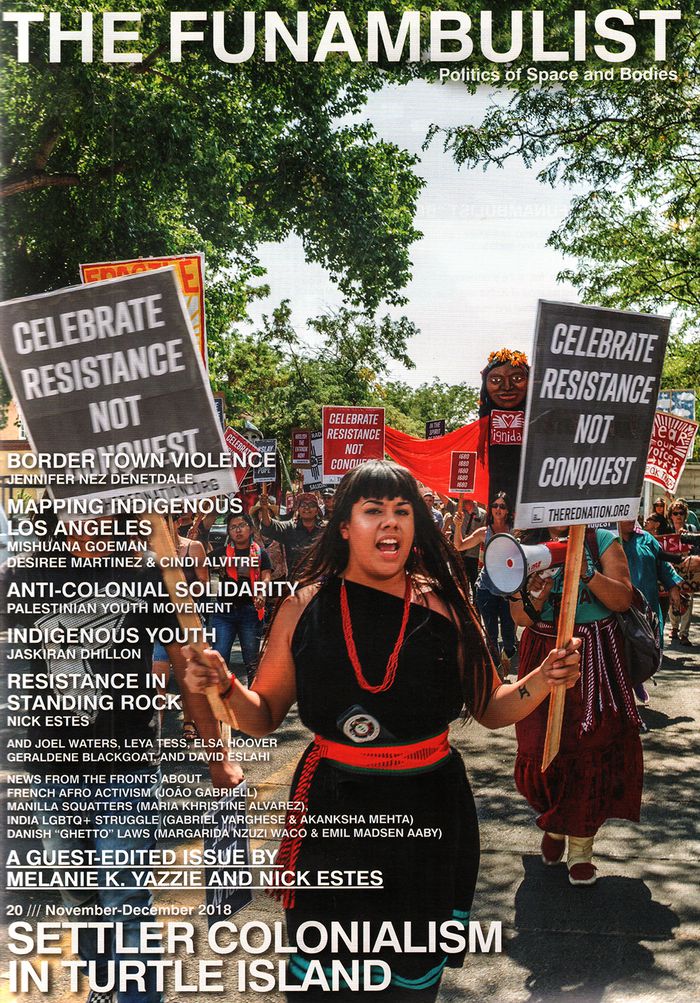
The Funambulist, issue 20. ''Settler Colonialism in Turtle Island'' is a first ever issue of The Funambulist that was guest-edited. This issue was edited by Turtle Island Indigenous scholars and activists Melanie K. Yazzie and Nick Estes (who had contributed twice to the magazine in the past). The issue proposes several facets of Indigenous struggles in Turtle Island(...)
$19.95
(available in store)
Summary:
The Funambulist, issue 20. ''Settler Colonialism in Turtle Island'' is a first ever issue of The Funambulist that was guest-edited. This issue was edited by Turtle Island Indigenous scholars and activists Melanie K. Yazzie and Nick Estes (who had contributed twice to the magazine in the past). The issue proposes several facets of Indigenous struggles in Turtle Island(...)
Title:
The Funambulist 20, November/December
Actions:
Price:
$19.95
(available in store)
Summary:
The Funambulist, issue 20. ''Settler Colonialism in Turtle Island'' is a first ever issue of The Funambulist that was guest-edited. This issue was edited by Turtle Island Indigenous scholars and activists Melanie K. Yazzie and Nick Estes (who had contributed twice to the magazine in the past). The issue proposes several facets of Indigenous struggles in Turtle Island (what many people call ''North America''.) Most of them depict Native lives in spaces that are not the reservations where the colonial narrative usually situates them. Whether in large cities such as Los Angeles or Saskatoon, or settler border towns in the periphery of reservations, the urban dimension of the first half of the dossier is omnipresent. The second half is dedicated to various forms of Indigenous resistance through space-making, anti-colonial solidarities, representative transgression, or architecture researches/projects.
The Funambulist 20, November/December
Actions:
Price:
$19.95
(available in store)
Summary:
The Funambulist, issue 20. ''Settler Colonialism in Turtle Island'' is a first ever issue of The Funambulist that was guest-edited. This issue was edited by Turtle Island Indigenous scholars and activists Melanie K. Yazzie and Nick Estes (who had contributed twice to the magazine in the past). The issue proposes several facets of Indigenous struggles in Turtle Island (what many people call ''North America''.) Most of them depict Native lives in spaces that are not the reservations where the colonial narrative usually situates them. Whether in large cities such as Los Angeles or Saskatoon, or settler border towns in the periphery of reservations, the urban dimension of the first half of the dossier is omnipresent. The second half is dedicated to various forms of Indigenous resistance through space-making, anti-colonial solidarities, representative transgression, or architecture researches/projects.
Form:
journals and magazines
journals and magazines
Publication:
November 2018
November 2018
Subject:
Magazines
Magazines


