


10583 Results
Form:
books
books
Actions:
Price:
$55.00
(available in store)
Summary:
How a form of multifamily housing with idealistic roots became a ubiquitous model promoted by both public entities and private developers. Eminent historian Joshua Freeman rescues garden apartments—typically low-rise multifamily residences that enclose or are surrounded by landscaped gardens—from their invisibility in the American landscape. He details their outsized(...)
$55.00
(available in store)
Summary:
How a form of multifamily housing with idealistic roots became a ubiquitous model promoted by both public entities and private developers. Eminent historian Joshua Freeman rescues garden apartments—typically low-rise multifamily residences that enclose or are surrounded by landscaped gardens—from their invisibility in the American landscape. He details their outsized(...)
Title:
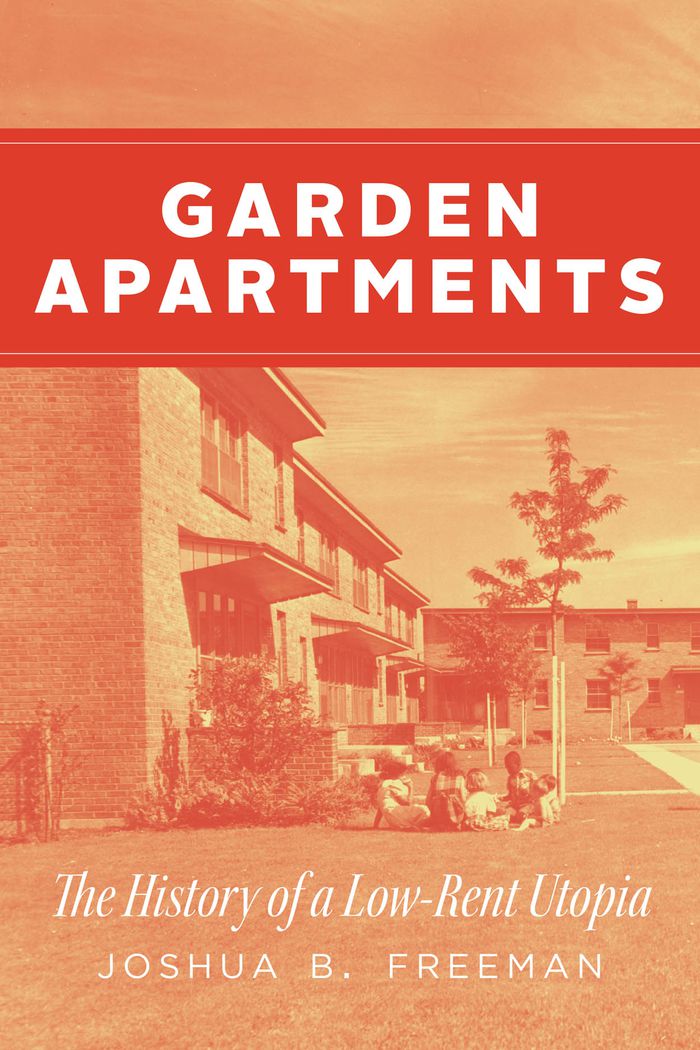
Garden apartments: The history of a low-rent utopia
Actions:
Price:
$55.00
(available in store)
Summary:
How a form of multifamily housing with idealistic roots became a ubiquitous model promoted by both public entities and private developers. Eminent historian Joshua Freeman rescues garden apartments—typically low-rise multifamily residences that enclose or are surrounded by landscaped gardens—from their invisibility in the American landscape. He details their outsized influence on housing policy and social policy as they helped upgrade living standards for working people. Inspired by the architectural innovations and socialist politics of British garden cities, Red Vienna, and German modernist housing in the 1920s, these large, centrally managed projects were mostly not public housing, but their capitalist developers worked with governments to keep down rents. The results were often relatively small apartments and large communal spaces, aimed at fostering actual American community.
Garden apartments: The history of a low-rent utopia
Actions:
Price:
$55.00
(available in store)
Summary:
How a form of multifamily housing with idealistic roots became a ubiquitous model promoted by both public entities and private developers. Eminent historian Joshua Freeman rescues garden apartments—typically low-rise multifamily residences that enclose or are surrounded by landscaped gardens—from their invisibility in the American landscape. He details their outsized influence on housing policy and social policy as they helped upgrade living standards for working people. Inspired by the architectural innovations and socialist politics of British garden cities, Red Vienna, and German modernist housing in the 1920s, these large, centrally managed projects were mostly not public housing, but their capitalist developers worked with governments to keep down rents. The results were often relatively small apartments and large communal spaces, aimed at fostering actual American community.
Form:
books
books
Publication:
December 2025
December 2025
Subject:
Urban Theory
Urban Theory
Form:
books
books
Actions:
Price:
$56.95
(available in store)
Summary:
Architects, historians, and theorists have been obsessed with fascist architecture since postmodernism. But who are the antifascist architects? What does antifascist architecture look like? This book is the first attempt at creating a working definition. Significant scholarship has already been presented about anti-colonial architecture, militant modernism, liberation(...)
$56.95
(available in store)
Summary:
Architects, historians, and theorists have been obsessed with fascist architecture since postmodernism. But who are the antifascist architects? What does antifascist architecture look like? This book is the first attempt at creating a working definition. Significant scholarship has already been presented about anti-colonial architecture, militant modernism, liberation(...)
Title:
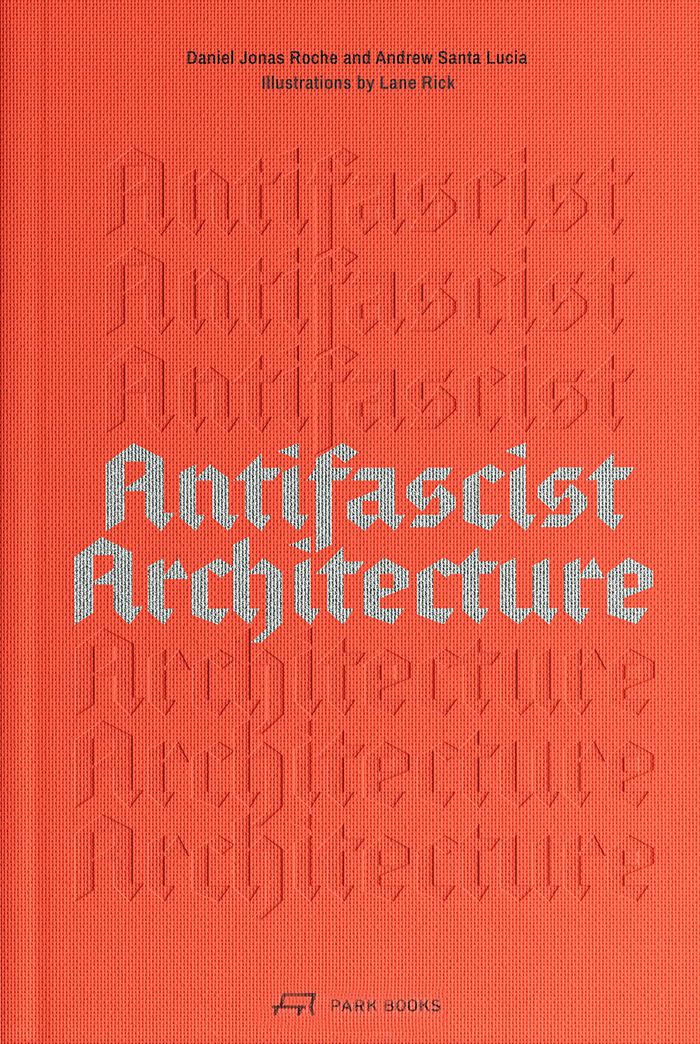
Antifascist architecture: A genealogy of antifascist architects, buidings, history, theory
Actions:
Price:
$56.95
(available in store)
Summary:
Architects, historians, and theorists have been obsessed with fascist architecture since postmodernism. But who are the antifascist architects? What does antifascist architecture look like? This book is the first attempt at creating a working definition. Significant scholarship has already been presented about anti-colonial architecture, militant modernism, liberation architecture, and so forth, yet antifascist architecture is an avenue that remains to be explored. "Antifascist architecture" collects a kaleidoscope of diverse architects who heroically aligned themselves with antifascist struggles around the world. It is written for students and practitioners of architecture, but also activists and scholars in the social sciences who are interested in antifascist history, theory, and practice.
Antifascist architecture: A genealogy of antifascist architects, buidings, history, theory
Actions:
Price:
$56.95
(available in store)
Summary:
Architects, historians, and theorists have been obsessed with fascist architecture since postmodernism. But who are the antifascist architects? What does antifascist architecture look like? This book is the first attempt at creating a working definition. Significant scholarship has already been presented about anti-colonial architecture, militant modernism, liberation architecture, and so forth, yet antifascist architecture is an avenue that remains to be explored. "Antifascist architecture" collects a kaleidoscope of diverse architects who heroically aligned themselves with antifascist struggles around the world. It is written for students and practitioners of architecture, but also activists and scholars in the social sciences who are interested in antifascist history, theory, and practice.
Form:
books
books
Publication:
April 2026
April 2026
Subject:
Architectural Theory
Architectural Theory
Form:
books
books
Actions:
Price:
$28.00
(available in store)
Summary:
Catastrophes, bombed-out cities, large-scale political transformations: “Image complexes” of humanitarian and ecological upheaval document the world as a sequence of catastrophes. But who decides how events are presented, determines the resolution of our visual worlds, and controls the circulation or censorship of images? Eyal and Ines Weizman trace the history of the(...)
$28.00
(available in store)
Summary:
Catastrophes, bombed-out cities, large-scale political transformations: “Image complexes” of humanitarian and ecological upheaval document the world as a sequence of catastrophes. But who decides how events are presented, determines the resolution of our visual worlds, and controls the circulation or censorship of images? Eyal and Ines Weizman trace the history of the(...)
Title:
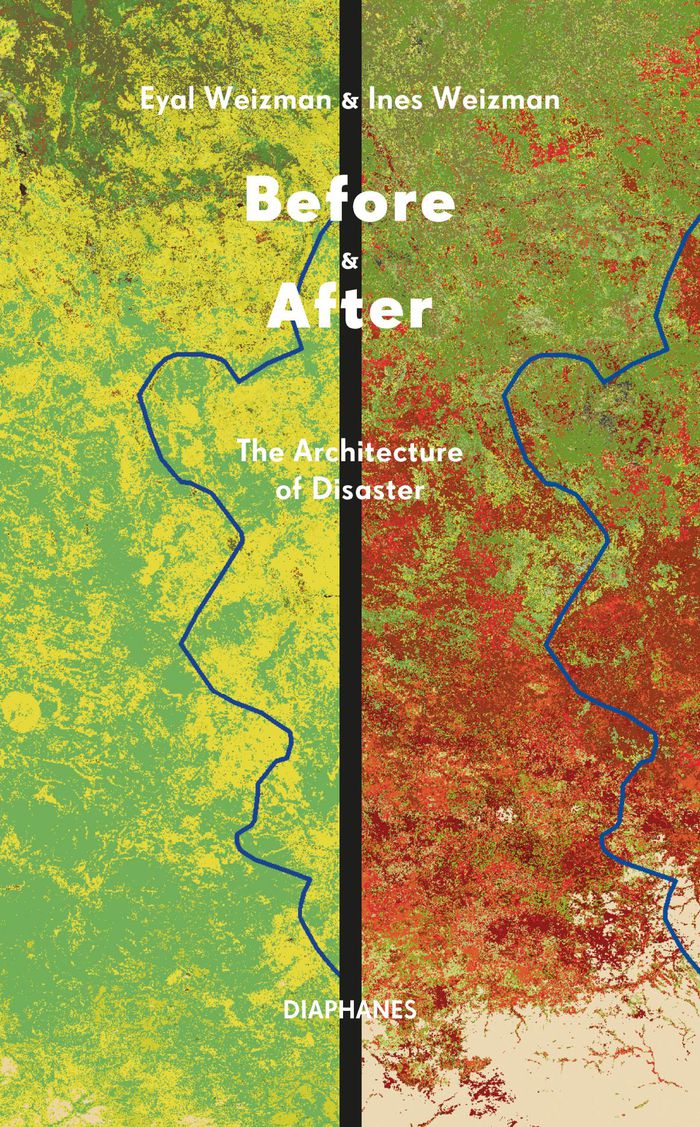
Before & After: The architecture of disaster
Actions:
Price:
$28.00
(available in store)
Summary:
Catastrophes, bombed-out cities, large-scale political transformations: “Image complexes” of humanitarian and ecological upheaval document the world as a sequence of catastrophes. But who decides how events are presented, determines the resolution of our visual worlds, and controls the circulation or censorship of images? Eyal and Ines Weizman trace the history of the before-and-after image from nineteenth-century photography to contemporary satellite images and discover a gap that not only conceals the devastating event: it is the human subject itself that is in danger of disappearing from the images. Does humanitarian work, the documentation and reconstruction of war crimes, in which people’s fates and rights should be at the center of attention, paradoxically enter a post-human phase? How can the gap between images become a site of critical counter-reading rather than a symbol of erasure? In the context of their current research, Eyal and Ines Weizman discuss the history, present, and future of the paradigm of the before-and-after image in an exclusive conversation with Marie Glassl.
Before & After: The architecture of disaster
Actions:
Price:
$28.00
(available in store)
Summary:
Catastrophes, bombed-out cities, large-scale political transformations: “Image complexes” of humanitarian and ecological upheaval document the world as a sequence of catastrophes. But who decides how events are presented, determines the resolution of our visual worlds, and controls the circulation or censorship of images? Eyal and Ines Weizman trace the history of the before-and-after image from nineteenth-century photography to contemporary satellite images and discover a gap that not only conceals the devastating event: it is the human subject itself that is in danger of disappearing from the images. Does humanitarian work, the documentation and reconstruction of war crimes, in which people’s fates and rights should be at the center of attention, paradoxically enter a post-human phase? How can the gap between images become a site of critical counter-reading rather than a symbol of erasure? In the context of their current research, Eyal and Ines Weizman discuss the history, present, and future of the paradigm of the before-and-after image in an exclusive conversation with Marie Glassl.
Form:
books
books
Publication:
August 2025
August 2025
Subject:
Architectural Theory
Architectural Theory
Form:
books
books

Actions:
Price:
$46.95
(available to order)
Summary:
Featuring a redesigned cover, ''Home Made Russia'' compiles over 220 artefacts of Soviet culture, each accompanied by a photograph of the creator, their story of how the object came about, its function and the materials used to create it.The Vladimir Arkhipov collection includes hundreds of objects created with often idiosyncratic functional qualities, made for use both(...)
$46.95
(available to order)
Summary:
Featuring a redesigned cover, ''Home Made Russia'' compiles over 220 artefacts of Soviet culture, each accompanied by a photograph of the creator, their story of how the object came about, its function and the materials used to create it.The Vladimir Arkhipov collection includes hundreds of objects created with often idiosyncratic functional qualities, made for use both(...)
Title:
Home Made Russia: Post-Soviet Folk Artefacts
Actions:
Price:
$46.95
(available to order)
Summary:
Featuring a redesigned cover, ''Home Made Russia'' compiles over 220 artefacts of Soviet culture, each accompanied by a photograph of the creator, their story of how the object came about, its function and the materials used to create it.The Vladimir Arkhipov collection includes hundreds of objects created with often idiosyncratic functional qualities, made for use both inside and outside the home, such as a tiny bathtub plug carefully fashioned from a boot heel; a back massager made from an old wooden abacus; a road sign used as a street cleaner’s shovel; and a doormat made from beer bottle tops. ''Home Made Russia'' presents a unique picture of a critical period of transition, as the Soviet regime crumbled but was yet to be replaced with a new system. Each of these objects is a window, not only into the life of its creator, but also the situation of the country at this time. Shortages in stores were commonplace, while wages might be paid in goods, or simply not paid at all. These exceptional circumstances lent themselves to a singular type of ingenuity, respectfully documented in intimate detail by Vladimir Arkhipov.
Home Made Russia: Post-Soviet Folk Artefacts
Actions:
Price:
$46.95
(available to order)
Summary:
Featuring a redesigned cover, ''Home Made Russia'' compiles over 220 artefacts of Soviet culture, each accompanied by a photograph of the creator, their story of how the object came about, its function and the materials used to create it.The Vladimir Arkhipov collection includes hundreds of objects created with often idiosyncratic functional qualities, made for use both inside and outside the home, such as a tiny bathtub plug carefully fashioned from a boot heel; a back massager made from an old wooden abacus; a road sign used as a street cleaner’s shovel; and a doormat made from beer bottle tops. ''Home Made Russia'' presents a unique picture of a critical period of transition, as the Soviet regime crumbled but was yet to be replaced with a new system. Each of these objects is a window, not only into the life of its creator, but also the situation of the country at this time. Shortages in stores were commonplace, while wages might be paid in goods, or simply not paid at all. These exceptional circumstances lent themselves to a singular type of ingenuity, respectfully documented in intimate detail by Vladimir Arkhipov.
Form:
books
books
Publication:
August 2025
August 2025
Subject:
Art Theory
Art Theory
Form:
books
books
Title:
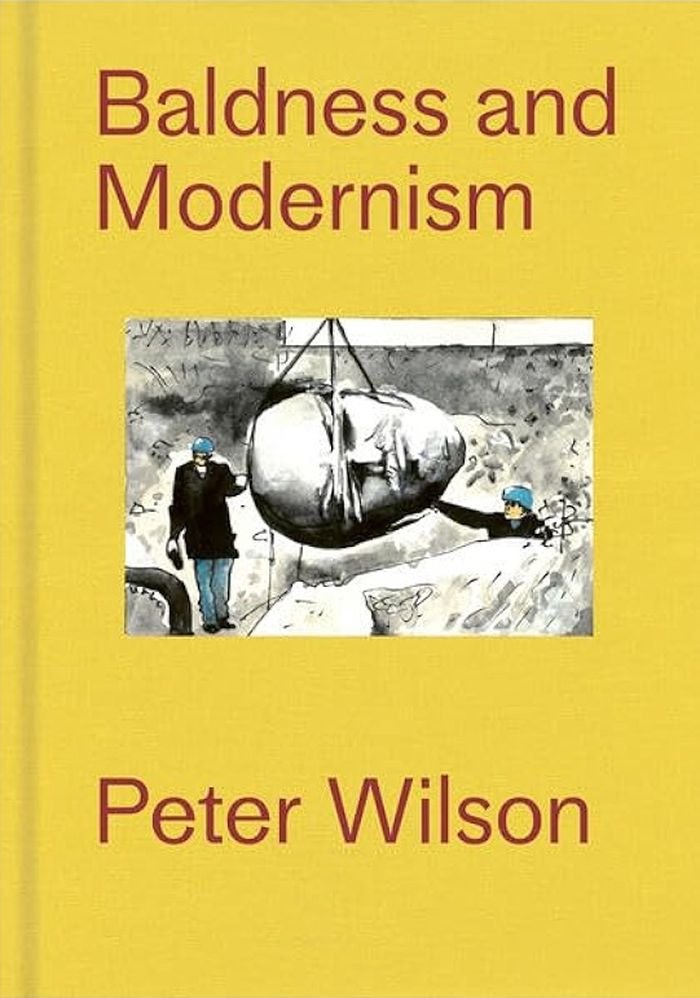
Baldness and modernism
Baldness and modernism
Actions:
Price:
$63.00
(available in store)
Summary:
The original bald and unconvincing narrative that triggered this book is that put about by Alison and Peter Smithson in their 1981 Heroic Period of Modern Architecture, limiting modernism to 1915–1929. This fiction is re-contextualized with studies of iconic Bauhaus bald heads – Schlemmer, Itten, etc., such Literal Baldness is the subject of Part 1. Part 2 of Phenomenal(...)
$63.00
(available in store)
Summary:
The original bald and unconvincing narrative that triggered this book is that put about by Alison and Peter Smithson in their 1981 Heroic Period of Modern Architecture, limiting modernism to 1915–1929. This fiction is re-contextualized with studies of iconic Bauhaus bald heads – Schlemmer, Itten, etc., such Literal Baldness is the subject of Part 1. Part 2 of Phenomenal(...)
Title:
Baldness and modernism
Actions:
Price:
$63.00
(available in store)
Summary:
The original bald and unconvincing narrative that triggered this book is that put about by Alison and Peter Smithson in their 1981 Heroic Period of Modern Architecture, limiting modernism to 1915–1929. This fiction is re-contextualized with studies of iconic Bauhaus bald heads – Schlemmer, Itten, etc., such Literal Baldness is the subject of Part 1. Part 2 of Phenomenal Baldness unwinds the Bauhaus narrative put about by Walter Gropius, one that has held water for 100 years. Spin doctor Gropius manipulated his Bauhaus successes into a cornerstone of post WW2 modernism. Cracks in this story are now emerging along with the fact that Gropius was in hindsight, not a very good architect. Attacks on the Bauhaus like those by Rudolph Schwartz or Tom Wolf as well as a comprehensive list of Gropius hand-holders, and those edited out of his narrative are here explored. To conclude Gropius is compared to his contemporary Bruno Taut, a far more interesting and talented architect. This book like Peter Wilson’s previous "Bedtime Stories for Architects" or "Some Reasons for Traveling to Italy" is written in his unique anecdotal style, savoring Shandyisms and the quirks of history.
Baldness and modernism
Actions:
Price:
$63.00
(available in store)
Summary:
The original bald and unconvincing narrative that triggered this book is that put about by Alison and Peter Smithson in their 1981 Heroic Period of Modern Architecture, limiting modernism to 1915–1929. This fiction is re-contextualized with studies of iconic Bauhaus bald heads – Schlemmer, Itten, etc., such Literal Baldness is the subject of Part 1. Part 2 of Phenomenal Baldness unwinds the Bauhaus narrative put about by Walter Gropius, one that has held water for 100 years. Spin doctor Gropius manipulated his Bauhaus successes into a cornerstone of post WW2 modernism. Cracks in this story are now emerging along with the fact that Gropius was in hindsight, not a very good architect. Attacks on the Bauhaus like those by Rudolph Schwartz or Tom Wolf as well as a comprehensive list of Gropius hand-holders, and those edited out of his narrative are here explored. To conclude Gropius is compared to his contemporary Bruno Taut, a far more interesting and talented architect. This book like Peter Wilson’s previous "Bedtime Stories for Architects" or "Some Reasons for Traveling to Italy" is written in his unique anecdotal style, savoring Shandyisms and the quirks of history.
Form:
books
books
Publication:
June 2025
June 2025
Subject:
Architectural Theory
Architectural Theory
Form:
books
books
Title:
Archigram: The magazine
Archigram: The magazine
Actions:
Price:
$300.00
(available in store)
Summary:
Inspired by comic-book culture, Pop art, psychedelia, the space race, sci-fi, Constructivism and Buckminster Fuller, the hugely influential British collective Archigram was the epitome of 1960s avant-garde architecture. Their self-published, lo-fi but materially ingenious magazine Archigram, begun in 1961, announced their ideas for such visionary concepts as "Walking(...)
$300.00
(available in store)
Summary:
Inspired by comic-book culture, Pop art, psychedelia, the space race, sci-fi, Constructivism and Buckminster Fuller, the hugely influential British collective Archigram was the epitome of 1960s avant-garde architecture. Their self-published, lo-fi but materially ingenious magazine Archigram, begun in 1961, announced their ideas for such visionary concepts as "Walking(...)
Title:
Archigram: The magazine
Actions:
Price:
$300.00
(available in store)
Summary:
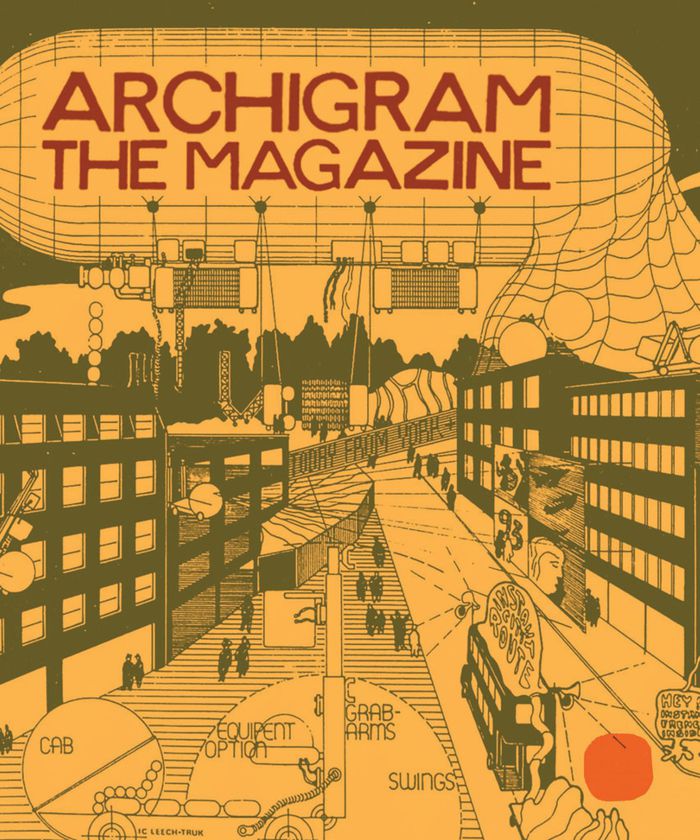
Inspired by comic-book culture, Pop art, psychedelia, the space race, sci-fi, Constructivism and Buckminster Fuller, the hugely influential British collective Archigram was the epitome of 1960s avant-garde architecture. Their self-published, lo-fi but materially ingenious magazine Archigram, begun in 1961, announced their ideas for such visionary concepts as "Walking City," "Plug-In City" and "Instant City." It also served to connect the international avant-garde of the 1960s. Archigram forged links with the Metabolists in Japan, Frei Otto, Utopie and Haus-Rucker-Co in Europe, and Buckminster Fuller in the US. They were also championed by critics such as Charles Jencks and Reyner Banham, who brought Archigram's famous fourth pop-up issue to the US in 1966. Today "Archigram" is one of the rarest major small-press publications of the 1960s, with individual issues selling for a minimum of $600.
Archigram: The magazine
Actions:
Price:
$300.00
(available in store)
Summary:
Inspired by comic-book culture, Pop art, psychedelia, the space race, sci-fi, Constructivism and Buckminster Fuller, the hugely influential British collective Archigram was the epitome of 1960s avant-garde architecture. Their self-published, lo-fi but materially ingenious magazine Archigram, begun in 1961, announced their ideas for such visionary concepts as "Walking City," "Plug-In City" and "Instant City." It also served to connect the international avant-garde of the 1960s. Archigram forged links with the Metabolists in Japan, Frei Otto, Utopie and Haus-Rucker-Co in Europe, and Buckminster Fuller in the US. They were also championed by critics such as Charles Jencks and Reyner Banham, who brought Archigram's famous fourth pop-up issue to the US in 1966. Today "Archigram" is one of the rarest major small-press publications of the 1960s, with individual issues selling for a minimum of $600.
Form:
books
books
Publication:
November 2025
November 2025
Subject:
Architectural Theory
Architectural Theory
Form:
books
books
Title:
Theory of seeing
Theory of seeing
Actions:
Price:
$48.99
(available in store)
Summary:
The first English translation of a radical and influential theory of art by a leader of Poland’s avant-garde After World War II, socialist realism became the official state doctrine of art in Poland, with abstract works deemed counterrevolutionary and forbidden from public view. Wladyslaw Strzeminski, a leader of the Polish constructivist avant-garde, developed a treatise(...)
$48.99
(available in store)
Summary:
The first English translation of a radical and influential theory of art by a leader of Poland’s avant-garde After World War II, socialist realism became the official state doctrine of art in Poland, with abstract works deemed counterrevolutionary and forbidden from public view. Wladyslaw Strzeminski, a leader of the Polish constructivist avant-garde, developed a treatise(...)
Title:
Theory of seeing
Actions:
Price:
$48.99
(available in store)
Summary:
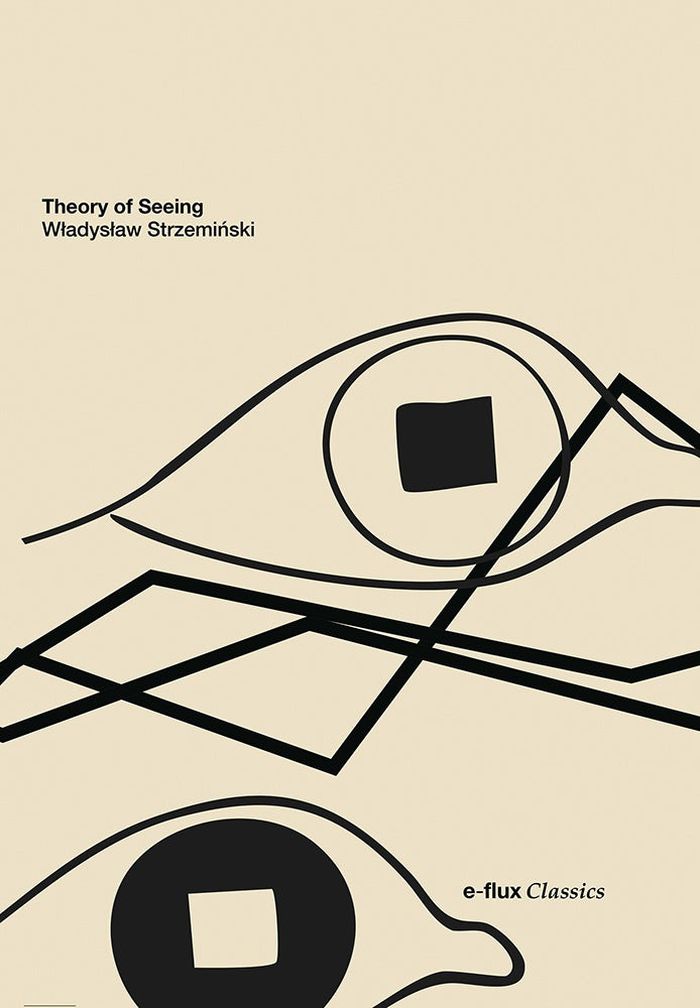
The first English translation of a radical and influential theory of art by a leader of Poland’s avant-garde After World War II, socialist realism became the official state doctrine of art in Poland, with abstract works deemed counterrevolutionary and forbidden from public view. Wladyslaw Strzeminski, a leader of the Polish constructivist avant-garde, developed a treatise of visual consciousness as a foundation for progressive art, emphasizing art’s autonomy. His application of Marxist aesthetics to the physiology of seeing is expressed in Theory of Seeing, which was published posthumously in 1958 by his students from notes collected from his lectures. Preceding the comparable perspectives developed by Jacques Rancière, David Hockney, and John Berger, and even the cinema of Jean-Luc Godard, Strzeminski’s "Theory of seeing" introduces the radical and groundbreaking ideas of one of Poland’s most important artists to English-speaking audiences for the first time.
Theory of seeing
Actions:
Price:
$48.99
(available in store)
Summary:
The first English translation of a radical and influential theory of art by a leader of Poland’s avant-garde After World War II, socialist realism became the official state doctrine of art in Poland, with abstract works deemed counterrevolutionary and forbidden from public view. Wladyslaw Strzeminski, a leader of the Polish constructivist avant-garde, developed a treatise of visual consciousness as a foundation for progressive art, emphasizing art’s autonomy. His application of Marxist aesthetics to the physiology of seeing is expressed in Theory of Seeing, which was published posthumously in 1958 by his students from notes collected from his lectures. Preceding the comparable perspectives developed by Jacques Rancière, David Hockney, and John Berger, and even the cinema of Jean-Luc Godard, Strzeminski’s "Theory of seeing" introduces the radical and groundbreaking ideas of one of Poland’s most important artists to English-speaking audiences for the first time.
Form:
books
books
Publication:
September 2025
September 2025
Subject:
Art Theory
Art Theory
Form:
books
books
Actions:
Price:
$45.95
(available to order)
Summary:
For centuries, monuments have telegraphed the values and origin myths of dominant culture in public space and on massive scale. They have signaled both who is part of a culture and who is not, often overlooking histories that complicate the stories they tell. Yet in the last 50 years in the United States, the role of monuments has changed significantly. Numerous(...)
$45.95
(available to order)
Summary:
For centuries, monuments have telegraphed the values and origin myths of dominant culture in public space and on massive scale. They have signaled both who is part of a culture and who is not, often overlooking histories that complicate the stories they tell. Yet in the last 50 years in the United States, the role of monuments has changed significantly. Numerous(...)
Title:
Monumental: How a new generation of artists is shaping the memorial landscape
Actions:
Price:
$45.95
(available to order)
Summary:
For centuries, monuments have telegraphed the values and origin myths of dominant culture in public space and on massive scale. They have signaled both who is part of a culture and who is not, often overlooking histories that complicate the stories they tell. Yet in the last 50 years in the United States, the role of monuments has changed significantly. Numerous historical monuments have been removed or toppled, bringing to the fore a long-repressed conversation about the relationship between the monumental landscape and national identity. In Monumental, Cat Dawson takes up the social, political, and art historical causes and ramifications of this important shift. Examining the conditions that have led to and define this new era, Dawson reveals that these interventions are as indebted to the monumental tradition as they are to representational strategies that grew out of twentieth-century social justice efforts, from the Civil Rights movement to queer organizing during the AIDS crisis.
Monumental: How a new generation of artists is shaping the memorial landscape
Actions:
Price:
$45.95
(available to order)
Summary:
For centuries, monuments have telegraphed the values and origin myths of dominant culture in public space and on massive scale. They have signaled both who is part of a culture and who is not, often overlooking histories that complicate the stories they tell. Yet in the last 50 years in the United States, the role of monuments has changed significantly. Numerous historical monuments have been removed or toppled, bringing to the fore a long-repressed conversation about the relationship between the monumental landscape and national identity. In Monumental, Cat Dawson takes up the social, political, and art historical causes and ramifications of this important shift. Examining the conditions that have led to and define this new era, Dawson reveals that these interventions are as indebted to the monumental tradition as they are to representational strategies that grew out of twentieth-century social justice efforts, from the Civil Rights movement to queer organizing during the AIDS crisis.
Form:
books
books
Publication:
August 2025
August 2025
Subject:
Art Theory
Art Theory
Form:
books
books
Actions:
Price:
$21.99
(available in store)
Summary:
This is the fifth book in the annual series A Series of Open Questions published by CCA Wattis Institute for Contemporary Arts and Sternberg Press. Each book includes newly commissioned writing as well a selection of perspectives, images, and references related to the Wattis’s year-long research seasons dedicated to single artists. This volume is informed by themes found(...)
$21.99
(available in store)
Summary:
This is the fifth book in the annual series A Series of Open Questions published by CCA Wattis Institute for Contemporary Arts and Sternberg Press. Each book includes newly commissioned writing as well a selection of perspectives, images, and references related to the Wattis’s year-long research seasons dedicated to single artists. This volume is informed by themes found(...)
Title:
Does the sun have a translucent shell? AnickaYi
Actions:
Price:
$21.99
(available in store)
Summary:
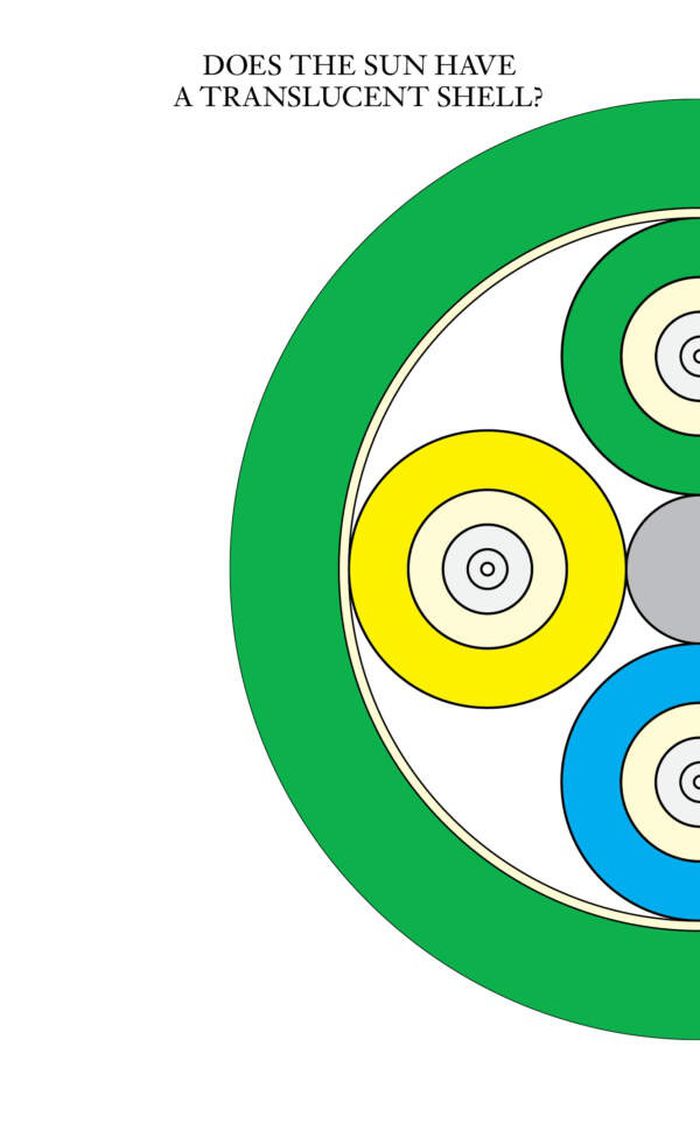
This is the fifth book in the annual series A Series of Open Questions published by CCA Wattis Institute for Contemporary Arts and Sternberg Press. Each book includes newly commissioned writing as well a selection of perspectives, images, and references related to the Wattis’s year-long research seasons dedicated to single artists. This volume is informed by themes found in the work of Anicka Yi, such as AI, umwelt, scent and taste, the anthropocene, decay and rot, the animal world, feminism, and Asian American experiences. Contributions include a cocktail recipe by Pierre Huyghe, an academic essay on psychedelic mushrooms in Native American culture, and a short story by Argentinian author Julio Cortázar, along with photographs and drawings relating to the themes. Through an eclectic range of international voices, the book encompasses many mediums in an attempt to address some of the most pressing issues of our time. Includes a fold out insert with drawings by Anicka Yi.
Does the sun have a translucent shell? AnickaYi
Actions:
Price:
$21.99
(available in store)
Summary:
This is the fifth book in the annual series A Series of Open Questions published by CCA Wattis Institute for Contemporary Arts and Sternberg Press. Each book includes newly commissioned writing as well a selection of perspectives, images, and references related to the Wattis’s year-long research seasons dedicated to single artists. This volume is informed by themes found in the work of Anicka Yi, such as AI, umwelt, scent and taste, the anthropocene, decay and rot, the animal world, feminism, and Asian American experiences. Contributions include a cocktail recipe by Pierre Huyghe, an academic essay on psychedelic mushrooms in Native American culture, and a short story by Argentinian author Julio Cortázar, along with photographs and drawings relating to the themes. Through an eclectic range of international voices, the book encompasses many mediums in an attempt to address some of the most pressing issues of our time. Includes a fold out insert with drawings by Anicka Yi.
Form:
books
books
Publication:
August 2025
August 2025
Subject:
Art Theory
Art Theory
Form:
books
books
Title:
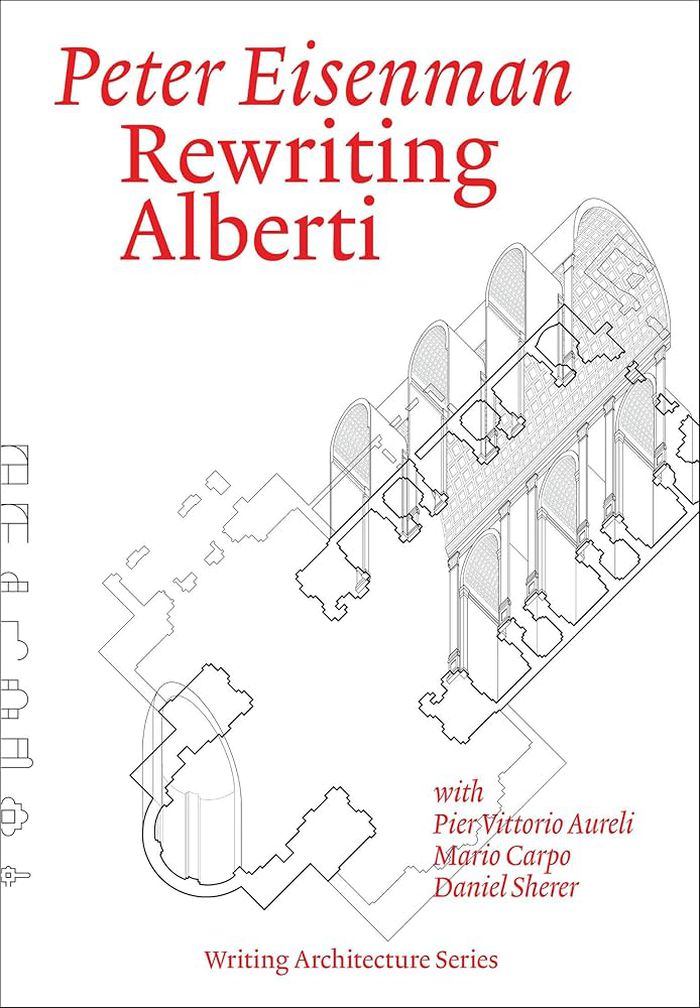
Rewriting Alberti
Rewriting Alberti
Actions:
Price:
$45.95
(available in store)
Summary:
Much has been written about Renaissance architect Leon Battista Alberti’s mantra of part-to-whole as one of the continuing conditions of architecture. While this underlying thesis has often been repeated in the annals of architectural history and theory, architects have rarely questioned the idea. In ''Rewriting Alberti'', architect Peter Eisenman suggests, however, that(...)
$45.95
(available in store)
Summary:
Much has been written about Renaissance architect Leon Battista Alberti’s mantra of part-to-whole as one of the continuing conditions of architecture. While this underlying thesis has often been repeated in the annals of architectural history and theory, architects have rarely questioned the idea. In ''Rewriting Alberti'', architect Peter Eisenman suggests, however, that(...)
Subject:
Architectural Theory
Architectural Theory
Publication:
October 2025
October 2025
Title:
Rewriting Alberti
Actions:
Price:
$45.95
(available in store)
Summary:
Much has been written about Renaissance architect Leon Battista Alberti’s mantra of part-to-whole as one of the continuing conditions of architecture. While this underlying thesis has often been repeated in the annals of architectural history and theory, architects have rarely questioned the idea. In ''Rewriting Alberti'', architect Peter Eisenman suggests, however, that Alberti provoked a radical discourse beyond the part-to-whole dialogue featured in his Ten Books of Architecture. Eisenman’s in-depth analysis of Alberti’s five built works reveals a disjunction between the architect’s buildings and theoretical writings, suggesting a new relationship of form to meaning based on the fragmentation of homogeneous space. ''Rewriting Alberti'' includes contributions by Pier Vittorio Aureli, Mario Carpo, and Daniel Sherer. Carpo, an architectural historian and critic, theorizes that Alberti’s work initiated an idea of the discipline as a notational system akin to contemporary computational logics. By way of comparison, Sherer, an architectural historian, reconsiders critic Manfredo Tafuri’s readings of Alberti, and architect and theorist Aureli draws on Alberti to propose another idea of the architectural “project.”
Rewriting Alberti
Actions:
Price:
$45.95
(available in store)
Summary:
Much has been written about Renaissance architect Leon Battista Alberti’s mantra of part-to-whole as one of the continuing conditions of architecture. While this underlying thesis has often been repeated in the annals of architectural history and theory, architects have rarely questioned the idea. In ''Rewriting Alberti'', architect Peter Eisenman suggests, however, that Alberti provoked a radical discourse beyond the part-to-whole dialogue featured in his Ten Books of Architecture. Eisenman’s in-depth analysis of Alberti’s five built works reveals a disjunction between the architect’s buildings and theoretical writings, suggesting a new relationship of form to meaning based on the fragmentation of homogeneous space. ''Rewriting Alberti'' includes contributions by Pier Vittorio Aureli, Mario Carpo, and Daniel Sherer. Carpo, an architectural historian and critic, theorizes that Alberti’s work initiated an idea of the discipline as a notational system akin to contemporary computational logics. By way of comparison, Sherer, an architectural historian, reconsiders critic Manfredo Tafuri’s readings of Alberti, and architect and theorist Aureli draws on Alberti to propose another idea of the architectural “project.”
Form:
books
books
Publication:
October 2025
October 2025
Subject:
Architectural Theory
Architectural Theory


