


482 Results
Form:
journals and magazines
journals and magazines
Actions:
Price:
$32.95
(available to order)
Summary:
Detail 11, 2018. ''Lighting and Space'' : Anyone who's ever experienced a light installation by James Turrell knows that the right light can make a space seem infinite. Our perception of architecture changes with the temperature of the light, the time of day and the weather. Each location has its own special light, as demonstrated by the projects in this issue of Detail.(...)
$32.95
(available to order)
Summary:
Detail 11, 2018. ''Lighting and Space'' : Anyone who's ever experienced a light installation by James Turrell knows that the right light can make a space seem infinite. Our perception of architecture changes with the temperature of the light, the time of day and the weather. Each location has its own special light, as demonstrated by the projects in this issue of Detail.(...)
Title:
Detail 11 2018 : lighting and space
Actions:
Price:
$32.95
(available to order)
Summary:
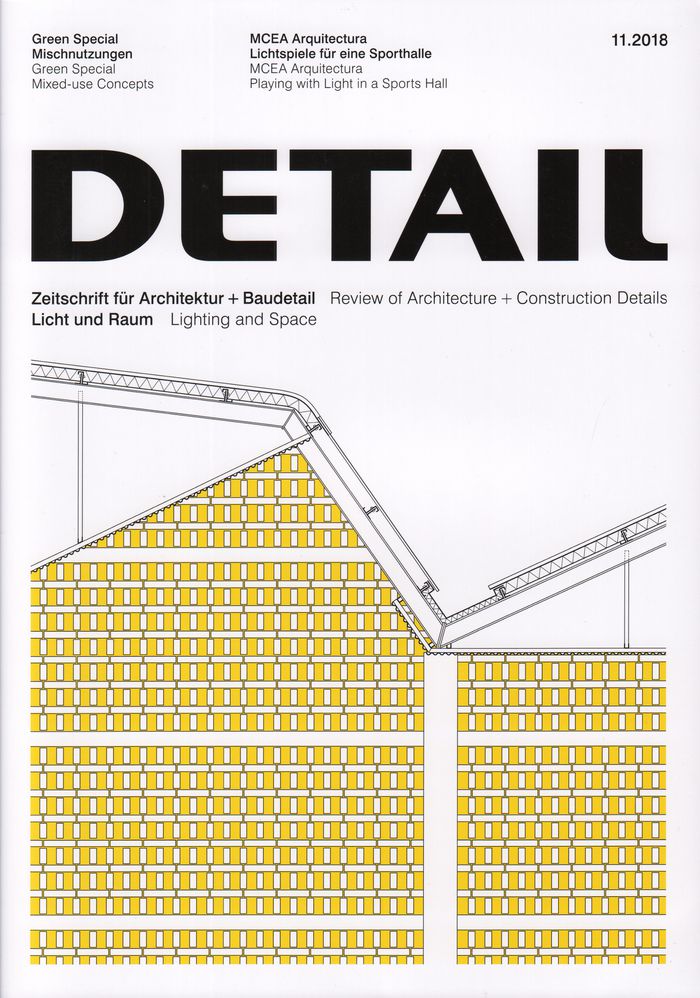
Detail 11, 2018. ''Lighting and Space'' : Anyone who's ever experienced a light installation by James Turrell knows that the right light can make a space seem infinite. Our perception of architecture changes with the temperature of the light, the time of day and the weather. Each location has its own special light, as demonstrated by the projects in this issue of Detail. In Puig d’en Valls, sunlight in the blue-floored sports centre by MCEA Arquitectura creates a completely different atmosphere than in the bright wooden cabin in Jevnaker by Mork-Ulnes Architects. In both cases, the architects accentuated the site-specific lighting conditions through their material selection and arrangement of building openings.
Detail 11 2018 : lighting and space
Actions:
Price:
$32.95
(available to order)
Summary:
Detail 11, 2018. ''Lighting and Space'' : Anyone who's ever experienced a light installation by James Turrell knows that the right light can make a space seem infinite. Our perception of architecture changes with the temperature of the light, the time of day and the weather. Each location has its own special light, as demonstrated by the projects in this issue of Detail. In Puig d’en Valls, sunlight in the blue-floored sports centre by MCEA Arquitectura creates a completely different atmosphere than in the bright wooden cabin in Jevnaker by Mork-Ulnes Architects. In both cases, the architects accentuated the site-specific lighting conditions through their material selection and arrangement of building openings.
Form:
journals and magazines
journals and magazines
Publication:
November 2018
November 2018
Subject:
Magazines
Magazines
Form:
books
books
Actions:
Price:
$65.95
(available in store)
Summary:
In galleries and museums, one’s perception of art, space, and atmosphere is largely determined by lighting. But which light settings should art and museum experts and exhibition designers choose, and on what basis are those choices made? Pioneering LED technologies make customized lighting scenarios possible, turning artificial light into an interactive material in museum(...)
$65.95
(available in store)
Summary:
In galleries and museums, one’s perception of art, space, and atmosphere is largely determined by lighting. But which light settings should art and museum experts and exhibition designers choose, and on what basis are those choices made? Pioneering LED technologies make customized lighting scenarios possible, turning artificial light into an interactive material in museum(...)
Title:
Light up: The potential of light in museum architecture
Actions:
Price:
$65.95
(available in store)
Summary:
In galleries and museums, one’s perception of art, space, and atmosphere is largely determined by lighting. But which light settings should art and museum experts and exhibition designers choose, and on what basis are those choices made? Pioneering LED technologies make customized lighting scenarios possible, turning artificial light into an interactive material in museum architecture – not only in terms of design practice, but also in terms of real-time spatial experiences. Computer-controlled lighting technologies are breaking boundaries, allowing the individual to take full control of lighting design. ''Light Up'' explores the potential of dynamic artificial lighting technologies in museum architecture, offering new insights into the use of light in exhibition spaces.
Light up: The potential of light in museum architecture
Actions:
Price:
$65.95
(available in store)
Summary:
In galleries and museums, one’s perception of art, space, and atmosphere is largely determined by lighting. But which light settings should art and museum experts and exhibition designers choose, and on what basis are those choices made? Pioneering LED technologies make customized lighting scenarios possible, turning artificial light into an interactive material in museum architecture – not only in terms of design practice, but also in terms of real-time spatial experiences. Computer-controlled lighting technologies are breaking boundaries, allowing the individual to take full control of lighting design. ''Light Up'' explores the potential of dynamic artificial lighting technologies in museum architecture, offering new insights into the use of light in exhibition spaces.
Form:
books
books
Publication:
July 2023
July 2023
Subject:
Materials and Lighting
Materials and Lighting
Form:
books
books
Title:
Julia Hetta: Island
Julia Hetta: Island
Actions:
Price:
$90.00
(available to order)
Summary:
The Swedish photographer Julia Hetta photographed the images in this book on the Swedish island of Fårö in the Baltic Sea, in close collaboration with her friend, the artist Åsa Stenerhag. Her (mostly) black-and-white photographs in "Island" depict their subjects—from trees (the branches, leaves, trunks of trees), rocks (the shapes, layers, textures of rocks), human(...)
$90.00
(available to order)
Summary:
The Swedish photographer Julia Hetta photographed the images in this book on the Swedish island of Fårö in the Baltic Sea, in close collaboration with her friend, the artist Åsa Stenerhag. Her (mostly) black-and-white photographs in "Island" depict their subjects—from trees (the branches, leaves, trunks of trees), rocks (the shapes, layers, textures of rocks), human(...)
Title:
Julia Hetta: Island
Actions:
Price:
$90.00
(available to order)
Summary:
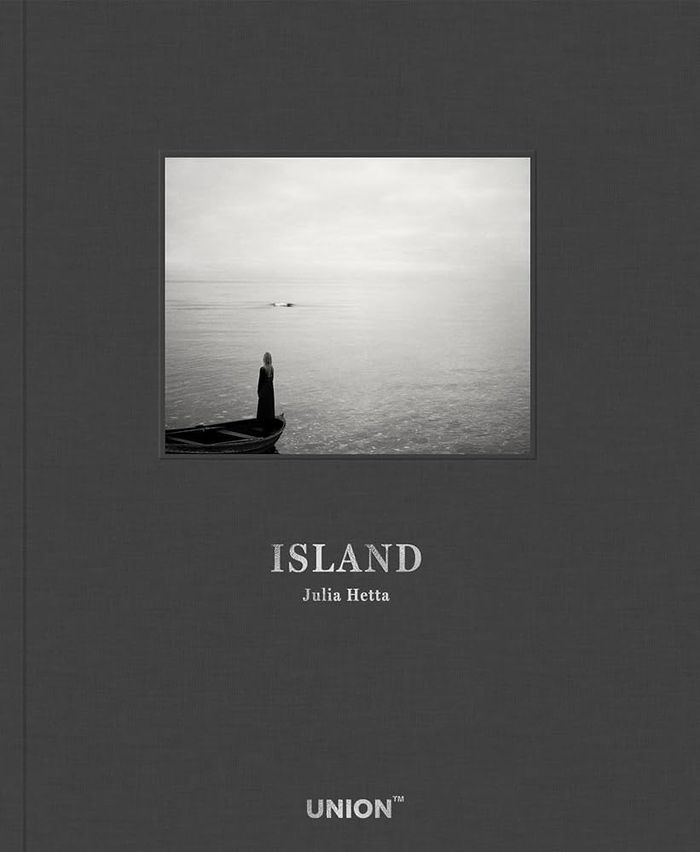
The Swedish photographer Julia Hetta photographed the images in this book on the Swedish island of Fårö in the Baltic Sea, in close collaboration with her friend, the artist Åsa Stenerhag. Her (mostly) black-and-white photographs in "Island" depict their subjects—from trees (the branches, leaves, trunks of trees), rocks (the shapes, layers, textures of rocks), human beings (the faces, hair, expressions, clothes of human beings)—both in relation to one another and with a more singular focus. The book imbues its subjects with stillness and power. Though calm, the atmosphere is one of capacious potential. The titular island may as well be from another dimension. Black, fragile, powerful; a world of romance after the despair.
Julia Hetta: Island
Actions:
Price:
$90.00
(available to order)
Summary:
The Swedish photographer Julia Hetta photographed the images in this book on the Swedish island of Fårö in the Baltic Sea, in close collaboration with her friend, the artist Åsa Stenerhag. Her (mostly) black-and-white photographs in "Island" depict their subjects—from trees (the branches, leaves, trunks of trees), rocks (the shapes, layers, textures of rocks), human beings (the faces, hair, expressions, clothes of human beings)—both in relation to one another and with a more singular focus. The book imbues its subjects with stillness and power. Though calm, the atmosphere is one of capacious potential. The titular island may as well be from another dimension. Black, fragile, powerful; a world of romance after the despair.
Form:
books
books
Publication:
October 2023
October 2023
Subject:
Photography monographs
Photography monographs
Form:
books
books
Actions:
Price:
$49.95
(available to order)
Summary:
Not far from Verona on a gentle hill on the northern edge of the Po valley stands a remarkable building: A silvery, shining, modernist villa on a huge, reddish stone set in the middle of a park. Inside is a motor that turns the house 360 degrees on its own axis: Villa Girasole, constructed in 1935 by Angelo Invernizzi, follows the path of the sun and the views into the(...)
$49.95
(available to order)
Summary:
Not far from Verona on a gentle hill on the northern edge of the Po valley stands a remarkable building: A silvery, shining, modernist villa on a huge, reddish stone set in the middle of a park. Inside is a motor that turns the house 360 degrees on its own axis: Villa Girasole, constructed in 1935 by Angelo Invernizzi, follows the path of the sun and the views into the(...)
Title:
Invernizzi and Fagiuoli: Il Girasole
Actions:
Price:
$49.95
(available to order)
Summary:
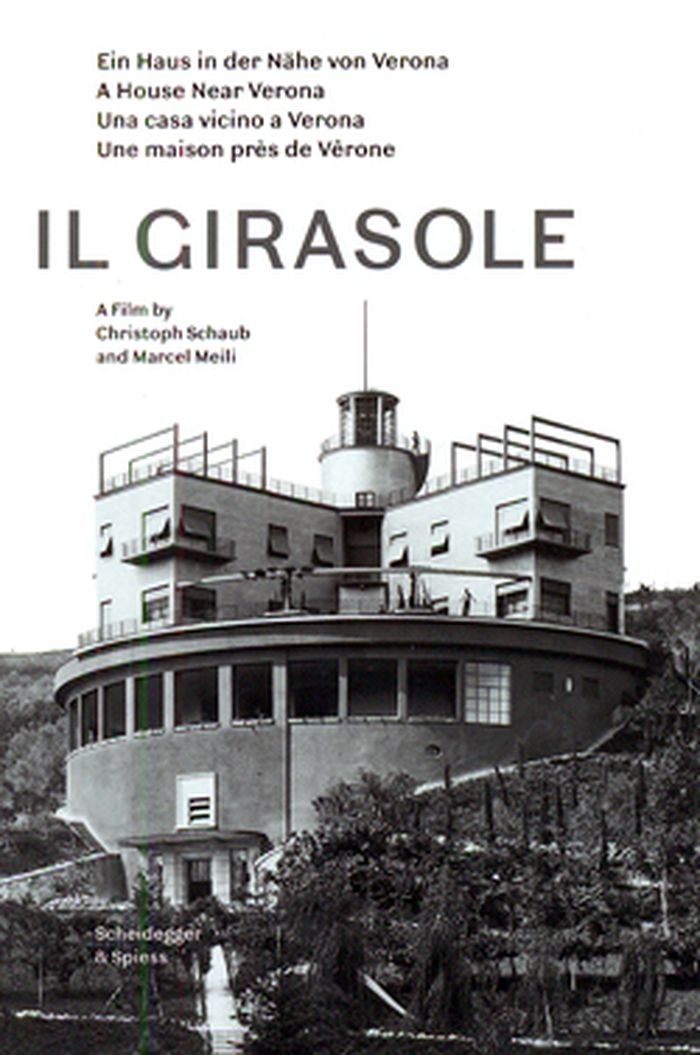
Not far from Verona on a gentle hill on the northern edge of the Po valley stands a remarkable building: A silvery, shining, modernist villa on a huge, reddish stone set in the middle of a park. Inside is a motor that turns the house 360 degrees on its own axis: Villa Girasole, constructed in 1935 by Angelo Invernizzi, follows the path of the sun and the views into the landscape. Il Girasole shows an entire day’s course. During this time, the film captures the villa’s architecture and atmosphere, its spaces and furnishings, thus becoming a space of imagination of life back then; and the building, a resonating body of the era’s eccentric ideas.
Invernizzi and Fagiuoli: Il Girasole
Actions:
Price:
$49.95
(available to order)
Summary:
Not far from Verona on a gentle hill on the northern edge of the Po valley stands a remarkable building: A silvery, shining, modernist villa on a huge, reddish stone set in the middle of a park. Inside is a motor that turns the house 360 degrees on its own axis: Villa Girasole, constructed in 1935 by Angelo Invernizzi, follows the path of the sun and the views into the landscape. Il Girasole shows an entire day’s course. During this time, the film captures the villa’s architecture and atmosphere, its spaces and furnishings, thus becoming a space of imagination of life back then; and the building, a resonating body of the era’s eccentric ideas.
Form:
books
books
Publication:
August 2010
August 2010
Subject:
Architecture Monographs
Architecture Monographs
Form:
books
books
Price:
$45.00
(available to order)
Summary:
This publication is the story of a city that has stood at the crossroads of Mediterranean civilization for more than four thousand years. It takes the reader from the ancient to the modern world, offering a dazzling panorama of the city's Seleucid, Roman, Arab, Ottoman, and French incarnations. This book describes Beirut's growth in the nineteenth and twentieth centuries,(...)
$45.00
(available to order)
Summary:
This publication is the story of a city that has stood at the crossroads of Mediterranean civilization for more than four thousand years. It takes the reader from the ancient to the modern world, offering a dazzling panorama of the city's Seleucid, Roman, Arab, Ottoman, and French incarnations. This book describes Beirut's growth in the nineteenth and twentieth centuries,(...)
Title:
Beirut
Actions:
Price:
$45.00
(available to order)
Summary:
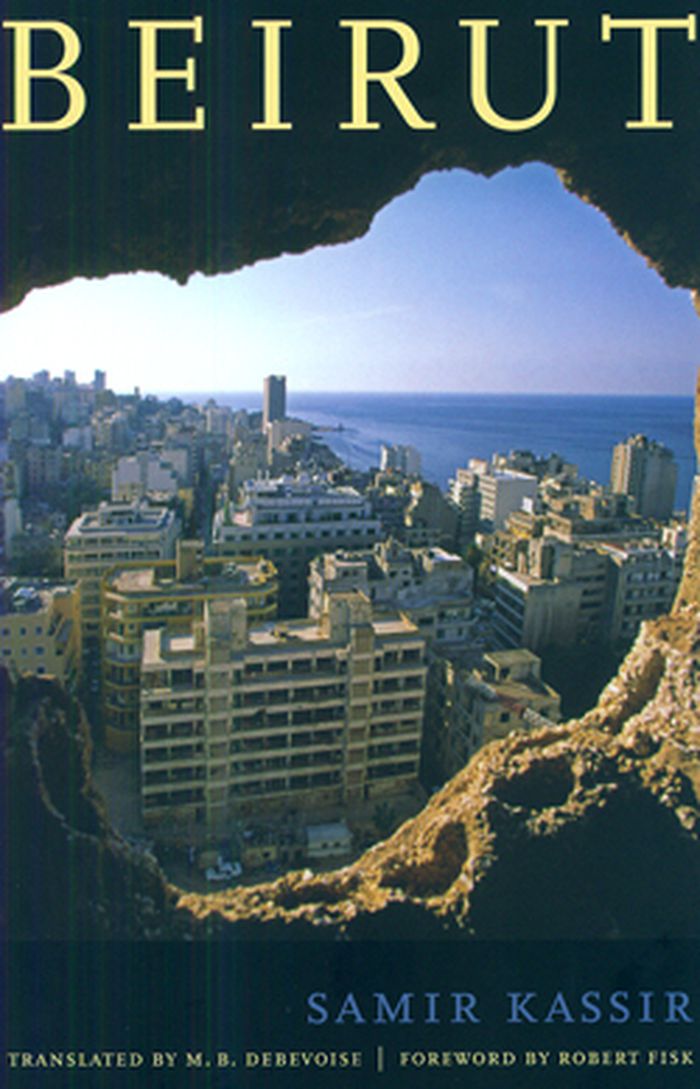
This publication is the story of a city that has stood at the crossroads of Mediterranean civilization for more than four thousand years. It takes the reader from the ancient to the modern world, offering a dazzling panorama of the city's Seleucid, Roman, Arab, Ottoman, and French incarnations. This book describes Beirut's growth in the nineteenth and twentieth centuries, concentrating on its emergence after the Second World War as a cosmopolitan capital until its near destruction during the devastating Lebanese civil war of 1975-1990. Generously illustrated, Beirut illuminates contemporary issues of modernity and democracy while at the same time memorably recreating the atmosphere of one of the world's most picturesque, dynamic, and resilient cities.
Beirut
Actions:
Price:
$45.00
(available to order)
Summary:
This publication is the story of a city that has stood at the crossroads of Mediterranean civilization for more than four thousand years. It takes the reader from the ancient to the modern world, offering a dazzling panorama of the city's Seleucid, Roman, Arab, Ottoman, and French incarnations. This book describes Beirut's growth in the nineteenth and twentieth centuries, concentrating on its emergence after the Second World War as a cosmopolitan capital until its near destruction during the devastating Lebanese civil war of 1975-1990. Generously illustrated, Beirut illuminates contemporary issues of modernity and democracy while at the same time memorably recreating the atmosphere of one of the world's most picturesque, dynamic, and resilient cities.
Form:
books
books
Publication:
November 2010
November 2010
Subject:
Arch Middle East
Arch Middle East
Form:
books
books
Title:
Breathable
Breathable
Actions:
Price:
$74.95
(available to order)
Summary:
An eye-opening and refreshing collection of practices, works, projects and essays are compiled in this catalogue which together explore the theme of how air, the atmosphere and our physical surrounds, work and reflect on the individual and society. Simplicity, luminosity, economy of means, the integration of non-human actors, the construction of new types of public(...)
$74.95
(available to order)
Summary:
An eye-opening and refreshing collection of practices, works, projects and essays are compiled in this catalogue which together explore the theme of how air, the atmosphere and our physical surrounds, work and reflect on the individual and society. Simplicity, luminosity, economy of means, the integration of non-human actors, the construction of new types of public(...)
Title:
Breathable
Actions:
Price:
$74.95
(available to order)
Summary:
An eye-opening and refreshing collection of practices, works, projects and essays are compiled in this catalogue which together explore the theme of how air, the atmosphere and our physical surrounds, work and reflect on the individual and society. Simplicity, luminosity, economy of means, the integration of non-human actors, the construction of new types of public spaces, the recovery of space as a material, and the application of technology in a natural way, are all themes central to this publication. A seminal collection of practitioners are featured here with works and writings from such names as: Mark Wigley, Olafur Eliasson, Diller & Scofidio, R, Brian Eno, Carsten Nicolai, Hans Ulrich Obrist, Decosterd & Rahm and SANAA.
Breathable
Actions:
Price:
$74.95
(available to order)
Summary:
An eye-opening and refreshing collection of practices, works, projects and essays are compiled in this catalogue which together explore the theme of how air, the atmosphere and our physical surrounds, work and reflect on the individual and society. Simplicity, luminosity, economy of means, the integration of non-human actors, the construction of new types of public spaces, the recovery of space as a material, and the application of technology in a natural way, are all themes central to this publication. A seminal collection of practitioners are featured here with works and writings from such names as: Mark Wigley, Olafur Eliasson, Diller & Scofidio, R, Brian Eno, Carsten Nicolai, Hans Ulrich Obrist, Decosterd & Rahm and SANAA.
Form:
books
books
Publication:
October 2009
October 2009
Subject:
Architectural Theory
Architectural Theory
Form:
books
books
Actions:
Price:
$11.95
(available to order)
Summary:
In this wide-ranging Very Short Introduction to climate, Mark Maslin considers all aspects of the global climate system, exploring and explaining the different components that control climate on Earth. He considers the processes that allow energy to reach the Earth and how it is redistributed around the planet by the ocean-atmosphere system; the relationship and(...)
$11.95
(available to order)
Summary:
In this wide-ranging Very Short Introduction to climate, Mark Maslin considers all aspects of the global climate system, exploring and explaining the different components that control climate on Earth. He considers the processes that allow energy to reach the Earth and how it is redistributed around the planet by the ocean-atmosphere system; the relationship and(...)
Title:
Climate: a very short introduction
Actions:
Price:
$11.95
(available to order)
Summary:
In this wide-ranging Very Short Introduction to climate, Mark Maslin considers all aspects of the global climate system, exploring and explaining the different components that control climate on Earth. He considers the processes that allow energy to reach the Earth and how it is redistributed around the planet by the ocean-atmosphere system; the relationship and differences between climate and the weather; how climate has affected life on Earth and human settlements; and the cyclic and quasi-cyclic features of climate such as the Milankovitch cycles and El Nino. He concludes by touching on the issue of climate change, and outlines some of the approaches that are now being taken to tackle it.
Climate: a very short introduction
Actions:
Price:
$11.95
(available to order)
Summary:
In this wide-ranging Very Short Introduction to climate, Mark Maslin considers all aspects of the global climate system, exploring and explaining the different components that control climate on Earth. He considers the processes that allow energy to reach the Earth and how it is redistributed around the planet by the ocean-atmosphere system; the relationship and differences between climate and the weather; how climate has affected life on Earth and human settlements; and the cyclic and quasi-cyclic features of climate such as the Milankovitch cycles and El Nino. He concludes by touching on the issue of climate change, and outlines some of the approaches that are now being taken to tackle it.
Form:
books
books
Publication:
December 2013
December 2013
Subject:
Critical Theory
Critical Theory
Form:
books
books
Title:
Shackleton's journey
Shackleton's journey
Actions:
Price:
$32.50
(available to order)
Summary:
To celebrate Ernest Shackleton’s departure on “Endurance” across the Antarctic, illustrator William Grill brings us a detailed visual narrative of this extraordinary and historical expedition. This is a fastidious cataloguing of every single detail of the expeditio with a use of coloured pencils and vibrant hues. Grill evokes the atmosphere and intrepid excitement that(...)
$32.50
(available to order)
Summary:
To celebrate Ernest Shackleton’s departure on “Endurance” across the Antarctic, illustrator William Grill brings us a detailed visual narrative of this extraordinary and historical expedition. This is a fastidious cataloguing of every single detail of the expeditio with a use of coloured pencils and vibrant hues. Grill evokes the atmosphere and intrepid excitement that(...)
Title:
Shackleton's journey
Actions:
Price:
$32.50
(available to order)
Summary:
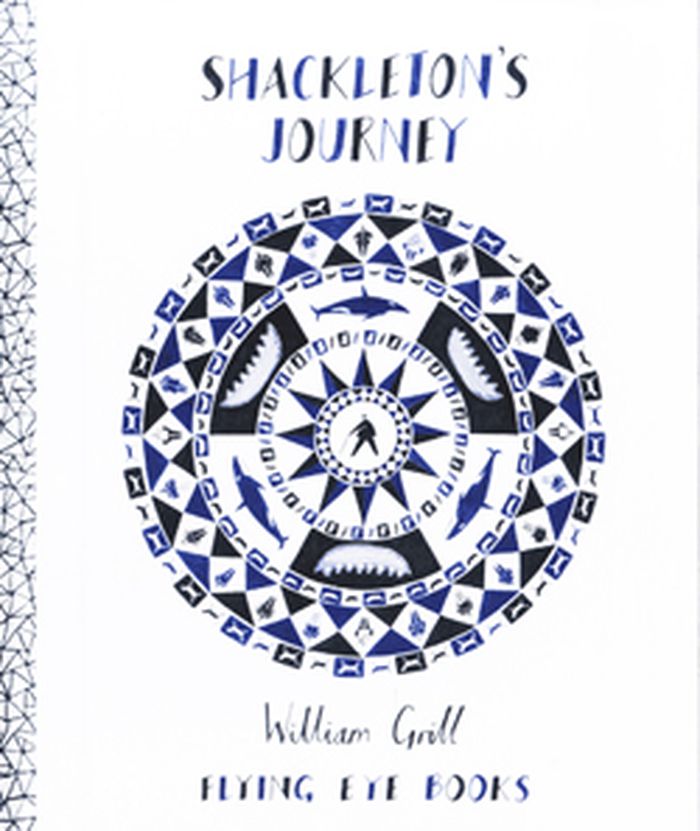
To celebrate Ernest Shackleton’s departure on “Endurance” across the Antarctic, illustrator William Grill brings us a detailed visual narrative of this extraordinary and historical expedition. This is a fastidious cataloguing of every single detail of the expeditio with a use of coloured pencils and vibrant hues. Grill evokes the atmosphere and intrepid excitement that would have surrounded the expedition with his researched and detailed drawings. Children will love examining the exploded diagrams of the peculiar provision taken or the individual drawings of the sled dogs or pack horses. This book takes the academic and historical information surrounding the expedition and re-interprets it for a younger audience in a way that will capture their imaginations.
Shackleton's journey
Actions:
Price:
$32.50
(available to order)
Summary:
To celebrate Ernest Shackleton’s departure on “Endurance” across the Antarctic, illustrator William Grill brings us a detailed visual narrative of this extraordinary and historical expedition. This is a fastidious cataloguing of every single detail of the expeditio with a use of coloured pencils and vibrant hues. Grill evokes the atmosphere and intrepid excitement that would have surrounded the expedition with his researched and detailed drawings. Children will love examining the exploded diagrams of the peculiar provision taken or the individual drawings of the sled dogs or pack horses. This book takes the academic and historical information surrounding the expedition and re-interprets it for a younger audience in a way that will capture their imaginations.
Form:
books
books
Publication:
February 2014
February 2014
Subject:
Children's Books
Children's Books
Form:
books
books
Actions:
Price:
$76.95
(available to order)
Summary:
Our visual world is made of light. We light to see and to communicate. We light for security, to create mood and atmosphere, to enhance and entertain. Where natural light fails man has learned to improvise, constantly developing new technologies to illuminate art and architecture. Our visual experience and emotional reaction to buildings is shaped by the control of light(...)
$76.95
(available to order)
Summary:
Our visual world is made of light. We light to see and to communicate. We light for security, to create mood and atmosphere, to enhance and entertain. Where natural light fails man has learned to improvise, constantly developing new technologies to illuminate art and architecture. Our visual experience and emotional reaction to buildings is shaped by the control of light(...)
Subject:
Materials and Lighting
Materials and Lighting
Publication:
September 2004, Basel
September 2004, Basel
Title:
Made of light : the art of light and architecture
Actions:
Price:
$76.95
(available to order)
Summary:
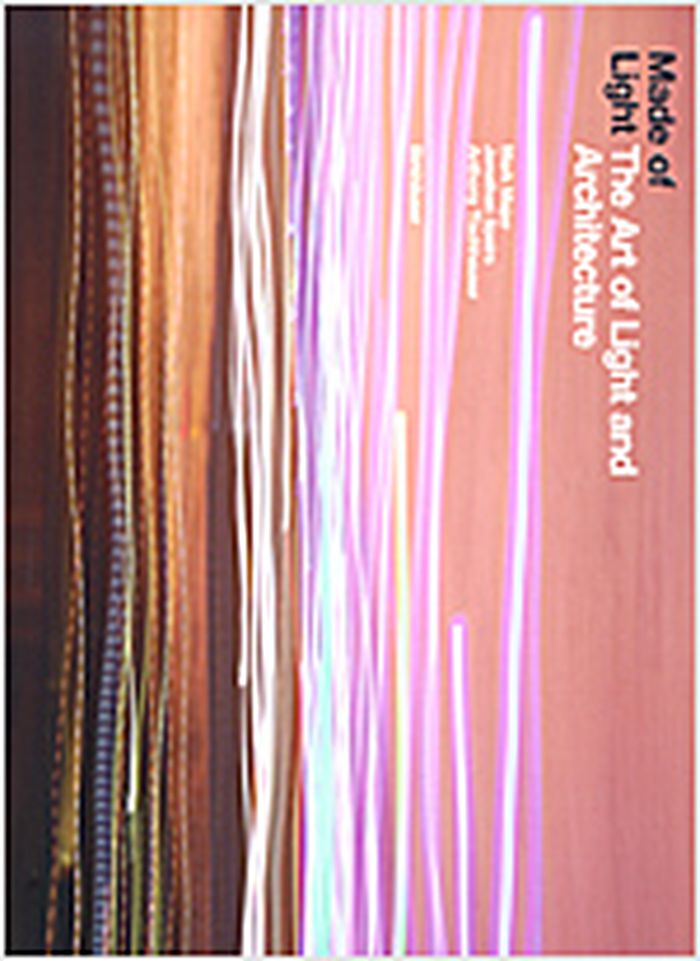
Our visual world is made of light. We light to see and to communicate. We light for security, to create mood and atmosphere, to enhance and entertain. Where natural light fails man has learned to improvise, constantly developing new technologies to illuminate art and architecture. Our visual experience and emotional reaction to buildings is shaped by the control of light and shadow. Light is increasingly integrated into the fabric of buildings and becomes a part of the architecture. Jonathan Speirs and Mark Major are award-winning lighting architects working internationally. This illustrated book explores the influences that inspire their work. It investigates the basic properties and qualities of light, presents a sketchbook of ideas and observations, and includes an in-depth interview.
Made of light : the art of light and architecture
Actions:
Price:
$76.95
(available to order)
Summary:
Our visual world is made of light. We light to see and to communicate. We light for security, to create mood and atmosphere, to enhance and entertain. Where natural light fails man has learned to improvise, constantly developing new technologies to illuminate art and architecture. Our visual experience and emotional reaction to buildings is shaped by the control of light and shadow. Light is increasingly integrated into the fabric of buildings and becomes a part of the architecture. Jonathan Speirs and Mark Major are award-winning lighting architects working internationally. This illustrated book explores the influences that inspire their work. It investigates the basic properties and qualities of light, presents a sketchbook of ideas and observations, and includes an in-depth interview.
Form:
books
books
Publication:
September 2004, Basel
September 2004, Basel
Subject:
Materials and Lighting
Materials and Lighting
Form:
books
books
Title:
Waffenruhe
Waffenruhe
Actions:
Price:
$54.00
(available to order)
Summary:
Schmidt uses atmosphere-laden details with high-contrast black-and-white images of cityscapes, details in nature, and portraits in 'Waffenruhe' to create a subjective, leaden picture of a still-divided city. He no longer deploys the techniques of pure documentation, but brings together surprising combinations of images to express a generation's dystopian sense of life(...)
$54.00
(available to order)
Summary:
Schmidt uses atmosphere-laden details with high-contrast black-and-white images of cityscapes, details in nature, and portraits in 'Waffenruhe' to create a subjective, leaden picture of a still-divided city. He no longer deploys the techniques of pure documentation, but brings together surprising combinations of images to express a generation's dystopian sense of life(...)
Title:
Waffenruhe
Actions:
Price:
$54.00
(available to order)
Summary:
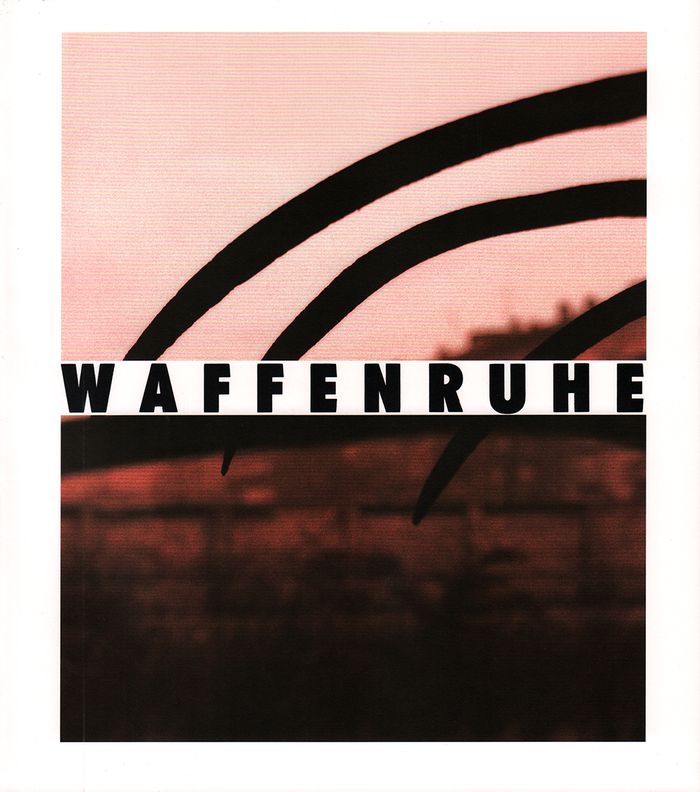
Schmidt uses atmosphere-laden details with high-contrast black-and-white images of cityscapes, details in nature, and portraits in 'Waffenruhe' to create a subjective, leaden picture of a still-divided city. He no longer deploys the techniques of pure documentation, but brings together surprising combinations of images to express a generation's dystopian sense of life shortly before the fall of the Wall. The first edition, published in 1987 by the Berlin-based Dirk Nishen Verlag quickly sold out and continues to fetch high prices on the antiquarian book market. Thirty years later, 'Waffenruhe' is now being reprinted. This artist's book - often included on lists of the most influential photographic books of all time - is once again being made available.
Waffenruhe
Actions:
Price:
$54.00
(available to order)
Summary:
Schmidt uses atmosphere-laden details with high-contrast black-and-white images of cityscapes, details in nature, and portraits in 'Waffenruhe' to create a subjective, leaden picture of a still-divided city. He no longer deploys the techniques of pure documentation, but brings together surprising combinations of images to express a generation's dystopian sense of life shortly before the fall of the Wall. The first edition, published in 1987 by the Berlin-based Dirk Nishen Verlag quickly sold out and continues to fetch high prices on the antiquarian book market. Thirty years later, 'Waffenruhe' is now being reprinted. This artist's book - often included on lists of the most influential photographic books of all time - is once again being made available.
Form:
books
books
Publication:
November 2018
November 2018
Subject:
Photography monographs
Photography monographs


