


474 Results
Form:
books
books
Title:
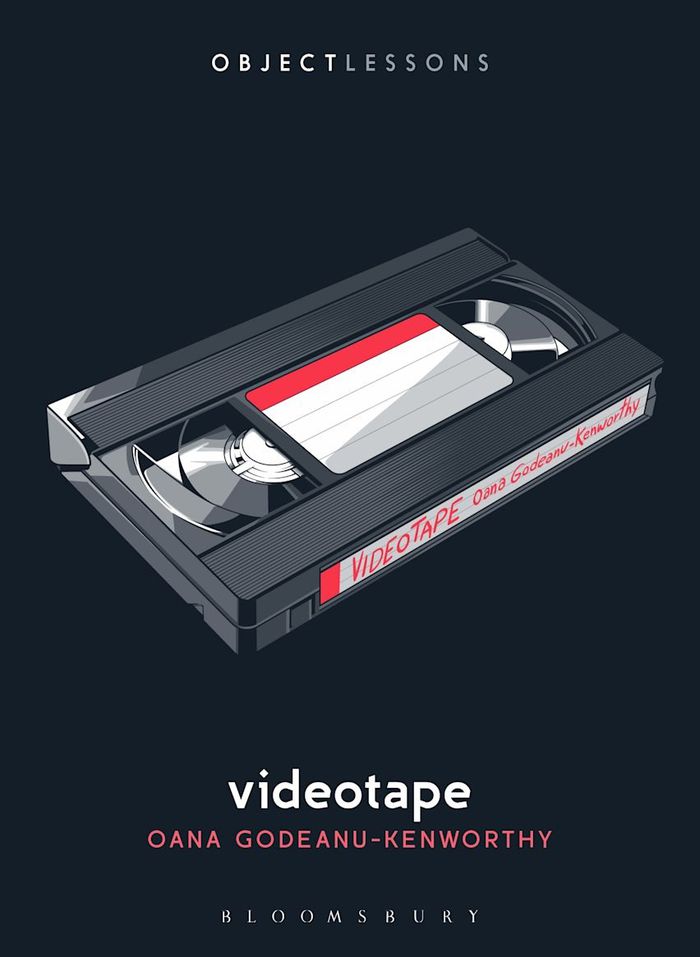
Videotape: Object lessons
Videotape: Object lessons
Actions:
Price:
$21.95
(available to order)
Summary:
Over the span of a single decade, VHS technology changed the relationship between privacy and entertainment, pried open the closed societies behind the Iron Curtain, and then sank back into oblivion. Its meteoric rise and fall encapsulated the dynamics of the '80s and foreshadowed the seismic cultural shifts to come after the Cold War. In the West, its advent deepened the(...)
$21.95
(available to order)
Summary:
Over the span of a single decade, VHS technology changed the relationship between privacy and entertainment, pried open the closed societies behind the Iron Curtain, and then sank back into oblivion. Its meteoric rise and fall encapsulated the dynamics of the '80s and foreshadowed the seismic cultural shifts to come after the Cold War. In the West, its advent deepened the(...)
Publication:
September 2025
September 2025
Title:
Videotape: Object lessons
Actions:
Price:
$21.95
(available to order)
Summary:
Over the span of a single decade, VHS technology changed the relationship between privacy and entertainment, pried open the closed societies behind the Iron Curtain, and then sank back into oblivion. Its meteoric rise and fall encapsulated the dynamics of the '80s and foreshadowed the seismic cultural shifts to come after the Cold War. In the West, its advent deepened the trends of the age: individualism, consumerism, the fragmentation of society, and the consolidation of corporate power in the entertainment industry and its victory over the regulatory powers of the state. In the East, it encouraged new forms of socialization and economic exchanges, while announcing the gradual crumbling of government control over the imagination of the people. By the mid-1990s, the VHS format was displaced by the DVD. The DVD would eventually give way to streaming. Yet the cultural legacy of the videotape continues to inform our relationship to technology, privacy, and to entertainment.
Videotape: Object lessons
Actions:
Price:
$21.95
(available to order)
Summary:
Over the span of a single decade, VHS technology changed the relationship between privacy and entertainment, pried open the closed societies behind the Iron Curtain, and then sank back into oblivion. Its meteoric rise and fall encapsulated the dynamics of the '80s and foreshadowed the seismic cultural shifts to come after the Cold War. In the West, its advent deepened the trends of the age: individualism, consumerism, the fragmentation of society, and the consolidation of corporate power in the entertainment industry and its victory over the regulatory powers of the state. In the East, it encouraged new forms of socialization and economic exchanges, while announcing the gradual crumbling of government control over the imagination of the people. By the mid-1990s, the VHS format was displaced by the DVD. The DVD would eventually give way to streaming. Yet the cultural legacy of the videotape continues to inform our relationship to technology, privacy, and to entertainment.
Form:
books
books
Publication:
September 2025
September 2025
Form:
books
books
Actions:
Holdings:
Description:
xiii, 150 pages : illustrations (some color) ; 29 cm
Description:
xiii, 150 pages : illustrations (some color) ; 29 cm
Author:
Subject:
Publication:
Los Angeles : J. Paul Getty Museum, ©2011.
Los Angeles : J. Paul Getty Museum, ©2011.
Title:
Paris : life & luxury in the eighteenth century / edited by Charissa Bremer-David ; with essays by Charissa Bremer-David [and others].
Actions:
Holdings:
Description:
xiii, 150 pages : illustrations (some color) ; 29 cm
Paris : life & luxury in the eighteenth century / edited by Charissa Bremer-David ; with essays by Charissa Bremer-David [and others].
Actions:
Holdings:
Description:
xiii, 150 pages : illustrations (some color) ; 29 cm
Form:
books
books
Publication:
Los Angeles : J. Paul Getty Museum, ©2011.
Los Angeles : J. Paul Getty Museum, ©2011.
Author:
Subject:
Form:
books
books
Price:
$65.00
(available to order)
Summary:
The multimedia works of Canadian artist duo Janet Cardiff (born 1957) and George Bures Miller (born 1960) are often reminiscent of whimsical childhood experiences such as fairgrounds. This monograph documents six large-scale installations on the subject of the entertainment industry.
$65.00
(available to order)
Summary:
The multimedia works of Canadian artist duo Janet Cardiff (born 1957) and George Bures Miller (born 1960) are often reminiscent of whimsical childhood experiences such as fairgrounds. This monograph documents six large-scale installations on the subject of the entertainment industry.
Title:
Janet Cardiff & George Bures Miller: something strange this way
Actions:
Price:
$65.00
(available to order)
Summary:
The multimedia works of Canadian artist duo Janet Cardiff (born 1957) and George Bures Miller (born 1960) are often reminiscent of whimsical childhood experiences such as fairgrounds. This monograph documents six large-scale installations on the subject of the entertainment industry.
Janet Cardiff & George Bures Miller: something strange this way
Actions:
Price:
$65.00
(available to order)
Summary:
The multimedia works of Canadian artist duo Janet Cardiff (born 1957) and George Bures Miller (born 1960) are often reminiscent of whimsical childhood experiences such as fairgrounds. This monograph documents six large-scale installations on the subject of the entertainment industry.
Form:
books
books
Publication:
July 2015
July 2015
Subject:
Canadian art
Canadian art
Form:
books
books
Holdings:
Description:
xxii, 824 pages : illustrations (some color) ; 25 cm
Description:
xxii, 824 pages : illustrations (some color) ; 25 cm
Author:
Subject:
Publication:
Oxford ; New York : Oxford University Press, 1996.
Oxford ; New York : Oxford University Press, 1996.
Title:
The Oxford history of world cinema / edited by Geoffrey Nowell-Smith.
Actions:
Holdings:
Description:
xxii, 824 pages : illustrations (some color) ; 25 cm
The Oxford history of world cinema / edited by Geoffrey Nowell-Smith.
Actions:
Holdings:
Description:
xxii, 824 pages : illustrations (some color) ; 25 cm
Form:
books
books
Publication:
Oxford ; New York : Oxford University Press, 1996.
Oxford ; New York : Oxford University Press, 1996.
Author:
Subject:
Form:
journals and magazines
journals and magazines
Price:
$60.00
(available in store)
Summary:
This issue focuses on how architectural skills are deployed in entertainment to communicate design and form the backdrops for stories to play out. It includes articles on installations, exhibition designs, entertainment architecture, narrative projects, speculations on future human identities, video gaming, and memorial tombs – an international plethora of staged examples(...)
$60.00
(available in store)
Summary:
This issue focuses on how architectural skills are deployed in entertainment to communicate design and form the backdrops for stories to play out. It includes articles on installations, exhibition designs, entertainment architecture, narrative projects, speculations on future human identities, video gaming, and memorial tombs – an international plethora of staged examples(...)
Title:
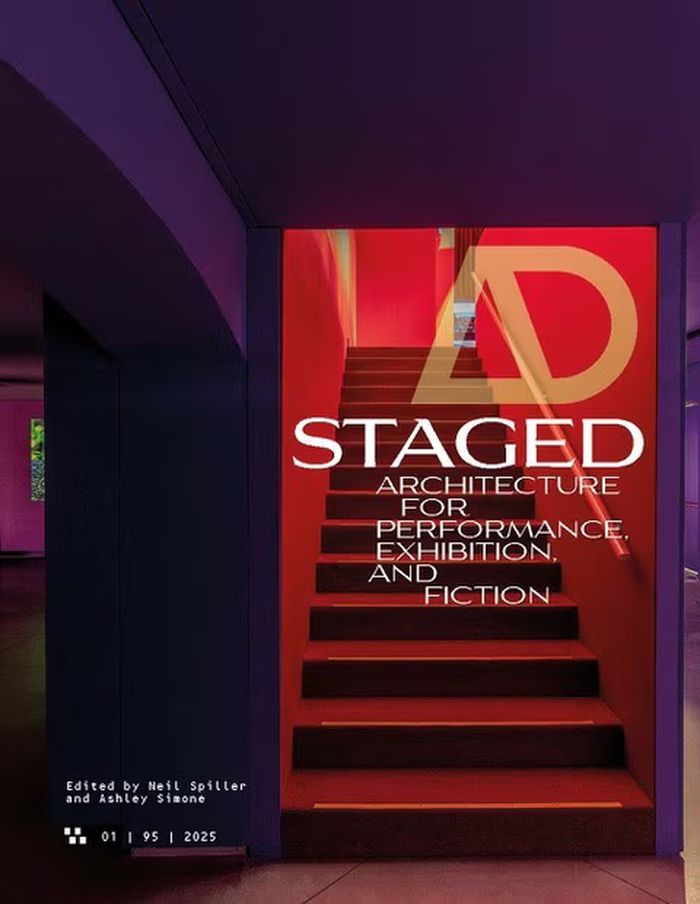
AD 95:01 Staged: Architecture for performance, exhibition, and fiction
Actions:
Price:
$60.00
(available in store)
Summary:
This issue focuses on how architectural skills are deployed in entertainment to communicate design and form the backdrops for stories to play out. It includes articles on installations, exhibition designs, entertainment architecture, narrative projects, speculations on future human identities, video gaming, and memorial tombs – an international plethora of staged examples of how architectural thinking can bring vitality to situations not usually perceived to be within the realms of traditional practice. The issue engages with popular culture, fictions, art, performance, technology, and architectural history and theory. Exploring the full spectrum of spatial propositions that architects can bring to staging events, the work featured is theatrical and exuberant, and the product of many collaborative architectural voices including curators, artists, performers, digital intelligences, fabricators, and writers.
AD 95:01 Staged: Architecture for performance, exhibition, and fiction
Actions:
Price:
$60.00
(available in store)
Summary:
This issue focuses on how architectural skills are deployed in entertainment to communicate design and form the backdrops for stories to play out. It includes articles on installations, exhibition designs, entertainment architecture, narrative projects, speculations on future human identities, video gaming, and memorial tombs – an international plethora of staged examples of how architectural thinking can bring vitality to situations not usually perceived to be within the realms of traditional practice. The issue engages with popular culture, fictions, art, performance, technology, and architectural history and theory. Exploring the full spectrum of spatial propositions that architects can bring to staging events, the work featured is theatrical and exuberant, and the product of many collaborative architectural voices including curators, artists, performers, digital intelligences, fabricators, and writers.
Form:
journals and magazines
journals and magazines
Publication:
October 2025
October 2025
Subject:
Magazines
Magazines
Form:
books
books
Actions:
Price:
$65.00
(available to order)
Summary:
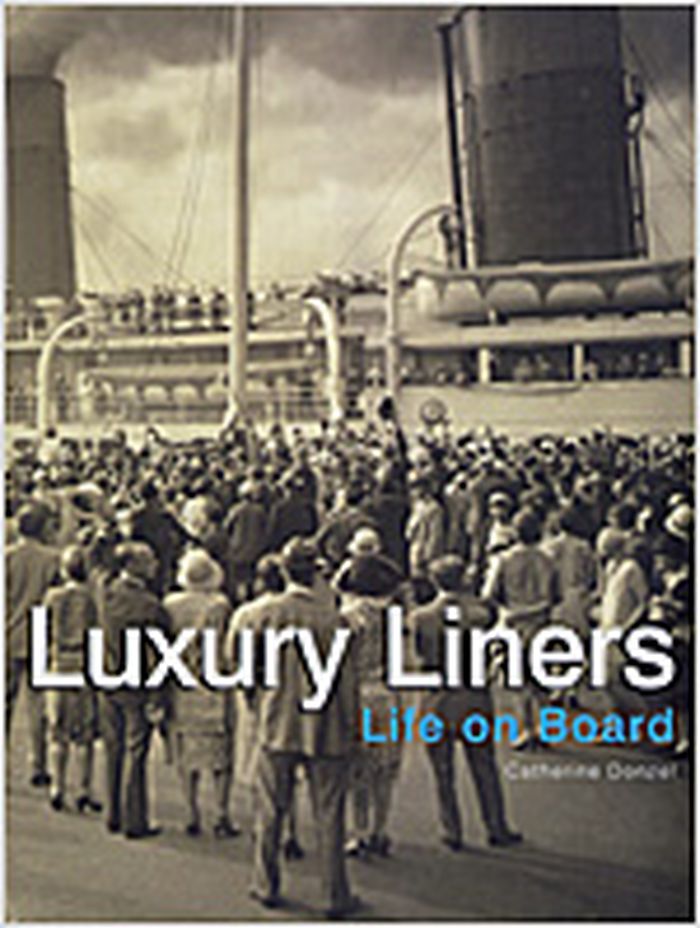
"Luxury Liners" presents an illustrated history of life on board enormous passnger ships. The book's organization mimics an actual crossing: the mountains of cargo crammed below decks before embarkation; the crossing itself, with entertainment that might include trained seals; the danger of shipwrecks; and finally, arrival.
$65.00
(available to order)
Summary:
"Luxury Liners" presents an illustrated history of life on board enormous passnger ships. The book's organization mimics an actual crossing: the mountains of cargo crammed below decks before embarkation; the crossing itself, with entertainment that might include trained seals; the danger of shipwrecks; and finally, arrival.
Subject:
Commercial interiors, Building types
Commercial interiors, Building types
Publication:
September 2006, New York
September 2006, New York
Title:
Luxury liners : life on board
Actions:
Price:
$65.00
(available to order)
Summary:
"Luxury Liners" presents an illustrated history of life on board enormous passnger ships. The book's organization mimics an actual crossing: the mountains of cargo crammed below decks before embarkation; the crossing itself, with entertainment that might include trained seals; the danger of shipwrecks; and finally, arrival.
Luxury liners : life on board
Actions:
Price:
$65.00
(available to order)
Summary:
"Luxury Liners" presents an illustrated history of life on board enormous passnger ships. The book's organization mimics an actual crossing: the mountains of cargo crammed below decks before embarkation; the crossing itself, with entertainment that might include trained seals; the danger of shipwrecks; and finally, arrival.
Form:
books
books
Publication:
September 2006, New York
September 2006, New York
Subject:
Commercial interiors, Building types
Commercial interiors, Building types
Form:
books
books
Actions:
Holdings:
Description:
xiv, 337 pages : illustrations (some color) ; 30 cm.
Description:
xiv, 337 pages : illustrations (some color) ; 30 cm.
Author:
Subject:
Publication:
New Haven : Published for the Paul Mellon Centre for Studies in British Art by Yale University Press, ©1997.
New Haven : Published for the Paul Mellon Centre for Studies in British Art by Yale University Press, ©1997.
Title:
The English print, 1688-1802 / Timothy Clayton.
Actions:
Holdings:
Description:
xiv, 337 pages : illustrations (some color) ; 30 cm.
The English print, 1688-1802 / Timothy Clayton.
Actions:
Holdings:
Description:
xiv, 337 pages : illustrations (some color) ; 30 cm.
Form:
books
books
Publication:
New Haven : Published for the Paul Mellon Centre for Studies in British Art by Yale University Press, ©1997.
New Haven : Published for the Paul Mellon Centre for Studies in British Art by Yale University Press, ©1997.
Author:
Subject:
Form:
books
books
Actions:
Price:
$36.95
(available in store)
Summary:
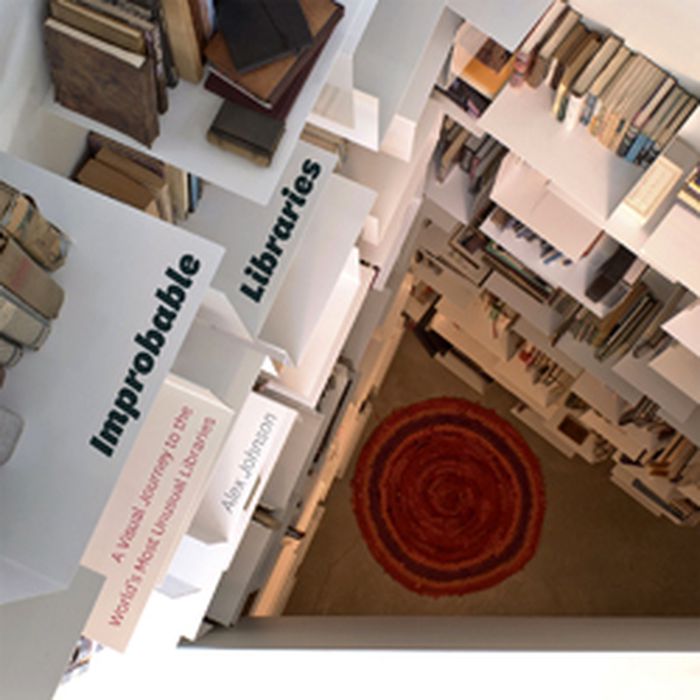
Improbable Libraries offers a breathtaking tour of the places that bring us together and provide education, entertainment, culture, and so much more. From the rise of the egalitarian Little Free Library movement to the growth in luxury hotel libraries, the communal book revolution means you’ll never be far from the perfect next read.
$36.95
(available in store)
Summary:
Improbable Libraries offers a breathtaking tour of the places that bring us together and provide education, entertainment, culture, and so much more. From the rise of the egalitarian Little Free Library movement to the growth in luxury hotel libraries, the communal book revolution means you’ll never be far from the perfect next read.
Title:
Improbable librairies: a visual journey to the world's most unusual librairies
Actions:
Price:
$36.95
(available in store)
Summary:
Improbable Libraries offers a breathtaking tour of the places that bring us together and provide education, entertainment, culture, and so much more. From the rise of the egalitarian Little Free Library movement to the growth in luxury hotel libraries, the communal book revolution means you’ll never be far from the perfect next read.
Improbable librairies: a visual journey to the world's most unusual librairies
Actions:
Price:
$36.95
(available in store)
Summary:
Improbable Libraries offers a breathtaking tour of the places that bring us together and provide education, entertainment, culture, and so much more. From the rise of the egalitarian Little Free Library movement to the growth in luxury hotel libraries, the communal book revolution means you’ll never be far from the perfect next read.
Form:
books
books
Publication:
March 2015
March 2015
Subject:
Commercial interiors, Building types
Commercial interiors, Building types
Form:
books
books
Actions:
Price:
$11.50
(available in store)
Summary:
During the glory days of Something Else Press (1964-1974), its founder, the poet, editor and scholar Dick Higgins created the Great Bear imprint to publish pamphlets that were quickly printed and easily disseminated, guaranteeing wide distribution and accessibility. Ranging in length from 16 to 32 pages, saddle-stitched and printed on varying color stock, the Great Bear(...)
$11.50
(available in store)
Summary:
During the glory days of Something Else Press (1964-1974), its founder, the poet, editor and scholar Dick Higgins created the Great Bear imprint to publish pamphlets that were quickly printed and easily disseminated, guaranteeing wide distribution and accessibility. Ranging in length from 16 to 32 pages, saddle-stitched and printed on varying color stock, the Great Bear(...)
Title:
A great bear pamphlet # 14 popular entertainments
Actions:
Price:
$11.50
(available in store)
Summary:
During the glory days of Something Else Press (1964-1974), its founder, the poet, editor and scholar Dick Higgins created the Great Bear imprint to publish pamphlets that were quickly printed and easily disseminated, guaranteeing wide distribution and accessibility. Ranging in length from 16 to 32 pages, saddle-stitched and printed on varying color stock, the Great Bear pamphlets showcased the work of some of the most innovative writers and artists across the twentieth century: the likes of Jackson Mac Low, Oyvind Fahlstrom, Robert Filliou, Robert Watts, Emmett Williams, Dieter Roth, David Antin and Claes Oldenburg appeared alongside predecessors such as the Italian Futurist composer Luigi Russolo and John Cage's seminal Diary: How to Improve the World (You Will Only Make Matters Worse). All pamphlets have been out of print since their original publications in the 1960s.
A great bear pamphlet # 14 popular entertainments
Actions:
Price:
$11.50
(available in store)
Summary:
During the glory days of Something Else Press (1964-1974), its founder, the poet, editor and scholar Dick Higgins created the Great Bear imprint to publish pamphlets that were quickly printed and easily disseminated, guaranteeing wide distribution and accessibility. Ranging in length from 16 to 32 pages, saddle-stitched and printed on varying color stock, the Great Bear pamphlets showcased the work of some of the most innovative writers and artists across the twentieth century: the likes of Jackson Mac Low, Oyvind Fahlstrom, Robert Filliou, Robert Watts, Emmett Williams, Dieter Roth, David Antin and Claes Oldenburg appeared alongside predecessors such as the Italian Futurist composer Luigi Russolo and John Cage's seminal Diary: How to Improve the World (You Will Only Make Matters Worse). All pamphlets have been out of print since their original publications in the 1960s.
Form:
books
books
Publication:
October 2008, New York
October 2008, New York
Form:
books
books
Title:
Planning the night-time city
Planning the night-time city
Actions:
Price:
$67.50
(available to order)
Summary:
This book draws on international case study research to explain how changing approaches to evening and night-time activities have been conceptualized in planning practice in the UK. It explains how these ideas have been subverted by the entertainment industry to the point that some micro-districts in certain regenerated and creative cities have now been dubbed ‘no-go’ areas.
$67.50
(available to order)
Summary:
This book draws on international case study research to explain how changing approaches to evening and night-time activities have been conceptualized in planning practice in the UK. It explains how these ideas have been subverted by the entertainment industry to the point that some micro-districts in certain regenerated and creative cities have now been dubbed ‘no-go’ areas.
Title:
Planning the night-time city
Actions:
Price:
$67.50
(available to order)
Summary:
This book draws on international case study research to explain how changing approaches to evening and night-time activities have been conceptualized in planning practice in the UK. It explains how these ideas have been subverted by the entertainment industry to the point that some micro-districts in certain regenerated and creative cities have now been dubbed ‘no-go’ areas.
Planning the night-time city
Actions:
Price:
$67.50
(available to order)
Summary:
This book draws on international case study research to explain how changing approaches to evening and night-time activities have been conceptualized in planning practice in the UK. It explains how these ideas have been subverted by the entertainment industry to the point that some micro-districts in certain regenerated and creative cities have now been dubbed ‘no-go’ areas.
Form:
books
books
Publication:
February 2010
February 2010
Subject:
Urban Theory
Urban Theory


