


10583 Results
Form:
books
books
Title:
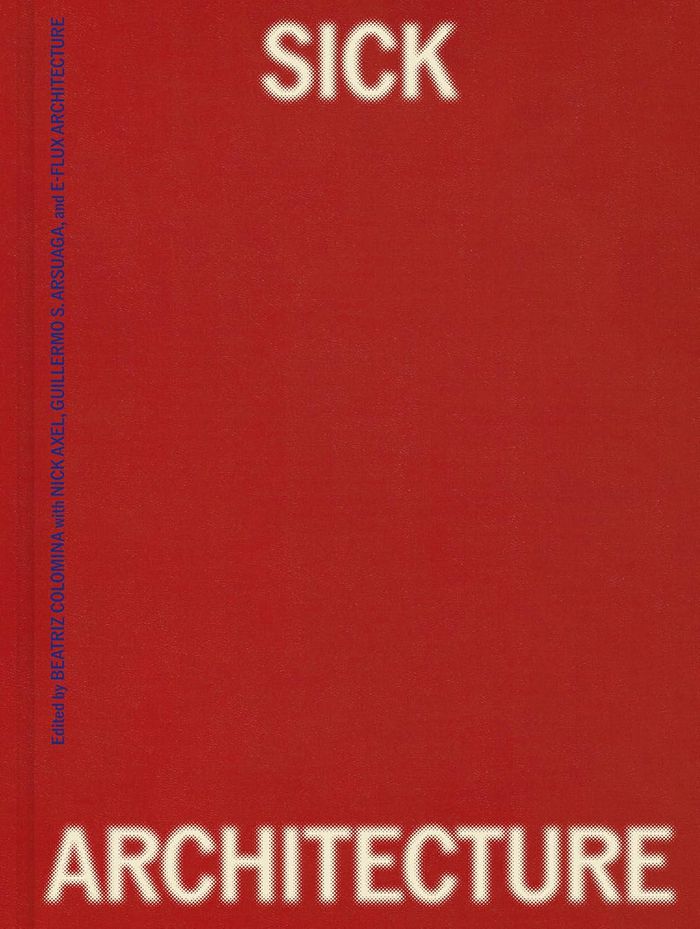
Sick Architecture
Sick Architecture
Actions:
Price:
$73.00
(available in store)
Summary:
Illnesses, wellness, and architecture are inseparable. Medical professionals and architects have always been in a kind of dance, often influencing one another, though the dance is not always synchronized. Drawing from a wide range of historical and contemporary case studies from ancient Greece to twentieth-century India to present-day New York City, Sick Architecture(...)
$73.00
(available in store)
Summary:
Illnesses, wellness, and architecture are inseparable. Medical professionals and architects have always been in a kind of dance, often influencing one another, though the dance is not always synchronized. Drawing from a wide range of historical and contemporary case studies from ancient Greece to twentieth-century India to present-day New York City, Sick Architecture(...)
Title:
Sick Architecture
Actions:
Price:
$73.00
(available in store)
Summary:
Illnesses, wellness, and architecture are inseparable. Medical professionals and architects have always been in a kind of dance, often influencing one another, though the dance is not always synchronized. Drawing from a wide range of historical and contemporary case studies from ancient Greece to twentieth-century India to present-day New York City, Sick Architecture highlights a topic that has shaped our lives from the very beginnings of architecture to the outbreak of the Covid-19 pandemic and beyond. "Sick Architecture" goes beyond the sicknesses recognized by the medical profession to ask: What aspects of society may be ill, in need of care, or subject to pathologization? Similarly the book goes beyond physical buildings and cities to interrogate architecture’s policy protocols and spatial logics.
Sick Architecture
Actions:
Price:
$73.00
(available in store)
Summary:
Illnesses, wellness, and architecture are inseparable. Medical professionals and architects have always been in a kind of dance, often influencing one another, though the dance is not always synchronized. Drawing from a wide range of historical and contemporary case studies from ancient Greece to twentieth-century India to present-day New York City, Sick Architecture highlights a topic that has shaped our lives from the very beginnings of architecture to the outbreak of the Covid-19 pandemic and beyond. "Sick Architecture" goes beyond the sicknesses recognized by the medical profession to ask: What aspects of society may be ill, in need of care, or subject to pathologization? Similarly the book goes beyond physical buildings and cities to interrogate architecture’s policy protocols and spatial logics.
Form:
books
books
Publication:
October 2025
October 2025
Subject:
Architectural Theory
Architectural Theory
Form:
books
books
Actions:
Price:
$49.95
(available in store)
Summary:
''The Oracle'' names and honors the symbolic place from where all beings wonder about the course of life. Because we care about tomorrow, we should assume we care about staying alive, about a world in peaceful coexistence. Times of increasing insecurity and the experience of living in a world that refuses to acknowledge our needs give rise to various forms of escapism and(...)
$49.95
(available in store)
Summary:
''The Oracle'' names and honors the symbolic place from where all beings wonder about the course of life. Because we care about tomorrow, we should assume we care about staying alive, about a world in peaceful coexistence. Times of increasing insecurity and the experience of living in a world that refuses to acknowledge our needs give rise to various forms of escapism and(...)
Title:
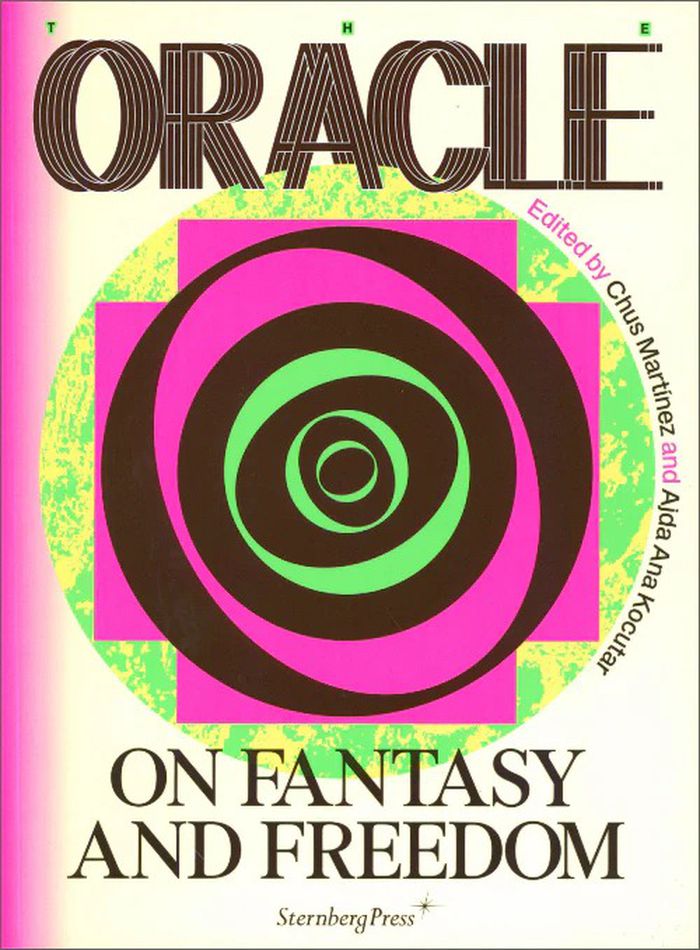
The oracle: On fantasy and freedom
Actions:
Price:
$49.95
(available in store)
Summary:
''The Oracle'' names and honors the symbolic place from where all beings wonder about the course of life. Because we care about tomorrow, we should assume we care about staying alive, about a world in peaceful coexistence. Times of increasing insecurity and the experience of living in a world that refuses to acknowledge our needs give rise to various forms of escapism and misguided decision-making. Searching for big answers and expecting significant movements capable of undoing the damage of wars and dark forces seems unrealistic. Art assumes the existence of a tiny but meaningful spot from which to dream and demand freedom and peace. ''The Oracle'' is about this spot. The Oracle has been published on the occasion of the 36th Ljubljana Biennale of Graphic Arts.
The oracle: On fantasy and freedom
Actions:
Price:
$49.95
(available in store)
Summary:
''The Oracle'' names and honors the symbolic place from where all beings wonder about the course of life. Because we care about tomorrow, we should assume we care about staying alive, about a world in peaceful coexistence. Times of increasing insecurity and the experience of living in a world that refuses to acknowledge our needs give rise to various forms of escapism and misguided decision-making. Searching for big answers and expecting significant movements capable of undoing the damage of wars and dark forces seems unrealistic. Art assumes the existence of a tiny but meaningful spot from which to dream and demand freedom and peace. ''The Oracle'' is about this spot. The Oracle has been published on the occasion of the 36th Ljubljana Biennale of Graphic Arts.
Form:
books
books
Publication:
March 2026
March 2026
Subject:
Art Theory
Art Theory
Form:
books
books
Title:
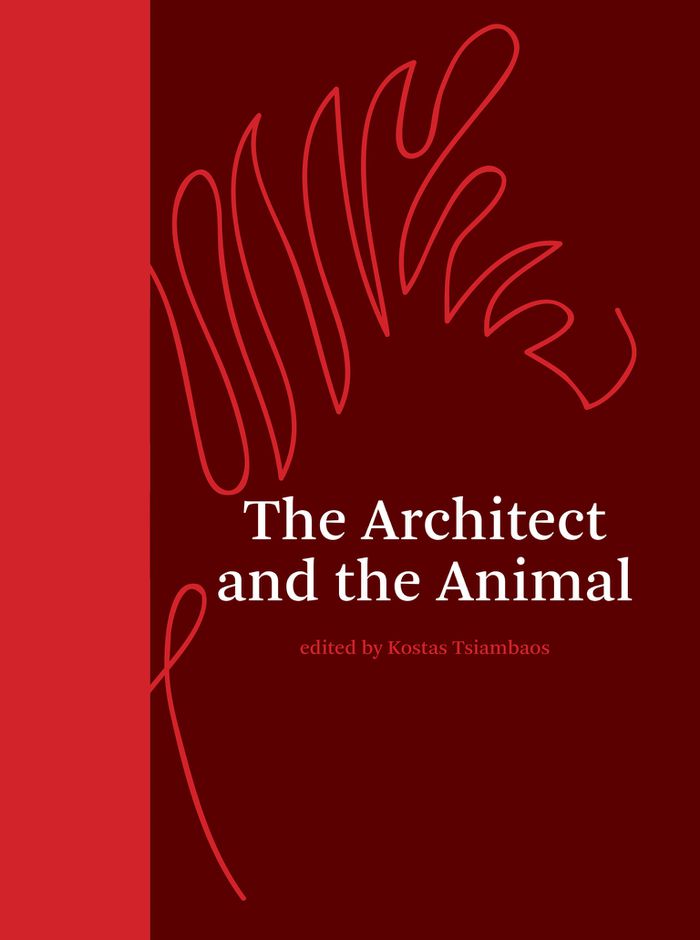
The architect and the animal
The architect and the animal
Actions:
Price:
$48.00
(available in store)
Summary:
In ''The Architect and the Animal'', 26 different architects look at how 26 different animals, from A to Z, have found their way into modern architectural discourse. The animal was typically approached in this discourse not through its various cultural or symbolic identities but as a body examined under a formalistic scientific lens. In this volume, the authors explore a(...)
$48.00
(available in store)
Summary:
In ''The Architect and the Animal'', 26 different architects look at how 26 different animals, from A to Z, have found their way into modern architectural discourse. The animal was typically approached in this discourse not through its various cultural or symbolic identities but as a body examined under a formalistic scientific lens. In this volume, the authors explore a(...)
Title:
The architect and the animal
Actions:
Price:
$48.00
(available in store)
Summary:
In ''The Architect and the Animal'', 26 different architects look at how 26 different animals, from A to Z, have found their way into modern architectural discourse. The animal was typically approached in this discourse not through its various cultural or symbolic identities but as a body examined under a formalistic scientific lens. In this volume, the authors explore a less operative—and more meaningful—understanding of animal references and representations in twentieth-century architecture.
The architect and the animal
Actions:
Price:
$48.00
(available in store)
Summary:
In ''The Architect and the Animal'', 26 different architects look at how 26 different animals, from A to Z, have found their way into modern architectural discourse. The animal was typically approached in this discourse not through its various cultural or symbolic identities but as a body examined under a formalistic scientific lens. In this volume, the authors explore a less operative—and more meaningful—understanding of animal references and representations in twentieth-century architecture.
Form:
books
books
Publication:
December 2025
December 2025
Subject:
Architectural Theory
Architectural Theory
Form:
books
books
Actions:
Price:
$67.50
(available to order)
Summary:
If ceramics, glass, and metals are inextricably linked to earth and fire, textiles are arguably linked with wind and water. In truth, craft practices are all deeply connected to the elements and to nature. Eight distinguished writers and thinkers living in the Nordic region endeavor to flesh out concepts such as material interaction and material agency, Posthumanism,(...)
$67.50
(available to order)
Summary:
If ceramics, glass, and metals are inextricably linked to earth and fire, textiles are arguably linked with wind and water. In truth, craft practices are all deeply connected to the elements and to nature. Eight distinguished writers and thinkers living in the Nordic region endeavor to flesh out concepts such as material interaction and material agency, Posthumanism,(...)
Title:
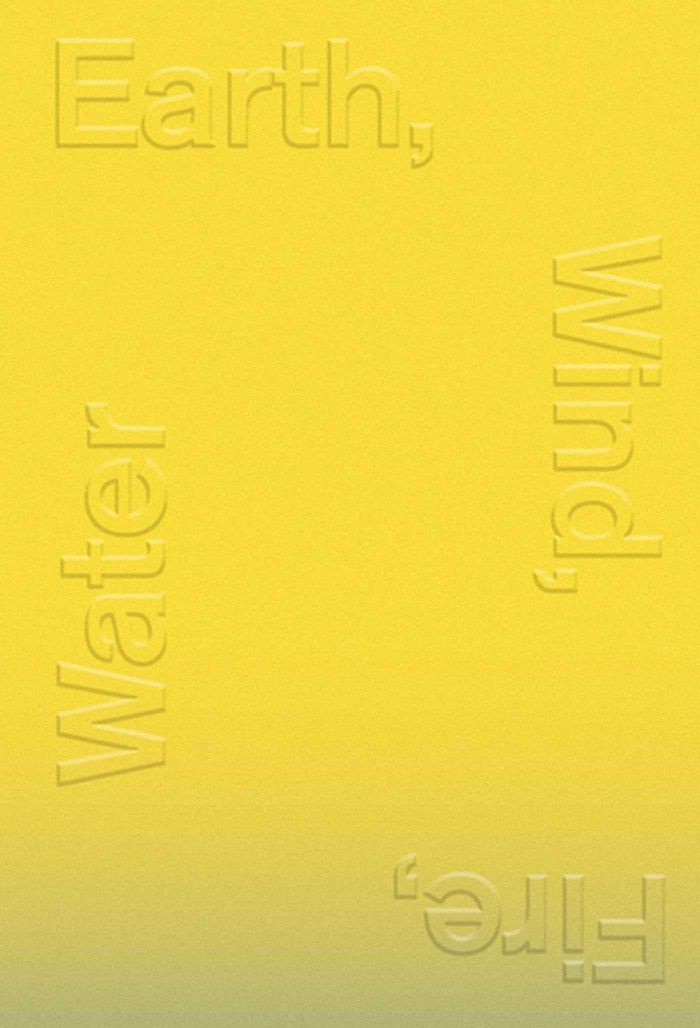
Earth, wind, fire, water: Norwegian contemporary crafts
Actions:
Price:
$67.50
(available to order)
Summary:
If ceramics, glass, and metals are inextricably linked to earth and fire, textiles are arguably linked with wind and water. In truth, craft practices are all deeply connected to the elements and to nature. Eight distinguished writers and thinkers living in the Nordic region endeavor to flesh out concepts such as material interaction and material agency, Posthumanism, site-responsiveness, and symbiotic thinking in the field of crafts. How do artists explore the potential of materials and the four natural elements? What does a human-material interaction look like, and how might one approach a material, not from the position of a master but from that of a collaborator?
Earth, wind, fire, water: Norwegian contemporary crafts
Actions:
Price:
$67.50
(available to order)
Summary:
If ceramics, glass, and metals are inextricably linked to earth and fire, textiles are arguably linked with wind and water. In truth, craft practices are all deeply connected to the elements and to nature. Eight distinguished writers and thinkers living in the Nordic region endeavor to flesh out concepts such as material interaction and material agency, Posthumanism, site-responsiveness, and symbiotic thinking in the field of crafts. How do artists explore the potential of materials and the four natural elements? What does a human-material interaction look like, and how might one approach a material, not from the position of a master but from that of a collaborator?
Form:
books
books
Publication:
August 2020
August 2020
Subject:
Art Theory
Art Theory
Form:
books
books
Title:
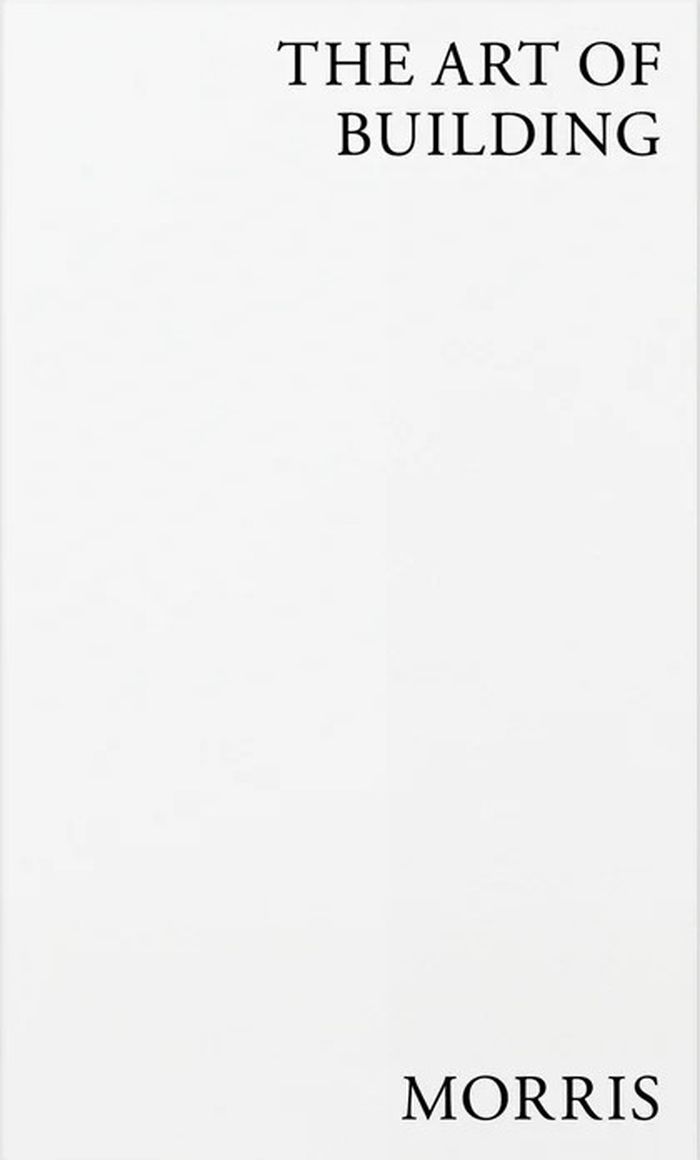
The art of building
The art of building
Actions:
Price:
$35.00
(available in store)
Summary:
‘'Simplicity of life is not a misery, but the very foundation of refinement?: a sanded floor and whitewashed walls, and the green trees?; or a grimy palace amid the smoke with a regiment of housemaids always working ; which, think you, is the most refined?’' William Morris (1834–1896) was a poet, designer and political activist. He campaigned against the human and(...)
$35.00
(available in store)
Summary:
‘'Simplicity of life is not a misery, but the very foundation of refinement?: a sanded floor and whitewashed walls, and the green trees?; or a grimy palace amid the smoke with a regiment of housemaids always working ; which, think you, is the most refined?’' William Morris (1834–1896) was a poet, designer and political activist. He campaigned against the human and(...)
Title:
The art of building
Actions:
Price:
$35.00
(available in store)
Summary:
‘'Simplicity of life is not a misery, but the very foundation of refinement?: a sanded floor and whitewashed walls, and the green trees?; or a grimy palace amid the smoke with a regiment of housemaids always working ; which, think you, is the most refined?’' William Morris (1834–1896) was a poet, designer and political activist. He campaigned against the human and environmental costs of industrial mass production and viewed the arts as central to creating a better society. In these essays, Morris develops his philosophy of simplicity, equality and care for nature in relation to architecture, displaying the integrated vision of culture which has led to Morris being viewed as a forerunner to both the Bauhaus and today’s environmental movements.
The art of building
Actions:
Price:
$35.00
(available in store)
Summary:
‘'Simplicity of life is not a misery, but the very foundation of refinement?: a sanded floor and whitewashed walls, and the green trees?; or a grimy palace amid the smoke with a regiment of housemaids always working ; which, think you, is the most refined?’' William Morris (1834–1896) was a poet, designer and political activist. He campaigned against the human and environmental costs of industrial mass production and viewed the arts as central to creating a better society. In these essays, Morris develops his philosophy of simplicity, equality and care for nature in relation to architecture, displaying the integrated vision of culture which has led to Morris being viewed as a forerunner to both the Bauhaus and today’s environmental movements.
Form:
books
books
Publication:
September 2025
September 2025
Subject:
Architectural Theory
Architectural Theory
Form:
books
books
Title:
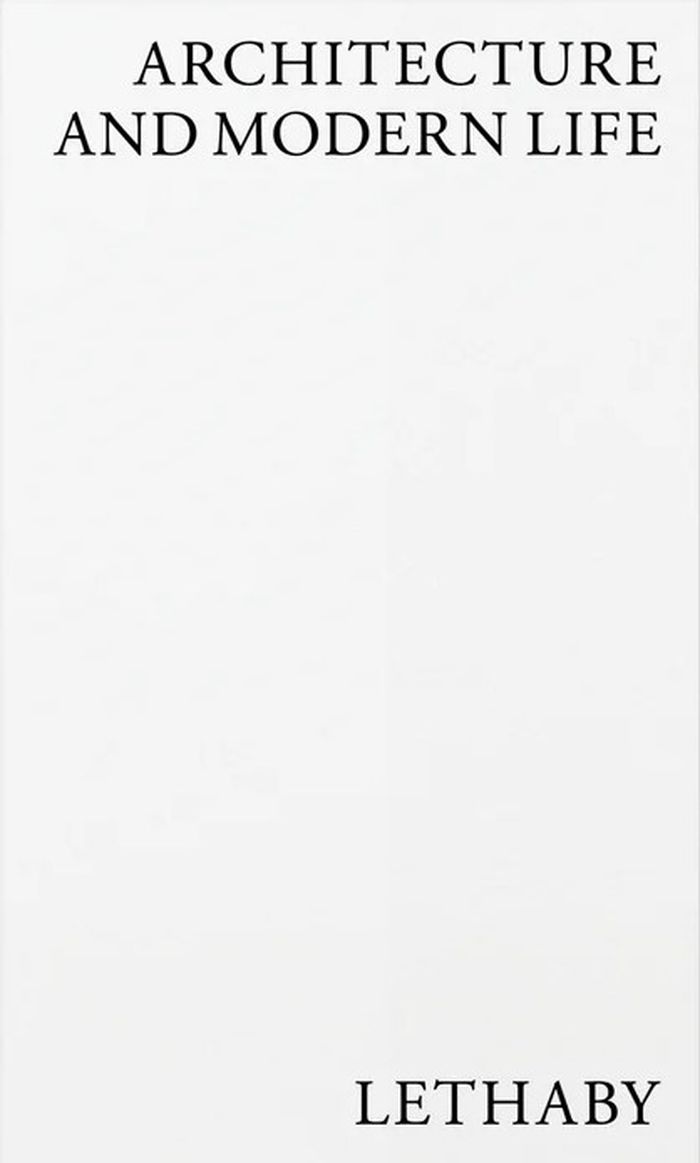
Architecture and modern life
Architecture and modern life
Actions:
Price:
$35.00
(available to order)
Summary:
''Architecture and Modern Life'' is a collection of essays by influential architect and educator W. R. Lethaby (1857–1931). In these writings, Lethaby foreshadows Le Corbusier and marks a fascinating transitional point between 19th- and 20th-century architectural thought. With radical foresight, he argues for an “efficiency style” in architecture, for towns that cultivate(...)
$35.00
(available to order)
Summary:
''Architecture and Modern Life'' is a collection of essays by influential architect and educator W. R. Lethaby (1857–1931). In these writings, Lethaby foreshadows Le Corbusier and marks a fascinating transitional point between 19th- and 20th-century architectural thought. With radical foresight, he argues for an “efficiency style” in architecture, for towns that cultivate(...)
Title:
Architecture and modern life
Actions:
Price:
$35.00
(available to order)
Summary:
''Architecture and Modern Life'' is a collection of essays by influential architect and educator W. R. Lethaby (1857–1931). In these writings, Lethaby foreshadows Le Corbusier and marks a fascinating transitional point between 19th- and 20th-century architectural thought. With radical foresight, he argues for an “efficiency style” in architecture, for towns that cultivate vitality, and against the science of “profit grinding and grabbing.” Often eerily prescient, phrases such as “there is a culture war going forward” and “There is much talk of Housing at the present time, but it is a case of much talk and little house” could be taken from today’s newspapers. The profound importance of these texts lies in Lethaby’s vision of art and design grounded not in style-novelty or aesthetic theory (“the mystification of architecture”) but in “some reality like health, serviceableness, or even perfect cheapness.”
Architecture and modern life
Actions:
Price:
$35.00
(available to order)
Summary:
''Architecture and Modern Life'' is a collection of essays by influential architect and educator W. R. Lethaby (1857–1931). In these writings, Lethaby foreshadows Le Corbusier and marks a fascinating transitional point between 19th- and 20th-century architectural thought. With radical foresight, he argues for an “efficiency style” in architecture, for towns that cultivate vitality, and against the science of “profit grinding and grabbing.” Often eerily prescient, phrases such as “there is a culture war going forward” and “There is much talk of Housing at the present time, but it is a case of much talk and little house” could be taken from today’s newspapers. The profound importance of these texts lies in Lethaby’s vision of art and design grounded not in style-novelty or aesthetic theory (“the mystification of architecture”) but in “some reality like health, serviceableness, or even perfect cheapness.”
Form:
books
books
Publication:
September 2025
September 2025
Subject:
Architectural Theory
Architectural Theory
Form:
books
books
Actions:
Price:
$65.00
(available to order)
Summary:
In ‘'Thinking Space'’, architect and educator Leon van Schaik explores how books, and book collecting, have framed his lifelong research into spatial intelligence – the ways in which our past experiences in physical space shape our mental space, which in turn informs how we act in the world. Journeying through the history of the author’s own library, the book reveals some(...)
$65.00
(available to order)
Summary:
In ‘'Thinking Space'’, architect and educator Leon van Schaik explores how books, and book collecting, have framed his lifelong research into spatial intelligence – the ways in which our past experiences in physical space shape our mental space, which in turn informs how we act in the world. Journeying through the history of the author’s own library, the book reveals some(...)
Title:
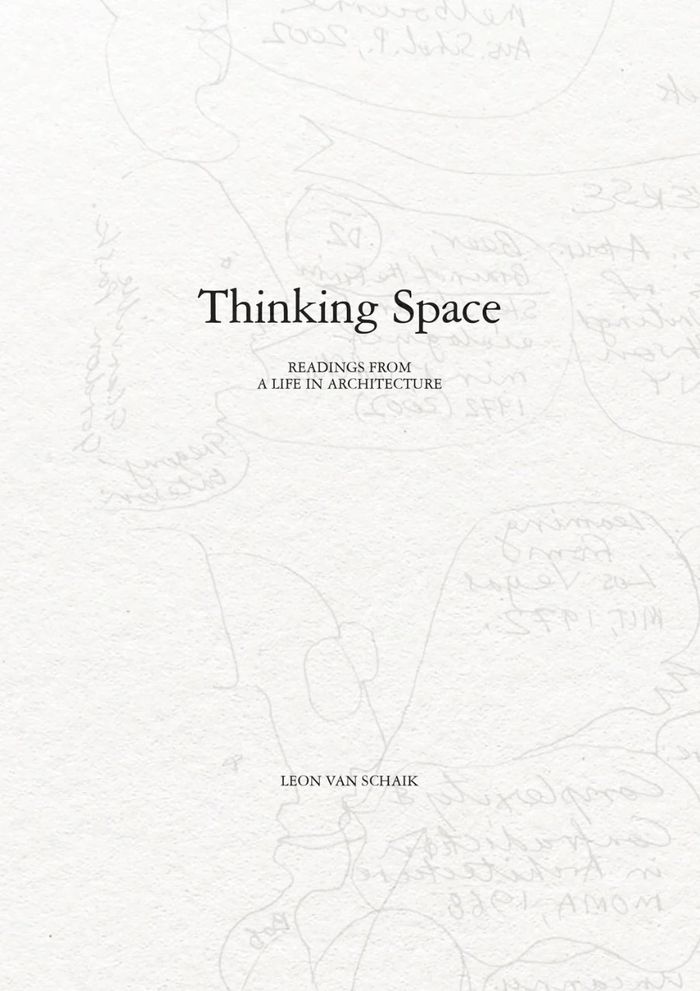
Thinking space: readings from a life in architecture
Actions:
Price:
$65.00
(available to order)
Summary:
In ‘'Thinking Space'’, architect and educator Leon van Schaik explores how books, and book collecting, have framed his lifelong research into spatial intelligence – the ways in which our past experiences in physical space shape our mental space, which in turn informs how we act in the world. Journeying through the history of the author’s own library, the book reveals some of his most prized texts, the often deeply personal relationships they represent, and their influence on him as conceptual touchstones. In this extended reflection, Van Schaik essentially offers a celebration of the art, poetry, and philosophy of inhabitation – and its power to change our understanding of the world.
Thinking space: readings from a life in architecture
Actions:
Price:
$65.00
(available to order)
Summary:
In ‘'Thinking Space'’, architect and educator Leon van Schaik explores how books, and book collecting, have framed his lifelong research into spatial intelligence – the ways in which our past experiences in physical space shape our mental space, which in turn informs how we act in the world. Journeying through the history of the author’s own library, the book reveals some of his most prized texts, the often deeply personal relationships they represent, and their influence on him as conceptual touchstones. In this extended reflection, Van Schaik essentially offers a celebration of the art, poetry, and philosophy of inhabitation – and its power to change our understanding of the world.
Form:
books
books
Publication:
September 2025
September 2025
Subject:
Architectural Theory
Architectural Theory
Form:
books
books
Actions:
Price:
$72.00
(available in store)
Summary:
When Ise Gropius (1897–1983) embarked on a three-month trip to Japan with her husband, architect Walter Gropius, in 1954, she proved to be a gifted chronicler. In detailed reports – her only known cohesive writings from the post-war period – she vividly describes the country and its people. With keen wit and understanding, she comments on everything from discussions about(...)
$72.00
(available in store)
Summary:
When Ise Gropius (1897–1983) embarked on a three-month trip to Japan with her husband, architect Walter Gropius, in 1954, she proved to be a gifted chronicler. In detailed reports – her only known cohesive writings from the post-war period – she vividly describes the country and its people. With keen wit and understanding, she comments on everything from discussions about(...)
Title:
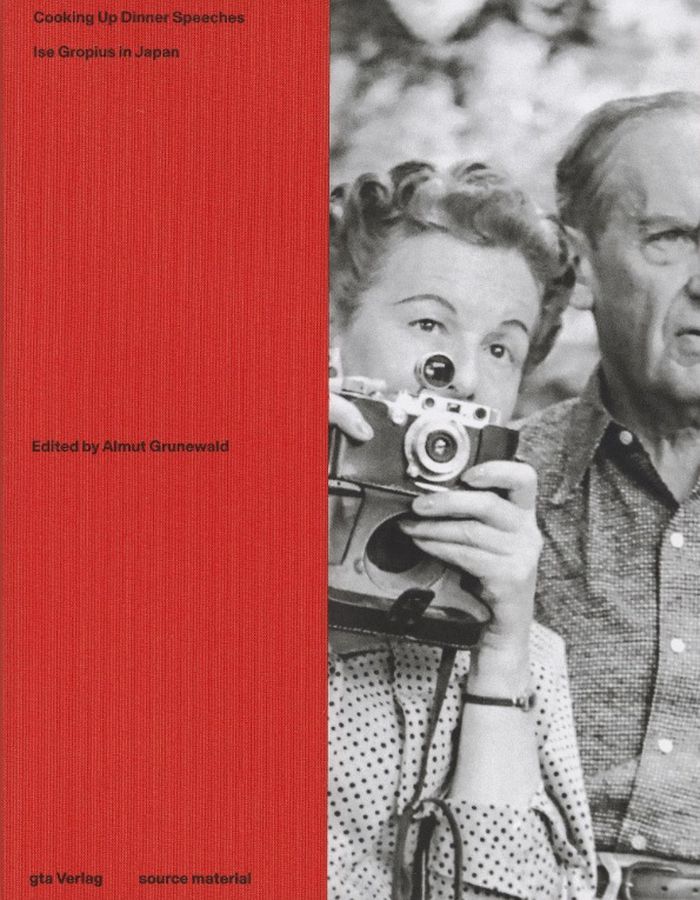
Cooking up dinner speeches: Ise Gropius in Japan
Actions:
Price:
$72.00
(available in store)
Summary:
When Ise Gropius (1897–1983) embarked on a three-month trip to Japan with her husband, architect Walter Gropius, in 1954, she proved to be a gifted chronicler. In detailed reports – her only known cohesive writings from the post-war period – she vividly describes the country and its people. With keen wit and understanding, she comments on everything from discussions about reconstruction, lectures, and the Bauhaus exhibition in Tokyo, to evening parties, the role of Japanese women, Zen Buddhism, and the local cuisine. Extensively annotated by art historian and editor Almut Grunewald, this volume publishes Ise’s travelogues in facsimile for the first time.
Cooking up dinner speeches: Ise Gropius in Japan
Actions:
Price:
$72.00
(available in store)
Summary:
When Ise Gropius (1897–1983) embarked on a three-month trip to Japan with her husband, architect Walter Gropius, in 1954, she proved to be a gifted chronicler. In detailed reports – her only known cohesive writings from the post-war period – she vividly describes the country and its people. With keen wit and understanding, she comments on everything from discussions about reconstruction, lectures, and the Bauhaus exhibition in Tokyo, to evening parties, the role of Japanese women, Zen Buddhism, and the local cuisine. Extensively annotated by art historian and editor Almut Grunewald, this volume publishes Ise’s travelogues in facsimile for the first time.
Form:
books
books
Publication:
September 2025
September 2025
Subject:
Architectural Theory
Architectural Theory
Form:
books
books
Actions:
Price:
$42.00
(available to order)
Summary:
By the end of the twentieth century, US architecture and engineering firms held more capital than entire countries, employed more people than were housed in most cities, and rented offices in more nations than comprised the UN. Within them, architects were designing not single buildings but urban systems, including the multinational infrastructures, legal codes, and(...)
$42.00
(available to order)
Summary:
By the end of the twentieth century, US architecture and engineering firms held more capital than entire countries, employed more people than were housed in most cities, and rented offices in more nations than comprised the UN. Within them, architects were designing not single buildings but urban systems, including the multinational infrastructures, legal codes, and(...)
Title:
Incoporating architects: How American architecture became a practice of empire
Actions:
Price:
$42.00
(available to order)
Summary:
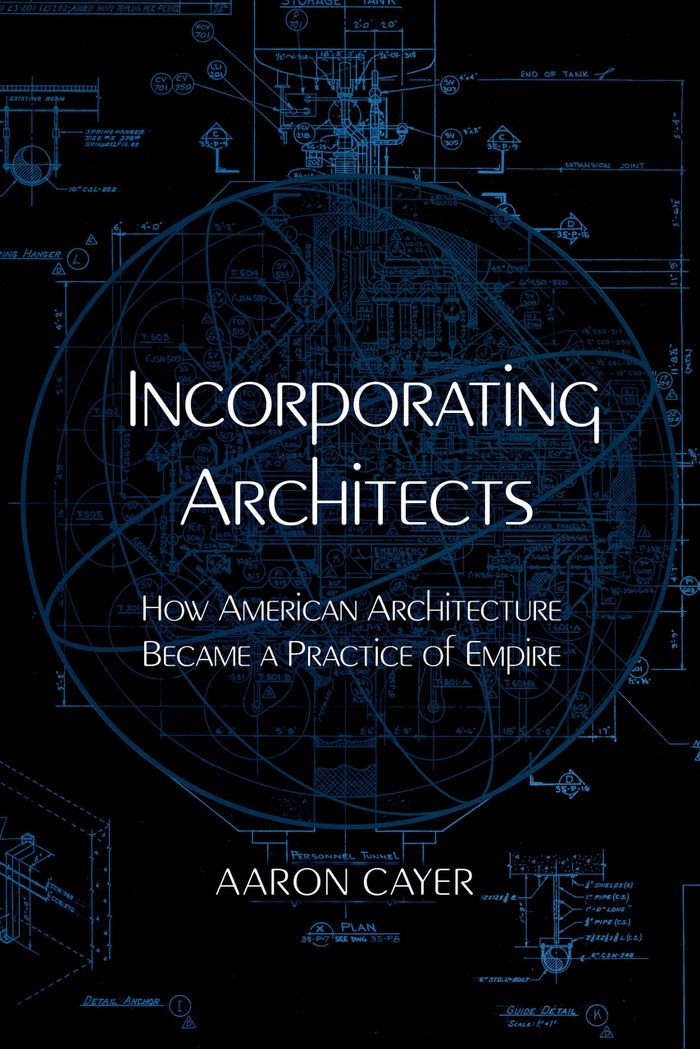
By the end of the twentieth century, US architecture and engineering firms held more capital than entire countries, employed more people than were housed in most cities, and rented offices in more nations than comprised the UN. Within them, architects were designing not single buildings but urban systems, including the multinational infrastructures, legal codes, and financial mechanisms on which those systems came to depend. However, despite the extraordinary power of these architects, their histories remain shrouded in myth and concealed—by design. This forensic analysis traces a history of architects at one such firm, AECOM, as they assembled their own multinational corporation and embedded themselves in the operations of American empire after World War II, shielding themselves from the instabilities of a postwar political economy. ''Incorporating Architects'' reveals how architects, through their businesses more than their drawings or buildings, modulated the political economy, gripped the reins of their profession, and produced the global injustices that define our neoliberal present.
Incoporating architects: How American architecture became a practice of empire
Actions:
Price:
$42.00
(available to order)
Summary:
By the end of the twentieth century, US architecture and engineering firms held more capital than entire countries, employed more people than were housed in most cities, and rented offices in more nations than comprised the UN. Within them, architects were designing not single buildings but urban systems, including the multinational infrastructures, legal codes, and financial mechanisms on which those systems came to depend. However, despite the extraordinary power of these architects, their histories remain shrouded in myth and concealed—by design. This forensic analysis traces a history of architects at one such firm, AECOM, as they assembled their own multinational corporation and embedded themselves in the operations of American empire after World War II, shielding themselves from the instabilities of a postwar political economy. ''Incorporating Architects'' reveals how architects, through their businesses more than their drawings or buildings, modulated the political economy, gripped the reins of their profession, and produced the global injustices that define our neoliberal present.
Form:
books
books
Publication:
June 2025
June 2025
Subject:
Architectural Theory
Architectural Theory
Form:
books
books
Actions:
Price:
$58.95
(available to order)
Summary:
''Reconnecting Cities, People, and Nature'' is a call to action for urban designers to deeply engage with the living fabric of the city. By working together with humans, non-humans, and allied disciplines, designers can spark a transformation that reshapes cities into thriving, sustainable social and natural ecosystems. Twenty thought-provoking design exercises explore(...)
$58.95
(available to order)
Summary:
''Reconnecting Cities, People, and Nature'' is a call to action for urban designers to deeply engage with the living fabric of the city. By working together with humans, non-humans, and allied disciplines, designers can spark a transformation that reshapes cities into thriving, sustainable social and natural ecosystems. Twenty thought-provoking design exercises explore(...)
Title:
Reconnecting cities, people, and nature
Actions:
Price:
$58.95
(available to order)
Summary:
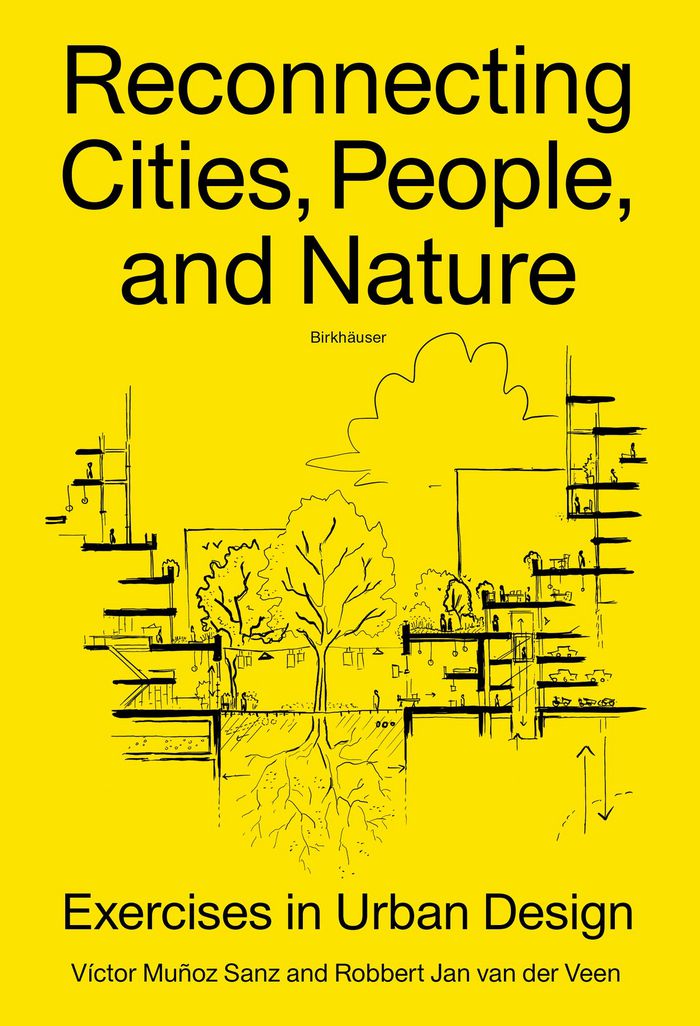
''Reconnecting Cities, People, and Nature'' is a call to action for urban designers to deeply engage with the living fabric of the city. By working together with humans, non-humans, and allied disciplines, designers can spark a transformation that reshapes cities into thriving, sustainable social and natural ecosystems. Twenty thought-provoking design exercises explore what the city as a complex biotope could be like, inspiring action and creating change.
Reconnecting cities, people, and nature
Actions:
Price:
$58.95
(available to order)
Summary:
''Reconnecting Cities, People, and Nature'' is a call to action for urban designers to deeply engage with the living fabric of the city. By working together with humans, non-humans, and allied disciplines, designers can spark a transformation that reshapes cities into thriving, sustainable social and natural ecosystems. Twenty thought-provoking design exercises explore what the city as a complex biotope could be like, inspiring action and creating change.
Form:
books
books
Publication:
September 2025
September 2025
Subject:
Urban Theory
Urban Theory


