


123 Results
Form:
books
books
Title:
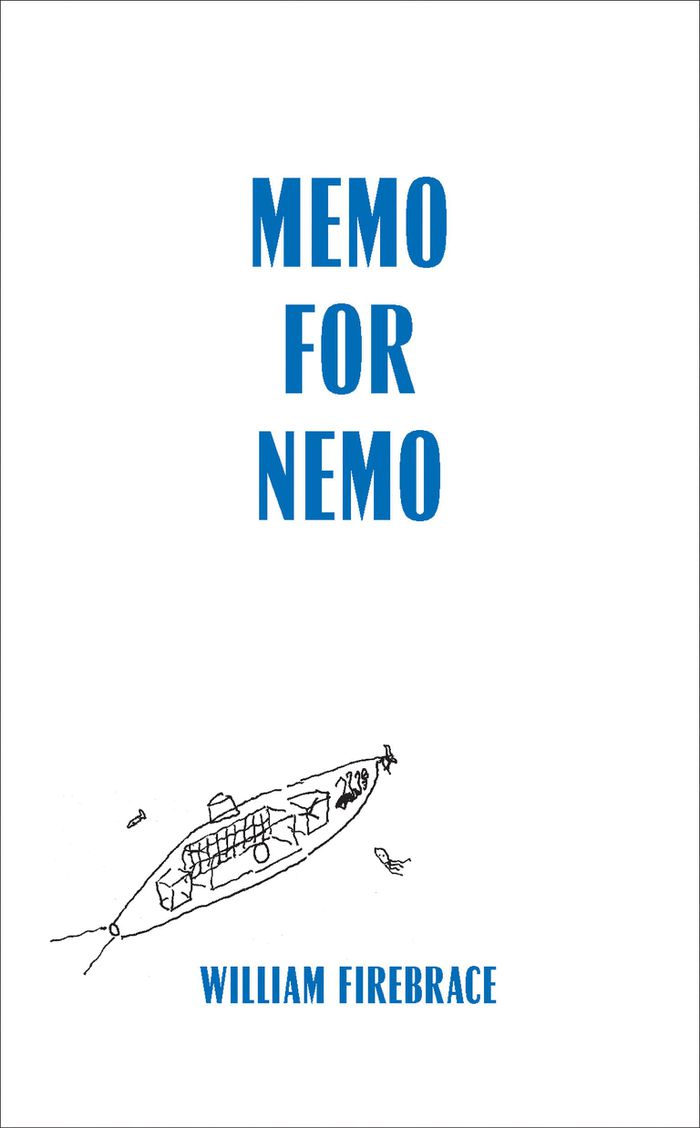
Memo for Nemo
Memo for Nemo
Actions:
Price:
$39.95
(available to order)
Summary:
In this book, William Firebrace investigates human inhabitation of the undersea, both fictional and real. Beginning with Jules Verne's Captain Nemo—an undersea Renaissance man with a library of 12,000 volumes on his submarine—and proceeding through aquariums, undersea photography, artificial seas on land, nuclear-powered submarines, undersea film epics, giant squid, and(...)
$39.95
(available to order)
Summary:
In this book, William Firebrace investigates human inhabitation of the undersea, both fictional and real. Beginning with Jules Verne's Captain Nemo—an undersea Renaissance man with a library of 12,000 volumes on his submarine—and proceeding through aquariums, undersea photography, artificial seas on land, nuclear-powered submarines, undersea film epics, giant squid, and(...)
Title:
Memo for Nemo
Actions:
Price:
$39.95
(available to order)
Summary:
In this book, William Firebrace investigates human inhabitation of the undersea, both fictional and real. Beginning with Jules Verne's Captain Nemo—an undersea Renaissance man with a library of 12,000 volumes on his submarine—and proceeding through aquariums, undersea photography, artificial seas on land, nuclear-powered submarines, undersea film epics, giant squid, and NASA satellites, Firebrace examines the undersea as a zone created by exploration and invention. Throughout, the history of undersea life is accompanied by an imagined undersea, envisioned by cultural figures ranging from Verne and Herman Melville to Orson Welles and Jimi Hendrix.
Memo for Nemo
Actions:
Price:
$39.95
(available to order)
Summary:
In this book, William Firebrace investigates human inhabitation of the undersea, both fictional and real. Beginning with Jules Verne's Captain Nemo—an undersea Renaissance man with a library of 12,000 volumes on his submarine—and proceeding through aquariums, undersea photography, artificial seas on land, nuclear-powered submarines, undersea film epics, giant squid, and NASA satellites, Firebrace examines the undersea as a zone created by exploration and invention. Throughout, the history of undersea life is accompanied by an imagined undersea, envisioned by cultural figures ranging from Verne and Herman Melville to Orson Welles and Jimi Hendrix.
Form:
books
books
Publication:
October 2022
October 2022
Subject:
Journeys
Journeys
Form:
books
books
Actions:
Price:
$33.95
(available to order)
Summary:
From the ruins of Palmyra in the Syrian desert to the ghost town of Bodie, the painted churches of Sucevita in Romania, and a fire festival in a Japanese village, Michael Webb has ventured far afield in search of the rare and beautiful. He recalls memorable experiences of people and places over eight decades of travel around the world, and some of the buildings and(...)
$33.95
(available to order)
Summary:
From the ruins of Palmyra in the Syrian desert to the ghost town of Bodie, the painted churches of Sucevita in Romania, and a fire festival in a Japanese village, Michael Webb has ventured far afield in search of the rare and beautiful. He recalls memorable experiences of people and places over eight decades of travel around the world, and some of the buildings and(...)
Title:
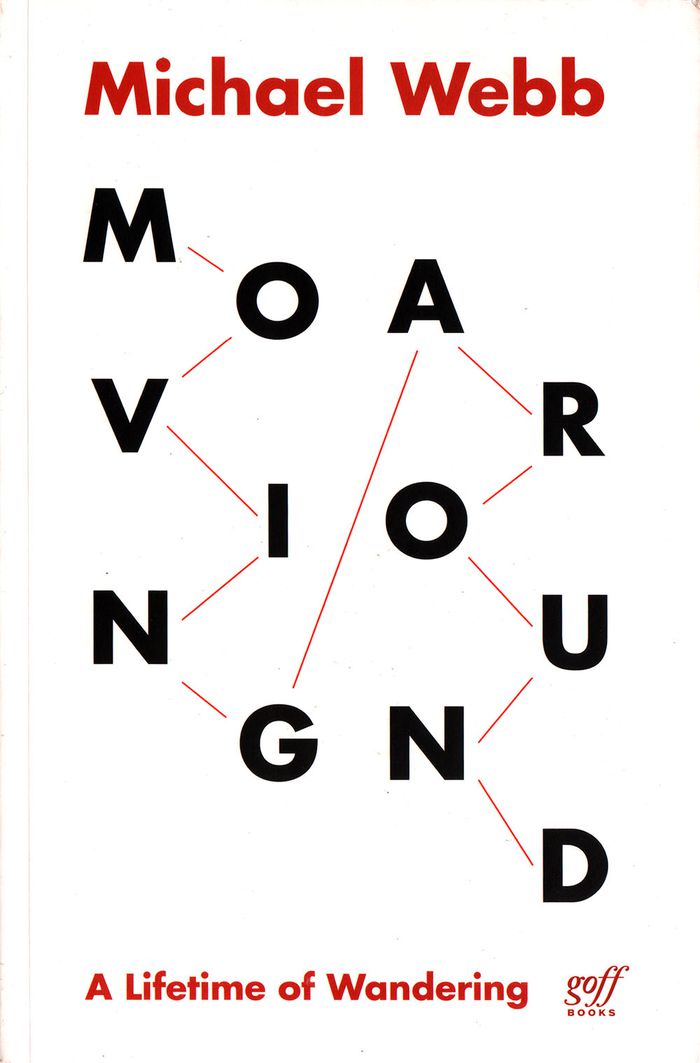
Moving around: a lifetime of wandering
Actions:
Price:
$33.95
(available to order)
Summary:
From the ruins of Palmyra in the Syrian desert to the ghost town of Bodie, the painted churches of Sucevita in Romania, and a fire festival in a Japanese village, Michael Webb has ventured far afield in search of the rare and beautiful. He recalls memorable experiences of people and places over eight decades of travel around the world, and some of the buildings and landscapes that have left a lasting impression. It's getting harder to find places that have not been commercialized and overwhelmed by mass tourism, but they can still be found, even in the most popular destinations. Webb's recommendations should inspire you to get off the beaten track and make your own discoveries.
Moving around: a lifetime of wandering
Actions:
Price:
$33.95
(available to order)
Summary:
From the ruins of Palmyra in the Syrian desert to the ghost town of Bodie, the painted churches of Sucevita in Romania, and a fire festival in a Japanese village, Michael Webb has ventured far afield in search of the rare and beautiful. He recalls memorable experiences of people and places over eight decades of travel around the world, and some of the buildings and landscapes that have left a lasting impression. It's getting harder to find places that have not been commercialized and overwhelmed by mass tourism, but they can still be found, even in the most popular destinations. Webb's recommendations should inspire you to get off the beaten track and make your own discoveries.
Form:
books
books
Publication:
September 2018
September 2018
Subject:
Journeys
Journeys
Form:
books
books
Title:
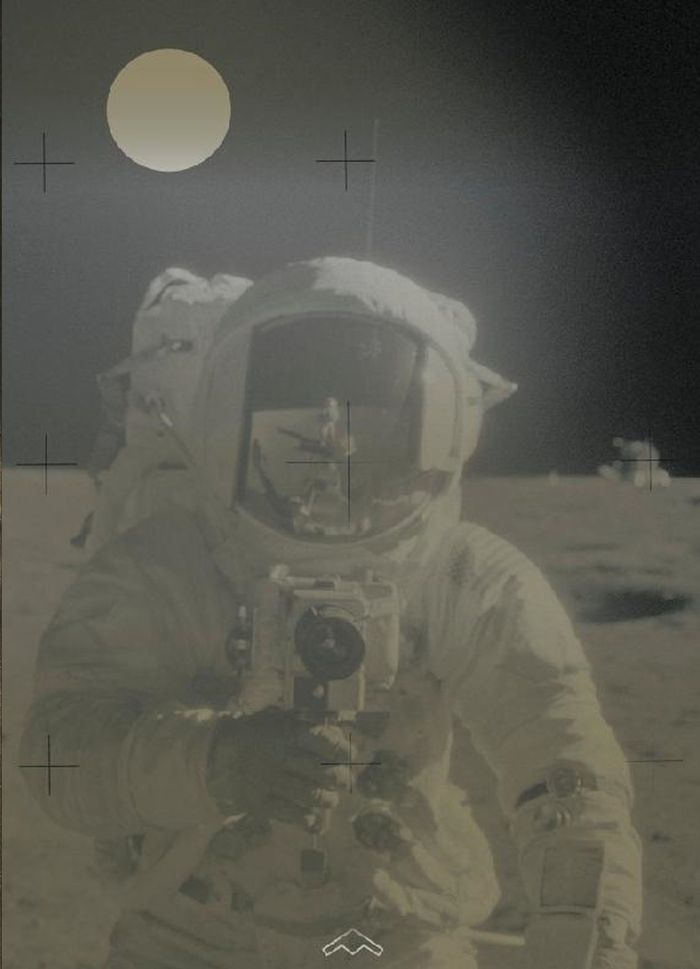
La mer de l'intranquilité
La mer de l'intranquilité
Actions:
Price:
$85.00
(available to order)
Summary:
''La Mer de l'Intranquillité'' retrace la saga des treize dernières missions Apollo – moins de cent jours de vol cumulés qui changèrent la face du monde. Puisant auprès des 33 000 prises de vue de la NASA (la mission photographique la plus chère au monde), ce timelapse de quelques milliers d'heures et de près de 3 000 vues invite ici à la face cachée d'infinis voyages(...)
$85.00
(available to order)
Summary:
''La Mer de l'Intranquillité'' retrace la saga des treize dernières missions Apollo – moins de cent jours de vol cumulés qui changèrent la face du monde. Puisant auprès des 33 000 prises de vue de la NASA (la mission photographique la plus chère au monde), ce timelapse de quelques milliers d'heures et de près de 3 000 vues invite ici à la face cachée d'infinis voyages(...)
Title:
La mer de l'intranquilité
Actions:
Price:
$85.00
(available to order)
Summary:
''La Mer de l'Intranquillité'' retrace la saga des treize dernières missions Apollo – moins de cent jours de vol cumulés qui changèrent la face du monde. Puisant auprès des 33 000 prises de vue de la NASA (la mission photographique la plus chère au monde), ce timelapse de quelques milliers d'heures et de près de 3 000 vues invite ici à la face cachée d'infinis voyages intérieurs : dans l'effrayant silence du cosmos ou dans les plaines désertes du sol lunaire, dans la tête et les pulsations cardiaques de ces marcheurs perdus dans l'espace, mais aussi, pour les Terriens que nous sommes, dans l'expérience d'un indicible déloignement existentiel...
La mer de l'intranquilité
Actions:
Price:
$85.00
(available to order)
Summary:
''La Mer de l'Intranquillité'' retrace la saga des treize dernières missions Apollo – moins de cent jours de vol cumulés qui changèrent la face du monde. Puisant auprès des 33 000 prises de vue de la NASA (la mission photographique la plus chère au monde), ce timelapse de quelques milliers d'heures et de près de 3 000 vues invite ici à la face cachée d'infinis voyages intérieurs : dans l'effrayant silence du cosmos ou dans les plaines désertes du sol lunaire, dans la tête et les pulsations cardiaques de ces marcheurs perdus dans l'espace, mais aussi, pour les Terriens que nous sommes, dans l'expérience d'un indicible déloignement existentiel...
Form:
books
books
Publication:
April 2019
April 2019
Subject:
Journeys
Journeys
Form:
books
books
Price:
$43.95
(available to order)
Summary:
De New York à Paris, de Tokyo à Londres en passant par Venise, l'auteure dresse le portrait de la flâneuse, une femme déterminée en phase avec le potentiel créatif de la ville dans laquelle elle déambule, à l'image de la réalisatrice Agnès Varda, la correspondante de guerre Martha Gellhorn ou les romancières George Sand et Virginia Woolf.
$43.95
(available to order)
Summary:
De New York à Paris, de Tokyo à Londres en passant par Venise, l'auteure dresse le portrait de la flâneuse, une femme déterminée en phase avec le potentiel créatif de la ville dans laquelle elle déambule, à l'image de la réalisatrice Agnès Varda, la correspondante de guerre Martha Gellhorn ou les romancières George Sand et Virginia Woolf.
Title:
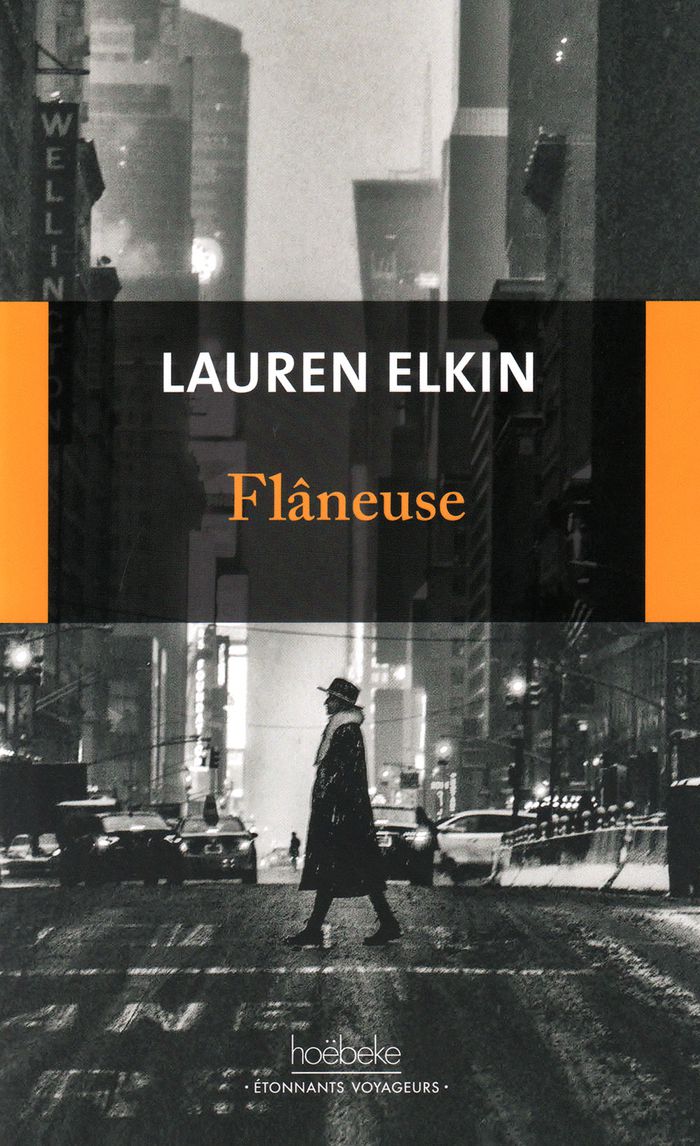
Flâneuse
Actions:
Price:
$43.95
(available to order)
Summary:
De New York à Paris, de Tokyo à Londres en passant par Venise, l'auteure dresse le portrait de la flâneuse, une femme déterminée en phase avec le potentiel créatif de la ville dans laquelle elle déambule, à l'image de la réalisatrice Agnès Varda, la correspondante de guerre Martha Gellhorn ou les romancières George Sand et Virginia Woolf.
Flâneuse
Actions:
Price:
$43.95
(available to order)
Summary:
De New York à Paris, de Tokyo à Londres en passant par Venise, l'auteure dresse le portrait de la flâneuse, une femme déterminée en phase avec le potentiel créatif de la ville dans laquelle elle déambule, à l'image de la réalisatrice Agnès Varda, la correspondante de guerre Martha Gellhorn ou les romancières George Sand et Virginia Woolf.
Form:
books
books
Publication:
May 2019
May 2019
Subject:
Journeys
Journeys
Form:
books
books
Actions:
Price:
$38.95
(available in store)
Summary:
This work of literary nonfiction is a deep dive into our surroundings- cities, countryside, and sprawl- exploring change in the meaning of place and reimagining the world in a time of transition. Whether it be climate change altering the meaning of nature, or digital communications altering the nature of work, the effects of global enclosure on the meaning of place are(...)
$38.95
(available in store)
Summary:
This work of literary nonfiction is a deep dive into our surroundings- cities, countryside, and sprawl- exploring change in the meaning of place and reimagining the world in a time of transition. Whether it be climate change altering the meaning of nature, or digital communications altering the nature of work, the effects of global enclosure on the meaning of place are(...)
Title:
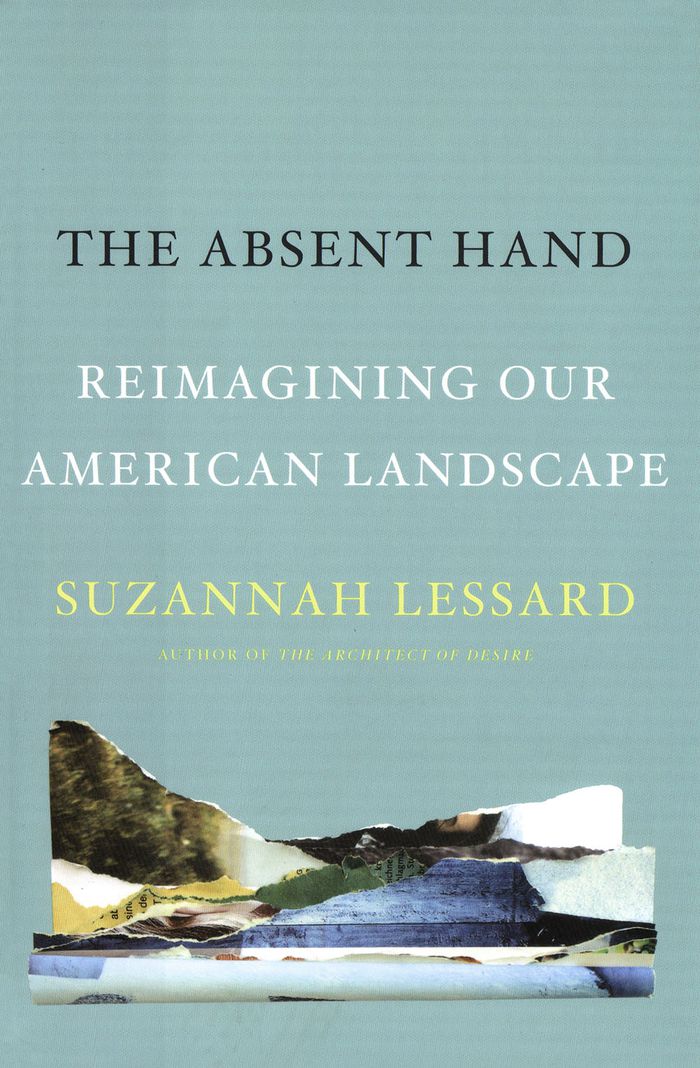
The absent hand: reimagining our American landscape
Actions:
Price:
$38.95
(available in store)
Summary:
This work of literary nonfiction is a deep dive into our surroundings- cities, countryside, and sprawl- exploring change in the meaning of place and reimagining the world in a time of transition. Whether it be climate change altering the meaning of nature, or digital communications altering the nature of work, the effects of global enclosure on the meaning of place are panoramic, infiltrative, inescapable. In this exploration of our surroundings, ''The Absent Hand'' contends that to reimagine landscape is a form of cultural reinvention.
The absent hand: reimagining our American landscape
Actions:
Price:
$38.95
(available in store)
Summary:
This work of literary nonfiction is a deep dive into our surroundings- cities, countryside, and sprawl- exploring change in the meaning of place and reimagining the world in a time of transition. Whether it be climate change altering the meaning of nature, or digital communications altering the nature of work, the effects of global enclosure on the meaning of place are panoramic, infiltrative, inescapable. In this exploration of our surroundings, ''The Absent Hand'' contends that to reimagine landscape is a form of cultural reinvention.
Form:
books
books
Publication:
March 2019
March 2019
Subject:
Journeys
Journeys
Form:
books
books
Title:
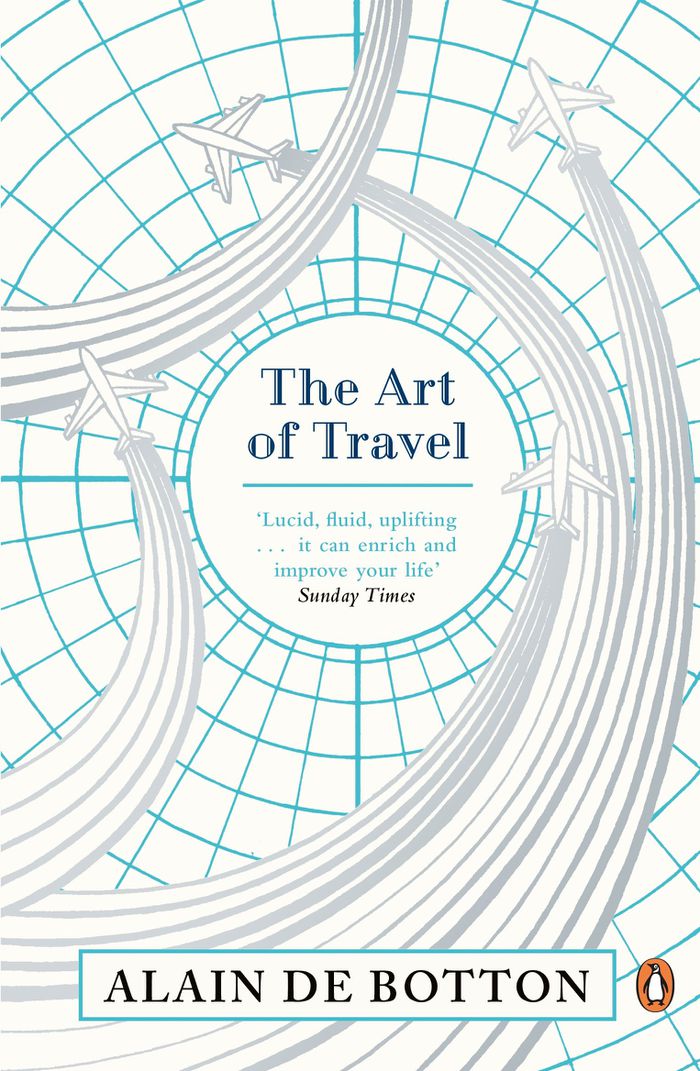
The art of travel
The art of travel
Actions:
Price:
$22.99
(available to order)
Summary:
Few activities seem to promise as much happiness as going travelling: taking off for somewhere else, somewhere far from home, a place with more interesting weather, customs and landscapes. But although we are inundated with advice on where to travel to, we seldom ask why we go and how we might become more fulfilled by doing so. With the help of a selection of writers,(...)
$22.99
(available to order)
Summary:
Few activities seem to promise as much happiness as going travelling: taking off for somewhere else, somewhere far from home, a place with more interesting weather, customs and landscapes. But although we are inundated with advice on where to travel to, we seldom ask why we go and how we might become more fulfilled by doing so. With the help of a selection of writers,(...)
Title:
The art of travel
Actions:
Price:
$22.99
(available to order)
Summary:
Few activities seem to promise as much happiness as going travelling: taking off for somewhere else, somewhere far from home, a place with more interesting weather, customs and landscapes. But although we are inundated with advice on where to travel to, we seldom ask why we go and how we might become more fulfilled by doing so. With the help of a selection of writers, artists and thinkers, Alain de Botton provides invaluable insights into everything from holiday romance to hotel minibars, airports to sightseeing. The perfect antidote to those guides that tell us what to do when we get there, this book tries to explain why we really went in the first place - and helpfully suggest how we might be happier on our journeys.
The art of travel
Actions:
Price:
$22.99
(available to order)
Summary:
Few activities seem to promise as much happiness as going travelling: taking off for somewhere else, somewhere far from home, a place with more interesting weather, customs and landscapes. But although we are inundated with advice on where to travel to, we seldom ask why we go and how we might become more fulfilled by doing so. With the help of a selection of writers, artists and thinkers, Alain de Botton provides invaluable insights into everything from holiday romance to hotel minibars, airports to sightseeing. The perfect antidote to those guides that tell us what to do when we get there, this book tries to explain why we really went in the first place - and helpfully suggest how we might be happier on our journeys.
Form:
books
books
Publication:
June 2014
June 2014
Subject:
Journeys
Journeys
Form:
books
books
Actions:
Price:
$24.00
(available to order)
Summary:
These essays, from one of Germany's greatest and most influential thinkers Georg Simmel, are readable portraits of three Italian cities: Rome, Venice and Florence. Simmel saw the city as a work of art in itself, and taken together these pieces act as a powerful suite expounding that notion. A seminal work of psycho-geography, this collection has never been published(...)
$24.00
(available to order)
Summary:
These essays, from one of Germany's greatest and most influential thinkers Georg Simmel, are readable portraits of three Italian cities: Rome, Venice and Florence. Simmel saw the city as a work of art in itself, and taken together these pieces act as a powerful suite expounding that notion. A seminal work of psycho-geography, this collection has never been published(...)
Title:
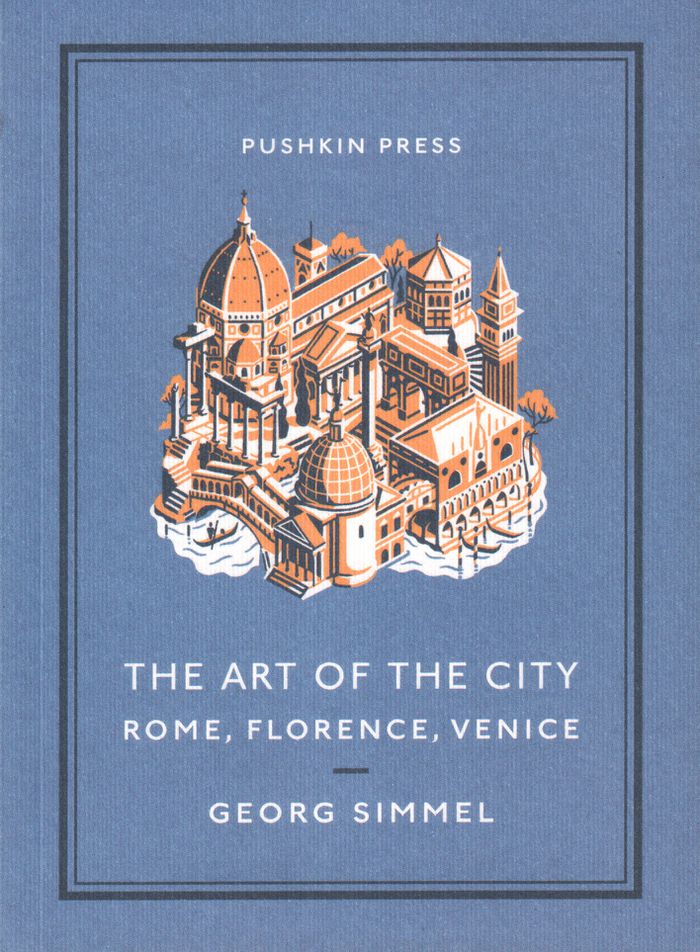
The art of the city: Rome, Florence, Venice
Actions:
Price:
$24.00
(available to order)
Summary:
These essays, from one of Germany's greatest and most influential thinkers Georg Simmel, are readable portraits of three Italian cities: Rome, Venice and Florence. Simmel saw the city as a work of art in itself, and taken together these pieces act as a powerful suite expounding that notion. A seminal work of psycho-geography, this collection has never been published together in English before.
The art of the city: Rome, Florence, Venice
Actions:
Price:
$24.00
(available to order)
Summary:
These essays, from one of Germany's greatest and most influential thinkers Georg Simmel, are readable portraits of three Italian cities: Rome, Venice and Florence. Simmel saw the city as a work of art in itself, and taken together these pieces act as a powerful suite expounding that notion. A seminal work of psycho-geography, this collection has never been published together in English before.
Form:
books
books
Publication:
September 2018
September 2018
Subject:
Journeys
Journeys
Form:
books
books
Price:
$22.95
(available to order)
Summary:
For the insatiably curious and ardent Europhile Stefan Zweig, travel was both a necessary cultural education and a personal balm for the depression he experienced when rooted in one place for too long. He spent much of his life weaving between the countries of Europe, visiting authors and friends, exploring the continent in the heyday of international rail(...)
$22.95
(available to order)
Summary:
For the insatiably curious and ardent Europhile Stefan Zweig, travel was both a necessary cultural education and a personal balm for the depression he experienced when rooted in one place for too long. He spent much of his life weaving between the countries of Europe, visiting authors and friends, exploring the continent in the heyday of international rail(...)
Title:
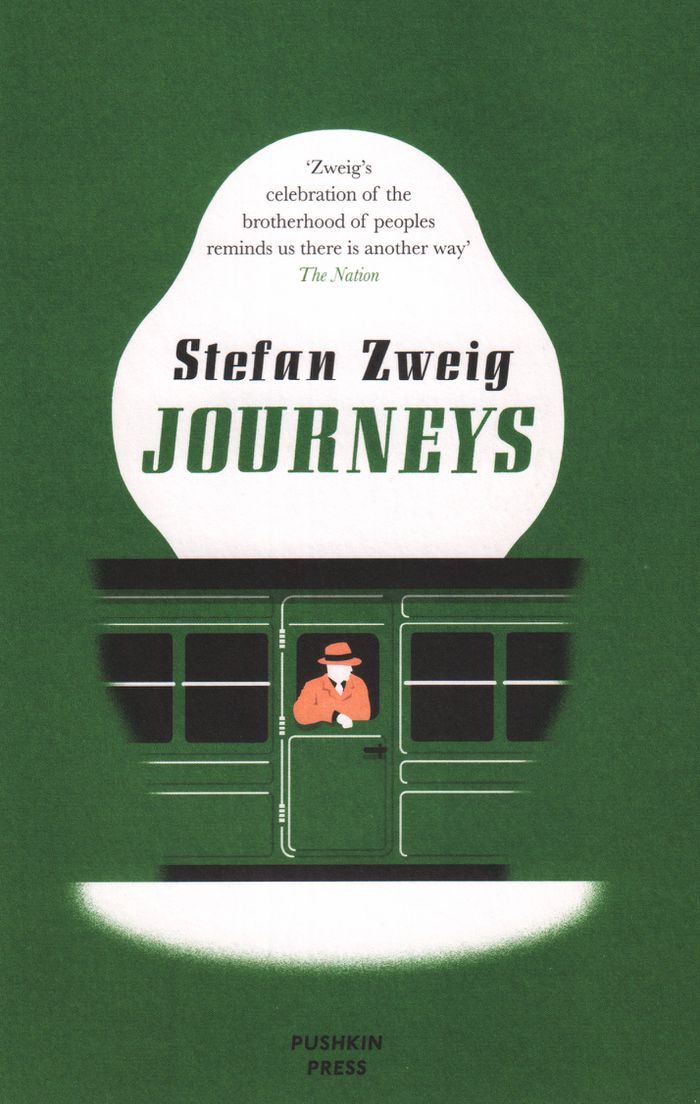
Journeys
Actions:
Price:
$22.95
(available to order)
Summary:
For the insatiably curious and ardent Europhile Stefan Zweig, travel was both a necessary cultural education and a personal balm for the depression he experienced when rooted in one place for too long. He spent much of his life weaving between the countries of Europe, visiting authors and friends, exploring the continent in the heyday of international rail travel. Comprising a lifetime’s observations on Zweig’s travels in Europe, this collection can be dipped into or savoured at length, and paints a rich and sensitive picture of Europe before the Second World War.
Journeys
Actions:
Price:
$22.95
(available to order)
Summary:
For the insatiably curious and ardent Europhile Stefan Zweig, travel was both a necessary cultural education and a personal balm for the depression he experienced when rooted in one place for too long. He spent much of his life weaving between the countries of Europe, visiting authors and friends, exploring the continent in the heyday of international rail travel. Comprising a lifetime’s observations on Zweig’s travels in Europe, this collection can be dipped into or savoured at length, and paints a rich and sensitive picture of Europe before the Second World War.
Form:
books
books
Publication:
March 2019
March 2019
Subject:
Journeys
Journeys
Form:
books
books
Actions:
Price:
$20.00
(available in store)
Summary:
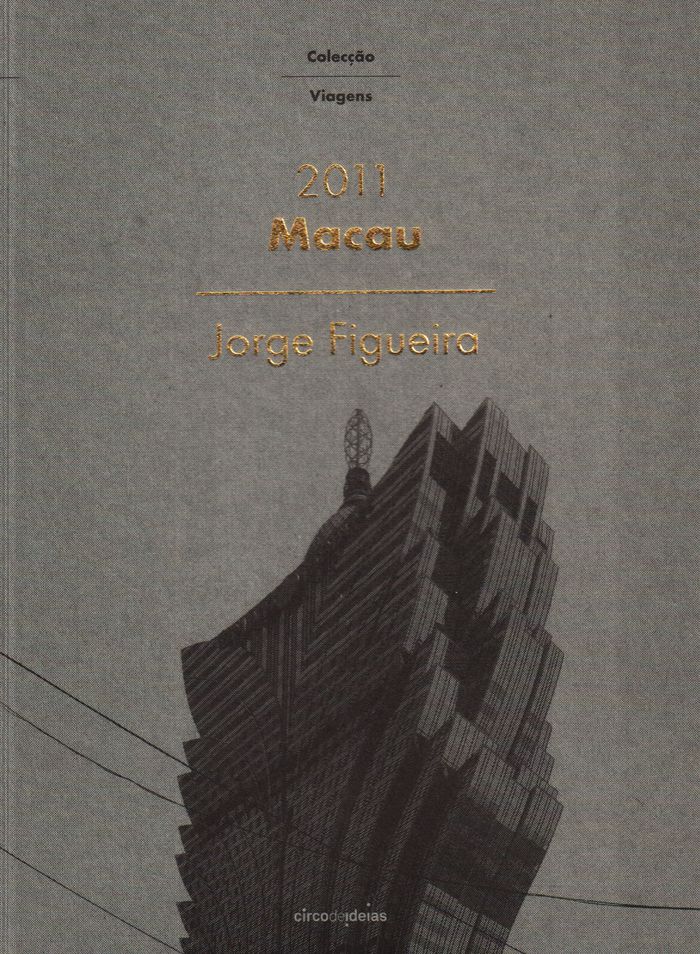
The aim of this collection is to construct a map of emotions from unique journeys undertaken by recognised personalities from the architectural culture. A tour around the various continents, but also the universe of its authors.
$20.00
(available in store)
Summary:
The aim of this collection is to construct a map of emotions from unique journeys undertaken by recognised personalities from the architectural culture. A tour around the various continents, but also the universe of its authors.
Title:
Macau, 2011. Viagens / Journeys
Actions:
Price:
$20.00
(available in store)
Summary:
The aim of this collection is to construct a map of emotions from unique journeys undertaken by recognised personalities from the architectural culture. A tour around the various continents, but also the universe of its authors.
Macau, 2011. Viagens / Journeys
Actions:
Price:
$20.00
(available in store)
Summary:
The aim of this collection is to construct a map of emotions from unique journeys undertaken by recognised personalities from the architectural culture. A tour around the various continents, but also the universe of its authors.
Form:
books
books
Publication:
June 2011
June 2011
Subject:
Journeys
Journeys
Form:
books
books
Actions:
Price:
$22.95
(available in store)
Summary:
Guilherme Wisnik takes us to Bolivia, on a journey undertaken in 2016 with the photographer Tatewaki Nio, in search of the so-called neo-Andean architecture. The aim of this collection is to construct a map of emotions from unique journeys undertaken by recognised personalities from the architectural culture. A tour around the various continents, but also the universe of(...)
$22.95
(available in store)
Summary:
Guilherme Wisnik takes us to Bolivia, on a journey undertaken in 2016 with the photographer Tatewaki Nio, in search of the so-called neo-Andean architecture. The aim of this collection is to construct a map of emotions from unique journeys undertaken by recognised personalities from the architectural culture. A tour around the various continents, but also the universe of(...)
Title:
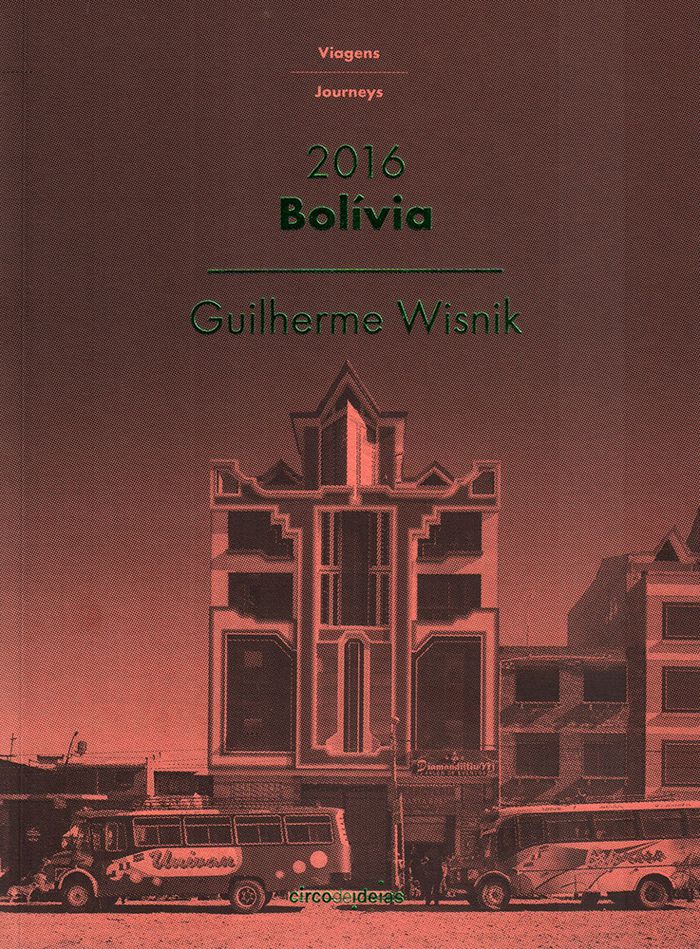
Bolivia, 2016. Viagens / Journeys
Actions:
Price:
$22.95
(available in store)
Summary:
Guilherme Wisnik takes us to Bolivia, on a journey undertaken in 2016 with the photographer Tatewaki Nio, in search of the so-called neo-Andean architecture. The aim of this collection is to construct a map of emotions from unique journeys undertaken by recognised personalities from the architectural culture. A tour around the various continents, but also the universe of its authors.
Bolivia, 2016. Viagens / Journeys
Actions:
Price:
$22.95
(available in store)
Summary:
Guilherme Wisnik takes us to Bolivia, on a journey undertaken in 2016 with the photographer Tatewaki Nio, in search of the so-called neo-Andean architecture. The aim of this collection is to construct a map of emotions from unique journeys undertaken by recognised personalities from the architectural culture. A tour around the various continents, but also the universe of its authors.
Form:
books
books
Publication:
November 2018
November 2018
Subject:
Journeys
Journeys


